SUSTAINABILITY REPORT 2015 A ROADMAP TO 2020 - WhiteWave Foods
←
→
Page content transcription
If your browser does not render page correctly, please read the page content below
S U STA I N AB I L I T Y RE P O RT 2 0 1 5 A R OA D MA P TO 2 0 2 0

Sustainability
Report 2015
 A Roadmap to 2020
Alpro Sustainable Development Report 2015

                                            2014
                                             Here, now
                                             and for

                                             2020
                                             the future.
                                                       — An introduction by
                                                       Bernard Deryckere, CEO Alpro

        4
Introduction by Bernard Deryckere, CEO Alpro
“Changing the way the world eats for the better” sounds like a big
ambition, but it’s at the heart of everything we do at Alpro, every day.
By developing and marketing tasty, healthy and sustainable plant-based
foods, we are not only building a successful business, but also making an
active contribution to a better society for current and future generations.
So it’s natural that our Sustainable Development 2020 strategy should be
centered around the concept of ‘shared value creation’, where growing our
company goes hand in hand with offering people healthy and planet-friendly foods.
By developing and marketing tasty,
This SD report is a record of great progress in 2013 and 2014, but also looks ahead at
healthy and sustainable
what we want to achieve in the future. In doing so, we will make an active contribution
plant-based foods, we are not only to several sustainable development goals, defined by the United Nations.
building a successful business, We are fully aware we cannot realise our ambitions on our own. Many organisations
across the globe will need to work together to meet the challenge of feeding 9 billion
but also making an active people by 2050. So let this report also be an open invitation to start the constructive
conversations and active collaborations which will enable us to build a sustainable
contribution to a better society for future for generations to come.
current and future generations.
Bernard Deryckere
CEO Alpro
President European Food & Beverages WhiteWave
5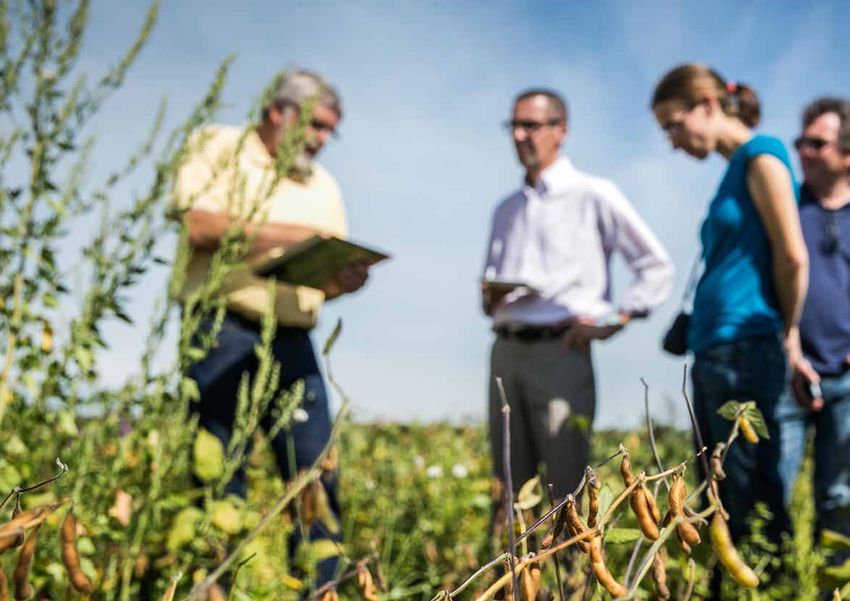
Alpro Sustainable Development Report 2015

                                                                   Table of
                                                                                    contents
                                            Here now and for the future: An Introduction by Bernard Deryckere   4    Healthy food                                   17
                                            Executive summary: Sustainable Strategy 2020                        8    2020 Vision                                    19
                                            What in the world are we going to do?                               11   What is plant-based eating?
                                            Introducing Alpro                                                   12   Health benefits
                                            Vision: Creating shared value                                       15   A Key focus for 2020
                                                                                                                              1. Sugar reduction                    20
                                                                                                                              2. A balanced approach to fat         23

                                                                                                                     Sustainable food                               25
                                                                                                                     2020 Vision                                    27
                                                                                                                     Plant-based uses less planet!
                                                                                                                     One Planet Thinking                            28
                                                                                                                     A Key focus for 2020                           31
                                                                                                                              1. Carbon reduction                   31
                                                                                                                              2. Sourcing ingredients sustainably   38
                                                                                                                              3. Water reduction                    44

       6
Table of contents
Profitable growth                                  47   Our engagement with society              60
2020 Vision                                        49               Alpro Social Fund
A Key focus for 2020                               50               Malnutrition matters
        1. Innovation                              50               Healthy Alpro
        2. Category awareness                      53               Local initiatives
        3. Strategic partnerships with customers   57   Target 2020 Dashboard                    62
                                                        An even more sustainable future          65
                                                        Frequently Asked Plant-Based Questions   66
                                                        GRI table                                70

                                                                                                         7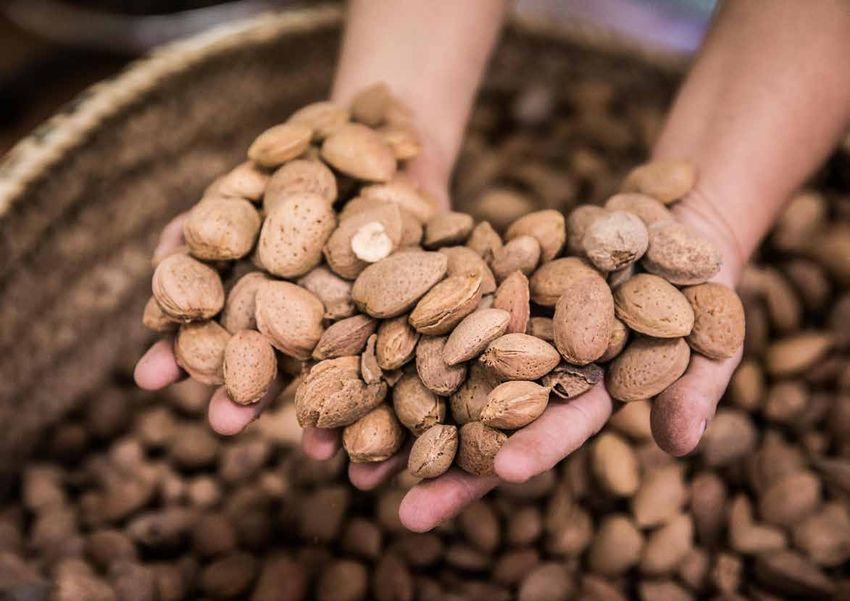
Alpro Sustainable Development Report 2015
                                                                                                                                                                                   3 PILLARS

                                              Executive summary:
                                            Sustainable Strategy 2020                                                                                                        KEY FOCUS 2020

                                            Alpro is leading the way
                                               in ‘shared value creation’
                                            At Alpro, sustainability and economic growth go hand in hand. It’s an exciting combination: by putting our healthy,
                                            sustainable and innovative plant-based foods into the mainstream, we are creating shared value, helping both society
                                            and our company to thrive. We help to address challenges relating to food, our health and a sustainable planet. That’s           KEY TARGET 2020
                                            the core of our vision on sustainability: we want to be part of the solution.

                                            Alpro’s ambitions for growing a sustainable business are centered on three strategic pillars:

                                               Healthy food                                  Sustainable food                              Profitable growth

                                            These three strategic pillars build on the current strengths of our core business. Each pillar contributes to achieving our
                                            ambitious and challenging mission of “changing the way the world eats for the better”, which is at the heart of our day-
                                            to-day work at Alpro.
                                                                                                                                                                          PROJECT HIGHLIGHTS

       8
Executive summary: Sustainable Strategy 2020
HEALTHY FOOD SUSTAINABLE FOOD PROFITABLE GROWTH
“Developing healthy and “Living comfortably within “Driving growth through
tasty plant-based foods for the natural capacity of our innovation, communication
everyone’s wellbeing” planet” and partnerships”
Rebalancing between animal-based and plant-based Alpro and plant-based eating can be part of the Alpro has set out a very ambitious innovation and
foods brings numerous health benefits. A plate filled solution to make our food system more sustainable. growth strategy to take its plant-based products even
with two-thirds plant-based foods is a great way to Plant-based foods are highly resource-efficient - in further into the mainstream. Making a variety of tasty
help take care of your health and wellbeing. other words, they use less natural resources such as and attractive plant-based products widely available
land, water and energy compared to animal-based to consumers is a fundamental part of our sustainable
At Alpro we continuously strive to make plant-based products. development strategy.
foods even tastier and to optimise their nutritional
profiles. In this, further reducing sugar and saturated In order to further improve the performance of our Key focus points for 2020 to achieve that growth
fats are key focus points for 2020. products, our key focus points for 2020 are carbon include innovation, communication and strategic
reduction, sustainable sourcing of our ingredients partnerships.
and making the most of water.
portfolio Plant-
70%
Pioneer in based market
low in sat- sugar ONE innovation
5%
share of EU dairy
Carbon
urated fat reduction Planet Thinking breakthrough
market
12.5% achieve science-
>15%
of total based target of net sales
portfolio
Sugar reduction: Sourcing soyabeans locally: Partnerships with our customers:
There are many different types of sugar. Some are Local sourcing is a significant step towards true sus- We are already working closely with a number of our
naturally present in foods, such as lactose in milk and tainability. It helps in securing the supply of non-GMO customers to make our plant-based products ever
others are added to foods, such as beet or cane su- soyabeans, builds shorter supply chains and makes more widely available in stores throughout Europe.
gar. But all sugar gets treated by the body in a similar local agriculture more sustainable. We intend to cross-fertilise sustainability strategies
way and provide the same amount of calories -4kcal and work out ‘win-win’ opportunities for maximum
per gram of sugar. We have reintroduced soyabean cultivation in France, sustainability and health impact.
and in Belgium we have entered a partnership to
This is an area we’ve been working on for years, and develop the right variety suited to our climate, while
we have developed a long term ‘sugar vision and providing added value to farmers as rotation crop.
strategy’, both reducing sugar content and offering Who would have thought, just a few years ago, that
unsweetened alternatives. we will soon be able to grow the majority of the soya
beans we need within Europe?
We achieved a 12% reduction in sugar in our complete
portfolio between 2006 and 2014 and are targeting a
further 12,5% by 2020.
9
10
     Alpro Sustainable Development Report 2015
What in the world are we going to do?
What in the world
are we going to do?
The world’s population is expected to reach 9 billion by Increasing plant-based eating delivers real benefits for
2050. That may be 35 years away, but a lot needs to a healthy lifestyle. And plant-based foods use less land,
happen between then and now. It’s time to get serious water and create less CO2 compared to animal-based
about food. foods. We believe part of the answer to the challenge
lies here.
Our food system today is unsustainable for both our
health and the environment. Obesity is a problem in Governments across the world are beginning to
Western countries but at the same time, hunger has recognise the importance of healthy and more
still not been eradicated in a big part of the world. We sustainable diets, but changing deeply rooted
are also facing serious challenges on climate change consumer habits is far from easy. The only way we’ll get
and we are over-exploiting the planet while resources there is through concerted action by a wide range of
become scarcer. stakeholders: government, the food industry, schools,
retailers, caterers, NGOs, and many others all have a
part to play. And so do you. Diets will change through
Businesses, like Alpro, evolution not revolution, through individuals’ decisions
and not compulsion. And the importance of plant-based
have a crucial role to play in foods will undoubtedly increase as part of a changing
human diet.
addressing societal challenges.
Businesses, like Alpro, have a crucial role to play in
addressing this. We need to show how healthy and
sustainable food contributes to reversing this trend.
11Alpro Sustainable Development Report 2015
Introducing Alpro
Alpro is the European market leader in plant-based food products (drinks, plant-based alternatives to yogurt
and cream, desserts and margarines). In 2012, Alpro expanded its soya range with drinks made with almonds and
hazelnuts, and more recently also with rice, oats and coconut. For more than 35 years, Alpro has developed
and produced healthy plant-based products in a sustainable way.
Late 70s 1983 1988 1995 1996
Start! The pilot years Launch of the organic Building of the factory Launch of plant-based Acquisition of Sojinal,
brand Provamel in Wevelgem, Belgium alternative to yogurt France
1996 1996 December 2000 January 2001 June 1, 2006
Establishment of Alpro Foundation of Foundation of Start of sales office UK Foundation of Alpro
Foundation vzw Alpro (UK) Ltd Alpro, Germany Nederland BV
2007 2009 2012 October 26, 2012 March 8, 2013
Opening of new headquarters Dean Foods takes ‘Alpro goes nuts’: launch of Partial spin-off of WhiteWave Launch of Alpro
in Ghent, Belgium over Alpro almond and hazelnut drink. from Dean Foods Social Fund
July 25, 2013 December 2013 April 29, 2015 2016
Full spin-off of WhiteWave The milestone of EUR The 1000th Alpro employee starts in What will the future bring?
from Dean Foods 300m turnover is achieved! production at Wevelgem, Belgium
12Alpro, the European segment of WhiteWave
Alpro Europe
PRODUCTION SITE
KETTERING, UK HQ & SALES ORGANIZATION
GHENT, BELGIUM
SALES ORGANIZATION
DUSSELDORF, GERMANY
SALES ORGANIZATION
BIRMINGHAM, UK
SALES ORGANIZATION
PRODUCTION SITE BREDA, THE NETHERLANDS
GLOBAL EUROPEAN DEVELOPING
HEADQUARTERS HEADQUARTERS MARKET WEVELGEM, BELGIUM
DENVER, CO GHENT, BE CHINA
The board of Alpro SCA comprises a combination of Alpro executives and executives of its parent
company, The WhiteWave Foods Company:
- Bernard Deryckere, Director, Permanent Representative and CEO PRODUCTION SITE
- Kelly Haecker, Director ISSENHEIM, FRANCE
- Roger Theodoredis, Director
Six global figures Two local brands
Changing the way the world eats for the better
910 1150
€
EMPLOYEES EMPLOYEES
385,000,000
TURNOVER IN 2014
IN 2014 IN 2015
Inspiring you to discover the Offering organic & vegetarian
goodness of plant-based foods food for thought
40.1% 43.3% 3.5%
MARKET SHARE MARKET SHARE
PLANT-BASED PLANT-BASED OF EU DAIRY
CATEGORY IN 2014 CATEGORY IN 2015 MARKET IN 2014
13Alpro Sustainable Development Report 2015
“Changing the way the world eats for the better by
creating delicious, naturally healthy plant-based foods, MISSION
for the maximum wellbeing of everyone and with the
utmost respect for our planet.”
By making plant-based eating mainstream, we create shared value. CORE
BELIEF
PRODUCTS THAT BENEFIT SOCIETY... ...AS WELL AS THE ECONOMY
Healthy food Sustainable food Profitable growth PILLARS
Developing healthy and tasty Helping consumers live Driving growth through innovation,
plant-based foods for everyone’s comfortably within the capacity of communication and partnerships.
wellbeing. one planet.
1. Sugar reduction 1. Carbon reduction 1. Innovation
KEY FOCUS
2. Balanced approach to fat 2. Sustainable sourcing 2. Category awareness
POINTS 2020
3. Water reduction 3. Partnerships
• Zero hunger • Clean water and sanitation • Decent work and economic growth
• Good health and well-being • Affordable and clean energy • Industry, innovation and infrastructure
SUSTAINABLE
• Responsible consumption and production • Responsible consumption and production • Partnerships for the goals
DEVELOPMENT GOALS
• Climate change
OF UNITED NATIONS
• Life on land
14Vision: Creating shared value
Vision:
Creating
shared value
What does it really mean for a company to be Our plant-based products are... Changing the way the world eats for the better
sustainable? We strongly believe it comes down to We will only change the way the world eats for the
creating value for society, achieved as a result of being Healthy, because plant-based eating is better if the world is receptive to change. We have to
a successful business. And the most important aspect generally associated with a diet that is low in continue to develop attractive, healthy, innovative and
of creating this shared value is that the product or the total fat and saturated fat, is a good source of tasty plant-based foods, offering more possibilities, new
service a company offers also benefits the community unsaturated fats and contains fibre, all of which products, and using a wider range of ingredients. This
at large. The core of this vision is strongly embedded is in line with international and national dietary will help all of us to embrace a diet which is two-thirds
in Alpro’s business model: producing healthy, resource recommendations. Most Alpro products are also plant-based, offering a wide range of nutrients that
efficient and innovative plant-based foods. a source of calcium, vitamins B2, B12 and D and contribute to positive health and well-being.
contain no artificial colours or preservatives.
We have to keep working at the nutritional profile of
“By putting healthy, sustainable and Resource efficient, because plant-based foods our products and at our own social and ecological
have a lower environmental impact than animal performance as a company, every day. That’s why we
innovative plant-based foods into foods. have created the three strategic pillars which build on
our current strengths and which create an ambitious
the mainstream, we are creating Innovative, because we are really only just vision for 2020 that is inseparably linked to the core of
discovering the great things that can be done by our business.
shared value: helping both society
using new plant-based ingredients, creating new
and our company to thrive.” products and opening up new markets. All of This biannual sustainability report results from the
which is helping more consumers in more parts of close collaboration of the Sustainable Development
the world to make easy healthy and sustainable Core Team under the lead of Alpro’s VP Strategy and
choices. Business Development and our Sustainability Manager.
The SD Core Team is made up of representatives from
Alpro’s main departments right across the business.
1516
Alpro Sustainable Development Report 2015Strategic pillar 1: Healthy food
Healthy
Food
“Developing healthy and
tasty plant-based foods for
everyone’s wellbeing”
1718
Alpro Sustainable Development Report 2015Strategic pillar 1: Healthy food
Healthy food: 2020 Vision Healthy food:
A key focus for 2020
What is plant-based eating?
Plant-based eating shifts the dietary balance away from animal-based foods and in At Alpro, we are continuously improving our products
favour of plant-based foods such as fruit and vegetables, wholegrains, cereals, peas to make them even tastier and to optimise their
and beans, pulses, nuts, seeds and also plant-based alternatives to dairy and meat. nutritional profile. For this to work, reducing sugar and
saturated fats are key.
Health benefits
Increasing plant-based foods in the diet delivers
Increasing plant-based foods in
numerous health benefits and fits perfectly with a
healthy lifestyle. Scientists agree: a plate filled with the diet delivers numerous health
two-thirds plant-based foods is a great way to help
take care of your health and wellbeing. benefits and fits perfectly with a
• Plant-based foods made from soya plant based
provide high-quality proteins, are healthy lifestyle. food
naturally lactose free and easy to digest.
• Plant-based foods tend to be lower in fat, especially saturated fat, and
2/3
have a better unsaturated/saturated fat ratio. Getting this right is a core
recommendation for maintaining healthy blood cholesterol.
• Plant-based diets generally have a higher fibre content. Increasing fibre
intake can be helpful as part of a lower calorie diet for maintaining a
healthy weight. animal based
food
1/3
19Alpro Sustainable Development Report 2015
1. Sugar reduction
There is growing interest in limiting the sugar content
of foods, but Alpro has been striving to further reduce
Semi-skimmed milk Alpro Soya Original
Progress
sugar in its products since 2006. Jump forward
10 years and consumer awareness of the issue is
rapidly increasing, while governments and health We achieved a 12% reduction in sugar in our complete
organisations have started campaigns to cut down on product portfolio between 2006 and 2014 and are
sugar. Thankfully, the food industry is launching more targeting a further 12.5% reduction by 2020. Of course,
and more reduced sugar products. maintaining the excellent taste and high quality of our
products is key in this process.
Glucose, lactose, sucrose… there are many different
types of sugars. Some are naturally present in foods, The Alpro range now includes choices with a variety
such as lactose in milk or fructose in fruit. Others are of sugar levels:
added to foods, as beet sugar, cane sugar or syrup.
All sugar, added and naturally occurring, is made of • Products that are ‘sugar-free’ (less than 0.5g
the same sugar molecule building blocks. That’s why sugar/100ml), like unsweetened almond
all sugar gets treated by the body in a similar way and drink and unsweetened soya drink.
provide the same amount of calories – 4kcal per gram
of sugar. • Products that are “low in sugar” like our
original soya drinks (max 2.5g sugar/100ml)
or plain plant-based alternatives to yogurt
4.7g 2.5g (less than 5g sugar/100g)
Key focus
• Products that “contain 30% less sugars than
is typical in the market” like our vanilla soya
Alpro plain drinks and plain plant-based alternatives drink (6.4g sugars/100ml)
to yogurt have significantly lower sugars levels than
similar dairy products, which contain about 5g of
lactose (milk sugar) per 100ml.
20Strategic pillar 1: Healthy food
Strategy
Sugars levels evolution in the total Alpro range: WE ARE HERE • A long term ‘sugar vision and strategy’ has been
developed to reduce sugar in existing products,
4,1% and to offer plant-based innovations with low sugar
content without the use of artificial sweeteners.
3,9% TARGET SET We’re continuously testing new ingredients and
technologies which allow us to make constant
-12%
3,7% improvements to our products.
• We want to increase consumer knowledge on
3,5% sugar by clearly communicating on the nutritional
AN content of new and existing products and by
ADDED
3,3% providing information to health care professionals.
-12.5%
3,1% REDUCTION
2,9% Target
2,7%
We want to achieve a further reduction of 12.5% in
2,5% average sugar levels in our complete portfolio between
2014 and 2020.
2006 2007 2008 2009 2010 2011 2012 2013 2014 2015 2016 2017 2018 2019 2020
PROGRESS TARGET
2122
Alpro Sustainable Development Report 2015Strategic pillar 1: Healthy food
2. A balanced approach to fat
Limiting the intake of saturated fats is part of a healthy
diet. Most Alpro plant-based drinks, soya desserts Progress Target
and soya alternatives to yogurt are naturally low in
saturated fat, while plant-based alternatives to cream
made from soya or rice have an excellent fatty acid We have always been committed to offering our Innovation is at the heart of what we do, but our
composition and are rich in unsaturated fatty acids. consumers a ‘low in saturated fats’ product range. commitment to offer a healthy product range is a key
At least 70% of our complete product portfolio carries a aspect of our vision on sustainability. Throughout our
‘low in saturated fat’ claim today. innovation processes, we will continue to maintain that
at least 70% of Alpro products are able to carry a ‘low
in saturated fat’ claim.
Strategy
Our product strategy is to keep reducing saturated fat
in our product range.
• We will launch new and innovative products that
are low in saturated fats
• We will continue to manage total fat content in
our products and only allow the addition of low
amounts of saturated fats in our products where
functionally necessary
• We will screen and assess ingredients that can
reduce or replace fat.
2324
Alpro Sustainable Development Report 2015Strategic pillar 2: Sustainable food
Sustainable
Food “Living comfortably within the
natural capacity of our planet”
2526
Alpro Sustainable Development Report 2015Strategic pillar 2: Sustainable food
Sustainable food: 2020 Vision
There’s a broad awareness that as a society we are CO2 LAND WATER
exceeding the natural limits of our planet. We will need 2.5x 2x 4x
two planets by 2030 to meet overall consumption
demands if we carry on as we are.
The core of our vision on sustainability is that Alpro can
be part of the solution. Plant-based foods are resource
efficient compared to animal-based foods such as
dairy products. In other words, they use less planet! We
firmly believe that the biggest opportunity for change
lies when more consumers consume our products.
Together we are taking the necessary steps for our
food system.
Plant-based uses less planet!
As shown in a recent Life Cycle Analysis (LCA) report1,
eliminating animals from the food production process
has a significant impact: it’s a choice that results in
major savings in CO2, land and water use. That’s
SOYA SOYA SOYA
demonstrating that changing the way the world eats for DRINK MILK DRINK MILK DRINK MILK
the better is feasible.
27
1
Ecofys, 2015. LCA of Alpro Plain Calcium Soy drink and Dairy Milk. ISO 14044 compliant.Alpro Sustainable Development Report 2015
One Planet Thinking 1980 2015 2030
Alpro has always been a frontrunner in sustainability.
But over the past two years, we’ve been asking
ourselves the question: Is what we’re doing good
enough? We are all getting familiar with assessing the
impact of products or services using LCA. But how
does this relate to the planet’s natural limits? And
to what extent do we need to further improve the We will need two planets by 2030 to meet overall consumption demands worldwide.
ecological footprint of our products?
We recognise that we must do better but also have
to operate within the limits of our planet’s natural
capacity. One Planet Thinking, a new and pioneering
methodology, is a way for companies to both look at
their own ecological performance and also consider
what is needed for a healthy and resilient planet for
future generations.
As a pioneer in sustainability, we are currently Community of Science Community of Practice
pilot-testing this approach to better understand the with sustainability with companies
relationship between the ecological performance of our experts & universities leading in sustainability
products and the natural capacity of our planet, leading
to an action plan to close the gap, if needed.
www.oneplanetthinking.com
28Strategic pillar 2: Sustainable food
One Planet Thinking, a new and pioneering methodology, is a
way for companies to both look at themselves and also consider what is
needed for a healthy and resilient planet for future generations.
29Alpro’s value chain carbon footprint 2014
relative impact per production step
Growing our ingrediënts
9%
23% MARKETING
& ICT
0.7%
INTERCOMPANY
17%
TRANSPORT
PACKAGING
Production
SOURCING AND
TRANSPORT 7%
OTHER
9% 0.1%
CAPITAL BUSINESS
PRODUCTION FACILITY
GOODS TRAVEL
OFFICES
19%
ENERGY
1%
COMPANY
CARS
0.5%
Retail & consumers
COMMUTING
0.7%
RETAIL
(INFRASTRUCTURE
& ENERGY)
12%
DISTRIBUTION
1%
CONSUMERS
(ENERGY
FOR COOLING)Strategic pillar 2: Sustainable food
Sustainable food: A key focus for 2020
1. Carbon reduction Carbon emissions 2008-2014
Carbon reduction has long been a key focus for Alpro. Tonnes CO2 2008 2010 2013 2014
We believe it is one of the greatest challenges our
generation is facing. Scope 1 Absolute 20,793 18,482 17,683 23,022
Alpro’s company-wide carbon footprint 2014 Relative 0.088 0.071 0.059 0.066
The total carbon footprint for Alpro in 2014, calculated
according to the Greenhouse Gas Protocol, was Scope 2 Absolute 13,492 10,372 9,231 7,679
174,870 tonne of CO2e:
Relative 0.057 0.040 0.031 0.022
• Key sources of carbon emissions are packaging
and the transport of packaging to our factories Scope 3 Absolute 76,484 82,377 98,488 144,169
(23% of total footprint), energy consumption in
production ( 19% of total footprint), sourcing Relative 0.323 0.317 0.331 0.414
ingredients and transport (17% of total footprint),
and distribution (12% of total footprint).
Scope 1 + 2 Absolute 34,285 28,854 26,914 30,701
• We have reduced our absolute scope 1 and
Relative 0.145 0.111 0.091 0.088
2 emissions by 10% between 2008 and 2014,
despite a growth in production volume of 47%.2
Scope 1 + 2 + 3 110,769 111,231 125,402 174,870
This has resulted in a relative carbon emissions
decrease of 39% for our scope 1 and 2 emissions.
Relative 0.467 0.428 0.421 0.503
• In line with the Greenhouse Gas Protocol, scope
Volume (Ktons) 237,082 260,011 297,845 347,930
3 emissions were calculated by a combination
of actual emissions (e.g. transport, packaging)
and estimated emissions (e.g. capital goods and
marketing - calculated by multiplying actual • Absolute emissions: ton CO2e
expenses by general emission factors). The high • Relative emissions: ton CO2e per ton product
growth in scope 3 can mainly be explained by the • Scope 1: All direct GHG emissions
strong growth of the business and the very high • Scope 2: Indirect GHG emissions from consumption of purchased electricity, heat or steam
investment budget in capital goods in 2014. • Scope 3: Other indirect emissions
2
These volumes were corrected, in accordance with the Greenhouse Gas Protocol, following the divestiture of our Landgraaf operations (Meatfree) in 2014 31Alpro Sustainable Development Report 2015
Provamel has a main carbon policy objective of reducing Progress
emissions from production. Any element that cannot be
reduced today is offset with carbon credits (2014: 2,132
We are proud to say that Alpro is a true pioneer in
tons of CO2e) which ensures that production under the reducing the energy needed to make our products.
Provamel brand is carbon neutral. Our track record is strong. Reducing energy use was
Carbon credits from WeForest, an international non- included in the company’s objectives in 2006 and by
profit association, are invested in the ‘Great Green Wall’ 2008 we had appointed a full-time divisional energy
project, aiming at planting a continuous ‘wall’ of trees manager and developed a strategic plan and an
energy ‘road map’. We set ambitious targets for energy
stretching for 4,300 miles (and 9 miles wide) across the
consumption in all departments, from the offices to the
entire African continent. Involving nine African nations, factory floor. An extensive monitoring system was rolled
this is a pioneering and unique approach to addressing out and energy-efficiency measures were introduced.
desertification. Today, energy efficiency is deeply embedded in the
Village by village, local communities are engaged in management and development of our facilities.
collecting seeds and caring for the trees, transforming
bare land into fertile, biologically diverse and productive
forests. This supports livelihoods in the region and
strengthens the local communities.
32Strategic pillar 2: Sustainable food
Energy-efficiency track record 2008 - 2014
2008 2009 2010 2011 2012 2013 2014
165
KG CO2 PER TONNE PRODUCT PRODUCED
155
145
145
135 114
125 111
102
115
100
105 91
95
88
85
75
TOTAL OF
Metering & monitoring — ALL SITES
39%
Alternative sterile water production — ALL SITES REDUCTION
Heat recovery and integration — ALL SITES
ENERGY DRIVEN INVESTMENTS 2008-2014
Optimalisation cooling installation — WEVELGEM
Efficient lighting — ISSENHEIM + KETTERING
Cooling tower optimalisation — WEVELGEM + UK
Hot water smart grid — WEVELGEM
Combined Heat and Power — WEVELGEM
Absorption cooling — WEVELGEM
Hot water smart grid — KETTERING
Evolution of our relative scope 1 and 2 emissions (kg CO2e per tonne product) on divisional level between 2008 and 2014
33Alpro Sustainable Development Report 2015
Strategy Target
Science Based Targets: at the forefront of sustainability Scope 1 and 2: Science-based targets for Alpro’s combined scope 1 and 2
(production) carbon intensity are being developed and will be finalised by 2016.
The Science Based We are now committed to reduce
Targets initiative, set up Scope 3: We will examine the possibilities of science-based carbon reduction targets
by the Carbon Disclosure our emissions in line with this global for packaging and non-soya ingredients. During 2016 it should be clear whether
Project, United Nations Alpro can set science-based targets for these ‘scope 3’ emission categories, or other
Global Compact, World reduction pathway which aims to quantitative or qualitative targets.
Resources Institute and
WWF, invites Alpro to limit global warming to below 2°C 100%
answer the question: ‘Is
what we’re doing, good enough?’ We are now committed to reduce our emissions in
line with this global reduction pathway which aims to limit global warming to below Power sector
2°C, thus avoiding its worst impacts on people and society. 80%
Current policy EU
In order to achieve our targets we will continue our groundbreaking work in energy
efficiency, developing a company-wide vision and implementation plan on renewable Residential and tertiary
60%
electricity. We will continue to collaborate with our suppliers in reducing our carbon
emissions throughout the supply chain.
Industry
40%
Transport
20%
Non CO2 agriculture
Non CO2 other sectors
0%
1990tt 2000 2010 2020 2030 2040 2050
EU greenhouse-gas emissions should fall by 80% by 2050, relative to 1990 levels,
according to the European Commission’s low carbon 2050 roadmap
34Strategic pillar 2: Sustainable food
As packaging is an important factor in our environmental footprint, we are
collaborating closely with Tetra Pak, our biggest supplier in this field.
Tetra Pak is committed to operate as sustainably as possible, in line with its own
ambitious sustainability strategy. Our joint achievements over the past two years have
had a positive impact on our sustainability performance.
• In Tetra Pak’s factories there have been significant achievements on renewable
energy and energy-efficiency measures since 2010.
• The most energy-efficient filling equipment in Alpro’s production plants uses less
than a third of the energy of standard machines from the 1990s, and since 2000
the water consumption of filling machines has been halved.
• As an early adopter, Alpro launched the first Forest Stewardship
Council (FSC) labelled package in 2010 and today every Alpro
carton package carries an FSC label, highlighting our joint
commitment to responsible forestry around the world.
35PROJECT: SUSTAINABLE FOOD
Climate
Savers
Climate Savers is a global initiative by World Wildlife
Fund (WWF) to engage with business and industry
on climate and energy. Member companies take
on two important and ambitious commitments: to
become the ‘best in class’ in reducing greenhouse
gas emissions, and to influence market or policy
developments by promoting their vision, solutions
and achievements. Alpro was the first European
food company to enter this ambitious programme.Project card
foodSavers
Climate
Strategic pillar 2: Sustainable
2008 – 2013: We over-achieved on our reduction Climate Positive Action
targets
During the first period of the partnership (2008 – 2013) A cornerstone of Alpro’s strategy and brand
Strategic pillar 2: Sustainable food
Alpro’s Climate Savers commitment was to keep its communication, endorsed by WWF, is the fact that
plants’ 2013 CO2 emissions below 2008 levels. The plant-based food and drinks have a lower impact on
results were spectacular: the absolute CO2 emissions the climate than animal-based food and drinks. By
from Alpro’s plants decreased by 21%, despite substituting animal-based products with plant-based
production increasing by 26%. products, Alpro plays a role in reducing greenhouse
gas emissions through its product use and can claim
Our target was to get the CO2 produced per tonne of such emission reductions as climate-positive action.
product down from 0.145t to 0.112t per tonne. In the
end we smashed this target to reach 0,091t per tonne, Going forward
mainly thanks to the well integrated energy efficiency
policy in our factories. We are in the process of setting science-based targets
as part of our ongoing Cimate Savers engagement.
A cornerstone of Alpro’s strategy and brand
15
communication, endorsed by WWF, is the fact that
plant-based food and drinks have a lower impact
CLIMATE SAVERS
on the climate than animal-based food and drinks. YEARS
DEFENSORES DO CLIMA
A WWF GLOBAL INITIATIVE WITH BUSINESS
Photo credit: © Michel Gunther / WWF
37Alpro Sustainable Development Report 2015
2. Sourcing sustainable ingredients
Sourcing the right ingredients is vital for Alpro. It is at the heart of Alpro’s commitment to our consumers because
the quality of our raw materials determines the quality of our end products.
We work in harmony with the seasons, following the Our supply of ProTerra certificated soyabeans is
Progress annual crop cycle. We regularly visit our suppliers, audited annually by the independent certification body,
auditing the social, environmental and ecological Cert ID. This certification not only helps us to keep
aspects of growing our ingredients as well as product focused on our sustainability goals but is essential
quality and traceability. These relationships are central reassurance to Alpro, its customers and consumers.
1. Soya to secure sustainable raw materials for sustainable
growth.
The special soya varieties we
Our company started over 35 years ago with one
nutritious ingredient - soya, turning it into plant-based The special soya varieties we select are non-GMO and select are non-GMO, 100%
alternatives to dairy products. Our founders believed certified to the ProTerra Standard.
that to feed a growing world population, eating more sustainably sourced and certified to
plant-based food was a significant step in the right ProTerra certification is the acknowledged industry
direction. Furthermore, the whole process of producing leader for socially responsible and environmentally the ProTerra Standard.
it should be as natural, ethical and sustainable as sustainable, non-GMO soyabeans. Based upon criteria
possible. developed by WWF and COOP Switzerland, ProTerra is Local sourcing is a key aspect of making our supply
a standard which requires: chain more sustainable. We have successfully
This vision is reflected more than ever today in the reintroduced soya cultivation in France and are taking
way we source our soyabeans. We work closely with • 100% non-GMO soyabeans the first important steps to do the same in Belgium
agronomists, farmers and cooperatives to create and (check out the project card on page 42). We are
build long term partnerships that ensure complete • Good labour practices including workplace safety, currently also extending our soya bean sourcing to
supply chain integrity. Our entire chain is only as strong equal opportunities, protection of children, and other countries within Europe, such as Italy and Austria.
as the spirit of collaboration between the people absence of forced labour
involved, so a shared commitment to sustainability is
essential. • Protection of the rights of communities, indigenous
people, and smallholder farmers
• Good agricultural practices with regard to soil
fertility, water management and reduced input of
fertilisers and pesticides.
3839
Strategic pillar 2: Sustainable foodAlpro Sustainable Development Report 2015
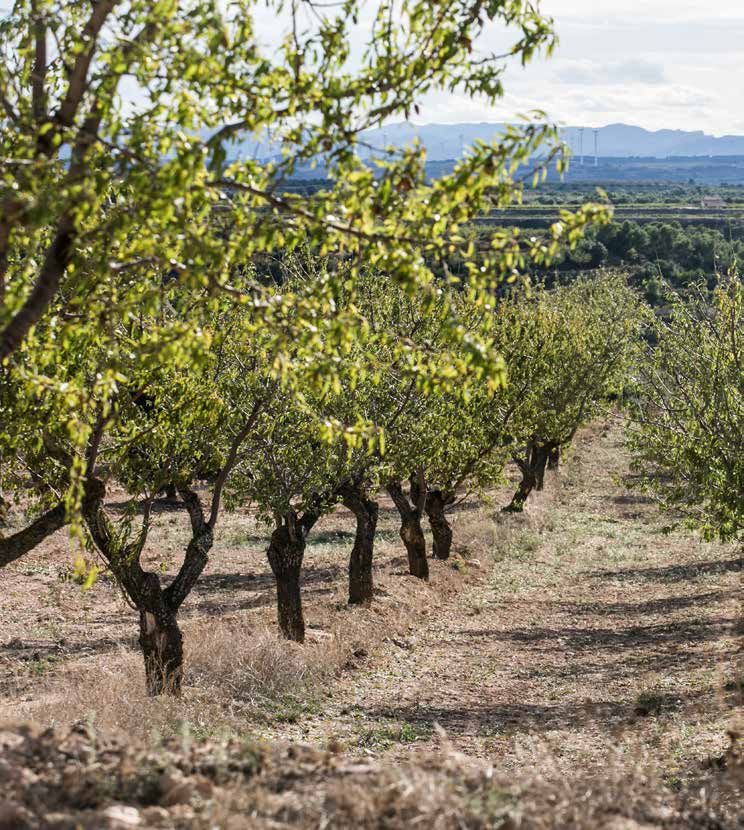
2. Almonds
The story of the almond tree has roots that go deep –
to before 3,000BC when the sweet and fragrant nuts
were first cultivated around the Mediterranean.
Today we make a deliberate
choice to source our almonds as
locally as possible.
Today we make a deliberate choice to source
our almonds as locally as possible. Cultivation in
Mediterranean areas – our nearest source of supply
- is actually a small-scale, traditional industry. These
traditional, smaller orchards are less affected by issues
related to mass cultivation and 90% of the production
is rain fed. If the orchards are irrigated, only drip
feed techniques are used, and this only for a couple
of weeks a year. Increasing demand for sustainably
grown almonds also brings economic benefits which
mean that new research into better varieties becomes
worthwhile.
40Strategic pillar 2: Sustainable food
Strategy Target
There are two important building blocks of our • Local sourcing of soya is a key aspect of Strategic ingredients - almonds, rice and coconuts:
sustainable sourcing strategy: our sustainable sourcing strategy. This • Feasibility study for sustainability certification
will help secure the supply of non-GMO in 2016
1) Continuous improvement beans, build shorter supply chains with a • Further development of 2020 target setting
• Every Alpro supplier is required to commit lower environmental footprint and make during 2016
itself to our Ethical Charter, based on the UN local agriculture more sustainable with the
Global Compact and its 10 principles which implementation of crop rotation. Local sourcing
reflect: • Soya for Alpro: 50% EU-sourced by 2016
1. The Universal Declaration of Human Rights 2) Transparency • Soya for Provamel: 100% EU-sourced by
2. The International Labour Organisation’s • We will continue to share information about 2017
Declaration on Fundamental Principles and our supply chain and to communicate where
Rights at Work our ingredients come from and how they are
3. The Rio Declaration on Environment and cultivated, harvested and distributed.
Development
4. The United Nations Convention Against
Corruption
“Alpro is a leader in implementing
• Sourcing the right soya has long been
Alpro’s top priority for sustainable sustainability. We are delighted
development. Now we’re trying to match ProTerra is Alpro’s standard of
success we have had with soya for the
latest Alpro range extensions of almond, choice for sourcing agricultural
rice and coconut products. We will examine
the social and environmental certification
inputs, ensuring that cultivation,
of non-soya ingredients with the aim of harvest and production are carried out with
reducing our products’ ecological footprint
and enhancing local communities. respect to both people and the environment”.
AUGUSTO FREIRE,
PRESIDENT OF THE
PROTERRA FOUNDATION
41SUSTAINABLE FOOD PROJECT
Sourcing soya in
France,
France
We have successfully reintroduced soya cultivation
around our factory in Issenheim, France.
In Alsace, maize is the main crop for farmers and
and the Belgium
introducing a rotation crop has the benefit of reducing
the risks of monoculture. A successful test was
launched as long ago as 2004 in collaboration with
the local farmers and over the following few years we
developed the right soyabean varieties and specific
Netherlands
storage and cleaning techniques. Within only five
years, the entire soya needs of our French production
site could be met by the locally grown crop.
Within only five years, the entire
There is a growing demand for local, soya needs of our French
responsibly produced raw materials and the production site could be met by the
locally grown crop.
cultivation of soya in Europe is, for Alpro, the
biggest opportunity to meet this need.Project card
Strategic
Sourcing Belgium,
soya inpillar Sustainable
2: the and France
Netherlandsfood
Belgium and The Netherlands Research into local soya cultivation
Soya usually grows in climates with hot summers, ILVO selected 16 varieties which are being grown on
so the choice of the right crop variety is crucial for sandy loam and sandy soil. “The goal is to study if
successful cultivation in relatively cold Western Europe. soyabeans are economically interesting for the farmers
Strategic pillar 2: Sustainable food
And only early varieties manage to produce the dry of Flanders,” says Sofie Goormachtigh, doctoral student
beans we need by the end of the growing season. at ILVO. “We experiment
with the sowing time, the Thanks to these scientific efforts,
Since 2014, Alpro has been part of a four-year project right varieties, optimum
on introducing of soyabean cultivation in Belgium sowing distance, fertilisation, we may soon be able to efficiently
launched in partnership with IWT, the government crop protection and proper
agency for Innovation by Science and Technology, the soil bacteria, to maximise cultivate larger volumes of a crop
Institute for Agricultural and Fisheries Research (ILVO), soyabean yield.” Thanks
and the University of Leuven. to these scientific efforts,
which has not been grown in
we may soon be able to Belgium before.
increase yields which could
result in the cultivation of larger volumes of a crop
which has not been grown in Belgium before.
In addition, we will be able to source about 400 tonnes
of locally grown Dutch soya in 2015. We have achieved
this result in collaboration with our partner Agrifirm, a
cooperative which brings together 17,500 enterprising
Dutch farmers.
43Alpro Sustainable Development Report 2015
3. Water
There is a vital need for the food industry to take a responsible approach towards
using water sustainably.
Globally, about 86% of all water is used to grow food, so the choices made can have a
big impact on water demand.
About 99% of the water footprint of our plain soy drink and plain almond drink is
situated in the cultivation of the crops.
Water data
2008 2013 2014
Total water discharge (excl. 720,728 799,765 930,526
Landgraaf site) (m3)
Total water consumption 1,082,737 1,166,653 1,331,655
(excl. Landgraaf site) (m3)
Water consumption per litre 4.54 4.69 4.47
end product (in production
facilities)
44Strategic pillar 2: Sustainable food
Progress Strategy Target
• Over recent years we have implemented a Although we have taken first steps and have achieved In manufacturing operations:
number of water efficiency measures, and a number of water efficiency wins over the last few • Feasibility studies on a number of water
have installed metering and monitoring years, water management is relatively new to Alpro. reduction projects in our production units by
systems. We are also achieving greater And there are some challenges ahead. Food safety 2016, e.g. use of river water for cooling and
efficiency in our water use by putting longer requirements (a major priority for us) require water use. implementation of new discharge treatment
runs through our production lines, thanks to We also need to manage the expected increase in techniques
the growth in our sales volumes. demand for single serve packaging which, alongside a • Further development of 2020 target setting
thorough allergen management programme, is likely to from 2016
• In collaboration with the Water Footprint drive up water use.
Network we have created a water footprint In cultivation of our strategic ingredients:
analysis and a water risk assessment for 1 Moving forward with this crucial aspect of our • Use results of our soya and almond drink
litre of soya drink and 1 litre of almond drink. sustainability vision requires some essential planning. water footprint and risk assessment to
• A number of feasibility studies are in the pipeline determine priorities towards 2020
• Water used for cleaning the production lines to further reduce our water consumption by 2020.
is treated in our own wastewater treatment
facilities before being discharged. • We have also committed to examining local
projects around our manufacturing plants with
the objective of restoring groundwater levels and
improving local biodiversity linked to waterways.
• We will continue to examine ways in which we can
improve the water footprint of the cultivation of our
strategic ingredients.
45Alpro Sustainable Development Report 2015
Profitable
Growth
“Driving growth through innovation,
communication and partnerships”
4647
Strategic pillar 3: Profitable growth48
Alpro Sustainable Development Report 2015Strategic pillar 3: Profitable growth
Profitable Growth:
2020 Vision
2020
We firmly believe that being a successful, growing We have set out a very ambitious innovation and We have set out a very ambitious
business helps rather than hinders sustainability. And growth strategy to take our plant-based products even
making a variety of tasty and attractive plant-based further into the mainstream. All of which helps to realise innovation and growth strategy to
products widely available to consumers as a result, is our vision of changing how the world is eating for the
a fundamental part of Alpro’s sustainable development better. take our plant-based products even
strategy. Historically Alpro only produced niche
products for people who were lactose-intolerant, had Achieving profitable growth is also part of being a
further into the mainstream.
a milk protein allergy or chose vegetarian products long-term sustainable company in the heart of Europe,
All of which helps to realise our
for ethical reasons. Consumers today are choosing providing employment for our local communities and
contributing to a resilient economy. Following the mission of changing how the world
Making a healthy and sustainable expansion of our range in 2012, Alpro invested 75
million Euros in new production lines and by the end of is eating for the better; contributing
choice has become easy. 2014 had recruited 200 new employees. In 2015 Alpro
invested 80 million Euros in eight new production lines to the health of our consumers and
Alpro products not only because they fit into a healthy in Belgium and the UK and 250 new colleagues will
diet and are sustainable, but because more than ever join the company by the year end. enabling people to live comfortably
there is a large variety of tasty products to choose
from. Last but not least, Alpro products are increasingly
within the natural capacity of
available across sales channels. Making a healthy and
our planet.
sustainable choice has become easy.
49Alpro Sustainable Development Report 2015
Profitable Growth: A key focus for 2020 Rewarded in all EU4 countries
for our innovation power
1. Innovation
Progress 2013
Alpro is a company with a vision of a world where
Innovation Award 2013 for Mild & Creamy, BE
more of what we eat comes directly from plants –
planet friendly, sustainable and healthy. This journey • We have seen 45% sales growth since broadening Storecheck Sales Team Award 2014
started over 35 years ago, turning nutritious soya our product portfolio beyond soya in 2012 Fresh Dairy, BE
into plant-based alternatives to dairy. Since then, our • Alpro is also an award winner. We have enjoyed
Best Product 2013 for PBA YOG Strawberry
product range has broadened with new categories accolades from across Europe in the past two
Rhubarb in category Dairy Products, DE
constantly being added: flavoured soya drinks; years.
desserts; plant-based alternatives to yogurt and
plant-based alternatives to cream. On top of that, a
wide variety of plant based-products made from new
ingredients including almonds, coconut, hazelnuts, rice Strategy 2014
and oats has further developed our portfolio.
Green Product Award, DE
• We are keen to develop new products and new Marken Awards 2014 Best Brand Relaunch, DE
Alpro is a company with a vision of
ranges that match fundamental consumer and food
Food Award for Almond Drinks, NL
a world where more of what we eat trends
• We will make the most of advances in science both Good Housekeeping Food Awards – Free
comes directly from plants – planet in our production processes and in creating brilliant From Category winner – Alpro range, UK
new products
friendly, sustainable and healthy.
Key
• Alpro will increase the variety of plant-based foods
available to consumers by expanding into new
Innovation at Alpro starts from a deep understanding categories and launching new ingredients
of food and consumer trends that is then translated
into strategic opportunities. In doing so, we try to
tackle some of the biggest challenges related to food
production and consumption, providing not only Target
significant business opportunities, but allowing us to
make a positive contribution to mankind as well.
Breakthrough innovations > 15% of Net Sales
50Strategic pillar 3: Profitable growth
Brands Categories Countries Ingredients Channels
RETAIL
E-RETAIL
HEALTH STORES
OUT OF HOME
Innovation is at the heart of what we do. It is driven in five big dimensions: brands, categories, countries, ingredients and channels.
51Alpro Sustainable Development Report 2015
“Through Alpro’s Climate Savers
commitment, our partnership is
an inspiring proof that economic
growth is perfectly compatible
with an ambitious carbon reduction pathway.
WWF Belgium is proud to have promoted
this forward-thinking approach with a
Belgian company since 2011. In the future,
WWF Belgium and Alpro both want to have
a leading role in shaping the discussions
on the sustainable diet in Belgium. A great
and inspiring challenge to take up!”
LISA BENTES
CORPORATE PARTNERSHIP
MANAGER FOR WWF BELGIUM
52Strategic pillar 3: Profitable growth
2. Category Awareness
Encouraging consumers to make more sustainable food choices is part of Alpro’s mission. This is why Alpro is also
actively promoting a healthy plant-based diet through different channels.
Progress Strategy Target
• Our marketing campaigns encourage the inclusion We actively engage with consumers, customers, health Plant-based non-dairy products represented 3.5% of
of more plant-based ingredients in the daily diet care professionals, civil society and governments in the European dairy market in 2014. Our target is to
of consumers right across Europe. We spend a order to create awareness of plant-based foods and increase this share to 5% by 2020.
lot on TV advertising, public relations and in-store their health and ecological benefits.
marketing to ensure that consumers know as much
We actively engage with
about plant-based eating and Alpro as possible. • We are entering into dialogue with our consumers,
For example, our innovative social media activity including through social media, and providing consumers, customers, health
reached over 80 million consumers in an engaging them with inspiring experiences with our products.
way during 2014. care professionals, civil society
• We continue to create strategic partnerships
• We have delivered more than one presentation with civil society. Alpro has already joined forces and governments in order to
a month on sustainable diets over the past two with WWF – the world’s leading conservation
years, reaching a broad audience of 1,000+ organisation - in the UK and Belgium in a long- create awareness of plant-
influencers in business, civil society, government, term partnership to help promote plant-based
and education. eating education and sustainable initiatives.
based foods and their health and
Alpro’s and WWF’s visions on sustainable food
ecological benefits.
• The European Natural Soy Manufacturers’ are a perfect match, resulting in exciting projects
Association (ENSA), supported by Alpro, plays an including not only Climate Savers, but also the
important role in promoting the industry’s interests Green Ambassadors programme. We are also
at EU level. working together to set up a Plant-Based Coalition
in the UK, a multi-stakeholder platform with the
• As a result, we are attracting new consumers into objective to build positive momentum about plant-
the plant-based category and building penetration based foods and the 1/3-2/3 concept and raise
day by day. awareness about the need for dietary change and
more plant-based eating.
53Alpro Sustainable Development Report 2015
“At WWF we’re The Alpro Foundation has published an update of “The Plant-
working tire- based Plan - a reference guide for plant-based nutrition
lessly to
The Alpro Foundation is a scientific authority
safeguard our supporting and promoting scientific knowledge and
research in the area of plant-based nutrition:
beautiful world. What we
• Organizing conferences and student symposia
choose to eat can have on emerging science in relation to plant-based
nutrition;
a huge impact on natural
• Funding research to encourage greater
resources and it’s a pleas- understanding of plant-based nutrition in human Janice Harland
Lynne Garton
health;
ure to work with Alpro, a The
Plant-based
• Giving prestigious awards to young scientists
company that understands studying the impact of plant-based eating on
the need for a sustainable
health or the environment.
Plan
food system. Together we’re 10 scientific reasons for
more plant-based eating
exploring ways to promote
the benefits of healthy diets
and plant based eating for
both people and nature.”
HUGH MEHTA,
HEAD OF CORPORATE
PARTNERSHIPS, WWF-UK
5455
Strategic pillar 3: Profitable growth56
Alpro Sustainable Development Report 2015Strategic pillar 3: Profitable growth
3. Strategic partnerships with customers
Alpro has engaged in multi-year strategic customer development plans with its key
customers, building the plant-based category to everyone’s benefit.
Progress
Alpro’s work with Waitrose demonstrates how strategic retail
partnerships can have a positive impact on shopper behaviour.
We embarked on a programme of activity with Waitrose which
Alpro has been able to grow its business faster than the market hand in hand with its
focused on changing consumers’ diets to include more plant- customers, increasing its EU9 market share in the plant-based category from 37% in
based food and fewer animal products. Working alongside 2012 to 43% in 2015.
the Waitrose nutritionists, we focused on a combination of
educating consumers and the introduction of innovative, tasty
new products to help people move towards making more
Strategy
sustainable food and drink choices.
The campaign has been judged a huge success by Waitrose • We will further develop long-term plant-based category partnerships with key
and we were recently rewarded with the Living Well award in retail customers in the UK, Germany, Belgium and the Netherlands.
the 2015 Waitrose Way awards. The award is presented to • We will continue to leverage shopper insights to further build the category.
suppliers who are ‘doing the most to change for the better • We intend to cross-fertilise SD strategies and work out ‘win-win’ opportunities
with key customers for maximum sustainability impact.
the impact their company is having on both people and the
environment’.
“Alpro is a great example of a brand that realises the Target
benefit of helping consumers to buy food that is driving
positive change”
• Continued double digit growth of the EU9 non-dairy category.
Quentin Clark, head of sustainability at Waitrose.
• Double digit growth with key customers, outperforming the market.
57You can also read


