Standard Process 21-Day Purification Program - A Patient Guide to Purifying, Nourishing, and Maintaining a Healthy Body and Weight
←
→
Page content transcription
If your browser does not render page correctly, please read the page content below
Standard Process
21-Day Purification
    Program
  A Patient Guide to Purifying, Nourishing,
 and Maintaining a Healthy Body and Weight
This plan is not a fad diet. It’s a new way of life, a strategy that you
and your health care professional can modify to fit your individual
requirements. The plan is a journey of discovery as you try new
foods and learn about eating for better health.*

Why Purification?. .  .  .  .  .  .  .  .  .  .  .  .  .  .  .  .  .  .  .  .  .  .  .  .  .  .  . 2

Preparing for Purification.  .  .  .  .  .  .  .  .  .  .  .  .  .  .  .  .  .  .  .  .  . 6

Program Basics. .  .  .  .  .  .  .  .  .  .  .  .  .  .  .  .  .  .  .  .  .  .  .  .  .  .  . 10

Daily Journal.  .  .  .  .  .  .  .  .  .  .  .  .  .  .  .  .  .  .  .  .  .  .  .  .  .  .  .  .  . 21

Post-Purification .  .  .  .  .  .  .  .  .  .  .  .  .  .  .  .  .  .  .  .  .  .  .  .  .  .  . 33

FAQs. . . . . . . . . . . . . . . . . . . . . . . . . . . . . . . . . . . 42

Recipes. . . . . . . . . . . . . . . . . . . . . . . . . . . . . . . . . 46
Clearer. Brighter. Lighter.
Your life in high resolution.
The Standard Process Purification Program helps your body purify and
rebuild itself from the inside out. The program gives you a structured plan
for purifying, nourishing, and maintaining a healthy lifestyle.

Along with Standard Process supplements, you’ll support your major organ
systems with the vitamins, minerals, and other nutrients found in whole foods.
In addition, this program supports the maintenance of healthy weight when
combined with a healthy lifestyle. When you’ve completed the 21-day
purification program, you’ll be amazed at how good you find yourself feeling.
You’ll learn how to transition to a new, healthful way of eating that will continue
your journey toward a clearer, brighter, lighter way of life now and in the years
ahead.*

                       Charles C. DuBois
                       President & CEO

                                   Visit standardprocess.com/purificationprogram
                                   for exclusive access to recipes, videos, daily
                                   emails, and a Facebook group

 *These statements have not been evaluated by the Food and Drug Administration.
 These products are not intended to diagnose, treat, cure, or prevent any disease.

                                                                                     1
Purify Why do I need purification? Purification, also known as detoxification, can help you remove natural toxins from your body and help maintain a healthy weight. We are exposed to external toxins on a daily basis. These include pollutants, pesticides, and chemicals. Internally, our bodies produce waste byproducts as a result of normal metabolic function. Although your body is designed to rid itself of these toxins naturally, it can become overburdened. Purification offers your body additional support to expel and metabolize these toxins and manage weight, which is important to maintaining your health and vitality.* Toxins can contribute to a wide range of conditions: Stuffy head Fatigue or difficulty sleeping Indigestion and other temporary gastrointestinal upset Food cravings and weight gain Reduced mental clarity Low libido Skin that’s not looking its best Joint discomfort 2

There are approximately 80,000 chemicals registered for use in the U.S.
The Centers for Disease Control and Prevention reports that hundreds of
these chemicals are present in our bodies1. Some research shows that certain
chemicals may affect our immune, endocrine, nervous, and reproductive
systems. The following are examples of external and internal toxins:
External Toxins Internal Toxins
Air and water pollutants Ammonia
Cigarette smoke Carbon dioxide
Certain personal care products Free radicals*
Heavy metals
Certain household cleaning
products
Pesticides
Preservatives and additives
Trans fats
1. Centers for Disease Control and Prevention. Fourth National Report on Human Exposure to Environmental Chemicals.
Atlanta (GA): CDC, 2009.
*These statements have not been evaluated by the Food and Drug Administration.
These products are not intended to diagnose, treat, cure, or prevent any disease.
3
How do I determine my toxic load?
Your toxic load is the amount of toxins that your body must process.
o Yes o No             Do you or have you eaten processed foods?

o Yes o No                   Do you eat non-organic fruits and vegetables?

o Yes o No                   Do you eat meat that is not organic?

o Yes o No                   Do you or have you ever used artificial sweeteners?

o Yes o No                   Do you drink soda?

o Yes o No                   Do the foods you eat have preservatives, additives,
				                         dyes, or sweeteners added?

o Yes o No                   Do you eat fast foods and/or eat out regularly?

o Yes o No                   Do you charbroil or grill foods?

o Yes o No                   Do you drink coffee regularly?

o Yes o No                   Do you drink alcohol?

o Yes o No                   Do you drink tap water?

If the majority of your answers are “yes,” then it is likely that your diet
contributes significantly to your toxic load. Beyond diet, many external toxins
— such as personal care products, cleaners, and pollution — add to your
load. Your health care professional may have you complete a more
comprehensive questionnaire to understand your toxic load.*

                           Lighten your toxic load and manage your weight
                           through the Standard Process Purification Program.
                           You’re on your way to a clearer, brighter, lighter future!*

    *These statements have not been evaluated by the Food and Drug Administration.
    These products are not intended to diagnose, treat, cure, or prevent any disease.

4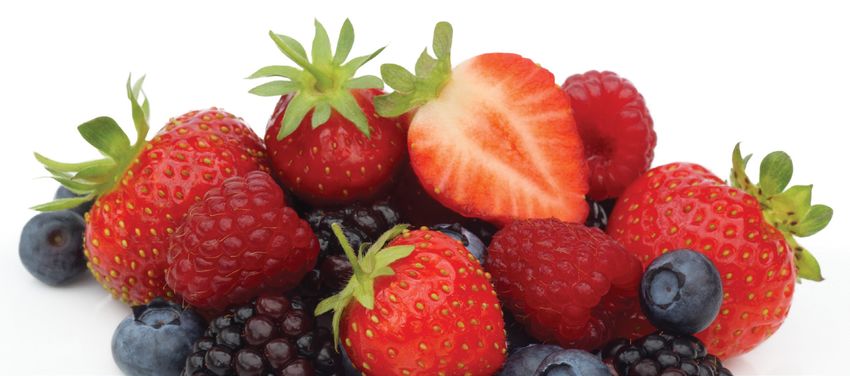
How do internal organs assist in purification?
The Standard Process Purification Program stimulates specific detoxification
organs in the body—the liver, kidneys, and intestines. With help from these
organs, your toxic load can decrease, and your body can concentrate its
energy on purification. This can help you achieve optimal health by cleansing
the body from the inside out.*
Liver
Filters toxins
Aids the body in metabolizing fat, protein, and carbohydrates
Helps transform many toxins into harmless agents
Kidneys
Filter waste and excess fluid from the blood
Regulate and release the right balance of sodium, phosphorus, and
potassium for the body to function properly
Small Intestine
Digests food so that nutrients can be absorbed into the blood and
transported to the liver
Provides a barrier that blocks toxins from the rest of the body
Large Intestine
Absorbs water and electrolytes, forming waste that is excreted from the body
Produces antibodies for gastrointestinal health
Contains bacteria that create fatty acids and some vitamins for extra
nutritional support
5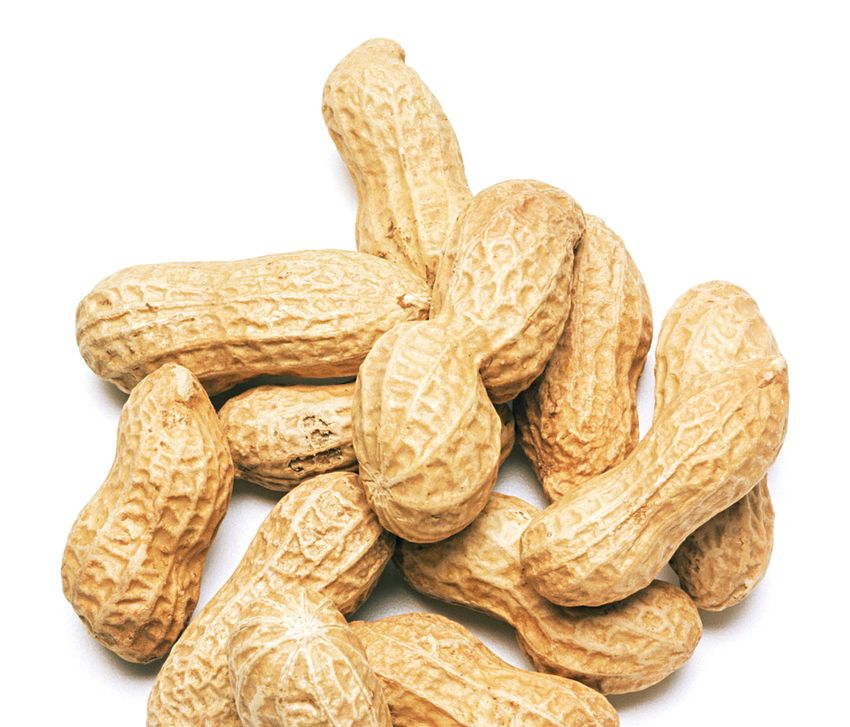
Preparing
for Purification
Home Environment
Our homes should be a sanctuary — a safe environment where we can thrive,
grow, and heal. A general description of each area and what you should be
aware of to decrease potential exposures are listed below.

If you have any questions, please speak to your health care professional. You
can also go the to the U.S. Consumer Product Safety Commission website at
www.cpsc.gov for specific information.

Recommendations
Plastic containers should be carefully evaluated. Use glass instead,
especially when heating food or putting hot food into a storage container.
Some plastics contain phthalates and bisphenol A (BPA) that can seep into
food when heated. Use a paper towel instead of plastic over food when
microwaving.

Candles and scented room fresheners are another area of concern. If you
burn the wick of a candle and see a black center, this is a lead-centered wick.
The U.S. Consumer Product Safety Commission banned the use of lead wicks
in 2003, but they can still be found in candles, specifically candles from other
countries. The commission has found that lead-core wicks release around five
times the amount of lead considered hazardous for children. Make sure your
candle label states the wick is lead-free, and use high-quality candles. Also be
aware that paraffin candles release soot in the air, and aromatherapy candles
may contain synthetic oils that release toxic particles. The best candles to look
for include those that are made of soy, vegetable-based waxes, or 100
percent beeswax and have cotton wicks. For aromatherapy, look for candles
that use only natural essential oils.

Many cleaning agents contain various harsh and toxic chemicals. Effective
all-natural cleaners include vinegar, lemons, hydrogen peroxide, baking soda,
and coarse salt. Olive oil can be used to clean wood and gives it a nice glow.
Unless a scented product is labeled as having essential oils, it most likely
contains synthetic oils and is something you do not want to be inhaling on a
daily basis.
6

Fertilizers, pesticides, and similar products contain harsh chemicals
and are marked as being very toxic. Breathing in the fumes from these
products when using them can expose you to toxins. It is best to check
the Environmental Protection Agency (EPA) website for safety and
recommendations on the use of any of these products.

Work exposures can come in many forms. Be aware of your exposures,
and wear protective masks if you are in a questionable environment.

General exposures include any metals used in dentistry, metals used in
tattoos, smoking, and the potential for molds in the home due to water
exposure. Speak with your health care professional if you have any
concerns in this area.
                                                                         7
Your health care professional
may address these topics:

    +   Deficiencies and Nutritive-Diet Issues

        Vitamin B12, vitamin D, magnesium, methylation capacity,
        gastrointestinal conditions impacting nutrient absorption,
        estrogen metabolism, or malnutrition.

    +   Coffee and Alcohol

        Do you drink more than one serving of alcohol or coffee per
        day? Don’t go cold turkey. Reduce intake to one daily
        serving before eliminating.

8
+ Elimination Diet
Are you a candidate? If so, you will remove foods from
your diet and methodically add them back to identify
adverse reactions to foods such as dairy, peanuts, eggs,
soy, and gluten.2
+ Diet Requirements
Based on your weight, how much protein must you
consume during your program? Do you have dietary
concerns, such as glucose management? Together, you
can customize a plan based on your unique needs.
+ Medications and Supplements
Based on your health history and goals, your health care
professional can help you decide if you should continue
taking medications or other supplements during this
program.
2. “ Handout Elimination Diet Patient,” University of Wisconsin Family Medicine & Community Health, accessed March 13,
2018, http://www.fammed.wisc.edu/files/webfm-uploads/documents/outreach/im/handout_elimination_diet_patient.pdf.
9Program Basics
Our 21-day purification program includes eating whole, organic and
unprocessed foods; taking supplements with whole foods and other
ingredients; and drinking plenty of water. You will eat a variety of vegetables
and fruit for the first 10 days, with select proteins added on day 11.
What supplements will I use during purification?
SP Cleanse®
Combines 20 unique whole food and botanical ingredients designed to
support the body’s normal toxin-removal processes.*
Supports healthy kidney, liver and gallbladder function
Encourages healthy digestive function
Supports the body’s natural toxin-elimination function
Promotes healthy elimination*
SP Complete®, SP Complete® Chocolate or SP Complete® Vanilla
(all with whey protein) or SP Complete® Dairy Free (with rice protein)
SP Complete offers essential whole food nutrition in a convenient powder.*
Provides amino acids
Supports intestinal, muscular, and immune system health
Provides ingredients with antioxidant activity
Supports healthy liver function
Supports the body’s normal toxin-elimination function
Supports the maintenance of a healthy weight when combined with a
healthy lifestyle*
Visit standardprocess.com/purificationprogram
for exclusive access to recipes, videos, daily
emails, and a Facebook group
10Gastro-Fiber® (capsules) or Whole Food Fiber (powder)
Gastro-Fiber is a mix of psyllium husk powder, collinsonia root powder, apple
pectin, fennel seed, and fenugreek seed powder.
Whole Food Fiber is a mix of oat fiber, beet fiber and root, rice bran, carrot
root and fiber, sweet potato, and apple pectin.
Both help:
Support healthy elimination
Encourage a healthy intestinal environment to help maintain proper
intestinal flora*
Your health care professional will determine which product is right for you.
SP Green Food®
Contains whole food concentrates from buckwheat, Brussels sprouts, kale,
barley grass and alfalfa to:
Promote healthy liver function
Support the body’s normal toxin-elimination function*
*These statements have not been evaluated by the Food and Drug Administration.
These products are not intended to diagnose, treat, cure, or prevent any disease.
11Supplement Regimen
Follow the supplement regimen below, or as directed by your health care
professional.
Standard Process Purification Protocol Days 1-7
Supplement Amount Frequency
SP Cleanse® 7 capsules 3x/day
SP Complete® or
2 tablespoons per shake 2-3/day
SP Complete® Dairy Free
or
SP Complete® Chocolate or
4 tablespoons per shake 2/day
SP Complete® Vanilla
Gastro-Fiber® 3 capsules 3x/day
or
Whole Food Fiber 1 tablespoon per shake 2-3/day
Standard Process Purification Protocol Days 8-21
Supplement Amount Frequency
SP Green Food® 5 capsules 2x/day
SP Complete® or
2 tablespoons per shake 2-3/day
SP Complete® Dairy Free
or
SP Complete® Chocolate or
4 tablespoons per shake 2/day
SP Complete® Vanilla
Gastro-Fiber® 3 capsules 3x/day
or
Whole Food Fiber 1 tablespoon per shake 2-3/day
*These statements have not been evaluated by the Food and Drug Administration.
These products are not intended to diagnose, treat, cure, or prevent any disease.
12Additional Supplementation Your Health Care
Professional May Recommend
Veg-E Complete Pro™ (Chocolate or Vanilla)
An organic, multisource blend of plant-based protein in a convenient powder
in either chocolate or vanilla flavor*
Whey Pro Complete
Supplies 15 grams of protein per serving to support weight management,
muscle tissue, immune system response function, and gastrointestinal health*
Tuna Omega-3 Oil or Tuna Omega-3 Chewable
Delivers essential omega-3 fatty acids*
Gymnema from MediHerb®
Helps reduce sweet cravings and helps suppress/inhibit sweet taste
sensation*
ProSynbiotic
Supports healthy gut flora and overall intestinal health*
Linum B6
Contains flaxseed oil to support healthy skin, nerve tissue, and cognitive
function*
Calamari Omega-3 Liquid
Contains a natural concentration of omega-3 fatty acids, including DHA
and EPA*
13“Food always has been, and I suspect always will be, the
ideal source of your vitamins, for they are surrounded by
untold numbers of nutritional factors ...”
—Dr. Royal Lee, founder of Standard Process
Nourish
Nourishing yourself with nutrient-rich foods will provide the complex
combination of vitamins, minerals, and antioxidants that are needed to
protect the body and promote optimal health.
Focus on Eating Right
Eat a variety of foods. Choose a rainbow of colors.
Eat frequently throughout the day to maintain a level blood sugar range.
Your health care professional may modify this program for your individual
health needs.
View more delicious & healthy recipes
at standardprocess.com/recipes
1421-Day Purification Pantry
Whenever possible, eat only fresh (or frozen) organic vegetables and fruits.
Strive to avoid dried or canned ingredients; if you must use them, organic and
bisphenol A (BPA)-free are preferred.
Vegetables
You can eat an unlimited amount of vegetables from the list below. Your
vegetable intake should be twice the amount of fruit intake.
› Average serving size = ½ cup
› Fresh juices made from vegetables allowed
› Can steam or stir-fry most vegetables for 4 minutes over low heat, but
best to consume half total vegetable amount raw
› Fresh herbs and spices optional
Artichokes Kale
Arugula Kohlrabies
Asparagus Leeks
Bamboo shoots Lettuce, any variety
Bean sprouts and any type Mushrooms
of sprouts Mustard greens
Beets and beet greens Okra
Belgian endive Onions
Bell peppers, any variety Oyster plants
Black radishes Parsnips
Bok choy Pearl onions
Broccoli Pumpkins
Brussels sprouts Radishes
Cabbages Rutabagas
Carrots Shallots
Cauliflowers Spinach
Celery Squash, any variety
Chicory/radicchio Sweet potatoes
Chives Swiss chard
Collard greens Tomatoes
Cucumbers Turnips and turnip greens
Dandelion greens Wasabi roots
Eggplants Water chestnuts
Endive/escarole Watercress
Fennel Yucca roots
Hearts of palm Zucchini
Jalapeño peppers
15Fruit
These fruits are just a sampling. Keep in mind that you should eat twice as
many servings of vegetables as fruits.
› Average serving size = ½ to ¾ cup
Apples Lemons
Apricots Limes
Avocados Lychees
Bananas Mangoes ❦
Blackberries Melons, any variety ❦
Blueberries Nectarines
Boysenberries Olives
Cherimoyas Oranges
(custard apples) Papayas ❦
Cherries Passion fruit
Clementines ❦ Peaches, any variety
Coconuts Pears, any variety
Cranberries, any variety Persimmons
Dates Pineapples ❦
Elderberries ❦ Plums
Figs ❦ Pomegranates ❦
Gooseberries Raspberries
Grapefruit Red currants
Grapes, any variety Rhubarb
Guavas ❦ Sapodillas ❦
Huckleberries ❦ Strawberries
Jackfruit ❦ Tangerines
Kiwi fruit Watermelons ❦
Kumquats
❦ Fresh fruit is a healthy and nutritious food with many vitamins, minerals, phytochemicals and fiber. Typically, the recommendation to eat
fresh fruit as your appetite dictates holds true for many people. If you are above your ideal weight, eliminating higher-sugar fruits may be
necessary. It is best to try to use vegetables instead of high-sugar fruits. Also be aware that for some people, fructose consumption may be a
problem. Fruits that have a high fructose-to-glucose ratio should ideally be avoided. For these individuals, fruits with the ❦ by them should be
avoided or minimized.
16Legumes and Pseudo-Grains
› Average serving size = ½ cup cooked (measure carefully)
› Servings: 1-2 per day
Legumes Pseudo-Grains
Black beans Green beans Gluten-Free
Black-eyed peas Lentils Quinoa
Chickpeas Lima beans
Fava beans Peas
Oils and Fats
› Average serving size = 1 teaspoon
› Servings: 4-7 teaspoons per day
› Should be cold pressed and unprocessed
› Use high-quality oils
Avocado oil Grape seed oil
Butter: organic, unsalted Olive oil: extra virgin
Coconut oil: organic, unrefined, raw Pumpkin seed butter
Flaxseed oil Sesame seed oil
Ghee (clarified butter) Tahini (ground sesame seed)
Protein Sources
Days 1 - 10
› Ask your health care professional about adding Veg-E Complete Pro™ or
Whey Pro Complete to each SP Complete Shake for additional protein
Days 11 - 21
› Average serving size = 3-5 ounces (roughly the size and thickness of
your palm)
› Servings: 2-4 per day, with 1-2 servings being fish
› Broil, bake, roast, or poach
› No cured, smoked, or luncheon meats
Fish: deep-sea (e.g., salmon, cod, Lean red meats: beef
or sea bass), not farm raised (grass-fed), venison, or other
Poultry (organic, free-range)
Wild game, any variety
*These statements have not been evaluated by the Food and Drug Administration.
These products are not intended to diagnose, treat, cure, or prevent any disease.
17Broths: ready-made, organic Spices
Beef Basil
Chicken Bay leaves
Vegetable Cardamom
Cayenne
Flours Chili powder
Coconut Chives
Cilantro (fresh coriander)
Dairy-Free Milk Cinnamon
Coconut milk: unsweetened Cloves
Hemp milk: unsweetened Cumin
Dill
Miscellaneous Garam masala
Baking powder
Garlic
Baking soda
Ginger
Coconut butter
Lemon grass
Coconut cream
Mint
Coconut water
Mustard
Curry paste
Nutmeg
Mustard, Dijon
Oregano
Nutritional yeast
Paprika
Seaweeds such as arame,
Parsley
nori, or kelp
Pepper, black
Vanilla extract
Rosemary
Sage
Raw Seeds Sea salt
Chia seeds
Tarragon
Flaxseeds
Thyme
Hemp seeds
Turmeric
Poppy seeds
Pumpkin seeds
Sugars and Sweeteners
Sesame seeds
Bananas
Sunflower seeds
Dates
Whole-leaf stevia, powder or
liquid
Vinegars
Apple cider vinegar
Balsamic vinegar
Red wine vinegar
White wine vinegar
18Beverages
SP Complete shakes: See Page 46 for recipes.
Spring water: Drink more water. One of the most
common symptoms of dehydration is feeling tired.
When that tired feeling hits you in the middle of the
afternoon and you begin to reach for a sugary drink,
try drinking more water instead. You might discover
that a healthy glass of water eliminates fatigue, makes
you feel better, and helps you focus more sharply. The
benefits of water are numerous — from cleansing the
kidneys and supporting healthy skin to increasing
concentration. Water keeps cells hydrated, helps
maintain a healthy balance of body fluids, and supports
healthy digestion and bowel movements. To better
determine how much water you need each day, divide
your body weight in half. The result is the approximate
number of water in ounces you should drink daily.
Herbal tea: organic, non-caffeinated
Refrain From Consuming or Using
› Alcohol, caffeine, tobacco or other stimulants (Taper off before you begin
your program to lessen potential headaches.)
› Nuts
› Dairy
› Eggs
› Grains (wheat, rye, barley, corn, rice, bran, bulgur, couscous, and semolina)
› Processed or refined foods
For optimal results, follow the instructions given to you by your health care
professional. Any changes or alterations may decrease the detoxification and
weight-management potential of the program.*
*These statements have not been evaluated by the Food and Drug Administration.
These products are not intended to diagnose, treat, cure, or prevent any disease.
19Sample Meal Plans
Below is a single day of sample meals during each segment of the program.
These are intended to provide inspiration only; individual needs may vary. Be
sure to drink plenty of water throughout the day.
Breakfast:
1 ½ T. Pumpkin seeds (unsalted) and 1 apple
Snack:
Basic SP Complete Shake (page 46)
and 1/2 cup baby carrots
DAYS 1 - 10
Lunch:
Arugula salad with choice of vegetables
and Avocado dressing (page 49)
Snack:
Kale Chips (Page 55)
Dinner:
Lentil Soup (page 53)
Snack:
Pumpkin Pie Shake (page 47)
Breakfast:
1/2 cup baby carrots
and Zucchini hummus (page 56)
Snack:
Basic SP Complete Shake (page 46)
DAYS 11 - 21
Lunch:
Spinach salad with 3 oz of roasted chicken
breasts and choice of vegetables
and Apple cider vinaigrette (page 50)
Snack:
Asparagus Fries (page 54)
Dinner:
Chipotle Salmon (page 60)
with a side of roasted sweet potatoes
Snack:
Apple Cinnamon Surprise Shake (page 48)
20Daily Intake Journal
DAY 1 DAY 2
WHAT DID YOU Breakfast Breakfast
EAT TODAY?
Lunch Lunch
Dinner Dinner
Other Other
SUPPLEMENTS
WATER
15m 15m 15m 15m 15m 15m
EXERCISE
HOW ARE YOU?
NOTES
21Daily Intake Journal
DAY 3 DAY 4
WHAT DID YOU Breakfast Breakfast
EAT TODAY?
Lunch Lunch
Dinner Dinner
Other Other
SUPPLEMENTS
WATER
15m 15m 15m 15m 15m 15m
EXERCISE
HOW ARE YOU?
NOTES
22Daily Intake Journal
DAY 5 DAY 6
WHAT DID YOU Breakfast Breakfast
EAT TODAY?
Lunch Lunch
Dinner Dinner
Other Other
SUPPLEMENTS
WATER
15m 15m 15m 15m 15m 15m
EXERCISE
HOW ARE YOU?
NOTES
23Daily Intake Journal
DAY 7 DAY 8
WHAT DID YOU Breakfast Breakfast
EAT TODAY?
Lunch Lunch
Dinner Dinner
Other Other
SUPPLEMENTS
WATER
15m 15m 15m 15m 15m 15m
EXERCISE
HOW ARE YOU?
NOTES
24Daily Intake Journal
DAY 9 DAY 10
WHAT DID YOU Breakfast Breakfast
EAT TODAY?
Lunch Lunch
Dinner Dinner
Other Other
SUPPLEMENTS
WATER
15m 15m 15m 15m 15m 15m
EXERCISE
HOW ARE YOU?
NOTES
25Daily Intake Journal
DAY 11
DAY 12
You can add protein today.
WHAT DID YOU Breakfast Breakfast
EAT TODAY?
Lunch Lunch
Dinner Dinner
Other Other
SUPPLEMENTS
WATER
15m 15m 15m 15m 15m 15m
EXERCISE
HOW ARE YOU?
NOTES
26Daily Intake Journal
DAY 13 DAY 14
WHAT DID YOU Breakfast Breakfast
EAT TODAY?
Lunch Lunch
Dinner Dinner
Other Other
SUPPLEMENTS
WATER
15m 15m 15m 15m 15m 15m
EXERCISE
HOW ARE YOU?
NOTES
27Daily Intake Journal
DAY 15 DAY 16
WHAT DID YOU Breakfast Breakfast
EAT TODAY?
Lunch Lunch
Dinner Dinner
Other Other
SUPPLEMENTS
WATER
15m 15m 15m 15m 15m 15m
EXERCISE
HOW ARE YOU?
NOTES
28Daily Intake Journal
DAY 17 DAY 18
WHAT DID YOU Breakfast Breakfast
EAT TODAY?
Lunch Lunch
Dinner Dinner
Other Other
SUPPLEMENTS
WATER
15m 15m 15m 15m 15m 15m
EXERCISE
HOW ARE YOU?
NOTES
29Daily Intake Journal
DAY 19 DAY 20
WHAT DID YOU Breakfast Breakfast
EAT TODAY?
Lunch Lunch
Dinner Dinner
Other Other
SUPPLEMENTS
WATER
15m 15m 15m 15m 15m 15m
EXERCISE
HOW ARE YOU?
NOTES
30Daily Intake Journal
DAY 21
WHAT DID YOU Breakfast
EAT TODAY?
Lunch
Dinner
Other
SUPPLEMENTS
WATER
15m 15m 15m
EXERCISE
HOW ARE YOU?
NOTES
31Congratulations on completing
the purification program!
Now stay focused!
You’ve worked hard to follow a healthy meal plan, exercise, and take
supplements with whole food and other ingredients. Continue the journey
toward maintaining your health and supporting your weight-management
goals by following post-purification program recommendations.*
*Thesestatements
*These statementshave
havenot
notbeen
beenevaluated
evaluatedby
bythe
theFood
Foodand
andDrug
DrugAdministration.
Administration.
Theseproducts
These productsare
arenot
notintended
intendedtotodiagnose,
diagnose,treat,
treat,cure,
cure,ororprevent
preventany
anydisease.
disease.
32Post-Purification
Get Back to a ‘New Normal’
During post-purification, you’ll begin to define your “new normal” with a
healthy diet and supplements that will help meet your nutritional and lifestyle
needs.*
What’s different?
Diet
Continue to follow the purification diet with lean protein included (days 11-21)
Food Reintroduction
You’ll reintroduce foods you avoided during purification one food group at a
time, as described in the next section.
Supplements
Depending on your needs, your health care professional might recommend an
individual protocol including these or other specific supplements with whole
food and other ingredients.
SP Complete, SP Complete Chocolate,
SP Complete Vanilla or SP Complete Dairy Free shakes:
Continue drinking these shakes with meals or as snacks. If needed,
add fiber with Whole Food Fiber or Gastro-Fiber.
General Health Daily Fundamentals individual convenience packs contain
three basic supplements for foundational support:*
Catalyn® contains vital nutrients from whole food and other sources and
is designed to bridge nutritional gaps in the diet.
Tuna Omega-3 Oil delivers essential omega-3 fatty acids (including DHA
and EPA).
Trace Minerals-B12™ contains a spectrum of minerals that support
a healthy body.*
*These statements have not been evaluated by the Food and Drug Administration.
These products are not intended to diagnose, treat, cure, or prevent any disease.
33Food Reintroduction Systematically reintroducing foods from one food group at a time allows you to gauge how these foods make you feel and if they cause any problems. Your body hasn’t dealt with some of the foods in these groups for a few weeks, so you’ll want to introduce each new food in small portions. Also, it is possible to have a food allergy or intolerance that you don’t know about, so one of the key aspects of reintroduction is to keep a journal of how each food makes you feel. A complete food experience journal is available for downloading and printing at standardprocess.com. The Process You’ll follow the daily program diet detailed in this guide until you and your health care professional decide to reintroduce the foods you want to add back into your diet. You’ll reintroduce one food from a food group at a time, but it’s important to undertake this process with your health care professional’s guidance. You should work together to decide which foods you’ll reintroduce and what you should do if you have a reaction. Let your body be your guide: If you eat toast and feel bloated or gassy, have a headache, or have any other symptom, note it in your food experience journal and talk to your health care professional. If your symptoms are uncomfortable but not severe, wait a few hours and try the food again, or follow the instructions your health care professional provides you with for reporting any issues. And remember, each person is different, so write down what you feel — different people will have different responses to the same food. 34
The Difference
Between Allergies
and Intolerance
to Foods
Allergy
An allergic reaction happens when the body’s
immune system mistakes a part of a food for
something harmful. Foods that cause the most
problems for adults are peanuts, tree nuts (like
walnuts or almonds), fish, and shellfish. Any food
can cause an allergy, but some other “highly”
allergenic foods are milk, eggs, soy products and
wheat. Allergic reactions usually happen within
minutes to hours after eating the allergen.

Intolerance
Food intolerance is the digestive system’s response to
the part of a food or additive that can’t be processed or
that causes irritation. Intolerance could be from an additive,
such as a sugar substitute in diet foods, that is poorly absorbed
by the gut.

The body’s response to food intolerance is usually based on portion. A small
amount provokes a small reaction; a large portion provokes a larger reaction.
The time frame for problems is longer too. The body’s reaction to food
intolerance can take place immediately or over a few days.

                                                                            35
36
Reintroducing Foods
Eliminated During Purification
Grains
Choose whole grains (the entire grain kernel) instead of refined grains (just the
endosperm). Refined grains have most of their nutrients removed and are then
enriched, so whole grains containing their original fiber, iron and B vitamins are
a healthier choice. Eat a healthy range of whole grains that includes spelt,
bulgur, steel-cut oatmeal, brown rice, and barley.

Dairy
This group includes products like cheese, milk, and yogurt. These foods are
nutritionally dense and provide a host of nutrient components, such as
calcium and protein.

Non-dairy milks — such as almond, rice, or soy milk — are good alternatives.

Nuts (Raw)
Nuts can supply necessary oils to your diet. Nuts are concentrated sources
of fuel, so portion control is important. A handful per day is plenty for most
people.

Shellfish
Shellfish like shrimp and mussels can add important nutrients, such as protein
and iodine, to the diet.

Eggs
Eggs provide an important source of protein, iron, and B vitamins. If you enjoy
toast with your eggs, you might want to reintroduce eggs after grains, so you
can have whole-grain toast at the same time.

Or you could hard-boil an egg and eat it at breakfast or as a snack.

                                                                                 37
An Example of a New Normal
To give you an idea of how rich and complex your diet should be, we’ve
included a single sample day after you have reintroduced all food groups.
If weight loss is a goal, keep in mind that most people who cut 300 calories
from the daily diet while also getting 30-40 minutes of daily moderate exercise
can expect to lose a pound per week. While individual needs are different,
ideally you should drink approximately half your body weight in ounces of
water every day.
Breakfast
SP Complete shake 1 serving
Oatmeal prepared with water ¾ cup
Green tea 8 ounces
Snack
Sunflower seeds 1½ tablespoons
kernels, oil roasted, without salt
Lunch
Chicken breast 2 ounces
roasted with teriyaki sauce (1½ tablespoons) and celery seeds (1 teaspoon)
Broccoli cooked, without salt ½ cup
Summer squash cooked, without salt ½ cup
Asparagus 8 spears
Snack
Cottage cheese ½ cup
Dinner
Walleye baked 3 ounces
Salad
Greens 2 cups
Chickpeas cooked ½ cup
Green beans cooked 1 cup
Onion sliced ¼ cup
Garlic 1 clove
Kidney beans cooked, without salt 1⁄3 cup
Snack
Whole milk 1 cup
Note: The above example contains approximately 1,600 calorie and is a general sample of a healthy meal plan.
38Health Tips for a Lifetime
Trying to Lose Too Much, Too Fast
The safest way to lose weight is to set a goal of losing 1 to 2 pounds per
week. That way you keep weight off and avoid “yo-yo” dieting.
Underestimating the Amount of Calories/Nutrients
in Food
Let your body tell you when it’s full — never feel like you have to eat everything
on your plate. Eat slowly and enjoy the eating experience.
Preparing for Social Gatherings
Drink water before social events and while you’re there so you don’t mistake
hunger for dehydration. If appetizers will be served, eat a healthy snack
beforehand so you’re not so tempted by foods high in calories and trans fats.
Healthy snacks could include:
1 cup of carrots
Celery sticks with 1 tablespoon peanut butter
1 medium apple or 1 cup of grapes
1 StandardBar® (convenient bars in several flavors)
Avocado or guacamole
39Dealing With Feeling Deprived/Bored With the Diet
Depriving yourself all the time of favorite unhealthy foods might lead you
back to unhealthy eating habits. It’s OK to give in occasionally and eat an
appropriate amount of your favorite foods. But if you’re just bored with your
diet, try vegetables and fruit you’ve never had before.
Reaching for Processed or Refined Foods
High in Sugar, Fat, and Additives
Avoid temptation by keeping these foods out of the house so you won’t be
tempted. When you eat out, preview the menu and make your selection in
advance, if possible, so you can avoid these foods. If sugar cravings are a
problem, ask your health care professional about additional supplementation
that can help.
Drinking Alcohol or Caffeine
If you consume these drinks, it’s best to drink them only in moderation.
Portion Control
Portion control is essential for maintaining a healthy weight. Consider the
serving size for the food you are eating.
Get Back to a ‘New Normal’
As you begin adding new foods to your diet, make sure you read the labels
carefully. Avoid additives and unhealthy fats — your well-being depends on it.
Ingredients to watch for include:
Monosodium Glutamate (MSG)
MSG is used as a salt substitute and flavor enhancer. This additive is found in
many processed foods, as well as restaurant-prepared foods. Anecdotal
evidence suggests that some people are sensitive to this substance, which
reportedly triggers headaches, tingling, and other symptoms.
Trans Fats (Hydrogenated Oils)
Most dietary trans fats are found in processed foods like cakes, cookies,
crackers, and bread. Trans fats are known to raise “bad” cholesterol levels
and lower “good” cholesterol levels and might be listed as “hydrogenated” or
“partially hydrogenated.”
40Artificial Sweeteners
Chemicals like saccharine and aspartame are used to replace sugar in diet/
sugar-free foods. Artificial sweeteners are generally found in foods that contain
“empty calories” — meaning they don’t provide any nutritive value for the
calories they add to your diet.
Artificial Colors/Dyes
These are artificial chemicals added to foods to improve appearance. People
expect foods to appear appetizing, so these artificial colors are used to
provide uniformity in color and make products look as expected based on
ingredients. However, some people have physical reactions to these
substances. For example, a common yellow dye may cause an allergic
reaction in susceptible individuals. Look for natural coloring agents like
turmeric, paprika, or saffron instead.
Sodium
Sodium can hide in the most innocent places, like sauces, soups, and baked
goods. Eating too much sodium can contribute to long-term health problems,
as well as cause you to retain water and feel bloated. Opt for fresh foods and
low-sodium products (including condiments like salad dressing, ketchup, and
mustard), season with herbs instead of salt, and take the saltshaker off the
table. Some people prefer salt that is less processed, like sea salt. Regardless
of what type of salt you use, healthy adults should only consume between
1,500 and 2,300 mg/day.
41?
Frequently
Asked
Questions
Q What are the benefits of purification?
A A purification program can have a significant, positive effect on
the biochemistry of the body while allowing natural toxins and
byproducts of daily metabolism to be eliminated. You may notice
the following:*
Improved weight-management results
Increased energy/vitality
Better digestion
Less bloating
Clearer thinking
Clearer skin
Shinier hair
Disappearance or lessening of past conditions (PMS, digestive
problems, etc.)
Better sleep*
Q Will this purification program help me lose weight?
A By following the Standard Process Purification Program, you will be
working toward sustained, long-term weight management. The ideal
weight-management system is not a quick fix but a long-term
commitment. You will need to make lifestyle changes that will continue
long after the purification process is completed. See
pages 33-41 for tips on how to continue your success.
Q Is exercise necessary?
How much and what type is recommended?
A Exercise facilitates the removal of toxins and helps maintain a healthy
weight. It is recommended that you walk 30-45 minutes at least four
days per week. Strenuous exercise should be put on hold during the
21-day program. Consult with your health care professional if you are
on a more strenuous exercise program that you would like to maintain
throughout the purification program or about resuming strenuous
exercise during post-purification.
*These statements have not been evaluated by the Food and Drug Administration.
These products are not intended to diagnose, treat, cure, or prevent any disease.
42Q How do I stick to the program when eating
away from home?
A Here are some tips to help you stay on track:
Plan your strategy before you leave home.
When choosing a restaurant, select one that serves foods on the
recommended list (pages 15-19). This will curb temptation.
When traveling, bring along a cooler packed with water bottles, fresh
fruit, and sliced raw vegetables.
When attending a social gathering, bring a dish to pass that fits your
stage of the program, like a fruit/veggie tray or chicken kabobs.
Q What physical changes will I experience
during purification?
A Two of the main effects will be an increase in urination and bowel
movements. This is a natural effect of purifying and should not interfere
with your daily activities. In rare cases, you may experience a throbbing
sensation in the head, generalized aches, itchy skin, rashes, or fatigue.
These are normal occurrences and will subside in a day or two.
Please talk with your health care professional if you have questions about
how you are feeling or what you are experiencing.
Visit standardprocess.com/purificationprogram
for exclusive access to recipes, videos, daily
emails, and a Facebook group
43Q Why can’t I substitute different vegetables
than what are outlined?
A The vegetables cited in this booklet are recommended because of their
high nutritive value and their capacity to support detoxification.
Q What can I do for temporary constipation?
A Remember to drink plenty of water and eat plenty of vegetables and
fruits with high fiber content. Eating one beet daily encourages regular
bowel movements. Talk with your health care professional for other
recommendations.
Q Do the purification products contain gluten?
A All of the purification supplements are gluten-free. A complete list of
gluten-free products is also available at standardprocess.com.
Q Why is there lactose in SP Complete?
A Whey is a protein source found in SP Complete, SP Complete
Chocolate, and SP Complete Vanilla; lactose is found in whey. There is
approximately ½ gram of lactose per shake. Try SP Complete Dairy Free
if lactose is a concern.
44Q Is the Standard Process Purification
Program vegetarian?
A It is vegetarian (lacto-ovo) but not vegan.
Q What if I am allergic to certain foods on the list?
A If you suspect you are having a reaction to a specific food, refrain from
eating it and consult your health care professional about how to
incorporate alternative food sources.
Q Is the purification program recommended
for pregnant or lactating women?
A No. More calories are required during pregnancy and lactation
than are needed during purification and for everyday weight
management.
Q What if I am struggling with the program?
A Don’t give up! Changing eating habits is difficult, so don’t be hard on
yourself. Look at each day as a new day. Whenever you get off track, just
start over the following day. You can do it!
Q What if I am not losing weight during
post-purification like I did on the purification program?
A The post-purification process is a way to establish healthy eating habits
rather than a weight-loss program. That said, many people will lose
weight during both purification and post-purification because they’re
eating in a conscious, deliberate way. Healthy weight management is a
goal that should be discussed with your health care professional. Some
tips for healthy weight management are:*
Eat more vegetables than fruits.
Have healthy snacks, such as vegetables and fruits, available at
all times.
Be aware of portion size.
Don’t eat anything in excess. If you must have treats, record them in
your journal so you can gauge frequency and how they make you feel.
If sugar cravings are a problem, ask your health care professional if
there are any additional supplements that can help you.
*These statements have not been evaluated by the Food and Drug Administration.
These products are not intended to diagnose, treat, cure, or prevent any disease.
45Recipes Shakes To prepare a shake with SP Complete Chocolate or SP Complete Vanilla, simply mix the powder with water. Or substitute either flavor for original SP Complete, as detailed in the basic shake recipe below. Basic Shake Recipe 1-1½ cups of your favorite fresh or frozen fruit or vegetables (optional) 1 tablespoon high-quality oil (e.g., flax oil), not necessary if already taking an oil supplement 2 rounded tablespoons (scoops) SP Complete/SP Complete Dairy Free or 4 rounded tablespoons (scoops) SP Complete Chocolate/SP Complete Vanilla 1 cup water (increase for desired consistency) 3-4 cubes of ice for thicker shake Please note: You may add 2 tablespoons Whey Pro Complete and/ or 1 tablespoon Whole Food Fiber to any shake recipe. Thoroughly blend all ingredients together, adding water and ice cubes until the shake reaches desired consistency. You may make a large enough batch to last you through the day, but make sure to keep the shake refrigerated and remix as needed before pouring. Tips for your shake: Use frozen fruit and eliminate water/ice for a frosty, thick shake. Mangoes or peaches give your shake a nice zing. Peel and slice extra-ripe bananas, and freeze them for easy use. Increasing fruit will increase the sweetness but will also increase the calories and may interfere with weight management. If blending vegetables, there is no restriction regarding the quantity; it is recommended that a high-performance commercial drink blender be used. 46
Additional Shake Recipes
Ginger Berry Shake
2 rounded scoops SP Complete or
SP Complete Dairy Free
1 cup frozen cauliflower rice
1 cup frozen mixed berries
1-inch fresh ginger
½ banana
1 tablespoon flaxseed oil
1 cup unsweetened coconut milk
Blend all ingredients together until smooth.
Nutrition facts may vary based on serving size
and actual ingredients used.
Pumpkin Pie Shake
2 rounded scoops SP Complete or
SP Complete Dairy Free
½ banana
½ cup organic pumpkin
Few pinches each of ginger and
cinnamon
Blend all ingredients together until smooth.
Nutrition facts may vary based on serving size
and actual ingredients used.
47Additional Shake Recipes
Apple Cinnamon
Surprise Shake
2 rounded scoops SP Complete
Chocolate or Vanilla
1 medium apple
½ banana
½ teaspoon cinnamon
1 cup water
Blend all ingredients together until smooth.
Nutrition facts may vary based on serving size
and actual ingredients used.
View more delicious & healthy recipes
at standardprocess.com/recipes
48Salad Dressings and Accents
Parsley Garlic Dressing
½ bunch fresh parsley, chopped
2 garlic cloves, chopped
½ cup olive oil
¼ cup fresh lemon juice
1 teaspoon sea salt
Combine all ingredients in a blender or
food processor, mixing until smooth.
Serve chilled.
SERVING SIZE: 2 tablespoons
Nutrition facts may vary based on serving size
and actual ingredients used.
Avocado Dressing
1 avocado, peeled and chopped
¾ cup olive oil
¼ teaspoon fresh lemon juice
¼ teaspoon dry mustard
¼ teaspoon sea salt
Pinch ground pepper
Combine all ingredients in a blender or
food processor, mixing until smooth.
Serve chilled.
SERVING SIZE: 2 tablespoons
Nutrition facts may vary based on serving size
and actual ingredients used.
49Garlic Flax Oil Dressing
2 cloves organic garlic
1⁄8 teaspoon sea salt
Juice of half a lemon
1⁄3 cup flax oil
Mash garlic with salt. Add lemon juice.
If needed, add more salt, garlic or juice.
Mix in flax oil.
SERVING SIZE: 2 tablespoons
Nutrition facts may vary based on serving size
and actual ingredients used.
Apple Cider Vinaigrette
3 tablespoons organic apple cider
vinegar
½ cup olive oil
¼ teaspoon sea salt
1 teaspoon oregano
1⁄8 teaspoon ground pepper
Mix all ingredients.
SERVING SIZE: 2 tablespoons
Nutrition facts may vary based on serving size
and actual ingredients used.
50Vinaigrette Dressing
2⁄3 cup olive or flax oil
1 tablespoon Dijon mustard
¼ cup balsamic vinegar or
fresh lemon juice
1 clove garlic, minced
¼ cup water
Mix together and add herbs to taste.
SERVING SIZE: 2 tablespoons
Nutrition facts may vary based on serving size
and actual ingredients used.
Fruit Toppers
Top your salad with pureed fresh or frozen raspberries, freshly squeezed
lemon, or other fruit to add color and flavor to your greens.
Seasonings
The Standard Process Purification Program was designed to allow you to
taste food in its natural state. If you choose to incorporate seasonings, use
only fresh, organic herbs and spices.
Visit standardprocess.com/purificationprogram
for exclusive access to recipes, videos, daily
emails, and a Facebook group
51Soups and Stews
Creamy Red
Pepper Soup | SERVES 1
1 cup warm water
1 red pepper, chopped
½ large avocado, chopped
5 baby carrots, chopped
1 teaspoon onion, chopped
½ teaspoon garlic, chopped
¼ cup hemp seeds
1 teaspoon minimally processed honey
½ teaspoon jalapeño pepper powder
½ teaspoon sea salt
Stir all ingredients while heating for about
5-10 minutes until thick, smooth and
slightly warm.
Nutrition facts may vary based on serving size
and actual ingredients used.
Gardener’s Ratatouille | SERVES 1
4 teaspoons olive oil
1 cup onion, chopped
3 cups plum tomatoes, chopped
2 cups eggplant, chopped
2 cups zucchini, chopped
1 cup bell pepper, chopped
2 cloves garlic, minced
1 tablespoon each fresh basil, oregano
and parsley, chopped
1 teaspoon sea salt
1 teaspoon ground pepper
Heat oil in a large skillet over medium-
high heat. Add onion and sauté until
tender. Stir in remaining vegetables and
garlic. Cover, reduce heat and simmer
30 to 40 minutes or until vegetables
are cooked through. Stir in remaining
ingredients and simmer, uncovered, an
additional 5 to 10 minutes.
Nutrition facts may vary based on serving size
and actual ingredients used.
Recipe courtesy of Cooking Light at cookinglight.com/food
52Lentil Soup | SERVES 4
¼ cup olive oil
1 onion, chopped
2 carrots, diced
2 stalks celery, chopped
2 cloves garlic, minced
1 teaspoon dried oregano
1 teaspoon dried basil
1 bay leaf
2 cups lentils
8 cups water
1 (14.5-ounce) can crushed tomatoes
½ cup spinach, thinly sliced
2 tablespoons vinegar
Sea salt and ground pepper to taste
In a large soup pot, heat oil over medium
heat. Add onion, carrots and celery; cook
and stir until onion is tender. Stir in garlic,
oregano, basil and bay leaf; cook for 2
minutes. Stir in lentils, and add water and
tomatoes. Bring to a boil. Reduce heat Nutrition facts may vary based on serving size
and actual ingredients used.
and simmer for at least 1 hour. When
ready to serve, stir in spinach and cook
until it wilts. Stir in vinegar, and season to
taste with sea salt, pepper and more
vinegar if desired.
View more delicious & healthy recipes
at standardprocess.com/recipes
53Dips and Snacks
Asparagus Fries | SERVES 2
1 pound Asparagus, tough ends
removed
Sea salt
1 tablespoon olive oil
Line a pan with foil and preheat broiler.
Lay out the asparagus in a row on the
lined pan and sprinkle with olive oil first,
then sea salt. Broil for 7-9 minutes, very
close to the broiler coil, then turn the
asparagus over and broil for another 3-5
minutes (time depends on thickness of
the stalks).
Nutrition facts may vary based on serving size
and actual ingredients used.
Salsa Fresca | SERVES 4
2 cups ripe tomatoes, chopped
1 cup sweet onions, chopped
1 cup green bell pepper, chopped
2 tablespoons fresh lime juice
1 jalapeno, finely diced
1 teaspoon sea salt
Fresh cilantro to taste, chopped
Combine the tomatoes, onions, peppers,
lime juice, jalapeno and salt in a big bowl
and stir to combine. Leave out at room
temperature for 1 hour or place in the
refrigerator for about 8 hours. Bring up to
room temperature before eating. Spoon
off any excess liquid, gently mix in the
cilantro and season with sea salt to taste.
Nutrition facts may vary based on serving size
and actual ingredients used.
54Kale Chips | SERVES 2
1 bunch kale
1 tablespoon olive oil
1 teaspoon sea salt
Preheat oven to 350°F. Carefully remove
kale leaves from the thick stems and tear
into bite-size pieces. Drizzle kale with
olive oil and massage oil into the kale.
Spread evenly on cookie sheet and
sprinkle with salt. Cook for 10 minutes or
until crispy.
Nutrition facts may vary based on serving size
and actual ingredients used.
Kale Guacamole | SERVES 4
2 cups kale leaves, chopped
4 avocados
½ teaspoon sea salt
3 tomatoes, seeded and chopped
¼ cup red onion, minced
2 jalapeño chilies, finely chopped
1 lime, juiced
¼ cup fresh
Use a food processor and pulse kale
leaves until finely chopped. Put the
avocado flesh in a large bowl. Add salt
and mash until desirable texture
achieved. Stir in remaining ingredients.
Nutrition facts may vary based on serving size
and actual ingredients used.
55Zucchini Hummus | SERVES 6
2 medium zucchini
1
⁄8 to ¼ cup olive oil
4 to 6 cloves
garlic, minced
½ cup fresh lemon
or lime juice
¾ cup sesame seeds
¾ cup tahini
¼ teaspoon cayenne
1 teaspoon paprika
1 teaspoon ground cumin
Salt to taste
Place all ingredients in a food processor
and process until smooth.
Raw Date, Coconut, & Mixed Nutrition facts may vary based on serving size
and actual ingredients used.
Seed Fiber Power Bites | MAKES 12
1 Cup pitted dates
½ Cup of Tahini Paste
½ Tablespoon chia seeds
½ Tablespoon pumpkin seeds
½ Tablespoon sunflower seeds
6 Servings of Standard Process Whole
Food Fiber
Unsweetened, dried shredded coconut
(to cover outside of bites)
Place dates, tahini, and SP Whole Food Fiber
to the bowl of food processor. Pulse
ingredients gently until a paste-like batter is
formed (this may take 1-5 minutes). Add chia
seeds, pumpkin seeds, and sunflower seeds.
Gently pulse mixture to incorporate, but do
not blend completely (pieces of the seeds
should still be visible and will provide texture to
the finished product). Remove mixture from
mixing bowl, and using your hand, gently
shape mixture into 1 oz. size balls. Place
coconut on a plate or flat surface, and gently
roll the ball in coconut to cover exterior.
Package in an airtight container until desired.
Nutrition facts may vary based on serving size
Two bites is equal to one full serving of SP and actual ingredients used.
Whole Food Fiber.
SERVING SIZE: 2 BITES
56Entrees
Black Bean
and Quinoa Chili | SERVES 4
1 tablespoon olive oil
1 onion, diced
4 garlic cloves, minced
1 (14-ounce) can black beans,
drained and rinsed
1 (14-ounce) can chopped
tomatoes, including all liquid
1 cup of quinoa, uncooked
2½ cups water
2 teaspoons chili powder
1 teaspoon cayenne pepper
3 teaspoons ground cumin
½ teaspoon ground coriander
1 teaspoon unsweetened cocoa
powder
Pinch of cinnamon
Salt and pepper to taste
Avocado and fresh coriander (optional)
Sauté onion over medium heat, about 2 Nutrition facts may vary based on serving size
and actual ingredients used.
minutes. Add garlic and cook for another
minute, stirring so the garlic does not
burn. Add spices and stir. Add beans,
tomato, water, and quinoa, cover and
simmer for 30 minutes, stirring
occasionally.
57Stuffed Sweet Potatoes | SERVES 2
2 large sweet potatoes
2 cups chicken broth
1 cup quinoa, rinsed and uncooked
½ teaspoon coconut oil
1 cup butter lettuce or other, chopped
Salt and pepper to taste
SALSA
1 baby cucumber, diced
½ mango, peeled and diced
8 small yellow or red cherry tomatoes,
diced
2 teaspoons fresh cilantro,
finely chopped
½ red pepper, chopped
½ lime, juiced
Salt and pepper to taste
Preheat oven to 375°F. Wrap each sweet
potato in foil. Bake for 45 to 60 minutes.
In a saucepan, bring chicken broth to a Nutrition facts may vary based on serving size
and actual ingredients used.
boil, and then add quinoa. Cover and
reduce to simmer, about 15 to 18
minutes. Fluff with a fork and add salt
and pepper. Set aside. Combine all salsa
ingredients. Cut sweet potatoes open,
add coconut oil, and top with quinoa,
lettuce, and salsa.
58Chicken Piccata | SERVES 4
4 boneless, skinless chicken breasts
Salt and pepper to taste
2 tablespoons coconut oil
3 tablespoons olive oil
6 cloves garlic, minced
3 green onions, chopped
¾ cup chicken broth
1 lemon, juiced
3 tablespoons capers
Cut chicken in half lengthwise. Pound to
¼-inch thickness. Season with salt and
pepper. In a large pan, heat coconut oil
over medium-high heat. Cook chicken.
Remove from pan. Add olive oil, garlic,
and onions to pan. Sauté for 2 minutes,
scraping any chicken drippings. Whisk in
the chicken broth, lemon juice, and
capers. Simmer for 3 to 5 minutes. Pour
sauce over chicken.
Nutrition facts may vary based on serving size
and actual ingredients used.
59Chipotle Salmon
and Salsa | SERVES 2
1 large fillet salmon, wild or organic
1 tablespoon chipotle seasoning
1 tablespoon avocado oil
Hemp hearts (optional)
AVOCADO SALSA
1 ripe avocado, cubed
1 handful of cherry tomatoes, chopped
½ small red onion, diced
1 lime, juiced
Salt and pepper to taste
2 garlic cloves, minced
A few sprigs of cilantro, chopped
Heat a cast iron skillet over medium heat
with avocado oil. Rub salmon with
avocado oil and chipotle. Cook salmon 3
minutes with skin side up, then 3 minutes
with skin side down. Mix salsa
ingredients in a bowl and pile on top of Nutrition facts may vary based on serving size
and actual ingredients used.
salmon. Sprinkle with hemp hearts.
60Spiced Moroccan
Meatballs | SERVES 4
1 pound ground beef or turkey
1 1⁄3 cups cooked quinoa, rinsed and
cooled
1 cup fresh cilantro leaves (packed),
chopped
2 teaspoons cumin
Salt and pepper to taste
1 egg
Preheat oven to 400°F. In a large bowl,
combine all ingredients. Form into 20
balls, about 1½ inches in diameter each.
Bake on a greased baking sheet, about
14 to 18 minutes or until no longer pink
inside. Serve in marinara sauce or
alongside salad.
Made with ground turkey
Nutrition facts may vary based on serving size
and actual ingredients used.
Made with ground beef
Nutrition facts may vary based on serving size
and actual ingredients used.
61You can also read


