ANNUAL REVIEW SEIFSA 2019
←
→
Page content transcription
If your browser does not render page correctly, please read the page content below
SEIFSA 2019
 ANNUAL
  REVIEW

         1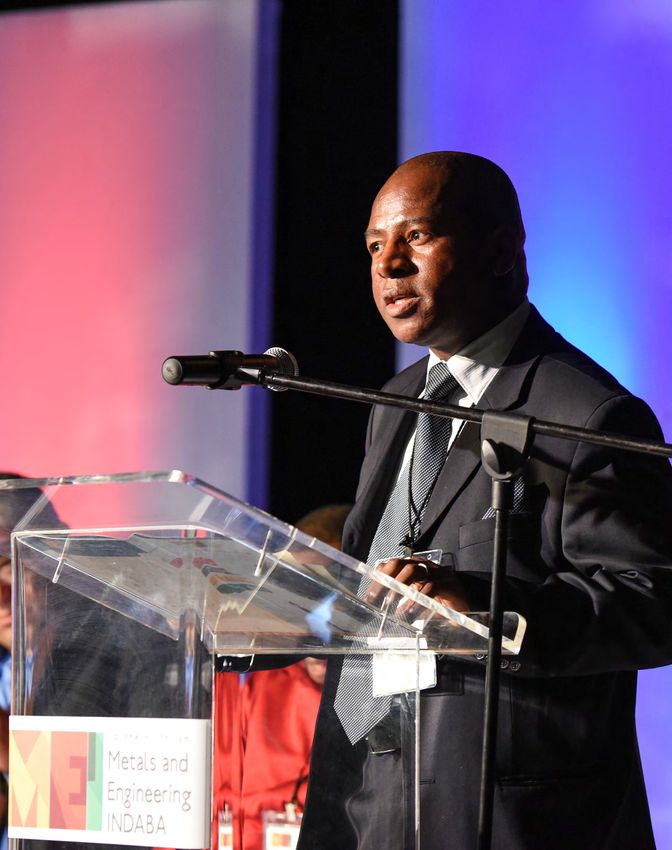
2

    SEIFSA ANNUAL REVIEW 2019
SEIFSA
   To promote sustainable metals and engineering
    industries to ensure that they are strategically
      positioned for innovation and growth in the
       interests of a prospering Southern Africa.
                                                                  VISION

      To promote sustainable metals and
     engineering industries to ensure that
      they are strategically positioned for
    innovation and growth in the interests
        of a prospering Southern Africa.
                                                             MISSION

               Integrity

  Integrity is paramount to us. It informs                        VALUES
 everything that we do and how we do it.

                Diversity

We embrace, value and leverage Diversity.
                       Excellence

We seek to do everything right the first time, with Excellence.
                       Stewardship

  We take Responsibility for our actions and treat SEIFSA’s
                   assets with respect.
                             Passion

    We approach every task, however small it may appear to be,
                          with Passion.

                               Innovation

     We always strive to Improve our performance and to come up with
                        new products and services.
                                                                       3
4
4

CONTENTS PAGE
    Chairman’s Report .............................................................................................4
    Chief Executive Officer’s Report .................................................................10

                                                                                                                                   01
    Chief Financial Officer’s Report ..................................................................16
    Metal Industries Benefit Fund Administrator’s Report .....................20
    Metal and Engineering Industries Bargaining Council’s Report ....24
    Administration Services Report .................................................................26
    About SEIFSA ....................................................................................................28
    Marketing Report ............................................................................................30
    Communication Report ................................................................................36

    Industrial Relations & Legal Services........................................................40

                                                                                                                                   02
    Economics & Commercial ............................................................................46
    Safety, Health, Environment & Quality ....................................................52
    Human Capital & Skills Development ......................................................54
    Small Business Hub ........................................................................................60
    Advocacy and Lobbying ..............................................................................62
    Social Responsibility Report ......................................................................70
    Secretariat Report ...........................................................................................74

    BUSA ....................................................................................................................76
    MERSETA .............................................................................................................77
    MEIBC ...................................................................................................................77

                                                                                                                                   03
    MIBFA ...................................................................................................................78
    NEDLAC ...............................................................................................................78
    NDC ......................................................................................................................78
    HRDC ....................................................................................................................78
    NNR ......................................................................................................................78
    RMA ......................................................................................................................78
    BBCMWG ............................................................................................................78

                                                                                                                                   04
    BOARD OF DIRECTORS ..............................................................................80/1
    EXECUTIVE TEAM ............................................................................................80
    MANAGEMENT TEAM ....................................................................................80
    STAFF MEMEBERS ...........................................................................................81

                                     SEIFSA ANNUAL REVIEW 2019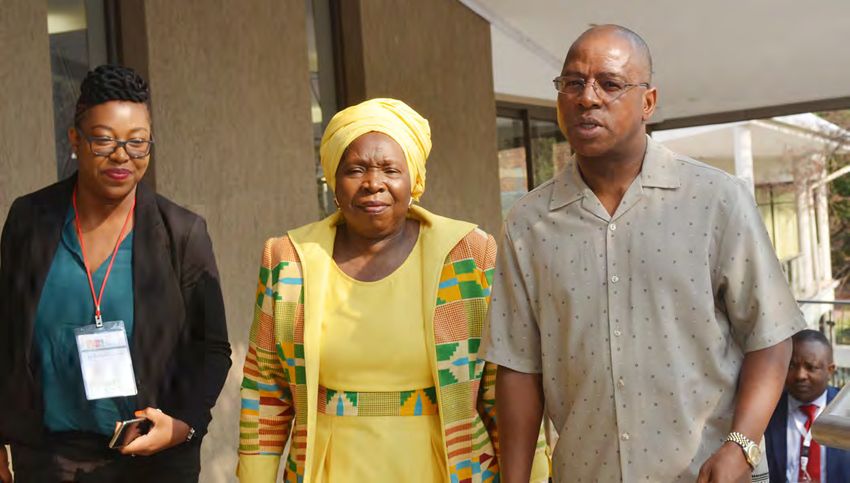
SEIFSA REPORTS
ABOUT THE REPORTS

SEIFSA DIVISIONS
 PRODUCTS AND SERVICES

SEIFSA REPRESENTATION
ABOUT SEIFSA

TEAM SEIFSA
ORGANOGRAM

EDITOR:
OLLIE MADLALA

COVER AND CREATIVE DESIGN:
ZANDILE NGUBENI

                             5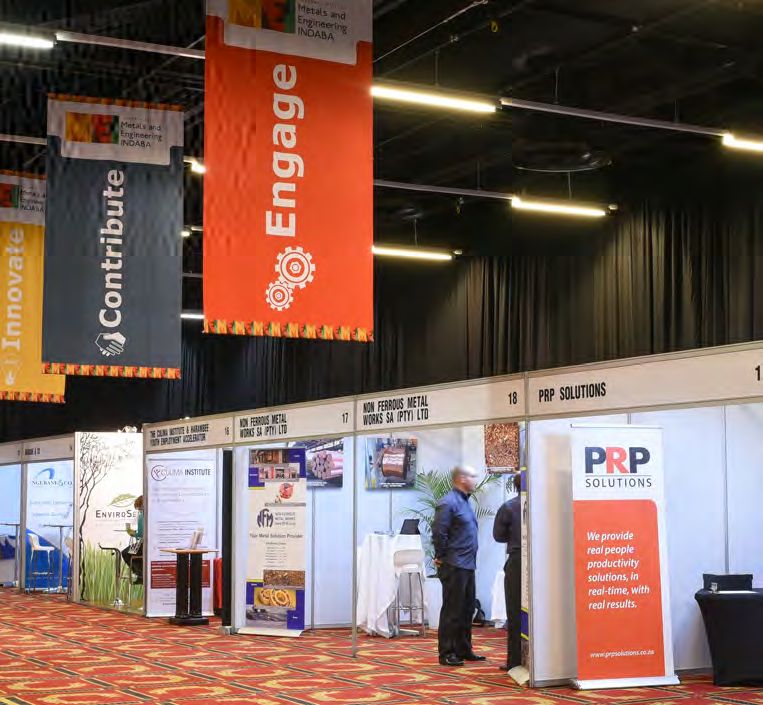
6

01
 CHAIRMAN’S
 REPORT

                    SEIFSA President, Elias Monage

         T
              he state of our metals and
              engineering sector is a                Although there was no doubt
              reflection of the performance          better leadership offered by
         of economic activity in South               President Cyril Ramaphosa
         Africa. Disconcertingly, there was a        and the Government as he
         decrease in production on a year-           finished the last year of his
         on-year basis during the year under         predecessor’s second term
         review, due to the prevalence of            as Head of State, our country
         a plethora of challenges in the             continues to be dogged by
         sector. This included low aggregate         various challenges. There
         demand.                                     continued to be a multiplicity
                                                     of contradictory – and often
         The role played by our metals               influential – voices heard on
         and engineering sector towards              the     economy,     sometimes
         economic growth is still fairly             from within the ranks of the
         negligible when compared to the             governing party, at a time when
         pre-economic      and      production       consensus       is  desperately
         crises years of 2009 and 2014               needed to engender investor
         respectively. The sector’s lacklustre       confidence. While welcome
         economic      productivity    reflects      efforts were made to reach out
         the very disappointing growth in            to business and labour, more
         domestic demand since 2007,                 still remained to be done to
         during which growth in the Gross            forge a stronger partnership
         Domestic Product has been                   among       the    Government,
         hovering around 1% per annum.               business and labour.

         SEIFSA ANNUAL REVIEW 2019
The top industries to Despite the ongoing contestation facing the industry to ensure that
which the sector sells its of ideas on a number of issues intermediate goods are priced
when it comes to management of competitively, with a positive effect
output (that is the share our economy, one is cautiously on margins of businesses. Without
of domestic demand for optimistic that the centre will hold co-operation, all businesses –
and that President Ramaphosa will including small, medium and
M&E sector products) are: succeed in his commendable efforts micro enterprises – cannot
to rid the country of corruption and flourish and expand. Intra-industry
to attract foreign direct investment squabbles are counterproductive
to South Africa. to the objectives of the National
Development Plan (NDP) in
BUSINESS AND the long run, especially that of
enduring growth and employment,
ECONOMIC
thereby constricting the effective
23.5%
ENVIRONMENT implementation of its long-term
socio-economic road map, with
The foremost issue is what should
dire consequences on economic
Construction sector be done to ensure that the sector
development.
remains competitive, is attractive
for investment and generates
Despite a relative reduction in
sustainable profits underpinned by
import volumes, thanks to the
12.1%
more employment.
protection measures for the
upstream steel industry announced
It is evident that the sector’s
by the Government, import
continued survival depends, as far
Auto cluster as the local economy is concerned,
penetration – notwithstanding
designated products – remains a
crucially on the health and growth
cause for concern. There are also
of the sectors which are its demand
legitimate concerns from the mid-
6.1%
drivers, viz the mining, construction
and downstream steel sectors
and petro-chemical sectors and
that the safeguard duty mainly
the automotive industry. The top
favours the upstream steel sector.
industries to which the sector
Mining sector sells its output (that is the share of
This calls for a need to revisit
quid pro quo commitments made
domestic demand for M&E sector
by the principal beneficiaries
products) are the construction
of the safeguard, including
sector (23.5%), followed by the
the contentious downstream
Alternatively, the top industries auto cluster (12.1%) and the mining
developmental pricing, which is
from which the sector buys its sector (6.1%). Alternatively, the top
obsolete in a world of volatile steel
inputs are: industries from which the sector
prices, exchange rate and trade
29.8%
buys its inputs are mining (29.8%),
war. Although the establishment,
followed by the petroleum and
through interest rate subsidy, of
chemicals (1.4%) and construction
a R1.5 billion downstream steel
(1,1%). In addition, the need to
Mining continually grow market share in
industry competitiveness fund
over three years has relieved
regional markets and also mitigate
some pressure from a number
exposure to potential risks from the
of structural factors, there is still
1.4%
existing trade war between two of
need to ensure that the fund is
the World’s largest economies is
accessible to more companies.
also important.
Longer-term survival and recov-
petroleum & chemicals Competition is encouraged,
ery, however, needs honest
albeit in a business-as-usual
and sincere discussions around
atmosphere rather than
policy measures and company
belligerently. Competition should
1.1%
behaviour. The need to contain
be driven by a collegial approach
input costs and further lessen the
in solving common problems
impact of both the 2007/8 financial
construction
7
8

and economic crises and the 2014         especially given that government             MEIBC NEGOTIATIONS
productions crisis still exists. Also,   has the largest procurement
                                                                                      ON WAGES AND
the negative effects of the Chinese      spend of roughly R938 billion. So
economy, which is simultaneously         far, the steel industry seems to
                                                                                      CONDITIONS OF
slowing down and overwhelming            be the earliest beneficiary, but the         EMPLOYMENT
world markets with cheap exports,        expectation is for the benefit to
needs to be contained.                   trickle down to other industries in          Regrettably, efforts to extend the
                                         the M&E cluster.                             2017-2020 MEIBC Main Agreement
There are prospects for increased                                                     to non-parties were not concluded
trade and interdependence with the       Opportunities like SEIFSA’s annual           during the year under review. That
rest of Africa, since local companies    Southern African Metals and                  meant that those that were not
can still make use of the R13,4          Engineering Indaba offer a great             party to the Agreement continued
billion export trade facility launched   platform for industry players to put         to enjoy an unfair advantage when
by the Export Credit Insurance           their heads together, deliberate on          it came to input costs, thanks to
Corporation of South Africa (ECIC)       matters of common interest and               much filibustering on the MEIBC
and the African Export Import            seek to influence Government                 Management Committee when it
Bank (Afreximbank). This amount,         policy. It is crucially important            came to extending the Agreement.
plus additional support to the tune      that the Indaba enjoys the full
of $1 billion from Afreximbank to        and enthusiastic support not only            However, that notwithstanding,
help alleviate the transactional         of companies in Associations                 we remain hopeful that the new
and adaptation costs of countries        affiliated to SEIFSA, but also that of       Minister of Employment and Labour
which are signatories to the African     all industry players, including their        will do all in his power in future to
Continental Free Trade Agreement,        suppliers and customers.                     protect collective bargaining and
should boost SA’s intra-African                                                       to ensure that agreements duly
exports to the rest of Africa.                                                        reached in such bargaining are
                                                                                      extended throughout the industry.
Importantly, a cluster approach to
the dynamics of each sub-industry
is still needed. As highlighted in the
State of the Metals and Engineering
Sector Report for 2019/20, each
sub-industry within the sector has
its own unique exposure to national
and international markets, its own
capital or labour intensities and its
own productive capacity constraints

                                                     MEI FLAGS
and production cost challenges.
Clearly, new investment is needed
by all the sub-components in order
to improve productive efficiencies
to those of world benchmarks and
to grow.

Stimulation and redirection of
domestic general government
procurement demand towards
domestic metals and engineering
producers is a policy measure
over which South Africa has
control. The recent initiative by the
Department of Trade and Industry
aimed at designation, localisation
and supplier development is
lauded as a significant tool in the
industrial policy toolkit to support
the broader manufacturing sector,

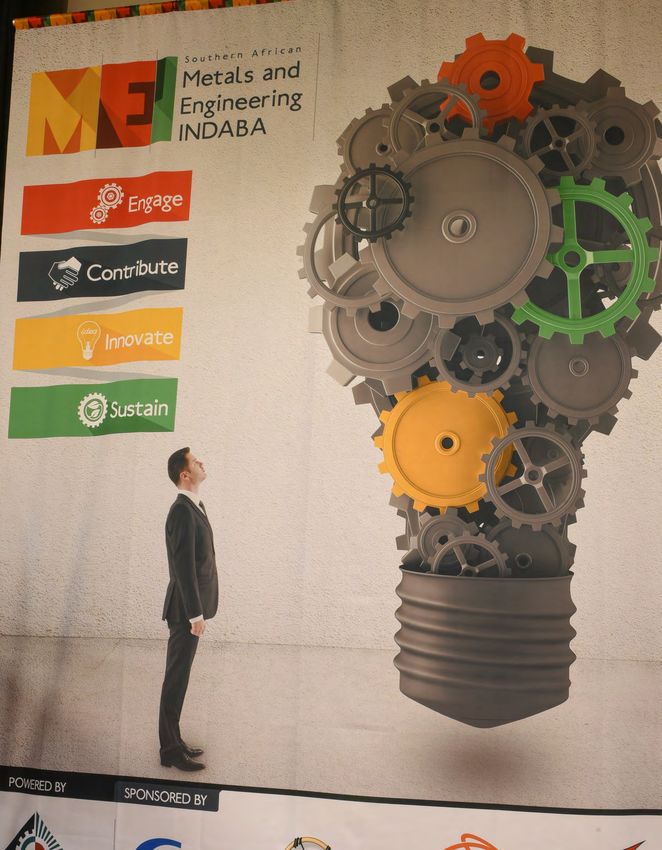
                                             Delegates visiting exhibitors at 4th Annual M & E Indaba

                                         SEIFSA ANNUAL REVIEW 2019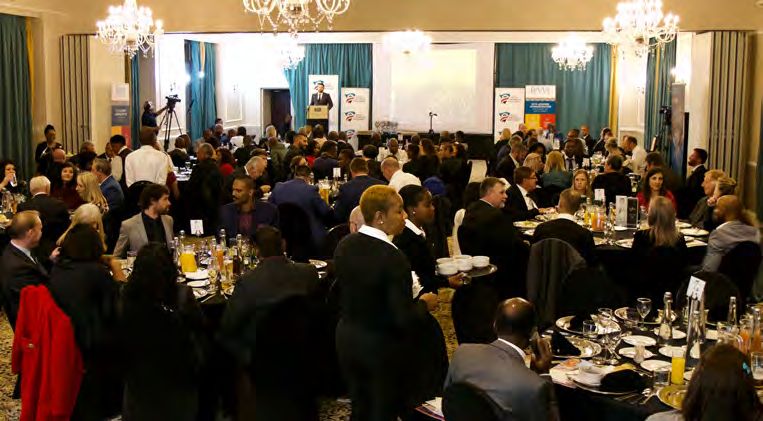
As the 2020 negotiations approach,      to solvency and functionality is a      to the challenges that confront
it is important to bear in mind         goal that is shared by almost all       it, including on our approach to
the state that the South African        stakeholders represented on the         collective bargaining and the
economy currently finds itself          MEIBC.                                  mandating process. The ongoing
in – a mostly negative economic                                                 challenge facing the Federation is to
and      business     environment       BUSINESS                                demonstrate that it has the interests
characterized by a stagnant                                                     of all players, big and small, in the
                                        SUSTAINABILITY
economy and job losses being                                                    metals and engineering sector
experienced in the metals and                                                   and that, as much as possible, it
                                        On the business front, challenges
engineering and other economic                                                  represents or speaks for all of them.
                                        of different kinds remain. At the
sectors.                                                                        To that end, the Federation’s Small
                                        top of our list is our country’s poor
                                                                                Business Hub (SBH) is of critical
                                        economic performance, followed
There is reason to hope that                                                    importance. I encourage many
                                        by continuing significant imports
the amendments to the Labour                                                    companies – large, medium-sized
                                        of competitive products and skills
Relations Act made last year –                                                  and small – within and outside
                                        and our manufacturing sector’s
which brought back the secret                                                   the broad SEIFSA membership to
                                        apparent lack of international
ballot,     introduced     advisory                                             make use of the impressive suite of
                                        competitiveness.
arbitration and a code of good                                                  services offered by the SBH.
practice on collective bargaining
                                        These challenges will continue to
and default picketing rules – will
                                        stare us in the face, and maybe         TRANSFORMATION
mitigate the chances of the kind of
                                        even worsen, until such time
prolonged and violent strike action                                             The slow pace of transformation
                                        that South Africa Incorporated –
seen in 2014.                                                                   in the metals and engineering
                                        Government, business and labour
                                        – gets together to address them         sector continues to be of great
METAL AND                               constructively, putting the country’s   concern. The Employment Equity
ENGINEERING                             interests above all else, and then      Act and Skills Development Act
                                                                                provide the basis for addressing
INDUSTRIES                              implementing the solutions agreed
                                        to.                                     other indicators of inequality in the
BARGAINING                                                                      labour market. These two pieces of
COUNCIL (MEIBC)                         To this end, the metals and             legislation complement each other
                                        engineering cluster of industries       in addressing inequalities and unfair
The MEIBC continued to function                                                 discrimination in human capital
                                        needs more support from both
under administration under the                                                  development, thus helping this
                                        the Government and Captains
control of a Court-appointed                                                    country to harness fully the potential
                                        of industry in order to trigger a
Administrator.    To   date,   the                                              of its diverse human capital.The
                                        turnaround in 2019. Increased
Administrator has appointed a                                                   manufacturing industry in general
                                        export    volumes    and     export
Council Secretary with strong                                                   and the metals and engineering
                                        competitiveness are pivotal if
accountancy       and    corporate                                              sector in particular are very much
                                        companies in the cluster intend to
governance skills and tabled a                                                  in need of transformation. This is
                                        gain from the African Continental
rehabilitation plan. He has been                                                the case not only when it comes
                                        Free Trade Area and to maximise
effective in reducing overheads,                                                to general business ownership, but
                                        benefits from preferential rates on
whilst stabilising the Council’s                                                also with regards to occupation of
                                        90% of goods originating from the
finances.                                                                       senior leadership positions.
                                        continent.
                                                                                Former Labour Minister Mildred
Whilst administration has been                                                  Oliphant delivered the findings
                                        SEIFSA’s      strategic role     in
effective in preventing the complete                                            of    the     Employment       Equity
                                        influencing policy cannot be
collapse      of    the    Bargaining                                           Report 2018. The Black (African)
                                        underestimated. The Federation’s
Council, important work remains,                                                population represents the biggest
                                        involvement       with  Business,
particularly in the area of extending                                           number of people who make
                                        Government, Institutions like the
the coverage and scope of the                                                   up     the    economically     active
                                        International Trade Administration
Council’s levy agreements, which                                                population – and it is paramount
                                        Commission and Business Unity
are very important to the long-term                                             that our workplaces should reflect
                                        South Africa and labour is geared
survival of the institution.                                                    this reality. However, during the
                                        towards improving the business
                                        and regulatory framework for the        period under review, a number of
A properly-resourced and well-                                                  JSE-listed companies received
                                        sector.
functioning Bargaining Council is                                               prosecution warnings for not
critical to maintaining labour market                                           complying with the Employment
                                        Internally, we have to ensure that
stability. Returning the Council                                                Equity Act by not implementing
                                        SEIFSA continues to be equal

                                                                                                      9
10

    affirmative action measures to            Over the past 20 years, there         the coloured population sits at
    redress the disadvantages in              has been a 1% decline in              5,1% and the Indian community
    employment       experienced   by         white incumbents in senior            at 9.4%.
    designated groups. Here are some          management. The African          •    Black people occupy 83.5% of
    key findings from the report:             population occupies 14.3%             positions at unskilled level
    • White people occupy 67.7% of            of senior management, while           Coloured people occupy 11.1%,
         top management jobs in SA

                       4.2.1. Top Management level by Pipulation Group, Gender and Disabilty

                          Figure: Top management by population group (All Employers)

                                                        3.4%
                                                                     14.3%

                                                                                                           A
                                                                              5.1%
                                                                                                           C

                                                                                                           I
                                                                                   9.4%
                                                                                                           W

                                                                                                           FN
                       67.7%

    EMPLOYMENT EQUITY REPORT 2018
         TOP MANAGEMENT                        SENIOR MANAGEMENT                                UNSKILLED LEVEL
                                                African population occupies
             67.7%                                     14.3%
             White people in top
                                                  of senior management,
             management job in SA
                                                while coloured population
                                                          sits at

                                                        5.1%
               1%                                   and Indians sits at
decline in white incumbents in senior
           management
                                                        9.4%                                      Blacks people occupy

                                                                                                        83.5
                                                                                             while coloured people occupy

                                                                                                      11.1%
                                                                                                 Foreign nationals are at

                                                                                                       3.5%
                                                                                                    and Indians sits at

                                                                                                       0.8%

                                         SEIFSA ANNUAL REVIEW 2019
FEMALES
43.5%
of females
scourge of corruption and to place
the country on an upward, growth
trajectory. We dare not fail our
country and future generations.
occupy semi-skilled jobs
APPRECIATION
There is no doubt that focused
effort and planning is required to
Foreign Nationals are at 3.5%, a crucial role in taking our navigate SEIFSA and its member
while White people sit at 1.1% industry to new heights. Associations through increasingly
and Indian people at 0.8%. challenging circumstances, socio-
economic difficulties, political and
STATE OF THE regulatory uncertainty and the weak
Males sit at 56.5% of semi-
skilled positions, while they NATION business landscape. To achieve
also have the majority (59.8%) its objectives, SEIFSA requires
in the private sector and South Africa’s outlook was well-informed, strong, respected
females were the majority at significantly shifted by the leadership, a united and effective
government level at 55.1%. appointment of a new President Board and Council and a presence
• Females occupy 43.5% of to lead the country in 2018. and voice with all stakeholders.
semi-skilled jobs Markets rallied strongly the day
Males sit at 56.5% of semi- after Cyril Ramaphosa assumed I would like to express my thanks
skilled positions, while they the presidency. While the initial to the SEIFSA membership, which
also have the majority (59.8%) euphoria occasioned by this supported my appointment as
in the private sector and female transition has since dissipated, President.
employees were the majority at there is every reason to believe
government level at 55.1%. that the country will be much better This has been an eventful year and
• Africans are the most run in the new dispensation. We there have been many outstanding
represented in technically look forward to working with the contributions by individuals to
skilled labour new Cabinet in the implementation the successes that SEIFSA
In community/social/personal of the many undertakings made by has achieved, negotiated and
services, African people sit President Ramaphosa. influenced.
at a majority, with 75.4%,
followed by electricity, gas and The year under review has My sincere thanks go to all
water. Mining and Quarrying been characterised by a series SEIFSA Council Members for their
employed the most Foreign of hearings into State capture. support and active participation
Nationals, at 4.4%. It remains our hope that the at our meetings. My thanks
• In senior management, males hearings will be followed by the also go to fellow Directors on
occupy 66.2% of the positions prosecution of those alleged to the SEIFSA Board and to the
Females make up 33.8% of the have been involved in various acts SEIFSA Executives. I am grateful
positions, while whites occupy of corruption, both in the public and to the entire SEIFSA team for its
56.1 of the positions over the private sectors. In particular, the collective and individual energy,
Africans, who occupy 22.1% of work that continues to be done by enthusiasm and passion for the
the positions. the State Capture Commission led Federation. Your contribution,
As a sector, we need to stand by Deputy Chief Justice Raymond professionalism and dedication are
up and embrace change and Zondo will be of vital importance in greatly appreciated.
advocate transformation. Not ensuring that South Africans get to
only is it in South Africa’s appreciate fully the extent to which Finally, I wish the men and women
interest for that to happen, their country was taken advantage who will be elected onto the Board
but it is also fundamentally of and that the country cleanses of Directors at the Annual General
in business’s own long- itself. Meeting in October the very best of
term interest. It is of critical luck in the year ahead.
importance that a concerted All of us – as citizens, business
effort is made by the sector to and labour leaders, elected public
officials, etc. – have a collective
Elias Monage
create meaningful opportunities President and Board Chairman
for all South Africans to play duty to eradicate the terrible
1112
01
CHIEF
EXECUTIVE
OFFICER’S
REPORT
A GOOD YEAR, FOR THE THIRD YEAR IN A
ROW
H
ard on the back of two successful years, SEIFSA has again had
another good year in FY2018/19. For the third year in a row, the
Federation has generated a healthy surplus, notwithstanding the
poor state of our economy.
This good performance, which has now become a solid pattern, is based
on tough decisions that have had to be taken over the past five years.
These have seen the Federation paying particular attention to cost
containment, while simultaneously working hard to maximise revenue
generation opportunities. While membership fees continue to be important,
over the past few years we have managed to generate more revenue from
the Federation’s various products and services in order to ensure greater
sustainability.
To date, the vast majority of companies taking advantage of SEIFSA’s
competitively-priced products and services are members of Associations
affiliated to SEIFSA. That means that there continue to be opportunities for
us to ensure that there is wider take-up of our products and services – most
of which are generic in nature – beyond both member Associations and the
metals and engineering sector.
SEIFSA ANNUAL REVIEW 2019Regrettably, the South African economy continued to perform poorly during
the year under review. Inevitably, the metals and engineering sector was
similarly affected, as was general manufacturing. This is disappointing,
especially when the euphoria which greeted President Cyril Ramaphosa’s
first few months in office in 2018 is taken into consideration. At the time,
there was much hope and optimism that the era of lack-lustre economic
growth would soon be behind us. Sadly, that was not the case during the
course of the year.
ADVOCACY AND LOBBYING
Advocacy and lobbying continue to be an important part of our work, in
addition to stakeholder management and revenue generation. This work
is done through participation in various fora involving a multiplicity of
stakeholders, attendance of important stakeholder functions and events,
through to the arranging of one-on-one meetings for SEIFSA and/or some
of its member Associations or companies. Equally importantly, we also
ensure that the Federation’s voice is heard loudly on important matters with
potential to affect the economy and/or the metals and engineering sector.
Through regular public interviews, weekly issuing of press releases and the
publishing of analyses and sundry opinion pieces in various newspapers,
SEIFSA generated publicity worth R41,6 million (called the Advertising
Value Equivalent) during the year under review, according to media
monitoring agency Newsclip.
In addition to participation in industry events, both the CEO and all
Executives took part in various meetings and discussions organised by
entities like Business Unity South Africa and Business Leadership South
Africa with various stakeholders, primarily Government representatives. In
September 2019, one was part of a meeting that President Cyril Ramaphosa
held at the Union Buildings with various CEOs, during which matters of
concern to our members were brought to the attention of the President
and his Ministers. One was also part of both the inaugural Presidential
Investment Summit in Sandton, Johannesburg in November 2018 and a
day-long Business Economic Indaba hosted by President Ramaphosa at
Gallagher Estate in Midrand in February 2019.
In addition to supporting member companies, Associations and allied
organisations which have social events like annual golf days and to
partnering with the Department of Higher Education and Training on
Centres of Specialisation at a number of Technical, Vocational and
Educational Training Colleges, the CEO also hosted the four main political
parties over breakfast at the Johannesburg Country Club in Auckland Park,
Johannesburg, during which the parties spelt out – ahead of the 8 May
2019 elections – their various economic plans.
A separate, consolidated Advocacy and Lobbying Report is carried
elsewhere in this Annual Review.
CORPORATE EVENTS AGAIN A SUCCESS
Once again, our various corporate events were a great success during
the year under review. The 2018 SEIFSA Golf Day, which took place at
the Houghton Golf Club, was again over-subscribed. Sanlam came on
board as the primary sponsor, and we continued to enjoy the support of
many member companies. Now in their fifth year, the SEIFSA Awards for
1314
Then Minister in the Presidency Dr Nkosazana Dlamini Zuma was among speakers at the
2018 M & E Indaba
Excellence attracted the highest number of entrants to date,
and the hall for the Awards function held at Sunnyside Park
Hotel in Parktown, Johannesburg in May 2019 was overflowing.
Youth Employment Initiative Chief Executive Officer Tashmia
Ismail-Saville was a popular guest speaker.
Among the key policy makers in The fourth Southern African Metals and Engineering Indaba,
which was again held at the IDC Conference Centre in Sandton,
attendance was then-Minister in was another great success. Among the key policy makers in
the Presidency, Dr Nkosazana attendance was then-Minister in the Presidency, Dr Nkosazana
Dlamini-Zuma, with yet another impressive list of speakers from
Dlamini-Zuma, with yet another business, Government and labour.
impressive list of speakers from At the time of compiling this report, the Fifth Southern African
Metals and Engineering Indaba, which coincides with the 25th
business, Government and year of South Africa’s democracy, was about to take place.
labour.
STABILITY AT INDUSTRY
INSTITUTIONS
There continued to be stability at the two important industry
institutions, the Metal and Engineering Industries Bargaining
Council (MEIBC) and the Metal Industries Bargaining Funds
Administrators (MIBFA). While Administrator Afzul Soobedaar
continued in office at the MEIBC during the year under review,
the Council also welcomed new CEO David Sicelo Nduna.
Separate reports by SEIFSA Operations Director Lucio Trentini
and Chief Financial Officer Rajendra Rajcoomar on both
institutions are included elsewhere in this Annual Review.
SEIFSA ANNUAL REVIEW 2019At the time writing, we have no Mthenjana, started on 1 May in terms of the Labour Relations
reason to believe that the MEIBC 2019. He and Ms Mokoetle worked Act, was initiated and she exited
will not be ready to host the together during that month to effect the organisation at the end of the
2020 negotiations on wages and a smooth transition. financial year. Through its virtual
conditions of employment. SHEQ Division, SEIFSA now offers
Former Human Capital and Skills considerably more SHEQ services
NEW FACES ON Development (HC&SD) Executive throughout the country, thanks to
Melanie Mulholland and her its partnership with two established
THE EXECUTIVE husband relocated to the Western service providers.
COMMITTEE Cape in April 2019. Her last month
with SEIFSA was March 2019. She I thank Ms Mokoetle, Ms Mulholland
During the year under review, two has since joined the Cape Engineers and Ms Mphofu for their service
former members of the Executive and Founders Association, which is to the Federation and wish them
Committee moved on. Former affiliated to SEIFSA, as Executive well in their respective current
Industrial Relations and Legal Director. We were in the fortunate endeavours. I also congratulate
Services Executive Bridgette position of being able to appoint Mr Mthenjana on his appointment
Mokoetle, who was also Company Michelle Norris, who was the and Ms Norris on her promotion,
Secretary, left the Federation’s HC&SD Manager at the time, our and wish them well in their new
employ at the end of May to open new HC&SD Executive. Ms Norris positions.
her legal practice. Her exit was has since settled comfortably into
well managed: she had indicated, the position. The 2019/2020 financial year
in November 2018, her intention marks the last year of the three-
to go into private practice this year, To continue to contain costs, we year Settlement Agreement
and was persuaded to delay her also took a decision to out-source signed in August 2017. Thanks
decision until March 2019. During the services offered by our Safety, to that agreement, our sector has
her last three months (April-May Health, Environment and Quality enjoyed relative calm and stability
2019) with the Federation, she (SHEQ) Division. That led to then- in the interim, without any industrial
was on contract and spent two SHEQ Executive Nonhlalo Mphofu action.
days a week attending to SEIFSA’s being impacted by the restructuring.
business. Her successor, Sibusiso As a result, a Section 189 process,
Sibusiso Mthenja na Mic helle Norris
Industrial Relations & Human Capital & Skills
Legal Executive Development Executive
1516
THE YEAR AHEAD
Next year is very important for our will be active in championing each one of them. With all of us
sector, marking as it does the need the interests of the country’s working as a team and pulling in
for a return to negotiations on wages manufacturers through the BRICS the same direction, SEIFSA can
and conditions of employment. Business Council. This follows only be even stronger and its voice
It will require, yet again, that all first my appointment into the more influential.
Associations affiliated to SEIFSA Manufacturing Working Group of
and like-minded employer the South African Chapter of the Finally, my thanks and appreciation
parties work closely together to BRICS Business Council, followed go to SEIFSA President and Board
develop realistic mandates ahead by my elevation to the positon of Chairman Elias Monage for his
of the negotiations, with our Chairman of the Manufacturing support and guidance, and to the
labour partners having a similar Working Group. That will cement Board of Directors for its support
responsibility. At a time when ties between the Federation and stewardship of the Federation.
South Africa is facing a possible and all interested manufacturing Their collective wisdom and
sovereign ratings downgrades by groups in the country, including commitment to Good Corporate
Moody’s, the only credible ratings companies that are members of Governance remain greatly
agency to have kept us above junk our affiliated Associations. appreciated.
status so far, not only our struggling
sector, but the economy as a whole,
MY THANKS
cannot afford industrial action next
year.
Kaizer M. Nyatsumba
The team with which I have the Chief Executive Officer
pleasure of working at SEIFSA is
As always, SEIFSA will work
richly deserving of my gratitude
closely with member Associations
and appreciation. Collectively, we
to execute the mandate given
have continued to work hard to
to its negotiators by the SEIFSA
ensure the Federation’s success.
Council, our assembly of member
I dip my hat to all staff members,
Associations from which our
from Executive Committee
mandate derives. We will again
Members to the most junior
stick closely to the given mandate.
employee.
We look forward to the cooperation
As always, colleagues and I are
of members and labour partners
immensely grateful to all SEIFSA
alike in the crucial process ahead.
member Associations for their
continued support for and loyalty
Also in the year ahead, SEIFSA
to the Federation. We appreciate
SEIFSA ANNUAL REVIEW 2019SEIFSA CEO Kaizer Nyatsumba addressing M & E Indaba delegates
1718
01
CHIEF
FINANCIAL
OFFICER’S
REPORT
OVERVIEW OF OPERATIONS
F
or the year under review, the Federation continued to operate with
a primary focus on collective bargaining, lobbying and advocacy,
whilst simultaneously having a secondary focus on generating
revenue from consultancy, training and the sale of publications such as
the SEIFSA Price and Index Pages, Industrial Relations Advisors and The
State of the Metals and Engineering Sector Report. The primary sources of
revenue were fees levied to Associations and the sale of products, services
and publications offered through the following Divisions:
• Industrial Relations and Legal Services;
• Human Capital and Skills Development;
• Economics and Commercial; and
• Safety, Health, Environment and Quality.
SEIFSA ANNUAL REVIEW 2019SEIFSA has also continued to offer accounting, administration and
management services to 21 of its affiliated Associations. The SEIFSA
Training Centre continued to focus on developing high-calibre artisans to
meet the needs of employers and address the skills shortage that faces the
country in artisan development. Over the past years, SEIFSA has steadily
increased the revenue generated by the Divisions in order to maintain the
competitive pricing of its membership fees and the price of its products and
services. Continuous product innovation and marketing tools have assisted
in increasing traffic to the Federation’s website and take up of service and
product offerings.
The continued actions of economic aggression from the United States
(US) has created an environment of uncertainty and economic hardship
in certain parts of the world. Here at home, the political climate continues
to hamper economic growth and the possibility of a credit downgrade has
brought economic growth to below a percent. Unfortunately the outlook for
the future is subdued.
Since the majority of the Federation’s customers are from the metals and
engineering sector, these external factors seriously impact on the sector
and, in turn, on the Federation’s ability to generate revenue and retain
or grow its membership base. Notwithstanding this fact, the Federation
managed to promote and market the uptake of its products and service
offerings.
A continuous effort to optimise costs has been maintained, without
compromising service delivery. Product innovation, process optimisation
and the manner in which we are embracing 4IR assist the Federation on
positioning itself for long-term sustainability.
The Federation operated at full operational capacity for much of the year.
OVERVIEW OF FINANCIAL RESULTS
The approved budget for the year was a surplus which built on (108%) of
the prior year’s surplus. Having met the budget in the previous two financial
years, every effort was made by the Federation to meet the budget for
FY2018/19. The year progressed well, with month-on-month financial
targets being met, with an exception noted for only three months of the
year.
Consolidations and liquidations in the sector impacted negatively on
the Federation’s membership. The investment made in developing the
Federation’s websites and the implementation of Active Campaign (a
digital marketing platform) have shown significant growth in visitors to the
websites and increasing business via the websites.
1920
Income generated from member-
RISK STRATEGY EVENTS AFTER
ship fees has increased by 2.83%
from FY2017/18. This marginal REPORTING DATE
SEIFSA has a risk management
increase has been a positive one
strategy in place and actively
in light of the large number of con- No events took place after the
monitors and takes appropriate
solidations and mergers of com- reporting date that would materially
action against the risks identified
panies in the sector. The income impact on the financial position/
and captured in the Risk Register.
generated by the SEIFSA Training performance of SEIFSA.
Centre increased by 14.38% when
compared to FY2017/18 as a result FRAUD AND
of increased student and appren- CORRUPTION FUTURE PLANS
tices uptake. The revenue gen-
erated from the sale of products SEIFSA has committed itself to SEIFSA will continue to deliver on
and services increased by 19.39% actively combatting fraud and all its primary mandate and focus,
when compared to FY2017/18. other acts of dishonesty on a zero- which is undertaking collective
This growth has been attributable tolerance basis. No incidents of bargaining, lobbying and advocacy.
to an overall increase In the Divi- fraud or corruption were reported In order to achieve these goals at
sional sales and the sale proceeds during the year under review. a minimal cost to its membership,
from the tender awarded by the the Federation will simultaneously
DISCONTINUED
Department of Higher Education generate revenue from the
and Training for SEIFSA to manage rendering of services that are
selected Centres of Excellence at ACTIVITIES/ paramount to its members’ and
a number of Technical, Vocational
and Education Centres. Significant
ACTIVITIES TO BE customers’ businesses and deliver
products that will add value to its
growth exceeding inflation has DISCONTINUED customers. Financial performance
been achieved for the year under will be closely monitored to ensure
review. SEIFSA has decided to outsource that the Federation remains
the services offered by the Safety, financially viable. Where action is
Operating expenses for the current Health, Environment and Quality required to rectify performance,
year increased by 7.19% when Division in the next financial year. immediate corrective action will be
compared to FY2017/18, mainly implemented.
attributable to the salary increases
and related adjustments for the NEW OR In the next year, online training and
year. Continuous cost optimisation
has been implemented. PROPOSED a customer rewards programme
will be implemented. Although
ACTIVITIES the year ahead is likely to be
The year closed with a surplus, for challenging no effort will be
a third consecutive year. SEIFSA has no new or proposed spared in delivering outstanding
activities for the next 12 months.. customer service, delivering on
The surplus generated has assisted the Federation’s mandate and
in improving the Reserves and led
to an improvement of the current
GIFTS AND meeting its financial targets and
obligations. We remain hopeful
ratio to 1.30 (FY2017/18: 1.21). DONATIONS that the economy and the political
RECEIVED IN climate will improve. Accordingly,
INTERNAL KIND FROM NON- the Federation will adjust and adapt
CONTROL
to the ever-changing environment
RELATED PARTIES and landscape.
SEIFSA’s system of internal control
No gifts and donations were
is designed to provide reasonable
received in kind from non-related
assurance that, inter alia, assets
parties. Employees receiving gifts
are safeguarded and that liabilities
are obliged to complete the Gift
and working capital are managed
Register, which is tabled at the
efficiently.
Executive Committee meeting
every quarter..
SEIFSA ANNUAL REVIEW 2019KEY FINANCIAL RATIOS
Revenue: Membership ↑ 2.83%
SEIFSA Training Centre Profit ↑ 14.38%
Revenue: Products & Services ↑ 19.39%
Expenses ↑ 7.19%
Surplus ↑ 24.44%
Rajendra Rajcoomar
Chief Financial Officer
2122
01
METAL
INDUSTRIES
BENEFIT FUND
ADMINISTRATORS
REPORT
BACKGROUND
R
etirement Funds in South Africa are governed by the Pension Funds Act No. 24
of 1956 (as amended), that came into operation on 1 January 1958. Since then,
all retirement Funds (Pension, Provident and Retirement Annuity Funds) must
be registered in terms of this Act.
The main aims of the Pension Funds Act are to:
• Register and regulate all entities operating as Retirement Funds;
• Protect the rights of members;
• Maintain minimum solvency standards to ensure that employers do not renege
on their commitments to employees and leave them destitute in their old age;
• Ensure that the Funds, as separate legal entities, have balanced ownership
and accountability of the participating parties; and
• Dissolve Funds that are financially unsound or wilfully violate the Act.
SEIFSA ANNUAL REVIEW 2019In terms of the Pension Funds Act,
members have the right to elect Until 31 March 2012. the
50% of the Board Members. A Engineering Industries Pension
Trustee acts in a fiduciary capacity Fund was a Defined Benefit Fund.
and should be familiar with and This means that the benefits that
understand the laws governing were payable in terms of the Rules
retirement funds. were guaranteed and fixed in
nature. The Fund bore the risk and
The Board of Trustees has appoint- benefits payable on retirement had
ed as its agent, the Metal Industries to be paid as a monthly income and
Benefit Fund Administrators (MIB- were payable to the member for the
FA), to administer the funds of Em- rest of his or her life.
ployers and Employees in the met-
als and engineering industries. The The Board of Trustees agreed
Board is nevertheless accountable to convert the active member
and ultimately responsible to the section of the Fund to a Defined
Registrar and the Financial Servic- Contribution Fund from 1 April
es Board. MIBFA provides admin- 2012.
istration services for the following
Funds: This was done in order to
guarantee the long-term financial
• Engineering Industries Pension sustainability of the Fund.
Fund;
• Metal Industries Provident In a Defined Contribution Fund,
Fund; member benefits are based on
• Metal and Engineering In- the members’ own contributions
dustries Permanent Disability to the Fund, plus the employer’s
Scheme; and contributions, plus interest earned
• Metal and Engineering Indus- from investing these contributions.
tries Bargaining Sick Pay Fund.
THE METAL
A BRIEF HISTORY OF INDUSTRIES
THE FUNDS THAT PROVIDENT FUND
ARE ADMINISTERED
BY MIBFA The Metal Industries Provident
Fund, a Defined Contribution Fund,
was established on 1 May 1991.
ENGINEERING In this Fund, only the contributions
are defined and benefits that are
INDUSTRIES payable in terms of the Rules are
PENSION FUND payable as a lump sum. There is no
monthly income on retirement. The
The Engineering Industries Pension member, therefore, carries the risk
Fund, being the continuation of the and is responsible for ensuring that
Metal Industries Group Life and s/he invests the lump sum wisely.
Provident Fund with which the
Metal Industries Group Pension On starting employment, workers
Fund was merged with effect can thus choose to belong to either
from 1 January 1995, was first the Engineering Industries Pension
established in 1957. Fund or the Metal Industries
Provident Fund.
2324
THE METAL AND Pension and Provident Funds. The Surplus apportionments have
Board of Trustees comprises an exceeded R25bn (R24bn prior
ENGINEERING equal split of representation from year) to date, with 7.2% being
INDUSTRIES both Employers and Labour, who added monthly for the employees’
PERMANENT
meet at least four times per annum. benefit from the Contribution
Based on the level of knowledge Increase Programme Reserve
DISABILITY and expertise that the Trustees Account (CIPRA), with no cost to
SCHEME have, they also serve on various
sub-committees of the Board of
the employer or employee.
Trustees, namely: In addition to the members’
The Permanent Disability Scheme
• Governance Committee; investment (contributions by
was established in 1994 in order
• Investment Committee; members and employers, plus
to provide a monthly income to
• Actuarial and Benefits investment returns), an exit bonus
members who become permanently
Committee (sub-committee of of 13%-18% (which varies with
disabled and unfit to carry out any
the Investment Committee); the actuarial valuations) becomes
occupation in the metal industries.
and payable to a member when the
• Collaboration Forum. member exits the Fund. With effect
On joining either the Engineering
from 1 April 2019, a sliding scale of
Industries Pension Fund or the
The number of meetings held by exit bonuses has been approved by
Metal Industries Provident Fund,
the various sub-committees will the Trustees.
members automatically assume
vary, depending on the tasks at
membership of the Permanent
hand, and will normally precede a During the year, the Funds Living
Disability Scheme.
meeting of the Board of Trustees. Annuity has been rolled out to
the members. A Fund housing
METAL AND The Board of Trustees has adopted scheme is in the process of being
ENGINEERING an Investment Policy Statement investigated. Should the entire
and has strict Governance criteria be met, the rollout of this
INDUSTRIES measures in place. scheme should commence in
BARGAINING SICK 2020. The South African Revenue
PAY FUND INVESTMENTS Services is also revising legislation
to allow the transfer from a
provident fund to a pension fund
The Sick Pay Fund, a Benefit Fund The combined value of the Pension
upon retirement. This will enable
governed by the Friendly Societies and Provident Funds is in excess
pensioners to gain maximum
Act, was established in 1978. of R110 billion, making it one of the
pension for a longer period of time.
largest privately-managed funds
These benefits are temporary in in the country. The performance
nature and are geared to assist of the Fund Managers is closely
employees in times when they monitored and corrective action SECTION 13 OF THE
have exhausted their sick leave implemented immediately, where
PENSION FUNDS
and have no means of income necessary, and all investments
while they are absent from work are made in accordance with the ACT
due to illness or confinement. The Investment Policy Statement.
benefit also includes payment to Non-compliance with Section 13A
employees who are on maternity The financial markets both locally of the Pension Funds Act 24 of
leave for a period up to six months. and globally have performed poorly 1956 (the “Act”), which deals with
over the past few years, with no payment of contributions to the
Fund, is now a criminal offence in
REPRESENTATION real improvements being noted
during the last year. However, the terms of the new sections [13(8)
ON THE BOARD OF returns generated by the Funds and (9)] that have been added
TRUSTEES have managed to exceed inflation. to the Pension Funds Act with
effect from 28 February 2014.
The asset management expenses
of approximately 30 basis points If convicted, a fine of up to R10
The Associations affiliated
are the lowest in the industry. million and/or imprisonment of up
to SEIFSA have elected
Approximately 35% of the total to 10 years may be imposed on the
representatives from Industry,
assets are managed by MIBFA’s responsible party.
together with employees of
Internal Managers.
SEIFSA, to serve as Trustees
on the Boards of Trustees of the
SEIFSA ANNUAL REVIEW 2019In addition to criminalising the During the year, MIBFA allocated to engage and provide feedback
non-payment of contributions, the part of its enforcement of arrear to all its member Associations and
person at the employer responsible collection budget to the Metal and to the members of the affiliated
for not paying the contributions over Engineering Industries Bargaining Associations on MIBFA’s various
to the Fund is also held personally Council (MEIBC) to roll out the activities. When requested to do
liable for non-compliance. Every new provisions of Section 13. so, SEIFSA regularly engages with
Director of a Company or every This was a positive action that has MIBFA to address and satisfactorily
Member of a Close Corporation, yielded more than R422m (prior resolve various funds-related
who is regularly involved in the year R299m) in acknowledgment matters.
management of the Company’s of debts (AOD) being secured by
or Close Corporation’s overall the Attorney. Payments totalling
financial affairs, or all the persons
compromising the governing body
R256m of the signed AODs were
received, which equates to a
Rajendra Rajcoomar
Chief Financial Officer
of the employer, as the case may 60.7% collection success rate.
be, is/are personally liable for
compliance with this Section of the
Act. In terms of Section 13A (9) (a)
STAKEHOLDER
of the Act, the Fund is compelled to
request all participating employers RELATIONSHIPS
to identify a “Responsible Person”
that will be personally liable in MIBFA has set up a call centre
the event of non-compliance with to assist members with queries.
Section 13A. In addition, SEIFSA continues
2526
01
METAL AND
ENGINEERING
INDUSTRIES
BARGAINING COUNCIL
REPORT
T
he Metal and Engineering Industries Bargaining Council (MEIBC)
is registered in terms of section 29(15)(a) of the Labour Relations
Act, 1995. The MEIBC is a statutory body created under the LRA to
provide for the co-regulation of stable and productive employment relations
in the metals and engineering industries.
The council is an industry based forum of organised business and labour
that regulates employment conditions and labour relations in the metals and
engineering industry. It provides the necessary administrative infrastructure
and technical expertise to ensure effective collective bargaining, industry
compliance, dispute resolution and social protection services. As at
December 2018, the Council represented approximately 10 000 firms and
approximately 400 000 employees in the industry.
In terms of Section 49(4) of the LRA a determination of the representativeness
of a bargaining council in terms of the LRA must be undertaken annually.
In terms of the representivity exercise which was undertaken by the
Department of Labour on 13 April 2018, the following representative
determination was made:
SEIFSA ANNUAL REVIEW 2019• The trade unions party to the for Dispute Resolution providing effective in reducing overheads,
council represent 163 214 dispute facilitation and resolution whilst stabilising the Council’s
(38.4%) out of 424 365 of the throughout the country. finances.
employees concerned.
Over the last few years the Whilst administration has been
• There is a total of 277 602 MEIBC has been facing a number effective in preventing the complete
(65.4%) out of 424 365 of challenges, which includes collapse of the bargaining
employees who are employed the extension of its collective council, important work remains,
by the employers’ organisations agreements to non-parties to the particularly in the area of reviewing
party to the council falling within council, as well as the discharge the constitution of the council and
the registered scope of the of its dispute resolution functions extending the coverage and scope
council. under the LRA which edged the of the Council’s levy agreements,
council to potentially being wound which are critically important for the
up under the LRA. In order to arrest institution’s long-term survival.
• There is a total of 3 874 (37.9%)
the disarray the council found itself,
out of 10 215 employers who
the majority of the parties supported A properly resourced and well-
are members of the employers’
by the Department of Labour functioning Bargaining Council
organisations party to the
agreed to approach the Labour is critical for the maintenance of
council in the registered scope
Court with a request to place the labour market stability. It is our
of the council.
Council under administration. view that returning the Council to
solvency and functionality is a goal
The SEIFSA affiliated employers’
The Court considered the that is shared by the majority of
organisations registered with the
unopposed relief sought by the stakeholders represented on the
bargaining council employ 164 931
Parties and concluded that there MEIBC.
employees (59%) of all employees
was a need for the appointment of
employed by all the employer
an administrator and importantly
organisations registered with the
council.
concluded that the MEIBC was
indeed capable of being rescued.
Lucio Trentini
Operations Director
The MEIBC’s scope covers a
The MEIBC continues to function
wide range of activities within the
under administration under the
metal’s and engineering industries,
control of a Court-appointed
including the following sectors:
Administrator. To date, the
Administrator has appointed a
• The production of iron, steel,
Council Secretary with strong
alloys and metallurgy;
accountancy and corporate
• General engineering;
governance skills and has tabled a
• Manufacturing engineering;
rehabilitation plan and budget and
• Building and repairs of ships
effectively staved off liquidation.
and boats;
The Administrator has been
• Certain sections of the electrical
engineering industry;
• The lift engineering industry;
and
• The plastics industry.
The MEIBC employees 101
staff, who are spread nationally
across the National Office, Six
Regional Offices, Four Satellite
Offices and a dedicated Centre
2728
01
ADMINISTRATION SERVICES
REPORT
ASSOCIATIONS
On 1 January 2019, the
T
amendments to the Labour
he FY2018-2019 was
Relations Act, 1995 came into
a difficult one for many
operation, introducing further
member Associations as
measures to ensure that registered
economic conditions saw a decline
trade unions and employers’
in membership. However, many
organisations comply with their
of the Associations offered those
constitutions and requirements of
companies that were struggling
the Ac.In terms of section 95(5)
some temporary financial relief
(q) of the LRA, the Constitution of
which, in most cases, was
every trade union or employers’
welcomed.
organisation must provide that
a trade union or employers’
ADMINISTRATION organisation, before calling a strike
AND FINANCIAL or lock-out, must conduct a ballot
SERVICES
of members in respect of whom it
intends to call the strike or lock-out.
SECRETARIAL AND
Following a directive issued by
ACCOUNTING SERVICES
the Registrar of Labour Relations
in February 2019, addressed
In addition to the industry services
to all the registered employers’
offered by SEIFSA, the Federation
organisations, all Associations
also provides a secretarial and
are required to amend their
accounting service to some of the
Constitutions to ensure compliance
constituent employer Associations.
with the new provisions of the
These include the following specific
Labour Relations Act, 1995 as
services:
amended relating to the balloting
procedure to be followed.
Accounting;
Administrative and Secretarial;
In this regard, the Office has
Communication and Liaison;
assisted all member Associations
Compliance; and
with ensuring that their Constitutions
Marketing (which includes
were compliant.
membership retention and
recruitment).
SEIFSA ANNUAL REVIEW 2019You can also read


