Antonino S. Aricò HPEM2GAS- High Performance PEM Electrolyzer for Cost-effective Grid Balancing Applications
←
→
Page content transcription
If your browser does not render page correctly, please read the page content below
HPEM2GAS –
High Performance PEM          Antonino S. Aricò
 Electrolyzer for Cost-
effective Grid Balancing   CONSIGLIO NAZIONALE DELLE
      Applications            RICERCHE – CNR-ITAE

                             http://hpem2gas.eu/

                                arico@itae.cnr.it

Emden, 12 February 2019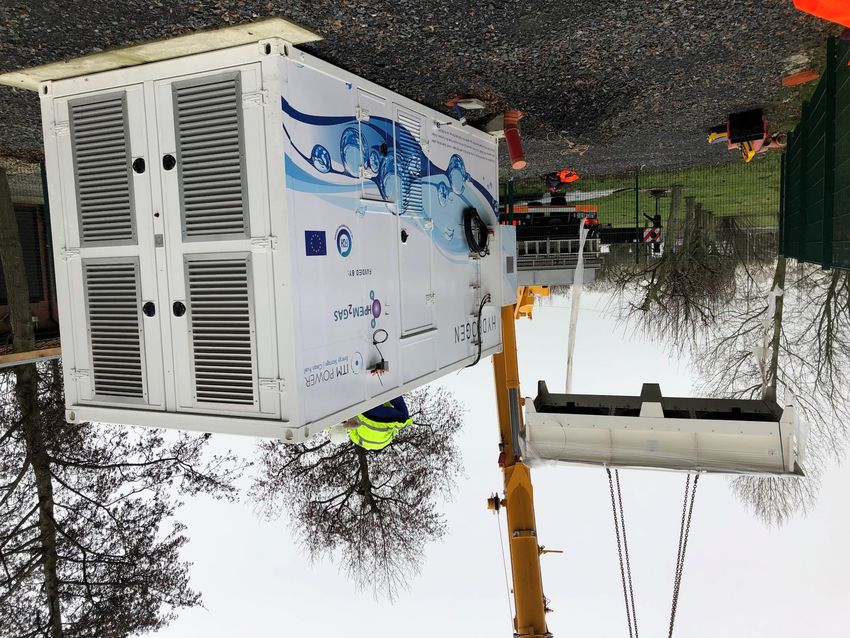
PROJECT OVERVIEW

  ▪   Call year: 2015
  ▪   Call topic: FCH-02.2-2015 IMPROVED ELECTROLYSIS FOR DISTRIBUTED HYDROGEN
      PRODUCTION
  ▪   Project dates: 01/04/2016 – 31/03/2019
  ▪   Total project budget: 2,654,250.00 €
  ▪   FCH JU max. contribution: 2,499,999.00 €
  ▪   Other financial contribution: balanced by ITM
  ▪   Partners: CONSIGLIO NAZIONALE DELLE RICERCHE (CNR-ITAE); ITM POWER (TRADING) LIMITED;
      SOLVAY SPECIALTY POLYMERS ITALY S.P.A.; IRD FUEL CELLS; STADTWERKE EMDEN GmBH;
      HOCHSCHULE EMDEN/LEER; UNIRESEARCH BV

                                                                                       2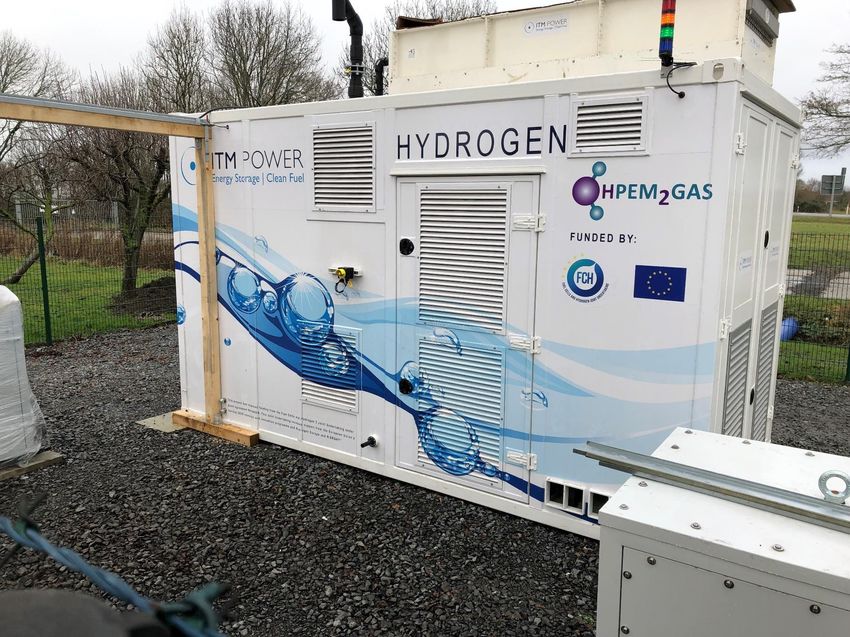
CONTEXT
    HPEM2GAS – High Performance PEM Electrolyzer for Cost-effective Grid Balancing Applications

▪ As more renewables are being integrated to the grid, there is a need to develop high performance
  electrolysers to provide superior grid-balancing services and to produce “green” hydrogen for fuel
  cell vehicles and other applications.
▪ Hydrogen appears the most appropriate choice for at-scale decarbonization of selected segments
  in transport, industry, and buildings.
▪ HPEM2GAS is addressing these aspects to contribute in making hydrogen the future energy
  carrier.
            ITM Prototype                                                                          Emden
                                                 Wind turbine power profile                       wind park
                                                                                      HS EL

                                                                                        SWE
                                                                                                              3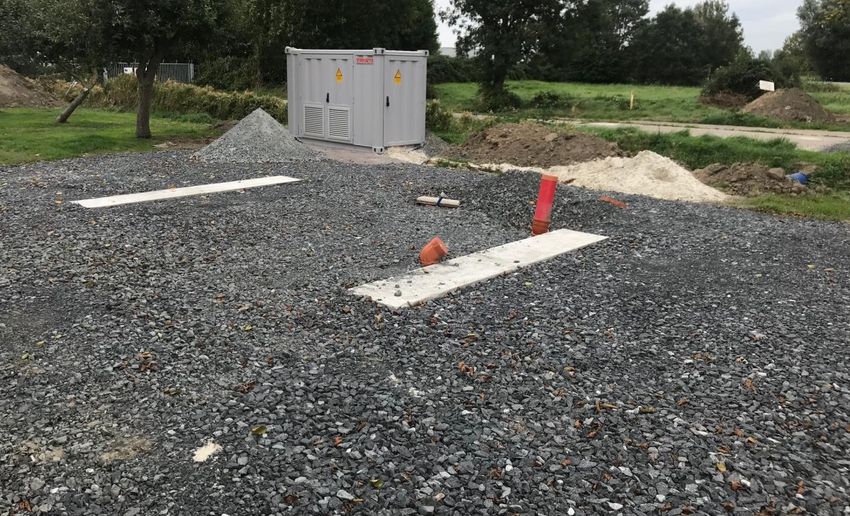
PROJECT SUMMARY & OBJECTIVES
            HPEM2GAS’s ambition is to realise breakthroughs in PEM water electrolysis for Distributed Hydrogen Production

➢ The concept and approach are targeted to improve stack performance (180 kW; 75 cells, 3 A cm-2 @ 1.8 V/cell), energy
   efficiency (82% or 48 kWh/kg H2) , stack lifetime (degradation rate 1 MW) while meeting the technical requirements of electrolysers for the
 interaction with the grid and renewable energy sources (100% of nominal load per second; minimum load range 5-10%).
                                                                                                              ❑ Advanced BoP and safety
             Positioning vs. SoA                                                                                   integrated system
                                                               ❑ Improved stack design
    Parameter        HPEM2GASS       SoA                                                               TRL6
  Current density        3           2                           ITM                                                            ITM
  A cm-2 @ 1.8 V
Energy consumption    48 (54)        57
    kWh/kg H2
   Degradation       0.25 (0.2)     0.25
    %/1000hrs
   PGM loading       0.07 (0.3)    0.5-1.5   ❑SSC Aquivion®
       mg/W
                                               membranes
       CAPEX          < 2,250      < 2,900                           IRD         TRL4
   € /(kg H2/day)                                                                        CNR
                                                                                                              ❑ Nanostructured
                                                                ❑ Enhanced MEAs                                 electro-catalysts
                                             SLV                                                                                    4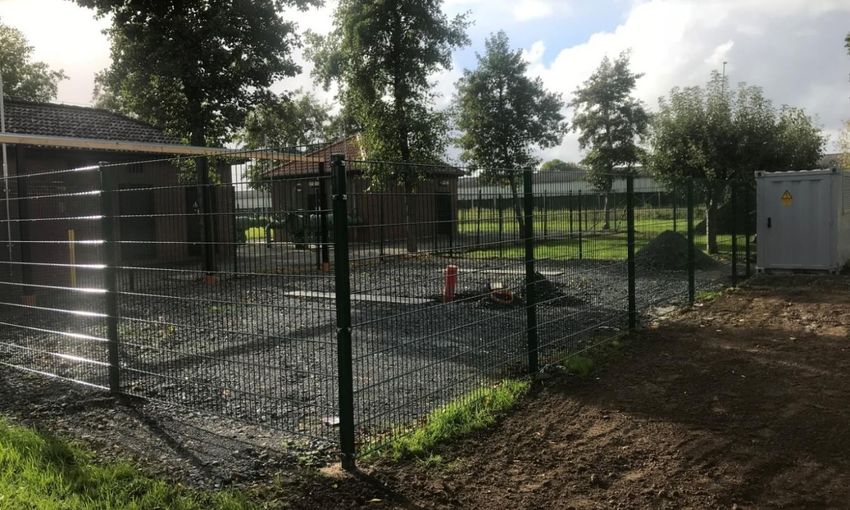
PROJECT SUMMARY
                   Field testing at Emden (Germany) and follow-up plan

  ❑ Stadtwerke Emden (SWE) is the
  local supplier for electricity, water
                and gas.                                             Power-to-gas
 ❑ Two wind farms have been built in
   the city of Emden which provides
   117% (240 MWh/y) of the electric
            energy for homes

✓ Need for utilizing excess wind power;

 ✓ Need to address the congestion of
            transmission;

✓ Need to stabilize the electricity grid
     from frequent fluctuations;

                                                                                    5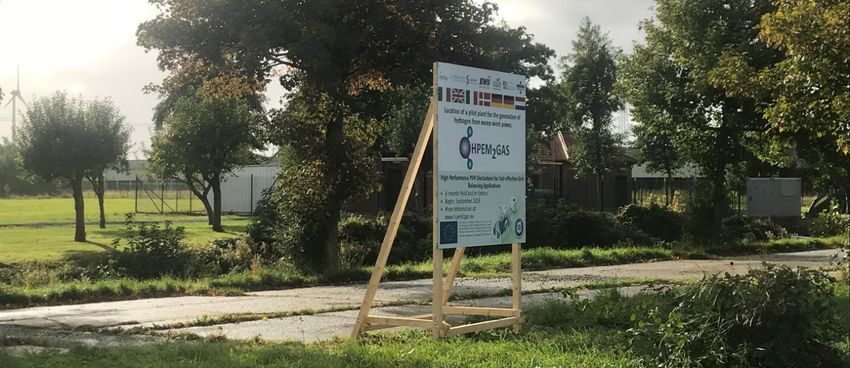
PROJECT PROGRESS/ACTIONS – Stack Efficiency

                                                                                                                                            TARGET
                                    PROJECT START    Efficiency: 81% at 3 A cm-2 and 75 °C                                                 SYSTEM
    Achievement to-date                 VALUE                                                                                             EFFICIENCY
                                       Eff. 77 %
    % stage of implement.                                                                                                                     82 %
                                     @ 0.83 A cm-2
                                                       25%                                  50%                75%
        PEM electrolysis
             stack                                                                           At 75 C:
                                                                                         1.83 V @ 3 A/cm2
                                                                                        1.95 V @ 4.5 A/cm2

                                                             Average cell voltage / V
  Parameter        HPEM2GAS   SoA
Stack efficiency      81      75
      /%
Current density       3        2
A cm-2 @ 1.8 V
 PGM loading         0.3      0.5
    mg/W
 Temperature          75       -
       °C                                                                                       Efficiency 80.9% vs. 82% Target

                                                                                                                                                       6
                                                                                                             Current density / A   cm-2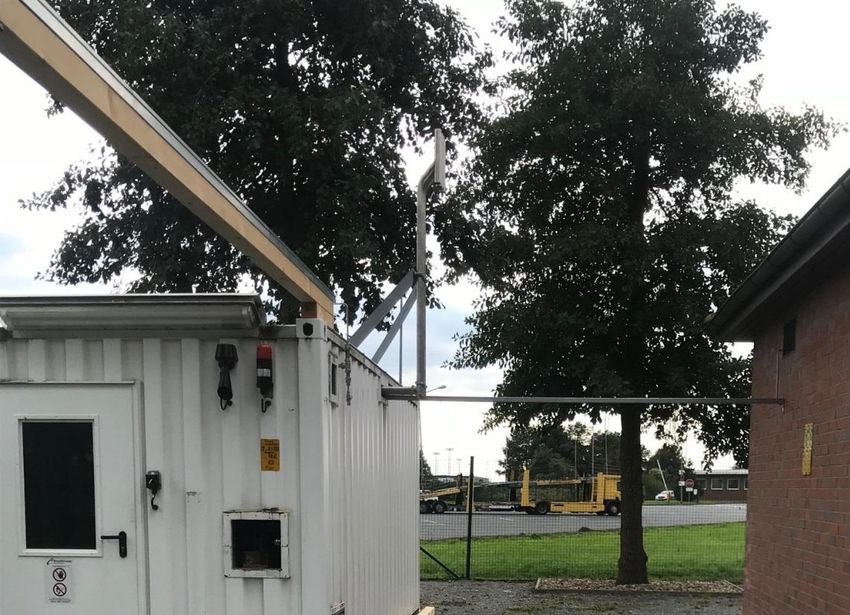
PROJECT PROGRESS/ACTIONS – System Energy Consumption

                                               Energy consumption: 54.2 kWh/kg H2 at 3 A cm-2 and 55 °C
 Achievement to-date          PROJECT START                                                                   TARGET
 % stage of implement.             VALUE                                                                  SYSTEM ENERGY
                                  Energy                   25%             50%              75%           CONSUMPTION
 PEM electrolysis              Consumption                                                                 48 kWh/kg H2
     system                   53.2 kWh/kg H2
                               @ 0.83 A cm-2

                     Parameter        HPEM2GASS      HPEM2GASS     SoA    AWP2015     MAWP
                                      High current   Low current           target      2020
                                        density        density                        target
                    System energy         54             47         57       48        55
                     consumption
                      kWh/kg H2
                    Current density        3              1         2        -         2.2
                    A cm-2 @ 1.8 V
                     Temperature       54-56 °C        54-56 °C     -        -          -
                                                                                                                          7
PROJECT PROGRESS/ACTIONS – Stack degradation rate

                                                                              Degradation rate: 0.2 %/1000 hrs at 3 A cm-2 and 55 °C
       Achievement to-date                    PROJECT START                                                                                       TARGET
       % stage of implement.                       VALUE                                                                                      Degradation rate
                                              0.55 %/1000 hrs                            25%                  50%       75%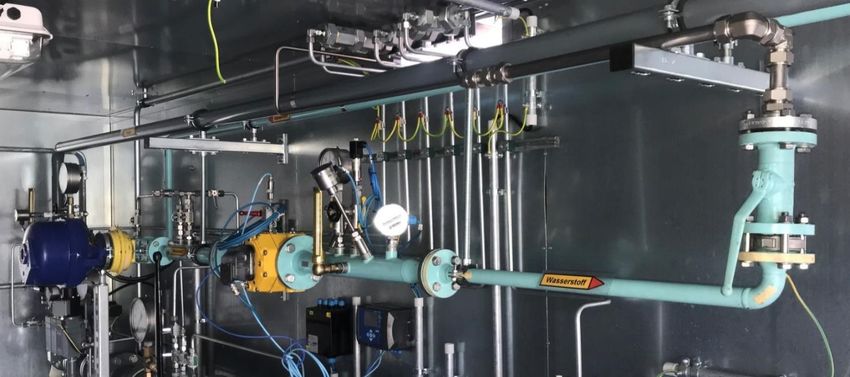
PROJECT PROGRESS/ACTIONS – Operating pressure
Max. operating pressure 50 bar at 3 A cm-2 and 55 °C
Achievement to-date PROJECT START TARGET
VALUE Operating
% stage of implement.
15 bar pressure up
25% 50% 75% to 80 bar
@ 0.83 A cm-2
PEM electrolysis 90 µm thick Aquivion membranes
short stack
Flammability limit
Gas cross-over
H2 fraction in O2 / % vol.
Average cell voltage / V
2.5% H2 in O2 @ 3 A/cm2
observed at 50 bar
New strategies:
Recombination catalyst
(not yet implemented 20-50 bar range
at stack level)
20-50 bar range
Current density / A cm-2 Current density / A cm-2
9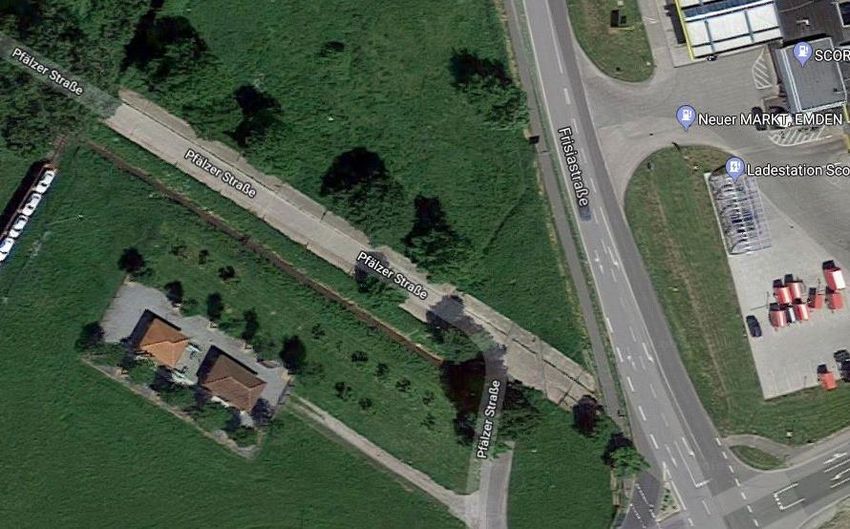
PROJECT PROGRESS/ACTIONS – Dynamic behaviour

                                                                  7500 cycles with variable load (from 0.15 to 4.5 A cm-2)
                                                                                                                                                                 TARGET
     Achievement to-date                                                                                                                               Ramp rates of up to 100% of
     % stage of implement.                                                                                                                             nominal load per second and
                                                                                                                                                         a load range 5%-150%
                                                                                 25%                  50%                              75%

                                                                              150% Load
                          Current density / A cm-2

                                                                                                            Average cell voltage / V
                                                               100% Load                  100% Load

No relevant performance
      degradation
during cycled operation

                                                     5% Load

                                                                           Time / s                                                          Current density / A cm-2

                                                     Dynamic response: Short Stack Testing at Full-scale (415 cm2 active area)
                                       20 bar, ~55 °C, 4 sets of cycles, total of 7500 cycles; Sets 1 & 2: 1530 cycles, Sets 3 & 4: 2220 cycles                                      10
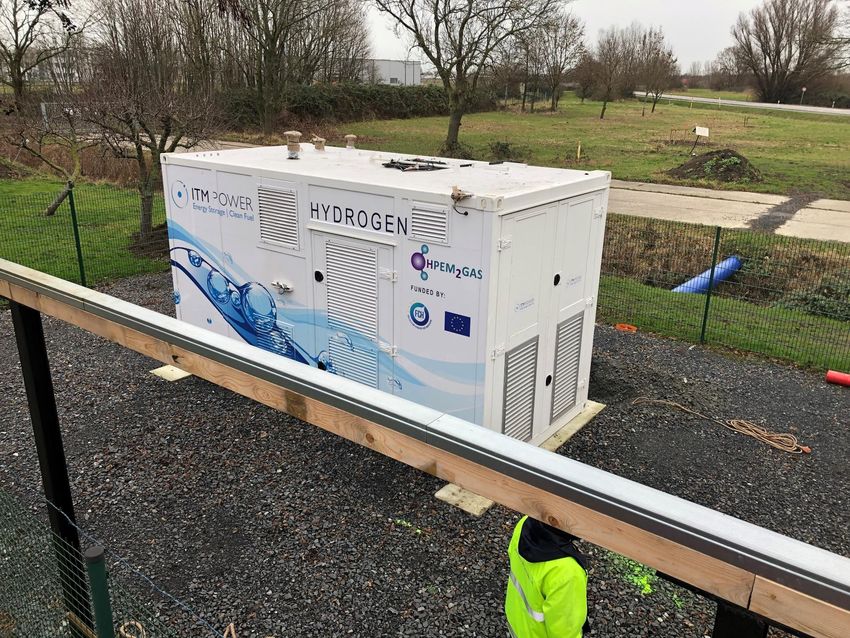
PROJECT PROGRESS/ACTIONS – Setting-up field testing site
Emden, Germany
A transformation station has been installed to switch
from high voltage to low voltage;
The ground has been covered with foil and a gravel
Location for the installation of the electrolyzer: layer Gas transfer station
→ Pfälzer Straße, 26725 Emden
Hydrogen is fed into the
Control station natural gas grid
Mixer has built-in
lamellas, so the gas
mixture flow is turbulent
H2
The gas grid is operated CH4
at 8.5 bar, the hydrogen
is fed in with a slight
overpressure of
10 bar
The pressure is reduced to 10 bar at the electrolysis ✓ After the check, the hydrogen leaves the control
system before the outlet station and enters the gas transfer station
✓ Above-ground pipeline with a DN12 pipe
11
More information in the successive presentationsPROJECT PROGRESS/ACTIONS –
Installation of the PEM electrolyser in Emden for field testing activities
More information in the successive presentations
11Progress in field testing
✓ Factory acceptance test was completed for the electrolysis system at ITM POWER in Sheffield (UK)
✓ The system was delivered to STADTWERKE EMDEN for field testing in Emden (Germany)
✓ Due to some previous delay in supplying of stack components and FAT, there is a shift of about 3 months
in the overall planning
✓ Due to some limitations in maximum operating temperature for the ion exchange cartridges and the
specific certification required for HT operation of some BoP components such valves, pipelines, pumps,
the system can not be operated above 55-60°C
✓ This lower operating temperature represents a limitation for the achievement of the efficiency target
that was planned taking into account operation at higher temperatures
13EXPLOITATION PLAN/EXPECTED IMPACT
Exploitation plans of industrial partners (highlights): Impact
Expected project impact:
ITM → new electrolyser system with increased
operating current density (3 A cm-2) and lower cost. sustainable hydrogen production which can meet an increasing
share of the hydrogen demand for energy applications from
Solvay → commercialisation of ionomer membranes for carbon-free or lean energy sources.
PEM water electrolysis application to carry materials research, technology development and to reduce
IRD → extending the portfolio of products for the total life cycle costs related to present PEM electrolysers.
electrochemical systems and the development of
components and MEAs for this application
SWE→ the results of the project will be used to
implement renewable power sources with cost-
competitive electrolysis plants for power-to-gas and
especially as a means of storage of surplus energy.
Demonstration of the PEM electrolyser for operation with
grids sharing renewable power energy e.g. wind turbines
in Emden, will also bring new knowledge that can
exploited by the consortium.
14Communications Activities
Workshop in Emden (Germany)
www.hpem2gas.eu 12th February 2019 Newsletters
Radio interview to a netwwork
Brochure with national audience
Publication on a divulgative
journal (planned)
15Dissemination Activities
Conferences / workshops Publications in international Public deliverables
peer-reviewed scientific
❑ 20 Presentation at conferences Journals ❑ 4 Deliverables published in
❑ 2 workshops the project web-site:
❑ 1 workshop organised in Emden ❑ > 5 Publications
http://hpem2gas.eu/
16SYNERGIES WITH OTHER PROJECTS AND PROGRAMMES
Interactions with projects funded under the FCH JU EU program:
• ELY4OFF: PEM electrolyser for operation with off grid renewable installations
Presentation and discussion of project results in teleconferences, synergy for off-grid
and grid-connected electrolysis systems; presence of common partners
• QualyGrids - Standardized qualifying tests of electrolysers for grid services:
Joint discussion of testing protocols in a workshop in Lucerne 2017 in the presence of
JRC; presence of common partners
• Neptune: Next Generation PEM Electrolysers under New Extremes
Sharing results with respect to component testing and operating strategies; presence
of common partners
17HPEM2GAS
High Performance PEM Electrolyzer for Cost-effective Grid Balancing Applications
Thank you for you kind attention!
Acknowledgement
Financial support from the FCH JU through the HPEM2GAS project.
This project has received funding from the Fuel Cells and Hydrogen 2 Joint Undertaking
under grant agreement No 700008.
This Joint Undertaking receives support from the European Union's Horizon 2020
research and innovation programme and Hydrogen Europe and Hydrogen Europe
18You can also read


