Applying ITU's Artificial Intelligence/Machine Learning Toolset in Networks - ITU Regional Forum for Europe - 5G Strategies, Policies and ...
←
→
Page content transcription
If your browser does not render page correctly, please read the page content below
Applying ITU’s Artificial Intelligence/Machine
       Learning Toolset in Networks

           ITU Regional Forum for Europe –
      5G Strategies, Policies and Implementation
                 22-23 October 2020

              Reinhard.Scholl@itu.int
      Telecommunication Standardization Bureau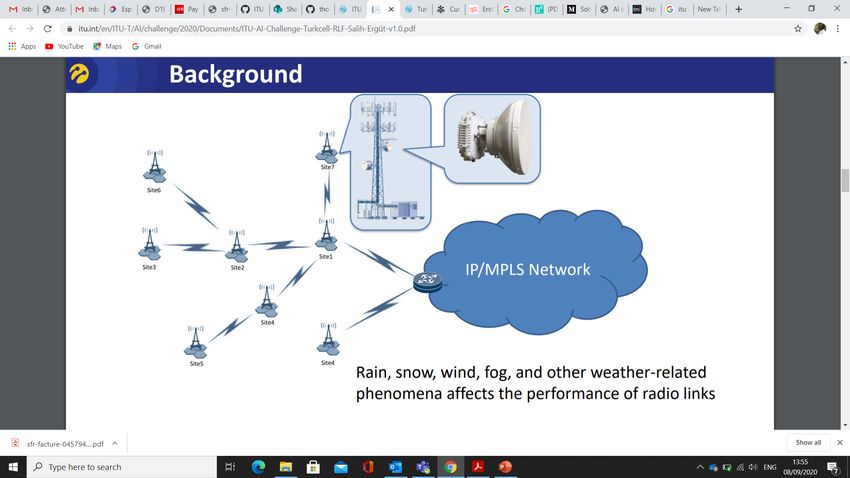
Outline

1. Challenges of applying ML in networks
2. ITU’s ML Toolkit
3. ITU’s AI/ML in 5G Competition
Applying AI/ML in networks is different from AI/ML in, say, image recognition

    vConstraints on computing resources in the network
    vNoisy and dynamic network environment
    vData
        v Which data is available?
        v Where generated?
        v Labelled?
        v Can data be trusted?
        v What is the quality of the training data?
    vAvailability of domain-specific dataset – limited amount of
     network (operator) data available
There are unique challenges in applying AI/ML in networks. ITU toolkits
are derived from long experience and domain expertise of our members.
Outline

1. Challenges of applying ML in networks
2. ITU’s ML Toolkit
3. ITU’s AI/ML in 5G Competition
Use Case analysis for ML in Networks
• Published: ITU-T Y.3170-series Supp 55 – Machine          Use case contributions
  learning in future networks including IMT-2020: Use cases

                                                                          Use case
  • Analysed more than 30 use cases                                     Classification

  • Requirements classified as “critical”,
    “expected”, “added value”.               Network slice User plane    App         Signaling,   Security
                                              and service   related      related     management   related
                                                                                     related

                                                                        Requirements
                                                                        Classification

                                                       Data             Data Storage and     Application
Collaborative and continued analysis of              Collection            processing          of ML
use cases is the need of the hour.
ITU’s Architecture Framework for ML in networks
 • Published by ITU as Y.3172 (Architectural framework for machine
   learning in future networks including IMT-2020)                      training and benchmarking
                                                                        projects
       orchestration and
       management

                                                   Marketplace

                                                  Serving, monitoring

                                    5G networks

ITU’s Architecture Framework provides a
common language for managed ML in networks
Outline

1. Challenges of applying ML in networks
2. ITU’s ML Toolkit
3. ITU’s AI/ML in 5G Competition
Hosts of Problem Statements
1. China

2. Spain 1

3. Spain 2

4. Brazil

5. India

6. Ireland

7. United States of America

8. Japan

9. Turkey                10.   Adlik/ZTE       11.   Russia
Sponsors and Promotional Partners

Sponsorship                                        Challenge Promotion

       Gold Sponsor: TRA (UAE)
                                               v LF AI Foundation:

                                               v SG Innovate (Singapore):

  Bronze Sponsors: Cisco Systems and ZTE
                                               v Next Generation Mobile Networks Alliance:
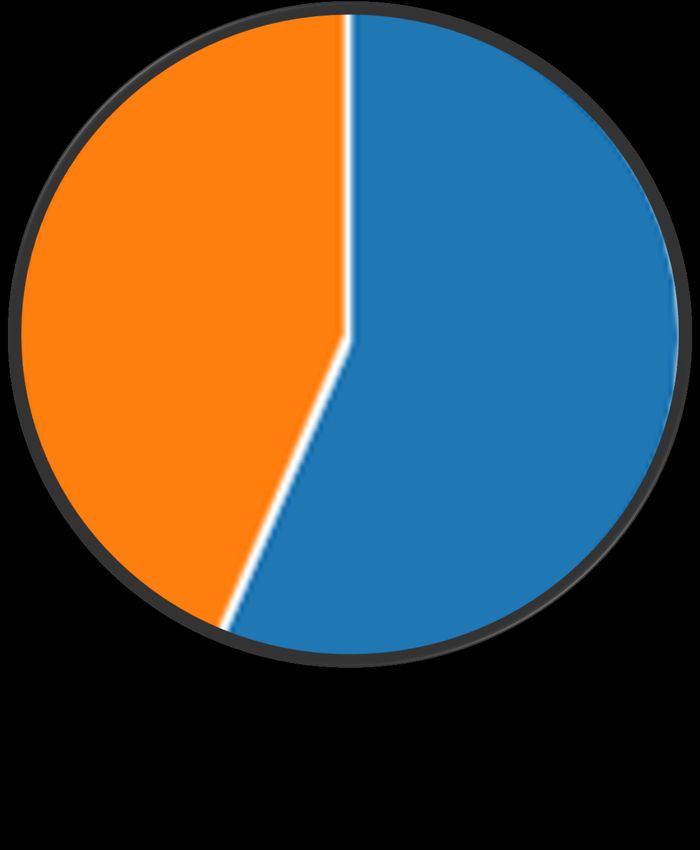
Registrations > 500 participants from > 60 countries Professionals 45% 55% Students
Technical Tracks and Data

      Technical Track     Real Data      Open Data Synthetic No Data
                        (Anonymized)                 Data
          Network            ü              ü         ü

          Verticals           ü              ü           ü

          Enablers                                             ü

        Social Good           ü              ü           ü     ü

Real Data (anonymized) may have access restrictions.

Green: Types of data currently being used in the Challenge
Timeline
Best teams Grand Challenge Finale - online
Global call for Global Round
advance
challenge entries Begins Presentations of
Problem Statement Selection 1. Winning teams; judges to determine
Dataset release final winners
Registration Global 2. Sponsors
Warm-Up Phase Round Ends 3. Industry players
4. Academia;
5. Start-ups.
6. Virtual networking.
Nov 2020
July 2020
Feb 2020 to June 2020 15-17 December 2020
v Prizes total about 20k CHF
v Mentoring is provided to studentsProblem Statements (1/2)
ID Title Author / Host
PS-012 ML5G-PHY -Beam-Selection: Machine Learning Applied to the Physical Layer of Universidade Federal do Pará (UFPA), Brazil
Millimeter-Wave MIMO Systems
PS-013 Improving the capacity of IEEE 802.11 WLANs through Machine Learning Universitat Pompeu Fabra (UPF), Spain
PS-014 Graph Neural Networking Challenge 2020 Barcelona Neural Networking Center (BNN-
UPC), Spain
PS-018 Compression of Deep Learning models ZTE
PS-019 - 023 5G+AI (Smart Transportation), 5G+ML/AI (Dynamic Spectrum Access), Privacy Indian Institute of Technology, Delhi
Preserving AI/ML in 5G networks for healthcare applications (IIT/Delhi); C-DOT (Centre for Development
of Telematics); Hike
PS-024 Demonstration of MLFO capabilities via reference implementations Letterkenny Institute of Technology
(Ireland)
PS-025 ML5G-PHY- Channel Estimation @NCSU: Machine Learning Applied to the Physical North Carolina State University, USA
Layer of Millimeter-Wave MIMO Systems
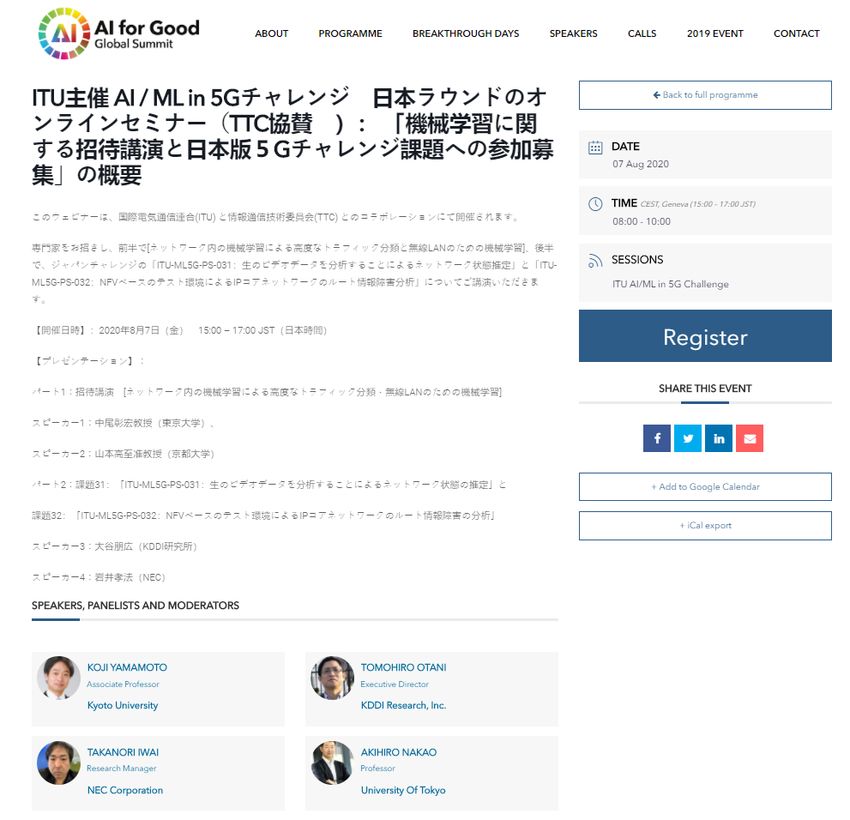
PS-031 - 032 Network State Estimation by Analyzing Raw Video Data + Analysis on route NEC, KDDI, RISING Japan, TTC
information failure in IP core networks by NFV-based test environment.
PS-036 Using weather info for radio link failure (RLF) prediction Turkcell, Turkey
PS-038 Traffic recognition and Long-term traffic forecasting based on AI algorithms and Saint Petersburg University
metadata for 5G/IMT-2020 and beyond (SPbSUT), Russia
vDetailed webinars for each topic are available on the Challenge websiteProblem Statements (2/2)
ID Title Author
PS-001 5G+AI+AR (Zhejiang Division) China Unicom
PS-002 Fault Localization of Loop Network Devices based on MEC Platform (Guangdong China Unicom
Division)
PS-003 Configuration Knowledge Graph Construction of Loop Network Devices based China Unicom
on MEC Architecture (Guangdong Division)
PS-004 Alarm and prevention for public health emergency based on telecom data China Unicom
(Beijing Division)
PS-005 Energy-Saving Prediction of Base Station Cells in Mobile Communication China Unicom
Network (Shanghai Division)
PS-006 Core network KPI index anomaly detection (Shanghai Division) China Unicom
PS-007 Network topology optimization China Mobile
PS-008 Out of Service(OOS) Alarm Prediction of 4/5G Network Base Station China Mobile
vWebinars in Chinese language are available for PS-007 in the Challenge websiteAn Example of a Problem Statement for ITU AI/ML in 5G Challenge
Radio Link Failure Prediction Challenge
(Using weather information for radio link failure (RLF) prediction)
• How does the weather influence the radio signal to
and from a base station?
• Participants get weather data and network data and
use AI/ML algorithms to find patterns in order to
make predictions that would help the engineers to
finetune their networks.
• Several other problems statements available on
Challenge website: https://www.itu.int/en/ITU-
T/AI/challenge/2020/Pages/default.aspx
vThis problem statement uses real network data.Webinar Series accompanying ML5G Challenge • 20 one-hour webinars so far (mid-June – September) • By year’s end: 30+ webinars • Dedicated issue of ITU NEWS Magazine on ML5G planned for November 2020
Interested in participating?

• ITU is committed to developing, in an open forum, and enabling practical toolkits for
  solving relevant problems in AI/ML in future networks.

• ITU AI/ML in 5G Challenge works with students and professionals to generate
  innovative solutions in a collaborative manner.

              Follow the Slack channel of the ITU Challenge – many exciting
                                  initiatives on the way

                 Follow our webinar series of ML5G talks by respected
               researchers and professionals: https://www.itu.int/en/ITU-
                                 T/AI/challenge/2020

                             Contact: ai5gchallenge@itu.int
Stay tuned for … AI/ML in 5G Competition 2021
Backup Slides
ITU Toolkit #1: Data Handling
   • Published: ITU-T Y.3174 “Framework for data handling to enable machine learning
     in future networks including IMT-2020”
   • https://www.itu.int/rec/T-REC-Y.3174/en
                                                 • How to handle the diversity in network
                                                   data sources?
          Management          ML                 • How to handle the increased flexibility
          subsystem         pipeline               and agility in future networks?

                                       ML Overlay
                                                 • How to approach the different kinds of
                              Data                 data handling requirements?
                            Broker
                                                                 ML Data
                                                                 Collection
              Data
                             NF
             Models
                         ML Underlay

Flexible approach to handle data models              ML Data                  ML Data
for new use cases is important.                      Output                   Processing
ITU Toolkit #2: ML Sandbox
• Ongoing work: Machine Learning Sandbox for future networks including IMT-
2020: requirements and architecture framework
• FG ML5G output ML5G-O-035 (status: published)
introduced in the network
New Super duper ML algo
Management ML ML Overlay
subsystem pipeline ML Sandbox
Stability achieved
ML ML
Data
pipeline pipeline
Broker
Data NF-s NF-s
NF
Models
KPIs
ML Underlay Simulated ML Underlay Transitory regime
Time
ML sandbox allows experimentation, comparison, benchmarking,
testing and evaluation before the Model hits the live networkITU Toolkit #3: Serving Framework
• Ongoing work: Serving framework for ML models in future networks including IMT-2020
• FG ML5G output ML5G-O-036 (status: published)
Management ML Overlay ML Sandbox
Requirements and
subsystem architecture for serving ML
ML Model Optimizer
models in future networks
pipeline
ML ML including IMT-2020, including
pipeline pipeline
inference optimization, model
Data
Broker
Serving platform deployment and model
inference.
Data NF-s NF-s
NF
Models
ML Underlay Simulated ML Underlay
Serving framework provides platform specific optimizations,
deployment preferences and inference mechanisms.ITU Toolkit #4: ML Function Orchestrator
• Ongoing work: Requirements, architecture and design for machine learning
function orchestrator
• FG ML5G output ML5G-O-038 (status: published)
Management ML Overlay ML Sandbox
Operator control, confidence
subsystem
Other ML Model Optimizer
MANO Managed ML
pipelines
functions ML ML
pipeline pipeline
MLFO Data Serving platform
Broker
ML Intent
Unmanaged ML
NF NF-s NF-s
Data
Models Simulated ML Underlay Intelligence in the network
ML Underlay
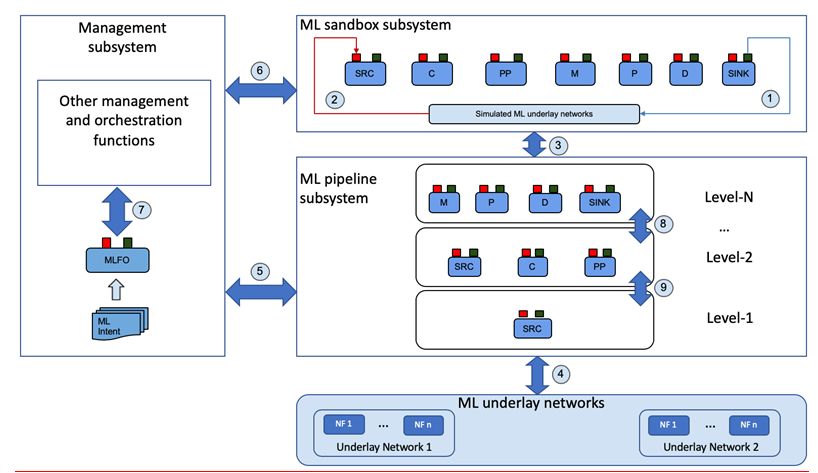
MLFO orchestrates the operation of machine learning pipeline across
the network to provide a managed AI/ML integration for the operatorITU Toolkit #5: Intelligence Levels
• Published: ITU-T Y.3173 “Framework for evaluating intelligence levels of future
networks including IMT-2020”
• https://www.itu.int/rec/T-REC-Y.3173/en
Management ML Overlay ML Sandbox
subsystem
Other ML Model Optimizer Data collection is performed by
MANO system (as against by human)
pipelines
functions ML ML Action implementation is
pipeline pipeline performed by system
Evaluation
MLFO Analysis is performed by system
reports
Data Serving platform
Broker Decision is performed by system
ML
Intent Demand mapping is performed by
NF NF NF-s NF-s system
Data NF
Models Simulated ML Underlay
ML Underlay
Intelligence levels helps MLFO to interoperate between
different ML solutions in the network.ITU Toolkit #6: ML Marketplace
• ITU-T Y.3176 Draft Recommendation: ML marketplace integration in future networks
including IMT-2020 (under ITU review)
ML Overlay
ML Marketplace
Effort for integrating ML in the
Management ML Sandbox
subsystem Fragmented
toolkits from
Other ML Model Optimizer
MANO SDOs
functions
pipelines
ML ML
Evaluation
pipeline pipeline
MLFO
reports
Data
Broker Serving platform
network
ML Interoperable
Intent standard
NF NF NF-s NF-s solutions
Data
Models Simulated ML Underlay ML use cases in the network
ML Underlay
Enables standard mechanisms to exchange ML models and
related metadata between the network and ML marketplace.You can also read


