9 April 22-23, 2019 Li Ka Shing Conference Center Stanford University - Stanford Medicine
←
→
Page content transcription
If your browser does not render page correctly, please read the page content below
9
April 22-23, 2019
Li Ka Shing Conference Center
Stanford University
SCHEDULE

           MONDAY, APRIL 22, 2019

 8:30 am Registration & Continental Breakfast

 9:00 am INTRODUCTION
         Joseph C. Wu, MD, PhD
         Director, Stanford Cardiovascular Institute
         Simon H. Stertzer, MD, Professor of Medicine and Radiology
           Steven Artandi, MD, PhD
           Director, Stanford Cancer Institute
           Jerome and Daisy Low Gilbert Professor and Professor of Biochemistry

 9:10 am WELCOME ADDRESS
         Lloyd Minor, MD
         Dean, Stanford School of Medicine
           David Entwistle, MHSA
           President and Chief Executive Officer
           Stanford Health Care
           Paul King, MHA
           President and Chief Executive Officer
           Stanford Lucile Packard Children’s Hospital

 9:25 am OPENING KEYNOTE ADDRESS
         Emerging Science and Technology in Health and Medicine: A Brave New World
         Victor Dzau, MD
         President, National Academy of Medicine
 9:55 am Q&A Session

           SESSION I: GOVERNMENT AND PHILANTHROPY
           Moderated by Carla J. Shatz, PhD, and Joseph C. Wu, MD, PhD
10:10 am A Government, Academic, Private Partnership for Cancer Drug Discovery
         James H. Doroshow, MD
         NCI Deputy Director for Clinical and Translational Research, NIH
10:25 am Big, Team, Open Science at the Allen Institute
         Allan Jones, PhD
         President and Chief Executive Officer, Allen Institute

10:40 am Collaboration, Partnerships, and Philanthropy
         Sandy Weill
         Chairman emeritus and former Chief Executive Officer, Citigroup
SCHEDULE

10:55 am   CIRM: How California’s Investment is Delivering Something Better than Hope
           Maria Millan, MD
           President and Chief Executive Officer, CIRM
11:10 am   Panel Discussion

11:30 am   NETWORKING LUNCH AND POSTER VIEWING*

           SESSION II: PUBLISHING DRUG DISCOVERIES
           Moderated by Sanjay Malhotra, PhD, FRSC, and Mark Mercola, PhD

1:00 pm    Pre-Print Servers, Data Sharing, and Drug Trials
           Howard Bauchner, MD
           Editor-in-Chief, JAMA
1:15 pm    Breaching Barriers in Translational Research
           Orla Smith, PhD
           Editor, Science Translational Medicine, Science (AAAS)

1:30 pm    Panel Discussion

           SESSION III: STANFORD INNOVATIVE MEDICINE
1:40 pm    Marc Tessier-Lavigne, PhD
           President and Bing Presidential Professor, Stanford University
           Lloyd Minor, MD
           Dean, Stanford University School of Medicine

2:10 pm    COFFEE BREAK

           SESSION IV: DRUG THERAPEUTICS
           Moderated by Joseph Wu, MD, PhD, and Mark Mercola, PhD
2:30 pm    Pipeline in a Pill: Multiple Indications Treated by a Single Molecule
           John Reed, MD, PhD
           Executive Vice President and Global Head of Research and Development, Sanofi
2:45 pm    Enabling Precision Medicine: Views from an Industry Perspective
           Alan Sachs, MD, PhD
           Chief Scientific Officer, Thermo Fisher

3:00 pm    Mission-Oriented R&D: Using Heart, Science & Ingenuity, Create
           Transformational Medicine to Improve the Health of Humanity
           Mathai Mammen, MD, PhD
           Global Head of R&D at Janssen Pharmaceutical Company of J&J
SCHEDULE

3:15 pm   Takeda's R&D Transformation: The Rebirth of a 238-Year-Old Healthcare Institution
          Andrew Plump, MD, PhD
          Chief Scientific Officer and Chief Medical Officer, Takeda
3:30 pm   Opportunities for Advancing R&D: Insights from Human Data
          Sandra Horning, MD
          Head of Global Project Development and Chief Medical Officer, Genentech
3:45 pm   Panel Discussion

          PRESENTATION OF LIFETIME ACHIEVEMENT AWARD
          Moderated by Kuldev Singh, MD
4:15 pm   Introduction of John Martin, PhD
          Paul Berg, PhD
          Robert W. and Vivian K. Cahill Professor of Cancer Research, Emeritus
          Stanford University School of Medicine
          Nobel Prize 1980
4:20 pm   Awardee Lecture
          John C. Martin, PhD
          Former Chief Executive Officer, Gilead Sciences

4:40 pm   CLOSING REMARKS

4:45 pm   WINE AND CHEESE RECEPTION AND POSTER VIEWING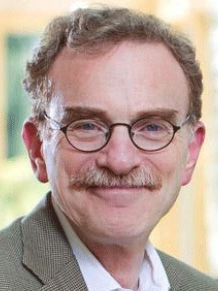
SCHEDULE

           TUESDAY, APRIL 23, 2019

 8:00 am Registration & Continental Breakfast

           DAY 2 KEYNOTE ADDRESS
 8:45 am How Exosomes are Made and Selectively Capture Small RNAs for Secretion
         from Human Cells
         Randy Schekman, PhD
         HHMI Investigator and Professor, UC Berkley
         Nobel Prize 2013
 9:15 am Q&A Session
 9:25 am Accelerating Progress in Translational Cancer Research Through Data
         Integration
         Brian Druker, MD
         Jeld-Wen Chair of Leukemia Research and Director, Knight Cancer Institute,
         Oregon Health Science University

 9:45 am Q&A Session

           SESSION V: IMMUNOTHERAPY
           Moderated by Beverly Mitchell, MD, and Sanjay Malhotra, PhD, FRSC
10:00 am George Yancopoulos, MD, PhD
         President and CSO, Regeneron Pharmaceuticals, Inc
10:15 am Exploring Immunotherapy in Immune Diseases and Beyond
         Jeffrey Bluestone, PhD
         Chief Executive Officer and President, Parker Institute for Cancer
         Immunotherapy
10:30 am Engineering T Cells for Cancer Therapy
         Crystal Mackall, MD
         Director, Stanford Center for Cell Therapy and Parker Institute for Cancer
         Immunotherapy
10:45 am Panel Discussion

11:05 am COFFEE BREAK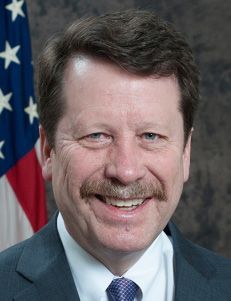
SCHEDULE

           SESSION VI: STANFORD DRUG DISCOVERY SHOWCASE
           Moderated by Anthony Adamis, MD, and Woodrow Myers, Jr., MD, MBA
11:25 am Next-Generation Gene Editing for Allogeneic Immune Cell Therapeutics
         Steven Kanner, PhD
         Chief Scientific Officer, Caribou Biosciences

11:35 am Small Trials Showing Large Differences - New Paradigms in Cancer
         Sanjeev Redkar, PhD, MBA
         President, Appollomics
11:45 am Targeting Myeloid Cells for Cancer Immunotherapy
         Charlene Liao, PhD
         President and Chief Executive Officer, Immune-Onc Therapeutics
11:55 am VCs Enouraging Exploring?
         Camille Samuels, MBA
         Partner, Venrock
12:05 pm Panel Discussion featuring:
         Anthony Adamis, MD, Steven Kanner, PhD, Charlene Liao, PhD, Woodrow Myers, Jr.,
         MD, MBA, Sanjeev Redkar, PhD, MBA, Camille Samuels, MBA, Ram Shriram

12:45 pm NETWORKING LUNCH AND POSTER VIEWING*

           SESSION VII: ARTIFICIAL INTELLIGENCE AND DIGITAL HEALTH
           Moderated by Joseph Wu, MD, PhD
 2:15 pm Young Sohn
         President and Chief Executive Officer, Samsung Electronics
 2:45 pm Q&A Session
 2:55 pm Future in Health: Drugs, Devices, and Data
         Peter Fitzgerald, MD, PhD
         Professor Emeritus, Medicine (Cardiovascular), Stanford University
         Director, Center for CV Innovation, Stanford University
         Founder, Triventures

 3:15 pm Q&A Session

           SESSION VIII: FEDERAL DRUG ADMINISTRATION
           Moderated by Kuldev Singh, MD

 3:25 pm Advancing the Development of Advanced Therapy Medicinal Products
         Peter Marks, MD, PhD
         Director, Center for Biologics, Evolution, and Research, U.S. FDA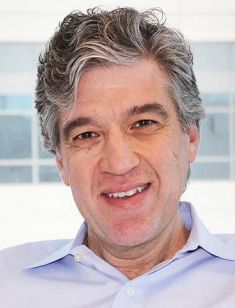
SCHEDULE

3:40 pm Mismatch Between Need and Investment in Chronic Disease Drug Development
        Robert Califf, MD
        Former FDA Commissioner
3:55 pm Panel Discussion

4:15 pm CLOSING REMARKS

4:20 pm WINE AND CHEESE RECEPTION AND POSTER VIEWING

      *To view and read the poster abstracts, please visit:
                Tinyurl.com/DrugDiscovery2019
                      or use the QR code below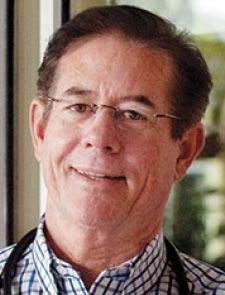
LIFETIME ACHIEVEMENT AWARD

      John C. Martin, PhD

      John C. Martin, PhD, joined Gilead Sciences in 1990 and served as Chief Executive Officer
      from 1996 to 2016, during which time Gilead became the leading company in antiviral drug
      development and commercialization.

      Prior to joining Gilead, he held several leadership positions at Bristol-Myers Squib and Syntex
      Corporation. He invented ganciclovir in 1982 and contributed to the commercialization of
      a number of antiviral drugs active against HIV, cytomegalovirus, influenza, and hepatitis
      B and C. Dr. Martin previously served as President of the International Society of Antiviral
      Research and Chairman of both BayBio and California Healthcare Institute. He served on
      the National Institute of Allergy & Infectious Diseases Council and the Board of Trustees
      of Golden Gate University, University of Chicago, and University of Southern California.
      Additionally, Dr. Martin served on the Centers for Disease Control/Health Resources and
      Services Administration’s Advisory Council on HIV and STD Prevention and Treatment and
      was a member of the Presidential Advisory Council on HIV/AIDS. He is currently a trustee for
      The Scripps Research Institute.

      Dr. Martin holds a PhD in organic chemistry from the University of Chicago, an MBA from
      Golden Gate University, and a BS in chemical engineering from Purdue University. He has
      received the Isbell Award from the American Chemical Society and the Gertrude B. Elion
      Award for Scientific Excellence from the International Society for Antiviral Research. In 2008,
      Dr. Martin was inducted into the National Academy of Engineering.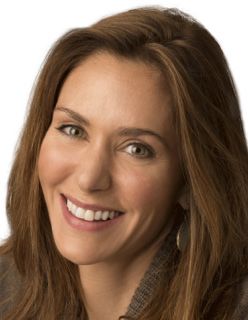
PARTICIPANT BIOS

           Anthony Adamis, MD
           Tony Adamis, MD, is Senior Vice President of Development Innovation at Genentech. Prior to
           that, he was Global Head of Ophthalmology, Immunology, Infectious Disease & Metabolism
           Clinical Science at Genentech/Roche. Dr. Adamis is best known for his co-discovery of the role
           of vascular endothelial growth factor (VEGF) in eye disease. In 2000, he co-founded Eyetech
           Pharmaceuticals, which developed and obtained FDA approval for the first anti-VEGF drug
           in ophthalmology (neovascular AMD; 2004). Since the introduction of anti-VEGF drugs,
SHOWcase
           the worldwide incidence of blindness from neovascular AMD has been reduced by half. At
           Genentech (2009 – present), he led the teams that developed and obtained FDA approval
           for the first anti-VEGF drug to treat diabetic eye disease, retinal vein occlusion, and myopic
           choroidal neovascularization. Dr. Adamis has been accountable for the development of over
           20 drugs across 30 indications in trials involving more than 25,000 patients. Six development
           programs have received FDA Breakthrough Designation.
           Dr. Adamis received his MD with Honors from the University of Chicago. He completed his
           ophthalmology residency at the University of Michigan and his fellowship at Harvard. His
           research training in vascular biology was with Dr. Judah Folkman at the Boston Children’s
           Hospital.

           Howard Bauchner, MD
           Howard Bauchner, MD, was appointed the 16th Editor in Chief of JAMA and The JAMA Network
           in 2011. Prior to coming to JAMA, Howard was a Professor of Pediatrics and Public Health at
           Boston University School of Medicine and Editor in Chief of Archives of Disease in Childhood
           (2003-2011). At BUSM he was Vice-Chair of Research for the Department of Pediatrics and
           Chief, Division of General Pediatrics. He is a member of the National Academy of Medicine
           (formerly the Institute of Medicine) and an honorary fellow of the Royal College of Pediatrics
           and Child Health, United Kingdom.
           At JAMA, Howard has focused on improving and expanding clinical content, using electronic/
           digital approaches to enhance communication, and ensuring a commitment to innovation.
           Since his arrival in 2011, followers on social medical (Twitter and Facebook) have increased
           from 13,000 to approximately 700,000, and an electronic table of contents (eTOC) is now
           distributed to close to 750,000 individuals weekly. JAMA now reaches over 1.5M physicians
           each week worldwild in print, via eTOC, and by social media. Views (PDF and HTML)
           have increased from 10M in 2011 to 32M in 2017 (50% from outside the U.S.) and podcast
           downloads have increased from 300,000 in 2014 to 2.2M in 2017. The print journal was
           redesigned for the first time in over 20 years and the website has been updated twice. All nine
           of the specialty journals were renamed (Archives of Pediatrics became JAMA Pediatrics), and
           three new journals have been launched – JAMA Oncology (2015), JAMA Cardiology (2016), and
           JAMA Network Open (2018). The entire JAMA Network will have over 110M views (HTML, PDFs,
           abstract only) in 2018.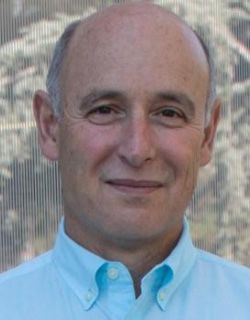
PARTICIPANT BIOS

       Paul Berg, PhD
       Paul Berg, PhD, is currently Cahill Professor of Biochemistry, Emeritus. He joined the faculty
       of the Stanford School of Medicine in 1959. Professor Berg was awarded the Lasker Basic
       Medical Research Award and the Nobel Prize in Chemistry for developing methods to map
       the structure and function of DNA and the development of the recombinant DNA technology.
       He has received the National Medal of Science and is an elected member of the U.S. National
       Academy of Sciences, the American Philosophical Society, the French Academy of Science,
       and the Royal Society (London).

       Jeffrey Bluestone, PhD
       Jeffrey Bluestone, PhD, is President and CEO of the Parker Institute for Cancer Immunotherapy
       and the A.W. and Mary Margaret Clausen Distinguished Professor at UCSF. Dr. Bluestone
       is one of the leading immunologists in the field of T-cell activation and immune tolerance
       research that has led to the development of multiple immunotherapies, including the
       first FDA-approved drug targeting T-cell co-stimulation to treat autoimmune disease and
       organ transplantation and the first CTLA-4 antagonist drugs approved for the treatment of
       metastatic melanoma.
       Dr. Bluestone is an academic leader both nationally and internationally. He was the
       founding director of the Immune Tolerance Network, the largest NIH-funded multicenter
       clinical immunology research program, testing novel immunotherapies in transplantation,
       autoimmunity, and asthma/allergy. He is an Executive Vice Chancellor and Provost Emeritus
       at UCSF and the former director of the UCSF Diabetes Center. Finally, Dr. Bluestone has
       authored more than 400 peer-reviewed publications and has received numerous awards,
       including election to the American Academy of Arts and Sciences and the National Academy
       of Medicine. He was also appointed a member of former Vice President Joe Biden’s Cancer
       Moonshot Blue Ribbon Panel.
PARTICIPANT BIOS
Robert M. Califf, MD, MACC
Robert M. Califf, MD, MACC, is Vice Chancellor for Health Data Science and Director of Duke
Forge, the Duke Center for Actionable Health Data Science, Donald Fortin, MD, Professor of
Cardiology in the Duke School of Medicine, Chair of the Board of the People Centered Research
Foundation, and an advisor for Verily Life Sciences. He served as FDA Deputy Commissioner
for Medical Products and Tobacco from 2015-16, and as Commissioner of Food and Drugs
from 2016-17. An expert in cardiovascular medicine, health outcomes research, healthcare
quality, and clinical research, he is one of the most frequently cited authors in biomedical
science. Dr. Califf is a member of the National Academy of Medicine, and was a member
of the FDA Cardiorenal Advisory Panel and Science Board's Subcommittee on Science and
Technology, and on advisory committees for the NIH.
He has led major initiatives aimed at improving methods and infrastructure for clinical
research, including the Clinical Trials Transformation Initiative (CTTI). He also served as
the PI for Duke's Clinical and Translational Science Award and the NIH Health Care Systems
Research Collaboratory coordinating center, and as co-PI of the National Patient-Centered
Clinical Research Network (PCORnet). He currently serves as Chair of the Board of the People-
Centered Research Foundation, a not-for-profit organization that is supporting and extending
the work of PCORnet. Dr. Califf is a graduate of Duke School of Medicine. He completed a
residency in internal medicine at UCSF and a fellowship in cardiology at Duke.
James H. Doroshow, MD
Dr. James H. Doroshow has been the Deputy Director for Clinical and Translational Research
of the National Cancer Institute (NCI) since 2011, and the Director of NCI’s Division of Cancer
Treatment and Diagnosis since 2004. He continues to pursue his own research program as
a Senior Investigator in the Developmental Therapeutics Branch of the NCI’s intramural
Center for Cancer Research. He is the author of over 450 full-length publications in the areas
of molecular pharmacology, the role of oxidant stress in tumor cell signal transduction, and
novel therapeutic approaches to solid tumors.
From 1983 to 2004, Dr. Doroshow was the Chairman of the City of Hope Comprehensive
Cancer Center’s Department of Medical Oncology and Therapeutics Research, and Associate
Cancer Center Director for Clinical Investigation. He has served on the FDA Oncologic
Drugs Advisory Committee, the Medical Oncology Board of the American Board of Internal
Medicine, and as Chair of two NIH study sections. He is currently a member of both the Forum
on Drug Discovery, Development, and Translation and the National Cancer Policy Forum
of the National Academy of Medicine of the National Academies of Science. He is also the
Associate Editor for Oncology of the 25th Edition of the Ceil Textbook of Medicine. Dr. Doroshow
received his AB degree from Harvard in 1969 and graduated from Harvard Medical School
in 1973. Following an Internal Medicine residency at the Massachusetts General Hospital,
he completed a fellowship in Medical Oncology at the Medicine and Clinical Pharmacology
Branches of the National Cancer Institute, NIH.PARTICIPANT BIOS
Brian Druker, MD
Brian Druker, MD, is the director of the Knight Cancer Institute, Associate Dean for Oncology
of the OHSU School of Medicine, JELD-WEN Chair of Leukemia Research, and a Howard
Hughes Medical Institute investigator. His research is focused on translating the knowledge
of the molecular pathogenesis of cancer into specific therapies and investigating the
optimal use of these molecularly targeted agents. He performed preclinical studies that
led to the development of imatinib (Gleevec) for chronic myeloid leukemia (CML), and then
spearheaded the highly successful clinical trials of imatinib, which led to FDA approval of
the drug in record time. This work changed the life expectancy of patients with CML from
an average of 3-5 years to a 95% five-year survival, and has resulted in a paradigm-shift in
cancer treatment from non-specific chemotherapy to highly targeted therapeutic agents.
He is a member of the National Academy of Medicine, the National Academy of Sciences
and, among numerous awards, is the recipient of the 2009 Lasker-DeBakey Clinical Medical
Research Award, the 2012 Japan Prize in Healthcare and Medical Technology, and the 2019
Sjöberg Prize.
Victor Dzau, MD
Victor Dzau, MD, serves as the President of the United States National Academy of Medicine
of the United States National Academy of Sciences. Previously, he was the President and
CEO of Duke University Health System, Chancellor for Health Affairs at Duke University,
and James B. Duke Professor of Medicine. He is a member of the board of directors of
the Singapore Health Services, and a former member of the Advisory Committee to the
Director of U.S. National Institutes of Health and the International Review Board of the
Canadian Institute for Health Research. He chaired NIH’s Cardiovascular Disease Advisory
Committee and is a past chair of the Association of Academic Health Centers. In 2011, Dzau
led a partnership among Duke Medicine, the World Economic Forum, and McKinsey & Co. to
establish the International Partnership for Innovative Healthcare Delivery.
Prior to his tenure at Duke, Dzau was the Hersey Professor of the Theory and Practice of
Physic (Medicine) at Harvard Medical School; chair of the department of medicine and
director of research at Brigham and Women’s Hospital; and Arthur Bloomfield Professor
and chair of the department of medicine at Stanford University. He has received numerous
awards and recognitions including the Max Delbruck Medal from Humboldt University,
Charite, and Max Planck Institute; Gustav Nylin Medal from the Swedish Royal College of
Medicine; the Polzer Prize from the European Academy of Sciences & Arts; the Ellis Island
Medal of Honor; and the Distinguished Scientist Award of the American Heart Association,
among many others. Dzau received his undergraduate and medical degrees from McGill
University.PARTICIPANT BIOS
Peter Fitzgerald, MD, PhD
Dr. Peter Fitzgerald is Director of the Center for Cardiovascular Technology at Stanford
University Medical School, and Co-founder/Managing Partner at Triventures. He is an
Interventional Cardiologist and has a PhD in Engineering. He is Professor Emeritus in the
Departments of Medicine and Engineering at Stanford. He has led or participated in over
150 clinical trials, published over 450 manuscripts/chapters, and lectures worldwide. Dr.
Fitzgerald has been principle/founder of 18 healthcare companies in Silicon Valley, has
transitioned 13 of these start-ups to medium/large-cap life science companies, and remains
on several of their advisory boards. He has been a consultant for the FDA for the past 15 years,
focused on medical technology and, more recently, digital health.
Dr. Fitzgerald was perviously a co-founding partner of LVP capital in San Francisco, deriving his
experience in venture capital from three funds focused on medical device and biotechnology
start-ups. He also heads the U.S. Triventures office and travels to Israel monthly.
Sandra J. Horning, MD
Sandra J. Horning, MD, FACP, FASCO, was appointed Chief Medical Officer and Head of
Global Product Development for Roche/Genentech in January 2014. She leads employees
in the Product Development organization across the globe, oversees all aspects of late
stage clinical development, and co-chairs the Late Stage Portfolio Committee that invests in
pivotal registrational trials. During her tenure, she has received recognition for her industry
contributions and has overseen the successful development of 14 new molecular entities
and numerous line extension in oncology, hematology, neuroscience, ophthalmology,
immunology, and infectious disease. Sandra joined Roche in late 2009 as Senior Vice
President, Global Head of Clinical Science/Oncology and Hematology in the Product
Development organization. Prior to that, she served as a tenured professor, practicing
oncologist and investigator, and held multiple leadership positions including Vice-Chair of
the Department of Medicine at Stanford University, where she is an Emerita Professor of
Medicine (Oncology and Blood and Bone Marrow Transplantation). Sandra has authored
more than 300 peer-reviewed journal articles, book chapters, reviews, and editorials, and
has served on the editorial boards of multiple peer-reviewed medical journals. She was
named a Best Doctor in America consecutively from 1992-2008 and served as Chairman of the
Eastern Cooperative Oncology Group lymphoma committee and as the 2005-2006 President
of the American Society of Clinical Oncology.
Sandra received Bachelor of Arts and Doctor of Medicine degrees at the University of Iowa
and completed post-doctoral training in internal medicine at the University of Rochester and
in medical oncology at Stanford University.PARTICIPANT BIOS
Allan Jones, PhD
Allan Jones, PhD, is President and Chief Executive Officer of the Allen Institute, an independent,
nonprofit research organization dedicated to answering some of the biggest questions in
bioscience and accelerating research worldwide. Dr. Jones joined the Allen Institute for Brain
Science in 2003, managing its growth and impact over its first decade. He led the launch of
the Allen Institute for Cell Science in 2014, the launch of The Paul G. Allen Frontiers Group in
2016, and the Allen Institute for Immunology in 2018. He has been instrumental in helping
Paul G. Allen realize his vision of broad impact on the field of bioscience, building a unique
multidisciplinary team model of engineers, scientists and business professionals operating
on an annual budget of over $100M.
Dr. Jones received a BS in biology from Duke University and a PhD in genetics and
developmental biology from Washington University School of Medicine. After a brief post-
doc at the University of Pennsylvania, Jones joined Avitech Diagnostics, a small start-up
company. He then worked for Rosetta Inpharmatics, which was acquired by Merck and Co.
After the launch of the Allen Institute for Brain Science 10-yr, $1B plan in 2012, Dr. Jones
has acted as a key collaborator and organizer with a variety of organizations worldwide. He
attended both the European Union’s announcement in February 2013 of the Human Brain
Project, and President Obama’s White House announcement in April 2013 of the BRAIN
Initiative. His 2011 TED Talk has garnered nearly a million views.
Steven Kanner, PhD
Steve is the Chief Scientific Officer of Caribou Biosciences, responsible for R&D activities
related to therapeutic discovery and development. Before joining Caribou, Steve served
in positons of increasing responsibility in both oncology and immunology/inflammation
drug discovery at Bristol-Myers Squibb, Agensys, and Astex Pharmaceuticals; and was
most recently VP, Head of Biology at Arrowhead Pharmaceuticals leading a department in
discovery of RNAi therapeutics for oncology, genetic diseases and other indications. Steve has
SHOWcase authored over 80 publications in both peer-reviewed journals and books, and is an inventor
on multiple patents and patent applications. He earned his undergraduate degree in genetics
from the University of California, Berkeley, his PhD in immunology and microbiology from the
University of Miami’s Miller School of Medicine, and did post-doctoral work in oncology at the
University of Virginia.
Caribou Biosciences, founded in 2011, is a leading company in CRISPR genome engineering.
It is focused on the advancement of new applications for CRISPR-Cas gene editing to
push forward the development of new medical therapies and bio-based products that
offer profound benefits to human health and society. They have developed a CRISPR-Cas
technology platform that enables simple, flexible targeting of any site in a genome. Caribou
Biosciences applies their technology platform and discoveries in four main markets:
therapeutics, agricultural biotechnology, biological research, and industrial biotechnology.PARTICIPANT BIOS
Charlene Liao, PhD
Charlene Liao, PhD, is co-founder, President, and Chief Executive Officer of Immune-
Onc Therapeutics. Previously, she held drug-development and business leadership roles
at Genentech, where she led development efforts across the product lifecycle for ten
new molecular entities. Prior to joining Genentech, Dr. Liao was a Director of Business
Development at Rigel. She received her BS in biochemistry from Peking University in China
and her PhD from Brandeis University in the lab of Dr. Michael Rosbach (Nobel Prize in
SHOWcase
Physiology or Medicine, 2017).
Immune-Onc Therapeutics was launched in September 2016, focusing on developing
therapeutic antibodies for immune-oncology treatments. They apply the latest scientific
insights and expertise in drug development to advance novel immuno-oncology products
to bring new treatments to cancer patients. The lead program at Immune-Onc, an antibody
targeting an immune inhibitory receptor, moves beyond T-cell targeted therapies as a
potential candidate in the treatment of acute myeloid leukemia (AML) and other cancers.
Cyrstal Mackall, MD
Crystal L. Mackall, MD, is an Endowed Professor of Pediatrics and Medicine at Stanford
University. She is Founding Director of the Stanford Center for Cancer Cell Therapy, Associate
Director of Stanford Cancer Institute, and Director of the Parker Institute for Cancer
Immunotherapy at Stanford. During her tenure as Chief of the Pediatric Oncology Branch,
NCI, she built an internationally recognized translational research program spanning basic
studies of T cell homeostasis and tumor immunology, and clinical trials of immune-based
therapies for cancer. Her work is credited with identifying an essential role for the thymus in
human T cell regeneration and discovering IL-7 as the master regulator of T cell homeostasis.
She has led numerous cutting edge and first-in-human and first-in-child clinical trials
spanning: dendritic cell vaccines, cytokines, and adoptive immunotherapy using NK cells and
genetically modified T cells. Her group was among the first to demonstrate impressive activity
of CD19-CAR in pediatric leukemia, activity of the CD22-CAR in childhood leukemia, and to
identify T cell exhaustion as a major factor limiting the efficacy of this class of therapeutics.
At Stanford Dr. Mackall launched one of the first trials utilizing a bispecific CAR aimed at
offsetting immune escape. Her clinical trials are notable for the incorporation of deep biologic
endpoints that further our understanding of the basis for success and failure of the agent
under study. She has published over 170 manuscripts and serves in numerous leadership
positions, including: co-Leader of the St. Baldrick’s-StandUp2Cancer Pediatric Dream Team,
Chair of the AACR Pediatric Cancer Working Group, and Leader of the NCI Pediatric Cancer
Immunotherapy Trials Network. She is Board Certified in Pediatrics and Internal Medicine.PARTICIPANT BIOS
Mathai Mammen, MD, PhD
As Global Head of R&D at the Janssen Pharmaceutical Companies of Johnson & Johnson,
Mathai's mission is to focus the energy of the best research and development teams in the
world at the intersection of profound unmet medical need and actionable breakthroughs in
science and technology to make medicines of unequivocal benefit for humanity. The team
works across a wide range of therapeutic areas and biological pathways. Janssen’s approach
to medicines is patient-focused, agnostic to both source of the idea and the treatment
modality. The team is invested deeply in data sciences in every aspect of R&D. Janssen R&D
has fueled the growth of Janssen to be the largest pharmaceutical company in the United
States, and the fourth largest in the world.
Prior to Janssen, Mathai was Senior Vice President at Merck Research Laboratories, and
with his team initiated numerous new programs and progressed eight into early clinical
development. At Theravance, a company he co-founded in 1997, his talented team nominated
31 development candidates in 17 years, created 4 approved products, and filed for a fifth.
Mathai has more than 150 peer-reviewed publications and patents and serves on various
boards and advisory committees. He received his MD from Harvard Medical School/
Massachusetts Institute of Technology and his PhD in Chemistry from Harvard.
Peter Marks, MD, PhD
Peter Marks received his graduate degree in cell and molecular biology and his medical
degree at New York University and completed Internal Medicine residency and Hematology/
Medical Oncology training at Brigham and Women’s Hospital in Boston. He has worked in
academic settings teaching and caring for patients and in industry on drug development. He
joined the FDA in 2012 as Deputy Center Director for the Center for Biologics Evaluation and
Research and became its Center Director in January 2016.PARTICIPANT BIOS
Maria Millan, MD
Dr. Maria Millan is a physician-scientist who has devoted her career to treating and
developing innovative solutions for children and adults with debilitating and life-threatening
conditions. After obtaining her MD, she completed her surgical training and post-doctoral
research at Harvard Medical School – Beth Israel Deaconess Medical Center. After a transplant
surgery fellowship at Stanford, she began her academic career with a busy pediatric and
adult transplant surgery practice focused on technical advancements and optimization of
patient outcomes. In parallel, she was promoted to Associate Professor and the Director of
the Pediatric Organ Transplant Program at Stanford. She also served on the Medical School’s
Faculty Senate and the Lucile Packard Children’s Hospital operations committee.
In 2006, Maria joined StemCells, Inc., and joined the California Institute for Regenerative
Medicine in 2012 where she led the formation of the Alpha Stem Cell Clinics Network. This
clinical network successfully supports over 45 clinical trials and was recently expanded to
include 5 programs composed of 7 medical centers and affiliated hospitals. In July 2017, Dr.
Millan took on the role as President and CEO of CIRM. Under her leadership, CIRM continues
to drive the mission of accelerating stem treatments to patients with unmet medical needs.
Lloyd B. Minor, MD
Lloyd B. Minor, MD, is a scientist, surgeon, and academic leader. He is the Carl and Elizabeth
Naumann Dean of the Stanford University School of Medicine, a position he has held since
December 2012. He is also a professor of Otolaryngology–Head and Neck Surgery and a
professor of Bioengineering and of Neurobiology, by courtesy, at Stanford University.
As Dean, Dr. Minor plays an integral role in setting strategy for the clinical enterprise of
Stanford Medicine, an academic medical center that includes the Stanford University School
of Medicine, Stanford Health Care, and Stanford Children’s Health and Lucile Packard
Children’s Hospital Stanford. He also oversees the quality of Stanford Medicine’s physician
practices and growing clinical networks.
With Dr. Minor’s leadership, Stanford Medicine has established a strategic vision to lead the
biomedical revolution in Precision Health. The next generation of health care, Precision
Health is focused on keeping people healthy and providing care that is tailored to individual
variations. It’s predictive, proactive, preemptive, personalized, and patient-centered.
An advocate for innovation, Dr. Minor has provided significant support for fundamental
science and for clinical and translational research at Stanford. Through bold initiatives
in medical education and increased support for PhD students, Dr. Minor is committed to
inspiring and training future leaders.
Among other accomplishments Dr. Minor has led the development and implementation of an
innovative model for cancer research and patient care delivery at Stanford Medicine and has
launched an initiative in biomedical data science to harness the power of big data and create
a learning health care system. Committed to diversity, he has increased student financial aid
and expanded faculty leadership opportunities.PARTICIPANT BIOS
Beverly S. Mitchell, MD
Beverly S. Mitchell, MD, is the former Director of the Stanford Cancer Institute and is the
George E. Becker Professor in Medicine at Stanford University. Her current research focuses
on the development of new therapies for hematologic malignancies. She is interested
in preclinical proof-of-principle studies on mechanisms that induce cell death and on
metabolomic targets involving nucleic acid biosynthesis in malignant cells. Her work also
delves into the regulation of ribosomal RNA synthesis in hematopoietic stem and progenitor
cells and in the role of dysregulated synthesis in bone marrow failure syndromes, and she is
involved in translating those studies into clinical trials.
Dr. Mitchell received her AB in Biochemistry from Smith College and her MD from Harvard
Medical School. Prior to coming to Stanford University, she was a Professor at University of
Michigan, led the Molecular Therapeutics Program at the University of North Carolina, Chapel
Hill, Lineberger Comprehensive Cancer Center, where she was also the Associate Dean for
Translational Research and Chief of the Division of Hematology/Oncology. She has authored
over 130 peer-reviewed articles, has received many awards, served as the President of
the American Society of Hematology (ASH), was Chair of the Medical and Scientific Affairs
Committee, and was Vice Chair for Medical and Scientific Affairs of the Leukemia and
Lymphoma Society of America.
Woodrow Myers, Jr., MD, MBA
Woodrow Myers, Jr., MD, MBA, is the Chief Medical Officer and Chief Healthcare Strategist
at Blue Cross Blue Shield of Arizona; on the Board of Directors, Trinnovate Inc. (Blue Cross
Blue Shield of Arizona); on the Board of Directors, MediSun, Inc. (Blue Advantage – Medicare
Advantage); Managing Director of Myers Ventures, LLC; and Chairman of the Board of Directors
of Mozambique Healthcare Consortium, Inc. He is nationally recognized for his involvement
in quality initiatives for patient care and health management programs. He previously
SHOWcase
held the roles of Executive Vice President and Chief Medical Officer at Anthem, Director of
Healthcare Management at the Ford Motor Company, and health commissioner for New York
City. Dr. Myers received his BS at Stanford University, his MD from Harvard Medical School,
and his MBA from Stanford University Graduate School of Business.PARTICIPANT BIOS
Andrew Plump, MD, PhD
Andrew Plump, MD, PhD, is the Chief Medical and Scientific Officer of Takeda Pharmaceutical
and a member of its Board of Directors. His approach toward drug research and development
is “bench to bedside to bench” learning. He is a translational physician-scientist with deep
knowledge in biomedical research, experimental medicine, early development, genomics
and biomarkers, and contributions in neuroscience, cardiovascular and metabolic diseases.
Currently, Dr. Plump leads a world-class R&D organization focused on gastroenterology,
neuroscience and oncology, and vaccines. The Takeda R&D organization is committed to
delivering innovative solutions that address unmet needs. Prior to Takeda, Dr. Plump served
as Senior Vice President, Research & Translational Medicine, Deputy to the President of R&D
at Sanofi, and Vice President, Worldwide Cardiovascular Research Head at Merck.
Dr. Plump received his MD from UCSF and his PhD from Rockefeller University. He completed
a residency in Internal Medicine and a fellowship in Medical Genetics at UCSF. Following his
clinical training, Dr. Plump trained as a postdoctoral fellow with Dr. Marc Tessier-Lavigne
at UCSF, concurrently assuming faculty responsibilities as an Adjunct Clinical Instructor in
the Department of Medical Genetics. Dr. Plump serves on several committees and external
boards for organizations including: The Sarnoff Cardiovascular Research Foundation, The
University of Bristol Integrative Epidemiology Unit, and the PhRMA Foundation.
Sanjeev Redkar, PhD, MBA
Dr. Sanjeev Redkar is the President & Co-Founder of Apollomics Inc., a biotech company
developing innovative oncology therapeutics harnessing the immune system and targeting
specific molecular pathways. In his previous role, Dr. Redkar was Senior Vice President of
Product Development at Astex Pharmaceuticals, an Otsuka company. Dr. Redkar has led
the development of several oncology therapeutics though Investigational New Drug (IND)
applications and global launches including Dacogen, Nipent and Mitozytrex. Additionally, Dr.
SHOWcase
Redkar worked on multiple drugs through their FIH submission and clinical trials that led to
the buyout of Astex to Otsuka for close to a billion dollars. He has over 25 years of oncology
drug-development experience, over 25 peer-reviewed publications and 150 patents. Dr.
Redkar earned his Ph.D. from University of Colorado, an MBA from St. Mary’s College of
California, and a Bachelor’s from the Indian Institute of Technology, Bombay. Dr. Redkar is
an Adjunct faculty and a Board Member at the University of the Pacific School of Pharmacy,
Stockton, and Advisory Board of University of Colorado, Boulder, Chemical Engineering
Department.
Apollomics, Inc. is an innovative biopharmaceutical company committed to the discovery
and development of oncology therapies that harness the immune system and target specific
molecular pathways to eradicate cancer. The company’s existing pipeline consists of six
development-stage assets including: three novel, humanized monoclonal antibodies that
restore the body’s immune system to recognize and kill cancer cells; and three targeted
therapies against uncontrolled growth signaling pathways.PARTICIPANT BIOS
John Reed, MD, PhD
John Reed, MD, PhD, is the Executive Vice President and Global Head of Research and
Development at Sanofi. He holds both an MD and a PhD from the University of Pennsylvania.
He began his academic career as faculty at the University of Pennsylvania. Dr. Reed
subsequently held faculty appointments at several universities. In 1992, Dr. Reed joined
the Sanford-Burnham Medical Research Institute. From 2002 to 2013, he served its CEO.
During his tenure, Dr. Reed ran a highly productive laboratory that generated more than
900 research publications, over 130 patents, was awarded more than 100 research grants,
and trained over 100 post-doctoral fellows. Dr. John Reed assumed his present position as
Executive Vice President, Global Head of Research & Development for Sanofi in July 2018. Dr.
Reed is a Fellow of the American Association for the Advancement of Science (AAAS) and a
recipient of numerous honors and awards for his accomplishments in biomedical research.
Dr. Reed has served on multiple editorial boards of research journals. He was scientific
founder or co-founder of four biotechnology companies. He has served on the board of
directors for five publicly traded biopharmaceutical and biotechnology companies, and on
the governing boards for various non-profit biomedical research organizations. From 2013
to 2018, Dr. Reed was Global Head of Roche Pharmaceutical Research & Early Development
for Roche, based in Basel, Switzerland. He was responsible for research through Phase 2b
development for all therapeutic areas, overseeing R&D activities across seven global sites.
Alan Sachs, MD, PhD
Alan Sachs, MD, PhD, is the Chief Scientific Officer for Thermo Fisher Scientific. Dr. Sachs
leads efforts to maximize growth through investments in R&D that help customers accelerate
life sciences research, solve complex analytical challenges, improve patient diagnostics, and
increase laboratory productivity. He served as the Chief Scientific Officer for Life Technologies
and Life Sciences Solutions Group within Thermo Fisher between 2012 and 2015. Prior to
this role, Dr. Sachs was the Vice President of Exploratory and Translational Sciences at Merck
Research Laboratories. During his 10 years at Merck, he built and directed the global RNA
Therapeutics Department, led the Rosetta Inpharmatics group, and led the Department of
Molecular Profiling.
Before joining Merck, Dr. Sachs was an Associate Professor of Molecular and Cell Biology at
the University of California, Berkeley, and a Whitehead Institute Fellow at the Whitehead
Institute. Dr. Sachs graduated from Cornell University with a BA in Biochemistry; and from
Stanford Medical School with an MD, a PhD with Roger Kornberg, and post-doctoral research
with Ron Davis. Dr. Sachs serves on the Board of Directors for Imago BioSciences and the
Advisory Board for The Bakar Fellows at University of California, Berkeley.PARTICIPANT BIOS
Camile Samuels, MBA
Camille Samuels, MBA, is a Partner at Venrock, a venture capital firm originally established
in the late 1960s as the venture arm of the Rockefeller family. Her investment interests
span early-stage biotech to medical devices to consumer health. She serves on the board
of directors of Unity biotech (UBX), a public longevity company — and is an observer on the
board at Corvidia, a private cardiorenal company.
SHOWcase She stepped off the board of RegenXBIO (RGNX) a year after it went public — and from Spirox
after its acquisition by Entellus (and Stryker).
Prior to Venrock, Cami spent over a decade as a Managing Director at Versant Ventures, a
leading life sciences venture capital firm. While at Versant, Cami seeded Kythera (makers of
Kybella) and served on the company’s board through its IPO and eventual sale to Allergan
for $2.1B. In addition, she served as a board member or a board observer on many other
innovative healthcare companies including: Achaogen (AKAO), Carmenta (acquired by
Progenity), Fluidigm (FLDM), Genomic Health (GHDX), Novacardia (acquired by Merck),
ParAllele (acquired by Affymetrix), and Syrrx (acquired by Takeda).
Randy Schekman, PhD
Dr. Randy Schekman is a Professor at the University of California, Berkeley, and an
Howard Hughes Medical Institute (HHMI) Investigator. Among his awards are the Gairdner
International Award, the Albert Lasker Award in Basic Medical Research, and the 2013
Nobel Prize in Physiology or Medicine, which he shared with James Rothman and Thomas
Südhof. He is a member of the National Academy of Sciences and of Medicine, the American
Academy of Arts and Sciences, the American Philosophical Society, a Foreign Associate of
the Accademia Nazionale dei Lincei, a Foreign Associate of the Royal Society of London, and
an Honorary Academician of the Academia Sinica. In 1999, he was elected President of the
American Society for Cell Biology. He has served as Editor-in-Chief of the Annual Reviews of
Cell and Developmental Biology, PNAS, and eLife. Beginning in 2019, Dr. Schekman is leading
an effort supported by the Sergey Brin Family Foundation on Parkinson’s Disease initiation
and progression (https://parkinsonsroadmap.org).
Dr. Schekman’s laboratory investigates the mechanism of membrane protein traffic in the
secretory pathway in eukaryotic cells. His approach began with a genetic and biochemical
dissection of the secretory pathway in S. cerevisiae. His lab discovered the genes and proteins
that assemble proteins into the endoplasmic reticulum membrane, package proteins into
coated transport vesicles and fuse to a target membrane. The evolutionary conservation of
the pathway discovered in Dr. Schekman’s lab encouraged the biotechnology industry to use
yeast as a platform for the production of clinically important human secreted proteins. In
recent years his lab has turned from yeast to mammalian cell culture to investigate aspects
of human physiology and disease that are not readily studied in yeast.PARTICIPANT BIOS
Carla Shatz, PhD
Dr. Shatz is SAPP Family Provostial Professor, David Starr Jordan Director, Stanford Bio-X
and Professor of Biology and Neurobiology at Stanford University. Her research aims to
understand how early developing brain circuits are transformed into adult connections during
critical periods of development. This has important implications for autism, schizophrenia,
and for understanding the nervous and immune system interactions.
Dr. Shatz received her BA in Chemistry from Radcliffe College, MPhil. from the University
College London, and her PhD in Neurobiology from Harvard Medical School. In addition
to Stanford, she has been a faculty member at the University of California, Berkeley, and
Harvard Medical School. Dr. Shatz has received numerous awards, including the Gill Prize
in Neuroscience, the Gerard Price in Neuroscience, and the Gruber Prize in Neuroscience.
She also received the Champalimaud Vision Prize and the Kavli Prize in Neuroscience, and in
2018, received the Harvey Prize in Science and Technology. Dr. Shatz is an elected member of
the American Academy of Arts and Sciences, the National Academy of Sciences, the American
Philosophical Society, the Institute of Medicine, and a Foreign Member of the Royal Society
of London.
Ram Shriram
Ram Shriram started Sherpalo, an angel investment firm, in January, 2000, with the goal of
applying his wealth of operating and company-building experience to promising early stage
ventures. Prior to founding Sherpalo, Ram served as an officer of Amazon.com, working for
Jeff Bezos, founder and CEO. Ram came to Amazon.com in August, 1998, when Amazon
acquired Junglee, an online comparison shopping firm of which Ram was president. While
at Amazon, Ram helped grow the customer base during its early high growth phase in
SHOWcase
1998/1999. Before Junglee and Amazon, he was an early member of the Netscape executive
team, joining them in 1994. Ram is a founding board member of Google, Inc. and [24]7.ai,
Inc. He also serves on the boards of PaperlessPost.com and Yubico. Ram is a vice-chair of the
Stanford Board of Trustees, as well as a member of the Council on Foreign Relations. He is an
early supporter of MagicBus.org and Gooru.org.
Orla Smith, PhD
Orla Smith, PhD, is the Editor of Science Translational Medicine, an international weekly
online publication of the American Association for the Advancement of Science (AAAS), and
a sister journal of Science magazine. Science Translational Medicine publishes cutting-edge
biomedical and translational research advances with clinical impact, as well as review and
opinion articles by thought leaders that discuss key issues about translational medicine.
The 2017 Impact Factor for Science Translational Medicine is 16.7. Previously, Orla was the
Founding Editor of Cell’s Leading Edge, the review and opinion section of the top-ranked
research journal Cell, based in Boston, U.S. Prior to her time at Cell, Orla was Biology
Perspectives Editor at Science where she also handled and edited research manuscripts on
neurodegenerative diseases. She began her career in scientific publishing as News and Views
Editor at the journal Nature Medicine. Orla has a PhD in Biochemistry from the Royal Free
Hospital School of Medicine, University of London.PARTICIPANT BIOS
Young Sohn
Young Sohn is corporate president and chief strategy officer of Samsung Electronics, where
he leads the company’s strategy and new business creation efforts. In this capacity, he also
serves as Chairman of the Board at HARMAN International Industries.
During his time as president and chief strategy officer, Sohn led Samsung’s $8 billion
acquisition of HARMAN, pioneered the company’s strategic investments and open innovation
in emerging areas including: AI, digital health, IoT, autonomous mobility, and other data-
driven applications of technology.
Before joining Samsung, Sohn worked in Silicon Valley building and scaling businesses in
semiconductors, storage, and other core technologies. During this period, he served as
chief executive of Oak Technologies, Avago (then known as Agilent), and Inphi, leading each
company through successful IPOs. As a seasoned investor, he also advised startups and
fostered promising, untested innovations, helping entrepreneurs turn breakthrough ideas
into thriving businesses.
Early in his career, Sohn worked with Intel to launch its first PC chipset division and formed
the company’s joint venture with Samsung, laying the groundwork for the modern chipset
ecosystem. Over the course of his career, he has helped establish one of the world’s largest
disk drive manufacturers and overseen development of the world’s first 100 Gigabit Ethernet
CMOS PHY solutions. He has also served on the Boards of ARM, Synnex Corporation, Hyundai
Electronics (now SK Hynix), and Cymer, Inc, and was a senior adviser to MIT Media Lab’s
One Laptop Per Child initiative, which put the power of modern computing in the hands of
disadvantaged children living around the globe and popularized the notion that access to the
internet is a human right.
In addition to Sohn’s role at Samsung, he serves on the MIT Sloan School North America
Board, is a senior advisor to the private equity firm Silver Lake Partners, is a member of the
board of directors at Cadence, Fungible, Graphcore, and is an advisor to Bitfury Group, Zoom
video, and the University of California Innovation Council.
Sohn holds a BS in electrical engineering from the University of Pennsylvania and MS from
the MIT Sloan School of Management. As an undergraduate, he served as captain of the Penn
varsity fencing team, leading the team to victory at the Intercollegiate Fencing Association
and Ivy League championships in 1978.
An avid outdoorsman, Sohn spends his personal time kite surfing, competing in triathlons,
and hiking.PARTICIPANT BIOS
Marc Tessier-Lavigne, PhD
Pioneering neuroscientist Marc Tessier-Lavigne became Stanford University’s 11th president
on September 1, 2016. He returned to Stanford after serving as president of The Rockefeller
University, a graduate biomedical research university in New York City. From 2001 to 2005,
he was a professor of biological sciences at Stanford, where he held the Susan B. Ford
Professorship in the Humanities and Sciences. He has also held faculty positions at the
University of California, San Francisco, and executive positions, including Chief Scientific
Officer at Genentech.
Sandy Weill
Sandy Weill is Chairman Emeritus of Citigroup and CEO of Casa Rosa Ventures. He was named
to the Forbes 2017 World’s 100 Greatest Living Business Minds, and one of CNBC’s First 25
(2014). He is former director of the Federal Reserve Bank of New York, and has served on
numerous corporate boards, including: Hamilton Insurance Group, United Technologies,
AT&T, EI Du Pont Nemours and Co., and Koc Holding. Sandy was the recipient of Financial
World’s CEO of the Year (1998) and received the same honor from Chief Executive (2002).
In 2015, Sandy retired as Chairman of Weill Cornell Medicine and is now Chairman Emeritus.
He also retired as Chairman of Carnegie Hall in 2015 and assumed the role of President. Long
a proponent of education, he instituted a joint program with the New York City Board of
Education in 1980 that created the Academy of Finance, which trains high school students
for careers in financial services. He serves as Founder and Chairman of the National Academy
Foundation. In addition, Sandy is Chairman of the Executive Council at UCSF, Chairman
of the Lang Lang International Music Foundation, and Honorary Chair of the Committee
Encouraging Corporate Philanthropy. In 2016, he retired as Chairman of Weill Hall and the
Green Music Center at Sonoma State. Sandy has received numerous honorary degrees. He
is a member of the prestigious American Academy of Arts and Sciences and he and his wife
Joan are recipients of the 2009 Carnegie Medal of Philanthropy and 2017 Kennedy Center
Award for the Human Spirit.PARTICIPANT BIOS
George D. Yancopoulos, MD, PhD
George D. Yancopoulos, MD, PhD, is Regeneron’s Founding Scientist, President, and Chief
Scientific Officer. Dr. Yancopoulos received his MD and PhD from Columbia University and
was Dr. Fred Alt's first post-doc, working in molecular immunology. Dr. Yancopoulos pursued
a career in academia until he met his Regeneron co-founder, Leonard Schleifer, MD, PhD,
in the late 1980s and saw the potential to make a major impact on medicine through
biotechnology.
Regeneron is now a leading biopharma company with more than 7,000 employees and
facilities in the US, Ireland, and the UK. With a robust research and development engine
and an unwavering commitment to its science-driven approach, Regeneron has produced
seven FDA-approved medicines for patients with serious diseases, including: cancer, vision-
threatening eye diseases, atopic dermatitis, and rheumatoid arthritis.
Dr. Yancopoulos and his team have built a robust pipeline of investigational treatments,
driven by Regeneron's foundational technologies for target discovery and drug development,
such as the VelociGene® and VelocImmune® platforms. Regeneron is committed to continual
innovations in R&D, such as through the Regeneron Genetics Center, a world-leading human
genetics effort that has already sequenced exomes from over 300,000 people.
Dr. Yancopoulos is deeply committed to inspiring top talent to pursue scientific careers
through STEM education programs. He plays an active role in Regeneron's STEM
commitments, including the Regeneron Science Talent Search, the nation’s oldest and most
prestigious high school science competition, formerly sponsored by Westinghouse and Intel.ORGANIZING
COMMITTEE
Sanjay V. Malhotra, PhD, FRSC
Associate Professor (Radiation and Cancer Biology) Stanford
University School of Medicine
Mark Mercola, PhD
Professor of Medicine (Cardiovascular)
Stanford University School of Medicine
Kuldev Singh, MD
Professor of Ophthalmology
Stanford University School of Medicine
Joseph C. Wu MD, PhD
Director, Stanford Cardiovascular Institute
Simon H. Stertzer, MD, Professor of Medicine and Radiology
Stanford University School of Medicine
Amanda Chase, PhD
Grant Writer and Project Coordinator
Cardiovascular Institute
Stanford University School of MedicineNOTES
NOTES
NOTES
NOTES
9
                      Generously supported by:

Cytokinetics   Gilead Sciences   Khloris Biosciences   Merck

                 Media Partner Keystone Symposia
cvi.stanford.edu
You can also read


