STUDY PLANS BACHELOR DEGREE - STUDENT GUIDE - 2020:2021 academic year Student ...
←
→
Page content transcription
If your browser does not render page correctly, please read the page content below
BAC HELOR DEGREE

           S T U DY P L A N S
                      2 0 2 0 / 2 0 21
                             ACADEMIC YEAR
                           STUDENT GUIDE

academiamontisreg   scuolamusicafiesole.it/       musicidisantapela   c o n n e t . t o /
a l i s . i t /     e        n            /       gia.com/            ——————————
————————            ——————————                    ————————            ——————————

                                        1 ( 84)
Bachelor Degree Study Plans - 2020/2021 academic year Student Guide

Publisher: Fondazione Academia Montis Regalis Onlus
                                                                                                                                      academiamo
           Via Francesco Gallo 3, 12084 Mondovì (CN), Italy
                                                                                                                                      ntisregalis.it/
           academiamontisregalis.it/

Version: 01. 31/01/2020

Table of contents

Intro. Welcome in Academia .......................................................................................................................................................3
Bachelor Degree Study Plans 2020/2021 academic year ............................................................................................................5
     Bachelor Degree in Violin ......................................................................................................................................................6
     Bachelor Degree in Baroque Violin ......................................................................................................................................11
     Bachelor Degree in Viola .....................................................................................................................................................16
     Bachelor Degree in Viola da Gamba ....................................................................................................................................21
     Bachelor Degree in Cello .....................................................................................................................................................26
     Bachelor Degree in Baroque Cello .......................................................................................................................................31
     Bachelor Degree in Contrabass ............................................................................................................................................36
     Bachelor Degree in Piano ....................................................................................................................................................41
     Bachelor Degree in Harpsichord .......................................................................................................................................... 46
     Bachelor Degree in Flute .....................................................................................................................................................51
     Bachelor Degree in Transverse Flute....................................................................................................................................56
     Bachelor Degree in Oboe .....................................................................................................................................................61
     Bachelor Degree in Bassoon ................................................................................................................................................66
     Bachelor Degree in Voice.....................................................................................................................................................71
     Bachelor Degree in Renaissance and Baroque Voice .............................................................................................................76

Tuition and Fees schedule .........................................................................................................................................................81
Language Course proficiency requirements ...............................................................................................................................82
Locations..................................................................................................................................................................................83

                                                                                        2 ( 84)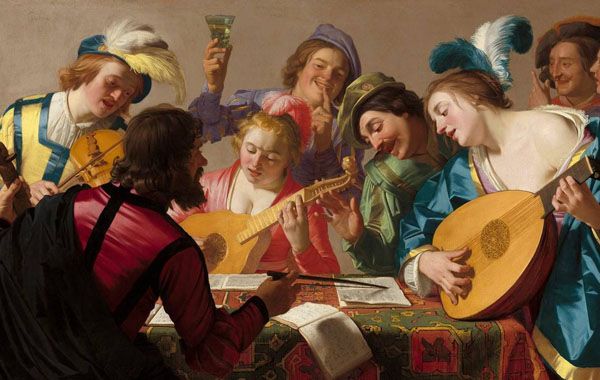
INTRO.
WELCOME IN ACADEMIA

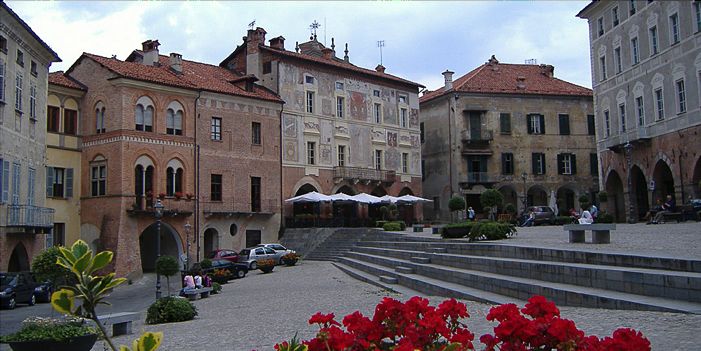
The Academia Montis Regalis Onlus Foundation was created in 1992 in
Mondovì, a city in south-western Piedmont and in 1994 it was
recognized by the Piedmont Region.

                                               Dear students,

                                               As School Director and Musician, I’m here to
                                               welcome you in this beautiful location where you
                                               will live a fascinating year of study with the
                                               chance to attend class, instrument training,
                                               concerts and visits in Mondovì and other historical
                                               cities. You will learn how to play and live Classical
                                               music with original instruments.

                                               We are waiting for you to make you known in
                                               depth our culture and above all to prepare you for
                                               the extraordinary profession of musician.

—Maurizio Fornero

In the same year, the Foundation gave birth in Mondovì to the Baroque and Classical
Orchestral Training courses, with the aim to offer talented young Italian and foreign
musicians the opportunity to have a unique experience of its kind in Italy in the field of
XVIIth-XVIIIth-century music, performed according to historical criteria and with the use
of original instruments.

From this initiative the Academia Montis Regalis Orchestra was born, today considered one of
the best orchestral ensembles with ancient instruments at an international level.

Since the music training activity remains an important objective for the Foundation, it was
decided to continue the training experience for young people in parallel and to create a
second orchestra—the Montis Regalis Youth Orchestra, structured according to the formula of

                                           3 ( 84)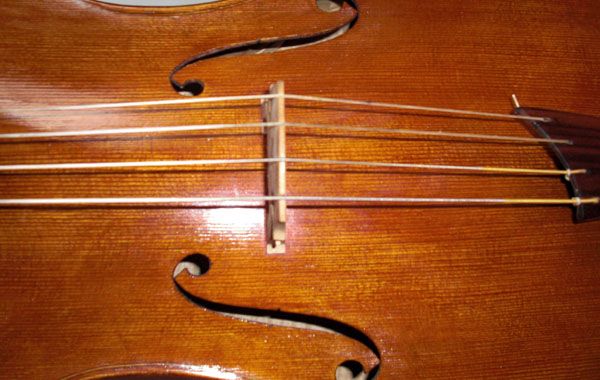
scholarship and articulated into five cycles per season, entrusted to internationally
renowned teachers.

The Foundation also manages the Music School of the Mondovì Municipality, which for 40 years
ensures the basic musical training in the area, with over 300 members and an affirmed
Children’s Choir.

Since 2020, the Foundation has established first level academic courses in agreement with
the Music School of Fiesole, with the intention of training European and non-European
students in the various baroque and classical disciplines, offering a professionalism of
excellence in a suggestive location, in an area of Piedmont rich in history, tradition and
culture.

In our prestigious headquarter, located in the medieval area of the city, in a XIVth-century
residence, we offer a prestigious stay to all students, with the opportunity to participate in
training and concert activities in other historic cities, aimed at fully understanding the
style and way to play music with original instruments.

                                           4 ( 84)
BAC HELOR DEGREE
S T U DY P L A N S
   2 0 2 0 / 2 0 21
    ACADEMIC YEAR

         5 ( 84)
BAC HELOR DEGREE IN
                VIOLIN

Intended audience   young violinists
Calendar            from Oct to Jul
Application         from Jun 1 to Sep 1
Fees                see page 81

                                  6 ( 84)
The academic course for violin affords young musicians the
attainment of a 1st Level Academic Diploma in the Artistic and
Musical Higher Education (AFAM) system, equivalent to a three-
year university diploma.

The study plan is structured in such a way to prepare young violinists to acquire a mature
artistic awareness, a comprehensive knowledge of the historical evolution of the
instrument and of the compositional and analytical models within the musical language, as
well as an adequate technique of postural and emotional control.

The educational path benefits from the possibility of participating in the Erasmus+,
allotting students some periods to study abroad while taking advantage of prestigious
foreign professors’ presence at the School, for whom the same formula is applied.

During the Triennio the violinists will progressively acquire higher level skills, successfully
affronting the instrument’s most representative repertoire, both as a soloist and in
ensembles, particularly attended to in the School’s orchestral ensembles specifically
dedicated to the academic courses, the Orchestra Galilei and the Camerata Strumentale
Fiesolana and in chamber groups, with string instruments and pianoforte.

The significant experiences in orchestra bring the young violinists in contact with
musicians at the ground floor; chamber music is an important moment of individual
growth, that allows for experimentation and refining the learning techniques among peers
within the habitual practice in rehearsals, necessary for preparing for lessons and concerts
organized by the School.

Numerous performance occasions allow for the students in the advanced courses to “test”
their preparation during a public concert, the participation of which is considered an
integral part of the educational path.

Included among the educational goals of the advanced courses are honing relevant skills in
an improvisational setting, in the digital music sector and with a secondary common
language.

                                            7 ( 84)
OCCUPATIONAL OUTLOOKS

The course offers the student the possibility to be hired in the following settings:

• Instrumental soloist
• Chamber music musician

• Chamber Orchestra musician

• Symphonic Orchestra musician
• Orchestral musician in the musical theatre setting

• String Ensemble musician

The violin academic course is authorized by the Ministry of Instruction, University and
Research with the Ministerial Decree (D.M.) n.685 from 05/08/2013 and with the
Ministerial Decree D.M. n. 685 from 09/08/2017 n.613 and D.M. 10.04.2018 n. 278.

                                           8 ( 84)
SCUOLA DI MUSICA DI FIESOLE
FONDAZIONE – ONLUS
iscritta al n° 6 del Registro Regionale delle Persone Giuridiche Private
Agg. 1/10/2019
DEPARTMENT OF STRING AND CHORD INSTRUMENTS
SCHOOL OF VIOLIN
DCPL54 - ACADEMIC 1ST LEVEL DIPLOMA COURSE IN
VIOLIN
FORMATIVE GOALS At the end of the studies relevant to the Academic 1st Level Diploma course in Violin, the students must have acquired the knowledge of the
techniques and specific competences that will permit them to concretely realize their own artistic idea. Upon achieving this level, particular
importance will be given to the study of repertoire that is most representative of the instrument – including ensemble music – and of the relative
performance practices, as well as the goal of developing the capacity of the student to interact within diversely comprised musical groups. Such
objectives must be reached, including the development of the perceptive capacity of listening and memorization with the acquisition of specific
knowledge relative to the organizational compositional and analytical models of the music and their interaction. Specific care must be dedicated
to the acquisition of adequate techniques of postural and emotional control.
At the end of the Triennio, the students must have acquired a deeper knowledge of the stylistic aspects, general and relative historic
aesthetics to their specific application. Furthermore, with reference to the specificity of the singular courses, the student must be in
possession of adequate competences concerning the field of improvisation. Acquisition of adequate competences in the field of
computer music and a foreign language are also educational objectives of the course.
OCCUPATIONAL PROSPECTIVES The course offers the student the possibility of employment in the following fields:
- Instrumental soloist
- Instrumentalist in chamber groups
- Instrumentalist in chamber orchestras
- Instrumentalist in symphonic orchestras
- Instrumentalist in orchestral formations for musical theatre
LEGEND
I = Individual discipline E = Evaluation on a scale of 30
and credits conferred by the jury
G = Ensemble or group discipline
following the exam
C = Collective theoretical or practical discip ID = Evaluation with judgement
of suitability and credits
L = Laboratory conferred by the professor
STUDY PLAN YEAR 1 YEAR 2 YEAR 3
Formative
Sector Code Artistic - disciplinary sector Field of discipline Educational type hours CFA eval. hours CFA eval. hours CFA eval.
Activity
History and Historiography of
B CODM/04 Music History C 48 6 E 48 6 E
music
B COMI/01 Choral Exercises Choir L 45 2 ID
Theories and techniques of
Theory of harmony and
B COTP/01 harmony and analysis of the G 48 6 E 48 6 E
analysis
compositional forms
Repertoire analysis G 18 3 E
B COTP/03 Piano practice and reading Piano practice I 18 6 E 18 6 E
Theory, rhythm and
B COTP/06 Music theory G 27 2 E
musical perception
Performance practice and
C CODI/06 Violin I 30 18 E 30 18 E 30 18 E
repertoire
Techniques of sight reading C 9 1 E
Methodology of instrumental
C 18 2 E
teaching
Performance practice and
repertoire: orchestral I 9 3 E
repertoire passages
Orchestra and orchestral
C COMI/02 Orchestral training L 60 4 ID 60 4 ID 60 4 ID
repertoire
C COMI/03 Chamber music Chamber Music G 27 6 E 27 6 E 27 6 E
Ensemble music for string
C COMI/05 Quartet G 27 6 E 27 6 E 27 6 E
instruments
Z COME/05 Computer music Computer music C 18 2 ID
Education at the student's Education at the student's
S TSSS/SS 6 6
choice choice
Other educational activities,
also extracurricular (seminars, 6
internships, laboratories, etc.)
@ CODL/02 Foreign language Foreign language C 27 3 ID
@ TS/PF Final exam Final exam 6 E
366 60 276 60 189 60
9 ( 84)
The student has the option to insert the disciplines of choice into his/her study plan, from annually proposed courses and activated
courses provided by the Scuola di Musica di Fiesole. The student may propose iterations of the disciplines already present in their
study plan. With relation to the number of received requests, individuated disciplines may be activated from the following (the list
is to be considered explanatory and not exhaustive).

Sector Code    Field of discipline             Hours                          Credits                  Evaluation
                   Rights and
                 Legislation of
    COCM/01                                      27                              3                           E
                    musical
                 performance
                 Techniques of
    COCM/02                                      27                              3                           E
                communication

                 Techniques of
    CODD/07     expression and                   27                              3                           ID
                body awareness
                Instruments and
                   methods of
    CODM/01                                      27                              3                           E
                 bibliographical
                    research
    CODM/03   Philosophy of music                27                              3                           E

              Aesthetics of music                27                              3                           E

                  Music history
    CODM/04                                      27                              3                           E
               applied to images
                    Tuning and
    COMA/15                                      27                              3                           E
                 temperaments
               Technologies and
              techniques of audio
    COME/04                                      27                              3                           E
                registration and
                     recording
                  Techniques of
    COMI/08           musical                    27                              3                           ID
                  improvisation
                     Basics of
    COTP/01                                      27                              3                           E
                   composition
                 Contemporary
    COTP/06                                      27                              3                           E
                  music rhythm
                   Performance
                    pactice with
    TSSC/SC                                      18                              3                           ID
                   instrumental
                accompaniment
              Other educational
    TSSS/SS   and extracurricular                                                6                           ID
                   activities

Type          Credit descritpion     Credits                       Hours                             Exams
B             Basic                                           43                               318                   8
C             Characteristic                                 108                               468                  12
              Integrative and
I
              similar activities
Z             Ulterior activities                              2                                18
              At the student's
S                                                             18
              choice
              Final Exam and
@                                                              9                                27                  1
              foreign language
TOTAL                                                        180                               831                  21

              Educational type       Credits                       Hours                             Exams
              I                                               69                               135                   6
              G                                               53                               303                  10
              C                                               20                               168                   4
              L                                               14                               225
              TOTALE                                         156                               831                  20

                                     Via delle Fontanelle, 24 – San Domenico di Fiesole 50014 (FI) Tel 0039/055/5978548- Fax 0039/055/597007
                                     P. IVA 05361680480 Codice Fiscale 01433890488
                                     E-mail: info@scuolamusica.fiesole.fi.it Sito web: www.scuolamusica.fiesole.fi.it

                                                                                10 ( 84)
BAC HELOR DEGREE IN
BAROQUE VIOLIN
Intended audience young violinists
Calendar from Oct to Jul
Application from Jun 1 to Sep 1
Fees see page 81
11 ( 84)The academic course for baroque violin affords young musicians the
attainment of a 1st Level Academic Diploma in the Artistic and
Musical Higher Education (AFAM) system, equivalent to a three-
year university diploma.
The study plan is structured in such a way to prepare young baroque violinists to acquire a
mature artistic awareness, based on an in-depth study of baroque performance practice and
a comprehensive knowledge of the historical evolution of the instrument and of the
compositional and analytical models within the musical language with particular attention
to period music.
The educational path benefits from the possibility of participating in the Erasmus+
program, allotting students some periods to study abroad while taking advantage of
prestigious foreign professors’ presence at the School, for whom the same formula is
applied.
During the Triennio the baroque violinists will progressively acquire higher level skills, -
including an adequate technique of postural and emotional control - successfully affronting
the instrument’s most representative repertoire, both as a soloist and in ensembles,
particularly attended to in the School’s orchestral ensembles specifically dedicated to the
academic courses, the Camerata Strumentale Fiesolana, and in chamber groups.
The significant experiences in orchestra give the young baroque violinists an important
moment of individual growth, which allows for experimentation and refining the learning
techniques among peers within the habitual practice in rehearsals, necessary for preparing
for lessons and concerts organized by the School.
Numerous performance occasions allow for the students in the advanced courses to “test”
their preparation during a public concert, the participation of which is considered an
integral part of the educational path.
Included among the educational goals of the advanced courses are honing relevant skills in
an improvisational setting, in the digital music sector and with a secondary common
language.
12 ( 84)OCCUPATIONAL OUTLOOKS
The course offers the student the possibility to be hired in the following settings:
• Instrumental soloist
• Chamber music musician
• Baroque Orchestra musician
• Orchestral musician in the Baroque musical theatre setting
• String Orchestra Ensemble musician
The baroque violin academic course is authorized by the Ministry of Instruction,
University and Research with the Ministerial Decree (D.M.) n.685 from 05/08/2013 and
with the Ministerial Decree D.M. n. 685 from 09/08/2017 n.613 and D.M. 10.04.2018 n.
278.
13 ( 84)SCUOLA DI MUSICA DI FIESOLE
FONDAZIONE – ONLUS
iscritta al n° 6 del Registro Regionale delle Persone Giuridiche Private
Agg. 1/10/2019
DEPARTMENT OF STRING AND CHORD INSTRUMENTS
SCHOOL OF BAROQUE VIOLIN
DCPL55 - ACADEMIC 1ST LEVEL DIPLOMA COURSE IN
BAROQUE VIOLIN
FORMATIVE GOALS At the end of the studies relevant to the Academic 1st Level Diploma course in Baroque violin, the students must have acquired the knowledge of the
techniques and specific competences that will permit them to concretely realize their own artistic idea. Upon achieving this level, particular importance will be
given to the study of repertoire that is most representative of the instrument – including ensemble music – and of the relative performance practices, as well as
the goal of developing the capacity of the student to interact within diversely comprised musical groups. Such objectives must be reached, including the
development of the perceptive capacity of listening and memorization with the acquisition of specific knowledge relative to the organizational compositional
and analytical models of the music and their interaction. Specific care must be dedicated to the acquisition of adequate techniques of postural and emotional
control.At the end of the Triennio, the students must have acquired a deeper knowledge of the stylistic aspects, general and relative historic aesthetics to their
specific application. Furthermore, with reference to the specificity of the singular courses, the student must be in possession of adequate competences
concerning the field of improvisation. Acquisition of adequate competences in the field of computer music and a foreign language are also educational
objectives of the course.
The course offers the student the possibility of employment in the following fields:
OCCUPATIONAL PROSPECTIVES - Instrumental soloist
- Instrumentalist in chamber groups
- Instrumentalist in orchestras
- Instrumentalist in orchestral formations for musical theatre
LEGEND
I = Individual discipline E = Evaluation on a scale of 30
and credits conferred by the
G = Ensemble or group discipline jury following the exam
C = Collective theoretical or practical disci ID = Evaluation with judgement
of suitability and credits
L = Laboratory conferred by the professor
STUDY PLAN YEAR 1 YEAR 2 YEAR 3
Formative
Sector Code Artistic - disciplinary sector Field of discipline Educational type hours CFA eval. hours CFA eval. hours CFA eval.
Activity
History and Historiography of
B CODM/04 Music History C 36 6 E 36 6 E
music
Harpsichord and historic Performance practice and
B COMA/15 I 24 8 E
keyboards repertoire
Bibliography and musical Instruments and methods of
B CODM/01 C 36 6 E
library science bibliographic research
Theory, rhythm and
B COTP/06 Ear Training C 36 6 E
musical perception
C CODC/01 Composition Compositional techniques C 24 6 E
Performance practice and
C CODI/04 Baroque Violin I 27 18 E 27 18 E 27 18 E
repertoire
Theory and practice of Basso continuo theory
C COTP/05 I 24 6 E
basso continuo (Harpsichord)
Ensemble music for Ensemble music for voice and
C COMI/07 G 12 2 ID 24 4 E 24 4 E
antique instruments antique instruments
Performance practice and
Ensemble music for
I COMI/05 ensemble repertoire for string I 12 2 50 12 2 ID
string instruments
instruments
I COMA/04 Baroque Violin Techniques of sight reading I 12 2 ID
Improvisation and
ornamentation on the I 18 2 E 24 8 E
instrument
Treatises and methods C 12 2 ID 24 4 E
Tuning and temperaments C 12 2 ID
Literature of the instrument C 18 2 ID 24 4 E
Foundations of history and
C 12 2 ID
technology of the instrument
I CODM/03 Systematic musicology Philosophy of music C 36 6 E
Techniques of awareness Techniques of expression and
Z CODD/07 C 30 2 ID
and body expression body awareness
Z COME/05 Computer music Computer music C 30 2 E
Education at the Education at the student's
S TSSS/SS 6
student's choice choice
Other educational activities,
also extracurricular (seminars, 6 6
internships, laboratories, etc.)
@ CODL/02 Foreign language Foreign language C 30 2 E
14 ( 84)@ TS/PF Final exam Final exam 10 E
261 60 231 60 171 60
The student has the option to insert the disciplines of choice into his/her study plan, from annually proposed courses and activated courses provided by the Scuola di Musica di
Fiesole. The student may propose iterations of the disciplines already present in their study plan. With relation to the number of received requests, individuated disciplines may
be activated from the following (the list is to be considered explanatory and not exhaustive).
Sector Code Field of discipline Hours Credits Evaluation
Rights and
Legislation of
COCM/01 27 3 E
musical
performance
Techniques of
COCM/02 27 3 E
communication
Techniques of
CODD/07 expression and 27 3 ID
body awareness
Instruments and
methods of
CODM/01 27 3 E
bibliographical
research
Philosophy of
CODM/03 27 3 E
music
Aesthetics of
27 3 E
music
Music history
CODM/04 27 3 E
applied to images
Tuning and
COMA/15 27 3 E
temperaments
Technologies and
techniques of
COME/04 27 3 E
audio registration
and recording
Techniques of
COMI/08 musical 27 3 ID
improvisation
Basics of
COTP/01 27 3 E
composition
Contemporary
COTP/06 27 3 E
music rhythm
Performance
pactice with
TSSC/SC 18 3 ID
instrumental
accompaniment
Other
educational and
TSSS/SS 6 ID
extracurricular
activities
Type Credit descritpion
B Basic
C Characteristic
Integrative and
I
similar activities
Z Ulterior activities
At the student's
S
choice
Final Exam and
@
foreign language
Via delle Fontanelle, 24 – San Domenico di Fiesole 50014 (FI) Tel 0039/055/5978548- Fax 0039/055/597007
P. IVA 05361680480 Codice Fiscale 01433890488
E-mail: info@scuolamusica.fiesole.fi.it Sito web: www.scuolamusica.fiesole.fi.it
15 ( 84)BAC HELOR DEGREE IN
VIOLA
Intended audience young violists
Calendar from Oct to Jul
Application from Jun 1 to Sep 1
Fees see page 81
16 ( 84)The academic course for viola affords young musicians the
attainment of a 1st Level Academic Diploma in the Artistic and
Musical Higher Education (AFAM) system, equivalent to a three-
year university diploma.
The study plan is structured in such a way to prepare young violists to acquire a mature
artistic awareness, a comprehensive knowledge of the historical evolution of the
instrument and of the compositional and analytical models within the musical language, as
well as an adequate technique of postural and emotional control.
The educational path benefits from the possibility of participating in the Erasmus+
program, allotting students some periods to study abroad while taking advantage of
prestigious foreign professors’ presence at the School, for whom the same formula is
applied.
During the Triennio the violists will progressively acquire higher level skills, successfully
affronting the instrument’s most representative repertoire, both as a soloist and in
ensembles, particularly attended to in the School’s orchestral ensembles specifically
dedicated to the academic courses, the Orchestra Galilei and in chamber groups, with string
instruments and pianoforte.
The significant experiences in orchestra bring the young violists in contact with musicians
at the ground floor; chamber music is an important moment of individual growth, that
allows for experimentation and refining the learning techniques among peers within the
habitual practice in rehearsals, necessary for preparing for lessons and concerts organized
by the School.
Numerous performance occasions allow for the students in the advanced courses to “test”
their preparation during a public concert, the participation of which is considered an
integral part of the educational path.
Included among the educational goals of the advanced courses are honing relevant skills in
an improvisational setting, in the digital music sector and with a secondary common
language.
17 ( 84)OCCUPATIONAL OUTLOOKS
The course offers the student the possibility to be hired in the following settings:
• Instrumental soloist
• Chamber music musician
• Chamber Orchestra musician
• Symphonic Orchestra musician
• Orchestral musician in the musical theatre setting
• String Ensemble musician
The viola academic course is authorized by the Ministry of Instruction, University and
Research with the Ministerial Decree (D.M.) n.685 from 05/08/2013 and with the
Ministerial Decree D.M. n. 685 from 09/08/2017 n.613 and D.M. 10.04.2018 n. 278.
18 ( 84)SCUOLA DI MUSICA DI FIESOLE
FONDAZIONE – ONLUS
iscritta al n° 6 del Registro Regionale delle Persone Giuridiche Private
Agg. 1/10/2019
DEPARTMENT OF STRING AND CHORD INSTRUMENTS
SCHOOL OF VIOLA
DCPL52 - ACADEMIC 1ST LEVEL DIPLOMA COURSE IN
VIOLA
FORMATIVE GOALS At the end of the studies relevant to the Academic 1st Level Diploma course in Viola, the students must have acquired the knowledge of the techniques and
specific competences that will permit them to concretely realize their own artistic idea. Upon achieving this level, particular importance will be given to the
study of repertoire that is most representative of the instrument – including ensemble music – and of the relative performance practices, as well as the goal of
developing the capacity of the student to interact within diversely comprised musical groups. Such objectives must be reached, including the development of
the perceptive capacity of listening and memorization with the acquisition of specific knowledge relative to the organizational compositional and analytical
models of the music and their interaction. Specific care must be dedicated to the acquisition of adequate techniques of postural and emotional control.
At the end of the Triennio, the students must have acquired a deeper knowledge of the stylistic aspects, general and relative historic aesthetics to
their specific application. Furthermore, with reference to the specificity of the singular courses, the student must be in possession of adequate
competences concerning the field of improvisation. Acquisition of adequate competences in the field of computer music and a foreign language
are also educational objectives of the course.
OCCUPATIONAL PROSPECTIVES The course offers the student the possibility of employment in the following fields:
- Instrumental soloist
- Instrumentalist in chamber groups
- Instrumentalist in chamber orchestras
- Instrumentalist in symphonic orchestras
- Instrumentalist in orchestral formations for musical theatre
LEGEND
I = Individual discipline E = Evaluation on a scale of 30 and
credits conferred by the jury
G = Ensemble or group discipline
following the exam
C = Collective theoretical or practical disciplineID = Evaluation with judgement of
suitability and credits conferred by
L = Laboratory the professor
STUDY PLAN YEAR 1 YEAR 2 YEAR 3
Formative
Sector Code Artistic - disciplinary sector Field of discipline Educational type hours CFA eval. hours CFA eval. hours CFA eval.
Activity
History and Historiography of
B CODM/04 Music History C 48 6 E 48 6 E
music
B COMI/01 Choral Exercises Choir L 45 2 ID
Theories and techniques of
Theory of harmony and
B COTP/01 harmony and analysis of the G 48 6 E 48 6 E
analysis
compositional forms
Repertoire analysis G 18 3 E
B COTP/03 Piano practice and reading Piano practice I 18 6 E 18 6 E
Theory, rhythm and musical
B COTP/06 Music theory G 27 2 E
perception
Performance practice and
C CODI/05 Viola I 30 18 E 30 18 E 30 18 E
repertoire
Techniques of sight reading C 9 1 E
Methodology of instrumental
C 18 2 E
teaching
Performance practice and
repertoire: excerpts from the I 9 3 E
orchestral repertoire
Orchestra and orchestral
C COMI/02 Orchestral training L 60 4 ID 60 4 ID 60 4 ID
repertoire
C COMI/03 Chamber music Chamber Music G 27 6 E 27 6 E 27 6 E
Ensemble music for string
C COMI/05 Quartet G 27 6 E 27 6 E 27 6 E
instruments
Z COME/05 Computer music Computer music C 18 2 ID
Education at the student's Education at the student's
S TSSS/SS 6 6
choice choice
Other educational activities, also
extracurricular (seminars, 6
internships, laboratories, etc.)
@ CODL/02 Foreign language Foreign language C 27 3 ID
@ TS/PF Final exam Final exam 6 E
366 60 276 60 189 60
19 ( 84)The student has the option to insert the disciplines of choice into his/her study plan, from annually proposed courses and activated courses provided by the Scuola di Musica di Fiesole.
The student may propose iterations of the disciplines already present in their study plan. With relation to the number of received requests, individuated disciplines may be activated
from the following (the list is to be considered explanatory and not exhaustive).
Sector Code Field of discipline Hours Credits Evaluation
Rights and Legislation
COCM/01 of musical 27 3 E
performance
Techniques of
COCM/02 27 3 E
communication
Techniques of
CODD/07 expression and body 27 3 ID
awareness
Instruments and
methods of
CODM/01 27 3 E
bibliographical
research
CODM/03 Philosophy of music 27 3 E
Aesthetics of music 27 3 E
Music history applied
CODM/04 27 3 E
to images
Tuning and
COMA/15 27 3 E
temperaments
Technologies and
techniques of audio
COME/04 27 3 E
registration and
recording
Techniques of
COMI/08 musical 27 3 ID
improvisation
Basics of
COTP/01 27 3 E
composition
Contemporary music
COTP/06 27 3 E
rhythm
Performance pactice
TSSC/SC with instrumental 18 3 ID
accompaniment
Other educational
TSSS/SS and extracurricular 6 ID
activities
Type Credit descritpion Credits Hours Exams
B Basic 43 318 8
C Characteristic 108 468 12
Integrative and
I
similar activities
Z Ulterior activities 2 18
S At the student's 18
Final Exam and
@ 9 27 1
foreign language
TOTAL 180 831 21
Educational type Credits Hours Exams
I 69 135 6
G 53 303 10
C 20 168 4
L 14 225
TOTAL 156 831 20
Via delle Fontanelle, 24 – San Domenico di Fiesole 50014 (FI) Tel 0039/055/5978548- Fax 0039/055/597007
P. IVA 05361680480 Codice Fiscale 01433890488
E-mail: info@scuolamusica.fiesole.fi.it Sito web: www.scuolamusica.fiesole.fi.it
20 ( 84)BAC HELOR DEGREE IN
VIOL A DA GAMBA
Intended audience young viola da gamba players
Calendar from Oct to Jul
Application from Jun 1 to Sep 1
Fees see page 81
21 ( 84)The academic course for viola da gamba affords young musicians
the attainment of a 1st Level Academic Diploma in the Artistic and
Musical Higher Education (AFAM) system, equivalent to a three-
year university diploma.
The study plan is structured in such a way to prepare young viola da gamba players to
acquire a mature artistic awareness, a comprehensive knowledge of the historical evolution
of the instrument and of the compositional and analytical models within the musical
language, as well as an adequate technique of postural and emotional control.
The educational path benefits from the possibility of participating in the Erasmus+
program, allotting students some periods to study abroad while taking advantage of
prestigious foreign professors’ presence at the School, for whom the same formula is
applied.
The two-year appointment with the Giornata italiana della viola da gamba and the Progetto
Violanet (European Viola da Gamba Network) offer significant encounters to the young
musicians, with the maximum exponents of concert performance and international
education, and include an updated educational path with the most recently acquired
methods and historiography.
During the Triennio the viola da gamba players will progressively acquire higher level
skills, successfully affronting the instrument’s most representative repertoire, both as a
soloist and in ensembles, particularly attended to in the School’s orchestral ensembles
specifically dedicated to the academic courses, the Camerata Strumentale Fiesolana, and in
chamber groups, with viola da gamba consorts.
The significant experiences in chamber music give the young viola da gamba an important
moment of individual growth, which allows for experimentation and refining the learning
techniques among peers within the habitual practice in rehearsals, necessary for preparing
for lessons and concerts organized by the School.
Numerous performance occasions allow for the students in the advanced courses to “test”
their preparation during a public concert, the participation of which is considered an
integral part of the educational path.
Included among the educational goals of the advanced courses are honing relevant skills in
an improvisational setting, in the digital music sector and with a secondary common
language.
22 ( 84)OCCUPATIONAL OUTLOOKS
The course offers the student the possibility to be hired in the following settings:
• Instrumental soloist
• Chamber music musician
• Baroque Orchestra musician
• Orchestral musician in the Baroque musical theatre setting
• String Orchestra Ensemble musician
The viola da gamba academic course is authorized by the Ministry of Instruction,
University and Research with the Ministerial Decree (D.M.) n.685 from 05/08/2013 and
with the Ministerial Decree D.M. n. 685 from 09/08/2017 n.613 and D.M. 10.04.2018 n.
278.
23 ( 84)SCUOLA DI MUSICA DI FIESOLE
FONDAZIONE – ONLUS
iscritta al n° 6 del Registro Regionale delle Persone Giuridiche Private
Agg. 1/10/2019
DEPARTMENT OF STRING AND CHORD INSTRUMENTS
SCHOOL OF VIOLA DA GAMBA
DCPL53 - ACADEMIC 1ST LEVEL DIPLOMA COURSE IN
VIOLA DA GAMBA
FORMATIVE GOALS At the end of the studies relevant to the Academic 1st Level Diploma course in Viola da gamba, the students must have acquired the knowledge of the
techniques and specific competences that will permit them to concretely realize their own artistic idea. Upon achieving this level, particular importance will be
given to the study of repertoire that is most representative of the instrument – including ensemble music – and of the relative performance practices, as well as
the goal of developing the capacity of the student to interact within diversely comprised musical groups. Such objectives must be reached, including the
development of the perceptive capacity of listening and memorization with the acquisition of specific knowledge relative to the organizational compositional
and analytical models of the music and their interaction. Specific care must be dedicated to the acquisition of adequate techniques of postural and emotional
control.At the end of the Triennio, the students must have acquired a deeper knowledge of the stylistic aspects, general and relative historic aesthetics to their
specific application. Furthermore, with reference to the specificity of the singular courses, the student must be in possession of adequate competences
concerning the field of improvisation. Acquisition of adequate competences in the field of computer music and a foreign language are also educational
objectives of the course.
OCCUPATIONAL PROSPECTIVES The course offers the student the possibility of employment in the following fields:
- Instrumental soloist
- Instrumentalist in chamber groups
- Instrumentalist in orchestras
- Instrumentalist in orchestral formations for musical theatre
- Continuo player in the chamber and musical theatre repertoire
LEGEND
I = Individual discipline E = Evaluation on a scale of 30 and
credits conferred by the jury
G = Ensemble or group discipline
following the exam
C = Collective theoretical or practical disciplineID = Evaluation with judgement of
suitability and credits conferred by
L = Laboratory the professor
STUDY PLAN YEAR 1 YEAR 2 YEAR 3
Formative
Sector Code Artistic - disciplinary sector Field of discipline Educational type hours CFA eval. hours CFA eval. hours CFA eval.
Activity
History and Historiography of
B CODM/04 Music History C 36 6 E 36 6 E
music
I COMI/01 Choral exercises Choir C 24 2 ID
Bibliography and musical Instruments and methods of
B CODM/01 C 36 6 E
library science bibliographic research
Harpsichord and historic Performance practice and
B COMA/15 I 24 8 E
keyboards repertoire
Theory, rhythm and musical
B COTP/06 Ear Training C 36 6 E
perception
Performance practice and
C COMA/03 Viola da gamba I 27 18 E 27 18 E 27 18 E
repertoire
Methodology of instrumental
I COMA/03 Viola da gamba C 18 4 ID
teaching
Performance practice and
G 24 4 E 24 4 E
repertoire (consort)
C CODC/01 Composition Compositional techniques C 24 6 E
C COMI/03 Chamber music Chamber music G
Ensemble music for antique Ensemble music for voice and
C COMI/07 C 12 2 ID 12 4 E 24 4 E
instruments antique instruments
Theory and practice of basso Performance practice and
C COTP/05 I 30 6 E
continuo repertoire of basso continuo
Treatises and methods (inherent
I COMA/03 Viola da gamba C 24 4 E
to performance practice)
Tuning and temperaments G 12 2 ID
Foundations of history and
C 12 2 ID
technology of the instrument
Practice of basso continuo on
the instrument (viola da I 18 2 ID
gamba/Lyre)
Performance practice and
repertoire (for voice and viola da I 24 6 ID
gamba)
Literature of the instrument C 24 4 E
Improvisation and
ornamentation on the I 24 4 E
instrument
Techniques of awareness Techniques of expression and
Z CODD/07 C 30 2 ID
and body expression body awareness
24 ( 84)Z COME/05 Computer music Computer music C 30 2 E
Education at the student's Education at the student's
S TSSS/SS 6 6 6
choice choice
Other educational activities, also
extracurricular (seminars,
internships, laboratories, etc.)
@ CODL/02 Foreign language Foreign language C 30 2 E
@ TS/PF Final exam Final exam 10 E
249 60 231 60 189 60
The student has the option to insert the disciplines of choice into his/her study plan, from annually proposed courses and activated courses provided by the Scuola di Musica di Fiesole.
The student may propose iterations of the disciplines already present in their study plan. With relation to the number of received requests, individuated disciplines may be activated
from the following (the list is to be considered explanatory and not exhaustive).
Sector Code Field of discipline Hours Credits Evaluation
Rights and Legislation
COCM/01 of musical 27 3 E
performance
Techniques of
COCM/02 27 3 E
communication
Techniques of
CODD/07 expression and body 27 3 ID
awareness
Instruments and
methods of
CODM/01 27 3 E
bibliographical
research
CODM/03 Philosophy of music 27 3 E
Aesthetics of music 27 3 E
Music history applied
CODM/04 27 3 E
to images
Tuning and
COMA/15 27 3 E
temperaments
Technologies and
techniques of audio
COME/04 27 3 E
registration and
recording
Techniques of
COMI/08 musical 27 3 ID
improvisation
Basics of
COTP/01 27 3 E
composition
Contemporary music
COTP/06 27 3 E
rhythm
Performance pactice
TSSC/SC with instrumental 18 3 ID
accompaniment
Other educational
TSSS/SS and extracurricular 6 ID
activities
Type Credit descritpion
B Basic
C Characteristic
Integrative and
I
similar activities
Z Ulterior activities
At the student's
S
choice
Final Exam and
@
foreign language
Via delle Fontanelle, 24 – San Domenico di Fiesole 50014 (FI) Tel 0039/055/5978548- Fax 0039/055/597007
P. IVA 05361680480 Codice Fiscale 01433890488
E-mail: info@scuolamusica.fiesole.fi.it Sito web: www.scuolamusica.fiesole.fi.it
25 ( 84)BAC HELOR DEGREE IN
CELLO
Intended audience young cellists
Calendar from Oct to Jul
Application from Jun 1 to Sep 1
Fees see page 81
26 ( 84)The academic course for cello affords young musicians the
attainment of a 1st Level Academic Diploma in the Artistic and
Musical Higher Education (AFAM) system, equivalent to a three-
year university diploma.
The study plan is structured in such a way to prepare young cellists to acquire a mature
artistic awareness, a comprehensive knowledge of the historical evolution of the
instrument and of the compositional and analytical models within the musical language, as
well as an adequate technique of postural and emotional control.
The educational path benefits from the possibility of participating in the Erasmus+
program, allotting students some periods to study abroad while taking advantage of
prestigious foreign professors’ presence at the School, for whom the same formula is
applied.
During the Triennio the cellists will progressively acquire higher level skills, successfully
affronting the instrument’s most representative repertoire, both as a soloist and in
ensembles, particularly attended to in the School’s orchestral ensembles specifically
dedicated to the academic courses, the Orchestra Galilei and the Camerata Strumentale
Fiesolana and in chamber groups, with string instruments and pianoforte.
The significant experiences in orchestra bring the young cellists in contact with musicians
at the ground floor; chamber music is an important moment of individual growth, that
allows for experimentation and refining the learning techniques among peers within the
habitual practice in rehearsals, necessary for preparing for lessons and concerts organized
by the School.
Numerous performance occasions allow for the students in the advanced courses to “test”
their preparation during a public concert, the participation of which is considered an
integral part of the educational path.
Included among the educational goals of the advanced courses are honing relevant skills in
an improvisational setting, in the digital music sector and with a secondary common
language.
27 ( 84)OCCUPATIONAL OUTLOOKS
The course offers the student the possibility to be hired in the following settings:
• Instrumental soloist
• Chamber music musician
• Chamber Orchestra musician
• Symphonic Orchestra musician
• Orchestral musician in the musical theatre setting
• String Ensemble musician
The cello academic course is authorized by the Ministry of Instruction, University and
Research with the Ministerial Decree (D.M.) n.685 from 05/08/2013 and with the
Ministerial Decree D.M. n. 685 from 09/08/2017 n.613 and D.M. 10.04.2018 n. 278.
28 ( 84)SCUOLA DI MUSICA DI FIESOLE
FONDAZIONE – ONLUS
iscritta al n° 6 del Registro Regionale delle Persone Giuridiche Private
Agg. 1/10/2019
DEPARTMENT OF STRING AND CHORD INSTRUMENTS
SCHOOL OF CELLO
DCPL57 - ACADEMIC 1ST LEVEL DIPLOMA COURSE IN
CELLO
FORMATIVE GOALS At the end of the studies relevant to the Academic 1st Level Diploma course in Cello, the students must have acquired the knowledge of the techniques and
specific competences that will permit them to concretely realize their own artistic idea. Upon achieving this level, particular importance will be given to the
study of repertoire that is most representative of the instrument – including ensemble music – and of the relative performance practices, as well as the goal
of developing the capacity of the student to interact within diversely comprised musical groups. Such objectives must be reached, including the
development of the perceptive capacity of listening and memorization with the acquisition of specific knowledge relative to the organizational
compositional and analytical models of the music and their interaction. Specific care must be dedicated to the acquisition of adequate techniques of
postural and emotional control.
At the end of the Triennio, the students must have acquired a deeper knowledge of the stylistic aspects, general and relative historic aesthetics
to their specific application. Furthermore, with reference to the specificity of the singular courses, the student must be in possession of
adequate competences concerning the field of improvisation. Acquisition of adequate competences in the field of computer music and a
foreign language are also educational objectives of the course.
OCCUPATIONAL PROSPECTIVES The course offers the student the possibility of employment in the following fields:
- Instrumental soloist
- Instrumentalist in chamber groups
- Instrumentalist in chamber orchestras
- Instrumentalist in symphonic orchestras
- Instrumentalist in orchestral formations for musical theatre
LEGEND
I = Individual discipline E = Evaluation on a scale of 30
and credits conferred by the
G = Ensemble or group discipline
jury following the exam
ID = Evaluation with
C = Collective theoretical or practical discip judgement of suitability and
credits conferred by the
L = Laboratory
professor
STUDY PLAN YEAR 1 YEAR 2 YEAR 3
Formative
Sector Code Artistic - disciplinary sector Field of discipline Educational type hours CFA eval. hours CFA eval. hours CFA eval.
Activity
History and Historiography of
B CODM/04 Music History C 48 6 E 48 6 E
music
B COMI/01 Choral Exercises Choir L 45 2 ID
Theories and techniques of
Theory of harmony and
B COTP/01 harmony and analysis of the G 48 6 E 48 6 E
analysis
compositional forms
Repertoire analysis G 18 3 E
Piano practice and
B COTP/03 Piano practice I 18 6 E 18 6 E
reading
Theory, rhythm and
B COTP/06 Music theory G
musical perception 27 2 E
Performance practice and
C CODI/07 Cello I 30 18 E 30 18 E
repertoire 30 18 E
Techniques of sight reading C 9 1 E
Methodology of instrumental
C 18 2 E
teaching
Performance practice and
repertoire: excerpts from the I 9 3 E
orchestral repertoire
Orchestra and orchestral
C COMI/02 Orchestral training L 60 4 ID 60 4 ID 60 4 ID
repertoire
C COMI/03 Chamber music Chamber Music G 27 6 E 27 6 E 27 6 E
Ensemble music for
C COMI/05 Quartet G 27 6 E 27 6 E 27 6 E
string instruments
Z COME/05 Computer music Computer music C 18 2 ID
Education at the Education at the student's
S TSSS/SS 6 6
student's choice choice
Other educational activities,
also extracurricular (seminars, 6
internships, laboratories, etc.)
@ CODL/02 Foreign language Foreign language C 27 3 ID
@ TS/PF Final exam Final exam 6 E
366 60 276 60 189 60
29 ( 84)The student has the option to insert the disciplines of choice into his/her study plan, from annually proposed courses and activated courses provided by the Scuola di Musica di
Fiesole. The student may propose iterations of the disciplines already present in their study plan. With relation to the number of received requests, individuated disciplines may
be activated from the following (the list is to be considered explanatory and not exhaustive).
Sector Code Field of discipline Hours Credits Evaluation
Rights and
Legislation of
COCM/01 27 3 E
musical
performance
Techniques of
COCM/02 27 3 E
communication
Techniques of
CODD/07 expression and 27 3 ID
body awareness
Instruments and
methods of
CODM/01 27 3 E
bibliographical
research
CODM/03 Philosophy of music 27 3 E
Aesthetics of music 27 3 E
Music history
CODM/04 27 3 E
applied to images
Tuning and
COMA/15 27 3 E
temperaments
Technologies and
techniques of audio
COME/04 27 3 E
registration and
recording
Techniques of
COMI/08 musical 27 3 ID
improvisation
Basics of
COTP/01 27 3 E
composition
Contemporary
COTP/06 27 3 E
music rhythm
Performance
pactice with
TSSC/SC 18 3 ID
instrumental
accompaniment
Other educational
TSSS/SS and extracurricular 6 ID
activities
Type Credit descritpion Credits Hours Exams
B Basic 43 318 8
C Characteristic 108 468 12
Integrative and
I
similar activities
Z Ulterior activities 2 18
S At the student's 18
Final Exam and
@ 9 27 1
foreign language
TOTAL 180 831 21
Educational type Credits Hours Exams
I 69 135 6
G 53 303 10
C 20 168 4
L 14 225
TOTAL 156 831 20
Via delle Fontanelle, 24 – San Domenico di Fiesole 50014 (FI) Tel 0039/055/5978548- Fax 0039/055/597007
P. IVA 05361680480 Codice Fiscale 01433890488
E-mail: info@scuolamusica.fiesole.fi.it Sito web: www.scuolamusica.fiesole.fi.it
30 ( 84)BAC HELOR DEGREE IN
BAROQUE CELLO
Intended audience young cellists
Calendar from Oct to Jul
Application from Jun 1 to Sep 1
Fees see page 81
31 ( 84)The academic course for baroque cello affords young musicians the
attainment of a 1st Level Academic Diploma in the Artistic and
Musical Higher Education (AFAM) system, equivalent to a three-
year university diploma.
The study plan is structured in such a way to prepare young baroque cellists to acquire a
mature artistic awareness, based on an in-depth study of baroque performance practice and
a comprehensive knowledge of the historical evolution of the instrument and of the
compositional and analytical models within the musical language with particular attention
to period music.
The educational path benefits from the possibility of participating in the Erasmus+
program, allotting students some periods to study abroad while taking advantage of
prestigious foreign professors’ presence at the School, for whom the same formula is
applied.
During the Triennio the baroque cellists will progressively acquire higher level skills, -
including an adequate technique of postural and emotional control - successfully affronting
the instrument’s most representative repertoire, both as a soloist and in ensembles,
particularly attended to in the School’s orchestral ensembles specifically dedicated to the
academic courses, the Camerata Strumentale Fiesolana, and in chamber groups.
The significant experiences in orchestra give the young baroque cellists an important
moment of individual growth, which allows for experimentation and refining the learning
techniques among peers within the habitual practice in rehearsals, necessary for preparing
for lessons and concerts organized by the School.
Numerous performance occasions allow for the students in the advanced courses to “test”
their preparation during a public concert, the participation of which is considered an
integral part of the educational path.
Included among the educational goals of the advanced courses are honing relevant skills in
an improvisational setting, in the digital music sector and with a secondary common
language.
32 ( 84)OCCUPATIONAL OUTLOOKS
The course offers the student the possibility to be hired in the following settings:
• Instrumental soloist
• Chamber music musician
• Baroque Orchestra musician
• Orchestral musician in the Baroque musical theatre setting
• String Orchestra Ensemble musician
The baroque cello academic course is authorized by the Ministry of Instruction, University
and Research with the Ministerial Decree (D.M.) n.685 from 05/08/2013 and with the
Ministerial Decree D.M. n. 685 from 09/08/2017 n.613 and D.M. 10.04.2018 n. 278.
33 ( 84)SCUOLA DI MUSICA DI FIESOLE
FONDAZIONE – ONLUS
iscritta al n° 6 del Registro Regionale delle Persone Giuridiche Private
DIPARTIMENTO DEGLI STRUMENTI AD ARCO E A CORDA
SCUOLA DI VIOLONCELLO
DCPL58 - CORSO DI DIPLOMA ACCADEMICO DI PRIMO LIVELLO IN
VIOLONCELLO BAROCCO
OBIETTIVI FORMATIVI Al termine degli studi relativi al Diploma Accademico di primo livello in Violoncello barocco, gli studenti devono aver acquisito le conoscenze delle tecniche e
le competenze artistiche specifiche tali da consentire loro di realizzare concretamente la propria idea artistica. A tal fine sarà dato particolare rilievo allo
studio del repertorio più rappresentativo dello strumento - incluso quello d’insieme - e delle relative prassi esecutive, anche con la finalità di sviluppare la
capacità dello studente di interagire all’interno di gruppi musicali diversamente composti. Tali obiettivi dovranno essere raggiunti anche favorendo lo sviluppo
della capacità percettiva dell’udito e di memorizzazione e con l’acquisizione di specifiche conoscenze relative ai modelli organizzativi, compositivi ed analitici
della musica ed alla loro interazione. Specifica cura dovrà essere dedicata all’acquisizione di adeguate tecniche di controllo posturale ed emozionale. Al
termine del Triennio gli studenti devono aver acquisito una conoscenza approfondita degli aspetti stilistici, storici estetici generali e relativi al proprio
specifico indirizzo. Inoltre, con riferimento alla specificità dei singoli corsi, lo studente dovrà possedere adeguate competenze riferite all’ambito
dell’improvvisazione. E’ obiettivo formativo del corso anche l’acquisizione di adeguate competenze nel campo dell’informatica musicale nonché quelle
relative ad una seconda lingua comunitaria.
PROSPETTIVE OCCUPAZIONALI Il corso offre allo studente possibilità di impiego nei seguenti ambiti:
- Strumentista solista
- Strumentista in gruppi da camera
- Strumentista in formazioni orchestrali
- Strumentista in formazioni orchestrali per il teatro musicale
LEGENDA
I = disciplina individuale E = valutazione in trentesimi e
crediti conferiti da
G = disciplina d'insieme o di gruppo
commissione a seguito di
C = disciplina collettiva teorica o pratica ID = valutazione con giudizio di
idoneità e crediti conferiti dal
L = laboratorio docente
PIANO DEGLI STUDI I ANNUALITÀ II ANNUALITÀ III ANNUALITÀ
Att. Formativa Codice Settore Settore artistico-disciplinare Campo disciplinare Tipo Insegnamento ore CFA val. ore CFA val. ore CFA val.
Storia e Storiografia della
B CODM/04 Storia della Musica C 36 6 E 36 6 E
musica
Clavicembalo e tastiere
B COMA/15 Prassi esecutive e repertori I 24 8 E
storiche
Bibliografia e
Strumenti e metodi della
B CODM/01 biblioteconomomia C 36 6 E
ricerca bibliografica
musicale
Teoria, ritmica e
B COTP/06 Ear Training C 36 6 E
percezione musicale
C CODC/01 Composizione Tecniche compositive C 36 6 E
Teoria e prassi del basso Teoria del basso continuo
C COTP/05 I 24 6 E
continuo (clavicembalo)
Musica d'Insieme per Musica d'insieme per voci e
C COMI/07 G 12 2 ID 24 4 E 24 4 E
strumento antichi strumenti antichi
Musica d'Insieme per Prassi esecutive e repertori
I COMI/05 C 18 2 ID 18 2 ID
strumentI ad arco strumenti ad arco
C COMA /05 Violoncello barocco Prassi esecutive e repertori I 27 18 E 27 18 E 27 18 E
Improvvisazione e
I COMA/05 Violoncello barocco ornamentazione allo I 18 4 E 18 4 E
strumento
Trattati e metodi C 12 2 ID 24 4 E
Pratica del basso continuo allo
strumento (violoncello I 24 4 E
barocco)
Accordature e temperamenti C 12 2 ID
Letteratura dello strumento C 12 2 ID 24 4 E
Fondamenti di storia e
C 12 2 ID
tecnologia dello strumento
I CODM/03 Musicologia sistematica Filosofia della musica C 36 6 E
Tecniche di
Tecniche di espressione e
Z CODD/07 consapevolezza ed C 30 2 ID
consapevolezza corporea
espressione corporea
Z COME/05 Informatica Musicale Informatica Musicale C 30 2 E
Insegnamento a scelta Insegnamento a scelta dello
S TSSS/SS 6 6
dello studente studente
Altre attività formative anche
esterne (seminari, tirocini, 6
laboratori, ecc.)
Lingua straniera
@ CODL/02 Lingua straniera comunitaria C 30 2 E
comunitaria
@ TS/PF Prova finale Prova finale 10 E
273 60 243 60 171 60
34 ( 84)You can also read


