Beautiful for today, good for tomorrow - 2020 sustainability report - HEMA
←
→
Page content transcription
If your browser does not render page correctly, please read the page content below

beautiful
for today,
good for
tomorrow
2020 sustainability report
table of
     contents
                                                                                p. 3    HEMA in 2020

                              pillar 2: how our products                        p. 4    foreword
                              are made
                              p. 22                                             p. 5    about HEMA

                                                                                p. 7    our value chain

                                                                                p. 8    our value
                                                                                        creation model

                                                                                p. 9    sustainability
                                                                                        at HEMA

                                                                                p. 12   in conversation
                                                                                        with society

pillar 1: what our products                     pillar 3: our role in society
are made of                                     p. 27
p. 13
                                                                     2      2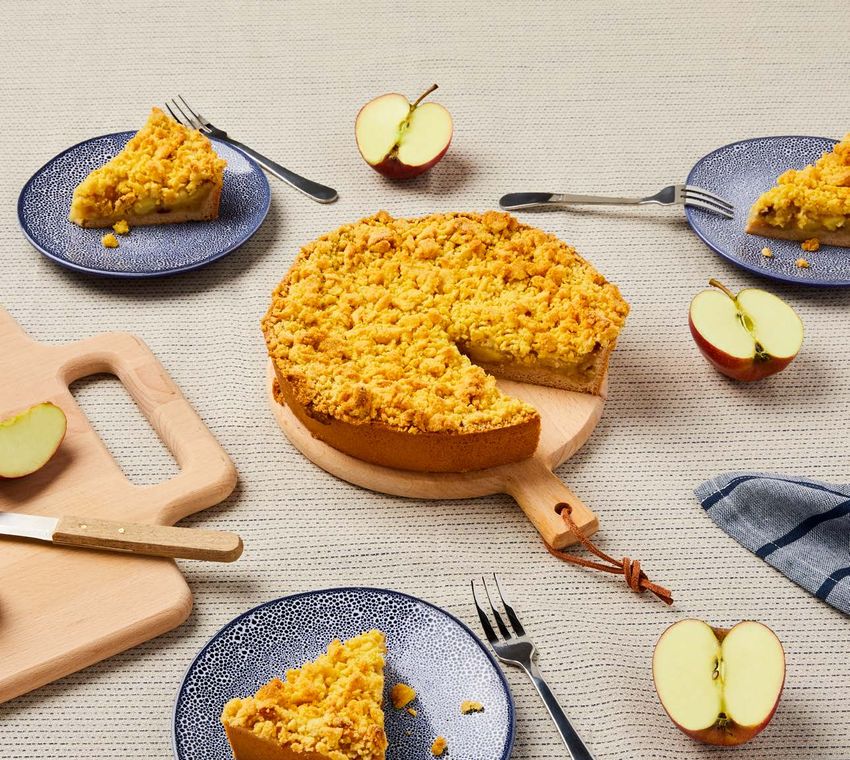
beautiful for today,                                       new distribution           HEMA design                                        sustainable
                                                           centre                     contest                                            purchasing
good for tomorrow
                                                           Opening of second          Design contest for                                 Sustainable cotton,
HEMA in 2020                                               distribution centre in     new HEMA products                                  91% FSC paper and
2020 was a unique year. Our work providing our customers   Nieuwegein, sustainably    with young designers                               wood, 79.5% RSPO
with HEMA designed products, continued unabated. From
raw materials to the products in our (online) stores.      built to the BREEAM                                                           palm oil for cosmetics,
                                                           ‘excellent’ standard                                                          100% RDS down

                                  donating food                                                              Diversity Charter

                                  Donating food                                                              Preparing to sign
                                  to food banks, the                                                         charter to promote
                                  Salvation Army                                                             diversity and inclusivity
                                  and hospitals                                                              at HEMA

growth in online                                            Workplace Pride                                  introduction                 Parcom and
sales                                                                                                        ookworst                     Mississippi
                                                            We set up an internal                                                         Ventures
More than 80% growth                                        workgroup to raise                               Vegetarian version of
in online sales                                             the flag for the LGBTI+                          the iconic HEMA              Discussions
                                                            community                                        smoked sausage               about acquisition
                                                                                                                                          have started

introduction of                                             safe shopping             less plastic                                        partnership
special parental                                            during the                                                                    with SAVE in India
leave                                                       COVID-19                  Reducing plastic
                                                            pandemic                  in our products                                     48 training courses
Ten weeks of leave for                                                                and packaging                                       given to >1700 staff
couples welcoming a                                         Online and                                                                    to strengthen the
baby into their family                                      in stores                                                                     position of employees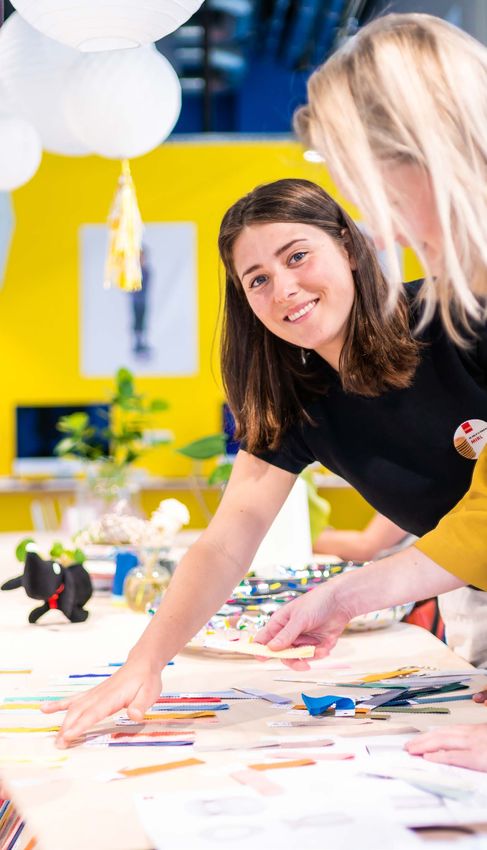
focusing on sustainability in                                 provide HEMA with a very sound financial basis. Most
               a unique year                                                 discussions about this took place in 2020, and the new
               2020 was a turbulent year for us all. Due to the COVID-19     ownership was sealed in early 2021. Mississippi Ventures
               pandemic, we and our customers faced multiple                 is owned by the Van Eerd family, owner of Jumbo
               challenges. The enforced closure of stores meant we           supermarkets, which HEMA has started working with in
               could no longer serve our in-store customers optimally.       2020. This means we are ready for the final years leading
               We did our best to overcome this by assisting customers       up to our centenary, and for the years thereafter as a
               online and picking orders in our stores for distribution to   financially sound, contemporary and most of all
               customers. I greatly appreciate all colleagues who were       sustainable company.
               fully committed and managed to continuously adapt to
               changing circumstances.                                       With this new ownership and a sound financial basis in
                                                                             place, I see this as a good moment to step back and
               We want to make our customers' daily lives better, more       allow new leadership to take over. I can look back on six
               fun and easier, and hence also more sustainable. Despite      great years, in which sustainability became a permanent
               the challenging circumstances, sustainability remained        and important part of HEMA, and look forward with
               an important focus for us. We continued to work on            confidence to passing on the helm to the new CEO,
               more sustainable products and refining our sustainability     Saskia Egas Reparaz, on 1 June 2021.
               targets. This is reflected in our product range. For
               example, we launched our Clean Beauty range, we               Here's to a beautiful and sustainable future!
               introduced folding letter crates made from 100% recycled
               plastic and investigated how we can take the first steps      Tjeerd Jegen, CEO HEMA
               towards making our products circular. However, most
               significantly of all, we developed truly sustainable
               relationships. Together with our partners and suppliers,
               we continuously explored the options for offering the
               most sustainable product range to our customers.

               Besides challenges, we also experienced positive
               changes at HEMA. HEMA is now owned by the Parcom
               and Mississippi Ventures investment companies, which
                                                                                               Ever since I joined HEMA, one of
                                                                                               my favourite products has been
                                                                                               the iconic HEMA smoked
                                                                                               sausage. For me, it is parti-
                                                                                               cularly special that we
                                                                                               introduced the vegetarian
                                                                                               version, the ookworst, in 2020.

Tjeerd                                                                                         This is a great example of how
                                                                                               we make all our products
Jegen                                                                                          accessible to a broad public,
CEO bij HEMA
                                                                                               because HEMA is for everyone.

                                                                                   4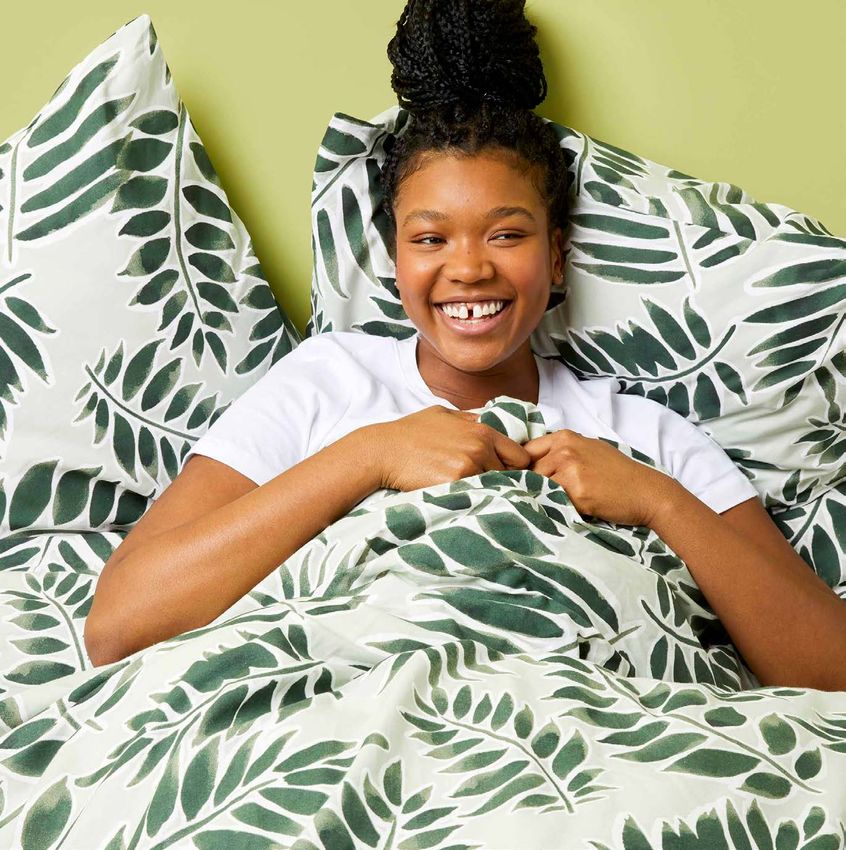
771 stores in eleven countries
                                                                                                   almost 100 years HEMA
                                              543 in the Netherlands, 98 in Belgium,               HEMA, the Hollandsche Eenheidsprijzen Maatschappij Amsterdam

about
                                              70 in France, 20 in Germany, 9 in Spain,             (Hollandic Standard Prices Company Amsterdam), will reach the
                                              7 in the United Arab Emirates, 7 in the United       age of 95 in 2021. Founded almost 100 years ago in 1926, HEMA is
                                                                                                   active in eleven countries with 771 physical stores and six online
                                              Kingdom, 6 in Austria, 4 in Luxembourg,

HEMA
                                                                                                   stores. Our nineteen thousand employees are all committed to
                                              4 in Mexico, 3 in Qatar                              making the lives of the six million customers who visit HEMA every
                                                                                                   week better, more fun and easier.

                                                                                                   Wherever we are active, HEMA stores and online stores sell
                                              partnerships
                                                                                                   the same range of unique products at attractive prices. But we
                                                                                                   also adapt. For example, we don't sell pork or wine in Islamic
                                              Walmart in the                                       countries, our electrical appliances have the correct plugs
                                                                                                   for each country and we only sell fresh food and wine in the
                                              United States, Jumbo
                                                                                                   Netherlands and Belgium.
                                              and Wehkamp in
                                              the Netherlands and
HEMA products are                             Franprix and Casino                                  sustainable value
                                                                                                   HEMA wants to make daily life better, more fun, easier, and
designed based on                             in France                                            above all, also more sustainable. We do this for our customers,
HEMA values                                                                                        our employees and for our suppliers and service providers.
                                                                                                   This all comes together in the choice of materials and designs
•   optimistic: they put a smile on
                                              1541 million                                         of our products, where sustainability and reusability are
    your face                                                             six online stores
                                                                                                   important principles.
•   clear: they are easy to use               euros sales
•   accessible: HEMA is for everyone
                                                                          Netherlands,             At HEMA, making products and processes more sustainable
                                              37% hard goods,             Belgium, Germany,        makes everything three times better:
•   typically Dutch: no-nonsense
    and friendly                              38% clothes and             France, United
                                                                                                   •   Better for the customer.
                                              underwear,                  Kingdom, Mexico
•   reliable: they are high quality                                                                •   Better for the people who make our products.
                                              22% food and drink,                                  •   Better for the world we live in.
•   unique: they are created by our
    own designers
                                              3% services
                                                                                                   In this report, we tell you more about how we are making our
•   sustainable: they are the result of                                                            products and processes increasingly sustainable.
    sustainable processes and
    materials
                                                                          32,000 products

                                                                          Range of unique
                                                                          HEMA products

                                          5                                                    5
HEMA employees
HEMA is for everyone, as a brand and as an employer.
An open culture where everyone is equal and plays an
active role, regardless of our differences: that is what we
stand for.
                                                                                            store employees

                                                                                                                        NL          BE        FR        GE          AU     UK      SP    LUX

office employees                                                                            men                         913         82       230        38           4      30    46      2

                        NL        NL        NL        Dhaka         Hong        Shang-      permanent
                                                                                                                       420          75       230         12          4      30     25     2
                      support     DC      bakeries   purchasing     Kong          hai       contract
                      office                                      purchasing   purchasing   temporary
                                                                                                                       493          7                   26                         21
                                                                                            contract

men                    223        455       174          15           2            9        full time                   196         38       180        39           1      18     8      1

permanent
                        165       418       150          11           2            2        part time                   717         44        50        160          3      12     38     1
contract
temporary
                        58        37        24           4                         7        women                     6604         758       399        199          54     42     98     31
contract
                                                                                            permanent
full time               187       377       146          15           2            9                                   3226        710       399        72           54     42     49     29
                                                                                            contract
                                                                                            temporary
part time               36        78        28                                                                         3378         48                  127                        49     2
                                                                                            contract

women                  444        154       69           4            7            21       full time                  390         200       284         12          10     18     11     4

permanent
                        313       142       46           4            7            1        part time                  6214        558        115       26           44     24     87     27
contract
temporary
                        131        12       23                                     20       undetermined                                                                           1
contract
                                                                                            permanent
full time              245        89         21          4            6            20                                                                                              1
                                                                                            contract

part time               199       65        48                        1            1        part time                                                                              1

total % CAO                                                                                 total % CAO
(Collective Labour     95%       99%       99%                                              (Collective Labour        100%         100%     100%       100%         100%   100%   100%   100%
Agreement)                                                                                  Agreement)

                                                                                            * Reference date: 31/12/2020. Interns and the franchise stores in the
                                                                                            United Arab Emirates and Qatar are not included in this summary.

                                                                                                                               6
OUR VALUE CHAIN - from raw materials to customers
                                                                 all cotton                     purchasing offices in                                      32,000 HEMA
                                                                 products purchased             Dhaka, Hong Kong                                           products
                                                                 sustainably                    and Shanghai
                                                                                                                                                           •   Better for the
                                                                                                                                                               customer
                                                                 We purchase cotton via         Via our global purchasing                                  •   Better for the people
                                                                 the Better Cotton Initiative   offices, we purchase                                           who make our
                                                                 (BCI) and under the            sustainable raw materials                                      products
                                                                 guidelines of the Organic      whenever we can and                                        •   Better for the world
                                                                                                                                                               we live in
                                                                 Content Standard (OCS)         monitor working
                                                                 and the Global Organic         conditions
                                                                 Textile Standard (GOTS)

smoked sausage                                                   ookworst                                                                                  HEMA design

Our iconic HEMA product,                                         We offer a vegetarian                                                                     We make daily life
the smoked sausage, is                                           version of our iconic                                                                     better, more fun and
made from meat with the                                          smoked sausage: the                                                                       easier, and thus also
1-star Beter Leven (“Better                                      ookworst, a product                                                                       more sustainable
Life”) label                                                     for everyone

                              19,000                                                               training and                  diversity and
                              employees                                                            development                   inclusivity

                              In our support office                                                We promote cooperation,       HEMA is for everyone.
                              in the distribution centres,                                         personal development          We demonstrate this via
                              in the purchasing offices                                            and ambassadorship            initiatives such as our
                              and in our stores, our                                               among our employees           HEMA Foundation and
                              employees work hard                                                                                our internal Workplace
                              every day to serve our                                                                             Pride workgroup
                              customers

                                                             v

 HEMA products                                                    6 million HEMA                  local initiatives
 designed based on                                                customers shop
 HEMA values                                                      every week
                                                                                                  HEMA aims to make a
 Optimistic, clear,                                               Call and order at local         positive contribution to the
 accessible, typically                                            HEMA branches, click and        local community. We donate
 Dutch, reliable, unique                                          collect via the HEMA            unsold food to organisations
 and sustainable                                                  website and shopping            such as the Salvation Army
                                                                  (by appointment) in a           and food banks, or sell it
                                                                  store of their choice           via Too Good To Go
our investments our our impact OUR VALUE CREATION MODEL
results HEMA is at the heart of society. We strive to make a positive impact on the
• HEMA Foundation HEMA is for everyone. entire supply chain, from raw materials to customers.
social • internal Workplace Pride • introduction of special We make it possible to discuss
workgroup parental leave complex social challenges and
• dedication to diversity • raising the rainbow use our design to promote
and inclusivity flag at our distribution inclusivity. We do this as HEMA our results
• HEMA design to promote centre, support office and with our partners.
discussion of important and bakeries • employee satisfaction survey, positive
issues in society • inclusive product range evaluation during COVID-19
SDGs: 5, 10 and 17 human • wages and pensions
> 6 million • safe working, including during COVID-19
HEMA customers Read more in pillars 1 and 3 • 1890 HEMA employees follow
per week online training courses from GoodHabitz
our impact
our investments sales in our stores our
investments
distribution
We want to offer employees a safe
• 3 purchasing offices in Dhaka,
and online and pleasant working environment.
Bangladesh and Shanghai • 19,000 Every employee should feel
production • 2 distribution centres in Utrecht and employees comfortable at work.
Nieuwegein worldwide
• coaching and SDGs: 5 and 10
truly HEMA products
beautiful development
our impact Read more in pillar 3
for today,
At HEMA, we believe it is important to
work as part of a transparent and good for
• 771 stores in sustainable supply chain, which respects
tomorrow our Investments
production
eleven countries the dignity of employees and in which
• support office we use raw materials as sustainably as • sustainable HEMA design for
in Amsterdam
• online stores
possible.
natural our products
• responsible purchasing
in six countries SDGs: 8, 12 and 17 • fuel for transport to stores
purchasing of
Read more in pillar 2 raw materials
our results
our results our our impact our impact • increasing sustainability via certification:
investments 91% FSC paper and wood and 45% MSC
• >32,000 products, 37% hard goods, For HEMA, sustainability HEMA aims to and ASC fish and shellfish
38% clothing and underwear, 22% food • partnership with Jumbo and financial use raw materials • all cotton products sustainably sourced:
and drink, 3% services financial and Walmart.com results go hand in hand. as efficiently as possible 84% BCI, 16% organic
• 86% of online product reviews have • collaboration with In this way, we can and to focus more • €1,900,000 estimated additional income
3 or 4 stars Franprix, Casino and make a positive impact on circularity. This means for cotton farmers affiliated with BCI
• list of tier 1 factories published Wehkamp on people, the future generations can • sustainable alternatives for nine single-
• audits at new production locations environment and continue to use product groups
in high-risk countries our results society. thrive on our planet. • products now made from recycled or
• 97 MRQ and 401 BSCI audits of recyclable material
social criteria • 103.5 million euros • 1541 million euros • less plastic used in product packaging
SDGs: 8 and 12 SDGs: 8, 12, 13 and 17
• 48 training courses equity capital in 2020 sales in 2020
given to >1,700 staff to strengthen the • 35.4 million euros invest- • 1064 million euros
position of employees via SAVE ments (CAPEX) in 2020 netto sales in 2020 Read more in Read more
About HEMA 8 in pillars 1 and 2
1. raw materials We do so by making more and more sustainable choices
We aim to reduce the negative impact of our products by available, in all the countries where we are present, in
sustain-
using alternative and more sustainable raw materials. We stores and online.
are also taking major steps within the linear model and Pillar 3: Our role in society p. 29
have ambitions to work in a circular manner.
Pillar 1: What our products are made of p. 14 7. being a good employer
ability at
We believe in the power of a well-trained, healthy and
2. supply chain responsibility contented workforce. It is also important to us that the
We accept responsibility for our supply chain. We work composition of our workforce reflects society.
HEMA
continuously to gain a better understanding of our supply Pillar 3: Our role in society p. 30
chains and identify potential risks to people, animals and
the environment. Increasingly we communicate with our
customers about this. 8. sustainable operations, 9. financial performance,
Pillar 2: How our products are made p. 23 10. employee engagement, 11. employee development,
12. diversity, 13. reducing food waste, 14. commitment to
3. working conditions at society, 15. animal welfare, 16. energy consumption, 17.
manufacturers' facilities healthy product range, 18. collecting waste for recycling,
We work hard to ensure that our products are produced 19. transport and logistics, 20. local purchasing
responsibly. We always carry out audits before working
with new factories. In 2019, we also initiated new activities
to implement even more effective improvements.
Pillar 2: How our products are made p. 25
sustainability pillars 4. sustainable design materiality matrix
and topics Sustainability, customer solutions and quality are at the
Sustainability is at the heart of our company. In 2019, we heart of our product development. We aim to create
analysed which sustainability-related topics our internal products that are better in three respects: better for the 1
very important
2
and external stakeholders considered most important for customer, better for the people who make our products
importance for stakeholders
3
HEMA. Via an online questionnaire and interviews, we and better for the world we live in.
collected input from employees from many departments Pillar 1: What our products are made of p. 20
B
(management and board members and employees), as 4
well as social organisations and suppliers. 5. packaging 6 7
We use various types of packaging to protect and 5
The materiality matrix indicates how relevant they transport our products. Our ambition is to use fewer, more 13 9
10
believed each topic was for HEMA. The areas where sustainable and more easily recyclable packaging 15 14
HEMA can make the greatest impact are shown on the materials.
11
top right. We have divided these topics into three pillars: Pillar 1: What our products are made of p. 20 16
18 17 12
important
19
1. What our products are made of 6. customer satisfaction
2. How our products are made We don't just want to make our customers' lives more fun 20
3. Our role in society and easier, but also better.
important very important
importance for HEMA
9
consolidating sustainability                                 It is important to us that employees really feel part of
Together with all our staff, we are working hard to          the organisation. This is why we keep them informed
become more sustainable. We have a sustainability            via mailings, HeyHEMA (our intranet) and regularly
department, which is responsible for strategy and for        survey their opinions. We also ensure that employees
monitoring our sustainability policy. This team supports     can easily share their opinions within our organisation.
other departments, for example by helping them               In the Netherlands, employees can do so
purchase as sustainably as possible or to develop a          anonymously via the whistleblower procedure.
sustainable HEMA design.

The Executive Board and Operating Board are also
closely involved with the sustainability policy. The
sustainability department is represented in the Operating
Board and the Executive Board. The Executive Board and
Sustainability is on the agenda every month, which
allows for regular monitoring of new initiatives and
progress towards achieving results. In 2021, we aim to set
up a Sustainability Committee with members of the
Executive and Operating Boards. This will help to
consolidate sustainability within the HEMA organisation.

It is important to us that
employees really feel part of
the organisation. This is why
we keep them informed via
mailings, HeyHEMA and
regularly survey their
opinions.

                                                                                                                        10
A HEMA product that really appeals to
me is the vegan apple crumble pie. In
2019, we added this to our range
specially for people with a vegan diet
or allergy. And it's just as tasty as ever!
towards circularity is very important to us. Together with
the design team and purchasers, we are devoting extra
attention to circularity in new designs and material use.
While working with our suppliers is important to reach
our sustainability targets, the COVID-19 pandemic meant
steps to promote sustainability we were unfortunately obliged to amend several orders.
during the COVID-19 pandemic We looked for solutions together with our suppliers,
I am often asked what makes a product sustainabile. which confirmed the importance of working in partner-
For me, this is an ongoing process. We must work ship. Sean Thistleton, our global procurement director,
continuously to create a better product, with a less explains how we deal with this challenge on page 24.
negative effect on people and the environment, which
supports people or encourages them to live more I am also proud that we signed the Diversity Charter in
sustainably. High-quality products with a long lifespan early 2021, and that we are working to become an even
are an essential part of this. At HEMA, we strive to make more inclusive employer. As a brand, we also have the
our assortment a little better every day. capacity and trust to make society more aware of the
importance of diversity and inclusivity. We have worked
Sustainability is important to HEMA, and 2020 presented on this for many years, for example with the HEMA
us with plenty of challenges. Some of the sustainable raw Foundation, special parental leave for our employees
materials we use for our products were unavailable. The and by making conscious choices in the models and
price of certain raw materials, such as organic cotton, language we use. However, we will make this a more
also rose enormously. This meant that some of our permanent part of our organisation in the coming years.
targets for sustainable raw materials were postponed This aligns perfectly with our mission as a company and
from 2021 to 2022. Nevertheless, we have maintained our employer: we are for everyone.
standards and are working as hard as ever to put them Eva
Ronhaar
into practice. This crisis has also underlined the
importance of sustainability. This means that moving
director of Innovation
and Sustainability and
director of the HEMA
Foundation at HEMA
11partners
SDGs: 8, 12, 17
HEMA in
certification
conversation organisations
SDGs: 8, 12, 13, 17
open dialogue
with society For HEMA it's important to engage with external stake-
holders. We believe we can only achieve a positive
impact together. 2020 was a special year, in which the
importance of staying connected to each other was
extra important. We have spoken with external stake-
governments
holders in various ways. Our sustainability and other
SDGs: 5, 8, 10, 12
departments, and the Executive Board were closely
involved in these conversations. We spoke about various
topics that we linked to the SDGs.*
agreements and multi-stakeholder initiatives
• Transparency Pledge
• Plastic Pact
customers suppliers industry and sector civil society • Knalplastic convenant (plastic firework agreement)
SDGs: 5, 10, 12 SDGs: 8, 12 organisations organisations • Spatplastic convenant (plastic water balloon
SDGs: 8, 12 SDGs: 5, 8, 10
agreement)
• Bangladesh Accord
• IMVO (International Corporate Social Responsibility)
Agreement on sustainable Garments and Textile
• Amfori BSCI
international conventions and standards
• ILO conventions
• the Universal Declaration of Human Rights
• the Convention on the Rights of the Child
• the Convention on the Elimination of All Forms
of Discrimination Against Women
• Global Reporting Initiative
• Transparency benchmark
* See www.sustainability.HEMA.com for more information and
stakeholders (annex: in conversation with society)
12pillar 1
what our
products are
made of
13
striving for a positive impact on
people, the environment and animals
At HEMA, we devise and develop our products ourselves.
That makes us truly HEMA. We do so with attention for
people, the environment and animals. We strive to use
sustainable raw materials. We ensure that our products
have a long lifespan and we think carefully about their
packaging. This applies to all our products, from hard
goods to food and drink, beauty products and clothing.
13sustainable HEMA design Touwtje’, a children's book with stories and wooden
We design our products ourselves. This makes HEMA building elements that children can assemble themselves.
unique. It also means we have a great deal of influence Maaike Min won the public prize with her ‘Bloeitegel’
on the choice of raw materials used, the design and the (‘Blossom Tile’), a kit to replace a paving slab with a little
packaging. To make our products better, more fun and green garden. The HEMA design team can't wait to work
easier, we assess our designs against several criteria: with these young designers to turn their ideas into truly
• Better for the customer: smart design and easy to use HEMA products.
products with a long lifespan made from sustainable
materials. sustainable purchasing of
• Better for the people who make our products: where raw materials
possible, we increase the positive social impact of We believe it is important to treat raw materials with
our product development. care, as some of these will become increasingly scarce in
• Better for the world we live in: we reduce the the future, and because of our scale. This means the
negative environmental impact as much as possible. choices we make about raw materials have a direct
effect on people and the environment. This is why
We are investigating how we can apply circularity to our sustainable and circular alternatives are very important
products. In 2021, we will launch a circular design training to us. We have already achieved good results in recent
course for HEMA employees. years.
inclusive product range As we increase the sustainability of the raw materials we
HEMA is for everyone. This is reflected in our product use, we take responsibility for our role in the supply chain
range. For example, we offer skincare products for every and employ nationally and internationally recognised
skin type and age, and everyone can find the chocolate certification schemes. We focus on plastic, cotton, wood
letter of their choice, because we have all the letters of and paper, dairy, meat products, coffee, tea, cocoa and
the alphabet. We also frequently receive questions from palm oil. These have the greatest impact. For example, all
our customers, for example about the Indian costume in our cocoa is UTZ certified and more than ninety percent
the United Kingdom. We were asked whether it was still of our paper and wood is FSC certified. We show the
appropriate to sell such a product. We removed the progress we are making for each product group on the
costume from our range in the United Kingdom and will following two pages. We postponed a number of targets
not order it again in other countries, which means it will for food products, such as sandwich meat products, fish
automatically disappear from our stores. and shellfish and fresh dairy products, from 2021 to 2022
as we will revise our food product range. When new
from HEMA design contest products are introduced, these immediately comply with
to truly HEMA products our sustainability standards.
In 2020, HEMA relaunched the HEMA design contest after
an absence of five years. We asked young designers to
come up with innovative solutions to make time spent We design our
with loved ones at home better, more fun and easier. A
perfect topic for this unique year! The winning designs
products our-
are smart, sustainable and most of all optimistic. Claudia selves. This makes
Bleeker won the jury prize with her design 'Houtje-
HEMA unique.
14sustainable purchasing developments 2017 2018 2019 2020 target
non-food
2020 2022 2022 2019
100% 100% 100% 100% 100%
100% 97%
91%
86%
80% 80% 79.5%
80%
62%
60%
55%
40%
30%
20%
0%
cotton wood and paper palm oil for cosmetics down
(OCS, GOTS or BCI) (FSC) (RSPO) (RDS)
* HEMA employs internationally recognised standards for increasing the sustainability of product groups.
These charts show the progress towards our targets for each product group.
**The scope is retail and food service, excl. our bakeries. The calculation is based on the total number of SKUs.
15sustainable purchasing developments 2017 2018 2019 2020 target
food
2021 2021 2017 2021 2018 2021
100% 100% 100% 100% 99.5% 100% 100% 100%
100%
88% 88%
80%
61%
60% 58%
45%
41%
40%
34% 35%
28% 28%
23%
21%
20%
0%
fresh tea coffee palm oil for fish and shellfish
meat
dairy products (Fair Trade or UTZ), (UTZ and Rainforest food products (MSC or ASC)
(min. 1 star)
(organic or cocoa Alliance) (RSPO)
meadow milk) (UTZ)
* HEMA employs internationally recognised standards for increasing the sustainability of product groups.
These charts show the progress towards our targets for each product group.
**The scope is retail and food service, excl. our bakeries. The calculation is based on the total number of SKUs. The
calculation for coffee has been amended from 2020. We now report based on the total volume.
16Better Cotton Initiative (BCI) organic cotton
BSCI is a partnership between development orga- We apply the standards of the international labels
nisations, environmental organisations and businesses Organic Content Standard (OCS) and Global Organic
that aim to increase the sustainability of cotton Textile Standard (GOTS) for the purchase of organic
production. BCI promotes environmentally friendly cotton. Both labels aim to increase organic agricultural
production, a good working environment and fair pay production. GOTS also sets requirements for the rest of
for farmers and their employees. By purchasing cotton the production process. The product flow of both OCS
through BCI, we contribute to making cotton cultivation and GOTS is kept separate throughout the chain and can
more sustainable. In 2020, for example, we reached therefore be traced to the end product.
more than ten thousand cotton farmers and generated
1.9 million euros in extra income for these farmers. This is
an increase of more than twenty percent. It is mostly the
result of higher yields and more efficient use of water
and pesticides etc. It is estimated that in 2020 BCI farmers
saved 4.2 million litres of water and avoided the use
of 2750 kg of pesticides thanks to purchasing via
Better Cotton.
sustainable textiles
Since 2019, all our cotton for clothing and home textiles
has been sustainably sourced. We are proud of this. We contribution by HEMA 2019 2020
employ three standards for this sustainable purchasing:
Better Cotton Initiative (BCI), Organic Content Standard estimated number of
>5500 10,750
(OCS) and the Global Organic Textile Standard (GOTS). cotton farmers reached
estimated additional
income for cotton €1,522,264 €1,900,000*
farmers
cotton estimated hectares of
2017 2018 2019 2020
purchasing land cultivated with Not included 20,750
Better Cotton
BCI 70% 85% 88% 84%
GOTS and OCS 10% 12% 12% 16%
* BCI farmers see their profits grow for various reasons, mostly as a
result of higher yields and/or optimised use of ‘inputs’, such as water
total 80% 97% 100% 100% for irrigation, pesticides or fertilizer.
** All the above data is derived from the BCI calculator.
* Calculated based on the number of certified products against the rPET duvet, pillow and organic covers
total product range.
HEMA customers sleep responsibly. Our duvets and pillows are
filled with recycled material (rPET) and are thus a sustainable
alternative to traditional fillings. This reduces our CO2 footprint. The
duvet and pillow covers are also made from 100% certified organic
cotton (GOTS).
17shampoo
All our haircare products are made in accordance with
our clean beauty guidelines. We have shampoos for
various hair types and use only safe ingredients, i.e. no
sulphates such as SLS and SLES.* All the shampoos and
conditioners we introduced in 2020 are vegan. Our
shampoo packaging is made from 100% recycled material
(rPET) and the tubes for our conditioner are made from
57% recycled material. We promote the use of recycled
packaging materials such as HDPE and bioPe and keep
our bottles transparent for recycling.
Last year we also introduced shampoo in tablet form.
These shampoo tablets are vegan, use less water and
generate less plastic waste than our shampoo bottles. hardware
clean beauty *SLS and SLES (Sodium Lauryl Sulfate and Sodium Laureth Sulfate) are
HEMA sells hardware. These are products for
HEMA aims to lead the way in clean beauty. It is everyday use, such as home and kitchen items,
active substances in cosmetic products. They are used in products
important to us that these products, such as skincare such as shampoo and face cleaners. school and office items, bicycle parts and party
and haircare products, do not contain ingredients and gift items. When designing these products, we
that may be harmful to users or nature. also combine a long lifespan with the use of
sustainable materials.
ookworst food and drink textile bunting
Whenever you think of HEMA, We offer a broad range of HEMA develops party items that you can use for
you think of our iconic smoked fresh and packaged food many years, for example for birthdays. You can
sausage. Since October 2020, products in our stores in the reuse this bunting or use it for longer periods, for
we have also offered a veg- Netherlands and Belgium, from example to decorate your room.
etarian version, which we have fresh sandwiches to meat
playfully named ‘ookworst’ products, snacks and fresh
(‘also sausage’ in Dutch). This pastry. We aim to introduce
makes avoiding or eating less healthier and more sustainable
meat even easier and more fun. alternatives to our range, for
The vegetarian version of the example by making vegan or
smoked sausage is great with vegetarian options accessible
mashed potato. In this way, we to a broader public.
make our products accessible
to everyone.
18One product with a major impact is the bodysuit.
One in three babies in the Netherlands wears a HEMA
bodysuit. These are made from sustainable cotton or
FSC certified bamboo. The stretch material means the
bodysuit fits even better. We also offer a range with
a double row of press studs, so the bodysuit fits your
child even longer. This is a great way of introducing
our new generation to responsible and
sustainable purchasing.
a sustainable HEMA design For me, the challenge is to develop products that meet
Every day, our design team thinks about how we can our customers' needs now and that will also be up to
improve our customers' lives. A ‘truly’ HEMA design is date in ten years' time. A great example is a simply
smart, sustainable and most of all fun and optimistic. designed candlestick that we designed around six
It must also be accessible to a large group of people. years ago, which is still part of our range.
In the design team, we always take the sustainability In the past year, our customers' home situation has
perspective: are we working with the right materials changed dramatically. For example, as well as a place
and can we design the products so they have a long to eat, the kitchen table has become a workplace and
lifespan? In 2021, we will devote extra attention to a place where you spend much more time with your
circularity: how can we make greater use of recycled family. This offers opportunities for products such as
materials? This involves working closely with the storage boxes. We also see that sustainability is
sustainability department and our suppliers. We also increasingly important to consumers and that they
want to focus on "true choice": a range that is inclusive are choosing functional products with a long lifespan.
and suits our customers. Examples include the lactose
free cream slice and the ookworst. We can do a lot
more in this area.
Milou
Pikaart
head of food and
hard goods design
at HEMA
19 19reducing plastic less packaging material in consumer sustainable packaging targets
Plastic is a non-renewable resource and is not naturally packaging
degradable. To deal with this responsibly, we developed By 2025, we aim to use 25% less packaging material in
a three-layered policy in 2019: single-use plastic products, consumer packaging than in 2019. We are examining our
• 25% less consumer packaging in
plastic products for long-term use and plastic consumer use of paper, cardboard, plastic, aluminium and other 2025 than in 2019
packaging. materials.* We carried out a baseline measurement in
• 25% less plastic in consumer
2019. In 2020, we used two percent less packaging
single-use plastic products material than in 2019. We are examining whether we packaging in 2025 than in 2019
Single-use plastic products are disappearing from our can use less plastic packaging for seasonal products etc. • 100% of our plastic consumer
range. This is in line with EU legislation to ban single-use
plastic products from July 2021. We looked for We are also looking for ways to ensure products can
packaging will be made of recycled
alternatives in nine product groups and found suitable be used for longer, for example by using refillable or bio-based plastic by 2025
alternatives for each group. We will introduce these packaging. For example, we introduced an eye shadow
• 100% of our consumer packaging
gradually. For example, we now offer paper handout palette that can be refilled in 2020. This means the palette,
bags instead of plastic bags. which is made from 25% recycled materials, lasts longer. will be recyclable by 2025
plastic products for long-term use less plastic in consumer packaging
For reusable plastic products, we use less plastic where We aim to use 25% less plastic in our consumer
possible and more sustainable and recyclable material. packaging in 2025 than in 2019. In 2019, we reported on
We have researched which plastic products for long- the total weight of plastics in our consumer packaging.
term use we can modify. In 2019, we have converted 88 Since 2020, we have reported on the average reduction
items into recycled or renewable materials. In 2020, we in plastic consumer packaging.** In 2020, we used an
have converted 123 items. In the coming years, we will be average of two percent less plastic per purchased
working with our partners to use recycled or renewable product than in 2019.
material for all plastic or polyester products by 2025.
We can do a great deal more to improve in this area.
sustainable packaging We are examining how we can reduce the volume of
Packaging guarantees the safety and quality of our plastic in our packaging or replace it with FSC certified
products. In our HEMA design, we consider how cardboard. This applies to packaging for products such
packaging can be used smartly and sustainably as batteries and shampoo tablets.
throughout the supply chain: from consumer packaging
(primary) in stores to the cardboard boxes used for recycled or bio-based plastic in plastic
delivery to stores (secondary) and transport packaging consumer packaging
(tertiary) used in logistics. Since 2018, we have formulated By 2025, we want to ensure that all plastic consumer
targets based on the principle that less packaging should packaging is made from recycled or bio-based plastic.
be used where possible, and as much sustainable and We continually seek out potential improvements. For
recyclable material should be used as possible. This example, the packaging for several personal care
aligns with the targets in the Plastic Pact, which HEMA products has contained recycled or bio-based plastic
has signed. since 2020.
20We first set this target in 2019. At that time, we based the
measurement on plastic packaging types. In 2020, we
amended our measurement method to measure at product
level, which gives a clearer picture of where our products
come from. This also aligns better with our internal
monitoring, which helps consolidate these targets within
the organisation. We will report on this in the 2021
sustainability report.
recyclable consumer packaging
We also believe it is important that our consumer packaging
is recyclable. HEMA uses tools (Recycle Checks) from the
Sustainable Packaging Knowledge Institute (Kennis Instituut
Duurzame Verpakkingen, KIDV), which help us determine
whether packaging can be recycled effectively. In 2020,
54% of our paper, cardboard and plastic packaging was
recyclable.* In 2019, the total was 47%. Our ambition is that all
our consumer packaging should be recyclable by 2025. We
continuously seek out ways to replace non-recyclable plastic
with recyclable plastic, paper or cardboard.
* This excludes beer and wine packaging.
** This excludes food products.
working together on sustainable
packaging
We have prepared a packaging manual for our employees.
This contains examples of how HEMA makes sustainable
choices at all three levels. For example, we advise making
water bottles from rPET or bioPET (and in future PEF) and that
bottles should be kept as transparent as possible for re-
cycling. We also make our transport packaging as small as
possible, for example by folding clothing. In this way, we are
taking steps to make the entire supply chain more efficient
and sustainable.
sustainable options for customers
We also offer sustainable packaging options in our HEMA
stores. For example, some of our bags are made from
recycled materials. In 2021, we will replace our current bags
with alternatives made from recycled materials (paper, PET
and cardboard) and invite customers to reuse them.
21pillar 2
how our
products are
made
22
manufacturing under good
labour conditions
At HEMA, making a positive impact on people and the
environment in our supply chain is very important. We
want to ensure that our products are made under good
working conditions and with respect for the environment.
We work continuously to increase our knowledge of the
supply chain, to steadily improve working conditions and
the effect our products have on the environment.
Depending on the materials, production processes,
countries and regions, we set priorities and assess where
we can exert the greatest positive influence on working
conditions and lower our environmental impact. As
cooperation is crucial to achieving this, we are in
continuous contact with our suppliers and other supply
chain partners.
22HEMA works continuously to
carefully map the potential
risks to human rights, the
environment and animal
welfare in the supply chain.
supply chain responsibility the production processes at subcontractors (if With more than 32,000 products, we have many different
HEMA takes responsibility for our role in the supply chain. applicable), which must also comply with our code of production chains. This demands effective cooperation
HEMA works continuously to carefully map the potential conduct. In this way, we work with our suppliers to with our suppliers.
risks to human rights, the environment and animal improve the environmental and working conditions
welfare in the supply chain. We take account of signals at our subcontractors. At HEMA, we believe it is important to be transparent
from relevant stakeholders, such as trade unions, social towards all the external organisations we work with. This
organisations and other supply chain partners. This ‘due You can read the code of conduct here: allows us to tackle potential problems in the supply chain
diligence’ process serves as the foundation for our code www.hema.net/about. together. We strongly believe in working together with
of conduct for all suppliers and partners. Our social other partners in the sector, which starts with openness.
guidelines are based on ILO conventions and OECD transparency of production locations As such, we signed the Transparency Pledge in 2019 and
guidelines, the Universal Declaration of Human Rights, and suppliers published a list of factories that manufacture for HEMA
the Convention on the Rights of the Child and the Transparency and traceability are an essential part of (tier 1). This allows our customers and other stakeholders
Convention on the Elimination of All Forms of our supply chain responsibility. We are monitoring the to be better informed about the origin of our products.
Discrimination Against Women. production processes in the factories where HEMA We aim to expand this list for all clothing, textile and
products are manufactured – our ‘tier 1’ suppliers – for hardware supply chains (tier 2).
By subjecting our suppliers to audits, we monitor many years. In 2020, we took further steps towards
compliance with our code of conduct. This means we improving our monitoring of our suppliers of materials You can find the most recent list here:
know the conditions under which our products are and accessories – our ‘tier 2’ suppliers. Our target is to www.sustainability.hema.com/production-location/.
made. As well as assessing working conditions, we also work towards a fully transparent ‘tier 2’ for all clothing,
employ certification for sustainable materials and textile and hardware supply chains. We also aim to be
monitor environmental and animal welfare standards. able to look even further back in the supply chain and
We also investigate whether the supplier carries out all understand the products and processes of the suppliers
production processes required to make the HEMA of raw materials (our ‘tier 3’ suppliers). Mapping the
product in-house. This ensures that we can also monitor supply chain at such depths continues to be a challenge.
23focus on long-term relationships
with suppliers
I have worked as the global procurement director at
HEMA for three years. I was born in South Africa and feel
completely at home at HEMA. HEMA has a strong value
system, which is based around sustainability. These
values are tangible in the office, on the shop floor and in
our relationships with our suppliers.
HEMA focuses on long-term trading relationships. We aim
to work with partners that understand HEMA and the
importance of ensuring our products are sustainable.
Due to COVID-19, 2020 was a challenging year for HEMA
and our supply chain partners. The relationship with our
suppliers proved to be very resilient. Following the first
and second lockdowns, we had intensive contact and
continuously sought out common solutions when
amending orders. For example, we had contact with a
supplier of long-sleeved T-shirts. We don't sell those in the
summer! Together with our supplier, we found a solution:
by adapting the design, we could prevent waste. This
also shows how short the lines of communication are
between purchasing and product design.
The end of the COVID-19 pandemic is not yet in sight.
However, every day we continue to prioritise our HEMA
standards, with attention for the quality and sustainability
of our products. This can also be seen in the transport
packaging of our HEMA products. We aim to have all of
our transport packaging made from recycled material
or is made from material from sustainable FSC certified Our shipping boxes are not only
forests. This is a huge step. While this is not visible to practical they are also made as
consumers, it shows how committed we are to our
much as possible from material
sustainability targets.
from sustainable FSC certified
forests. We look closely at the
content of the orders, to be able
Sean to package orders as efficiently
Thistleton as possible. In this way we do not
use unnecessarily large boxes
global procurement for packing and shipping.
director at HEMA
24expect these to be completed in 2021. The improvement To improve working conditions in Bangladesh, HEMA is
plans primarily concerned steps related to safety, affiliated with the Bangladesh Transition Accord. Due to
pollution and accident insurance for employees. If the the COVID-19 restrictions, twenty inspections were carried
auditor encounters conditions that deviate too far from out in accordance with the guidelines of the Accord in
our code of conduct and standards, we do not prepare 2020. These focused on aspects such as mapping the
an improvement plan and terminate the partnership. This progress towards complying with the guidelines of the
was the case for two percent of our audits in 2020. Within Accord in respect of fire safety, construction and
a year of our own audit, Amfori carries out an audit of electricity. At our factories, 96% of these improvement
the supplier based on the guidelines of the Business points were successfully implemented in 2020. This means
Social Compliance Initiative (BSCI). BSCI is an initiative set we are ahead of the average progress rate of 92% for
up by companies that wish to improve working the Bangladesh Transition Accord.
conditions and environmental standards worldwide by
carrying out independent audits at production locations.
BSCI takes account of additional aspects such as
working conditions at discrimination, freedom of association and collective
manufacturers' facilities bargaining. These aspects are also covered by our code
At HEMA, we carry out our own MRQ inspections. These of conduct.
‘minimum requirement audits’ help us understand
working conditions based on seven criteria: We increased our focus on BSCI in 2020. A total of 401
audits were carried out at HEMA production locations.
1. supply chain transparency For BSCI audits, we also prepare an improvement plan
2. preventing child labour with the supplier if necessary. If multiple BSCI members
3. no forced labour manufacture at the same production location, one
4. safe and healthy working environment company takes responsibility for the audit and preparing
5. real and accurate recording of wages an improvement plan. In this way, we work together with
and working hours other companies to improve the supply chain.
6. facilities for employees
7. preventing pollution
audits 2019 2020
Before placing an order with manufacturers in high-risk
countries, we first carry out an MRQ audit. If this indicates
total audits carried out 557 518
that improvements are required, we work with the
supplier to prepare a concrete improvement plan with
MRQ audits 252 97
deadlines. In 2020, all new manufacturers in high-risk
countries were subjected to an audit. We carried out 97 • number of
audits in factories where textiles and hard goods are improvements 159 68
made for HEMA. There were fewer audits than in 2019 implemented
(252) due to COVID-19-related travel restrictions. There
were also fewer new locations. Of all the factories with
BSCI audits 191 401 Cotton bolls
an improvement plan in 2020, 79% were completed
Bangladesh Accord are processed
successfully and 21% were still being implemented. We 114 20
inspections into yarns in
factories.
25high-impact projects in the India: implementation of effective complaints
supply chain mechanism – in partnership with the Fair
Audits are an effective way of mapping working Wear Foundation
conditions and improving them where necessary. HEMA started a partnership with the Fair Wear Foundation
However, they are only snapshots, and do not provide in 2020. This is an independent non-profit organisation that
the same level of information about all subjects. As such, strives to improve working conditions. They have an
we also use other ways of monitoring and improving our effective complaints system, which we will use for all our
supply chain. clothing and textile factories in India. This will start in 2021.
We may extend it to other countries in the future.
India: supporting employee committees –
in partnership with SAVE how does the system work?
Numerous NGOs have identified a heightened risk of If employees believe their rights have been violated, or if
discrimination in the clothing and textile industry in India. others see this happening, they can submit a complaint to
HEMA believes it is important that the voice of employees a complaints officer who speaks the local language. This
is heard and that they have the opportunity to engage lowers the barrier to taking action. HEMA is subsequently
with employers about better working conditions. As such, informed and starts an investigation. If this independent
HEMA works with Social Awareness and Voluntary investigation by the Fair Wear Foundation establishes that
Education (SAVE), a local NGO that focuses on human the complaint is justified, HEMA works with the factory to
rights by working to support internal employee resolve the problem. The factory management and
committees in factories. In 2020, 1715 employees attended employee representatives are involved in investigating
48 training courses provided in partnership with SAVE. the cause of the complaint. It is resolved and all
This helps suppliers to resolve problems internally and stakeholders commit to ensuring it will not happen again.
independently. In 2021, we will continue our partnership The anonymity of the submitter of the complaint is
with SAVE and expand it to other factories in India. protected. This also lowers the barrier to taking action
and establishes trust. All complaints and the remediation
China: chemical use in dyeing plants – progress are published transparently on the
in partnership with Arcadis Fair Wear Foundation website. This approach gives HEMA
In China, we have set up a project together with local a better insight of conditions at our supply chain partners,
partners that aims to improve chemical use in textile and allows HEMA to take immediate action where
dyehouses and reduce water pollution. In 2019, a factory required.
HEMA began a
in Ningbo took part in a programme set up by our
partner Arcadis to promote responsible chemical use. Complaints may also reach us via the IMVO (International partnership with the Fair
This led to proposals to clean up the production process. Corporate Social Responsibility) Agreement, the
Wear Foundation in 2020.
Arcadis is a Dutch consultancy and engineering firm with Bangladesh Transition Accord and BSCI.
local offices in countries including China. The company This is an independent non-
aims to improve the quality of the living environment.
Since 2020, the factory has worked on the areas for
profit organisation that
improvement. For example, there is a new procedure for strives to improve working
safer working with less harmful chemicals, training
courses were provided and a new system has been
conditions.
installed to capture emissions. In 2021, HEMA will continue
to promote more environmentally friendly production.
26pillar 3
our role in
society
27
positive impact on
the local environment
HEMA is at the heart of society. We aim to satisfy
our customers with appealing products, good
service and a positive impact on the communities
where our stores are located.
27Michael
United, both ourselves and van Gool
the customer branch manager and
The energy and agility at HEMA really appeal to me. member of the Our
Together we can make a difference, even during the Customer First
current COVID-19 pandemic, which is quite a challenge. I workgroup at HEMA
am really impressed by how we are doing our utmost to
optimise shopper service. Our greatest challenge is
planning. We must respond rapidly if the government
announces new restrictions and consider carefully how
to deal with our stock levels or shelves that are empty
due to amended orders. There is also a positive side to
all this. For example, we have been able to make many
local donations to organisations including the Salvation
Army, food banks and hospitals. This prevents food
waste and people really appreciate it.
Our store staff have had to work extra hard and adapt a
great deal in these times. Together, we do all we can to
offer consumers the best possible shopping experience.
For me, it is important that our employees receive the
appreciation and attention they deserve, and that we
motivate and inspire them to continue developing.
My favourite product?
This is definitely the folding letter
crate, a combination of a letter
board and a folding crate. This stylish
crate, made in Europe from 100%
recycled plastic, is practical, versatile
in use and innovative. It can also be
personalised with letters and is
available in several colours. There's
one to suit everyone, and it's great
as a personalised gift!
28safe shopping during COVID-19 during the past year, from 60,000 to 600,000. The number
During the COVID-19 pandemic, we have closely followed of three and four star reviews, which represented 73% of
the restrictions and worked hard to serve our customers the total in 2019, rose to no less than 86% in 2020. We are
as well as possible. Email became an important channel proud of this. We aim to continue this improvement in
to stay in touch with customers about the current situa- 2021.
tion and what we could do for them. For example, we
use it to inform them about shopping options such as employee satisfaction
call and order at local HEMA branches, click and collect We can only make an impact with the help of all HEMA
via the HEMA website and shopping (by appointment) in employees. It is important to us that they really feel
a store of their choice. The safety of our customers and valued, heard and involved. This is why we carry out an
employees always comes first. While it is sometimes quite employee satisfaction survey several times each year.
a challenge to keep this running smoothly, we always This proceeded slightly differently in 2020 due to
follow the government guidelines. We look forward to COVID-19. We carried out a survey in February and
welcoming all our customers online and in our stores. October 2020. We asked all HEMA employees how they
experience working, what they appreciate and what
our customer first they think can be done better. We repeated the survey in
At HEMA, the customer always comes first. We aim to early January (2021). The results were shared internally.
offer customers a pleasant (online) shopping experience Together with their teams, managers prepared action
and an adequate product range. Due to COVID-19, plans to improve the working experience. We also sent
customers are shopping online much more than before. out short surveys in April, May and June to gauge how
We also continue to improve the service we offer in our employees were doing and to ask what they needed
stores. The ‘Our Customer First’ workgroup, which involves during the COVID-19 pandemic. The employees indicated
several branch managers, considers the options for that they were doing well (average score 8 out of 10) and
further improvement of customer focus and customer that they were very satisfied with the COVID-19-related
friendliness. For example, we investigate how we can communication (average score 8+ out of 10). They could
offer an attractive experience in store and which shelf also provide advice, which were immediately followed
As an employer, HEMA is also
layout and products are most appropriate. up.
at the heart of society. We aim
We also listen carefully to our customers' questions. This is In 2020, the new employee magazine ‘Echt’ was
reflected in the online product reviews. The number of published. There were many positive responses and the
to be a good employer and
online product reviews increased by a factor of ten magazine helped increase employee engagement. ‘Echt to make our employees' lives
Live’, a monthly live stream with the latest news and
developments, was also launched in early 2021. It has
better, more fun and easier.
received very positive responses. We offer a safe and pleasant
working environment where
The number of
online product everyone can realise their full
reviews increased potential.
by a factor of ten
during the past
year, from 60,000
to 600,000.
29You can also read


