BEEF IMPROVEMENT FEDERATION - RESEARCH SYMPOSIUM CONVENTION - JUNE 22-25
←
→
Page content transcription
If your browser does not render page correctly, please read the page content below
53 RD ANNUAL
      BEEF IMPROVEMENT FEDERATION
    RESEARCH SYMPOSIUM & CONVENTION

     JUNE 22–25   | IOWA EVENTS CENTER | DES MOINES IOWA

                           TM

            Iowa Beef Center
1
53 RD ANNUAL
      BEEF IMPROVEMENT FEDERATION
    RESEARCH SYMPOSIUM & CONVENTION
    TABLE OF CONTENTS
    03   Welcome
    04   Facility Maps
    04   Schedule of Events
    08   President’s Profile
    10   Speakers—Young Producers
    10   Speakers—General Sessions
    12   Nominees—Seedstock Producer of the Year
    14   Past Seedstock Producers of the Year
    15   Nominees—Commercial Producer of the Year
    18   Past BIF Commercial Producer of the Year
    19   Past BIF Pioneer Award Recipients
    21   Past BIF Continuing Service Award Recipients
    23   Past BIF Ambassador Award Recipients
    24   Past Baker/Cundiff Award Recipients
    25   Roy A. Wallace Memorial Scholarship
         PROCEEDINGS PAPERS
    26   Understanding Consumer Attitudes and Shopping Habits To Help
         Bolster Meat Case Activity—Michael Uetz, Principal, Midan Marketing
    28   Lessons in Genetics from the Pork Industry—Jim Pillen
    30   We can sell more beef—Dan Thomson, PhD, DVM
    33   Gene editing: Today and in the Future—Alison Van Eenennaam, PhD
    39   The Future of Precision Livestock for the Cattle Industry—Justin Sexten
    42   Use of Advanced Reproductive Technologies and Inclusion of these
         Records in Genetic Evaluation—R. Mark Thallman and Alexandria Snider
    51   2021 Baker/Cundiff Essay Contest Winner: Gene Editing as a Tool for
         Genetic Improvement of Beef Cattle—Maci Mueller, University of California–Davis
    57   Thanks to our sponsors
    60   2020-2021 BIF Board of Directors

2
Welcome to Des Moines!
On behalf of the planning committee, we are excited to host the 2021 Beef Improvement
Federation Symposium in person. The committee has planned an informative, thought-
provoking event with plenty of opportunity for discussion and networking. The theme for this
year’s symposium is “Innovation to Application.” Each topic revolves around cutting-edge
technological developments, practical applications that can be implemented now, and
information related to the future direction of the beef industry.
The meeting is being hosted at the Iowa Events Center in Des Moines, Iowa. Be sure and
come early and attend the Young Producer Symposium on Tuesday afternoon. This session
brings solid management and marketing information as well as a panel of experience
producers. Wednesday evening will include a trip to the Hansen Student Agriculture Center on
the campus of Iowa State University in Ames and feature beef prepared by the ISU Meat Lab.
With a great atmosphere, great food, and great comradery, this will be an exciting event!
On Friday we have two tours packed with stops featuring several sectors of the beef value
chain. One will go to Eastern Iowa and one to Western Iowa. We hope you will stay another
day and see how Iowa beef is bred, produced, fed and marketed.
 We look forward to seeing you in Des Moines June 22-25 and experience in person what
“Iowa Nice” is all about.

Regards,

Dan Loy
University Professor of Animal Science, Iowa State University
Extension Beef Specialist, Iowa State University Extension and Outreach
Organizing Committee Chair, BIF 2021

                                                                                               3
Schedule of Events

Tuesday, June 22, 2021
8:00 a.m.		    BIF Board of Directors Meeting Hilton Des Moines –Cloud Ballroom A
11:00		        Registration open Iowa Events Center – Level 3, sponsored by Central Life Sciences

YOUNG PRODUCER SYMPOSIUM—PROFITABILITY IN BALANCE sponsored by Central Life Sciences, Iowa Events Center – Ballroom B, Level 4
1:00 p.m.		    Managing for Profitability John Locke, instructor, Ranching for Profit instructor and manager – J.D. Hudgins Inc.
1:45 		        Building a Brand Rachel Cutrer, owner – Ranch House Designs
2:30 		        BREAK
3:00 		        Breeding for Profitability: Keeping Balance for the Long Haul Brian McCulloh, moderator – Wooldhill Farms
		             Producer panel: Steve Radakovich – Radakovich Cattle Company, Bart Jones – Red Hill Farms,
		             Mary Ann Kniebel – Kniebel Cattle Company
5:00		         Opening Reception sponsored by NEOGEN, Iowa Events Center – Ballroom A, Level 4
7:00 p.m. NATIONAL ASSOCIATION OF ANIMAL BREEDERS SYMPOSIUM: BEEF ON DAIRY What’s Going On and Why?
		Sponsored by: National Association of Animal Breeders (NAAB), Iowa Events Center – Ballroom B, Level 4
		 The Changing AI Landscape Don Trimmer – Alta Genetics
		Using Beef Genetics in a Modern Dairy Lynn Boadwine – Boadwine Farms Inc.
		The Benefits of Beef on Dairy Randall Grimmius – Grimmius Cattle Company

        LEVEL 3 								                                                            LEVEL 4

4
Wednesday, June 23, 2021
7:30 a.m.		 Registration open – Iowa Events Center – Level 3
		Continental breakfast sponsored by Leachman Cattle of Colorado, Iowa Events Center –ballroom pre-luncheon space, Level 4
GENERAL SESSION I—BEEF INDUSTRY: WHERE IS IT GOING? sponsored by ZOETIS, Iowa Events Center – Ballroom B, Level 4
8:00 		       Opening Comments and Welcome John Lawrence, vice president – Iowa State University Extension and Outreach
8:15 		          Meat Consumer Purchasing Trends and Expectations Michael Uetz, managing principal – Midan Marketing
9:00 		          Lessons From Other Industries in Genetics Jim Pillen, owner – Pillen Family Farms
9:45 		          BREAK
10:15		          We Can Sell More Beef Dan Thomson, chair – Iowa State University Department of Animal Science
11:00 		         What I Heard Troy Marshall, Director of Commercial Industry Relations – American Angus Association
11:30		          Panel Discussion Troy Marshall – moderator, featuring morning presenters
AWARDS LUNCHEON Iowa Events Center – Ballroom A, Level 4
12 p.m.		    Presenting BIF Commercial Producer • Continuing Service • Ambassador • Roy Wallace Scholarship
Technical Breakout Sessions
            Rooms 313-316, Level 3                            Rooms 307-310, Level 3                Rooms 317-320, Level 3
            Advancements in                                   Advancements in                       Advancements in
            GENOMICS AND GENETIC PREDICTION                   PRODUCER APPLICATIONS                 EFFICIENCY AND ADAPTABILITY
            Chair: Mark Thallman, Research Geneticist         Chair: Darrh Bullock, professor       Chair: Mark Enns, professor
            US Meat Animal Research Center                    University of Kentucky Extension      Colorado State University
                                                                                                    Calving Ease Cows:
            Genomic Dissection                                Understanding the Value of Accuracy
                                                                                                    Optimal or Extreme?
            and Prediction of Bull Fertility                  Matt Spangler, professor and beef
2:00 p.m.                                                                                           Gary Bennett, supervisory research
            Francisco Peñagaricano, assistant professor of    genetics specialist – University of
                                                                                                    geneticist – US Meat Animal
            quantitative genetics – University of Wisconsin   Nebraska-Lincoln
                                                                                                    Research Center

            Proposed Guideline Revisions for
                                                                                                    An Introduction to the
            Contemporary Groups Mark Thallman, research Milk: Benefit or Burden
                                                                                                    ARS Beef Grand Challenge Project
2:45        geneticist – US Meat Animal Research Center; Ben Crites, Graduate Research
                                                                                                    Larry Kuehn, research geneticist –
            Matt Spangler, professor and beef genetics   Assistant – University of Kentucky
                                                                                                    US Meat Animal Research Center
            specialist – University of Nebraska-Lincoln

3:20        Break                                             Break                                 Break
            Low-pass Sequencing Reveals                                                             A Piece of the Adaptability Puzzle:
                                                              Selecting for Dollars:
            Functional Genomics Affecting                                                           Multi-breed Hair-shedding Genetic
                                                              Putting Selection Indices to Work
3:30        Cow Weight and Productivity                                                             Effects and EPDs
                                                              Troy Rowan, assistant professor –
            Warren Snelling, research geneticist –                                                  Jared Decker, associate professor –
                                                              University of Tennessee
            US Meat Animal Research Center                                                          University of Missouri
            Developments in Research and Implementation
            Supporting Genomic Prediction for Australian      Target Selection to Meet Consumer     Sire Differences Within Heart
            Beef Cattle Dr. David Johnston, Principal         Demands Jennifer Bormann,             and Heart Fat Score in Beef Cattle
4:15
            Scientist, Animal Genetics and Breeding Unit      professor of beef breeding and        Isabella Kukor– Colorado
            Staff – University of New England, Armidale,      genetics – Kansas State University    State University
            NSW, Australia

5:00		           Travel to Ames Buses will load and depart from the west parking lot between 5-5:15pm: exit through the glass doors at
		               the west end of the Community Choice Credit Union Convention Center, 300 level. Continue through the West Plaza until
		               arriving on 5th Avenue where buses will be staged.
		        Driving to Ames? Stop by the conference desk and receive directions to the Iowa State University Hansen Agriculture
		Learning Center.
6:00 		   Evening Social and Dinner at Iowa State University sponsored by Iowa State University, the Iowa Beef Council, Iowa
		Cattleman’s Association and Iowa Premium- a National Beef Company
7:30 p.m. Program
		        Welcome from Wendy Wintersteen, President – Iowa State University, and Dan Robison, Dean – ISU College of
		        Agriculture and Life Sciences
                                                                                                                                         5
Schedule of Events continued

Thursday, June 24, 2021
7:30 a.m.		    Continental breakfast Iowa Events Center – Ballroom pre-luncheon space, Level 4
GENERAL SESSION II—PRECISION LIVESTOCK TECHNOLOGY sponsored by C-Lock, Iowa Events Center – Ballroom B, Level 4
7:45 		        Announcements
8:00		         Gene Editing Today and in the Future Alison Van Eenennaam, Animal Genomics and Biotechnology – University of California– Davis
8:45		         The Role of Technology in the Beef Industry Justin Sexten, vice president of strategy – Precision Livestock Analytics
9:30		         BREAK
10:00		 Applying Precision Technologies: Panel Discussion Justin Sexten – moderator
		Early implications of intelligent intake management on selection Pat Wall, extension specialist – Iowa State
		      University Extension and Outreach
		Our experience with behavior-monitoring ear tags Reiss Bruning, owner and operator – Bruning Farms
		Our experience with virtual fencing systems Cody Jorgensen, owner and operator – Jorgensen Land and Livestock
11:00		        What I Heard Scott Greiner, beef and sheep specialist – Virginia Tech University Extension
11:15		        BIF Board of Directors Caucuses and Elections Iowa Events Center – Ballroom A, Level 4
12 p.m.		      Awards Luncheon sponsored by American Angus Association
		             Presenting BIF Pioneers • Seedstock Producer • Frank Baker and Larry Cundiff scholarship
		             • retiring president’s comments • introduction of newly elected BIF Board of Directors • invitation to BIF 2022
Technical Breakout Sessions
               Rooms 313-316, Level 3                     Rooms 317-320, Level 3                      Rooms 307-310, Level 3
               Advancements in                            Advancements in                             Advancements in
               EMERGING TECHNOLOGY                        END-PRODUCT IMPROVEMENT                     SELECTION DECISIONS
               Chair: Megan Rolf, associate professor     Chair: Tommy Perkins, associate professor   Chair: Matt Spangler, professor
               Kansas State University                    West Texas A&M University                   University of Nebraska–Lincoln
               Multi-breed Genetic Evaluation:
                                                                                                      An Update on and
               How Does It Work for Seedstock and         Ultrasound Guidelines Council Update
                                                                                                      Demonstration of iGenDec
2:00 p.m.      Commercial Cattle?                         Patrick Wall, executive director –
                                                                                                      Matt Spangler, professor –
               Randie Culbertson, lead geneticist –       Ultrasound Guidelines Council
                                                                                                      University of Nebraska-Lincoln
               American Simmental Association

                                                          Impact of Ultrasound, Carcass, and
               Gene-Edited Food Animals:
                                                          Genomic Data on Body Composition            Examining the Impact of Situational
               The Path from Proof of Concept to
                                                          Expected Progeny Differences                Indexes on Selection Decisions
2:45           Commercial Use
                                                          Kelli Retallick, director, Genetic and      Bruce Golden, partner –Theta
               Tad Sonstegard, Chief Executive and
                                                          Genomic Program – American Angus            Solutions, LLC
               Scientific Officer – Acceligen
                                                          Genetics Incorporated

3:20           Break                                      Break                                       Break
               Use of Advanced Reproductive
                                                                                                      An Overview of Economic
               Technologies and Inclusion of These        Use of New Generation Ultrasound
                                                                                                      Selection Indexes Offered by
               Records in Genetic Evaluation Mark         Equipment to Collect Carcass Data
3:30                                                                                                  American Breeds
               Thallman and Alexandria Snider,            Tommy Perkins, associate professor –
                                                                                                      John Genho, director, Genetic
               research geneticists – US Meat Animal      West Texas A&M University
                                                                                                      Prediction Group – Neogen
               Research Center
                                                                                                      Using Beef on Dairy Data to Increase
               Practical Examples of Machine              Genomics Use in Improving
                                                                                                      the Accuracy of Selection Decisions
               Learning in Animal Breeding                Meat Quality in Cattle
4:15                                                                                                  for Carcass Traits
               Matt Spangler, professor – University of   Raluca Mateescu, professor –
                                                                                                      Bob Weaber, professor – Kansas
               Nebraska–Lincoln                           University of Florida
                                                                                                      State University
5:00 		        Cocktail hour with the exhibitors
6:00 p.m.		    Dinner on your own

6
Friday, June 25, 2021
POST-CONFERENCE TOURS
Tours depart at 7:30 a.m. / return by 6:00 p.m. • Both tours include lunch
Busses load and depart from the parking lot from the west parking lot of the event center. Exit through the glass doors at the west end
of the Community Choice Credit Union Convention Center, 300 level. Continue through the West Plaza until arriving on 5th Avenue where
buses will be staged.
Coming from the hotel? Take the skywalk to the convention center but do not enter the meeting area – turn left once in the convention
center to exit into the West Plaza.

Eastern Iowa Tour                                                       Western Iowa Tour
GRINNELL IOWA                                                            DES MOINES IOWA
Olympic Genetics Center Providing individual care and nutrition for      Hy-Vee, Incorporated is an employee-owned corporation operating
client’s donor cattle to achieve maximum potential in embryo collec-     275+ retail stores across eight Midwestern states with sales of over
tions and conception. They offer guidance and education to obtain        $10 billion annually. The supermarket chain is synonymous with
optimum conception whether it be embryo transplant, artificial           quality, variety, convenience, healthy lifestyles, culinary expertise,
insemination, and/or other bovine reproductive services.                 and superior customer service. Hy-Vee ranks in the Top 10 Most
                                                                         Trusted Brands and has been named one of America’s Top 5 favorite
AMANA COLONIES IOWA
                                                                         grocery stores. The company’s more than 85,000 employees provide
Amana Farms is made up of 26,000 acres with 8,500 acres of row
                                                                        “A Helpful Smile in Every Aisle” to customers every day. Hy-Vee is
crops, a 2,400 head cow/calf herd, a 4,000 head cattle feedlot, an
                                                                         an innovator in beef retail and were the first to offer store-branded
anaerobic digester, and Iowa’s largest privately held forest. A
                                                                         beef in Iowa, at that time featuring “Blue Ribbon Beef”. As the beef
1.6-million-gallon anaerobic digester was constructed here with
                                                                         industry evolved, Hy-Vee has been on the cutting-edge of heat-and-
secured funding from the Iowa Office of Energy Independence,
                                                                         eat beef products, meal kits, and most recently e-commerce for
and Amana Farms secured access to organic waste streams from
                                                                         beef. Tour their meat counter and question the beef managers about
nearby industrial partners which provided both a financial and
                                                                         their vision for beef retail and tomorrow’s consumer. For additional
environmental benefit. Waste product is used to produce energy
                                                                         information, visit hy-vee.com.
and is applied to the fields as fertilizer without releasing methane
gas into the atmosphere.                                                LINDEN IOWA
The Amana Society, Inc. is a one-of-a-kind legacy corporation           Wilkerson Farms is the “poster family” for confined cow-calf
located in the Amana Colonies. Established in 1932, businesses          housing, featuring the latest technology in hoop buildings. You will
once a part of the original immigrant life style remain as thriving     see how they manage cow-calf pairs in this type of facility, minimize
businesses within the Amana Society, Inc., reflecting a portrait        the acreage required to run an Iowa cow-calf operation, and meet
of quality passed on from one generation to the next. These             Iowa’s environmental standards. Their operation is a satellite herd
businesses continues to produce handcrafted furniture, unique           specializing in the development of recipients carrying embryos.
woolens, authentic German foods, livestock, crops, energy               Because of their experience in this type of operation, Wilkerson
production, forest products, and community services.                    Farms been a feature stop at many previous field days.
Exploring Amana will allow you to explore their local                   MANNING IOWA
businesses such as the Amana General Store, Amana Meat Shop             Wiese & Sons Herefords are long-time and nationally recognized
& Smokehouse, a woolen mill, or Millstream Brewing to name a few.       breeders of Hereford seedstock. Starting with horned cattle in 1912,
Amana is famous for good things to eat and drink and many shops         they have expanded into polled cattle and currently have the fifth
will offer a sample of the day from sausages to chocolate. Lunch        generation of family members working within the cattle operation.
will feature the historic, family-style dining Ronneburg Restaurant.    The herd now consists of 450 purebred cows, and their goal has
Well-known for beloved specialties including sauerbraten, wiener        been to develop purebred Hereford cattle that will thrive in a
schnitzel, jaeger schnitzel, and sausages.                              variety of environments. They rotationally graze pastures, integrate
                                                                        annual forages into their cropping rotation, utilize synchronized AI,
                                                                        embryo transfer, EPD’s and performance records into their breeding
                                                                        program. Environmental stewardship is a large focus with cattle
                                                                        being the main tool for land improvement.
                                                                        EXIRA IOWA Lauritsen Cattle Company is a sixth-generation cattle
                                                                        feeding operation. The open feedlot houses 4000 head where the
                                                                        Lauritsen family provides cattle feeding services to customers
                                                                        across the country. The technologies used include individual animal
                                                                        identification, chute-side computers, CattleXpert record keeping,
                                                                        and individual carcass data collection. This year, Lauritsen Cattle
                                                                        Company is housing and feeding the 2020 Iowa Carcass Challenge
                                                                        steers, which is a program designed to help Iowa cow-calf
                                                                        producers gather performance and carcass data on calves in the
                                                                        finishing phase.
                                                                                                                                            7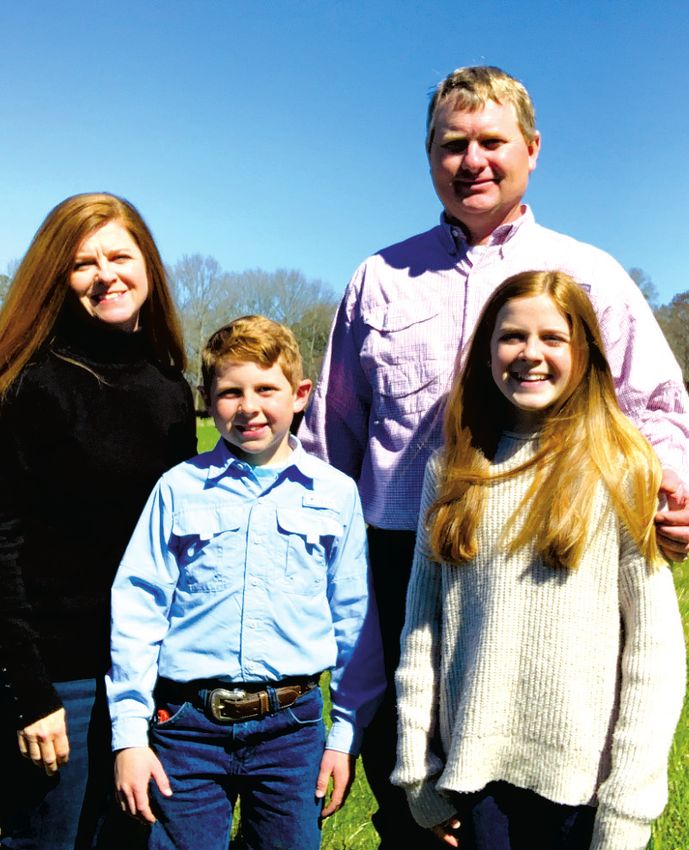
President’s Profile

                            Focusing on What Matters
                            “Right or wrong, there is going to be more emphasis on the sustainability of beef production,”
                             explains Kansas Cattleman Joe Mushrush. “We need to tell our story and explain how we
                             produce beef in an efficient and sustainable manner.”

                            Joe is currently serving as president of the Beef Improvement Federation (BIF), an organization
                            dedicated to coordinating all segments of the beef industry – from researchers and producers to
                            retailers – in an effort to improve the efficiency, profitability, and sustainability of beef production.

                            “Joe has been BIF president during one of the most trying times our society has experienced in
                             the past few decades,” says Bob Weaber, BIF executive director. “He took it all in stride and
                             fulfilled the adage of ‘When in doubt, lead.’ BIF’s impact and visibility in the industry has grown
                             under Joe’s leadership.”
    BIF President Joe       Joe and his wife of 41 years, Connie, have six adult children and enjoy spoiling their seven
    Mushrush encourages     grandchildren. “One of the greatest rewards in life is when you raise kids and they want to do
    producers to focus on   what you are doing with you,” Joe says. Today back on the ranch working with Joe and Connie
    producing efficient,    are their sons, Daniel and Chris.
    sustainable beef.
                            The Ranch
                            Mushrush Ranches LLC is located in the picturesque Kansas Flint Hills near Strong City. The
                            ranch is home to 800 registered Red Angus cows split into a fall- and spring-calving herd.

                            “Our focus is on the cows,” Joe explains. “Our program has a strong maternal focus. We believe
                             without the cow you don’t have anything. Maternal traits will make you three times the money
                             than growth and carcass traits.”

                            The Mushrush breeding program includes an extensive artificial insemination (AI) program and
                            the use of embryo transfer. The Mushrush family works with a cooperator herd to place about
                            120 to 150 embryos per year.

                            “We run our cows like they are commercial,” Joe explains. “Our primary customer is the
                             commercial cattleman, so we make sure we handle our cows in the same manner as our
                             customers. Our breeding philosophy is based on a program, not individuals. Phenotypically, we
                             select for moderate framed, easy fleshing individuals with a lot of natural thickness.”

                            The family has high expectations of its cows and asks a lot of them. “Our cows calve unassisted
                            in large pastures, raise a calf and maintain their breeding status in the herd all with minimal
                            inputs,” Joe adds. “Because of this, we put extra focus on calving ease, maintenance energy
                            and stayability EPDs without sacrificing the carcass qualities that so many cattlemen need in
                            today’s grid-based markets.”

                            The family hosts an annual bull sale in March offering 250 bulls. Joe says they also sell private-
                            treaty bulls and groups of bred heifers. Each year the Mushrushes synchronize and AI about 600
                            commercial heifers. Many of these are sourced from bull buyers. Cull steers and heifers are fed
                            out to obtain carcass data. The family also purchases some steers from customers to feed out.

                            Committed to total herd reporting, the Mushrush family collects and submits birth, weaning and
                            yearling data, carcass, and ultrasound data to the Red Angus Association of America,
                            in addition to mature cow weights, body condition scores, udder scores, foot scores and
                            chute scores.

8
“Joe and his family are great role models and mentors of others in the performance cattle
 business,” Weaber says. “They take their motto of ‘All the data, all the time’ seriously. Often, I
 would call Joe and catch them in the process of weighing or ultrasounding cattle. Mushrush
 Ranches has readily adopted new technologies utilized in genetic improvement and use that
 information to make sound breeding decisions.”
They also DNA test all their calves. “Every cow on the place has been parent verified,” Joe
shares. “We strive to provide our customers with as much data as possible because this
produces the most accurately described genetics possible,” Joe says. “None of this is easy,
but it is all done to give our customers confidence. We want to make sure that when you invest
in Mushrush Ranches’ genetics, you know exactly what you are going to get.”
Along with focusing on producing the best genetics possible, the family is always looking for
ways to improve its resources. They have implemented rotational grazing systems and other
grass management strategies.
Joe says the ranch continues to be in an expansion mode as future generations consider
making their home and livelihood part of Mushrush Ranches. They have leased land near
Wakefield and are starting a red Sim-Angus herd at that location. He says the goal is to build
that division to about 150 to 200 cows.

BIF involvement
Mushrush Red Angus was named BIF Seedstock Producer of the Year in 2011. “That really
propelled my involvement in BIF,” Joe explains. “I am very interested in cattle performance
testing. One thing that drew me to the BIF organization, is the lack of politics. When the Board
meets, we work to do what is best for the beef industry as a whole.”
Joe was elected to the BIF Board in 2014 and served two terms before his presidency. “He’s
cool, quiet, efficient and effective,” says Matt Perrier, 2020-21 BIF vice president. “Joe offered
a level of steadiness to our Board during a year of uncertainty. I don’t believe that he got to
lead a single in-person meeting prior to the 2021 Symposium, yet he did a great job using
technology to preside over our meetings via Zoom or phone.”
Reflecting on his BIF Board tenure, Joe says he is proud of the efforts the organization made
to remain effective during the pandemic including the shift to a virtual meeting in 2020. “We
learned a lot from our shift to a virtual meeting,” he says. “The virtual format allowed us
more reach including international. It was exciting to see the amount of respect BIF has in
the industry worldwide. The success of the 2020 Symposium has encouraged the Board to
look at how we host the event in future years so we can continue to encourage international
participation.”
He is also excited about the move to the web-based Wiki format for the BIF guidelines. “The
new format allows the guidelines to be continually updated to keep pace with the rapidly
evolving field of objectively evaluating beef cattle,” Joe explains.
“With all the ‘pivots’ and changes over the past year or two, Joe never seemed to waiver,”
 Matt adds. “He knew our duties; he knew what our members expected, and he calmly led the
 organization forward to accomplish its mission.”
Joe will pass the BIF reins to the next president on Thursday, June 24, but there’s no doubt his
passion and commitment to BIF’s principles and goals will continue for years to come.
“The entire BIF team is excited to return to a ‘face-to-face’ format to better provide networking
 and educational opportunities for our members,” Joe summarizes. “At the same time, we are
 equally excited to expand the opportunity for ‘virtual participation’ for those who are unable to
 make the journey to Iowa. As the beef industry continues to see new dynamics, I have no doubt
 that those who stay on the cutting edge by involvement with the BIF Symposium will be better
 poised for success.”

                                                                                                      9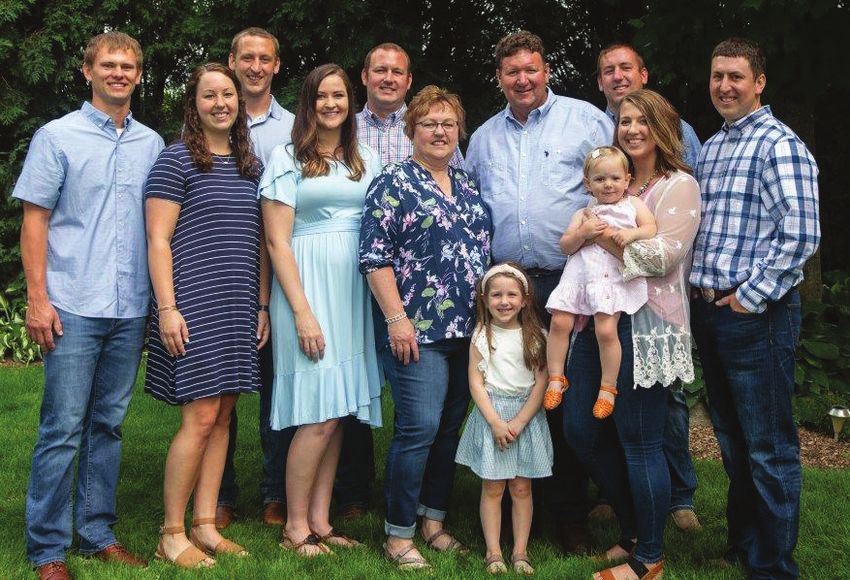
SPEAKERS—Young
     SPEAKERS —Young Producers Symposium
                 Rachel Cutrer is co-owner of B.R. Cutrer, Inc. and president of Brahman Country Genetics,
                 a global semen and embryo corporation. Internationally recognized as one of the most
                 significant female Brahman breeders in history, she is also CEO of Ranch House Designs, Inc.,
                 an agricultural marketing agency, and oversees the Brahman Country Beef operation. Rachel
                 holds a BS in Animal Science from Texas A&M University, where she was named the first ever
                 Outstanding Young Alumni of Agriculture and Life Sciences. Rachel also earned her MS in
                 Agricultural and Extension Education from Michigan State University and holds a prestigious
                 Cornell University certification in women’s leadership. The devoted wife of Brandon Cutrer
                 and loving mother to their two beautiful daughters, Rachel takes the utmost care to honor her
                 heritage while creating a new legacy for both the Brahman industry, and her family.

                 John Locke is a partner in the Locke Division of JD Hudgins, located in Hungerford, Texas.
                 John grew up raising registered Brahman cattle and still is heavily involved in the family’s
                 business, but knew there was more to ranching than raising quality cattle. John and his family
                 got involved in Ranching for Profit and were members of Executive Link for 6 years during
                 which time John took on a larger leadership role in their business and has become a leader in
                 regenerative grazing. John is passionate about the principles taught at Ranching for Profit and
                 has experienced firsthand the transformation of the application of those principles can make
                 in a ranching business.

     SPEAKERS—General
     SPEAKERS —General Session
                 Michael Uetz is a Managing Principal of Midan Marketing, meat marketing specialists since
                 2004. One of Michael’s many roles at Midan is to drive the firm’s consumer-focused research
                 platform, giving him unique insight into how the demands of today’s meat consumers are
                 shaping retail trends from digital marketing to product branding. Recent proprietary research
                 includes the impact of the COVID-19 pandemic on the meat industry and a first-of-its-kind Meat
                 Consumer Segmentation Study. Michael’s long-term connection with the meat industry started
                 on his family’s ranch in North Dakota and blossomed during his time at the National Cattlemen’s
                 Beef Association where he oversaw consumer research as well as retail and food service
                 marketing programs. His understanding of the complete meat channel combined with his
                 strategic approach to market research gives meat industry clients a competitive edge.

                 Jim Pillen grew up on a farm in Platte County, between Monroe and Platte Center and raised
                 pigs with his father, Dale. Jim earned a BS in Animal Science from University of Nebraska-
                 Lincoln and graduated from Kansas State as a doctor of veterinary medicine. In 1983 Jim
                 returned to the area, opened a small animal practice, a swine vet consulting practice, and
                 partnered with his dad with his 60-head sow farm.
                 As a second generation pork producer, Jim formed Pillen Family Farms in 1993. The business
                 has grown into a premium pork producer with approximately 1,100 team members. In 2003 Pillen
                 purchased a swine genetics supplier, currently known as DNA Genetics. The last fifteen years
                 brought the addition of Jim’s two oldest children, Sarah and Brock, into the Pillen Family Farms
                 & DNA Genetics business, making them third generation pork producers.
                 Through the years, the Pillen business has evolved into grain merchandising with milling
                 operations that purchase 14 million bushels of corn each year. The Pillen operation also
                 includes a team of transportation drivers, hauling feed to farms and delivering animals to
                 customers and to market. Most recently, the Pillen family became a partner in WholeStone
                 Farms pork processing plant in Fremont, Nebraska, which completes the final piece of vertical
                 integration for the business. Jim and wife Suzanne have four children: Sarah, Brock, Polly and
10               Izic, and seven grandchildren.
Dan Thomson is a third generation bovine veterinarian from Clearfield, Iowa. Dr. Thomson
received his BS in Animal Science and DVM from Iowa State University. He completed a MS
in Ruminant Nutrition from South Dakota State University and a PhD in Ruminant Nutrition
from Texas Tech University.
Thomson serves as the Chair of the Department of Animal Science Department at Iowa
State University. He previously held the Jones Professor of Production Medicine and
Epidemiology at Kansas State University’s College of Veterinary Medicine. He created,
founded, and directed the Beef Cattle Institute at Kansas State University. Thomson has
served as the Global Co-leader for McDonald’s Beef Health and Welfare Committee, sits
on the YUM! Animal Welfare Council, chairs the Animal Welfare Committee of the National
Cattlemen’s Beef Association, and serves on the Animal Welfare Advisory Board of Tyson
Fresh Meats.
He was an associate veterinarian with Veterinary Research and Consulting Services in
Greeley, Colorado. He then served as the Director of Animal Health and Well-being for
Cactus Feeders in Amarillo, Texas. Dr. Thomson still practices feedlot medicine in Nebraska,
Kansas, Iowa, and Texas. He is an owner/partner in PAC veterinary and research services
which oversees the veterinary care, health, and well-being for 20% of the US cattle of feed.
Thomson is recognized internationally as a leader in animal welfare, beef cattle production,
and cattle health management. He is the founder and host of Doc Talk, a nationally aired
beef cattle health veterinary show on television. He has hosted nearly 500 episodes of the
show in its ninth season that reaches over 45 million homes world-wide. Dan is married
to his wife Cindy and have four daughters: Kelly, Katelyn, Tory, and Sarah. They enjoy
basketball, fishing in Southwest Iowa, and travelling together.
Justin Sexten is the strategic and product lead for Performance Livestock Analytics a part
of Zoetis. His background helps bridge the customer success, sales and development teams,
ensuring practical, innovative solutions for producers.
Prior to joining Performance Livestock Analytics, Sexten served as director of supply
development for the Certified Angus Beef® brand, where he led the education and research
efforts with cattle ranchers, academia, and allied industry. Prior to CAB, Justin was the
State Extension Beef Nutrition Specialist at the University of Missouri with a research focus
on forage-use efficiency. He continues to operate a small stocker operation and consulting
nutrition business.
Raised on a diversified livestock and row-crop farm near Washington Court House, Ohio,
Sexten earned his animal science degree from the University of Kentucky and his master’s
and doctorate degrees in ruminant nutrition from the University of Illinois. Justin, his wife,
Julie, and three daughters reside in Columbia, Missouri.
Alison Van Eenennaam is a Cooperative Extension Specialist in the field of Animal
Genomics and Biotechnology in the Department of Animal Science at University of
California, Davis. She received a Bachelor of Agricultural Science from the University of
Melbourne in Australia, and both an MS in Animal Science, and a PhD in Genetics from UC
Davis. Her publicly-funded research and outreach program focuses on the use of animal
genomics and biotechnology in livestock production systems. Her current research projects
include the development of genome editing approaches for cattle. She serves as the bovine
genome coordinator for the USDA National Animal Genome Research Program, and is an
elected Fellow of the American Association for the Advancement of Science (AAAS). A
passionate advocate of science, Dr. Van Eenennaam was the recipient of the Association of
Public and Land-grant Universities (APLU) 2010 National Award for Excellence in Extension,
American Society of Animal Science (ASAS) 2014 National Extension Award, the Council
for Agricultural Science and Technology (CAST) 2014 Borlaug Communication Award,
University of California – Davis 2019 James H. Meyer Distinguished Career Achievement
Award, and ASAS 2019 Rockefeller Prentice Award in Animal Breeding and Genetics.
Twitter: @BioBeef.
11NOMINEES—Seedstock Producer of the Year
Cow Camp Ranch— Lost Springs, Kansas
Owners: The Brunner Family
Managers: Kent Brunner, Nolan Brunner
Cow Camp Ranch is located on the western edge of the Flint Hills near Lost Springs,
Kansas, just off the old Santa Fe Trail. The Brunner family has been farming and
ranching since the early 1890’s and now is in its fifth generation of operation on
some of the same land.
The registered cow herd was founded in 1969 by Kent Brunner, using some of the
original Simmental genetics that were imported into the US Soon after, Cow Camp
Ranch became an early member of the American Simmental Association (ASA).
Today, the ranch is managed by Kent and his son, Nolan.
The cow herd consists of 800 registered Simmental, Sim-0Angus and Angus cows
that are managed on native Flint Hills grass year-round. Crossbreeding is utilized
to maximize the genetic potential of both the Simmental and Angus breeds. About
300 embryos are transferred every year, with the balance of the cow herd and
replacement heifers artificially inseminated.
The Brunners market around 250 head of bulls each year, with the majority being
sold through their annual spring bull sale held the first Friday in February. A select
group of females are also marketed at the time, with the balance sold private treaty.
In addition to the seedstock operation, the Brunner family owns and operates a
9,000-head commercial feedyard, managed by Kent’s brothers, Mark and Tracy
Brunner. The entire Brunner family operation consists of 15,000 owned and leased
acres, a large portion of which is native Flint Hills grazing lands. The remaining
acres are devoted to hay and crop production.
Cow Camp Ranch was nominated by the Kansas Livestock Association.
Loving Farms Incorporated—Pawnee Rock, Kansas
Owners/Managers: Marty Loving, Scott Loving
What began as a small herd of multipurpose Shorthorns for Jack and Aletha
Loving’s family in 1950 has grown into one of the largest Shorthorn herds in the
country and one of the most data driven, technologically advanced programs in
the world. With more than 300 head of females active in the American Shorthorn
Association, Marty Loving and his son, Scott, have emphasized the importance of
accurate and comprehensive data collection and analysis.
From breeding and conception to calving ease and growth measurements through
the feedout and harvest stage, nothing is overlooked or minimized in their drive
to offer a complete commercial animal. Maternal traits are critically analyzed
at every opportunity and is evidenced by Loving Farms’ recognition of American
Shorthorn Association Performance animals, of which they have had the most in
the breed for six years running.
In 2017, they began testing all yearling bull prospects for feed efficiency utilizing
the GrowSafe System. They have expanded that to all yearling replacement
heifers. By feeding out their own calves they realized how economically important
feed efficiency is to the bottom line and aim to improve these genetics and the
profitability of the commercial producer as well as the sustainability of the industry.
The 6,500-acre diversified operation consists of dryland and irrigated corn,
soybeans, wheat and grass pasture supporting nearly 300 cows. Loving Farms
incorporates cover crops of rye and brassicas to minimize the amount of winter
feed necessary. Loving Farms has also invested in a significant amount of surface
drip irrigation to contribute to the sustainability of their farm and the industry.
12 The American Shorthorn Association nominated Loving Farms Inc.Nextgen Cattle Company—Paxico, Kansas
Owners: Damon Thompson, Derek Thompson, Brad Lindstrom
Manager: Sam Myers
Nextgen Cattle Company is located in the Flint Hills of Kansas near Paxico. It was
founded in 2015 with the goal of building a seedstock operation that will serve the
needs of the commercial cattleman, as well as advancing the seedstock industry.
Nextgen raises both purebred Charolais and Beefmasters, and currently has 600
registered animals. These purebred cattle are produced using an extensive embryo
transfer and artificial insemination program to quickly advance the quality of
genetics.
Nextgen also manages a Beefmaster-influenced commercial cattle herd that
is used as a testing herd for bulls and to create replacement females for the
commercial cattleman. Nextgen Cattle operates two feed yards and a packing plant,
making it a vertically integrated operation. Nextgen currently has two annual sales
where they offer bulls and an elite set of females. The bulls that are offered have
all been on a development test that includes feed efficiency testing and carcass
ultrasound data. Calves sired by these bulls are eligible for a buyback program.
Nextgen is continually striving to stay on the cutting edge and produce high-quality
cattle that will serve the needs of commercial cow operations as well as improving
seedstock operations.
The Beefmaster Breeders United nominated Nextgen Cattle Company.
Woodhill Farms— Viroqua, Wisconsin
Owners/Managers: Brian and Lori McCulloh, Dan and Anne Borgen
Started in 1984, Woodhill Farms originated with 35 registered Angus cows and 400
acres near Viroqua, Wisconsin. Today, the operation has grown to a nucleus cow
herd of 280 registered Angus cows and 1,000 acres.
The Woodhill program commenced as EPDs were becoming available. The
McCullohs and Borgens recognized their value and have incorporated them
ever since. They have collected genomic DNA scans on all replacement heifers
and bulls for the past nine years. As useful as “numbers” have been, consistent
attention to physical traits has also been key to the Woodhill program success.
The program was built on strong maternal traits. Adding carcass merit without
compromising other traits has been accomplished over time.
The Woodhill team also works with three cooperator herds in Iowa where
producers purchased a foundation unit of Woodhill females. They collectively
discuss artificially insemination and natural service sire selections aligned with the
Woodhill balanced-trait breeding objectives. Bull calves and data are evaluated
at weaning. The top end is then selected and brought back to Wisconsin in
preparation for the Woodhill bull sale, which has been hosted annually since 1991.
Eighty females are also offered for sale each year.
The “Woodhill” prefix has also gained global brand awareness as the operation
has marketed semen and embryos to five continents and has sold/leased more
than 40 bulls to AI companies. Woodhill also received the Certified Angus Beef®
Seedstock Producer “Commitment to Excellence” Award and the Wisconsin Beef
Improvement Association “Seedstock Producer of the Year” Award.
Woodhill Farms was nominated by the American Angus Association and the
Wisconsin Beef Improvement Association.
13Past Seedstock Producers of the Year
2020 Your Family Farms South Carolina 1996 Frank Felton Missouri
2019 Hinkson Angus Ranch Kansas 1995 Tom and Carolyn Perrier Kansas
2018 Van Newkirk Herefords Nebraska 1994 Richard Janssen Kansas
2017 Hunt Limousin Ranch Nebraska 1993 R.A. “Rob” Brown Texas
2016 Shaw Cattle Company Idaho 1993 J. David Nichols Iowa
2015 McCurry Angus Ranch Kansas 1992 Leonard Wulf & Sons Minnesota
2014 Schuler Red Angus Nebraska 1991 Summitcrest Farms Ohio
2013 Bradley 3 Ranch Texas 1990 Douglas and Molly Hoff South Dakota
2012 V8 Ranch Texas 1989 Glynn Debter Alabama
2011 Mushrush Red Angus Kansas 1988 W.T. “Bill” Bennett Washington
2010 Sandhill Farms Kansas 1987 Henry Gardiner Kansas
2009 Harrell Hereford Ranch Oregon 1986 Leonard Lodoen North Dakota
2009 Champion Hill Ohio 1985 Ric Hoyt Oregon
2008 TC Ranch Nebraska 1984 Lee Nichols Iowa
2007 Pelton Simmental Red Angus Kansas 1983 Bill Borror California
2006 Sauk Valley Angus llinois 1982 A.F. “Frankie” Flint New Mexico
2005 Rishel Angus Nebraska 1981 Bob Dickinson Kansas
2004 Camp Cooley Ranch Texas 1980 Bill Wolfe Oregon
2003 Moser Ranch Kansas 1979 Jim Wolf Nebraska
2002 Circle A Ranch Missouri 1978 James D. Bennett Virginia
2001 Sydenstricker Genetics Missouri 1977 Glenn Burrows New Mexico
2000 Fink Beef Genetics Kansas 1976 Jorgenson Brothers South Dakota
1999 Morven Farms Virginia 1975 Leslie J. Holden Montana
1998 Knoll Crest Farms Virginia 1975 Jack Cooper Montana
1998 Flying H Genetics Nebraska 1974 Carlton Corbin Oklahoma
1997 Wehrmann Angus Ranch Virginia 1973 Mrs. R. W. Jones, Jr. Georgia
1997 Bob and Gloria Thomas Oregon 1972 John Crowe California
14NOMINEES—Commercial Producer of the Year
Arhart Farms—Alpena, South Dakota
Owners: Andrew and Missy Arhart, Jonathan and Joy Arhart
Managers: Andrew Arhart, Jonathan Arhart
Arhart Farms was founded in 1882 near Alpena, South Dakota. Focused primarily on commercial
crossbreds at first, the farm transitioned to using purebred Simmental in the 1970s, followed by
Angus and Angus x Simmental crosses. This change was driven by the progressive views of
brothers LaVerne and Leroy Arhart, father and uncle of Andrew and Jonathan. Examples include
being the first trained in and implementing artificial insemination (AI) techniques in their area,
using irrigation to improve forage and pasture production, and using cover crops to extend fall
grazing. Brothers Andrew and Jonathan are the fourth generation of their family to be in the
cattle business.
The Arhart farm consists of 2,550 family-owned acres and roughly 3,500 rented acres. Of this
land, roughly 1,500 acres are used for crops (corn, soybeans and forages), 1,000 acres are used
for hay and alfalfa, leaving the rest as native pasture. In their current operation, the Arharts
manage two distinct cow herds: a 200- to 300-head finishing feedlot, and a 10,000-pig finishing
operation.
Their cow herds consist of 250 Angus and Angus-Simmental crosses (“black herd”) and 350 Red
Angus x Simmental crosses (“red herd”). Breeding in the black herd uses synchronized artificial
insemination, breeding heifers to calve late January to early February, followed by cows in two
cycles to calve February to March. Following AI, cleanup bulls are put with females for a 45-day
window. The red herd utilizes only natural service breeding with a 45-day turnout window calving
April to March. Across herds, they maintain a low open rate of 6-7%. From the calves produced,
they provide replacement heifers (both herds), commercial seedstock bulls (black herd), and
calves for finishing (both herds). The Arhart’s utilize technology and innovative techniques to
ensure sustainability and profitability of their operation.
Arhart Farms was nominated by North Dakota Beef Cattle Improvement Association.
Carter Cattle Company, LLC—Hope Hull, Alabama
Owners/Managers: Will and Monnie Carol Carter
A love for agriculture, hard work and lifelong learning are principles that define Carter Cattle
Company. Located in central Alabama, along the Pintlala Creek, Carter Cattle Company is truly
family-owned -and-operated, continuing a legacy of family farming since the 1820s.
Drs. Will and Monnie Carol Carter expanded the original land-base to 920 acres and established
a cow herd consisting of 285 Sim-Angus and Brangus crossbred females. This Sim-Angus and
Brangus cross provides an excellent balance of heterosis, growth, docility, maternal and carcass
traits. The 90-day winter calving cow herd has been built using extensive performance data,
strict selection criteria and Alabama BCIA proven genetics.
For heifers, thorough evaluation of consistent dam performance allows for strict selection to
increase production longevity and a 60-day breeding season applying artificial
insemination for genetically superior sires. The Alabama BCIA Commercial Record Keeping
program with the Cattlemax system is pivotal for complete performance records in breeding,
pregnancy percentage, actual and adjusted weaning weights, ratios, dam production history,
gross sale income and extensive pasture management. A rotational grazing system is fully
applied, grazing Bahiagrass in the summer and Ryegrass in the winter. Intensive rotational
grazing has substantially decreased feed expense, improved soil health and pasture
sustainability. A goal of Carter Cattle Company is to further advance grazing management by
increasing number of paddocks, rotation frequency and decreasing paddock size. Focused
analysis of all financial aspects is routinely assessed for operational efficiency, adjustments,
and improvements. Carter Cattle Company continually strives to be sustainable and profitable for
future generations.
Carter Cattle Company LLC was nominated byThe Alabama Beef Cattle Improvement Association. 15NOMINEES—Commercial Producer of the Year continued
MANCO Farms—Cascade, Iowa
Owners: Ralph, Dale, Brian Manternach and families
Managers: Dale and Sharon Manternach
MANCO is a family-owned corporation formed in 1984. Along with a cow-calf herd,
the operation finishes cattle and hogs, raises corn, soybeans and hay, and has
a trucking service. Ralph, his sons Dale and Brian and their wives, and now six
grandsons all work together but Dale and his wife, Sharon, are primarily responsible
for the cattle enterprise. They are located south of Cascade, Iowa, along the
Maquoketa River in northern Jones County.
They currently manage about 260 commercial cows on roughly 500 acres of pasture,
in a modified three-breed rotation, and also develop and sell bred heifers. The
cow herd is predominantly Angus-based, with Angus-Gelbvieh Balancer maternal
bulls and Charolais terminal sires. Heifers are estrus synchronized and artificially
inseminated before exposing to a clean-up bull, while all cows are bull bred. Heifers
start to calve in late-February and the mature cow herd calves in March and April.
They practice a 75-day breeding season, so cows that do not fit their environment do
not stay in the herd.
In addition to finishing out their own steers, they purchase mostly yearlings to finish
in their open yards and confinement buildings. They are also partners in a sow
farrowing unit which supplies feeder pigs for their finishing barns.
The majority of the crop land is in corn production to produce silage, high-moisture
corn, and dry corn for cattle and hog feed, in addition to marketed grain. Their hay
operation provides 100% of their hay needs, and some cover crops are utilized to
provide additional forage.
MANCO Farms was nominated by Iowa State University.
Moore Cattle Company—Charleston, Arkansas
Owners/Managers: Jim and Missy Moore
Anything worth doing is worth doing right. Moore Cattle Company has had that
mindset since it first started raising cattle. What started in the northwest corner of
Arkansas in the 1920s as a multigenerational Hereford operation, is now a 275-head
Angus herd on 1,200 acres of land.
Following college and a practical degree from two talented cattlemen, Jim and
Missy Moore, took over the operation and really flipped the script for the success
of the operation. The Moores went from raising a consistent commodity product
to maximizing the genetic potential of their cattle after they realized the value they
could earn from both sectors of the business: fed cattle and females.
A mindset shift took place after they figured they must be doing something right
if people continued to come back and buy more cattle year after year. Instead of
selling, the Moores focused on retaining ownership of their fed cattle and building
a premiere cow herd without a single female purchased in more than 50 years.
Refining the herd for only the best was made easier for Moore Cattle Company
with their forward-thinking mindset regarding data and technology. Whether it is
improving the females or the fed cattle, they have used data to improve the product
they are producing. They think it is their moral obligation to produce high-quality
beef that makes people think they can’t live without it.
16 Moore Cattle Company was nominated by The American Angus Association.W & S Ranch Inc.—Smith Center, Kansas
Owners: Richard Weltmer, Kenton and Deborah Weltmer, Michael and
Ladonna Weltmer, Philip and Jessica Weltmer
Manager: Philip Weltmer
After serving in the Korean War, Richard Weltmer and his wife, Avis (Sprague),
put down roots southeast of Smith Center, Kansas, and founded Richard Weltmer
Farms. They registered the W over S brand to represent Weltmer and Sprague and
eventually Weltmer & Sons.
By 1977, both of their sons, Kenton and Mike, had returned to the ranch full time.
In 1978, the operation’s name transitioned to W & S Ranch, Inc. Philip, Richard’s
grandson, and his wife, Jessica, returned to the ranch full-time in 2003.
W & S Ranch encompasses more than 6,000 acres of owned and leased land on
which the Weltmer family runs a commercial cow herd, a small registered Angus
herd, a feedyard and a farming operation, where they raise corn, soybeans and
wheat. The commercial and registered cow herds consist of a total of 180 cows.
All females are bred through artificial insemination (AI) using Angus or Sim-Angus
genetics and are followed with Angus cleanup bulls raised by the Weltmers. Cows
calve between January 20 and March 1. AI and a tight calving window allow calves
to be finished in the family’s feedyard as a more uniform cohort, processed at 13
and a half months of age.
The cows rotationally graze on native and summer grasses from April 15 to October
1, then are placed on corn stalks. They have access to native grass during calving
season and are provided supplemental feed from mid-January until breeding. W &
S Ranch places an emphasis on improved genetics and profit-proven outcomes.
With an openness to change, all segments of the business are continually
evaluated to improve efficiency and effectiveness to maintain a viable operation for
generations to come.
W & S Ranch Inc. was nominated by the Kansas Livestock Association.
THANKS to our SPONSOR
WIFI SPONSOR
Vytelle
USER NAME Vy t e l l e
PA S S W O R D IVFembryo
17Past BIF Commercial Producer of the Year
2020 Vest Ranches, Texas 1997 Merlin and Bonnie Anderson, Kansas
2019 Mershon Cattle LLC, Missouri 1996 Virgil and Mary Jo Huseman, Kansas
2018 Woolfolk Ranch, Kansas 1995 Joe and Susan Thielen, Kansas
2017 Mundhenke Beef, Kansas 1994 Fran and Beth Dobitz, South Dakota
2016 Plum Thicket Farms, Nebraska 1993 Jon Ferguson, Kansas
2015 Woodbury Farms, Kansas 1992 Kopp Family, Oregon
2014 CB Farms Family Partnership, Kansas 1991 Dave and Sandy Umbarger, Oregon
2013 Darnall Ranch, Inc., Nebraska 1990 Mike and Diana Hopper, Oregon
2012 Maddux Cattle Company, Nebraska 1989 Jerry Adamson, Nebraska
2011 Quinn Cow Company, Nebraska 1988 Gary Johnson, Kansas
2010 Downey Ranch, Kansas 1987 Rodney G. Oliphant, Kansas
2009 JHL Ranch, Nebraska 1986 Charles Fariss, Virginia
2008 Kniebel Farms and Cattle Company, Kansas 1985 Glenn Harvey, Oregon
2007 Broseco Ranch, Colorado 1984 Bob and Sharon Beck, Oregon
2006 Pitchfork Ranch, Illinois 1983 Al Smith, Virginia
2005 Prather Ranch, California 1982 Sam Hands, Kansas
2004 Olsen Ranches, Inc., Nebraska 1981 Henry Gardiner, Kansas
2003 Tailgate Ranch, Kansas 1980 Jess Kilgore, Montana
2002 Griffith Seedstock, Kansas 1979 Bert Hawkins, Oregon
2001 Maxey Farms, Virginia 1978 Mose Tucker, Alabama
2000 Bill and Claudia Tucker, Virginia 1977 Mary and Stephen Garst, Iowa
1999 Mossy Creek Farm, Virginia 1976 Ron Baker, Oregon
1999 Giles Family, Kansas 1975 Gene Gates, Kansas
1998 Mike and Priscilla Kasten, Missouri 1974 Lloyd Nygard, North Dakota
1998 Randy and Judy Mills, Kansas 1973 Pat Wilson, Florida
1972 Chan Cooper, Montana
18Past BIF Pioneer Award Recipients
The Pioneer Award recognizes individuals who have made lasting contributions to the improvement of beef cattle, honoring
those who have had a major role in acceptance of performance reporting and documentation as the primary means to make
genetic change in beef cattle.
2020 2012 2005 1998
Paul Bennett, Virginia Sally Buxkemper, Texas Jack and Gini Chase, John Crouch, Missouri
Craig Ludwig, posthumously Donald Franke, Louisiana Wyoming
Bob Dickinson, Kansas
Charles McPeake, Georgia Leo McDonnell, Montana Jack Cooper, Montana
Douglas MacKenzie Fraser,
2019 Dale Davis, Montana Canada
2011
Jim Gibb, Colorado Mike Tess, Montana Les Holden, Montana 1997
Jerry Wulf, Minnesota Mike MacNeil, Montana Don Kress, Montana Larry V. Cundiff, Nebraska
2018 Jerry Lipsey, Montana 2004 Henry Gardiner, Kansas
Tim Holt , Colorado Frank Felton, Missouri
2010 Jim Leachman, Montana
Craig Huffhines, Texas Tom Jenkins, Nebraska
Richard McClung, Virginia 1996
Mark Thallman, US Meat Joe Minyard, South Dakota
Animal Research Center, John and Bettie Rotert, A.L. “Ike” Eller, Virginia
Nebraska Missouri 2003 Glynn Debter, Alabama
Daryl Strohbehn , Iowa George Chiga, Oklahoma 1995
2017
Harvey Lemmon, Glen Klippenstein, Missouri Burke Healey, Oklahoma James S. Brinks, Colorado
posthumously, Lemmon Keith Zoellner, Kansas
2009 Robert E. Taylor, Colorado
Angus, Georgia
Bruce Golden, California 2002 1994
Dorian Garrick, Iowa State
Bruce Orvis, California H.H. “Hop” Dickenson, Tom Chrystal, Iowa
University
Roy McPhee, posthumously, Kansas
Robert C. DeBaca, Iowa
2016 California Martin and Mary Jorgensen,
Doug Hixon, University of South Dakota Roy A. Wallace, Ohio
Wyoming 2008 1993
Donald Vaniman, Montana L. Dale Van Vleck, Nebraska
Ronnie Green, University of James D. Bennett, Virginia
Nebraska Louis Latimer, Canada 2001
Larry Benyshek, Georgia M.K. “Curly” Cook, Georgia
Bill Rishel, Rishel Angus, Harry Haney, Canada
Minnie Lou Bradley, Texas O’Dell G. Daniel, Georgia
Nebraska Bob Church, Canada
Tom Cartwright, Texas Hayes Gregory, North
2015 2007 Carolina
Paul Genho, Florida Rob Brown, Texas 2000 Dixon Hubbard, Virginia
Tom Woodward, Texas David and Emma Danciger, J. David Nichols , Iowa
James W. “Pete” Patterson,
Colorado Harlan Ritchie, Michigan North Dakota
2014
Merlyn Nielsen, Nebraska Jim Gosey, Nebraska Robert R. Schalles, Kansas Richard Willham, Iowa
Gary Bennett, Nebraska 2006 1999 1992
Steve Radakovich, Iowa John Brethour, Kansas Joseph Graham, Virginia Frank Baker, Arkansas
Harlan and Dorotheann John Pollak, New York Ron Baker, Oregon
2013 Rogers ,Mississippi
Keith Bertrand, Georgia Richard Quaas, New York Bill Borror, California
Dave Pingrey, Mississippi
Ignacy Misztal, Georgia Walter Rowden, Arkansas
Glenn Selk, Oklahoma
191991 1986 1981 1977
Robert A. “Bob” Long, Texas Charles R. Henderson, New F.R. “Ferry” Carpenter, Ralph Bogart, Oregon
Bill Turner, Texas York Colorado Henry Holsman, South
1990 Everett J. Warwick, Maryland Otha Grimes, Oklahoma Dakota
Donn and Sylvia Mitchell, 1985 Milton England, Texas Marvin Koger, Florida
Canada Mick Crandell, South Dakota L.A. Maddox, Jr., Texas John Lasley, Missouri
Hoon Song, Canada Mel Kirkiede, North Dakota Charles Pratt, Oklahoma W. L. McCormick, Georgia
Jim Wilton, Canada 1984 Clyde Reed, Oklahoma Paul Orcutt, Montana
1989 Bill Graham, Georgia 1980 J.P. Smith, Missouri
Roy Beeby, Oklahoma Max Hammond, Florida Richard T. “Scotty” Clark, H.H. Stonaker, Colorado
Will Butts, Tennessee Thomas J. Marlowe, Virginia Colorado
1976
John W. Massey, Missouri 1983 Bryon L. Southwell, Forrest Bassford, Colorado
Georgia
1988 Jim Elings, California Doyle Chambers, Louisiana
1979
Christian A. Dinkle, South W. Dean Frischknecht, Mrs. Waldo Emerson Forbes,
Dakota Oregon Robert Koch, Nebraska Wyoming
George F. and Mattie Ellis, Ben Kettle, Colorado Mr. and Mrs. Carl C. Curtis Mast, Virginia
New Mexico Roubicek, Arizona
Jim Sanders, Nevada 1975
A.F. “Frankie” Flint, New Joseph J. Urick, Montana
Carroll O. Schoonover, Glenn Butts, Missouri
Mexico Wyoming 1978
Keith Gregory, Nebraska
1987 James B. Lingle, Maryland
1982 Braford Knapp, Jr., Montana
Glenn Burrows, New Mexico Gordon Dickerson, Nebraska R. Henry Mathiessen,
Virginia 1974
Carlton Corbin, Oklahoma Mr. and Mrs. Percy Powers,
Bob Priode, Virginia Reuben Albaugh, California
Murray Corbin, Oklahoma Texas
Charles E. Bell, Jr., Virginia
Max Deets, Kansas
John H. Knox, New Mexico
Paul Pattengale, Colorado
Fred Wilson, Montana
Ray Woodward, Montana
1973
Jay L. Lush, Iowa
THANKS to our SPONSOR
DIGITAL CONTENT
International
Genetic Solutions
20You can also read


