Behave Big Thinking on Behavioural Change - Hall & Partners
←
→
Page content transcription
If your browser does not render page correctly, please read the page content below

ISSUE
                                     5

Behave
Big Thinking on Behavioural Change
Behave

4 BEHAVE » BIG THINKING ON BEHAVIOURAL CHANGE

Behave
We are all in the business of changing and influencing behaviour. People are
fascinating, what drives them, what motivates them to do the things they do.

We now know that many of their behaviours are influenced by things that they are not
consciously aware of. Whether it be the culture they live in, the social scene they hang
out in or their own internal, hidden emotions and motivations.

Digital technology, and the data it creates, is allowing us all to have a deeper
understanding of what people are doing, increasingly in real time.

At Hall & Partners, we are fascinated by people, seeking to understand them, in more
inventive and meaningful ways.

Our new Hall & Partners’ Frame model, explained later by Jeanette Hodgson, is
informed by the latest thinking in behavioural economics and social sciences. It
explains that for any change in behaviour, you need to make the new behaviour seem
more prevalent, so that people can sense others’ behaviour with the brand, product
and/or service. You need to make the new behaviour easy to adopt, and you need to
show a clear advantage.

I am very excited by this and other contributors’ thinking and how it can help us advise
our clients on how to create new behaviours in this increasingly complex world.

I hope you are as inspired as much as I am by our new behavioural magazine: Behave.

Vanella Jackson
Global CEO
vanella.jackson@hallandpartners.com

                                                                                           5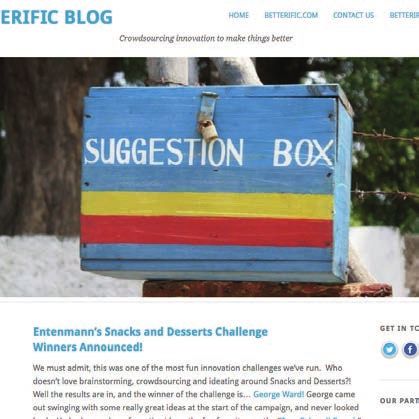
Highlights »

       90
       Greg Rowland explores
       the subtle influences of                      50
       culture and ideology on                       Professor Byron Sharp
       the way we behave                             explains why measuring
                                                     behaviour, not sales
                                                     figures, reveals the value of
                                                     advertising

            68
            Define behaviour
            goals first, and desired
            outcomes second, says                         36
            Martin Dewhurst                               Will asking simpler
                                                          questions be more useful in
                                                          understanding behaviour,
                                                          wonders Mark Earls

    86
    Patrick Buckley and
    David Baynham show
                                                   72
    us how language can
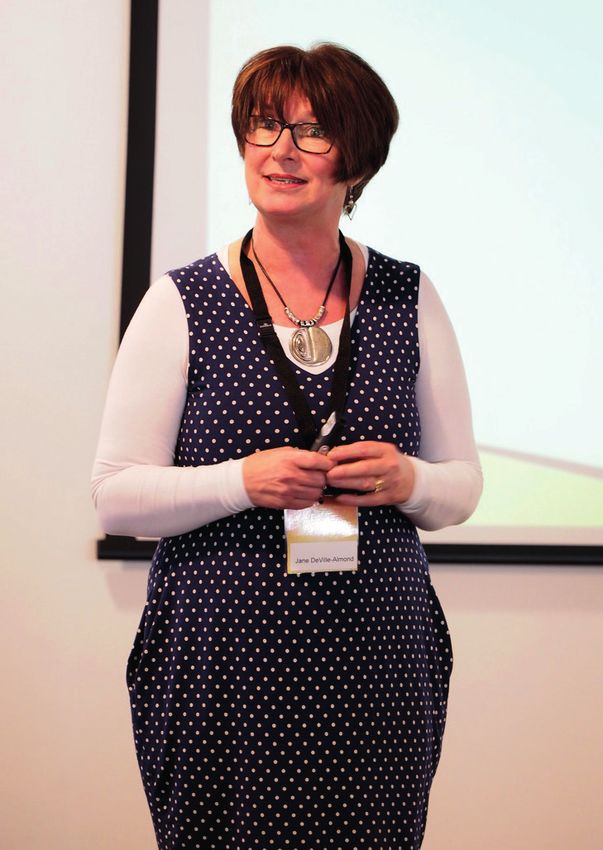
    make all the difference                        Jane Deville-Almond
                                                   changes the way
                                                   clinics operate

6    BEHAVE » BIG THINKING ON BEHAVIOURAL CHANGE
Contents »

 Every breath you take         10    Creating meaningful             62
 Greg Castronuovo                    conversations
                                     Michael Abata
 Syncing brands with culture   16
 Sarah DaVanzo                       If context is king, then        68
                                     behavioural goals are the
 Devotion beyond the           24    emperor
 transaction                         Martin Dewhurst
 Peter Mackey
                                     Changing behaviour: a health    72
 Enjoy in moderation           30    practitioner’s view
 Nikki Webster                       Jane Deville-Almond

 Humbug, frameworks and        36    How healthy is our behaviour?   76
 ‘what kinda?’ questions             Jeanette Hodgson
 Mark Earls
                                     Language is more powerful       86
 Life, is the name of the game! 44   than you think
 Joanna Fanuele and Richard
                                     Patrick Buckley and David
 Owen
                                     Baynham

 Looking beyond the figures    50                                    90
                                     We know not what we do
 Professor Byron Sharp
                                     Greg Rowland

 Best behaviour?               54
 Tom Zara and Fred Burt

                                                                          7
Contributors »

                Professor Byron Sharp is                             David Baynham is a Senior
                Director of the Ehrenberg-Bass                       Language Strategist with
                Institute at the University of                       maslansky + partners.
              South Australia Business School.                      With a background in digital
He’s the author of How Brands Grow, voted             communications, he specialises in advising
best marketing book by AdAge readers.                 clients in the technology sector.

               Fred Burt is Corporate Business                       Greg Castronuovo is President,
                Director at Interbrand in London.                    OMD West. Named an AdAge
                He’s particularly interested in                      Media Maven in 2011, Greg is
               ensuring measurable value is at the                  active in the industry as a board
heart of everything Interbrand does.                  member for thinkLA and has advisory board
                                                      roles for AOL and the DPAA.

                Greg Rowland is the Director                         Jane DeVille-Almond is a
                of The Semiotic Alliance. Often                      nurse consultant and freelance
                referred to as ‘the Godfather of                     journalist specialising in
              Semiotics’, since 1992 he’s been                      behaviour change in men’s health
using cultural theory to help advance brands in       and obesity. She runs surgeries and clinics in a
the UK and globally.                                  number of unusual places including a barber’s
                                                      shop and a Harley-Davidson show room.

                Jeanette Hodgson is a Partner                        Joanna Fanuele is the Managing
                at Hall & Partners Health.                           Partner of Tempo, the specialist
                She’s inspired by behaviour                          mobile division of Hall &
              economics and has pioneered                           Partners. She’s been instrumental
new approaches that uncover hidden human              in evolving new technologies to capture in-the-
motivations that lead to positive health              moment insights.
behaviours.

 8      BEHAVE » BIG THINKING ON BEHAVIOURAL CHANGE
Mark Earls describes himself as                     Martin Dewhurst has spent
               a recovering account planner                        his entire career fascinating
               and strategist. Inspired by                         over people’s behaviour. A
              behavioural economics, his                          Partner at Hall & Partners, he
award-winning writing includes the books            co-authored the publication Behaviour Change
HERD, I’ll Have What She’s Having, and his          and Communication and inspired government
latest work Copy Copy Copy.                         to understand how to better apply insights to
                                                    change behaviour.

               Michael Abata is a Consumer                         Nikki Webster is Future Trends
               Futurist at Target. He sees                         Expert at Telefonica UK. She’s a
               himself as an internal change                       dedicated exponent of futures
              agent, leading accelerated                          thinking in business, an avid
growth opportunity experiments.                     blogger, and has a passion for excellent design.

               Patrick Buckley is a Vice                           Peter Mackey is Managing
               President with maslansky +                          Partner of Hall & Partners’ New
               partners, with over ten years’                      York office. Peter has enjoyed a
              experience in developing                            30-year career helping businesses
communication strategies for brands.                optimise their customer engagements and
He specialises in communicating complex             brand positioning.
concepts in a way audiences can understand.

               Richard Owen is the Founder                         Sarah DaVanzo leads Cultural
               and CEO of CrowdLab, an                             Strategy at sparks & honey.
               award-winning mobile platform                       In addition to having three
              that’s found its way into people’s                  patents, she’s lived in a
real lives in over 350 projects during the past     Benedictine monastery, circumnavigated the
four years.                                         globe on a ship, inspired a TV series character,
                                                    and founded the Gold of Africa Museum in
                                                    Cape Town.
               Tom Zara is Executive Strategy
               Director and Head of the
               Corporate Citizenship practice at
              Interbrand. He has over 30 years’
 experience in brand consulting with a deep and
 diverse insight of how brands influence cultures
 and customers.

                                                                                                   9
Every
breath
you take
In a world where behavioural data
proliferates, Greg Castronuovo thinks
it’s time Big Brother took a step back
You wake up at 6am and the first From your point of view all of
thing you do is check your mobile these initial actions are just part
phone. Maybe it’s about seeing of your daily morning routine, but
alerts you’ve set up – news, sport, to advertising professionals, these
weather, email – or perhaps you ‘behaviours’ are opportunities to
just want to check the time and engage with you throughout the
hit the snooze button. After a day, at times and in ways that
brief glimpse at your magical little we’ve never been able to before...
device you stretch, yawn, slowly even in the bathroom.
rise out of bed and probably go to
the bathroom.
10 BEHAVE » BIG THINKING ON BEHAVIOURAL CHANGE“Hi. While you’re reading the New millisecond for marketers has
York Times, don’t forget to wipe arrived across all channels and
with new caffeinated-coffee-scented behaviours.
Charmin. Read up, wake up and
If you think I’m joking, look up
wipe up at the same time!”
the Luna mattress cover (AdAge).
Ok. Maybe the above copy is too For only $249 you can have a
extreme, but from the moment we connected mattress cover that
open our eyes we provide clues measures just about everything
about ourselves to potential brand you do while sleeping, or for that
suitors. Some of the ‘analogue’ matter anything you do in bed.
data is extrapolated from online Moving on…
actions, but the opportunity
Consider how many streams of
to create a paint-by-numbers
behavioural data we amass about
picture of ourselves down to the
ourselves each day and multiply
11Every word you say
Every single day
Every move you make
Every bond you break
Every step you take, I ll be watching you
that by the entire online population the research is still based on
(mobile and desktop). The amount syndicated survey data, think about
of data is unimaginable and yet we how quickly we’re evolving away
strive to harness it and wield it as from these methods.
if it were the electrical grid lighting
“Me want cookie! Me eat cookie! Om
up all of the connection points
nom nom nom...”
between brands and consumers.
We’re a culture of duality when it Like a shopping junkie with a
comes to privacy. We relish the new line of credit, our industry
idea of sharing out some of the clamoured for new ways to use
most mundane nuances of our cookie-based insights to take our
lives, and yet we raise hell if the consumers from a state of window
same platform that allows us to browsing (consideration) to a
use it for free dares to capitalise on shopping spree (intent and action).
the data we shared by selling more As much as we all believed cookies
targeted ads to us. were the answer to mapping out
While we continue placing huge better real-time decision making
investments on channels where for those investments, we’re now
12 BEHAVE » BIG THINKING ON BEHAVIOURAL CHANGEEvery game you play
Every night you stay. I ll be watching you
reassessing and quickly ramping moment at the lowest cost? That’s
up relationships based on unique a mouthful, but it pretty much
ID. Mobile has emerged as the sums up the expectation every
real consumer utility and boredom client puts on us. The Police sang
breaker. Even the Cookie Monster about it way back in 1983.
would agree that all those tasty
Every move you make
desktop and mobile display
Every bond you break
cookies dissolve way too quickly in
Every step you take
the milky white softness of the app
I’ll be watching you
cloud.
Every single day
As marketing professionals, it’s
Every word you say
our dream, our desire, and our
Every game you play
responsibility to our clients to
Every night you stay
validate all of our decisions as
I’ll be watching you
precisely as possible. How do we
make the best impression that will Oh can’t you see?
stimulate engagement, or even You belong to me...
transaction, at the exact right
13There are some real
benefits to consumers
if we start to serve
more relevant
information to them
A quick Wiki search shows that appropriately and marketers don’t
Sting was being a bit prescient police themselves with the utmost
singing about a ‘big brother‘ rigour, but overall there are some
watching over you. real benefits to consumers if
we start to serve more relevant
I woke up in the middle of the
information to them at the right
night with that line in my head,
time.
sat down at the piano and had
written it in half an hour. The tune Even though a lot has happened in
itself is generic, an aggregate of the world of behavioural data in a
hundreds of others, but the words very short period of time, there’s
are interesting. It sounds like a still much left to learn if we’re
comforting love song. I didn’t going to close the gap between
realise at the time how sinister guessing and knowing. Even as
it is. I think I was thinking of Big we build machinery that can drill
Brother, surveillance and control. deeper into that gap, we do it
knowing that we will never run out
Sting, Wikipedia
of data to mine, and the gap will
I’m sure the data police won’t never close completely. The human
be singing a pretty tune if psyche will always hold secrets that
privacy issues aren’t addressed
14 BEHAVE » BIG THINKING ON BEHAVIOURAL CHANGEeven the most advanced algorithms the how, and the when – will be
won’t be able to explain. gassing up the ultimate Delorean,
and will start to really see some
To some degree the future is the
serious shit.
same as the past. We win based
on the ideas we generate from the At OMD, we’re investing heavily
strategic insights we derive from in our data-driven planning
consumer research. capabilities. That investment is as
much about people as it is about
As Doc Brown said in Back to the
technology and data partnerships.
Future,
Knowing ‘every breath you take’
“If my calculations are correct, is only useful if we make sure
when this baby hits 88 miles per the consumer comes first and we
hour … you’re gonna see some respect the ultimate opportunity to
serious shit.” make an impression – by knowing
We like to say, “How you show up when to leave them alone.
is as important as what you say”.
So if data is the new oil, then those
who figure out how to use it to Greg Castronuovo
optimally synchronise – the what, President, OMD West
www.omd.com
15SYNCING
brands
culture
with
Sarah DaVanzo reveals how FoMo
(fear of missing out) is nothing more
than Darwinian
16 BEHAVE » BIG THINKING ON BEHAVIOURAL CHANGEThe concept of FoMo (fear of In today’s VUCCA world (volatile,
missing out) is Darwinian; uncertain, chaotic, complex,
people and animals that are ambiguous) of exponentially
curious, that notice change and increasing rate of change, it
adapt their behaviour, outlive and behoves us to keep our eyes wide
out-propagate those that do not. open and look hard and deep for
Put crudely, if one doesn’t notice the fast and slow changes to our
the enemy ships that suddenly context, and adjust our behaviours
appear on the horizon, then one (ie, our strategies) accordingly. This
isn’t prepared to deal with the is what’s called ‘cultural strategy’.
ensuing onslaught. If one doesn’t
Brands today realise that increasing
notice shifting weather patterns,
competitiveness – exacerbating
then one can’t move to more
survival of the fittest – requires
conducive climes to continue the
staying abreast of fast-culture and
gene pool. This is why dopamine
slow-culture dynamics. Shareholders
and serotonin reward our brains
are demanding that brands get
for identifying novelty, why news
ahead of the curve to remain
is addictive, why we gossip,
relevant and plan for the future.
and why culture rewards us for
being trendy.
17Future studies, predictive modelling techniques also need to evolve to
and scenario planning have never be relevant with the times. In a
been hotter. Subsequently, many culture of increasing transparency
of the world’s largest brand and openness, ‘glass walls’ and
companies have started putting ‘black boxes’ are being shattered;
emphasis on trend analytics and traditional research methods are
futurism within their insights being replaced by new methods
divisions, and some have even of inquiry and study – online
introduced dedicated roles such as and offline. This is why ‘research
Unilever’s new ‘director of human & innovation’ is such a hot topic
cultural futures’. amongst research and insights
professionals.
Research needs to adapt in
response to this. Not only does Illustrating many of these points,
research need to be future- sparks & honey was retained by a
facing, and take into account cross-functional ‘cultural insights’
shifts in cultural context that are committee, newly established inside
impacting attitudes, perceptions one of the world’s largest food and
and behaviour, but research beverage companies. The mission
18 BEHAVE » BIG THINKING ON BEHAVIOURAL CHANGEIn a culture
of increasing
transparency,
‘glass walls’ are
being shattered
was to help the client ‘awaken its could create beverages: concoct
cultural consciousness’ to give them flavours, experiment with different
the tools and processes to see, lead phases/states (solids, gases,
and leverage changing culture. This liquids), and explore how music and
gives entirely new meaning to the light impact taste. ‘Maker’ is the
90s’ business catch phrase ‘change name of a community (which some
agents’. In this role, we were estimate to be nine million strong)
helping the client with research of creative people who self-identify
innovation and their own behaviour with making things, comprising
change, which led us to design a an important cultural movement.
study best described as ‘research Tapping into maker-culture, we
entertainment’. created a destination that attracted
makers – as opposed to paying
Our research entertainment
respondents – to freely share their
project consisted of producing an
thoughts and desires while co-
experiential activation at the New
creating various future visions of
York Maker Faire in the form of a
beverages.
beverage lab. A fully operational
laboratory was built where ‘makers’
19During the two-day pop-up research shaping the corporate point-of-view
lab, 500 makers went about their on how to respond to changing
inventing and making, while also culture and consumer behaviour.
contributing to mini-focus groups The beverage lab won five awards.
and completing quantitative Numerous participants followed
surveys. They recorded their up afterwards, validating how
thoughts in field notes (which we entertaining and fun the experience
scanned and analysed). Numerous had been (since when is research
exit interviews were filmed for fun?). We recreated the experience
analysis and, as you can imagine, at the client’s headquarters for
the richness of the photo content internal employee education –
and sound bites were a social media bringing ‘the maker mountain to
manager’s dream. Muhammad’.
The result: a robust study on the This case illustrates how a CPG
‘future of beverages’ that informed company, sensitive to culture and
the client’s insights, brand, cognizant that it needs to better
marketing and innovation functions, understand and adapt to changing
20 BEHAVE » BIG THINKING ON BEHAVIOURAL CHANGEculture(s), is adjusting its research
and data collection methods. It
sees cultural strategy as a matter
of survival. It’s experimenting
with research innovation to keep
its insights machine in sync
with culture. Here, FoMo is most
certainly at play … but so too is
RoCa (return on cultural awareness).
There’s a strong financial case for
research being in sync with culture.
Comrades-in-insights, lean into
culture!
Sarah DaVanzo
Chief Cultural Strategy Officer
sparks & honey
www.sparksandhoney.com
21Instinct 22 BEHAVE » BIG THINKING ON BEHAVIOURAL CHANGE
People that are
curious, that notice
change and adapt their
behaviour, will outlive
those who don’t

                          23
De v o
In this age of easy switching, Peter Mackey
asks, “Just how is loyalty defined?”
An article in the New York Times, in this case defined as frequency
titled Using Smartphones and Apps of purchase. The first is something
to Enhance Loyalty Programs, called the ‘endowed progress
recently caught my attention. The effect’, where research has proven
author John Grossman talked about that a ‘ten-wash’ punch card
how the world of loyalty schemes, with the first two washes already
once the province of car washes punched will be redeemed faster
and sandwich shops with their ‘ten- than an ‘eight-wash’ card. People
punch’ punch cards, is about to seem to be pulled along a repeat
be blown open through the use of purchase path faster when they
loyalty apps on smartphones. think they have a head start on the
game.
The article spoke about two kinds
of behaviour enabled through a The second is ‘random intermittent
programme that rewards loyalty, reinforcement’, which refers to the
24 BEHAVE » BIG THINKING ON BEHAVIOURAL CHANGEoti o n
beyond the
act of providing an unexpected I would argue that loyalty bought
reward to the most valued this way is empty loyalty. It may
customers (ie, a free drink at work to drive traffic in the short
checkout). Think slot machines. term, but without an underlying
If people believe that they have brand affinity, driven much more
a random chance of winning by other emotional and rational
something, they’ll be more likely to considerations, these sorts of
drop their quarters in the machine schemes are bound to fail, and for
again and again. several reasons.
But as I read this, I was thinking, First, we’re saturated with loyalty
is that what loyalty has become in programmes. They’re no longer
the age of digital media and mobile differentiators. Rather, they’re
apps? Is loyal behaviour only a price of entry. We’ve come to
built by the manipulation of that demand and expect to be rewarded
behaviour through incentives? for our purchases. Second, for
25Is
loyal
behaviour
only built by manipulation
of the behaviour through
incentives?
All of this means that the loyalty
a loyalty scheme to work, it has
I exhibit today could easily be
to be based on a foundation of
discarded tomorrow. Only through
product benefits. If it doesn’t
a more enduring bond – that can
feel good to do it, eventually no
stand up to the efforts of others
incentive is high enough. Third,
to buy that loyalty through better,
the proliferation of options, and
more ‘rewarding’ incentives – will a
the ease with which one can switch
brand achieve lasting loyalty.
between brands, means that
there’s a brand right next door In other words, the path to loyalty
that will step in when another fails, is the same as the path to building
loyalty programme or not. a successful brand.
26 BEHAVE » BIG THINKING ON BEHAVIOURAL CHANGEDRIVERS OF LOYALTY Is it authentic? Will it ever let
me down and, if it does, will it
At Hall & Partners, we believe our
recover in a way that’s authentic,
job is to help our clients build
and with integrity? Does it have
relationships between brands and
a higher purpose in the world?
people. If we use the lens of our
Does it contribute beyond its own
Engager® relationship framework,
interests? The more I can believe
we can identify three elements that
in a brand, the more it will win my
particularly drive loyalty.
loyalty.
Connect
Understand
Do I feel a personal connection to
Do I really understand what
the brand? Is it personally relevant,
the brand stands for? Beyond
emotionally rewarding, a reflection
tangible product benefits, does
of me and my values? A brand
the brand have a unique space
relationship driven by connection
in the category? Or is it easily
means the brand says something
duplicated? The more that a brand
about me as a person, and how I
can differentiate itself from the
want to be viewed in the world.
competition, in meaningful and
Believe enduring ways, the more likely it
How much I can trust and believe will be to attract a following that’s
in the brand. Does it have integrity? enduring.
27But beyond monetary or value- it’s ok, if not common, to be loyal to
based incentives, what are the multiple brands, even in the same
things that brands should be doing category. We’ve become curators
to win over a loyal following? of brands. These brand mosaics I
surround myself with are reflective
LOYALTY NOW
of a stable of brands that all build
It’s important to consider how toward a holistic view of me as an
loyalty has evolved over the years. individual.
Gone are the days of lifetime
With this in mind, and recognising
loyalty … or even long-term loyalty.
that every brand is different and
With new brands, products and
the relationships I build with one
even categories proliferating
category of products is likely to be
(where were AirBnB and Uber three
somewhat unique to that category,
years ago?) we need to be thinking
there are two overarching themes
about creating bursts of short-
that I would recommend any brand
term, deep, intense loyalty – and
focus on in order to build greater
hanging onto it for as long as we
loyalty.
can. We also need to accept that
28 BEHAVE » BIG THINKING ON BEHAVIOURAL CHANGEPersonalisation and seamlessly together to create a
customisation total brand experience, but they’ve
built an ethos-driven, visually
In this age of big data, brands
compelling brand world that I want
know so much more about their
to be a part of. Now that’s loyalty.
customers, their needs, wants
And if they were to give me a
and desires. Big data unlocks
‘ten-punch’ Apple store card with
the potential of building a brand
the first two purchases punched, I
experience that’s customised to
might get there even faster.
each individual. The promise of
one-to-one marketing is finally a So, next time you redeem a reward
reality. The more I feel like a brand or join a loyalty programme, think
is my brand, tailored to me, giving back on the characteristics of loyal
me what I want and need when I behaviour and ask yourself, “Am I
want and need it, the more likely I truly devoted to this brand or am I
am to stay with that brand. just seeking a free drink, upgrade,
or discount?” If your answer is
The brand ecosphere
only yes to the latter, the brand is
While the product experience is causing you to experience empty
important, brands need to think loyalty, symptomised by one-time
about and build experiences transactions and a smartphone
that are far beyond the product. cluttered with ‘ten-punch’ punch
They need to create immersive cards.
‘brand worlds’ where there are
myriad ways of experiencing the
brand beyond a single product Peter Mackey
Managing Partner
experience. Apple is the king Hall & Partners, New York
of this hill. Not only have they p.mackey@hallandpartners.com
successfully built a multi-product
ecosystem, where everything works
29enjoy in
moderation
Nikki Webster reflects on how digital
affects how we behave and suggests ‘digital
diets’ may be the next craze
What if screen time was regulated During my last holiday, I became
in the same way as smoking and aware that my tablet was gathering
drinking? What if we discovered dust in a corner, I hadn’t checked
that constant connectivity makes us Facebook for days and my sleep was
distracted, antisocial shells with bad deep and uninterrupted. Thanks to
eyesight and chronic insomnia? What my digital diet I lost a ton of stress
if phones, tablets and computers and an inch off my eye strain!
came with a health warning – enjoy
Back at work, it wasn’t long before
responsibly? These were just some
I experienced an annoying twitch
of the questions being pondered
in my left eye, lower back pain and
at a scenario-planning workshop I
difficulty sleeping. Was all this due
recently attended.
to my sedentary return to screen
addiction?
30 BEHAVE » BIG THINKING ON BEHAVIOURAL CHANGESome believe that the relentless to escape our digital lives shows
pace of digital innovation is remarkably little age effect.
having a detrimental impact on
We can expect more leisure
society. Such concerns are bound
providers to market themselves as
to be voiced more frequently as
tech-free refuges as more concerns
the techno-machine continues
are raised about the dangers of
its exponential journey. 65% of
screen addiction. The Abu Ghosh
Gen X, 60% of Gen Y and 58% of
restaurant outside Jerusalem offers
baby boomers agree that they,
a 50% discount to customers who
“Sometimes feel the need to get
switch off their phones while they
away from phone calls, emails and
dine. Chef Alexandre Gauthier
text messages and switch off”.1
has banned the practice of ‘food
This demonstrates that the need
selfies’ at his Michelin-starred
1. nVision Research | Base: 2,200 - 5,000 online
respondents aged 16+, GB, 2013 31Gen Y 60 Gen X 6
boom ers 58% % 5
by
%
Ba
65% of Gen X,
60% of Gen Y and
58% of Baby boomers
agree that they sometimes
feel the need to get away
from phone calls, emails
and text messages and
switch off
restaurant in France because the FocalFilter does the same for
food gets cold whilst the photos distracting websites. Unplugged
are taken and shared online. He’s Weekend is a tech-free event set
not against social media but, he in the countryside with a ‘group
says, “I would like people to be phone-surrendering ceremony’
living in the present”. Hear hear! on the Friday evening, stress
management tips, yoga and live
Inevitably, numerous commercial
music. Relaxed participants are
offers attempt to address the need
reunited with their devices on
for digital downtime. Ironically,
Sunday evening.
many are digital in nature. Digital
Detox is an app that irrevocably Research last year found that 16%
disables your Android phone for of children send texts and 18%
the period of time you specify. use social media in bed almost
32 BEHAVE » BIG THINKING ON BEHAVIOURAL CHANGEExperts and parents have
no way of knowing how
excessive screen use
will affect children’s
development
every night.2 Having not grown are on holiday, and the German
up as digital natives themselves, employment ministry has banned
experts and parents have no managers from emailing staff out-
way of knowing how excessive of-hours to help prevent burnout.
screen use in early life will affect So is it time we learned from our
children’s development. One Euro cousins?
thing we do know is that the blue
With close to one-fifth of UK
light emitted by digital screens
government spending (around
induces wakefulness and as such is
£140bn) now devoted to health3,
detrimental to a good night’s sleep.
it’s unsurprising that new regulatory
And it’s not just the kids! initiatives underscore personal
Nowadays work doesn’t stop responsibility in health matters.
when the employee leaves the It’s no longer socially acceptable to
office. Famous for its 35-hour flagrantly disregard health warnings.
week adopted in 1998, France
As consumer-citizens learn to
introduced rules in April 2014
live ever-more moderated lives in
to protect people in the digital
relation to food, fitness, alcohol and
and consultancy sectors from
tobacco, we can envision a future in
work email outside office hours.
which the moderation of everything,
Daimler in Germany simply deletes
including screen time, becomes a
any emails sent to staff who
social norm with mass appeal.
2. nVision Research | Base: 1,000 online respondents
aged 7-15, GB, 2014
3. HM Treasury, 2014 33Kovert Designs altru.is, hellomemi.com
British tech jeweller, Kovert,
tackles this head-on, claiming,
“To live a Kovert lifestyle is to live
So is it time for tech companies
in the moment”. Pieces include
to proactively encourage digital
rings, bracelets and stones, which
dieting? Just as the iWatch
vibrate according to personalised
promises to remind us to move
notification profiles. Similarly, the
if we sit for too long, should our
stylish MEMI smartbracelet only
devices prompt us to disconnect
alerts you to calls from the people
when we use them non-stop?
who matter most. Announced in
The confluence of fashion and 2014, Android Wear (Google’s
technology could offer the operating system for wearable
balanced diet we so crave. New technologies) promises smart,
wearable devices, designed around context-aware updates. No more
more passive-use cases, promise to searching for information; instead,
free us from diverting our attention Android Wear integrates Google
towards our phones. This casual Now technology and mobile
connectivity riffs on the sensibility notifications into new form factors,
of staying connected on your own offering ‘information that moves
terms. with you’.
34 BEHAVE » BIG THINKING ON BEHAVIOURAL CHANGEIt seems the technology
revolution that took their
parents by storm may not be
so enthralling to those who’'ve
grown up as digital natives
Wearables also have the advantage cyber-bullied or -stalked. Only 15%
that they can track your biometric would rather interact with their
data to understand when you are friends online compared to 66%
most receptive (or otherwise) to who prefer to do so in person.
a notification. Once technology And only 38% buy most of their
knows when not to disturb you, purchases online, while 43% favour
it will be far less intrusive. In high-street shopping.
November 2014, a survey by
It seems the technology revolution
sparks & honey confirmed the
that took their parents by storm
notion that Gen Z (those born after
may not be so enthralling to those
1995) is online all the time. Around
who’ve grown up as digital natives.
the same time, a Northeastern
So if the kids switch off altogether,
University study came to a similar
are we ready for that future?
conclusion – for example, 49% of
Now there’s a scenario-planning
teens get their news online while
exercise we may just need to
only 21% get it from TV. So far,
explore…
so unremarkable. In a surprising
twist, however, these studies also
suggest that Gen Z is becoming Nikki Webster
less enamoured with technology. Future Trends Manager, O2
www.o2.co.uk
61% know somebody who’s been
35Humbug,
frameworks and
Mark Earls wonders, will asking simpler
questions be more useful in understanding
behaviour?
If you haven’t yet got yourself a must-read for all those who create,
copy of Paul Feldwick’s excellent sell or buy advertising, and for
new book, An Anatomy of Humbug, all those researching advertising.
I heartily recommend you do. It While Paul readily admits that his
is – by a country mile – the best own preferred model increasingly
book I’ve read about how we think tends towards what he calls ‘the
about advertising and how it works Barnum one’ (the ‘humbug’ of
(or how we’d like to think it does). the title), he’s characteristically
Typically eloquent, insightful and generous in accepting that many
generous in equal measure – a of the models have something
36 BEHAVE » BIG THINKING ON BEHAVIOURAL CHANGEquestions
useful to teach practitioners. Like way that ads work and only one
the partial perspectives that the superior way to research it. It’s a
blindfolded mahouts reveal as monomaniac research arms race.
they touch different parts of an
There are exceptions of
elephant, each of these models
course. When Hall & Partners’
reveal something about the whole
own framework approach was
– not the whole pie but something,
introduced more than 20 years
at least.
ago, the focus of the industry’s
More than one model response was definitely driven by
the inclusion of the more emotional
This is not how the conversation
and salience-based models
about advertising and advertising
(the kind that creative agencies
research tends to run. Much of the
instinctively work from), alongside
time, advertisers and researchers
the more rational and persuasion-
assume that there’s only one
3738 BEHAVE » BIG THINKING ON BEHAVIOURAL CHANGE
based models that reflected how       example, aren’t going to be what
(particularly US-based) clients       you need to measure persuasion-
tended to think. Nowadays though,     type advertising.
the striking characteristic of the
                                      But what kinda questions have
Engager® framework was that it
                                      a much broader application
acknowledged publicly that things
                                      than advertising and advertising
are not singular. There have always
                                      research.
been a number of different ways in
which practitioners, vendors and      Too often we treat the bigger
buyers think about how advertising    marketing and behaviour change
works, not just one.                  challenges we face as if they were
                                      singular – as if no one had ever
Accepting the many
                                      faced such a thing before (which
For my money, the real virtue of      is, of course, very flattering to the
accepting this is that it forces us   person who gets to solve it, and to
to step back and ask ‘what kind       the heroic client who buys such a
of’ (what kinda) questions before     solution).
rushing off to measure anything:
                                      Asking what kinda questions
what kinda thing is this, and what
                                      helps you access the right kind of
kinda measures are appropriate
                                      learning from elsewhere, whatever
to use? The measures that are
                                      you’re trying to do.
appropriate to salience, for

                                                                              39
Too often we treat
the bigger marketing
and behaviour change
challenges we face as
if they were singular
Here’s a striking example involving of specialists under conditions
what kinda questions. A decade of extreme fatigue, stress and
ago Professor Martin Elliott – one technical difficulty.
of the world’s leading pediatric
Slumping on a sofa to watch the
cardiac surgeons – and the
Grand Prix highlights after a long
team at the world-famous Great
day in theatre, Martin was struck
Ormond Street Hospital in London
by the similarities between the
were searching for a solution to
real-time challenge that the F1 pit
improve patient outcomes at a
teams faced in the high-octane race
critical moment in their surgery;
world, and that of his own team:
the moment when, after ten to
many specialists, extreme high-
twelve hours in intensive and
tech equipment of different sorts,
stressful theatre, the tiny patient
huge time pressure and life-critical
gets transferred to ICU and a
outcomes for the vulnerable human
whole new team. Previous research
at the heart of the process. So
had identified this moment as
working with McLaren and Ferrari,
a crucial one for human-factor
Martin and the team have managed
errors – simple and understandable
to establish a new protocol for
mistakes made by a large team
themselves, ported directlyy
40 BEHAVE » BIG THINKING ON BEHAVIOURAL CHANGEa huge range of different contexts
into each of the four kinda boxes.
From mainstream brand marketing
to 18th century nutritional
campaigns, from leading-edge
experiments in public policy to the
immortal Blues Brothers and their
‘one night only’ promise. Once you
know what kinda behaviour you’re
from F1, and in doing so reduced
trying to change, it becomes a
human errors by 42% and patient
whole lot easier to find inspiration
outcomes by a similar margin.
and things to copy in unusual
What kinda questions and places.
strategy
Maybe there’s also a simple
To turn this approach into a useful learning for market research
strategy tool for marketers, I’ve practitioners in general; before
made use of the data-driven model we rush off to find new and better
of choice styles described in a ways to measure phenomena more
previous book, I’ll Have What She’s precisely – using whatever fancy
Having1, written with Professors tech or scientific techniques we
Alex Bentley and Mike O’Brien. have at hand – perhaps asking a
What kinda questions are job #1: simpler kinda question might be
how are people in your market more useful.
choosing?
Then, to help you find the right Mark Earls
kind of things to copy, we’ve Independent marketing and advertising
professional
sorted successful strategies from
www.copycopycopy.co
1. I’ll Have What She’s Having - Mapping Social Behaviour,
Alex Bentley, Mark Earls and Mike O’Brien (Wiley, 2011). 41Connect 42 BEHAVE » BIG THINKING ON BEHAVIOURAL CHANGE
If a community
doesn’t exist for what
individuals seek,
they’ll create their own

                           43
LIFE
is the
name
of the
game Joanna Fanuele and Richard
Owen ask people to play with
mobile to uncover real lives
and behaviour
44 BEHAVE » BIG THINKING ON BEHAVIOURAL CHANGEPicture the scene. You’re asked to sit in a soundproof
booth. Occasionally you’re asked
You’re taken from the comforts of
to wear a blindfold. Sometimes
your home, family and friends.
headphones. And then you’re asked
You arrive at an unfamiliar place, to sit in front of a conveyor belt
surrounded by lots of people whilst a stream of relatively useless
you don’t know. It’s unusual, it’s tat trundles by. You’re then asked
exciting, it’s a bit nerve wracking. to remember as many items as you
You’re guided through a series of can. All you can think of is a fondue
questions, discussions and games set and a cuddly toy. Who can
by a lively and personable, if remember anything these days?
slightly egotistical host.
It ends in disappointment and a
You’re settling in, you’re enjoying sense that you’ve not quite done as
it, but it’s all feeling slightly out- well as you would have if you were
of-body. Getting into it now, and sat back at home under slightly
you’re slowly rising to the top. The less surreal circumstances.
host is focusing on you more and
Weird, huh?
more. They’re asking you if you
want to carry on, stay longer, and
they’re offering greater rewards
and incentives for doing so.
This is where it gets weird.
45WE’RE IN THE POCKETS,
HEARTS, MINDS, GUTS
AND SUBCONSCIOUS OF
PEOPLE WHEN WE’RE IN
THEIR MOBILES
Whether it’s Brucie, Tarby, Alex doing when they are seeing,
Trebeck or Bob, you wouldn’t feeling, thinking and doing it, with
for one minute suggest that mobile technologies in particular.
observing people’s behaviour in a We’re in the pockets, hearts,
game-show situation gives you an minds, guts and subconscious of
indication of how they behave in people when we’re in their mobiles.
real life. Would you?
Opportunity knocks for
Yet research is often set up just researchers. To be there when the
like that. It takes people out moments that matter to people
of context. It relies on them happen. To be there at the point
remembering things. It sits them of purchase, when the ball hits the
down with strangers, or it tethers back of the net, when your mate
them in splendid isolation to their tells you there’s a new brand of
PC for forty minutes. And then it sneaker in town, when Professor
tries to draw conclusions about Green tweets his favourite new
people’s natural behaviours. brand of hoodie, when your Jäger
is bombed.
It’s a funny old game. The rules
need to be re-written. Better still, How irritating then when
play a new game entirely. The opportunity is lost because
game of life. you play by the old rules. New
ballpark, same old loveable, losing
Technology has opened up new
Cubbies? Why look a mobile gift
ways to understand what people
horse in the mouth?
are seeing, feeling, thinking and
46 BEHAVE » BIG THINKING ON BEHAVIOURAL CHANGEHOW IRRITATING THEN,
WHEN OPPORTUNITY IS
LOST, BECAUSE YOU PLAY
BY THE OLD RULES
How can you guarantee you’ll miss Nobody likes an imposter. Enjoy
the chance to immerse yourselves getting texts about that car
in people’s lives so you can accident you never had for the
understand them better? insurance you don’t need? Love the
ever-increasingly irritating brand
Force it? Make it seem unnatural?
messages in your Facebook feed?
Impose your rules on their lives?
Didn’t think so.
47The answer is
to make market
research feel natural Don’t pre-suppose Do let them tell
and engaging. Make what the moments you what matters
it feel as little like that matter to them to them when it
market research as are. happens.
you possibly can.
Do let them tell Don’t make
you stuff on their them report what
Don’t write terms, on their makes them
questionnaires and schedule and Do watch them
buy things, as if
surveys. You’ll just when something do it.
interesting is those decisions
get answers.
actually happening happened in a
to them. linear fashion.
Don’t make them Do let them tell you
Do serve up Don’t ask them
sit there at your what’s influencing
engaging content how they might buy
appointed time on them right now,
and get engaging a train ticket from
your appointed wherever they are
content back. York to London.
day. in the journey.
Don’t make them
Do let people tell
sit at home on their Do let them share
Don’t prescribe you in the way that
own and remember what their friends
the type of answer makes most sense
what they did with and family are
you want. to them at the
their mates last feeling.
time.
night.
48 BEHAVE » BIG THINKING ON BEHAVIOURAL CHANGETake all the rules of research
you’ve ever known and think about
whether they’re relevant for playing
the game of life. Likely conclusion is
they’re not. So re-write them. Better
yet, play a new game entirely.
Boyhood. Now there’s a film that’s
literally about real life. Last scene:
Nicole: You know how everyone is
always saying ‘seize the moment’?
I’m thinking it’s the other way
around. The moment seizes us.
Mason: Yeah, it’s constant.
The moments. It’s like it’s always
right now.
You want real truths about real
people to learn real things about
real behaviour?
Be there now. Let that moment
seize you when it seizes them.
Their lives, their rules: play
by them.
Joanna Fanuele
Managing Partner, Tempo
joannaf@wearetempo.com
Richard Owen
CEO, Crowdlab
www.crowdlab.com
49Looking
beyond
the
figures
Professor Byron Sharp explains why
we should measure behaviour, not sales
figures, to reveal the real sales power of
advertising
50 BEHAVE » BIG THINKING ON BEHAVIOURAL CHANGEAdvertisers want great ads, Many marketers understand
ads that generate lots of sales that sales figures are a messy,
that otherwise wouldn’t have noisy indicator of advertising’s
happened. Exposure to a brand’s sales power. So they employ
advertising should increase the proxy measures, like advertising
viewer’s propensity (likelihood) to awareness or perception shifts. But
buy that brand. these measures are messy, noisy
indicators too. In a fantasy world
Yet this isn’t what’s measured,
where people are only affected
hardly ever.
by your advertising, it still isn’t
Advertisers commonly look to clear if they’re measuring the
charts of their sales figures in quality of the advertising, or the
the hope that they can see blips media placement, or whether the
caused by advertising. But they spend was appropriate. And proxy
seldom see anything convincing. measures are just that; they’re
It’s all straight lines; or, if you not measures of the behavioural
look at weekly or daily figures, change in buying propensities.
they bounce around, usually due
Marketing mix modellers promise
to price promotions (ours and our
to find any signal in this cacophony
competitors’). The advertising
of noise. But this is of little use,
effects aren’t there to be seen.
51most of the
sales we enjoy
today come from
advertising done
long ago
not just because the techniques nudge with our advertising this
are far from trustworthy but also week won’t buy for many weeks,
because of a fundamental fact of or even months – ad effects that
advertising’s sales impact… Only cannot show up in this week’s
a tiny bit of the effect shows up in sales figures.
this week’s figures because most
I hope I’ve convinced you that
of the consumers exposed to the
marketers, and market researchers,
advertising didn’t buy from the
have largely been barking up the
category this week. What do this
wrong tree for decades. The reason
week’s sales figures tell us about
we know so little about the sales
the total (long-term) effect of this
effects of advertising – and hence
bit of advertising? Not much.
what is good advertising – is that
Many of our sales this week came we’ve been measuring the wrong
from buyers who weren’t recently things.
exposed to the advertising we’re
Behaviours (buying) are what we
trying to measure. It seems rather
need to measure but aggregate-
odd to be looking for increased
level sales receipts, like weekly/
sales from people who we didn’t
monthly sales figures, are a lousy
advertise to. The fact is that most
measure of the full sales power
of the sales we enjoy today come
of each of our ads. One solution
from advertising done long ago,
is controlled experiments but
while many of the people we did
52 BEHAVE » BIG THINKING ON BEHAVIOURAL CHANGEthese are difficult to organise. itself, its content, branding and
Another solution is single-source creativity. Media effects (timing
data capturing individuals’ repeat- and number of exposures) can be
buying over time, as well as their measured by cutting out different
exposure to advertising over time. groups from the data.
With this data we can compare This sort of analysis was pioneered
the brand’s sales share of the in the UK by Colin McDonald
purchases made after exposure to and it’s based on the simple
advertising with those that were breakthrough idea: to judge
made without exposure to the the sales effect of last night’s
advertising. So, like an experiment, advertising we compare purchasers
we have a control baseline from who were exposed to last night’s
which to judge the causal effect of advertising with those that weren’t.
the advertising with other factors Judging advertising by surveying
now controlled for. This is only people who didn’t see it just
the tip of the iceberg of ad effects doesn’t make sense.
but it’s a standard size so ads
can be compared in terms of their
Professor Byron Sharp
effectiveness. This measures the Director, Ehrenberg Bass Institute
sales effect of the advertisement www.marketingscience.info
53BEST
behaviour?
54 BEHAVE » BIG THINKING ON BEHAVIOURAL CHANGETom Zara and Fred Burt discuss
whether corporate citizenship can
influence people’s behaviour
55At Interbrand we’ve always of choice. Corporate brands in
contended that brands drive particular are looking to articulate
behaviour or ‘choice’, and the their purpose, their ‘why’, in an
nature of customer choice, whether attempt to create a more relevant
B2C or B2B, is changing. There are basis for engagement with their
a number of factors influencing constituents.
this, and one is the increasing
The commitment to corporate
awareness around the business
citizenship is all well and good,
ethics behind the brands we
but the true measure of its value
choose.
is in its ability to influence choice,
We’ve seen an increase in brands because this in turn leads to
trying to define and express economic value. So in 2012 we
themselves in terms of their fielded research around corporate
corporate citizenship – often citizenship that asked: does the
described as their ‘purpose’ – in customer care about brands that
response to the changing nature have strong corporate citizenship
claims?
The people behind
the brand need to
know what’s
expected of them
56 BEHAVE » BIG THINKING ON BEHAVIOURAL CHANGEThe answer was consistent across
the six countries and the ten
categories we surveyed.
The fallacy in conventional thinking
is that articulating a compelling
brand purpose results in a game-
changing uplift in business for the
brand owner. It doesn’t. Customers
may say it does, but their buying
behaviour suggests otherwise.
However, there are gains to be
had, and here we saw differences
across the categories. Automotive
buyers, for example, were more
likely to be loyal and also advocate
for a brand if the brand’s corporate
citizenship credentials were strong.
As these are both post-purchase
behaviours, it would suggest auto
brands need to be gearing their
corporate citizenship initiatives to
existing customers, and less at pre-
purchase communications.
While these gains may seem to
be incremental, let’s not forget
that a 3-4% uplift in market share
is a marketing director or CMO’s
dream.
57Customers will only
‘behave’ in a way that’s
useful for a brand if that
brand ‘behaves’ in a way
that’s relevant for the
customer
But as more brands start to wrap highly unlikely to drive behaviour
themselves in the clothes of (loyalty, switching, consumption
purpose and corporate citizenship, behaviours).
we need to look forward to a
So the requirement now is to frame
point where being purposeful
the corporate citizenship story in
is commonplace. Think of the
a more distinctive way. What’s the
energy sector for example. The
specific role that your brand plays
opportunity is huge for brands
in addressing the issues in your
to lead us away from energy
sector? How is your brand uniquely
consumption of finite resources
equipped to do so? In what way
and to encourage us to behave in
are you investing in this capability
more sustainable ways, whether as
to make it even more relevant in
consumers using smart meters or
the future? How can this form the
as businesses generating our own
basis of a narrative that explains
energy through solar panels on our
your value in more relevant and
buildings. But which energy brand
engaging ways to your customers?
worth its salt isn’t talking about
What do you stand for, what are
sustainable energy? It’s become
you prepared to defend, what do
expected, undifferentiating and is
you say no to?
58 BEHAVE » BIG THINKING ON BEHAVIOURAL CHANGEBut this requirement raises the Ultimately, the concept of
stakes for businesses, as the brand behaviour becomes mutual.
strategy has to intersect much Customers will only ‘behave’ in a
more directly with the business way that’s useful for a brand if that
strategy. If the business isn’t brand ‘behaves’ in a way that’s
prepared to act in the right way, relevant for the customer. The
then the minute the customer more that companies embrace the
looks behind the communications, fact that their brands start from
the pretense will be exposed. inside their business, the more
successful they will be.
And of course this translates into
culture, and to an extent this is
where the hard work lies. The
Tom Zara
people behind the brand need to Executive Strategy Director and Head
know what’s expected of them to of the Corporate Citizenship practice,
Interbrand
turn the promises a business is
making into a reality. An external Fred Burt
brand claim centred around Corporate Business Director, Interbrand
corporate citizenship becomes
www.interbrand.com
an internal cultural imperative if
it’s to be credible to the outside
world, and actually matter enough
to the customer to drive his or her
behaviour.
59Social 60 BEHAVE » BIG THINKING ON BEHAVIOURAL CHANGE
When language treats
the future and present
as the same, people
start behaving as
though the two are
no different

                         61
meaningful
When brands connect with people or
community platforms, new behaviour and real
change begins. Michael Abata shares Target’s
experience in the ‘guest-to-guest’ space
With significant advances in Thousands of online and offline
wireless technology, today’s community platforms have been
consumers are more connected created in the last few years to meet
than ever before. They’re sharing consumers’ desires for stronger,
their in-the-moment thoughts, more meaningful relationships
asking for advice, and finding between their friends, family and
desired information through online community. Consider the following:
and offline communities. And if
Kickstarter and Indiegogo
a community doesn’t exist for
communities are connecting
what an individual seek, they’re
product and service entrepreneurs
creating their own – rallying other
with like-minded ‘investors’ who
individuals around a spectrum of
financially support and collectively
needs, from writing reviews about
bring ideas to market.
the newest restaurants to gathering
support for a local law change.
63Betterific and icanmakeitbetter were fulfilling basic human needs in
communities are connecting important areas of safety/wellbeing,
individuals with clever product and love/belonging, and self-esteem/
service ideas with companies who self-actualisation. They were helping
can bring them to life. people keep track of wellness goals,
find friends who shared similar
Bump Club and Beyond and
interests, and build self-confidence
MamaBake are connecting mums
that their opinion mattered. They
and dads in sharing parenting
were supporting individuals in
expertise and resources, and
becoming better parents, or in
creating friendships for life.
funding products/services that
At Target we wanted to understand make living life more enjoyable.
what was behind this surge in
More importantly we uncovered
community growth. What was
community platforms that were
driving people to bring new
becoming more than just a place to
products to market collectively?
share ideas, they were creating new
Why were entrepreneurs spending
friendships and connections with
hours a week offering free advice
other human beings from around
to brands? Why were parents
the world. These communities
connecting with other parents
were blurring the line between
for advice when so many expert
online anonymity and in-person
opinions could easily be found?
connections through shared values
Through research we uncovered and passions.
that these community platforms
64 BEHAVE » BIG THINKING ON BEHAVIOURAL CHANGEYou can also read


