Needs Assessment of the Korean Community in Kingston - Principle Researcher: Dr Heidi Seetzen, CResCID, Kingston University Researcher: Dr Carlie ...
←
→
Page content transcription
If your browser does not render page correctly, please read the page content below

Needs Assessment of the Korean
Community in Kingston

Principle Researcher: Dr Heidi Seetzen, CResCID, Kingston
University

Researcher: Dr Carlie Goldsmiths, North Social Research
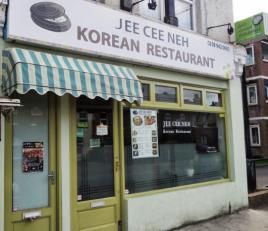
Table of Contents
Executive Summary

1. Introduction

2. North and South: Different Contexts and Needs

3. The Language Barrier

4. An unfamiliar Society and Culture

5. Making Ends Meet: Poverty in the local North Korean community

6. Access to housing amongst the local North Korean Community

7. Education, Children and Young People

8. Health

9. Immigration status, Poverty and Mental Health amongst the North Korean
community

10. Accessing Mental Health

11. Avenues of support and channels of engagement

12. Recommendations

13. Domestic Abuse and the Korean Community. Report by Gaynor Mears OBE,
MA, BA (Hons), AASW, Dip SW, Independent Review Chair & Report Author

                                          2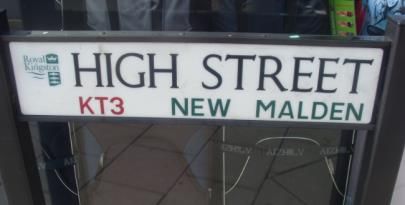
Executive Summary
1. Introduction
The research sought to gain further understanding of the needs of the local Korean community
in Kingston. It seeks to recommend measures, or initiatives for the Council, its partners and the
community to take in order to promote the wellbeing of communities.

The Equalities and Community Engagement Team (currently the Community Development
Team) have been working with the Korean community for over 10 years through a range of
projects, for example, mental health and wellbeing projects, hosting health and social
information in the Korea Post and health days. In addition to this, the council hosted its first
Korean Link Worker, a project funded by the European Integration Fund between October 2013
and June 2015. The research builds on the insight gained in these projects.

The research will inform the Council’s Joint Strategic Needs Assessment (JSNA). Research
methods consisted of a mixture of focus groups and interviews, with professionals and service
providers, North Korean community members and South Korean community members.

2. North and South: Different Contexts and Needs
The Korean community is not a unified or homogenous community. North and South Korean
communities interface, but have differing cultures, and their needs are shaped by their very
different immigration histories, different social and economic circumstances.

One of the overall conclusions to emerge from this study is that the North Korean community
is much more vulnerable than the South Korean community. Given their more recent arrival
and the fact the population is mainly composed of refugee and asylum seekers this perhaps their
needs are often more acute than the needs of the South Korean community.

The different circumstances shaping the lives of Kingston’s North and South Korean population
are the most significant to take into account when devising engagement strategies.

3. The Language Barrier
One of the major concerns and barriers identified by participants in this research is the immense
language barrier experienced by Koreans in Kingston. This is also a big contributor to a plethora
of other concerns, informing every aspect of our participants’ lives. Many participants reported,
that it took them longer to learn English than other migrants, that they relied on interpreters for
longer than expected, but also had difficulty accessing interpreters.

4. A Sense of Belonging
The majority of participants answered this question positively. The felt that the UK was
‘welcoming’, ‘open and tolerant’ and Kingston was ‘safe’, ‘had nice green spaces’, ‘good
schools and children’s activities. All participants also expressed their appreciation of ‘the
efforts of the council to help them settle in Kingston’.

However many also described how much hard work they needed to put in to fitting in and
understanding how ‘society works’ in UK. They reported that they wanted to be part of UK
society but because of the language barrier, and because social practices and habits were not

                                                3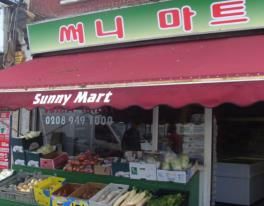
always easy to decipher, this was hard work. In some cases this was isolating and had an impact
on mental health.

5. Making Ends Meet
Poverty was a particular concern amongst the North Korean residents. All North Korean
reported that they struggled to make ends meet or even had difficulty with basic subsistence.
These difficulties can be seen in the context of a) language barrier, b) negotiating an unfamiliar
system c) restrictions imposed by participants’ immigration status. Single mothers and older
residents were identified as in particular need.

6. Access to Housing
Many North Korean participants Struggled to access and pay for accommodation. Here again
the impact was particularly bad on the older generation and single mothers. These daily
struggles to which their seemed to be no solution affected their sense of well-being. Many
already had traumatic journeys behind them, but having arrived here their uncertain living
conditions prevented some from and developing a sense of stability and belonging.

7. Education, Children and Young People
Participants emphasised the importance of education and activities for children more generally.
They were generally happy with education and schools and felt that children’s activities in the
borough and schools were very good. For many the reputation of Kingston’s schools had been
another motivating factor in moving to Kingston. Participants also appreciated the efforts their
schools made to support their children and engage with the Korean Community.

Whilst participants were generally very positive about their experience with schools and
education, respondents reported that they did not always ‘understand the system’ and were not
sure where to access information about ‘how it works’, particularly when they first arrived.

One of the areas of concern our research highlighted is that despite the availability of activities
for young people and children, North Korean families were often not able to access these. This
was either as a result of the language barrier or often as a result of the cost.

Professionals, service providers and those working in the community raised some concern over
the safeguarding of children, in part as a result of ‘different parenting styles’, and in part linked
to the context of trauma.

8. Health
Both North and South Koreans, reported difficulty accessing health care, partly as a result of
the language barrier and partly because they were unfamiliar with the system. Here again North
Koreans’ need was starker, as they lacked the economic means to ‘opt out’ - i.e. to travel back
to Korea or access private health care as many of South Korean participants reported doing.

9. Immigration, Poverty and Mental Health
Many North Koreans’ needs and concerns were first and foremost shaped by issues around
immigration and immigration status. This of course included the mental impact of the stress
caused by uncertainty over immigration status and the trauma from emigrating from North
Korea.

In addition to stress and uncertainty over visa applications, participants also described the stress
caused by the restrictions placed on their lives as a result of their status: i.e. their inability to
work, study or generally move on with their lives. The importance of not working here went
beyond the fact that they did not earn a living, but also meant they were ‘standing still’ and ‘not
moving forward’.

                                                 4
Many North Korean residents and particularly the older generation reported feeling very
isolated. They not only found themselves with any family support networks but also lacked the
economic means of maintaining or creating networks. These experiences have a clear impact
on mental health issues. Many North Korean residents openly talked about the fact that ‘we are
all depressed’.

10. Accessing Mental Health
Professionals and service providers raised concerns about the fact that Koreans are generally
underrepresented in mental services. This underrepresentation is despite the fact that certain
proportions of the Korean population face quite acute issues with a clear impact on mental
health.

Our research found that this underrepresentation is the result of a mixture of factors which
include: the belief that mental health issues are the symptom of wider problems (and it’s the
problems that need to be solved), cultural attitudes around mental health, unfamiliarity with the
health system, and a reliance on interpreters which makes counselling difficult.

11. Avenues of Support
Both the South and North Korean community reported some difficulty with accessing
information, formal channels of support and relied more on informal networks, or on
community internal organisations. Here again the need is starkest amongst the North Korean
community.

12. Recommendations
Based on the findings of our research, this report makes recommendation across the following
areas:

●   Focus on the needs of the North Korean community & vulnerable groups

●   Overcoming language barriers

●   Accessing services

●   Young people and education

●   Cultural Engagement

                                               5
1. Introduction
The research for this report was carried out The community has been well established
by Dr Heidi Seetzen (Faculty of Arts and well over 30 years. It has a thriving
Social Sciences, Kingston University) and business community. In the past it has been
Dr Carlie Goldsmiths (North Social mainly transient, but those working with
Research Ltd). Focus groups were the community suggest that this pattern is
supported by Ellie Cooke (Community now changing. Those who are permanently
Development Team, Royal Borough of settled in the UK are, in the main, affluent.
Kingston). Sampling and participation was It is believed there is a high student
supported by Nighat Taimuri (Community population.
Development Team, Royal Borough of
Kingston). The data was analysed and the The community is well organised with
report is authored by Dr Seetzen. internal infrastructure and community
services which are, in the main, taken up
Dr Seetzen and Dr Goldsmith have within the Korean community. Previous
previously conducted similar research in year’s community work with Koreans in
the Royal Borough of Kingston and bring the borough revealed South Koreans will
historical expertise to this project. often pay privately for health care and
anecdotal evidence has informed
Aims professionals in both social care and mental
The research sought to gain further health services, South Korean families tend
understanding of the needs of the local to return to their home country when they
Korean community in Kingston. It seeks to can if there are serious health or social care
recommend measures, or initiatives for the concerns. The research has been able to
Council, its partners and the community to confirm and further explore these
take in order to promote the wellbeing of impressions.
communities. The research will inform the
Council’s Joint Strategic Needs The North Korean community
Assessment (JSNA). The North Korean population is a much
more recent arrivals in Kingston. Service
Who is the research about? providers estimated that North Koreans
The demographics that were covered - started arriving in the borough around
South and North Korean populations of 2006.
Kingston are two distinct groups which
interface but have differing needs and The North Korean population is mainly
cultures to be sensitive to. made up of refugees and asylum seekers. In
2016, Refugee Action Kingston was
supporting clients from 78 different
countries. The largest numbers of Refugee
Action Clients came from North Korea
(there were 314 registered North Koreans).
Representatives of the North Korean
community estimate that the North Korean
The South Korean community community is about 500 strong.
The South Korean community in the
Kingston borough is over 5,000 strong Previous projects and background
according to the census but community The Equalities and Community
leaders have informed officers their Engagement Team (currently the
perception is it is ‘15,000 strong’. Community Development Team) have
been working with the Korean community
6for over 10 years through a range of Borough of Kingston: Refugee Action
projects, for example, mental health and Kingston
wellbeing projects, hosting health and
social information in the Korea Post and Tamuri, N. (2015) Korean Link Worker
health days. Project: Evaluation Report, Royal
Borough of Kingston
In addition to this, the council hosted its
first Korean Link Worker, a project funded Taimuri, N. (2015) Korean Link W Royal
by the European Integration Fund between Borough of Kingston, Royal Borough of
October 2013 and June 2015. The aims of Kingston
this project were to reduce health
inequalities and improve health and Research Methods
wellbeing around addressing integration These consisted of a mixture of focus
and feeling safe. Over 180 beneficiaries groups and interviews, with professionals
benefitted from the project and the and service providers, North Korean
involvement of 31 volunteers. community members and South Korean
community members. Focus groups with
The fund criteria only allowed the project professionals were held at Kingston
to focus on newly arrived migrants, which University. Drop-in community workshops
meant that refugees and asylum seekers and and focus groups were advertised in Korean
men were excluded. The project was Newspapers and held at the New Malden
targeted at newly arrived female migrants Methodist Church.
as they were considered to be the most
vulnerable group within the community. Engagement with Korean community for
Anyone outside the target group was also this was initially difficult and the first
welcomed and signposted to other advice or community workshops were not well
support agencies. attended. In this context further focus
groups and interviews were organised
Other dedicated posts, such as the Korean through individual contacts and snowball-
engagement and support worker with sampling. Additional focus groups and
Hestia was also recruited to work with the group interviews were held at Refugee
Korean community around domestic Action Kingston, Local Korean
violence. For a limited time, the Restaurants, the New Malden Methodist
Metropolitan Police in Kingston seconded Church Café, and individually arranged
an Officer as Korean Engagement Officer. locations.
Both of the above initiatives have also
come to an end In addition to this the research team
Engagement was also boosted through
Literature and previous research questionnaires and short interviews at a
Themes that informed the design of focus communities’ stall at the New Malden
groups and interviews were drawn up farmers’ market.
following a review of previous relevant
studies and projects: Our research engaged with a total of 98
participants, through focus groups,
Davidson, J. Huq, H. Rupa & Seetzen, H. interviews and questionnaires. The
(2010) Towards engaging with and following represents a breakdown of these:
understanding three BME communities in
Kingston: identity, interaction, belonging 3 focus groups with professionals and
and belief. (Project Report) Kingston upon services providers (total of 22 participants
Thames, U.K.: Kingston University. 82 p. (representing Korean community
organisations and groups, child protection,
Goldsmith, C. (2015). Living Lives, and children’s services, health services,
Building Futures: Refugee, Asylum Seeker maternity services, the fire service, mental
and Migrant Needs Assessment, Royal health services, schools education,
7Thank you to the interpreters from the
4 focus groups/interviews with the North Kingston Interpreting Service, KIS, as well
Korean community (25 participants) as volunteers that stepped in to interpret on
numerous occasions. Their language skills
5 focus groups/group interviews with the and sensitivity to the context helped make
South Korean community (19 participants) this research possible.
13 interviews with professionals and Quotations and participants’ stories
services providers (representing education, The report contains anonymous extracts
health, mental health, culture Korean from interviews and focus groups, both for
culture events, Korean newspaper, Korean the purpose of illustration but also to let
School and Korean community centre, participants’ stories and experiences -
Language schools) (14 participants) which are at the heart of the project - shine
through.
18 short interviews/questionnaires with
Koreans in New Malden (Farmers’ Market) As many interviews and focus groups were
conducted with the help of translators these
Time-frame stories are sometimes told in the third
Data for the project was gathered between person. In order to preserve the
June 2017 and September 2017. authenticity, the translations have not been
amended.
Interpretation
82. North and South: Different Contexts
and Needs
Others reported that this difficulty is
As noted in the introduction, the Korean compounded by the fact that service
community is not a unified or homogenous provision rarely distinguishes between
community. It includes two distinct groups North and South Korean clients or patients.
who interface, but have differing cultures, Whilst those working closely with the
and whose needs are shaped by their very community are aware of the different
different immigration histories, different contexts, needs and indeed tensions
social and economic circumstances. between the communities, they are not
always widely acknowledged or taken into
In addition to the South and North Korean account by service providers. And
residents, participants in the research also sometimes there is an: “Attempt to engage
identified as Chinese Koreans (North with the Korean community as a whole,
Koreans who had established themselves in rather than acknowledging the differences
China prior migrating to the UK). Although and tailoring engagement.”
numbers are not known, service providers
and professionals working in the There is a community division and in some
community estimated that their presence sense, I think services need to stop thinking
was not very significant (“a tiny about the Korean community and needs to
proportion”).
be thinking about the divisions – the North,
North Koreans are the most vulnerable the South and the tiny, tiny population of
One of the overall conclusions to emerge Korean Chinese. It’s challenging to
from this study is that the North Korean provide a comprehensive service for the full
community is much more vulnerable than community without addressing those
the South Korean community. Given their divisions.
more recent arrival and the fact the
population is mainly composed of refugee
and asylum seekers this perhaps their needs
are often more acute than the needs of the This report highlights where the North
South Korean community. Korean community faces more particular
and acute needs.
Although engagement with the North
Korean community has progressed Difficulties engaging the North Korean
significantly since our last piece of research community: Immigration context
(carried by the university in 2010), North One of the biggest barriers to engaging with
Koreans feel much more ‘out of place’, the North Korean community (and this is
excluded or ‘invisible’. They are also much where their needs differ substantially), is
less likely to engage with local services or the fear many have of ‘being sent back’.
make use of local community facilities, Many are therefore wary of engaging with
even if these are directed explicitly at the officials or council representatives or any
Korean community. situation where they are asked to give
information about their background. Indeed
A number of professionals commented that in organising focus groups, some
the different needs of these communities participants sought reassurances
and the different barriers they face, make concerning the focus of the research and
devising a comprehensive engagement anonymity of the findings.
strategy very difficult.
The route through South Korea – that might
mean you will be sent back, so they are very
9wary of talking openly to anyone. It might longer seeing the turnover of ten years ago”
open a can of worms. Many are so afraid of and community had become “more static”.
being sent back so they want to stay well
below the radar. This change was also reflected in the profile
of focus groups participants, which only
We (service providers and professionals) included a few short-term residents and
want to engage with them. But they don’t expats. Many had been here between 5 &
know if they are here illegally or if their 10 years, and the majority intended to stay.
application will work out. So they don’t
want to put their head above the parapet. North & South: differences and tensions
The majority of participants agreed that the
This fear was particularly a barrier when relationship between the North Korean and
engaging with service, which were required South Korean community was not
to measure and prove outcomes. One straightforward, but was complicated by
example that was given was the European the wider political context, the inevitable
Link Worker project, funded by the cultural differences that have emerged
European Integration, and externally between two countries that have been
imposed requirement of the project was to divided for more than 60 years and the very
provide evidence of engagement, by different socio-economic situation these
recording passport details - a requirement communities find themselves.
that provided a significant barrier to
engagement: We can’t change overnight, our parents in
particular – they cannot forget the horrible
I was working with X [link worker from the war.
Korean Link Worker project] – and we
required evidence that we engaged with the Technically we are still at war. Technically
North Korean community – every north it is still illegal to ‘fraternise’ or to marry
Korean that attended had to bring a between North and South Koreans.
photocopy of their passport. And that was
exactly one of the ways to keep people Indeed a few participants observed the
away. ‘oddness’ of suddenly inhabiting the same
space and being grouped together, given
The South Korean Community: the long and hostile division between the
Changing patterns of residency two countries.
Whilst the South Korean community was
less vulnerable and their needs less acute, It still takes time; it's a different country! So
the research nevertheless identified a we never met before and here suddenly we
number of areas of need (around language, meet each other. I think it will take time.
social barriers to engagement and accessing
local services). It is worth noting that some Cultural differences
of these needs have taken on an increased Participants also described how as a result
importance as a result of changing of this situation the two communities have
immigration patterns. effectively grown apart.
Previous research reports identified the We see North Koreans as different I think.
South Korean population as relatively They find it difficult to integrate with the
transient: a mainly expat community many South Korean as well.
of whom would eventually return to Korea.
There is evidence to suggest that this is now We are all Koreans – but when we have
changing. Professionals and service conversations it feels very different. Sixty
providers working in the community years after we divided I think we have
argued that this profile is now changing and grown apart. It is not the same. They can
that the South Korean community is get misunderstood and then it’s upset.
becoming more settled. They were “no
10We communicate, we can speak the same What is interesting to note here is that some
language, we are just living here but deeper North Koreans that because they
down I feel we are thinking different our sometimes felt doubly excluded. To the
cultures feel very different. I’m not sure extent that there was an effort to include
how it is, but it quite deep down. Koreans, such attempts often seemed to
favour South Korean residents, as they
were better able to communicate.
Social and economic differences
Differences were not always cultural, but (North Korean volunteer translator)”
inflected by the different immigration “Example, North Koreans cannot really
history and economic status of North speak English, and at the school they
Koreans and South Koreans. Many North wanted to help out at school fair, but it’s
Koreans move to Kingston because of its difficult. Malden Manor has a Korean
pre-existing Korean community. Many find teacher and she asked the Korean parents
work in Korean restaurants, work as if they wanted to help. The South Korean
childminders or au pairs for South Korean mothers can speak English and they can
families, and use or want to use the local help and explain and make South Korean
Korean schools to educate their children food stalls. The North Koreans wanted to
(see also chapter 5, ‘Making Ends Meet: help but it’s more difficult and then often
Poverty in the North Korean community’). can’t.
These socio-economic differences also
informed the sense of division. Tailored engagement
In conversations with professionals many
At our school and in our area (Malden stressed the possible benefits of a specific
Manor), the South Koreans are normally North Korean engagement strategy,
big company bosses, and they have the big particularly as a few professionals reported
houses. It’s OK, most of the morning we say that because they often feel marginalised,
hello, but not more. their North Korean clients preferred classes
or groups dedicated to the North Korean
A more complicated identity: feeling out community:
of place
For some, this division meant that they not My North Koreans clients tell me time and
always felt welcome in what might be time again they don’t want to be in
called South Korean spaces. In particular, language classes with South Koreans.
because many felt that given their more
complicated relationship to their country of Significantly the beginnings for this have
origin they could not lay claim as easily to already been developed across a number of
a Korean identity. projects, although due to funding
restrictions some are are no longer able to
Even the school children asking why are we operate:
different: North Korean, and South
Korean. And ask where are your parents a) On a professional level, by for example
from? North or South Korean. It seems the services of the Refugee Action
strange we are all Korean, but we are not. Kingston, the Empower and Inspire Project
… It’s not really the children it’s the and the Korean Information Centre.
parents. So on sports-day, some South
Korean parents tell their children, “oh we b) At a community level through the work
are South Koreans, we are winners”, and of North Korean community groups like the
the North Koreans can’t really say that European Alliance for Human Rights in
[because of their more complicated North Korea (now winding down but a new
relationship to their country of origin], one is being founded) or Kingston’s Free
which is why my friend here is not happy. NK.
North Koreans can feel doubly excluded
11Changing relationships
It is important to note that despite ongoing There’s great tensions in the North Korean
differences and the experience of community. One group is suing 20 other
marginalisation, there has been positive North Koreans for defamation of character,
change. Research Kingston University and these are people who can’t really pay.
conducted in 2010 (Davidson, Huq and
Seetzen, 2010) revealed a much harsher There are four separate factions in the
divide between the two communities, and North Korean community, at one point
found that in some cases North Korean there were two. They put aside their
migrants were afraid to speak out in church differences and formed one group, but now
meetings and community settings and their suing each other.
publicly identify themselves as North
Korean. This is now changing. Service providers reported that the plethora
of organisations and their awareness of
Participants felt that this was in part simply some tensions meant they were unsure
a result of having more opportunities to where to begin the engagement process.
meet (in churches, at the school gate). In They were not always sure who to
addition they also acknowledged the approach, and “didn’t want to make the first
importance of specific outreach work being engagement the wrong one.”
done by community organisations (such as
the language school or the Korean One of the questions arising in discussions
Community Centre) and local churches: with professionals and service providers
was: whether there were particular
We meet them at school and at church. But community figureheads that represent and
we feel we are segregated, they have their speak for the community that information
own community, but there are some people could be passed too. The answer to this
making an effort. question is that, unfortunately, like any
community or population the Korean
Efforts are being made to bridge the divide. community in Kingston is relatively
The South Korean embassy/national splintered, which means that engagement is
unification advisory council have been likely to be more successful if it goes
running community workshops trying to through several channels.
bridge the divide.
Community engagement: Where to start
when engaging a diverse community?
The different circumstances shaping the
lives of Kingston’s North and South
Korean population are the most significant
to take into account when devising
engagement strategies. However these are
not the only differences that could
complicate engagement. Both communities
are also internally diversified and
represented through different community
organisation or church groups.
It is important to note that at the time of the
research, there was an acute awareness
amongst professionals and those working
in the community of tensions over
representation within the North Korean
community, tensions which had led to
concerns reputation and eventually a
lawsuit.
123. The Language Barrier
One of the major concerns and barriers All participants described how hard it was
identified by participants in this research is to participate in conversations and establish
the immense language barrier experienced social networks, so hard that some reported
by Koreans in Kingston. This is also a big giving up after a while:
contributor to a plethora of other concerns,
informing every aspect of our participants’ Because I feel like I can’t talk and they
lives (as will become apparent through this cannot talk to me anymore, I, I don’t hide,
report). but I pretend I’m busy all the time. Pretend
I’m very, very busy.
English and Korean are very different
languages and, as all participants pointed The sheer number of Korean speakers in
out, English is very difficult to learn for Kingston made ‘retreating’ easier as well.
native Korean speakers. Indeed many Although our participants had wanted to
participants who had been here for 10 years form social connections outside of the
or more admitted that they still struggled Korean community, the linguistic
with speaking English and many difficulties associated with this meant that
participants reported that despite seeming many now spent most of their time with
fluent when communicating in writing (e.g. other Koreans.
through email), they felt more comfortable
with an interpreter in face-to-face settings. It’s hard to talk to people, so spend time
with other Koreans. You have to talk to
A barrier to social connections someone. … Some days I wonder am I
Difficulty with speaking and understanding living in England, I’ve spoken Korean all
English prevented participants from day.
forming social connections with others in
the UK. Professionals working in the community
made similar observations.
I want to make friends but I find it so hard
to understand. It’s very, very hard. ‘The number of Korean speakers here, you
have to be quite focused to keep working on
I don’t always feel comfortable here, I’m your English. You can do anything in
sure they (other mothers at the school gate) Korean if you need to.
want to know me better and I want to know
them better and become good friends, but Many of our participants described being
because of the language barrier it is not trapped in a vicious circle, aware that in
easy to form friendship. So just keep order to improve their everyday English
smiling at others, particularly when I don't skills they needed to speak English more
understand. regularly in their everyday lives. However,
this had been difficult and once they had
Some also found that the language barrier ‘given up’ it was difficult to find an
made it more difficult in general feel at opening again.
home. In one focus group a group of long-
term residents (between 4-7 years), I’m not improving enough, I learn English
described how even though they now feel at the church classes, but to improve you
more connect to UK than Korea, the need to chat and I don’t meet English
language barrier difficult to follow UK people anymore, I tried at the beginning
current affairs, which creates a distance to now it is just Korean. All day.
cultures.
The importance of speaking English for
Giving up parents and carers
13The inability to effectively communicate So all the time we are the victim, we are
and form new social networks in the UK never heard in our circumstances.
was most acutely felt by mothers and
parents. Many saw the development of We have a saying amongst ourselves it’s
social connections in the UK as a vital part not just a language barrier, it seems so
of fulfilling their role as a parent. huge we call it being language-disabled,
because we can do nothing.
Because I am living as a mum I need to
make broad relationship. I might have to Feeling powerless
talk to school, I might have find information One frequently expressed frustration
I might have to take them hospital and talk associated with language barriers, was the
to people there. So I have to make broad feeling of powerlessness. Participants, in
relationships. particular our North Korean participants,
reported feeling powerless to seek help and
I have tried to form connections with other support, access information or to query
mothers at school, for the sake of the inconsistent information they received
children. from different organisation.
It is very hard work, but because of my boys Accessing the right kind of help, many felt
I try to make the effort. If can’t sit at the could involve a degree of “detective work”,
table and speak for them then who will. So where they had to find their way through an
I go to the coffee mornings and sit at the unfamiliar system, weighing up different
table and I say ‘hello’, and ‘how are you’ kinds of advice and information about
and ‘I am very excited’. But hard work. services they might be able to access.
Examples of this include being given
contradictory information, about qualifying
Language barriers amongst North for free medication from the hospital and
Koreans: “we are language-disabled” the GP, about the availability of free school
Whilst the language barrier is an issue that meals, or indeed about the availability of
affects Koreans across both communities, it interpreters for different local services.
undoubtedly constitutes a bigger barrier
amongst the North Korean population. Lacking the language skills to ask questions
Whilst South Korean migrants will have and establish ‘how things really work’
spent several years studying English at added to a general sense of insecurity and
school prior to arriving in the UK, North stress.
Korean refugees will have little or no prior
knowledge of English. Time frames are longer
Professionals and service providers also
Professionals working in the community identified language as one of the biggest
that some of their North Korean clients barriers to engagement and often relied
“can struggle with a basic good morning”. heavily on interpreters.
This further marginalises North Koreans
living in Kingston. Many of our Language is a big problem, because they
participants felt that because they were not don't’ speak the language, is available.
able to speak the language they were
vulnerable in any situation simply because In particular many noted that it would take
‘they cannot do anything’. their Korean clients longer to be able to
communicate in English, and that they
They cannot get any information, get any remained reliant on interpreters for much
news, explain themselves, present longer.
themselves, put any case they have to the
council or indeed defend themselves We find that like many other, at the
against any accusations. beginning they are often supported through
translation. But then even after a few years,
14parents are still heavily reliant on a learn/improve their English, a proportion
translator. Basic communication can be did report difficulties accessing classes.
very difficult. Whereas our Polish families Here different reasons were given or
or other immigrant families have acquired emerged in the context of our
English after a few years, Korean families conversations:
seem to take much longer. So is it harder if
you’re Korean? Or do they not want to 1. Many of our North Korean participants
Learn English? were struggling significantly with larger
issues such as relatively stark poverty, the
Significantly, the difference in the time it experience of isolation, depression and
took to acquire a working knowledge of other mental health issues. These
English was something that our Korean impacted on their activities more generally.
participants were acutely aware of. Many In some cases it prevented them from
reported that, even though they objectively engaging with the outside world, including
knew that “learning English is harder if their motivation and confidence to seek out
you’re Korean”, seeing others being able to and participate in language classes.
pick up the language more easily made
them feel less confident. I could also make 2. Mothers with small children reported
them reluctant to ask for help and even led finding it hard to organise childcare for
to some ‘giving up’, altogether. these sessions. They wanted to find classes
that allowed them to bring children. A few
Other Europeans seem to catch it up more classes like this had been available through
quickly. It is much more tricky for us. The the local charity LEAH (Learn English at
pronunciation is so different; we see Polish Home), but this was no longer available.
or other people. They seem to be able to Some participants felt that it was only once
speak it very quickly, and you wonder, is children had reached school age, that they
there something wrong? were able to access language classes. At the
same time participants felt it was
Many Koreans are accessing particularly important to be able to learn
ESOL/language classes English while the children were young.
There are a number of different ESOL
language classes (some of which are free) 3. A few participants reported that they
available in Kingston: at children’s centres, found it difficult to access free classes, as
selected local churches, Refugee Action charities offering these had a long waiting
Kingston and Kingston College. list.
One of the questions that was asked during 4. Many of our participants found accessing
focus groups with professionals and service information about language classes
providers was: “If language classes are fragmented and difficult to access, and
available – what’s stopping people asked if a comprehensive list was available.
attending?”
The immediate answer to this is that the ‘Pronunciation' and importance of
majority of our participants are already learning ‘spoken’ English
accessing language classes, but are The language barrier is not simply a result
nevertheless still struggling with the of limited participation in language classes.
language barrier. Here there is need to focus more closely on
what linguistic difficulties Koreans are
I go to English academy every week, to facing.
improve English, but still it is hard!
Significantly, for many of our participants
What can make accessing ESOL classes their difficulties lay with spoken English
difficult? and making oneself understood in
Nevertheless despite the fact that most of conversation.
our participants were working to
15I learn English in Korea – but wrong A higher language barrier amongst
accent – when I say something English North Korean men
people just say pardon, don’t understand. If the language barrier was higher amongst
Again and again! I’m Ok but many of my North Korean residents it was particularly
friends just stop speaking. high amongst North Korean men. In the
experience of local professionals, North
I want to be friends, so I try, I went to Korean women, and particularly mothers,
parents in pub, but I didn’t understand it even though they struggled, were often
was loud in pub and hard to hear. So I was better able to communicate than their
a good listener, and smiling a lot. Unless husbands.
someone asked me question and I just say
pardon. So I left early and I thought In part this may be related to the fact that,
perhaps I better not come here again. despite facing similar burdens, as the
primary carers North Korean mothers felt
Culture/Language more encouraged to attend toddler groups
Another reason, that was given were then and communicate with education or health
the way certain cultural differences professionals, ‘for the sake of the children’.
inflected speech and conversation.
Accessing Interpreters: mixed
My problem is both culture and language. experiences
My English is translated from Korean to Many of our participants (even if they had
English – and sometimes you don’t say it been learning English for a long time) did
that way. Because they misunderstand me, not feel confident in their spoken English.
then they don’t know what to say to me and As a result, for the vast majority, access to
just smile and say ‘hello’, but I feel like they interpreters was seen as very important
don’t want to talk to me anymore.
Respondents reported that they particularly
Different provision for North and South relied on interpreters when attending
Korean residents? medical appointments, parent teacher
In our interviews one professional working meetings, appointments at Jobcentre Plus,
closely with the North Korean community when applying for social housing or
reported that many of his clients were ‘sorting out immigration issues’.
reluctant to attend language classes with
South Koreans. Most of our participants, but not all were
aware that interpreters were available.
It was difficult to verify to what extent this Whilst respondents were appreciative of
feeling was shared amongst across the the service we received mixed reports
community. There is evidence to suggest, concerning access and availability. This
however, that North Korean residents were will be discussed in more detail in the
much more likely to lack confidence and relevant sections below, but also included
often felt marginalised, within the overall is a shorter overview
Korean population.
GP Surgeries: Access to interpreters was
This lack of confidence is likely to be generally available. However some
particularly pronounced in the context of participants had been discouraged from
language classes. North Koreans often have booking a translator by receptionists (on the
little exposure to English in the home basis of cost). Others found that booking a
country before arriving in the UK and start translator through the surgery made
from a much lower base. Meanwhile agreeing an appointment time difficult. As
South Koreans language learning can build a result a small number of participants
on several years of formal language reported that they preferred to hire an
learning. interpreter privately.
Hospital: We received mixed reports on the
availability of translation services during
16hospital visits. Many participants had been
able to access interpreters, a few reported Jobcentre Plus: Participants reported they
access to a telephone translation service had no access whatsoever, and had to hire
(which was not always without problems), interpreters or muddle through. This was
and some had not been able to access and seen as either a huge financial burden or
interpretation services. incredibly stressful.
A common concern expressed by our Housing: Again, participants reported they
participants, in this context was: “what no access whatsoever, and had to hire
happens in case of emergencies?” It is the interpreters or muddle through. This was
understanding of the research team, that the seen as either a huge financial burden or
telephone interpretation service is precisely incredibly stressful.
designed for use in emergencies. However,
there seemed to be little awareness of this Interpretation and Confidentiality – The
amongst our respondents. need for interpretation (whilst important)
was in-itself often a barrier to engagement,
School setting: We received mixed reports. because it introduced a third party into a
At Malden Manor, communication was private and sensitive conversation.
helped by the presence of a Korean Moreover, interpreters were often from the
Language assistant. At Burlington parents local community, and participants were
reported access to an interpreter, in other worried that neighbours would know about
settings Korean parents volunteered to help private affairs.
translate during parent-teacher meetings.
174. Sense of Belonging: An Unfamiliar
Society
We began our focus groups by posing the The extent to which residents felt
question: - “How at home do you feel in connected often depended on the length and
Kingston?” To put participants at ease, but intended length of their stay. The majority
also to avoid imposing researcher-led of participants considered themselves as
themes, and ensuring that the research was, residing in the UK indefinite, for a few
as far as possible, participant led. others their stay was temporary).
The majority of participants answered this Other reported that for everyday things they
question positively. The felt that the UK were increasingly connected to UK (such as
was ‘welcoming’, ‘open and tolerant’ and the children’s education), but for ‘big
Kingston was ‘safe’, ‘had nice green things like politics’, they still feel more
spaces’, ‘good schools and children’s connected to Korea.
activities. All participants also expressed
their appreciation of ‘the efforts of the My everyday life is in the UK, but I still
council to help them settle in Kingston’. read Korean newspaper.
I like in UK the society is about thinking Social Geography: Kingston
about human rights and the people’. For Not all of our participants immediately
example you are meeting us to talk about moved to Kingston, a significant proportion
the services. I’m not sure if in Korea people had moved from other towns and cities, or
would really care’ from North London or Central London.
Participants reported moving to New
I think I want to die in the UK; I never want Malden, or the surrounding area for a
to go back number of reasons. This included the
presence of Korean shops, Korean tutors
I talk about negative experience, but also I and other Koreans that provided a social
fall in love with UK and Kingston. It is also support network, as well as the boroughs
so beautiful. I like that people always say reputation for having good schools the
hello, or very kind, like when you put lost availability of green space and a good range
babies sock or shoe on wall to find. of children activities. A few participants
reported that they’d moved to Kingston
At the same time many participants only after having children.
reported that they could not help feeling
torn between Korea and the UK (A I move to New Malden with babies, as can
minority of long-term residents said that find Korean childminder, can buy Korean
they felt 100% connected here). food when busy and no time cook. Not so
much in central London.
My head is in the UK but my heart is in
Korea. To the extent that participants felt at home
in UK, they felt very much connected to
I’m not quite at home in the UK. Not yet. Kingston (rather than London or the rest of
But I’ve become so westernised. So also not the country) Kingston was seen as
at home in Korea. So am I at home in both ‘friendly’, ‘nice’ and ‘safe’. The presence
or am I not properly at home in UK or of other Koreans also meant they felt less
Korea. visible and more at home. Many of our
participants reported not really leaving
Kingston borough very often. Particularly
18South Korean mothers told us that their
husbands might travel to the centre for Korean speech is more direct, in English
work, but for them there seemed to be no everything is very polite, like: ’would you
need to travel. mind?’ or ‘would you like to do
something?’ And in Korean it would just be
Everything can be sorted out here: ‘GO’! Like that. When we translate, it
education, Korean education, shops sounds rude.
friends, community. There’s’ no need to
leave the area very much). I have to teach my boys now when we go
into shop to say hello, and please, and
My life is very much grounded in Kingston, smile, because otherwise it looks like they
because children go to school here or were are impolite people. In Korea we are
born in hospital; also shopping - I can do always direct. And always look serious, and
all my shopping in Kingston. without eye contact”.
The cultural significance of New Malden Participants also described their
High Street unfamiliarity with local customs and the
Regardless of residence, New Malden high many unwritten rules, which could be hard
street was an important location, partly to negotiate.
because of the availability of Korean food
and shops. It also constituted a first point of For example, In Korean when we see cute
contact and a meeting point for mothers and little baby we can say: “Hello, oh cute little
parents. For many it also felt familiar and baby!” and stroke its hair. But here that
reassuring given the difficulty they seems to be not allowed. So feel I always
sometimes felt negotiating life more have to be very, very cautious.
generally.
As a result of such cultural differences,
The main reason I came to this area is the mothers in particular gave voice to feelings
Korean supermarket. And even Koreans of insecurity when it came to interacting
who live outside of the area drive down with other mothers at school or toddler
here because of the Korean supermarket. group. They were not always sure if they
Food is very important. were welcome or were unable to read
cultural signals correctly.
I use the shops; I can take away when I’m
busy. What I find difficult here is the politeness,
people say hello and smile but I don’t know
I: Where do you first go to meet others? is it just polite or are we friends.
P: Supermarket! (laughter)
Fitting in is a lot of effort: “I want to be
Negotiating cultural and social here, but I feel like I’m not here”
differences: everyday interaction Longer-term residents described how much
The majority of participants reported that hard work they needed to put in to feeling
they struggled to negotiate what sometimes at home. They reported that they wanted to
seemed like an unfamiliar culture and be part of UK society but because of the
society. Small everyday practices were language barrier, and because social
difficult to get used to. practices and habits were not always easy
to decipher, this was hard work.
Like saying hello we bow and here either
say hello or either kiss, which is In one interview a South Korean mother
uncomfortable. described how she purposefully started
attending an English church (rather than the
Participants also observed that Korean one she had previously attended) so
communication was more difficult, because that she could forge closer connections to
was Korean more direct and English more
indirect.
19the UK. But this was ‘hard work’ and ‘not I felt really depressed, I couldn't speak
relaxing’. English. I was pregnant with baby, I didn’t
know who could help.
Others described their efforts as ‘almost
like a glass ceiling’. As a result some participants had been or
were missing out on services. In one focus
I talk to other mothers and they are nice. group a local single mother reported not
And I want to be friends, here but - not just being aware of the fact that her daughter
because of language barrier, but also qualified for a free school meal, and was
misunderstandings it somehow isn't struggling to provide her with a school
possible. meals for two years, until ‘a teacher told her
and helped her’.
I try to meet and speak to people and fit in,
and become friends with people here but For a few of our participants, and
because it is hard work I cannot always significantly amongst North Koreans, their
because it is so hard work”. unfamiliarity with the system went beyond
not being able to access services, but
In Korea it takes no energy to be part of manifested itself in a general insecurity
community, but here a lot energy. …I want about whether they might be unwittingly
to be here, but I feel like I’m not here. breaking the law by, for example, claiming
benefits but not registering family members
Impact on Mental Health and/or partners correctly.
Participants also described the impact not
always feeling at home could have on their A comprehensive information pack
sense of well-being and mental health. Here A number of participants asked about the
women and mothers were strongly affected, availability of a comprehensive
particularly where they were the main carer information pack, containing information
of children or where they had left their life about the services offered by the council,
behind to move with their husbands. how these might be accessed and any rules
or regulations they should be aware of.
I always rely on my husband. I was getting Translated into Korean, this would be very
really depressed; I was thinking I’m useless useful for Korean residents and it would not
I don’t know anything. What is sort code? only help to make services more
In Korea I was a career woman and here I transparent, but also help to make
know nothing! I bought a car now, I will be immigrants feel more settled and ‘at home’.
independent wife!!
Some participants had attended special
Unfamiliar With Services and talks and events (e.g. about the free NHS
Regulations health check) and had found these useful. A
Many participants highlighted the fact that comprehensive list of such events and
‘the social system’ was unfamiliar to them; where they would be held would also be
this compounded the sense of useful.
disorientation (or even bewilderment) some
experienced. Recent immigration history
A number of participants made the valid
observation that Koreans have had less time
Obviously this is not my house, so definitely to integrate or find their place than other
it is not that much comfortable. … If it were migrant communities. Unlike many
my home that obviously I could do whatever commonwealth communities, Korean
I wanted, but here it is not my home. immigrants are a relatively recent addition
Therefore there are lots of the regulations to the residential population. Whereas
and controls that I don’t know about. other groups have had a long history of
cultural negotiation and integration
(spanning several generations and often
20working through tensions), the Korean Korean restaurant and an old lady who was
community still have this ahead of them. walking there too, said to me ‘the smell is
really disgusting isn’t it?’ and just looked
We have less in common than European really annoyed. I just went ‘oh really’, I
communities couldn’t say anything about it.
In addition to this, some participants felt,
unlike European communities (whose In Waitrose, I asked to change money for a
countries of origin have long-standing coin for the trolley. And she didn’t know
social and political connections to the UK), me, but the lady behind the counter said,
there was less of a common culture. Many you were here last time ‘you have to
participants said they ‘had fallen in love’ remember!’ ‘You put in your wallet’! And I
with UK culture, but found it difficult to just thought how do you know me? And why
decipher. do you speak to me like that and not other
customers?
At the same time many were very aware
that, European migrants adapted much I was shopping in the evening, and one of
more easily and quickly to UK culture and the members of staff said to me, why are
society. For some, this comparison you shopping at this time? It is late. I
sometimes felt like a ‘failing’. couldn’t believe it?
Feeling Welcome: everyday instances of Such instances undermine the relatively
discrimination or racism strong connection participants feel to
Despite the fact that participants generally Kingston.
described Kingston as a friendly and safe Belonging and engagement
place, we had some reports about instances I came here (professional focus group) and
of racism and discrimination. am surprised. All these people work for us,
for the Korean community?
A few participants described being
confronted with racist taunts or comments From a service provider perspective, the
on the street. Due to the language barrier Korean community is often seen as a very
they often found it difficult to defend closed and private community that is
themselves. A few participants, whilst not difficult to engage with. Our conversations
experiencing direct racism described ‘bad with local Korean residents show that the
events’ or ‘instances’ that make them feel difficulties around engaging are not
unwelcome. necessarily connected to lack of motivation
or wanting to. Rather it is in part connected
Almost weekly there is a bad event, where I to efforts needed to overcome language
feel unwelcome in a shop on the high street, barrier and struggles with a negotiate
unfriendly people. It not always seem bad culture and society. It is also significant to
because in England most people are very note that there is a time frame beyond
kind and very polite. But sometimes not. which engagement can become more
difficult, as many of our participants
People are not direct or rude, but you have reported giving up after too many failed
incidents. For example, I was passing a attempts of connecting.
21You can also read


