Biodiversity 2020: A strategy for England's wildlife and ecosystem services
←
→
Page content transcription
If your browser does not render page correctly, please read the page content below
Biodiversity 2020:
A strategy for England’s wildlife
and ecosystem services
Contents

Foreword by the Secretary of State for Environment,
Food and Rural Affairs                                                  02

Executive Summary                                                       04

Chapter 1:   Our ambition                                               08
             Defining success – the vision and mission – and what
             outcomes we want to achieve over the next ten years        08

Chapter 2:   Priorities for action – the strategy to 2020               17
             • a more integrated large-scale approach to conservation
               on land and at sea                                       17

             • putting people at the heart of biodiversity policy       21

             • reducing environmental pressures                         24

             • improving our knowledge                                  33

Chapter 3:   Delivering the strategy and measuring progress             35
             Explaining the components of the supporting and
             enabling framework for delivery of the strategy            35
Annex A:     Summary of priorities and key actions                      39
Annex B:     Convention on Biological Diversity (CBD) Strategic
             Plan ‘Aichi’ targets                                       41
Annex C:     Table showing linkages between the strategy’s
             priorities/actions and (i) the strategy’s outcomes,
             (ii) the Convention on Biological Diversity (CBD)
             ‘Aichi’ targets and (iii) EU Strategy themes               43

                                                                             1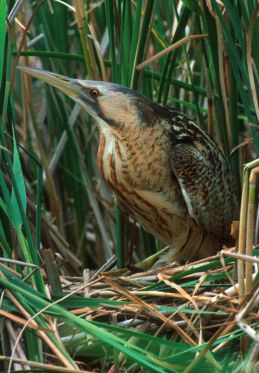
Foreword

                                   Foreword by the Secretary of
                                   State for Environment, Food
                                   and Rural Affairs

In October 2010 in Nagoya, Japan, over 190 countries around the world reached an historic global
agreement to take urgent action to halt the loss of biodiversity. This agreement recognised just how
important our wildlife and ecosystems are for sustaining a healthy planet and for delivering essential
benefits for people.

I was firmly committed to ensuring we reached an ambitious global agreement at Nagoya and I am
equally committed to ensuring that we now play our part in delivering these commitments through
action at home.

Biodiversity is key to the survival of life on Earth. Its loss deprives future generations of irreplaceable
genetic information and compromises sustainability.

Our recent National Ecosystem Assessment also shows just how much nature provides for us in this
country. For example, the enormous value of inland wetlands to water quality, the value of pollination to
agriculture, the health benefits of experiencing nature and, not least, how nature and wildlife enrich all
our lives.

This strategy will guide our conservation efforts in England over the next decade, including setting our
ambition to halt overall loss of England’s biodiversity by 2020. In the longer term, our ambition is to
move progressively from a position of net biodiversity loss to net gain.

In our recent Natural Environment White Paper we responded to Sir John Lawton’s call for a more
integrated landscape-scale approach. We need to build a wider network of places across England
which enable wildlife to thrive and natural processes to be sustained, alongside other land uses such as
farming. This will help nature to better withstand future pressures such as climate change – and set our
continuing conservation efforts for particular important species into a wider context.

Achieving our aims will be a big challenge. Government will play an important role but can’t deliver
this strategy alone. Our conservation charities, supported by millions of members of the public and
volunteers, already make a vital contribution in protecting biodiversity. Equally, farmers and landowners
have a central role to play as the stewards of England’s countryside.

2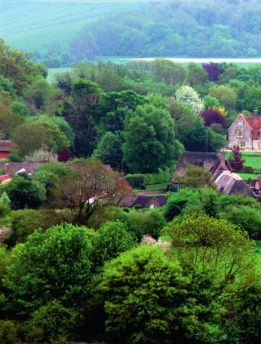
We fully recognise the importance of people in helping to arrest the loss of species. We must ensure
that the value of nature’s services is better understood and enhance people’s personal connection with
wildlife and nature. Ultimately, conservation efforts can only truly succeed with society’s support.

This strategy provides the national framework for action to help us collectively achieve our goals.
We need to work together, in partnership, to put this into practice, for the sake of England’s wildlife,
but also for ourselves and for future generations.

The Rt Hon. Caroline Spelman MP

                                                                                                           3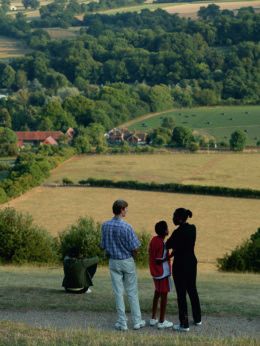
Executive Summary

1.       Biodiversity is the variety of all life on Earth.                                can better value the natural environment in
         It includes all species of animals and plants                                    decision-making and thereby unlock growth
         – everything that is alive on our planet.                                        in the green economy and reconnect people
         Biodiversity is important for its own sake,                                      with nature.
         and human survival depends upon it.
                                                                                  6.      Also in June 2011, EU Member States
2.       The groundbreaking UK National Ecosystem                                         endorsed the European Commission’s EU
         Assessment (NEA) published in June 20111                                         Biodiversity Strategy4 which has a particular
         provides a comprehensive account of how                                          focus on EU-level action. The EU Biodiversity
         the natural world, including its biodiversity,                                   Strategy will be used as a framework by
         provides us with services that are critical                                      Member States, along with the global
         to our wellbeing and economic prosperity.                                        Nagoya agreement, to inform their own
         However, the NEA also showed that nature is                                      national plans.
         consistently undervalued in decision-making
         and that many of the services we get from                                7.      This new, ambitious biodiversity strategy for
         nature are in decline. Over 40% of priority                                      England builds on the Natural Environment
         habitats and 30% of priority species were                                        White Paper and provides a comprehensive
         declining in the most recent analysis.                                           picture of how we are implementing our
                                                                                          international and EU commitments. It sets
3.       Our challenge is to halt this decline – for the                                  out the strategic direction for biodiversity
         benefit of this and future generations.                                          policy for the next decade on land (including
                                                                                          rivers and lakes)5 and at sea. It builds on the
4.       In October 2010, over 190 countries signed                                       successful work that has gone before, but
         an historic global agreement in Nagoya,                                          also seeks to deliver a real step change.
         Japan to take urgent and effective action
         to halt the alarming global declines in                                  8.      The mission for this strategy, for the next
         biodiversity2. This agreement recognised just                                    decade, is:
         how important it is to look after the natural
         world. It established a new global vision for                                    to halt overall biodiversity loss, support
         biodiversity, including a set of strategic goals                                 healthy well-functioning ecosystems and
         and targets to drive action.                                                     establish coherent ecological networks, with
                                                                                          more and better places for nature for the
5.       In June 2011, the Government published                                           benefit of wildlife and people.
         The Natural Choice – the first Natural
         Environment White Paper for 20 years3. This                              9.      We have developed a set of high-level
         responds to the global commitments made                                          outcomes to show what achieving this
         at Nagoya. It outlines the Government’s                                          overarching objective by 2020 will mean in
         vision for the natural environment, shifting                                     practice. These outcomes are set out in more
         the emphasis from piecemeal conservation                                         detail in Chapter 1, which describes our
         action towards a more integrated landscape-                                      ambition in greater detail.
         scale approach. It also sets out how we

1    UK National Ecosystem Assessment, http://uknea.unep-wcmc.org, (2011)
2    Convention on Biological Diversity, COP Decision X/2, Strategic Plan for Biodiversity 2011-2020 (2010)
3    Natural Environment White Paper, HM Government, http://www.defra.gov.uk/environment/natural/whitepaper/ (2011)
4    Our life insurance, our natural capital: an EU biodiversity strategy to 2020, European Commission (2011)
5    Throughout this strategy, references to action on land should be taken to include freshwater environments.

4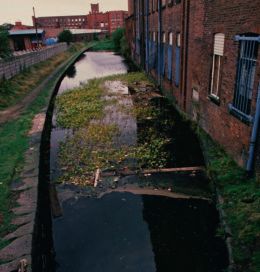
10. We will deliver these outcomes through                                         14. Effectively establishing coherent and resilient
    action in four areas6:                                                             ecological networks on land and at sea
                                                                                       requires a shift in emphasis, away from
        • a more integrated large-scale approach to                                    piecemeal conservation actions and towards
          conservation on land and at sea                                              a more effective, more integrated, landscape-
        • putting people at the heart of biodiversity                                  scale approach.
          policy
                                                                                   15. Actions we will take include:
        • reducing environmental pressures
                                                                                           • Funding a competition to support the
        • improving our knowledge
                                                                                             creation of Nature Improvement Areas8 in
11. This is a Government strategy. However, it                                               twelve initial areas, providing £7.5 million
    cannot be delivered by government alone.                                                 in the period 2011 to 2015. Lessons learnt
    Conserving biodiversity in England has long                                              will help us extend this approach.
    depended on partnership, involving statutory,                                          • Increasing the proportion of Sites of
    voluntary, academic and business sectors,                                                Special Scientific Interest (SSSIs) in
    and the public. To harness this collective                                               favourable condition.
    effort, we will enable the establishment of
    Local Nature Partnerships across England –                                             • Establishing a well managed, ecologically
    supported by a £1m fund in 2011/12.                                                      coherent network of Marine Protected
                                                                                             Areas (MPAs). By the end of 2016 this
12. Together, we will take forward action in the                                             will contain in excess of 25% of English
    four priority areas.                                                                     waters.
                                                                                           • Agreeing a programme of targeted action
A more integrated large-scale approach                                                       with partners for the recovery of priority
to conservation on land and at sea                                                           species.
13. The independent review of England’s wildlife
    sites and ecological network, chaired by                                       Putting people at the heart of policy
    Professor Sir John Lawton7, concluded that
                                                                                   16. It is crucial to engage more people in
    England’s collection of wildlife areas (both
                                                                                       biodiversity issues so that they personally
    legally protected areas and others) does not
                                                                                       value biodiversity and know what they
    currently represent a coherent and resilient
                                                                                       can do to help. Civil society organisations
    ecological network capable of responding
                                                                                       play a front line role, directly engaging and
    to the challenges of climate change and
                                                                                       enthusing the public about biodiversity. We
    other pressures. The review concluded that
                                                                                       will work with them to engage more people
    establishing such a network would effectively
                                                                                       and empower them to make a difference.
    conserve biodiversity and ecosystem services,
    delivering many benefits to people, while
    also making efficient use of scarce land and
    resources.

6   These four priority areas are broadly aligned to the strategic goals of the Convention on Biological Diversity Strategic Plan 2011-2020, adjusted to fit the
    priorities in England.
7   Making Space for Nature: a review of England’s wildlife sites and ecological network (2010)
8   Reflecting the Making Space for Nature recommendation for ‘Ecological Restoration Zones’.

                                                                                                                                                              5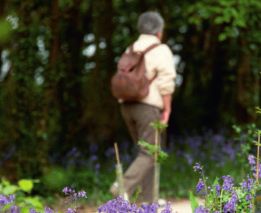
17. Actions we will take include:                     Reducing environmental pressures
     • Working with key stakeholders to consider      19. We need to ensure biodiversity is taken into
       how the nature conservation sector can             account by decision-makers within sectors
       engage the public even more effectively            which have the greatest direct influence
       in future and how government might                 on our biodiversity, and we need to reduce
       support this.                                      direct pressures on our biodiversity. The
                                                          approach will vary from sector to sector,
     • Getting more children learning outdoors,
                                                          covering a variety of uses of land and sea.
       removing barriers and increasing schools’
       abilities to teach outdoors.                   20. We have identified the key sectors we will
     • Establishing a new green areas                     work with and the actions we will take.
       designation, empowering communities                These include:
       to protect local environments that are
                                                           • Agriculture – We will improve the
       important to them.
                                                             delivery of environmental outcomes from
     • Helping people ‘do the right thing’, at               agricultural land management practices,
       home, when shopping, or as volunteers.                whilst increasing food production by, for
       For example, we will provide funding                  example, reviewing how we use advice
       to support the Big Wildlife Garden                    and incentives, and how we use agri-
       scheme and launch a new phase of                      environment schemes.
       the MuckIn4Life campaign, offering
                                                           • Forestry – We will bring a greater
       volunteering opportunities to improve
                                                             proportion of our existing woodlands into
       the quality of life in towns, cities and the
                                                             sustainable management and expand the
       countryside.
                                                             area of woodland in England.
18. We also need to take better account of                 • Planning and Development – Through
    how much nature does for us. Biodiversity                reforms of the planning system, we will
    provides a range of benefits to people,                  take a strategic approach to planning for
    but these are often not taken into account               nature. We will retain the protection and
    in decision-making. This is often because                improvement of the natural environment
    biodiversity benefits are outside the market             as core objectives of the planning system.
    economy, meaning that they are unpriced                  We will pilot biodiversity offsetting, to
    and therefore too easily ignored in financial            assess its potential to deliver planning
    decisions. This strategy therefore draws on
                                                             policy more effectively.
    the Natural Environment White Paper, and
    aims to ensure that the value of biodiversity          • Water Management – We will
    is reflected in decision-making in the public            protect water ecosystems, including
    and private sector. Developing new and                   habitats and species, through a river
    innovative financing mechanisms to direct                basin planning approach. We will also
    more funding towards the achievement of                  promote approaches to flood and erosion
    biodiversity outcomes will be a key part                 management which conserve the natural
    of this.                                                 environment and improve biodiversity.

6
• Marine Management – We will 24. Actions we will take include:
develop 10 Marine Plans which integrate
economic, social and environmental • Investing almost £5 million over the
considerations next three years in England to directly
support national and local organisations,
• Fisheries – We will ensure fisheries and groups that co-ordinate volunteer
management supports wider recording and to contribute to the work of
environmental objectives, including the the National Biodiversity Network.
achievement of Good Environmental
Status under the Marine Strategy • Investing a further £1.2 million to support
Framework Directive. data sharing, creating a new fund for
biodiversity recording in the voluntary
21. We will also tackle the problems of air
sector and, in partnership with volunteer
pollution9 and invasive non-native species.
groups, develop new and innovative
approaches to biodiversity recording.
Improving our knowledge
• Launching three area-based pilot studies
22. A good evidence base is an essential element to trial new strategic approaches to
of delivering the strategy effectively. It will wildlife recording, data sharing and
help us make sure we are doing the right interpretation services to better meet both
thing in the right place, and using our local and national needs, working with
resources effectively, focusing on action local partnerships and local centres of
that will have the most impact. In England expertise.
we are fortunate in having widely available
• Following the NEA, we will support a
information on the status and trends in
biodiversity, with much of that information further phase of ground-breaking research
collected by volunteers – an example of how to identify the mix of future actions most
important the wide biodiversity partnership likely to secure best overall value from our
is to the delivery of this strategy. The UK is ecosystems, for nature and for people. It
also the first country to have undertaken a will also develop practical tools to assist
complete assessment of the benefits that decision-makers.
nature provides, through the innovative NEA.
Monitoring and Reporting
23. However, there remain gaps in our
knowledge. Also, evidence is only helpful 25. We will develop and publish a set of
if it is accessible. So as part of delivering indicators to assess delivery of this ambitious
this strategy we need to improve access to strategy for our biodiversity.
knowledge through sharing of data and clear
communication of evidence – putting power
into the hands of people to act and hold
others to account.
9 Water pollution is covered in the section on water management.
7Chapter 1: Ambition
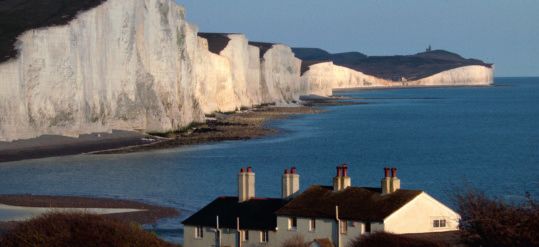
White cliffs of Dover.
1.1 Biodiversity is important for its own sake
and has its own intrinsic value. A number of
ground-breaking studies such as the National
Ecosystems Assessment (NEA) have shown
this value also goes further. It is the building
block of our ‘ecosystems’. These provide us
with a wide range of goods and services that
support our economic and social wellbeing.
These include essentials such as food, fresh
water and clean air, but also less obvious
services such as protection from natural
disasters, regulation of our climate, and
purification of our water or pollination of our
crops. Biodiversity also provides important
cultural services, enriching our lives.
1.2 These goods and services are significant –
for example the NEA demonstrated that
our coastal wetlands can be valued at
providing £1.5 billion annually in benefits
through buffering the effects of storms
and managing flooding. Historically such
values have been taken for granted, but this
cannot continue. This is why Government
is committed to doing more to reflect the
true economic value of biodiversity and its
constituent ecosystems in our decisions Bittern (Botaurus stellaris), photograph by Michael Hammett.
and policies. © Natural England
8Key Messages from the National Ecosystem Assessment (NEA)
The UK is the first country to have undertaken a complete assessment of the benefits which nature
provides; how they have changed over the past; the prospects for the future; and their value to our society.
Some of the key messages of the NEA are set out below:
• The natural world, its biodiversity and its constituent ecosystems are critically important to our
wellbeing and economic prosperity, but are consistently undervalued in conventional economic
analyses and decision-making.
• Ecosystems and ecosystem services, and the ways people benefit from them, have changed
markedly in the past 60 years, driven by changes in society.
• The UK’s ecosystems are currently delivering some services well, but others are still in long-term
decline. 30% of the services we get from UK’s ecosystems are in decline.
• Population growth and climate change are likely to increase pressures on ecosystem services in
future.
• Actions taken and decisions made now will have consequences far into the future for ecosystems,
ecosystem services and human wellbeing. It is important that these are understood, so that we can
make the best possible choices for present and future generations.
• We need to move towards a more integrated, rather than conventional sectoral approach to
ecosystem management.
Although there is much more to learn about how valuable different aspects of biodiversity are to the delivery
of ecosystem services, the NEA concludes that we have both the evidence of the benefits of managing our
ecosystems more sustainably and enough information to start doing so.
1.3 Despite its importance, biodiversity is under agri-environment schemes; the condition of
threat. Although there have been some protected sites had improved; and people
conservation successes in recent years and were spending more time on conservation
there are signs that losses are slowing, overall volunteering. However, despite this positive
the picture in England remains one of decline. action, many of the pressures on wildlife, for
example from pollution, climate change and
1.4 The NEA and the major independent review invasive species, were still increasing or at best
of England’s ecological network Making had not diminished. Although some species,
Space for Nature demonstrated that our such as populations of widespread bats, have
biodiversity and natural infrastructure is shown recovery in recent years, many species,
fragmented. These findings have been such as birds, butterflies and plants, and
supported by Defra’s own biodiversity habitats, particularly in the wider countryside,
indicators for England. The indicators10 show show long term declines. Over 40% of priority
a mixed picture – more had been done to habitats and 30% of priority species11 were
protect wildlife: the area of protected sites in still declining in the most recent analysis12.
England had increased; more land was being Eight priority species were lost entirely from
managed for biodiversity in woodland and the UK between 2002 and 2008.
10 As updated in January 2011
11 References to “priority” species and habitats refers to those species and habitats identified as being of principal importance in England, Section 41 of the
Natural Environment and Rural Communities Act 2006.
12 UK Biodiversity Action Plan highlights report, 2008 reporting round.
91.5 In October 2010, an historic global enhance biodiversity need to be significantly
agreement was reached to take urgent and increased. As part of that agreement,
effective action to halt the alarming global countries are expected to revise their own
declines in biodiversity. This provides a new national strategies and plans for biodiversity
global vision and direction for biodiversity to take account of the new global
policy, in response to the widespread framework.
recognition that efforts to protect and
Strategic Plan for Biodiversity 2011-2020 and the Aichi Biodiversity Targets
At the Nagoya UN Biodiversity Summit in October 2010, 192 countries and the European Union agreed to
an ambitious conservation plan to protect global biodiversity. This new ‘Strategic Plan’ provides a flexible
framework for all 193 Parties to the Convention of Biological Diversity to drive action on biodiversity by
all Parties. It established a new global vision for biodiversity – a world of “living in harmony with nature”
where:
• ‘By 2050, biodiversity is valued, conserved, restored and wisely used, maintaining ecosystem
services, sustaining a healthy planet and delivering benefits essential for all people.’
Parties also agreed a shorter term ambition to:
• ‘Take effective and urgent action to halt the loss of biodiversity in order to ensure that by 2020
ecosystems are resilient and continue to provide essential services, thereby securing the planet‘s variety
of life, and contributing to human wellbeing, and poverty eradication..‘
To deliver this ambition, Parties agreed on a set of strategic goals and targets (the ‘Aichi’ targets) to drive
action on biodiversity. These are set out in Annex B.
European Union Biodiversity
In March 2010, the EU agreed to an EU vision and 2020 mission for biodiversity:
• By 2050, European Union biodiversity and the ecosystem services it provides – its natural capital – are
protected, valued and appropriately restored for biodiversity’s intrinsic value and for their essential
contribution to human wellbeing and economic prosperity, and so that catastrophic changes caused by
the loss of biodiversity are avoided.
• Halt the loss of biodiversity and the degradation of ecosystem services in the EU by 2020, and restore
them insofar as is feasible, while stepping up the EU contribution to averting global biodiversity loss.
The European Commission has adopted a new EU Biodiversity strategy to help meet this goal. The strategy
provides a framework for action over the next decade and covers the following key areas:
1. Conserving and restoring nature
2. Maintaining and enhancing ecosystems and their services
3. Ensuring the sustainability of agriculture, forestry and fisheries
4. Combating invasive alien species
5. Addressing the global biodiversity crisis
101.6 We set out in the Natural Environment and integrated landscape-scale approach
White Paper that the Government wants to conservation. It also includes a range
this to be the first generation to leave the of measures for reconnecting people with
natural environment of England in a better nature and growing a green economy. This
state than it was inherited. Part of this is biodiversity strategy builds on the Natural
moving progressively from a position of net Environment White Paper, sets out how our
biodiversity loss to net gain, by supporting international commitments on biodiversity
healthy, well-functioning ecosystems and translate into action in England and the co-
coherent ecological networks. operation required between government and
partners to realise these.
1.7 The Natural Environment White Paper
was the first step in revising our national 1.8 This is a government strategy. However, it
strategy in line with the commitments made cannot be delivered by government alone.
at Nagoya. It outlines Government’s vision To deliver the step change we want, we need
for the natural environment and the shift continued engagement from the biodiversity
in emphasis from piecemeal conservation partnership, and also a strengthening and
action towards a more effective, innovative further development of what it is able to do.
The Biodiversity Partnership
Our approach to conserving biodiversity in England has long depended on partnership, involving
statutory, voluntary, academic and business sectors, and it is clear that action on biodiversity presents
an excellent example of the Big Society. This wide ‘biodiversity partnership’ is absolutely central to
conservation efforts in England, for example, being instrumental in successes such as recovery of the
otter, bittern and stone curlew.
A huge number of individuals and organisations already make an absolutely vital contribution to
the conservation and enhancement of our biodiversity. Nature conservation charities are engaged in
activities such as managing land, engaging the public and leveraging in resources. Many have led the
way in developing the landscape-scale approach which is central to this strategy.
Farmers and other land managers also play a crucial role in sensitively managing the environment –
over 70% of land in England is farmed. A host of others also contribute in myriad ways, right down to
individuals managing their gardens in a wildlife-friendly way.
1.9 We have developed ambitious yet achievable will require a co-ordinated set of actions –
goals for 2020 and 2050 – intended to many of which will deliver for more than
provide better, more, bigger and joined sites one outcome. For example, action to reduce
for nature, as recommended by the Making pressures on biodiversity may be targeted at
Space for Nature review, to enable us to habitats but be beneficial for priority species.
halt overall biodiversity loss. The outcomes Similarly, improvements in our evidence base
– set out below – also draw on the suite of will support delivery of all four outcomes.
international targets agreed in Nagoya as This is set out further in Chapter 2 which we
part of the Convention on Biological Diversity have grouped in 4 areas for action.
strategic plan for 2011-2020 (see Annex B
for more details). Achieving these outcomes
11Detailed status of priority species in England, 2008 Detailed status of priority habitats, 2008
(n = 390)(includes species in grouped plans)
Unknown/no
Increasing clear trend
Unknown/no 11% 10% Increasing
clear trend Declining 21%
25% (continuing/
accelerating)
10%
Lost (since Fluctuating-
BAP probably
publication) Stable 7%
2% 33%
Lost (per BAP
publication)
Stable
6% 26%
Declining
(slowing)
Declining
26%
(continuing/ Fluctuating- Declining
accelerating) probably (slowing)
8% declining 6%
9%
A Vision for England
By 2050 our land and seas will be rich in wildlife, our biodiversity will be valued, conserved, restored,
managed sustainably and be more resilient and able to adapt to change, providing essential services and
delivering benefits for everyone.
2020 Mission
Our mission is to halt overall biodiversity loss, support healthy well-functioning ecosystems and establish
coherent ecological networks, with more and better places for nature for the benefit of wildlife and people.
Outcome 1 – Habitats and ecosystems on land (including freshwater environments)
By 2020 we will have put in place measures so that biodiversity is maintained and enhanced, further
degradation has been halted and where possible, restoration is underway, helping deliver more resilient and
coherent ecological networks, healthy and well-functioning ecosystems, which deliver multiple benefits for
wildlife and people, including:
• 1A. Better wildlife habitats with 90% of priority habitats in favourable or recovering condition and at
least 50% of SSSIs in favourable condition, while maintaining at least 95% in favourable or recovering
condition;
• 1B. More, bigger and less fragmented areas for wildlife, with no net loss of priority habitat and an
increase in the overall extent of priority habitats by at least 200,000 ha;
• 1C. By 2020, at least 17% of land and inland water, especially areas of particular importance
for biodiversity and ecosystem services, conserved through effective, integrated and joined up
approaches to safeguard biodiversity and ecosystem services including through management of our
existing systems of protected areas and the establishment of nature improvement areas;
• 1D. Restoring at least 15% of degraded ecosystems as a contribution to climate change mitigation
and adaptation.
12Rationale:
Although we have made some progress, biodiversity continues to decline13. The independent review of
England’s wildlife sites and ecological network, Making Space for Nature chaired by Professor Sir John
Lawton, concluded that England’s collection of wildlife areas (both legally protected areas and others) does
not currently represent a coherent and resilient ecological network that would be capable of responding
to the challenges of climate change and other pressures. The review concluded that establishing such a
network would effectively conserve biodiversity and ecosystem services, delivering many benefits to people,
while also making efficient use of scarce land and resources. It recommended that priorities in England
should include better, more, bigger and joined sites for nature. Ecological networks are considered to be an
effective means to conserve ecosystems and wildlife in environments, such as England, that have become
fragmented by human activities. Some work on ecological restoration is already underway14, but we need
to extend this approach much more widely15.
Outcome 2 – Marine habitats, ecosystems and fisheries
By 2020 we will have put in place measures so that biodiversity is maintained, further degradation has
been halted and where possible, restoration is underway, helping deliver good environmental status
and our vision of clean, healthy, safe productive and biologically diverse oceans and seas. This will be
underpinned by the following:
• 2A. By the end of 2016 in excess of 25% of English waters will be contained in a well-managed
Marine Protected Area network that helps deliver ecological coherence by conserving representative
marine habitats;
• 2B. By 2020 we will be managing and harvesting fish sustainably;
• 2C. By 2022 we will have marine plans in place covering the whole of England’s marine area,
ensuring the sustainable development of our seas, integrating economic growth, social need and
ecosystem management.
Rationale:
A more integrated approach is also needed to conserve biodiversity at sea. We have already made some
progress towards our vision of clean, healthy, safe, productive and biologically diverse seas, with recent
improvements in the state of some fish communities in most regions, but climate change will add to the
pressures from human activities and there is a need to ensure resilience of biological communities through
effective conservation measures. There is a need to conserve and where appropriate or feasible restore
our marine habitats, take steps to alleviate pressures on threatened species and ensure that the way we
manage our marine environment is based on an ecosystem approach. This will not only build resilience in
our marine environment, but also contribute to the sustainable use of its resources.
13 Evidence includes UKBAP 2008 reporting round, Defra’s suite of indicators for the previous England Biodiversity Strategy, Natural England’s State of the
Natural Environment report 2008.
14 For example, the Wildlife Trusts’ Living Landscapes, RSPB’s Futurescapes, and the eight Integrated Biodiversity Delivery Area pilots (ref ThinkBIG, England
Biodiversity Group 2011, www.naturalengland.org.uk)
15 Outcomes 1C and 1D also reflect particular Nagoya commitments.
13Outcome 3 – Species By 2020, we will see an overall improvement in the status of our wildlife and will have prevented further human-induced extinctions of known threatened species. Rationale The strategy’s integrated landscape-scale approach to improve ecological networks is the core means to conserve our wildlife. But this approach will not be sufficient to achieve the recovery of all priority species and so, in some cases, it will need to be complemented by specific tailored action. The cirl bunting, freshwater pearl mussel and fen raft spider are all examples of species requiring special help if they are to recover and thrive again in England. Marine species which may require specific action include dolphins, porpoises and whales, sharks, skates and rays (elasmobranchs) and seabirds. Conserving and enhancing biodiversity is not just an issue for wild species. It also applies to cultivated plants and farmed animals as well as to their wild relatives. England is relatively rich in wild relatives of crops, landraces of cereal, vegetable and fruit crops, and traditional orchard trees. There are also over two hundred native breeds of farm animals which are often associated with traditional land management required to conserve important habitats. The great genetic diversity which these provide can make an important contribution to the ecosystem provisioning service of food security by offering genes that are important for future crop or livestock breeding. Outcome 4 – People By 2020, significantly more people will be engaged in biodiversity issues, aware of its value and taking positive action. Rationale: Public understanding and opinion on the value of biodiversity has strong implications for the acceptance and adoption of conservation measures. Many people in England are already very supportive of conservation efforts and make an important contribution through a variety of activities, for example, through management of their land, environmental volunteering or simple activities such as feeding birds in the garden. We need to build on this so that society better understands and more strongly supports the need for a step change in our conservation efforts, and more people choose to play a positive part. For this reason, earlier in 2011 the United Nations General Assembly declared the period 2011-2020 to be “the United Nations Decade on Biodiversity”. People value the natural world in many different ways and for different reasons. These include valuing it for its own sake (sometimes called its ‘intrinsic’ or ‘existence’ value), because it makes our streets and gardens more attractive, or because people enjoy experiencing nature-rich green places for recreation, whether a walk in a park or in relatively wild places such as National Parks. Others enjoy bird watching, or activities such as angling or wildfowling. Evidence supports what many people feel 14
instinctively – that regular opportunities to experience natural environments have quantifiable positive
 impacts on our mental and physical health16. A host of other ecosystem services are also becoming
 better understood. All can motivate people to take or support positive action for biodiversity.
 The level of direct contact with nature is a factor in influencing attitudes towards it17 suggesting
 that the more we can stimulate interest in and access to nature, the more people will be willing to
 contribute to its protection and enhancement. We also need to build a greater understanding of
 indirect effects, such as biodiversity loss overseas resulting from imported goods and services, so that
 people and business are more aware and actively engaged to reduce this impact.
 Although biodiversity provides a range of benefits to people, these are often outside the market
 economy, meaning that they are unpriced and therefore too easily ignored in financial decisions18.
 We need to better take account of the values of biodiversity in decision-making. There is potential to
 expand and establish new markets and financing approaches for nature’s services.

North Wessex Downs AONB (Area of Outstanding Natural Beauty).                  Rural countryside – people looking out at the views from Box Hill.
© Crown Copyright                                                              © Crown Copyright

16 For example, the National Ecosystem Assessment and the Marmot review, Fair Society, Healthy Lives (2010), cover the positive impact that nature and
   green space have on mental and physical health.
17 Attitudes and Behaviours towards the Natural Environment among the general public in the UK: A Review of Existing Evidence, COI report for
   Defra (2008)
18 National Ecosystem Assessment

                                                                                                                                                         15
Climate Change including as a result of ocean acidification
due to rising CO2 levels. The indirect effects
1.10 To date, climate change has had a relatively of climate change, including adaptation
small impact on the UK’s biodiversity and action by other sectors that are key to land
ecosystems, though it has, for example, and water management, could have a
affected species ranges, population sizes, significant impact in the short term and may
timing of biological events such as flowering, bring positive or negative consequences for
and increased sea levels. However, further biodiversity and the delivery of ecosystem
climate change is unavoidable because of services.
previous emissions and both the direct and
indirect impacts are expected to become a 1.12 We do know that managing our biodiversity
more significant and increasing pressure over is important to both ‘mitigation’ (addressing
the coming decades. the causes of climate change by removing
greenhouse gases from the atmosphere)
1.11 This strategy therefore has to be set in the and ‘adaptation’ (helping to reduce the
context of a possible 2-4°C increase in impacts of climate change). All of this poses
mean summer temperatures in the longer a challenge to the way we try to conserve
term19, milder winters, changes in rainfall biodiversity and this strategy is designed to
distribution and seasonality, more extremes help increase resilience to climate change
of weather and sea level rise20. The effects of and other pressures. As we implement the
these changes on biodiversity are uncertain strategy over the next ten years, we will keep
and may occur as sudden and unexpected under active review our response to, and our
step changes. However, we do know that in increasing understanding of, the implications
the longer term, over a fifth (22%) of priority of climate change.
habitats are at high risk of direct impacts21,
including montane habitats, grazing marsh,
saltmarsh and lakes. Marine ecosystems are
likely to be particularly seriously affected,
Roadside verge, with rich flora, County: Herefordshire,
Walkers enjoying a Cornish valley at spring time.© Crown Copyright
Photographer: Peter Wakely
19 UK Climate Predictions (UKCP09): central estimate for change in mean summer temperature in south east England in the 2080s under a medium
emissions scenario is 3.9C, but could be between 2.0C (10% probability i.e. highly unlikely to be less than) and 6.5C (90% probability i.e. highly unlikely
to be more than).
20 UKCP09
21 Mitchell, et al, England Biodiversity Strategy – towards adaptation to climate change, final report to Defra for contract CR0327, (2007)
16Chapter 2: Priorities for action – the strategy
to 2020
2.1 Government will play a leading role in A more integrated large-scale approach
delivering the vision, mission and intended to conservation on land and at sea
outcomes. We have developed four priority
areas for action by Government, its agencies, 2.4 In order to halt overall biodiversity loss,
the wider biodiversity partnership and support healthy well-functioning ecosystems
others to achieve our ambitions, including and establish coherent ecological networks,
addressing the pressures outlined in the with more and better places for nature for
last chapter: the benefit of wildlife and people, we need
to establish more coherent and resilient
• a more integrated large-scale approach to ecological networks on land and at sea.
conservation on land and at sea22 Targeted action is also needed in respect of
• putting people at the heart of biodiversity some priority species whose conservation is
policy23 not delivered through these wider habitat
and ecosystem measures, and also to
• reducing environmental pressures24 conserve agricultural genetic diversity in
• improving our knowledge25 cultivated plants, farmed animals and
wild relatives.
2.2 These four priority areas are based on the
five strategic goals of the Convention on
Biological Diversity (CBD) Strategic Plan
2011-2020, but re-cast and re-ordered to
better fit the priorities here in England. Our
approach will be informed by the list of
priority species and habitats in England26.
Much of the action proposed will contribute
to more than one of the outcomes outlined
in the previous chapter.
2.3 The strategy will be taken forward in a way
which is compatible with Government’s other
priorities. We do not intend to introduce
unnecessary burdens or regulations; rather
our aim is for the outcomes and priorities
to be used as a focus and driver for action
by partners under this strategy. We want to
inspire action at all levels by all partners.
Arrowhead/industry, Site of Special Scientific Interest: Huddersfield Narrow
Canal, County: West Yorkshire, Photographer: Peter Wakely
22 Broadly reflects CBD Strategic Plan strategic goals C (improve the status of biodiversity by safeguarding ecosystems, species and genetic diversity) and D
(enhance the benefits to all from biodiversity and ecosystem services)
23 Broadly reflects CBD Strategic Plan strategic goal A (address the underlying causes of biodiversity loss by mainstreaming biodiversity across government
and society)
24 Broadly reflects CBD Strategic Plan strategic goal B (reducing the direct pressures on biodiversity and promote sustainable use)
25 Broadly reflects CBD Strategic Plan strategic goal E (enhance implementation through participatory planning, knowledge management and
capacity building)
26 Species and habitats identified as being of principal importance in England, Section 41 of the Natural Environment and Rural Communities Act 2006.
17What is a ‘coherent and resilient ecological network’? (this is explained in a land, rather than marine, context drawn from Making Space for Nature) What we mean by an ecological network Much of England’s wildlife is now restricted to wildlife sites, which consist largely of semi-natural habitats. However, surviving in small, isolated sites is difficult for many species, especially in the longer term and given climate change. We want a large number of high quality sites which contain the range and area of habitats that species require. We also want ecological connections that allow species, or their genes, to move between these sites. For many species, habitat does not have to be a continuous, physical connection for them to disperse. An ecological network is this network of high quality sites, protected by buffer zones, and connected by wildlife corridors and smaller, but still wildlife-rich, “stepping-stone” sites. The ecological networks for different species work at varying scales: some species need a large area, others a much smaller area. An ecological network for England therefore consists of a range of networks. What we mean by coherent and resilient A coherent ecological network is one that has all the elements necessary to achieve its overall objectives; the components are complementary and mutually reinforcing so that the value of the whole network is greater than the sum of its parts. A resilient ecological network is one that can absorb, resist or recover from disturbances and damage caused by natural influences and human activities (including climate change), while continuing to meet its overall objectives of supporting biodiversity and providing ecosystem services. Components of an ecological network Ecological networks generally have five components. • Core areas of high nature conservation value which contain rare or important habitats or ecosystem services. They include protected wildlife sites and other semi-natural areas of high ecological quality. • Corridors and ‘stepping stones’ enabling species to move between core areas. These can be made up of a number of small sites acting as ‘stepping stones’ or a mosaic of habitats that allows species to move and supports ecosystem functions. • Restoration areas, where strategies are put in place to create high value areas (the ‘core areas’ of the future), restoring ecological functions and wildlife. • Buffer zones, that protect core areas, restoration areas, and ‘stepping stones’ from adverse impacts in the wider environment. • Sustainable use areas, areas of surrounding land that are managed in a sustainable and wildlife friendly way. 18
Priority action: Establish more coherent and                                          • Bigger: we will increase the size of
resilient ecological networks on land that                                              remaining areas of priority habitat where
safeguard ecosystem services for the benefit of                                         appropriate
wildlife and people
                                                                                      • More: we will create new areas of priority
2.5 The Making Space for Nature review                                                  habitat where appropriate
    summarised what needs to be done to
    establish a more coherent and resilient                                           • Joined: we will enhance ecological
    network in 4 words, which describe our                                              connections between, or join up, existing
    ambitions under this priority: better, bigger,                                      areas of priority habitat, increasing
    more and joined.                                                                    opportunity for wildlife to move around
                                                                                        the landscape by making use of ‘stepping
        • Better: we will improve the quality                                           stones’, ‘corridors’ and other features
          of priority habitat both within and                                    2.6 To achieve this, we will take and encourage
          outside protected sites, including                                         a more spatially-based approach, focussed
          where appropriate, by improving the                                        on places, and landscape-scale action.
          heterogeneity and structural diversity of                                  Approaches aimed at establishing ecological
          habitats which in turn will provide suitable                               networks should join up with other activities
          niches for a wider range of species and                                    and achieve multiple benefits for biodiversity
          enhance resilience to climate and other                                    and people where possible.
          environmental change. The Making Space
          for Nature review concluded that the                                        • We will learn from the experience of
          first priority is to protect and enhance                                      organisations and partnerships that
          the quality of existing priority habitat. It                                  have already adopted a landscape-scale
          is much harder, more expensive and not                                        approach to ecological restoration, such
          always possible to re-create habitat than it                                  as the Wildlife Trusts’ Living Landscapes,
          is to look after what we currently have.                                      RSPB’s Futurescapes, and the eight
                                                                                        Integrated Biodiversity Delivery Area
                                                                                        pilots27. National Parks and AONBs
                                                                                        have potential to be exemplars of good
                                                                                        practice. We will encourage adoption of
                                                                                        integrated, landscape-scale approaches.
                                                                                        This approach will also help achieve
                                                                                        multiple outcomes, including conserving
                                                                                        geodiversity and enhancing landscapes in
                                                                                        our towns and countryside.
                                                                                      • We will enable partnerships of local
                                                                                        authorities, local communities and
                                                                                        land managers, the private sector and
                                                                                        conservation organisations to establish
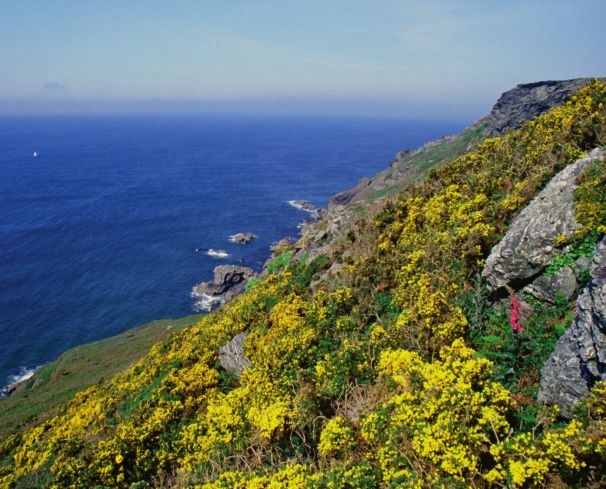
Bolt Tail, Bolberry Down – gorse, Site of Special Scientific Interest: Slapton
Ley, National Nature Reserve: Slapton Ley, County: Devon, Photographer:                 new Nature Improvement Areas
Peter Wakely                                                                            (NIAs), based on a local assessment of
                                                                                        opportunities for restoring and connecting

27 ThinkBIG, England Biodiversity Group (2011), www.naturalengland.org.uk

                                                                                                                                 19
nature on a significant scale. We want future priorities for the enhancement of
to see Nature Improvement Areas these green corridors.
wherever the opportunities or benefits • To aid an integrated approach, the
are greatest, driven by the knowledge Government’s environmental bodies are
and vision of local partnerships. Working reforming the way they work together, so
within the framework of the National their decisions can better reflect the full
Policy Statements and the Government’s range of environmental objectives, and so
planning reforms, local authorities will they can provide more coherent advice on
be able to use local planning to support the natural environment to local partners.
Nature Improvement Areas, including
identifying them in their local plans Priority action: Establish and effectively
where they choose, while not deterring manage an ecologically coherent network
sustainable development. of marine protected areas which covers in
excess of 25% of English waters by the end
• We are funding a competition to support
of 2016, and which contributes to the UK’s
the creation of Nature Improvement
achievement of Good Environmental Status
Areas in twelve initial areas, providing
under the Marine Strategy Framework
£7.5 million in the period 2011 to 2015.
Directive
Lessons learnt will help us extend this
approach. • A key element of our approach will be
the establishment of a well-managed,
• Natural England and other partners will
ecologically coherent network of Marine
ensure that management of SSSIs and
Protected Areas (MPAs). The Marine
other habitats takes better account of the
Strategy Framework Directive recognises the
requirements of a wider range of species.
important role that Marine Protected Areas
Natural England will consider the impact
will play in helping to protect biodiversity
of climate change and other long-term
and requires Member States to put in place
processes on the existing SSSI network
spatial protection measures contributing to
through its Notification Strategy, which
coherent and representative networks of
will also identify gaps in the present
Marine Protected Areas.
coverage of priority habitats and species
within the SSSI series. • By the end of 2016 in excess of 25% of
English waters will be contained in a well-
• We will encourage local authorities to
managed Marine Protected Area network.
take a more active and positive role in
This will help with the delivery of ecological
the management of Local Sites, including
coherence, help conserve and protect
through reporting data on such sites in
rare and threatened species and habitats,
the Government’s new Single Data List.
and ensure valuable marine ecosystems
• We will work with transport agencies and are resilient to future change, including
key delivery partners to create coherent climate change. It will contribute to a
and resilient ecological networks in UK and international network. The new
the natural areas at the edges of our marine planning system created under the
strategic roads and railways, which Marine and Coastal Access Act 2009 is
cover approximately 60,000 hectares. explained more fully in the section on marine
The Government will host a forum with management.
environmental stakeholders to inform
20Priority action: Take targeted action for • For elasmobranch (shark, skate and
the recovery of priority species, whose ray) species, our shark, skate and ray
conservation is not delivered through wider conservation plan clearly lays out how we
habitat-based and ecosystem measures will work to secure our overarching aim of
• We, through Natural England, will agree a managing elasmobranch stocks sustainably
prioritised programme with our partners, so that depleted stocks recover and that
allocating responsibilities for recovery action those faring better are fished sustainably.
for the species. Greatest priority will be given
Priority action: Ensure that ‘agricultural’
to species at most risk of extinction, and
genetic diversity is conserved and enhanced
those for which England has a particular wherever appropriate
international responsibility, for example,
species that are endemic or which are • We will raise awareness of existing genetic
threatened at European or global scales. We diversity within cultivated plants, farmed
will work with a range of public bodies and animals and their wild relatives, and its
authorities to encourage community action, importance for food security and renewable
including by supporting communities in supplies of plant materials.
‘adopting’ locally-relevant species. • We will encourage responsible management
• We will ensure that relevant species are given and conservation of our genetic diversity
sufficient protection, for example, through resource by relevant stakeholders.
the quinquennial review of schedules 5 and • We will incorporate the sustainable
8 of the Wildlife and Countryside Act 1981, maintenance of genetic diversity into key
and also in the marine environment, for relevant policies and programmes, including
example, tackling bycatch through fisheries incentive measures, protective arrangements
measures. and integrated ecosystem landscape-scale
• We will reduce wildlife crime by working approaches.
through the Partnership for Action Against • We will update the UK’s inventory of farm
Wildlife Crime (PAW) and by contributing to animal genetic resources, establishing as
funding for the National Wildlife Crime Unit far as possible efficient identification and
for a further two years, from 1 April 2011. monitoring systems for genetic diversity and
We have confirmed new UK wildlife crime maintaining existing ex situ collections (such
priorities for them to target over this period. as the National Fruit Collection at Brogdale
• We will strive to ensure that cetacean and the Pea Collection at the John Innes
bycatch is reduced to the lowest level Centre at Norwich).
possible, and is always below the 1.7% best
population estimate that indicates that it is
Putting people at the heart of
not adversely affecting populations. biodiversity policy
• On the principal threat of bycatch we have Priority action: Work with the biodiversity
worked, and will continue to work, with partnership to engage significantly more
the fishing industry to develop an effective people in biodiversity issues, increase
and safe acoustic deterrent, as this has awareness of the value of biodiversity and
been identified as the most effective way of increase the number of people taking
mitigating bycatch in our fisheries. positive action
212.7 People are at the heart of this biodiversity • Improving public health locally, by making
strategy and involving the wider public is high quality green space available to
an important consideration across many of everyone;
the conservation actions set out under the
• Action to get more children learning
strategy, not just those with the primary
outdoors, removing barriers and
aim of public engagement. Civil society
organisations play a critical front line role increasing schools’ abilities to teach
directly engaging and enthusing the public outdoors. The Natural Connections
about biodiversity and the wider natural initiative provides an example of Natural
environment such as geodiversity, and this England and the nature conservation
priority is a call for renewed and expanded sector coming together to try to become
action. Government will contribute primarily more effective in engaging schools
by helping facilitate the sector in this role through a collaborative approach;
and creating the conditions whereby people • A new green areas designation,
are empowered to make a difference. empowering communities to protect local
environments that are important to them;
• We will establish a working group involving
key stakeholders as part of the strategy’s • Help for everyone to ‘do the right thing’,
governance structure, tasked with a remit to at home, when shopping, as volunteers.
consider how the sector can address this key For example, we will provide funding
action more effectively in future and how to support the Big Wildlife Garden
government might provide support. This scheme and launch a new phase of
work will inform the strategy’s delivery plan. the MuckIn4Life campaign, offering
Through the working group, we will build volunteering opportunities to improve
a partnership approach to addressing this the quality of life in towns, cities and the
challenge whilst also coming up with more countryside;
detailed action on particular key issues. • Help for public bodies to fulfil their duty
In addition to better engaging society in under the Natural Environment and Rural
general, we envisage the working group will Communities Act 2006 to take account
need to consider engagement with priority of biodiversity, by developing tools
groups and sectors, such as those identified and guidance for them to use, and by
in the section on reducing environmental raising the profile of this duty with Parish
pressures, which have particular influence Councils.
over biodiversity. It will also need to consider
issues such as opportunities for synergies Priority action: Promote taking better account
and greater collaboration by the partnership, of the values of biodiversity in public and
and also how greater community private sector decision-making, including
engagement can be supported. by providing tools to help consider a wider
range of ecosystem services
2.8 Government’s wider decentralisation and
localism agenda will assist by empowering 2.9 In February 2011, we published our
local communities to have more influence new strategy Mainstreaming sustainable
over local decisions which affect them. The development – The Government’s vision
Natural Environment White Paper sets out a and what this means in practice. This
range of relevant key reforms, including: set out our approach for mainstreaming
sustainable development which seeks to
22You can also read


