Bundaberg-Fraser Coast - Tourism Opportunity Plan - Ecotourism Australia
←
→
Page content transcription
If your browser does not render page correctly, please read the page content below
Bundaberg-Fraser Coast
Tourism Opportunity Plan

2 0 0 9 – 2 0 1 9
DISCLAIMER – STATE GOVERNMENT                                              DISCLAIMER – THESTAFFORDGROUP

The Queensland Government makes no claim as to the accuracy of the         Any representation, statement, opinion or advice, expressed or implied in
information contained in the Bundaberg-Fraser Coast Tourism                this document is made in good faith but on the basis that TheStaffordGroup
Opportunity Plan. The document is not a prospectus and the information     is not liable (whether by reason of negligence, lack of care or otherwise)
provided is general in nature. The document should not be relied upon as   to any person for any damage or loss whatsoever which has occurred or
the basis for financial and investment related decisions. This document    may occur in relation to that person taking or not taking (as the case may
does not suggest or imply that the Queensland State Government or any      be) action in respect of any representation, statement or advice referred
other government, agency, organisation or person should be responsible     to in this document.
for funding any projects or initiatives identified in this document.
Contents

      Acronyms . . . . . . . . . . . . . . . . . . . . . . . . . . . . . . . . . . . . . . . . . . . . . . . . . . . . . . . . . . . . . . . . . . . . . . . . . . . . . . . . . . . . . . . . . . . . . 1
      Executive summary  . . . . . . . . . . . . . . . . . . . . . . . . . . . . . . . . . . . . . . . . . . . . . . . . . . . . . . . . . . . . . . . . . . . . . . . . . . . . . . . . . . . . . 2

      1      Context .  .  .  .  .  .  .  .  .  .  .  .  .  .  .  .  .  .  .  .  .  .  .  .  .  .  .  .  .  .  .  .  .  .  .  .  .  .  .  .  .  .  .  .  .  .  .  .  .  .  .  .  .  .  .  .  .  .  .  .  .  .  .  .  .  .  .  .  .  .  .  .  .  .  .  .  .  .  .  .  .  .  .  .  .  .  .  .  .  . 6
             1.1 	The Bundaberg and Fraser Coast Regions . . . . . . . . . . . . . . . . . . . . . . . . . . . . . . . . . . . . . . . . . . . . . . . . . . . . . . . . . . . . . 6
             1.2 The Development and Promotion of the Regions . . . . . . . . . . . . . . . . . . . . . . . . . . . . . . . . . . . . . . . . . . . . . . . . . . . . . . . . 8

      2      Methodology  .  .  .  .  .  .  .  .  .  .  .  .  .  .  .  .  .  .  .  .  .  .  .  .  .  .  .  .  .  .  .  .  .  .  .  .  .  .  .  .  .  .  .  .  .  .  .  .  .  .  .  .  .  .  .  .  .  .  .  .  .  .  .  .  .  .  .  .  .  .  .  .  .  .  .  .  .  .  .  .  .  .  .  . 10
             2.1 Steps taken to compile this TOP  . . . . . . . . . . . . . . . . . . . . . . . . . . . . . . . . . . . . . . . . . . . . . . . . . . . . . . . . . . . . . . . . . . . 10
             2.2 Data sources and limitations . . . . . . . . . . . . . . . . . . . . . . . . . . . . . . . . . . . . . . . . . . . . . . . . . . . . . . . . . . . . . . . . . . . . . . . 10

                                                                                                                                                                                                                                                                                                            		 Contents
      3      A Vision for the Bundaberg and Fraser Coast Regions . .  .  .  .  .  .  .  .  .  .  .  .  .  .  .  .  .  .  .  .  .  .  .  .  .  .  .  .  .  .  .  .  .  .  .  .  .  .  .  .  .  .  .  .  .  .  .  .  . 11
             3.1 A Vision for the Bundaberg Region . . . . . . . . . . . . . . . . . . . . . . . . . . . . . . . . . . . . . . . . . . . . . . . . . . . . . . . . . . . . . . . . . . 11
             3.2 A Vision for the Fraser Coast Region . . . . . . . . . . . . . . . . . . . . . . . . . . . . . . . . . . . . . . . . . . . . . . . . . . . . . . . . . . . . . . . . 12
             3.3 Regional Uniqueness . . . . . . . . . . . . . . . . . . . . . . . . . . . . . . . . . . . . . . . . . . . . . . . . . . . . . . . . . . . . . . . . . . . . . . . . . . . . 13

      4      SWOT analysis .  .  .  .  .  .  .  .  .  .  .  .  .  .  .  .  .  .  .  .  .  .  .  .  .  .  .  .  .  .  .  .  .  .  .  .  .  .  .  .  .  .  .  .  .  .  .  .  .  .  .  .  .  .  .  .  .  .  .  .  .  .  .  .  .  .  .  .  .  .  .  .  .  .  .  .  .  .  .  .  .  .  . 14

      5      Tourism and support infrastructure opportunities .  .  .  .  .  .  .  .  .  .  .  .  .  .  .  .  .  .  .  .  .  .  .  .  .  .  .  .  .  .  .  .  .  .  .  .  .  .  .  .  .  .  .  .  .  .  .  .  .  .  .  .  .  . 16
             5.1 The Tourism Catalyst Projects  . . . . . . . . . . . . . . . . . . . . . . . . . . . . . . . . . . . . . . . . . . . . . . . . . . . . . . . . . . . . . . . . . . . . .                                                                                                    16
                 Bundaberg
                 5.1.1 Riverside Tourism Precinct  . . . . . . . . . . . . . . . . . . . . . . . . . . . . . . . . . . . . . . . . . . . . . . . . . . . . . . . . . . . . . . . . .                                                                                                         16
                 5.1.2 CBD Hotel and Conference Centre . . . . . . . . . . . . . . . . . . . . . . . . . . . . . . . . . . . . . . . . . . . . . . . . . . . . . . . . . . .                                                                                                                 17
                 5.1.3 Port Marina Precinct and Air and Sea Services . . . . . . . . . . . . . . . . . . . . . . . . . . . . . . . . . . . . . . . . . . . . . . . . . .                                                                                                                     17
                 5.1.4 Regional Turtle and Marine Centre . . . . . . . . . . . . . . . . . . . . . . . . . . . . . . . . . . . . . . . . . . . . . . . . . . . . . . . . . . . .                                                                                                             18
                 5.1.5 Hinterland Touring Route . . . . . . . . . . . . . . . . . . . . . . . . . . . . . . . . . . . . . . . . . . . . . . . . . . . . . . . . . . . . . . . . . . .                                                                                                        18
                 5.1.6 Culinary Tourism Experience  . . . . . . . . . . . . . . . . . . . . . . . . . . . . . . . . . . . . . . . . . . . . . . . . . . . . . . . . . . . . . . . .                                                                                                          19
                 5.1.7 Bundaberg – Fraser Coast Coastal Wilderness Link  . . . . . . . . . . . . . . . . . . . . . . . . . . . . . . . . . . . . . . . . . . . . . .                                                                                                                         20
                 Fraser Coast
                 5.1.8 Fraser Island Visitor Sites and Infrastructure Upgrades  . . . . . . . . . . . . . . . . . . . . . . . . . . . . . . . . . . . . . . . . . . . .                                                                                                                      21
                 5.1.9 Fraser Island Boutique Eco-lodge  . . . . . . . . . . . . . . . . . . . . . . . . . . . . . . . . . . . . . . . . . . . . . . . . . . . . . . . . . . . .                                                                                                             21
                 5.1.10 Fraser Island Indigenous Tourism Experiences . . . . . . . . . . . . . . . . . . . . . . . . . . . . . . . . . . . . . . . . . . . . . . . . . . .                                                                                                                   22
                 5.1.11 Hervey Bay Marina Re-Development and World Heritage Biodiversity Interpretive Centre  . . . . . . . . . . . . . . . . . .                                                                                                                                            22
                 5.1.12 Hervey Bay Food and Beverage Attraction  . . . . . . . . . . . . . . . . . . . . . . . . . . . . . . . . . . . . . . . . . . . . . . . . . . . . .                                                                                                                   23
                 5.1.13 Maryborough Historic Precinct and Cultural Walk  . . . . . . . . . . . . . . . . . . . . . . . . . . . . . . . . . . . . . . . . . . . . . . . .                                                                                                                     23
                 5.1.14 Fraser Coast Convention and Entertainment Centre  . . . . . . . . . . . . . . . . . . . . . . . . . . . . . . . . . . . . . . . . . . . . . .                                                                                                                        24
             5.2 The Infrastructure Catalyst Projects  . . . . . . . . . . . . . . . . . . . . . . . . . . . . . . . . . . . . . . . . . . . . . . . . . . . . . . . . . . . . . . . . .                                                                                                     24
                 5.2.1 Hervey Bay Coastal Light Rail  . . . . . . . . . . . . . . . . . . . . . . . . . . . . . . . . . . . . . . . . . . . . . . . . . . . . . . . . . . . . . . .                                                                                                          24
                 5.2.2 Bruce Highway Upgrade . . . . . . . . . . . . . . . . . . . . . . . . . . . . . . . . . . . . . . . . . . . . . . . . . . . . . . . . . . . . . . . . . . .                                                                                                           25
                 5.2.3 Bundaberg Airport Re-Development  . . . . . . . . . . . . . . . . . . . . . . . . . . . . . . . . . . . . . . . . . . . . . . . . . . . . . . . . . .                                                                                                                 25
                 5.2.4 Bundaberg and Fraser Coast Regional Road Network and Signage  . . . . . . . . . . . . . . . . . . . . . . . . . . . . . . . . . .                                                                                                                                     25

iii                            Bundaberg-Fraser Coast Tourism Opportunity Plan 2009-2019                                                                                                                                                                                                              iii
5.3 Additional Infrastructure and Investment Projects . . . . . . . . . . . . . . . . . . . . . . . . . . . . . . . . . . . . . . . . . . . . . . . . . . . . . . .                                                                                                    26
                           5.3.1 Appraisal of Potable Water Supply for the Regions . . . . . . . . . . . . . . . . . . . . . . . . . . . . . . . . . . . . . . . . . . . . . . .                                                                                                              26
                           5.3.2 Improving Electricity Supply to the Regions . . . . . . . . . . . . . . . . . . . . . . . . . . . . . . . . . . . . . . . . . . . . . . . . . . . . .                                                                                                        27
                           5.3.3 Improving the Supply of Telecommunications Services  . . . . . . . . . . . . . . . . . . . . . . . . . . . . . . . . . . . . . . . . . . . .                                                                                                                 27
                           5.3.4 Introducing Effective Waste Management Systems . . . . . . . . . . . . . . . . . . . . . . . . . . . . . . . . . . . . . . . . . . . . . . .                                                                                                                 27
                           5.3.5 Rail Infrastructure for the Regions  . . . . . . . . . . . . . . . . . . . . . . . . . . . . . . . . . . . . . . . . . . . . . . . . . . . . . . . . . . . .                                                                                                 28
                           5.3.6 Boating Marinas for the Region . . . . . . . . . . . . . . . . . . . . . . . . . . . . . . . . . . . . . . . . . . . . . . . . . . . . . . . . . . . . . .                                                                                                   28
                           5.3.7 Airport Infrastructure for the Regions . . . . . . . . . . . . . . . . . . . . . . . . . . . . . . . . . . . . . . . . . . . . . . . . . . . . . . . . . .                                                                                                   28
                           5.3.8 Secure Skilled and Semi-Skilled Staff . . . . . . . . . . . . . . . . . . . . . . . . . . . . . . . . . . . . . . . . . . . . . . . . . . . . . . . . .                                                                                                      29
Contents

                                                                                                                                                                                                                                                                                                       		 Contents
                           5.3.9 Land Use Planning  . . . . . . . . . . . . . . . . . . . . . . . . . . . . . . . . . . . . . . . . . . . . . . . . . . . . . . . . . . . . . . . . . . . . . . .                                                                                             29
                           5.3.10 Expand the Number of and Upgrade Accommodation Facilities Catering
                                   to Leisure and Business Visitor Markets  . . . . . . . . . . . . . . . . . . . . . . . . . . . . . . . . . . . . . . . . . . . . . . . . . . . . . . .                                                                                                     30

                6      Implementation  .  .  .  .  .  .  .  .  .  .  .  .  .  .  .  .  .  .  .  .  .  .  .  .  .  .  .  .  .  .  .  .  .  .  .  .  .  .  .  .  .  .  .  .  .  .  .  .  .  .  .  .  .  .  .  .  .  .  .  .  .  .  .  .  .  .  .  .  .  .  .  .  .  .  .  .  .  .  .  .  .  . 33

                7      Appendices . .  .  .  .  .  .  .  .  .  .  .  .  .  .  .  .  .  .  .  .  .  .  .  .  .  .  .  .  .  .  .  .  .  .  .  .  .  .  .  .  .  .  .  .  .  .  .  .  .  .  .  .  .  .  .  .  .  .  .  .  .  .  .  .  .  .  .  .  .  .  .  .  .  .  .  .  .  .  .  .  .  .  .  .  . 34
                       Appendix 1: Bundaberg Tourism and Support Infrastructure Projects . . . . . . . . . . . . . . . . . . . . . . . . . . . . . . . . . . . . . . . . . . . 34
                       Appendix 2: Fraser Coast Tourism and Support Infrastructure Projects  . . . . . . . . . . . . . . . . . . . . . . . . . . . . . . . . . . . . . . . . . 46
                       Appendix 3: Increase in the number of rooms for the Bundaberg Region . . . . . . . . . . . . . . . . . . . . . . . . . . . . . . . . . . . . . . . . 57
                       Appendix 4: Increase in the Number of rooms for the Fraser Coast Region  . . . . . . . . . . . . . . . . . . . . . . . . . . . . . . . . . . . . . . 58
                       Appendix 5: Stakeholder Consultation  . . . . . . . . . . . . . . . . . . . . . . . . . . . . . . . . . . . . . . . . . . . . . . . . . . . . . . . . . . . . . . . . . . 59

                Bibliography . . . . . . . . . . . . . . . . . . . . . . . . . . . . . . . . . . . . . . . . . . . . . . . . . . . . . . . . . . . . . . . . . . . . . . . . . . . . . . . . . . . . . . . . . . 62

           iv   Bundaberg-Fraser Coast Tourism Opportunity Plan 2009-2019
Head
Acronyms

BRC		     Bundaberg Regional Council
BNBT		    Bundaberg North Burnett Tourism
DEEDI		   Department of Employment, Economic Development and Innovation
DERM		    Department of Environment and Resource Management
DMO 		    Destination Management Officer
DMP		     Destination Management Plan
FCRC		    Fraser Coast Regional Council

                                                                              Acronyms
FCSBT		   Fraser Coast South Burnett Tourism
GRP		     Gross Regional Product
IVS		     International Visitor Survey
LGA 		    Local Government Area
NBRC		    North Burnett Regional Council
NVS		     National Visitor Survey
QPWS		    Queensland Parks and Wildlife Service
QTIC		    Queensland Tourism Industry Council
RTO		     Regional Tourism Organisation
SEQ		     South East Queensland
SEQC		    South East Queensland Country
TOP		     Tourism Opportunity Plan
TQ		      Tourism Queensland
WBB		     Wide Bay Burnett

                                                                          1
Head
Executive summary
This Tourism Opportunity Plan opportunities for this island, but it is noted collaboration for
investment and infrastructure (as opposed to marketing2) with
The purpose of this Tourism Opportunity Plan (TOP) is to provide the Gladstone region will be required.
strong direction and associated actions to drive the sustainable
development of tourism in the Bundaberg and Fraser Coast By 2019, it is considered that:
Executive summary
regions out to 2019.
The Bundaberg tourism region has the potential to become
Among other things, the TOP aims to: a significant destination for intrastate and interstate visitor
markets (leisure and business), as well as growing the
Identify new tourism product that meets future visitor international sector; and
expectations and demand;
The Fraser Coast tourism region has the potential to
Identify infrastructure requirements to support the ongoing become a significant destination for intrastate, interstate and
sustainable development of tourism in the region; and international (primarily leisure and VFR) visitor markets.
Provide a focal document for the development of tourism in During the consultation process stakeholders identified the
the region.
following key value statement being a vision for the entire area
In November 2006, the Queensland Government delivered the in the future. “An eco-adventure destination for visitors
Queensland Tourism Strategy, a 10-year vision for sustainable focussed on marine and nature-based tourism product”.3
tourism. To achieve its vision, Tourism Queensland (TQ) and the
Queensland Tourism Industry Council (QTIC) in partnership with To achieve this outcome and for the regions to become
DEEDI1 developed six key themes. Under theme 2 ‘Investment, significant destinations for visitor markets and remain
infrastructure and access’ Tourism Queensland, in partnership competitive, it will be necessary for:
with Regional Tourism Organisations (RTOs) was responsible for
Both regions to identify and develop a sense of uniqueness.
preparing Regional Tourism Investment and Infrastructure Plans Hervey Bay especially requires its built environment to be
(RTIIPS) for each tourism region across Queensland. The TOP is upgraded and enhanced to match the quality of its natural
the new name for the RTIIP, a title that is considered to better environment and where appropriate redeveloped in a form
represent the content and intent of the document. However, that differentiates it from other coastal areas in SEQ.
apart from the name change, the remainder of the document is Bundaberg must address its shortage of accommodation in
as was developed in partnership with regional stakeholders over order that existing tourism product can be appreciated by
an 18 month period. more visitors staying longer and spending more;
This TOP has been prepared after conducting consultation with: Investment in new and enhanced infrastructure (especially
transport and new tourism activities) to take place; and
local government; government agencies; industry operators;
developers and investors. Over 80 people were consulted. For Effort will need to be paid to ensuring there is an appropriate
the purposes of this plan, the area known as “South Burnett” was mix of product, especially built attractions and activities
not included as it is going to be covered under a South East available for the visitor markets the destinations seek to
attract and to offer more mainland all weather experiences.
Queensland Country TOP. In addition, for marketing purposes
Lady Musgrave Island is included in the Bundaberg (RTO) The TOP does not purport to canvass all possible projects for
jurisdiction; however, access is only via Seventeen Seventy in the the two regions. Instead, it focuses on those projects which
Gladstone RTO jurisdiction. Projects in this plan have identified have been identified as having strong stakeholder support;
1 Then known as the Department of Tourism, Fair Trading and Wine Industry Development
2 The Bundaberg ABS Region includes the shire of Miriam Vale and it is noted that a large number of operators in e.g. Agnes Water and Seventeen Seventy have dual
membership of both the Bundaberg and Gladstone RTOs.
3 The regions are home to two significant world class natural environments – Fraser Island is the world’s largest sand island and is designated a world heritage site and Mon
Repos is home to the largest concentration of endangered nesting loggerhead turtles on the eastern coast of Australia. In addition the southern tip of the Great Barrier Reef
extends into the region with Lady Musgrave, Fairfax, Hoskyn and Lady Elliot Islands being currently incorporated into the Bundaberg Tourism Region. In the southern coastal
region “The Great Sandy Strait is recognised by the Convention on Wetlands of International Importance and was declared a Ramsar site in 1999. (http://www.
greatsandystrait.com.au/, cited 2nd April 2008)
2 Bundaberg-Fraser Coast Tourism Opportunity Plan 2009-2019
which are more likely to succeed and which are likely to assist “blue” eco-adventure nature of the Bundaberg and Fraser Coast
in realising the visions for the regions. Investment opportunity area. However, to achieve the potential for repeat visitation, the
criteria have been applied to each project. The plan has been entire area must also develop other tourism product.
prepared being cognisant of, and having regard to, the tourism
This plan helps to identify other options for encouraging visitors
objective outlined in the Wide Bay Burnett Regional Plan 2007-
to this region instead of (or as well as) tourism destinations to
2026 (WBBRP).4
the south and north. The TOP draws on strengthening existing,
This TOP is not however, a summary of all projects, all plans and where appropriate, creating new tourism nodes and
and strategies. It provides a vision for tourism in the Bundaberg regional product, which will help extend visitor length of stay
and Fraser Coast regions and thus is selective. The focus for and expenditure and offer greater dispersal throughout the two
this TOP has been on tourism development and investment to regions.
particularly attract more intrastate and interstate visitors and to
There are a total of 16 national parks, marine parks and state
identify opportunities that will encourage these visitors to stay
forests in the Bundaberg-Fraser Coast area which are a major
longer and spend more. For the proposed projects to progress
component of the region’s existing tourist appeal. However,
further it will be necessary in most instances to undertake a
with the right style and types of development and tours, these
more detailed assessment of their potential viability through
protected areas could play an even more critical role in helping
feasibility studies. These studies will need to address project
to realise the region’s vision as an eco-adventure destination,
benefits, costs, impacts, scope and resourcing.
underpinning sustainable tourism industry growth. However, any
This TOP must also be viewed within the context of overarching development and tour options will need to recognise current
regional planning strategies and policies. These include, but are government policies regarding tourism activities in protected
not limited to: areas and progressed in partnership with the Department of
Environment and Resource Management (DERM)/Queensland
The review of residential supply and alternative patterns of
Parks and Wildlife Service (QPWS).
development which will inform a preferred pattern of urban
development and associated urban footprints for the region; There are significant opportunities in the hinterland of the two
Executive summary
Identification of the location and capacity of current and regions, especially from Bundaberg City, to create tourism
future regionally significant infrastructure via an audit by the product based around the natural landscapes. Parks and
Department of Infrastructure and Planning to support the forests are a key asset for growing hinterland tourism and it is
Wide Bay Burnett Region Plan 2007 – 2026; vital within this plan’s timeframe that key players from all
The Wide Bay Burnett Environmental and Assets Strategy to relevant agencies come together, recognise the latent
identify and evaluate regionally significant environmental and opportunities and work towards projects that will deliver on the
natural assets; research outcomes which show a propensity for greater nature
The Wide Bay Burnett Recreation and Sports Strategy based and wilderness experiences. Whilst visitor numbers to
which will identify hard infrastructure and open space the majority of these national park locations are thought to be
opportunities; necessarily low, there is opportunity to increase numbers on a
The Wide Bay Burnett Regional Water Supply Strategy to sustainable basis for the future.
secure the region's water supplies for the next 50 years;
The ability to achieve this is dependent upon: improved road
The Wide Bay Burnett Industrial Land Demand Strategy to
access; expanded visitor facilities including camping and other
assess demand and identify suitable sites; and
accommodation options, shelters, visitor interpretation and
An aged care strategy for the region.
marked trails and walks. The cost of creating this infrastructure
is not insubstantial and therefore great care is needed to ensure
Potential challenges for the two regions include improved
that cost-effective infrastructure investment is carefully
co-ordination of tourism between different areas in the two
prioritised where the greatest opportunities for visitor growth are
regions, for example matching mature tourism brands such as
likely to be forthcoming. As the DERM/QPWS is not currently
Fraser Island with lesser known brands like The Hinkler Hall of
resourced to provide all the required infrastructure other
Aviation and identifying product gaps such as between
partners may need to be found over time. There is little point in
accommodation and other tourism product (especially in the
actively promoting the parks as tourism assets without the
hinterlands) for example not enough accommodation in
introduction of enhanced infrastructure.
Bundaberg and not enough built tourism attractions in
Hervey Bay. The TOP ultimately focuses on those projects which are more
likely to gain stakeholder support and which can lead to many
The regions must also be cognisant of geographic realities.
of the other projects being developed over time. This has
Hervey Bay is just 1.5 hours drive north of the Sunshine Coast;
meant that many projects suggested during the course of the
which also identifies itself as a “predominantly coastal
consultation, whilst having recreational value, may not be
destination with a growing hinterland….has a strong focus on
sufficiently strong to attract interstate or intrastate visitors. They
natural attractions including beaches and National Parks and
are nevertheless very important, but unlikely to stimulate tourist
provision of recreational, outdoor attractions and nature based
demand to the local community.
experiences”5. Fraser Coast is set apart from this southern area
by a number of factors, predominantly the World Heritage Fraser
Island. Whilst a successful experience, the island can be further
developed to expand its iconic status and further reflect the
4 “To effectively capitalise on the region’s natural advantages and current trends and patterns in tourism, in order to promote a sustainable, prosperous tourism industry
through enhancing viability, innovation, efficiency and market awareness”, WBBRP, Queensland Government, page 94
5 Sunshine Coast TOP, TQ and Tourism Sunshine Coast, 2008 (not yet published), page 2
3
Catalyst Tourism and Support                                          2.	 CBD Hotel and Conference Centre

                           Infrastructure Projects                                                  A new 130-150 room major brand hotel with associated
                                                                                                    facilities to host small to medium meetings and conferences
                           The TOP identifies a total of 105 tourism and associated                 (up to 250 attendees) in the CBD as part of the Riverside
                           support projects suggested for the Bundaberg-Fraser Coast                Precinct.
                           region, which are detailed in Appendices 1 and 2. Noting the
                           emphasis the regions place on their waterways and marine life,        3.	 Port Marina Precinct and Air and Sea Services
                           a possible preference is to consider creating an “eco-adventure          Bundaberg Port Marina precinct including the re-instigating
                           coast” positioning which can create a composite series of eco-           of sea ferry services between the port and Lady Musgrave
                           adventure experiences and encourage wider visitor dispersal              Island and creating access to Lady Elliot Island.
                           throughout and between the regions.                                   4.	 Regional Turtle and Marine Centre
                           Themes may exist which could include gaining a better                    The creation of a year-round turtle and marine centre
                           appreciation of the marine life which inspired people to put to          experience located in the Bundaberg region focussed on
                           sea, improved interpretation of the islands (their history and           turtles and a wider biodiversity experience – possibly near
                           structure) in the two regions, provision of the maritime trading         the riverside or some other appropriate location.
                           history in Maryborough, and creation of a wholesale food or           5.	 Hinterland Touring Route
                           beverage attraction (with potential liquor and possibly an
                                                                                                    A hinterland touring route from Bundaberg, using the
                           organic fruit and nut chocolate outlet) which could emphasise
                                                                                                    Country Way as the key artery. This touring route should
                           the horticultural products of the hinterland and remind visitors         include passive and active nature based experiences based
                           that this waterway was a major trading and bond (rum and                 around national parks and state forests, lake and dam
                           spirits) coast line.                                                     fishing options, and farm gate and town retail culinary
                                                                                                    opportunities. In the longer term this touring route could also
                           The following 14 tourism projects are classified as catalyst
                                                                                                    link to a possible hinterland rail experience.
                           projects: projects which if pursued would significantly increase
                           the region’s destination appeal and tourism growth, thus              6.	 Culinary Tourism Experience
		 Executive summary

                           serving as ‘catalysts’ for other tourism and associated                  Develop a culinary tourism strategy which focuses on
                           infrastructure projects and private sector investment. Some              providing locals and visitors the opportunity to experience
                           catalyst projects by their nature are supply led as opposed to           and purchase the best of the region’s produce with the hub
                           being demand driven. These ‘supply led’ projects are generally           located possibly with in the Gin Gin or Childers area.
                           addressing either a key regional issue (need for all weather
                           attraction) or building on an important destination attribute (a      7.	 Bundaberg – Fraser Coast Coastal Wilderness Link
                           spectacular natural feature) and are presented to promote                A coastal ‘eco-adventure’ walkway between Bundaberg and
                           discussion based on creating the supply of new experiences               the Fraser Coast with potential coastal tourism nodes such
                           which in turn can stimulate demand.                                      as Bargara, Coonarr, Woodgate Beach and Burrum Heads,
                                                                                                    carefully planned to avoid coastal ribbon development.

                           Catalyst Tourism Projects                                             Fraser Coast
                                                                                                 1.	 Fraser Island Visitor Site and Infrastructure Upgrades
                           Bundaberg
                                                                                                    A joint DERM/QPWS, industry and community committee have
                           1.	 Riverside Tourist Precinct                                           identified significant upgrades to the key visitor sites on Fraser
                              A tourism precinct along the Bundaberg riverfront which will          Island including Lake McKenzie, Eli Creek and Indian Head.
                              include a range of public and commercial facilities including
                              a walkway/cycleway, interpretation signage, play areas,            2.	 Fraser Island Boutique Eco-lodge
                              visitor information centre, cafes and bicycle and boat hire           A boutique eco-lodge development on Fraser Island to cater
                              opportunities.                                                        for the 4-5 star market complementing the island’s
                                                                                                    established eco-tourism accommodation and attractions.

                                                                                                 3.	 Fraser Island Indigenous Tourism Experiences
                                                                                                    Opportunities to develop a range of Indigenous tourism
                                                                                                    experiences on Fraser Island to capitalise on the island’s rich
                                                                                                    Aboriginal cultural heritage and the established eco-tourism
                                                                                                    market.

                                                                                                 4.	 Hervey Bay Marina Re-development and World
                                                                                                     Heritage Biodiversity Interpretive centre
                                                                                                    Re-development of the Urangan Harbour to provide
                                                                                                    expanded marina facilities including commercial marine
                                                                                                    services, dry berth facility, accommodation, retail, shopping,
                                                                                                    dining, entertainment and landscaped community parklands.
                                                                                                    The project to incorporate a substantial World Heritage
                                                                                                    biodiversity Centre which would be an all-weather attraction
                                                                                                    focussed on interpreting all aspects of Fraser Island and the
                                                                                                    associated marine environment including the region’s other
                                                                  Aerial of Bargara, Bundaberg      signature natural attraction, the whales.

                       4   Bundaberg-Fraser Coast Tourism Opportunity Plan 2009-2019
5. Hervey Bay Food and Beverage Attraction Additional Infrastructure and
A major all weather visitor attraction focussed on food and
Investment Projects
beverage to complement this established theme in
Bundaberg. Possibilities include liquor, organic fruit and Additional infrastructure projects which have been detailed (not
nuts, organic chocolate, and locally sourced seafood. necessarily in any priority order) include:
6. Maryborough Historic Precinct and Cultural Walk Develop new attractions and activities to generate longer
Historic precinct and cultural walk incorporating the planned lengths of stay;
Brolga to Bridge Plan (mangrove management plan Secure skilled and semi-skilled staff;
inclusive). Improve the supply of telecommunication services to the
region;
7. Fraser Coast Convention and Entertainment Centre
Introduce effective waste management systems;
A multi-purpose convention and entertainment centre with
Rail infrastructure for the hinterland;
amenities to include meeting and function facilities to cater
for a 350+ seated event, or large scale standing and seating Boating marinas for the region;
entertainment function (including trade shows and concerts) Airport infrastructure in the region;
exceeding 3000 people (which may be linked to a branded Improving the electricity supply within the region;
hotel).
Ensure an adequate drinking water supply for the region;
Each of the catalyst projects is canvassed in more detail later in Expand the number of and upgrade the accommodation
this TOP. facilities catering to leisure and business visitor markets; and
Better integrated and streamlined approach with
Catalyst Infrastructure Projects government agencies and local government to secure
development approvals and overcome infrastructure
The following are the catalyst infrastructure projects required to blockages.
support the ongoing growth and sustainable development of
Implementation
Executive summary
tourism across the two regions.
1. Bundaberg Airport Re-development The TOP aims to provide a clear set of priority projects for the
destinations to guide product development partnerships and
Bundaberg Airport Industrial Park, attracting a “high yield”
visitor market with associated education and business local planning. More importantly, the plan provides a vision and
opportunities including: direction for future tourism development that meets the needs
of the community and consumers alike.
Fly in – fly out light aircraft related accommodation at
Kensington Lakes; The Bundaberg and Fraser Coast regions need to work
The opportunity for extensive hangar parking; synergistically and take ownership for implementation of this
A recreational aircraft manufacture hub with education TOP so as to achieve improved visitor growth, increased
and business opportunities; and lengths of stay and improved visitor yields across both regions.
Acknowledging that the airport runway is to be extended The viability of a number of the identified projects will be
by 2010 to enable it to take jet aircraft. dependent upon encouraging greater visitor dispersal
throughout both regions and changing the psyche of visitors to
2. Hervey Bay Coastal Light Rail
think of undertaking experiences on the islands, in the major
A people mover/low impact loop option such as light rail or cities, along the length of the coastline and into the hinterland.
similar for Hervey Bay to assist in moving people around
effectively and speedily along the Esplanade from the In order for tourism and support infrastructure projects in this
Urangan Marina up to and through the CBD/retail area. A TOP to be realised in an effective and timely manner, a number
stage 2 expansion could include a link to Maryborough. The of implementation mechanisms are necessary. The Bundaberg
focus is on a low-impact light rail or tram network. and North Burnett and Fraser Coast Regional Tourism
Organisations will be responsible for managing and coordinating
3. Bruce Highway Upgrade
the implementation of the TOP in partnership with TQ and State
Creating more overtaking opportunities between Gympie,
and Local Government. The region’s Destination Management
Maryborough, Hervey Bay and Bundaberg on both the
Officer (DMO) will monitor progress and assist in forming project
Bruce (A1) and Isis (A3) Highways to reduce travel times and
groups of relevant agencies as required to take the project
improve safety.
recommendations forward.
4. Bundaberg and Fraser Coast Regional Road Network
Upgrade and Signage
Clearly signed and serviced network of 'drive tourism' routes
in coastal and hinterland areas of the two regions focussed
on sealed roads offering significant tourist attractions such
as national parks and expanded agri-tourism experiences.
Consideration should be given to sealing gravel roads
offering tourist attractions adjacent to the routes if justified
Hervey Bay
by traffic volumes along the routes.6
6 It is noted, however, that without sealed roads many people won’t travel (especially visitors). Thus capacity will not increase and some areas may therefore never get an
opportunity to deliver new product or experiences. In addition, rental car companies currently specifically exclude payout to damage incurred on non-sealed roads,
effectively barring even adventurous travellers from driving on hinterland roads that are gravel.
5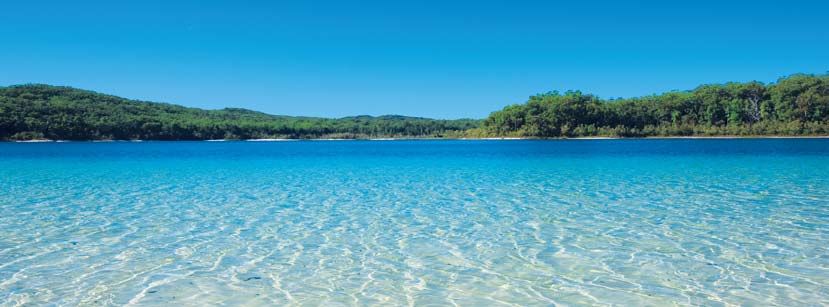
Head
1 Context
1.1 The Bundaberg and Fraser Maryborough: an historic Queensland town with both port
and extensive rail heritage.
Coast Regions
Fraser Island: the largest sand island in the world and a
The Bundaberg and Fraser Coast tourism regions neighbour World Heritage Area listed site.
each other. They are, however, distinct regions with currently Hervey Bay City and the coastal beach surrounds focussed
quite different tourism product. They offer different visitor on the Esplanade.
experiences and yet have quite similar visitor profiles for target The Fraser Coast hinterland areas of Tiaro and Woocoo.
markets. Geographically, both regions form part of the larger
The Fraser Island southern access areas of Gympie, Tin Can
Wide Bay Burnett Region. Bay and Rainbow Beach.
1 Context
Each region is supported by their own Regional Tourism
The Bundaberg region encompasses a diversity of coastal and
Organisation (RTO)7 and by its own Destination Management
hinterland areas as well as the city of Bundaberg itself.9 Since
Plan (DMP)8.
the amalgamation of local authorities into regional councils in
The two regions incorporate and/or market significant marine March 2008 the region incorporates the Regional Councils (RCs)
environments including the most southerly part of the Great of: Bundaberg Regional Council (incorporating Kolan, Isis and
Barrier Reef Marine Park (being Lady Musgrave and Lady Elliot Burnett) and North Burnett Regional Council (incorporating the
islands) and the World Heritage listed Fraser Island. There are shires of Biggenden, Eidsvold, Gayndah; Monto, Mundubbera
also a number of national parks both on the coast and in the and Perry). It should be noted also that at the 2008 elections,
hinterland which offer special natural experiences. Many of Miriam Vale, incorporating the townships of Agnes Water and
these natural environments currently lack the infrastructure to Seventeen Seventy, became part of Gladstone Regional Council.
support visitation for example good access roads, signage, As such, Miriam Vale will form part of the Central Queensland
interpretation, walking trails and recreational facilities. TOP.
The tourism nodes and precincts within the two regions The Fraser Coast offers visitors a variety of natural attractions,
include: experiences and activities, including four wheel drive adventures,
fishing, nature-based activities, and authentic country heritage
The coastal areas surrounding Bundaberg City from Burnett
and history experiences.10 Following the March 2008 local
Heads to Coonarr (including Mon Repos), with future
authority elections the area is now known as Fraser Coast
potential for new tourism nodes at Woodgate Beach and
Regional Council incorporating the City of Hervey Bay, the City
Burrum Heads (in Fraser Coast).
of Maryborough, the Shire of Woocoo and Divisions 1 and 2 of
Bundaberg City and surrounds: including the new Airport
Tiaro Shire.
Industrial Park and the Botanical Gardens with the Hinkler
Hall of Aviation. The following map reflects the Fraser Coast and Bundaberg
The western hinterland area extending from Monto through tourism regions.
Eidsvold, Mundubbera, Gayndah, Biggenden and Childers
(dominated currently by horticulture and sugar cane and
potential future mining activity with limited tourism
infrastructure) but focussed on recreational activity around
gorges, dams, lakes and rivers, farms and heritage towns.
7 Bundaberg Region Tourism and Fraser Coast South Burnett Regional Tourism Board.
8 The DMPs were both produced in early 2007.
9 Bundaberg Region Destination Management Plan, DTRDI (ex Department for Tourism, Fair Trading, Wine Industry Development and Women),
Tourism Queensland and Bundaberg Region Tourism, 2007, page 14.
10 Destination Management Plan for Tourism in the Fraser Coast, DTRDI (ex Department for Tourism, Fair Trading, Wine Industry Development and Women),
Tourism Queensland and Fraser Coast South Burnett Regional Tourism Board, 2007, page 16
6 Bundaberg-Fraser Coast Tourism Opportunity Plan 2009-2019Miriam Vale
Lady Elliot
Island
Rules Beach
Lowmead
Littabella NP
Rosedale
Kolan
Moore Park Sandy Cape
Beach Barubbra
Riv
Moonford Avondale Island
er
Burnett
Heads
Lake
Monduran r Bargara
ive Rooney Point
nR
Fred Haigh Dam
Monto Bundaberg Marloo Bay
o la
K
Elliot Heads Hervey Bay Marine Park
Pa
ci f i
Orchid Beach
Mulgildie
c Co
E l l i o t R i ve r Platypus
Waddy Point
Gin Gin Bay
as t
i ve r
er
Touring
iv
tt R
tR Great
I si s H i g hw a y
t
ne Burrum Coast NP
Bu r ne
Abercorn ur Gre
g Sandy NP
Woodgate Beach
B
R
oute
or
ch
yR
er
Be a
iv
(
Br
ce
Mount Perry
u
H i gh Apple Tree Burrum Heads
Fraser
r way) Buxton
y Ri ve Creek Moon Point
Waruma Dam Pe r r Burrum Coast NP
Booyal
Goodnight Childers Is is
R i v er Toogoom
Pialba Urangan Island
M il e
y
Ceratodus Scrub NP wa
igh
Isi
sH Hervey Bay
Degilbo Creek
Howard Big Woody Happy Valley
Eidsvold Torbanlea Island
Paradise Dallarnill S us a n R i
v er
River
Dam Kingfisher Bay
Heads
Lake Lenthall
Five
Fairlies Knob NP
Binjour Ungowa
Coonambula
Biggenden Maryborough Eurong
Mundubbera Coalstoun Brooweena Poona NP
Coalstoun
Lakes NP Maaroom
S e vent y
B ur n e tt Ri v e
r Lakes
Dykehead Gayndah Mt Walsh NP Woocoo
Boynewood Boonooroo
Ban Ban Springs dy C r e ek Tuan
er
S an
R iv
ry
M un
Ma Tiaro Poona
n a Creek
Auburn River NP
Hook Point
Bo
yn e Mt Bauple NP Bauple Inskip Point
a h C r e ek
Ri v er
Ti n Wide Bay
a
Rainbow Beach
a mb
na
Tin Can Bay
C re e k
B ar
Brovinia Glenwood Double Island Point
Booubyjan
Mudlo Gunalda
Windera Woolooga N oosa R Great Sandy NP
nogorilby Tansey i
Allies Goomboorian
ve
Boondooma Dam
M ar
r
Creek Lake Cloyna Kilkivan
y Ri
Boondooma
Proston ay
ver
w Wolvi
gh
Mondure Goomeri Hi
Hivesville
ide
Ba
y
Gympie Lake Cooloola
W
Hi g h w a y )
Glastonbury
Six
St Murgon Lake
ua
M il
Cootharaba
Cherbourg
eC
re
r t Ri
B a ra
Pacific
Durah
u rn e t t
Wondai Lake m ba
ek
v er
hC
ree Lake
Tingoora Barambah k
’s Countr y Way (B
Cooroibah
C oa
Durong Charlestown tT
ou r
s
Wooroolin Manumbar i n g Ro u
Boyn te ( Lake
eR Br
i ve Weyba
r Gordonbrook Memerambi Elgin Vale
uc
Dam
e Hi
Lake
ghwa
lia
nd Kingaroy Borumba
t ra
Wappa
A us
Dam
y)
D’
Coolabunia
A
Nambour
gu
i la
Nanango
rH
y Kumbia
hw a Conondale NP
igh
H ig
way
ya
Cooranga un
Tuckerang Tarong
B
Jandowae North
ek Bunya Mountains NP
e
Yarraman Linville
Cr
Maidenwell Benarkin er
ur
ow Ri v
bo
Ji m Moore l ey
Blackbutt tan
Kilcoy
S
Caboolture
Grea
Darwin
Legend Airport Services Distances
tB
rr
ier
a
R
Cairns
ee
f
Domestic Airport Hervey Bay: Bundaberg: Brisbane to:
Train Route Virgin Blue Qantaslink 363 Bundaberg Fraser Coast
Bundaberg Region Jetstar Other private Brisbane
Qantaslink aircraft 254 Maryborough
Fraser Coast Region Perth
Canberra
289 Hervey Bay Adelaide Sydney
Melbourne
Hobart
Table 1: Map of the regions
7Most visitor experiences in the Bundaberg region are located Non locals however, may have different perceptions of the two
nearby to the city itself. The activities focus on existing regions. Whilst turtles, whales and the world’s biggest sand
attractions in the city including the Bundaberg Rum Distillery, island are icons for visitors, much of the remainder of the two
the Ginger Beer Bundaberg Barrel, the Hinkler Hall of Aviation regions remain a mystery. Some visitors would be unaware of
and the natural attraction of turtle nesting and hatching on the the level of agricultural and horticultural activity in the
coast at Mon Repos. The islands off Bundaberg which are the hinterlands and current eating establishments do not visibly
most southerly of the Great Barrier Reef are also important offer local fare on menus. Others might consider recreational
tourism products but the hinterland currently offers limited options limited on the Fraser Coast mainland, when the
visitor options without substantial product development centred weather is inclement for water or island-based activities. Still
around creating and enhancing agri-tourism opportunities, more might have wished to visit Bundaberg but found
national parks, road upgrades and possible rail corridor accommodation difficult to obtain, or remained unaware of the
enhancement from Maryborough. number of activities (outside of the rum distillery) on offer.
It is noted that the central retail and business district of To overcome these perceived limitations, the two regions could
Bundaberg (centred around Bourbong Street) has quality and and should work together to:
character with excellent landscaping, streetscapes, preservation
Create new and redeveloped product that appeals to target
of older buildings, good traffic management and parking and
visitor markets, including intrastate visitors from SE
should be held up as a best practice example.
Queensland, other parts of the state and interstate
The Fraser Coast region’s visitor experiences are found almost (predominantly eastern seaboard). By working together,
exclusively on Fraser Island, in the Great Sandy Straits and duplication of products will be avoided and travel between
around the beaches which form part of Hervey Bay City. Marine the regions encouraged (the regions main towns are 90
minutes drive apart);
based activities are dominant and there are limited facilities for
“all weather” activities and ancillary offerings such as shopping Develop a theme for the two regions around which an
and eating out. Maryborough City offers significant cultural events/activity calendar can be created: there will be an
history and heritage. opportunity for investment and branding and travel between
the regions will be encouraged; and
Develop tourism nodes and a walkway along the coastline
1.2 The Development and to further link the two regions and create both driving loops
Promotion of the Regions and rail touring circuits for the hinterland: the loops and
touring circuits will cross regional council borders;
The concept of “eco-adventure tourism” may provide an
1 Context
encourage longer lengths of visitor stay and create wider
appropriate image for the two regions – embracing as it does dispersal of the economic benefits of tourism.
the concepts of an “aquatic playground”11 – activities ranging
from snorkelling and diving on the southern Great Barrier Reef
coral cay islands, swimming and sailing on the beaches and
bays of Hervey Bay and Great Sandy Strait and 4WD drives
and walks through the sand forests of Fraser Island. Both
regions also emphasise their hinterland heritage, country
charms and natural landscapes.
Cattle Muster at Foot of Mt Walsh, Biggenden
11 Destination Management Plan for Tourism in the Fraser Coast, DTRDI (ex Department for Tourism, Fair Trading, Wine Industry Development and Women), Tourism
Queensland and Fraser Coast South Burnett Regional Tourism Board, 2007, page 4
8 Bundaberg-Fraser Coast Tourism Opportunity Plan 2009-2019Multi-cultural Festival, Childers
As previously noted, a key theme for this area identified during The Integrated Transport Plan (ITP) when complete will be a key
the stakeholder consultation is its marine/eco nature document for determining future, priority transport initiatives for
opportunities. the region. Whilst public consultation has now closed in regard
to the draft ‘Background Paper’ and ‘Discussion Paper’, the
This concept fits with policy actions contained within the Wide
TOP should provide important input into the preparation of the
Bay Burnett Regional Plan 2007 – 2026, most notably:
ITP. The ITP is not expected to be finalised until current
“Promote understanding to the wider community of the social, planning towards a statutory regional plan has reached a more
economic and ecological significance and best practice current advanced stage.
advice in relation to managing human impacts on:
A key consideration will be the decisions taken on preferred
1 Context
Native forests; fish habitats, and other ecosystems providing patterns of residential and industrial development in the region
bio-products and ecosystem services.”12 and the impact and consequences this has on transport
requirements.
Many of the projects proposed incorporate this theme into their
objectives as visitor experiences. Given the importance of transport to the wider tourism industry,
it will be vital that an early initiative of the implementation will be
Areas outside the scope of this TOP will need to be considered, to engage with the ITP process to ensure the infrastructure
such as Agnes Water and Seventeen Seventy, which are easily projects proposed in the TOP are considered and wherever
accessed from Bundaberg. These towns and areas will be possible incorporated into the ITP as priority initiatives.
included in the Central Queensland TOP. Also Tin Can Bay,
Rainbow Beach and Inskip Point, which are part of the Gympie
Regional Council, are the southern access point to Fraser
Island. These towns and areas are included in the Sunshine
Coast TOP.
The Cooloola/Gympie area has, as part of the Fraser Coast, a
strong link to the Great Sandy Straits and Fraser Island, with a
major transportation link between the mainland and Fraser
Island operating at Inskip Point. Therefore these areas will be
considered in the implementation of the Bundaberg-Fraser
Coast TOP.
It will be important that this TOP links with and collaborates on
other major regional planning initiatives currently in place or
being prepared for the region. At the time of the TOP’s
preparation, these planning initiatives included the proposed
development of a statutory regional plan, the preparation of a
Wide Bay/Burnett Integrated Transport Plan, and changes to
local government planning schemes.
12 Wide Bay Burnett Regional Plan 2007 – 2026 , Queensland Government, undated, Chapter 4 Policy Framework, 1.1 Biological Economic Resources, Principle 1.1.3 d,
page 24
9Head
2 Methodology
2.1 Steps taken to compile this TOP 2.2 Data sources and limitations
To prepare this TOP, the following steps were undertaken: Quantitative data was sourced from a range of sources. Where
possible, the sources are identified. Some information has been
Review of previous plans prepared for other Queensland obtained from confidential sources and has not been attributed
regions, most notably Mackay/Whitsundays, Brisbane and to any source provider as a result.
surrounds and the Sunshine Coast;
Review of documents relevant to the regions and referred to Marketing data for the regions in this TOP is not provided: this
2 Methodology
in the Bibliography that forms part of the Appendices data is not considered core to the Plan.14
Document that accompanies this TOP;
Much of the data has not been independently verified: the data
Interviews conducted with some 80+ stakeholders in
has been accepted in good faith.
regards to the development of tourism to the regions: a list
of people13 interviewed is at Appendix 5 in the Appendices Every effort has been made to present a robust and complete
Document; picture of tourism development to the regions but there are
Field trips undertaken to review product and identify new inherent limitations in data sets and at times the sample sizes
opportunities, especially in hinterland locations; used.
Conducted focus group sessions within the regions; and
Tested options, issues and opportunities with the Project
Steering Committee established for this TOP.
Multi-cultural Festival, Childers
13 Approximately 20 additional people specifically asked that their names by kept confidential. All of these are Investors, developers or advisors to tourism projects.
14 Marketing data including qualitative and quantitative material on the regions can be accessed from either the RTOs or TQ.
10 Bundaberg-Fraser Coast Tourism Opportunity Plan 2009-20193 A Vision for the Bundaberg
and Fraser Coast regions
3.1 A Vision for the Bundaberg 5 to 10 years with much of the growth being fuelled by sugar
cane, horticulture, aviation and mining in nearby regions. The
Region local population throughout the regions provides an important
Bundaberg City is one of two urban catchment areas in the market base to support many of the new investment
Bundaberg and Fraser Coast regions with a population base of opportunities identified in this TOP. Furthermore, local interest
a sufficient size (60,000 people15 ) to support a number of new and support for tourism projects is vital to encouraging growth
3 Vision
and enhanced tourism activities, notably larger scale visitor in the visiting friends and relatives’ visitor market to the regions.
attractions and conference/meeting venues. The Bundaberg
Given the above, Bundaberg City has the potential to be
Regional Council Area, following local authority amalgamation,
developed as a more significant destination for activities and
is approximately 90,000 people.16
events and a springboard to visit other parts of the Bundaberg
From 2001 – 2006 Bundaberg City Local Government Area tourism region18.
tripled its average annual population growth17. Strong
Table 1 below highlights the potential visitor market of the
population growth has been projected for the City over the next
Bundaberg region in 2018.
Table 1: Bundaberg region – forecast visitors – visitor nights
Bundaberg Region
Increase on 2007 Average Annual Increase
Base nos. Year Ended June 200719
Forecast Visitors and Visitor Nights20 2007 2012 2018 2012 2018 207-12 2012-18
International
Visitors (‘000) 43.4 55.2 70.3 11.8 26.9 4.55% 3.9%
Visitor Nights (‘000) 353 437 533 84 180 4.0% 3.1%
Average Length of Stay np np np
Domestic Overnight
Visitors (‘000) 458.7 518 537.7 59.3 79 2.1% 0.55%
Visitor Nights (‘000) 1, 759 1,688 1,724 -71 -35 -0.67% 0.35%
Average Length of Stay 3.9 3.3 3.2
Total Market
Visitors (‘000) 502.1 573.2 608
Visitor Nights (‘000) 2,112 2,125 2,257
Average Length of Stay np np np
np = statistics not published due to limited sample sizes presenting large margins of error
15 Population of 59,768: Census Data 2006, ABS, Statistical District of Bundaberg (includes Bargara and Burnett Heads), cited 10 April 2008, http://www.censusdata.abs.gov.au/
16 As advised by Bundaberg Regional Council, November 2008
17 Queensland population update including regional population trends, Dept of Local Government, Planning, Sport & Recreation, No. 10 August 2007, page 12
18 This will incorporate North Burnett Regional Council
19 Queensland Data Sheets, Tourism Queensland, Year Ended June 2007 and Year Ended December 2006, www.tq.com.au, cited April 2008
20 Based on the percentage increases as detailed in the Tourism Forecasting Committee Forecasts Issue 2, 2007 published by Tourism Research Australia, November 2007.
11It should be noted that the visitor forecasts are based on Ensure high standards in customer service throughout the
historic trends and projections forecast by a number of region for quality visitor experiences.
agencies. What the growth trends do not make provision for
are the impact of establishing the hotels, motels, attractions, 3.2 A Vision for the Fraser Coast
activities, transport enhancements and new infrastructure
identified in the TOP. The forecasts in Table 1 should therefore
Region
be considered conservative (provided the necessary projects Hervey Bay was the 4th fastest growing LGA in Queensland
take place). from 1996 to 2006. The City’s estimated population at 30 June
2006 was 55,113.22 Hervey Bay’s projected average annual
The vision proposed in the Bundaberg Region DMP (2007-
growth rate to 2026 (medium series) is forecast to be 2.4%,
2010) is21:
meaning a city population of 86,875 by 2026.23
“To realise the Bundaberg region’s true potential by embracing
Table 2 below highlights the potential visitor market of the
tourism as everybody’s business.”
Fraser Coast region in 2018.
To achieve the vision, there is a need to:
It should be noted that the visitor forecasts are based on
Cluster the existing Bundaberg City tourism products and historic trends and projections forecast by a number of
visitor attractions, to make them commissionable and more agencies. What the growth trends do not make provision for is
attractive for marketing purposes; the impact of establishing the hotels, motels, attractions,
Improve the City’s riverside precinct through the catalyst activities, transport enhancements and new infrastructure
project of a new fully serviced hotel with attached meeting identified in the TOP. The forecasts in Table 2 should therefore
facilities, on-going beautification of the river and river banks be considered conservative (provided the necessary projects
and additional infrastructure such as river bank lighting, new take place).
retail and cafés and an extended swimming/aqua leisure
The vision proposed in the 2007-2010 Fraser Coast Destination
facility;
Management Plan24 is that:
Ensure supporting infrastructure including beautifying town
3 Vision
centres throughout the region and providing directional and “…the Fraser Coast will build a reputation as Australia’s premier
interpretative signage for the hinterland; nature-based and aquatic playground…..acclaimed for the
Develop new tourism product with an emphasis on sustainable management and development of its natural
attraction and activity experiences so visitors and locals attractions and assets….”
have more recreational options (and to encourage visitor
dispersal and associated economic benefits);
Undertake construction of the Airport Business Park with
associated “airside” accommodation (as noted for an
infrastructure catalyst project); and
Table 2: Fraser Coast region – forecast visitors – visitor nights
Fraser Coast Region
Increase on 2007 Average Annual Increase
Base nos. Year Ended June 2007 25
Forecast Visitors and Visitor Nights26 2007 2012 2018 2012 2018 2007-12 2012-18
International
Visitors (‘000) 188.4 239.8 305.3 51.4 116.9 4.6% 3.9%
Average Length of Stay 4.0 np np
Domestic Overnight
Visitors (‘000) 751.1 848.1 880.4 97 129.3 2.2% 0.54%
Average Length of Stay 3.8 np np
Total Market
Visitors (‘000) 939.5 1087.9 1,185.7
Average Length of Stay 3.9 np np
np = statistics not published due to limited sample sizes presenting large margins of error
21 Bundaberg Region Destination Management Plan, DEEDI (ex Department for Tourism, Regional Development and Industry), Tourism Queensland and Bundaberg Region
Tourism, 2007, page 4.
22 Queensland population update including regional population trends, Dept of Local Government, Planning, Sport & Recreation, No. 10 August 2007, page 15.
23 Wide Bay Burnett Regional Plan 2007-2026, Queensland Government, Dept of Local Government, Planning, Sport and Recreation, undated, page 11.
24 Destination Management Plan for Tourism in the Fraser Coast, DEEDI (ex Department for Tourism, Regional Development and Industry), Tourism Queensland and Fraser
Coast South Burnett Regional Tourism Board, 2007, page 6.
25 Queensland Data Sheets, Tourism Queensland, Year Ended June 2007 and Year Ended December 2006, www.tq.com.au, cited April 2008.
26 Based on the percentage increases as detailed in the Tourism Forecasting Committee Forecasts Issue 2, 2007 published by Tourism Research Australia, November 2007.
12 Bundaberg-Fraser Coast Tourism Opportunity Plan 2009-2019To achieve this vision, there is a need for the region to: 3.3 Regional Uniqueness
Offer island and mainland experiences that better cater to The Bundaberg and Fraser Coast regions share similarities with
the targeted visitor markets, especially intrastate and a number of other Queensland regions for both their built and
interstate domestic visitors and international drive and
natural environments. This requires greater effort to develop
backpacker leisure markets that have been targeted for
areas that are unique and avoid merely duplicating what other
growth. This will include new accommodation facilities
coastal towns have or do.
(small, niche eco-style resorts) and new built visitor
attractions – the key catalysts of which have been identified A key outcome of this TOP is therefore to find not just
earlier in this TOP. The plan recognises that land not under interesting and viable tourism investment opportunities but
the control of the DERM/QPWS on Fraser Island is those which will help to build a sense of uniqueness for the
controlled by the Fraser Coast Regional Council and there regions thereby making them more compelling to visit.
may be a necessity to redevelop existing sites if there are
restrictions placed upon this freehold land. However, the Some unique elements of the Bundaberg region which might
opportunity exists to assess possibilities within the national be exploited to a great extent for tourism purposes include:
park through a partnership with DERM/QPWS on protected
areas for appropriate eco style product including a new eco- The link to aviation history in Bundaberg City through
style resort. pioneer Bert Hinkler and which might be featured in branded
signage;
Re-create and preserve the relaxed beachside look and feel
of Hervey Bay City and its environs. Whilst the existing strip The loggerhead turtle hatchery at Mon Repos;
development cannot be removed, planning procedures The coral cays of the southern Great Barrier Reef Marine
should ensure new buildings pay attention to the unique Park and improved access to them;
design characteristics of the area (4 old fishing villages). The The hinterland “food basket” of agricultural and horticultural
retention of these characteristics from a tourism perspective products (e.g. Citrus fruit in Gayndah) with country market
need not conflict with the overall urban development policies days and food fairs; and
of Fraser Coast Regional Council. Within the current The largest collection of Citroen Cars in the southern
planning scheme, consideration should be given to make hemisphere with strong appeal to the numerous car clubs in
3 Vision
part of the “coastal esplanade” car-free and offer an option the state and northern NSW.
of a “people mover” between points in Hervey Bay. Current
coastal parks and public reserves could be mandated to For the Fraser Coast region, some of the elements of
remain major development free and the existing caravan uniqueness, which need to be promoted via investment
parks not be allowed to be redeveloped into additional high-
opportunities, include:
rise apartments.
Recognise the potential for expanded tourism options at Additional eco-tourism product on Fraser Island to
Maryborough through the urban renewal project for the river complement rather than compete with the existing facilities;
waterfront and the "Brolga to Bridge" masterplan which Enhancement of the existing key tourism sites on Fraser
creates a historic precinct for the riverfront at Maryborough. Island;
This should encourage synergies and commissionable The development of an indigenous tourism experience on
product between the coast and the heritage city of Fraser Island;
Maryborough to offer visitors more than just the existing
A World Heritage biodiversity centre telling the story of “sand
tourism experiences currently on offer.
islands” and the unique flora and fauna of Fraser Island,
Create a coastal walk with 4 specific unique tourism nodes located at the marina redevelopment in Hervey Bay;
to link the region to the Bundaberg Tourism Region and
International quality expansive marina developments and
provide options for walks and/or biking of varying distances
associated waterfront accommodation, cafes and bars,
and opportunities for a variety of accommodation facilities
providing easy access to the safe sailing waters of the Great
and visitor stay extension.
Sandy Strait and other waterways of the 2 regions;
Further develop the historic rail and maritime (Portside)
A new, all weather food and beverage visitor attraction
precinct in Maryborough, especially as the city could be the
based around organic local produce; and
start of a potential tourist train attraction to the hinterland as
The architectural history and rail and port heritage of
well as potential for tourist "active heritage" experiences.
Maryborough. Whilst the existing rail lands are to be sold
Greatly improve transportation within Hervey Bay City to
and the site redeveloped, the heritage buildings relating to
include new and upgraded roads, cycleways and public
transportation are to remain and the "Mary Anne" steam
transport (mini-buses) between the various town clusters
train and engine 299 will continue to operate and should be
where this is commercially possible.
expanded as tourism attractions.
Upgrade the look and feel and quality of many of the retail
outlets and dining out facilities in the region. Both Bundaberg City and Maryborough have successfully
A major shift in the concepts for tourism product preserved aspects of their built environments which could now
development and promotion toward consumer 21st century be utilised to assist in delivering regional uniqueness. Any new
expectations such as quality dining experiences, experiential built products should to be sympathetic to this historical
“hands-on” attractions, activities in natural locations which architecture in order to avoid product “sameness” with other
are easy to access, luxury de-stressing offerings and so on tourism destinations along the coast in particular.
are required if the region is to achieve strong levels of repeat
visitation from the interstate and intrastate visitor markets or
if it is to grow its share of the inbound visitor market.
13You can also read


