Climate Change Action Plan 2016-2020
←
→
Page content transcription
If your browser does not render page correctly, please read the page content below
World Bank Group

Climate
Change
Action Plan
2016–2020
World Bank Group

Climate
Change
Action Plan
2016–2020
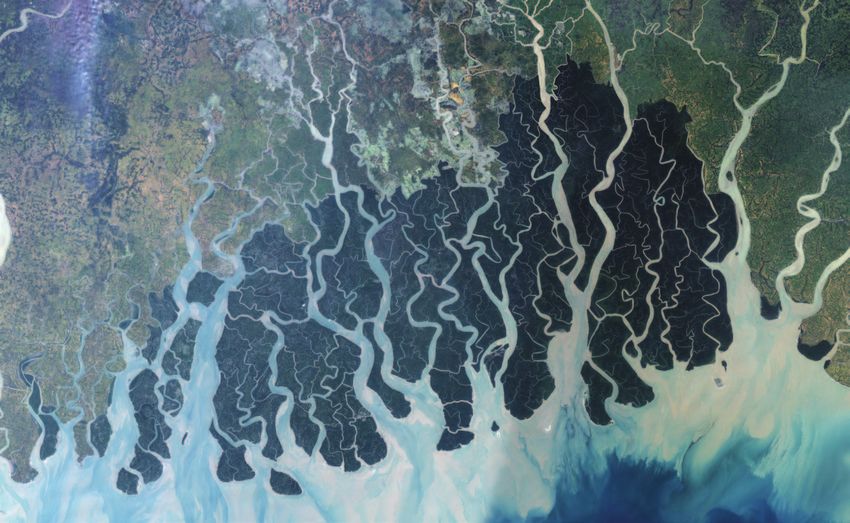
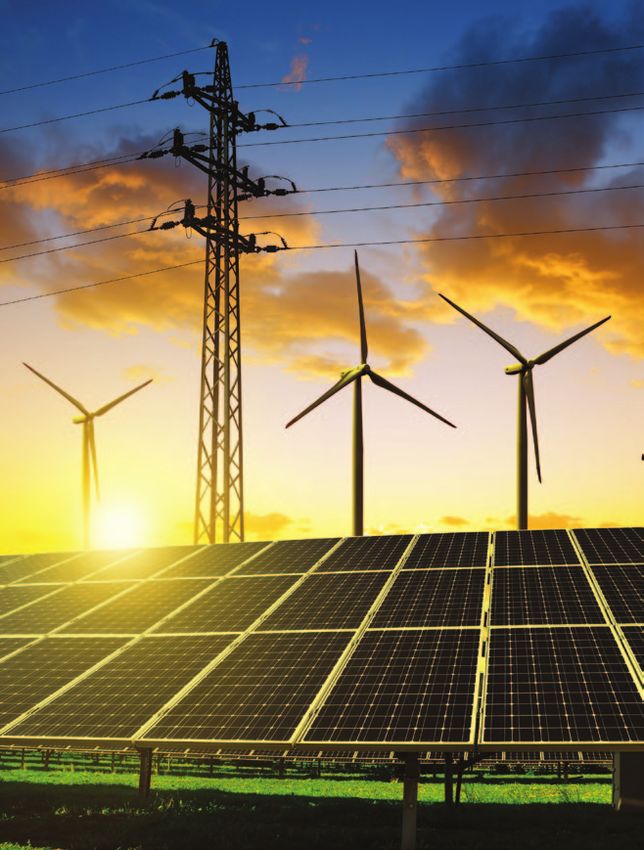
© 2016 International Bank for Reconstruction and Development / The World Bank 1818 H Street NW, Washington, DC 20433 Telephone: 202-473-1000; Internet: www.worldbank.org Some rights reserved 1 2 3 4 19 18 17 16 This work is a product of the staff of The World Bank with external contributions. The findings, interpretations, and conclusions expressed in this work do not necessarily reflect the views of The World Bank, its Board of Executive Directors, or the governments they represent. The World Bank does not guarantee the accuracy of the data included in this work. The boundaries, colors, denominations, and other information shown on any map in this work do not imply any judgment on the part of The World Bank concerning the legal status of any territory or the endorsement or acceptance of such boundaries. Nothing herein shall constitute or be considered to be a limitation upon or waiver of the privileges and immunities of The World Bank, all of which are specifically reserved. Rights and Permissions This work is available under the Creative Commons Attribution 3.0 IGO license (CC BY 3.0 IGO) http://creativecommons.org/licenses/by/3.0/igo. Under the Creative Commons Attribution license, you are free to copy, distribute, transmit, and adapt this work, including for commercial purposes, under the following conditions: Attribution—Please cite the work as follows: World Bank, IFC, and MIGA. 2016. “World Bank Group Climate Change Action Plan 2016–2020.” World Bank, Washington DC. License: Creative Commons Attribution CC BY 3.0 IGO Translations—If you create a translation of this work, please add the following disclaimer along with the attribution: This translation was not created by The World Bank and should not be considered an official World Bank translation. The World Bank shall not be liable for any content or error in this translation. Adaptations—If you create an adaptation of this work, please add the following disclaimer along with the attribution: This is an adaptation of an original work by The World Bank. Views and opinions expressed in the adaptation are the sole responsibility of the author or authors of the adaptation and are not endorsed by The World Bank. Third-party content—The World Bank does not necessarily own each component of the content contained within the work. The World Bank therefore does not warrant that the use of any third- party-owned individual component or part contained in the work will not infringe on the rights of those third parties. The risk of claims resulting from such infringement rests solely with you. If you wish to re-use a component of the work, it is your responsibility to determine whether permission is needed for that re-use and to obtain permission from the copyright owner. Examples of components can include, but are not limited to, tables, figures, or images. All queries on rights and licenses should be addressed to the Publishing and Knowledge Division, The World Bank, 1818 H Street NW, Washington, DC 20433, USA; fax: 202-522-2625; e-mail: pubrights @worldbank.org. Cover photos: Renewable energy: © Vencavolrab/Thinkstock; Bangladesh coastline: © National Aeronautics and Space Administration. Used with permission. Further permission required for reuse. Cover design: Richard Fletcher, Fletcher Design.
Contents

Abbreviations                                                            v

Executive Summary                                                        1

1. Context and Rationale                                                 7

2. Climate Change Action Plan: Structure and Drivers                     9
    A Demand-Driven Plan                                                11
    Building on WBG Comparative Advantage                               14
    Building on WBG Experience                                          14
    Meeting WBG Commitments                                             15
3. Priority I: Support Transformational Policies and Institutions       19
    Support Countries to Transform Climate Commitments and Priorities
         into Actions                                                   20
    Get Prices Right                                                    21
4. Priority II: Leverage Resources                                      24
    Catalyze Private Capital                                            24
    Optimize the Use of Concessional Finance                            27
5. Priority III: Scale Up Climate Action                                33
    Renewable Energy and Energy Efficiency                              33
    Sustainable Mobility                                                39
    Sustainable and Resilient Cities                                    40
    Climate-Smart Land Use, Water, and Food Security                    42
    Green Competitiveness                                               47
    Leaving No One Behind                                               48
6. Priority IV: Align Internal Processes and Work with Others           52
    Work in Partnership with Others                                     52
    Global Advocacy on Key Issues                                       53
    Build the Knowledge Base and Create New Solution Packages           54
    Organizational Capability and Collaboration to Deliver              55
    Align Internal Processes and Incentives                             56
Appendix: Regional Plans and Integrated WBG Priorities                  59
    Africa59
    East Asia and Pacific           61
    Europe and Central Asia         63
    Latin America and the Caribbean 66
    Middle East and North Africa    69
    South Asia                     71

World Bank Group Climate Change Action Plan                             iii
Boxes
3.1 Mainstreaming Climate Considerations into Policies and
Budgets—A Few Examples 19
3.2 Examples of Successful Energy Sector Reforms 21
3.3 Toward Carbon Pricing in Two Countries 22
4.1 Transformational Impact of Well-Used Concessional Climate Finance 28
5.1 Promoting Renewable Power Generation and Energy Efficiency 34
5.2 IFC Promotes Private Sector Financing for Clean Energy and
Energy Efficiency Projects 38
5.3 Investing in Sustainable Mobility 39
5.4 Promoting More Resilient and Sustainable Cities 41
5.5 Examples of Projects Promoting Climate-Smart Agriculture 43
5.6 Leveraging Natural Capital to Maximize Development Benefits 46
5.7 The Niger River Basin Management Project 47
5.8 Supporting Innovation in Energy Storage 48
5.9 Resilience Interventions that Support the Poorest and Most Vulnerable 49
Figures
2.1 CO2 Emissions Per Capita in Countries Ranked by GDP Per Capita 12
2.2 Example of Country Typology with Associated Priorities for Action 12
2.3 Identification of WBG Comparative Advantage 14
2.4 World Bank Group’s Commitments with Climate Co-Benefits by
Global Practice and Entity, FY11–FY15 15
2.5 Target Climate Co-Benefits Generated by the GPs, IFC,
and MIGA by FY20 16
A.1 Access to Non-Solid Fuel across Regions 59
A.2 Africa Region Active Lending, FY11–FY15 and Pipeline FY16 60
A.3 Projected Energy Capacity and Energy Mix in Selected EAP Countries 61
A.4 EAP Region Active Lending, FY11–FY15 and Pipeline FY16 62
A.5 EAP Region Climate Change Engagement Well-Aligned with NDCs 63
A.6 Energy Intensity in ECA Countries 64
A.7 ECA Region Active Lending, FY11–FY15 and Pipeline FY16 65
A.8 Climate Impacts of El Niño in the LCR Region 67
A.9 LCR Region Active Lending, FY11–FY15 and Pipeline FY16 68
A.10 In the MNA Region, Climate Change Impacts on Agriculture,
Livelihoods, and Food Security 69
A.11 MNA Region Active Lending, FY11–FY15 and Pipeline FY16 70
A.12 Cooking Energy Use in Rural and Urban India 72
A.13 SAR Active Lending, FY11–FY15 and Pipeline FY16 72
Tables
2.1 The Four Priorities of the WBG Climate Change Action Plan, and
associated objectives for 2020 10
A.1 Mitigation: SAR Priority Areas in Different Countries, with
Indicative Range of Potential Financing until 2020 73
A.2 Adaptation: SAR Priority Areas in Different Countries, with
Indicative Range of Potential Financing until 2020 73
iv World Bank Group Climate Change Action PlanAbbreviations
AFR Africa region
BRT bus rapid transit
CCSA Cross-Cutting Solutions Area (World Bank)
CIF Climate Investment Fund
CO2 carbon dioxide
COP Conference of Parties
CPF Country Partnership Framework
CPLC Carbon Pricing Leadership Coalition
CRIP Investment Plan for the Strengthening of Resilience to
Climate Change in the Niger River Basin
CSP concentrated solar power
CTF Clean Technology Fund
CUTPP China-GEF-World Bank Urban Transport Partnership Program
DESCO distributed energy service company
DPL Development Policy Loan
DRM disaster risk management
EAP East Asia and Pacific region
ECA Europe and Central Asia region
EDGE Excellence in Design for Greater Efficiencies
ESMAP Energy Sector Management Assistance Program
FAO Food and Agriculture Organization of the United Nations
FAP Forest Action Plan
FY fiscal year
GCF Green Climate Fund
GDP gross domestic product
GEF Global Environment Facility
GFDRR Global Facility for Disaster Reduction and Recovery
GHG greenhouse gas
GIF Global Infrastructure Facility
GP Global Practice (World Bank)
GW gigawatt
ha hectare
HFCs hydrofluorocarbons
IBRD International Bank for Reconstruction and Development
ICT information and communications technology
IDA International Development Association
IFC International Finance Corporation
iNDC Intended Nationally Determined Contribution
IPCC Intergovernmental Panel on Climate Change
LCR Latin America and the Caribbean region
LPG liquefied petroleum gas
MDB multilateral development bank
MIGA Multilateral Investment Guarantee Agency
World Bank Group Climate Change Action Plan vMNA Middle East and North Africa region
MW megawatt
NBA Niger Basin Authority
NDC Nationally Determined Contribution
NGO nongovernmental organization
PSNP Productive Safety Nets Program (Ethiopia)
PV photovoltaic
REDD+ Reducing Emissions from Deforestation and Forest
Degradation (REDD), Conservation of Forest Stocks,
Sustainable Management of Forests and Enhancement of
Forest Carbon Stocks
SAR South Asia region
SCD Systematic Country Diagnostic
SE4All Sustainable Energy for All
SDAP Sustainable Development Action Plan
SIF Strategic Investment Fund
SSA Sub-Saharan Africa
tCO2eq tons of carbon dioxide equivalent
Tcal tera calories
TTL task team leader (World Bank)
UN United Nations
UNEP United Nations Environment Programme
UNFCCC United Nations Framework Convention on Climate Change
WB World Bank
WBG World Bank Group
vi World Bank Group Climate Change Action PlanExecutive Summary Climate change is a threat to the core mission of the World Bank Group (WBG). Current weather extremes already affect millions of people, putting food and water security at risk, and threatening agricultural supply chains and many coastal cities. Without further action to reduce extreme poverty, provide access to basic services, and strengthen resilience, climate impacts could push an additional 100 million people into poverty by 2030. Climate change presents enormous challenges and opportunities for develop- ment, making it essential that climate and development be tackled in an inte- grated way. The world needs to feed nine billion people by 2050, provide affordable energy access to all, and extend housing and services to two billion new urban dwellers—and to do so while minimizing emissions and boosting resilience. Recent global developments favor bold climate action by the WBG. At the most recent Conference of the Parties (COP21) in Paris, 140 World Bank client countries committed to implement their Nationally Determined Contributions (NDCs) as part of an agreement to limit global warming to less than 2°C by 2100, and make best efforts to limit warming to 1.5°C. At the same time, public and private actors have renewed their global commitments to increase investments and research and development, boost carbon pricing, and end wasteful energy subsidies. This Climate Change Action Plan (for short: “the Action Plan”) demon- strates how the WBG intends to meet these challenges and opportunities, by scaling up climate action, integrating climate change across its operations, and working more closely with others. The Action Plan is driven by client demand, focused on activities that support the WBG’s core mission, and builds on the WBG’s comparative advantage. Countries start from different points and have different emission levels, and therefore need differentiated actions and support. These differences translate into different climate commitments in the NDCs, and into different needs in terms of support that the WBG can and will provide. To get impact at scale, the Action Plan is focused on helping to shape national investment plans and policies and leveraging the private sector. Financing needs for resilient, low-carbon growth are much larger than avail- able public resources, and WBG resources are small relative to these needs. Policy and institutional support for national investment plans and for facili- tating private sector initiatives will be critical to having impact at scale. The Action Plan reconfirms the WBG’s commitment to increase the cli- mate-related share of its portfolio from 21 to 28 percent by 2020 in response to client demand, with total financing (including leveraged co-financing) of potentially $29 billion per year by 2020. Meeting these targets is conditional on sustained aggregate WBG lending volumes, access to concessional finance, and client demand. The Action Plan is underpinned by five strategic shifts for the WBG’s c limate work: (i) Implementation: the WBG focus will accelerate support for countries World Bank Group Climate Change Action Plan 1
and companies to implement the plans they have developed. (ii) Convergence: the WBG climate and development agendas will be fully integrated into strat- egies and operations, and global- and country-level action will be aligned. (iii) Maximizing impact: the WBG will increase its focus on impact at scale, including shaping national investment policies and programs and mobilizing private finance. (iv) Resilience: the WBG climate portfolio will be rebalanced— putting a greater focus on adaptation and resilience. (v) Transformation: achieving global climate commitments will require a shift from business as usual. The Action Plan will focus on facilitating transformational impacts. The Action Plan is based on comprehensive joint preparation between the Climate Change Cross-Cutting Solutions Area (CCSA), Regions, Global Practices (GPs) and other CCSAs, International Finance Corporation (IFC), and Multilateral Investment Guarantee Agency (MIGA). The Regions and GPs, as well as the IFC, have prepared a background analysis and developed comple- mentary and detailed contributions. The Action Plan also includes the IFC Climate Change Implementation Plan and the Africa Climate Business Plan. WBG activities under the Climate Change Action Plan are organized along four top-level priorities: (i) support transformational policies and institu- tions, (ii) leverage resources, (iii) scale up climate action, and (iv) align inter- nal processes and work with others. Support Transformational Policies and Institutions The WBG will support countries in translating their NDCs into climate policies and investment plans into actions, and in mainstreaming climate considerations into policies and budgets, through advisory services, public expenditure reviews, and development policy operations. The objective is to help client countries strengthen their resilience and adaptive capacity, and deliver affordable and efficient services (especially energy) in a low-carbon manner and in a way that is consistent with their NDCs and global climate commitments. The WBG will work to ensure that the vulnerable are protected and will help build country capacity in this regard. The WBG will scale up country-level support and global advocacy work to “get prices right”, by helping clients to reform fossil fuel subsidies, put a price on carbon, deepen market-based instruments, and reform other distorting subsidies. Carbon pricing work will be extended to widen, deepen, and con- nect markets. Leverage Resources The IFC will crowd in private sector finance by significantly scaling up its own investments—from $2.3 billion to about $3.5 billion in five years. By 2020, it will mobilize at least $13 billion per year in external private sector invest- ments through its operations. 2 World Bank Group Climate Change Action Plan
To “green” the financial sector, the WBG will work with regulators, create
green banking champions, provide climate credit lines, and promote contin-
ued growth and development of the green bond market.
   The WBG will scale up financial leverage in operations for resilience and
mitigation through improving the preparation, structuring, and aggregation
of projects; de-risking private investments; and scaling up support for a cli-
mate-smart focus in project preparation facilities. Cross-WBG “deal teams”
will focus on delivering bankable/investable projects, including through the
use of blended concessional finance, for high-impact sectors—such as energy
infrastructure, rooftop solar, distributed energy service companies, and resil-
ient urban infrastructure.
   The International Development Association (IDA) has a strong record of
supporting climate change activities, and the WBG has a strong record of
using blended non-IDA concessional finance, but existing funding is limited.
There is an ongoing need for concessional finance, IDA and non-IDA, to
accelerate the transition from fossil fuels to renewable energy, build climate
resilience, and meet climate targets. The WBG is counting on a strong IDA18
replenishment and significant non-IDA concessional financial support to
meet the targets in this Action Plan. In the coming months, the WBG will
develop an integrated approach to the mobilization and management of these
different sources of funding in the context of the Forward Look initiative.
   The WBG will focus on enhancing the effectiveness of, and helping coun-
tries gain access to, concessional climate finance. Concessional climate finance
will be concentrated on the incremental cost of climate action, to redirect
investment flows and maximize impact. The WBG will work to ensure that
policy options, institutional practices, and reforms are deployed to minimize
the required level of concessional finance.

Scale Up Climate Action
By 2020, the WBG will have significantly scaled up its activities with climate
co-benefits in multiple sectors and increased its impact in countries through
direct investments, advisory services, and the shaping of new and innovative
solutions. In particular, the WBG will deepen and scale up its action in six
high-impact areas, with indicative targets that represent current expectations
of future demand. Achievement of these targets will be dependent as always
on client demand; these targets are not commitments and will be adjusted
over time. The six areas are described in the following.

Renewable Energy and Energy Efficiency
The World Bank will use multiple instruments to de-risk renewable energy
investments, with a cumulative target of adding 20 gigawatts (GW) in renew-
able energy generation over five years, that is, a doubling of current World
Bank additions. The World Bank will “green” grids with the aim to enable the
addition of 10 GW of variable renewable energy over the same period, and
ensure that all energy investments are adapted to climate change. The IFC and

World Bank Group Climate Change Action Plan                                   3
MIGA will support grid-connected clean energy by focusing on large hydro-
power, wind, and solar, continuing to open new markets with “first-of ” invest-
ments, and helping industrial and commercial clients expand the use of
low-carbon captive power. The WBG will increase its share of energy effi-
ciency operations and aim to invest $1 billion to promote energy efficiency
and resilient building in urban areas. The World Bank will aim to mobilize
$25 billion in commercial funding for clean energy over the next five years.

Sustainable Mobility
The WBG will help countries develop sustainable mobility alternatives and
implement transport adaptation options. It will increase the share of its trans-
port portfolio that contributes to climate mitigation and resilience. It will pur-
sue urban mobility and low-carbon, multimodal transport operations in all
regions and aim for $2 billion in lending for adaptation in the transport sector
over fiscal year (FY) 16–FY20 (four times the level in the previous five-year
period), with a strong focus on enhancing the resilience of the road portfolio.
The WBG will also focus on improving the competitiveness and fuel efficiency
of the trucking sectors, promote green freight, and lead a global coalition to
develop a framework for sustainable mobility.

Sustainable and Resilient Cities
The WBG will further integrate climate into urban planning, by developing
tools and knowledge products through the Global Platform for Sustainable
Cities, and aim to roll these out in at least 30 cities by 2020. It will develop
and aims to pilot in 15 cities by 2020 a city-based resilience approach that
integrates infrastructure development, land use planning, disaster risk man-
agement, institutions/governance, social components, and infrastructure
investment. It will incorporate principles of integrated urban water manage-
ment in its urban operations. By 2020, transit-oriented development solution
packages will be piloted in at least five cities. The IFC and MIGA will increase
investments in municipal transport.

Climate-Smart Land Use, Water, and Food Security
Climate-smart agriculture profiles and investment plans will be developed by
2020 for at least 40 countries, and climate-smart agriculture programs will be
delivered at scale, with a focus on hybrid seeds and carbon capture practices,
high-efficiency/low-energy-use irrigation programs, livestock productivity,
energy solutions for agribusiness, and mainstreaming of risk management.
Under the Forest Action Plan, the WBG aims to support Reducing Emissions
from Deforestation and Forest Degradation, Conservation of Forest Stocks,
Sustainable Management of Forests and Enhancement of Forest Carbon Stocks
(REDD+) strategies in more than 50 countries, and develop/implement in
10 countries a large-scale, multisector program promoting “forest-smart”
development and mobilizing International Bank for Reconstruction and
Development (IBRD)/IDA/REDD+ financing. The WBG will work with its

4                                  World Bank Group Climate Change Action Plan
partners to improve the effectiveness of the various forest climate funds. The
WBG will develop a series of area-based operations in climate-sensitive loca-
tions, using ecosystem-based adaptation, land restoration, integrated water
management, and biodiversity conservation, to maximize the development
benefits and the use of carbon sinks. It will implement large-scale national and
transboundary programs to promote water efficiency across sectors, and
improved water management. Analytical work will be further developed on
the energy-water-food nexus.

Green Competitiveness
By 2020, the WBG aims to have assisted 20 countries in enhancing their
capacity to innovate in climate sectors and increase industrial competitive-
ness in response to climate change, including through greening global value
chains and trade practices, developing eco-industrial zones, and introducing
best practices for standards and labeling. The IFC will intensify its work with
entrepreneurs, through incubators and private equity investments, to increase
impact and grow the market in climate-smart innovation.

Leaving No One Behind
By 2020, the WBG will aim to (i) help bring access to high-quality hydrome-
teorological data and early warning systems to another 100 million people in
15 developing countries; (ii) help bring adaptive social protection to an addi-
tional 50 million people; and (iii) provide five more countries coverage with
integrated sovereign disaster risk financing instruments, including insurance,
risk pools, and contingent finance. The Small Island States Resilience Initiative
will build capacity, better use the existing fragmented funds, and mobilize
increased financing for small island states. The WBG will produce a flag-
ship report on climate change and migration/conflict. The WBG will also
strengthen action on climate and health, increase its capacity to respond to
the 32 IBRD and 40 IDA-eligible countries that have included health in their
NDCs, and integrate climate considerations within its support for universal
health care.

Align Internal Processes and Work with Others
With selected partners, the WBG will create, share, pilot, and implement new
and innovative solution packages that answer client countries’ demands,
especially those linked to their NDCs, and continue contributing to the global
debate on climate and development. The WBG’s internal capacity to respond
will also increase. WBG country strategies will take into account climate goals
and opportunities, and climate risks. The World Bank will screen all projects
for climate risks and account for the social cost of carbon emissions in project
evaluations; the WBG will move toward accounting for climate and carbon
risks in its operations. In addition, the impact of WBG operations on green-
house gas (GHG) emissions will be calculated and reported.

World Bank Group Climate Change Action Plan                                    5
The WBG will work with others to benefit from what they do best, and
ensure synergies across actors active in the field. The WBG will continue
to strengthen alignment and cooperation with multilateral development
banks (MDBs) and bilaterals on strategies and work programs; work on
mainstreaming principles and reporting with MDBs and the international
development finance agencies; strengthen collaboration with leading think
tanks, research groups, nongovernmental organizations, and business alli-
ance groups, including on coordinated analytical work and country support;
and build on work already started to increase collaboration with the
International Monetary Fund on fossil fuel subsidies, carbon pricing, and the
fiscal implications of climate change, especially for small island states.
Global advocacy will be stepped up on selected issues where the WBG has
an established voice—carbon pricing, mainstreaming climate action, and
protecting the poor and vulnerable—with a focus on “how” to deliver rather
than “why.”
The WBG will align internal processes, metrics, and incentives to support
the implementation of the Action Plan. Systematic Country Diagnostics and
Country Partnership Frameworks will consider the risks and opportunities
created by climate change and countries’ climate priorities. Risk screening
will be extended to IBRD operations in early 2017, after a review of existing
tools and the lessons drawn from application to IDA countries, and will inte-
grate gender considerations into the screening tools. The IFC will start screen-
ing some sectors after having tested and validated its climate impact risk
screening tool; this is expected to be done by September 2016 and to lay the
basis for the IFC’s path forward. The WBG will continue to roll out GHG
accounting and account for carbon emissions, and resulting risk, in its project
evaluations. The World Bank will account for the social cost of carbon emis-
sions in its project evaluations, and the IFC will evaluate such an approach
later this year.
Over the next 18 months, the WBG will continue to develop and main-
stream metrics and indicators to measure the outcomes of WBG operations,
and move monitoring and evaluation from inputs to outcomes, to incentivize
a greater focus on leverage.
Easily accessible, consolidated “one-stop-shop” data will be made available
to all staff on climate impacts, NDCs, climate finance, analytic tools, and
methodologies. Learning modules on climate will be expanded and main-
streamed into the World Bank’s core curriculum, and support to the commu-
nity of practice of climate change practitioners across the World Bank will be
strengthened.
The WBG organization is now aligned to deliver on this Action Plan. All
WBG units have put in place structures to mainstream climate change into
their activities and operations. The IFC has developed a Climate Business
Network that includes one climate anchor from each industry department and
from each region, advisory, and operational unit. The Climate Change CCSA
works with all WBG units to provide targeted, cross-cutting climate support.
6 World Bank Group Climate Change Action Plan1. Context and Rationale
Climate change is a threat to the core mission of the World Bank Group
(WBG): to end extreme poverty and increase shared prosperity in a sustain-
able way. Current weather extremes already affect millions of people, putting
food and water security at risk, and threatening agricultural supply chains
and many coastal cities. As shown in the WBG’s Turn Down the Heat reports,1
climate change will make these events more frequent and extreme. WBG bor-
rowers are exposed to greater climate risks than high-income countries are.
Climate impacts on food security are especially strong, for example, in Africa.
Lower-income countries suffer disproportionally from natural disasters,
with almost half of disaster casualties occurring in low-income countries,
and economic losses sometimes exceeding 10 percent of gross domestic
product (GDP) in small, vulnerable economies. Specific locations, such as
small islands or large cities located in deltas and low-lying coastal zones
(especially in Africa and Asia), are at very high risk. As the WBG’s Shock
Waves report2 demonstrates, without further action to reduce extreme
poverty, provide access to basic services, strengthen resilience, and increase
adaptive capacity, climate impacts could push an additional 100 million
people into poverty by 2030.
Sustaining long-term poverty reduction means that it is essential to meet
global climate objectives to keep average temperature increases below 2°C,
which in turn requires rapid global action to reach zero net emissions by the
second half of the century. There are limits to what adaptation and resilience
actions can achieve, and avoiding the long-term threat to prosperity requires
stabilization of the climate. Maintaining the increase in global temperature
below 2°C would prevent many of the worst impacts of climate change from
occurring. Doing so requires urgent action to reduce carbon emissions and
increase carbon sinks. Delaying action would significantly increase the cost
of keeping warming below 2°C—according to Intergovernmental Panel on
Climate Change (IPCC) scenarios, delaying action until 2030 would increase
total mitigation costs by 50 percent.3
Climate change presents enormous challenges, and opportunities, for
development, making it essential that climate and development be tackled in
an integrated way. The world needs to feed nine billion people by 2050 while
reducing emissions, increasing carbon sinks, and ensuring climate-resilient
food security. It needs to provide affordable energy access to the 1.1 billion
people worldwide who still live without electricity, while keeping emissions to
a minimum and managing a transition away from fossil fuels. New research
suggests that more than four billion people already experience severe water
scarcity during some part of the year, and climate change will increase
water stress in many regions. Countries will have to provide access to mobility
using resilient and low-carbon transport modes and systems. Cities will have
to welcome two billion new urban dwellers with livable, energy-efficient
dwellings, low-carbon transport, good jobs, and appropriate access to ser-
vices, while reducing vulnerability to climate shocks. Populations need to be
World Bank Group Climate Change Action Plan 7protected against natural disasters and climate-related diseases, even as
hazards are expected to increase in frequency and intensity over time. And
$90 trillion in low-carbon, climate-resilient infrastructure investment will be
needed by 2030—mostly in developing countries. Building more resilient
infrastructure is essential to adapting to climate change, but is also likely to
increase upfront costs, although it will be cost-effective in the longer run.
There are also opportunities to exploit the co-benefits from climate-smart
development. Climate-smart urban planning and public transit can improve
the livability of cities; renewable energy and mini grids can provide new
opportunities to improve energy access; energy efficiency can reduce energy
costs and improve fuel security; and climate-smart agriculture and efficient
food supply chains lead to higher agricultural productivity, less waste, and
better food security.
Recent global developments favor bold climate action from the WBG. At
COP21 in Paris, the world came together and agreed to limit global warming
to less than 2°C by 2100, and make best efforts to limit warming to 1.5°C. As
part of the Paris process, 140 World Bank client countries committed to
implement their Nationally Determined Contributions (NDCs), which out-
line their actions on climate action. In 2015, the world also committed to the
Sustainable Development Goals, the Financing for Development Agreements,
and the Sendai Framework for Disaster Risk Reduction. In parallel, many
firms made strong commitments before or during COP21: 114 companies
announced emission reduction targets; 36 multinationals committed to use
100 percent renewable energy; and more than 1,000 companies are setting up
carbon pricing systems.
The negotiators have done their job. The priority in the next few years is to
focus on accelerated implementation. COP22 in Morocco will be an opportu-
nity to take stock of the implementation of the first year of these commit-
ments. All these commitments show increasing global demand for climate
change action and a mandate and opportunity for the WBG to support coun-
tries and companies in meeting these objectives, in partnership with others.
At the same time, good policies and technological advances are making more
rapid advances possible. Renewable energy prices continue to fall, there is a
renewed global commitment to research and d evelopment, and the use of big
data is enabling cheaper and faster risk assessments. And there is growing
momentum behind carbon pricing and ending wasteful energy subsidies.
There are large opportunities for WBG interventions.
Notes
1 http://www.worldbank.org/en/topic/climatechange/publication/turn-down-the
-heat.
2 https://openknowledge.worldbank.org/handle/10986/22787.
3 See IPCC, 5th Assessment Report, Synthesis Report, http://ipcc.ch/report/ar5
/syr/.
8 World Bank Group Climate Change Action Plan2. Climate Change Action
Plan: Structure and Drivers
This Climate Change Action Plan demonstrates how the WBG intends to
meet these challenges and opportunities. It lays out concrete actions to help
countries and companies address current and future climate risks and oppor-
tunities, and describes how the WBG will build on its comparative advantage,
scale up climate action, integrate climate change across its operations, and
better work with others.
WBG climate action will be driven by client demand, focusing on those
activities that support the WBG’s core mission and build on its comparative
advantage. The actions proposed focus on supporting client demand, recogniz-
ing that client needs differ. The Action Plan focuses on supporting the WBG’s
core mission of eliminating extreme poverty and enhancing shared prosperity
in a sustainable way. And it builds on the WBG’s comparative advantage to
tackle complex, multisector problems in an integrated way, combining all of its
instruments (funding, knowledge, and convening power), its local presence
but global reach and experience, its deep technical expertise and multisector
integration, and its ability to work across the public and private sectors.
To get impact at scale, a key focus of the Action Plan is to help to shape
policies and national investment plans and leverage the private sector.
Financing needs for resilient, low-carbon growth are much larger than avail-
able public resources, and WBG resources are small relative to these needs.
The investment needs embedded in the NDCs amount to more than $1 tril-
lion per year over the next 15 years, while WBG annual commitments are
around $60 billion per annum. Although WBG funding will remain impor-
tant, policy and institutional support for national investment plans and stra-
tegic use of private sector finance to open markets and facilitate increased
actions from external investors will be critical to having impact at scale.
To achieve its global climate commitments, the WBG will support transfor-
mational changes in multiple domains. While action on the ground will be
driven by demand in countries, the Action Plan will accelerate action by driv-
ing innovative solutions shaped by WBG global experience in several high-
priority areas.
To enable this change, WBG activities under the Climate Change Action
Plan are organized along four top-level priorities and four objectives for 2020
(see table 2.1).
The Action Plan is underpinned by five strategic shifts for the WBG’s
climate work:
•• Implementation. With Paris behind us, the WBG will shift its focus toward
supporting countries, companies, and teams to accelerate implementa-
tion, giving more attention to “how” to get results on the ground than on
advocacy as to “why” change is needed.
•• Convergence. The WBG climate and development agendas (including
subcomponents like gender, health, and others) will be fully integrated
World Bank Group Climate Change Action Plan 9Table 2.1 The Four Priorities of the WBG Climate Change Action Plan, and
associated objectives for 2020
WBG Climate Change Action Plan By 2020, the WBG will have contributed to sustainable poverty
alleviation and shared prosperity by building resilience to
climate change impacts and policies and decarbonizing
development.
Priority I: Support Transformational Objective. By 2020, the WBG will have supported new
Policies and Institutions. Deep economic enabling policies and institutional change in client countries,
transformations need to be enabled by a integrating the development and climate agendas, with a
supportive policy and investment environment focus on the poorest and most vulnerable.
and stronger institutional capacity that
redirects investment flows, including public
and private as well as international and
domestic capital.
Priority II: Leverage Resources. Meeting Objective. By 2020, the WBG will have facilitated larger private
global climate goals will require the crowding capital flows toward resilient and low-carbon projects in its
in of much higher levels of private sector client countries, making the best possible use of concessional
finance and investment. climate resources. It will have mobilized at least $13 billion
per year in external private sector investments through its
operations.
Priority III: Scale Up Climate Action. To Objective. By 2020, the WBG will have significantly scaled up
accelerate transformation and develop its activities with climate co-benefits in multiple sectors and
new solutions, the WBG will increase its increased its impact in countries through direct investments
investments with climate co-benefits, focusing and the shaping of new and innovative solutions. At least
on a few high-impact areas and rebalancing 28 percent of WBG operations will generate climate co-benefits,
its portfolio with more focus on adaptation and and at least 75 percent of the scaled-up initiatives proposed in
resilience. this Action Plan will have had a measurable impact.
Priority IV: Align Internal Processes and Objective. With selected partners, the WBG will have created,
Work with Others. The climate challenge shared, piloted, and implemented new and innovative solution
can only be met through collective action packages that answer client countries’ demands, especially
and partnerships. The Action Plan will those linked to their nationally determined contributions, and
strengthen the WBG’s partnerships, engage in contributed to the global debate on climate and development.
focused global advocacy, develop and share WBG country strategies will take into account climate goals
knowledge and solutions, and align internal and opportunities, and climate risks. The World Bank will
processes to support staff in implementation. screen all projects for climate risks and account for the
social cost of carbon emissions in project evaluations; the
International Finance Corporation will move toward accounting
for climate and carbon risks in its operations.
into strategies and operations, and global objectives, such as climate sta-
bilization, will be distilled into and coordinated with country strategies
and operations.
•• Maximum impact. The WBG will move from measuring inputs to mea-
suring impacts, with better metrics and evaluation. In particular, it will
increase its focus on the total resources mobilized and catalyzed, rather
than only focus on its own account lending, and adjust internal processes
and incentives accordingly.
•• Resilience. The WBG climate portfolio will be rebalanced with a greater
focus on adaptation and resilience, taking into account the contribution
of resilience to poverty alleviation and the contribution of development
and poverty reduction to resilience.
•• Transformation. Achieving global climate commitments and protecting
the world against the negative impacts of climate change will require a
shift from business as usual in multiple domains. The Action Plan will
focus on facilitating these transformational impacts.
10 World Bank Group Climate Change Action PlanThe Action Plan is based on comprehensive joint preparation by the Climate Change Cross-Cutting Solutions Area (CCSA), Regions, Global Practices (GPs) and other CCSAs, International Finance Corporation (IFC), and Multilateral Investment Guarantee Agency (MIGA). Such preparation ensures ownership: each Region and GP, as well as the IFC, has prepared background analyses (see the appendix). The preparation also includes the IFC Climate Change Implementation Plan and the Africa Climate Business Plan. The Action Plan has been designed through an iterative process. Agreed actions are a combination of bottom-up proposals from different units and a top-down push for strategic coherence and ambition. The process of devel- opment of the Action Plan deepened unit-level understanding of options and led to increased ambition. And the Action Plan promoted IFC-MIGA-World Bank and cross-sector cooperation in the design of high-impact actions (for example, leverage of private capital) and in the definition of regional priorities. A Demand-Driven Plan Countries start from different points and have different emission levels, are exposed to different impacts, and therefore need customized actions and sup- port (figure 2.1 and 2.2). Low-income countries currently have very low levels of emissions per capita; they are not expected to implement the same actions as richer countries, although they would benefit from avoiding carbon- intensive lock-ins and a future of high emissions. These differences translate into different climate commitments in the NDCs, and different needs in terms of support that the WBG can and will provide. Sub-Saharan Africa (SSA) has immense needs for adaptation, food secu- rity, resilience, and energy access. Most NDCs in Africa prioritize adaptation. Current WBG climate funding up to FY16 focuses on mitigation, but the WBG’s Africa Climate Business Plan aims to raise $16 billion for adaptation investments by 2020, including strengthening the resilience of natural, physi- cal, and human capital, powering resilience, which will focus on improving energy access via renewable energy, and enabling resilience with support for hydrometeorological services and improved tools and capacity for climate-resilient investment planning. The IFC will invest in large-scale renewable energy, green buildings, and off-grid electricity, and will also be looking at developing agricultural adaptation opportunities, which will require new business models and technical assistance. The East Asia and Pacific (EAP) region contributes a third of carbon dioxide (CO2) emissions. The region also includes some of the areas that are most vul- nerable to climate impacts (for example, small islands). Generation capacity is expected to double by 2030 and, despite a decline in the share of coal, genera- tion from coal is projected to increase by 455 gigawatts (GW) under a business as usual scenario. Forests and landscapes are a key element of the climate chal- lenge in the region and a major focus of climate policies. Current WBG opera- tions are well aligned with the NDCs. A significant level of deliveries is expected World Bank Group Climate Change Action Plan 11
Figure 2.1                                 CO2 Emissions Per Capita in Countries Ranked by GDP Per Capita

                           25                                                              IBRD countries have lower                                       100
                                                                                         emissions per capita – but these
                                                                                        emissions are growing fast. NDCs
                                                                                     often have a strong focus on mitigation.

                           20                                                                                                                              80

                                                                                                                                                                 Percentage of global emissions
CO2 emissions per capita

                           15                                                                                                                              60
                                                   Blended countries have low but
                                                    growing emissions per capita,
                                                   and their NDCs usually balance
                           10                         mitigation and adaptation.                                                                           40

                           5                                                                                                                               20

                           0                                                                                                                               0
                                0                 1                    2            3                4                 5                 6
                                                                             Population (billions)

                                      IDA countries have small                                                            High-income countries
                                    CO2 emissions, and most of their                                                    NDCs include commitments in
                                    NDCs include adaptation actions.                                                 terms of absolute emissions levels.

                                                        IDA       Blended (including India)  IBRD       High income
                                                                       Cumulative emissions (right axis)
  Note: Existing iNDCs become NDCs upon ratification of the Paris Agreement. CO2 = carbon dioxide; GDP = gross domestic
  product; IBRD = International Bank for Reconstruction and Development; IDA = International Development Association;
  NDCs = nationally determined contributions.

  Figure 2.2                                 Example of Country Typology with Associated Priorities for Action

                      Large (non-forestry)                                                                       Small islands and most           Carbon-intensive
                                                          Forest countries          Poorer IDA countries
                           emitters                                                                               vulnerable countries               countries
                            Common menu of activities to (1) help countries mainstream climate change into development activities and (2) build
                                                               resilience and adaptation to climate change

       Analytic work on options                       Support growth patterns         Focus on poverty      Create specific solutions Help countries manage a
        to support accelerated                        that significantly reduce   reduction, resilience and   for low-capacity and     transition toward high-
         emissions reductions                             deforestation and            energy access,        extremely vulnerable     efficiency lower-carbon-
         and support for low-                          increase carbon sinks       maximizing climate co-           countries             intensive patterns
       carbon investments and                              while addressing        benefits, with a view on
            policy reforms                              livelihoods for forest      the long-term to avoid
                                                          dependent people           carbon lock-ins and
                                                                                    future high emissions

  Note: IDA = International Development Association.

  12                                                                       World Bank Group Climate Change Action Plan
in FY16, with an expected share of investment with climate co-benefits near 50 percent. The IFC will expand its climate business in urban infrastructure and renewable energy, with an emerging focus on South-South business. The IFC will also build its climate-smart agriculture business in key markets. Europe and Central Asia (ECA) has countries with high energy intensity, large forest resources, and differentiated vulnerability depending on subregions. The NDCs focus on mitigation, but several also mention adaptation. Current climate action in ECA aims to address energy intensity, green growth, sustain- able forestry, sustainable cities, climate resilience, and support for clients’ NDCs. There are opportunities to scale up climate funding, especially by tackling high energy intensity, implementing integrated multisector planning, and fostering cross-country knowledge exchange to support long-term action on climate change at the national level. There are private sector opportunities in renewable energy, sustainable cities, and sustainable energy finance. Latin America and the Caribbean (LCR) is vulnerable to natural disasters and a shifting energy matrix that risks raising emissions through increased reli- ance on fossil fuels, but is an innovator on climate policies (for example, green growth strategies and carbon tax on fossil fuels in Mexico, and sustainable for- est management in Brazil). The region has developed ambitious NDCs with many unconditional pledges, although some action is conditioned on the avail- ability of climate finance. The current WBG climate portfolio already targets climate, mostly mitigation and disaster risk management (DRM), with increas- ing private sector opportunities in urban infrastructure and agribusiness. The Middle East and North Africa (MNA) region represents 7 percent of global emissions, but has high per capita emissions in oil-producing coun- tries, and half of the world’s energy subsidies. Extreme vulnerability to cli- mate change is linked to water availability and agriculture, sea level rise, and heat waves. The NDCs are often less ambitious than the reforms already underway in the energy sector, which can offer large mitigation co-benefits. The WBG is ramping up its climate co-benefits in MNA from 13 to 29 percent, primarily via mitigation in energy, finance and markets, and transport (93 percent) in FY16–FY17. There is large potential to grow WBG climate co-benefits in MNA in agriculture, cities, and water. The South Asia region (SAR) is extremely vulnerable to sea level rise, floods, landslides, and agriculture—and rural areas have low access to clean and modern energy services. Between FY11 and FY15, 29 percent of the regional portfolio included climate co-benefits. Transformative action on climate change requires partnership with countries to mobilize additional capital for mitigation and adaptation action. The NDCs suggest large demand for fund- ing for adaptation and mitigation, with private sector opportunities in urban infrastructure, and wind and solar, and potential for sustainable agriculture. Some regions are preparing bottom-up regional climate business plans, based on known demands and needs. The Africa Climate Business Plan was launched at COP21 in December 2015; other regions are undertaking a similar process, with identification of current demands and needs at the country level. A sum- mary of priorities and key actions per region is included in the appendix. In parallel, the GPs, IFC, and MIGA are working on new solutions to offer our World Bank Group Climate Change Action Plan 13
Figure 2.3 Identification of WBG Comparative Advantage
Unique ability to help
Country Public Single the world tackle complex
AND AND AND problems with integrated
Global Private Multisector solutions, including through
mobilizing finance at scale
Source: World Bank Group, Forward Look initiative.
Note: WBG = World Bank Group.
client countries and private sector actors, with an FY20 time horizon and based
on global knowledge and lessons learned. These solutions will be tailored to
country contexts and offered through country-level engagement.
Building on WBG Comparative Advantage
The WBG is uniquely positioned to bring the global climate agenda into
the country-level development agenda, and align climate objectives with
development. The WBG will focus on combining its knowledge, finance,
and convening power in areas of comparative advantage, as identified by the
Forward Look Initiative and summarized in figure 2.3.
•• Country AND global. As a leading provider of globally informed knowl-
edge and solutions, and with a strong country presence, the WBG can
develop, pilot, share, and support the implementation of innovative,
climate-smart development options and policies, integrating country-
level solutions and global experience and advocacy.
•• Public AND private. As a Group, the World Bank, IFC, and MIGA are
uniquely positioned to help develop and implement the public-private
collaborations that are required to accelerate innovation and leverage
private capital and resources for climate change.
•• Single AND multisector. As an organization that has engagements with all
ministries and sectors, the WBG develops and implements the complex
cross-sector and integrated solutions that the climate change challenge
calls for.
Building on WBG Experience
The main agencies of the WBG have deployed increasing balance sheet
resources and dedicated climate funding to catalyze many projects with
significant climate co-benefits.1 Over the past five fiscal years, the WBG has
committed an average of $10.3 billion a year of its own resources, or around
21 percent2 of commitments, to help developing countries and emerging
economies mitigate the effects and adapt to the challenges of climate change.
More specifically, in that period, more than $50 billion has been committed
by the WBG through more than 900 projects with climate-related activities,
14 World Bank Group Climate Change Action PlanFigure 2.4 World Bank Group’s Commitments with Climate Co-Benefits by Global
Practice and Entity, FY11–FY15
15 70
60
50
10
US$ billions
40
Percent
30
5
20
10
0 0
M no ion ,
al co ulat ion
pe Tra nce l,
an Urb Lab ion
re
n
ur iro ctiv nd
ts
M nd th, N nce
en d
ci an rote y
es d
T
er
C
A
an ces d
a
P uit
tio
n
an iven an
IC
IG
IF
r n
ke
d an or
ilie ur
tu
at
Fi l R me s
So and t
s
it
a
ve gems a
t
ou t a
al d c
e
al Eq
Fi cro Pop utr
a
a
W
ul
M
es R
ar
nd
N En tra gy
t e
uc
ea rn
es n
a ic
ric
d
M
R ,
Ex ner
ta
e
an m
Ed
Ag
ov
d
or
a n
E
i
G
l
t
rty
sp
ci
e
,
at v
sc e
H
om
nc
a
Po
Tr
na
C
So
a
Adaptation Mitigation Climate share
Note: IBRD = International Bank for Reconstruction and Development; ICT = information and communications technology;
IDA = International Development Association; IDC = International Finance Corporation; IFC = International Finance Corporation;
MIGA = Multilateral Investment Guarantee Agency. FY = fiscal year.
with 27 percent focusing on helping people and countries adapt to a changing
climate and 73 percent on mitigating the impact of climate change. The IFC’s
core climate business nearly doubled between FY11 and FY15, and 27 percent
of MIGA guarantees have climate co-benefits.
Climate co-benefits are generated in multiple sectors. Mitigation activities
have included investments in renewable energy (solar, wind, geothermal, and
hydropower), the promotion of energy efficiency, and changes to urban
transportation and railways. Adaptation activities have included projects
supporting coastal and flood protection, irrigation and drainage systems,
protection for forests and landscapes, and the development of resilient crop
systems. Beyond investment funding, the WBG provides policy and techni-
cal advice, including on project design. Although technical support to cli-
ent countries on climate change may be small in financial terms, it can
deliver major impacts for low-emission and climate-resilient development.
Figure 2.4 provides the breakdown of climate co-benefits per GP and entity.
Mitigation action has dominated the current portfolio of projects with
climate co-benefits.
Meeting WBG Commitments
The Action Plan reconfirms the WBG’s commitment made at the 2015 Annual
Meetings in Lima, Peru, to increase the climate-related share of its portfolio
from 21 to 28 percent by 2020 in response to client demand, with total
World Bank Group Climate Change Action Plan 15financing (including leveraged co-financing) of potentially $29 billion per
year by 2020. Meeting these targets is conditional on sustained aggregate
WBG lending volumes, access to concessional finance, and client demand.
Based on estimates from the GPs, IFC, and MIGA, climate co-benefits
could represent 28 percent of total lending by FY20 in a high scenario, and
25 percent in a low scenario. The GPs, Regions, IFC, and MIGA have identi-
fied and assessed areas of business growth, based on known and expected
demand, under high and low scenarios (figure 2.5). The Action Plan works
toward increasing the probability that the high scenario will materialize by
(i) supporting demand growth with analytical work and country engagement;
(ii) developing innovative solutions based on global experience that will create
their own demand (for example, new approaches for resilience, and business
models for scaling up renewable energy); (iii) better leveraging concessional
climate finance to increase demand and generate more climate co-benefits
with WBG resources; and (iv) building new climate business models and mar-
kets in key strategic areas where commercial capital needs assistance.
Figure 2.5 Target Climate Co-Benefits Generated by the GPs, IFC, and MIGA
by FY20
30
28% target
25
20
MIGA
Percent
IFC
Other WB GPs
15
MacroEco and
Fis. Mgmt
Env. and
Natrl Resrcs
10
Agriculture
Water
Soc. Urb. Rur.
5 and Resilience
Transport and
ICT
Energy and
extractives
0
Average FY11–15 FY20, Low scenario FY20, High scenario
Note: GPs = Global Practices; ICT = information and communications technology; IFC = International Finance Corporation;
MIGA = Multilateral Investment Guarantee Agency; WB = World Bank.
16 World Bank Group Climate Change Action PlanYou can also read


