BUSINESS PLAN 2019 2022 - COMPUTER BASICS - Carlton Trail College
←
→
Page content transcription
If your browser does not render page correctly, please read the page content below
COMPUTER BASICS AGRICULTURE
SCHOLARSHIPS
ESL BUSINESS
DO-IT-YOURSELF PRIMARY CARE PARAMEDIC
CREATIVE PURSUITS
SOFTWARE TRAINING
FOODSAFE
SECURITY OFFICER
HEALTHCARE
MINING
ADULT 12
FOOD AND WINE
EDUCATION
TRADES
SASK POLYTECHNIC COURSES CLOSE TO HOME
YOUR SUCCESS IS OUR PRIORITY
TECHNOLOGY LITERACY
DEVELOP
YOUR
SKILLS
WELDING CUSTOMIZED TRAINING
COMPUTER BASICS HEALTH AND SAFETY
CONTINUING CARE ASSISTANT YOUR SUCCESS IS OUR PRIORITY
AGRICULTURE SASK POLYTECHNIC COURSES CLOSE TO HOME
GENERAL INTEREST
HANDS-ON EXPERIENCE PRACTICAL NURSING
BUSINESS
PRIMARY CARE PARAMEDIC
OFFICE ADMINISTRATION
ADULT 12 HEALTHCARE
SECURITY OFFICER
FOOD AND WINE
EDUCATION
TRADES BUSINESS ENTREPRENEURSHIP
CAEL
PERSONAL INTEREST
LITERACY
NEWCOMERS
ENGLISH AS A SECOND LANGUAGE
PLAN COMPUTERS AND TECHNOLOGY
COURSES
FOR
EDUCATION POWER ENGINEERING
POST-SECONDARY EDUCATION
PROFESSIONAL DEVELOPMENT
2019 - 2022
FIRST AID SKILLS TRAINING
DO-IT-YOURSELF
GED®
SOFTWARE TRAINING EMPLOYMENT READINESS
ADULT BASIC EDUCATION
WORKPLACE SAFETY ESSENTIAL SKILLS
MINING
ONLINE COURSES
CPR
DEVELOP
YOUR
SKILLS HUMAN SERVICES
PERSONAL INTEREST HEAVY EQUIPMENT OPERATOR
SCHOLARSHIPS OFFICE ADMINISTRATION
TECHNOLOGY ACHIEVE YOUR GOALS
DISCOVER YOUR FUTURE
PLUMBING AND PIPEFITTING
FOODSAFE
CREATIVE PURSUITS
CarltonTrailCollege.
STUDENT
SERVICES
AGRICULTURE INDUSTRY TRAINING
discover your future
ELECTRICIAN TRUCK DRIVER TRAINING - 1A
MULTI-YEAR BUSINESS PLAN
                                                                                       2019-2022

                               Table of Contents

EXECUTIVE SUMMARY …………………………………………………………………………                                   Page 3
GOALS, OBJECTIVES, KEY ACTIONS AND MEASURES ……………………………………                       Page 4
  • GUIDING PRINCIPLES ………………………………………………………………………..                             Page 5
  • STRATEGIC GOALS …………………………………………………………………………..                               Page 5
  • GOALS, OBJECTIVES, KEY ACTIONS AND MEASURES..………………………………..                  Page 6

STRATEGIC INITIATIVES ………………………………………………………………………                                Page 11

RISK MANAGEMENT ……………………………………………………………………………                                    Page 12

COLLABORATIVE PLANNING …………………………………………………………………                                 Page 13

PROGRAM PLAN …………………………………………………………………………………                                     Page 14

HUMAN RESOURCES ……………………………………………………………………………                                    Page 34

SUSTAINABILITY MEASURES ………………………………………………………………………                              Page 38

INFORMATION TECHNOLOGY ………………………………………………………………..                                Page 39

FACILITIES AND CAPITAL ……………………………………………………………………..                              Page 41

FINANCIAL PLAN ………………………………………………………………………………..                                  Page 44
Part 1. Projected Business Plan Financial Statements and Key Assumptions
Part 2. Financial Impacts of Identifiable Risks
Part 3. Surplus Utilization/Deficit Management Plan

FINANCIAL PLANNING (2019/2020 AND 2020/2021) AND …………………………………..                 Page 50
GOVERNMENT BUDGET INPUT

APPENDICES

Appendix A Financial Statements and Schedules …………………………………………………                Page 53
Appendix B Skills Training Allocation Program Management Plan ……………………………        Page 63
Appendix C Adult Basic Education Program Management Plan ……………………...             Page 69
Appendix D English as a Subsequent Language Program Enrolment Plan ……………………………   Page 73
Appendix E Provincial Training Allowance Forecast ……………………………………………..            Page 76

                                                                                            2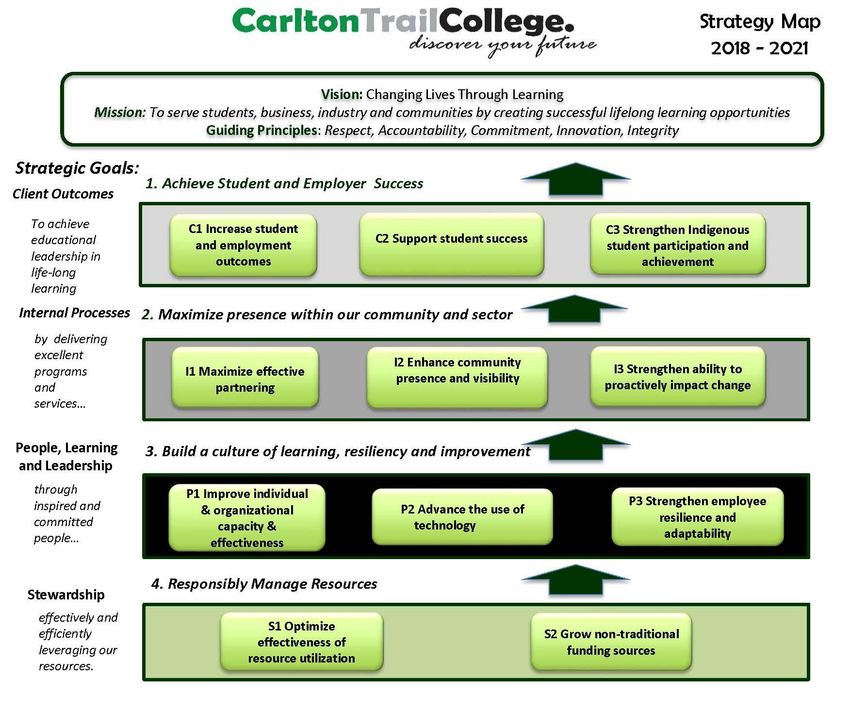
MULTI-YEAR BUSINESS PLAN
                                                                                                       2019-2022

EXECUTIVE SUMMARY
The Multi-Year Business Plan covers the three-year period from July 1, 2019 to June 30, 2022.
The plan provides an overview of the College’s major strategic goals against the backdrop of the vision and
goals of the Government of Saskatchewan, the Ministry of Advanced Education, and the Ministry of
Immigration and Career Training. Our College goals are further broken down into specific objectives, key
actions, and measures, which reference the provincial goals mentioned above. In addition, given the
fundamental importance of managing risk, an overview of the College’s risk exposure categories is provided.
The work undertaken as a regional college system to increase efficiencies has been highlighted, noting that this
good work will continue. A detailed program plan for each of the next three years is included. The Human
Resource section outlines the key objectives in detail, and the College’s sustainability measures and information
technology plans are articulated.
Facilities and capital opportunities and challenges are presented, as well as a comprehensive financial plan and
detailed financial statements projected to June 30, 2020.
The Multi-Year Business Plan concludes with the inclusion of the multi-year Skills Training Allocation
Program Management Plan, the Adult Basic Education Enrolment Management Plan, and the English as a
Subsequent Language (ESL) Program Enrolment Plan. Finally, is the Provincial Training Allowance (PTA)
Forecast.
Carlton Trail College’s Multi-Year Business Plan for 2019/20 to 2021/22 received formal Board approval at
the regularly scheduled Board meeting held on April 30, 2019.

                                                                                                               3
MULTI-YEAR BUSINESS PLAN
                                                                                                        2019-2022

GOALS, OBJECTIVES, KEY ACTIONS AND MEASURES

In early 2018, the College Board and Senior Leadership Team undertook a Strategic Planning session to review
the College’s vision, mission, and guiding principles, and to assess its overall strategic direction and alignment
with government priorities. The session resulted in an affirmation of the existing vision, mission, and guiding
principles as they still speak to ‘who we are, what we value, and where we are going.’ A three-year strategic
plan was created that ensured a strong linkage with the Government of Saskatchewan’s direction, as well as
other guiding documents of the Ministries of Advanced Education and Immigration and Career Training. The
Board met again early in 2019 and concluded that the existing strategic plan continues to be the basis of a strong
blueprint for the future of the College.
The College’s vision, mission, and guiding principles are as follows:
Vision: Changing Lives Through Learning
Mission: To serve students, business, industry, and communities by creating successful lifelong learning
opportunities

                                                                                                                4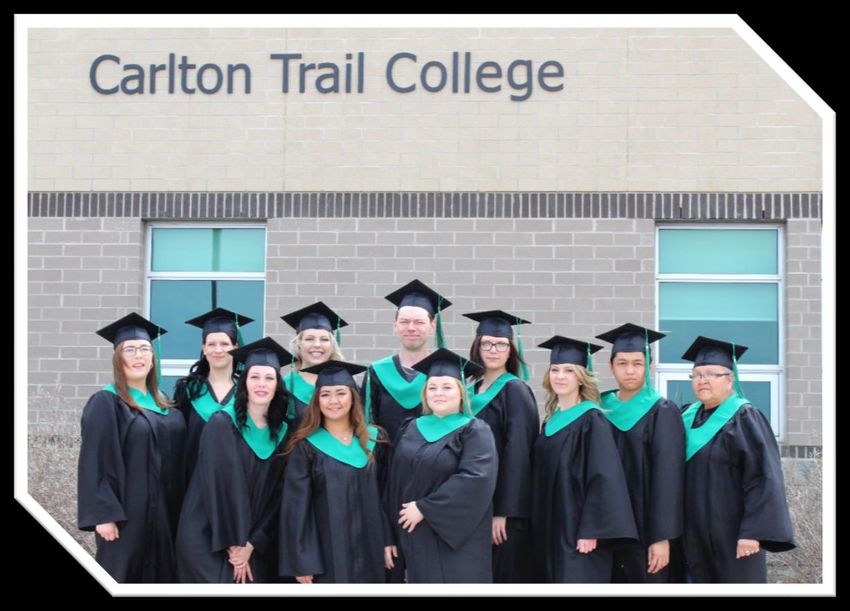
MULTI-YEAR BUSINESS PLAN
                                                                                                     2019-2022

GUIDING PRINCIPLES:
Respect - as demonstrated by honesty, confidentiality, the valuing of diversity, and the treatment of self and
others with dignity
Accountability - as demonstrated by the acceptance of responsibility for our actions and all things entrusted
to us (people, resources, and environment) through open, transparent communications
Commitment - as demonstrated by caring, efficient, effective, and exemplary service
Innovation - as demonstrated by our dedication to continuous improvement through lifelong learning,
professional development, and the pursuit of excellence
Integrity - as demonstrated by the adherence to moral and ethical principles

STRATEGIC GOALS:
1. Achieve student and employer success by strengthening attachments to the workforce through
   increasing success rates of all students, including Indigenous and other diverse groups.

2. Seek to maximize a presence within our community and the post-secondary sector through increased
   engagement and partnerships with business, industry, and community, as well as seeking opportunities
   for collaboration and alignment with others in the post-secondary sector.

3. Seek to build a culture of learning, resiliency, and improvement through advancing the use of
   technology for students and staff and strengthening employee engagement and commitment. The
   College will endeavor to create and lead a culture of continuous improvement.

4. Continue to responsibly manage resources, improve efficiencies and effectiveness, and look to grow
   non-traditional funding sources.

                                     Heavy Equipment Operator Students

                                                                                                            5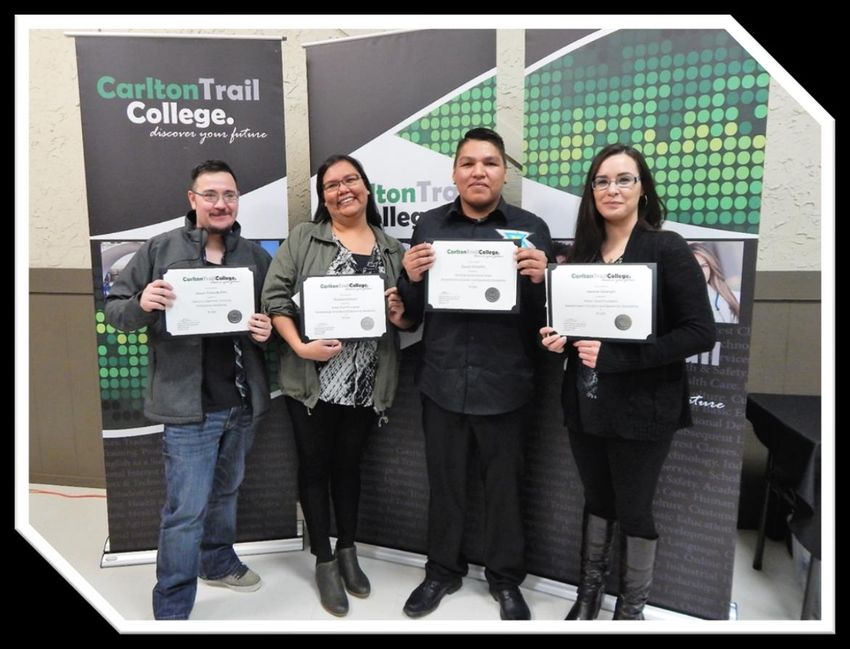
MULTI-YEAR BUSINESS PLAN
                                                                                                                                                2019-2022

GOALS, OBJECTIVES, KEY ACTIONS, AND MEASURES:
The College, using the balanced scorecard (BSC) method, further articulates the key goals and objectives
of its strategic plan, including actionable items, success measures, and targets. Included under each
objective in the BSC, the College identifies how that objective ties into the overall direction of the
Government of Saskatchewan, and the Ministries of Advanced Education and Immigration and Career
Training. A list of the provincial government, ministry, and College goals is found after the BSC.

ACHIEVE STUDENT AND EMPLOYER SUCCESS
Objectives                            Key Actions                                                           Measures                        2019/20
                                                                                                                                            Target
                                      1.   Use relevant labour market data, business, and industry          Student Headcount
C1 Increase student and                    engagement and student demand to ensure the right                                                88%
employment outcomes                        program plan mix is being delivered to meet labour market        Enrolment as of 30 days after
SK. Vision:                                demand ensuring that skills align with jobs.                     start of program (compared to
• Sustaining growth and               2.   Invest in skills training opportunities that are responsive to   capacity) of Institute credit
  opportunities                            the needs of employers.                                          programs
Adv. Ed.:                             3.   Engage with Indigenous and non-indigenous community
• Students succeed in post-sec             stakeholders to determine the need for delivery of ABE           Labour Force Participation      Institute Credit:
  education
                                           programming to ensure participants are better prepared to        Rate                            • 72.4% (60-90
                                           enter the workforce or engage in further post-secondary                                            days)
ICT:                                                                                                        Percentage of students
                                           training.                                                                                        • 92% (1 year)
• Employers have workers with the     4.   Ensure a strong link between the delivery of Institute credit    employed after completion of
                                                                                                                                            • 2-yr baseline to
  right skills, at the right time          programming leading to long-term employment (strong fit          program (From follow-up stats
                                                                                                                                              be created at end
• Develop, attract, and retain             between programs being delivered and employment).                for Institute credit programs
                                                                                                                                              of 18/19
  workers from diverse backgrounds    5.   Continue to embed work placement opportunities in ABE            and ABE credit programs):
  to advance SK competitiveness            and all Institute credit programs.                               • 60-90 days
                                                                                                                                            ABE Credit:
                                                                                                            • 1 year
PSE:                                  6.   Seek out status to become designated institution to accept                                       • 46% (60-90 days)
                                                                                                            • 2 year
• Accessible                               international students.                                                                          • 57% (1 year)
• Responsive                                                                                                                                • 2-yr baseline to
• Accountable                                                                                                                                 be created at end
                                                                                                                                              of 18/19

                                      1.   Provide robust student services that provide academic            Quality of Student Experience
C2 Support Student Success                 advising, accessibility/disability services, crisis                                              ≥ 90%
SK. Vison:                                 intervention, career assistance, transition to employment        Maintain student satisfaction
• Meeting the challenges for growth        assistance, and job coaching to promote student success.         reported in exit survey
• Sustaining growth and               2.   Ensure students are aware of the financial supports
  opportunities for SK people              available to them (loans, grants, Provincial Training
Adv. Ed.:                                  Allowance [PTA], and scholarships).
• Meet the post-sec education needs   3.   Share and seek out knowledge and promising practices with
  of the province                          respect to mental health supports for students with those in
PSE:                                       the post-secondary sector.
• Quality                             4.   Foster an inclusive environment where a diverse group of
• Responsive                               students can succeed.
• Accountable                         5.   Through Institute credit post-admissions interviews and
ICT:                                       ABE intake and assessment, students are engaged prior to
• Employers have workers with the          the start and work with Student Advisors to ensure they are
  right skills, at the right time          in the program best suited to their goals, and to identify
                                           potential barriers that may hamper student success.
• Develop, attract & retain workers
                                      6.   Ensure students with disabilities understand how to access
  from diverse backgrounds to
                                           supports that may be available to them.
  advance SK competitiveness
                                      7.   Improve opportunities to succeed while transitioning into
                                           post-secondary education (PSE) or the workforce.
                                      8.   Work with business, industry, and community partners to
                                           create supports and resources for transition to the
                                           workforce.

                                                                                                                                                                  6
MULTI-YEAR BUSINESS PLAN
                                                                                                                                                  2019-2022

                                      1.   Communicate with Band and Tribal Council leaders in our          Credentials Awarded
C3 Strengthen Indigenous student           region on a regular basis to continue to grow our
participation and achievement              relationships and partnerships and to ensure that we             • Institute credit programs         70%
SK. Vison:                                 understand and respond to learners’ needs.                       • ABE credit programs               65%
• Meeting the challenges for growth   2.   Provide a safe and healthy learning environment that is
• Sustaining growth and                    acknowledging of, and supports, Indigenous cultures and          Participation Rate
  opportunities for SK people              values.                                                          Indigenous student
                                      3.   Work with First Nation Bands to determine program needs                                              30%
Adv. Ed.:                                                                                                   participation in Institute credit
• Students succeed in post-sec             so we can deliver, in partnership, the right program mix         programming
  education                                (including Institute credit, ABE credit and non-credit, and
• Meet the post-sec education needs        Industry credit and non-credit programming).                     (Based on total Institute
  of the province                     4.   Working with First Nation communities and Tribal                 enrolment of FT, PT, and
PSE:                                       Councils, ensure that programs delivered on or near First        Casual)
• Accessible                               Nation communities include program supports from the
• Quality                                  Band or Tribal Council such as transportation, childcare
• Responsive                               and income top-up.
                                      5.   Student Advisors work with students enrolled in ABE
• Accountable
                                           programs to determine their career and employment goals
ICT:
                                           and assist with the application for funding PTA for
• Employers have workers with the
                                           applicable programs.
  right skills, at the right time
                                      6.   Programs are offered in a manner that best suits the needs
• Develop, attract, and retain             of students living on-reserve (e.g., full-time programs, class
  workers from diverse backgrounds         hours).
  to advance SK competitiveness       7.   Work closely with First Nation communities and their
                                           respective Tribal Councils to formalize strategies to support
                                           transitions to employment for students who have
                                           successfully completed their program of study (ABE and
                                           Institute credit).

MAXIMIZE PRESENCE WITHIN OUR COMMUNITIES AND SECTOR
Objective                             Key Actions                                                           Measure                             2019/20
                                                                                                                                                Target
                                      1.   Implement the Business and Industry Partnership            •     Job Grant
I1 Maximize effective                      Strategy to:
partnering                                 • Determine business and industry current training needs; •      # of employers accessing
                                                                                                                                                9 employers
SK. Vison:                                 • Assess labour market trends with the potential of              programming through the
• Meeting the challenges for growth           identifying future opportunities;                             College and utilizing the
• Sustaining growth & opportunities        • Develop industry investment and partnership                    Job Grant
  for SK people                               opportunities;                                          •
Adv. Ed.:                                  • Provide contract and open enrolment training;
• Meet the post-sec education needs        • Seek out scholarship sponsorship;
  of the province                          • Access opportunities for students to participate in work
PSE:                                          placements to gain experience and exposure to careers;
• Accessible                          2.   Educate regional stakeholders about the College’s
• Responsive                               resources and capabilities, as well as about Canada-
• Accountable                              Saskatchewan Job Grant.
ICT:                                  3.   Increase opportunities for employer sponsored training
• Employers have workers with the          to support the retention of workers and their career
  right skills, at the right time          growth and productivity.
• Develop, attract & retain workers   4.   Work with employers and community partners to improve
  from diverse backgrounds to              the employment rate of groups who are underrepresented in
  advance SK competitiveness               the workforce.
                                      5.   Work with industry partners to identify opportunities for
                                           training to ensure employee skills align with anticipated
                                           labour demand.
I2 Enhance community presence         1.   Participate in opportunities to engage with community,           Community Engagement
and visibility                             regional, and provincial leaders.                                                                    20 staff
SK. Vison:                            2.   Encourage College staff representation on community              Number of staff participating
• Sustaining growth & opportunities        boards and committees.                                           on external Boards or
  for SK people                       3.   College representation at community events.                      committees
Adv. Ed.:                             4.   Investigate opportunities for College employees to
• Meet the post-sec education needs        volunteer at events.
  of the province                     5.   Collaborate with other regional stakeholders (e.g., non-
PSE:                                       profit and community organizations) to develop grants
• Responsive                               or deliver services that align with College’s mandate.
• Accountable
ICT:
• Sask is attractive place for
  residents to build their careers

                                                                                                                                                              7
MULTI-YEAR BUSINESS PLAN
                                                                                                                                                 2019-2022

I3 Strengthen ability to proactively   1.   Active participant in the Task Force for Regional College        Financial Savings
impact change                               Efficiencies and working committees.
SK. Vison:                             2.   Collaborate with the others in the post-secondary sector to      As a result of collaboration     $56, 850
• Meet the challenges for growth            develop and implement the sector planning framework led
Adv. Ed.:                                   by the Ministry of Immigration and Career Training.
• SK’s post-sec sector is              3.   Support continuous improvement efforts within the College
  accountable and sustainable               and across the sector.
PSE:                                   4.   Identify opportunities to participate in collaborative
• Sustainable                               strategies across the regional college sector to manage costs,
• Accountable                               and better support students.
ICT:                                   5.   Generate innovative ideas to support provinces future
                                            economic development.
• Organizational excellence
                                       6.   Lead College on the Regional College Business System
                                            Future Project.

BUILD A CULTURE OF LEARNING, RESILIENCEY, AND IMPROVEMENT
Objective                              Key Actions                                                           Measure                          2019/20
                                                                                                                                              Target
P1 Improve individual and              1.   Carlton Trail Executive Leaders and Managers will continue       Professional Development
organizational capacity and                 to participate in the Executive Leadership Improvement                                            $28,769
effectiveness                               Training (ELIT) program to gain the knowledge and ability        Amount of training and           (Board & Staff)
SK. Vison:                                  to embed the methods and tools of continuous improvement         development dollars expended
• Delivering responsive and                 in the College.
  responsible government               2.   Identify opportunities for staff to embed continuous
Adv. Ed.:                                   improvement activities in to their day-to-day work to
• SK’s post-sec sector is                   improve processes, students’ supports, etc.
  accountable and sustainable          3.   Provide professional growth opportunities for all employees
PSE:                                        through College & PD sponsored training to support the
• Sustainable                               retention, growth and productivity of staff.
• Accountable                          4.   Ensure knowledge transfer and succession planning is
ICT:                                        incorporated into College planning.
                                       5.   Empower employees to think, act, and implement creative
• Organizational excellence
                                            solutions.
P2 Advance the use of technology       1.   Create an IT strategy to build an adaptable and agile IT         Use of Technology
SK. Vison:                                  infrastructure that meets the current, and future needs of our                                    90%
• Sustaining growth & opportunities         students and employees.                                          # of employees using Cloud-
  for SK people                        2.   Continue to improve and grow the use and availability of         based and shared technology
Adv. Ed.:                                   learning technology in the classroom.
• Meet the post-sec education needs    3.   Provide technology that evolves in response to employee
  of the province                           and student needs.
PSE:                                   4.   Ensure that employees are trained on the use of new
• Accessible                                technologies or software.
• Responsive                           5.   Implement new applications and processes to improve
• Accountable                               productivity and efficiency as it relates to technology at the
ICT:                                        College.
• Develop, attract & retain workers
  from diverse backgrounds to
  advance SK’s competitiveness

P3 Strengthen employee resilience      1.   Embed the College’s Culture Building strategy.                   College Absenteeism Rate
and adaptability                       2.   Using the Total Health Index (THI) tools to help increase                                         2.86%
SK. Vison:                                  employees’ total health (physical, mental, life, and work)       Absenteeism rate includes:
• Meeting the challenges for growth         engagement and productivity.                                     sick time, pd medical >0.5 day
Adv. Ed.:                              3.   Provide tools and best practices that prepare employees for      & PN Total absence / total
                                                                                                             hours worked. Includes staff
• SK’s post-sec sector is                   organizational and life changes.
                                                                                                             and instructors
  accountable and sustainable
PSE:
• Sustainable
• Accountable
ICT:
• Organizational excellence

                                                                                                                                                                8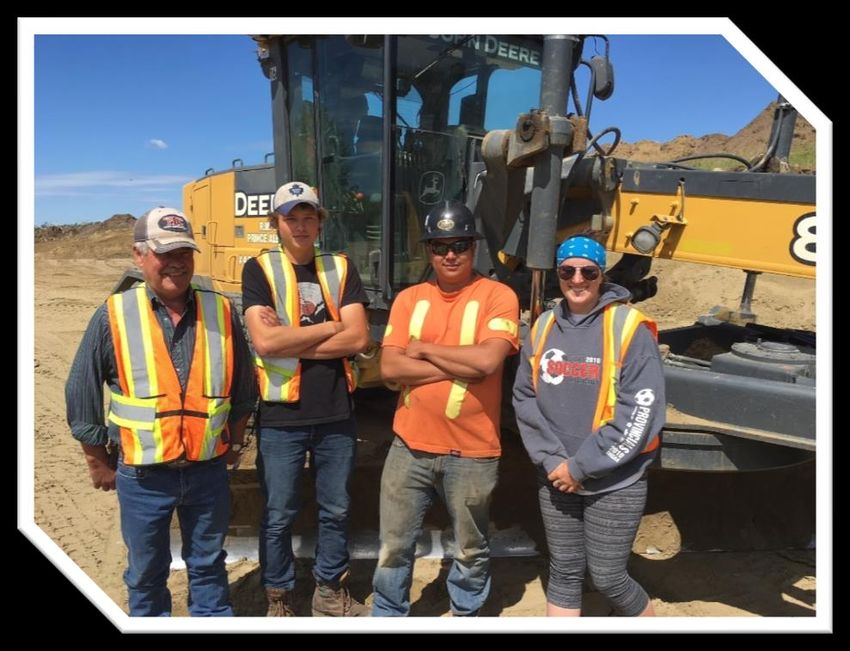
MULTI-YEAR BUSINESS PLAN
                                                                                                                                                 2019-2022

RESPONSIBLY MANAGE RESOURCES
Objective                   Key Actions                                                                      Measure                       2019/20
                                                                                                                                           Target
S1 Optimize efficient       1.   Identify and implement continuous process improvements                      Continuous Improvement
use of resources            2.   Policies for replacement and maintenance of equipment.
SK. Vison:                  3.   Structured, regular reporting of financial matters including an effective
• Delivering responsive          and reliable Business Plan, Annual Report and Risk Management Plan.         CI activities undertaken      3
  and responsible           4.   Participate in regional college opportunities for joint tendering and       annually
  government                     other system-wide collaborative enhancements and efficiency
Adv. Ed.:                        opportunities.
• SK’s post-sec sector is   5.   Identify opportunities to engage in collaboration with post-secondary
  accountable and                partners to manage costs.
  sustainable
PSE:
• Sustainable
• Accountable
ICT:
• Organizational
  excellence
S2 Grow non-traditional     1.   Staff actively seek out funding opportunities through identification of     Identification of Funds
funding sources                  government proposals and engagement with business and industry and          Generated Beyond
SK. Vison:                       other regional stakeholders.                                                Provincial Funding Letter:
• Delivering responsive     2.   Ensure College’s contract pricing provides fair value to the client while                                 2019/20 Baseline:
  and responsible                providing an economic recovery to the College.                              Revenue generated from
  government                3.   Continue to investigate options for the generation of additional            non-government contract
                                                                                                             training:                     Gross
Adv. Ed.:                        revenue.
                                                                                                                • Institute credit
• SK’s post-sec sector is   4.   Work with partners for identification of in-kind donations, partnership                                   $282,000
                                 opportunities and contract training.                                           • Industry credit & non-
  accountable and                                                                                                                          $ 20,000
                            5.   Begin process of becoming a designated institution in order to accept             credit
  sustainable
                                 international students.                                                        • ABE credit & non-        $ 97,700
PSE:
                                                                                                                   credit
• Sustainable                                                                                            •   Revenue generated from
• Accountable                                                                                                government-based
ICT:                                                                                                         contracts:
Organizational                                                                                                  • Provincial
excellence                                                                                                                                 $200,000
                                                                                                                • Federal                  $215,495
                                                                                                                • Provincial Other         $104,500

                                              Punnichy ABE Graduate

                                                                                                                                                               9
MULTI-YEAR BUSINESS PLAN
                                                                                                                             2019-2022

PROVINCIAL GOVERNMENT, MINISTRY, AND COLLEGE GOALS
Government of Saskatchewan Vision (SK*)
1.   Sustaining growth and opportunities for Saskatchewan people
2.   Meeting the challenges of growth
3.   Securing a better quality of life for all Saskatchewan people
4.   Delivering responsive and responsible government
Ministry of Advanced Education Goals (Adv. Ed.*)
1. Students succeed in post-secondary education
2. Meet the post-secondary education needs of the province
3. Saskatchewan’s post-secondary sector is accountable and sustainable
Post-Secondary Sector Expectations (PSE*)
1.   Accessible – Offers qualified people the opportunity to attend and succeed
2.   Responsive – Meets the needs of students, communities and the economy
3.   Sustainable – Operates within available resources
4.   Accountable – Achieves expected outcomes and is transparent
5.   Quality – Meets standards and builds public confidence in the programs and services provided
Ministry of Immigration and Career Training Goals (ICT*)
1. Employers have workers with the right skills, at the right time
2. Saskatchewan provides the opportunity for people to build their careers and adapt to changing labour
   market conditions
3. Organizational excellence
Carlton Trail College Goals
1.   Achieve student and employer success
2.   Maximize presence within our community and sector
3.   Build a culture of learning, resiliency, and improvement
4.   Responsibly manage resources

*The Balanced Scorecard shows how the College’s goals align with those of the Saskatchewan Government, and the Ministries of Advanced
 Education, and Immigration and Career Training.

                                                                                                                                        10
MULTI-YEAR BUSINESS PLAN
2019-2022
STRATEGIC INITIATIVES
International Students
While many post-secondary institutions in Saskatchewan have been engaged in the delivery of programming to
international students for several years, the College had made the strategic decision not to participate in such
programming. Looking forward, as the College prepares to better meet the provincial labour market needs,
support increased diversity within our college and community, and generate additional revenue, the College
will do a fulsome examination of taking on international students, while simultaneously applying to become a
designated institution.
Timelines: 2019/20 – Apply for Designated Institution status; 2020/21 – Take on six to eight International
Students in a pilot diploma program in Humboldt.
Strategic alignment with government priorities: The Ministry of Advanced Education Plan for 2018-
19 speaks specifically to ‘increasing the number of international students in Saskatchewan…” (p. 4).
Specifically, the Post-secondary Education Strategy identifies a desire to “bring the world to Saskatchewan”
with a goal of “75% more international post-secondary students by 2020.” The College is eager to contribute
to this growth. In addition, as we consider additional revenue sources to supplement our bottom line,
participating in delivering post-secondary education to international students should have a positive net impact.
Overall feasibility and sustainability of the initiative: Though we are still early in the investigation
process, the key importance for the College is having a clear understanding of the ongoing feasibility and
sustainability of this initiative. We will only proceed if we are able to provide the required supports to this new
group of students, while being cognizant of our organizational capacity to manage this portfolio. Our goal, by
engaging in this initiative, would be doing it in such a way that we could not only be sustainable, but would
anticipate growth, albeit at a manageable pace.
Meeting labour market demand: Saskatchewan Plan for Growth: Vision 2020 and Beyond identified the
importance of attracting and retaining more international students as an important source of future immigration,
population growth, and new talent for Saskatchewan. As we look forward to meeting both regional and
provincial labour market needs, the College will align programming such that training and labour market gaps
are identified, as we look to retain international students in the province.
Impact of initiative of not proceeding (risk): While meeting labour market demands and increasing the
population growth of Saskatchewan are critical, also equally important is mirroring the diversity of our province
in our classrooms and our community. International students bring with them different cultures and worldviews,
which will help domestic students have a more global perspective of their world. If the College does not proceed
with this initiative, it will not be doing its part in contributing to Saskatchewan’s post-secondary international
education strategy thereby limiting the growth and development of the students and communities we serve. In
addition, the potential for the further revenue generated from international students would not be realized by
the College.
11MULTI-YEAR BUSINESS PLAN
2019-2022
RISK MANAGEMENT
The management of risk continues to be a fundamental part of the work that is undertaken at the College.
To mitigate exposure to an event that could have an impact on strategic objectives and operations, the
College reviews, and where necessary, reassesses key risks annually.
The College’s risk exposure categories are as follows:
Program and Service Delivery
• This encompasses the entire strategic enrolment cycle; the total student experience. Included are
needs assessment/relevance, planning, delivery and evaluation of programs, services, and the quality
and manner in which the programs and services are
delivered.
Organizational Behaviour
• This refers to how the College manages the internal
requirements of its business, extending to the
organizational culture, structure, and the human resources
of the business, including the health and safety of
employees and students.
Stakeholder Relationships and Reputation
• This includes identifying, establishing, and maintaining
the right relationships with both internal (employees and
students) and external stakeholders (government, business,
industry, communities and public). The ability to maintain
positive relationships impacts the reputation of the
College. The reputation depends upon the conduct of the
College as a whole, the viability of our programs and
services, and the conduct of our Board, employees, and
students.
Financial/Legal
• This includes ethical stewardship and compliance with
legal and regulatory standards, College policies and procedures, and ESWP One Arrow
collective agreements.
Operational
• This includes the planning and delivery of daily operational activities, resources (human, physical,
and technology), and supports our ability to deliver programs and services.
12MULTI-YEAR BUSINESS PLAN
2019-2022
COLLABORATIVE PLANNING
COLLEGE OBJECTIVES 2019-2022
1. Maximize effective partnering
2. Strengthen ability to proactively impact change
3. Optimize effectiveness of resource utilization
The College appreciates the importance of working with others in the post-secondary sector to ensure that
collaboration is a fundamental element of the work it does. With this, the College has incorporated
collaboration as one of the objectives within its strategic plan. Inasmuch, the College will strive to take
on leadership opportunities for collaboration, as well as taking advantage of such opportunities when they
avail themselves.
In addition to the role the College will play in the Task Force on Regional College Efficiency, it has
representatives on several ‘college’ wide committees that look to problem solve, share best practices, and
look for opportunities to enrich the College system. Further, each of these committees also have several
subcommittees, or working groups, that operate with a ‘systems’ framework in mind. Significant savings
have already occurred because of this work. Some examples of ongoing collaborative efforts underway
in the regional college system are as follows:
CEO Council
• Oversees all three system committees, ensuring that work plans and system-wide planning continues to take
place, and that collaborative opportunities are identified and followed up on.
• Carlton Trail College, working with the Ministry of Advanced Education, the regional colleges, and other
stakeholders, will take the College lead on the Regional College Business System Future Project.
Senior Academic Officer Committee
• Continued engagement in Sector Planning, Quality Assurance, and related working groups with system-
wide stakeholders.
• Working with the Ministry of Education to investigate the ability to leverage system-wide use of Blackboard
Learn and Blackboard Open learning management systems to mitigate licensing costs.
• ABE Reference group, ABE-ESWP Evaluation Group Teams.
• English as a Subsequent Language (ESL) collaboration in the negotiation process of projects with both
Immigration, Refugees, and Citizenship Canada (IRCC) and the provincial ministry. This also includes
seeking opportunities to submit ‘system’ wide proposals.
Senior Business Officer Committee
• Continue to investigate options for joint purchasing and joint tendering of corporate services to create
system-wide efficiencies.
Human Resource Committee
• Centralized labour relations handled internally by the Regional College HR Committee.
• Mediation and investigation services handled internally by trained HR employees.
13MULTI-YEAR BUSINESS PLAN
2019-2022
PROGRAM PLAN
OBJECTIVES 2019 - 2022
With a focus on students, business and industry, program planning, and related activities, we will focus
on the following:
1. Increasing student and employment outcomes
2. Supporting student success
3. Strengthening Indigenous student participation and achievement
4. Maximizing effective partnering
5. Advancing the use of technology
6. Maximizing effectiveness of resource utilization
7. Growing non-traditional funding sources
Over the next three years, Carlton Trail College will
• develop and maintain partnerships, engage with regional and sector stakeholders to determine and deliver
programming, and remain flexible to meet labour market needs,
• prepare individuals for the forecasted job openings in Saskatchewan (2018-2022) due to retiring workers,
as projected by the Ministry of Immigration and Career Training,
• continue with flexible program delivery, including full-time, part-time, blended, and facilitated studies to
meet student and industry needs,
• maintain our commitment towards helping to close the education gap for Indigenous people. As a part of
the “Truth and Reconciliation Commission of Canada: Calls to Action”, we remain dedicated to ensuring
our College is collaborative, inclusive, respectful, reflective, and acknowledging of Indigenous
communities, cultures, and values,
• create greater accessibility for Indigenous students, including those living on-reserve, by offering skills
training and ABE programming in their home community or nearby,
• focus on increasing employment readiness, skills enhancement, literacy, and ultimately, the graduation
rates of Indigenous learners, by offering programs that meet individual and community needs,
• seek out cost-sharing opportunities with business, industry, and Indigenous partners to offer programming
that meets regional needs and employment demands,
• continue to engage with and maintain collaborative relationships with Indigenous partners and
communities to support training and transition to employment, leading to increased labour market
participation and success,
• continue to offer the ABE Indigenous Determination Award in partnership with SIGA to celebrate
successes of Indigenous students,
• target revenue generation opportunities through key partnerships, and the delivery of Industry credit and
non-credit programming on a cost-recovery basis,
14MULTI-YEAR BUSINESS PLAN
2019-2022
• further promote the Canada-Saskatchewan Job Grant to employers to encourage training to meet
employment demand,
• explore requests for university programming where an identified demand exists that St. Peter’s College,
who is affiliated with the University of Saskatchewan and is located near Humboldt, is unable or unwilling
to address,
• apply additional emphasis to transition-to-employment services and experiential learning opportunities,
• enhance Level 3 programming by incorporating Career and Work Exploration 30 and Workplace and
Apprenticeship Math 10,
• utilize local, community-based resources and assets where ever possible to enhance programming and
student supports, while leveraging shared resources and building partnerships,
• encourage and support student usage of Government of Canada’s Job Bank online resources, and
• continue to provide students significant access to student services for ongoing personal/crisis support and
referrals, career and academic advising, and transition planning.
Program Management Plans are found in Appendices B, C, and D.
ABE Indigenous Determination Award
15MULTI-YEAR BUSINESS PLAN
2019-2022
Projected Program Capacity, Headcount and FLEs
2018/19 Forecast * 2019/20 Budget 2020/21 Estimate
CAP HC** FLEs CAP HC** FLEs CAP HC** FLEs
Institute Credit 244 220 144.42 236 184 163.9 202 157 148
Industry Credit*** n/a 411 9.89 n/a 1184 35.58 n/a 1184 35.58
Non-credit*** n/a 399 6.31 n/a 437 11.25 n/a 437 11.25
Adult Basic Education Credit 84 84 85.21 80 80 102 80 80 102
Adult Basic Education Non- 248 170 170
248 41.93 170 52.4 170 52.4
Credit
University 0 0 0 0 0 0 0 0 0
Total Capacity/Headcount/FLES 576 1362 287.75 486 2055 365.13 452 2028 349.23
* Used Annual Report Table 1 data as of April 4/19 (Headcount and FLEs)
** Not distinct students
*** Budget & Estimate are based on a 3-year average July 2015 to June 2018
Staff and Students Participated in Every Child Matters September 27, 2018
16MULTI-YEAR BUSINESS PLAN
2019-2022
SKILLS TRAINING
Continuing Care Assistant Labour
Program Information Market
This program provides the knowledge and skills needed to care for Analysis
others. Students receive training in gerontology, dementia
management, promoting independence, working with people with •••
different levels of physical and cognitive impairment, administering Sask Industry Labour
personal care, medication monitoring, and more. Demand Outlook
Employment Opportunities (2018-2022)-health
Continuing Care Assistant graduates can work in a home care setting, sector will see largest
long-term care facility, private care home, acute care facility, integrated gain with 14,600
facility, supportive housing, or special needs classroom. openings, and CCA
Funding sources jobs are in the top 5.
Skills Training Allocation 75% of graduates
Program Partners contacted from the past
Saskatchewan Health Authority for clinical placements. two years are employed
in the field.
Location Humboldt Wynyard Sask Health Authority
Program Length (days) 136 136 had 2,163 external
Enrolment Capacity 15 14 vacancies in 2018 with
283 being in the
Projected Enrolment 12 10
region.
Projected Participant 827 827
Hours
Projected FLEs 14.7 12.3
CCA Students in Humboldt
17MULTI-YEAR BUSINESS PLAN
2019-2022
SKILLS TRAINING
Early Childhood Education Labour
Program Information Market
This program provides the knowledge and skills needed to work in a Analysis
variety of childcare settings. Students receive training in child and
adolescent development, child guidance techniques, role of early •••
childhood educations, role of play in programming, values and practice Early Childhood
of early childhood education, programming for creative arts, language,
educators are in
cognitive, social and emotional development, and more.
demand in Sask. They
Employment Opportunities are listed in the top 5
Early Childhood educators can work in childcare centres, preschools, occupations with the
day homes and elementary schools. Graduates are eligible to apply for
most job openings in
Early Childhood Education (ECE) certification through the Ministry of
Education. the area of health
care/social assistance
Funding sources
and one of the top 15
Skills Training Allocation
expansion -driven
Program Partners occupations- Sask
Tribal council and First Nation communities for Punnichy program. Industry Labour
Day Care Centres, Headstart programs and Pre-K classrooms for Demand Outlook
practicum placements.
(2018-2022).
Location Punnichy LeRoy (PT)
There are 12 licensed
day care centres, 5
Program Length (days) 150 14
elementary school Pre-
Enrolment Capacity 14 15
K programs, 6 First
Projected Enrolment 12 8 Nation day care centres
Projected Participant 877 84 and 6 First Nation
Hours
Headstart programs in
Projected FLEs 15.6 1.0 the region.
ECE Students One Arrow
18MULTI-YEAR BUSINESS PLAN
2019-2022
Electrician
Program Information
The Electrician Applied Certificate Program provides entry-level skills
Labour
training on how to make electrical installations and perform Market
Analysis
maintenance duties according to industry standards. Trade time and
academic credit may be available for graduates who find employment
in the trade and register as apprentices. •••
Build Force Canada
Employment Opportunities
(2018-2027) predicts
Graduates may find employment with electrical contractors, large
manufacturing or mining firms and retail or wholesale outlets. availability of
The College will continue to pay close attention to enrolments for this electricians may be
program, as well as demand, and may, if warranted remove it program limited to meet
from its program plan for 2019-20. expected increase in
Funding sources construction in 2022.
Skills Training Allocation
Net job openings for
Program Partners 2020/2021 are expected
Businesses within the region that provide work experience to be 310 (Build Force
opportunities. Canada Occupational
Profile Noc 7241.)
Location Humboldt 50% of students from
Program Length (days) 90 the previous year who
Enrolment Capacity 12 were contacted are
Projected Enrolment 10 working in the field.
Projected Participant Hours 537
Projected FLEs 8.0 Higher tuition at Sask
Polytech due to cost-
recovery model.
Electrician Student Skill Development
19MULTI-YEAR BUSINESS PLAN
2019-2022
SKILLS TRAINING
Food Service Cook Labour
Program Information Market
This program provides the knowledge and skills needed to be able to Analysis
prepare meals and snacks for large numbers of people and to gain entry-
level cooking skills and hands-on experience. This includes learning •••
about basic cooking principles, kitchen tools and equipment and Cooks are listed in the
working with soups, pastas, cold foods, breakfasts, dairy, meat, and top 5 occupations with
poultry. Information on professionalism, safety and sanitation is also
covered. the most job openings
in the area of
Employment Opportunities
accommodation and
Food Service Cooks are in demand in restaurants, hotels, health food services and one of
facilities, educational institutions, mining camps, and more. Graduates
can ladder into a Professional Cooking program if they prefer to the top 15 expansion -
continue their education. driven occupations-
Sask Industry Labour
Funding sources
Demand Outlook
Skills Training Allocation
(2018-2022).
Program Partners
City of Humboldt
Location Humboldt
Program Length (days) 60
Enrolment Capacity 12
Projected Enrolment 12
Projected Participant Hours 373
Projected FLEs 6.6
Food Service Cook Students at Fishing Lake First Nation
20MULTI-YEAR BUSINESS PLAN
2019-2022
Office Administration
Program Information
Students learn about keyboarding, interpersonal communications,
Labour Market
basic accounting, reception, manual and electronic records Analysis
•••
management, computer skills, automated accounting, and many other
office procedures. Skills are further developed during the work
experience component.
Employment Opportunities Local employers such as
Graduates can pursue opportunities in a variety of sectors, such as the Health Authority,
government, banking, manufacturing, health care, education, School Division, financial
insurance and business as administrative assistants, office
institutions, local
administrators, receptionists, customer service representatives,
bookkeepers, or other careers where office administrative skills are in businesses and industries,
demand. and First Nation Bands
Funding sources and organizations
continue to seek out
Skills Training Allocation
graduates of this program.
Program Partners Most students have jobs
Businesses in the area that provide work experience opportunities. in place before they have
completed the program.
Location Humboldt
Sask Industry Labour
Program Length (days) 159
Demand Outlook (2018-
Enrolment Capacity 15
2022)-Office
Projected Enrolment 10
administrators remain in
Projected Participant Hours 971
high demand in many
Projected FLEs 14.4
sectors.
80% of graduates in the
past two years are
working in the field.
Office Administration Students - Bell Let’s Talk
21MULTI-YEAR BUSINESS PLAN
2019-2022
Plumbing/Pipefitting
Program Information
Labour Market
Analysis
This program provides entry-level knowledge and skill
development in plumbing installation, water supplies, waste
systems, and plumbing fixtures. Trade time and academic credit •••
may be available to graduates who find employment in the trade and
register as apprentices.
Build Force Canada’s
Employment Opportunities “Construction &
Graduates may find a variety of employment opportunities in Maintenance Looking
industrial, commercial, or residential settings. Forward” publication
estimates that in
Funding sources
Saskatchewan from 2020-
Skills Training Allocation 2027, the supply of
plumbers meeting
Program Partners
employer qualifications
Businesses in the area that provide work experience opportunities. may be ‘limited’ to ‘not
generally available to
Location Humboldt meet demand.’
Program Length (days) 90 A strong residential
Enrolment Capacity 12 recovery is predicted
Projected Enrolment 10 between 2022-2027 (Build
Projected Participant Hours 537 Force Canada).
Projected FLEs 8.0 10 out of 12 graduates
from the past two years
that were contacted were
working in the field
following graduation.
2018 Plumbing & Pipefitting Graduating Class
22MULTI-YEAR BUSINESS PLAN
2019-2022
Power Engineering Technician
Program Information
Labour Market
This program provides practical training in boiler operations,
maintenance techniques, and tool usage. Students study standardized Analysis
material as preparation to challenge the interprovincial Fourth-Class
examinations. Students acquire boiler-firing time in a power lab and
•••
participate in industry work experience.
Sask Polytech still
Employment Opportunities
considers this a high-
There are employment opportunities in power plants, refineries, demand program.
hospitals, pulp and paper mills, breweries, mines, gas processing
plants, heavy oil upgraders, fertilizer plants, chemical plants, and Net job openings are
more. expected to level off at
about 30 per year with
Funding sources
approximately 1,600
Skills Training Allocation people employed in the
field. (Build Force
Program Partners
Canada)
Businesses that provide work experience opportunities.
Employers within the
region include
agricultural processing
Location Humboldt
plants, potash mines, hog
Program Length (days) 140 production facilities,
Enrolment Capacity 12 health region, and
Projected Enrolment 10 SaskPower.
Projected Participant Hours 930
85% of past graduates
Projected FLEs 13.8 went onto further training
for their 3rd class.
Power Engineering Students
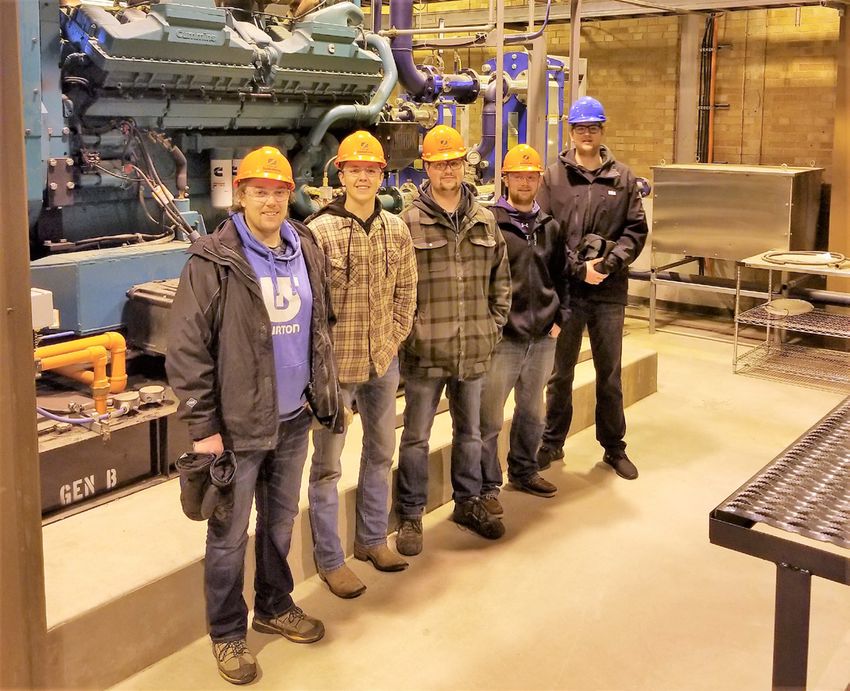
Tour of the Saskatoon Water Treatment Plant
23MULTI-YEAR BUSINESS PLAN
2019-2022
Power Engineering 3rd Class Theory
Program Information
This offering is the theory portion of the Sask Polytech Power
Labour Market
Engineering (Third Class) Program. Lab experience is not included. Analysis
Employment Opportunities •••
There are employment opportunities in power plants, refineries,
hospitals, pulp and paper mills, breweries, mines, gas processing plants, In consultation with
heavy oil upgraders, fertilizer plants, chemical plants, and more.
regional industry, it was
Funding sources noted that individuals
with their Class 3 Power
Skills Training Allocation
Engineering generally
Program Partners receive preference in
hiring over those with
Businesses in the area that provide work experience opportunities. Class 4.
Offering the Class 3
Location Humboldt theory portion of the
diploma program allows
Program Length (days) 70
students another means by
Enrolment Capacity 12
which to increase their
Projected Enrolment 8 skill level, their
Projected Participant Hours 420 employability prospects,
and ultimately, their
Projected FLEs 5.0
connection to the
workforce.
Net job openings are
expected to level off at
about 30 per year with
approximately 1,600
people employed in the
field. (Build Force
Canada)
Approximately 50% of
graduates contacted from
the past two years are
working in the field.
Power Engineering Students
Work Placement
24MULTI-YEAR BUSINESS PLAN
2019-2022
Practical Nursing
Program Information
Students study the principles of primary health care, anatomy,
Labour Market
physiology, pharmacology, administration of medications, health Analysis
and healing, health challenges, health assessment and praxis, and
sociology. They then integrate theory into practice while providing •••
holistic care to individuals requiring curative and restorative nursing
care. Sask Industry Labour
Employment Opportunities Demand Outlook (2018-
PNs work in acute-care or rehabilitation hospitals, medical centres, 2022) health sector will
long-term care, and homecare. They work in areas such as see the largest gain with
gerontology, maternal-child, medical, mental health, palliative,
14,600 job openings.
pediatric, rehabilitation, or surgical nursing.
Funding sources Close to 100 new job
openings per year over the
Skills Training Allocation
next few years are
Program Partners anticipated, and 2,860
Saskatchewan Health Authority for clinical placements. LPNs are expected to be
employed in
Saskatchewan.
Location Watrous
Close to 100% of
Program Length (Semesters 2 & 3) 153
graduates contacted from
Enrolment Capacity 21
the past program are
Projected Enrolment 19 employed in the field.
Projected Participant Hours 915
Projected FLEs 25.8
Sask Health Authority
had 661 external
vacancies in 2018 with 89
being in the region.
Practical Nursing is
considered a high-demand
program.
Practical Nursing Students
25MULTI-YEAR BUSINESS PLAN
2019-2022
Primary Care Paramedic
Program Information
This program emphasizes authentic hands-on training in pre-hospital
Labour
emergency care. The focus is on medical and trauma injuries, mental health Market
issues, physical assessments of various body systems, cardiac and respiratory
emergencies, and much more. Graduates are eligible to write the provincial Analysis
licensing exam for registration with the Saskatchewan College of Paramedics. •••
Employment Opportunities
Primary care paramedic skills are in demand by ambulance, air ambulance, With more than ten
and fire protection services, as well as the military, mine sites, industrial ambulance services in
manufacturing, and milling and processing sites.
our region, there is a
Funding sources continued need to
Skills Training Allocation replace paramedics that
move away or retire.
Program Partners
Saskatchewan Health Authority for clinical placements. The delivery of a part-
time program in both
Location Humboldt 2019-20 and 2021-22
Program Length (19/20 only) 100 will help fill the gap.
Enrolment Capacity 12
Sask Health Authority
Projected Enrolment 12
had 212 external
Projected Participant Hours 596 vacancies in 2018.
Projected FLEs 8.8
2019 PCP Students Humboldt
26MULTI-YEAR BUSINESS PLAN
2019-2022
Security Officer
Program Information
Labour Market
Analysis
Students obtain practical knowledge and skill development in
control tactics and crime prevention techniques, interpersonal
communication and conflict resolution, legislation for security •••
officers, mental health first aid, personal wellness and
professionalism, reporting procedures, and security procedures and
protocols.
Sask Industry Labour
Employment Opportunities Demand Outlook (2018-
Graduates can work as security officers at remote or rural mine and 2022) in the areas of
mill sites, industrial plants, healthcare facilities, in the gaming Public Administration
industry, and more.
and Business, Building
Funding sources and other Support
Skills Training Allocation and partnerships Services, Security
Officers, and related
Program Partners
occupations are part of the
Various businesses that take students for work experience and combined 8,100 job
Touchwood Agency Labour Force Development.
openings that should be
available.
Location Punnichy
Program Length (days) 57 This program has resulted
Enrolment Capacity 12 in a high percentage of
Projected Enrolment 12 past graduates being
Projected Participant Hours 342 offered employment
Projected FLEs 6.1 following the work
placement term of the
program. Employers
include mines, health
authority, provincial
courthouse, and private
security companies.
2018 Security Officer Students Punnichy
27MULTI-YEAR BUSINESS PLAN
2019-2022
Welding
Program Information
The Welding Applied Certificate Program provides the knowledge and
Labour
skill development in operating welding equipment and performing basic Market
Analysis
welding operations. Trade time and academic credit may be available to
graduates who find employment in the trade and register as apprentices.
•••
Employment Opportunities
Graduates may find employment in refineries, construction, pulp and Sask Industry Labour
paper mills, manufacturing or processing plants, mines, or repair shops. Demand Outlook (2018-
Funding sources 2022)- in the area of
manufacturing, welders
Skills Training Allocation
are listed as one of the top
Program Partners five occupations with the
Local manufacturing businesses that take students for work experience. most job openings; 4,500
job openings are expected
in this sector.
Location Humboldt
Program Length (days) 105 The Occupational Profile
Enrolment Capacity 12 for Welder (Noc 7237)
predicts approx. 140 new
Projected Enrolment 8
job openings per year and
Projected Participant Hours 618
5,620 welders employed in
Projected FLEs 7.3
Sask.
Humboldt area is
recognized as part of
Sask’s ‘Iron Triangle’ for
the production of
machinery, transportation
and industrial equipment.
Most of the large
manufacturing companies
Welding Students
such as Schulte, Bourgault
Building Resume Skills
Industries, Doepker
Industries, Koenders
Manufacturing, and
Commercial Industrial
Manufacturing (CIM)
hire welders.
28You can also read


