California 4-H Record Book Manual - 2011-2015 This manual supersedes all others
←
→
Page content transcription
If your browser does not render page correctly, please read the page content below
California 4-H
Record Book Manual

                      2011-2015
Compilation of the 2011 Record Book Manual and the 2012 Addendum

           This manual supersedes all others
California 4-H Record Book

Table of Contents
Purpose                                                                                                                                                   Page 3

4-H Online Record Book                                                                                                                                    Page 4

4-H Record Books and Positive Youth Development                                                                                                           Page 5

Evaluation and Competition                                                                                                                                Page 8

Process Instructions                                                                                                                                      Page 9

Formatting Instructions                                                                                                                                   Page 12

Organization Overview                                                                                                                                     Page 14

Section 1: Preliminary Information                                                                                                                        Page 15

Section 2: Personal Development Report (PDR)                                                                                                              Page 16

Section 3: My 4-H Story                                                                                                                                   Page 28

Section 4-A: Annual Project Report (APR)                                                                                                                  Page 29

Section 4-B: Junior/Teen Leadership Development Report (JTLDR)                                                                                            Page 32

Section 5: Collection of 4-H Work                                                                                                                         Page 38

Section 6: Previous Years’ Records                                                                                                                        Page 39

California State 4-H Office- 2801 Second Street Davis, CA 95618-7774 ca4h@ucanr.edu
Copyright © 2015 The Regents of the University of California.
The University of California ) Division of Agriculture & Natural Resources (ANR) prohibits discrimination against or harassment of any person participating in any of ANR’s
programs or activities on the basis of race, color, national origin, religion, sex, gender identity, pregnancy (which includes pregnancy, childbirth, and medical conditions related
to pregnancy or childbirth), physical or mental disability, medical condition (cancer-related or genetic characteristics), genetic information (including family medical history),
ancestry, marital status, age, sexual orientation, citizenship, or service in the uniformed services (as defined by the Uniformed Services Employment and Reemployment Rights
Act of 1994: service in the uniformed services includes membership, application for membership, performance of service, application for service, or obligation for service in the
uniformed services) or any person in any of its programs or activities.

University policy also prohibits retaliation against any employee or person participating in any of ANR’s programs or activities for bringing a complaint of discrimination or
harassment pursuant to this policy. This policy is intended to be consistent with the provisions of applicable State and Federal laws.

Inquiries regarding the University’s equal employment opportunity policies may be directed to Linda Marie Manton, Affirmative Action Contact, University of California, Davis,
Agriculture and Natural Resources, 2801 2nd Street Davis, CA 95618, (530) 752-0495.

                                                                                                                                                                                       2
California 4-H Record Book
Purpose of Record Books
History
The California 4-H Youth Development Program (YDP) has a long
history of record-keeping as an activity by 4-H members. In early 4-H
history, Record Books focused on project profit and loss and other
activities in agricultural and home economics projects. As 4-H moved
from a primarily agricultural focus to encompassing suburban and urban
clubs, the Record Book process changed. In the 1980’s, the Record Book
was reformatted to conform to national achievement (which was then
eliminated in the early 1990’s) and the core values of the 4-H YDP. In the
21st century, the 4-H Record Book has undergone another transformation
to ensure positive outcomes of youth participating in the 4-H YDP.
Practices have been modified to meet the needs of a changing society. In
order for the 4-H Record Book process to move youth on a path toward thriving within their
communities, it has undergone changes to meet the mission of 4-H YDP.
The Purpose of Record Book:
4-H Record Books serve a variety of purposes in the California 4-H Youth Development Program.
4-H Record Books give members an opportunity to reflect on their yearly work. They
document their skill development and their learning experiences in a written report. 4-H
members measure their achievements and growth in their total years in 4-H.
4-H Record Books encourage members to set goals, pursue strategies to meet those
goals, and to shift gears in the face of challenges and obstacles. Completion of the
Personal Development Report awards 4-H members for participation in 4-H activities,
which provides an incentive for participation, learning, and achievement.
Completing a 4-H Record Book is a process where 4-H members record project and
club work. Records management is a competency skill to identify, create, classify,
archive, and preserve records. The 4-H Record Book teaches 4-H members these skills
through a standard format.
Record Books promote positive youth development. Youth development is the process
through which youth acquire the cognitive, social, and emotional skills and abilities
required to navigate life. This development occurs throughout a young person's life.
Continued exposure to positive experiences, settings and people, as well as opportunities
to gain and refine life skills, supports young people in the development of the 6 Cs:
competence, confidence, character, caring, connection, and contribution.
3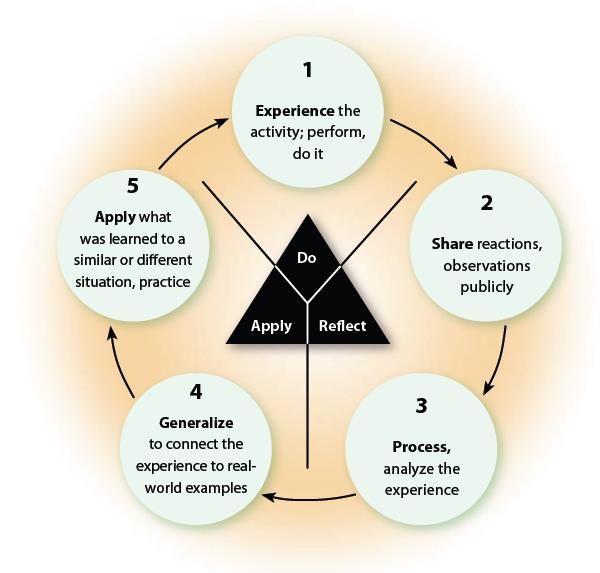
California 4-H Record Book
4-H Online Record Book
http://www.ca4h.org/4hbook/
The 4-H Record Book has undergone transformations over the years to ensure that it meets the
needs of our 4-H members. In September 2011, the 4-H Online Record Book was unveiled. This
transformation re-engages young people through a fun, interactive format that offers social
networking opportunities for members and volunteers within clubs.
The 4-H Online Record Book (ORB) is the Record Book of choice. The State 4-H
Incentives and Recognition Advisory Committee encourages youth and adult volunteers to
transition to the use of the ORB.
The 4-H Online Record Book:
Has a social connection! It extends opportunities to stay connected to other club members
and leaders online.
Is a fun and interactive way to log 4-H activities and events.
Is a more efficient way to keep Record Book information. No more worries about lost pages
or misplaced work.
4
California 4-H Record Book
4-H Record Books and
Positive Youth Development
Thriving in Youth Development
Thriving is a relatively new construct within the field of Positive Youth Development. Until recently,
there was little research about thriving, and consequently, the concepts have often been
unrecognized, misunderstood or disconnected from on-the-ground practice. Recently, a number of
researchers have made significant investments in order to understand the key indicators for thriving,
and to ascertain the positive roles of family, school, and community organizations toward growing
thriving youth.
In partnership with The Thrive Foundation for Youth, 4-H is actively translating current research in
to practical applications through the development of thriving educational materials, volunteer
development strategies, and data collection. All of these components are reflected in the 4-H Record
Book. 4-H Record Books support this model by helping members to:
Identify and nurture their spark(s). Sparks are passions and skills that are meaningful and
motivating. It's what unleashes your energy and joy, gives your life a purpose and focus, and
allows you to make a unique contribution to the world.
Develop and practice a growth mindset. The effort that members put into completing the
Record Book helps strengthen the connections in their brains. A growth mindset includes
viewing challenges as opportunities to learn even if it means changing a goal or strategy.
Practice GPS goal management skills. Throughout the 4-H Record Book, members set
Goals, Pursue strategies to reach those goals and Shift gears in the face of challenges or
obstacles.
Practice self-reflection skills on indicators of thriving. Members who demonstrate growth in
the 6 Cs: competence, confidence, character, caring, connection, and contribution, are on the
path to thriving. The 4-H Record Book encourages members to set goals related to the 6 Cs
and to reflect on their growth toward thriving.
Essential Elements of Youth Development
Research shows that focusing programs on the four essential elements of youth development creates
healthy and happy young people, who demonstrate a sense of maturity and civic engagement as
adults and become stronger individuals, creating stronger families and better communities. These
essential elements include belonging (caring relationships), mastery (constructive learning
experiences), independence (leadership opportunities), and generosity (service to communities). 4-H
Record Books support each of these by:
Belonging: 4-H members are awarded for their participation in activities, earning symbols
of belonging as they continue in 4-H (e.g., stars, achievement pins, etc.).
Mastery: Through competition, 4-H members receive feedback on their participation and
record keeping skills so they can improve and grow.
Independence: 4-H members are encouraged to participate in leadership development
activities (e.g., Junior and Teen Leader, officers, committee chairs, etc.).
Generosity: 4-H members are provided an incentive to engage in their communities through
positive citizenship and community development activities.
5
California 4-H Record Book
Experiential Learning Cycle
4-H utilizes a learn-by-doing model called Experiential
Learning which engages youth in hands-on activities. 4-H
Record Books can play an important role in this process
during the reflection stage. 4-H members share and
process their experience by recording what they did and
learned at each project meeting on the Annual Project
Report. This report helps the 4-H member summarize
their activities and learning experiences in their projects.
Learning Strategies
4-H members differ on learning strategies that best shape
their ideal learning experience. 4-H volunteer and
members must make selections that consider age,
developmental stages, and the needs of the group to
ensure a positive and enjoyable learning experience.
Competitive Learning – Competitive learning encourages high levels of individual
achievement, but also creates many more losers than winners. This can be harmful to
youth.
Individualistic Learning – Individualistic learning encourages independence but does
not provide participants with any information about their peers. It requires development
of standards for youth to work towards. 4-H Record Book competitions may focus on
either or both of these types of learning strategies.
Cooperative Learning – Cooperative learning encourages the development of social
interaction skills. Group members learn and experience interacting directly with one
another. Completing 4-H Record Book forms can be done in a cooperative learning
environment. Combined with the experiential learning cycle, group members can reflect
on their project work as a group to gain valuable insight from one another.
Age-Appropriate Development
The 4-H YDP is based on the needs and interests of its members. 4-H Record Books must be
developmentally appropriate for participants and appropriate for the delivery mode. Expectations of
4-H Record Book completion and standards change as 4-H members become older, more
experienced, and are thriving in 4-H, school, and in their community.
Primary members do not complete a 4-H Record Book. Some counties have simple forms
specifically designed for 5-to-8 year olds. Primary members are not eligible for 4-H Record
Book awards or competition. Primary work is not carried over to the PDR when he/she
becomes a regular member.
Junior (9 – 10 years old)
1. Participation should be limited to cooperative learning activities with limited
competition.
2. Junior members should have frequent meetings with work divided into time-limited
units. Meetings and group activities are important. Project lessons should be short.
3. Junior members should learn about what makes up a community. Learning experiences
should involve structured exposure to community work environments.
6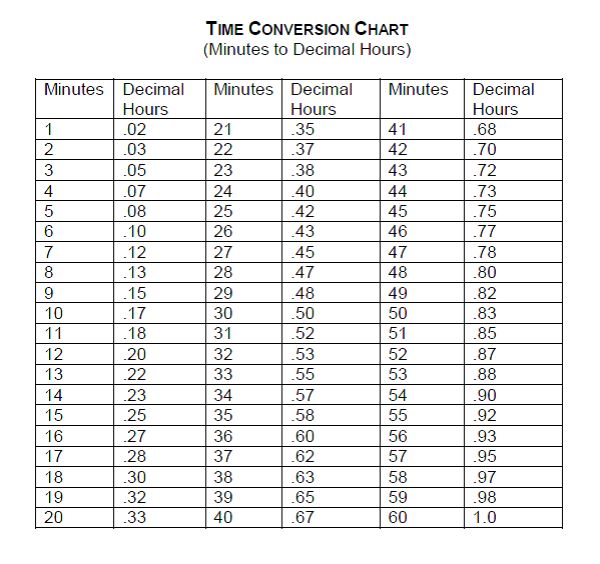
California 4-H Record Book
Ideas for 4-H Record Books:
Have 4-H members work together on their Annual Project Report, Expression Pages, or
My 4-H Story.
Place a higher emphasis on completing the forms but not on specific formatting
guidelines. Do not encourage 4-H Record Book competitions.
Intermediate (11 – 13 years old)
1. Participation should include cooperative learning and individual work with limited
competition as an evaluation tool.
2. Intermediate members should be encouraged to take an active role in decision-making at
the unit level, i.e., committees, officers, and activity planning.
3. Intermediate members should be encouraged to assist the younger members. Tasks may
be to notify members of meetings, assist the project volunteers with setup or clean up,
taking attendance, or demonstrating skills.
4. Advanced projects should be offered to those who are interested. Talks, discussions,
tours, conferences, and group educational activities are appropriate.
Ideas for 4-H Record Books:
Have 4-H members show younger members how to complete a 4-H Record Book.
Allow for creativity on 4-H Record Book forms.
Encourage 4-H members to focus on providing in-depth information on one or two
projects, but perhaps not on all of their projects.
Senior (14 years old and above)
1. Participation should include individual and team work, with limited competition.
2. Senior members should be encouraged to take an active role in decision making by
providing leadership, such as leading projects and serving as committee chairs or
officers. They should participate in implementing and evaluating activities.
3. Senior members should be encouraged to identify individual goals, acquire the resources,
and do the research to pursue specific interests.
4. Senior members should be encouraged to be role models for younger members and
provide leadership at the unit, county and section levels. Responsibilities may include
teaching, program management, event planning and/or program promotion.
5. Senior member involvement should expand beyond the local unit level to county
functions, community service and involvement with others.
Ideas for 4-H Record Books:
Encourage 4-H members to demonstrate their growth in the My 4-H Story, Expression
Pages, Collection of 4-H Work and Previous Years’ Materials.
Ask 4-H members to provide detail on what they did and learned on the Annual Project
Report and/or Junior and Teen Leadership Development Report.
7
California 4-H Record Book
Evaluation and Competition
4-H Record Book competitions measure members’ leadership development, citizenship activities
and personal growth, as well as project proficiency. 4-H Record Books may be judged at the club,
county and state levels.
The Purpose of Record Book Competitions:
Provides an incentive to members to record their project work and personal achievement in
their 4-H Record Book.
Members receive feedback and encouragement on their 4-H project skill development,
leadership and citizenship development and record-keeping skills.
Members are recognized for outstanding 4-H work.
Club Review
4-H Record Books are first reviewed at the local level by 4-H Community Club/Unit Leaders and
Project Leaders. Club level review is based on the Danish system where 4-H Record Books are
reviewed against a standard. Seals are awarded based on the member’s 4-H project work, personal
growth and the book’s organization. Through their personal achievements and 4-H participation,
members may earn Star Rank recognition.
County Competition
Members may submit their 4-H Record Books for county competition. County Record Book
requirements should mirror those required by state competition. Books are judged on the member’s
4-H work, leadership and citizenship development and personal growth. County level judging should
be based on the Danish system with all books judged against a standard. Judges provide a critique
and suggestions for future growth and involvement. Counties may designate awards for 4-H Record
Books based on meeting published standards.
State Judging
Senior 4-H members are eligible to enter state competition. State level competition is focused on
recognizing 4-H members who have outstanding 4-H Record Books. Forms, additional instructions
and specific age eligibility may be found at
http://www.ca4h.org/Resources/Members/RecordBook/RBCompetition/
Please Note: Modifications made to the forms, formatting or requirements outlined in this manual
or omissions by the member, club or county are reasons for disqualification. Counties are
encouraged to follow the same guidelines for county judging as specified for state competition so
that youth are following the same guidelines for all levels of competition. Formatting differences due
to the export of form from the Online Record Book are acceptable.
The 4-H Online Record Book (ORB) is the Record Book of choice. All ORB default print
features are acceptable for all levels of competition. Please note that exported forms from
the Online Record Book may not conform exactly to specifications listed in this manual or
listed in county requirements. Club and county level competitions may not disqualify or
exclude a book from competition on the basis that the book was created in 4-H ORB.
8
California 4-H Record Book
Process Instructions
Not Required for 4-H Membership
4-H Record Books are a valuable and educational component of the 4-H YDP. 4-H Record Books
are not required for membership or for participation in 4-H activities such as club events and
activities, or for attending 4-H camps or conferences. The 4-H Record Book process must be based
on educational criteria and approved by 4-H staff. Notification of 4-H Record Books requirements
must be given to the member at the time of enrollment. A 4-H Record Book may be required to
receive participation awards (such as star ranking, medals or pins based on 4-H Record Book
achievements). See the 4-H Policy Manual at http://ucanr.org/sites/UC4-
H/Administration/Policies/Chapter13/#VIII
Online Certification Requirement for State Competition
Members who plan to submit a 4-H Record Book to State Competition MUST complete the Quick
Start RB Course by October 1st of the year of competition. This course is approximately 20 minutes
long and must be completed annually. The Quick Start RB Course will be available as an online
course. It will launch on the 4-H State website by May 1, 2013 and will remain active year-round
after that.
Others who may find the course helpful in their work include:
UCCE 4-H Staff
4-H Community Club Leaders
Volunteers working with county Record Book competition
Verification of the Completion of 4-H Work
Proper signatures are required to confirm the completion of 4-H work. The 4-H Community Club
Leader and Project Leaders approve and verify 4-H work undertaken by the 4-H member. Approval,
either a digital signature in the Online Record Book or ink signature are required on the following
forms:
The first page/cover of the Personal Development Report: 4-H member, parent and 4-H
Community Club/Unit Leader
The last page of each Annual Project Report: 4-H member and project leader
The pre-project and post-project part of each Junior and Teen Leadership Development
Report: 4-H member and project leader.
Timeline
Counties set their own 4-H Record Book deadline dates. A 4-H Record Book may only contain
information and records from the previous 4-H program year (twelve-month period).
Adult Participation
4-H Record Books must be completed by the 4-H member. This includes completing forms, writing
the My 4-H Story and other records. Adults may assist by guiding, explaining, helping to compile
information and proofreading.
9
California 4-H Record Book

4-H Enrollment
PDR member participation and star rankings transfer from one California County to other counties.
Former participation in other states can be counted in the California 4-H Record Book Personal
Development Form with documentation of activities.

Hours of Participation
4-H members are asked to record the number of hours spent in 4-H meetings, activities, events,
planning/organizing and other 4-H activities in the Personal Development Report and Annual
Project Report form. Time should be recorded as decimal or whole numbers. For example, if an
activity was one hour and 30 minutes, it would be recorded as 1.50 hours. See the time conversion
chart link below to help partial hours to decimals. Do not count hours the member is not spending
in a 4-H activity (for example, do not count hours the member is asleep at 4-H camp). While hours
are not used to calculate star ranks or other incentive awards, they provide information about the
amount of time youth contribute to their own development and to improving the community.

                                                                                                     10
California 4-H Record Book
Special Accommodations
The core values of the California 4-H Youth Development Program state that we “appreciate,
respect and value diversity through a commitment to inclusion of diverse Californians.”
Accommodations must be made for 4-H members who cannot complete the 4-H Record Book in
the usual format. A note detailing the accommodation must be included with the 4-H Record Book.
Examples of accommodations may include:
Having a 4-H member verbally provide the information while a project leader or parent
transcribes.
Having a project leader or parent assist with assembling materials.
Other accommodations may be arranged with the advice and approval of the 4-H
Community Club/Unit Leader and/or County 4-H Office.
Questions?
Questions may arise as 4-H members are completing a 4-H Record Book. These questions may
regard guidelines for formatting and organization, counting activities on the Personal Development
Report and other related areas of the book. The 4-H Record Book is interpreted by using this
manual and completing the Quick Start RB Course.
The State 4-H Office and Statewide 4-H Incentives & Recognition Advisory Committee is
responsible for developing the forms and instructions for the 4-H Record Book and instructing
county 4-H staff and county I & R committee members on their use.
“Children are one third of our population and all of our future.”
~Select Panel for the Promotion of Child Health, 1981
11California 4-H Record Book
Formatting Instructions
The format of 4-H Record Books will depend on whether the 4-H member uses the Online Record
Book or paper forms, the 4-H member’s age, experiences and whether he or she is entering the
book for competition. While following formatting guidelines is important, the benefits of
completing a 4-H Record Book are a positive and important experience.
4-H members completing paper 4-H Record Books at the project and club level may either
handwrite or use a computer to record information. 4-H members may handwrite their 4-H story or
type it on a computer.
Formatting a 4-H Record Book
These formatting guidelines help judges review 4-H Record Books entered for competition. 4-H
Record Books must follow these formatting guidelines, unless otherwise stated, when entered into a
4-H Record Book competition.
The 4-H Online Record Book (ORB) is the Record Book of choice. All ORB default print features
are acceptable. Please note that exported forms from the Online Record Book may not conform
exactly to these specifications and are still acceptable.
Paper: Use 8 ½” x 11” plain white regular paper for all sections. Pages may be double-sided,
except for the My 4-H Story which must be single-sided. For pages with photographs in the
Collection of Work and/or Expression Pages, photo quality paper is acceptable on those
pages only.
Margins: Use a minimum of 1 inch margins on all sides, all pages. (If used, headers, footers
and page numbers may be outside of these margins.
Typeface: Books must be handwritten or typed in black ink. If handwritten, text must be
written legibly. If typed, font size must be at least 11 point in an easy to read font (e.g.
Garamond, Arial, Times New Roman, or Helvetica). Font size may differ for headings and
emphasis in text.
Spacing: Text may be single or double spaced (4-H member’s preference).
Do not exceed page limitations as specified for each section.
Do not use plastic page covers or laminate any pages.
Folder or Binder: Use an Acco fastener folder or 3-ring binder, not more than 1” wide.
Tabs and Divider Pages: Tabs and divider pages help separate sections and improve
overall organization. Paper color other than white may be used.
12California 4-H Record Book
Graphics: Graphics, pictures, and drawings may be included on the title page, table of
contents, Expression page(s), and Collection of 4-H Work. Do not use graphics, pictures, or
drawings in any other sections or forms.
Page Numbers: Use a logical system to number the pages of the Record Book. Hand
numbering is acceptable due to the significant number of inserted pages. Numbering using
printed stickers is acceptable.
ORB Inserting Pages Overview
When a member prints out the Record Book from ORB, he/she will still need to assemble the book
in the proper order as specified in the Record Book Manual. It will be necessary to create the
following pages and either:
1) upload them into ORB as photographs in a .jpg or .pdf format and insert after printing where
appropriate or
2) print out separately and insert where appropriate.
Option one (1) is recommended because then all of the Record Book documents are archived in the
members Online Record Book.
The documents that need to be created outside of the ORB are:
Title Page
Table of Contents
Collection of 4-H Work
Expression Pages
Previous Years’ Records
13California 4-H Record Book
Organization Overview
A California 4-H Record Book contains the following items:
Section 1: Preliminary Information
1. Title page
2. Table of Contents
See section 1 instructions for more information.
Section 2: Personal Development Report
4-H members record activities that they have completed during the year. 4-H members may earn
stars based on their participation in 4-H over a number of years. See section 2 instructions for
more information.
Section 3: My 4-H Story
Reflection on 4-H work completed. 4-H members have an opportunity to reflect on their
achievements, knowledge gained, learning experiences, and project work. See section 3
instructions for more information.
Section 4: Projects
4-H members document their specific project work including meetings attended, profit/loss in
their project, and knowledge and skills gained. Place items in the following order for each
project:
Section 4-A: One project report form for every project the member has completed.
Section 4-A: One expression page for every project.
Section 4-B: Junior and Teen Leadership Development Report.
Each project should have all materials grouped together (for example, all of the rocketry project
forms should be together; all of the woodworking forms together, etc.).
See section 4 instructions for more information.
Section 5: Collection of 4-H Work
These materials support the previous sections in showing growth and experience in 4-H. They
may include the following: newspaper clippings, 4-H flyers or brochures, 4-H letters, 4-H
photographs. See Section 5 instructions for more information.
Section 6: Previous Years’ Records
4-H members include a summary of their previous years’ records at the back of the book.
14California 4-H Record Book
Section 1: Preliminary Information
Title Page
A title page introduces the 4-H Record Book at the front of the 4-H Record Book. The page
includes the member’s name, 4-H Club, county, and the program year. The title page may be a color
other than white paper, use graphics, photos, and larger text. The title page must not exceed one
standard page.
Table of Contents
A table of contents lists the order of the 4-H Record Book sections. Include the titles of the section
headers and page numbers. A 4-H Record Book is organized into the following sections.
Section 2: Personal Development Report
Section 3: My 4-H Story
Section 4: Projects. This section includes Annual Project Reports, Expression Pages, and
Junior and Teen Leadership Development Reports. Each project may have its own
subsection or all of the projects may be contained within one section.
Section 5: Collection of 4-H Work
Section 6: Previous Year’s Records
“Strive for excellence, not perfection.” ~ H. Jackson Brown Jr.
15California 4-H Record Book
Section 2: Personal Development Report
(PDR) Instructions
4-H members record their participation and activities in 4-H and outside of 4-H for the current 4-H
program year on the Personal Development Report. Items cannot be counted in multiple categories
(known as “double-counting”). However, if a member participates in multiple activities during one
event, those separate activities may be counted and attendance at the event may be counted.
Additional Space
The 4-H member may add or delete additional pages or lines for each category, as needed.
Level of Participation
In categories 2 thru 8, the member must identify the level at which the activity took place.
I = Individual: independent, individual activity, not as part of a group
L = Local club, unit, project, club/project committee
C = County, area/district, multi-club
M = Multi-county, section, or region
S = State
N = National, multi-state
G = Global, international, crossing U.S. boundaries
Star Achievement Ranks
Star Ranks are designed to encourage members to participate in a wide variety of activities over a
number of years. Stars provide 4-H members opportunities to accomplish goals. Each star level
takes an average of two years to complete.
Inside versus Outside of 4-H Activities
Up to two significant activities outside of 4-H are allowed in categories 2 and 4 through 7, while
other activities outside of 4-H may be counted in category 8. To record activities in categories 2 and
4 through 7, they must meet the instructions and guidelines for the category.
Items from Last Year
Occasionally, a 4-H member may forget to record an activity on his/her Personal Development
Report. The 4-H member may count an item from the last program year in the current year’s PDR if
they have sufficient proof of its validity (e.g. record of their attendance, etc.) and approval of the
4-H Community Club Leader. In the current PDR, the 4-H member should list the year/date, the
activity and a short explanation for the past year date. Activities from prior years other than the last
year cannot be recorded in the PDR. In ORB, you may go back to a previous year’s record and add
the activity in the appropriate year.
16California 4-H Record Book
1. 4-H Projects Completed*
* Required for a Star Rank
Purpose: This category records projects a 4-H member has completed.
Only 4-H projects with a completed and signed Annual Project Report may be counted. To
receive credit, the project report must be included in the 4-H Record Book.
A minimum of six hours of project instruction is required to complete a project.
During the current year, 80% average attendance across all projects is required to receive an
achievement rank.
2. 4-H Project Skill Activities
Purpose: This category records activities where 4-H members either exhibited their 4-H project work or
demonstrated their knowledge to an audience and/or judge.
Exhibits – Report 4-H shows or events and their location where the 4-H member exhibited
4-H work from a 4-H project (such as livestock, clothing, food, pictures, artwork, or other
project items). 4-H members may receive credit for the same exhibit presented before new
audiences at different events.
Judged Exhibit – Each separate project judged counts as a credit. Multiple items
from one project count as one credit. Projects are defined to be those in which a
separate Annual Project Report would be completed. Showmanship: A credit is
received for each project exhibited. Multiple entries from one project count as one
credit. Projects are defined as those in which a separate Annual Project Report would
be completed.
Examples: Fashion Revue, Food Faire, Field Days, County Fair, or State Fair.
Non-Judged Exhibit – Each show/event counts as one credit (regardless of the
number of items/projects exhibited).
Examples of events: Parents’ Night, display at the county fair, exhibit for National
4-H Week, display at a shopping mall or public building.
Knowledge Contests – Report participation in any 4-H knowledge bowls, contests or other
activities that test a 4-H member’s knowledge.
Examples: Horse bowl, Avian bowl, Horticulture Contest, Champion Challenge.
Judging Contest - Report participation in any 4-H judging contest where the 4-H member
judged with other 4-H members by a set of standards.
Examples: Judging Day, Livestock Judging Day, Club Judging Contests, Judging Contest.
Note: Youth may not participate as 4-H members nor will their participation be recognized
as a 4-H experience in jackpot or prospector shows.
3. 4-H Events Attended
Purpose: This category records 4-H events, other than 4-H Club and project meetings, that the 4-H member
attended during the year.
4-H events are authorized and publicized functions other than regular club or project
meetings. Record events not reported elsewhere. Optional or voluntary 4-H events outside
the normal club and/or project expectations may be counted here. Multiple day events count
as one credit (e.g., county fair, conferences, etc.).
Examples: Club Holiday Dinner (not at a regular club meeting), Club Invitational, District,
County, Sectional, and State Field Days, Achievement Night, California or Washington
Focus, State 4-H Leadership Conference, Teen Leader Conference, County Fair Awards
17California 4-H Record Book
Ceremony, Fashion Revue, Horse Bowl, Equine Play Days and Livestock Clinics, Leadership
Training Workshops, Project Training Workshops, and National 4-H Conference.
Note: 4-H members may receive credit for actively participating at an activity during the
event (example: giving a presentation; PDR #6) and attending the event (example: attending
presentation day; PDR #3).
Example: Attending the County 4-H Presentation Day (#3 Event Attended) and presenting a
demonstration (#6 Communication Skill).
4. Leadership Development*
* Required for a Gold or Platinum Star Rank
Purpose: This category records leadership activities undertaken by the 4-H member.
Officer - This includes 4-H offices held at the project, club, county, sectional, or state level.
Committee Chairperson - Report the committee at the club, county, sectional, or state
level where the 4-H member served as a Chairperson or Co-Chair. Include 4-H camp
counselors or director’s positions, Chairperson, or Co-Chair positions.
Committee Member - Report the number of committees at the club, county, sectional,
state, and national levels where the 4-H member actively participated as a committee
member.
Examples: Club Phone Tree, Fundraising Committee, Club party committee, Clean-up
committee, Decorations committee, and County event committee.
Note: 4-H members cannot receive credit for both chairperson and committee member for
the same committee.
Junior and Teen Leader* - This refers to the completion of one year as a Junior and Teen
Leader. A credit is given for each project the 4-H member led and completed a Junior or
Teen Leadership Development report form.
* Required for a Gold or Platinum Star Rank
Note: The duties 4-H members perform as an officer, committee chair or member, or a
junior and teen leader are considered part of a position and cannot be counted as separate
items for any category on the PDR. Examples: giving officer’s report, chair or junior/teen
leader reports or talks at 4-H project or club meetings, attending separate officers’ meetings.
Planned a 4-H Group Activity - An activity is a planned piece of work actively designed,
coordinated, or organized by 4-H members, usually on a one-time basis, which benefits
other members, volunteers, or community members.
Leadership Development Project – Count participation here as well as additionally
counting this as a separate project and filling out a project report form.
Served as a Judge – Where the 4-H member served as a judge for a 4-H activity or contest.
5. Citizenship & Community Service*
* Required for a Star Rank
Purpose: This category records citizenship and community service activities undertaken by the 4-H member.
Report participation where the 4-H member takes an active part in a planned, publicized,
and approved citizenship, service-learning, or community service activity. Count credits by
activity or event. Count a re-occurring activity or event each time the activity occurs (e.g.,
monthly visit to a convalescent home may count each visit).
Members conducting fundraising activities for personal benefit cannot count the activity
under Citizenship/Community Service.
18California 4-H Record Book
Community Service Project - encompasses any humane act serving the common good; in
the interest of the community.
Examples: Canned food drive, visit to convalescent home, beach clean-up, warm coat drives,
toy drives, volunteering at a homeless shelter, Project Linus, giving blood.
Service Learning Project – an authentic activity that combines service and learning to
address a real community need; allows one to apply learning to a community problem in
collaboration with others. It includes structured time for reflection on the service experience.
Examples: storm drain painting where students learn about water issues, a disability awareness
program where students raise money for March of Dimes, an environmental field studies
program that involves working to protect wetlands.
Citizenship Activities may include the following, provided they are planned, publicized, and
approved.
Personal Development and Self-Esteem – Acquire life skills to become an active responsible member
of one’s family, community, state, and nation.
Examples: conduct a community safety program, participate in a youth group exchange, help
to establish year-long goals for a citizenship project.
History and Cultural Heritage – Develop awareness and understanding of cultures and heritage of one’s
family and others.
Examples: prepare an exhibit on local history/artifacts, organize an international heritage or
foods festival, participate in historic event, tour historic sites, participate in an international
exchange.
Government Studies – Develop knowledge of the principles, processes and structures of government.
Examples: attend a Citizenship Focus conference, write a letter to a Congressperson about
4-H, attend City Council or Board of Supervisors meetings to talk about 4-H, assist with
voter registration drives, assist with elections, participate in a mock trial, lead a flag salute at a
4-H event.
Environmental Issues – Develop awareness and understanding of environmental issues and the human
impact.
Examples: work on a community or beach clean-up, develop an exhibit on conservation,
build wildlife habitats, participate in environmental public hearings.
Societal Concerns and the Citizen’s Role – Develop awareness of societal issues and respond to the
needs and rights of others through responsible social action.
Examples: study local issues and share ideas about solutions, hold a community forum, work
with food share programs, visiting convalescent homes and hospitals, identify hunger, land
use, pollution or energy issues, help disseminate information, help develop solutions.
6. Communication Skills*
* Required for a Star Rank
Purpose: This category records communication activities undertaken by the 4-H member that may or may not
be related to a project in which the member is enrolled.
4-H Presentations* - To receive credit each 4-H presentation must be presented before a
new audience at a new event. Repeating the 4-H presentation at the same event does not
count as two credits. All 4-H presentation types outlined in the State 4-H Presentation
Manual are accepted. Giving a practice presentation does not count as a credit (e.g.,
practicing for family).
* Required for a Star Rank
19California 4-H Record Book
Judged Exhibits that are related to a 4-H project, at a 4-H event when the member is not
enrolled in the project. This category should be used when a youth member enters an article
in a judged exhibit, but they are not enrolled in the related project. Projects are defined to be
those in which a separate Annual Project Report would be completed. One credit may be
earned for each event, per related project. Examples: Submit a dress to Fashion Revue, but
not enrolled in sewing, clothing or consumer science project; submit two photographs to
State Photography Competition but not enrolled in a photography project.
Prepared Talks relating to 4-H where the 4-H member report informational or educational
material before a project group, 4-H Club, County 4-H Council, school, or other community
groups. This does not include officer’s reports or committee reports. Talks must be prepared
in advance of the meeting or activity and be approved by the Community 4-H Club/Unit
Leader.
Radio and Television Appearances - Report appearances as a participant before a radio or
TV audience in connection with 4-H. Members must be actively involved for credit.
Example: Guest speaker on radio, telethons.
Newspaper Articles - Report the number of original works that the 4-H member wrote if
he or she submitted an article connected with 4-H for publication. If article was not
published, submit a copy to the 4-H Community Club/Unit Leader and retain the original
for your records to receive credit. Do not include articles written about the 4-H member.
Examples: Articles relating to 4-H that the 4-H member wrote and submitted to local papers,
school papers, Club Newsletter, County web site.
Representing 4-H – Record activities where the member represented 4-H by
communicating with 4-H, school, or community audiences. The member must be clearly
identified as a 4-H member.
Note: Members may obtain credit for appearing in 4-H identification in public for a variety
of events and activities where the member represented 4-H. Examples: Leading the 4-H
Pledge, represent 4-H as a room host or hostess, commentator, master/mistress of
ceremonies, work at a 4-H information booth.
On-Line Communication – Record activities where the member created a 4-H website,
moderated a 4-H email list for a 4-H group or activity, created a 4-H social networking page
such as FaceBook, Twitter, blogs or other social media platforms.
7. Honors and Recognition
Purpose: This category records the significant honors and recognition earned by the 4-H member.
Record significant and notable honors, awards and recognition received in 4-H. Do not
include ribbons, seals, or certificates on the Personal Development Report. Include these on
the Annual Project Report Form. The intent of this category is to award significant
honors, not necessarily only the single highest honor.
Note: The names and titles of many recognitions vary within the state. Please use the
examples provided here only as a guideline.
Examples: Star ranks, County Winner, 100% Club Attendance, Emerald Star, County,
Sectional and State Presentation Day Gold Seal, County and State 4-H Record Book Award,
1st Place Share the Fun Skit, 1st place Cultural Arts, 1st place Song Leading, 1st Place Fair
Feature Booth, Food Faire Winner, Fashion Revue Winner, Project Proficiency attainment,
County All Star, 4-H County or State Ambassador, Golden Clover Award, State 4-H Record
Book Winner and Diamond Clover Award.
20California 4-H Record Book
In criterion-based (Danish) 4-H competition, the top placement may be counted. For
example: a gold seal may be counted if it is the highest placement in a judging where gold,
blue, red, and white seals are awarded.
In peer-to-peer (American) 4-H competition, the 1st place of a division and 1st place
overall may both be counted. For example, a 4-H member may count 1st place senior
showmanship and 1st place Round Robin. For example, the “Best of” a class may be
counted.
Examples: Grand Champion, Best of Class, Best of Breed, Best of Division, Best of Show,
Director’s Award, 1st place Showmanship (in each division: junior, intermediate, senior), 1st
place Herdsmanship Award, 1st place Round Robin.
Outside of 4-H Honors and Recognition examples: Boy or Girl of the Quarter/Year at
school, Eagle Scout, Honor Roll, champion sports team, music awards.
8. Lifestyle Activities (4-H and Outside of 4-H)
Purpose: This category records lifestyle activities both in and outside of 4-H that the member participated in.
Report participation in organized groups or activities such as camps, community or school
sports, music, theater and the arts, employment, church, or organizations.
Examples: music or dance lessons, school or science outdoor camp, horseback riding lessons,
church choir, organizational memberships.
Each organization, group, activity, or sport counts as one credit per 4-H year.
4-H lifestyle activities may count in this category.
Examples: 4-H Camp, 4-H skits or song leading, 4-H drama or sport group.
Family outings, vacations, taking care of pets, homework, normal school work, and hobbies
(e.g., listening to music, skateboarding) are not counted.
Events and activities that are not consistent with 4-H Policy are not counted. Example:
Jackpot shows have components of gambling which are not consistent with 4-H policy and
should not be recorded in a 4-H Record Book.
“Children are our most valuable natural resource.” ~ Herbert Hoover
21California 4-H Youth Development Program
Personal Development Report
County: _________________________________
Name of 4-H Club/Unit: _________________________________
Your picture
Program Year: ____________ Total Years in 4-H: ___________ (optional)
(Include years as a primary member)
Name: __________________________________
Birth Date: _________________ Gender: Male Female
Age on December 31: __________ Grade in School:__________
(of the program year listed above)
Address: ______________________________________________________________
City: __________________________________ State: ______ Zip: ____________
Email: ________________________________ Phone: (_____)___________________
A minimum completed club 4-H Record Book consists of the following items.
1. Section 2: Personal Development Report
2. Section 3: My 4-H Story
3. Section 4: Projects - One project report form for every project completed
Club Meetings Attended This Year Meetings
Held
Meetings
Attended
Hours
Attended
Percent
Attended
During the current year, 80% attendance is
required for any achievement rank
Do not include project meetings.
I have personally prepared this report and believe it to be correct.
Member’s Signature: Date:
I have personally reviewed this report and believe it to be correct.
Parent/Guardian Signature: Date:
4-H Community Club/Unit Leader’s Signature: Date:
California 4-H Record Book4-H Star Ranking
Record what you accomplished during the year. To qualify for any of the achievement rank
awards, you must attend 80 percent of both the local club and the project meetings held during
the year. To obtain any of the ranks, you must complete the asterisked (*) categories as a part of
your total effort.
Bronze Star: Complete at least 5 of the 8 categories listed.
Silver Star: Complete at least 6 of the 8 categories listed.
Gold Star: Complete at least 7 of the 8 categories listed.
Platinum Star: Complete at least 7 of the 8 categories listed.
Star Ranks are designed to encourage members to participate in a wide variety of activities over a
number of years. The bronze, silver, gold, and platinum stars build on past achievements.
Categories of Total Total Total
Number of Different Categories Required
Participation Past This All Bronze Silver Gold Platinum
Transfer credits from previous years to the Years Year Years 5 6 7 7
column headed “Total From Past Years.” Required Required Required Required
1. 4-H Projects Completed 2* 4* 8* 12*
2. 4-H Project Skill Activities 4 8 15 20
3. 4-H Events Attended 12 25 40 60
4. Leadership Development 10 20 30* 40*
Junior or Teen Leader (0) (0) (2*) (4*)
5. Citizenship &
Community Service
10 20* 30* 40*
6. Communication Skills 12* 24* 36* 48*
4-H Presentations (4*) (7*) (10*) (15*)
7. Honors and Recognition 5 10 15 20
8. Lifestyle Activities 10 20 30 40
* Required for Star Rank
Numbers contained within parenthesis are included in the total category number (not an extra requirement).
Star Rank
4-H Member must be currently enrolled in the 4-H Youth Development Program.
Present Rank: [] None [] Bronze [] Silver [] Gold [] Platinum
Rank Applying for: [] None [] Bronze [] Silver [] Gold [] Platinum
[] Approved [] Not Approved __________________________
4-H Club/Unit Leader's Signature Date
California 4-H Record BookPersonal Development Report: Participation
1. 4-H Projects Completed This Year
Star Requirements: Bronze 2, Silver 4, Gold 8, Platinum 12
Total Past Years:_________ Total This Year: _________ Total All Years:________
During the current year, 80% average attendance across all projects is Meetings Meetings Total Percent
required for any achievement rank. Held Attended Hours Attended
1.
2.
3.
4.
5.
6.
7.
8.
TOTALS
AVERAGE
Include your specific involvement (attended, competed, presented) and the level of participation:
I = Individual, L = Local Club/Unit/Project, C = County/Area/District,
M = Multi-county/Section, S = State, N = National/Multi-State, G = Global
You may add lines or add a page for each category, if needed.
2. 4-H Project Skill Activities
Star Requirements: Bronze 4, Silver 8, Gold 15, Platinum 20
Total Past Years:_________ Total This Year: _________ Total All Years:________
Date Hours Level Activity Title & Brief Description Location
Project Skill Activities Outside of 4-H (List up to two significant project skill activities)
Total Number:
California 4-H Record BookPersonal Development Report: Participation
Include your specific involvement (attended, competed, presented) and the level of participation:
I = Individual, L = Local Club/Unit/Project, C = County/Area/District,
M = Multi-county/Section, S = State, N = National/Multi-State, G = Global
You may add lines or add a page for each category, if needed.
3. 4-H Events Attended
Star Requirements: Bronze 12, Silver 25, Gold 40, Platinum 60
Total Past Years:_________ Total This Year: _________ Total All Years:________
Date Hours Level Event Title Location
Total Number:
4. 4-H Leadership Development
Star Requirements: Bronze 10, Silver 20, Gold 30, Platinum 40
Total Past Years:_________ Total This Year: _________ Total All Years:________
Required: Junior/Teen Leader Development Report
Total Past Years: ____ Total This Year: ____ Total All Years:____
Gold = 2 Platinum = 4 Met Requirement ___YES ___NO
Date Hours Level Leadership Activity Location
Leadership Development Outside of 4-H (List up to two significant leadership activities)
Total Number:
California 4-H Record BookPersonal Development Report: Participation
Include your specific involvement (attended, competed, presented, etc.) and the level of participation:
I = Individual, L = Local Club/Unit/Project, C = County/Area/District,
M = Multi-county/Section, S = State, N = National/Multi-State, G = Global
You may add lines or add a page for each category, if needed.
5. 4-H Citizenship & Community Service
Star Requirements: Bronze 10, Silver 20, Gold 30, Platinum 40
Total Past Years:_________ Total This Year: _________ Total All Years:________
Date Hours Level Citizenship Activity Location
Citizenship/Community Service Outside of 4-H (List up to two significant citizenship activities)
Total Number:
6. 4-H Communication Skills
Star Requirements: Bronze 12, Silver 24, Gold 36, Platinum 48
Total Past Years:_________ Total This Year: _________ Total All Years:________
Required: 4-H Presentations Total Past Years: ____ Total This Year: ____ Total All Years:____
Bronze = 4 Silver = 7 Gold = 10 Platinum = 15 Met Requirement ___YES ___NO
Date Hours Level Communication Activity Location
Communication Development Outside of 4-H (List up to two significant communication activities)
Total Number:
California 4-H Record BookPersonal Development Report: Participation
Include your specific involvement (attended, competed, presented, etc.) and the level of participation:
I = Individual, L = Local Club/Unit/Project, C = County/Area/District,
M = Multi-county/Section, S = State, N = National/Multi-State, G = Global
You may add lines or add a page for each category, if needed.
7. 4-H Honors/Recognition
Star Requirements: Bronze 5, Silver 10, Gold 15, Platinum 20
Total Past Years:_________ Total This Year: _________ Total All Years:________
Date Hours Level Honor or Recognition Location
Honors and Recognition Outside of 4-H (List up to two significant honors)
Total Number:
8. Lifestyle Activities
Star Requirements: Bronze 10, Silver 20, Gold 30, Platinum 40
Total Past Years:_________ Total This Year: _________ Total All Years:________
Date Hours Level Activity or Organization Location
Total Number:
California 4-H Record BookCalifornia 4-H Record Book
Section 3: My 4-H Story Instructions
The 4-H story is an opportunity for members to share experiences in 4-H. The story should be a
record of all years in 4-H and emphasize the current year in 4-H. Use the page length
recommendations outlined below and printed only on one side of the pages.
Junior (or first year member): 1 – 2 pages
Intermediate: 2 – 4 pages
Senior: 3 – 6 pages
Do not exceed 6 pages.
The following may help in developing the story:
Pick a theme and build the story around that theme. Members experienced in writing essays may
know to build the 4-H story so that it flows naturally. Members new to writing essays can use the
following questions to help think about what to say.
Part 1 - About You.
How old are you and when did you join 4-H?
Why did you join 4-H?
What are your sparks: interests, passions, and skills?
What are your plans for the future?
Part 2 – 4-H Projects and Activities.
What projects have you taken? How successful were they?
What goals did you set and which ones did you reach?
What would you do differently if you were to try it again?
What skills have you learned in the program?
Have your projects grown in size and scope?
How have you arranged for financing, if needed?
Were any adults or other 4-H members especially helpful to you? How?
Part 3 – Leadership and Citizenship.
What do leadership and citizenship mean to you?
Has 4-H helped you become a better leader and citizen? How? What types of citizenship or
leadership projects have you been involved in?
How have you contributed to 4-H, your community, and your school?
Describe the most important offices you have held and the committee assignments you have
accepted.
What have you learned from working with other 4-H'ers as a junior or teen leader?
Part 4 – 4-H’s Impact on You.
What kinds of relationships have you had with your 4-H leaders?
How has your 4-H participation changed how you feel about yourself?
How has your participation influenced your school and career goals?
What has being a 4-H member meant to you?
28California 4-H Record Book
Section 4: Annual Project Report (APR)
Instructions
Projects provide the basic framework for 4-H teaching and learning experiences. Projects provide
cooperative learning opportunities, a well-documented context for effective learning. Each year 4-H
members will participate in at least one project. A project is:
Planned work in an area that is of interest to the 4-H member.
Aimed at planned objectives that the 4-H member can attain and measure.
Guided by a 4-H adult volunteer.
Summarized by some form of record keeping.
A minimum of six hours of project instruction is required to complete a project. The county 4-H
staff must approve all county or unit requirements for project completion.
Completing this Section
This section is used by the 4-H member to document their specific project work. Place items in the
following order for each separate project:
1. An Annual Project Report form for every project the member has completed.
2. Expression page
3. Junior/Teen Leadership Development Report
Section 4-A: Annual Project Report Form
In the Learning Experiences box, explain what the 4-H member did, learned, and life skills gained in
the project during the year. This includes activities that took place during project meetings, shows,
and events. The 4-H member may record items raised, grown or improved, honors and awards,
citizenship and leadership activities, and profit/loss related to the project on the second page of the
form. The 4-H member may decide to document simulated "money" from the project in the
profit/loss box if it is relevant to the project.
Each Annual Project Report form completed and signed by the Project Leader counts as a separate
project on the PDR (under #1 Projects Completed).
Expression Page (Not to be confused with the Collection of Work)
Include one Expression page for each Annual Project Report. Page must be one side of an 8 ½” x
11” piece of paper. The 4-H member may draw, write, use graphic design elements, etc.
Tips for Expression Pages:
sparks
be creative
teach the reader something that you learned which was interesting to you
design is age appropriate
Note:
The Expression Pages are not to be used to expand the Collection of Work.
Photos should demonstrate something that you learned which was interesting to you.
29You can also read


