California Coastal - Map & Guide - National Monument - Bureau of ...
←
→
Page content transcription
If your browser does not render page correctly, please read the page content below
California
Coastal
National Monument

Map & Guide
Where Land
and Sea Collide
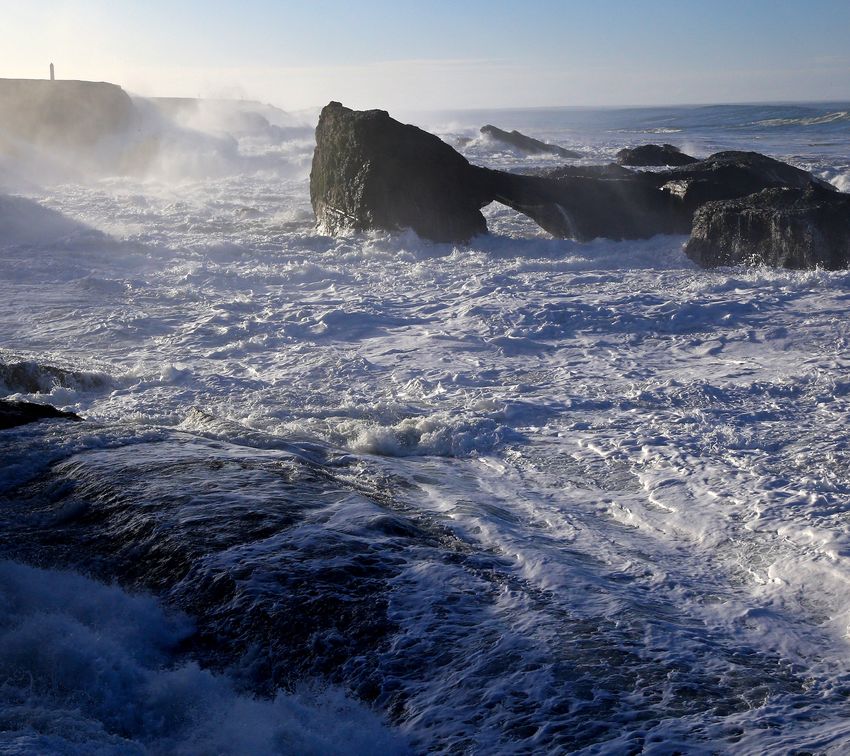
Waves explode onto offshore rocks, spraying
whitewater into the air. Sea lions bark as they haul
out of the surf onto the rocks, and a whirlwind of birds
fly above. Millions of people gaze upon the California
coastline and its stunning beauty year-round.

Point Arena Lighthouse

                                                           Connecting the Pacific Ocean with the land, the California
                                                           Coastal National Monument provides a unique coastal habitat
                                                           for marine-dependent wildlife and vegetation on more than
                                                           20,000 rocks, islands, exposed reefs and pinnacles along the
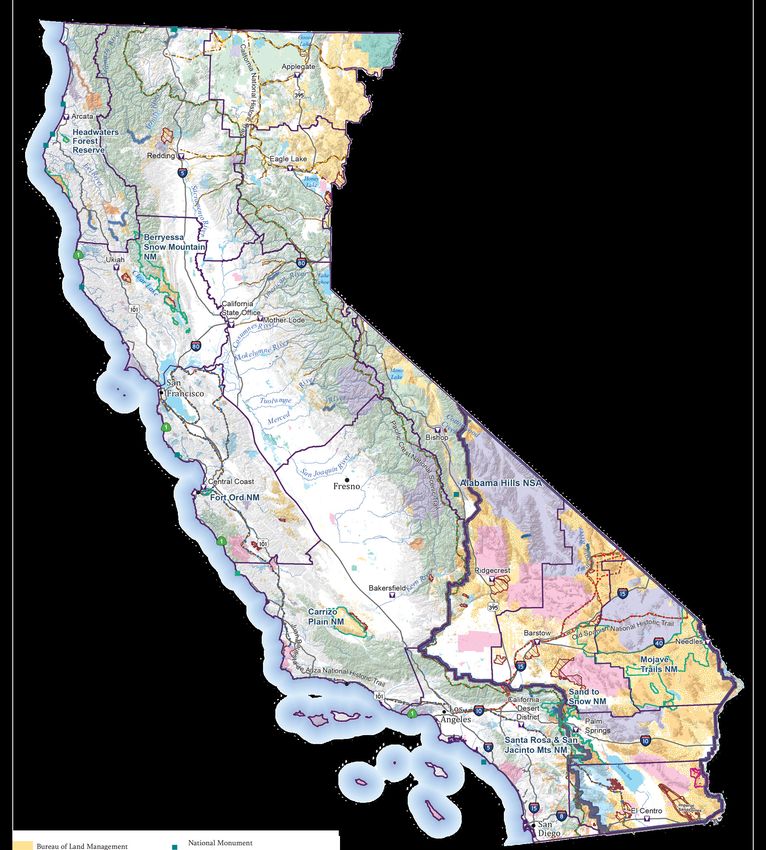
                                                           California coastline. Nearly 8,000 acres of onshore public
                                                           lands are also a part of the national monument: Trinidad Head,
                                                           Waluplh-Lighthouse Ranch, Lost Coast Headlands, Point
                                                           Arena-Stornetta, Cotoni-Coast Dairies, and Piedras Blancas.

The offshore rocks and islands
are a public resource and will remain
protected for future generations, thanks
to their special designation as a national
monument. These rugged outposts provide a
protected haven for plants and animals, especially
those that are sensitive to human disturbance.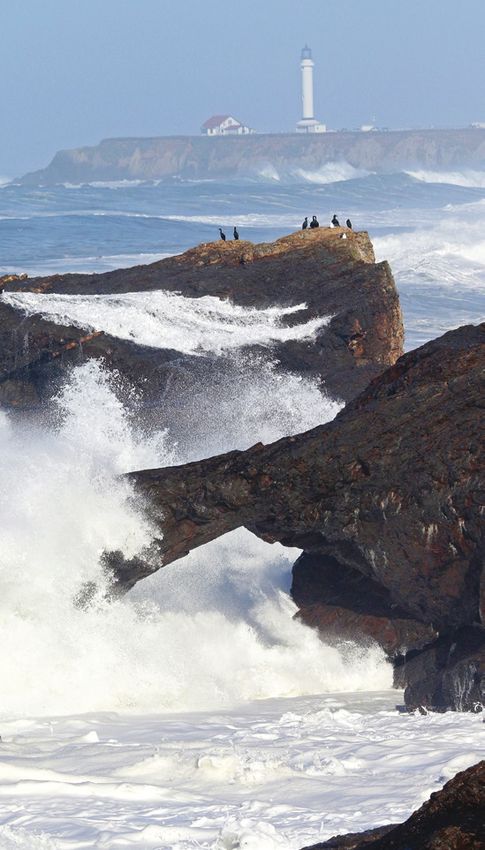
A Home for Marine Mammals                                   Coastal Heritage                                            Do Your Part to Support
                                                               Several fin-footed marine mammal species, called            Humans have had a presence on the California coast
                                                                                                                                                                                       Coastal Conservation
                                                               pinnipeds, depend on the monument’s islands, rocks,         for thousands of years, as the ocean provided food,         The coastal environment is a fragile one. Here are
                                                               reefs, and pinnacles for warming and resting, as well as    raw materials, and transportation for the area’s original   some important things you can do while enjoying
                                                               the ocean around them for feeding. Harbor seals and         inhabitant, Native Americans. The rocks and islands of      the California Coastal National Monument to protect
                                                               California sea lions are common around the monument,        the national monument served as navigational aids (and      this awe-inspiring place:
                                                               and Steller sea lions and northern fur seals can            sometimes impediments) for the early European explorers
                                                                                                                                                                                       •   When tide pooling, watch where you step.
                                                               sometimes be seen.                                          and later for fur traders and timber merchants. Today,
                                                                                                                                                                                           Don’t crush or remove sea stars, crabs, or other
                                                                                                                           millions of people live along the coast and millions more
                                                                                                                                                                                           animals. Life in the inter tidal zone is challenging
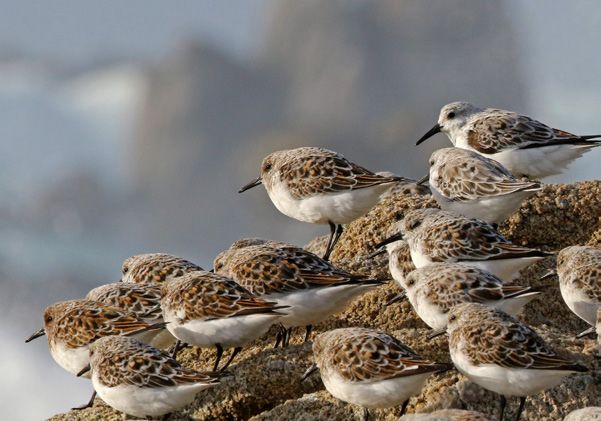
                                                Sanderlingsp                                                               visit every year.
                                                                                                                                                                                           enough without human interference.

A Haven for Birds                                                                                                                                                                      •   Help marine wildlife by packing out what you
                                                                                                                                                                                           bring to the beach. Plastic debris in the water
A rock rising out of the ocean can be an important place                                                                                                                                   can look a lot like food, which has huge impacts
for birds to breed, lay eggs, or rest away from predators.                                                                                                                                 to wildlife.
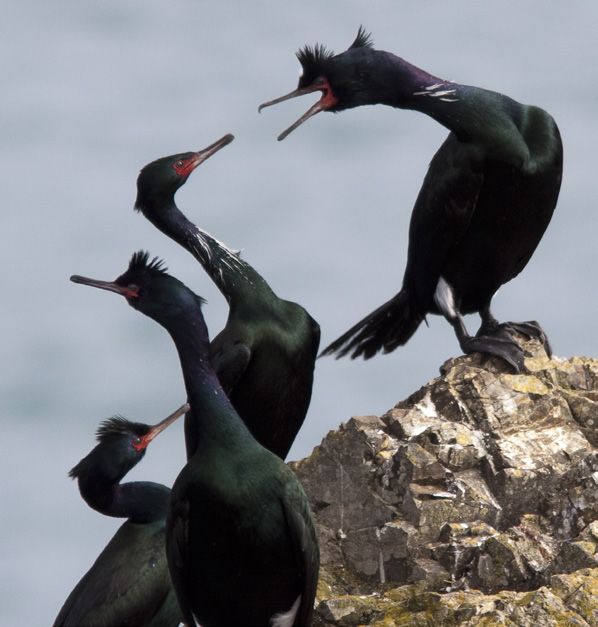
An estimated 200,000 breeding seabirds rely on the
                                                                                                                                                                                       •   Volunteer with the BLM or one of our many
rocks and islands of the California Coastal National
                                                                                                                                                                                           coastal partners. There are opportunities for
Monument. Keep an eye out for black oystercatchers,
                                                                                                                                                                                           people of all ages to participate in citizen science
pigeon guillemots, tufted puffins, several storm-petrel
                                                                                                                                                                                           or stewardship of the monument’s natural
species, and many other
                                                                                                                                                                                           resources.
birds making their
homes among                                                                                                                                                                            •   Keep binoculars close by to capture great views
                                                                 Harbor seal                                               Piedras Blancas Light Station
the rocks.                                                                                                                                                                                 without disturbing the animals.

                                                               Visitors can easily tell the
                                                               difference between harbor
                                                               seals and California sea lions
                                                               by looking for two outward
                                                               characteristics. Harbor seals
                                                               do not have any external ears,
                                                               while California sea lions do
                                                               have ear flaps. Also, harbor
                                                               seals wiggle and bounce along
                                                               the land on their bellies, while
                                                               sea lions can use their tails like
                                                               a foot to travel on land.
                                   Double-crested Cormorant                                         California sea lions                                      Trinidad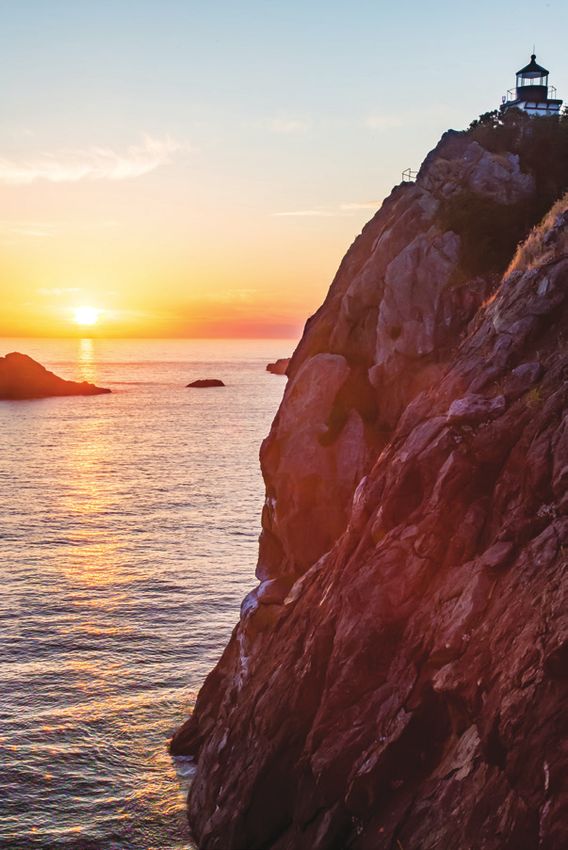
The California Coastal National
U.S. Department of Interior
Monument Stretches Onshore
Bureau of Land Management The California Coastal National Monument also includes nearly 8,000 acres
of public lands on the mainland. These lands give visitors a chance to see the
monument’s seabirds, marine mammals, and tide pools, but and support their
own unique plants and animals and offer other recreational opportunities.
Black Oystercatcher
`
1 4
Trinidad Head Point Arena-
Lighthouse Stornetta
Trinidad Head Situated along the
Lighthouse is a small tower rugged Mendocino
perched on a 175-foot shelf County coastline adjacent
above sea level. The tower to the town of Point Arena,
is still active, with an LED Point Arena-Stornetta offers
beacon mounted outside the spectacular views of coastal
lantern room. bluffs, sea arches, tide pools,
the estuary of the Garcia
The BLM manages River, sandy beaches and
the historic lighthouse dunes with eight miles of
cooperatively with the City marked paths.
of Trinidad, the Trinidad
Rancheria, the Trinidad The historic Point Arena
Museum Society and the Lighthouse provides a
Yurok Tribe. stunning backdrop to
the area.
2 5
Waluplh- Cotoni-Coast
Lighthouse Dairies
Ranch
Near Davenport in
Walpulh-Lighthouse Ranch Santa Cruz County,
offers spectacular views Cotoni-Coast Dairies extends
of Eel River estuary to the from the steep slopes of the
south and the Pacific Ocean Santa Cruz Mountains to
to the west. the marine coastal terraces
overlooking the Pacific Ocean.
There is a short, easy
interpretive trail along Table Vibrant riparian areas follow
Bluff where visitors can along stream corridors, with
discover why there is no red alder and arroyo willow
longer a lighthouse and read forests dominating the
about the rich natural and vegetative community.
human history of the area.
3
Lost Coast
6
Piedras Blancas
Headlands
Light Station
The Lost Coast
The Light Station
Headlands stretch
provides a glimpse
along the coastal bluffs
into our nation’s past when
south of the mouth of the
lighthouses served a vital role
Eel River.
in maritime navigation. Today
The area provides seasonal it is managed as a historic
beach access and includes park and wildlife sanctuary.
grasslands with scattered
The tower and some support
patches of forest and
buildings are listed on the
portions of the Fleener
National Register of Historic
Creek and Guthrie Creek
Places. The best way to
watersheds.
visit the Light Station is on
The northern point of a public tour. Visit www.blm.
California’s Lost Coast is a gov/piedrasblancas for more
place of rolling mountains information.
and windswept coastal
bluffs crumbling onto
narrow beaches.
Northern Elephant Seal Pigeon Guillemot Brown Pelican Common Murre Western Gull
Contact Us
Bureau of Land Management California State Office
2800 Cottage Way Suite W1623 Sacramento, CA 95825
(916) 978-4400
BLM_CA_Web_SO@blm.gov
www.blm.gov/california

               BLM/CA-GI-2021/001+6200
You can also read


