Can This Mouse Help Treat Autism? - Texas Medical Center
←
→
Page content transcription
If your browser does not render page correctly, please read the page content below

NEWS OF THE TEXAS MEDICAL CENTER — VOL. 6 / NO. 3 — APRIL 2019

Can
This
Mouse
Help
Treat
Autism?
p. 18

                                           PLANNING A FAMILY-
                                               FRIENDLY JAIL,
                                                        p. 10

                                                     DIGITAL
                                                HOUSE CALLS,
                                                        p. 14

                                             NEW FRONTIERS
                                          FOR PHYSICIANEERS,
                                                        p. 28
When Your Great Escape is
     Simply Going Home!
                                                                            SOUTHAMPTON
                                                                                                       Exceptional French Country with Wine Room
                                                                  LAUREN WALKER • 832-428-8237

                                                                            THE WOODLANDS

 MUSEUM DISTRICT                                                                                       Easy Access to The Woodlands Medical Center
                                                                  STEPHEN SHEFFER • 281-658-0172
     Birdsall Briscoe in Broadacres Featuring Offers
     Reverence of the Past, Relevance for the Future
     ED WOLFF
     713-446-9205

                                                                            BELLAIRE
                                                                                                   Stately Mediterranean with Resort Style Backyard
                                                                  AMBER MOYSE • 713-320-6826

 THE HEIGHTS
      New Construction Features Top of the Line Design,
      Walking Distance to Popular Heights Attractions
      SHAYNE STINSON                                                        BRAES HEIGHTS
      713-304-2564
                                                                                                         Gorgeous Updates with a Spacious Backyard
                                                                  ALDO DI VECE • 713-470-8241

                                                                             MED CENTER AREA
                                                                                                         Custom Home Zoned to Bellaire High School
 THE WOODLANDS
 MUSEUM DISTRICT                                                  ASHLEY MANDOLA • 281-989-0678

 MEMORIAL

      Oasis in Prestigious Piney Point Village with Car
                                                                Serving Houston
      Collector’s Dream Garage, Putting Green
     NIKKI SIMPSON                                                Since 1978!
     713-805-6895

  713-622-9339                      bethwolff.com         @bethwolffrealtors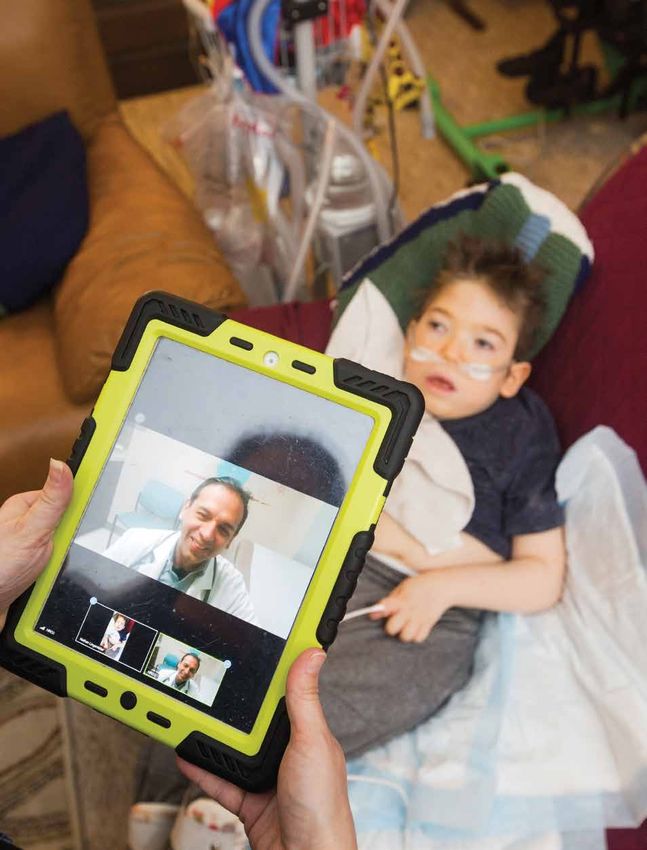
Take
                                                                                           a Ride
                                                                                           on the
                                                                                           Healthier
                                                                                           Side!
                                                                                           Biking is a fun and easy way to fit exercise into
             Find Your Nearest                                                             your daily schedule. And we've just made it
                BCycle Station                                                             easier in the Texas Medical Center!

                                                                                           Sign up today for our 5-Day Health
                                                                                           Challenge and receive a Houston BCycle
                                                                                           membership promo code to assist you in
Uni                                                     Hermann Park
   vers
        ity B
               lvd.                                                                        your first challenge.
                                                        Houston
                                                          Zoo

                                                                                           Get started at
                   St.

                                                                                     288
                 St.
                in
              Ma

                      nin

                                                                                           ImagineBetterHealth.org/BCycle.
                    n
                 Fa

                                                                ayou
                                    Holcombe Blvd.    Brays B
                                                                             a Rd.

                            Blvd.
                      swood
                                                                       Almed

            S. Brae

                                                 il
                                           h Tra
                                      panis
                                Old S

                                                                                           Official Healthcare Partner of BCycle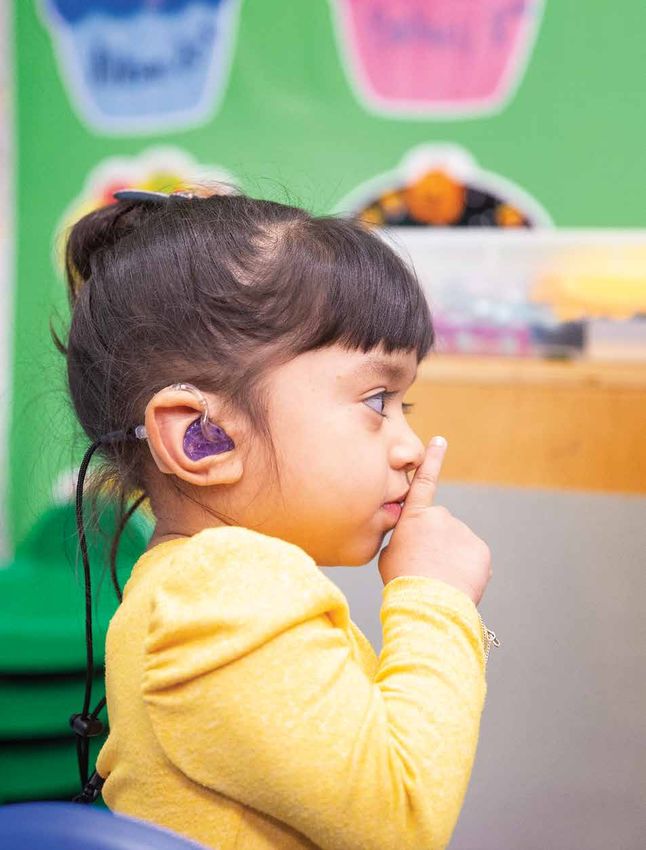
President’s Perspective
TMC | PULSE
Vol. 6 No. 3
April 2019
President and Chief Executive Officer
William F. McKeon
Communications Director
Mark Mulligan/© Houston Chronicle. Used with permission.
Ryan Holeywell
Pulse Editor
Maggie Galehouse
mgalehouse@tmc.edu
Assistant Editor
Cindy George
cgeorge@tmc.edu
Staff Writers
WILLIAM F. McKEON Alexandra Becker
President and Chief Executive Officer, Texas Medical Center Britni R. McAshan
Shanley Pierce
I t’s not every day we host royalty here at the world’s largest medical city. Foreign Photojournalist
Cody Duty
the Texas Medical Center, so my recent partners compete to gain access to the
meeting with Her Royal Highness Crown TMC Innovation Institute because it rep- NEWSROOM
Princess Mary Elizabeth of Denmark was resents the very best setting for companies 713-791-8812
already something spe- looking to establish a news@tmc.edu
cial. But it wasn’t just her business base in the
ADVERTISING
title that was impressive. United States.
Felicia Zbranek-Zeitman
HRH Crown Princess More clinical 713-791-8829
Mary is a leader in health research is conducted newsads@tmc.edu
care and innovation in the Texas Medical
DISTRIBUTION
in Denmark and, like Center than any
Wallace Middleton
leaders across the Texas other place on Earth.
distribution@tmc.edu
Medical Center, she, Incredibly, the pace
too, is committed to of that research will READ US ONLINE
advancing discovery accelerate as we roll out tmc.edu/news
in the life sciences. an artificial intelligence
FOLLOW US
That’s why I’m so platform that’s poised @TXMedCenter
eager to work with her to transform the arduous @texasmedcenter
and the government of process of matching @thetexasmedicalcenter
Denmark to establish Leading Her Royal Highness Crown patients to clinical
the next Texas Medical Princess Mary Elizabeth of Denmark on trials. What once took TMC Pulse is an award-winning
a tour of the Texas Medical Center. months will soon take
Center BioBridge. monthly publication of the Texas
BioBridges are import- mere seconds. Medical Center in Houston, Texas.
ant partnerships the Texas Medical Center At our meeting, experts from Denmark Permission from the editor is
required to reprint any material.
establishes with international collaborators. and the TMC shared updates on important
These partnerships align the startup ecosys- collaborative projects already underway
tems of other nations with that of the TMC between Denmark and TMC institutions.
and accelerate the pace of clinical research HRH Crown Princess Mary was fully
by encouraging collaboration between knowledgeable about the emerging
academic researchers here and abroad. technology needed to advance health care
In 2016, we established our first in both our nations, so I was pleased to
BioBridge with Australia; we followed that receive her invitation to visit Copenhagen
with a United Kingdom BioBridge in 2018. later this year to formalize our partnership.
The TMC Innovation Institute is developing Our meeting was further proof that we can
a reputation around the globe as one of the always learn from our friends and colleagues
most vibrant life science business acceler- around the world in our collective pursuit to
ators, thanks to its strategic location within advance care.
2 tmc » p u l s e | a p r i l 2 01 9
Table of Contents

       8                       21                       26                                   33

  “Breakthrough”    Pediatric Hearing Services   Maternal ICU Opens                    TMC Innovation
  Debuts at SXSW     Hub to Launch in 2020       at Texas Children’s                    Institute, 2.0

                                                                       5	Vitals: FDA approves Spravato

                                                                       13	Next Med: A more active ankle

                                                                       22	Spotlight: Lee Ehmke

                                                                       31	Curated: Purple Songs Can Fly

                                                                        34    Field Notes

                                                                              36 Calendar

                                                                       on this page:Leyla, a student at
                                                                       The Center for Hearing and Speech,
                                                                       mimics her teacher during class.

                                                                       on the cover: A research mouse
                                                                       peers over the side of a container in
                                                                       the Costa-Mattioli lab at Baylor
                                                                       College of Medicine.
Tell us what we’re doing right, and
                                                                      what we could be doing better.

                                                                          Take our survey today at
                                                                            www.tmcpulsesurvey.com

                               Following your
                               completion of the
                               survey, TMC Pulse will
                               make a donation to your
                               choice of the following
                               charities: Heifer International,
                               World Central Kitchen, Direct
                               Relief or UNICEF.

                               This survey is being conducted by
                               GfK MRI, an independent research firm.
                               All responses are confidential.

4   tmc   » p u l s e | a p r i l 2 01 9
By Shanley Pierce

                                                             FDA approves Spravato, a fast-acting antidepressant

                                      T    he first new class of antidepressant drugs
                                           in more than three decades was approved
                                      in March when the U.S. Food and Drug
                                                                                         and Behavioral Sciences at Baylor
                                                                                         College of Medicine. “Many patients
                                                                                         cycle in and out of numerous … first-
                                                                                                                                                  “I think there are a few gaps that need
                                                                                                                                               to be filled in terms of finding out the
                                                                                                                                                number of applications, how safe it is in
                                      Administration (FDA) fast-tracked esket-           and second-line antidepressant                          the long term,” Machado-Vieira said.
                                      amine, the chemical cousin of illegal street       agents, but [esketamine] will offer                          Ketamine was approved by the
                                      drug ketamine, to prescribe to patients with       something that’s evidence-based                         FDA in 1970 as a potent anesthetic for
                                      treatment-resistant depression.                    and on-label for this more ill                           diagnostic and surgical procedures, but
                                          Developed by Johnson & Johnson’s sub-          and difficult-to-treat                                             it wasn’t until recently that
                                      sidiary, Janssen Pharmaceuticals, esketamine       population.”                                                          clinics across the country
                                  T   is marketed under the name Spravato and                Spravato is for                                                    started offering ketamine
                                      dispensed as a nasal spray administered            patients who have                                                      infusions to treat pain
                                      under the supervision of trained health            tried but do not respond                                            and depression.
                                      care professionals.                                to at least two antidepressants.                                “Since it was [working] so fast,
                                          Ketamine is the chemical mixture of            While all the other antidepres-                             many clinics started providing
                                      esketamine and arketamine, two mirror-             sants on the market take two to                             off-label ketamine for patients with
                                      image molecules. But when the molecules are        three weeks to take effect,                                 depression,” Machado-Vieira said.
                                      separated, esketamine has been shown to be         esketamine and ketamine                                     “No one with depression, especially
                                      more potent. As a result, it requires a lower      work in a matter of hours.                                  treatment-resistant depression,
                                      dosage and has a decreased risk of disassoci-          “Patients don’t need to wait                          would like to wait two to three weeks
                                      ation, tolerance and abuse.                        too long to have efficacy with                            to have the medication kick in—
                                          “That’s why Janssen preferred to develop       these drugs,” said Machado-                               especially in the first week of treat-
                                      esketamine. It has more robust antidepressant      Vieira, who led a clinical trial on                        ment with standard antidepressants
                                      efficacy with less side effects,” said Rodrigo     the rapid anti-suicidal effects of                         when patients are at much higher risk
                                      Machado-Vieira, M.D., Ph.D., professor of psy-     ketamine in depression and alco-                          for suicidal attempts.”
                                      chiatry and behavioral sciences and director of    hol abuse. “It improves symptoms in a
                                      the Experimental Therapeutics and Molecular        wide range of patients who do not respond to      Prepare for sticker shock.
                                      Pathophysiology Program at UTHealth Harris         any standard treatment.”                          Because ketamine has not been approved
                                      County Psychiatric Center. “It’s the most strik-       Still, the FDA requires anyone using          by the FDA to treat depression, infusions
                                      ing discovery in psychiatry in the past 34 years   Spravato to take a traditional oral antidepres-   aren’t covered by insurance and can be
                                      at least, so I’m very excited.”                    sant, as well.                                    costly. In Houston, patients pay out-of-pocket
                                                                                                                                           anywhere from $500 to $1,350 per ketamine
                                      Treatment-resistant depression                     Esketamine’s long-term safety is                  infusion.
                                      is common and there is a                           not fully understood.                                 Spravato ranges from $590 to $885 per
                                      clear unmet need for fast-                         Janssen conducted five Phase 3 studies in         treatment session. The first month’s induc-
                                      acting therapeutics.                               patients with refractory depression: three        tion phase consists of two treatments per
                                      More than 16 million adults in the U.S. are        short-term studies, one maintenance of            week. After that, patients move into mainte-
                                      affected by depression. While a variety of         effect study and a long-term safety study that    nance, during which they receive one treat-
                                      antidepressant medications help people,            showed the esketamine nasal spray provided        ment every week or every other week.
                                      such as Prozac and Cymbalta, about one-            a “statistically significant, clinically mean-        Because Spravato has been approved by
                                      third of patients don’t respond to treatment.      ingful, rapid, and sustained improvement of       the FDA, it’s important to note the list prices
                                          “There’s simply a dearth of options            depressive symptoms.”                             don’t include insurance coverage, rebates
                                      for patients in this refractory, treatment-            While the company maintains the drug          or discounts.
                                      resistant population,” said Sanjay Mathew,         is “generally tolerable” for extended use,            “It’s something we’ve all been waiting for,”
                                      M.D., vice chair for research and professor        some experts think more research needs to         Mathew said.
Credit: Janssen Pharmaceuticals

                                      in the Menninger Department of Psychiatry          be done.

                                                                                                                                                                               tmc   » p u l s e | a p r i l 2 01 9   5
Too Much Toothpaste? It’s a Thing.
    Excessive fluoride can harm young teeth

     By Britni R. McAshan

    A      t home in the Heights neigh-
           borhood of Houston, Shannon
    Alfonso helps her 2-year-old daugh-
                                                                                                                                  setting up the environment. You
                                                                                                                                  lose your baby teeth, but you still
                                                                                                                                  have that bacterial environment
    ter, Lizzie, brush her teeth twice                                                                                            that is actually at a higher risk for
    a day.                                                                                                                        infecting or causing problems for
         “Lizzie really likes to brush                                                                                            grown-up teeth.”
    her teeth when she sees that I’m                                                                                                   The best way for children to
    brushing my teeth,” Alfonso said.                                                                                             achieve optimal oral health is to
    “She’s very independent and she                                                                                               have a dental home.
    likes to brush her own teeth, but                                                                                                  “Kids need a pediatric dentist to
    I keep an eye on her and help her                                                                                             supervise them the same way their
    sometimes to make sure she is                                                                                                 pediatrician does,” Olson said.
    getting a good cleaning.”                                                                                                     “If you are a parent, you have a lot
         Contrary to what many parents                                                                                            on your plate and this is just
    assume, a good cleaning does not                                                                                              another issue.”
    mean an abundance of toothpaste.                                                                                                   The CDC, AAPD and the ADA
         A new report from the Centers                                                                                            recommend children be seen by a
    for Disease Control and Prevention                                                                                            dentist after their first baby tooth
    (CDC) examined the use of tooth-                                                                                              comes in and no later than age 1.
    paste and toothbrushing patterns                                                                                                   “We took Lizzie to the dentist
    among 5,157 children and adoles-                                                                                              for the first time at 1,” Alfonso said.
    cents from 2013 to 2016. The report                                                                                           “Our pediatrician recommended a
    found that nearly 40 percent of                                                                                               list of pediatric dentists for us to see
    children ages 3 to 6 used too                                                                                                 and our dentist has helped us with
    much toothpaste.                                                                                                              brushing guidelines and getting
         Several issues can arise when                                                                                            Lizzie off of her pacifier.”
    children 6 and under use excessive                                                                                                 Because some Houstonians do
    amounts of toothpaste.                                                                                                        not have a regular dental home or
         When children use too much                                                                                               even access to a toothbrush and
    toothpaste with fluoride, they run        Shannon Alfonso supervises while daughter, Lizzie, brushes her teeth.               toothpaste, Olson is proud that
    the risk of fluorosis, a cosmetic con-                                                                                        UTHealth dental students help to
    dition that can change the coloring       out toothpaste and you don’t want          toothpaste the size of a grain           fill some of the gaps in providing
    of teeth, said Gregory Olson, D.D.S.,     them swallowing it all.”                   of rice.                                 dental homes for children in the
    professor and chair of pediatric             There are benefits to brushing              Although these recommenda-           greater Houston area.
    dentistry at The University of Texas      with and without toothpaste,               tions are directed at children under          “We have two mobile dental
    Health Science Center at Houston          he added.                                  the age of 6, who do not typically       clinics … and our dental students
    (UTHealth) School of Dentistry. In           “Brushing well without tooth-           have permanent teeth, the health of      rotate through several clinics in the
    severe cases, fluorosis can cause         paste, you can remove the plaque.          baby teeth is vital to a person’s oral   community to do cleanings, screen-
    pitting in the teeth.                     Brushing with toothpaste that has          health over a lifetime, Olson said.      ings and educational events,” Olson
         “This is all age- and amount-        some fluoride, you can strengthen              “People think they are just          said. “Through these clinics patients
    dependent,” Olson said. “For the          and harden your teeth,” Olson said.        baby teeth and you get a second          can get basic oral hygiene imple-
    general population, it is better to          The CDC, the American                   chance,” he said. “These baby teeth      ments like toothbrushes, toothpaste
    use a toothpaste with fluoride, but       Academy of Pediatric Dentistry             hold space for normal growth and         and, if they are in pain, they can be
    for children, it is better to use a       (AAPD) and the American Dental             development and if you lose space        seen and have care provided. A lot
    toothpaste with a lower amount            Association (ADA) recommend that           too early, you’re more likely to have    of it is just getting out there where
    of fluoride. Not only do kids have        children ages 3 to 6 use a pea-size        crowded teeth that do not look nice      people are and trying to identify
    trouble as they are developing their      amount of toothpaste and that              or function well. If you get a lot       their need.”
    dexterity, but a lot of kids don’t spit   children under 3 use a smear of            of decay early on, it’s almost like

6   tmc   » p u l s e | a p r i l 2 01 9
There is
                                    no wrong way to take a
                                     CME ethics course.
                                                                                                                                                                FEATURED COURSES

                                                                                                                                                                 ADDRESSING ACEs:
                                                                                                                                                                 Learn how to identify, treat
                                                                                                                                                                 and reduce the effects of
                                                                                                                                                                 trauma and toxic stress and
                                                                                                                                                                 reinforce resiliency in young
                                                                                                                                                                 patients. Earn ethics CME.

                                                                                                                                                                 INTERPERSONAL
                                                                                                                                                                 YOUTH VIOLENCE:
                                                                                                                                                                 Implement proven strategies
                                                                                                                                                                 to identify, intervene in and
                                                                                                                                                                 prevent behaviors such
                                                                                                                                                                 as bullying, self-injury and
                                                                                                                                                                 suicide, dating violence
                                                                                                                                                                 and sexting.

Join more than 100,000 medical professionals who get free CME with Texas Health Steps Online

Provider Education. Choose from a wide range of courses relevant to your practice, including                                                                     PRECONCEPTION AND
                                                                                                                                                                 PRENATAL HEALTH:
short tutorials and podcasts on topics like Medicaid guidelines, ethics and mental health —                                                                      Integrate best practices for
                                                                                                                                                                 preconception health care
all available 24/7. Learn more at TXHealthSteps.com.                                                                                                             and counseling into
                                                                                                                                                                 preventive medical checkups.

Content on the Texas Health Steps Online Provider Education website has been accredited by the Texas Medical Association, American Nurses Credentialing Center, National Commission for Health Education
Credentialing, Texas State Board of Social Worker Examiners, Accreditation Council for Pharmacy Education, UTHSCSA Dental School Office of Continuing Dental Education, Texas Academy of Nutrition
and Dietetics, Texas Academy of Audiology, and the International Board of Lactation Consultant Examiners. Continuing Education for multiple disciplines will be provided for some online content.
“Breakthrough” Debuts at South by Southwest
Documentary traces decades of immunotherapy research by Nobel laureate James Allison
By Cindy George
T he most compelling sequences
in the “Breakthrough” documen-
tary, which premiered at South by
Midland-born Woody Harrelson,
with music by the legendary Willie
Nelson, who hails from a town north
Southwest (SXSW) in Austin, Texas, of Waco called Abbott, to create a
are the seconds when the face of “holy trinity of Texas,” Haney said.
immunologist James Allison, Ph.D., Subtitled “This is What a Hero
fills the frame amid superimposed Looks Like,” the documentary
images and film of his loved ones tells a deeply Texan story laced
lost to cancer. with the Lone Star State’s culture,
His mother. His uncles. His institutions, characters, places and
brother, Mike Allison, who lost his music—namely country and blues.
battle with metastatic prostate can- Allison earned his degrees from The
cer one week before the immunolo- University of Texas at Austin and
gist’s own prostate cancer diagnosis. honed his fascination with under-
Allison, 70, was awarded the standing how T cells operate in the
2018 Nobel Prize in Physiology or immune system at an MD Anderson
Medicine jointly with Japanese science park in Smithville. The
immunologist Tasuku Honjo, mutual admiration between Willie
M.D., Ph.D., for the discovery of Nelson and Allison culminates in
cancer therapies that stimulate the one of the final scenes of the film as
immune system to attack tumor the immunologist stands onstage
cells. Treatments developed from with the outlaw country artist at
Allison’s work have extended the Austin City Limits and plays “Roll
lives of thousands of people with Me Up and Smoke Me When I Die”
advanced disease, though certain on the harmonica.
cancers have responded better to Allison discovered a way to
immunotherapy than others. block a protein on T cells that acts
“Breakthrough,” directed by as a brake, thus freeing T cells
Bill Haney, follows Allison’s to attack cancer. Specifically, he
Credit: Uncommon Productions
professional and personal journey developed an antibody to block
over several decades. The film’s the checkpoint protein CTLA-4.
world premiere at SXSW brought The film’s ongoing threads weave
Houston innovators to the epicenter through his work hard-play hard
of a festival celebrating the ways drama by revealing Allison’s
people push the limits of creativity confidence and doggedness. Those
and progress through film, music traits fueled his determination to
and interactive media. unravel the mysteries of T cells and
It was 15 years-plus of being frustrated. create a new tool to attack cancer,
This is what a hero Luckily, there were a lot of people who without the consequences associ-
looks like worked with me and kept the lights on. ated with chemotherapy, radiation
The film opens with a shot of down- and surgery.
town Alice, Texas, where Allison — JAMES ALLISON, PH.D. The film climaxes with Allison’s
was raised by a father he describes Immunologist at MD Anderson Cancer Center move from California to New York
as a “country doctor” and his doting City to personally keep the research
mother, who died of lymphoma decades later, Allison describes how at The University of Texas MD fire stoked. He had champions,
when he was 11. The soundtrack his mother spent a lot of time in bed Anderson Cancer Center who is fight- such as medical oncologist Rachel
for that first scene is the scientist and how he remembers burns on her ing a third personal bout with cancer Humphrey, M.D., who took the lead
playing a melancholy tune on neck, which he later learned were following a melanoma removal from in convincing Bristol-Myers Squibb
the harmonica. the consequence of radiation. his nose a few years ago. to invest millions into what became
With a pained voice all these Today, Allison is a researcher The film is narrated by ipilimumab, a checkpoint inhibitor
Visit breakthrough.movie online for more information about the documentary.
8 tmc » p u l s e | a p r i l 2 01 9imaginative purpose can do if they
In a world where imaginative work is work collaboratively, if they use real
often thought of as being done by folks like facts to form conclusions, if they
me—filmmakers, poets, painters, sculptors, test, if they share their informa-
tion, if they partner with a bigger
actors—I wanted to focus on the extraordinary community. Look what science
creative work of scientists. has done. These problems aren’t
insurmountable; they just have to be
— BILL HANEY
surmounted by thoughtful, purpose-
Director of “Breakthrough”
ful people focused on things bigger
drug known as Yervoy that worked was married to him for two decades “There was only one person,” than themselves.”
even though tumors got larger while he chased his dream of the director said. “In a world where Allison, who is the chair of
before they shrank. The company understanding T cells; Sharon imaginative work is often thought immunology at MD Anderson and
also settled on a different gauge Belvin, who received his immu- of as being done by folks like the cancer center’s first Nobel lau-
for success—measuring patient notherapy treatment in a trial and me—filmmakers, poets, painters, reate, said he was overwhelmed to
survival over time instead of early remains cancer-free to this day; as sculptors, actors—I wanted to focus see so many of his years of research
tumor shrinkage. Clinical trials were well as fellow researchers, Bristol- on the extraordinary creative work compressed into a film.
complete in 2011 and the drug was Myers Squibb executives and his of scientists.” “It was 15 years-plus of being
approved that year by the U.S. Food college professor. Haney also wanted to show that frustrated,” he said. “Luckily, there
and Drug Administration. there are compelling characters were a lot of people who worked
Most of the people who appear Immunotherapy story is committed to solving the world’s with me and kept the lights on.”
in the film attended the premiere not finished biggest challenges. He also emphasized that
and sprang to their feet when asked In a Q&A with the audience after “Jim and the extraordinary the immunotherapy story is
to T
stand, including Allison’s current the hourlong film, Haney explained people—a number of whom are not finished.
wife and research collaborator, MD his interest in telling this story and here today—have shown us exactly “We’ve got a lot of work to do to
Anderson oncologist Padmanee finding a standout in the “immuno- what a team of gifted folks led by figure out how to bring it to every-
“Pam” Sharma, M.D., Ph.D.; his oncology revolution” who could an inspiring, empathetic, extraor- body,” Allison said. “It’s a journey
former wife, Malinda Allison, who lead a documentary. dinary leader with a real sense of in progress.”
tmc » p u l s e | a p r i l 2 01 9 910 t m c » p u l s e | a p r i l 2 01 9
Planning a Family-Friendly Jail
The Harris County Sheriff’s Office is laying the groundwork for a host of improvements

    B y R ya n H o l e y w e l l

I t’s a cold afternoon, and Houston’s Harris
  County Jail is bustling with activity. Family
members are lining up in the lobby, handing over
                                                             Kids who’ve grown up
                                                       in this situation tell us, ‘It
                                                                                                                     But most significantly, the jail is investigating
                                                                                                                 how and if it can implement “contact visitation,”
                                                                                                                 or face-to-face meetings between inmates and
IDs in exchange for visitor badges and directions      would make a huge difference                              their loved ones. Today, virtually all in-person
outlining where to proceed in order to meet with                                                                 visitation is “non-contact,” which means inmates
loved ones. This is one of the four visitation days
                                                       if I could just hug my mom                                and visitors are separated by thick glass and
per week and, for many, the process won’t be easy.     or dad.’                                                  communicate via phone. For jails, non-contact
     Parking can be inconvenient and expensive.                                                                  visits are safer and easier, since they reduce
                                                                     — CHRISTOPHER GREELEY, M.D.
The jail’s interiors, in drab grays and greens,                                                                  the risks of physical conflicts and the transfer
                                                                      Vice chair of community health at
are far from welcoming. Visitors are required to                                                                 of contraband.
                                                                 Baylor College of Medicine’s pediatrics
pass through metal detectors. And, even sheriff’s                                                                    The absence of touch takes a tremendous
                                                                      department; chief of public health
department leaders will acknowledge the jail staff                                                               toll on inmates and their loved ones, especially
                                                                 pediatrics at Texas Children’s Hospital
could be a bit more cordial.                                                                                     their kids, researchers say. Families named
     Then, there’s the waiting. Visitation itself is                                                             contact visitation as the single greatest way
capped at 20 minutes, but the whole process can                                                                  the jail can support them.
take an hour or two. The ordeal often leaves family                                                                  “Kids who’ve grown up in this situation tell
members frustrated and feeling like they’re the        cognitive challenges, health experts say. Those           us, ‘It would make a huge difference if I could just
ones being punished.                                   kids—seen as the “forgotten” victims of crime—            hug my mom or dad,’” said Christopher Greeley,
     The toll is especially great on children.         have huge needs that, until now, didn’t garner            M.D., vice chair of community health at Baylor’s
     “If I put myself in their shoes—a child’s         much attention from the jail. Under the leadership        pediatrics department and chief of public health
shoes—I’d be scared,” said Maj. Mike Lee, who          of Harris County Sheriff Ed Gonzalez, who took            pediatrics at Texas Children’s.
leads mental health and diversion efforts at the       office in 2017, that’s changing.                              Non-contact visits dehumanize parents, he
jail. “It’s a chaotic process they’re observing.           About 92,000 children in Harris County have           said, which can have negative, long-term effects
The buildings are intimidating. There’s nothing        a parent who comes through the jail in any given          on families. It’s important to remember that those
friendly about it.”                                    year. As part of the research, the jail started asking    non-contact visits don’t just punish inmates; they
     Today, leaders at the Harris County Sheriff’s     the 300 to 400 inmates who are booked daily               punish vulnerable children, too, Greeley added.
Office—which oversees the jail and the thousands       about the number and ages of children they have.              “I don’t want [my son] to see me in jail, not
of inmates being held there at any time—are            In Harris County’s jail, the nation’s third largest,      through the glass,” one inmate told the research-
hoping to change that, paying particular atten-        half of all inmates have a child under the age of 18.     ers. “I’m okay with this orange jumpsuit, but see-
tion to the needs of children with incarcerated            As Gonzalez sees it, improving the experience         ing me and not being able to touch me … it might
parents. The jail spent most of last year working      of those children is a key way the jail can help          crush him.”
with researchers from Texas Children’s Hospital,       break the cycle of crime.
Baylor College of Medicine and The University              “This jail wasn’t designed and built with the         Families deserve better treatment
of Texas Medical Branch at Galveston to identify       needs of children in mind, but we’re determined           Another priority of the sheriff’s office will be
ways to better serve kids who have parents in          to do better because our community’s children             improving the training of the frontline staff who
the jail. The Texas Medical Center Health Policy       deserve it,” Gonzalez said at an event earlier            coordinate visitation, according to Lee. Several
Institute provided a grant to support that work.       this year.                                                families told researchers they won’t come to
     The results were so informative, the jail just        In the coming months, the jail plans to update        visitation because they feel like the jail staff treats
won a grant from the U.S. Justice Department’s         its website with details about the logistics of visita-   them like inmates.
National Institute of Corrections, which is work-      tion—hopefully making the process less confusing.             “We acknowledge we could benefit from some
ing with jail leaders to implement reforms.            Additional plans include stocking lobbies and             customer service training,” Lee said. “Your job
                                                       visitation areas with children’s books and playing        isn’t to be the judge and the jury. It’s to be the [cor-
Forgotten victims                                      children’s programming on television monitors.            rections] officer, to be impartial, to treat people
Parental incarceration can have a negative impact      Visitation areas could get a makeover. The sheriff’s      with respect.” ➟
on a child’s life that lasts well into adulthood,      department may even reconsider its processes for
sometimes leading to neurodevelopmental and            arresting suspects when a child is present.

                                                                                                                                                     tmc   » p u l s e | a p r i l 2 01 9   11
Maj. Mike Lee stands outside of the 1200 Baker Street Jail in Houston.
If I put myself in their shoes—a child’s shoes—I’d be scared.
It’s a chaotic process they’re observing. The buildings are
intimidating. There’s nothing friendly about it.
— MAJ. MIKE LEE
Leader of the Mental Health and Jail Diversion Bureau, Harris County Sheriff’s Office
In the past, visitors might wait in line for Children may feel anxiety, shame, confusion, trip’ or ‘Dad is training to be a superhero.’ “Part of
nearly an hour before learning they were at the depression or anger when a parent is in jail or the issue is the caregivers don’t know the duration
wrong location, Lee said. Today, the jail lobbies prison. Often, schools can’t provide help because they’ll be in jail,” Correa said.
are staffed with volunteers carrying iPads loaded the family doesn’t inform school leaders of the Given those needs, the jail hopes to provide
with inmate information. They can quickly tell situation. And some families don’t even tell chil- information to caretakers on how to talk to kids
visiting families which of several jail buildings dren when a parent is jailed. Instead, they provide about incarceration and to connect them with
houses their loved ones, and whether those creative excuses, such as ‘Mom is on a business agencies and nonprofits that can provide finan-
inmates have had visitation rights suspended. cial, emotional or mental health support.
But the single greatest need facing these fami- Jail officials know that some critics may scoff
lies is food, said Nancy Correa, senior community at their attempts to embrace a softer side, arguing
initiatives coordinator for public health and pri- that jail is supposed to be unpleasant. But Lee is
mary care at Texas Children’s Hospital. Financial adamant that family members shouldn’t suffer
hurdles can arise quickly when a breadwinner is from poor treatment. After all, those families
placed behind bars and other family members haven’t been accused of crimes, and most of the
suddenly become responsible for a child they people in jail haven’t been convicted. Jail leaders
weren’t planning to support. also believe addressing the trauma facing these
There’s also a serious emotional toll on fam- kids is just the right thing to do.
ilies, said Melinda Garcia, coordinator for Angel “Regardless of what the adults in their
Tree, a support group for children of incarcerated lives may have been accused of,” Gonzalez said,
parents and their caretakers that meets monthly “we want to make sure [these children] have
at Second Baytown Church. an opportunity.”
12 tmc » p u l s e | a p r i l 2 01 9New technology and techniques
By Alexandra Becker
A more active ankle
F or amputees, finding the best prosthetic for their
lifestyle can be a challenge, but most agree that the
closer the device comes to mimicking its biological coun-
terpart, the better.
That’s the thinking behind Empower, the only lower
leg prosthetic with an active ankle joint. Now in its third
generation, the prosthetic was originally designed by MIT
biophysicist and mechanical engineer Hugh Herr—himself
a double amputee—and is now distributed by the German
prosthetic company, Ottobock.
What sets the battery-powered device apart is the way it
propels the foot forward, said Danielle Melton, M.D., direc-
tor of the Amputee and Orthotics and Prosthetics Program
at TIRR Memorial Hermann.
“It’s the only powered ankle that does plantar flexion—
the ‘step off’ movement,” said Melton, the principal inves-
tigator for a recent pilot study of the device at TIRR. “Most
prosthetic feet are stationary, and more advanced feet use
hydraulics or are external-powered to allow more move-
ment. The Empower is unique in that it actually powers the
amputee forward.”
That propulsion imitates life-like movement of lost
muscles and tendons, which is said to normalize gait,
reduce stress on joints and help wearers with longer dis-
tances and uneven ground. But the device is not ideal for
everybody, as it is heavier than a typical prosthetic foot and
produces a motor-like noise.
“The patient population that I think it benefits most are
the healthy, very active patients who walk a lot on uneven
terrain and out in the community,” Melton said. “The
Empower supplies the energy, or power, that otherwise
they would have to exert to walk those steps, so it decreases
fatigue and improves walking speed, walking distance and
reduces pain in their sound leg, particularly for those
walking 10,000 steps a day or more.”
Another study comparing gait movement
while wearing the Empower ankle is sched-
uled to begin at TIRR in the near future.
tmc » p u l s e | a p r i l 2 01 9 1314 t m c » p u l s e | a p r i l 2 01 9
Digital House Calls
Telemedicine study shows early benefits for children with medical complexities

 By Cindy George

N     athan Lingenfelter was born
      healthy in July 2012.
    His life was transformed six
                                         tube and treatments, but she must
                                         also negotiate a never-ending cycle
                                         of medical appointments. Those
                                                                                 Can virtual visits
                                                                                 improve care?
                                                                                                                         because it helps you to determine
                                                                                                                         what to do with the patient,” he said.
                                                                                                                         “Sometimes, they call me on the
                                                                                 Nathan now can be observed and
weeks later after losing conscious-      trips require a load of essentials—     treated at home through a telemedi-     phone and I am not sure if they need
ness and nearly succumbing to            Nathan’s wheelchair, extra diapers,     cine app on his mother’s tablet.        to be seen or not. It’s a nice tool
SIDS, or sudden infant death             medications, breathing gear and a            “It’s almost like FaceTime, in a   because I can see with my eyes and
syndrome.                                change of clothes. That’s all planned   way, where we can see each other        determine the next step for them.”
    “There was no pulse. There was       and packed before she loads him         and I can move it so I can show             Mosquera, a pediatrician and
no heartbeat. There was nothing,”        into her SUV, drives from their         them what he’s doing,” Cheryl said.     pediatric pulmonologist, has led
his mother, Cheryl Lingenfelter,         Sugar Land home, unloads, hopes         “It’s really helpful, especially when   the clinic since its 2010 founding
said.                                    he doesn’t acquire an illness in the    it comes to his breathing issues.       by faculty at UTHealth’s McGovern
    A frantic hour crammed with          office, reloads and returns home.       They can see exactly what I’m           Medical School. He now has
multiple interventions saved his life.       But relief has come through         talking about.”                         400 patients.
    “I had to do CPR while my mom        friendly medical faces on Cheryl’s           Adding virtual home visits grew        The medical team is made up
called 911,” Lingenfelter said.          iPad.                                   out of an ongoing effort to improve     of 11 specialists whose collective
“The paramedics came and did                 For several months, Nathan has      services offered by the High Risk       expertise covers neurology,
CPR. He was taken to Sugar Land          been enrolled in a telemedicine         Children’s Clinic, according to med-    genetics, infectious disease,
Methodist, where he was revived.         study at the UT Physicians High         ical director Ricardo Mosquera, M.D.    gastroenterology, nephrology
It was 20 minutes from when I            Risk Children’s Clinic.                      “For the physician, it’s nice      and physical medicine and reha-
started CPR. Judging from the                                                                                            bilitation—comprehensive care for
brain damage on the MRIs, it was                                                                                         fragile youngsters with medical
probably over 30 minutes.”                                                                                               complexities.
    Now 6, Nathan doesn’t walk                                                                                               “I wanted to avoid fragmenta-
or talk. He breathes on his own,                                                                                         tion of care for those patients,” said
but requires a ventilator. The loss                                                                                      Mosquera, an associate professor
of oxygen to his brain for half an                                                                                       of pediatrics at McGovern Medical
hour resulted in a severe mental                                                                                         School. “We wanted to put everyone
deficiency; developmentally, he                                                                                          together at the same time and in the
functions like an infant three to                                                                                        same place.”
six months old.                                                                                                              Early on, Mosquera conducted
    But, Nathan’s denim blue eyes                                                                                        a two-year study examining the
are animated. At about 50 pounds,                                                                                        medical team approach in the
he is still light enough for his                                                                                         then-outpatient clinic. The results,
mother and full-time caretaker to                                                                                        published in the Journal of the
carry—but not for much longer.                                                                                           American Medical Association
    Not only must Cheryl                                                                                                 (JAMA) in 2014, said this outpatient
Lingenfelter change her son’s                                                                                            team strategy cut costs by $10,000
diapers and manage his feeding                                                                                           per child per year and decreased the
                                                                                                                         number of sick children, hospital
Left: Nathan Lingenfelter, 6, has a                                                                                      admissions, intensive care entry
virtual medical appointment with                                                                                         and emergency department visits
pediatrician Ricardo Mosquera, M.D.
                                                                                                                         by half. ➟
Right: Cheryl Lingenfelter holds her
son outside their Sugar Land home.

                                                                                                                                            tmc   » p u l s e | a p r i l 2 01 9 15
“We wanted to make sure the
technology was good, that we could
see the patient well, we did not lose
the signal and we wanted to be
HIPAA-compliant,” Mosquera said,
referring to the Health Insurance
Portability and Accountability Act
of 1996, which requires the privacy
and security of patient information.
The first interim data analysis
in early March showed promising
results.
“So far, we know we are not
harming the patients,” Mosquera
said. “If you prescribe medicine
over telemedicine without putting
your hand on the patient, [the fear
is] maybe you are going to miss
something or maybe you’re going to
create more problems. I don’t think
that’s the case. I think it’s going to
be good for the patients, but it’s
important to do the study to demon-
strate that to people and to convince
the payers in the future that this
is a safe way to save money and to
improve outcomes in the patients.”
Telemedicine reduces
in-person visits
For Cheryl Lingenfelter, telemedi-
cine has been a life-changing and
time-saving advantage. Her hus-
band, James Lingenfelter, works as
a brass instrument repair technician
and professional musician while
she home-schools their three older
children and cares for Nathan.
“I’ve always just believed that
whatever God brought into my
life, he would give me the ability
to do,” Cheryl said. “I couldn’t do
this without the High Risk Clinic.”
Nathan has been a clinic patient
since 2015 after a six-week stay
at Children’s Memorial Hermann
Cheryl Lingenfelter is the primary caregiver for Nathan, who was brain-damaged after losing consciousness as an infant. Hospital for respiratory failure.
Telemedicine allows Mosquera
Now, clinic officials want to the clinic’s patients are on mechan- “We have to determine if telemedi- to adjust Nathan’s breathing sup-
determine whether virtual visits ical ventilation and require other cine is safe for this population.” ports more often without increasing
can maintain the standard of care equipment, Mosquera said, which the frequency of in-person visits.
where high-risk patients spend make in-person visits stressful. Early data appears “With telemedicine, we change
most of their time—at home. A “It’s extremely difficult to do promising his respiratory settings every week,”
Texas Medical Center Health Policy home visits all the time, so I said: The research began in September the physician said. “He doesn’t have
Institute grant provided about Let’s do telemedicine and take with 365 patients. Half are now to wait until the next visit with me. I
$100,000 to support the clinic’s two- advantage of the technology,” using telemedicine and the other can help him. I can support him bet-
year telemedicine study by funding he said, adding that he always half are continuing with their regu- ter. The main thing with Nathan is
software and data tracking. Many of keeps the overall mission in focus: lar clinic appointments. that sometimes he doesn’t take deep
16 t m c » p u l s e | a p r i l 2 01 9breaths because his brain doesn’t on Jan. 1, 2018.
send a signal for him to breathe the “That is the first step in what I
right way, so we have to help him am hoping is a continued journey in
with additional machines.” making telehealth more accessible
and more helpful to the people who
An emerging access-to- need it,” said Kim, who is based in
care tool Austin. “Telehealth care is health
Thomas Kim, M.D., a leading care. Full stop. It is simply a means
telehealth crusader in Texas who to delivering actual health care.”
advocated for changes in the state’s A study published in Health
telemedicine laws during the last Affairs in December found that
legislative session, said children 15.4 percent of physicians worked
with special medical needs are in practices that used telemedicine
among those who can benefit most for a broad range of patient inter-
from this method of health care. actions. Radiology, psychiatry, car-
In 2017, Senate Bill 1107 removed diology, pathology and emergency When Cheryl Lingenfelter takes Nathan to the doctor, she must also haul his wheel-
rules that required face-to-face medicine were among the medical chair, diapers, clothing, leg braces, medications and breathing gear.
consultation between a patient and specialties with the highest rate
physician providing a telemedi- of physician-to-patient telehealth do my job better and deliver better more helpful to the parents and
cine service if the physician had use. The data was derived from the care for my patients?” other people who take care of
never seen the patient. The law also American Medical Association’s Kim envisions mobile devices— his patients.
compels insurance plans to cover 2016 Physician Practice Benchmark specifically smartphones—as the “I feel really good about this
services delivered via telehealth, Survey and provided the first health care delivery platform of the program. We love our patients,”
so long as the consultation is nationally representative estimates future. Receiving telehealth insur- he said. “I’m going to keep going.
not simply audio or written—the of physicians’ use of telemedicine. ance reimbursements at the same I want to keep doing more. I want
appointment must involve more “Any provider could develop rate as in-person visits, he added, is to be the best program in the
than a phone call or text. Most of what I call the skill of telehealth,” “the next hill to climb.” country for children with
the act took effect in 2017, with the Kim said, “which is to say: How do Mosquera’s next challenge is to medical complexities.”
remaining sections taking effect I leverage technology to help me determine how to make his clinic
tmc » p u l s e | a p r i l 2 01 9 17Can
This
Mouse
Help
Treat
Autism?
New research from
Baylor College of Medicine
shows promising results
By Alexandra Becker
18 tmc » p u l s e | a p r i l 2 01 9N ot only is there is no cure for autism spectrum disorder, but
there is no one-size-fits-all approach to treatment.
Individuals with autism spectrum disorder (ASD) struggle
While the new ASD
research has only tackled
social behaviors thus far,
by varying degrees to communicate and interact with others. the results could extend
Often, they exhibit repetitive behavior and become agitated when beyond their original
a particular routine or ritual is changed. Symptoms can range from potential.
severe to mild and many parents choose a combination of behav- “There are three
ioral interventions and medication to help control symptoms and symptoms which define
associated medical conditions. One in 59 children in the United the disorder: social defi-
States is diagnosed with ASD, according to the Centers for Disease cit, repetitive behavior
Control and Prevention. and language impair-
Currently, no existing therapies completely mitigate the many ment,” Costa-Mattioli
manifestations of the disorder, but scientists at Baylor College of said. “Through this
Medicine may be close to a truly groundbreaking discovery. research, we have only
According to a paper published recently in the journal Neuron, reversed one leg
Mauro Costa-Mattioli, Ph.D., and first author Martina Sgritta, Ph.D., of autism in the mice—
have successfully reversed social deficits associated with ASD in the social deficit. But
mice through a simple, bacterial-based therapy. The unconventional the other two legs, we
approach has widespread potential for the development of noninva- haven’t tested.”
sive therapies for autism and suggests a future in which the microbi- This research comes
ome plays a major role in the treatment of neurological conditions. on the heels of an up-and-coming field of study focused on the
gut microbiome, a group of microorganisms in the gut that breaks
A deeper understanding down food and protects the body from germs. For scientists already
Research by Costa-Mattioli and Sgritta showed that the adminis- well-acquainted with the latest research, which suggests that the
tration of the bacteria species Lactobacillus reuteri led to specific gut microbiome plays a key role in everything from regulating the
changes in the brain that restored social behaviors in their mice immune system to influencing neurological processes, the connec-
models—mice that are bred to have autism. Previous research by tion between a bacteria species and social behavior doesn’t come as
this team and others indicated that Lactobacillus reuteri increased a surprise.
oxytocin levels in the brain, but had not determined the channel of “The connection is not shocking,” Costa-Mattioli said. “What
communication by which the microbe affected the brain. is shocking, though, is that we may end up with a particular strain
“In this research, we determined that the vagus nerve and the of bacteria as a way to treat this brain disorder. We have trillions
oxytocin-dopamine reward system were both necessary for the of bugs in our guts, and it may be one of these bacterial species
social behaviors to be restored,” explained Sgritta, a postdoctoral that could be used to ameliorate specific symptoms.”
associate in the Costa-Mattioli lab at Baylor. “When we cut the vagus
nerve, the treatment with the bacteria had no effect. When we pre- Looking to the future
vented the oxytocin to bind to its receptors in the specific brain area The bacterium Lactobacillus reuteri originates in the gut and has
involved in social reward, the bacteria was not able to have an effect been found in breast milk. For the study, the researchers boosted its
either. So L. reuteri needed both the vagus nerve and the oxytocin presence by putting it into the water the mice drank on a daily basis.
receptors to restore the behavior.” Interestingly, its prevalence has decreased over the past
That deeper understanding of the mechanisms involved few decades, especially in highly developed and industrialized
plays a critical role in analyzing exactly how the bacteria restored countries.
social behaviors in the mice models, since increased levels of “A colleague of mine at the University of Alberta, Jens Walter,
oxytocin—also known as the “love hormone”—are related to a has studied the evolution of this bacteria over the years, and, com-
boost in sociability. paring the gut microbiota of U.S. people and non-industrialized
Another key finding of the study relates to the different mouse areas, he has discovered that this bacterial strain was not detectable
models the researchers used—each bred for different variations of in the gut of westernized human populations, while it was found in
autism, including genetic, environmental and idiopathic. They dis- the gut of people living in rural communities,” Costa-Mattioli said.
covered that no matter the type, the outcome remained essentially “So, perhaps diet, or stress, or all these conditions have eliminated
the same. this bacterial strain from our gut. If you go and you look at people
“The goal of a treatment right now is to ameliorate the life of a here in Houston, you will maybe have a hard time finding this
person with ASD,” Sgritta said. “What we found was that no matter bacterium at all. But if you go to native populations or study the
the origin of the disorder, we were able to correct social behavior microbiome of people from 50 years ago, the probability that you
through the Lactobacillus reuteri.” would find it is higher.”
The bacterium is already commercially available and considered Is it possible, then, that the disappearance of this bacterium
safe—it is often used to treat colic in infants, said Costa-Mattioli, the correlates with the increase in diagnoses for ASD? In other words,
Cullen Foundation Endowed Chair of Neuroscience and director of if Costa-Mattioli and Sgritta’s research shows that Lactobacillus
the Memory and Brain Research Center at Baylor. reuteri can restore a key symptom of autism in mice, could a lack of
“There are no secondary effects and there is no toxicity,” he added. Lactobacillus reuteri be a cause of autism? ➟
Facing page: At the Costa-Mattioli lab at Baylor College of Medicine, scientists are studying a potential new therapy for autism spectrum disorder.
Top right: Martina Sgritta, Ph.D., is a postdoctoral associate in the lab.
tmc » p u l s e | a p r i l 2 01 9 19There are three symptoms which define
the disorder: social deficit, repetitive behav-
ior and language impairment. Through this
research, we have only reversed one leg of
autism in the mice—the social deficit. But the
other two legs, we haven’t tested.
— MAURO COSTA-MATTIOLI, PH.D.
Cullen Foundation Endowed Chair of Neuroscience and
director of the Memory and Brain Research Center at Baylor
Sgritta and Mauro Costa-Mattioli, Ph.D., the Cullen Foundation Endowed Chair of Looking to the future, this non-invasive treatment could some-
Neuroscience and director of the Memory and Brain Research Center at Baylor day be offered to humans with ASD, but the researchers stress that
College of Medicine, in the lab.
more studies, including clinical trials, need to be completed before
the treatment could be safely and appropriately administered.
Costa-Mattioli urges caution in this line of thinking. “Be careful when reading this news and all other research—
“First, we don’t know the answer. But it’s also important to point we have to wait for a clinical trial,” Sgritta said. “And don’t self-
out that ASD is believed to be caused by many different factors,” medicate. These findings need to be studied in humans first.”
he said. “Perhaps a small population of cases of autism could have Nevertheless, the results are promising, Costa-Mattioli said.
a pure microbial component, but it goes beyond this. Lactobacillus “It is non-invasive and perhaps could someday just be added
reuteri can be compared to an aspirin. What our study has shown to yogurt or taken in a pill form or perhaps with water,” he said.
is, despite the reason why the mouse is autistic, the bacterium helps “It is still extremely early to envision this, but if this were to be true,
restore social function. There are many reasons why you could have I think not only will we have to change the way we think about the
a headache, but it doesn’t matter the reason; when you take an aspi- disease, but also new treatments.”
rin, it could be effective in treating the headache.” Treatments that will, perhaps, offer new hope for the 1 in 59.
20 t m c » p u l s e | a p r i l 2 01 9Pediatric Hearing Services Hub to Launch in 2020
The Center for Hearing and Speech collaborates with Texas Children’s Hospital
By Cindy George
A new building planned for the Texas Medical
Center will unite The Center for Hearing
and Speech with professionals from Texas
Children’s Hospital under one roof to provide
more robust services to thousands more children
with hearing loss.
The center’s new 42,000-square-foot facility,
slated to break ground this year and open in 2020
near State Highway 288 and South MacGregor
Way, aims to serve twice as many patients annu-
ally than the current campus on West Dallas.
“A lot of our kids have other issues, so they
end up going to Texas Children’s to get those
issues addressed. It would be a lot easier on the
families if we could locate closer or in the Texas
Medical Center,” said Alan L. Smith, The Center
for Hearing and Speech’s board chairman.
The Houston agency teaches listening,
speaking and literacy skills to children with
hearing loss. For patients without private insur-
ance or government health coverage, the charge Above: Students Emma and Giuliana work with their teacher, Diana Dehler, at The Melinda Webb School, part of
for services is based on a sliding scale determined The Center for Hearing and Speech. Below: Student Kira in class.
by household income. In 2018, the nonprofit
served more than 8,000 children—from infants provided to children across our area.” number of kids we’re serving—double the audi-
to 18-year-olds—through an audiology clinic, Smith, president and CEO of Rockcliff Energy, ology patients, double the speech therapy and
a speech-language pathology clinic and The first encountered the center more than a decade ago double the size of the school,” said Smith, who
Melinda Webb School, all housed in one facility. after his daughter was born premature and deaf. became board chairman in May 2017. “We thought
The center employs seven master’s-level “Thanks to technology and people introduc- it was important for us to remain neutral and not
speech-language pathologists, nine master’s-level ing us to the center and Texas Children’s, she become a part of a hospital, to continue to have the
teachers of the deaf and seven doctorate-level got cochlear implants,” he said. “She went to The compassionate care that we exhibited toward our
pediatric audiologists. Center for Hearing and Speech from the time she clients and patients and to keep the audiology and
“If kids can listen well and they develop proper was about 24 months old until pre-K.” the speech and the school all under one roof—that’s
speech, they have a much better chance of reading Tiffany Grace Smith, now 11, received auditory our secret sauce.”
well,” Smith said. verbal therapy and other specialized services. Co-locating with Texas Children’s professionals
A vital part of expanding services and Even with other challenges that aren’t hearing- emerged as the right option to meet those goals.
improving outcomes through the related, she’s Already, the center’s $22.5 million capital
joint venture includes the Texas on the path to campaign has raised $7.5 million. Smith said the
Children’s medical profession- mainstream nonprofit plans to split the proceeds of the build-
als—including ear, nose and throat and higher ing sale with its co-occupant, The Harris Center.
physicians—who will practice in education After vacating the structure this summer and
the new building. opportunities, factoring the cost of a temporary location, leaders
“Joining forces with The her father said. estimate adding another $10 million to the fund.
Center for Hearing and Speech is Alan Smith “By June, we will have at least $17.5 million, so
a natural fit, as our commitment joined the board we’ll have $5 million or less to go,” Smith said.
to treating children with hearing a few years ago, Founded as the Houston School for Deaf
loss is unmatched,” Larry Hollier, as leaders were Children seven decades ago, The Center for
M.D., surgeon-in-chief at Texas envisioning a Hearing and Speech is the most comprehensive
Children’s, said in a statement. new home for resource for pediatric hearing loss in Texas and
“We look forward to working the center. the region’s only facility offering audiology,
together in a highly collabora- “We want speech pathology and spoken language educa-
tive manner to enhance the care to double the tion at a single site.
tmc » p u l s e | a p r i l 2 01 9 21You can also read


