7Itineraries Carcassonne - to visit the area - Le Pays Carcassonnais
←
→
Page content transcription
If your browser does not render page correctly, please read the page content below
7       Itineraries
     to visit the
Carcassonne
               area
A complete change of scenery !

            • Heritage & Culture
            • Landscapes
            • Wines & Gastronomy
            • Fun activities

   New
 editio
        n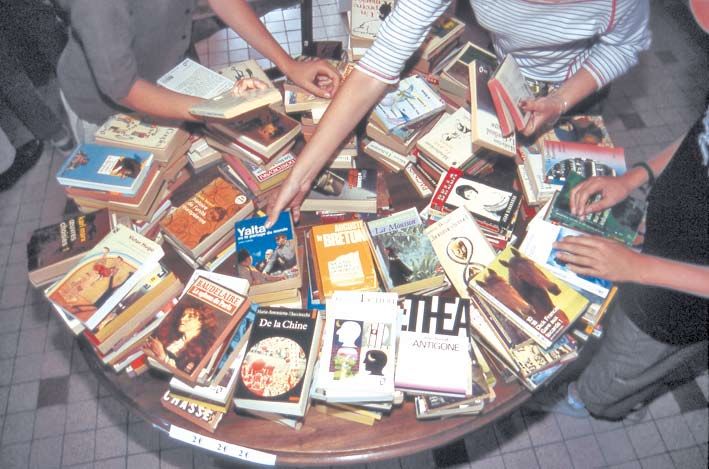
Thanks to the efforts of the Tourism Commission,
                         and its 245 members (tourism professionals, local
                         administrations, individuals, associations and consular
                         chambers), the Pays Carcassonnais has mapped out 7
                         itineraries which will take you on a voyage of discovery,
                         titillate your taste buds and enable you to meet some
                         wonderful people.
                         161 professionals have grouped together to offer you
                         high quality service. They are a diversified lot and are
                         located in places steeped in history, preserved natural
sites or workshops where they exercise their skilled crafts. They will be happy
to welcome you at their table and in their wine cellars. These men and women
are happy to share their best with you, i.e. their history, their knowledge and
their skills. As you travel on these itineraries you will meet the people of
the land. Let us be your guide,… on some wonderful by-roads!!!
                                                    Jean Claude PEREZ
           Member of Parliament for the county of Aude, Chairman of the
                                          ‘Pays Carcassonnais’ area
                                                                             e   a
                                                                          Ar
                                    o ur
                             e s of
                         u r
      S p ec i a l F e at A w i d e r a n g e                                        of
                                              restaurants
Wines                                         The Aude Pays Cathare is the county
Our area can boast 4 grands Crus :            with the most ‘stars’ in the Languedoc
Cabardès, Corbières, Malepère                 Roussillon region! A simplified
and Minervois (see legend at the              legend indicates the type of cuisine
beginning of each itinerary) as well
                                              at each restaurant.
as many local wines
                                              An area which abounds
                                              with natural riches
                                              The Aude Pays Cathare county is
                                              placed third at national level for the
                                              variety of its flora! For example, the
                                              Malepère massif is in the Natura
                                              2000 category!
An Aude Label for Quality
The PAYS CATHARE® trademark                   Establishments with
designates quality
products and                                  TOURISME HANDICAP label
services on offer
by men and                                    This national
women who are                                 label gives
passionate about the Aude area.               r e l i a b l e
                                              information about the accessibility
We invite you to discover and taste
                                              of sites and tourism facilities. It takes
the Pays Cathare by sampling a
                                              into account the four major types of
complete range of offers : Staying
                                              disability (motor, sight, hearing, and
in the Pays Cathare, Discovering the
                                              mental), and guarantees facilities and
Pays Cathare, Active Holidays in the
                                              reception which enable autonomy.
Pays Cathare, Gourmet Tables in the
                                              The label at each site applies to one,
Pays Cathare, and Savouring the
                                              two, three or four types of disability.
Pays Cathare.
why this guide ?
To help you make the most of what there is to see and do
within a radius of 40 km around Carcassonne :
   Remarkable sites                           Cultural Events
Large-scale historical monuments,          Theatre, concerts, Local
Abbeys and Castles of the Pays             Producers’ Grand Market…
Cathare…
                                              Contemporary Art
   Rural heritage                          Art and Literature Centre,
                                           Mediterranean Images Centre…
Mills, chapels, dolmens…

   Tastes                                     Craft of Artisans
Wines, local produce…                      Wrought iron work, Glassblower,
                                           Sculptor in marble…
  Fun activities and
                                              Restaurants
sports
                                           From the ‘local’ restaurant to
Village of books, paper mill,              gastronomic cuisine !
canoeing, kayaking, spelunking,
rambling…

  HOW DOES IT WORK ?
             ➔ 7 itineraries by car with a central map
             (a more detailed map is available in tourist bureaux) and an
             explanation to guide you along the way !

             ➔ 7 itineraries: from the shortest to the
             longest :
             The 1st itinerary (La Malepère : in the footsteps of Philippe
             Noiret) is the shortest at 55 km and can be done in half a day,
             to the longest (the 7th : from the Alaric to the Minervois …)!

             ➔ For each itinerary the contact details
             are provided for the places and people to visit as
             well as the Tourist bureaux (Offices de Tourisme
             or Syndicats d’Initiative).

  Handy to know !
  2 sites open 363 days per year :
  The Paper Mill at Brousses (p22) and the Conservatory of Bookmaking
  Arts and Crafts, Michel Braibant Museum at Montolieu, Village of Books
  (p7).

  GPS coordinates : provided for all sites which are ‘outside villages’
  Download this Guide on : www.payscarcassonnais.com
Les Cammazes

    Itineraries
        La Malepère :
        in the footsteps of Philippe Noiret........page 4
        Around the Village of Books......................page 7
        Of Stone and Men :
        from capitelles to châteaux.......................page 10
        Minervois Montagne Noire :
        unusual encounters &
        picturesque scenery....................................... page 14
2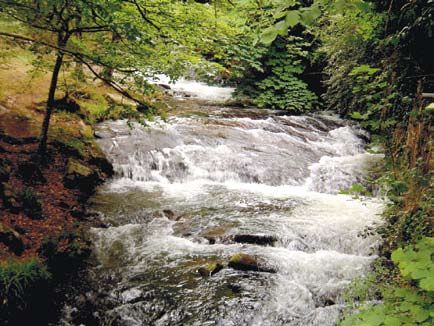
At the sources of the Canal du Midi...page 19
The Haut Cabardès :
a stairway to heaven....................................page 23
From the Alaric to the Minervois :
history, vineyards and garrigues........... page 26

                                                                  3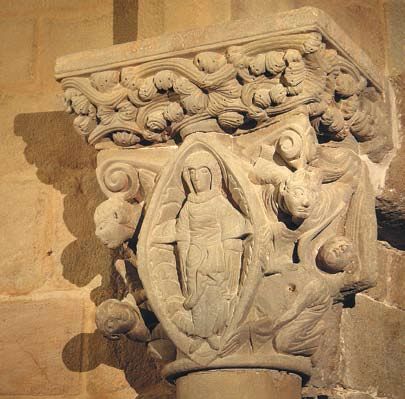
La Malepère :
In the footsteps of Philippe Noiret
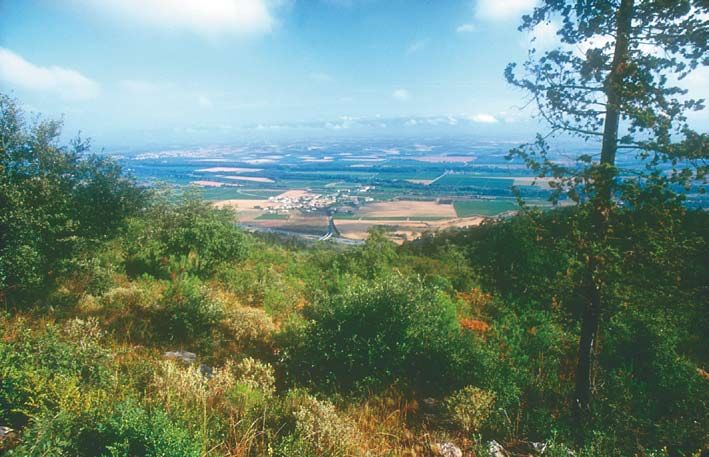
View from the Malepère massif

“Between vineyards and woods,
the stones tell the story of this
land where I chose to live.”
                Philippe NOIRET, actor

“La Malepère, land of vineyards,
woods, and stone.”
Small        valleys,       harmonious
landscapes, where you can see
forever, as far as the Pyrenees!

       HANDY TO KNOW
    Practical information                 information
    Number of kilometres : 55 km         Mairie de Montréal, service tourisme
    Total visiting time: : 3 hours       ✆ 04 68 76 20 05
    Suitable for : everyone              Maison du Tourisme à Montréal
                                         ✆ 04 68 76 39 58 (July/August)

The Massif de la Malepère (registered NATURA 2000 for its orchids
and 3 species of bat) offers nature-lovers some superb views over the
Aude county and its historical villages.
Blessed with a climate which is subject to Mediterranean and Atlantic
influences, the land produces excellent Cru Malepère AOC wines.

      When leaving Carcassonne, take the Limoux road (D118) then 2 km after
      leaving town, turn right towards Lavalette (D18), go through the village
      towards Alairac (D211).

      La Circulade d'Alairac :
      The village has a rich architectural and historical heritage :
      the circulade(circular village) of the Rond Saint Germain,
      the 13 th century church with its Romanesque bell-tower
      and beautiful gothic porch. Listed crosses in the village
      (documentation about the circulade d’Alairac available at the
      grocer’s or the town hall).
      Go towards the bottom of the village and take the D211 towards :

      Arzens :
      Saint Génès church (Languedoc type with square bell-tower and 13 th

4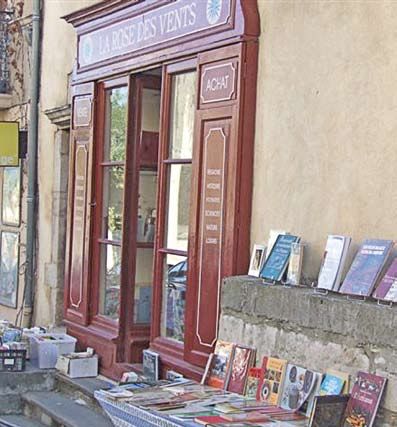
century spiral staircase). Admire the tower of the castle (16th century) with
its geminate window and the 17th century St Jacques pilgrim’s cross. Large
cooperative cellar which combines tradition and modernism, pleasant
modern wine cellar (wine-tasting, purchase), possibility to book a visit to the
cellar. Take the D211, then the D119 towards:

Montréal :
Park near the Maison du Tourisme and continue by foot.
Montréal used to be a spiritual centre and is, today, a halt on the Paths to
St Jacques de Compostelle. The superb fortified Saint Vincent’s collegiate
church, in the gothic meridional style, built in 1318, not only dominates the
village by its great size but also by its location overlooking
the Lauragais plains : admire the portal with its many
sculptures (16th century), the impressive nave (22 m wide
by 53 m long for a total length of 80 metres!), which is
bordered by 13 side chapels and continues to a polygonal
apse, its walls entirely covered by frescoes, as well as the
remarkable Grand Organ.
To see also : the facade of the town hall (18 th century house : in the courtyard
there are handsome grain measures), chapel of the Angels, well…
WINE STOP : Continue by driving out of the village (D211) towards Fanjeaux,
then follow the signs to the Le Fort vineyard (12th century fortified bastide).
Wine-tasting in the cellar of the old Castle, Malepère AOC wines for sale.
Go back the way you came, and in Montréal, take the street on the right
indicating ‘salle polyvalente’.
At the roundabout, go straight ahead towards the ‘Bergerie
du Chapitre’, recommended halt at :

the 'Bergerie' du Bois du Chapitre :
Botanical walk : the path starts at the place called ‘La
Bergerie’ with its two listed oak trees planted during
the reign of Louis XIII (picnic area, water, fireplace) and is          a
wonderful place to discover the wealth of the massif vegetation (viewpoint :
Fanjeaux, the Razès, the Pyrenees). This family walk takes about 1.5 hours.
On the road again towards Montclar and you will see :

the massif de la Malepère :
The road rises through woods, fields and farms. At the
Montclar-Villarzel crossroads, it is possible to drive towards
Villarzel and 350 m to the left, there is a parking area
with a superb view. Remarkable panorama of the Razès, the
Corbières (Bugarach peak) and the Pyrenees (Canigou, Madres,
Carlit, Saint Barthélémy). Some kilometres further along the crest of La
Malepère, the road winds through woods of scrubby green oaks to come out
onto an open landscape of hills surrounding the small picturesque village of

Montclar :
Typical village of la Malepère, built on the heights. Open
access to the circular village with its original houses, the
church dating from the 12th and 14th centuries (dedicated
to St Julien and Ste Basilisse, handsome altar in pink marble
from Caunes, 2 listed paintings on the western wall, visible
traces of the old wooden ceiling) and small pretty town square. Return to
Carcassonne on the D43 and the D118.

                                                                               5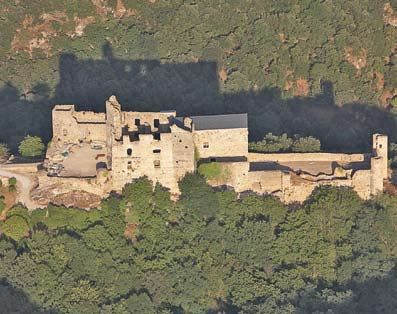
RESTAURANTS
    Arzens
       Restaurant “ l’Arzenais, Relais St Jacques“. .........✆ 04.68.76.27.93
    Montréal
       Ferme auberge du Pigné. ........................................... ✆ 04.68.76.10.25
       (booking necessary)
       Auberge Le Dominicain............................................... ✆ 04.68.76.31.10
    Preixan
       Auberge “ Le Relais ”.................................................... ✆ 04.68.26.35.54

    Restaurant symbols                                                       Inventive cuisine
       Gastronomic restaurant                                                Family cuisine
       Traditional regional cuisine                                          Snack bar

     Tasting                                                Visit of the du Barry studio
                                                            Painting on porcelain
                                                              06.03.16.44.83
Wines
Arzens
Cave La Malepère                                               WORTH SEEING NEARBY
  04.68.76.71.71
Montréal                                                  visits
Domaine Le Fort                                             • Fanjeaux and the Prouille Monastery :
Route de Bram D63 Montréal                                  Cathar and Dominican spiritual centres
  04.68.76.20.11                                            • Abbaye de Saint Hilaire
                                                            • Maison de l’Archéologie in Bram
Short detour, wines and tourism :                           (Archeology exhibits)
Alaigne                                                       04.68.78.91.19
Maison des Terroirs/Syndicat du Cru                         • Handmade pottery in Belvèze
Malepère au Domaine de Cazes                                du Razès : visit of the former tile
Experimental vineyard and ecological walking circuit        factory with its workshop
  04.68.69.11.56                                              04.68.69.02.02
Cavanac
Vignobles de Carsac                                       Remarkable ‘circulades’ :
  04.68.79.61.18                                          circular villages
                                                            - on the Dominican Path : La Force, Villeneuve
LOCAL PRODUCE                                               les Montréal, Lasserre de Prouilhe.
Montréal                                                    - Alaigne
la Caverne du Dominicain
delicious halt
   04.68.76.31.10                                              COME BACK FOR
Meats, Small-goods, Roasts,
Cheeses Ferrai                                              March
   04.68.76.20.45                                           “Le Printemps des Notes“
                                                            World music in Alairac.
                                                            May
     ACTIVITIES                                             Bandas Festival in Montréal
Walking and mountain-biking circuits                        June
Walking circuit                                             Les Estivales
Santiago de Compostella pathway GR78                        Lectures in Arzens
(lecture once a year)                                       July/August
Arzens                                                      Festival International de Folklore à Montréal
Guided visit of the cellar                                  August
“La Malepère ” in Arzens (booking necessary)                Organ Concerts in Montréal
  04.68.76.71.71                                            Late April to mid-June
Montréal                                                    “De Circulade en Circulade ”
Visit of painter/sculptor’s studio                          Cultural events in 15 circular villages.
Marie Claire TOUYA                                          October to May
   04 68 76 29 61 / 06 75 38 54 34                          L’Oreille du Hibou
Wine workshops                                              Theatre and Concert season in Montréal.
at the Domaine Le Fort (booking necessary)                     09.51.15.36.75
   04.68.76.20.11

6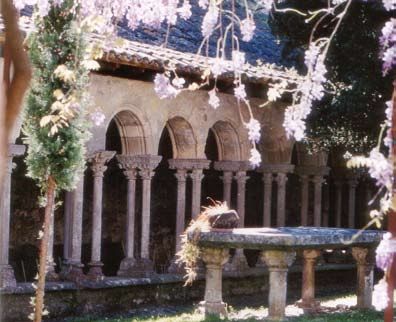
Around the Village of Books

Montolieu : village of books

“I have had, for this corner
of land, an immense love”
                      Pierre Reverdy

"From the Cabardès to the
Canal du Midi», Montolieu,
Village of Books, from garrigue
to forest."
     HANDY TO KNOW
  Practical information            information
 Number of kilometres : 60 km      Office Intercommunal de Tourisme in Montolieu
 Total visiting time : 4.5 hours   ✆ 04 68 24 80 80
 Suitable for : everyone           ➚ www.tourisme-cabardes.fr

     2 roads can take you to Montolieu : the fastest leaving Carcassone is to
     follow the signs indicating Toulouse (RD6113) and then turn right after
     Pezens, towards Moussoulens on the D629 as far as Montolieu.
     The more picturesque road leaving Carcassone is to follow the signs
     indicating Toulouse (RD6113) and turn right towards Pennautier, go through
     the village and take the D38 towards Ventenac Cabardès then Moussoulens
     and the D629 as far as Montolieu. This road winds around the hills above
     the Valley of the Rougeanne.

     Montolieu, Village of books :
     The village, which used to be fortified, stretches out on a
     rocky bluff between the steep valleys of the Dure and the
     Alzeau which join together to form the Rougeanne.
     Known for a long time as the ‘Church village’ making a
     living from the wool and cloth industry, Montolieu is now the ‘Village
     of Books’ : A visit to the Conservatory of Bookmaking Arts and Crafts
     (Michel Braibant Museum) and the 15 bookshops, some of which are
     English, German or Spanish (OIT:04.68.24.80.80) as well as       the
     different artisans applying their Bookmaking crafts and Arts
     will give you the opportunity to explore the old streets of
     the village. (vestiges of corbels showing Medieval origins,
     gothic windows …).
     The 14th century St André’s church, listed as an historical
     monument, has an impressive bell-tower, 38 metres high !
                                                                                   7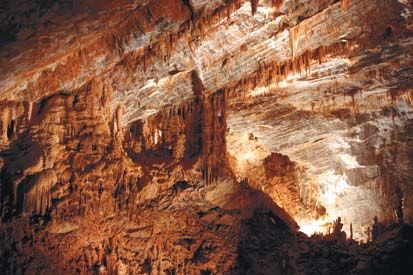
Note two 13 th century statues of the Virgin with Child, one in stone to the
    left of the altar and the other in polychrome stone above the entry porch.
    Don’t miss the viewpoints, from the bridge on the Saissac road and from
    the «Place de l’Espérou».
    Short halt and wine-tasting, at l’Estanquet, getting some tips from the
    cellar master, and a look at the ‘Atelier’, an art exhibition gallery, then
    the book-binding workshop in the Town Hall street (rue de la Mairie), and
    the Calligraphy workshop, rue du 8 mai, on the way down to the village
    outer quarter : Note, as you go along, the wrought iron cross in the square
    (Place du Pradel) and continue on the rue des Pyrénées towards the Royal
    Factory (1734).
    At the end of the Impasse de la Manufacture, in the former cloth factory,
    visit the Art Glassmaker’s, the Book workshop and a large bookshop.
    A few metres further along the Alzonne road, you will come across a
    former cooperative wine cellar which has been converted into an Art and
    Literature Centre : not to be missed!
    By car or by foot, go towards Fraisse Cabardès on the D148,
    to discover Saint Roch hill, with its chapel and centuries-
    old cypress trees, a natural site listed on the Heritage
    inventory.
    Surrounded by scrubby garrigue vegetation and dry-stone
    cabins, you will have a magnificent panoramic view over the
    village.
    On the road again towards Saint Martin Le Vieil on the D64
    to visit :

    L’Abbaye de Villelongue :
    In the hollow of the Vernassonne Valley, the attraction of
    this former Cistercian abbey founded in the 12th century lies
    in its confidential family atmosphere. It is original for its many sculpted
    decors representing allegorical figures : griffon, owl, rooster, lion, monk …
    and even 2 representations of the Devil! Have fun looking for them in the
    peaceful cloister which contrasts with the Cistercian rigor of the refectory.
    Religious architecture of the 12th, 13 th and 14th centuries is revealed as you
    visit the chapter room and the ruins of the abbey church (the Lay Brothers’
    Cellar and the Sacristy can be visited upon request).
    In the shade of the dovecote, the fishpond - used for breeding Tench and
    Carp fish for the vegetarian monks - is still in working order, and this
    since the 12th century. Sit for a moment in the calm of the garden filled
    with flowers and a superb collection of colourful marrows and pumpkins.
    (43°18’19 N-2°10’03 E - tel : 04 68 24 90 38).
    From Saint Martin le Vieil, finish the itinerary by taking the D34, going
    through Raissac sur Lampy and Alzonne before taking the D33 as far as
    Villesèquelande.
    Go for a boat ride on the Canal du Midi, registered on the
    UNESCO World Heritage list. This exceptional engineering
    masterpiece was realised by Pierre Paul Riquet in the 17th
    century under the reign of Louis XIV!
    A concentrate of the hydrographical, topographic, geometric
    and architectural skills of its time, the Canal continues to surprise us
    today.
    The towpaths are maintained for walking and bike-riding in the shade of
    the centuries-old plane trees. Return to Carcassonne on the D33.
8
Abbaye cistercienne de Villelongue
RESTAURANTS
Alzonne
Restaurant “Table Ronde des Chevaliers”.......... ✆ 04.68.76.93.43
Montolieu
Restaurant tea salon “Les Anges au plafond ”... ✆ 04.68.24.97.19
Restaurant “Le Marque-Page ”................................ ✆ 04.68.24.76.72
“Le Café du Commerce“. ............................................✆ 04.68.24.85.12
Pezens
Restaurant L’Ambrosia................................................ ✆ 04.68.24.92.53
Restaurant symbols Inventive cuisine
Table gastronomique Family cuisine
Traditional regional cuisine Snack bar
Tasting ACTIVITIES
Wines Montolieu Village of Books
Atelier du Livre (Book workshop)
Alzonne Book-making, individual workshops
Domaine des Sesquières and school trips (paper manufacture,
06.08.45.96.83 / 04.68.76.00.12 typography, engravings, marbled paper)
Montolieu 04.68.24.84.27
Wine cellar L’Estanquet «Regional wines» Conservatory of Bookmaking Arts
04.68.24.72.12 and Crafts : Michel Braibant Museum
Pezens Follow the history of books, since the birth of
Gilbert Salvo, Wrought iron craftsman writing and the history of its different supports, to
Unique pieces (e.g. 18th century gate) the wonderful adventure of mechanical printing
04.68.76.09.95 04.68.24.80.04
15 bookshops
Montolieu Village of Books Vintage and second-hand books and collectors
Art glassworker, Julienne The Cooperative
Daniaux, « Diversion » Centre for Art and Literature : contemporary art,
04.68.24.70.17 bibliophilism, lectures, performances, publications
BOOK ARTISANS of artists’ books and welcoming guest authors
Montolieu Village of Books 04.68.78.96.29
Book-binding workshop, Sandrine Montolieu Village of Books
Bernard-Breitel,« Au chat Kireli » and Graphic Arts
04.68.24.80.49 Exhibitions and cultural events. Learning
Calligraphy workshop, Lucile Gesta workshops for groups and individuals (calligraphy,
06.87.10.27.43 computer graphics, illumination of manuscripts,
Caricature workshop, Laurent Malard caricatures, writing, illustrating, engraving,
06.89.38.56.88 / 04.68.24.82.69 typography, book-binding, paper manufacture)
Computer Graphics - Photography, 04.68.24.80.04
Visual Production « L’Atelier »
04.68.78.87.57 Photograph exhibitions, sculptures and
Illustrations workshop, Nathalie Louveau paintings by Chris and Francis
06.81.17.20.90 09.51.70.98.20 / 06.07.26.40.86
9Exploring the Saint Roch the «Café du Commerce» in Montolieu
and Capitelles site • Concerts at the Abbaye de Villelongue
Topoguide, circuit 11, available at the August
Office Intercommunal de Tourisme • Abbaye de Villelongue :
The Cactus Garden Open on Wednesday evenings
Production and sale of cactus and other succulent • Picnic lunch with Pays Cathare
plants. Visit the gardens : 1000 species! producers on 15 August.
04.68.24.86.59 • Pays Cathare producers’ market Montolieu
(Thursday before 15 August weekend)
WORTH SEEING NEARBY • «Night of the Papyvores»
14 August at Moulin de Brousses (paper mill)
• Expore the Alzeau and Dure Gorges (jazz, French songs…)
• Pays Cathare castle in Saissac 04.68.26.67.43
• Biches de Picarel deer farm in Saissac September
• Paper mill at Brousses • «Marrow Festival» 3rd weekend,
• Picturesque village of Aragon. Abbaye de Villelongue
• «Art Crafts and Skills Day»,
Heritage Day Sunday, Montolieu.
COME BACK FOR December
January • «Truffle Markets» Moussoulens.
• « Les Ampélofolies du Cabardès » April to October
Moussoulens Wine and Truffle Festival • Concerts « Les Anges au Plafond »
Easter weekend Restaurant, Montolieu
• «Vintage books fair» in Montolieu All year
April/May • Literary and artistic events at the Museum of
• «Escritura» Occitan literature Bookmaking Arts and Crafts and the Montolieu.
and culture in Montolieu
June
• « Cactus Fair» 3rd weekend,
La Cactuseraie Montolieu
July/August
• Concerts on Thursday evenings at
Montolieu Village of Books
10Of Stone and Men :
from Capitelles to Châteaux!
Castles of Lastours
In the foothills of the Montagne
Noire, 10 kilometres from
Carcassonne, in a peaceful natural
environment, a crisscross of paths
through Mediterranean forest and
Cabardès vineyards, the stones of History
are ever-present, at the turn in a path, a glance through the trees.
HANDY TO KNOW
Practical information Information
Number of kilometres : 50 km Office de tourisme/Syndicat d’Initiative :
Total visiting time : 5 hours OIT Montolieu............. ✆ 04.68.24.80.80
Suitable for : people who are physically fit ➚ www.tourisme-cabardes.fr
SI Ilhes Cabardès......... ✆ 04.68.11.12.40
When leaving Carcassonne, head towards Toulouse on the RD6113 as far
as the crossroads on the express way indicating on the right the village of
Pennautier.
Drive into the village and take the D203 as far as Aragon.
Aragon :
Discover this small picturesque village, where the houses
blur into the rocky substrata, built in an amphitheatre
design on a limestone outcrop, overlooking the Trapel and
the La Valette streams.
The village : From the drinking trough square with its historical 16th century
cross, listed as an Historical monument (crucifixion on one side and Virgin
with Child on the other), stroll through the narrow streets of this delightful
authentic village to arrive at the Draw-Gate street (rue du Pont-Levis) where
the vestiges of the old wall of the Castrum can be imagined. From there,
join the rue du Paro to go to the Castle and the church.
The Castle (late 16th, early 17th centuries) : the layout of the current facade is
organised between two square towers. The castle has been greatly modified
over time and includes remarkable elements in the middle of the facade :
11the door (16th, 17th centuries) framed by two columns resting on coffers with
a diamond-shaped design, is under the vestiges of a bartizan (15th century).
The mullion windows were placed in modern times.
From the Medieval period, only a fragment of wall remains. The part which
gives onto the dry ditch is a reminder that the fortification used to surround
the entire extremity of the outcrop, site of the Castrum.
Saint-Marie’s church : After collecting the key (see sign on
church door), you will see : the north portal (some elements
from the primitive 12 th century church), the pentagonal
choir (on each of its faces, there is a gothic bay with a
pointed arch with two lancet windows), the circular keystone
has a plant décor and holds a protruding head. Of the 4 side
chapels, one has a keystone decorated with an eagle. The
square bell-tower pierced with pointed arch bay openings
contains a bell which is listed as an Historical Monument
and dates from 1673. To see also : two magnificent statues
of the Virgin (15th century in wood and 18 th century in gilded
wood), the altar, the stoup and the baptismal font in pink marble f r o m
Caunes Minervois (the same marble as used in the petit Trianon) as well as
the gilded wood tabernacle from the end of the 17th century.
Finish the visit by admiring the decorated elements (corbels and beams) of
the timber framework, beautifully preserved and rediscovered in 1988. The
final span has been completely renovated and gives an idea of the primitive
decoration of the Nave. Combining themes of plants and foliage scrolls,
with fantastic animals, the beams and the corbels are decorated with coats
of arms dating from the early 14th century.
Go out of the church and look at the mouldings of six disk-shaped steles
in the “priest’s garden”. They were among those found in the cemetery
wall and around the village. Small Christian funeral monuments, these steles
used to be placed on burial places in the cemetery.
Don’t leave without enjoying a good look at the surrounding
countryside.
The « Dry-stone and Rural Architecture » Centre : below
the church, this museum explains dry-stone architecture
(terraces, low walls, cabins …)
Finish the visit of Aragon with the Museum of traditional
wine-making tools. For information and visits, call the Town Hall of Aragon
on 04 68 77 17 87 or 06 11 04 16 19 outside opening hours.
Go out of Aragon and take the D935 as far as the village of Villegailhenc:
take the D118 towards Mazamet and drive 4 km then take the D411 on the
right to Salsigne: you will go past the old gold mines and you can make a
stop at the Montfermier Belvedere Lookout from which you can see the four
Castles rising up at 300 metres in altitude surrounded by a landscape where
cypress trees reach for the sky : exceptional panorama!
The Castles of Lastours :
Drive down to the village of Lastours (Park in the free
compulsory car park at the entrance to the village) and go to
the renovated old textile factory, called «Rabier» (Tel. 04 68 77
56 02 for information). There are two permanent exhibitions :
The archeological exhibition «LASTOURS, 4000 years of history»: See the
main discoveries from 25 years of archeological digs in the old fortified
village!
12The geological, botanical and zoological exhibition «LASTOURS, Worlds to
discover»: prepares the visitor to appreciate an exceptional environment!
The old factory also gives access to the walking paths to visit the site, which
will make you dizzy and inspire you. These 4 castles, Cabaret, Surdespine,
Quertineux and Tour Régine, which have surveyed entry to the Cabardès
since the High Middle Ages overlook the Orbiel watercourse and Grésilhou
stream.
Here you will also see «Le Trou de la Cité», (the Hole from the City). It is the
biggest cave at Lastours where there are about forty in all. The «Princess
with the necklace», burial place of a young girl dating from 1500 years
ago was located in a cavity nearby called «the necklace shelter». Her body
was covered with objects including amber beads and jewellery resembling
Mycenaean or Egyptian art.
At the foot of the Cabaret castle, archeological digs carried out over 25
years have brought to light the medieval village of Cabaret, important
Cathar centre which resisted the Crusading armies. Old fortified habitat
called a «Castrum», it was composed of about one hundred dwellings and
several forges. These were suddenly abandoned without the inhabitants
being able to take with them the slightest thing.
Go back towards Carcassonne on the D101 and stop at the :
Capitelles de Conques sur Orbiel :
Farmers’ and shepherds’ cabins since the 19 th century,
built from dry-stones (4 round trip walks, about 1 hour
for each).
During the summer, stop at the 14th century church in Conques
to admire the 15th century reredos. Return to Carcassonne on the D101.
RESTAURANTS
ArAGON
Restaurant “ La Bergerie“. ..........................................✆ 04.68.26.10.65
1 star in the Michelin Guide + «Prestigious Table»
Lastours
Bakery “ Le Moulin de Lastours”............................. ✆ 04.68.25.23.14
Pastry shop, tea salon, « house » ice creams and garriguet and Pays Cathare bread
Rural auberge “ Le Diable aux Thyms“................. ✆ 04 68 77 50 24
Restaurant “ Le Puits du Trésor“............................. ✆ 04.68.77.50.24
1 star in the Michelin Guide
Pennautier
Les Chais du Château. ................................................. ✆ 04 68 25 63 48
Salsigne
Ferme auberge de Combestremière...................... ✆ 04 68 77 06 97
Weekends and by reservation
Restaurant symbols Inventive cuisine
Gastronomic restaurant Family cuisine
Traditional regional cuisine Snack bar
13Tasting Puicheric
Rock-climbing, spelunking,
and live water sports
Wines with the company EAURIZON
Conques sur Orbiel 04 68 49 99 82
Domaine Salitis Villarzel Cabardès
04.68.77.06.97 Accompanied walking
Domaine Parazols circuit, free of charge
06.07.49.15.14 with visit of pre-romanesque 9 th /10 th century
Lastours Chapel + wisigothic cemetery. (booking necessary
Château le Bouchat-Alaux with Mr Louis Guiraud - lasts 3 hours)
06 11 71 90 94 (July and August) 04 68 77 02 11
Pennautier
Les Chais du Château
04 68 25 63 48
WORTH SEEING NEARBY
Château le Bouchat-Alaux : • Montolieu, village of books
La Tuilerie • Saissac : château Pays Cathare
04 68 47 30 03 / 06 11 71 90 94 • Brousses paper mill
LOCAL PRODUCE • Limousis cave
• Villarzel archeological museum, Moural des Morts
Aragon
wisigothic cemetery (5th to 7th centuries) and
Café « le Druide d’Aragon » and local
• pre-romanesque 9th /10th century Chapel
produce « La Maison du Cabardès »
04 68 26 12 39 COME BACK FOR
Lastours
Wines "le bon filon" May
July - August « Art Aragon et Artistes »
06.11.71.90.94 Sculptures and Paintings in the streets
Salsigne at the Prieuré d’Aragon.
Farm produce from the Ferme June
de Combestrémière Mountain-bike ride « Cap Nore »
04 68 77 06 97 3rd weekend in Villegly
July/August
ACTIVITIES « Les Cabardièses »
Piano Festival in Pennautier
Aragon July/August
Bike trails SITE - VTT - FFC : Sound and Light show at
460 km of trails, 4 walking trails : ATAC the castles of Lastours
04 68 77 04 00` (at the Belvédère) Thursdays
Bagnoles August
Horse-riding trails Festival «Jazz under the Chestnut trees»
Au pré de Jolie In the park of the Château de Roquefère (1st week).
06 61 17 50 90 October
Conques sur Orbiel « De Ferme en Ferme en Montagne Noire »
Initiation to motorised 2-wheelers (1st Sunday)
for 6–17 year-olds 04.68.78.00.55
(1/2 day, day, week) MOTO LIBERTE 11 November
04 68 77 07 27 Fête of lamb, chestnuts and
Primeur wine in Villardonnel
« Art, Aragon et Artistes » at the Prieuré d'Aragon
14Minervois Montagne Noire :
Unusual encounters and picturesque scenery
Caunes Minervois Abbey
From the foothills to the
Montagne Noire, the Clamoux
Gorges offer an exceptional
panorama. Entering the Minervois
m e a n s a l s o e n t e r i n g H i s t o r y.
There are exceptional sites such a s
the abbey at Caunes-Minervois, the giant chasm of
Cabrespine and marble quarries. On the way to the mountains you
will see dolmens, taste local produce, and even go for a walk with
lamas!
HANDY TO KNOW
Practical information Information
Number of kilometres : 87 km Office de tourisme/Syndicat d’Initiative :
Total visiting time : 5.5 hours Villeneuve.................... ✆ 04.68.71.20.14
Suitable for : everyone Rieux............................. ✆ 04.68.78.13.98
Azille............................. ✆ 04.68.91.59.61
Caunes Minervois....... ✆ 04.68.78.09.44
➚ www.caunesminervois.com
To go to the Minervois area, from Carcassonne, take the Mazamet road.
Upon leaving Carcassonne, at the Bezons roundabout, turn right, towards
Caunes Minervois (D620).
CAUNES MINERVOIS :
As soon as you enter the town, an 8-metre high marble
sculpture reminds you that you are in the area of the famous
red marble used in the construction of many monuments
including the «Trianon» at Versailles, the Paris Opera House,
the Great Mosque in Cordoba, and Saint Peter’s in Rome… Leave your car
at the Europe car park and go towards the Abbey and its two-level cloister,
located in the medieval village. The Tourism Office proposes a guided visit of
the site. The Abbey was on a pilgrimage route. You can also visit the many
artists’ studios in Caunes Minervois : Pottery studio, Imagination workshop,
Painters’ dens, or other Artists’ houses and their fashion creations and
artistic jewellery… You mustn’t miss the Hôtel Restaurant d’Alibert and its
15magnificent surrounds. Before embarking on your tour of the Montagne
Noire, make a halt on the Trausse Minervois road. As you leave
Caunes Minervois on the Trausse road, you will come across
the remarkable site of Notre-Dame du Cros ! Organised
around a chapel dedicated to the Virgin, the exceptional
grounds and facilities make it an excellent spot for relaxing
in the shade of the plane trees : the Cros gorges, the spring,
the marble quarries, and the steep cliffs are appreciated by
climbers and walkers alike.
Go back to the Departmental road 115 and in the centre of the village
of Caunes Minervois, take the CITOU road. A small mountain road will
take you through the valley of the Argent Double and will take you from
the Minervois plain to the foothills of the Montagne Noire. Drive through
orchards and market gardens where sweet onions grow, to the village of
Citou. Depending on the seasons, local fruit and vegetables are for sale
along the way. You can also observe a delightful Romanesque
chapel!
Take the road back to LESPINASSIERE, see the square tower
of the medieval castle built in the 12th century, in the centre
of the village. Walk around the outside of the castle at your
leisure. Enjoy the view. On the horizon : the Pyrenees !
Chestnut trees line the way as far as CASTANS. This is a country
of shale stone. At the crossroad of St Pons and the Col de Salette, turn left
towards "Castans" (D9)
Castans stands out for its strong link with the number seven : 7 hamlets,
7 springs, 7 bells in the parish church. This part of the Montagne Noire is
covered by more than 50 km of signposted walking trails.
Take the Pradelles road (D9) to go and meet the Lamas of
the Montagne Noire . Jean Louis and Hélène invite you,
year-round, to visit their lama farm or go for lama rides
in the forest. Original rides for the young and the young
at heart!
Continue this road, at the nex t crossroads take the
CABRESPINE road, which winds through the green valley of t h e
Clamoux (D112).
Cabrespine, village where the physician Pierre Duhem decided to finish
his days, is a pleasure to visit with its picturesque small streets, and, in
particular, for it curious street with six bridges.
About 2 km after the village, take the road on the right
via the Giant Chasm of Cabrespine , this cave which is
remarkable for its size and the quality of its karstic elements
is currently in the process of registration on the UNESCO
world heritage list. This site is accessible for all publics and
there are picnic tables at your disposal. To return, take the
road to :
VILLENEUVE MINERVOIS :
This village is typical of the region with its shady boulevards and plane trees.
In Villeneuve you and your family can explore the mill which is still active,
paths will take you to dolmens and capitelles, and Mr Chaix’s Paleontology
and History museum (04.68.26.12.14). Art lovers, make a stop at the
Wrought Iron workshop «La Marquise». And finally, if you are travelling
between December and February you will be lucky enough to taste the
great specialty of Villeneuve Minervois : Truffles! Colourful markets are
16organised around this production !
Take the D111departmental road to visit the windmill at
Villeneuve Minervois which is still active.
Go back the way you came, take the D112 again to go back
to Carcassonne.
RESTAURANTS
Caunes-Minervois
Café - Restaurant “La grande Fontaine“............. ✆ 04.68.78.00.63
Restaurant “d'Alibert“................................................ ✆ 04.68.78.00.54
“La Cantine du Curé“.................................................. ✆ 06.79.85.99.03
June to September
Salon de thé “La Marbrerie“.................................... ✆ 04.68.79.28.74
Glaces artisanales - mobile : 06.80.40.40.58
Citou
“ Table familiale L’Oustal“.......................................... ✆ 04.68.78.08.99
Open in evenings, reservation necessary
Lespinassière
Café - grocery - Restaurant “Les Ardeillès“. .......✆ 04.68.78.01.07
Reservation necessary - mobile : 06.77.10.80.20
Trausse-Minervois
Café - Restaurant “L’Amandier“. ............................ ✆ 04.68.78.23.07
mobile : 06.70.92.83.73
Restaurant symbols Inventive cuisine
Gastronomic restaurant Family cuisine
Traditional regional cuisine Snack bar
Tasting Villalier
Cellier des Capitelles
04.68.77.16.69
Wines Villegly
Bagnoles Château Villerambert-Moureau
Château du Donjon 04.68.77.16.40
(guided visit of the 13 th century Keep)
Villeneuve-Minervois
04.68.77.18.33 Domaine Bénazeth au Moulin
Caunes-Minervois 06.30.61.30.01
Celliers du Palais Abbatial Château les Chanoines
04.68.78.00.98 04.68.26.13.61
Château Villerambert-Julien
(Wine-tasting in the 16th century chapel) LOCAL PRODUCE
04.68.78.00.01 Caunes-Minervois
Le Clos du Marbrier Spice bread PAINDOR
04.68.78.49.19 / 06.85.91.27.57 06.12.29.62.10
Domaine Benjamin Taillandier Pork small-goods Icher
06.79.85.99.03 Meat salting, foie gras, home-made conserves
Malves en Minervois 04.68.78.00.45
Château Malves Bousquet Bakery GIRAUD
04.68.72.25.32 Cathar bread, Garriguet
Sallèles Cabardès 04.68.78.05.90
Château La Villatade Wine cellars, regional produce
04.68.77.57.51 at La Marbrerie
04.68.79.28.74 / 06.80.40.40.58
17Lespinassière March
Regional produce on sale at Café «Contemporary Art exhibition»
Restaurant Les Ardeillès at the Centre Méditerranéen de l’Image
04.68.78.01.01 / 06.77.10.80.20 Château de Malves
Villeneuve-Minervois 04.68.71.65.26
Tour of the Truffle plantations www.graph.cmi.org
04.68.26.16.19 (town hall) May
«Spring in the vineyards»
ARTS AND CRAFTS Events in the cellars
Caunes-Minervois «Art market»
Atelier du Monestier at Malves (3rd weekend): 45 Artists
Creation of Jewellery (painting, sculpture, photos…)
06.24.00.88.99 « Nightshot »
Atelier de Poterie Night of video and multimedia creation
(final Saturday in the month) Malves
Pottery workshop «Contemporary art exhibition»
04.68.78.48.53 At the Centre Méditerranéen de
Villeneuve-Minervois l’Image Château de Malves
Wrought iron "La Marquise" June
04.68.71.86.19 Marble and Sculpture Festival
at Caunes Minervois
Wine tours in the Haut Minervois
ACTIVITIES Cherry Festival Trausse Minervois
Walking tours July/August
Cabrespine Wine tours in the Haut Minervois
Gouffre Géant de Cabrespine «Fridays» and «Classic Fridays»
Underground safari 43°21’32N-2°27’25E At the Abbaye de Caunes
«Tuesdays»
04.68.26.14.22 at Villeneuve Minervois (concerts, theatre…)
Castans September
Visit of the farm, mini- Sweet onion festival at Citou
walk and lama riding : Wine tours in the Haut Minervois
“ Les Lamas de la Montagne Noire ”
04.68.26.60.11 October
«Great Trails»
Caunes-Minervois (exhibitions, tastings, music, cinema …)
Rock-climbing at Notre Dame du Cros Chestnut Festival at Castans
Accompaniment by Eaurizon «Stone, Marble and Decorative Arts»
04.68.49.99.82 Caunes Minervois
Villeneuve-Minervois Farm to Farm in the Montagne Noire
Dolmens et Capitelles (1st Sunday)
November
WORTH SEEING NEARBY Truffle markets at Villeneuve Minervois
• The Ice reserves between Castans and Pradelles «Contemporary Art exhibition»
• Lac de Pradelles (swimming) At the Centre Méditerranéen de l’Image
• Villarzel Cabardès Archeological Museum + Château de Malves
Wisigothic Cemetery of Moural des Morts (5th to 7th 04.68.71.65.26
centuries). Stone tombs + Pre-romanesque 9 th/10 th www.graph.cmi.org
century Chapel : Louis Guiraud 04.68.77.02.11 Reinette apple festival at Citou
• "The ice reserves of Pradelles Cabardès" December
Christine Truc animates commented visits Truffle markets at Villeneuve Minervois
of the Ice reserves, booking necessary. Christmas markets and concerts
04 68 26 32 97
COME BACK FOR
January
Truffle markets
at Villeneuve Minervois
Gouffre géant de Cabrespine
18At the Sources of the Canal du Midi!
Alzeau water supply
Les Cammazes
In the heart of the Montagne
Noire, the area around Saissac
offers preserved calm open
spaces.
The typical villages, on the mountain
sides, give a panoramic view over the
Pyrenees mountain chain.
In this sunny land, water is omnipresent : canalised, tamed in the
17th century by the genius that was Pierre Paul RIQUET. The water
supplies the Canal du Midi by the channel of the mountain from the
Alzeau water supply to the large Lampy dam.
This exceptional historical treasure is listed on the UNESCO World
Heritage list!
HANDY TO KNOW
Practical information Information
Number of kilometres : 85 to 100 km Office de tourisme/Syndicat d’Initiative :
Total visiting time : 5.5 hours OT Les Cammazes........ ✆ 05.63.74.17.17
Suitable for : everyone Château de Saissac..... ✆ 04.68.24.46.01
OIT Montolieu............. ✆ 04.68.24.80.80
➚ www.tourisme-cabardes.fr
Leaving Carcassonne, follow the RD6113 towards Toulouse.
2 km after the village of Pezens, turn right towards Moussoulens, then
Montolieu Village of Books to arrive at :
Saissac :
Typical village of the Montagne Noire, Saissac is built in a semicircle above
the confluence of the Aiguebelle and the Vernassonne streams. The streets,
one above the other, all face exceptional scenery and give an incomparable
view over the Pyrenees mountain chain.
At the southern end of the village, near the church of
Romanesque origin, the Château is built on a rocky
outcrop.
The Castle of Saissac, which is one of the largest in the
19region, was rebuilt after the crusade against the Cathars at
the end of the 13 th, early 14th centuries. From this period
the remains of a powerful keep and quadrangular towers
remain on the first terrace.
In the 16th century, Renaissance style additions were made.
One of the main buildings from that period, has been restored
and now shelters the Monetary Treasure Museum of Saissac. This treasure
amounted to 2000 deniers (coins) dating from between 1250 and 1270 and
is one of the oldest buried royal treasures to be found in the Languedoc.
This modern and entertaining exhibition deals with medieval moneys :
mining of metals, striking of coins, exchange, and their role in trade and
conflicts…
The Wars of Religion also brought about modifications to the buildings
when openings were pierced in the walls to cater for cannons.
Recent digs have brought to light the outbuildings of the Château with
their ovens.
At the foot of the fortress the vestiges of the former walled village of Saissac
remain. This village was at the centre of a large network of shaded pathways
and was protected by the Toulouse gate.
These old stones tell us the story of the changes at Saissace throughout
time: Roman occupation, Crusade against the Albigensians, development
from the 15th to the 19 th centuries with the wool business.
Wander through the narrow village streets and admire the corbelled half-
timbered houses, the fountains, the medieval gate and the
defence towers.
Leave Saissac on the D4 (indicated Arfons) to go to the
Lac de Lampy. Make a stop at the Picarel deer farm. (450
stags, dams and brockets live in the grasslands and forests,
see them from very close-up, try some brocket meat or some
deer paté or dried deer sausage).
The Lampy-neuf dam which was completed in 1782 is the second water
reserve for the Canal after the Saint Ferréol Lake. Construction of the dam
was necessary to supply the Canal de la Robine between Narbonne and Port
la Nouvelle. The dam and the lake constituted part of the extension of the
ingenious system of the Canal du Midi, one century after it opened.
On the edges of the lake, the Arboretum du Lampy tells the stories of the
Fables de la Fontaine in their natural setting, surrounded by centuries-old
trees.
Go back to Saissac, go through the village to take the road to Saint Denis
(along the way sheep, cattle and horse farms), then in the village take the
road to Lacombe to make your way to :
The Alzeau water supply and the Rigole
(channel) :
More than anything else, the Montagne Noire is the
Mountain of the Waters. The density of the hydrological
network is what made it possible for Pierre Paul Riquet to
build the Canal du Midi.
Listed on the UNESCO World Heritage List, and listed
as a Historical Monument, it is considered to be one of the most
extraordinary Civil Engineering feats of the modern age. At the time the
idea of building a canal to join the Atlantic Ocean to the Mediterranean Sea
20was not new. However, the idea of a regular water supply by
canalising the waters of the Montagne Noire, was a major
factor in the decision to build the Canal. The Alzeau water
supply dam was built from 1667 onwards and it remains the
highest supply point (684m) as well as being the departure
point for the water which supplies the canal.
Until the end of the 19 th century there were no roads into the forests
and only the alley along the Rigole channel enabled road transport. This
exceptional site remains today a fun place for a promenade.
Above the Alzeau water supply, the old forge has been converted into a
restaurant. It used to manufacture iron balls and chains as well as bullets.
Just next to it, the guard’s house is an excellent starting point for a walk.
Take the road back to Saint Denis (it is possible to explore the lake and its
themed walks “the water paths”). Continue towards Brousses, making a
delicious stop at the Mazet pralinery to taste Nadine’s sugar-coated walnuts,
hazelnuts and almonds. Then arrive at :
The Brousses and Villaret paper mill :
Located at the end of the Dure valley, in the middle of
enormous granite blocks, between chestnut tree and
scrubby green oaks, this paper mill is the last one in the
Languedoc to still function.
This is what remains of a rich paper industry at Brousse dating
from the late 17th century. The mill perpetuates the tradition of hand-
made paper.
In a place with its old machines where you can feel history, the Mill proposes
: the discovery of a product which is extraordinary and yet very common :
paper.
Experiment with a thousand-year-old craft : hand-made paper and you will
have the opportunity to make your own paper!
Without forgetting the enchanting and romantic surrounds of this place!
Go back to Carcassonne on the D118 via Villegailhenc.
Château de Saissac
21RESTAURANTS
Fontiès Cabardès
Restaurant “Club 620“................................................ ✆ 04.68.26.53.48
Lacombe
Restaurant “à la prise d’Alzeau “............................ ✆ 04.68.25.46.94
43°23'15N- 2°13'32E
Restaurant symbols Inventive cuisine
Gastronomic restaurant Family cuisine
Traditional regional cuisine Snack bar
Tasting Fontiers Cabardès
Musical events
End of week, year-round at the Club 620
Wines 04.68.26.53.48
Villegailhenc Saissac
Vignobles Alliance Picarel deer farm
Caveau 42°22’28N-2°10’01E
04.68.77.10.79 04.68.24.44.08
Domaine de Cazaban
Organic wines
04.68.72.11.63 / 06.58.06.22.74 WORTH SEEING NEARBY
LOCAL PRODUCE • “Les Chemins de l’eau ”(Water pathways) walking
Brousses et Villaret paths and the Laprade-Basse interpretation trail.
La Pralinerie du Mazet with its Cabardises • “Eaux apprivoisées ” (Tamed waters) village circuits
43°20 37 – 2°14 37 • Les Cammazes, Vauban vaulted tunnel,
04.68.26.64.05 / 06.03.54.11.93 Cammazes, Laprade-basse and la Galaube dams
Caudebronde • Montolieu, Village of Books. Aragon,
Maison de la Montagne Noire typical Cabardès village.
Local produce boutique (July/August) • Abbaye de Villelongue at Saint Martin le Vieil.
06.09.69.46.05 • Lakes of Saint Ferréol (swimming), Montagnes
Saissac (swimming), Pradelles (swimming).
Picarel venison meat and small-goods • Museum and Garden of the
04.68.24.44.08 Canal du Midi at St Ferréol
• Cubserviès waterfall.
Villardonnel
Bonnafous butcher and
small-goods maker COME BACK FOR
04.68.26.51.59
June/September
Art exhibitions :
ACTIVITIES Saissac market square
1st category fishing at the lakes of July
Laprade, le Lampy and Saint Denis. Cultural shows at the Château de Saissac
Trout fishing at the Saint Pierre lake 14 August
(snack bar) «La Nuit des Papyvores» (Night of
Boat ride on the Canal du Midi the Papivores) Moulin de Brousses
43°13 03 05 - 2° 21 03 46 (jazz, French songs…)
06.80.47.54.33 04.68.26.67.43
Brousses et Villaret Early Autumn
Artistic activities at the Brousses Braying of the deer at Picarel (Saissac)
paper mill October
43°20’47N-2°15’21E «From Farm to Farm in the
04.68.26.67.43 Montagne Noire»
Cuxac Cabardès (1st Sunday)
La Goutarende horse-rides 04.68.78.00.55
04.68.26.66.49 / 06.80.63.74.27
Albejot horse-rides
04.68.24.44.03
Cooking classes and photography
tours at the Domaine de la Bonde
with Nathalie GRANDIN
04.68.26.57.16/ 06.30.26.81.63
22Le Haut Cabardès :
A stairway to Heaven!
Access to the Châteaux de Lastours
10 minutes from Carcassonne,
get away from it all in the cool,
the greenery and the charm of a
small steep-sided valley watered
by the «Orbiel» stream!
HANDY TO KNOW
Practical information Information
Number of kilometres : 110 km Syndicat d’Initiative du Haut Cabardès :
Total visiting time : 6 hours Les Ilhes Cabardès...... ✆ 04.68.11.12.40
Suitable for : the physically fit ➚ www.tourisme-cabardes.fr
Leaving Carcassonne, take the Mazamet road on the D118 as far as the
roundabout then follow the road marked «Lastours, Mas
Cabardès (D201)».
Between Conques and Lastours turn right onto the D111
towards :
The Limousis Cave :
A veritable voyage to the centre of the earth, the cave will take you back
in time, it was home to Cave Bears! Fashioned by an underground stream,
once the waters receded, the cave was decorated by superb concretions
including the exceptional aragonite chandelier. This formation is unique
in the world for its size (4m high by 10 metres wide) and for its beauty.
A 45-minute guided visit (1st March to 30 November /year-round group
bookings) will take you through this cave which is at a constant temperature
of 14°C, summer and winter! The cave even serves as cellar for a wine called
«Améthyste» aged in oak barrels.
It is possible to visit Saint-Michel’s church, gothic remodelled in 1661, by
calling 04.68.77.12.74 (Careful : poor GMS reception!) Go back t h e
way you came towards :
Lastours :
Go to the old factory called «Rabier» from which you will
be able to walk around the 4 castles located at 300 metres
23altitude in a landscape spiked with cypress trees : exceptional view ! These
4 castles, which have protected the Cabardès area since the High Middle
Ages, overlook the Orbiel stream, in its steep-sided valley. For a long time
these fortresses protected the mines of the Montagne Noire and during the
Crusade against the Albigensians, the lords were at the forefront of the
resistance movement.
You will have the rare opportunity to observe the results of
the digs of the «Castrum», medieval walled village at the
foot of the castles. The archeological exhibition «Lastours,
4000 ans d’histoire» (Lastours, 4000 years of history) can
be visited free of charge at the entrance to the castles.
Continue on the D101 towards Mas Cabardès to reach :
Les Ilhes Cabardès :
Look at the vaulted street, the 16 th century church and its magnificent
baptistery in pink marble from Caunes Minervois (the same marble was used
in the construction of the Petit Trianon at Versailles).
Continue on the D101 as far as the crossroads with the D9 to
arrive at :
Roquefère :
Small picturesque flowered village, where shale and
greener y mingle around the waters of the Rieutort,
dominated by its 12th century castle.
As you wander around the narrow streets, admire the general overview of
the village from certain points.
Take the road towards Cubserviès (7 kms) located at the
entrance to the village :
The Cubserviès waterfall :
The village is worth a visit just for its location, a veritable
eagle’s nest dominating the high valley of the Rieutort. From
here you can admire the 90-metre-high Cubserviès waterfall!
Have a look at the Notre Dame Chapel (10 th and 11th centuries) and at the
Saint Jacques shell at the entrance, which suggests that the village used to
be a halting place on the pilgrimage to Santiago de Compostella.
Continue for 1 km on the road towards :
The Saint Sernin Chapel :
In this enchanting place, far from the noise and any houses,
stands the only Romanesque chapel of the High Cabardès
(11th and 12th centuries), to still have its old cemetery. In this
mysterious enchanting place, you will not have to fight to find a place to
have a rest, unless it be with the sheep grazing peacefully in this peaceful
spot… Call the person responsible for the restoration of this place on
05.63.61.58.83 (Careful : poor GMS reception) if you wish to visit the
interior (groups only).
Continue as far as the crossroad (at the wash trough) and turn right on
the D1009, go through the agricultural plateau of Pradelles Cabardès, from
where you have an interesting view of the Aude plain and the Pic de Nore.
From here, you have 3 possibilities :
Either : Continue then turn left to go up to the Pic de Nore, the highest
point of the Montagne Noire at 1211 metres high, with a panoramic view
24and beautiful stretches of heather in flower when the season is right!
Or : continue then turn right to go to the Pradelles Cabardès lake (swimming
and snacks),
Or : continue then turn right (before the lake) towards :
Labastide Espabaïrenque :
This small twisted steep village is worth a stop and a wander in its
picturesque narrow streets. At the end of the village, there is Saint André’s
church and a wash trough (espabaïrenque means «outside the walls»).
Go back to the village of Roquefère and continue to the crossroad indicating
on the right :
Mas Cabardès :
This village which clutches the slopes and has its feet in the
Orbiel stream, boasts one of the prettiest bell-towers in the
Cabardès. Saint-Etienne’s church with its 12 th century bell-
tower and 2 storeys of geminate windows, houses a magnificent
15th century reredos, reminiscent of the Provence style reredos. Go for a
walk in the streets and look at the many 16th century houses (half-timbered
corbelled houses), the Weavers’ Cross (16th century cross, worked on both
sides with some traces of colour). Climb up to the ruins of the medieval
castle (13 th century) from where you will have a wonderful view of the entire
village, the Orbiel valley and old cultivation terraces. And finally, walk past
the home of Doctor Ferroul, Mayor of Narbonne and leader of the Midi
Viticole Revolt in 1907.
Leave the village and continue towards Miraval :
As you go by, make a stop at the Saint Pierre de Vals Collegiate church : the
entrance is through the gate in the curious cemetery (seen from above, its
walls are in the shape of a heart!). This vast edifice used to be the place of
worship for the inhabitants of Miraval, La Tourette and Les Martys.
Miraval Cabardès :
This small village has a handsome wash trough, the ruins of the castle of
Raimon de Miraval, famous troubadour, and the Notre Dame de la Lauze
church (17th century, open between 2:00 and 5:00 pm).
Go back the way you came, and at the crossroad, turn right, towards La
Tourette.
The picturesque narrow winding road will take you to the steep small streets
of the village of :
La Tourette cabardès :
The smallest village in the Cabardès but which houses a
very unusual 12th century octagonal bell-tower, and a 17th
century reredos (to open, call 04.68.26.30.21).
Return to Carcassonne : you can either go towards Mas
Cabardès then Lastours on the D101,
Or : continue the road after La Tourette, then join the D118 and go back to
Carcassonne via Cuxac Cabardès and Villegailhenc.
25You can also read


