CARMS 2021 INFORMATION PACKAGE - THE UNIVERSITY OF BRITISH COLUMBIA DEPARTMENT OF PSYCHIATRY - UBC DEPARTMENT OF ...
←
→
Page content transcription
If your browser does not render page correctly, please read the page content below
THE UNIVERSITY OF BRITISH COLUMBIA
    DEPARTMENT OF PSYCHIATRY

        CaRMS 2021
    Information Package
TABLE OF
CONTENTS
           03   Welcome Messages
           05   Program Overview
           06   Clinical Curriculum
           13   Psychotherapy Curriculum
           14   Academic Curriculum
           15   Opportunities Unique to UBC
           16   Outreach and Rural Practice Opportunities
           17   Fellowship & Subspecialty Training

           18   CaRMS Interview Day

                                      QUESTIONS ABOUT INTERVIEW
                                             SCHEDULE?

                                         CONTACT: Linda Chang
                                        Education Coordinator, PGE

                                           linda.chang@ubc.ca
Welcome Message from Dr. Khanbhai

                   Irfan Khanbhai
                   Interim Program Director

                   irfan.khanbhai@ubc.ca

Dear CaRMS Applicant,

I am excited that you have chosen UBC Psychiatry for an interview. I look forward to
meeting you during the interview period as I meet with all applicants individually. UBC
Psychiatry offers a dynamic and comprehensive program. Depending on what track
you have applied to, I encourage you to read the information outlined in the document.

I am from North Vancouver, received my BSc from McGill, completed medical school
at UBC, and thereafter, began my training in Psychiatry at UBC. Given that I have
trained here, I can say first hand that we offer an incredible program with respect to
clinical experience and resident education. I have been involved in resident education
since my residency training and feel privileged to be able to lead this program.

Please feel free to email me at Irfan.khanbhai@ubc.ca.

Sincerely,

Irfan Khanbhai
Interim Program Director
University of British Columbia
Postgraduate Education Psychiatry

                                        3
Message from our CaRMS Committee
Dear CaRMS Applicant,

We would like to welcome you (virtually!) to the University of British Columbia! Our
program offers a diverse array of exceptional training in all core competencies
outlined by the Royal College of Physicians and Surgeons of Canada.

The UBC Psychiatry program is comprehensive and designed to train residents to
work with diverse patient populations and in diverse practice settings. We also
have access to many additional clinical, academic and research training
opportunities throughout our program. Our psychotherapy and pharmacologic
training is excellent, and research is actively encouraged. Each week we have
one day dedicated to academic seminars (Academic Day). UBC also has
subspecialty training and fellowship training programs available to residents
that are interested in focusing their clinical practice.

For those residents with expertise and interest in research, a specially tailored
training track has been developed that maximizes available research time within
the Royal College’s training guidelines. Many research opportunities also exist for
all trainees outside of the research track, with trainees’ research and scholarly
activity requirement being developed by the third year of residency and completed
by the last year of training with mentoring provided throughout. As with all tracks,
one day per week remains dedicated to academic seminars (Academic Day).

Our program follows a distributed model, with residents placed in various hospitals
throughout the Lower Mainland, Vancouver Island, and Northern BC (Prince
George). All sites offer excellent training and there are opportunities for all residents
to complete some portion of their training at any of these sites. The standards and
training requirements are uniform across all distributed sites.

Should you have any questions about the program or residency experience,
please do not hesitate to contact us at ubc.psych.residents@gmail.com. We are
happy to answers your questions by email, set up a zoom meeting, or connect
you with other residents in our program.

Sincerely,
CaRMS Welcome Committee

                                           4
Program Overview
                                                             Vancouver
 The Department of Psychiatry offers
 residency training through the following
 distributed programs:
    • Vancouver (includes IMG residents
       and Research Track residents)            Prince         UBC             Fraser
    • Fraser                                    George      PSYCHIATRY
    • Vancouver Island
    • Prince George

 The standards, training requirements, and
                                                             Vancouver
 curricula are unified across all distributed
                                                               Island
 sites.

Our Residents and Tracks
Our residency group is made up of residents with diverse backgrounds, experiences
and interests. There are currently 121 residents placed among the distributed
programs.

There are 24 resident positions available in 2021:
  • Vancouver Program: 12 positions (including 2 IMG and 2 Research Track
    positions)
  • Fraser Health Greater Vancouver Program: 7 positions
  • Vancouver Island Program: 3 positions
  • Prince George Program: 2 positions

Similarities and differences between tracks:
  • All tracks have the same core rotations and psychotherapy requirements.
  • Tracks vary by the group of hospitals at which core rotations are completed.
  • Due to the COVID-19 pandemic, all weekly academic days are by
    videoconference. Should the current guidelines for in-person meetings change,
    the following protocols would resume:
          • Most in-person teaching would return to being held in Vancouver with
            videoconference to sites in Fraser, Vancouver Island, and Prince
            George.
          • Most residents in the Vancouver and Fraser tracks would attend
            sessions in-person together.
          • Vancouver Island and Prince George tracks would videoconference each
            week, and attend in-person once per month (paid for by the program).
  • In PGY4 and 5, residents can (and many do) complete electives at various sites
    across the province or across the country and are not limited to their home track.
                                        5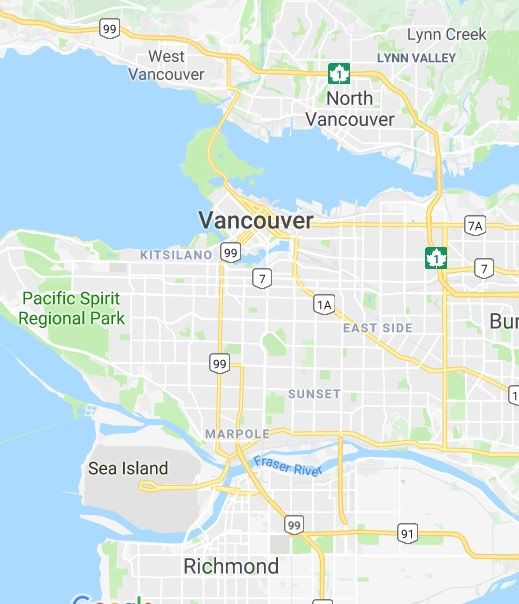
Clinical Curriculum
Our course curriculum follows the
standards mandated by the Royal
College of Physician and Surgeons.

Our program is fully accredited with
the Royal College until 2028.

A wide variety of electives and
selectives which are relevant to
contemporary psychiatric practice are
available to residents at UBC, both at
approved residency programs in North
America and abroad.

Basic Clinical Training Requirements

     PGY1
      TTD &
                         PGY2
                        FOUNDATIONS
                                           PGY3
                                           CORE STAGE
                                                          PGY4
                                                          CORE STAGE
                                                                          PGY5
                                                                         TRANSITION TO
     FOUNDATIONS                                                           PRACTICE

     TRANSITION TO                                       CONSULTATION
    DISCIPLINE (TTD)                                        LIAISON
       (1 month)                              CHILD       PSYCHIATRY
                                                &          (3 months)
                                           ADOLESCENT                     SELECTIVES
                                           PSYCHIATRY                      (6 months)
                                            (6 months)   EMERGENCY &
                        GENERAL ADULT
                           PSYCHIATRY                     ADDICTIONS
                                                          PSYCHIATRY
     FOUNDATIONS            INPATIENT
                                                           (3 months)
                                &
    BASIC CLINICAL         OUTPATIENT
      YEAR (BCY)         (6 months each)

                                                         CHRONIC CARE
                                            GERIATRIC           &
                                                                          ELECTIVES
                                           PSYCHIATRY      ELECTIVES
                                            (6 months)      (6 months)     (6 months)

   Monthly Psychiatry
   Academic Full Day

                                              6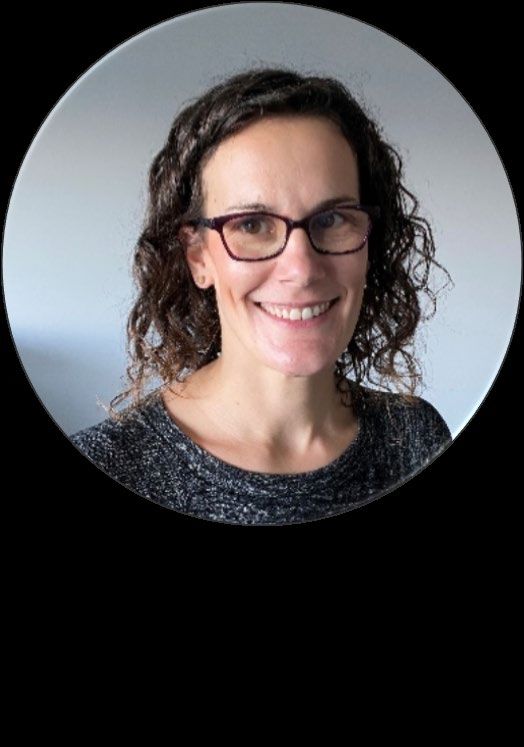
VANCOUVER TRACK
Thank you for your interest in the Vancouver Track at the University of British
Columbia Postgraduate Residency Program in Psychiatry. We have a well-established
and very highly regarded residency program that is incredibly diverse in its breadth of
patient experience and depth of teaching faculty in a city that is world class in its beauty
and offerings. Our clinical training offers numerous opportunities in a wide range of
psychiatric clinical placements including inner city, tertiary and community sites, with an
eye to ensure all residents meet and move beyond the Royal College requirements. With
this tremendous variety of clinical teaching and experience, our program still endeavours
to maintain the collegiality, connectedness, and learning experience of other more
intimate programs.
I am proud of how our program directors, administrative staff, clinical faculty, and
junior colleagues all work together to create what I feel is an exemplary residency
program, and I am thrilled to welcome you to what I consider an excellent track therein.
Dr. Irfan Khanbhai
Associate Program Director, Vancouver Track
Sites
• BC Children’s Hospital (BCCH) St. Paul’s Lions Gate
Hospital Hospital
• Lions Gate Hospital (LGH)
• Mount St. Joseph Hospital (MSJ)
• Richmond Hospital (RH)
• St. Paul’s Hospital (SPH) University of British
• UBC Hospital (UBCH) Columbia Hospital
• Vancouver General Hospital (VGH)
Program
• PGY1: TTD & BCY at St. Paul’s Hospital (SPH) or Mount St. Joseph
Hospital
Royal Columbian Hospital (RCH); elective Vancouver
rotations are flexible General Hospital
• PGY2: General Psychiatry at VGH/UBCH, SPH or
BC Children’s
RH
Hospital
• PGY3: Child Psychiatry at BCCH or BCCH/RH;
Geriatric Psychiatry at VGH/SPH/MSJ/UBCH
• PGY4: Emergency, Addictions, CL, and Chronic
Richmond
Care Psychiatry at various sites in Vancouver
Hospital
• PGY5: Elective and Selective opportunities
Program Highlights
• Numerous opportunities to gain experience working with diverse populations
• Excellent staff interested in supporting and mentoring residents
• Emphasis on resident teaching and learning
• Friendly and collegial resident group
7
FRASER TRACK
The UBC Fraser Health Greater Vancouver Psychiatry Residency Program (UBC-
FHGV) is located in Greater Vancouver – a region which houses the fastest growing
population in the province. Our program has a record of excellence in resident education
and we are proud of our dedicated clinical faculty who are deeply committed to teaching.
It is a very exciting time for a new resident to be part of Fraser Health – both of the main
teaching sites are undergoing or have recently undergone extensive redevelopment with
specific attention to mental health areas. There are numerous opportunities for electives
both within Fraser Health, as well as throughout Vancouver and the rest of BC.
The diversity of population and variety of learning options allows for a well-rounded
and rich educational experience. We look forward to meeting you and discussing the
program further, good luck!
Dr. Faiza Hameer
Associate Program Director, Fraser Track
Sites
• Burnaby Hospital (BH) Burnaby Royal Columbian
Hospital Hospital
• Peace Arch Hospital (PAH)
• Royal Columbian Hospital (RCH)
• Surrey Memorial Hospital (SMH) Surrey Memorial
Hospital
Program
• PGY1: TTD & BCY at Royal Columbian Hospital
(RCH); elective rotations are flexible
• PGY2: General Psychiatry at RCH or SMH
• PGY3: Child Psychiatry at SMH; Geriatric
Psychiatry at RCH / SMH / BH
• PGY4: Emergency, Addictions, CL, and Chronic
Care Psychiatry at various sites in Fraser Valley
• PGY5: Elective and Selective opportunities
Peach Arch
Hospital
Program Highlights
• Strong emphasis on teaching which takes a priority over service-based components
• Excellent staff support on call
• Strong collegial atmosphere, young staff, future employment opportunities
• Extra-curricular events and educational dinners where staff and residents socialize
8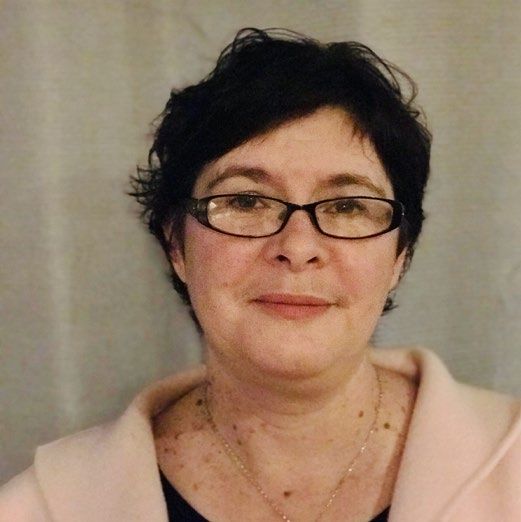
VANCOUVER ISLAND TRACK
Situated in the most beautiful city in Canada, the Victoria Program is known for its
strong academic focus, collegiality, opportunities for continuity of care, and work-life
balance. We maintain our connections with UBC Psychiatry Residents from other sites
through call-back trips to Vancouver for educational and social events, as well as offer
Victoria Postgrad specific social events and Psychiatry specific educational and social
events. Training is centralized at Royal Jubilee Hospital in the heart of Victoria, where
psychiatric inpatient units are located on the first 2 floors of the state-of-the-art Patient
Care Centre. This has greatly reduced the stigma of mental illness and allowed for
increased collaboration of medical treatment for psychiatric patients with concurrent
illnesses and care continuity. We have well established ACT teams, outpatient clinics,
and Tertiary facilities like Seven Oaks. Most of the graduates from the program
(including subspecialty residents from Child and Geriatric Psychiatry) have chosen to live
and practice in Victoria or other parts of Vancouver Island.
Dr. Alison Gregson
Associate Program Director, Vancouver Island Track
Sites
Queen Alexandra Centre
• Queen Alexandra Center for Children’s Health for Children’s Health
(QACCH)
• Royal Jubilee Hospital (RJH)
• Urgent Short-Term Assessment and Treatment
(USTAT)
• Victoria General Hospital (VGH)
• Victoria Mental Health Centre
Program
Victoria General
• PGY1: TTD & BCY at Royal Jubilee Hospital Hospital Royal Jubilee
(RJH) and Victoria General Hospital (VGH) Hospital
• PGY2: General Psychiatry at RJH, Victoria
Mental Health Centre and/or USTAT
• PGY3: Child Psychiatry at QACCH, VGH,
Geriatric Psychiatry at RJH
• PGY4: Emergency, Addictions, CL, and Chronic
Care Psychiatry at various sites in Victoria
Victoria Mental
• PGY5: Elective opportunities in Victoria, up USTAT
Health Centre
island and on the mainland
Program Highlights
• Strong community environment with a collaborative and close-knit program
• Flexible program that caters to your individual interests
• Centralized training and beautiful hospital (RJH)
• Multiple psychotherapy training opportunities
9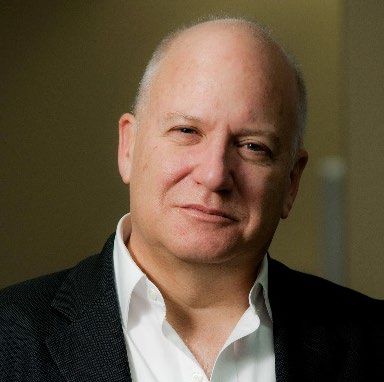
PRINCE GEORGE TRACK
The Prince George track is unique in its beautiful Northern location, with access to
rural and Indigenous communities. With the success of UBC’s Northern Medical
Program, there continues to be exciting evolution of our University Hospital of Northern
BC. There are ample research opportunities, and interested residents can also pursue
their own teaching endeavours. Residents work with a wide range of psychopathology,
with access to sub-specialties including addictions and neuropsychiatry. Our faculty are
passionate about teaching and consistently foster residents’ growth and development.
Prince George also offers an excellent lifestyle! There is a close connection to nature,
hiking, skiing, yoga, and artistic experiences including live music and an expanding
nightlife. Affordable housing provides the opportunity to live in real homes (with yards!),
with frequent flights available to travel to larger cities. Prince George Psychiatry
Residents have the opportunity to foster a healthy work-life balance, and to be
connected to a program and medical community with a strong collegiality and keen
interest in the excellence of our residents. We are proud to call Prince George home,
and would be happy to welcome interested applicants to learn and practice with us!
Dr. Dmitri Zanozin
Associate Program Director, Prince George
Sites
• Community Clinics
• University Hospital of Northern BC
(UHNBC)
Program University Hospital of
Northern British
• PGY1: TTD & BCY at UHNBC Columbia
• PGY2: General Psychiatry Inpatient at UHNBC and
Outpatient at Community Acute Stabilization Team
(CAST) or Community Outreach Assertive Services Team
(COAST) + Early Psychosis Intervention (EPI)
• PGY3: Child Psychiatry at the Adolescent Psychiatric
Assessment Unit (APAU) and Community Clinics and
Geriatric Psychiatry
• PGY4: Emergency, Addictions, CL, and Chronic Care
Psychiatry at various sites in Prince George
• PGY5: Elective and Selective opportunities
Program Highlights
• Diverse, often marginalized patient populations, including rural, remote, and Indigenous patients.
• Dedicated teaching faculty. Services are not “resident-dependent”
• Small Psychiatry resident group, close relationships with faculty, many social events throughout the year
• Affordable housing; dramatically lower cost of living compared to larger centres
• Local Pubs and restaurants, weekly farmer’s markets, coffee shops, concerts, and artistic experiences
• Work-life balance; outdoor sports including mountain biking, hiking, camping, and skiing
10Research Track
RESEARCH TRACK
If you are interested in making research a major part of your future psychiatric career,
WE WANT YOU! As the only Research Track program in Canada to have dedicated
CaRMS positions, we aim to produce the next generation of clinician-researchers in
Psychiatry. Our program ensures that residents get excellent clinical training while
providing time and opportunity to conduct cutting edge research with internationally-
recognized faculty. The cornerstone of the Research Track is dedicated research time in
all years of the residency, starting with a 4-week research elective in PGY1, extending to
1 day a week in PGY2 and PGY3, and more time in PGY4 and PGY5. The hallmark of
the Research Track is flexibility. We tailor the research and training experience to the
interest and needs of the individual resident. We also have clear milestones and
program objectives for the Research Track and annual reviews to ensure that objectives
are met. If you are serious about research training, the Research Track will provide you
the best opportunity for an academic career path.
Dr. Anthony Bailey
Associate Program Director, Research
Program Highlights
• Personalized mentorship to support research LAYOUT OF TRAINING
interests
• Dedicated & protected time for scholarly projects • Clinical placement at SPH
• Integrated & flexible curriculum to allow resident • 1 – 2 months research elective
PGY1
to meet clinical training requirements outlined by
the Royal College • Support from program director to
• Opportunities to enter program from any clinical identify mentor/supervisor & plan a
track throughout residency research project
• Opportunities to complete Master’s or PhD
programs • 1 day/week research time
PGY2
• Clinical placement is usually at
VGH/UBC hospital
• Research methodology training
QUESTIONS
PGY3 & 4
ABOUT RESEARCH OPPORTUNITIES? • 1 day/week research time
• Option to enrol in a Master’s
Explore our website: program in clinical neuroscience or
http://scholarlyactivity.psychiatry.ubc.ca other discipline
Contact: Dr. Anthony Bailey
• Up to 4 days/week research time
anthony.bailey@ubc.ca
• Opportunity to continue research in
PGY5
PGY6 & 7 in the clinical investigator
program
• Opportunities to transition from
Master’s to PhD
11Electives &
Selectives
A wide variety of electives and selectives which are relevant to contemporary psychiatric
practice are available to residents at UBC, both at approved residency programs in North
America and abroad.
This includes electives in other branches of medicine including: internal medicine,
paediatrics, neurology, and research.
Some examples of electives and/or selectives available at UBC include:
Anxiety Child Chronic Civil Adolescent
Disorders Psychiatry Pain Forensics Medicine
Concurrent Consultation- Early Eating Forensic
Diagnosis Liaison Psychosis Disorders Psychiatry
Gender Group Mood
Geriatric Infant Mental
Dysphoria Psycho-
Psychiatry Health Disorders
Clinic therapy
Refractory Neuro- Movement Psycho- Addictions
Psychosis psychiatry Disorders therapy Psychiatry
Sleep Student
Reproductive Sexual
Research Health
Psychiatry Medicine Disorders Services
12Psychotherapy Curriculum
UBC has a comprehensive longitudinal psychotherapy curriculum which includes training,
supervision, and experiences in all validated modalities.
Psychotherapy teaching and supervision is provided to residents individually as well as in
small groups on Academic Days and at all teaching hospitals.
Academic Day lectures parallel residents’ clinical experience and exposure to the various
treatment modalities starting in PGY2. Lectures and seminars review the fundamentals in the
various modalities and increase in their complexity over time.
The current curriculum includes specific training and experience in the following modalities:
• Psychodynamic Psychotherapy
• Cognitive Behavioural Therapy (CBT)
• Interpersonal psychotherapies (IPT)
• Multi-person therapies (group and family)
Opportunities for learning and experiences in other modalities are available and include:
Mindfulness Based CBT, Dialectical Behavioral Therapy, Motivational Interviewing, Couples
Therapy, and Brief Psychodynamic Psychotherapy.
Residents have protected and dedicated time for psychotherapy starting in PGY3 to PGY4
(3 hours/week).
PGY1 PGY2 PGY3 PGY4 PGY5
COGNITIVE
BEHAVIOURAL
THERAPY (CBT)
INTRODUCTION TO FAMILY
PSYCHOTHERAPY & THERAPY
THERAPEUTIC MODALITIES (4 months)
INTERPERSONAL
THERAPY (IPT)
Protected time for Psychotherapy
(3 hours/week)
QUESTIONS ABOUT OUR PSYCHOTHERAPY PROGRAM?
Please contact: Dr. Michelle van den Engh
michelle.vandenengh@ubc.ca
13Academic Day
In all years, residents will attend Psychiatry Academic Full Day at VGH once a
month (post COVID).
Residents in Vancouver Island and Prince George are reimbursed for their
travel expenses for Academic Day.
• PGY1: Each site has its own weekly site-specific half-day teaching on all
medicine topics. Once a month, residents virtually attend a Psychiatry
Academic Full day at VGH.
• PGY2 - 4: Weekly academic full days at VGH, with videoconferencing to
Royal Columbian (Fraser), Royal Jubilee (Vancouver Island), & UHNBC
(Prince George). Two mock OSCE’s per year—one in Fall and one in
Spring.
• PGY5: Occasional Thursday lectures in Transition to Practice. A total of
five mock OSCE’s ranging between two to eight stations. The mock OSCE
structure is set up to imitate the Royal College exam as closely as
possible.
PGY1 PGY2 PGY3 PGY4 PGY5
EMERGENCY CHILD ADDICTIONS
Academic INTRODUCTION
PSYCHIATRY PSYCHIATRY
SUBSPECIALTY TRANSITION TO
Curriculum
TO TOPICS IN TOPICS PRACTICE
PSYCHIATRY
GENERAL
ADULT GERIATRIC
PSYCHIATRY ROYAL COLLEGE
PSYCHIATRY REVIEW
FIVE MOCK
OSCE’S
TWO MOCK OSCE’S PER YEAR – FALL & SPRING
BEWTEEN
OCT TO APR
PSYCHOTHERAPY TEACHING THURSDAY
AFTERNOONS
BASIC PSYCHOTHERAPY SKILLS
Site-Specific Teaching
• Varies from site to site, and includes: grand rounds, on-call rounds,
OSCE practice, formulation course, phenomenology teaching, and ECT
Additional Opportunities
• Frames of Mind – monthly mental health film study
• Journal Club – review cornerstone studies and guidelines, food
provided
• Research Methods Course – review of critical appraisal and research
methods
14Opportunities Unique to UBC
VANCOUVER COMMUNITY BC CHILDREN’S HOSPITAL SPECIALIZED GERIATRIC
MENTAL HEALTH SYSTEM (BCCH) PSYCHIATRIC SERVICES
(VCMHS) Offered through MSJH, VGH, RCH,
Tertiary care paediatric hospital for the
province of British Columbia with Vancouver Community Mental Health
Community based multi-disciplinary Services (VCMHS), St Joseph’s Hospital
specialized clinics in OCD, ADHD, Mood
mental health teams catering to the in Comox, and PAH
and Anxiety & somatization disorders
needs of clients suffering from chronic
mental illness
SLEEP DISORDERS
PSYCHIATRY ASSESSMENT
CLINICAL INVESTIGATION
UNIT (PAU) A multidisciplinary program based at
UNITS UBCH with inpatient/outpatient programs
A unique emergency service within involved in the assessment and
Units dedicated to research, evaluation, Canada. It is designed with a crisis evaluation of sleep disorders
and clinical service are well established stabilization model, providing
in mood disorders at VGH/UBCH and in assessments to the ER, immediate
schizophrenia / psychotic disorders at intervention, containment, stabilization
UBCH and short-term triage of patients. It is
adjacent to the ER at VGH, consists of 14
beds (incl. 2 seclusion rooms) and 6 ER SEXUAL MEDICINE DIVISION
psychiatrists of varied backgrounds
attend the unit Provides clinical services to patients
NEUROPSYCHIATRY UNIT with sexual dysfunctions and gender
dysphoria through the BC Centre for
UBCH evaluates and treats disorders of Sexual Medicine at UBC. The sexual
mood, behaviour, cognition and intellect medicine consultation clinic is part of
produced by disturbances in brain VCMHS and provides consultation
structure and function. A fundamental services to both patients with severe
goal is the understanding of how the mental illness and their therapists. Both
brain mediates neuropsychiatric illness HILLSIDE CENTRE IN sites also provide opportunities for
KAMLOOPS, BC education and research
Provides specialized tertiary services for
adult and geriatric patients from the
southern and northern interior of BC.
MULTICULTURAL The neuropsychiatry program there
provides specialized services for the
PSYCHIATRY province, as part of the BC
Neuropsychiatry Program linked with the
FORENSIC SERVICES
In the unique setting of Vancouver’s UBC site. South Hills provides tertiary
multicultural society, the multicultural psychosocial rehabilitation and sub- Affiliated with the Forensic Psychiatric
Psychiatry electives emphasizes an acute stabilization for people from Services Commission and provides
academic and research base combined throughout the interior health authority extensive clinical experience in the
with service at ambulatory and inpatient with severe, refractory illness in a assessment and treatment of adults in
levels; the acquisition of skills through community setting conflict with the law, including the
electives, and the sensitization of all opportunity to participate in intensive
staff to these areas through active treatment of sexual offenders. Residents
liaison and teaching at all levels may choose to do their chronic care
rotation at the Forensic Psychiatric
Hospital. There are also opportunities for
outreach placements and research
ST. PAUL’S HOSPITAL
OUTREACH COMMUNITY Offers residency training opportunities
PLACEMENT in the assessment and management of
patients with chronic pain, HIV related
psychiatric illness, and Substance Use REPRODUCTIVE
Provides training in general community
Psychiatry in suburban areas outside of
Disorders including an Addictions PSYCHIATRY
Fellowship in PGY4. The eating disorders
Vancouver, designated rural sites in the
clinic at SPH evaluates and treats Based both at BC Women’s Hospital and
province and outreach facilities
disorders associated with eating through SPH. Evaluates and treats women with
providing consultation to outlying areas
inpatient / outpatient and outreach Psychiatric problems associated with
in the province on a regular basis
programs their reproductive years
15Outreach & Rural
Practice
Opportunities
Rural Training Sites
There are opportunities for residents to complete clinical work and gain experience in smaller communities
and remote areas of B.C. including:
• Vancouver Island & Coast: Duncan, Comox, Nanaimo, Haida Gwaii
• Interior BC: Penticton, Vernon, Nelson/Trail, Kamloops
• Northern BC & Yukon: Prince George, Whitehorse
Outreach
• Outreach opportunities are encouraged and supported by the
program and the Rural Education Action Plan (REAP) in various
communities throughout BC.
• REAP funds UBC Psychiatry Residents to accompany their
preceptors who are involved in the Specialist Outreach
Program.
• Funding up to $1,000/month is available for travel and
accommodation expenses to cover the cost associated with
providing outreach care.
Questions?
If you have any questions about this program, please email Lisa Hetu (lisa.hetu@familymed.ubc.ca)
or call (604) 827-4188. Further information is available at https://rccbc.ca/education-and-
cmecpd/residents/reap/postgraduate-rural-rotation-support/.
16Fellowship &
Subspecialty
Training
Subspecialty Programs
• UBC offers accredited subspecialty training programs that follow the Royal College of Physicians and
Surgeons of Canada training requirements in:
• Child and Adolescent Psychiatry (CAP)
• Forensic Psychiatry
• Geriatric Psychiatry
• More information is available: https://psychiatry.ubc.ca/education-programs/postgraduate-subspecialties-
training-programs/
Fellowships
• UBC offers additional training fellowships: Concurrent disorders, Addictions and Neuropsychiatry
• More information is available: https://psychiatry.ubc.ca/about/divisions-programs/
CONSULTATION
LIASON
SEXUAL CROSS
MEDICINE CULTURAL
OTHER
REPRODUCTIVE
PSYCHIATRY DEVELOMENTAL
COGNITIVE
DIVISIONS & NEUROSCIENCE
PROGRAMS
MOOD & DEVELOPMENTAL
ANXIETY DISORDERS
DISORDERS
EMERGENCY
PSYCHIATRY
17What to expect on your
Virtual Interview Day
Due to the COVID-19 pandemic, all interviews are virtual and will be held over Zoom
UBC
Tuesday, Wednesday, Tuesday,
INTERVIEW MARCH 9, 2021 MARCH 10, 2021 MARCH 16, 2021
SCHEDULE
Welcome & Orientation
Program Director
and all candidates
Interview
with the
Program
Director
(10 min)
1 Mini Interview 1 Panel Interview
(15 min) & (15 min)
COLLABORATION
COMMUNICATION PROFESSIONALISM
SKILLS
RESEARCH TRACK and/or
PRINCE GEORGE TRACK Interview
• Same process as above
• In addition, separate interview with
Research Track Program Director
and/or Prince George Track
Program Director
Want more info?
• Explore the UBC PGME website at http://postgrad.med.ubc.ca
• Direct interview-day questions to: Linda Chang (Education Coordinator, PGE) linda.chang@ubc.ca
• Direct questions about the program or residency experience to: CaRMS Welcome Committee
ubc.psych.residents@gmail.com
18You can also read


