Catalyzing sustainable employment for youth in the Greater Maasai Mara
←
→
Page content transcription
If your browser does not render page correctly, please read the page content below
5TH EDITION | JULY 2019

Catalyzing sustainable    Key initiatives are strengthening
employment for youth in   vocational training programs and
                          providing more students critical
the Greater Maasai Mara   skill training.

                                              AI MA
                                            AS
                                       MA

                                                        RA

                                       WILDLIFE CONSERVANCIES
                                           VOICE OF THE MARA    1
                                         For The Greater Mara
4       Letter from the CEO

                                                                                                                                                6       Initiatives to Increase M&E Partnerships Across the Ecosystem

                                                                                                               contents
                                                                                                                                                8       Our Impact

                                                                                                                                               10       Summary of Conservancies

                                                                                                                                               12       Updated Mapping of the Mara Conservancies

                                                                                                                                               14       The Mara Vocational Training Program

                                                                                                                                               16       Organization Profiles & International Partnerships

                                                                                                                                               20       Wildlife Tourism College of Maasai Mara

                                                                                                                                               22       Women in Conservation

                                                                                                                                               24       Partner Research

International partnerships are a hallmark of the                                                                                               28       News Across the Mara
program, as well as a focus on technical and
entrepreneurial skills.                                                                                                                        32       Tourism Partner Spotlight

                                                                                                                                               35       Call to Action

                                                                                                                                               36       Supporters

       AS
         AI MA
                                 About
MA

                    RA

                                 The Maasai Mara Wildlife Conservancies Association
                                 (MMWCA) is a Kenyan commitment, to conserve the greater
 WILDLIFE CONSERVANCIES          Maasai Mara ecosystem, through a network of protected areas                    CHAIR, EXECUTIVE COMMITTEE          EDITORIAL TEAM
   For The Greater Mara          (conservancies and conservation areas).                                        Linus Gitahi                        Daniel Sopia
                                                                                                                                                    Chief Executive Officer, MMWCA
       Maasai Mara Wildlife                                                                                     CHAIR, CONSERVANCIES COUNCIL        sopia@maraconservancies.org
     Conservancies Association                                                                                  Francis Nkoitoi
   P.O. Box 984 - 20500 Narok                                                                                                                       CONTRIBUTORS
+254 715 047 047, 777 047 047
                                                                                                                EXECUTIVE COMMITTEE MEMBERS         Daniel Sopia
 contact@maraconservancies.org
                                 Mission                                Vision                                  Dr. Mohanjeet Brar                  Patrick Waringa
                                                                                                                Calvin Cottar                       Dr. Crystal Morgenstein
                                 To conserve the greater Maasai         A cultural landscape where              Greg Monson                         Morris Nabaala
                                                                                                                Alan Earnshaw                       Benedict Walubengo
        @MaraConservancies       Mara ecosystem, through a              communities and partners secure                                                                                      DESIGN, LAYOUT & PRINT
                                                                                                                Lena Munge                          David K. Maru
                                 network of protected areas, for        wildlife and sustainable livelihoods    Dickson Kaelo                       Wilson Odhiambo                          Evolve Media Ltd.
        @ContactMMWCA            the prosperity of all – biodiversity   for a better future.                    Munira Anyonge                      Jackson Sasine                           info@evolve.co.ke
                                 and wildlife, the local population,                                            Daniel Sopia                        Doug Braum
                                 and recreation and tourism for the                                             Moses Sikona                        Angela Sanau
                                                                                                                                                                                             The content of Voice of the Mara
www.maraconservancies.org        nation of Kenya.                                                               Robert Nabaala                      Albanus Mutiso                           magazine does not necessarily reflect
                                                                                                                John Sengeny                                                                 that of the the editors and publishers.

 2    VOICE OF THE MARA                                                                                                                                                                                  VOICE OF THE MARA             3
Letter from the CEO

A Mara-wide approach to   Dear members of MMWCA, partners, and friends,

                          I
                            am delighted to present our        provide accredited skills training

economic development
                            5th annual Voice of the Mara       to 1,600 youth by 2021. You
                            publication. It reflects the       will also learn of exciting plans
                          ongoing work that not only           to relocate and greatly expand
                          MMWCA is doing to improve the        the Koiyaki Guiding School,
                          Greater Maasai Mara region, but      a beloved institution that has
                          that of our partner organizations    seen over 300 young men &
                          with whom we are proud to work       women graduate with the skills
                          closely with.                        needed to thrive in the above
                                                               mentioned camps. The Wildlife
                          In April, I participated in the We   Tourism College, set to open for a
                          Are Africa Conservation Lab, a       January 2021 intake and located
                          unique two-day conference where      in Pardamat Conservation Area
                          150 leaders from conservation,       (PCA), is a unique combination of
                          travel, technology, behavioral       vocational training school with an
                          sciences, philanthropy, and          international educational tourism
                          government joined together           and research facility, where
                          for creative thinking and            all profits go to supporting the
                          collaboration on the major issues    school as well as continuing to
                          we face – climate change, habitat    expand land under conservation
                          loss, and poverty.                   in PCA.

                          It reminded me of not only the       At MMWCA, our core belief is
                          crucial role our 39 dedicated        that wildlife conservation cannot
                          Tourism Partners play in             thrive unless the Maasai people
                          sustaining the Greater Maasai        experience the continued benefit
                          Mara ecosystem, but left me          from it. Today, I encourage lodges
                          hopeful that we can increase         & camps throughout the Maasai
                          participation among Tourism          Mara to support the opening of
                          parties outside the Conservancies,   the Wildlife Tourism College. As
                          of which there are hundreds.         we face the increasing reality of
                                                               climate change and habitat loss,
                          In this issue you will read          we all need to work together to
                          about our flagship vocational        find solutions that allow this iconic
                          training program, supported          wonder of the world, of which I
                          by the Norwegian Agency for          am proud to call home, to thrive
                          International Cooperation and        for generations to come.
                          Quality Enhancement in Higher
                          Education (DIKU), that joins         With thanks,
                          together 7 existing vocational       Daniel Sopia
                          training programs in the Mara to

4   VOICE
    VOICEOF
          OFTHE MARA
              THE MARA                                                       VOICEOF
                                                                           VOICE   OFTHE
                                                                                      THE MARA
                                                                                          MARA   5
Initiatives to Increase M&E                                                                                             Linking Key Performance Indicators to the United
Partnerships Across the Ecosystem                                                                                       Nations Sustainable Development Goals
By Patrick Waringa

                                                                                                                        15   Life on
                                                                                                                             Land                  By leasing land parcels from landowners, land is secured for wildlife

W                                                          5
         e believe that scalable positive impacts to the                                                                                           rather than human settlement, which increases habitat loss and
         environmental and social challenges we face                                                                                               Human-Wildlife Conflict. These efforts restore biodiversity, and are

                                                            17
         do not occur in isolation.                                                                                                                measured by: the amount of land under conservation, the increase in
                                                                         Sustainable                                                               and return of wildlife, the number of wildlife corridors, improvements

                                                           Goals
That’s why, in our 2017-2020 strategic plan, we
                                                                                                                                                   in infrastructure, and public support for conservation.
prioritized MMWCA’s role in leading the implementation                  Development
of monitoring plans in not only each Mara Conservancy
but within our own organization.

This spring, our team worked tirelessly with all
Conservancy Managers to ensure accurate data
                                                                                                                        16   Peace, Justice &
                                                                                                                             Strong Institutions
                                                                                                                                                   Conservancies are democratic institutions, where the lease fee is
                                                                                                                                                   paid directly to individual bank accounts to ensure transparency
collection, analysis, and reporting, including the                                                                                                 and accountability. But more work remains to strengthen both
updating of boundaries, size, number of landowners,                                                                                                management of and public trust in conservation. This is measured
tourism partners, rangers, as well as details on unique    with intended outputs and developing an impact                                          by: legal recognition of leases and conservancies, strengthened
programs and biodiversity. This also included a complete   methodology that is linked to the United Nations
remapping of the ecosystem. This larger report, the                                                                                                management, governance trainings, and participation of local
                                                           Sustainable Development Goals.
State of Conservancies, is summarized in the pages that                                                                                            governments.
follow.                                                    We found that MMWCA’s core activities contribute
                                                           greatly to 5 of the 17 goals, with many others having
The 15 Mara Conservancies cover 347,011 acres              secondary impact. We then identified key performance
(1,405 km2), a partnership between 14,528 landowners       indicators within each goal in order to build an effective   1    No Poverty

                                                                                                                                                   Conservancies champion economic equality by determining a
- including 223 women - and 39 tourism partners. In        measurement system.
total, over $4,895,731.09 USD is paid annually in lease                                                                                            lease payment based on land size, not importance. The more land
payments, with additional economic benefit through the     This culminated in MMWCA’s first ever Impact Report,                                    under conservation means more people benefiting from a land-
employment of 308 rangers and approximately 1,600          published in late Spring 2018, which serves as                                          lease payment, a guaranteed and sustainable alternative source of
working in camps. They give hundreds of thousands of       benchmark for future reporting.                                                         income.
international tourists a ‘big 5’ safari experience while
maintaining intimacy and a light carbon footprint.         I’m proud of these achievements and look forward
                                                           to continuing to work together with Conservancy
Simultaneously, our M&E team underwent a detailed          Management and our dedicated partners to create
internal analysis of our strategic plan, matching inputs   further positive impact.
                                                                                                                        8    Decent Work &
                                                                                                                             Economic Growth
                                                                                                                                                   As part of our strategic plan, we fund social & environmental
                                                                                                                                                   pilot programs to address additional economic challenges like
                                                                                                                                                   unemployment and low sources of alternative income. This is
                                                                                                                                                   measured by the amount of people impacted in these programs.

                                                                                                                        5    Gender
                                                                                                                             Equality
                                                                                                                                                   For conservation efforts to be fully realized, women’s participation
                                                                                                                                                   must be prioritized. This is measured by: the number of women in
                                                                                                                                                   leadership positions, the number of gender sensitization trainings,
                                                                                                                                                   and the number of women brought into conservation topics.

6    VOICE OF THE MARA                                                                                                                                                                                     VOICE OF THE MARA   7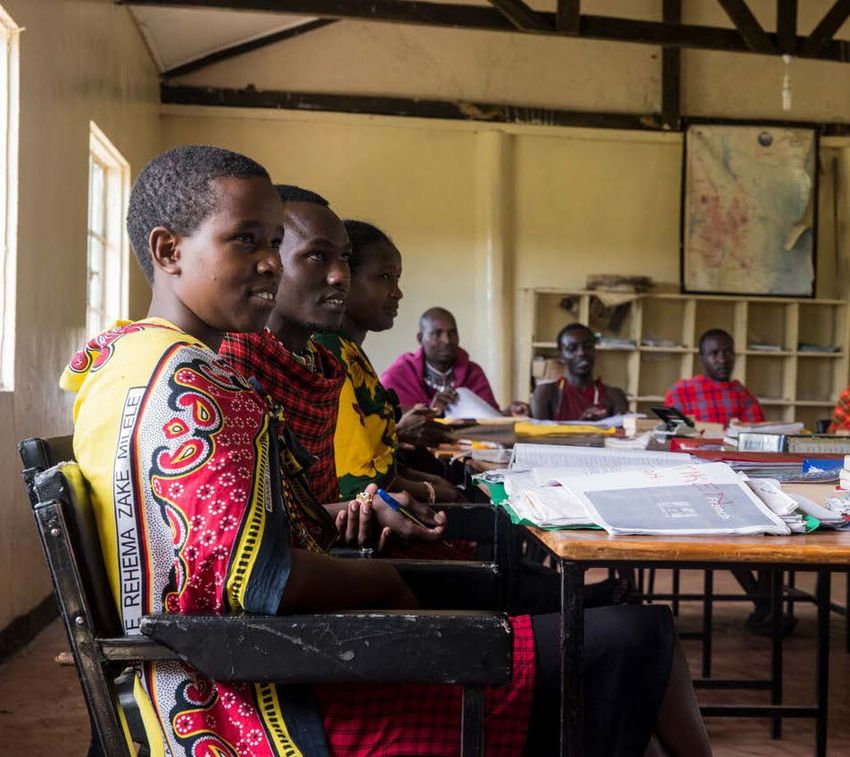
Our Impact: 2014 - Today

                        1,405 Km2 under
                        conservation as of June                   114 scholarships                               2 critical wildlife                      30 predator proof
                        2019                                      awarded                                        corridors formed                         bomas installed

Increasing land under                             Increase number of people                       Corridors for free                       Reduction in Human-Wildlife
Conservation                                      impacted by social pilot programs               movement of wildlife                     Conflict

                                                                                                                 2 new Conservancies:
                                                                                                                 Maasai Moran &
                                                                                                                 Nyakweri Forest. 3
                                                                  150 in-breeding herd/217                       proposed Conservancies:
                        6 Conservancies’ legal                    steers in fattening herd in                    Olderkesi CA, Olpua                      10 management plans drafted
                        entities restructured                     livestock improvement program                  & Naishi Enkutoto                        and finalized

Ensure proper legal status                        Generate new income through                     Form new conservancies                   Strengthen management
for Conservancies                                 alternative livelihood projects                                                          capacity

                                                                  140 women trained on
                                                                  empowerment and microfinance,                                                           14,528 Landowners, 308
                        13 Conservancies                          3 female rangers, 41 women                     $11,879,387 raised                       rangers employed,
                        received Governance                       on land owner committees, 223                  by MMWCA for                             $4,895,731.09 paid
                        Trainings                                 female landowners                              Conservation                             annually in lease fees

Build governance capacity                         Increase number of women                        Improved awareness of                    Increase economic opportunity
                                                  included in Conservation                        and support for                          through Conservation
                                                                                                  Conservation

                                                                                                                 MoU drafted & approved,
                        134 Km roads                                                                             awaiting signing. Partnerships
                        repaired                                                                                 on women’s empowerment
Improved conservancy                                                                              Increase participation of Narok
infrastructure                                                                                    county government

8   VOICE OF THE MARA                                                                                                                                               VOICE OF THE MARA   9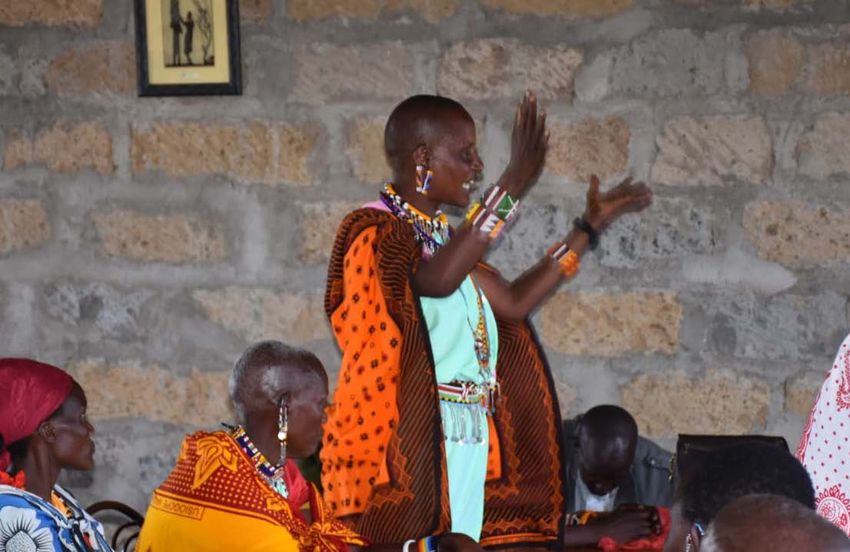
136 Beds
State of Conservancies

                  10     VOICE OF THE MARA              VOICE OF THE MARA   11
Kaboson
S. Sudan
Ethiopia
_
^
12
Uganda
Fairmont Mara Safari Club Lemeria Campsite
Ngerende Island Camp
Somalia Kileleoni Mara Guest House
Lemek
_
^
Enkerende Camp 5
Richard's Camp
Mara Bush House
Kenya
Mara Concord Losokwan Camp
Mara River Lodge
Royal Mara Camp
11 Saruni Camp
_
^ 3
Neptune Mara Rianta Camp
Saruni Wild
Mara Elojata camp Serian Camp
Mara Nyota camp
Karen Blixen Camp
Aitong
17 Elephant Pepper Camp
Threatened Wildebeest Breeding Zone
4 Kicheche Mara Camp
Tanzania Mara Rianta
_
^
Karen Blixen /Albatross
Kichwa Tembo
Oloololo Bateluer Camp
Endoinyo Erinka
Offbeat Camp
Mahali Mzuri
Pardamat Community CA
Angama Camp
Little Governors 14 Bush meat camp Olare
Updated
_
^ Richard's Camp
Governors Ilmoran
16 Hippo Pool
Governors Camp Proposed bush meat camp
Kempinski Hippo Point
Mara Paradise Lodge Olare Mara Kempinski
13 Porini Lion Camp
Dirisha public campsite
Maji ya Ndege Olesere
mapping
Mara Plains
_
^ Porini Bush camp (mobile)
Kicheche Bush Camp
Porini Cheetah Camp (PCC)
Game Watcher's Adventure camp
1
Olare Mara Camp
Wilderness Camp
Eluai public campsite
of the Mara
Iseyia Serena Olseki Camp
Mara Serena Leopard Hill Camp Naboisho Camp Eagle View
intrepids explorer 2 Kicheche Valley Camp Porini Mara Ngosuani
nkorombo/ oltome Mara Explorer
Rekero Camp Encounter Mara Camp
_
^
Naibor Camp
mara ngenche Olarro Lodge
Matira Camp Talek
Olara Matak tented camp
Entim Camp
8
Conservancies
Leleshwa Camp
Ashnil Hotel Limited ( Olkeju Rongai) Nkoilale
Mara Simba Lodge
Maasai Mara National Reserve
7
_
^
Mara Bushtops Camp
9
10
Sekenani
Mara Sarova Camp Spirit of the Maasai Mara
By Daniel Muli & Lawrence Mbelati 15
Entumoto Camp
sangalai mobile camp
Sala's Camp
lewana camp
Keekorok Lodge _
^
Oloolaimutia
Megwarra
“We identified
Number
1
Conservancy Name
Ol Kinyei Conservancy Roads
4x4 fly camp
Sand River Dalago Tented Camp
5 potential
additional
2 Naboisho Conservancy Rivers
Olpua Conservancy
3 Lemek Conservancy 6
Market centres Impipiri Camp (Muthaiga Camp)
4 Mara North Conservancy
conservancies.”
1920 Cottars Camp / Olenturoto
5 Olchorro Oiroua Conservancy Tourist facilities Olderkesi CA
_
^
6 Olderkesi Conservancy _
^ Conservancy offices
7 Nashulai Maasai Conservancy
National reserve
8 Olarro North Conservancy
9 Olarro South Conservancy Registered conservancies
10
11
Isaaten Conservancy
Oloisukut Conservancy
Proposed conservancies - Muli
12 Enonkishu Conservancy Pardamat conservation area
Ü
13 Olare Orok Conservancy
14 Motorogi Conservancy Wildebeest breeding sites
15 Siana Mara Conservancy
Primary boundary
16 Maasai Moran Conservancy
Secondary boundary
0 10 20 Km
17 Nyakweri Forest Conservation Area Map produced by Irene Muthuka, TNC. June 2019
A
s part of the State of version of existing conservancies specific conservancies, including the maps. The global positioning service
Conservancies initiative and partners, but also identified 5 boundary between Mara North and GPS was used for this purpose, and
MMWCA worked closely potential additional conservancies. PCA, Oloisukut and Nyekweri, later ARGIS was used in development
with our partners at The Nature This process took place over January Nyekweri and Maasai Moran; of the maps. After the mapping, a
Conservancy to remap the entire and February 2019. Enoonkishu and Olchorro, Olchorro validation workshop met to critically
Greater Maasai Mara landscape. and Lemek. A coordinate exercise review and certify the updates. The
This is crucial to our work together, A stakeholder’s forum convened to was then undertaken to resolve workshop was attended by all
as it outlines not only an updated identify boundary issues in some overlaps or missing areas in existing Conservancy managers and chiefs.
12 VOICE OF THE MARA VOICE OF THE MARA 13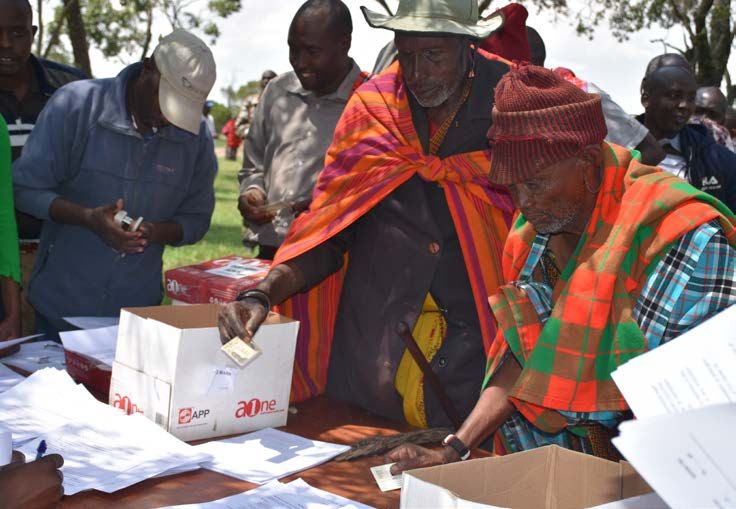
MMWCA in partnership with existing regional training     Sciences (MNBU), the Norwegian Institute for Nature
                                                                                                        institutions, including:                                 Research (NINA), and the Southern African Wildlife
                                                                                                                                                                 College, three leading institutions for applied ecological
                                                                                                        •   Maasai Mara University                               sciences and sustainable development.
                                                                                                        •   Maa Trust
                                                                                                        •   Koiyaki Guiding School                               By serving as a central organizing body for curriculum
                                                                                                        •   Mara Training Center                                 development, MMWCA will ensure that training
                                                                                                        •   Karen Blixen Cooking School                          programs are not duplicated across partner institutions,
                                                                                                        •   Narok West Training Institute                        a problem that has previously halted successful
                                                                                                        •   Mara Discovery Center                                implementation. Instead a steering committee was
                                                                                                                                                                 established to evaluate and improve course offerings,
                                                                                                        The program also includes crucial development and        manage accreditation, and engage employers
                                                                                                        capacity support from the Norwegian University of Life   throughout the Mara.

                                                                                                                     Achievements to Date

The Mara
                                                                                                             114 students enrolled and supported in
                         Project Overview                                                                    training institutions
                         By Eric Reson

Vocational                                                                                                   Mara Vocational Training program steering
                                                                                                             committee established

Training                 O
                                   ver the last decade,          transferable to wider labor markets
                                   community conservancies       in Kenya and beyond.
                                   surrounding the Maasai                                                    Five new curriculum developed
                         Mara National reserve have come         The program is aligned with the

Program                  together to provide an economic
                         lifeline to thousands of marginalized
                         Maasai through land lease payments
                                                                 Kenyan Government’s Big 4 agenda
                                                                 – health, housing, manufacturing,
                                                                 and food security – where vocational
                                                                                                             Support on institutional capacity provided
                                                                                                             to six institutions
                         and employment opportunities as         training and skills development to
                         wildlife rangers and within tourism     empower youth play a driving role in
                         camps.                                  its success.                                Six institutions completing government
                                                                                                             accreditation
                         Despite this, together with the
                         extremely high rate of population
                         growth in the region as well as lack       The program                              Secured funding for the relocation and
                                                                                                             upgrading of Koiyaki Guiding School to the
                                                                    was launched
                         of readily available skills training,

1600
                         there is an estimated 80%                                                           Wildlife Tourism College
                         unemployment rate among young
                         adults ages 18-35.                         to provide high
UNEMPLOYED YOUTH
                         Thus, the Mara Vocational Training
                         Program was launched to provide            quality skills. Eric
                         male and female Maasai youth with
2018-2021                high quality, accredited vocational
                         skills that respond to employment       The Mara Vocational Training Project
                         and entrepreneurial needs in the        is a four-year program funded by the
                         Maasai Mara ecosystem, including        Norwegian Agency for International
                         in tourism, agriculture, natural        Cooperation and Quality
                         resource management, wildlife           Enhancement in Higher Education
                         conservation, and business              (DIKU) through Basecamp Explorer
                         management. These skills are            Foundation. It is implemented by

                                                                                                        Image courtesy of
14   VOICE OF THE MARA                                                                                  Basecamp Explorer                                                                      VOICE OF THE MARA      15
Organization Profiles & Narok West Technical Institute By David K. Maru, Principal
International Partnerships
Narok West Technical Training Institute is a Mechanics. Our current enrollment is 59 students.
vocational training center that specializes in Students attend three types of sessions per day; a
Agriculture Engineering. We opened our doors on theory class, practical class, a free/practice period to
January 2018, and offer courses in Agricultural complete assignments or field work.
Engineering, ICT, Business Management, Human
Resources Management, and Store Keeping. There There are currently 45 students enrolled through the
The Maa Trust By Dr. Crystal Morgenstein, CEO are three levels of certification: Diploma, Certificate,
and Artisan. Also there are short competency based
DIKU program. We are proud to be a part of this
group of esteemed institutions in the Mara, and look
The Maa Trust is an independent non-profit manual work, we received over 150 applications courses under NITA including Electrical Wireman, forward to growing our participation significantly in
organization that works towards ensuring the success for 40 spots in our inaugural class, 38 of whom Hair Dressing, Plumber Pipe Fitter and Motor Vehicle the next years.
of conservation through sustainable community graduated. 35 of these trainees are now working
development in the Maasai Mara ecosystem. We and earning an income through the production of
work in partnership with conservancies and their compressed soil bricks and they are starting masonry
neighboring communities to improve the lives of training to learn how to build using the bricks.
Maasai families in an environmentally sustainable
way. This initiative has instilled a solid work discipline,
self-worth and confidence amongst the trainees and Maasai Mara University
We have a wide range of projects that increase it has economically empowered both the individuals
the benefits to Maasai families who live alongside and their families. Maasai Mara University is a public university, program: Solar Energy, Conservancy Management,
wildlife. These include alternative livelihoods for chartered in 2013, located in Narok, Kenya. Wildlife Technician, and Micro-Enterprise
women through Maa Honey and Maa Beadwork, We are currently in the process of developing We offer 30 certificate & degree programs to Development. A key tenet of this program is to
education and capacity building, water and Kenya’s first beadwork curriculum, in partnership over 10,000 students over 5 schools: business ensure that degrees are strengthened rather than
sanitation. with Basecamp Maasai Brand, and we are & economics, tourism and natural resource duplicated over institutions, and our leadership on
adapting curricula for beekeeping and IT to make management, education, arts & sciences, and the steering committee reinforces this.
With the support of the Mara Vocational Training it appropriate for the Mara context. We look information science. We’ve also been a catalyst for
Program, we’ve been able to launch our first social forward to continuing to work with MMWCA on the economic development surrounding our campus. The MMU team looks forward to continuing to work
enterprise for youth: Maa Bricks. Despite initial implementation of these projects over the next three with MMWCA, the other participating institutions,
skepticism about Maasai youth being interested in years. As part of our strategic participation with MMWCA and our international partnerships in Europe and
for the Mara Vocational Training program, we’ve lent the US to see more youth from the Greater Mara
our expertise, including the Director of Vocational succeed.
Training, to develop the 4 key curriculum of the
Koiyaki Guiding School By Morris Nabaala, Principal
In 2005, Koiyaki Guiding School (KGS) founder employment upon graduation, though that rate
Ron Beaton worked with the Koiyaki Lemek has declined to 63% due to market saturation of
community, other key individuals, and international this limited certification.That’s why we have worked
donors to build and launch the first community- closely with local, national, and international
led hospitality training institute in the region in partners to revitalize our entire program to adapt Mara Training Center By Albanus Mutiso
what is now Naboisho Conservancy. This allowed to the ever-changing demands of the tourism
youth in the area to gain critical guiding skills while industry. This not only includes a change of Board of Established in 2009, The Mara Training Center monitoring, and wildlife interaction. We also teach
simultaneously engaging them in conservation Management but the introduction of new programs, (MTC) provides high-quality practical training building social capacity through effective community
efforts and sharing additional economic gains. a relocation to Pardamat Conservancy Area, and a on Sustainable Rangeland Management. Our engagement, building local ownership, and action
name change. Herding the Future Programs offers participants planning. And finally, our livestock specific programs
Since its founding, KGS has graduated 331 students, the opportunity to gain knowledge, skills, and teach livestock husbandry market access and returns,
including 61 females, as Bronze Level safari guides These improvements would not be possible without experience through a range of integrated training improved breeding, herd production planning, and
as given by the Kenya Professional Safari Guides the support of MMWCA through the Mara Vocational programs linked to natural resource regeneration financial management.
Association. At its highest, 80% of the guides found Training Project and additional initiatives. and community revitalization.
In the context of MMWCA Vocational Training
MTC offers a unique learning environment where Program, MTC has committed to provide high
what is taught is also being implemented and tested quality vocational training for herders and grazing
in our partner entity Enonkishu Conservancy, a managers impacting them with hands on skills that
community-owned 6000-acre mixed livestock-wildlife will respond to employment needs in the greater
Karen Blixen Cooking School By Benedict Walubengo, Program Administrator conservancy. This provide all trainees access and Mara ecosystem. So far, 75 students i.e. 34 grazing
insight into real life case studies covering the whole managers/supervisors and 41 herders drawn from
Karen Blixen Cooking School is a 1½ year program Our students spend their first term getting familiar range of community engagement; organization 9 conservancies have been trained and certified and
recognized by the Kenyan Government and the with the fundamental cooking skills. Hereafter they and governance; trading and breeding herd we are aiming to increase this number to rise to 500
local tourism sector. Our ambition is to give will work as interns at camps or lodges in the area. development and management; costs and returns; before the end of the project. MTC is also reviewing
students a comprehensive and practical hands-on Back at the school, students will learn about creative planned grazing management for increased forage its curriculum to identify gaps and through funds
understanding; balancing between the classical and and innovative cookery, completing their final term. and soil fertility; and sustainable wildlife based facilitated by the DIKU project, a more innovative
modern cuisine. We opened our doors for the first tourism. curriculum is going to be developed as well as
intake of students in early Jan 2012, and have since Currently, through the MMWCA program, 26 officially registering the training centre with the
graduated 73 chefs, the vast majority of whom are students including 11 women are receiving Our land management coursework focuses on Ministry of Higher Education through TVET/NITA.
employed at area camps till today. scholarships. eco-literacy, regenerative water systems, land health
16 VOICE OF THE MARA VOICE OF THE MARA 17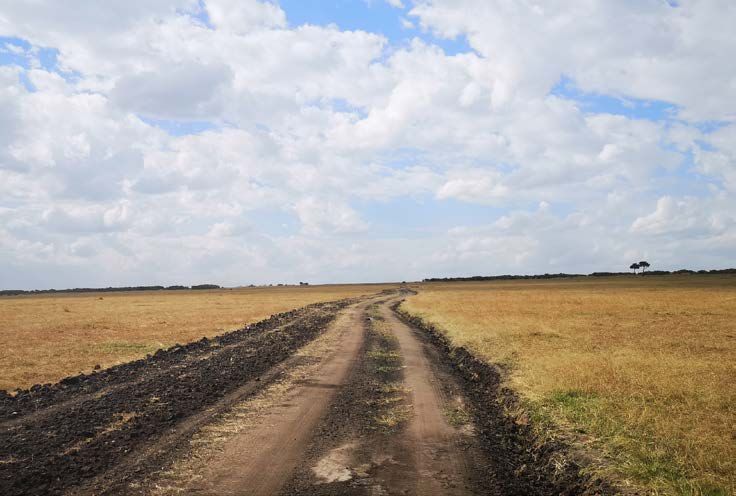
as a chef. With a career as a chef I when it comes to food preparation
will definitely improve the standards thus playing a role in reduction of
of living within my family and the diseases caused by poor food
Maasai community as a whole. handling skills.
Why is the MMWCA Vocational A chef is a role model in the Maasai
Scholarship important to you? community. By training and
By getting the scholarship it goes a becoming one, I want to be a source
long way to reduce the fee burden of inspiration and encouragement to
that I would have had if I was never young boys and girls on the benefit
given an opportunity with the of becoming a chef and ensure that
scholarship. Being focused on my a lot of the youths within my locality
Francis P. Njapit education and not having to worry join the hospitality industry on a
I was born in Aitong location and live about my fee balance has helped professional level. This will uplift the
in Olosokon village. Having me to excel both in practical aspects society in general.
studied in Aitong Boarding Primary of the culinary arts and the theory
then joining Mulot High School in aspect.
2014 till 2017.
How will the community benefit from I want to be a source
Why would you like to become a
chef?
me being a chef?
There will be an opportunity for the
of inspiration and
I had a passion towards this career
and it has stuck and sunk deeply in
whole community to get to learn
how best they could prepare food
encouragement to
my mind to become a chef. I have especially in numerous ceremonial young boys and girls.
had chefs as role models more so occasions. In addition to being a
they were former students from chef, the main priority I will have is Francis Njapit
Karen Blixen Hospitality School thus sensitization of the community on the
they inspired me to pursue a career importance of hygiene and nutrition
Southern African Wildlife College
From the Employer By Jackson Sasine
By Wilson Odhiambo required qualifications in the International education partnerships
General Manager, Mahali Mzuri hospitality industry. As a company are key to increasing relevant The visit to South Benefits of partnership
we are making our contribution by coursework and skills in the Greater with Southern African
Tell us about Mahali Mzuri, Virgin providing intense in-house training Maasai Mara. Africa was inspiring
Limited Edition, and your Wildlife College
conservation initiatives.
for them.
In April 2019, representatives and informative
Mahali Mzuri means ‘beautiful place’ What do you think will change from MMWCA and the Norwegian Jackson
in Swahili, and it is Sir Richard about the tourism market in the University for Life Sciences met at the 1
Branson’s 12 tent luxury safari camp Mara, Kenya, and/or in general Southern African Wildlife College for
Curriculum
located in the private Olare Motorogi globally in the next 5 years? a week of conservation exposure,
development
Conservancy in the wider Maasai agreement with the Motorogi Safari is leaning towards luxury and brainstorming, and problem solving As a lifelong resident of Pardamat
Mara ecosystem in Kenya. It is one to improve our respective programs. Conservation Area, this visit to
of 7 Virgin Limited Edition properties
landowners. the millennials are not so much
driven by the 1920 out of Africa Southern Africa was inspiring and 2
around the world, each with a How important is it for Mahali notion of safari. They want to go on The visit included visits to three informative. We return to the Mara Teaching methods
priority to protect the environment Mzuri to hire its staff from the local safari but still carry with them all the game reserves in the greater Kruger with increased international and training
and the local community in which Maasai community? creature comfort that they are used ecosystem, including Sabi Sands, partnership for the new Wildlife
Tourism College of Maasai Mara,
they are located. It is very important. At the moment
we are at 78% of our employees
to have back at home. Glamping is
becoming more and more preferred
Timbavati, and Kruger National Park.
As security and poaching is a major including: 3
Exchange programs for
Our conservation initiative is largely coming from the local Maasai than camping and internet issue, all of the reserves are enclosed • Curriculum development students and teachers
driven by the need to protect community. connectivity is becoming a must with electric fences and a K9 dog unit • Teaching methods and at both institutions
Motorogi conservancy and hence the have. It is the era of instant sharing is based at the college for tracking. training
entire Olare Motorogi Conservancy.
We have been able to realize this
What do you see as a challenge to
hiring Maasai at the moment?
of experiences and the coming years
will see this as a main driving factor
We also visited the Royal Chief of
Munisi, who explained how the local
• Exchange programs for
students and teachers at both
4
through signing 25 years lease The level of education and the in tourism; it has already taken off! community is getting involved in institutions Technical advice
conservation and benefitting from it. • Technical advice
18 VOICE OF THE MARA VOICE OF THE MARA 19Wildlife M
MWCA is currently working Expanding the Mara Vocational educational tourism (EduTourism) threatened animal populations in strengthening support for
to secure and strengthen Training Program camp for international students and the world. Community members and conservation.
the Mara’s only dual-use As you’ve read, the Norwegian volunteers. It also includes facilities stakeholder organizations are able
Tourism
conservancy, where Maasai remain Agency for International Cooperation for both environmential and social to utilize the hub as a launchpad Mara-wide Partnerships
on their land yet dedicate it to wildlife and Quality Enhancement in Higher research, as well as community for entrepreneurial projects, We are grateful for the ongoing
conservation in exchange for lease- Education (DIKU) and Basecamp capacity building projects, with a international networking, and further support of our partner LGT Venture
College payments, Pardamat Conservation
Area (PCA).
Explorer Foundation, together with
MMWCA as implementing partner,
launched the Mara Vocational
focus on women’s empowerment.
These efforts currently occur only in
small scale, decentralized
training exercises.
Sustainable Financing
Philanthropy for providing critical
capital funding for this project, which
is set to begin construction early next
of Maasai The area is centrally located in
the region, including bordering
Naboisho, Ol Kinyei, Lemek, and
Training Program. It is a four-year
certification program that brings
together 7 existing learning centers,
stakeholder engagements which lack
global partnerships, oversight, and
information sharing, all which
It is also designed to be financially
self-sustaining, benefiting both
enrolled students and members of
year with January 2021 as the
earliest intake.
Mara Mara North Conservancies, and
serves as a migration route from
the Loita plains to the Mara Triangle
including the Koiyaki Guiding School,
to provide critical skill gap training to
1,600 students. The first-of-its-kind
impede scalable outcomes. The
WTC, however, embodies a
cohesive strategy that is required at
PCA. The EduTourism camp will split
all profits between the College for
operating expenses and PCA
The EduTourism camp
By Daniel Sopia and on the Maasai Mara National initiative is meant as a catalyst for the this critical moment in the Mara. landowners to lease their land. offers high level exposure
Reserve. development of a centralized Increasing land under lease in for local students.
tourism, vocational education, Cross-cultural exchange Pardamat opens up additional
A long-term Due to the effects of decades of land research, and community capacity The entire campus is designed to be wildlife corridors and improves
Daniel Sopia
strategy for separation, fencing, and Human-
Wildlife Conflict, PCA has reached
building hub within the region: The
Wildlife Tourism College of Maasai
programmatically interrelated. The
College provides high-quality
wildlife densities on which successful
tourism relies.
Pardamat a tipping point for the stability of Mara (WTC). equipment, working facilities, and We hope to count on our Mara
the entire greater Mara. The success on-site institutional support for Increasing the number and success Conservancies Tourism Partners, as
Conservation of PCA hinges on sustainable Re-imagining the link between visiting school groups and of high-end tourism camps in PCA well as those tourism camps outside
Area socioeconomic growth through
education, employment, and for-
education, sustainable tourism, and
job creation for community
professionals. The EduTourism camp
offers hospitality internships, cultural
gives graduates of the College – who
have been trained in safari guiding,
the area that stand to benefit from
the WTC, to assist in supporting
profit tourism, all which the area managed wildlife conservation immersion, and high-level exposure hospitality management, and wildlife scholarships and operating expenses
lacks significantly. The Wildlife Tourism College for local students that is essential and environmental technologies – for the first 3 years of the program,
campus, by building on and to their success in securing quality additional employment opportunities as was done in the early years at
Without tackling job creation expanding the success of the Koiyaki employment. Social researchers gain while further supporting land lease Koiyaki Guiding School. A high
alongside wildlife conservation Guiding School, merges a dynamic unique access to the local payments for more land owners. percentage of support from the
efforts, traditional forms of support teaching College – targeting the 80% community, and environmental This mutually reinforcing model industry not only lowers costs but
will be unsustainable in the long of unemployed and underemployed researchers sit in the center of the removes long-term reliance on grant also reinforces the cycle from student
term. Maasai youth ages 18-35 – with an ecosystem, among some of the most funding for the future of PCA while to future employee.
20
20 VOICE
VOICEOFOF
THE MARA
THE MARA VOICE OF THE MARA 21This enables women to be effective
leaders, and exposes them to
entrepreneurship, sustainable
saving, reforestation, and livestock
management - all central to creating
additional economic opportunities for
families.
Government Partnerships
MMWCA is coordinating and
working closely with the National
Government Affirmative Action
Fund-Narok County, with the aim to
support self help groups through
training to increase incomes for
5,000 women across all the
conservancies. This is done by
financing initiatives that allow women
to own and control natural resources
and their benefits e.g. bee keeping
and small animals like goat keeping.
Female Rangers Initiative Leading by Example
Education The proportion of female to male The MMWCA team has undergone
In MMWCA’s Vocational Training rangers is just 3:305. With gender integration sensitization
Program, we have set a mandate of generous support from Climate trainings, with the support of USAID,
equal, 50% participation from Justice Resilience Fund, MMWCA and employs 40% women,
women and girls to build skills for the will train 20 females as rangers, and considerably higher than the
job market; women make less than support their salaries for the first 2 National and in many cases,
Women In 10% of conservancies employees. years. Global average.
Conservation “Today, I am proud of my choice of company in celebrating International Women’s Day; the
phenomenal women members of the Maasai Mara Wildlife Conservancies Association (MMWCA)
By Angela Sanau at Olderseki, Naikarra Ward, Narok West Constituency. These women are beating all odds to
take charge of their own livelihoods through myriad business initiatives while also standing in the
first line to defend sustainable wildlife tourism.
How will women
R
emoving the barriers facing Promoting proportional
women’s full participation in representation of women and men I am happy that through the new National Government Affirmative Action Fund-Narok County/
conservancy members conservation is, and always will in decision making spaces MMWCA partnership, these women will access startup capital in cash and equipment for their
be, at the center of MMWCA’s work. Women’s place on landowners
realize their potential committees and boards is critical:
business. I am proud to see these ‘mamas’ on the decision-making table in the conservation
to transform Since our founding, in close their voices encourage thoughtful, committees.”
collaboration with all Mara measured approaches to objectives. Hon. Soipan Tuya, Narok County MP
conservation? Conservancies, the Narok County
Government, and other stakeholders, We’ve seen women take more
we have made tremendous progress long-term approaches to
in increasing the capability of women conservation management issues,
by creating opportunities for them to including encouraging men to sign
realize their rights, determine their longer lease renewals for the
life outcome, and influence decision sustainability of future generations. Through our trainings and empowerment events, I’ve noticed that Maasai women have become
making in their households,
more vocal in important decisions, like lease renewals. Maasai women have always been some
community and society. Capacity Building & Mentorship
We have conducted targeted of the strongest women on the planet, and I’m proud that more and more people now
This is done through a series of trainings to 140 conservancies’ recognize that. MMWCA Gender Project Officer, Angela Sanau
initiatives implemented and women leaders to build their existing
ongoing, aimed to explicitly include capacities and introduce them to new
and empower women, including: skills in leadership and governance.
22 VOICE OF THE MARA VOICE OF THE MARA 23Partner Science-Driven Predator Conservation In Maasai Mara
Research Mara Predator Conservation
Programme
In 2013, the Kenya Wildlife Trust
continuously quantify our effort. By
measuring our effort, coupled with
identifying each lion and cheetahs
established the Mara Lion and Mara sighted, and analyzed within a
Cheetah Projects, which were merged Spatially Explicit Capture Recapture
in 2018 to form the Mara Predator framework, we are able to estimate
Conservation Programme (MPCP). true densities. For both lion and
Our ultimate goal is to enable viable cheetahs, there are random, natural
and sustainable large predator fluctuations from year to year. It is
populations in the Greater Mara only with long-term data, we can
Ecosystem. We promote conservation begin to look at population trends.
by providing evidence-based
recommendations for policy and Our team also records all sightings
Cheetah densities from 2015-2018. S1=Survey 1, S2=Survey 2
decision making to various of other predators, prey, livestock,
stakeholders. vehicles and people. For these Our latest cheetah density results are Consultations with communities suggestions from the community on
variables, we can estimate from 2018. The results for cheetahs ensures that the right issues how to maximize the positives of
To achieve our goals, we have two abundances, and calculate how each are much lower than for lions, giving related to coexistence and conflicts having predators. The film titled
main approaches to our work variable influences cheetah and lion only 1.19 adult cheetahs/100Km2 are addressed in collaboration with “Tenkaraki Ilowuarak” (because of
namely: densities. >1 year old in the study area, which the community to ensure ownership the predators) was then screened
corresponds to 31 resident cheetahs. of the interventions by the throughout the Mara to get people’s
• Predator research & monitoring Our latest fully analyzed lion density community. To do this MPCP in 2014 opinions. The results/
• Community outreach & estimate is from 2017. On average, Because of the lower sample size of (then Mara Lion and Cheetah recommendations form the basis
education there was an overall density of 17.83 cheetahs, their densities are quicker Projects) made a film with the of what we implement within the
lions/100Km2,>1 year old. Our to fully analyse, we have been able community it works with at the centre community today. Through annual
Predator research & monitoring spatially explicit approach estimates to produce the density graph above. of it to discuss the pros and cons of community barazas, MPCP continues
We mainly focus on monitoring lions density at a very fine scale and having predators and get
and lion densities across the Greater therefore provides a ‘heat map’ of While it looks like the cheetah density
Mara Ecosystem. We do this through
our intensive monitoring sessions
high and low species density. The
lion density corresponds to 464 lions
might be on the increase, it is Consultations
important to note that the posterior Community programme benefits
which span 3 continuous months per >1 year old, within the study area standard deviations overlap, and so with communities
session. During these sessions, we shown on the map below. an actual increase may not be the
case.
1 Consultation with
the community to ensures that
Community Outreach and
identify areas of
concern, the right issues
Education
specifically
related to are addressed.
The Mara Predator Conservation Human-Wildlife
Programme recognises that for Conflict.
conservation actions to be successful,
it is essential that the surrounding
community is fully committed to 2 Mitigation of
Human-Wildlife
achieving the same goals. Our Conflict using
community engagement programme sustainable
reflects this principle. It has three solutions as
distinct elements: identified by the
1. Consultation with the community community.
to identify areas of concern,
specifically related to Human- Resource
Wildlife Conflict.
2. Mitigation of Human-Wildlife
3 management
and community
awareness
Conflict using sustainable
programmes
solutions as identified by the aimed at
community. engaging the
3. Resource management community so
and community awareness as to promote
programmes aimed at engaging Human-Wildlife
the community so as to promote coexistence.
Lion density heat map from 01 August - 31 October 2017 Human-Wildlife coexistence.
24
24 VOICE
VOICEOFOF
THE MARA
THE MARA VOICE OF THE MARA 25to ensure that its findings are shared adopts an innovate technique of (now registered as Maasai Mara on conservation education in
with the community and feedback is putting up predator proof bomas Wildlife Ambassadors) is engaged partnership with the Wildlife Clubs of
sought from the community on the using recycled plastic poles which are to create awareness in local markets Kenya (WCK). In 2015, MPCP
same. Every year, MPCP organizes both sustainable and eco-friendly. on the dangers of using poison on partnered with 6 primary schools in
10 community barazas across the These not only helps curb the wildlife to their existence as well as Talek and Aitong to start these clubs.
Mara with more than 500 rampant deforestation but also human health. They use song, dance, More than 247 club members were
participants attending them. protects livestock. Since 2017 to choral chants all in Maasai language recruited across the six schools. Early
date, MPCP has established 11 to pass the message which reaches this year, the number of schools we
Human-Wildlife Conflict mitigation recycled plastic poles bomas across to a wider audience during the work with rose to 9 and the
forms one of our core activities in Two surveys have the Mara. market campaigns. Secondly, membership increased to 340
the Mara. We have so far carried out
two questionnaire surveys across the
been carried out Human-Wildlife Conflicts sometimes
trainings on rapid response to
wildlife poisoning have been
children. Some activities that the
children are involved in include;
Tenkaraki Ilowuarak
Mara ecosystem pertaining the issue
of HWC, one in 2015 and another
on Human-Wildlife result in retaliation by the people
who lose livestock. It is increasingly
implemented in 2018 and 2019.
The trainings are aimed at building
annual art competitions, game drives
to protected areas, tree planting,
(because of the predators)
in 2017. The result of these surveys Conflict becoming common for wildlife, capacities of rangers and community holiday kids camp among others.
A film funded by African
have been published into two particularly predators to be poisoned members to respond to incidences of These activities are designed to
Wildlife Foundation was
scientific papers in peer reviewed after major incidences of livestock wildlife poisoning across the Mara. inform, motivate and encourage the
screened to get people’s
journals. The major output of these depredation. MPCP thus initiated two So far MPCP has trained more than children to care for the environment
opinion on predators.
is a HWC conflict hotspot map in the projects aimed at creating awareness 300 people on rapid response to thus ensuring the sustainability of
Mara which helped MPCP to identify and building capacities to dealing wildlife poisoning across the Mara. conservation efforts in the Mara
areas that require urgent intervention with wildlife poisoning. First, a local Our other core community activity is ecosystem.
based on the finite resources. MPCP drama group, the buffalo dancers working with schools in the locality
26
26 VOICE
VOICEOFOF
THE MARA
THE MARA VOICE OF THE MARA 27News
across the
Mara
An update on the
livestock improvement
program By Doug Braum
L
ivestock are a critical part of the conservancy Two - “Fattening Herd” - by using improved grazing,
landscape. Managing livestock sustainability is critical veterinary and supplement management we can take
to securing a future for the Mara Conservancies. With conservancy steers into this program and greatly increase
this in mind, Greater Mara Management together with the final value of steers before sale.
local partners MMWCA and local land owners have been
carrying out two pilot programs that test two approaches Where we are right now - Findings
to livestock improvement; a scalable enterprise and a Breeding Herd
breeding program. We have built up a herd of 150 altogether. We had 30
new calves born in 2019. This program takes a number of
The program’s objectives are to maintain cattle numbers years before top quality animals will be produced we are
at a sustainable level in the conservancies, add value to all at the start of the process but are seeing some amazing
land owners in terms of per acre return, and allow cattle results from first and second generation steers, for example
owners to grow their herds within a frame work of a they have reached sale weight in a shorter time.
maximum overall carrying capacity for the area. It also
aims to improve the quality and sale value of the cattle in Fattening Herd
the conservancies and reducing the need for large The first steers were subscribed in May 2018. Handling
numbers of cattle. facilities were built in Mara North conservancies which
include spray race, crush and weigh scales. Herders
Also key, is this program is allowing for adequate policing
and monitoring, and to add value to the conservancies as
huts and ‘boma’ sections were purchased and deployed in
the field. We have employed 9 herders and 1 supervisor
Historic Lease
a tourist product. permanently in the field. Cattle owners from the Renewal
conservancy can subscribe steers that meet the minimum
O
This is done through a two fold approach: selection criteria to join the fattening program - for n the 15th of April, 2019,
One - “Breeding Herd” - improve the genetics example being over 200 Kg, they must be between 2 and 98% of landowners
throughout the conservancy herds. In Mara North we have 3 teeth in age i.e. maximum entry age of 28-36 months in Olare Orok and
an established breeding herd that uses local cows and depending on weight, they must also be healthy enough to Motorogi Conservancies
imported bulls to produce superior offspring. put on sufficient weight every day. renewed their leases for at least
25 more years. During the
These second generation offspring have already Going Forward signing, women spoke up and
shown to have improved sale value. The intention is, to in Going forward, we plan to continue both programs in encouraged men to sign leases
time have enough superior bull stock that we can use to Mara North and extend them to include Naboisho for a longer period to ensure the
breed with the local cattle throughout the conservancies Conservancy in the short term, and after 2020 to include younger generation is able to
thereby improving overall quality of livestock. other surrounding conservancies. benefit from conservation efforts.
60%
We subscribed 267 steers initially into the program we have now sold LEASE FEE
increase
approximately 50 steers to date, with sales on-going. If these steers were sold
immediately instead of entering the program - i.e. they were sold at the initial On June 21st, the landowners
weight (which they often are) - owners on average would have made Ksh. $ of Mara North Conservancy
2,400 less per steer. The first two sales of 43 animals (from both fattening followed in their footsteps,
also renewing their leases for
and breeding programs) the owners made just over half a million shillings Ksh. Value Added per Steer
25 more years and Naboisho
520,857. In every instance we have added value to every steer. Doug Braum Kshs. 2,400 Conservancy members did as
well.
28 VOICE OF THE MARA VOICE OF THE MARA 29HWC Task Force
HWC task force
reviews
compensations,
insurance and
responsiveness.
MMWCA CEO Daniel Sopia has been appointed to the Human-Wildlife Conflict (HWC) task force, which will
review compensations, insurance, and responsiveness. There are currently 14,000 cases awaiting compensation
from the government, 474 of which resulted in the loss of human life. This task force will be working to develop a
sustainable insurance scheme for these cases and those in the future, while also designing strategies to minimize
their occurrence.
62Km of roads repaired WILD App Training
O
ver the past year, with Annan, two white rhinos closely adverse weather conditions. Ashe
the generous support of protected by our dedicated rangers. Oleng!”
USAID, MMWCA completed But the road to the hilly conservation
62 Km of critically needed road area, particularly after heavy As part of the program, state of the
maintenance and repair on heavily
trafficked areas across Mara North,
rains, was almost inaccessible. It
encouraged people to use informal
art machinery has also been
purchased to ensure that ongoing
USAID has
Lemek, Olchoro Oirowua, and Olare roads, which we’ve now been able to road maintenance of these and other shown unwavering
Motorogi Conservancies. Improving
such infrastructure not only benefits
close. All vehicles can now access the
sanctuary, and we’ve already seen an
less damaged but equally important
areas can be improved.
commitment to
the tourism experience but also increase in visitors.” supporting the
increases the speed at which rangers
are able to respond to incidents of Meanwhile, Greg Monson, General WILD app
Human-Wildlife Conflict, poaching, Manager of Kicheche Camps and
and other emergencies. It also Olare Motorogi Conservancy
ensures that informal roads – which Chairman added: “The These repairs
destroy biodiversity – are not used by
community members.
conservancies have been focused on
maximizing returns for landowners
have helped In June, the MMWCA team led data collection and WILD App retraining in Lemek, Pardamat, Ol Kinyei, Oloisukut,
and consequently management and increase the Nashulai and Olare Motorogi Conservancies. The WILD App, for which USAID’s Forestry and Biodiversity office has
Doris Nabaala, Manager of infrastructure budgets have always shown unwavering commitment to supporting, is a mobile application to strengthen existing wildlife anti-poaching
Olchoro Oirowua Conservancy, been tight. We are therefore very speed at and Human-Wildlife Conflict efforts in the Mara.
praised the work and is already
seeing the benefits.
grateful for the road infrastructure
assistance facilitated by MMWCA
which rangers Developed by @iLabAfrica of Strathmore University, the app allows rangers and Conservancy managers to
with input from the relevant respond to improve collection, sharing, management, and analysis of biodiversity and wildlife data. While on patrol, rangers
“The main attractions in Olchoro
Oirowua Conservancy are
management teams. These key roads
are invaluable to cross each
incidents. can record information on incidences that occur such as animal sightings, climate data, illegal human activity,
poaching, and animal injury and mortality.
undoubtedly Queen Elizabeth & Kofi conservancy and especially in
30 VOICE OF THE MARA VOICE OF THE MARA 31Tourism Partner
Spotlights
Basecamp Explorer
Maasai Mara Cottar’s
20th Anniversary 100th Anniversary
We congratulate We congratulate
S I Cottar’s Safari Camp
vein Wilhelmsen founded n 1919, together with his sons, 7,000 acre community conservancy
Basecamp Explorer Maasai Basecamp Explorer Mike, Bud and Ted, Charles comprising 6,000 landowners.
Mara (BCMM) in 1998, on 20 years of established ‘Cottar’s Safari on this magnificent
following a special meeting with an
old Maasai Chief where he explained unwavering support
Service’, one of the very first
registered safari companies offering
We congratulate Cottar’s on this
magnificent achievement and their achievement and
the grave environmental, economic,
for the Maasai superior big game hunting and film commitment to luxury Ecotourism their commitment to
and social threats facing his people. safaris outfitting throughout Africa, benefiting the Maasai community.
Thus, BCMM was born to prove that community. India and Indochina. luxury Ecotourism
tourism could provide direct benefit
to the community. The 17 tent camp In 2010, Svein Wilhelmsen was Winners of numerous accolades,
benefiting the Maasai
is set along the Talek river, just also founding member of Naboisho including ‘Best Tented Camp in the community.
opposite the Maasai Mara National Conservancy, a 50,000 acre joint World’, Best small to medium
Reserve. It also borders Talek village. partnership between 609 Maasai enterprise in Africa, Fodor’s Travel
landowners and 5 tourism operators Award in the Trip of a Lifetime
Since its founding, Basecamp 6Km northeast of Talek. Today, category, Global Eco-sphere Retreat
Explorer has championed livelihood Basecamp Explorer is the largest accredited and recipient of the Green
and environmental improvement tourism operator in the Conservancy, Globe award for environmental
projects, including the Basecamp with its camps Eagle View, Wilderness practices, Cottar’s offers discerning
Maasai Brand jewelry collection, Camp, Leopard Hill, and the Dorobo travellers authentic and unique
which employs over 150 women Mobile Camp. Naboisho lifetime safari experiences.
aged 17-60, and the reforestation Conservancy is a success story of
project, which has returned vital tourism benefiting conservation and Located in the southeast corner of
biodiversity to the area. It employs communities, for which it was the Mara Ecosystem, Cottars 1920s
over 90% of its staff from the local recognized by the African camp is the sole tourism partner
community, further contributing to Responsible Tourism Awards as supporting the Olderkesi Community
economic development and training. overall winner in 2016. Wildlife Conservancy (OCWC), a
32
32 VOICE
VOICEOFOF
THE MARA
THE MARA VOICE OF THE MARA 33You can also read


