CHAPTER WELLNESS - American Student Dental Association
←
→
Page content transcription
If your browser does not render page correctly, please read the page content below
CHAPTER
HOW-TO GUIDE

WELLNESS

               American Student Dental Association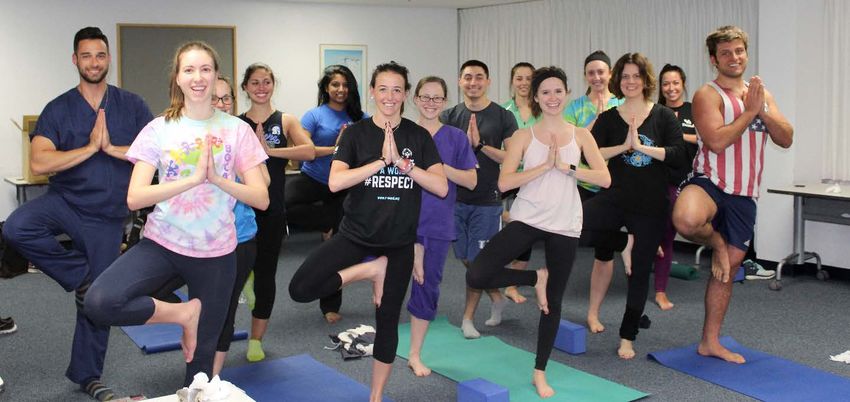
Table of Contents
1.     Why wellness? ……………………………………………………………………………………………………………. 2
2.     Five dimensions of wellness …………………………………………………….…………………………………. 2-3
       a. Emotional
       b. Physical
       c. Occupational
       d. Environmental
       e. Intellectual
3.     Step-by-step: Planning a wellness event …………………………………………………………………….. 4-5
4.     ASDA chapter wellness event examples………………………………………………………………………. 6-12
5.     Dental school resources ……………………………………………………………………………………………… 13
6.     More health and wellness resources ………………………………………………………………………….. 14-15
7.     National ASDA offerings………………………………………………………………………………………………. 15-17

 The 2018-19 ASDA Wellness Initiative is generously supported by ADA Members Insurance Plans underwritten
                                           by Great-West Financial.

                                                                                                            1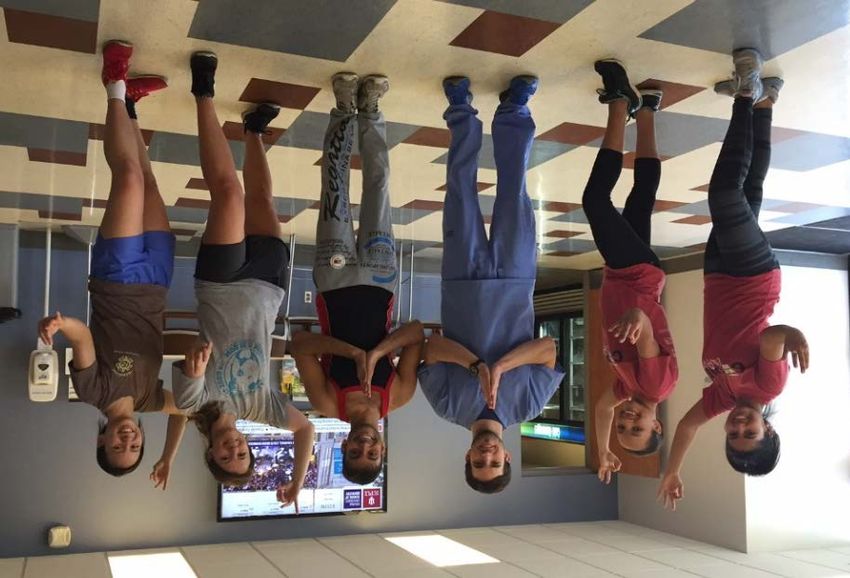
1. Why wellness?

In 2014, ASDA’s immediate past president, Jiwon Lee, died by suicide. Her death was a shock to all of ASDA,
especially those who worked closely with her as national leaders. Her friends and fellow ASDA members had no
idea about her struggle with depression and feelings of inadequacy. Therefore, ASDA created the Wellness
Initiative to ensure that dental students take care of themselves, know where to find information and seek
support if they are unable to cope on their own.

In the Winter 2014 issue of Mouth, Christian Piers, 2015-16 president, wrote, “We can get so caught up in the
idea of our invincibility that we lose sight of the fact that we sometimes need to ask for help. And we can get so
caught up in the denial that we miss our chance. That’s why we need to look out for each other.”

The purpose of this guide is to help chapter leaders create events that will promote dental student wellness,
direct them toward valuable resources and teach ASDA members how to look out for themselves and each
other.

2. Five dimensions of wellness

Wellness is more than just eating right or getting regular exercise. Wellness requires a conscious, daily effort
towards taking care of yourself emotionally, physically, occupationally, intellectually and environmentally. These
are ASDA’s five dimensions of wellness. This section will help you understand each one and suggest ways to
make it a priority. Find details online at ASDAnet.org/index/dental-student-resources/health-and-
wellness/five-dimensions-of-wellness.

Emotional Wellness

             Emotional wellness concerns your ability to express your feelings, cope with stress, maintain
             satisfying relationships and deal with conflict. It encompasses optimism, self-esteem and self-
             acceptance. Being in tune with your emotional wellness involves cultivating a positive attitude, but
             also being attentive to your negative feelings and dealing with them in a constructive way.

Dental school can be stressful and may feel overwhelming. Whatever you’re struggling with, it is important to
remember that you are not alone and to reach out to your support network – tell a friend, a family member or a
professor about what you’re dealing with. Not only may they be able to share the burden with you, but also
possibly brainstorm solutions or potential outcomes to problems. Reach out for help and you’ll find that there
are resources available to get you excited about dentistry again.

What can you do to increase your emotional wellness?
Meditate • Practice mindfulness • Learn to say no • Maintain realistic goals and expectations • Express your
anger in a constructive way • Laugh freely • Surround yourself with positive people • Talk to someone when you
struggle with your feelings • Practice your faith • Take time to revisit a non-dental hobby • Spend time with
friends • Journal • Facetime or chat with an old friend you haven’t connected with in a while • Call home •
Unwind with friends outside of school

                                                                                                                 2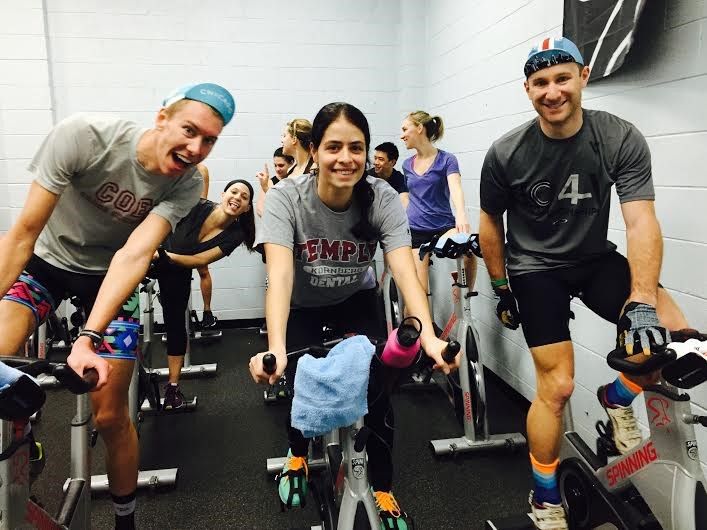
Physical Wellness

             Physical wellness promotes proper care of your body for optimal health and functioning. It involves
             routinely carrying out behaviors that have a significant impact on your wellness (routine check-ups,
             a balanced diet, exercise, etc.) while avoiding destructive habits (tobacco, drugs, alcohol, etc.).

               What can you do to increase your physical wellness?
Eat homemade meals and avoid fast food • Add regular exercise to your daily or weekly routines • Get at least
six hours of sleep per night • Take the stairs instead of the elevator • Get regular check-ups • Moderate your
alcohol intake • Maintain proper posture in clinic and stretch regularly to reduce neck, back and hand pain

Occupational Wellness

             Occupational wellness entails seeking personal satisfaction and enrichment while being fully
             engaged in your work. It refers to developing work-life balance, managing working relationships
             and having enthusiasm for your job. It also means constantly developing the skills required to do
             your work well.

What can you do to increase your occupational wellness?
Attend networking events with colleagues • Find a mentor or become a mentor • Practice the routines and
postures of proper dentistry • Maintain open dialogue with colleagues • Explore volunteer opportunities that
interest you

Environmental Wellness

              Environmental wellness refers to your relationship to your surroundings, both your immediate
             surroundings and the world at large. It’s about finding harmony with the natural world and
             understanding your impact on it.

              What can you do to increase your environmental wellness?
Spend time in nature • Turn off the lights when you leave a room • Recycle glass, plastic and aluminum cans •
Put things away after you use them to avoid clutter build-up • Donate items or clothes you don’t use anymore •
Take shorter showers • Ask to be taken off catalog and junk mailing lists • Carry cloth bags to the grocery store •
Walk or bike instead of driving to nearby locations • Sign up for paperless billing • Compost food scraps •
Choose sustainable and locally sourced foods

Intellectual Wellness

              Intellectual wellness encourages us to engage in creative and mentally stimulating activities. It
             involves actively participating in educational, cultural and community events and combining life
             lessons with those learned in the classroom. It’s about nurturing curiosity and lifelong learning.

             What can you do to increase your intellectual wellness?
Read books for fun • Play trivia and board games • Visit a museum or art gallery • Take up a craft or hobby •
Listen to music or play an instrument • Take a new route home • Attend a lecture on a topic that’s new to you

                                                                                                                  3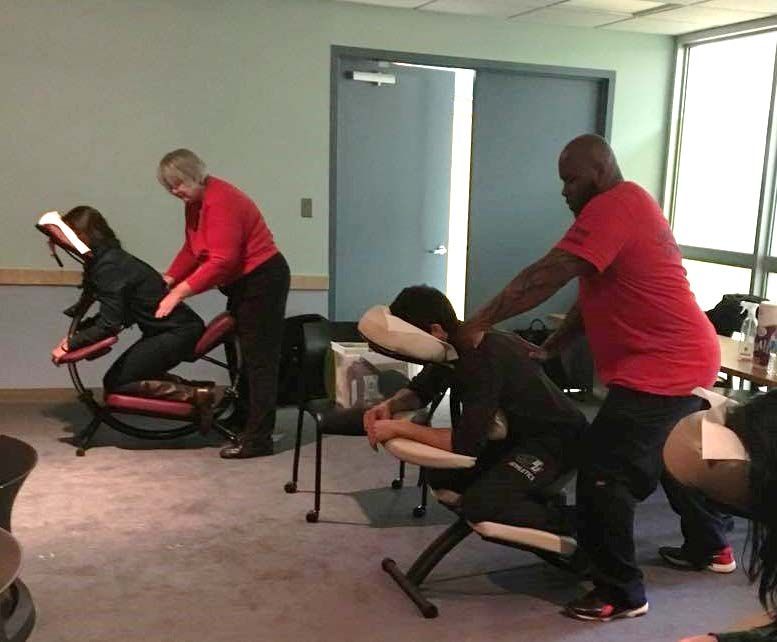
3.    Step-by-step: Planning a wellness event
      This guide was created to help your chapter plan a wellness
      event. Whether your chapter is securing a speaker to discuss
      anxiety or organizing a sports competition between classes, you
      will need to plan ahead for the event to be a success. This guide
      provides the resources and tools necessary to get you started.

     a) Identify a project
        Which dimension(s) of wellness would your chapter like to
        target? Remember to keep in mind your chapter’s level of
        interest and time available for the project. Students are very
        busy with dental school and their personal lives; therefore,
        do not choose a project that will be too much for your
                                                                                 Photo credit: Pacific ASDA
        chapter to handle. In addition, choose a project that can be
        easily scaled up or down, depending on the number of volunteers your chapter is able to attract.
        Remember, for a large-scale event, you will need several months to plan.

     b) Develop a plan
        Since your time and resources—and those of your fellow ASDA members—are extremely valuable,
        proper planning is key. Your first step in planning a health education program or action project is to
        determine what issues need to be addressed. You will also want to consider where this event fits in with
        existing activities and how you can fill in gaps between the needs and the services that exist in your
        community and your school. When planning the event, set timelines and stick to them.

     c) Set a budget
        Plan out a budget that includes all potential expenses associated with the project. Do not forget to
        include transportation, equipment, food and speaker fees. Contact other dental organizations,
        corporate sponsors and local businesses to donate supplies or cover speakers’ fees to help defray some
        of the costs of the project.

     d) Organize a core team
        Identify a chair and a core team of chapter members who will be involved in planning and executing the
        event. Depending on the scope of your event, the team could be as small as three people and as large as
        seven or eight (bearing in mind that the larger the group, the harder it will be to find time where
        everyone is available to help plan). Delegate specific responsibilities to each person so they are clear on
        what is expected of them. Meet regularly with your team to make sure everyone is on track with their
        tasks and if not, others can step in to help out. Share timelines and planning documents on Google Drive
        so everyone can access it. These can be useful to future planning committees as well.

     e)   Choose possible dates
          Choose several potential dates for the event and your chapter. Ensure that the date you choose does
          not clash with other events.

     f)   Volunteers

                                                                                                                  4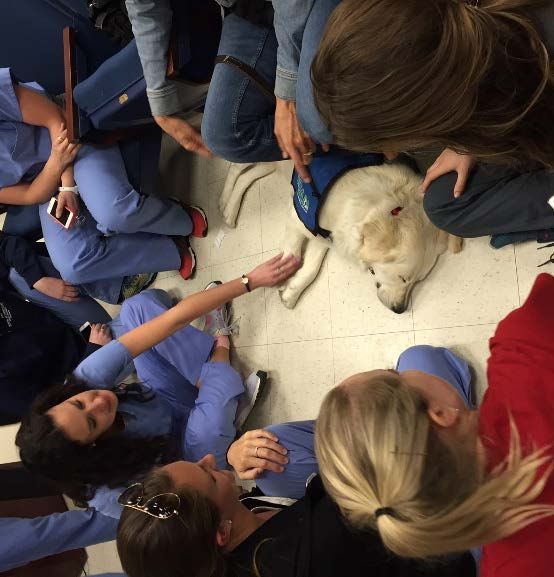
Volunteers don’t just show up—the whole chapter needs to put an effort into recruiting volunteers. If
     you can’t generate enough volunteers from your chapter, consider partnering with other student groups
     on campus and invite predental students to participate. Once people sign up, keep in touch with them
     to keep them interested in the project. Hold a briefing for all volunteers the day before the event, so
     everybody is clear on what they will be doing the next day. Be clear on what time everybody should
     arrive and leave.

g) Working with an association or school office
   If you are planning a volunteer activity through an association or a department at the dental school,
   allow for enough time to contact them. These often have a small staff and are overwhelmed with work.
   Remember to be patient and persistent. You may not hear back right away, but be sure to follow-up and
   leave a message with your name, purpose, affiliation, phone number, and best time to reach you.

h) Getting materials for your event
   You may be able to obtain free resources for your event from the ADA, your state dental society, other
   governmental agencies (e.g., CDC, DHHS, etc.), and from public health advocacy organizations such as
   the American Psychological Association, the American Foundation for Suicide Prevention, National
   Association of Addiction Treatment Providers and others. Look to the state branch of national
   organizations like those or your school’s wellness center to provide locally based speakers. Explore the
   resources other existing wellness organizations may offer as well like your school’s student health office,
   student-run organizations or even your dental school’s student life office.

i)   Event Licenses
     Depending on the type of event you are planning, you may need to apply for one or more event licenses
     from your local authority. Contact your school’s administration to assist you. You may need to cover
     food hygiene regulations if you are planning on preparing food on site. All good caterers will be able to
     provide you with the relevant food hygiene certification.

j)   Promote your event to the chapter
     Provide effective reminders using flyers, posters, emails, social media, chapter newsletters and
     websites. Use the broadcast email function of the ASDA chapter portal or your chapter mailing list to
     send invitations to your members. Use opportunities in class and clinic to promote via word of mouth.

k) Arrange an orientation and finalize the plan
   At this orientation, develop a list of successes and challenges so nothing comes at you by surprise. Don’t
   forget to plan travel and clean-up. Plan for your group to be wearing the proper clothes for the project
   and that any prerequisites and forms have been addressed. Be sure to send out reminders the night
   before the event to all volunteers. If you are working with a school or outside organization, be sure and
   send a confirmation the day before that includes the details of the event.

l)   Say thank you
     Most importantly, be sure to thank everyone involved in the event. Send the volunteers a simple email
     thanking them for their participation and asking for feedback. If you worked with an outside
     organization or obtained supplies or donations from a company, send a handwritten thank you note.
     This will help keep good terms with the organizations and foster long-lasting partnerships that can be
     useful for the future.

                                                                                                              5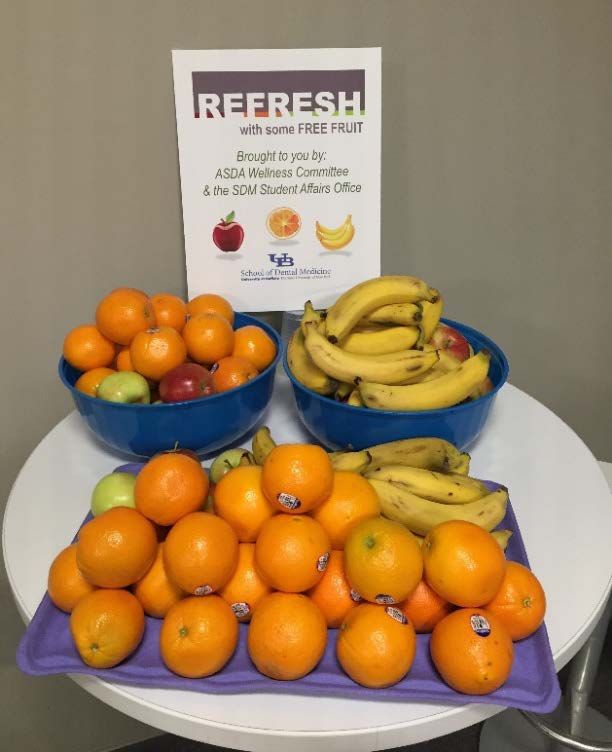
4.   ASDA chapter wellness event examples

     Chapter: Indiana

What kind of event did you hold: Wellness Week

What were the goals of your event: As finals were quickly approaching
it was important to IU ASDA to provide some lunchtime and evening
events and activities that promoted emotional and physical wellness
within our student body. These things included bringing in local
masseuses and providing 5-minute chair massages in our quiet room,
providing healthy lunches or breakfasts throughout the week, bringing in
local therapy dogs for some stress relief and nightly exercise classes like
yoga and Zumba.
                                                                                         Photo credit: IU ASDA
How many people organized/ran the event: 3

How many members attended the event: 25-75

How did you promote the event: Flyers, Facebook, mass emails

How much did you spend: $1,500 - cost for three masseuses that came to do the chair massages; healthy lunch
bowls provided by a local restaurant on campus; thank you gifts for any speakers or exercise instructors; yogurt
and granola bars, and Fitbit prize.

What was your biggest success: The positive feedback from the student body. Wellness week is always one of
our biggest hits every year.

What was your biggest challenge: Getting student participation for the evening exercise classes.

                                               Photo credit: IU ASDA

                                                                                                                 6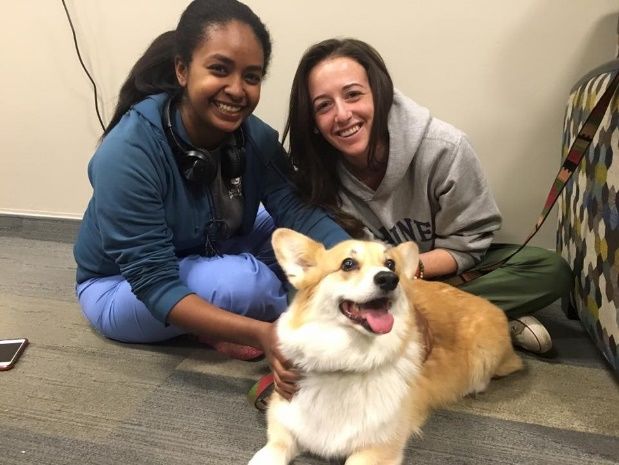
Chapter: Marquette

What kind of event did you hold: Fitness Challenge

What were the goals of your event: Encourage students to
incorporate exercise into their daily lives. Students put up
stickers when they exercised, and the class with the most stars
at the end of the month won a healthy breakfast.

How many people organized/ran the event: 2

How many members attended the event: unknown, est. 150
in the course of a month

How did you promote the event: Social media and email

How much did you spend: $150

What was your biggest success: Raising awareness that it is important to be healthy as a dental student.

What was your biggest challenge: Getting involvement from older students.

                                           Photo credit: Benjamin Schwabe

                                                                                                           7
Chapter: Virginia

What kind of event did you hold: Nutritional awareness meeting

What were the goals of your event: To promote healthy eating and motivate individuals to begin a new diet
regimen.

How many people organized/ran the event: 3 organizers, 4 who ran the event

How many members attended the event: 20-25

How did you promote the event: Email and word of mouth

How much did you spend: $0

If you secured a speaker, how much was that person’s fee: The speaker was recruited from within the school,
and she was not paid.

What was your biggest success: Raising awareness that it is important to be healthy as a dental student.

What was your biggest challenge: Getting involvement from older students.

                                                                                                              8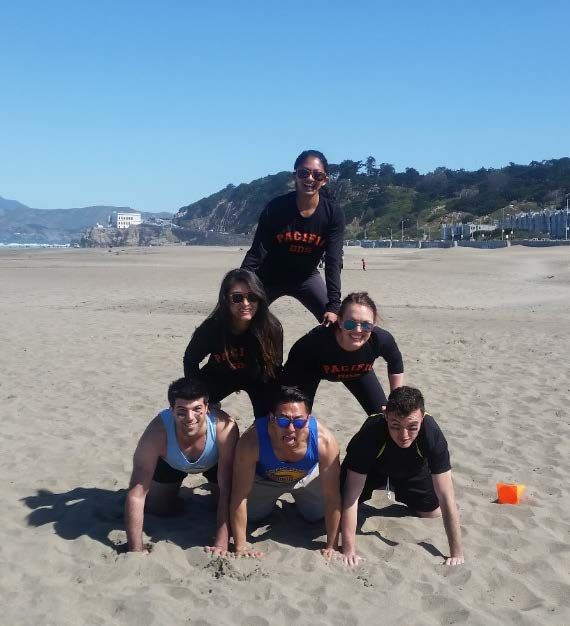
Chapter: Temple

What kind of event did you hold: Spin, yoga
and open gym event. We contacted a local gym
and asked if we could reserve two classes and
an open gym session. They only had us pay their
instructor fee and then we had each student
pay $10 to raise money for oral cancer. The
classes were one hour long. The other option
was to pay $7 and do an open gym session.

What were the goals of your event: Our goal
was to promote wellness while also raising
money for our annual oral cancer walk. We
wanted to give students an outlet where they
could relax, not think about school and also get
a healthy workout in!                                                      Photo credit: Temple ASDA

How many people organized/ran the event: One student got the ball rolling on the event. As soon as the gym
gave us the OK to proceed, many executive board members helped with getting the word out.

How many members attended the event: 30-35

How did you promote the event: We made flyers and hung them around the school. We created a Facebook
event and invited the whole school. As the event was approaching, we sent out weekly emails to get people to
sign up. We took advantage of a personal connection with an Ernst and Young employee, who spread the word
to coworkers and got us some generous donations.

How much did you spend: Each class was $40 (to pay the instructor fee), so we wound up paying $80 total.
However, the event was extremely successful so we paid our ASDA chapter back and donated the rest of the
proceeds to the Oral Cancer Foundation.

What was your biggest success: I think we were really successful in getting students to realize how important it
is to take care of yourself. It is so easy to get caught up in the chaos of dental school, but it is crucial to take a
break and do something that makes you feel good. This event was affordable, a great way to get students
together, and provided students a break from their busy lives!

What was your biggest challenge: At first, it was difficult to get people to sign up. So many of us are so busy
with school and our personal lives and because of that, it is difficult to get people to commit. However, as soon
as people started spreading the word, the classes filled up quickly. If we have an event like this again, I would
definitely make more classes available to accommodate more people!

                                                                                                                         9
Chapter: Buffalo
What kind of event did you hold: Massage therapy
What were the goals of your event: To give students a way to relax after the stresses of class and clinic.
How many people organized/ran the event: 2
How many members attended the event: 32
How did you promote the event: Emails and Facebook posts
How much did you spend: $480 ($60 per hour per chair). The first time we held the event we had one
chair/therapist for 2 hours, and this accommodated 8 students for a 10-minute massage. The total was $120.
The second time we held the event, we had three chairs for 2 hours, accommodating 24 students, totaling $360.
What was your biggest success: All attendees left their massage appointment extremely relaxed. Survey sent
out after the event received very positive feedback with students wanting more in the future.
What was your biggest challenge: Being able to accommodate everyone that wanted a massage. There was a
30-person waitlist. Price is a major limiting factor.
Photo credit: ASDA Buffalo
10Chapter: Buffalo
What kind of event did you hold: Weekly fresh fruit
What were the goals of your event: To bring better snack
alternatives to students and inspire healthier eating.
How many people organized/ran the event: 2
How many members attended the event: Hard to determine, but
likely members of all classes are taking advantage.
How did you promote the event: Initially emails and Facebook
posts. The fruit is available in the student cafe and student
lounge, so students know that it will be there every week.
How much did you spend: $60/week for 300 pieces of fruit
What was your biggest success: Students love having free fresh
fruit available every week. The biggest success was overhearing someone Photo credit: ASDA Buffalo
saying that now they can eat a piece of fruit instead of going to the vending
machine.
Chapter: Buffalo
What kind of event did you hold: Therapy dogs
What were the goals of your event: To reduce the stressful
atmosphere of dental school around midterms and finals
How many people organized/ran the event: 2
How many members attended the event: ~30-40
How did you promote the event: Email, Facebook posts,
wellness board flyer
How much did you spend: $10 gift cards given to the volunteers Photo credit: ASDA Buffalo
(dog owners), ~$30 on vegetables for snacks
What was your biggest success: Students really enjoyed their lunch break playing with dogs and eating healthy
snacks.
What was your biggest challenge: Initially getting all the contacts and coordinating dates/times with the
volunteers.
11Chapter: Ohio State
What kind of event did you hold: Yoga night
What were the goals of your event: To help students relax mentally and physically before finals week.
How many people organized/ran the event: 1
How many members attended the event: 28
How did you promote the event: Social media was the most successful, but we also used email and word of
mouth.
How much did you spend: $75 (included instructor, A/V, and room rental)
If you secured a speaker, how much was that person’s fee: The yoga instructor's fee was included in the price;
they worked for the university rec center.
What was your biggest success: Students were really excited after the event and spread positive reviews for
ASDA.
What was your biggest challenge: Finding an instructor/room that was legitimate and at a cheaper rate than the
school.
Chapter: Pacific
What kind of event did you hold: Dugoni Beach Bootcamp
What were the goals of your event: Friendly competition of relay
races/obstacle courses at the beach.
How many people organized/ran the event: 2 main event leaders, 3
additional leaders
How many members attended the event: 36 competitors (9 teams of 4),
~10 spectators
How did you promote the event: Emails, flyers, social media, table during
Photo credit: Pacific ASDA
lunch time to sell tickets & t-shirts
How much did you spend: $650 for T-shirts, snacks, prizes, other race materials (made $720 on ticket sales)
What was your biggest success: Everyone had lots of fun, and all requested that we make it either a quarterly or
annual event.
What was your biggest challenge: Having enough people to help publicize and sell tickets.
125. Dental School Resources
Most universities and dental schools have health centers that offer counseling services to enrolled students. You
can take advantage of counseling services and/or medical services for stress and other areas of mental wellness.
It’s in your best interest – and that of your patients – if you are the healthiest version of yourself.
You may also be able to secure speakers for a lunch and learn or seminar to present on a variety of wellness
topics, including nutrition, addiction, stress management, eating disorders, healthy sleep, coping with grief and
more.
To find out what’s offered at your school and who to contact for more information, visit:
ASDAnet.org/index/dental-student-resources/health-and-wellness/school-wellness-resources
The professionals at your school’s fitness or recreation center may also be able to assist with planning an event,
providing speaker expertise or equipment for physical activities. Talk to the dental school faculty or (onsite
physical therapists) to learn if someone could present an informative session about ergonomics and proper
posture for preventing repetitive stress injuries.
Remember, while it’s more fun and often easier to plan a wellness event around sports or physical activities,
don’t forget about keeping a balance in place. Mental health, depression and stress are crucially important to
keep in the forefront when considering dental student wellness.
136. More health and wellness resources
All ASDA members are also student members of the ADA. That means you can access the ADA’s health and
wellness programs as part of your ADA student membership: ada.org/en/member-center/member-
benefits/health-and-wellness-information
Each state dental association also has a health and wellness director who can help you with anything from
stress, mental well-being and addiction. You can contact your state association directly; find a link to each at:
ASDAnet.org/index/get-involved/State-Dental-Associations
There is a multitude of organizations and groups that you can turn to for materials, information or professional
participation in your wellness events. Here are a few related to each dimension of wellness.
Emotional wellness:
• Suicide Awareness Voices of Education: save.org
• Substance Abuse and Mental Health Services Administration (SAMHSA): SAMHSA.gov
• Actively Moving Forward (grief resources): healgrief.org/
• National Eating Disorders Association: nationaleatingdisorders.org
• Social Anxiety Association: socialphobia.org
• Students Against Depression: studentsagainstdepression.org
• Anxiety and Depression Association of America: adaa.org
• National Suicide Prevention Lifeline: 800-273-8255
• Mindful.org
Physical wellness:
• President's Council on Fitness, Sports & Nutrition: fitness.gov
• American Nutrition Association: americannutritionassociation.org
• National Sleep Foundation: sleepfoundation.org
• My Exercise Plan: myexerciseplan.com
• National Association for Health and Fitness: physicalfitness.org
• Let’s Move: letsmove.obamawhitehouse.archives.gov/resources
• Dietary Guidelines for Americans: cnpp.usda.gov
• Office of Disease Prevention and Health Promotion: health.gov
• Go Ask Alice: goaskalice.columbia.edu
Occupational Wellness
ADA Center for Professional Success: new link: https://success.ada.org/en
• Dentistry Today: dentistrytoday.com/ergonomics
• Business Management Daily (Workplace Communications):
businessmanagementdaily.com/workplace-communication
14• Mental Health America (Work-Life Balance): mentalhealthamerica.net/work-life-balance
• Dental Economics (search archive for “ergonomics”): dentaleconomics.com
• DrBicuspid CE Library: drbicuspid.com
• Mind Tools: mindtools.com
Environmental Wellness
• Volunteer Match: volunteermatch.org
• Becoming Minimalist blog: becomingminimalist.com
• Ecology Action Center: ecologyactioncenter.org
• Environmental Work Group (EWG): ewg.org/consumer-guides
• Earth 911: earth911.com
• Global Stewards: globalstewards.org/
Intellectual Wellness
• Lumosity brain games: lumosity.com
• Online games and trivia: Sporcle.com or websudoku.com
• Duolingo (online language learning): duolingo.com
• UNH Intellectual Wellness page: unh.edu/health-services/ohep/intellectual-wellness
• U of I Wellness Center: wellness.illinois.edu/dimensions/intellectual
• TED Talks: ted.com
7. National ASDA resources
Wellness Webinars
ASDA offers quarterly webinars on a range of wellness-related topics presented by experts. After the webinars
are concluded, recordings are available on our YouTube channel and at ASDAnet.org/webinars. Consider
showing a webinar at a chapter event as part of your wellness program.
Wellness Challenges
Each month, ASDA issues a Wellness Challenge that asks members to change their behavior in a way that will
positively affect their wellness. Each challenge varies in length and activity, but the goal is the same: to get
students to pay more attention to their well-being and to develop good wellness habits. Each challenge will
target one (or more) of ASDA’s five dimensions of wellness: emotional, physical, intellectual, occupational and
environmental. Learn more at ASDAnet.org/index/dental-student-resources/health-and-wellness/wellness-
challenges.
15Social Media
Look for national ASDA’s content on social media using #BeWellASDA – and be sure to promote your chapter’s
wellness efforts with that hashtag.
Wellness Month
Wellness Month takes places in September and presents an opportunity for ASDA chapters and dental schools
to focus on dental student wellness. The goal is to involve as many dental students as possible on the local level.
All chapters are encouraged to host events encompassing ASDA’s five dimensions of wellness and promote
wellness activities to their members.
What kinds of events could your chapter hold?
• Lunch and learn on managing stress, work-life balance, repetitive stress injuries or nutrition
• Presentation by featured speakers from your school’s wellness or counseling center
• Group yoga or meditation class
• Volleyball or kickball tournament
• Walk- or jog-athon that could double as a fundraiser for chapter activities
• Health fair, where dental students can get a free health screening
• Daily or weekly group stretches or exercises
• Meal prepping classes
• Rock climbing or hiking trips
Chapters can also hold challenges or competitions to encourage wellness, including:
• Hydration challenge: have members keep track of their daily water intake; create a bulletin board to
track weekly totals (-1 star for each caffeinated drink!)
• Nutrition challenges: can your entire chapter give up sugar or processed foods for a week? Can you
double your fruit and veggie intake? Meatless Mondays? Plan a fun challenge around eating better.
• Gratitude challenge: ask members to handwrite notes of kindness or sincere gratitude to fellow
students, faculty or advisers that have made a positive impact. Deliver them throughout Wellness
Month to share positive energy and brighten someone’s day.
• Mile-per-day challenge: host a mile walk around campus at a set time each day that any member can
participate in.
• Step challenge: keep track of your steps and whichever class year gets the most gets a prize; or
participate in ASDA’s Step Out for Wellness Challenge.
During September, national ASDA features:
• Wellness webinars: weekly webinars will be available for all members on a range of topics
• Blog posts on wellness
• Social media posts and contests
• Chapter challenges with prizes
Learn more at ASDAnet.org/index/programs-events/virtual-events/Wellness-Month.
16Photo credit: Buffalo ASDA
You can find always find a selection of wellness resources at ASDAnet.org/wellness. If you have questions,
contact Marketing Manager Kasia Chalko at Kasia@ASDAnet.org.
17You can also read


