International Business Guides China - Together we thrive
←
→
Page content transcription
If your browser does not render page correctly, please read the page content below
International
Business Guides
China

                  Together we thrive
HSBC International Business Guides | China                                                                                                                         2

                                             Welcome to China
01   Welcome

02   China: The globe’s
     blooming economy

03   Country profile
                                             We all know that today China is not just the second largest economy in the world,
04   Society & culture
                                             but also a heavyweight in global business. After four decades of transformative
05   Working practices & values
                                             economic development, opportunities abound for companies that are looking to
06   Business etiquette
                                             do business with or in China.
07   Economy

08   Labour & business
                                             Its increasingly affluent middle class has growing demands for consumer goods, while its manufacturing sector is
09   Taxes & wages                           moving up the value chain. In addition, the Belt and Road Initiative and plans to develop the Greater Bay Area look

10   Investment & trade                      set to sustain growth in the coming years.

11   Infrastructure
                                             HSBC was established in China over 150 years ago and the country is at the heart of HSBC’s strategy today.
12   Cost of living

13   HSBC in China                           With a universal banking platform, over 7,000 staff and more than 170 outlets in 57 cities across the country,
                                             HSBC is one of the largest international banks with a wide network in China.

                                             Our heritage in the country, together with our global network, makes HSBC the perfect partner to help international
                                             businesses embrace the many opportunities China has to offer.

                                             Please get in touch to find out how we can help you and your business navigate China’s vast economy and tap
                                             into its potential.

                                             We look forward to seeing you here.

                                                                   David Liao
                                                                   President and CEO, HSBC China

                                                                   Contact:
                                                                   Head office address:
                                                                   HSBC Building, Shanghai ifc, 8 Century Avenue, Pudong, Shanghai, China 200120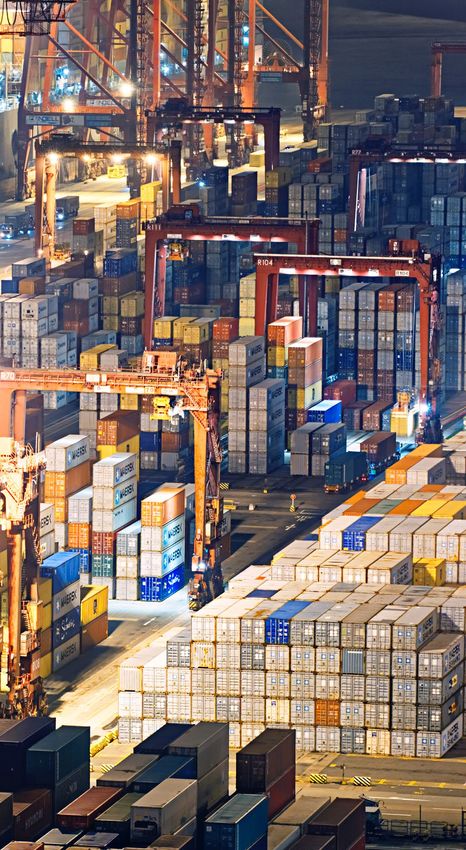
HSBC International Business Guides | China                                                                                                                                    3

Essentials                                                                                         China: The globe’s
                                                                                                   blooming economy¹
                                                                                                   An economic giant                     Vast country, vast appetite
Capital city                          Currency                         Time zone                   As the world’s second largest         China has a growing middle
Beijing                               Renminbi (RMB) is the official   UTC +8                      economy, China cannot be              class, which is fuelling the
                                      name, Yuan is the unit of the                                ignored. Many economists              nation’s appetite for consumer
                                      Renminbi                                                     forecast that the country will        goods – from smartphones
Other major cities                                                     Typical office hours
                                                                                                   surpass the US economy in             and luxury goods to white
Guangzhou, Shanghai,                                                   09.00 - 18.00, Mondays to
                                                                                                   size over the coming decades.         goods and cars.
Chongqing, Hangzhou,                  Top exports                      Fridays and 09.00 - 17.00
Shenzhen, Chengdu,                    Electrical and other             for government offices
                                                                                                   The biggest contributor               A country with a vision
Tianjin, Xi’an                        machinery, including
                                                                                                   to growth                             From the Belt and Road
                                      computers and
                                                                                                   Ever since China introduced           Initiative to the latest Five-Year
                                      telecommunications               Unemployment rate
                                                                                                   market reforms in 1978, the           Plan, China’s leaders tend to
Population                            equipment, apparel,              3.8%3
                                                                                                   country’s annual GDP growth           focus on long-term, large-
1.4 billion1                          furniture, and textiles2
                                                                                                   has averaged an extraordinary         scale projects, which is good
                                                                       Corporation tax             10%. The World Bank says              news for potential investors.
Size                                                                   25%   4                     that China has been the
                                      Top imports
9,596,960 sq km                                                                                    biggest contributor to global         China’s opening up
                                      Electrical and other
                                                                                                   growth since the global               One step at a time, China
                                      machinery, including
                                                                       Dialling code               financial crisis.                     is opening up to investment,
                                      integrated circuits and other
GDP                                                                    +86                                                               to outside influences and to
                                      computer components, oil
USD7,329.09 per capita    1                                                                                                              overseas tastes. The potential
                                      and mineral fuels, optical and
                                                                                                                                         for foreign involvement is
                                      medical equipment, metal
                                                                       Emergency numbers                                                 huge.
                                      ores, motor vehicles, and
Main languages                                                         110 (police), 119 (fire)
                                      soybeans2
Mandarin Chinese is most                                               and 120 (ambulance)
                                                                                                   Sources:
widely spoken, although                                                                            1
                                                                                                     World Bank Group, 2019
                                                                                                   2
                                                                                                     Central Intelligence Agency, 2018
many other forms of Chinese                                                                        3
                                                                                                     Trading Economics, 2019
are also used                                                                                      4
                                                                                                     PwC, 2019
HSBC International Business Guides | China                                                                                                                      4

Country profile
China is in a league of its own. A global behemoth                     Made affluent by years of economic growth, a new generation of
of an economy, with a unique business culture                          consumers is being empowered by the booming digital economy.
that operates on an unprecedented scale – it is
not only the world’s largest exporter, it is also the
                                                                   China’s latest Five-Year Plan and the Belt and Road Initiative will now spur the next
second largest importer of merchandise.
                                                                   stage of development - one that is focused on promoting more sustainable, inclusive
                                                                   and green growth.
And this has all been achieved at breakneck speed. Just 40 years
have passed since China’s reform and opening-up policy was         There is little doubt that China will continue to enjoy strong growth in the coming years.
initiated in 1978. Fast forward and China’s now a major global     Foreign businesses are particularly attracted to the country as a market for goods and
player with the potential to drive growth in Asia and beyond in    services. There are challenges however, as international companies need to learn how
the decades ahead. It still posts enviable growth rates, despite   to navigate its markets and local business culture.
a modest slowdown in recent years.
                                                                   Read on to discover more about the dos and don’ts of doing business in China.
The Chinese economy is at a key point in its development, as       Also find out how trading in or with the country could help boost the future growth
the government is working to move the economy up the value         of your enterprise.
chain. Future growth will be less dependent on heavy industry
and manufacturing. Instead, services, domestic consumption and
innovative business models will play an ever-greater role.
HSBC International Business Guides | China                                                                                                                     5

5 reasons to do business in China1                                       5 key challenges2
01     An essential part of the global trade system                      01   Environmental issues
       Whether it is buying or selling, China is one of the most              Five of the most polluted cities in G20 countries are in China. However,
       important trading nations - it is the world’s largest exporter         the government understands the value of sustainable growth, and it is
       and the second largest importer of merchandise.                        implementing plans to green its economy and address air pollution issues.

02     One of the world’s largest digital economies                      02   More mature growth rates
       From artificial intelligence to cloud computing, China is              China is in transition, from high-speed to high-quality growth, exports to
       now a leader in innovation. In 2016, for example, the Chinese          consumption and heavy industry to services. Although this brings opportunities
       spent USD5.5 trillion through mobile payment platforms –               for businesses, it is also tempering growth.
       almost 50 times more than in the US.
                                                                         03   Rising costs of doing business
03     An enormous market for consumer goods                                  As China’s eastern seaboard becomes wealthier, the cost of doing business,
       There are 400 million young consumers in China. Not only is            setting up factories and employing workers is increasing. Many companies now
       their spending power growing, they are increasingly interested         look for cheaper labour in China’s landlocked provinces or in Southeast Asia.
       in foreign brands.
                                                                         04   Corporate debt
04     Most attractive for inbound investment                                 Corporate debt has built up over the last decade. The government is working
       China is one of the most attractive inbound investment                 to reduce leverage and address other risks in the financial system.
       destinations globally. If your strategy is aligned with China’s
                                                                         05   Catching up with the coast
       economic development, then the potential is incredible.
                                                                              Development in China’s inland provinces lags behind the more affluent coastal
05     An economy in transition                                               areas, making the west of the country a key focus of future development plans.
       The country is transitioning – from high-speed to high-quality
       growth, exports to consumption, heavy industry to services and
       high-tech – as it aims to add value and become a high-income
       country by 2030.

Sources:
1
 Deloitte, 2019
2
 Export.gov, 2018
HSBC International Business Guides | China   6

Society & culture

In this section
Language
Food
Customs & celebrations
Useful phrases
Working practices & values

HSBC International Business Guides | China         Society & culture                                                                                       7

The world’s most populous country, with
a history going back thousands of years,           Language
China boasts a rich and diverse culture.
A traveller going from one end of the country      Mandarin, Standard Chinese or Putonghua, is the sole official language of China. It can be a
to the other will experience different cuisines,   difficult language to learn due to its tonal nature, which means that the tone used when saying
local varieties of speech, as well as uniquely     a word combines with its pronunciation to determine its meaning. Learning Chinese can be a
Chinese traditions that bind more than a           daunting prospect, and there is little doubt that it is a difficult language to master, but it can be
                                                   achieved over time.
billion people together.
                                                   The written language is also notoriously difficult to learn. Instead of words being made out of a
                                                   set of letters that represent sounds, the Chinese use complex logograms that represent a word
    Getting to grips with China’s language,
                                                   or phrase. In order to read a newspaper, it is necessary to know up to 3,000 characters, while
    customs and culture can be a challenge,        an educated Chinese person will likely know many more than this.

    but it is also one of the most rewarding
                                                   English is widely spoken in the larger cities – especially in hotels, restaurants and shops.
    aspects of doing business in this vast         Upon leaving the big urban centres, English speakers will be harder to find, so learning a
    country.                                       few simple phrases will be helpful for getting around.

                                                   Away from Standard Chinese, there are numerous varieties of Chinese spoken around the
                                                   country – such as Cantonese in Guangdong and Hong Kong, as well as the Min speech of
                                                   Fujian. China’s many ethnic minorities also have their own languages from Tibetan to
                                                   Uyghur and Kazakh to Mongol.
HSBC International Business Guides | China                            Society & culture                                                     8

Food
The term “Chinese food” fails to do justice to the extraordinary                          Exploring China’s culinary landscape is a great
range eating experiences that China has to offer. A visitor to
northern China will find steamed buns, pickles and roast duck                             way to learn about the country, and a meal with
on offer, while a trip to southern Guangdong will lead to meals                           business contacts provides an opportunity to
consisting of choy sum, barbecue pork and steamed rice rolls.
There are many culinary traditions in China, and these do not
                                                                                          get to know each other in a relaxed setting. It
include the wide variety of ethnic minority foods that characterise                       is advisable to get used to using chopsticks
places like Yunnan and Xinjiang. The visitor to a large city, will
                                                                                          though, as many restaurants and eateries will
not be restricted to the local fare, and will be lucky enough to
try restaurants that serve food from all over the country.                                offer nothing else in the way of utensils.
HSBC International Business Guides | China                         Society & culture                                           9

Customs &                                                          Useful phrases
celebrations
The biggest date on the Chinese calendar, which sees the           English
entire country shut down, is the Spring Festival (also known       Chinese
as Chinese New Year or Lunar New Year). Depending on the
year, it can be between mid-January and mid-February and           Hello (general greeting)   Do you speak English?
is not fixed. Check with your local Chinese contact and make       Ni hao                     Ni hui shuo yingyu ma?
sure you have the dates in your diary. The government now
stipulates people have seven days off for the holiday and          How are you                Do you speak Mandarin?
                                                                   Ni hao ma?                 Ni hui shuo zhongwen ma?
businesses shut down for at least a week. This is the equivalent
of Christmas in the West in terms of its significance.
                                                                   I am fine, and you?        Yes, a little (reply to above)
                                                                   Wo hen hao, ni ne?         Hui, yidiandian
The second largest period of holidays is on 1st October, when
the country celebrates China’s National Day over three days.       Good morning               How much is this?
Other celebrations include Qingming, Dragon Boat Festival and      Zao an                     Zhege duoshao qian?
Mid-Autumn Festival. There are also numerous colourful local
and regional festivals.                                            Good afternoon             Sorry
                                                                   Xiawu hao                  Duibuqi

                                                                   Good evening               Thank you
                                                                   Wanshang hao               Xie xie

                                                                   Goodbye                    Reply to thank you
                                                                   Zaijian                    Bu keqi

                                                                   I don't know
                                                                   Wo bu zhidao
HSBC International Business Guides | China                                                       10

Working practices & values
China’s economy has changed beyond recognition since it
started to open up in 1978, kickstarting decades of extraordinary
growth driven by foreign trade and investment in infrastructure.

Modern business practices have emerged, but centuries-old traditions persist and the
working culture of China today is a mix of old and new ways.

The Chinese are pragmatic and have an incredibly strong work ethic. People are extremely
willing to work long hours and devote themselves to their businesses. Thrift is paramount
and high productivity and profitability are championed – as is the efficient use of resources.

    China’s extraordinary progress since 1978 is
    testament to the longstanding values and
    entrepreneurialism of its people.

On a day-to-day basis, expect face-to-face meetings, email and phone conversations that
are direct and to the point. Many issues and irritations experienced by foreigners can often
be put down to misunderstandings, nervousness and unfamiliarity with the local culture,
so it is worth familiarising yourself with Chinese working practices and values.
HSBC International Business Guides | China 11 Business etiquette In this section Greetings Dress code Negotiations Business cards Sealing the deal Entertaining The concept of face Golden rules
HSBC International Business Guides | China                              Business etiquette                                                                             12

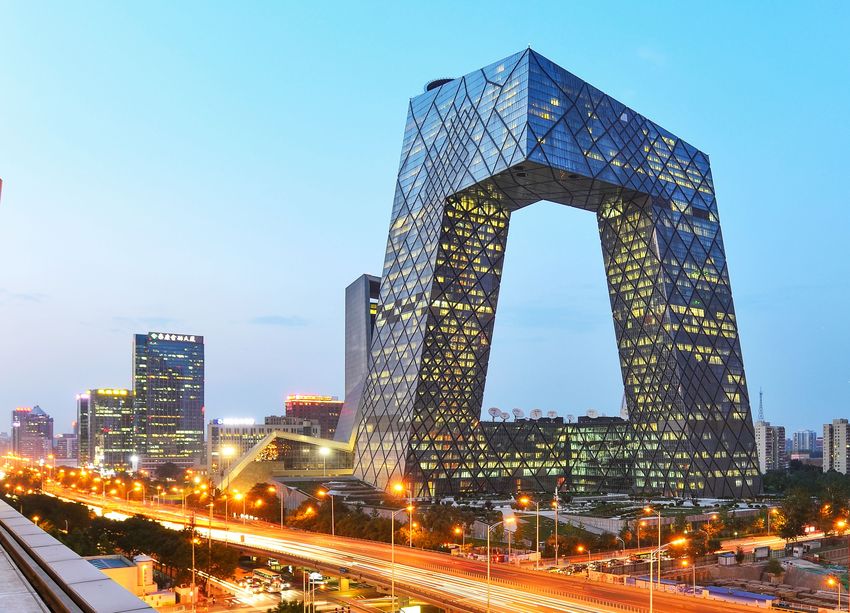
Horizons lined with skyscrapers, a vibrant digital
sector and the world’s longest high-speed train                         Greetings
network are just some of the products of China’s
economic dynamism.                                                      Building trusted relationships is crucial to doing business in China, so local partners,
                                                                        introductions and go-betweens can be very useful. Initial greetings can be very formal

All of this has been achieved in less than two generations. The         when people meet for the first time.

Chinese are extremely proud of the success story that has now
elevated their nation to the second largest economy in the world.       You can expect to be introduced to the most senior person first, followed by deputies.
                                                                        Initial meetings involve addressing people as Mr, Dr or Ms in a formal, respectful manner.

Despite the modern environment, foreign businesspeople will             Small talk is essential and it may be considered rude to dive straight into business.

encounter age-old traditions in China. The ancient philosophy of
Confucianism stresses loyalty, a sense of duty, respect for age         A gift from your home country, or maybe a locally-made delicacy, will be a talking point and

and seniority, as well as sincerity. You will see this play a part in   can help to break the ice. Ring ahead to find out what your business counterpart might like.

many business interactions, as it determines corporate hierarchies,
consensus building, and the manner that people offer and
receive respect.

                                                                        Dress code
                                                                        Appropriate attire depends very much on the company being visited. Formal clothes are
                                                                        recommended when meeting someone from a professional services company or a state-
                                                                        owned enterprise, while a technology or consumer goods company might very casual.
                                                                        It is perhaps best to dress conservatively on the first meeting and adjust one’s outfit
                                                                        accordingly for future ones.
HSBC International Business Guides | China Business etiquette 13
Negotiations Business cards
One concept that is often brought up in discussions about doing Business cards are taken seriously in China and are usually exchanged after the initial handshake,
business in China is guanxi. Its English translation is “relationship” or introductions and greetings. Present yours with both hands and hold it out as if giving your host a gift.
“connections”, but that does not capture its rich meaning in Chinese, It will be received with respect and you should show the same deference in turn. It is good manners to
which denotes the interpersonal links and reciprocal obligations that read the business card. If the meeting is held at a table, keep the cards laid out in front of you.
come from one’s social network. Developing a strong network of
trusted partners can be extremely helpful in China – especially when In recent years, it has become common for people to add each other on messaging app WeChat when
it comes to introductions and negotiations. they first meet. While this is by no means a universal custom, do not be surprised if someone pulls out
their phone and asks you to add them by scanning a QR code. WeChat is an extremely popular form of
Guanxi is believed to be a major factor when it comes to being communication in China, in many ways replacing email, so make sure to download the app and learn
successful in China. Those personal questions about your family and how to use it before a business trip.
children, or how you’re enjoying your time in China, is guanxi talk and
is a sign of interest aimed at strengthening the relationship. Personal
trust is crucial and it is earnt over time.
Sealing the deal
Developing strong personal relationships and figuring out who makes the decisions is essential to
concluding deals in China.
Anticipating the communication gap is crucial, as messages can get lost in translation. Try to ensure
emails are written in uncomplicated English. A local contact with good language skills can be very
helpful, and if that is not available it might worthwhile hiring an interpreter.HSBC International Business Guides | China Business etiquette 14
Entertaining The concept of face
Entertaining is an integral part of working and doing business in Mianzi – face – is a concept you should understand if living and working in China. Face is like a scorecard
China. Be prepared to share a meal – or two – with your business relating to respect or honour. Saving face, losing face or giving face are crucial elements in business life.
colleagues and accept that this is all part of the process. These No Chinese person wants to be embarrassed or made to feel insignificant or laughed at in the office.
events can be somewhat formal and focused on business, or they Respect for people’s feelings is crucial. Every person's reputation, dignity and prestige counts. Chinese
can be more casual affairs where the goal is getting to know each corporations and entities have face, not just individuals.
other. Toasting can be a key part of an evening’s entertainment,
so be prepared to sample the fiery-hot local spirit known as baijiu. You can give somebody face by flattering them or showing respect. Act patronisingly to another person
and they can lose face. Certainly, humiliating people in a public arena or via email can cause huge amounts
of face to be lost. Promoting harmony in the workplace or with business colleagues will be appreciated.
Golden rules
01 Save face at all times in China
‘Face’ is a heady mixture of social standing, influence, dignity and honour.
The culture of face is a crucial part of many interactions.
02 Hierarchy and reputation
Hierarchy counts in China, whether it’s a seating position in the boardroom or at the banqueting
table, or who speaks first at a meeting.
03 Attitude and respect
Turn up on time, shake hands like you mean it and read business cards with interest.
You may be judged on whether your attitude is suitably respectful.
04 All about a harmonious experience
From gift-giving and entertaining to asking about family and knowing when to be professional,
promoting harmony when dealing with your Chinese counterparts will pay off.HSBC International Business Guides | China 15 Economy In this section Highlights Regional economies Exports & imports Currency
HSBC International Business Guides | China                          Economy                                                                                              16

Highlights                                                          The world’s second largest economy is holding up extremely well.
                                                                    Its GDP growth rates are still some of the highest globally, above 6%.
                                                                    China’s sheer size and its standing as a leading economy means it
®® China is the world’s second largest economy and the largest      cannot be overlooked as an investment destination.
    by purchasing power parity. Its GDP growth rate is still one
    of the highest globally and is above 6%.                        China is striving for higher quality growth while aiming for the economy to expand by
                                                                    around 6.5% by the end of 2018. Buoyant domestic consumption and rapid progress in high
®® The economy is evolving from one focused on an investment
                                                                    technology are also fuelling the economy. These are exciting times for China.
    and export-led growth model to one driven more by
    domestic consumption, as Chinese people spend more on
                                                                    There are challenges on the horizon, though. Corporate debt has increased markedly since
    goods and service.
                                                                    the financial crisis in 2008, while house prices in the biggest cities have surged. Looking to the
®® China’s Belt and Road Initiative is expected to support future   long term, an ageing society is reducing the working-age population, while at the same time
    economic growth as it improves connectivity with more than      increasing the costs of caring for the elderly.
    60 countries in Asia, the Middle East, Europe and Africa.

GDP (Current USD)               GDP Per Capita
$12.2 trillion
             1
                                USD7,329.09 per capita1

Real GDP Growth                 Inflation Rate                                                         Exports            Imports
6.4%1                           1.5%2                               Global Ranking                     13                 23
                                                                    Value                              $2.1 trillion1     $1.6 trillion1

Economic Structure

Services (% of GDP)             52%1
Industry (% of GDP)             40%1
Agriculture (% of GDP)          8%1
                                                                    Sources:
                                                                    1
                                                                      World Bank Group, 2018
                                                                    2
                                                                      Trading Economics, 2018
                                                                    3
                                                                      World Trade Organization, 2018
HSBC International Business Guides | China Economy 17
Regional economies
Many countries in Asia have deepening economic ties with China. Trade between countries that link the BRI already exceeded USD3 trillion between 2014 and 2016, with
Singapore, Malaysia, and the Philippines, for example, all look to China’s investment in these nations surpassing USD50 billion. Chinese policy banks and funds are now
China as their principal trade partner. Growth across the region in place to support this plan, including the Asian Infrastructure Investment Bank (AIIB) and the Silk Road
is being fuelled by China’s expanding economic importance. For Fund, backed by USD100 billion and $40 billion respectively.
instance, China’s outbound tourism market is buoying resorts, hotels
and shopping malls all over Asia.
Property investments are a major target for China’s outbound
capital. So too is purchasing electronic components and equipment
from countries like Thailand and Singapore, as well as buying raw
Exports & imports
commodities such as rice, palm oil, rubber and coal from places
including Malaysia and Indonesia. China’s extensive manufacturing sector makes it the world’s largest exporter, as everything from children’s
toys to the latest smartphones are shipped from the country’s many ports. The strong global economy
China invests heavily in Asian infrastructure, with large projects such means that demand for Chinese exports continue to grow. At the same time, China is the world’s second
as the Belt and Road Initiative. More than 60 countries have now largest importer. Natural resources account for a large chunk of the country’s purchases, so too do
partnered with China to create commercial links that track ancient consumer goods. Consumption at home is an increasingly important stabiliser for China, as it shifts away
trade routes to enhance the trading and infrastructure network that from an investment and export-led growth model.
reaches out from China’s borders.
Effective from 6th July 2018, the US imposed 25% tariffs on USD34 billion worth of industrial machinery
The initiative is now enshrined in the Communist Party’s constitution. and electrical products from China. In response, China announced measures of a similar magnitude, aimed
The government, as well as its public and private enterprises, are all at US agricultural and automobile products. Within a week of the first round of tariffs in July, the United
working hard to realise this vision. States Trade Representative (USTR) had proposed another USD200 billion of Chinese products for an
additional 10% tariff.
On 23rd August, China’s additional tariffs on imported products from the United States worth around
USD16 billion came into force.HSBC International Business Guides | China Economy 18
Currency
Over the last decade, China has made extraordinary progress The exchange rate of the renminbi is measured by the
in making the renminbi an international currency. It has quickly
gone from being a currency that was little used outside of China’s
China Foreign Exchange Trade System (CFETS). The
borders, into an important global currency for both trade and composite index measures the yuan against the value
investment. In 2012, for example, the renminbi was the 20th most
of 24 currencies, including the dollar, euro and yen.
active currency used in international payments. By the end of 2017,
it had rocketed to fifth place.
The renminbi is backed by the world’s largest foreign exchange reserves, totalling
Major developments that will help the renminbi on the path towards more than USD3 trillion, which the People’s Bank of China (PBOC) uses to steady
internationalisation include the International Monetary Fund’s the renminbi. It does this partially by buying US debt. For instance, China remains
decision to add the currency its Special Drawing Rights – a reserve the world’s largest non-US holder of US Treasuries.
asset managed by the organisation. There are also hopes that trade
and payments along the Belt and Road Initiative will be made in
yuan, further boosting the renminbi’s role in global payments.HSBC International Business Guides | China 19 Labour & business In this section Highlights Workforce Productivity Bankruptcy Audit & accounts
HSBC International Business Guides | China                        Labour & business                                                                        20

Highlights                                                        China is already home to some of the world’s largest
                                                                  and most innovative companies and there are hopes
                                                                  that technology will help drive the next stage of the
®® Rising labour costs and an ageing workforce weigh              country’s development.
      heavily on China’s economic future. The country is keen
      to avoid the middle-income trap, with a new focus on        China is still the world’s manufacturing hub, focused on labour-intensive, export-
      innovation, higher-end consumption and services.            driven production of keenly-priced goods. But the country is losing its competitive
                                                                  edge. Wages are rising and China’s growing middle class expects more. Its working
®® China’s burgeoning middle class represents many
                                                                  population is decreasing and cheaper competition is just on its doorstep from
      market opportunities for overseas businesses across a
                                                                  Indonesia, Thailand and Vietnam. As a result, China is focused on producing more
      wide range of sectors of the economy. Wages are rising,
                                                                  value-added goods and services.
      as is purchasing power.

®® China has an extremely vibrant private sector and the          The country is also conscious of falling into the so-called middle-income trap, where
      country is also ripe for a fresh productivity revolution.   wages stagnate, cheaper countries erode its competitive edge and its economy is
      Government initiatives and value-added industries could     unable to advance to developed status. Growth in the service sector, revitalisation of
      help achieve this.                                          industry and the move to greater innovation now present a real opportunity for China
                                                                  and businesses looking at this economy.

Population                            Unemployment Rate
1.4 billion 1
                                      3.8%3

Workforce                             Minimum Wage (Per Month)
785.4 million   1
                                      RMB2,1203

Human Capital Report (Rank)           Maternity Leave (Days)
342                                   984

                                                                  Sources:
                                                                  1
                                                                    World Bank Group, 2019
                                                                  2
                                                                    World Economic Forum, 2018
                                                                  3
                                                                    Trading Economics, 2019
                                                                  4
                                                                    Library of Congress, 2019
HSBC International Business Guides | China Labour & business 21
Workforce Productivity
The world’s largest labour market is tight. Over 780 million people China has achieved incredible growth rates in the past by shifting traditionally agrarian workers
have jobs in China and unemployment rates are some of the into the industrial sector, manufacturing and global supply chains. This unleashed a torrent of
lowest in a decade. The challenge for the world’s second largest productivity gains, however, those gains are now tapering off. There is also a global trend in
economy is the need to create a large volume of new jobs each dwindling productivity gains, not just in China.
year. China set out to create another 11 million in 2017, while
keeping the registered unemployment rate below 4.5%, which
it has largely achieved. Chinese planners are trying to boost productivity through
industrial policies that can drive the innovation that China
Certainly, the job market has remained robust and stable as has
the unemployment rate, despite economic growth dipping. Wages needs to transform this Asian powerhouse into a high-income
are also rising, giving consumers more spending power at home country by 2030.
and abroad. In a bid to ensure stable employment, China has also
rolled out a number of pro-employment policies for redundant
workers, university and college graduates, the disabled, as well China has an extremely vibrant private sector and is shifting investment away from industries
as migrant workers. that suffer from overcapacity to new businesses that have the potential to boost productivity
and create new jobs.HSBC International Business Guides | China Labour & business 22
Bankruptcy Audit & accounts
China's legislature approved modern bankruptcy legislation, The Ministry of Finance (MOF) is responsible for regulating accounting matters. China’s accounting
the Enterprise Bankruptcy Law, in 2007 and special bankruptcy standards are close to, but not entirely the same as, international financial reporting standards
lower-level courts were set up in 2015 to handle liquidation and (IFRS). However, the authorities have made significant progress in harmonising Chinese accounting
bankruptcy cases. The ruling Communist party has increased standards with that of the IFRS.
calls for the courts to take on more cases but the country’s
corporate bankruptcy regime is still young. When preparing annual financial reports, all corporations must follow the Chinese Generally Accepted
Accounting Principles (GAAP). These are also known as Chinese Accounting Standards (CAS).
According to Enterprise Bankruptcy Law, creditors can apply
to the court for bankruptcy liquidation or reorganisation of a Differences between the IFRS and GAAP do exist, such as reporting in RMB not foreign currencies
company it cannot pay due debts. Individuals cannot declare and all financial reporting must be made in Chinese. The accounting year runs from 1st January to
bankruptcy in China. On average, it takes 1.7 years to close a 31st December.
business through insolvency in China. This is better
than the East and South Asia average of 2.6 years. The Chinese Institute of Certified Public Accountants or CICPA is the professional accounting
organisation, headquartered in Beijing with oversight and responsibility for accountants in China.
Chinese bankruptcy documentation is similar to that used in the
US and Europe. However, businesses typically reject bankruptcy If you are operating a representative office (RO), or a wholly foreign-owned enterprise (WFOE) in
in favour of informal resolutions that they have used for decades. China, you must have your audits and accounts located in your China office. This is due to random
government inspections and processing the annual audit.HSBC International Business Guides | China 23 Taxes & wages In this section Highlights Corporate taxes Individual taxes Withholding taxes Indirect taxes Foreign-owned enterprises Tax incentives
HSBC International Business Guides | China                             Taxes & wages                                                                                            24

Highlights                                                             In China, different investments trigger different types of taxes. This is also
                                                                       a relatively high tax jurisdiction in global terms, involving a wide range of
                                                                       taxes including corporate, personal, indirect and withholding.
®® China is a relatively high tax jurisdiction. However, according     There are various other taxes, from turnover taxes to those on real estate and customs duties.
      to the World Bank, it has been a reformer in this category.      Failure to comply with Chinese tax legislation can lead to substantial penalties. Seeking local advice
      Improvements can still be made with regards to ease of doing     from professionals and liaising with the tax authorities directly in China is advised.
      business.
                                                                       There is no capital gains tax as such in China. The main law relating to businesses is the 2008
®® China’s tax code is complicated and involves presenting
                                                                       Enterprise Income Tax Law, which applies to both domestic and foreign-invested enterprises.
      filings in Chinese and in renminbi, rather than international
                                                                       Tax laws are developed jointly by the State Administration of Taxation and the Ministry of Finance.
      currencies.

®® The country also has a definitive and broad tax treaty network
      in order to eliminate double taxation, allowing for reduced
      rates of withholding tax on dividends, royalties and interest.   Corporate taxes
                                                                       A decade ago China lowered its tax rate from 33% to 25%, however it still has one of the highest tax
                                                                       rates in the world. Corporate income tax is handled by local branches of the State Administration
Ease of doing business –          Personal Income Tax (Rate)           of Taxation (SAT). Corporation taxes can be lowered with reductions, exemptions and tax holidays if
Paying Taxes (Rank)               3-45%  2                             income is derived from certain sectors of the economy including agriculture, forestry, infrastructure
114  1                                                                 and high-technology.

                                                                       According to the World Bank’s Ease of Doing Business Index 2018, China has made paying taxes
Corporate Income Tax              Value Added Tax (Rate)               simpler by introducing several measures for easing compliance. Companies conducting business
(Rate)                            3-16%2                               here must also make social security payments.
25% (flat rate)2
                                                                       There are also investment tax credits, and tax deductions for depreciation on fixed assets. Charitable
                                                                       donations meeting certain criteria can enjoy tax deductions in China as can investments in research
                                                                       and development for new technologies, products and craftsmanship. Annual tax returns must be filed
                                                                       on or before 31st May following the end of the tax year.

Sources:
1
  World Bank Group, 2019
2
  PwC, 2019
HSBC International Business Guides | China Taxes & wages 25
Individual taxes Withholding taxes
Income derived from individual industrial, commercial production and There is a withholding tax of 10%. This applies to overseas enterprises that do not have
operating activities, and income derived from contracting or leasing establishments or places of business in China. This is applied to China-sourced income
operations by any enterprise or institution are consolidated into income derived from dividends, interest, royalties and property leases, as well as other sources of
derived from business operations. passive income.
The most important amendment to the law is the implementation of It is worth checking tax treaties in order to see how this applies depending on where
deductible expenses. Up to now expatriates have been allowed to the business is based and what type of tax it is. The tax treaty can reduce the amount of
deduct certain expenses, but, under the revised law, all individuals withholding tax that needs to be paid. As of 1st July 2017, China had finalised tax treaties
will be able to lower their monthly/yearly payment by offsetting their with 105 countries and regions.
income against ‘special additional deductions’ including:
®®
®®
®®
Education expenses for children
Expenses for further self-education
Health care costs for serious illness
Indirect taxes
®® Housing loan interest
®® Housing rent There are value-added and consumption taxes that apply in China. These are also
administered by local branches of the SAT. Value-added taxes apply to both corporations
As part of the new law, the statutory deduction increases to CNY 5,000 and individuals and range from between 3% and 16%. Services are subject to 6% tax.
(from CNY 3,500 for Chinese employees, and CNY 4,800 for foreigners) The sale and importation of goods can attract as much as 16%, while the rate for
with a lowering of income tax rates for employees with taxable income small-scale taxpayers can be as low as 3%.
of up to CNY 35,000.
A consumption tax is levied on 14 types of luxury and environmentally unfriendly
Current Bracket Amended Bracket Tax rate % products including alcohol, cigarettes, petroleum, vehicles and jewellery. There are also
up to 1,500% up to 3,000 3 other taxes in this category such as the business tax, which is levied on the provision of
services, property taxes, land appreciation taxes and customs duties. It varies greatly from
1,501-4,500 3,001-12,000 10
1% to 56%.
4,501-9,000 12,001-25,000 20
9,001-35,000 25,001-35,000 25
35,001-55,000 35,001-55,000 30
55,001-80,000 55,001-80,000 35HSBC International Business Guides | China Taxes & wages 26
Foreign-owned
enterprises
Foreign enterprises should assess whether the sector they China is making efforts to stimulate growth by encouraging foreign investment. It is in the
are investing in is encouraged, restricted or prohibited in process of offering overseas companies exemptions on paying income tax on profits if they
China. Foreign investment enterprises (FIEs) are considered reinvest these monies into the economy. However, certain conditions must be met.
resident under China’s tax law and are therefore subject
to tax on their worldwide income. FIEs are subject to a Foreign enterprises must make investments into sectors encouraged by the government.
corporate income tax rate of 25%. Non-resident foreign Set-up funds must be transferred directly to invested companies.
enterprises (FEs) pay 10% on their China-derived income.
There is now a simplified online filing regime for FIEs.
One of the best choices is to establish a wholly foreign-
owned enterprise or WFOE. You still pay 25% in corporate Tax incentives
tax, but the involvement of a mainland Chinese investor is
not required.
The principal incentive is a reduced tax rate of 15% for investments made in industries that
There are still tight controls on how much money can leave have been singled out by the Chinese government. These include high-new technology
China. Corporations must apply for permission to take out enterprises and certain integrated circuit enterprises.
more than USD50,000 and approval can take months.
Tax holidays are given to enterprises started or engaged in particular ‘encouraged’
industries. There is also a ‘super deduction’ of between 50% and 75% for investments
made in R&D.HSBC International Business Guides | China 27 Investment & trade In this section Highlights Ease of doing business Foreign investment Competitiveness Government incentives Capital markets & banking Intellectual property rights
HSBC International Business Guides | China                       Investment & trade                                                                            28

Highlights                                                       China is one of the most attractive inbound investment
                                                                 destinations globally. The UN Global Investment Report ranks
                                                                 China at the top. This is due to the country’s rapidly expanding
®® China can still be a challenging place to do business,        market for goods and services and its prospects for growth.
      even though the country’s reform agenda is helping
      provide more clarity with a number of investment and       In 2019, a new foreign investment law was passed, predominantly to prohibit the forced
      trade-friendly reforms.                                    transfer of technology from foreign-invested businesses in China, increase protection of
                                                                 intellectual property and put international companies on an equal footing with domestic
®® The country’s GDP continues to grow at enviable
                                                                 businesses.
      rates with more industries and sectors open to foreign
      investment than ever.
                                                                 Included in the change of rules is a list of 48 sectors that will not be open to foreign
®® If your investment agenda is aligned to China’s direction     investment without special conditions. Partial investment will be allowed in other sectors.
      of travel, the potential is incredible.
                                                                 For industries not on this list, the intention is that foreign companies and their Chinese
                                                                 counterparts will receive the same treatment.

FDI Net Inflows                     Ease of doing business -
(Current USD)                       Starting a business (Rank)
$12.41 billion                      281
in January 20191

                                    Enabling Trade Index
Ease of doing business              (Rank)
- Trading across borders            612
(Rank)
651

Sources:
1
  World Bank Group, 2019
2
  World Economic Forum, 2018
HSBC International Business Guides | China Investment & trade 29
Ease of doing Foreign investment
business
In the World Bank’s Ease of Doing Business Index 2018, China is In 2019, a new foreign investment law was passed, predominantly to prohibit the forced transfer of
ranked 78th, which is above the regional average for the East Asia technology from foreign-invested businesses in China, increase protection of intellectual property and
& Pacific region. China scores highly - fifth globally - regarding the put international companies on an equal footing with domestic businesses.
enforcement of contracts.
Included in the change of rules is a list of 48 sectors that will not be open to foreign investment
The Chinese authorities have made it easier to start a business by without special conditions. Partial investment will be allowed in other sectors.
streamlining the registration process. Just one form is needed to
obtain a business licence, organisation code and tax registration. For industries not on this list, the intention is that foreign companies and their Chinese counterparts
China has also made it easier for corporations to pay taxes by will receive the same treatment.
introducing a number of measures that ease compliance.HSBC International Business Guides | China Investment & trade 30
Competitiveness Government incentives
China is striving at all levels to become more competitive on the These generally take the form of tax policies offered to incentivise foreign investment, including
global stage. It is trying to raise innovation and push forward tax holidays and exemptions. They are directed at industries, sectors and regions of China that
high-quality development. At present, it ranks 27th in the Global the government wants to promote and encourage. For instance, investors in integrated circuit
Competitiveness Report from the World Economic Forum, gaining products can enjoy a tax holiday of up to five years. Incentives are even more attractive if you
one place as a result of steady, incremental changes. The IMD World invest in the less developed western regions of China, such as Xinjiang province.
Competitiveness Ranking for 2018 puts the economy at 18th place,
moving up seven places in just one year. China’s Ministry of Finance went one step further at the end of 2017 by saying it would
exempt foreign enterprises from paying provisional withholding income tax on profits that are
China’s leaders, via the State Council, are keen to boost the reinvested in the country. Again, this applies only to certain sectors and industries.
country in this regard by optimising the business environment.
The government is already talking of further moves to cut red tape,
reduce taxes and slash fees for enterprises, as well as offer further
equal treatment for local and foreign businesses.HSBC International Business Guides | China Investment & trade 31
Capital markets Intellectual property rights
& banking
Once closed off to overseas capital, foreign investors now enjoy a wide China recognises the importance of protecting Intellectual Property Rights (IPR), which
range of channels to invest in China’s financial markets. This comes at include patents, trademarks and service marks, copyright and industrial designs. Having
a time when China has ambitions to internationalise its currency and been a member of the World Trade Organisation (WTO) since 2001, China is obliged to
liberalise its capital markets. include intellectual property protection in its national laws. Furthermore, China is also a
signatory to a number of other international agreements, including: the Paris Convention,
Considering the size of the Chinese economy, as well as the scale of Berne Convention, Madrid Protocol and Patent Cooperation Treaty. China's legal framework
its equity and bond markets, it is still severely under-represented in for the protection of intellectual property is built on three national laws: the Patent Law,
many foreign portfolios. There is good reason to think that international the Trademark Law and the Copyright Law.
investors will buy more Chinese securities. The 2018 inclusion of
domestically-listed Chinese companies into a major international index The State Intellectual Property Office (SIPO) is the authority responsible for the registration
for example will likely result in fund managers increasing their exposure of Patent and the relevant rights, while SIPO offices at the provincial and municipal level
to so-called A shares. are responsible for administrative enforcement. SIPO was originally set up to merge the
patent, trademark and copyright offices, but this is yet to happen. Trademarks can be
registered with the National Trademarks Office. The National Copyright Administration
is responsible for copyright administration and enforcement.
China established the Bond Connect scheme
in 2017 with Hong Kong, creating a trading China launched a nationwide campaign in 2017 to protect the intellectual property rights of
foreign businesses, which shows how seriously the authorities are taking IP infringement.
link that connects China’s bond market with There has been a crackdown on the theft of trade secrets, trademark infringement, patent
global investors. There are now three schemes violations and online property rights violations.
in place - Bond Connect, Shenzhen Stock China has already broken the patent application record, accounting for 1.3 million domestic
Connect and Shanghai Stock Connect. submissions, according to an annual report by the World Intellectual Property Organisation
- more than the US, Japan and South Korea combined.HSBC International Business Guides | China 32 Infrastructure In this section Highlights Transport infrastructure Digital infrastructure Infrastructure investment
HSBC International Business Guides | China                                     Infrastructure                                                                                               33

Highlights                                                                     China has been on an infrastructure drive for decades – and is a global
                                                                               leader in this sector. It has reshaped connectivity across the country by
                                                                               investing heavily in roads, ports, power and digital.
®® Infrastructure spending, whether on roads, rail, ports or
    information and communications technology (ICT), is a key                  Infrastructure still remains a significant contributor to China’s output, despite a slowing down of
    driver of growth in the Chinese economy. More investment                   investment. Yet the upcoming Belt and Road Initiative looks set to refocus efforts of the country’s builders
    is expected in the years ahead.                                            and engineers for many years to come.

®® The Belt and Road Initiative will allow the government and
                                                                               Infrastructure and its investment is the cornerstone of President Xi Jinping’s plan to boost connectivity
    Chinese enterprises to boost infrastructure in a bid to link
                                                                               and trade with more than 60 countries. The aim is to revive ancient Silk Road corridors that span out from
    China with historical land and sea trade routes.
                                                                               China’s borders to Asia, the Middle East, Europe and Africa.
®® China is a global powerhouse when it comes to digital
    infrastructure. It is the biggest market for mobile phones,
    ecommerce and mobile payments.

                                                                               Transport infrastructure
Motorway Network        Quality of Overall          Quality of Port
123,500 km1             Infrastructure (Rank)       Infrastructure             China’s transport infrastructure, especially in terms of air and port connectivity, scores extremely well (12th
                        47 2
                                                    (Rank)                     globally) according to the World Economic Forum. By the end of 2018, China aims to construct another
                                                    492                        5,000 km of motorways, including the renovation of 216,000km of roads, and to bolster container ports by
                                                                               15%. China spent over USD300 billion upgrading transport infrastructure in 2017.

Waterway Network        Quality of Roads            Quality of Air Transport   Transport infrastructure is a key driver of growth in the Chinese economy and will be in the years ahead.
110,000 km   1
                        (Rank)                      Infrastructure (Rank)      There are further plans to integrate Beijing and Tianjin with the surrounding Hebei province by boosting
                        422                         452                        road and rail links. At the end of last year, the world's longest sea bridge, spanning 55 km, was completed,
                                                                               connecting Hong Kong and Macau to Zhuhai in mainland China. The bridge will cut down road travel
                                                                               journeys between Hong Kong and Zhuhai from three hours to 30 minutes. The world's largest automated
Railway Network         Quality of Railroad         ICT Infrastructure –       container terminal has also been completed at Yangshan, the deep-water port of Shanghai.
124,000 km1             Infrastructure (Rank)       Network Readiness
                        172                         Index (Rank)
                                                                               Sources:
                                                    732                        1
                                                                                 Central Intelligence Agency, 2018
                                                                               2
                                                                                 World Economic Forum, 2018
HSBC International Business Guides | China Infrastructure 34
Digital infrastructure Infrastructure investment
China is a global powerhouse regarding digital infrastructure and China’s programme of infrastructure development has helped keep its growth rates high. It has also seen
consumer-orientated digital technologies, owing to the sheer size nationwide electrification, pioneering high-speed rail links and state-of-the art airports come into operation
and scale of its domestic market. Digital wallet services are so through high levels of investment. Many projects are public-private partnerships.
widely accepted that 40% of Chinese people regularly hold less than
RMB100 in cash1. It is now the world’s largest ecommerce market The Belt and Road Initiative is giving new impetus to building as China connects up a series of trade
and the mobile payment market is bigger than the US. corridors both near and far. It also helps fill a gap in infrastructure funding. The Asian Development Bank
estimates that USD1.7 trillion is needed in infrastructure spending every year through to 2030, in emerging
China has also been bolstering its technological infrastructure, Asia alone.
with higher penetration rates, especially in rural areas. Three out
of the top five smartphone makers in the world are now Chinese Participation in the Belt and Road Initiative and other state-endorsed infrastructure projects brings with it
companies in terms of the volume of shipments, according to data the opportunity to access infrastructure funding from Chinese-led financial institutions, such as the Asian
from the International Data Corporation. Infrastructure Investment Bank, the Export-Import Bank of China, the China Development Bank and the
Silk Road Fund. This is beneficial to both domestic projects and China’s overseas initiatives.
More than 8,000 incubators and accelerators exist across China.
The government is now looking to invest USD180 billion in building China is also focusing on the development of the Greater Bay Area in the south. This involves a globally
China’s 5G mobile network over the next decade. competitive cluster of metropolises in the Pearl River Delta region including Guangzhou, Hong Kong,
Macau and eight other cities. This area alone accounted for $1.4 trillion in GDP and 12% of China’s
economy in 2016.
This is an important cluster for innovation, finance, shipping and trade. Historically it has been at the
forefront of China’s policy of reform and opening up. The region accounts for nearly 68 million people,
which is greater than the Tokyo metro area in Japan.
By 2030, it is expected that this southern Chinese region’s GDP will
reach USD4.6 trillion, surpassing similar bay areas such as those of
San Francisco, Tokyo or New York. It will then become the world’s
Sources: largest in terms of economic size.
1
2017 Mobile Payment Usage in China Report, China Tech InsightsHSBC International Business Guides | China 35 Cost of living In this section Highlights Relocation Quality of life Commercial real estate
HSBC International Business Guides | China                              Cost of living                                                                                                  36

Highlights                                                              This complex country can represent a challenge for even the most
                                                                        experienced expatriate looking to relocate. However, China is in an incredible
                                                                        period of change which provides a wealth of opportunities for those who do.
®® Relocating to China can represent a series of challenges even
      for the experienced expatriate. However, it is a chance to be     For those unfamiliar with Asia, the culture shock can be quite significant, while the language can certainly
      part of a fast-evolving country that’s dynamic and exciting.      be a challenge. But if you can overcome these hurdles, you will not be disappointed.

®® The cost of living in many Chinese cities is favourable
      compared with others globally. The country is still developing,

                                                                        Relocation
      so living costs can be low, while the salaries of many
      expatriates are internationally competitive.

®® Considerable investment has been pumped into the country’s
      infrastructure, from world-class airports to high-speed trains,
      top-notch hotels, eateries, entertainment and services.           China’s booming economy and potential for future growth means that it is an increasingly popular spot for
                                                                        international relocation, whether it is working for a multinational company, starting a branch office for an
                                                                        overseas foreign enterprise or working directly for a local Chinese company. Most expatriates find that it
                                                                        takes a significant period of time to settle in and adjust to life here. Make sure you know exactly what your
Cost of Living Country Index (Rank) 			                                 package includes in terms of healthcare, allowances and any perks.
731
                                                                        When relocating to China it is advisable to get help from local Chinese contacts to find an apartment,
                                                                        settle in and get your bearings.
Quality of Living City Index (Rank)
Shanghai                          1032                                  Long dinners, extravagant weddings – as well as drinking baijiu, distilled grain liquor – are all part of the
Beijing                           119   2                               rich tapestry of relocating here. It is also a chance to explore this incredible country from Xinjiang to
Guangzhou                         119   2                               Tibet and from Inner Mongolia to Heilongjiang.

International Property Rights Index (Rank)
52

                                                                        Sources:
                                                                        1
                                                                          Numbeo, 2019
                                                                        2
                                                                          Mercer, 2019
                                                                        3
                                                                          Property Rights Alliance, 2018
HSBC International Business Guides | China Cost of living 37
Quality of life Commercial real estate
Many cost of living indices for China’s cities and provinces are China’s red-hot economic growth is reflected in its commercial property market.
favourable when compared with others across the globe. The country What moderates prices for office space is the volume of supply that is also coming
is still developing, and many people’s living standards are low, while on to the market.
the salaries of many expatriates are internationally competitive.
In Shanghai in 2017 expanding supply pushed rents down in a number of areas.
The cost of living in China will depend on the lifestyle you adopt Beijing and Shenzhen are also seeing new office space coming online. It is one of the
and how many home comforts you want. Many brands from reasons why rents have been flat in Beijing’s central business district for the last three
North America and Europe are expensive in China when compared years. Fresh projects have led to corporations moving into new, higher-quality buildings
with locally made products. However, fresh food, clothing and over time. With each wave of new supply landlords are keen to keep their tenants with
entertainment and domestically produced electronic goods are competitive prices as well.
reasonably priced.
Public transport is also cheap compared with the US and Europe,
as are taxis and meals in restaurants and cafes. The fees for some
international schools can be extremely high and the largest expense
for expatriates is accommodation.HSBC International Business Guides | China 38 HSBC in China In this section Highlights Profile Key products & solutions Next steps
HSBC International Business Guides | China                      HSBC in China                                                                               39

Highlights                                                      Key products & solutions
HSBC is one of the largest international banks with a wide      ®® Investment Banking and Financing Solutions
network in China, including 178 outlets across 57 cities and
                                                                ®® Global Markets
strong relationships with various banking authorities.
                                                                ®® Transaction Banking: Global Liquidity and Cash Management (GLCM);
                                                                    Global Trade and Receivables Finance (GTRF); Securities Services

Profile                                                         Next steps
HSBC has had a continuous presence in mainland China for over   If you have any questions relating to our services or would like any further information:
150 years and has been locally incorporated since 2007.
                                                                ®® Speak to your HSBC Relationship Manager
We serve customers through the following businesses in China:
                                                                ®® Visit www.hsbc.com.cn
®® Global Banking & Markets
                                                                To view the HSBC International Business Guides landing page and explore
®® Commercial Banking
                                                                other countries please visit www.business.hsbc.com/business-guides
®® Retail Banking & Wealth Management

®® Private Banking

                                                                This document was last updated in May 2019
You can also read


