CIVIL DEFENCE BOARD - Civil Defence Strategic Plan 2010 to 2013
←
→
Page content transcription
If your browser does not render page correctly, please read the page content below
CIVIL DEFENCE
    BOARD

  Civil Defence
  Strategic Plan
   2010 to 2013

        1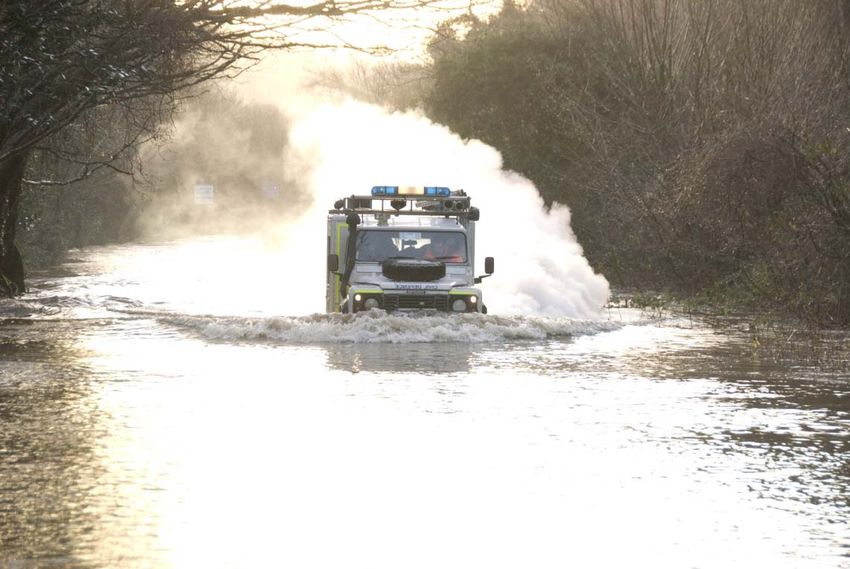
C
Coon
ntte
ennttss
Chhaapptteerr
C P Noo..
Paaggee N
1. Forewords 3-4
2. Introduction
Strategic Planning 5
Mission Statement
3. Organisational Structure, Board & Staff
Organisational Structure 6
The Board and Committees 7-8
Staff of the Board 9
4. Visions, Values,Strategic Goals and
Implementation
Vision and Values 10
Strategic Goals 11
Implementing the Plan and Monitoring 12
Progress
5. Strategic Objectives for the Period 2010 –
13 – 20
2013
6. Operational Environment 21-27
7. Resources 28-29
7. Review of the Civil Defence Boards 30-36
Strategic Plan to 2010
Appendices
The functions of the Civil Defence Board 37-38
Civil Defence Board & Committee members 39-41
Background to Civil Defence 42-47
48-51
Civil Defence Officers & Assistant CDOs
2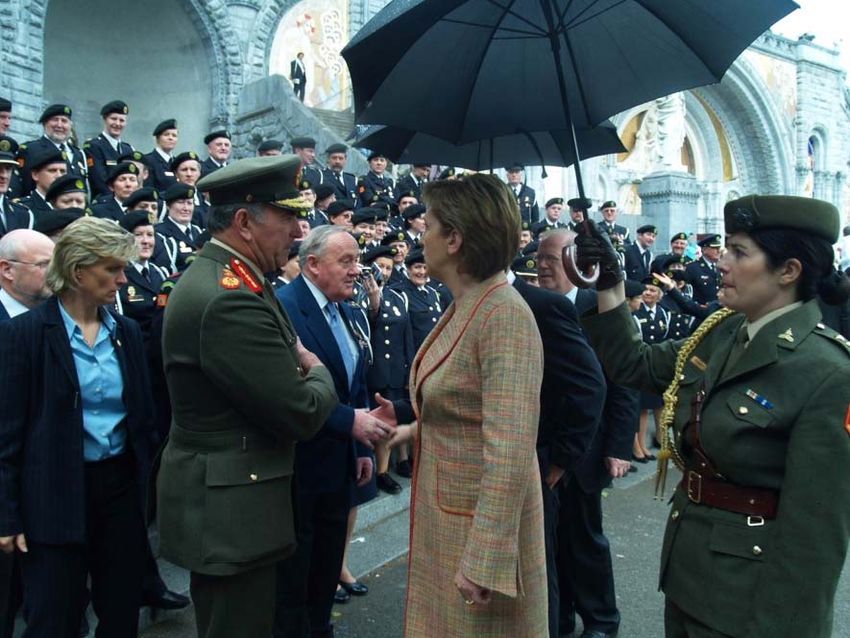
Chapter 1
                                          Forewords

                                  Foreword by Chairman

                                 As Chairman of the Civil Defence Board it is my great privilege to
                                 introduce the Board’s third Strategic Plan, which sets out the
                                 strategy for the Civil Defence Organisation for the period 2010 to
                                 2013. Back in 2003, the Board was established by Order of the
                                 Minister for Defence. The Order delegated responsibility for the
                                  management and development of the Civil Defence Organisation
at National Level to the Board and it has been a great pleasure to oversee the many positive
developments that have occurred since my appointment in 2005.

Introducing this Strategic Plan affords me an opportunity to extend the Board’s sincere gratitude to
the Minister, Secretary General and the staff of the Department of Defence for their co-operation,
which has been crucial in the recent development of the Civil Defence organisation.

I would also like to thank my colleagues on the Civil Defence Board and its Committees, the Local
Authorities, staff of the Board, Civil Defence Officers and all the volunteer members of Civil
Defence.

As Chairman, I look forward to working with all of you to ensure the successful implementation of
this Plan up to 2013. Working together we can bring about real and fundamental change which will
fulfil our vision for Civil Defence as a respected organisation with professionally trained and
effective members providing valued and appreciated support to our Communities and the
Emergency Services.

Mr. Joe Meagher
Chairman

                                                   3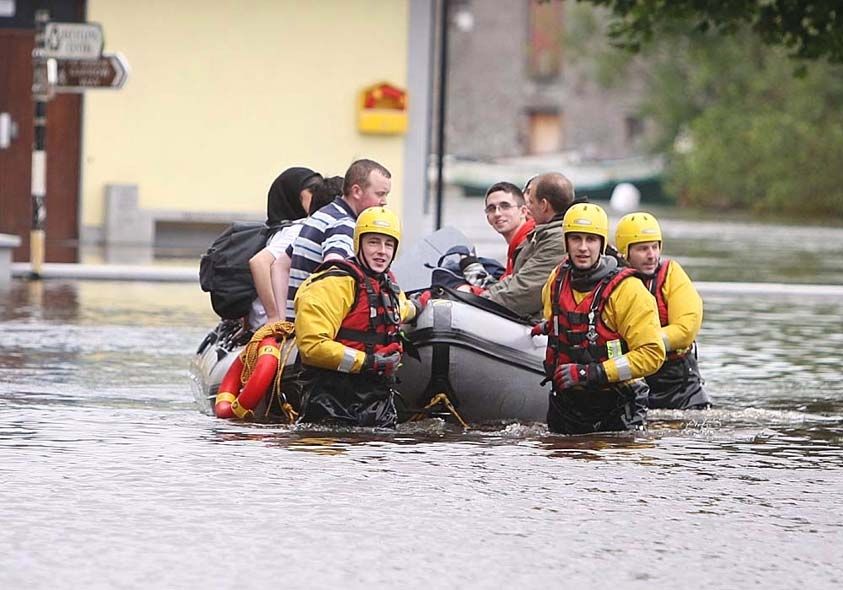
Foreword by the Director General

                         I am pleased to present the Statement of Strategy 2010 – 2013 for the Civil
                         Defence Board. This Plan sets out the Board’s objectives that will pave the
                         way for the development of the organisation over the next three years.
                         Outlining the Civil Defence organisations mission statement, operational
                         environment, resources and key objectives, the Plan ensures that Civil
                         Defence will continue to act as an effective professional voluntary service in
support of the frontline services, while also providing community support during times of crisis.

In late 2009 and early 2010, Civil Defence Volunteers provided exemplary assistance to
Communities and to the frontline services in many areas of the country during a particularly
prolonged period of severe weather conditions. The scale of those operations provided the wider
public with an opportunity to appreciate how a well trained, disciplined and equipped Civil Defence
organisation can respond in a major emergency. Of course Civil Defence provides similar supports,
on a smaller scale, to the frontline services in assisting communities to deal with emergencies at
local level all year round.   I would like to convey the Board’s appreciation to each and every
member for their dedication and service to Civil Defence.

In framing this Plan the Board was very much aware of the competing demands for funding for all
public services in the current economic climate. The Board was also aware of the value for money
that the efforts of Civil Defence Volunteers continues to provide to communities and to the State, as
ably demonstrated during major emergencies.

In that regard I would like to acknowledge the continuing support given to the resource
requirements of the Civil Defence Board by the Department of Defence. It is a priority for the Board
to maintain the good working relationship that has already being developed with the Department.

This Plan has been developed following a consultative process involving the various strands of the
Civil Defence organisation, including Staff, Volunteer Members, Civil Defence Officers and Local
Authorities and I would like to thank all concerned for their contributions. The successful
implementation of the Plan is dependent on the help and co-operation of all Civil Defence
stakeholders.

I look forward to a period of considerable development and progress during the lifetime of this Plan.

Bill Smith
Director General

                                                  4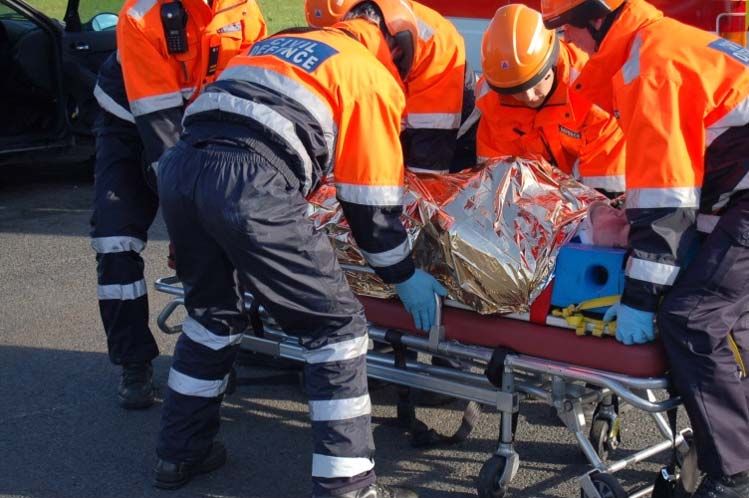
Chapter 2
                                      Introduction

                               Strategic Planning
A Strategy Statement is a forward looking document that serves as a framework for action by the
organisation. The Civil Defence Board is obliged under the Civil Defence Act, 2002 to submit a
Strategic Plan for Civil Defence every 3 years from the anniversary of the establishment of the
Board (May 7th, 2003) to the Minister for Defence for approval.

The Board recognises the importance of Strategic Planning as essential for the future development
and growth of the Civil Defence organisation. This Plan will act as a roadmap for our members and
stakeholders as to where the Civil Defence organisation sees itself in 2013.

                               Mission Statement

     “To promote, develop and maintain Civil
     Defence as an effective and professional
     volunteer based organisation providing
     emergency response and community
     support services”.

                                               5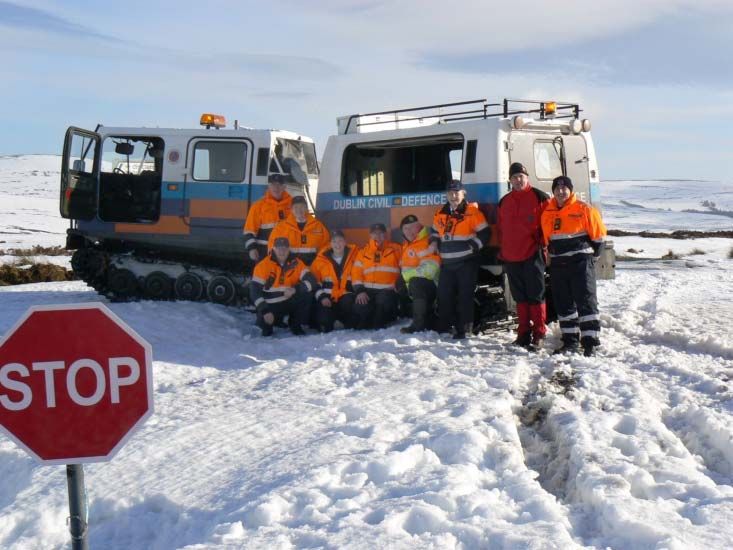
Chapter 3
                       Organisational Structure, Board and Staff

The Board is responsible for management of Civil Defence at national level. However Civil Defence
policy remains with the Minister for Defence, while the Secretary General remains the Accounting
Officer in respect of the Grant-in-Aid to the Board.

                       Fig 1. The Civil Defence organisational structure

                                                6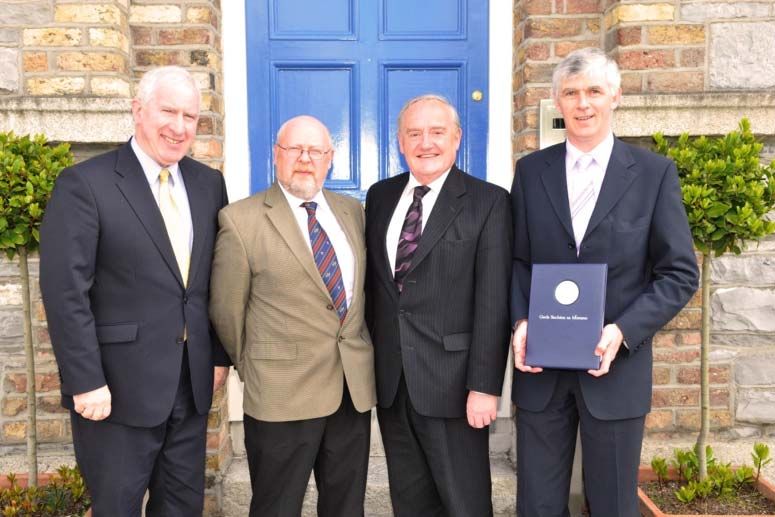
The Civil Defence Board
Back Row L-R: Jim Foley, Liam King, Oliver O’Loughlin, *Jim Guinane, Michael Sheehan, Bill
Smith, Noeleen Ryan, Ned Gleeson, John Fitzpatrick (secretary)
Front Row L-R: Celina Barrett, Kay Caball, Barbara Rafferty, Joe Meagher (Chair), Gabrielle
Willis, Valerie Doyle
Inserted: Jim Hickey
* Jim Guinane was replaced on the Board by Jim Hickey in October 2009.
The third Civil Defence Board was appointed by the Minister for Defence in the summer of 2008.
The Board is made up of fourteen members (including the Chairman) and is representative of the
major stakeholders in the wider civil protection community. The current Board’s term of office
expires in July 2011. The Members of the Board are appointed as follows:
Four persons who, in the opinion of the Minister for Defence, have experience in business,
industry, finance or administration relevant to the Board’s functions.
A Director General at Principal Officer level in the Civil Service.
A person nominated by the County & City Managers Association.
A person nominated by the Minister for the Environment, Heritage and Local Government
who, in the opinion of that Minister, has relevant experience or expertise relating to
emergency planning.
A person nominated by the Radiological Protection Institute of Ireland.
A person nominated by the Environmental Protection Agency.
A member of the Civil Defence Officers Association nominated by it.
An Officer of the Defence Forces nominated by the Chief of Staff of the Defence Forces.
A member of the Garda Síochána nominated by the Commissioner of the Garda Síochána.
A volunteer member of Civil Defence.
A member of the staff of the Board.
7
Committees of the Board
Section 28 of the Act obliges the Board to establish a number of Committees to assist and advise
the Board in relation to the performance of any of its functions. The three statutory Committees are
The Planning, Development and Recruitment Committee
The Education and Training Committee
The Health, Safety and Procurement Committee.
In addition to this the Board has established, in accordance with the Code of Practice for the
Governance of State Bodies, an Audit Committee.
The Committees continue to provide the Board with a wide range of expertise in the development of
Civil Defence and their deliberations and actions will have a major impact on the future of the
organisation. The Committees are tasked by the Board to make recommendations to the Board.
See Appendix 2 of this Plan for Board and Committee members.
Civil Defence members practicing First Aid Skills at the National Exercises in Drogheda, 2009.
8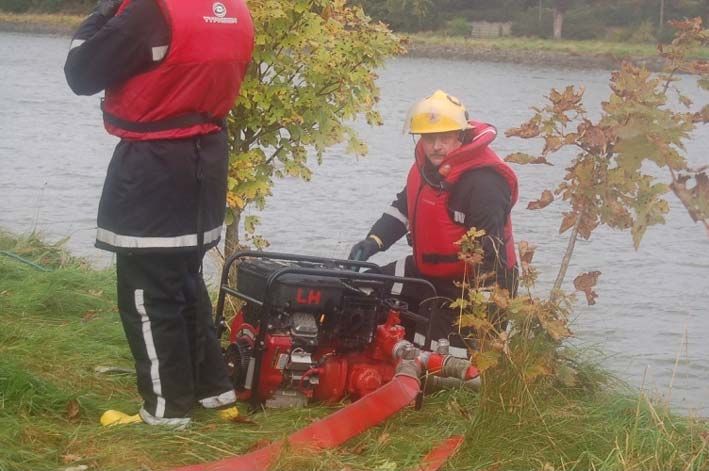
Executive Staff of the Board

                                                                           Director General
                                                                          Civil Defence Board

                    Assistant Principal             Assistant Principal              Technical Officer II            Acting/ Assistant Principal          Communications
                   Civil Defence Admin,               Civil Defence                                                       College Principal                  Officer
                  Finance, Procurement               Admin, Policy &
                           & HR                          Planning

                       2 x Higher                      2 x Higher                                                  2 x Higher Executive Officer/
                    Executive Officer                Exective Officer                                              Executive Officer Instructors

                      3 x Executive                     3 x Clerical                                                       1 x Executive
                         Officers                         Officer                                                             Officer

2 x Clerical        2 x Storeperson          1 x Service Officer                                             1 x Storeperson               3 x Clerical
  Officer         Operative - Benamore                                                                      Operative - Dublin               Officers

                                          Fig 2. Organisation Chart for the Board’s Executive

       Staff
       Grade                                                                                                                                       No.
       Director General                                                                                                                             1
       Assistant Principal                                                                                                                          2
       Acting Assistant Principal                                                                                                                   1
       Technical Officer                                                                                                                            1
       Communications Officer                                                                                                                       1
       Higher Executive Officer / Executive Officer Instructor                                                                                      2
       Higher Executive Officer                                                                                                                     4
       Executive Officer                                                                                                                            4
       Clerical Officer                                                                                                                             8
       Service Officer                                                                                                                              1
       Storeperson/Operative                                                                                                                        3
       Total                                                                                                                                       28

                                                                                    9
Chapter 4
Vision, Values and Strategic Goals
Our Vision
Creating:
A respected organisation with highly trained and effective members providing valued and
appreciated support to the emergency services and the community.
An organisation that is fully integrated into emergency planning arrangements at local,
regional and national level.
An organisation of international standing whose members are proud to serve the public on a
voluntary basis.
Our Values
Operating to the highest standards and focusing on results and value for money in delivery
of Civil Defence services.
Behaving with integrity and adhering to the highest ethical and professional standards in
accordance with the organisations National Code of Conduct.
Developing a partnership approach in our dealings with members, staff and clients in
promoting Civil Defence.
Ensuring the highest standards of training and expertise within a formally recognised
framework.
Recognising that Civil Defence is continuously evolving as an organisation to meet
present and future demands.
Preserving the voluntary ethos of the organisation.
Launch of Limerick
City Civil Defence Bike
Unit May 2009
10Our Strategic Goals
The functions of the Board can, in so far as is possible, be broadly encompassed in the following
Strategic Goals:
Strategic Goals Objectives
To promote and support the development at national level of Civil Defence Refer to Objective 5
1 planning and management and, in co-operation with Local Authorities, to in Chapter 5.
facilitate the implementation of Civil Defence measures for the purposes of
emergency relief and support.
To promote the role and profile of Civil Defence as an effective voluntary Refer to Objective 1
2 service in providing services, in support of the emergency services, to the in Chapter 5
local community and to develop programmes designed to enhance those
services.
To use all of the resources available to the Board to promote the Refer to Objectives
recruitment and retention of Civil Defence members and to maximise their 1, 4 and 6 in
3 potential for development within the organisation. Chapter 5.
To advise the Minister for Defence on policy issues relating to Civil Refer to all
Defence matters and to propose initiatives in that regard. Objective in
4 Chapter 5.
To optimise Civil Defence inputs into Major Emergency Management at Refer to Objective 5
5 National, Regional and Local Authority level and to maximise Civil Defence in Chapter 5.
involvement in national emergency planning and delivery in co-operation
with all of the relevant Departments, bodies and agencies.
To ensure best practice in the development and implementation of Civil Refer to Objectives
6 Defence training programmes and to provide the necessary infrastructure 1, 2 and 3 in
for that purpose. Chapter 5.
The Board’s overall focus for the period 2010 to 2013 will be to meet the requirements of Civil
Defence and those of our stakeholders in positioning the organisation for the future to allow it
realise it’s maximum development potential.
Our Strategic Objectives
The Board’s Objectives are listed below and are explained in greater detail in Chapter 5.
Strategic Objectives
1 Training and Development
2 Civil Defence within the Local Authority
3 Infrastructure
4 Recruitment
5 Role of Civil Defence in Emergency Preparedness and Management
6 Finance and Human Resources
11Implementing the Plan and Monitoring Progress
The four Committees of the Board will assist and advise the Board in relation to the implementation
of the Plan. The Civil Defence Board tasked the Planning, Development and Recruitment
Committee with preparing the Strategic Plan. It is envisaged that this Committee will continue to
ensure that the Strategic Plan is fully implemented and advise the Board of its future Strategic
direction.
The Board monitors the implementation of its Strategic Plan on a quarterly basis and formally
reports on progress in Annual Reports.
National Exercises 2009 – Louth (Drogheda)
12Chapter 5
Strategic Objectives for the Period 2010 - 2013
1. Training and Development
Objective Actions Performance Indicators
To provide The College staff in conjunction with Training Needs Analysis is
appropriate training the Training & Education Committee produced to reflect regional
and ensure that will undertake and review on an Risk Assessment.
adequate trained annual basis a Training Needs Annual College Training
instructors are Analysis. Programme be produced in
available. Utilise the existing expertise within the accordance with the
organisation. Training Needs Analysis.
Analyze of Training needs on a Instructor led support
regional basis based on Risk groups set up for all
Assessments. services.
Training conducted in
accordance with College
Training Programme.
To identify new College Staff in conjunction with the College Programme
courses to meet the Training and Education Committee, delivered in conjunction
changing needs of will identify, develop, provide and with local training
the organisation. validate training courses for requirements.
instructors and others in the College to conduct ongoing
organisation. training needs analysis.
The College staff will engage with the
Civil Defence Instructors to develop
new courses in accordance with
Training Needs Analysis.
To ensure all Conduct training audits on an annual Result of training audits
training is in line basis. illustrates that best practice
with best practice. is achieved.
All courses identified in
Training Needs Analysis
will be accredited.
All courses will comply with
Health & Safety Standards.
132. Civil Defence within the Local Authority
Objective Actions Performance Indicators
The Civil Defence Board to Review of local Authority Civil Adequate resources
support the Local Defence Plans in accordance with provided in terms of
Authorities in the delivery of section 31 of Civil Defence Act training and
their development plans as 2002. equipment.
they relate to Civil Defence Ongoing consultation with Local Improved integration
in view of the changing Authority officials. of Civil Defence in
climatic and financial Monitor Local Authority Civil Local Authority
environment. Defence activities and Exercises in response and
view of changing environmental deployment.
conditions.
To assist Local Authorities Promote greater awareness of Civil Inter-Agency
in the promotion of Civil Defence within the Local Authority. Exercises conducted.
Defence as a community
resilience service. Promotional material
provided to Local
Authorities for this
purpose.
Civil Defence Operations on the Sally Gap during “Big Freeze” of Jan/Feb 2010
143. Infrastructure
Objective Actions Performance Indicators
To improve Engage with stakeholders at National and Improvement of
facilities to a Local Authority level in relation to the accommodation facilities at
defined standard necessary upgrade of facilities and Local Authority level.
across the equipment.
organisation.
To continue Improve national communications Civil Defence National
development of infrastructure as necessary. Emergency Comms Centre
Civil Defence by Q3 2010.
Communications Upgrade equipment to meet the evolving Annual Communications
systems and needs of the organisation. equipment replacement
facilities. programme implemented.
To enhance Progress the development of new Range completed and
training Training Range at Civil Defence operational by 2013.
infrastructure at Headquarters, Roscrea.
National level.
Secure upper floor of National Upper floor operational as a
Headquarters, Roscrea, for use as an Training centre by
additional indoor Training area. Q4 2012.
To complete New access route acquired. New access route in
development of operation.
Phoenix Centre.
Civil Defence Exercise - Clare
154. Recruitment
Objective Actions Performance Indicators
To consolidate and Promote Civil Defence as the primary Civil Defence
increase voluntary support agency to front-line incorporated into Local
membership of the Emergency Services. Authority Emergency
organisation Planning.
Support Local Authority recruitment Increase in active
strategies. membership.
Ascertain the skill sets to match the Retain 80% of
current needs analysis. Retrain members as per
volunteers to assist in retaining them Volunteer register.
in the organisation.
Engage with media to raise profile of Increase in level of
the organisation. media coverage.
Assist Local Authorities in developing All Local Authorities
To maintain a and maintaining a Civil Defence utilising Register of Civil
register of Civil members register. Defence Members by
Defence members Q4 2010.
National Exercises 2009 – Louth (Drogheda)
165. Role of Civil Defence in Emergency Preparedness and
Management
Objective Actions Performance Indicators
The Civil Defence Develop and agree, via the National Civil Defence roles
Board to support the Working and National Steering groups, identified and agreed in
ongoing implementation links with the Principal Response final protocols.
of the Major Emergency Agencies in the support roles and
Management. functions that Civil Defence will be called
to provide in a major emergency situation,
via multi agency protocols.
Developing co-ordination mechanisms as
necessary to ensure that support roles
are delivered.
The Civil Defence Establish links with the Regional Steering Links agreed between
Board to support and Groups in conjunction with Local Authority Local Authorities and
progress regional representation. Regional Steering Groups
major emergency to include Civil Defence.
management through Participate in Regional level interagency Active and regular
the Local Authorities in Training and Exercises. participation in Inter-Agency
co-operation with the Training and Exercises.
eight Regional Steering
Groups.
To ensure Civil Support Civil Defence through liaison with Civil Defence inclusion in
Defence services are Local Authority Emergency Planning Local Authority Emergency
included in Local process. Plans.
Authority Major Liaison with City and County Managers Civil Defence involvement
Emergency Plan. Association in relation to the inclusion of in Major Emergency
Civil Defence in Local Authority Management Exercises and
Emergency Plans. Operations.
Strengthen contact with key stakeholders Inter-Agency Exercises
To promote in statutory bodies and other voluntary conducted on a regular
development of close organisations. basis.
working relationships
with statutory bodies
and other voluntary
organisations.
Visit of President McAleese to
Leitrim & Roscommon Civil
Defence Volunteers in
recognition of Civil Defence
Operations During Adverse
Weather Crises of 2009 & 2010
176. Finance and Human Resources
6(a). Finance and Procurement
Objective Actions Performance Indicators
Sufficient financial Reach agreement with Department of Sufficient funding secured.
resources are made Defence to secure sufficient funding.
available.
Ensure the effective Further integration with the Department of Ongoing monthly and on-
use of financial Defence Electronic Business Suite (EBS) demand expenditure and
resources through the to improve the quality and availability of commitment reporting by
delivery of value-for- information available to area.
money, efficiency and management/stakeholders.
effectiveness in all Monthly reviews
expenditure. Reassess the proposed system of issuing undertaken.
grant payments to Local Authorities.
Review the proposed
Agree strategy with the Department of mechanism for calculating
Defence (DoD) for the transfer of certain Local Authority grants in
administrative responsibilities and light of the rollout of the
budgets from the Department. Volunteer Register with a
view to implementation in
Appropriate training provided for 2012.
procurement staff in public procurement
systems. Agreement reached on
transfer of responsibilities
and budgets for certain
administrative costs.
Support the Secretary- In conjunction with the Audit Committee of Implementation of the
General in his role as the Board, comply with the requirements Comptroller and Auditor
Accounting Officer by of the Comptroller and Auditor General General’s and the Revised
ensuring that a robust and the Revised Code of Practice for the Code of Practice for the
system of internal Governance of State Bodies. Governance of State
financial controls is in Bodies recommendations
place. and best practice.
(Ongoing)
Comply with the National and EU All procurements in
Procurement Guidelines and prompt accordance with guidelines.
payment legislation. (Ongoing). All payments
authorised in line with
target timeframes.
(Ongoing)
18 Developing a more strategic approach to Procurement Plan
procurement by reviewing annual (including multi annual,
expenditure priorities and programmes where appropriate) in place
with stakeholders and preparing a multi- by Q1 2011.
year procurement strategy where
appropriate, taking account of these
priorities and available resources.
To standardise the Update and develop the current Civil Compliance with the
wearing of Civil Defence Dress Code. revised dress code across
Defence Uniforms Develop a procurement strategy to the organisation by 2013.
across the organisation. support the revised dress code.
National Exercise 2008 Leitrim/Longford (Carrick - on - Shannon)
196 (b) Human Resources and Office Management
Objective Actions Performance Indicators
Implement Human Ensure compliance with all legislative Completion of risk
Resource Management requirements in relation to office assessment for all areas of
in accordance with management including Health & Safety Civil Defence HQ and
Public Service best risk management. implementation of a Safety
practice. Management System.
Continue to implement PMDS. Effective ongoing
application of the PMDS.
Prioritise training and development needs Staff trained in line with
as identified through PMDS. priorities identified on
PMDS individual training
and development plans.
(Ongoing)
Implementation of family friendly policies Staff availing of flexible
in line with Government policy. working arrangements.
(Ongoing)
Ensure efficient Assess the evolving resource Office operating efficiently
development, operation requirements of the organisation in and effectively.
and maintenance of consultation with the Department. Use of IT optimised.
Civil Defence Procedures documented.
Headquarters.
Business processes
reviewed for efficiency and
effectiveness.
To provide a very high Develop and Implement a Customer Customer Charter and
level of quality Charter and a Customer Service Action Customer Service Action
customer service which Plan. Plan in place.
takes account of
changing needs and
expectations. Utilise the internet and other Information Improved Communications
Communications Technologies (ICT) to with stakeholders.
improve delivery of services.
Ensure co-operation and communications Further development of
with Local Authorities. registered sections of the
website for communication
purposes.
Ensure compliance with the requirements Fit for purpose Health and
To promote the Health
of the Health and Safety legislation. Safety Statement and
and Safety of staff and
volunteers. relevant procedures for
Civil Defence HQ and
Phoenix Park.
Provide guidance to local authorities to
support the production of Civil Defence Guidance and training
sub plan which dovetails with the overall provided to Civil Defence
Local Authority corporate Health and Officers.
Safety Statement.
20Chapter 6
Operational Environment
Environmental Analysis
Department of Defence
Responsibility to the Oireachtas in relation to Civil Defence remains with the Minister for Defence
including the allocation of financial resources, by way of a grant-in-aid from the Minister to the
Board out of monies provided by the Oireachtas. Accountability to Dáil Éireann for expenditure on
Civil Defence rests with the Secretary General of the Department of Defence, as Accounting Officer
under the Civil Defence Act 2002.
The Board has developed a strong, positive, working relationship with the Department and the
Minister for Defence and looks forward to continuing and strengthening this partnership in the
future. Such a relationship allows for the maximum benefit to accrue to the Board in terms of inputs
into Civil Defence policy and resource allocation in the implementation of the Board’s development
plans for Civil Defence.
Governance and Accountability
The Board ensures compliance with the highest standards of openness and accountability.
Furthermore the Board recognises that it must ensure that the best possible use is made of the
Grant-in Aid from the Department of Defence.
The Board is obliged to present an Annual Report to the Minister for Defence on its activities during
the preceding year.
Copies of the accounts of the Board, in compliance with section 23 of the Civil Defence Act, are
required to be submitted to the Comptroller and Auditor General (C & AG) for audit. Once approved
the accounts are laid before each House of the Oireachtas. The Secretary General of the
Department of Defence, in the role of Accounting Officer of the Civil Defence Board, may be asked
to appear before the Public Accounts Committee to deal with any issues raised by the C & AG.
In conducting its business, the Board is committed to observing and implementing, where
applicable, the ‘Revised Code of Practice for the Governance of State Bodies’ issued by the
Minister for Finance in June 2009. The Board is aware of its responsibility to ensure that all its
activities are governed by the Code and will strive to employ best practice in corporate governance.
The Board is cognisant of its obligations under current Equality legislation.
The Civil Defence Board is a public body for the purposes of the Ethics in Public Office Acts 1995
and 2001.
21Local Authorities
As mentioned earlier Civil Defence operates under legislation that includes not only the Civil
Defence Acts 1939-2002 but also the Local Government Acts 1941 – 2001. All Civil Defence
services are delivered at local level through the Civil Defence Officer (CDO) of the relevant local
authority for that area. The CDO is a full time employee of the local authority and is responsible for
the day-to-day management of Civil Defence matters under the overall direction of the relevant local
authority structure.
Local Authorities also take a leading role in the development and implementation of major
emergency management within their functional areas as well as at national and regional level.
Day to day funding of Civil Defence operations and training costs are discharged by a grant-in-aid
from the Board to each local authority for 70% of approved expenditure with the local authority
funding the balance.
The Civil Defence Board will continue to utilise all external and internal resources to develop
effective working relationships with Local Authorities.
Under Section 31 of the Civil Defence Act 2002 local authorities are required to submit to the Board
a Civil Defence plan for their own functional areas, having regard to such factors as recruitment,
education, training, the efficient use of resources and related issues.
Major Emergency Management Framework (MEMF)
Following International trends, the Government engaged in a review and development of major
emergency and civil protection arrangements. From this review the Government decided to
implement a new “Framework for Major Emergency Management” in 2006 via a Major Emergency
Development Programme 2006 - 2008.
The MEM recognises Civil Defence as a major national organisation that can provide a very
important resource in support of the principal response agencies. It is stated in the framework that
Local Authority Major Emergency Plans should include details of Civil Defence resources and that
Civil Defence should be included as part of the Local Authority Major Emergency Mobilisation
Procedures. In addition to this the MEM places an onus on principal response agencies to include
Civil Defence services in their individual Major Emergency response plans.
Roles for Civil Defence have been redefined in accordance with the MEMF. Co-ordination
mechanisms developed as necessary to ensure that support roles under the MEMF are delivered –
Liaison agreements have been signed with An Garda Siochána and Irish Coastguard. A Policy for
the Community Volunteer under the MEM has been approved by the Civil Defence Board.
See Strategy (5) for detailed implementation.
Other Statutory Agencies/Government Departments
Civil Defence has a defined role under the National Emergency Plan for Nuclear Accidents co-
ordinated by the Department of the Environment, Heritage and Local Government in consultation
with other relevant Departments and agencies. It is our intention as a Board to undertake a review
of the role and functions of Civil Defence in relation to its nuclear radiation monitoring responsibility
and the organisation and training of the Warden Service to meet this responsibility.
22The organisation also has roles working in support of other statutory agencies, and in addition all of
the lead Departments involved in emergency planning includes a role for Civil Defence in
formulating their emergency plans. The context envisaged, however, would normally relate to the
traditional roles for Civil Defence in supporting responses to conventional, chemical, biological,
radiological and nuclear incidents. Civil Defence was extensively involved in supporting the
Department of Agriculture and Food in a variety of roles to combat the spread of Foot & Mouth
disease throughout the country. More recently, Civil Defence has agreed protocols with the
Department of Agriculture and Food in countering a possible Avian Influenza outbreak. Protocols
will be developed with the Health Services Executive with regard to possible pandemics of influenza
or other similar diseases.
It is the intention of the Board to continue, especially in the context of the Major Emergency
Management, to formalise the relationships of Civil Defence with Departments and agencies
working in the area of emergency planning, so as to improve the clarity surrounding the role of Civil
Defence and to aid more effective planning. Liaison Agreements have been signed with An Garda
Siochána and the Irish Coastguard.
Local Voluntary Agencies/Rescue Services
The Board will continue to support and encourage Civil Defence Units in forming positive working
relationships with local voluntary agencies and rescue services. The Board will strengthen contacts
with key stakeholders in other voluntary organisations particularly within the context of the Major
Emergency Framework.
General Public
Civil Defence has traditionally been viewed by the public as an organisation to be called out to
assist in times of emergency, in supporting efforts to deal with the effects of nuclear/chemical
attacks and with major emergencies.
The community focus in recent years has given the public a much broader view of the purpose and
merits of Civil Defence and this has greatly enhanced the general profile of the organisation. In
recent years Civil Defence has been involved in a number of activities, both at national and local
levels such as:
Supporting efforts to combat the effects of flooding, freezing temperatures and snowfall.
Involvement in major coastal and inland searches.
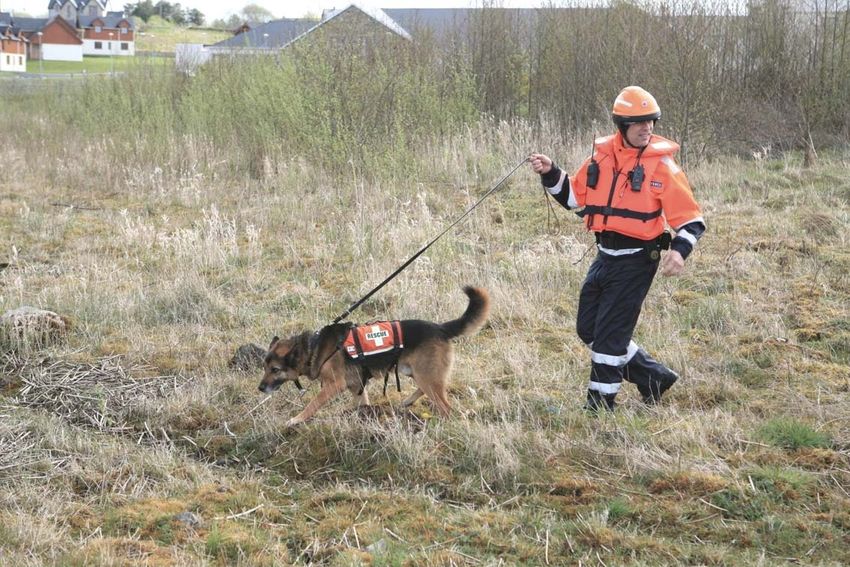
Supporting Gardaí and others in search and recovery missions.
Engaging in joint exercises with other emergency services such as the Irish Coastguard,
the RNLI, the Aer Corps and the Gardaí.
A high level of involvement at both national and local levels in supporting major sporting
events.
Supporting efforts nationwide to combat the spread of infectious animal diseases in support
of the Department of Agriculture and Food.
Caring for displaced persons.
Supporting the efforts of local authorities in dealing with all types of emergencies within
their areas;
Supporting the front line ambulance service during environmental and other emergencies.
23 Providing stewarding/first-aid cover and other supports at major public and community
events.
Creating greater Public awareness of Civil Defence through Public Relations, Media and
Recruitment plans.
Involvement in the above activities has raised the profile of the Civil Defence organisation and its
services in the minds of the General Public.
Dublin City Volunteers with All Terrain Haggelund Vehicle Jan 2010
2008 National Exercises Leitrim/Longford (Carrick - on - Shannon)
24Organisational Analysis
Strengths Challenges
Multi Skilled Professional Volunteer based Raising the profile of Civil Defence in the
organisation. local and national media.
Long established organisation within each Local Introduction of a new Procurement
Authority area. Strategy for the upgrading of vehicles and
equipment.
Wide range of services provided to the Community.
Availability of critical resources i.e.
People orientated community based organisation. necessary funding and staff provided.
State of the Art Training facilities established at the National Economic Climate.
Civil Defence Headquarters, Roscrea, Co. Tipperary
and at Phoenix Training Centre, Phoenix Park. Provision of suitably qualified
Trainers/Instructors nationally.
Positive public perception of the Civil Defence
organisation throughout the country. Significant Compliance with PHECC Training &
levels of positive National media coverage received in Education standards.
recent times.
Adoption of new Standard Operating
Civil Defence managed at National level by a Board Procedures and Guidelines.
comprising of major stakeholders in the Civil
Protection community. Complying with Health and Safety
legislation.
Organisation possesses a wide range of modern
vehicles and equipment for delivery of various Sufficient core of Instructor volunteers to
services to the Community. meet the requirements of the Training
needs analysis.
Modern Radio Communications infrastructure
established. Upgrade of Local Authority Civil Defence
Accomodation.
Diverse range of training available to volunteers
which can help in the development of career
opportunities.
Organisation has developed excellent working
relationships with other agencies such as An Garda
Siochana, Ambulance service, Coast Guard and Local
Authorities.
Civil Defence is a Statutory Organisation whose
membership is comprised of considerable numbers of
highly trained volunteers.
Approved Training Institution by the Pre Hospital
Emergency Care Council, the Irish Heart Foundation
and the Occupational First Aid
Assessment Agent.
Regional and National Response Capability.
25Future Environment
The future environment in which Civil Defence will operate also encompasses factors such as:
The implementation of the Major Emergency Management Framework.
Greater emphasis on responding to severe weather conditions.
A more diverse and multi cultural population in Ireland.
New challenges for assisting with the protection of the civilian population from threats such
as environmental disasters and global terrorism.
Challenges facing all voluntary organisations in recruiting and retaining members.
The ongoing challenge in keeping up with developments in Health and Safety legislation
and associated protection measures.
Challenges from possible outbreaks of contagious diseases such as Swine/Avian Influenza.
Delivering the highest level of service to our customers, both internal and external, in
accordance with the Boards Customer Service Action Plan.
Stakeholders
Wicklow Civil Defence operations during severe weather conditions in January 2010
26Stakeholders identified in the Civil Defence Act and at Central and Local
Government level.
The Minister for Defence Department of Health and Children
Department of Defence Health Services Executive
o Secretary General o Pre-Hospital Emergency Care
o Link to Emergency Response Council (PHECC)
Co-ordinating Committee
o Office of Emergency Planning Department of Communications,
o Military Authorities Energy and Natural Resources
o Partnership for Peace
Department of Education & Skills
Civil Defence Board
o National/International
Committees of the Board Education/Training Bodies
Staff of the Board Department of Agriculture, Fisheries &
Food
Local Authorities o Emergency Plans
o Management and Elected
Members Department of Justice, and Law
o Civil Defence Officers Reform
o Garda Headquarters
Civil Defence members
Health and Safety Authority
Department of the Environment,
Heritage and Local Government Department of Foreign Affairs
o Environmental Protection o International Relief Efforts
Agency (EPA)
o Radiological Protection Institute Department of Transport
of Ireland (RPII) o Irish Coastguard
o National Directorate for Fire and
Emergency Management. Other Government Departments
European Union’s Community Civil
Protection Mechanism (CCPM)
Other Stakeholders
Local Stakeholders: Voluntary emergency care organisations:
Volunteers Family and Friends The Irish Red Cross
Local Community The Order of Malta
Irish Sailing Association
Employers
St. John’s Ambulance
Event Organisers Irish Mountain and Cave Rescue
Garda Divisions Association
Local Media Royal National Lifeboat Institution
Sports Bodies
Qualification Stakeholders
Higher Education and Training Awards Council (HETAC)
Further Education and Training Awards Council (FETAC)
Pre Hospital Emergency Care Council (PHECC)
Irish Heart Foundation (IHF)
27Chapter 7
Resources
Volunteers
The strength of the Civil Defence organisation lies with all of those volunteer members past and
present who have willingly and freely given of their time and expertise in supporting the
organisation. A Volunteer member is elected to the Civil Defence Board in accordance with the Civil
Defence Act, 2002.
Civil Defence Volunteers train in a professional multi-functional way for a situation which may call
for the application of a range of skills such as those that might be required in a major emergency
situation.
As required by the Civil Defence Act 2002, a register of Volunteer members was developed and
introduced in 2010.
Executive Staff
The Board has a current complement of 28 Executive staff providing expertise to the Board in
developing and implementing development plans, ongoing administration and scheduling and
delivering training.
Local Authorities
Each Local Authority is responsible for delivering Civil Defence services at a local level through the
Civil Defence Officer, a full time employee of the authority. This process is facilitated by each Local
Authority, within its resources, through the provision of the necessary infrastructure such as office
premises, meeting/training centres and facilities for storing vehicles and equipment. The Board
grant aids up to 70% of approved non-capital expenditure incurred, subject to a grant limit, while the
Local Authority funds the remainder. Items of equipment such as vehicles and boats are purchased
centrally and are normally funded at 100% by the Board and loaned to Local Authorities for Civil
Defence purposes.
The Civil Defence Officer is involved in planning, organising and recruiting for Civil Defence and
provides the essential link between the volunteer, community, local authority, the Executive and the
Board.
Finance
The Board receives funding by means of a Grant-in-Aid from the Department of Defence. Over 50%
of the Boards expenditure is directly allocated for grant aid expenditure to local authorities for local
Civil Defence operations and services. The remaining budget is spent on central training,
procurement of essential vehicles, protective equipment, insurance and administration costs.
The Department of Defence covers certain administrative costs and provides services including IT
systems, facilities for payment of salaries and creditors and general financial accounts supports.
28Infrastructure
The existing national infrastructure available to the Board is based at a state of the art Civil Defence
Headquarters and Training facility at Benamore, Roscrea, Co. Tipperary and broadly comprises:
Purpose built office premises
Lecture theatre, syndicate rooms and associated training aids and equipment.
Communications facilities.
Central stores building and associated facilities.
The Civil Defence Phoenix Training Centre, which incorporates a new training and accommodation
building and newly refurbished training range, is available to Civil Defence units for residential
training.
The facility comprises:
Sleeping accommodation
Fully equipped kitchen, dining and recreational lounge areas
Toilet and shower facilities
Two lecture rooms with A/V capability
Some of the buildings on the training range have also been refurbished to provide improved outdoor
training facilities.
Section of redeveloped Training Range at Phoenix Training Centre – Phoenix Park
29Chapter 8
Review of the Civil Defence Board’s Strategic Plan 2007-2010
Over the last three years a wide and varied list of projects have been initiated by the Civil Defence
Board in order to progress Civil Defence as the professional organisation it is today.
Achievements presented in this chapter are a tribute to the dedication, determination and efficiency
of Civil Defence members in assisting to bring these outcomes to fruition. Underneath is listed the
key achievements of the Civil Defence Board during the lifetime of the second plan and progress
made in relation to the Board’s objectives.
Key Achievements
Refurbishment of Civil Defence Training Centre (re-named Phoenix Training Centre) and
construction of new Accommodation Centre, Phoenix Park, Dublin.
The College has been accepted as a training institution by PHECC. Casualty Service
Instructors are now recognised by both PHECC and the OFAAA and are entitled to conduct
courses at EFR and OFA level.
FETAC approved the quality assurance procedures submitted by the Civil Defence College.
The College is now eligible to register with FETAC as a training provider, offering
programmes leading to FETAC awards.
A customer survey was carried out to assess the needs of the users and potential users of
the Civil Defence website. A revamped website in terms of content and layout was
launched in October 2008.
Promotional material was distributed to each local Authority to create a greater awareness
of the Civil Defence organisation and to assist in the recruitment of new members.
Media Training provided to Board members, senior members of the Executive, Civil
Defence Officers and selected senior Volunteers.
Profile of the organisation was raised as a result of positive national and local print and
visual media coverage of Civil Defence support to local communities as part of relief efforts
during adverse weather conditions and assistance in the search and rescue/recovery of
missing persons.
The third Civil Defence Board was appointed for the period July 2008 to July 2011.
Volunteer Register and Training and Operations Database was developed. The database
went live in February 2010.
Civil Defence Garda Vetting and Child Protection Policies were introduced.
Liaison Agreements were signed with An Garda Siochána and Irish Coastguard.
Provided financial and administrative support for the 2007 - 2009 Civil Defence National
Exercises which took place in Wicklow (2007), Cork City and Leitrim (2008) and Cork North
and Louth (2009).
Health & Safety Review of the organisation was carried out. Standard Operating
Guidelines and Safety Management System were tailored to Civil Defence activities.
30 Working relationship developed with Irish Red Cross to progress co-operation on the
approach to meeting revised statutory requirements for the Casualty Service.
Prepared a media policy in order that Civil Defence can engage with various media
organisations in a professional and informative manner.
Civil Defence College recognised as a Heartsafe Workplace - Presentation made to College
by Irish Heart Foundation in December 2008.
Continued training of Volunteer Instructors nominated by Local Authorities. Once qualified
these instructors conduct training classes primarily within their own Local Authority. The
Civil Defence College is affiliated to the Irish Heart Foundation - over 100 Casualty
Instructors have successfully qualified as IHF/BLS Instructors. As part of a review of the
Rescue Service 45 Volunteers have been trained to Rope Rescue Instructor level.
Garda Commissioner Fachtna Murphy, Director General Bill Smith, Chairman Joe Meagher &
Det. Supt. Liam King at the signing of Liaison Agreement between Civil Defence and An Garda
Síochána May 2009
31Review of the Board’s Strategic Plan to 2007 - 2010
Under Section 30 of the Civil Defence Act 2002, the Board is obliged to carry out a review of the efficiency and
effectiveness of the Strategic Plan to 2007 - 2010.
Objectives Results
1. (a) Participation in Major Emergency
Development Programme (2006 –2008) at National
Level
Develop and agree, via the National Working and Civil Defence Roles as outlined in MEMF.
National Steering groups, links with the principal
response agencies in the support roles and functions
that Civil Defence will be called to provide in a major
emergency situation, via multi agency protocols.
Develop co-ordination mechanisms as necessary to Irish Coast Guard Liaison Agreement was signed on
ensure that support roles are delivered. 12/12/08.
An Garda Síochána Liaison Agreement was signed on
26/05/09.
MOU’s being developed with the RPII and HSE.
Bi-lateral liaison with Office of Emergency Planning took
place in September 2009.
1. (b) Participation in Regional Response
Preparedness
Establish links with the Regional Steering Groups in Ongoing involvement with Voluntary Ambulance
conjunction with Local Authority representation. Services Forum in both Strategic and Operational levels.
Prioritise procurement of equipment to achieve Equipment procurement and distribution tailored to
economies of scales in response to regional needs. regional needs.
Participate in Regional level interagency Training and Interaction with Regional Exercise Programmes as
Exercises. developed under MEMF.
1. (c) Local Civil Defence Response as part of
the Local Authority Major Emergency Plan
Continue to review the effectiveness of Casualty, Civil Defence Training Courses developed taking into
Welfare, Warden, Rescue, Communications and AFS account MEF requirements.
services.
Develop / Review Standard Operating Procedures Completed.
(SOP’s) for Civil Defence services.
Examine ways in which Casual Volunteers may be Protocols drawn up and approved by the Civil Defence
utilised as part of a response to major emergencies. Board as a work in progress document.
32Objectives Results
2. Organisation Infrastructure
Negotiate with stakeholders in relation to the Capital Grant submission made to the Department of
necessary upgrade of facilities and equipment. Defence in late 2007. Proposal awaiting more favourable
economic conditions.
Improve national, Radio communications New tower and facilities completed for Phoenix Training
infrastructure as necessary. centre, Civil Defence registered Authorised User NMDS –
TETRA Radio system for Emergencies Services.
Provide necessary communications infrastructure to Communication tower completed. System testing ongoing.
enable headquarters in Roscrea, Co. Tipperary to
operate as the Civil Defence National Emergency
Control Centre.
Upgrade equipment to meet the evolving needs of Identification of procurement priorities completed annually.
the organisation.
Prepare outline of client brief for development of Outline specification agreed by Board at February 2009
new Training range on site at Benamore, Roscrea, Board meeting and forwarded to Department of Defence
for submission to Department of Defence/ Office of (DOD). Outcome of consultations between DOD and OPW
Public Works. awaited in a more favourable economic climate.
Refurbishment of the Civil Defence Training Range Civil Defence Phoenix Training Centre building completed
at Ratra House, Dublin. and handed over. Refurbishment of range buildings
ongoing.
Secure upper floor of National Headquarters, Submission made to Department of Defence in 2007. Being
Benamore for use as additional indoor training area. pursued by the Board with OPW through DOD for when
suitable funding can be made available.
Standardisation of Accommodation at Local Capital Grant submission with Department of Defence since
Authority level. late 2007. Proposal awaiting more favourable economic
conditions.
3.Training
Devise, provide and validate training courses for Training being delivered as per published College Program.
instructors and other relevant people in the
organisation.
Ensure continuity of training providers from within Civil Defence Volunteer Instructors assisting College staff in
the public service. delivery of training courses.
Utilise the existing expertise within the volunteer Panel of active Civil Defence Volunteer Instructors with
group to assist with the delivery and development of appropriate experience assisting with training at the Civil
training. Defence College, specifically in the Casualty area. This was
expanded to Communications: Instructor Courses held in
2009.
Continue to strive for accreditation for course and OFA Instructors Course to be submitted to FETAC – 1st Q
training with relevant bodies, Further Education 2010 “Train the Trainer” Course 3rd Q 2010.
Training Awards Council (FETAC).
33Objectives Results
Pre-Hospital Emergency Care Council (PHECC) Course submitted to PHECC – awaiting confirmation.
recognition of EMT courses.
Benchmark all training delivered against best Courses delivered – involved National and International
international practice. standards.
Revised and consolidated Standard Operating Boating Standard Operating Guidelines issued in September
Guidelines for Boating practices. 2008.
4. Recruitment
Develop a Recruitment Strategy. PR packs including new PR Posters issued to Local
Authorities. A Recruitment Needs Analysis completed in
2009. Recruitment drives to be tailored to each LA
requirements.
Market Civil Defence capability so as to maximise Civil Defence website upgraded and is regularly updated.
public awareness of Civil Defence as a multi-
disciplined national emergency response agency.
Encourage Local Authorities in being more proactive Issued promotional posters and leaflets to all Local
in developing Civil Defence in each Local Authority Authorities.
area.
Enhance the profile of the Civil Defence organisation Media Training delivered to CDOs and Headquarter staff
through improved media relations. and senior volunteers in 2008. Website reviewed and
upgraded.
Assist Local Authorities in developing and Volunteer Register Database was rolled out in February
maintaining a Civil Defence members register. 2010.
5(a) Finance, Procurement, Office Management
and Human Resources
Deliver better value-for-money by: Improved monthly expenditure and commitment reporting
Leveraging the Management Information developed Q4 2007 and issued monthly to the relevant
Framework (M.I.F.) to improve the quality and Assistant Principals.
availability of information available to
management/stakeholders.
Developing a more strategic approach to Following review, the available resources were allocated to
procurement by reviewing expenditure priorities the identified priorities.
and programmes with stakeholders and
preparing a multi-year procurement strategy,
taking account of these priorities and available
Resources.
Undertaking reviews to identify the extent to Ongoing monthly.
which objectives are being met and desired
outcomes achieved.
34Objectives Results
Develop a more streamlined system of issuing grant Sub-committee presented its recommendations to the Board
payments to Local Authorities. meeting in June 2008. This was deferred by the Board in
Dec 2008 and will be reviewed during the period of this
Strategy Plan.
Agree strategy with the Department of Defence Finalising Human Resources Service Level Agreements
(DoD) for the transfer of certain administrative (SLA) with the Department of Defence. This is ongoing.
responsibilities and budgets from the Department.
Enhance procurement system and develop Advanced procurement training commenced March 2008.
capability to run any required type of procurement Capability to run any required tender type Q4 2008. A
contract through staff training/accreditation and significant amount of training has been completed.
enhancing procedures and guidelines.
Comply with requirements of the Comptroller and Ongoing.
Auditor General and the Code of Practice for the
governance of State Bodies.
Comply with the National and EU Procurement Compliant.
Guidelines and prompt payment legislation.
Review systems of internal financial controls Compliant.
annually as part of risk management framework.
Develop the transaction recording and records MIF Account Codes Streamlined in 2009 to Accounts
management systems to streamline and automate format. Awaiting full implementation of MIF for Civil Defence
as far as possible the accounts preparation. Board by Department of Defence.
5(b) Human Resources
Ensure all managers complete a Health and Safety To commence in May 2008. This process has commenced
Risk Analysis for areas under their control. and is 50% complete.
Liase with the Department of Defence and support Ongoing Liaison with Department of Defence. Formal
agencies in relation to organisational requirements. arrangements to be put in place to form part of Service
Level Agreements.
Assess the evolving resource requirements of the New AP appointed in Finance in Jan 2009 and Technical
organisation in consultation with the Department. Officer appointed in Dec 2008.
Continue to implement PMDS and integrate it with Role Profiles completed and Performance Management
other Human Resources Processes. Development System implemented for all staff.
Prioritise training and development needs as Prioritised training plan submitted to Department of Defence
identified through PMDS. training unit in Summer 2009. Training provided in Word
and Excel, other training in progress. MIF Training
provided.
Implementation of family friendly policies in line with Compliant.
Government policy.
35You can also read


