COMPETITION IN THE DIGITAL ECONOMY - FOR PUBLIC COMMENTS
←
→
Page content transcription
If your browser does not render page correctly, please read the page content below

COMPETITION IN THE
DIGITAL ECONOMY
FOR PUBLIC COMMENTS

          competition regulation for a growing and inclusive economy   1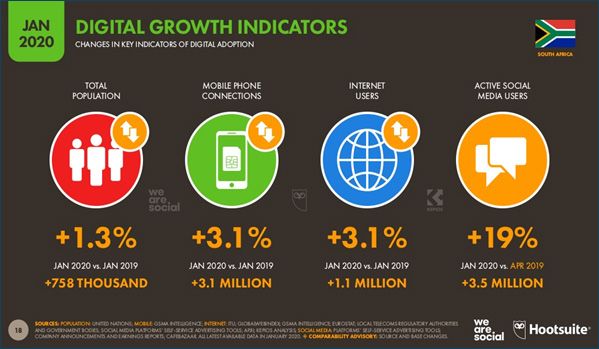
TABLE OF                                                                                       4.5
                                                                                                                                                                              4.6
                                                                                                                                                                                           Digitalising Government Services .........................................................................................................46
                                                                                                                                                                                           Promoting Inclusion In Financial Services ............................................................................................47

                                                                               CONTENTS                                                                                       4.7
                                                                                                                                                                              4.8
                                                                                                                                                                                           Prioritisation For Maximum Effectiveness ............................................................................................48
                                                                                                                                                                                           A Role For Regional Coordination ........................................................................................................50

                                                                                                                                                                              CHAPTER 5:
                                                                                                                                                                              IMPACT OF COVID-19 ON THE DIGITAL ECONOMY ......................................................................................52

     EXECUTIVE SUMMARY .........................................................................................................................................04
                                                                                                                                                                              CONCLUSION ........................................................................................................................................................55

     CHAPTER 1:
     INTRODUCTION

     1.1          Who Is This Publication For? ..................................................................................................................09
     1.2          Why The Need For This Publication? ...................................................................................................09                    LIST OF TABLES, FIGURES AND BOXES
     1.3          What Is The Digital Economy? ...............................................................................................................10
     1.4          Structure Of This Publication .................................................................................................................14
                                                                                                                                                                              Table 1: Key indicators of digital connectivity in BRICS countries ...............................................................14
     1.5          The Digital Economy And Competition Policy ....................................................................................14
                                                                                                                                                                              Table 2: Examples of two-sided digital platforms ..........................................................................................17

     CHAPTER 2:                                                                                                                                                               Table 3: Digital platforms active in South Africa ..............................................................................................18
     DIGITAL PLATFORMS IN SOUTH AFRICA                                                                                                                                        Table 4: Trends in notified mergers in digital markets, 2011 – 2018 ...........................................................25

     2.1          What Is A Digital Platform? ....................................................................................................................16          Table 5: Summary of the Commission’s previous cases in digital markets ................................................38
     2.2          Digital Platforms In South Africa ...........................................................................................................18
     2.3          Big Data, Data-Rich Markets And Cloud Computing .........................................................................20
     2.4          Financial Technology And Banking ......................................................................................................21                   Figure 1: Digital usage around the world in 2020 ..........................................................................................12

                                                                                                                                                                              Figure 2: Digital penetration in South Africa in 2020 .....................................................................................12
     CHAPTER 3:
                                                                                                                                                                              Figure 3: Growth of digital penetration in South Africa in one year ..........................................................13
     COMPETITION LAW IN DIGITAL MARKETS
                                                                                                                                                                              Figure 4: Internet usage predictions for South Africa ...................................................................................13
     3.1          Merger Control ........................................................................................................................................24
                                                                                                                                                                              Figure 5: The Fintech Value Chain ....................................................................................................................21
     3.2          Cartel Conduct ........................................................................................................................................30
     3.3          Market Conduct And Abuse Of Dominance .......................................................................................33                             Figure 6: Shares in Zoom, Netflix and Amazon on the rise .........................................................................53
     3.4          Commission’s Previous Interventions In Digital Markets ...................................................................38

     CHAPTER 4:                                                                                                                                                               Box 1: Big tech disruptions in banking ..........................................................................................................23

     REGULATORY ISSUES IN THE DIGITAL ECONOMY                                                                                                                                 Box 2: The Naspers/WeBuyCars Merger .........................................................................................................27

     4.1          Promoting Access & Connectivity: Infrastructure & Digital Penetration ...........................................40                                         Box 3: The US Airline Case ...............................................................................................................................31
     4.2          Avoiding Regulatory Responses That Distort Markets .......................................................................41                                Box 4: The Google Search (Shopping) Case: Abuse of Market Power ..................................................35
     4.4          Consumer Protection: Data Privacy And Sovereignty ........................................................................42
                                                                                                                                                                              Box 5: Bundeskartellamt & Facebook ...............................................................................................................42
     4.4          Reimagined Industrial Policy .................................................................................................................44

2   Competition In The Digital Economy • Last updated 7 September 2020                                                                                                                                                                             Competition Commission South Africa • www.compcom.co.za                                            3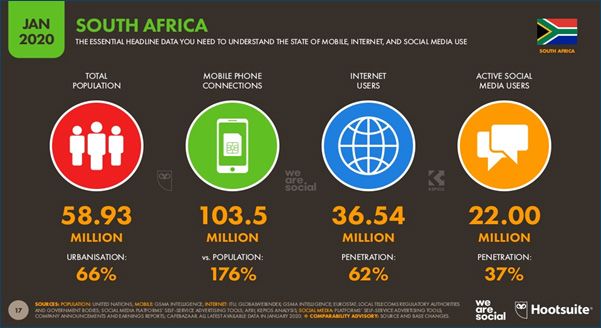
Table 1: Key indicators of digital connectivity in BRICS countries
Brazil Russia India China South Africa
Population 211.8 million 145.9 million 1.3 billion 1.4 billion 58.9 million
EXECUTIVE SUMMARY Mobile phone connections
Internet penetration
205.8 million 237.6 million 1.06 billion
71% 81% 50%
1.6 billion
59%
103.5 million
62%
Active social media users 66% 48% 29% 72% 37%
Growth in internet penetration in one year +6% -0.4% +23% +3.1% +3.1%
Growth in active social media users in +8.2% 0% +48% +1.5% +19%
one year
RATIONALE FOR THIS PAPER South Africa’s financial technology platforms are numerous start-ups in the broader financial payments
dominated by the big four banks with Capitec, Tyme space that are simultaneously disrupting and enhancing
Bank and Discovery Bank increasing their presence by South Africa’s financial service offering.
The arrival and rapid rise of the digital economy The need for intentional regulation has become all the
introducing innovative lifestyle solutions. There are also
presents South Africa with an opportunity to reverse the more urgent with the advent of COVID19 which is set to
pervasive, triple scourge of unemployment, inequality move more products and services online at a rapid pace.
and poverty. But in order to harness the promised
This paper sets out the ways in which South Africa’s COMPETITION ISSUES IN THE DIGITAL ECONOMY
benefits of digitalisation South Africa must create a
commercial and regulatory environment designed to
competition laws can be implemented to achieve AND THE COMMISSION’S APPROACH
equitable outcomes in the digital economy and the
extract those benefits and distribute them in a way that
Competition Commission’s intentions in this regard. There are novel features of the digital economy that shape Merger control
ensures inclusive economic growth, that is (1) increased
Since competition policy alone is insufficient to attain the interventions in digital markets and lead competition
and meaningful employment; (2) equality; and (3) shared
goals South Africa desires, this paper also sets out the South Africa’s history in assessing mergers in the digital
prosperity. practitioners to approach competition regulation in the
features of the regulatory environment required in order economy suggests that until the MIH/WeBuyCars merger
digital economy with a different mindset than we would
Unfortunately, for all its promise, the digital economy to extract maximum benefit from the digital economy. was prohibited, there may have been under enforcement
the traditional economy. These features are:
in developing countries already threatens a new An enabling regulatory environment – including sound in this area. This can be seen in the Commission’s statistics
era of global concentration and, with it, the further competition policy – along with a vigilant, informed 1. the rapid and responsive innovation present in which show that of the 87 mergers in digital markets
marginalisation of vulnerable countries and businesses. consumer base, innovative business culture, and willing digital markets which are also the desired outcome notified between 2011 and 2018, 82 were approved
Therefore, intentional regulation is required to avoid commercial partners can turn the tide in South Africa and of competition policy. Regulatory interventions, without conditions and the remaining 5 were approved
outcomes that could harm the development of small ensure that the digital economy delivers on the promise therefore, need to balance the need for inclusivity with public interest conditions. Notably, no conditions
businesses, consumers and ultimately the economic of inclusive economic growth. with the desire to maintain innovation; have been imposed to address substantive competition
growth so needed in South Africa’s developing economy. concerns. The complex, cumulative and global nature of
2. the tendency towards concentration arising from
digital mergers may be partly responsible for this state of
first-mover advantage, data accumulation and
affairs but the Competition Tribunal’s prohibition of the
network effects as well as exclusionary conduct. This
SOUTH AFRICA’S DIGITAL LANDSCAPE requires competition policy to pro-actively identify
merger between Naspers and We Buy Cars suggests this
trend may be changing. In order to bring about a more
and prevent entrenchment strategies before they
robust assessment of digital markets the Commission
More than a market, the digital economy cuts across all the digital economy with the most used social media are too difficult to reverse;
intends to:
markets in which goods and services utilise an internet platforms, listed in order of popularity, being WhatsApp
3. well informed consumers, coupled with ease of
base for production, distribution, trade and consumption (89%), YouTube (87%), Facebook (83%), FB Messenger • issue a guidance note which clarifies the valuation
entry in some secondary and tertiary levels of digital
by different agents. South Africa’s level of participation in (61%), Instagram (61%) and Twitter (44%). South Africans of assets for digital companies in respect of merger
markets, which means that consumers can define
the digital economy is reflected in several key indicators participate in many digital platforms including search thresholds;
their preferred benefit with relative speed and
set out in Table 1 below. For context, these numbers are platforms, share-economy platforms and financial
accuracy. This again calls for competition agencies • require specific tech companies that dominate
compared with those of other developing economies services. The most popular digital platforms around the
to balance the long term policy goals of economic different digital markets in South Africa to inform
in the BRICS network. These numbers were reported in world are widely used in South Africa but internet usage
growth with the more immediate stated preferences the Commission of all small domestic acquisitions,
early 2020 and are expected to increase significantly by takes on a local flavour in financial service platforms
of consumers; and including investments in startups and global
2021 due to the effects of COVID19 on online activity. and e-commerce, where some traditional stores with
acquisitions of targets with some presence locally;
an online presence and Takealot – which is part of the 4. the rapid pace of change which calls on regulators
Like much of the world South African business, consumers
Naspers group - dominate the scene. to constantly monitor developments and be willing • prioritise digital markets within merger control for
and the South African government fully participate in
to adapt their thinking as circumstances change. the 2020-2025 period;
4 Competition In The Digital Economy • Last updated 7 September 2020 Competition Commission South Africa • www.compcom.co.za 5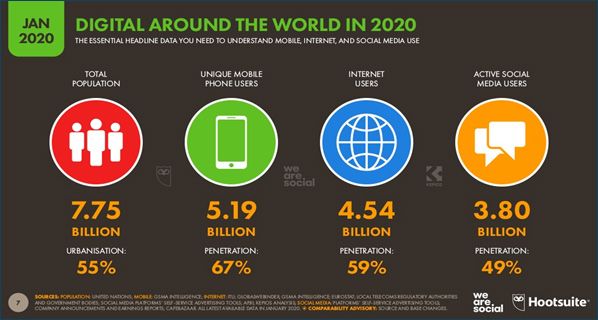
• develop a practice note on the assessment of digital Forms of abuse in digital markets • Institute a scoping study, impact study or market and Apple which also dominate domestically, and
market mergers, updating the existing toolkits to inquiry into digital markets potentially also second-tier globally important
The accumulation of big data – which has become a most
account for the specific features of digital markets; digital firms such as Uber, Airbnb, Bookings.com.
valuable asset in the digital economy – coupled with • Global cooperation and coordination, with other
• issue a practice note on the assessment of merger network effects, can confer market power and a durable competition agencies, in respect of addressing
creep and when such mergers would warrant competitive advantage. Market power is not in and of market conduct of firms such as Google, Facebook
intervention; itself a competition concern but this market power has
become the source of several concerns raised in the
• ensure that domestically notifiable global tech
mergers are concurrently filed in South Africa and
digital economy including those listed below. REGULATORY ISSUES IN THE DIGITAL ECONOMY
other major jurisdictions such that the Commission • Vertically integrated digital firms can benefit from AND THE COMMISSION’S APPROACH
may benefit from collaboration with other major owning a platform and, at the same time, competing
jurisdictions in the assessment of the merger. with sellers on that platform. This enables the Besides the competition issues raised in the paper, there Hence, to better achieve the common goals and
platform owner to use the information it collects from are regulatory issues that link with competition policy. As avoid inconsistent approaches, it is recommended
Cartel conduct mentioned, in order to achieve lasting benefits from the strong cooperation and close dialogue between
the seller to its advantage and the disadvantage of
the seller; digital economy, the regulatory environment should be these institutions.
Digital markets present new forms of collusion and,
conducive to inclusive growth in the ways set out below.
consequently, new challenges for competition agencies • Beyond protecting personal information,
• Vertical integration also incentivises self-
whose aim it is to detect and investigate collusion. In • South Africa must invest in digital technology and participants in the digital economy should take heed
preferencing: an act by which digital platforms will
particular, the use of algorithms – though creating a host its infrastructure with a sense of urgency. Access in commercial interactions with IT, service providers,
give preferential treatment to their services over the
of market efficiencies – can facilitate agreements on price to data services and indeed the digital economy to maintain and preserve their data sovereignty. They
services of other companies and as such maintain
and other trading conditions. The successful detection, remains highly problematic as there is a real threat should impose minimum controls on the information
their positions of dominance;
investigation and prosecution of such cartels mean the of not just economic exclusion, but also exclusion being stored and hold firms accountable for what
Commission must have the requisite tools, skills and • Conglomeration has the potential to negatively from full participation in society. Current plans to they do with the data and assign responsibility and
jurisdiction to do so. In order to achieve these outcomes impact inclusive growth, even where several increase broadband connectivity in under-served accountability for specific databases.
the Commission intends to: big players are competing. This is particularly communities, the rollout of 5G networks, the
concerning in the South African context where • Competition and industrial policy require updating
creation of an open access network (WOAN) that
• develop appropriate tools for detecting digital for the digital age to help start-ups to effectively
market concentration levels are already high, and provides access to essential facilities, infrastructure
cartels and assessing the effects of agreements compete with dominant platforms. Several industrial
the likely impact of increased conglomeration raises sharing and rapid infrastructure deployment, and
amongst competitors; policy instruments can enable competition in the
barriers to entry for potential entrants; digital terrestrial television are opportunities for
• pilot a tender bid-rigging detection programme; digital economy including investment, incentive
growth in the ICT sector which should stimulate local
• Online resale price maintenance has also been schemes, supporting national champions in
• build and staff a cartels forensic lab; manufacturing.
investigated in European cases resulting in decisions strategic sectors with conditions attached to
• develop guidelines for establishing the Commission’s against manufacturers of consumer electronics; • We should avoid regulatory responses that distort state support, public procurement (local content
jurisdiction in cases of digital collusion that have an markets. Regulation should adopt a technology- designations), trade defence instruments (tariffs
Outside of the globalised search and social media
effect in South Africa. neutral approach, without differentiating whether and anti-dumping duties) and appropriate use
digital markets, there exists a contestable digital space
firms traditionally operate their business or whether of competition protectionist approaches such as
Abuse of dominance and vertical restraints for South African firms to take part in. To ensure that this
they make use of digital platforms. The Commission reviews of acquisitions by foreign firms. These
space remains contestable, the Commission intends to
Several features of digital markets inform the advocates for regulatory responses that are geared strategic industrial policy levers should feature in a
pursue the strategy set out below.
Commission’s stance on the abuse of dominance and at levelling the playing field and reducing regulatory national digital framework that will act as a roadmap
vertical restraints in digital markets. First, the global reach • Mapping the digital landscape of South Africa in barriers to entry and expansion. for the wider industrial effort in the digital economy.
of digital markets means that conduct found to be anti- order to inform proactive initiations on market
• While consumer protection law remains the main • The shift to an Internet-based economy necessitates
competitive in one jurisdiction could easily be considered conduct by dominant firms and to focus a future
legislation to address potential big data harm to digitization and synchronisation of e-government
anti-competitive in other jurisdictions. Second, digital market inquiry or research into specific digital
individual privacy - as opposed to competition law - services such as e-health, online education revenue
markets tend to be “tipping markets” which means that markets;
personal information has become the currency with collection and finance. The government can leverage
there is a likelihood for the rapid expansion of one large
• Proactive investigations against conduct, by which consumers purchase services from digital on advances brought upon by technological
dominant platform within a particular market. Examples
dominant online firms, that may be excluding rivals markets where the product is “free”, which makes innovations (such as cloud computing, internet of
are Amazon.com in the US, Alibaba in China and Takealot
and entrenching dominance; the protection of personal information an issue that things (IoT), big data, and mobile innovations) to
in South Africa. Finally, regulated incumbents tend to be
extends beyond consumer protection laws. This drive the success of digitizing government and
at a disadvantage when global unregulated digital firms • Issue guidelines, where appropriate, in respect of
warrants a more collaborative effort across regulators delivering public services to its citizens.
enter the local market. Cases against dominant digital conduct which the Commission deems likely to
in developing countries, especially where there are
companies are often challenging to investigate because contravene the Competition Act. • The disruption brought about by digitization in
separate enforcement mandates, like in South Africa
of jurisdictional reach and the high bar set by legislation banking and financial services are monumental;
on competition, consumer protection and privacy.
to prove an abuse-of-dominance contravention. each segment of the value chain- from currency to
6 Competition In The Digital Economy • Last updated 7 September 2020 Competition Commission South Africa • www.compcom.co.za 7
banking and insurance- has been affected. This calls
        for a rethink in the manner in which the financial
        system is defined and regulated. Whereas licenses
        were the traditional barriers for new entrants in
        financial services, “big learning” from big data is
        now the regulatory frontier. Whilst the historical
        markers for financial stability focused on incumbent
                                                                                       CHAPTER 1
        players, digitization requires a regulatory shift that
        encompasses financial networks (which include firms
        in telecoms, e-commerce) more broadly. Definitions
        of institutions which are “systemically important”
        must be reviewed, with the advent of BigTech.

•       In the developing world, there is some evidence
        to support the idea that targeting and prioritising                      INTRODUCTION
        specific industries for large scale and accelerated
        digital penetration can spur on faster, deeper                           “Digital advances have generated enormous wealth in record time, but that wealth has
        and more meaningful growth in digital markets
                                                                                 been concentrated around a small number of individuals, companies and countries.
        than if digital development were to occur without
                                                                                 Under current policies and regulations, this trajectory is likely to continue, further
        prioritisation. It is in financial technology, for
        instance, that both India and China report the most
                                                                                 contributing to rising inequality. We must work to close the digital divide, where more
        potential for growth in the digital economy. South                       than half the world has limited or no access to the Internet. Inclusivity is essential to
        Africa could benefit from a strategy of prioritising                     building a digital economy that delivers for all.”
        specific industries for accelerated digital growth in
                                                                                 António Guterres, Secretary-General United Nations (2019)
        order to achieve maximum effectiveness.

•       Due to the COVID19 pandemic, the rapid shift to                          1.1 Who Is This Publication For?
        the online economy will reduce the timelines for
        regulation and action. A decisive and proactive
                                                                                 This publication is drafted to inform government and             Commission’s broad stance on corporate conduct in the
        stance needs to be taken in order to ensure the
                                                                                 corporate stakeholders of the Competition Commission’s           market place to enable business to distinguish between
        balance of economic forces favour a shift to
                                                                                 (Commission) our approach to regulating competition              pro-competitive and anti-competitive practices in the
        facilitating entry and a more competitive digital
                                                                                 in the digital economy. The publication aims to inform           digital economy thus empowering them to comply with
        market. This requires removing the entry barriers,
                                                                                 South African regulators of the Commission’s position on         the objectives of competition law and policy; report
        including those erected by dominant platforms, and
                                                                                 the digital economy to facilitate coordinated regulatory         anti-competitive conduct and apply for exemption from
        preventing consolidation at this critical moment in
                                                                                 and advocacy efforts in this area. The publication               the application of the Competition Act No. 89 of 1998,
        the development of the online economy in South
                                                                                 is also intended to assist business to anticipate the            where necessary.
        Africa.

                                                                                 1.2 Why The Need For This Publication?

                                                                                 The purpose of an economy is to organise the allocation          However, as much as the digital economy may
                                                                                 of available resources1. Unfortunately, for all the              beneficially disrupt existing concentrated markets,
                                                                                 achievements of the industrial economy, it has also              digital markets are themselves prone to extreme ‘winner
                                                                                 resulted in the skewed allocation of available resources.        takes all’ outcomes due to first-mover advantages
                                                                                 South Africa is a case in point as it exhibits high levels of    combined with ‘tippy’ market dynamics. This frequently
                                                                                 inequality, poverty and unemployment. The arrival and            plays out on a global interconnected and virtual stage,
                                                                                 rapid rise of the digital economy as a disruptive force          resulting in tech giants dominating entire areas of
                                                                                 presents an opportunity to reverse these outcomes and            global commerce, such as social media, search, digital
                                                                                 achieve an equitable allocation of available resources           advertising, mobile operating systems and e-hailing.
                                                                                 thus shifting us from inequality to equality, from poverty       Digital markets, therefore, threaten a new era of global
                                                                                 to shared prosperity and from unemployment to                    concentration and the marginalisation of developing
                                                                                 meaningful participation. These would be the attributes          country businesses unless purposefully regulated.
                                                                                 of an inclusive digital economy.

    8       Competition In The Digital Economy • Last updated 7 September 2020                                                           Competition Commission South Africa • www.compcom.co.za      9
If South Africa is to harness the promised benefits to how other regulators and corporate stakeholders can Browser Internet
of a digital economy, we must regulate intentionally. coordinate and contribute to more equitable, inclusive This is the program that a website visitor is using to view A global computer network providing a variety of
We need unified direction, enabling legislation and and competitive outcomes from the digital revolution. a website. Examples are Safari, Firefox, Internet Explorer, information and communication facilities, consisting
a business environment poised for innovation and Google Chrome and Opera. of interconnected networks using standardised
The ultimate purpose of this publication is reflected in
dynamic growth. Competition policy and regulation communication protocols.
how each section ends: with a set of strategic actions that Cloud computing
have a major contribution to make in this regard and
the Commission and its stakeholders can take in moving An increasingly popular computing model in which Operating system
this publication explains how a pro-competition ethos
us closer to a more inclusive digital economy for the information and software are provided on demand from A basic layer of software that controls computer
can help to bring about the desired results. Of course,
benefit of all South Africans. over the internet rather than staying on a local computer. hardware, allowing other applications to be built on it.
competition regulation alone is insufficient to achieve
Cloud computing is appealing because companies can The most popular operating systems today for desktop
these outcomes; therefore this publication also speaks
reduce the amount they spend on their computer servers computers are Microsoft Windows, Mac OS X and Linux.
yet their storage capacity can quickly and easily expand For smartphones, the most popular are iOS and Google
1.3 What Is The Digital Economy? as the company grows. Examples of cloud computing Android.
applications are Google Docs, Yahoo Mail and Amazon’s
Platform
More than a market, the digital economy cuts across all industrial economy as the primary base for economic EC2 and S3.
A digital service that facilitates interactions between
markets in which goods and services utilise an internet activity. Cost per action two or more distinct but interdependent set of users
base for production, distribution, trade and consumption Also referred to as CPA. A pricing model in which the (whether firms or individuals) who interact through the
The dynamic and ever-evolving nature of the digital
by different agents. While a market is considered to be advertiser is charged for an advert based on how many service via the internet.
economy means that commonly-used concepts may
one stream within an economy – for example, a financial users take a specific, pre-defined action such as buying a
carry different meanings to different stakeholders. The digital economy operates globally offering endless
market – the digital economy has become an entire product from an online store based on viewing the advert.
For this reason, we have defined the concepts that we opportunities for innovation and trade yet presenting
economic system running parallel to the industrial This is the ‘gold standard’ for advertisers because it most
frequently refer to in the remainder of this guide. new challenges to a world designed around physical
economy and threatening to, one day, overtake the directly matches the cost of an advert to its effectiveness.
borders. Its global reach is evident in diagram 1 below
In contrast, the cost-per-click model charges companies
while diagrams 2, 32 and 43 focus on the extent of
based on how many users click on a link and the cost-
4IR Back-end digital penetration in South Africa. South Africa’s level
per-mile model charges companies based on a specified
The fourth industrial revolution is a new era of innovation The back-end of a website is the part hidden from the of participation in the digital economy is also reflected
number of views.
in technology that will enhance human-machine view of the regular website visitor. The back-end generally in several key indicators set out in Table 1 below. For
relationships, unlock new market opportunities, and fuel includes the information structure, applications and the E-commerce context, these numbers are compared with those of
growth across the global economy. Previous industrial content management system. Is short for electronic commerce and refers to the process other developing economies in the BRICS network.
revolutions are listed as (1) the use of water and steam of buying and selling goods online through websites.
Bandwidth It is worth noting that diagram 4 was constructed in a
power to mechanise; (2) the introduction of electricity; Goods sold could be physical, requiring shipping, or
This term can refer to two different things: the rate at pre-COVID19 world. Post COVID19 it is probable that
and (3) the use of information technology and the internet digital products delivered through an app like music or
which data can be transferred or the total amount of data South Africa will experience higher internet penetration
to digitalise operations. The digital economy is thus a a program.
allowed to be transferred from a web host during a given than previously predicted due to an accelerated shift
foundational part of the fourth industrial revolution.
period. It is generally calculated in bits-per-second (bps) Fintech to remote working and online eCommerce to reduce
App alternatively kilobits-per-second (kbs). Short for financial technology, fintech refers to computer contagion risks.
Short for application, an app is a computerised program programs and other technology used to create, support
Big data
that runs inside another digital service. Many mobile or enable banking and financial services.
Refers to the use of predictive analytics, user behaviour
phones allow apps to be downloaded, leading to a
analytics or other advanced data analytics methods to
burgeoning economy for modestly priced software.
extract value from a large data set. The advanced analysis
Algorithm of large data sets can find new correlations to spot business
A set of instructions or procedures used to accomplish trends, prevent disease, combat crime and so forth.
a task such as creating search results in Google. In the
Big Tech
context of search, algorithms are used to provide the
Big Tech refers to the major technology companies such
most relevant results first, based on this instruction.
as Apple, Google, Amazon and Facebook, which have
AI inordinate influence. They are also referred to as GAFA
Sometimes called machine intelligence, artificial and high tech.
intelligence is intelligence demonstrated by machines,
Blockchain
in contrast to the natural intelligence displayed by
A system in which a record of transactions made in bitcoin
humans. The term may also be applied to any machine
or another cryptocurrency is maintained across several
that exhibits traits associated with a human mind such as
computers that are linked in a peer-to-peer network.
learning and problem-solving.
10 Competition In The Digital Economy • Last updated 7 September 2020 Competition Commission South Africa • www.compcom.co.za 11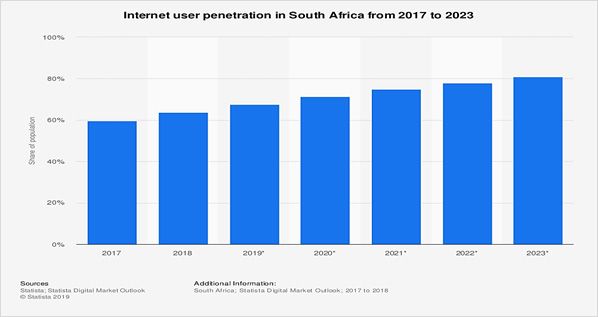
Figure 1: Digital usage around the world in 2020                             Figure 3: Growth of digital penetration in South Africa in one year

Figure 2: Digital penetration in South Africa in 2020

                                                                             Figure 4: Internet usage predictions for South Africa

 12     Competition In The Digital Economy • Last updated 7 September 2020                                                       Competition Commission South Africa • www.compcom.co.za   13
markets, financial services and manufacturing - where requires competition law to not only consider new
Table 1: Key indicators of digital connectivity in BRICS countries the accuracy and currency of data are critical - even a theories of harm but also to act proactively against
slight delay or degradation in quality in the provision of entrenchment strategies to keep markets competitive
Brazil Russia India China South Africa infrastructure could lead to anti-competitive effects. The and prevent irreversible concentration. It also requires
Population 211.8 million 145.9 million 1.3 billion 1.4 billion 58.9 million delay in the provision of critical infrastructure can also competition policy tools to facilitate access by potential
Mobile phone connections 205.8 million 237.6 million 1.06 billion 1.6 billion 103.5 million impede the ability of a firm to service its customers.56 entrants to enabling assets such as the private consumer
Internet penetration 71% 81% 50% 59% 62% data accumulated and held by companies.
Active social media users 66% 48% 29% 72% 37% In a developing country context, this does require a
deliberate focus on ensuring the infrastructure layer Thirdly, consumers tend to have more information
Growth in internet penetration in one year +6% -0.4% +23% +3.1% +3.1%
of the digital economy is both affordable and has in the digital economy than they do in the industrial
Growth in active social media users in +8.2% 0% +48% +1.5% +19%
one year broad coverage if meaningful access is to occur. This economy. This means that consumers: their needs and
is in the context where the underlying technologies their response to a product or service, naturally play
are becoming increasingly concentrated (such as 5G a far bigger role in the innovation that takes place in
networks, mobile operating systems). It also requires digital markets. This factor, coupled with the relative
1.4 STRUCTURE OF THIS PUBLICATION that the complementary assets for entry and innovation, ease of entry for innovative firms into some secondary
including the skills and venture funding for new start- and tertiary levels of digital markets, means that the
While it is tempting to compartmentalise South Africa’s approach the digital economy concerning the industrial ups, are developed locally in an inclusive manner to digital economy at times presents the ideal competitive
industrial economy and assess the digital state of each economy, this publication focuses on the main over- ensure that it is not just existing dominant firms (both environment. Moreover, competition regulation favours
sector, it should be noted that the status and importance arching digital economy themes that have emerged from old industrial and new tech firms) that take advantage innovation and is ultimately designed for the benefit of
of South Africa’s individual sectors was based on their the Commission’s interventions across various sectors of opportunities presented by the new digital economy. consumers. Since innovation is integral to digital markets
respective contributions to the industrial development and through different levels of the value chain. As such and consumers can define their preferred benefit with
Infrastructure sharing is also a crucial element which
of the country. For example, agriculture was considered this paper examines the nature of South Africa’s digital relative speed and accuracy in digital markets, this
can enable new entry and operators to minimise costs.
a key sector for development because it was a significant economy, explores the competition issues presented could necessitate a less interventionist approach from
For example, a new entrant may not need to obtain
provider of employment and a major earner of foreign by the digital economy and considers the regulatory regulators in some instances.
its own infrastructure, however, it can lease it from
exchange.4 In contrast, the potential for the digital enablers required to achieve the outcomes we desire. a service provider who owns the infrastructure. The Finally, another characteristic of the digital economy
economy to present growth opportunities must be design of an infrastructure sharing model will depend is its rapid rate of change. Developments take place
If South Africa can attain a coordinated and pro-
viewed through a different lens. Given the extent of on factors such as the market’s competitive structure, quickly; definitions change and parameters shift with
competitive approach to the main areas in the digital
connectivity that is brought about by digitalisation, a market conditions, network symmetry and the regulatory more speed than the industrial economy is accustomed
economy, it is the Commission’s view that we could
change in one digital area can impact other digital areas, stance. In this regard, regulatory interventions can help to. The Commission thus acknowledges that its position
harness the promised benefits of the digital economy
consequently sectors, with great speed. Blockchain overcome market failures to maximise social welfare. may change with time. For this reason, this publication is
and achieve what the industrial economy has, as yet,
is an example of a digital advancement developed The Competition Act also makes provisions that prohibit titled Version 1.0 in anticipation of changes to regulatory
failed to do: greater levels of equality shared prosperity
specifically for financial transactions but rapidly grew in a dominant firm to refuse to give a competitor access thinking that may occur in future and developments in
and improved levels of employment.
its usefulness for different sectors. Therefore, rather than to an essential facility when it is economically feasible current and future case law.
to do so. An essential facility is defined in the Act as “...
an infrastructure or resource that cannot be reasonably
1.5 THE DIGITAL ECONOMY AND COMPETITION POLICY
duplicated and without access to which competitors
cannot reasonably provide goods or services to their
The global digital value chain spans from the base The first characteristic of the digital economy is the rapid
customers”.
infrastructure to the end user. Every level within this rate of technological change and innovation, providing
value chain presents opportunities and threats for scope for market disruption through new entrants and The second characteristic of the digital economy is the
competitiveness. In this publication, we highlight new products to the benefit of consumers. Competition tendency to both product/service line and conglomerate
those opportunities and threats as they apply to digital policy and law need to encourage and facilitate this concentration which is subsequently difficult to reverse
platforms, fintech, industrial policy, data-rich markets, innovation, whilst also ensuring these technologies once entrenched. This is in part due to economic
big data and cloud computing. are accessible to consumers. We observed in previous features of these markets such as first-mover advantages
interventions by the competition authorities that certain from the positive network effects of two-sided markets
At the outset, however, it is important to state that
markets, such as the telecommunications infrastructure and further product development advantages from
although competition remains a firmly entrenched
markets, are characterised by high barriers to entry data accumulation. However, it is also due to deliberate
vehicle for South Africa’s growth and development,
due to high sunk costs and regulatory requirements. strategies to retain early leadership (such as MFN pricing
certain features of the digital economy lead us to
For instance, infrastructure roll-out is expensive and rules with partners), acquire competitive threats (so-
approach competition regulation in the digital economy
operators would be required to achieve economies of called ‘killer acquisitions’) and leverage dominance
with a different mindset than we would the industrial
scale and scope sufficient to recoup these sunk costs. in some areas to exclude or limit rivals in others (such
economy.
We also note that for sectors such as health, banks, stock as self-preferencing of data and platform access). This
14 Competition In The Digital Economy • Last updated 7 September 2020 Competition Commission South Africa • www.compcom.co.za 15as Facebook or WhatsApp, their smartphones must in UNCTAD’s 2019 report on digital markets, connect
be operated by a smartphone operating system such distinct but interdependent users to each other, through
as Android or iOS. Such operating systems are run by the platform, much like newspapers and magazines do.
platforms known as chipsets that are pre-installed to a Well known examples are Uber, which connects drivers
mobile device. An example of this is the ARM software to customers needing a ride; AirBnB, which connects
CHAPTER 2 for the Android operating system. homeowners to consumers needing accommodation
and Facebook, which connects advertisers to potential
Digital platforms provide the mechanism for bringing
buyers as they browse through their social connections.
together a set of parties to interact online.11 A common
The two-sided nature of these platforms has implications
descriptor of this type of interaction is the distinction made
for competition regulation which are set out further below.
between two-sided platforms and one-sided platforms.
For this reason, this paper makes a distinction between
One-sided platforms represent a more traditional and
one-sided and two-sided digital platforms. Table 2 below
linear relationship between seller and buyer. One-sided
provides examples of two-sided platforms and describes
platforms cover all other platforms using an internet
the sets of interdependent users connected through the
DIGITAL PLATFORMS IN SOUTH AFRICA base to offer products and services. Two-sided digital
platform.
platforms, also referred to as ‘transaction platforms’
“[Digital] platforms can have both positive and negative effects on development,
but the net impact on Africa will ultimately be shaped by the responses of industry,
Table 2: Examples of two-sided digital platforms
regulators, government and civil society.”
Insight2Impact, Global Resource Centre Digital platforms Examples
Online search platforms e.g. Google and Bing provide an online search platform between web
users and advertisers
2.1 What Is A Digital Platform? PC operating systems e.g. Microsoft provides a software platform that allows transactions be-
tween independent software vendors and users
There are varying definitions for a digital (online) introduce new ways of doing business. Firstly, business Smartphone operating systems e.g. Android and iOS provide an interface between users of the device
platform which have evolved over the years given models based on technology and product/service and content providers such as application developers
the dynamic nature of this market. The Commission platforms are radically altering industry structure and the Social networking platforms e.g. Facebook provides an interface for social networking and advertising
considers the definition proffered by the OECD to be terms of competition in a range of industries. Secondly, Online shopping platforms e.g. Amazon connect customers willing to buy products online with prod-
sufficient for this discussion: ‘an online platform is a digital platforms introduce new sources of data that can uct suppliers of the products
digital service that facilitates interactions between two or be used to create new insights, products, and services. Video game platforms e.g. Sony PlayStation or Nintendo provides software tools that enable
publishers to develop games and a device on which consumers can play
more distinct but interdependent sets of users (whether Viewed superficially these factors present efficiencies
the games
firms or individuals) who interact through the service via and consumer benefits but do not come without their
the internet’7. disadvantages, not only to consumers but also for Source: Adapted from Kuoppamaki, P (2015) Tying and two-sided digital platforms
business and regulators.
The OECD goes further to describe digital (online)
platforms as ‘a range of services available on the internet Digital platforms should also be understood in the context Other common features of digital platforms are listed derived from advertisers who wish to advertise on
including marketplaces, search engines, social media, of what is often referred to as the digital ecosystem. The below but may not necessarily apply to all digital the platform.
creative content outlets, app stores, communications ecosystem depicts a value chain approach in which even platforms.
• Data generation - digital platforms tend to have
services, payment systems, services comprising the though digital platforms play a significant role often • Disruptive innovation - many platforms arise as a access to and generate a lot of data through their
so-called “collaborative” or “gig” economy, and much controlling it, they are not the only component.9 The result of disruptive innovation to use technology to various users, which may be used to enhance
more.’8 ecosystem is described as a combination of interoperable offer a new and current service in a novel manner. products or services, enabling continued leadership,
applications, operating systems, platforms, business or develop new products or services.
It is clear from the above description that digital • Network effects - there are network effects that persist
models and hardware that are linked through data and
platforms can include a wide range of services including in digital platforms. These occur in these two- or • Winner-takes-all or winner-takes-most - there are
that do not necessarily belong to one entity. An example
those by commercial players, non-profit organisations multi-sided markets where, for instance, advertisers strong first-mover advantages for platforms offering
of a digital ecosystem is Apple’s iPhone and iPad, its iOS
and government. Further, it is not restrictive on the types or businesses benefit more as the number of buyers new services or novel ways of bringing the service
operating system, Apple TV, the App Store, with Apple’s
of users making use of the platforms. These comprise and subscribers increase on a platform and vice to users.
own and other interoperable apps.10
individuals as well as corporate entities. Another feature versa.
of digital platforms from this definition is that they entail The nature of digital markets is such that there exists a • Switching costs - switching costs may be high
two- or multi-sided markets. high degree of interdependency and interoperability • Cross subsidisation - some platforms offer their depending on the customisation and functionality
between different platforms provided by different services to users for free to increase subscriptions. of a platform. However, some platforms, like social
Although digital markets are not new, they tend to be They can then subsidise their income with the income media platforms, allow for multi-homing by users
vendors. In mobile communications, for instance, if end
significantly different from traditional markets and thus switching costs become less relevant.
users wish to log onto a social media platform such
16 Competition In The Digital Economy • Last updated 7 September 2020 Competition Commission South Africa • www.compcom.co.za 17• Global reach - as these platforms are available on the cloud computing that stores large amounts of data, and 2.2.1 Share-economy platforms 2.2.2 Social media platforms
internet, they are largely available across the globe artificial intelligence platforms that process data collected
Share-economy platforms typically operate in two-sided Social media or social networking sites are internet-
where users can access the internet and are thus not from customers into usable information for advertisers.
markets. The sharing economy involves short-term based services that allow individuals to construct a public
limited by national boundaries. The low or no cost of Notably, vendors such as cloud computing providers will
peer-to-peer transactions to share the use of idle assets or semi-public profile within a limited forum, to articulate
replication in new markets also provides the impetus not fall within the above description of digital platforms
and services or to facilitate collaboration. The sharing a list of other users with whom they share a connection,
for rapid globalisation to take advantage of the first- as they are only one-sided and provide services only to
economy often involves some type of online platform and to view and traverse their list of connections and
mover advantages.’ the entity requiring the storage. However, they form an
that connects buyers and seller. It is a rapidly growing and those made by others within the system. Some of these
important part of the digital economy infrastructure and
The rise of digital platforms has allowed for the creation evolving phenomenon but faces significant challenges are two-sided platforms while others operate linearly.
enabling environment.
of third-party vendors providing complementary in the form of regulatory uncertainty and concerns about
In South Africa WhatsApp, Facebook, YouTube, Facebook
products and services for specific platforms, including abuses.12 Arguably the most well-known share-economy
Messenger, Instagram and Twitter are amongst the most
platforms are Uber and AirBnB which connect under-
used social media platforms.15 South Africa currently
utilized vehicles and accommodation, respectively, to
2.2 Digital Platforms In South Africa consumers in need of these services.
does not have a locally-based social media platform.
The platforms provide a service to consumers, for
The platforms active in South African are described in South Africa. Moreover, the categories are as defined for Concerning e-hailing platforms such as Uber, these
instance, to connect and share information. However, it
Table 3 below. The list is not exhaustive but is illustrative this discussion and are not prescriptive. platforms use a global positioning system (GPS)
is notable that some of these platforms have become
of some of the different types of platforms found in technology to connect the nearest active linked operator
a means by which advertisers can reach users. It is a
to a commuter who needs the service. E-hailing services
profitable relationship for both sides, as users receive
provide upfront pricing to passengers that are agreed on
Table 3: Digital platforms active in South Africa information about products they may wish to purchase,
before the journey begins and automatically generates
and advertisers can reach their customers.
an electronic notice with the cost of the trip and a map of
Digital platforms Examples Function
the route to be taken. Passengers can pay with a debit or 2.2.3 Online retail
Online search platforms Google, Yahoo and Bing Provide an online search platform between web users
and advertisers credit card, cash or prepaid voucher.13
Online retail is a component of the wider digital
PC operating systems Microsoft Provides a software platform that allows transactions With platforms that provide for sharing of transformation of the economy. While it presently
between independent software vendors and users
accommodation, Airbnb is highly active in South Africa still represents a smaller proportion of all retail sales,
Smartphone operating Android and iOS Provide an interface between users of the device and and is the dominant accommodation matching service.
systems content providers such as application developers these sales are increasing significantly in some product
Using this service, consumers can select accommodation categories such as books, electronic goods and clothing
e-Government platforms eTshwane and Department of Used by government departments or spheres to
option from various private and corporate owners for and online sales are growing rapidly overall.16 From
Home Affairs deliver online services to citizens
rental without making use of travel agencies. the period 2018 - 2019, over 55% of regular internet
Messaging platforms Outlook, Google Mail, Provide for messaging services
Facebook Messenger, users reported purchasing a product or service online,
Other platforms that have joined the share-economy
WhatsApp, WeChat with 38% of these purchases being transacted via
model, and are growing in popularity, are listed below:
Share-economy platforms Uber, Bolt, InDrive, Point A2B, Provides for peer-to-peer based acquiring, providing, mobile devices. The total number of people purchasing
Yookoo Ride, Taxi Live Africa, or sharing access to goods and services (including i. co-working platforms: companies that provide consumer goods via online platforms increased by 4.2%
CheufHer, YoTaxi, AirBnB, accommodation, transport, cleaning services)
shared open workspaces for freelancers, from 2018-2019.17
SweepSouth
entrepreneurs, and work-from-home employees in
Social networking platforms Facebook, LinkedIn, Pinterest, Provide an interface for social networking and South Africa has a range of online retailers across several
Twitter, Instagram, SnapChat, sharing of content major metropolitan areas;
products. Takealot is one of the largest online retailers
WhatsApp, YouTube, TikTok
ii. peer-to-peer lending platforms: companies that in South Africa in terms of market value, revenue
Online shopping platforms Takealot, Superbalists, Bid or Connect customers willing to buy products online
allow for individuals to lend money to other and volumes. Takealot is part of internet and media
Buy, Zando and Amazon with product suppliers of the products
individuals at rates cheaper than those offered conglomerate, Naspers, which operates in more than
Financial services platforms All major banking apps, Provides for various financial services including
through traditional credit lending entities; 120 countries. It has the highest share of online traffic
StokFella transactional banking, crowdsourcing, obtaining
loans, investing, access to stock markets in South Africa having surpassed its international rivals
iii. fashion platforms: sites that allow individuals to sell
Streaming platforms Netflix, Showmax, Amazon Provide for sharing of audio-visual content including eBay and Amazon as well as its local marketplace rival
or rent their clothes;
Prime TV movies and TV series Bid or Buy and Makro, the largest online competitor from
Video game platforms Sony PlayStation or Nintendo Provides software tools that enable publishers to iv. freelancing platforms: sites that offer to match the bricks and mortar space.18
develop games and a device on which consumers freelance workers across a wide spectrum ranging
can play the games 2.2.4 Audio-visual streaming platforms
from traditional freelance work to services
Foodservice platforms UberEats and MrD Provide for the delivery of food service from
traditionally reserved to handymen.14 Streaming media refers to multimedia that is constantly
restaurants
received and presented to an end-user while being
Payment platforms SnapScan, Zapper, Masterpass, Provide a payment system between merchants and
delivered by a provider. By contrast, downloaded media
PayFast customers
refers to a process by means of which the end-user
18 Competition In The Digital Economy • Last updated 7 September 2020 Competition Commission South Africa • www.compcom.co.za 19You can also read


