Connecting "Evidenced Based" in What Works Clearinghouse to "Tiers of Evidence" in ESSA - March 4, 2021 - Nebraska ...
←
→
Page content transcription
If your browser does not render page correctly, please read the page content below
Connecting “Evidenced Based” in What Works
Clearinghouse to “Tiers of Evidence” in ESSA
March 4, 2021
Douglas Van Dine   Kristy Feden   Lindsee Fryatt
REL Central        NeMTSS         NeMTSS
REL Central: Who We Are

The Regional Educational Laboratory (REL) Central at Marzano Research serves the
applied education research needs of Colorado, Kansas, Missouri, Nebraska, North
Dakota, South Dakota, and Wyoming.

                                                                                   2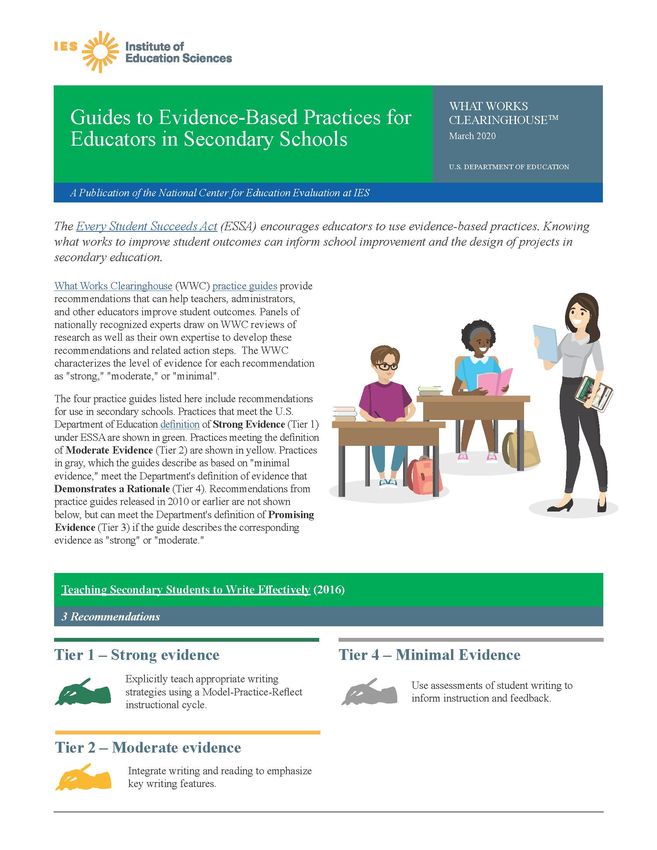
Session Objectives

• To reacquaint participants with What Works Clearinghouse and ESSA tiers of evidence.

• To understand how to find evidence-based resources that align with the ESSA tiers.

• To understand the importance of social construct data in identifying appropriate
  evidence-based resources.
What Is an Evidence-Based Program, Practice,                                     or Activity? 1

• Program
    –   “a packaged set of lessons and additional academic content used to teach a subject at a particular
        grade level or a branded intervention or product” (p. 45).

• Practice
    –   “a lesson or repeated instruction intended to introduce, develop, or improve a skill. A practice is
        not a branded intervention or product, but rather a method, approach, or strategy for teaching”
        (p. 45).

• Activity
    –   “what students are doing to learn and/or practice a skill, from engaging with a teacher during
        modeling, to supported practice and ultimately independent practice” (p. 45).

                                                                                                              4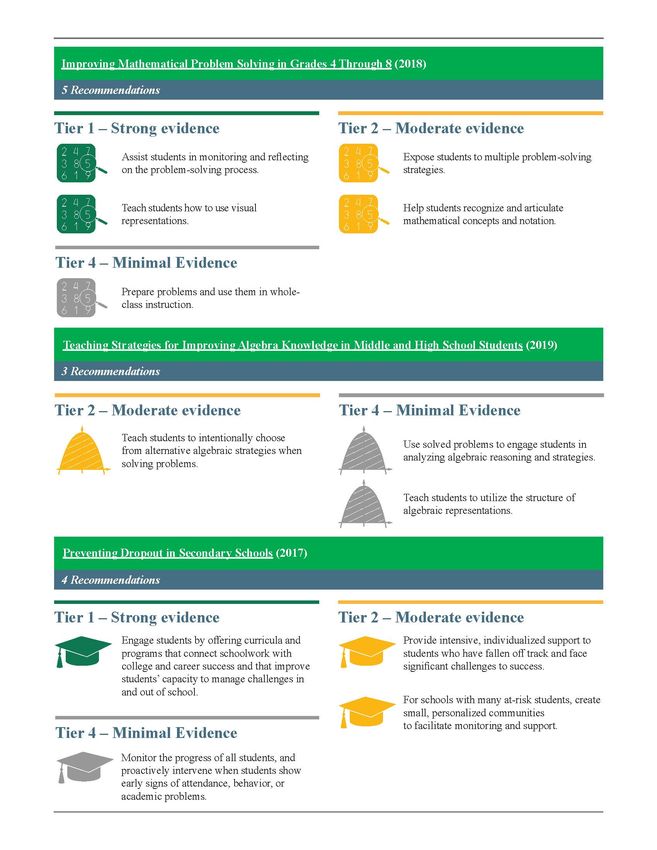
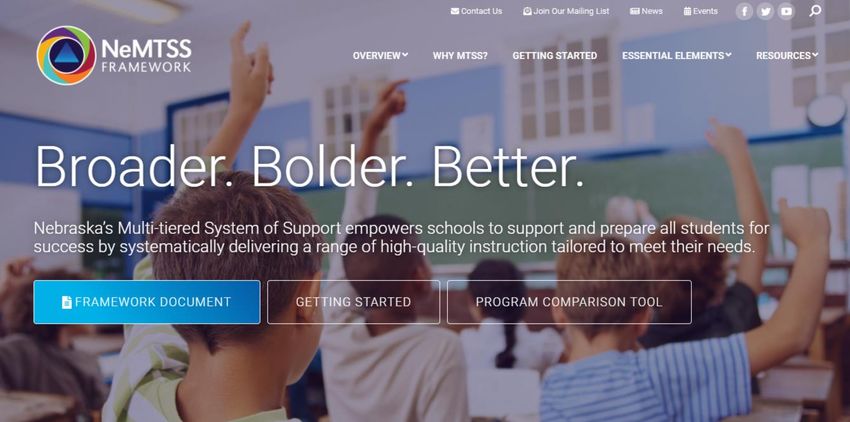
Where Do You Go to Find Evidence-Based Resources
to Align With ESSA Tiers of Evidence?
How Does the Use of Evidence Compare in WWC and
ESSA?

                                                  6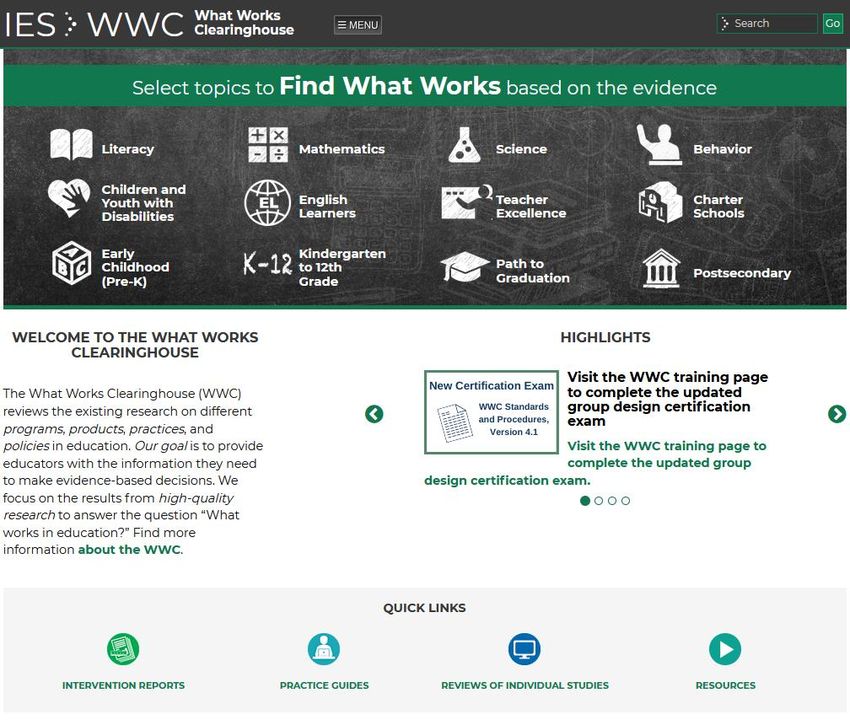
What Does “Levels of Evidence” Mean?
   Level of
                        ESSA Definition2,3                 WWC Practice Guide Recommendation3,4               Related WWC Ratings and Study Characterizations2,3
   Evidence
                Supported by statistically           Consistently supported by positive findings from        Meets WWC standards without reservations under version
                significant and positive findings    multiple studies that (1) include a well-designed and   2.1 or higher of the WWC Handbook, AND based on a
Strong evidence from one or more well-designed       well-implemented experimental study supporting causal   large sample and a multisite sample.
                and well-implemented                 claims and (2) include participants who represent the
                experimental studies.                students whom the strategy is intended to support.
                 Supported by statistically          Supported by positive findings from studies that use a   Meets WWC standards with or without reservations under
                 significant and positive findings   well-implemented quasi-experimental design, or by one version 2.1 or higher of the WWC Handbook, AND based
   Moderate      from one or more well-designed      or more studies using an experimental design that may    on a large sample and a multisite sample.
   evidence      and well-implemented quasi-         not include participants who represent the students whom
                 experimental design studies.        the strategy is intended to support.
                 Supported by statistically          Any recommendation with a “strong” or “moderate”        Does not meet WWC standards, OR ineligible for WWC
                 significant and positive findings   rating can provide promising evidence, regardless of    review, OR not reviewed under version 2.1 or higher of the
  Promising      from one or more correlational      whether the guide was prepared under version 2.1 or     WWC Handbook, OR based on a sample that is not a large
   evidence      studies with statistical controls   higher of the WWC Handbook.                             sample and a multisite sample.
                 for selection bias.
Demonstrates a Supported by theory that is           Supported by strong theory or descriptive research      Does not meet WWC standards, OR ineligible for WWC
  rationale /  informed by research or program       indicating that the strategy may result in positive     review, OR does not include a statistically significant and
   Minimal     evaluation.                           outcomes, or at least is needed to support the other    positive finding.
   evidence                                          practice recommendations.

                                                                                                                                                                           7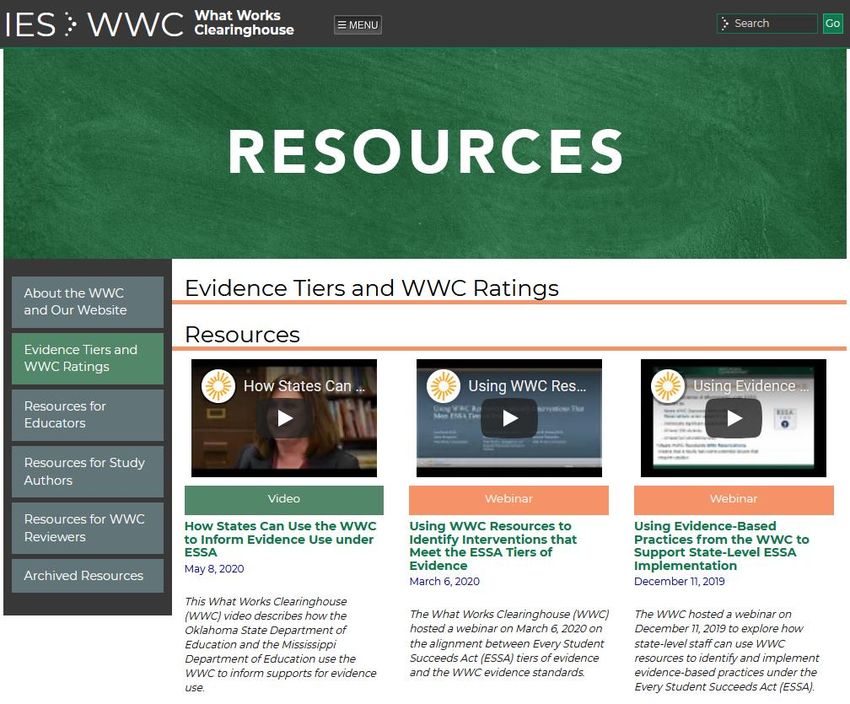
WWC Resources

                8
WWC Resources (cont.)

                        9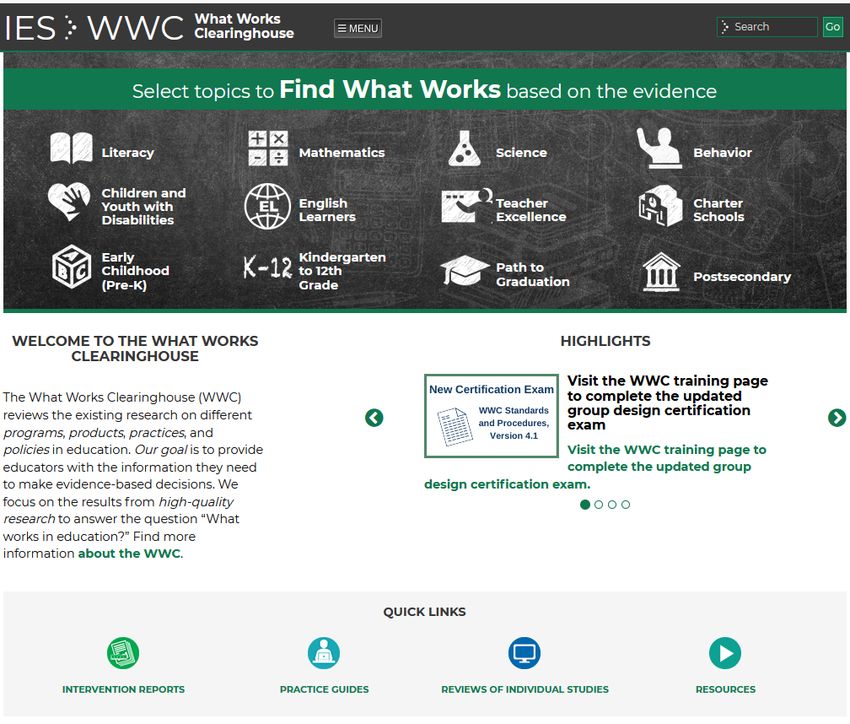
How Do I Align an Evidence-Based Resource in WWC
With ESSA Tiers of Evidence?

                                                   10
WWC and ESSA Tiers
• https://ies.ed.gov/ncee/wwc/FWW
11WWC and ESSA Tiers (cont.)
12WWC and ESSA Tiers (cont.)
13WWC and ESSA Tiers (cont.)
Note: To be identified as an ESSA Tier 1 intervention, the sample size used in the study must
be 350 or larger. This study only included 79 students. However, when combined with other
studies also reporting favorable results and containing more students, this study satisfies
the large sample requirement for Tier 1 / Strong Evidence of positive effects.
14WWC and ESSA Tiers (cont.)
15Check for Understanding
• A school district in your region has asked you about a supplemental math program
called Fraction Face-off!
• What ESSA tier does the evidence support? How do you know?
16NeMTSS
17Shared Leadership Communication, Evidence-Based
Collaboration & Partnerships Practices
Building Capacity & Infrastructure Layered Continuum Data-Based Problem-Solving
for Implementation of Supports & Decision-MakingWWC Practice Guides
22WWC Practice Guides
• Publications of the Institute of
Education Sciences (IES) and WWC.
• Designed to give educators specific
recommendations on classroom
practices based on evidence and shown
to support student learning.
• Based on reviews of research in addition
to experiences of practitioners and
panels of nationally recognized experts.
• https://ies.ed.gov/ncee/wwc/PracticeGuide/21
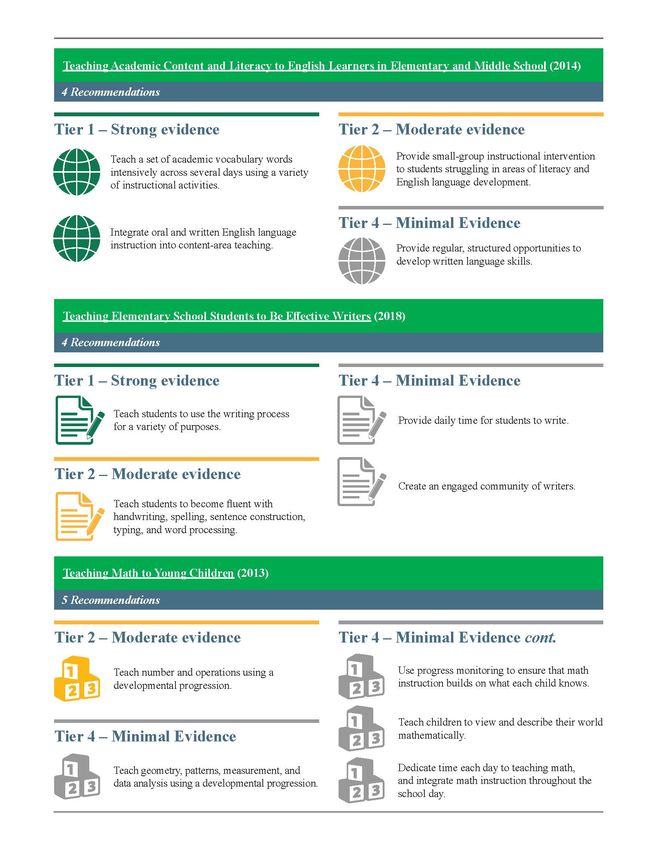
23WWC Practice Guides: ESSA Alignment
• https://ies.ed.gov/ncee/wwc/FWW
24WWC Practice Guides: ESSA Alignment (cont.)
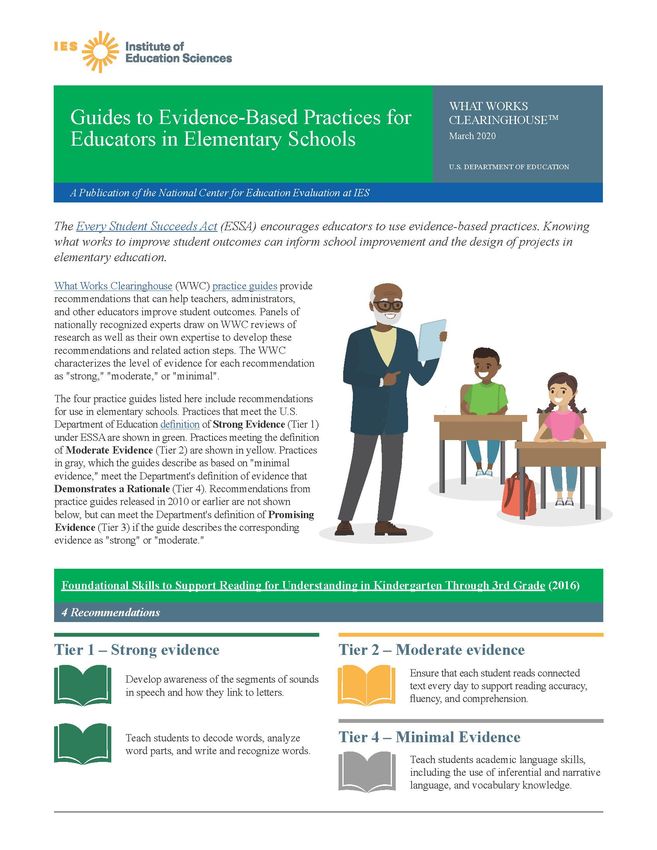
25WWC Elementary Practice Guides: ESSA Alignment
26WWC Secondary Practice Guides: ESSA Alignment
27How Do I Use Social Construct Data to Determine the
Appropriateness of an Evidence-Based Resource?
28WWC and ESSA Tiers
• https://ies.ed.gov/ncee/wwc/FWW
29WWC and ESSA Tiers (cont.)
30WWC Intervention Reports: Evidence Snapshot
31WWC Intervention Reports: Evidence Snapshot (cont.)
32WWC Reviews of Studies
33WWC Reviews of Studies (cont.)
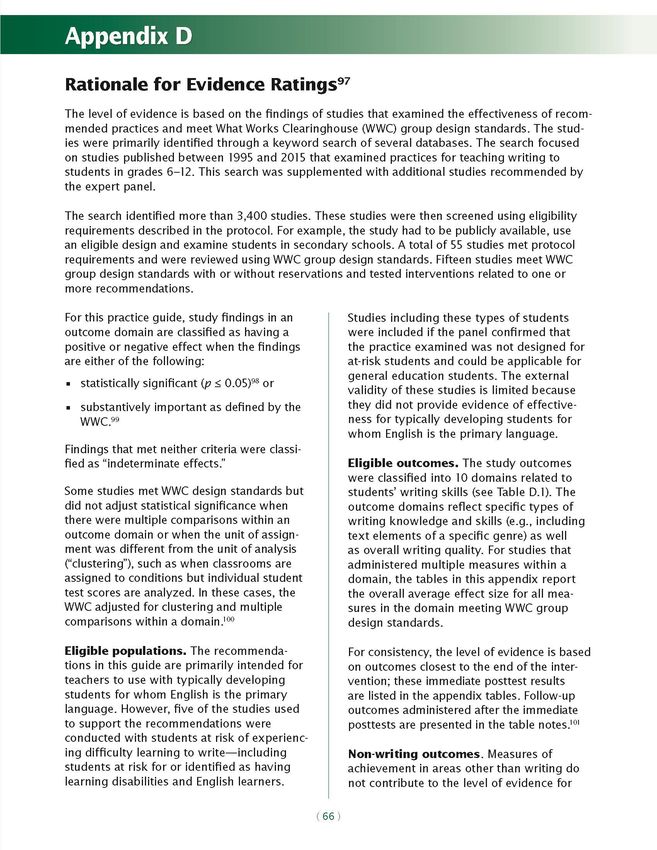
34WWC Practice Guide Appendices: Rationale for Evidence
Ratings 5
35Check for Understanding (part 2)
• Returning to the school district in your region that asked you about a supplemental
math program called Fraction Face-off!
• What information might you share with this district about how the social construct data
supports working with students in the district?
36Thank You
Please visit our website and follow us on Twitter for information about our events,
priorities, and alliances, and for access to our many free resources.
ies.gov/ncee/edlabs/regions/central/index.asp
@RELCentral
Or contact us at RELCentral@MarzanoResearch.com
This presentation was prepared under Contract ED-IES-17-C-0005 by Regional Educational Laboratory Central, administered by Marzano Research.
The content does not necessarily reflect the views or policies of IES or the U.S. Department of Education, nor does mention of names, commercial products, or organizations imply endorsement by the U.S. Government.
37April Session
• How do you have these critical conversations with your schools and districts regarding
these levels of evidence and the use of materials?
– What are the challenges? How have you overcome these challenges?
– Once you are invited, how do you present information that is salient to them but also pushes them
to do more?
– How do you make these decisions in the absence of data?
38References
1. Ohio Department of Education. (2020). Ohio’s plan to raise literacy achievement.
http://education.ohio.gov/Topics/Learning-in-Ohio/Literacy
2. U.S. Department of Education. (2016). Non-regulatory guidance: Using evidence to strengthen education
investments. https://www2.ed.gov/policy/elsec/leg/essa/guidanceuseseinvestment.pdf
3. Definitions and Selection Criteria That Apply to Direct Grant Programs, 82 F.R. 35445 (proposed July 31, 2017)
(to be codified at 34 C.F.R. §§ 75, 77). https://www.federalregister.gov/documents/2017/07/31/2017-
15989/definitions-and-selection-criteria-that-apply-to-direct-grant-programs
4. Institute of Education Sciences. (2017, April 11). Teaching strategies for improving algebra knowledge in middle
and high school students: Levels of evidence [Video]. YouTube.
https://www.youtube.com/watch?v=27poYdVXQUk
5. Graham, S., Bruch, J., Fitzgerald, J., Friedrich, L., Furgeson, J., Greene, K., Kim, J., Lyskawa, J., Olson, C. B., &
Smither Wulsin, C. (2016). Teaching secondary students to write effectively (NCEE 2017–4002). U.S. Department
of Education, Institute of Education Sciences, National Center for Education Evaluation and Regional Assistance.
https://ies.ed.gov/ncee/wwc/PracticeGuide/22
39You can also read


