Consultation Document - Review of Dublin City Development Plan, 1999 and preparation of a new City Development Plan 2005 2011.
←
→
Page content transcription
If your browser does not render page correctly, please read the page content below
Consultation Document

      Review of Dublin City Development Plan, 1999
                  and preparation of a
        new City Development Plan 2005 - 2011.

                        Stage One Consultation

Planning and Economic Development Department
Dublin City Council
Civic Offices
Wood Quay
Dublin 8

March, 2003

                                     1
Background

This document has been issued as part of the             Public consultation meetings regarding the
first stage in the preparation of the Draft Dublin       preparation of the proposed Draft Dublin City
City Development Plan 2005 - 2011. It is                 Development Plan will be held in a number of
intended to help stimulate debate on issues that         locations throughout the city in March and April
the new Dublin City Development Plan might               2003. Further public notices will be published in
address.                                                 newspapers and on Dublin City Council’s web-
                                                         site indicating the locations, dates and times of
You are invited to submit your views.                    these meetings.
Submissions and observations should be
marked Development Plan Review and should                Dated the 3rd March 2003.
state your name and, where relevant, the body
represented by writing to:
                                                         Mr. Sean Carey,
Executive Manager                                        Assistant City Manager,
Planning Department                                      Planning and Economic Development
Dublin City Council                                      Department,
Civic Offices                                            Dublin City Council.
Wood Quay
Dublin 8

Submissions and observations may also be
made by e-mail to the following address:
devplanrecip@dublincity.ie.

All submissions should be lodged not later than
the 15th May 2003. These will be taken into
consideration prior to the preparation of the new
Draft Dublin City Development Plan. In order to
facilitate the plan preparation process please
make your submission as early as possible.

It should be noted that there will be other
opportunities later on in the process for you
to further express your views and make
additional submissions.

During the period up to and including the 15th
May 2003 copies of this `Consultation
Document`, the public notice, a Guide to Making
a Submission on a new Development Plan and
the timetable for making the Plan will be
available on Dublin City Council’s web-site:

www.dublincity.ie/services/planning/develop
mentplan

                                                     1
Introduction

Dublin City Council commences the preparation            Topic Headings
of the new six-year Development Plan for the
period 2005 to 2011 on the 21st March 2003.              •    Population and Future Development Trends
                                                         •   Infrastructure
The Development Plan is a legal document and             •   Transportation
must be prepared and adopted within a strict             •   Employment and Economic Development
timeframe. The timeframe and the process                 •   Conservation
involved is laid out in Section Two of the               •   Open Space / Recreation / Culture &Tourism
Planning and Development Act, 2000. Once the             •   Community Development
process commences, the Development Plan
must be made within two years of the
commencement date. This timeframe cannot be              Appendix 1: Mandatory Objectives for
extended.                                                            Development Plans
The Act stipulates that the Development Plan             Appendix 2: Guidelines and Strategies to be
`shall set out an overall strategy for the proper                    considered in the new Dublin City
planning and sustainable development of the                          Development Plan
area`. It also provides for the preparation of the
Plan in 3 stages:

•   Stage 1: Pre-Draft and Consultation
•   Stage 2: Preparation of Draft Plan and
             Consultation
•   Stage 3: Making of Development Plan

Public involvement at the start of the plan
making process is important so that the
Development Plan reflects public aspirations
and concerns, as well as Government Policies,
Strategies and Guidelines.

This `Consultation Document` has been
prepared as part of Stage 1 of the process. It is
intended to stimulate public debate on the
issues that the 2005 –2011 Dublin City
Development Plan might address. It deals with
some of the main issues under various
headings. These issues are not exhaustive, and
you are invited to raise other matters you
consider relevant to the plan.

                                                     2
Population and Future Development
Trends –
(Housing, Social/Affordable, Travellers,
Retail and Commercial Needs etc.)

Background

Census of Population

The population of the Dublin Region increased           of 184,785 households in 2002.
by 64,336 to 1,122,600 over the 1996-2002
period, an increase of 6.1%. The population of          As a result of the increase in population and the
the City Council area increased by 13,247 to            reduction in household size, it is estimated that
495,101 over the same period, an increase of            there will be a demand for 40,000 residential
only 2.7%.                                              units by 2011.

Within this relatively modest increase in               Dublin City Housing Strategy
population there is a considerable variation
between the inner city areas, which increased           The current Dublin City Development Plan
by approximately 20%, and the north and south           Housing Strategy sets out the Council’s policy
outer city, which recorded a decline of 6,246           on housing up to March 2005. It also includes
(northside) and increase of 2,066 (southside).          measures to provide for social and affordable
The number of households increased in all               housing to meet the needs of all sectors of the
areas of the city with an overall increase of           community and measures to avoid undue social
6.8%. Household size in the City Council area is        segregation. The new Development Plan will
now the lowest in the region at 2.68 persons per        incorporate an updated Housing Strategy, which
household.                                              will address the demand for housing up to
                                                        March 2011.
National Spatial Strategy (NSS) / Strategic
Planning Guidelines for the Greater Dublin              Retail Strategy
Area (SPGGDA) Population Projections
                                                        The Retail Planning Strategy for the GDA is
The NSS and SPGGDA both favour the physical             designed to ensure that there is sufficient retail
consolidation of the metropolitan area as an            floor space to provide for projected population
essential requirement for a competitive Dublin, a       and expenditure growth and that it is situated in
sustainable region and an efficient public              the correct locations.
transport system.                                       The strategy indicates that by 2006 there will be
                                                        demand for significant additional retail floor
The NSS estimates that between 2000 and                 space in the city, with in excess of 30,000 sq. m
2020 the Greater Dublin Area (GDA) share of             required in the city centre and in excess of
the national population will increase from 39% to       47,000 sq. m in the rest of the City Council area.
43% resulting in a population of between 1.9            The strategy also notes that significant
and 2.2 million by 2020.                                opportunities for further comparison and
                                                        convenience goods retailing will occur beyond
The SPGGDA updated projections estimate that            2006.
the population of Dublin City will increase from
495,101 persons in 2002 to 517,323 by 2006              Office Market
and to 536,806 by 2011. The projected number
of households in the city by these dates are            After a period of high demand and floor space
215,800 (2006) and 224,760 (2011) from a base           expansion, demand for accommodation on the
                                                    3
Dublin office market has substantially declined.         2. How best can social and affordable housing
The office vacancy rate peaked at 15% for the               be provided?
city as a whole in 2002 and is likely to remain
high over the next few years. Demand for                 3. Where should social and affordable housing
modern city centre office space is however                  be provided?
projected to remain relatively strong with current
estimates showing that 60% of demand is                  4. How can the housing requirements of all
focussed on the city centre.                                sectors of society i.e. first time buyers,
                                                            students, homeless persons, mobility
Residential Land Capacity                                   impaired persons, family homes, travellers
                                                            and the elderly, be accommodated?
The latest estimates indicate that the available
serviced residential zoned lands will be                 5. What response should there be to the trend
exhausted by the year 2010. Beyond 2010,                    towards smaller household size?
there will be no available residential land banks
to serve the future population growth of the city.       6. Are existing semi-detached and terraced
                                                            dwellings in the city suburbs a resource to
As the period of the Development Plan review is             be protected?
2005-2011, the shortage of residential lands will
become an issue over the period of the current           7. What type of infill housing policies should we
plan review.                                                have (e.g. should houses in side and rear
                                                            gardens be permitted)?
In order to accommodate the projected increase
in population and housing demand it will be              8. What type of accommodation and range of
necessary to develop policies for increased                 facilities/amenities could be provided that
densities and intensification of development in             would encourage older citizens to ‘downsize’
the new plan. A number of options are possible:             their properties?

•   maximisation of development potential                9. How can the benefits of intensification best
    of available lands in suburban                          be supported to facilitate a better quality of
    locations;                                              life (e.g. improved transportation, community
•   the continuation of the renewal and                     facilities, services etc.)?
    expansion of the city centre area;
•   a greater residential component in                   Retail
    future development of lands zoned for
    mixed uses;                                          10. How can the city ensure that it retains its
•   residential use of lands currently zoned                 position as the primary retail location in the
    for other uses;                                          region?
•   the maximisation of development
    opportunities near public transport                  11. Is there scope for the development of
    nodes, at district centres and along                     additional large scale retail centres in the city
    designated transportation corridors.                     centre?

Main Issues                                              12. What is the role of the inner suburbs in terms
                                                             of retail provision? What scale and type of
Residential                                                  developments should be permitted in such
                                                             locations?
1. How can the demand for additional housing
   be catered for in the new plan?

                                                     4
13. Where should additional retail development
    required to service projected retail demand
    be located?

   Office / Employment

14. It would appear that demand for modern
    office space in the city centre will remain
    high in the immediate future despite the
    significant reduction in demand for suburban
    locations. How can the continued supply of
    such office space be ensured?

15. How can the role of the city centre as the
    core office location in the city be protected
    and developed?

16. Should the Development Plan reserve a
    proportion of undeveloped lands exclusively
    for future commercial and office
    development even if current pressures are
    for the accommodation of other land uses?

Interaction of Land Uses

17. How can we achieve population growth while
    at the same time preserving the scope of the
    city to maintain and develop its primary
    economic and cultural role?

18. How can we achieve a high quality
    environment in a compact city?

19. In an evolving and developing city, how can
    we facilitate the development of communities
    side by side with an increase in population?

20. How can the critical economic, social and
    cultural requirements of communities (i.e.
    retail, transport, education, childcare,
    recreation, community supports etc.) be
    developed to coincide with the development
    of communities?

21. How can we accommodate the development
    needs of the city while at the same time
    protecting our architectural heritage and
    natural environment?
                                                    5
Infrastructure – Water Supply, Drainage,
Waste Disposal, Telecommunications,
Energy

Background

The recent economic boom throughout Ireland                 provide a sustainable drainage system for
and particularly the Greater Dublin Area (GDA)              Greater Dublin Area.
and rapid expansion of the city in terms of
employment, population, households and                  •   The completion of the Dublin Bay Project will
geographical area has resulted in a significant             result in an increase in effluent treatment
increase in the pressure on infrastructure of all           capacity in the Dublin area and an
kinds within the GDA and the city.                          improvement in the water quality in the
                                                            Dublin Bay area.
In addition, changes in legislation and
technology have resulted in further pressure on         •   Increased water supply has been achieved
infrastructure including energy consumption,                as a result of reduction in leakage and
water and wastewater treatment, solid waste                 provision of North Fringe water supply
recovery and disposal and communications                    scheme. Further improvements are required
infrastructure.                                             over the coming years via a program of
                                                            rehabilitation of the network.
The aim of the Dublin City Development Plan is
to provide and efficiently manage a wide range          •   Waste management services are part of a
of services essential for the urban development             dynamically changing environment and
and health and safety of people in Dublin and to            strategies will continue to be responsive to
accommodate and co-ordinate continued                       evolving technology. Objectives and
growth.                                                     strategies are set out in the Waste
                                                            Management Plan for the Dublin Region.
The “polluter pays” principle will apply to the
management of waste/pollution services.                 Main Issues

The following trends have been identified with          Energy
regard to infrastructure:
                                                        1. What should be the policy of the Planning
•   Significant increases in energy consumption            Authority regarding renewable energy
    over recent years particularly the expansion           production?
    of energy intensive industries such as
    telesales/call centres and science and              2. What is the future for the city in terms of
    technology based industries.                           energy production?

•   Deregulation of the energy sector such that         Communications
    the ESB monopoly on energy production no
    longer exists. Private sector companies will        3. What should be the policy of the Planning
    in future be seeking to develop fossil and             Authority in relation to mobile telephone
    renewable forms of energy.                             infrastructure/antennae?

•   Regional policies for drainage are currently        4. How can the Planning Authority ensure that
    being drawn up with the aim of facilitating a          the city area is adequately served in terms of
    uniform and consistent approach to urban               up to date telecommunications infrastructure
    infrastructure planning and helping to                 including broadband distribution?
                                                    6
Waste

5. What provision should be made for recycling
   facilities and promoting waste prevention in
   the city, both at a neighbourhood level and
   within individual developments?

Drainage

6. How can Dublin City Council ensure
   adequate drainage infrastructure to cope
   with anticipated intensification of
   development within the city?

7. What measures should be taken to ensure
   that drainage infrastructure is not overloaded
   as a consequence of input from
   developments outside the city?

Other Issues

8.   Control of establishments under the Major
     Accidents Directive?

                                                    7
Transportation

Background                                                Trends

The Development Plan review is being prepared             Increased pressure on all types of infrastructure
in the context of major strategic land                    has resulted in significant increases in journey
use/transportation initiatives at both national and       times and higher levels of pollution, which in turn
regional level and the coming into force of the           have an adverse impact on the economy of the
new Planning and Development Act, 2000.                   city.

This Act indicates that the National Spatial              Main Issues
Strategy and Strategic Planning Guidelines now
form part of a strategic hierarchy of plans that          Integration of Land Use & Transport
set parameters for the preparation of
Development Plans. The Planning Act and                   1. In order to work towards better integration of
strategic plans also give primacy to                         land use and transport the Development Plan
sustainability and integrated transport and land             will need to provide for the following
use objectives. The trend is to ensure that the              objectives:
intensity and type of development is appropriate
to the location of sites in relation to                       •    Intensification of development at rail
transportation infrastructure. The aim is to                       stations and along major public
reduce car travel, energy consumption and                          transport routes;
pollution and encourage more sustainable                      •    Review car parking requirements in
transport modes e.g. public transport, cycling                     new developments in areas that are
and walking.                                                       accessible to good public transport
                                                                   facilities;
The Dublin Transportation Initiative (DTI), 1995,             •    Provide for a more intensive use of
provided the strategic transportation planning for                 land to ensure a mix of retail and
the Greater Dublin Area. “A Platform for                           commercial development with
Change”, published in 2000 by the Dublin                           residential in appropriate locations
Transportation Office, represents the first
updating of the DTI Strategy and provides an              2. What range of services and facilities are
Integrated Transportation Strategy for 2000-                 needed at transport interchanges (where
2016.                                                        different modes of transport such as DART,
                                                             Bus, METRO and Luas meet) e.g. cycle
A primary aim of the Strategy is to achieve a                parking etc.?
more compact city, which will reduce the amount
of travel and create conditions where improved            City Centre (Access & Environment)
public transport can provide a viable alternative
to the car.                                               3. In meeting the needs of the city, how can we
                                                             best regulate traffic movements, in particular
A combination of economic growth and                         heavy goods vehicles (HGVs), so as to
increasing population and household numbers                  minimise the negative impacts to the
have led to higher car ownership levels and                  surrounding environment?
increased peak and off peak car travel resulting
in traffic congestion, pollution and a degraded           4. What measures can be introduced to reduce
environment                                                  traffic congestion during peak hours?

                                                      8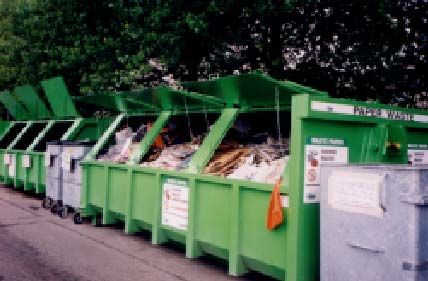
Public Transport

5. How can the Development Plan create
   transportation linkages to and between
   District Centres to enhance their viability?

6. What measures do you feel would
   encourage a bigger changeover from private
   car to public transport, e.g. greater
   frequency and additional priority for buses;
   provision of Park & Ride facilities, etc.?

7. Given the high cost of implementing public
   transport infrastructure, to what extent
   should deregulation and public/private
   partnerships play a role in Development Plan
   transportation policies and objectives?

Pedestrians and Cyclists and Mobility
Impaired/Disabled People

8. Is the provision of a Strategic Cycle Network
   the most appropriate means of encouraging
   cycling or are other facilities/measures
   required?

9. How can the pedestrian environment be
   improved?

10. Is there a need to develop safer walking and
    cycling routes to the schools in your area?
    What other policies/initiatives would help to
    reduce private car journeys to schools?

11. Should the idea of ‘home-zones’ - i.e. traffic
    restricted residential areas where priority is
    given to pedestrians, cyclists and children at
    play – be promoted in the city?

                                                     9
Employment and Economic Development
Background
The Dublin City area forms an integral part of The development of small enterprise and R&D
both the national and regional economy and will therefore be crucial to the future economic
plays a primary role in relation to professional growth of the city and region.
and financial services, tourism and retail.
In order to continue to grow and maintain its
At a wider level, Dublin is increasingly in dominant position as the premier employment
competition with other European capital cities for and financial centre in the state, the city also
investment and business activity. Its success in faces challenges in the provision of
this international market is indicated by the fact telecommunications and other physical
that the city has been ranked in the top five of infrastructure, which need to be addressed.
European cities for business and there are more
than 800 overseas companies located in Dublin In addition, despite the growth in employment in
which trade in the European market. recent years, some parts of the city still
experience relatively high levels of
As a result of improved economic conditions, job unemployment.
opportunities and migration, the Greater Dublin
Area has seen a steady increase in employment National Spatial Strategy (NSS)
and reduction in the rate of unemployment since
the adoption of the last Development Plan. The NSS has targeted a number of development
centres, including Dublin City, as locations
The number of businesses currently operating in which will be the drivers of development at a
Dublin is in excess of 40,000. Information based national and regional level. The NSS recognises
industries continue to displace manufacturing as Dublin’s role in being central to the continued
the principal engine of economic activity and growth in the national economy and that it is
approximately 90% of businesses are in the essential for balanced regional development that
services sector. The key components of the the performance of Dublin is maintained and
economy of the city are financial services, consolidated.
telecommunications, software, tele-services and
retail and leisure, and these activities are The City Development Board Strategy
clustered at a number of locations throughout
the city including the IFSC, Digital Hub area, In 2002 the Dublin City Development Board
East Point Business Park, Parkwest and the (DCDB) drafted an overall strategy for the city,
central retail core. ‘Dublin – A City of Possibilities 2002-2012’. One
of the themes of the strategy is that of an
96% of businesses in Dublin City are Small to enterprising city.
Medium sized Enterprises (SMEs) employing
less than 50 people. Research shows that small The vision is of a city where enterprise is
businesses are major contributors to the encouraged, valued and fostered, where
sustained creation of economic wealth and to sustainable indigenous industries are nurtured,
local development. Research also indicates that and the benefits of economic success are
strong future economic development will require shared with everyone.
a strong Research and Development (R&D)
sector, links with third level institutions and the
adoption of new telecommunications
technology.
10Main Issues
1. How can the planning process assist in the
creation of employment and enterprise?
2. What kinds of units are required for new
employment opportunities? Is there a need
for starter units of various sizes?
3. What can be done to develop and support
the role of third level institutions in the city in
fostering the role of the entrepreneur?
4. The Strategic Planning Guidelines for the
Greater Dublin Area (SPGGDA) highlight the
need to differentiate between different types
of manufacturing and service industries, as
certain forms of manufacturing require good
access to the national road system.
Enterprises with a high level of employment
require access to a good public transport
network. Should the Development Plan
designate lands for different employment
types and trends?
5. As the relative importance of manufacturing
declines, what land uses should be
permitted on any resulting surplus industrial
lands? (residential, commercial, offices etc)?
6. How should existing localised unemployment
in the city be tackled?
7. How can the Development Plan best support
new and evolving work practices which
reduce the demand to travel, including e-
business and tele-working?
8. What type of leisure activities and other
services should be provided as part of large-
scale employment-generating
developments?
9. Should mixed-use employment and
residential developments be encouraged or
should there be a clearer distinction between
these land uses?
11Conservation – Record of Protected
Structures, Architectural Conservation
Areas, Heritage, Archaeology, Landscape
Conservation Areas
Issues
Introduction
1. How do we achieve a balance between the
The physical forms of Dublin City as we know it
requirements to protect our urban
today have been shaped and modelled by
architectural heritage and accommodate the
centuries of development. This evolutionary
development needs of the city?
process has provided a built heritage of
considerable significance with areas of particular
2. How can limited resources be best utilised
character and richness.
in ensuring that the statutory obligations in
protecting and conserving the architectural
Conservation encapsulates many sustainable
heritage of our city are met?
objectives, which include the re-use of
resources, sustainable urban regeneration and
Architectural Conservation Area (ACA)
the improvement of the built environment.
The Planning & Development Act, 2000 requires
Dublin City Council recognises the importance
the Development Plan to contain objectives
and challenge of protecting and conserving the
relating to the preservation of the character of
diversity of the city’s natural and built heritage.
Architectural Conservation Areas. ACAs are
Our collective challenge as custodians of this
defined as any place, area, group of structures
heritage is to promote appropriate ways of
or townscape that:
sustaining the quality of life in our city whilst
reconciling contemporary living pressures.
a) is of special architectural, historical,
archaeological, artistic, cultural,
The Record of Protected Structures
scientific, social or technical interest or
value or
The Record of Protected Structures (RPS)
b) contributes to the appreciation of
includes almost 9000 structures. This record
protected structures.
was established in compliance with the
provisions of the Planning & Development Act,
O’Connell Street was designated an ACA by
1999. The Record is primarily an amalgam of
way of a variation to the Dublin City
the structures identified in the 1999
Development Plan 1999 following the coming
Development Plan for preservation (List 1) and
into force of the Planning and Development Act,
protection (List 2).
2000.
It is intended to review the existing record
The existing designation of Residential
having regard to the criteria specified in the
Conservation Areas and Conservation Areas
Planning and Development 2000, Act, which
that are in the current Development Plan will no
include:
longer have any status once the new plan is in
place.
“The protection of structures, or part of
structures which are of special architectural,
Issues
historical, archaeological, artistic, cultural,
scientific, social or technical interest.”
1. What is the extent of the need to designate
for ACAs having regard to the city’s
12architectural heritage and the future
development demands of the city? 2. Having regard to the extent of Dublin’s
archaeological resources how can they best
2. Can the designation of ACAs provide an be utilised for education and tourism
alternative means of protection for certain purposes?
areas which already have a concentration of
protected structures? 3. Having regard to the extent of development
in the archaeologically important area of the
Heritage city, how can a strategy for archaeology be
put in place?
The National Heritage Plan and the National
Bio-diversity Plan as published in 2002 outline Landscape Conservation Areas and
that it is the responsibility of Dublin City Council Landscape Protection
to prepare and implement a City Heritage Plan
and Bio-diversity Plan to achieve the better Section (10) of the Planning and Development
conservation and understanding of our Act, 2000 requires that objectives be included in
architectural, archaeological and natural the Review of the Development Plan for
environment. The Dublin City Heritage Plan was
launched in 2002. “The preservation of the character of the
landscape where, and to the extent that,
The City Heritage Plan and Bio-diversity Plan in the opinion of the planning authority,
act as a delivery mechanism for the Dublin City the proper planning and sustainable
Development Plan’s heritage objectives. development of the area requires it,
including the preservation of views and
Issues prospects and the amenities of places
and features of natural beauty or
1. How can the Development Plan assist in the interest”.
implementation of the Dublin City Heritage
Plan, 2002-2006? In addition to the above requirement Section
204 enables the Planning Authority to designate
2. How can the Development Plan assist in the areas for the purposes of the preservation of the
preparation of and implementation of a Bio- landscape as Landscape Conservation Areas.
diversity Plan for the city?
Issues
Archaeology
1. Are there areas of the city where the
Dublin City is rich in its archaeological heritage. landscape character requires preservation
The area of archaeology has been defined by or protection?
the National Monuments Acts and focuses on
the City Centre. Dublin City Council is obliged by 2. Are there views and prospects, which are
way of European and National statutory important features of the landscape
obligations to give protection to this heritage requiring designation?
through the planning process.
Issues
1. How do we meet the renewal and
regeneration needs of the city while
protecting its archaeological heritage in
situ?
13Open Space, Recreation, Culture and
Tourism
Background
The City Council is required under the Planning Dublin City Council also manages two indoor
and Development Act, 2000 to include sports centres and eight swimming pools.
objectives in the Development Plan relating to
‘the preservation, improvement and extension of Main Issues
amenities and recreational amenities’ (Section
10(2)(j) and ‘the integration of the planning and 1. While the overall provision of public open
sustainable development of the area with the space in the city is in accordance with
social, community and cultural requirements of international standards, there are areas,
the area and its population’ (10(2)(d)). which are deficient in one or more levels of
open space. How can the Development Plan
Recreational Amenity and Open Space help to rectify this imbalance, while retaining
emphasis on quality and on meeting user
Dublin City Council manages 1,400 hectares of needs?
public open space including regional, district,
neighbourhood and local parks, linear parks and 2. With limited resources, how best can we
local green spaces. cater for a diverse range of recreational
activities while having regard to the objective
The city also includes areas of public open of achieving a more compact city?
space which are not managed by the City
Council (such as the Phoenix Park) and other 3. Where areas of public open space are
recreational amenities such as private sports- under-used due to poor siting or design, or
grounds and golf clubs. are not fulfilling their role as public open
space, should these be improved or
As the city’s population increases and housing redeveloped for other purposes?
densities rise, some of these spaces are coming
under pressure for development for other 4. Should the City Council consider accepting
purposes. It is important that these open spaces indoor recreational amenities in lieu of public
are retained for recreational use. open space in the case of new residential
developments?
The current Dublin City Development Plan
requires 10% public open space in new 5. What areas of the city do not have access to
residential developments on residential zoned a full hierarchy of public open space within a
land and 20% on former institutional lands. reasonable distance? Where are new pocket
parks needed?
All households should have access to the
different levels of open space outlined above, to 6. What areas are deficient in children’s
ensure that the needs of different groups of the playgrounds? Where playgrounds exist, how
population for active and passive recreation are can we ensure equal access to all children
met. from the intended catchment while at the
same time allowing for overlooking and
The trend is toward emphasis on the quality of supervision by nearby dwellings?
open space and on the need for it to be well
sited in relation to dwellings and to be usable. 7. How do we provide for the recreational
needs of a population which is diverse in
respect of age, gender, mobility etc.?
148. Are there areas where linear parks could be Main Issues
developed or extended to add to the network
of public open space (along rivers, canals 1. How can the Dublin City Development Plan
etc.)? assist in encouraging the development of
heritage trails between cultural attractions
9. What should the role of the City Council be and associated open spaces?
in the provision of swimming pools and other
indoor recreational facilities, given changing 2. How can the Dublin City Development Plan
trends in the provision and usage of these? ensure that the distribution of existing and
Is there a need for public-private potential cultural assets throughout the city
partnerships? is recognised and the potential of all areas
exploited?
Culture and Tourism
As a capital city, it is essential that Dublin retain
a high level of provision of quality cultural
amenities. These are important for tourism,
which is becoming increasingly significant in the
city’s economy. It is also important to have
access to quality cultural amenities for all
sectors of the population, regardless of where
they live or their socio-economic circumstances.
Cultural amenities include libraries, theatres,
museums, exhibition halls, art galleries and
other arts facilities. The City Council directly
provides libraries at city, regional and branch
levels and also provides a mobile service.
Other cultural amenities are provided mainly by
the State or the private sector but there is a role
for the City Council in facilitating access and
information, developing linkages between
amenities and ensuring that they are maintained
in appropriate settings.
Cultural amenities can be clustered together or
linked via heritage trails. The provision of
signage, development of pedestrian routes and
improvement of the public realm can help in this
respect. River valleys, canal banks and open
spaces can also be incorporated into heritage
trails to improve their amenity and tourism value.
The City Council also plays an active role in
developing arts and culture throughout the city.
Current mechanisms for this include the Percent
for Art scheme, which ensures the provision of
public art in new developments.
15Community Development
Background
Community facilities play an important role in the residential areas and employment land use
life of the city. Services such as education areas.
(primary and second level schools, third level
institutions and colleges of further education), • The cyclical nature of population profiles in
childcare facilities and crèches and local and parts of the city often results in peaks and
community services such as post offices, declines in the demand for primary and
banking facilities, youth clubs and meeting secondary education places. This can result
space help to maintain and nurture a sense of in an under-utilisation of resources and
community at both local and city wide level. deteriorating environments.
The Planning and Development Act, 2000 • From the extensive consultation process
places an obligation on each Planning Authority carried out by the Dublin City Development
to include in its Development Plan objectives for: Board in the preparation of their statutory
document ‘Dublin – A City of Possibilities’,
• the provision, or facilitation of the provision there appears to be a demand from
of services for the community including, in residents for an increase in community
particular, schools, crèches and other facilities at the local and neighbourhood
education and childcare facilities, S.10(2)(1); level, and for improvements to existing
and, facilities.
• the integration of the planning and • The viability of many small retail outlets in
sustainable development of the area with the the suburbs (with the possible exception of
social, community and cultural requirements newsagent shops) is constantly under threat
of the area and its population, S.10 (1)(d). from larger district centres. These local
centres serve an important function for the
The Development Plan must also have regard to less mobile members of society.
Government policy on childcare issued by the
Department of the Environment and Local
Government (June 2001) “Childcare Facilities –
Guidelines for Planning Authorities”. The thrust
of this document is to increase the number of
childcare places and facilities available and to
improve the quality of childcare services for the
community.
Current trends identified in the area of
community facilities include the following:
• Current trends in the city indicate increased
numbers of women in the labour force, and a
resultant increase in the demand for
childcare facilities. However there are
problems in satisfying the demand for
affordable childcare facilities and in
assimilating such uses into existing
16Main Issues
Childcare
1. Taking account of the new guidelines for
childcare, what policies should be included
in the new Development Plan?
2. How can the City Council best support the
provision of affordable childcare facilities?
3. Should new businesses and industrial parks
and other employment-intensive
developments be required to provide
childcare facilities to serve the needs of
those employed in these centres?
Education
4. How can the City Council best help to
combat existing under-utilisation of
educational lands and maximise existing
resources?
Other Community Facilities
5. How can the Development Plan best provide
for and protect local retail facilities?
6. What range and scale of community facilities
are required at the local and neighbourhood
level, and what measures are required to
render such facilities economically viable?
17Appendix I –
Mandatory Objectives to be included in a
Development Plan.
The following objectives must be included in a
In addition, the First Schedule of the Planning
Development Plan.
and Development Act, 2000 sets out a wide
range of other objectives which may be included
• Zoning of land. in a development plan. These objectives relate
• Provision of infrastructure, including to the following areas:
transport, energy, communication facilities,
water supply, waste recovery and waste
disposal facilities. • Location and pattern of development,
• Conservation and protection of the • Control of areas and structures,
environment.
• Community facilities,
• Integration of planning and sustainable
• Environment and amenities,
development with the social, community and
• Infrastructure and transport.
cultural requirements of the area and its
population.
• Preservation of the character of the
Note. This does not purport to be a legal
landscape including views and prospects.
interpretation. For full details see
• Protection of structures of special Section 10 and the First Schedule of
architectural, historical, archaeological, the Planning and Development Act,
artistic, cultural, scientific, social or technical 2000.
interest.
• Preservation of the character of
Architectural Conservation Areas.
• Renewal of areas in need of regeneration.
• Provision of traveller accommodation.
• Preservation, improvement and extension of
recreational amenities.
• Control of establishments under the Major
Accidents Directive.
• Provision of community services, including
schools, crèches and childcare facilities.
18Appendix 2
Guidelines and Strategies to be
considered when preparing the next
Dublin City Development Plan include
the following:
• The National Spatial Strategy 2002*
• National Development Plan 2000 – 2006* • Residential Density, Guidelines for Planning
• Strategic Planning Guidelines for the Greater Authorities, September 1999*
Dublin Area 1999 and Updates 2000 & 2001 • Childcare Facilities, Guidelines for Planning
• The DTO Strategy 2000-2016, A Platform for Authorities, June 2001*
Change (November 2001) • Draft Architectural Heritage
• Retail Strategy – for the Greater Dublin Area Protection/Guidelines for Planning
2001 Authorities December 2001
• Sustainable Development: A Strategy for • Retail Planning, Guidelines for Planning
Ireland 1997* Authorities, December 2000*
• Dublin City Development Board ‘Dublin – A • Action on Architecture 2002 – 2005, April
City of Possibilities, Economic, Social and 2002
Cultural Strategy (2002-2012)’ • National Inventory of Architectural Heritage
• Dublin City Development Plan 1999 Survey of Dublin City
• Development Plans of adjoining Planning • COMAH (Seveso2) Directive – European
Authorities – South Dublin County Council, Communities (Control of Major Accident
Fingal County Council, and Dun Hazards involving Dangerous Substances)
Laoghaire/Rathdown County Council. Regulations, 2000
• Planning and Development Regulations
2001
• Waste Management Plan for the Dublin * Denotes documents which may be available
Region from Government Publications Office,
• Water Quality Management Plan for the Molesworth Street, Dublin 2 or on the
Dublin Region Department of Environment & Local
• Part V of the Planning and Development Act, Government Web-site
2000, Housing Supply, Guidelines for www.environ.ie/developmentandplanning
Planning Authorities December 2000*
• Landscape and Landscape Assessment, This list is not exhaustive and additional
Guidelines for Planning Authorities, Public documents will be considered as appropriate.
Consultation Draft, June 2000*
• Tree Preservation, Guidelines for Planning
Authorities, March 1994*
• Wind Farm Development, Guidelines for
Planning Authorities, September 1996*
• Telecommunications Antennae and Support
Structures, Guidelines for Planning
Authorities, July 1996*
19FINGAL C o.
Bor o.
Bd y.
Bdy.
Co. B or
o. Bd y.
r o.
Bo
.
Co
C o. Bo ro . Bd y.
o . Bo ro. Bdy.
C
Darndale
Bdy.
.
C o.
Boro
Bo ro
. Bd
y.
o.
C
Co .
Bor
o.
Bdy.
Ballymun
y.
Santry
B or o. Bd
Finglas
C o.
Kilbarrack
C
o.
Bor
o.
Bdy
.
Whitehall
.
y
Co . Bo ro . Bd
Tolka Valley
Artane
Ashtown d
ro. Bdy.
Bo
C o.
an
Isl
l l
Fairview Clontarf Bu
Cabra Royal Canal
. Bdy.
Bo ro
C o.
Phoenix Park
East Wall
Oxmantown
20
Chapelizod
C
o. B or
o. Bd y.
Inchicore Ringsend
Coombe St. Stephen’s
Ballyfermot Green
C
o.
Bor
o.
Bdy.
Ballsbridge
ro . Bdy.
Bo
C o.
Grand Canal
The Administrative Area
Harolds
Walkinstown Cross of
SOUTH Rathmines
C
o.
Bo
ro
. B dy.
DUBLIN
Co . Bo ro. Bdy.
Co . Bo
ro . Bdy.
Merrion
.
Bdy
o.
Bor
Dublin City Council
Co.
C
o.
Bor
o
y.
. Bdy.
Bd
o.
Bor
o.
C
Bushy Milltown
Park
Co.
Bor
o. Bd
.
y
C o. B or o. Bd y.
DUN
LAOGHAIRE/
RATHDOWNYou can also read


