"Hot Water Beach Preserved" - Hot Water Beach Community Plan - Hot Water Beach Community Plan February 2006 - Issue 1 - Thames-Coromandel District ...
←
→
Page content transcription
If your browser does not render page correctly, please read the page content below
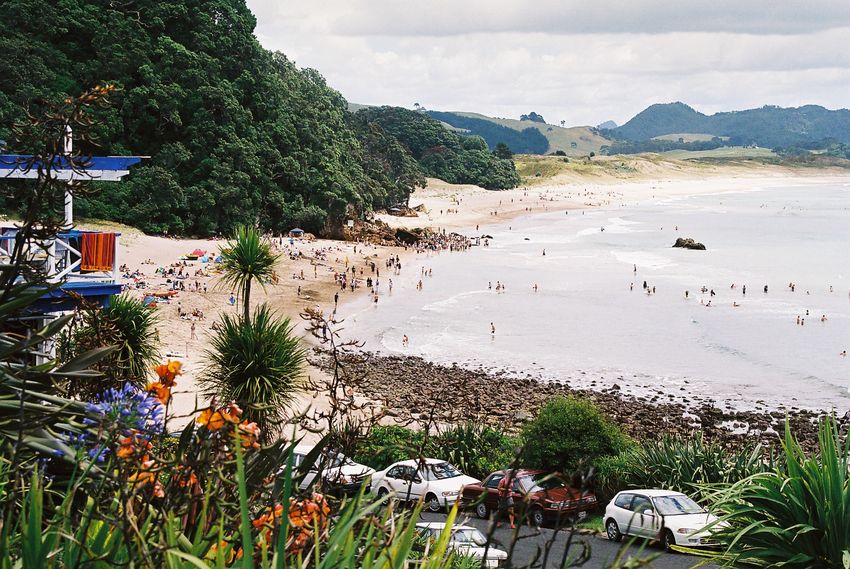
Hot Water Beach

           Community Plan

      “Hot Water Beach
         Preserved”

Hot Water Beach Community Plan February 2006 – Issue 1   1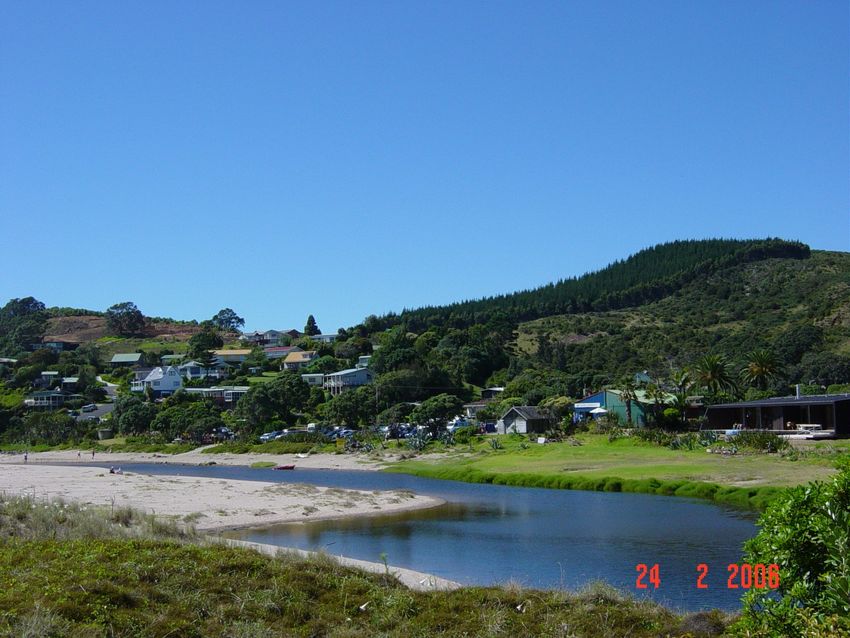
Vision

 The Hot Water Beach community will
 grow and develop in ways that are
 consistent with the concept that we are
 stewards of our environment and the
 well being of the people who live there.

Hot Water Beach Community Plan February 2006 – Issue 1   2
HOT WATER BEACH COMMUNITY PLAN
Foreword

Why develop a Community Plan for Hot Water Beach

This Community Plan has been prepared to provide the framework for the management,
protection and development of Hot Water Beach as a national icon and world famous
tourist destination and as a place to live and holiday in.

Hot Water Beach experiences a constant flow of visitors on a daily basis throughout the
year and during the peak summer period there are regularly in excess of a hundred people
gathered around the hot springs on the beach during low tide. This is in addition to the
two to three hundred people who will have come to the beach to enjoy swimming in the
surf and the beautiful beach. The novelty of the hot springs continues to draw increasing
numbers of tourists throughout the year and there are occasions when as many as four
tourist’s buses can be parked in the very small parking area. The impact of these visitors
puts unique demands on services, the environment and land usage.

Also, as in other parts of the Coromandel, subdivision of coastal land is becoming more
prevalent and in some cases with negative environmental impacts.

To mitigate against these impacts and to ensure the sustainability of the natural resource
base, a carefully constructed plan that specifically addresses these issues at Hot Water
Beach is urgently required in order to protect and enhance the environment, better
facilitate decision making on land development, and ensure the areas strong tourist appeal
continues.

The plan and the planning process are intended to:

    •   Help focus community debate and involve the stakeholders in making decisions
        and taking responsibility for HWB.

    •   Set direction and common goals, promote consensus and avoid division

    •   Help safeguard the community and the environment from exploitation

    •   Capture good ideas and identify initiatives suitable for external funding

    •   Help avoid haphazard development

    •   Provide a mechanism for influencing the Mercury Bay Community Board and
        Thames-Coromandel District Council (TCDC) through both the initial plan and
        subsequent reviews of the Community Plan

Hot Water Beach Community Plan February 2006 – Issue 1                                    3
TCDC is committed to the planning process. The Local Government Act 2002 requires
Local Authorities to develop Community Plans in consultation with communities to
identify the outcomes that residents desire for their community’.
‘These plans are to be included in the Long Term Council Community Plan (LTCCP)
which all local authorities must have’.
Many of the issues that are identified in the Hot Water Beach Community Plan will have
implications for the District Plan, and will, as a result of the LTCCP process, require
changes to the District Plan to ensure that the community’s input is recognized.
VISION/OUTCOMES
The Vision - Where do we want to be in 20 years time?
The Hot Water Beach community will grow and develop in ways that are consistent
with the concept that we are stewards of our environment and the well being of the
people who live there. Any change will be in harmony with the low impact, quiet beach
community-village concept. Commercial activities such as tourism and the support
facilities will be appropriate to day visitors and residents and not impact negatively on
the environment.
Other points include:
• A place to live in and visit that captures and provides for a relaxed and low impact
New Zealand beach village lifestyle that meets the needs of the local community.
• Low rise dwellings and a balance of appropriate commercial activities that fit with
a beach holiday location.
• A tourist draw-card that is carefully managed to ensure that the appropriate
services and facilities are in place to adequately cater for the tourists basic needs.
• The reserves and surrounding land returned to its pre-farming state with native
flora, clean streams and an abundance of native fauna and protected for posterity.
THE WAY FORWARD
Hot Water Beach is a beautiful location, with a small number of permanent residents
(perhaps 90 in the overall catchment), where land and sea come together in a unique
combination. Within the beach settlement itself the land area is limited and the
established land-use activities mainly comprise of a small number of houses, a general
shop, a craft shop and two cafés. The bulk of the support services are provided by nearby
communities.
Hot Water Beach Community Plan February 2006 – Issue 1 4As a place HWB serves as an important tourist attraction for the Coromandel Peninsular
and New Zealand. Most of the tourists are day visitors and thus the development of
facilities to support tourism should be appropriate to the needs of day visitors, relying on
other nearby communities to provide for the bulk of the services needed.
The opportunities for further subdivision of land in Hot Water Beach are very limited by
the topography and in particular the need to protect the overall integrity of the land in this
area and for this reason there is a need for extremely sensitive management of the area.
The natural boundaries of development have been established by past subdivision. These
need to be integrated into an overall plan for the HWB area. This plan should define the
interrelationships and status of the small land lots (sections) in the old settlement area
with the larger lots immediately behind the settlement and link to the larger viable
agricultural or preservation/reserve lots beyond.
It is essential for Hot Water Beach to have its own structured plan to ensure the
preservation of the area.
1.0 The Hot Water Beach Community Plan Development Process
• The Hot Water Beach Ratepayers Association agreed at the AGM in January 2005
to support the development of a Community Plan for the Hot Water Beach
Community.
• A subcommittee and a facilitator were appointed to move this process forward.
• Community Planning Workshop (July 23)
• Draft plan developed from workshop outcomes – circulated to HWB stakeholders
for comment and input.
• HWB Community Plan to TCDC March 2006
Hot Water Beach Community Plan February 2006 – Issue 1 52.0 Background
Historical information of Hot Water Beach
Maori settlement
• Maori settlement dates back to 950 AD.
• Ngati Hei are the dominant Iwi.
• The Pa site and Urupa at HWB are testimony to the historical importance of
Te Puia to Ngati Hei.
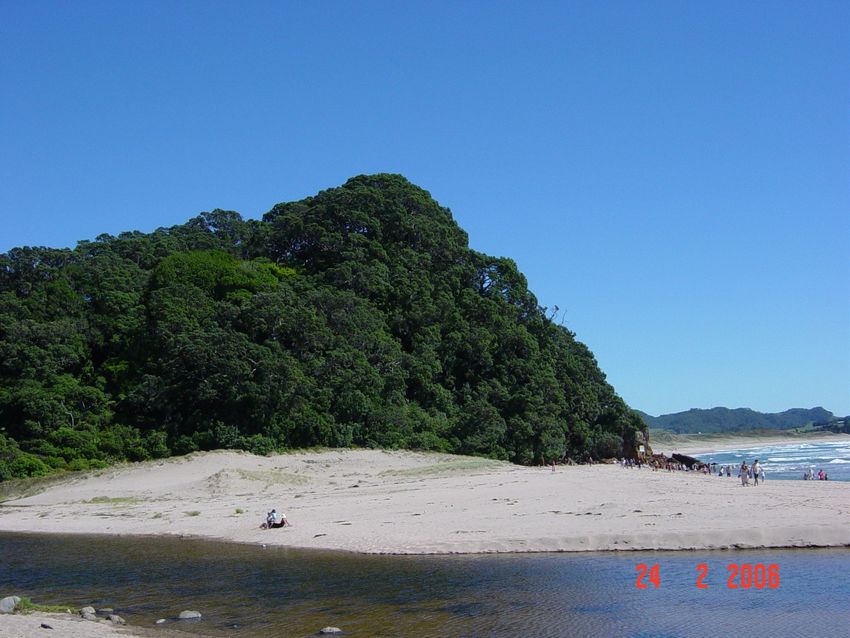
This prominent headland was an important Pa site which has original land formations and
defences.
Farming
• Mathew Creed established an orchard at Hot Water Beach around 1900.
• Charles Pye began farming here in 1926 and farming has continued through the
Pye and other families.
• Main farming activities include - dairy, dry stock, olives and avocado.
Hot Water Beach Community Plan February 2006 – Issue 1 6Baches and houses
• Holiday makers began coming here in the late 1940’s and the numbers have
gradually increased since that time.
Hot water Beach settlement borders the Taiwawe Stream and is nestled against the
backdrop of hills
Hot Water Beach Community Plan February 2006 – Issue 1 7Tourist attraction
• Hot Water Beach is mentioned in the Lonely Planet Guide as one of the top 10
beaches to visit in the world. HWB and Cathedral Cove draw thousands of
tourists to the Coromandel each year.
Demographics
The Hot Water Beach community consists of the main settlement at the south end of the
beach which consists of some fifty residences of which approximately half are permanent.
There is a small settlement developing of eight residences at the north end of the beach
on the Link Road extension of which most are permanent. There is a sprinkling of
approximately 12 homes between HWB North and South and inland, all of which are
permanent residents.
The total permanent is approximately sixty adults and twenty-five children under the age
of eighteen.
These figures are trebled during vacation periods when absentee property owners visit.
Hot Water Beach Community Plan February 2006 – Issue 1 83.0 Well-being and Community Outcomes 3.1 Economic (community outcomes; monitoring progress) To the people who live in and have businesses in and around Hot Water Beach, economic security is important. These businesses provide local employment, including holiday work for students and also draw people in from outside the community. Having viable local businesses is important to this small community as they allow residents to earn a living without travelling away to other centres. These businesses also provide the opportunity for tourists to put something back into the community. The community as a whole support the concept of local businesses functioning at Hot Water Beach so long as they are compatible and complimentary to the beach community way of living and do not compromise environmental well being. 3.2 Social We wish to retain a friendly, supportive, village like atmosphere where the community can work together to achieve desired long term outcomes for Hot Water Beach as well as perform specific short term projects. New comers to the area are welcomed and encouraged to support community initiatives. We want key stakeholder groups (Reserves, Ratepayers and Surf Club) to work together to achieve their respective objectives in a manner that ensures full community participation. Progress monitored during Ratepayers Association AGM reviewing the previous year. 3.3 Cultural Hot Water Beach is a ‘beach community’ with most of the cultural and recreational activities focused around beach activities such as swimming, surfing and surf lifesaving. Surf lifesavers training is a valued activity for young people. Maintaining the facilities and the wider environment to ensure that the local residents can continue to enjoy the beach is important. Adequate facilities to support surf lifesaving activities are seen as vital to beach safety as is adequate signage to warn visitors of dangers in the sea. The HWB Ratepayers Association facilitates an annual picnic for ratepayers and residents as an opportunity for the ‘locals’ to discuss local issues in an informal way. Key cultural outcomes relate to beach safety for visitors and the protection of the beach as a largely pristine natural environment. Hot Water Beach Community Plan February 2006 – Issue 1 9
3.4 Environmental

Commence water quality monitoring
In the past illness, among people swimming and playing in the river has prompted
concerns about water quality and possible upstream sources of pollution. A water testing
programme during the summer months is required to regularly assess water quality at
different key points on the beach and in the two streams at each end of the beach.

Kai Moana Protection initiatives
Residents regularly witness breaches of the Fisheries Act by visitors. Signs need to be
updated in the car-parking areas to describe the size/quantity limits and prohibited species,
as well a MAF phone number that residents can call if further breaches are witnessed.

Monitoring progress: Monitored by MAF and report made each year by MAF to HWB
Ratepayers Association AGM.

Sand dune protection
The sand dunes which are a part of both beaches are a critical feature of Hot Water Beach
that must be protected for all time. It is a priority that initiatives (board walks, signs etc)
to be carried out whenever human activity threatens to damage them.

Monitoring progress: Annual inspection and report carried out by a TCDC/DOC/HWB
Reserves Management Committee representative(s). Report to HWB Ratepayers
Association AGM by HWB Reserves Management Committee.

Pest control
In keeping with the overall vision of enhancing the landscape, it is vital the
TCDC/Environment Waikato pest eradication programme is extended to protect the
reserve and covenanted bush areas of Hot Water Beach, and if possible extend through
from the kiwi protection zone to the south at Boat Harbour.

Monitoring progress: Annual inspection and report to HWB Ratepayers and Reserves
Management Committee carried out by specialist from Environment Waikato.

Stream reserve development
The Esplanade Reserve around the old campground has the potential to become a
significant walkway feature at HWB. Considerable vision and investment will be
required in order for this area to achieve its full potential. The community support the
Reserves Management Committee as the facilitators of this process. Development of this
land should be a priority for reserves contribution money and designed in consultation
with the rate payers association’s reserves group.

Hot Water Beach Community Plan February 2006 – Issue 1                                      10
Botanical Themes
So that enhancement from future planting is maximised around native fauna, it is
proposed that specific guidelines be developed and promoted to residents, land owners
and landscape architects etc in order for these to be used in their planning, particularly on
roadsides or areas highly visible from public areas.

Reserves
Monitoring progress: A representative from the Reserves Management Committee should
report to the HWB Ratepayers AGM on planting in the reserves. The reporting process
should be an opportunity for the residents and ratepayers to have input on the planting
programme and planting themes.

Controlled and managed land sub-division.
The community holds to the view that the hills that form the backdrop to the beach
should be largely developed into native vegetation. Houses and other buildings built
within this backdrop should blend intimately with the environment. The criteria for
approval of subdivision should be its ability to enhance the landscape through appropriate
building design and re-vegetation programmes.

The community also are of the opinion that when existing houses and buildings in the
HWB village are repainted the colours used are consistent with the requirements for all
coastal land.

Subdivision should be controlled. This plan recommends that the boundary of the HWB
settlement be revised as per the diagram in Appendix xx. Areas outside this boundary
must only be subdivided into appropriate low density and manageable areas and only
when a clear landscape enhancement opportunity exists in the form of extensive re-
vegetation programs as a condition of the consent.

Outcome

Monitoring Resource Consents
Consent conditions followed through with by TCDC. Obligations of developers arising
from Consent Conditions need to be regularly monitored.

Hot Water Beach Community Plan February 2006 – Issue 1                                     11
Key Areas of Focus

        Social                                                   Economic

(community wellbeing)                                       (the business world)

  Health                                                       Retail
  Education                                                    Service industry
  Safe communities                                             Industry
  Community                                                    Tourism

                           Social            Economic

                      Environmental          Cultural

          Environmental                                          Cultural

      (surroundings we live in)                         (who we are as a community)

              Infrastructure                                     Recreation & leisure
              Bush and streams                                   Arts
              Coastline & harbours                               Heritage
              Land use
              Reserve management
              Waste management

   Hot Water Beach Community Plan February 2006 – Issue 1                           12
Economic
Retail
What do we have
¾ Moko Arts and Crafts
¾ HWB Tarte shop/café
¾ Hot Waves café
¾ Surf shop and surf school.
¾ Te Puia Native Plant Nursery
What do we want
¾ Small scale retail activities servicing the beach visitors and in harmony with
the environmental values described in the Community Plan Vision statement
What don’t we want
¾ Retail activities that are not consistent with the beach way of life and are
better placed in larger service centres
¾ Retail activities that impact negatively on the environment creating noise and
rubbish
¾ Retail activities such as fast food franchises, retail chain complexes
Priorities for Action
Issue Action Lead Partner Priority/Timeline
Agency Agency
2006/07 2009/10 2012/15
Lack of clear Clear guidelines in TCDC *
criteria that the District Plan
describes regarding retail
what retail activity.
activities are
acceptable
Hot Water Beach Community Plan February 2006 – Issue 1 13Service Industry Economic
What do we have
¾ Four Bed and Breakfasts
¾ Tourism operators usually in large buses frequent HWB on a daily basis
accessing the hot pools and beach
¾ Surf School
¾ Resident volunteers who clean the beach during peak season
¾ Resident volunteers who put the life saving buoys on the beach every morning
¾ Emergency services provided from outside HWB
What do we want
¾ Activities that are consistent with the nature of a beach settlement,
compliment existing activities and fit within strict environmental guidelines
What don’t we want
¾ Commercial activities such as petrol stations
¾ Roading and agricultural contractor’s depots
¾ High rise (more than one storey) or multi-roomed motel complexes or similar
¾ Beach vendors who sell products that can create beach litter
Hot Water Beach Community Plan February 2006 – Issue 1 14Economic
Priorities for Action
Issue Action Lead Partner Priority/Timeline
Agency Agency
2006/07 2009/10 2012/15
No criteria Create the criteria TCDC HWB *
defining Community
appropriate Reps
commercial
activities
specific to
HWB
Industry/Agriculture/Horticulture
What do we have
¾ Farming (dry livestock, dairy)
¾ Avocado and olive orchards
What do we want
¾ Environmentally sustainable agricultural practices which do not compromise
ground water quality or create surface runoff that may contaminate local
streams
What don’t we want
¾ Intensive agriculture, that creates soil and water pollutants and draws off
excessive ground water for irrigation
¾ Cows grazing and defecating close to streams and water courses
Hot Water Beach Community Plan February 2006 – Issue 1 15Priorities for Action Economic
Issue Action Lead Partner Priority/Timeline
Agency Agency
2006/07 2009/10 2012/15
No monitoring Set in place Env. TCDC * ongoing ongoing
of water ways water monitoring Waikato
programme
No agricultural Prepare guidance
practices/rules for appropriate
to protect the practices
environment
Tourism
What do we have
¾ A beach that has been described in the ‘Lonely Planet Guide’ as one of the
worlds top Ten beaches to visit
¾ A unique craft shop (Moko) which attracts visitors in its own right
¾ A café (Hot Waves) which offers food and live music attracting visitors
¾ Cathedral Cove nearby in Hahei also attracting many visitors each year
¾ Amenities failing to cope with increasing visitor numbers
What do we want
¾ To enhance the experience of day visitors without impacting negatively on the
natural environment
¾ Acknowledgement from council and government bodies that HWB is a
nationally significant tourist attraction which draws many visitors from
outside the district, many of them foreign tourists and therefore the costs of
providing and maintaining amenities should be shared with appropriate
funding bodies to help mitigate the impacts of tourism
¾ Tourist facilities to be stylish and appropriate to the basic needs of day visitors
Hot Water Beach Community Plan February 2006 – Issue 1 16What don’t we want Economic
¾ Our environment to suffer due to high visitor demand
¾ Local ratepayers to continue to carry the costs of maintaining amenities
and infrastructure for tourists
¾ Amenities such as car parking and toilet facilities not keeping pace with
the rapid growth of tourism in the area
Priorities for Action
Issue Action Lead Partner Priority/Timeline
Agency Agency
2006/07 2009/10 2012/15
Lack of TCDC /Tourism TCDC Tourism * ongoing ongoing
funding to NZ to allocate Coromandel
develop funding to Tourism NZ
tourist development of.
facilities facilities and
services at HWB
No tourism Develop a TCDC Tourism
management programme for Coromandel
programme management of Tourism NZ
tourism at HWB
Hot Water Beach Community Plan February 2006 – Issue 1 17Infrastructure Environmental
What do we have
¾ Hot Water Beach Village offers a small car park and a toilet block
¾ Middle area of beach which includes an unsealed car park and toilet
¾ Each property dealing with its own sewage and water supply system
¾ Poorly designed main car parking area and traffic flow which during the peak
season creates a very dangerous situation for pedestrians, with no safe walking
area from the café and shop to the reserve at the southern end of the main car
park
¾ No dedicated permanent facilities or buildings for rescue services (surf
lifesaving) although there is a proposal for this to occur in the middle car park.
Full community consultation is required to ensure that the best outcome for
the community and the environment is achieved
What do we want
¾ A traffic management plan is required urgently involving a car park
redesign, footpaths and road markings including a pedestrian crossing near
Hot Waves café
¾ Signage that is appropriate (beach access, safety, car parking, MAF
seafood quotas etc)
¾ Improvement of the Pa track on the northern banks of the Taiwawe Stream.
the track is uneven in places
¾ Development of an easy walking track to the Pa site, clearly sign posted
¾ Permanent Surf Lifesaving Club facilities
¾ Storm water runoff from the main car park HWB village car park is
eroding the beach emergency access way and urgently requires a design
solution
¾ Phone lines are difficult to get in HWB village and the lines do not allow
for ‘broadband’
Hot Water Beach Community Plan February 2006 – Issue 1 18What don’t we want Environmental
¾ Community/municipal sewage or water systems
¾ Dangerous traffic arrangements
¾ The ability of the surf club to save lives compromised by a lack of facilities
Priorities for Action
Issue Action Lead Partner Priority/Timeline
Agency Agency
2006/07 2009/10 2012/15
Traffic issues Traffic TCDC * ongoing ongoing
management
plan and funding
allocated to fix
the problems.
Surf club Permanent Surf TCDC HWB Surf * ongoing ongoing
operates without Club facilities club
a permanent
base
compromising
their ability to
save lives.
Middle car park Middle car park TCDC Community *
entry road upgraded to stakeholder
unsafe for buses accommodate groups
and poorly buses and
designated. signposted
appropriately
Streams water Water quality Env TCDC * ongoing ongoing
quality testing over Waikato
sometimes summer period
questionable
New phone Increased phone Teleco TCDC * ongoing ongoing
lines hard to get line availability m
and phone line and broadband
capacity ‘slow’. capacity
Hot Water Beach Community Plan February 2006 – Issue 1 19Bush and Streams Environmental
What do we have
¾ Bush and abundant bird life (tui, bell birds, kaka etc)
¾ Three streams flowing into the beach (southern end stream used extensively
by young children for swimming
¾ DOC lands that are managed by TCDC and the HWB Reserves Management
Committee which include sand-hills, Pa site/Reserve, middle car park and the
new esplanade reserve around the river
¾ Farm lands inland from the coast including a wonderful farm backdrop from
Link Road to the middle car park which includes rock outcrops and grazing
land
¾ Re-vegetating farmland forming a backdrop to Hot Water Beach
¾ Link Road wetlands area
What do we want
¾ The natural landscape to be enhanced and protected
¾ Landscaping and planting plans for new plantings that fit with the natural
landscape and predominant native varieties
¾ Preservation of stream water quality
What don’t we want
¾ To lose the semi-wilderness, un-spoilt and quite environment
that is found from the middle car park to the northern end of the beach
¾ Pine tress in the reserves
Hot Water Beach Community Plan February 2006 – Issue 1 20Priorities for Action Environmental
Issue Action Lead Partner Priority/Timeline
Agency Agency
2006/07 2009/10 2012/15
Pest control Pest control TCDC Reserves * ongoing ongoing
eradication Committee
programme to
extend to the
reserves and
covenanted bush
areas
Botanical Develop planting TCDC Reserves * ongoing ongoing
Theming guidelines for re Committee
vegetation
plantings
Wilding pines Create a TCDC
programme for the
removal and
control of wilding
pines
No tree Prepare a tree TCDC
protection protection plan for
plan the area to cover
both private
property and public
land
Coastline
What do we have
¾ A spectacular beach popular for swimming, surfing and enjoying the thermal
hot springs. Of particular note is the pristine visually unspoilt area of beach
and sand dunes between the hot water rocks and the northern end of the beach.
This is a distinguishing feature of HWB. The isolated northern end of the
beach provides a unique opportunity to experience solitude and ‘oneness’ with
nature
Hot Water Beach Community Plan February 2006 – Issue 1 21Environmental
¾ Spectacular volcanic cliff formations frame both ends of the beach and
continue north and south. Buildings along these coastal cliffs have been
mostly sensitive to the environment with a few notable exceptions
¾ A beach that is sometimes dangerous for swimmers. At times dangerous rips
develop when there is a swell and over the years several lives have been lost
¾ Natural thermal pools on the beach that are a major tourist attraction
¾ A healthy marine environment
¾ A small population of endangered dotterels as well as other sea birds
What do we want
¾ Total protection of all the outstanding natural features mentioned above as a
natural environment for posterity
¾ Confidence that the TCDC resource consent approval and monitoring process
will ensure the development/buildings along the coast line are designed in
such a way as to blend in with the natural environment
¾ Kai Moana quota signage and policing of the resources by MAF
¾ Coastal walkways linked to other beaches
What don’t we want
¾ The integrity of the natural environment compromised by human activities.
We can expect that visitor numbers will continue to grow but we don’t want
expansion to destroy the environment that is unique to HWB
Hot Water Beach Community Plan February 2006 – Issue 1 22Priorities for Action Environmental
Issue Action Lead Partner Priority/Timeline
Agency Agency
2006/07 2009/10 2012/15
No landscape Prepare a plan for TCDC
plan the protection and
management of the
coastal landscape
from Orua Bay
headland to Te
Ororoa Point
Encroach- Total protection of DOC Reserves *
ment into sand dunes Committee
sand hills
Stripping of Shellfish signage MAF TCDC * ongoing ongoing
seafood and policing
resource
Land Use
What do we have
¾ A beach settlement of houses that largely fit with the NZ coastal batch style.
Above the main settlement, a new subdivision has been created where larger
homes are being built. The existing subdivision limits of the Taiwawe Stream
to the west of the settlement, the ridge line through the Coastal Lifestyles
subdivision immediately to the east of the settlement and the right-of-way
access along the face of the hill to the south of Radar Road are natural
boundaries containing the high density original settlement
¾ The beach backdrop is largely regenerating bush and rough pasture. With
various on-going re-vegetation activities there is the potential, if this process
continues, for the backdrop to HWB to be significantly enhanced
¾ Deep cuts on a hill-side as a result of subdivision have had insufficient
mitigation
¾ Various farming activities see Section X (2.0)
Hot Water Beach Community Plan February 2006 – Issue 1 23What do we want Environmental
We want the overall environment of HWB to be enhanced through careful planning and
enforcement of resource consent conditions with the overall aim being to integrate human
activities with the natural environment in ways that visibly reduce the human imprint on
the landscape.
To achieve this we want:
¾ Subdivision consents consistent with the aim to enhance the overall
environment and consistent with the revised settlement boundary suggested in
this plan, which has been defined by earlier subdivision
¾ Strict enforcement of all conditions of resource consents, especially
landscaping requirements associated with sub-division. Future subdivision
should be limited to areas which do not impact on the visual beauty of the
coastline both from the beach and from the sea. The stretch of coastline from
the Orua Bay headland to the north of Hot Water Beach, south to Te Ororoa
Point is substantially unspoiled with rugged coastal rock outcrops and bush
clad hills as backdrop. Many property owners in the area are enthusiastic
conservationists. It is essential that their efforts to maintain the natural beauty
of this section of coast are recognised and supported
¾ Commercial development to be limited and any future commercial
development must be publicly notified and be entirely consistent with the
lifestyle and culture of Hot Water Beach
What don’t we want
¾ Any development that may be a threat to the unique environmental values of
Hot Water Beach
¾ Inconsistent decision making on subdivision that may lead to development
that detracts from the area’s natural beauty and village atmosphere
¾ Any subdivision that is not environmentally positive or consistent with the
boundaries recommended and philosophy mentioned above
Hot Water Beach Community Plan February 2006 – Issue 1 24Priorities for Action Environmental
Issue Action Lead Partner Priority/Timeline
Agency Agency
2006/07 2009/10 2012/15
Consideration of TCDC adopt TCDC * ongoing ongoing
the community’s HWB
views and Community
framework laid Plan into
down in this plan LTCCP
during the
resource consent
process
Strictly controlled TCDC to TCDC * ongoing ongoing
development manage and
monitor
resource
consents once
they have been
approved
No structured plan TCDC to TCDC
for Hot Water develop a
Beach structured plan
for the area in
consultation
with the
community
Reserve Management
What do we have
¾ The Reserve areas are owned by DOC but managed by TCDC via the
Reserves Management Committee. The reserve areas are designated as (sand
hills, middle car park, Pa site and esplanades around river and foreshore). The
Esplanade around the river is a new reserve. A concept plan has been prepared
by the Reserve Management Committee for the new Esplanade reserve
¾ A planting programme staged over a few years for the planting of the reserves
back into native flora. Volunteers, mostly children from the Whenuakite
school play a key role in the annual planting programme
Hot Water Beach Community Plan February 2006 – Issue 1 25What do we want Environmental
¾ Reserves fully protected against any future development
¾ Reserves appropriately improved and maintained
What don’t we want
¾ Neglected reserves
¾ Unsafe walking tracks
Priorities for Action
Issue Action Lead Partner Priority/Timeline
Agency Agency
2006/07 2009/10 2012/15
New Funding allocated TCDC Reserve * ongoing
Esplanade for the new Manage-
reserve Esplanade Reserve ment
landscaped and Committee
planted as per
Reserve
Management
Committee Plans.
No Prepare a reserves TCDC
comprehensiv management plan
e reserves which covers all of
management the reserve land in
plan the Hot Water
Beach area
Waste Management
What do we have
¾ Rubbish bins in main car parks
¾ Weekly rubbish and recycling and during peak season twice weekly service
¾ Volunteers who put out rubbish bins and clean the beach over the peak
summer season
Hot Water Beach Community Plan February 2006 – Issue 1 26What do we want Environmental
¾ Adequate rubbish disposal points to cope with high and increasing tourist
demand
¾ A green waste dump in the area. Whitianga is the nearest at the present time
What don’t we want
¾ A dirty beach and surrounding areas
Priorities for Action
Issue Action Lead Partner Priority/Timeline
Agency Agency
2006/07 2009/10 2012/15
Increase in TCDC to monitor TCDC Reserves * ongoing
rubbish rubbish issues and Manage-
facilities respond as required ment
– particularly for Committee
new Esplanade
reserve
Green waste TCDC develop TCDC *
dump green waste dump
closer to HWB
Hot Water Beach Community Plan February 2006 – Issue 1 27Health Social
What do we have
¾ A healthy and clean environment
¾ Health facilities are provided at other centres (Whitianga, Thames and
beyond)
What do we want
¾ An adequate ambulance service for Hot Water Beach
¾ Stream water quality monitored and maintained
What don’t we want
¾ A decline in existing services
Priorities for Action
Issue Action Lead Partner Priority/Timeline
Agency Agency
2006/07 2009/10 2012/15
Emergency Review of TCDC *
services emergency services
issues by TCDC and
develop plan as
appropriate
Hot Water Beach Community Plan February 2006 – Issue 1 28Education Social
What do we have
¾ Excellent preschool and primary school at Whenuakite
¾ Secondary school in Whitianga
What do we want
¾ The schools to be supported and funded in order to provide the young people
of the area with the best education that is possible
What don’t we want
¾ A decline in the quality of the educational opportunities
Priorities for Action
Issue Action Lead Partner Priority/Timeline
Agency Agency
2006/07 2009/10 2012/15
Hot Water Beach Community Plan February 2006 – Issue 1 29Safe Community Social
What do we have
¾ Police and emergency services provided from other centres. Police (Tairua)
and Fire (Hahei). Nearest hospital is in Thames
What do we want
¾ Improved emergency services as currently police and ambulance take a long
time to get here. The 111 service is slow
What don’t we want
¾ A deterioration in the services currently provided
Priorities for Action
Issue Action Lead Partner Priority/Timeline
Agency Agency
2006/07 2009/10 2012/15
No immediate
issues
Hot Water Beach Community Plan February 2006 – Issue 1 30Community Social
What do we have
¾ HWB Ratepayers Association
¾ Reserve Management Committee
¾ Surf Life Saving club
What do we want
¾ Active community groups, working together with TCDC support
¾ Financial support for community initiatives including reserves development
and maintenance
What don’t we want
¾ External agencies dominating and controlling the decision making process
around local issues and development
Priorities for Action
Issue Action Lead Partner Priority/Timeline
Agency Agency
2006/07 2009/10 2012/15
Full TCDC facilitate or TCDC HWB *
community at least ensure stakeholder
participation community groups
in decision meetings are held
making to address key
issues such as
proposed plans for
middle car park
and surf club
Hot Water Beach Community Plan February 2006 – Issue 1 31Recreation and Leisure Cultural
What do we have
¾ Pa site and waahi tapu areas.
¾ Isolated, semi-wilderness walking to the northern end of the beach
¾ Surf lifesaving club based on privately owned section with no permanent
facilities
¾ Excellent surf beach that is increasingly popular with surfers attracting surfers
from as far a field as Tauranga, Raglan and Auckland
¾ Increasing incidence of road-side camping
What do we want
¾ Visitors to HWB to feel safe and informed about their responsibilities to the
environment and dangers of swimming at the beach
¾ Increased signage at key areas, along with enforcement for preventing
overnight camping
¾ Sufficient funding for life saving patrols outside peak times. The community
urges council support for more funding for lifeguard services
What don’t we want
¾ Drownings which could have been avoided with appropriate surf lifesaving
services
Hot Water Beach Community Plan February 2006 – Issue 1 32Priorities for Action Cultural
Issue Action Lead Partner Priority/Timeline
Agency Agency
2006/07 2009/10 2012/15
Inadequate TCDC support for TCDC Surf *
support and upgrading facilities Lifesaving
facilities surf NZ
lifesaving
services
Signage TCDC support for TCDC HWB
improved signage ratepayers
and
Reserves
Committees
MAF
Arts
What do we have
¾ Moko Art and Craft shop displaying and selling local and other art work
What do we want
¾ Local artists and crafts people to be able to flourish in their crafts
What don’t we want
Priorities for Action
Issue Action Lead Partner Priority/Timeline
Agency Agency
2006/07 2009/10 2012/15
No immediate
issues
Hot Water Beach Community Plan February 2006 – Issue 1 33Heritage Cultural
What do we have
¾ Pa site and waahi tapu areas
¾ Beautiful beach
What do we want
¾ Pa site and waahi tapu areas respected, preserved and protected.
What don’t we want
¾ The integrity of the Pa site compromised
Priorities for Action
Issue Action Lead Partner Priority/Timeline
Agency Agency
2006/07 2009/10 2012/15
No protective Reclassify the Pa TCDC
classification site as a heritage
for the Pa site reserve
Hot Water Beach Community Plan February 2006 – Issue 1 34You can also read


