Environmental Surveillance of Legionellosis within an Italian University Hospital-Results of 15 Years of Analysis - MDPI
←
→
Page content transcription
If your browser does not render page correctly, please read the page content below
International Journal of
           Environmental Research
           and Public Health

Article
Environmental Surveillance of Legionellosis within
an Italian University Hospital—Results of 15 Years
of Analysis
Pasqualina Laganà 1, * , Alessio Facciolà 2 , Roberta Palermo 3 and Santi Delia 1
 1    Regional Reference Laboratory of Clinical and Environmental Surveillance of Legionellosis,
      Branch of Messina, Department of Biomedical and Dental Sciences and Morphofunctional Imaging,
      University of Messina, Torre Biologica 3p, AOU ‘G. Martino, Via C. Valeria, s.n.c., 98125 Messina, Italy;
      adelia@unime.it
 2    Department of Clinical and Experimental Medicine, University of Messina, 98125 Messina, Italy;
      afacciola@unime.it
 3    Department of Biomedical and Dental Sciences and Morphofunctional Imaging, University of Messina,
      98125 Messina, Italy; r.palermo91@gmail.com
 *    Correspondence: plagana@unime.it; Tel.: +39-090-221-3625; Fax: +39-090-221-7096

 Received: 29 January 2019; Accepted: 26 March 2019; Published: 28 March 2019

 Abstract: Legionnaires’ disease is normally acquired by inhalation of legionellae from a contaminated
 environmental source. Water systems of large and old buildings, such as hospitals, can be
 contaminated with legionellae and therefore represent a potential risk for the hospital population.
 In this study, we demonstrated the constant presence of Legionella in water samples from the water
 system of a large university hospital in Messina (Sicily, Italy) consisting of 11 separate pavilions
 during a period of 15 years (2004–2018). In total, 1346 hot water samples were collected between
 January 2004 and December 2018. During this period, to recover Legionella spp. from water samples,
 the standard procedures reported by the 2000 Italian Guidelines were adopted; from May 2015 to
 2018 Italian Guidelines revised in 2015 (ISS, 2015) were used. Most water samples (72%) were
 positive to L. pneumophila serogroups 2–14, whereas L. pneumophila serogroup 1 accounted for
 18% and non-Legionella pneumophila spp. Accounted for 15%. Most of the positive samples were
 found in the buildings where the following critical wards are situated: (Intensive Care Unit) ICU,
 Neurosurgery, Surgeries, Pneumology, and Neonatal Intensive Unit Care. This study highlights the
 importance of the continuous monitoring of hospital water samples to prevent the potential risk of
 nosocomial legionellosis.

 Keywords: Legionella; legionellosis; environmental surveillance; water system

1. Introduction
      The Legionella genus currently includes 61 saprophytic species and about 70 serogroups (sgrs), of
which at least 20 have been recognized as responsible for opportunistic infections in human beings.
The most frequently isolated species from cases of infection is L. pneumophila, which is subdivided
into 16 different sgrs, of which the serogroup (sgr) 1 is the most pathogenic and causes 70% to 90%
of all cases of legionellosis [1–4]. In contrast, L. pneumophila sgrs 2–14 account for only 15% to 20%
of community-acquired cases, although they account for over 50% of the isolates obtained from
man-made aquatic systems [5]. In Italy, since 1990 legionellosis has been included among infectious
diseases with compulsory notification (Class II: major diseases due to high frequency and/or subject
to control actions) [6]. When a new case of legionellosis is diagnosed, physicians notify the local health
authority that subsequently informs the regional and consequently national authorities.

Int. J. Environ. Res. Public Health 2019, 16, 1103; doi:10.3390/ijerph16071103       www.mdpi.com/journal/ijerph
Int. J. Environ. Res. Public Health 2019, 16, 1103 2 of 10
The number of cases of legionellosis has increased steadily over the years, both in Europe and
in Italy, in the latter due mainly to the numerous receptive structures (hotels, spas, etc.) present
in the territory [7]. In 2015, in Italy, most cases were community acquired (78.8%), followed by
travel-associated (12.7%) and healthcare-associated (5.3%) cases. Particularly, in Sicily, in the last
fourteen years (2004–2017) 143 total cases were reported. The cases verified in 2018 have not been
published (Annual Reports of Legionellosis, Istituto Superiore di Sanità) [8].
In hospitals and other healthcare facilities, waterborne diseases may originate from the bacterial
colonization of water pipes, taps, cooling towers, showers, and water supplies [9,10]. Moreover,
previous studies investigated the role of unusual sources of Legionella in hospitals, such as bubblers for
oxygen-therapy, pediatric incubators, dental chairs, etc. [11], in closed community environments, such
as schools and prisons (data not published), beach showers, and cruise ships [12,13].
Periodic monitoring of the presence of Legionella in the water network allows preventive action to
be taken to avoid possible exposure of patients and health professionals [14,15].
Legionella is able to survive for long periods in water and even to replicate in the presence
of chlorine, if it manages to create suitable conditions (areas of stagnation and sludge formation,
parasitism of amoebas and protozoic cysts, etc.) [8,16]. Water systems represent suitable environments
for the growth and multiplication of Legionella spp. and other Gram-negative bacteria, which survive
at different pHs and temperatures [17–21].
The risk of illness increases dramatically if the germ is found in certain wards such as intensive
care units, hematology-oncology units, cardiology units, hemodialysis units, and pulmonology units
due to the critical nature of these wards for their hospitalized patients [22–28].
The interest of our laboratory in Legionella was born in 1988. At first, it was involved only
in research activities aimed at recovery of Legionella in the small hospitals, care homes, and other
types of structures in Messina. Since 2004, it began to carry out continuous surveillance at the
University Hospital “G. Martino” and in 2012, was appointed the Regional Reference Laboratory of
Clinical and Environmental Surveillance of Legionellosis, branch of Messina (Italy), situated within
the Polyclinic area.
The purpose of this paper is to present a retrospective study of pluri-annual environmental
surveillance conducted by our laboratory to evaluate the potential risk for hospitalized patients and
healthcare workers to get sick of legionellosis.
2. Materials and Methods
In this paper, we present the results of surveillance conducted for 15 years, from 2004 to 2018.
As mentioned earlier, environmental monitoring of Legionella in the water pipelines within the
University Hospital in Messina began in 1988. After a few years of desultory analysis, we transitioned
into a real continuous environmental surveillance with constant monitoring of all the pavilions that
make up the structure. Monitoring is also active now.
2.1. Hospital Structure
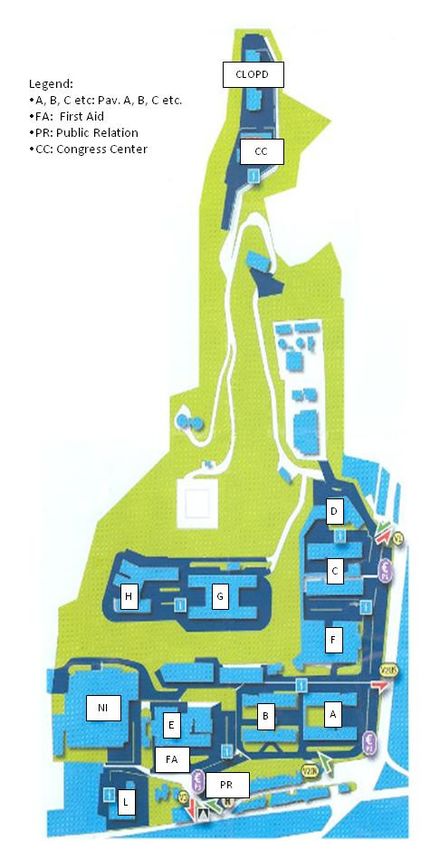
The Messina University Hospital is a large structure that extends over an area of about 310,000 m2
and it is distributed on 11 pavilions, indicated by letters of the alphabet (Figure 1), which have in
total four to six floors raised and which house various university- and hospital-related services and
departments (such as clinics, hospital rooms, operating rooms, laboratories, changing rooms for doctors
and nurses, kitchens and services, classrooms, libraries, refectory, etc.). The construction of the first
pavilion dates back to 1967, but it is an ever-evolving structure with expansions and modifications
dictated by the requirements of adapting to the most modern welfare standards.Int.
Int. J. Environ. Res. Public Health 2019, 16, 1103
x FOR PEER REVIEW 33 of
of 10
10
Figure 1. University
Figure 1. University Hospital
Hospital of
of Messina
Messina map.
map.
2.2. Sampling
2.2. Sampling
From January 2004 to December 2018, 1346 samples were collected from the water distribution
From January 2004 to December 2018, 1346 samples were collected from the water distribution
system of the “G. Martino” University Hospital (Messina, Italy) and were examined for Legionella.
system of the “G. Martino” University Hospital (Messina, Italy) and were examined for Legionella.
Monthly samplings were performed in 11 different buildings hosting the various wards. The
Monthly samplings were performed in 11 different buildings hosting the various wards. The
groundwater supplied to the hospital is provided by the municipality and is disinfected with chlorine
groundwater supplied to the hospital is provided by the municipality and is disinfected with chlorine
dioxide; the water reaches the hospital by means of a single pipeline that leads to a centralized tank
dioxide; the water reaches the hospital by means of a single pipeline that leads to a centralized tank
where the water is stored. The water does not undergo further chlorination after it is gathered from
where the water is stored. The water does not undergo further chlorination after it is gathered from
the Messina town pipeline. From the centralized tank, the water is distributed to each building by
the Messina town pipeline. From the centralized tank, the water is distributed to each building by
electric-motor pumps that send it through a pipeline that runs across the basements of all the buildings.
electric-motor pumps that send it through a pipeline that runs across the basements of all the
Under each building there is a boiler that produces heated water (average temperature approximately
buildings. Under each building there is a boiler that produces heated water (average temperature
43–48 ◦ C) that climbs up again to supply the wards located on each floor. Samples of heated water
approximately 43–48 °C) that climbs up again to supply the wards located on each floor. Samples of
were collected at the start of daily activities from taps, without running the water, in accordance to the
heated water were collected at the start of daily activities from taps, without running the water, in
2000 [29] and 2015 [3] Italian Guidelines, using 1-L sterile glass bottles with 1% sodium thiosulfate to
accordance to the 2000 [29] and 2015 [3] Italian Guidelines, using 1-L sterile glass bottles with 1%
neutralize the presence of chlorine. In all the sampled points the water temperature was measured
sodium thiosulfate to neutralize the presence of chlorine. In all the sampled points the water
temperature was measured with a precision thermometer (Temp-16 RTD Thermometer,
ThermoFisher Scientific, Waltham, MA, USA) immersed in the flow of running water.Int. J. Environ. Res. Public Health 2019, 16, 1103 4 of 10
with a precision thermometer (Temp-16 RTD Thermometer, ThermoFisher Scientific, Waltham, MA,
USA) immersed in the flow of running water.
Water samplings were carried out constantly, continued over time, about two times a month.
In order to obtain a sampling representative of the hygienic-sanitary conditions, care was taken
to sample all the floors, and the wards located both on the left and on the right sides inside each
building. Particularly, we collected the water samples from taps of bathrooms located inside and
outside the wardrooms (i.e., aisles, waiting rooms), clinics, laboratories, operating, sterilization,
storage, and medical/nursing rooms. The most sampled sites were taps of bathrooms situated outside
the wardrooms (29%) and clinics (28%), followed by taps of wardrooms (17%) and laboratories
(14%). The collected samples were carried to the laboratory within 30 min and processed shortly
afterwards—no further precautions were taken to prevent sample contamination.
2.3. Isolation and Serological Identification of Legionella Spp.
From January 2004 to April 2015, to recover Legionella spp. from water samples the standard
procedures reported by the 2000 Italian Guidelines were adopted; from May 2015 to 2018 the Italian
Guidelines revised in 2015 were used. In the last years, in accordance to the guidelines, 1-L water
samples were concentrated to 10 mL through 0.2-µm porosity membrane filters and incubated at
50 ◦ C for 30 min in a thermostatic bath. Concentrated and unconcentrated samples were spread on
duplicate plates of Buffered Charcoal-Yeast Extract Agar Base Medium (BCYE, Oxoid Ltd., Basingstoke,
United Kingdom) and incubated for 10 days at 36–37 ◦ C in a moist chamber with 2.5% CO2 . The
suspected colonies were isolated and confirmed as Legionella spp. after screening their inability to
grow on a culture medium without cysteine. Legionella counts were reported in colony forming
units/liter (CFUs/L) according to the number of colonies per plate and to the dilutions performed on
the original sample. A latex micro-agglutination test kit with polyvalent antisera (BCYE, Oxoid Ltd.,
Basingstoke, United Kingdom) was used to identify the isolates assumed to belong to Legionella
genus. For serological identification also “Legionella pneumophila monovalent antisera set 1 and 2”
and Legionella antisera for several non-L. pneumophila spp as L. bozemanii, dumoffii, gormanii, micdadei,
etc. (Denka Seiken co. Ltd., Tokyo, Japan) were used. Concerning the bacterial load, we divided the
isolates into four groups according to the latest national guidelines (modified from the point 3.4: “Risk
Assessment and Management in the healthcare facilities) [3]:
• 1 = 101–1000 CFU/L;
• 2 = 1001–10,000 CFU/L;
• 3 = 10,001–100,000 CFU/L;
• 4 > 100,000 CFU/L.
Samples with a bacterial load lower than 100 CFU/L were not taken into consideration because
no intervention was required; moreover, another range was added (>100,000) because some of our
water samples significantly exceeded the limit of 10,000 CFU/L of Legionella.
3. Results
Table 1 shows the percentages of samples collected during the entire period in each building of
the studied University Hospital and the percentages of positive and negative samples. The table shows
that the highest numbers of water samples were collected in the buildings where the “critical” wards
are situated. In detail, the building where we collected the highest number of samples (21%) was
building E (ICU and Neurosurgery), followed by the buildings H (Pulmonology, Infectious Diseases,
Hematology, Oncology), F (General Surgery), and NI (Pediatrics), with percentages of 13%, 12%, and
12%, respectively. Of 1346 collected water samples, 812 (60%) were positive. Table 1 shows the different
buildings, along with the principal medical activities that take place in each of the buildings, and the
different serotypes isolated in each building. Of all samples, 42 (3%) were positive to more than one
serotype at the same time. Particularly, 9 (21%) were positive to L. pneumophila 1 + L. pneumophilaInt. J. Environ. Res. Public Health 2019, 16, 1103 5 of 10
2–14; 14 (34%) were positive to L. pneumophila 1 + non-L. pneumophila spp.; 16 (38%) were positive to
L. pneumophila 2–14 + non-L. pneumophila spp.; and only 3 (7%) were positive to all the tested strains.
Table 1. The positivity rates and serotypes isolated according to building/principal medical activity.
Positive
Positive Positive for
Building Wards Total Negative Positive for LP
for LP 1 Non-LP spp.
2–14
Obstetrics 87 25 62 4 44 17
A
Gynecology (6%) (29%) (71%) (6%) (71%) (27%)
Internal 67 29 38 21 20
B 0
Medicine (5%) (43%) (57%) (55%) (53%)
Cardiology- 95 68 27 26 1
C 0
Nephrology (7%) (72%) (28%) (96%) (4%)
Pathological 76 37 39 2 37 4
D
Anatomy (6%) (49%) (51%) (5%) (95%) (10%)
ICU
280 64 216 112 101 28
E Neurosurgery-
(21%) (23%) (77%) (52%) (47%) (25%)
Orthopedics
General 163 69 94 2 88 5
F
Surgeries (12%) (42%) (58%) (2%) (94%) (5%)
136 52 84 26 58 2
G Laboratories
(10%) (38%) (62%) (31%) (69%) (2%)
Pulmonology,
Infectious Dis., 173 41 132 118 14
H 0
Thoracic Surg., (13%) (24%) (76%) (89%) (11%)
Oncology
160 60 100 1 93 10
NI Pediatrics
(12%) (38%) (62%) (1%) (93%) (10%)
13 11 2 1 1
W Clinics 0
(1%) (85%) (15%) (50%) (50%)
96 78 18 1 17
CLOPD Dentistry 0
(7%) (81%) (19%) (5%) (95%)
Total 534 812 147 588 119
1346
(%) (40%) (60%) (18%) (72%) (15%)
Regarding positive water samples, most of them were contaminated by L. pneumophila sgrs 2–14
(72%), whereas L. pneumophila sgr 1 accounted for 18%. A certain percentage of samples (15%) was
positive to non-L. pneumophila spp. The total percentage is not equal to 100% because we found
different Legionella serotypes in the same sample. The buildings where we found a major positivity
rate were the E (77%), H (76%), and A (71%) buildings, followed by distance from the others.
Most of the L. pneumophila 1 isolated was in the first two groups (101–1000 CFU/L and 1001–10,000
CFU/L); the rest was in the third. L. pneumophila 2–14 isolates had a load belonging for the most
part to the first three groups; only a small number of isolates belonged to the fourth group. Finally,
non-L. pneumophila spp. isolates were primarily found in the first group, with a similar number of
cases observed in the second and the third group (Figure 2).Int. J. Environ. Res. Public Health 2019, 16, 1103 6 of 10
Int. J. Environ. Res. Public Health 2019, 16, x FOR PEER REVIEW 6 of 10
50
43 44
45 Res. Public Health 2019, 16, x FOR PEER REVIEW
Int. J. Environ. 6 of 10
39
40 37
35
50 31
29 44
30
45 43 27
39 24
25
40 37
18
%
20
35 31
15 29
30 27
10 24
25 5
5 18 3
%
20 0
0
15
Legionella pneumophila 1 Legionella pneumophila 2-14 non-L. pneumophila spp
10
5
5 101-1,000 1,001-10,000 3
10,001-100,000 >100,000
0
0
Legionella
Figure pneumophila
Bacterial
2. Bacterial load of 1 different
of the
the Legionella pneumophila
Legionella serotypes2-14
isolatednon-L. pneumophila
by water
water samples. spp
Figure 2. load different Legionella serotypes isolated by samples.
Figure 3 shows 101-1,000
the positivity1,001-10,000
trend during the 10,001-100,000
considered period. The >100,000
figure shows a rather
90
constant presence of positive samples during the considered years, but a decreasing trend is evident in
84 84
the most80
recent years.
Figure Figureload
2. Bacterial 4 shows
of thethe trendLegionella
different of the different isolatedLegionella
80 isolated
serotypes serogroups.
by water samples.
77
70 72
67 68 69
90
60 84 84
80 80 55
50 77 49
72 47
%
70 69
40 67 41 68
60
30 55
50 49 21
20 47
%
41 18
40
10
30
0 21
20 2005 2006 2007 2008 2009 2010 2011 2012 2013 2014 2015 2016 2017 201818
10
Figure 3. Positivity trend of Legionella isolates in the considered period.
0
Figure 3 2005
shows2006 2007 2008 trend
the positivity 2009 during
2010 2011 2012 2013 period.
the considered 2014 2015 2016 shows
The figure 2017 2018
a rather
constant presence of positive samples during the considered years, but a decreasing trend is evident
in the most recent Figure
years. 3. Positivity
Figure trendthe
4 shows of Legionella
trend of isolates in the considered
the different period. serogroups.
isolated Legionella
Figure 3 shows the positivity trend during the considered period. The figure shows a rather
constant presence of positive samples during the considered years, but a decreasing trend is evident
in the most recent years. Figure 4 shows the trend of the different isolated Legionella serogroups.Int. J. Environ. Res. Public Health 2019, 16, 1103 7 of 10
Int. J. Environ. Res. Public Health 2019, 16, x FOR PEER REVIEW 7 of 10
100
90
80
70
60
50
40
%
30
20
10
0
2004 2005 2006 2007 2008 2009 2010 2011 2012 2013 2014 2015 2016 2017 2018
L. pneumophila 1 L. pneumophila 2-14 non-L. pneumophila spp
Figure
Figure 4. 4. Positivityofofdifferent
Positivity different isolated
isolatedLegionella
Legionellaserogroups.
serogroups.
4. Discussion
4. Discussion
Legionellae
Legionellae are are microorganismsthat
microorganisms thathave
have their
their natural
naturalhabitat
habitatinin thethewater
waterandandcan can
easily reachreach
easily
pipelines,
pipelines, where where
theythey
cancan reproduce
reproduce viathe
via thepresence
presence of of biofilm
biofilmininthe inner
the innerwalls of the
walls pipes.
of the In hotIn hot
pipes.
water distribution networks, often the temperature coincides with the optimum temperature for the
water distribution networks, often the temperature coincides with the optimum temperature for the
replication of these bacteria. Further favorable factors are the lengths and the tortuous formats of the
replication of these bacteria. Further favorable factors are the lengths and the tortuous formats of the
hot water distribution networks normally present in big buildings like hospitals.
hot waterBuilding
distribution networksrenovations
via continuous normally present in big buildings
could promote the presence likeandhospitals.
the growth of Legionella.
Building via continuous renovations could promote
Moreover, the restructuring of buildings often does not involve replacing the the presence andwater
the growth
pipelines, Legionella.
ofwhich
Moreover, the restructuring of buildings often does not involve replacing the
typically remain those of origin. For all these reasons, it is not surprising that levels of significant water pipelines, which
typically remain those
contamination have of origin.
been foundFor all these
in most of thereasons, it is not surprising
healthcare-related structures where that levels
similarofsurveys
significant
were conducted
contamination have[30–32].
been foundThe presence
in mostofof fouling in the pipes and dead
the healthcare-related points with
structures stagnation
where similar of surveys
the
water in the networks well explain the limited effectiveness of
were conducted [30–32]. The presence of fouling in the pipes and dead points with stagnation of thewater chlorination and heat
watertreatments. Indeed,well
in the networks the eradication
explain theoflimited
legionellae contamination
effectiveness in hospitals
of water chlorinationis veryanddifficult
heat due to
treatments.
the common failure of the decontamination interventions of the water networks [33,34]. One possible
Indeed, the eradication of legionellae contamination in hospitals is very difficult due to the common
solution to prevent the spread of Legionella from water is the application of filters to taps, thus
failure of the decontamination interventions of the water networks [33,34]. One possible solution
allowing for germ-free water, although this involves a certain economic cost.
to preventInthethisspread of Legionella
study, our surveillance from water is the
demonstrates theapplication
constant presenceof filters to taps, thus
of Legionella strainsallowing
in the for
germ-free water, although this involves a certain economic cost.
water supplied in a big hospital structure over a long period of time (15 years). The surveillance was
In this out
carried study, our surveillance
especially in the buildings demonstrates
where critical the constant
wards (such presence
as those ofof theLegionella strains in the
ICU, neurosurgery,
waterand
supplied
oncology in wards)
a big hospital structure
are located. The more over a long period
important issue toofhighlight
time (15isyears).
that theseThe surveillance
buildings were was
those where we found the highest positivity rate. In these wards,
carried out especially in the buildings where critical wards (such as those of the ICU, neurosurgery, the inpatients are often
immunocompromised,
and oncology wards) are and thus they
located. Theare moreconsequently
important at high
issueriskto of contracting
highlight manythese
is that infections.
buildings
This result shows that these patients have a potentially high
were those where we found the highest positivity rate. In these wards, the inpatients risk of contracting legionellosis withare
theoften
subsequent worsening of their already compromised health conditions. This issue is especially true
immunocompromised, and thus they are consequently at high risk of contracting many infections.
concerning inpatients of ICU and neurosurgery wards, hospitalized in the building E, where we
This result shows that these patients have a potentially high risk of contracting legionellosis with the
found a large presence of L. pneumophila 1 (52%), which is known to be the most pathogen strain of
subsequent worsening
the genus. However,ofastheir shown already compromised
in Figure health
2, for this strain conditions.
we found Thisload
a bacterial issue is especially
lower to 10,000 true
concerning
CFU/ml. inpatients of ICU and neurosurgery wards, hospitalized in the building E, where we found
a large presence
It should ofbeL. noted
pneumophila 1 (52%),the
that whenever which is known
bacterial to be thethe
load exceeded most
limitspathogen
defined by strain of the genus.
the national
However, as shown in Figure 2, for this strain we found a bacterial load lower to 10,000 CFU/ml.
guidelines, a hyper-chlorination intervention was carried out both on the entire water system and on
every
It single
should bepositive faucet.
noted that Furthermore,
whenever at each single
the bacterial loadsampling
exceeded point,
the the final
limits part of the
defined tap was
by the national
replaced
guidelines, and, in the most critical
a hyper-chlorination areas, an anti-Legionella
intervention was carriedfilter was applied.
out both Indeed,water
on the entire this issystem
likely the
and on
reason why the trend calculated over the considered period has a non-linear tendency, with peaks
every single positive faucet. Furthermore, at each single sampling point, the final part of the tap was
and valleys, although it may also be partially resulting from the seasonality of the sampling.
replaced and, in the most critical areas, an anti-Legionella filter was applied. Indeed, this is likely the
reason why the trend calculated over the considered period has a non-linear tendency, with peaks and
valleys, although it may also be partially resulting from the seasonality of the sampling.Int. J. Environ. Res. Public Health 2019, 16, 1103 8 of 10
To prevent nosocomial cases of legionellosis, national and international guidelines recommend
measures to control Legionella water contamination, with particular reference to healthcare
structures [30,35]. In particular, for Legionella control it is important to focus attention on three
basic parameters: (1) the amount of the germ in the water, through analytical monitoring; (2) the
presence of virulence factors in isolated strains; (3) the receptivity of the guests [36]. As the World
Health Organization (WHO) suggests, the best approach to assessing the health risks associated with
exposure to Legionella is the development of a water safety plan (WSP), which is an operational tool
that is useful for the systematic assessment or risk analysis of pipelines. Particularly, the plan is a
dynamic tool that gives priority to the risks and dangers of pipeline colonization and considers the
most appropriate control measures as well as the possible obstacles to their realization.
Despite the environmental surveillance having been constant and thorough throughout the
15 years of study, the parallel clinical surveillance was, on the contrary, poor and limited to a few
urine samples. The wards that proved to be more careful in regard to this issue were the ICU ward,
pneumology ward, infectious diseases ward, and internal medicine ward. However, despite this
attention, the commitment to this survey is still far from being satisfactory. We can deduce that
there is still a long way to go. This issue is a sign that there are likely still a remarkable number
of undocumented cases of Legionella infections present even among healthcare workers. Probably,
physicians are not used to thinking of Legionella as a possible cause of nosocomial pneumonias. It is
necessary for continuous education to be provided to the healthcare workers in order to improve the
situation, to understand the real incidence of legionellosis, and, especially, to obtain a correct diagnosis
and treatment of this infection.
5. Conclusions
This paper emphasizes the need to develop a risk analysis aimed at controlling and preventing
Legionella in all community structures. In particular, through the description of the surveillance actions
carried out, the Regional Reference Laboratory for Legionellosis of Messina suggests that specific
critical control points (CCPs) should be identified according to the logic of Hazard Analysis and
Critical Control Point (HACCP). Moreover, due to the evidence of the presence of Legionella even in the
aerosol, in very recent years we have associated the control of this latter to the routine water control
(data not yet published). Indeed, many recent studies suggest and recommend concurrent research on
water/air to increase the probability of finding microorganisms [37–39]. These aspects are important
not only in order to plan the management and monitoring actions of the pipelines, but also in view of
a public health approach, with the specific aim of preventing illnesses in the exposed population.
6. Limits of the Study
The study is just a presentation of data demonstrating the presence of Legionella linked to
environmental surveillance that has lasted for years. Clinical data were not analyzed because they are
very poor. In the last period, not included in this study, there was a greater propensity by clinicians
to increase the research of Legionella on human samples—these data will soon be presented in a
future study.
Author Contributions: Conceptualization: S.D. and P.L.; Investigation, data curation, and writing—original draft
preparation: A.F. and R.P.; writing—review, editing, and supervision: S.D. and P.L.
Funding: This research received no external funding.
Conflicts of Interest: The authors declare no conflict of interest.
References
1. Edelstein, P.H.; Cianciotto, N.P. Legionella. In Mandell, Douglas, and Bennett’s Principles and Practice of
Infectious Diseases, 6th ed.; Mandell, G.L., Bennet, J.E., Dolin, R., Eds.; Elsevier: Philadelphia, PA, USA, 2005;
pp. 2711–2724.Int. J. Environ. Res. Public Health 2019, 16, 1103 9 of 10
2. Winn, W.C. Legionella. In Bergey’s Manual of Systematic Bacteriology, 2th ed.; Brenner, D.J., Krieg, N.R.,
Staley, J.T., Eds.; Springer: New York, NY, USA, 2005; Volume 2, Part B, pp. 212–236.
3. Linee Guida per la Prevenzione e il Controllo della Legionellosi. 2015. Available online: http://www.salute.
gov.it/imgs/C_17_pubblicazioni_2362_allegato.pdf (accessed on 12 December 2018).
4. Pierre, D.M.; Baron, J.; Yu, V.L.; Stout, J.E. Diagnostic testing for Legionnaires’ disease. Ann. Clin. Microbiol.
Antimicrob. 2017, 16, 59. [CrossRef]
5. Ditommaso, S.; Giacomuzzi, M.; Rivera, S.R.; Raso, R.; Ferrero, P.; Zotti, C.M. Virulence of Legionella
pneumophila strains isolated from hospital water system and healthcare-associated Legionnaires’ disease in
Northern Italy between 2004 and 2009. BMC Infect. Dis. 2014, 14, 483. [CrossRef] [PubMed]
6. Ministero della Salute. Decreto Ministeriale 15 Dicembre 1990 “Sistema Informativo delle Malattie Infettive
e Diffusive” GU 8/01/1991, n. 6. Available online: http://www.salute.gov.it/imgs/C_17_normativa_1357_
allegato.pdf (accessed on 15 December 2018).
7. European Centre for Disease Control and Prevention (ECDC). Legionnaires’ Disease Surveillance in Europe,
2014. Stockholm: ECDC. 2016. Available online: http://ecdc.europa.eu/en/publications-data/legionnaires-
disease-europe-2014 (accessed on 15 December 2018).
8. Annual Reports of Legionellosis. Istituto Superiore di Sanità. Available online: www.iss.it (accessed on 9
December 2018).
9. Pignato, S.; Coniglio, M.A.; Faro, G.; Cantaro, P.; Carini, S.A.; Mangano, G.; Cunsolo, R.; Coco, G.;
Giammanco, G. Legionella contamination in the hospital environment: Monitoring of the hot water
distribution systems of three hospitals in Catania (Italy). Ig. Sanità Pubbl. 2006, 62, 635–652.
10. Sikora, A.; Wójtowicz-Bobin, M.; Kozioł-Montewka, M.; Magryś, A.; Gładysz, I. Prevalence of Legionella
pneumophila in water distribution systems in hospitals and public buildings of the Lublin region of eastern
Poland. Ann. Agric. Environ. Med. 2015, 22, 195–201. [CrossRef]
11. Delia, S.; Laganà, P.; Minutoli, E. Occurrence of legionella in beach shower facilities. J. Prev. Med. Hyg. 2007,
48, 114–117. [PubMed]
12. Delia, S.; Laganà, P.; Minutoli, E.; Cannavò, G.; Parisi, S. Prevention of legionellosis in hotel establishments:
A proposal to introduce a plan of action in accordance with Provision 13 January 2005 (Italy). Ig. Sanità
Pubbl. 2008, 64, 489–511.
13. Laganà, P.; Gambuzza, M.E.; Delia, S. Prevalence and distribution of Legionella pneumophila in cruise ships
and ferries. Ann. Agric. Environ. Med. 2017, 24, 276–282. [CrossRef] [PubMed]
14. Iatta, R.; Cuna, T.; Napoli, C.; de Giglio, O.; Montagna, M.T. Environmental surveillance and molecular
investigation of Legionella spp. in Apulia, in the years 2008–2011. Ann. Ig. 2013, 25, 435–441. [PubMed]
15. Laganà, P.; Soraci, L.; Gambuzza, M.E.; Delia, S. Innate immune surveillance in the central nervous system in
Legionella pneumophila infection. CNS Neurol Disord. Drug Targets 2017, 16, 1080–1089. [CrossRef] [PubMed]
16. Laganà, P.; Caruso, G.; Piccione, D.; Pino, R.; Gioffrè, M.E.; Delia, S. Legionella spp., amoebae and
not-fermenting Gram negative bacteria in an Italian university hospital water system. Ann. Agric. Environ.
Med. 2014, 21, 489–493. [CrossRef]
17. O’Neill, E.; Humphreysa, H. Surveillance of hospital water and primary prevention of nosocomial
legionellosis: What is the evidence? J. Hosp. Infect. 2005, 59, 273–279. [CrossRef]
18. Montagna, M.T.; Napoli, C.; Tatò, D.; Spilotros, G.; Barbuti, G.; Barbuti, S. Clinical-environmental surveillance
of legionellosis: An experience in Southern Italy. Eur. J. Epidemiol. 2006, 21, 325–331. [CrossRef]
19. Fields, B.S. Legionella in the environment. In Legionella pneumophila. Pathogenesis and Immunity; Hoffman, P.,
Friedman, H., Bendinelli, M., Eds.; Springer: New York, NY, USA, 2007; pp. 85–94.
20. Marchesi, I.; Marchegiano, P.; Bargellini, A.; Cencetti, S.; Frezza, G.; Miselli, M.; Borella, P. Effectiveness
of different methods to control Legionella in the water supply: Ten-year experience in an Italian university
hospital. J. Hosp. Infect. 2011, 77, 47–51. [CrossRef] [PubMed]
21. Bédard, E.; Fey, S.; Charron, D.; Lalancette, C.; Cantin, P.; Dolcé, P.; Laferrière, C.; Déziel, E.; Prévost, M.
Temperature diagnostic to identify high risk areas and optimize Legionella pneumophila surveillance in hot
water distribution systems. Water Res. 2015, 71, 244–256.
22. Guyot, S.; Goy, J.J.; Gersbach, P.; Jaton, K.; Blanc, D.S.; Zanetti, G. Legionella pneumophila aortitis in a heart
transplant recipient. Transpl. Infect. Dis. 2007, 9, 58–59. [CrossRef] [PubMed]
23. Cunha, B.A.; Burillo, A.; Bouza, E. Legionnaires’ disease. Lancet 2016, 23, 376–385. [CrossRef]Int. J. Environ. Res. Public Health 2019, 16, 1103 10 of 10
24. Nazemi, S.; Mirzaii, M.; Yaslianifard, S.; Darban-Sarokhalil, D.; Khoramrooz, S.S.; Norozi, P.; Davardoost, F.
Microbiological qualification of air, water and dialysate in a haemodialysis centre: A new focus on Legionella
spp. Iran J. Microbiol. 2016, 8, 219–225. [PubMed]
25. Francois Watkins, L.K.; Toews, K.E.; Harris, A.M.; Davidson, S.; Ayers-Millsap, S.; Lucas, C.E.; Hubbard, B.C.;
Kozak-Muiznieks, N.A.; Khan, E.; Kutty, P.K. Lessons from an outbreak of legionnaires’ disease on a
hematology-oncology unit. Infect. Control. Hosp. Epidemiol. 2017, 38, 306–313. [CrossRef]
26. Lanternier, F.; Ader, F.; Pilmis, B.; Catherinot, E.; Jarraud, S.; Lortholary, O. Legionnaire’s disease in
compromised hosts. Infect Dis. Clin. N. Am. 2017, 31, 123–135. [CrossRef]
27. Laganà, P.; Avventuroso, E.; Casale, M.; Delia, S.; Dattilo, G. Risk Assessment of legionellosis in cardiology
units. J. Prev. Med. Hyg. 2017, 58, E173–E176.
28. Troiano, G.; Messina, G.; Zanieri, E.; Li Donni, V.; Nante, N.; Magisti, L.; Pulci, M.B.; Niccolini, F. Qualità
microbiologica delle acque per emodialisi: Quali i fattori di rischio? G. Ital. Nefrol. 2018, 5, 144–150.
29. Conferenza Permanente per i Rapporti Tra Lo Stato, le Regioni e le Province Autonome di Trento e Bolzano.
Linee Guida per la Prevenzione e il Controllo della Legionellosi. Gazzetta Ufficiale, 2000; pp. 1–35. Available
online: http://www.gazzettaufficiale.it/eli/gu/2000/05/05/103/sg/pdf (accessed on 9 December 2018).
30. Leoni, E.; de Luca, G.; Legnani, P.P.; Sacchetti, R.; Stampi, S.; Zanetti, F. Legionella waterline colonization:
Detection of Legionella species in domestic, hotel and hospital systems. J. Appl. Microbiol. 2005, 98, 373–379.
[CrossRef]
31. Perola, O.; Kauppinen, J.; Kusnetsov, J.; Karkkainen, U.M.; Luck, P.C.; Katila, M.L. Persistent Legionella
pneumophila colonization of a hospital water supply: Efficacy of control methods and amolecular
epidemiological analysis. APMIS 2005, 113, 45–53. [CrossRef]
32. Triassi, M.; Di Popolo, A.; Ribera D’Alcala, G.; Albanese, Z.; Cuccurullo, S.; Montegrosso, S.; Crispino, M.;
Borella, P.; Zerrilli, R. Clinical and environmental distribution of Legionella pneumophila in a university
hospital in Italy: Efficacy of ultraviolet disinfection. J. Hosp. Infect. 2006, 62, 494–501. [CrossRef]
33. Darelid, J.; Lofgren, S.; Malmval, B.E. Control of nosocomial Legionnaires’ disease by keeping the circulating
hot water temperature above 55 degrees C: Experience from a 10-year surveillance programme in a district
general hospital. J. Hosp. Infect. 2002, 50, 213–219. [CrossRef] [PubMed]
34. Hosein, I.K.; Hill, D.W.; Tan, T.Y.; Butchart, E.G.; Wilson, K.; Finlay, G.; Burge, S.; Ribeiro, C.D. Point of
care controls for nosocomial legionellosis combined with chlorine dioxide potable water decontamination:
A two-year survey at a Welsh teaching hospital. J. Hosp. Infect. 2005, 61, 100–106. [CrossRef] [PubMed]
35. World Health Organization (WHO). Legionella and the Prevention of Legionellosis. 2007. Available online:
http://www.who.int/water_sanitation_health/emerging/legionella.pdf (accessed on 12 December 2018).
36. Laganà, P.; Moscato, U.; Poscia, A.; La Milia, D.I.; Boccia, S.; Avventuroso, E.; Delia, S. Geostatistics—A Tool
Applied to the Distribution of Legionella pneumophila in a Hospital Water System. Ann. Agric. Environ. Med.
2015, 22, 655–660. [CrossRef]
37. Montagna, M.T.; de Giglio, O.; Napoli, C.; Cannova, L.; Cristina, M.L.; Deriu, M.G.; Delia, S.A.; Giuliano, A.;
Guida, M.; Laganà, P.; et al. Legionella spp. contamination in indoor air: Preliminary results of an Italian
multicenter study. Epidemiol. Prev. 2014, 38, 62–65. [PubMed]
38. Montagna, M.T.; Cristina, M.L.; de Giglio, O.; Spagnolo, A.M.; Napoli, C.; Cannova, L.; Deriu, M.G.; Delia, S.;
Giuliano, A.; Guida, M.; et al. Serological and molecular identification of Legionella spp. in water and
surrounding air samples in Italian healthcare facilities. Environ. Res. 2016, 146, 47–50. [CrossRef] [PubMed]
39. Montagna, M.T.; De Giglio, O.; Cristina, M.L.; Napoli, C.; Pacifico, C.; Agodi, A.; Baldovin, T.; Casini, B.;
Coniglio, M.A.; D’Errico, M.M.; et al. Evaluation of Legionella air contamination in healthcare facilities by
different sampling methods: An Italian multicenter study. Int. J. Environ. Res. Public Health 2017, 14, 670.
[CrossRef]
© 2019 by the authors. Licensee MDPI, Basel, Switzerland. This article is an open access
article distributed under the terms and conditions of the Creative Commons Attribution
(CC BY) license (http://creativecommons.org/licenses/by/4.0/).You can also read


