COPYCAT OR TRAILBLAZER: WHAT'S 'NEW' IN CHINA'S NEW RETAIL? - Michael Norris, January 2019
←
→
Page content transcription
If your browser does not render page correctly, please read the page content below

COPYCAT OR TRAILBLAZER:

WHAT’S ‘NEW’ IN CHINA’S NEW RETAIL?

                          Michael Norris, January 2019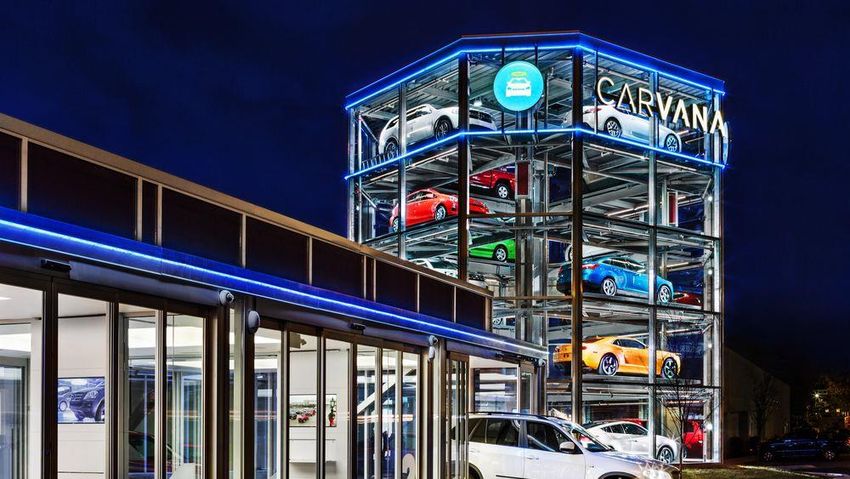
WHAT’S THIS
SESSION ABOUT?

很多人输就输在,对于新兴事物,第一看不见,第二看不起,第三看不懂,
第四来不及。

马云
Confronted with new opportunities, people tend to lose out in four ways:
they don’t see it coming, they turn their nose up at it, they don’t understand it, or
they’re too late to adapt.

Jack Ma
YOUR FRAMEWORK TO UNDERSTANDING NEW RETAIL

 1   What’s New Retail?

 2   What’s ‘new’ in New Retail?

 3   How does New Retail compare to retail transformations in the rest of the world?

 4   What’s next for China’s New Retail?

 5   Where does the opportunity lie?
WHAT IS
NEW RETAIL?
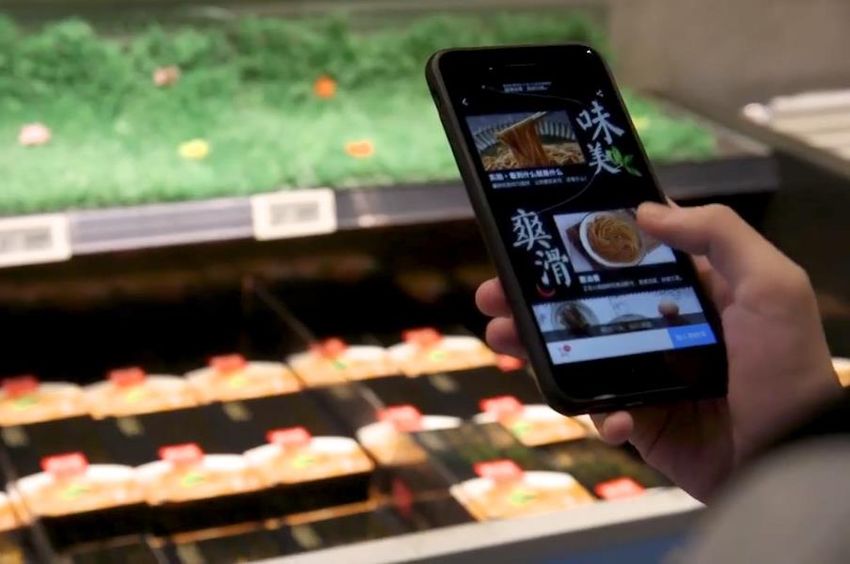
NEW RETAIL IS RETAIL’S DIGITAL TRANSFORMATION
New Retail can be understood in five statements.

  1     New Retail’s pioneers are internet and tech giants

  2     New Retail is a response to mixed e-commerce penetration and slowing e-commerce growth

  3     New Retail’s main objective is improved revenues at lower cost

  4     New Retail brings internet economy thinking and models of scale to traditional retail

  5     New Retail’s use of data, digitization and technology will change supply and value chains
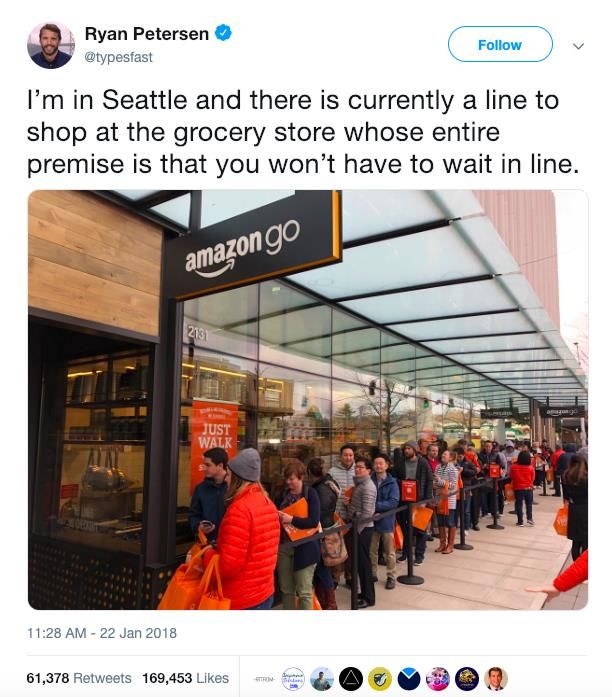
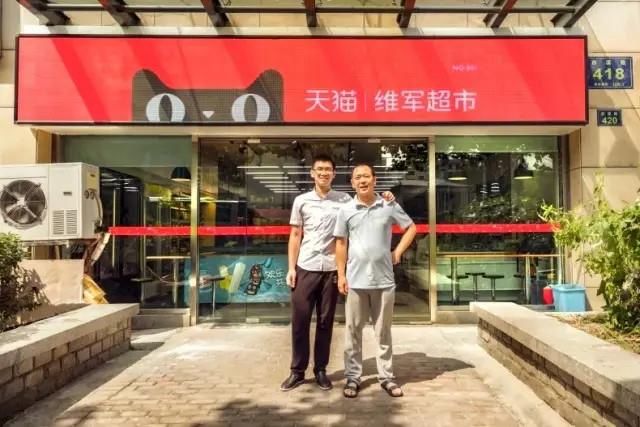
NEW RETAIL’S PIONEERS ARE INTERNET AND TECH GIANTS
One of New Retail’s more obvious signs is e-commerce platforms opening offline retail presences, but
this is just the tip of the iceberg.

Sample of e-Commerce Platforms Which Have Opened Offline Retail Presences

                                                                             JD                   JD
           Alibaba                                     Alibaba                                                   NetEase
                                                                         (Franchised          (Automated
           (Hema)                                 (Taobao Selected)                                             (网易严选)
                                                                      Convenience Store)   Convenience Store)

 Note: Sample not intended to be comprehensive.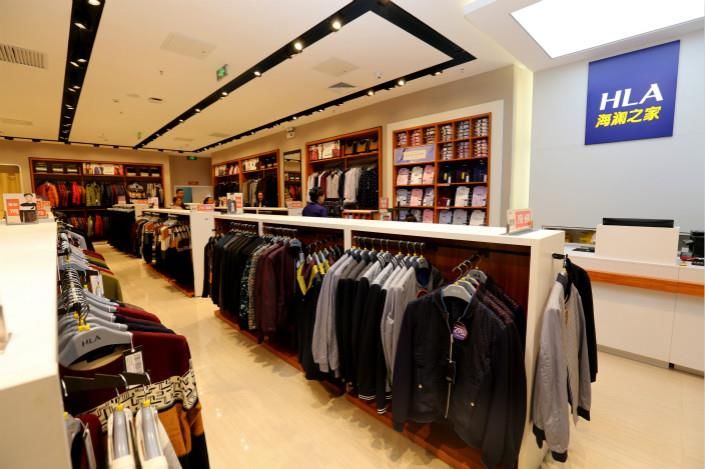
NEW RETAIL’S PIONEERS ARE INTERNET AND TECH GIANTS
New Retail was first proposed by Jack Ma in 2016 and has since been formally defined.

Alibaba’s Definition of New Retail

以消费者体验为中心的数据驱动的泛零售形态,其核心价值是将最大程度地提升
全社会流通零售业运转效率.

A consumer-centric, data-driven form of retail, the core value of which is to
improve the retail industry's operating efficiency.

 Note: The above translation is the author’s own idiomatic translation.
 Source: Ali Research, 2017,《C时代新零售》
NEW RETAIL’S PIONEERS ARE INTERNET AND TECH GIANTS
The term ‘New Retail’ has been widely adopted, and now gains more media mentions than e-
commerce.

Baidu Index for ‘新零售’ (New Retail) and ‘电商’ (e-Commerce), 2016-2018

3500
3000
                                                                                                                                                New Retail
2500
2000                                                                                                                                            e-Commerce
1500
1000
  500
      0
                  June 2016                      Dec 2016                      June 2017                      Dec 2017   June 2018   Dec 2018

 Note: Baidu Index is China’s equivalent of Google Trends, and measures appearances of a particular keyword in m.
 Source: Baidu Index Search (December 2018).
NEW RETAIL IS A RESPONSE TO SLOWING E-COMM GROWTH
China’s e-Commerce market is around one-quarter of total online and offline retail sales.
Offline and Online Retail Sales as % of Total Retail Sales, 2011-19
76%
Offline
Online
24%
2011 2012 2013 2014 2015 2016 2017 2018* 2019*
Note: Asterisk (*) refers to projected figures
Source: National Bureau of Statistics; iResearch AnalysisNEW RETAIL IS A RESPONSE TO SLOWING E-COMM GROWTH
Although e-commerce occupies a quarter of China’s e-commerce sales, e-commerce penetration
differs between categories.
e-Commerce Penetration Among Different Product Categories (2016-2021)
Electronic Appliances
Clothing & Shoes
Beauty
FMCG
Luxury
2016 2017 2018* 2019* 2020* 2021*
Note: Asterisk (*) refers to projected figures
Source: Goldman Sachs, Euromonitor and PwC AnalysisNEW RETAIL IS A RESPONSE TO SLOWING E-COMM GROWTH
China’s e-Commerce growth has shifted down a gear.
Annual Percentage Growth of China’s e-Commerce Market, 2011-19
70.2%
59.4%
51.3%
46.8%
36.9%
29.6%
23.1% 24.2%
20.8%
2011 2012 2013 2014 2015 2016 2017 2018* 2019*
CAGR = 47% CAGR = 25%
Note: Asterisk (*) refers to projected figures
Source: National Bureau of Statistics; iResearch AnalysisNEW RETAIL IS A RESPONSE TO SLOWING E-COMM GROWTH
e-Commerce giants have found acquiring new online customers is more expensive than ever.
Tmall Platform Cost Of Customer Acquisition vs Average JD Platform Cost Of Customer Acquisition vs Average
Revenue Per User (2015-17), RMB Per User Revenue Per User (2015-17), RMB Per User
237
361 225
310 188
170
225 135
148 98
122 134
2015 2016 2017 2015 2016 2017
Cost of Customer Acquisition Average Revenue Per User Cost of Customer Acquisition Average Revenue Per User
Note: Cost of Customer Acquisition and Average Revenue Per Use Data is taken from Q1 each year.
Source: Company Financial Data; 易观; 招商证券NEW RETAIL’S KEY GOAL IS TO DRIVE GREATER EFFICIENCY
Internet and tech giants have established their own definitions, and there’s strong commonality
between each.
A Sample of New Retail Definitions
Entity How They Express New Retail
以消费者体验为中心的数据驱动的泛零售形态,其核心价值是将最大程度地提升全社会流
Alibaba 通零售业运转效率
第四次零售革命下,基础设施变得可塑化、智能化、协同化,实现成本、效率和体验的升
JD 级
智慧零售是去中心化,用信息技术帮助传统零售企业结合人货场提升效率,帮助传统零售
Tencent 企业实现线上线下整合,用户、数据和渠道还在他们手中
运用互联网、物联网技术,感知消费习惯,预测消费趋势,引导生产制造,为消费者提供
Suning 多样化、个性化的产品和服务
新零售更高效率的零售,从线上回到线下,但不是原路返回,而是要用互联网的工具和方
Xiaomi 法,提升传统零售的效率,实现融合
Ministry of 新零售是以消费者体验为中心,以行业降本增效为目的,以技术创新为驱动的要素全面更
Commerce 新的零售
Source: Analysis of relevant publicly-available company announcements, research papers and C-Suite speechesNEW RETAIL’S KEY GOAL IS TO DRIVE GREATER EFFICIENCY
From Alibaba to Tencent, the various New Retail definitions and permutations principally stress
improving retail’s operating efficiency.
A Sample of New Retail Definitions With Phrases Relating to Efficiency Highlighted
Entity How They Express New Retail (Or Equivalent)
以消费者体验为中心的数据驱动的泛零售形态,其核心价值是将最大程度地提升全社会流
Alibaba 通零售业运转效率
提升效率
第四次零售革命下,基础设施变得可塑化、智能化、协同化,实现成本、效率和体验的升
JD 级
智慧零售是去中心化,用信息技术帮助传统零售企业结合人货场提升效率,帮助传统零售
Tencent 企业实现线上线下整合,用户、数据和渠道还在他们手中
Suning
运用互联网、物联网技术,感知消费习惯,预测消费趋势,引导生产制造,为消费者提供
多样化、个性化的产品和服务
Improving Efficiency
新零售更高效率的零售,从线上回到线下,但不是原路返回,而是要用互联网的工具和方
Xiaomi 法,提升传统零售的效率,实现融合
Ministry of 新零售是以消费者体验为中心,以行业降本增效为目的,以技术创新为驱动的要素全面更
Commerce 新的零售
Source: Analysis of relevant publicly-available company announcements, research papers and C-Suite speechesNEW RETAIL’S KEY GOAL IS TO DRIVE GREATER EFFICIENCY
Hema, New Retail’s ‘Poster Child’, uses traditional measures of retail efficiency to benchmark its
progress.
Snapshot of Hema’s Financial Results (Sept 2018)
>RMB 800K >60% REV >RMB 50K
AV. DAILY SALES FROM ONLINE ORDERS AV. ANNUAL RPSM
(Mature Stores)
(Mature Stores) (Mature Stores)
Note: Mature stores have been in operation 1.5 years or more.
Source: Alibaba Investor Day (2018) materialsNEW RETAIL’S KEY GOAL IS TO DRIVE GREATER EFFICIENCY
Hema achieves three to five times more Revenue Per Square Meter than traditional Chinese
supermarket and convenience store chains.
Comparison of Revenue Per Square Meter (RMB/m2) Between Different Chinese Supermarkets and Convenience Stores (2017)
32,400
11,500 11,700 11,100
9,100
7,100
Hema 永辉超市 红旗连锁 三江购物 华联综超 家家悦
Note: Hema’s RPSM in the above graph is 招商证券 estimate across Hema’s Mature Store Network in 2017.
Source: Financial Reports; 招商证券 Analysis.NEW RETAIL’S KEY GOAL IS TO DRIVE GREATER EFFICIENCY
Likewise, Xiaomi’s retail stores use traditional measures of retail efficiency to benchmark its progress.
Snapshot of 小米之家 (Xiaomi’s Retail Chain) Financial Results (October 2017)
>15M VISITS >RMB 5M ~RMB 30K
ACC. FOOT TRAFFIC MONTHLY AV. SALES AV. ANNUAL RPSM
(Across 200 Stores in Mainland China) (Across 200 Stores in Mainland China) (Across 200 Stores in Mainland China)
Note: ‘Acc.’ is the abbreviation for ‘Accumulated’
Source: Xiaomi’s Investor Day.NEW RETAIL’S KEY GOAL IS TO DRIVE GREATER EFFICIENCY
Hema and Xiaomi’s Revenue Per Square Meter results rank well against international competitors
across different product categories.
Comparison of Revenue Per Square Meter (RMB/m2) Between Different Retail Players (2017)
41,463
32,400
27,000
20,666
13,262
9,802
Apple Hema Xiaomi Tiffany Lululemon Michael Kors
Note: International competitors’ Revenue Per Square Meter result was first recorded in US Dollars based off their retail presence in the US. It was converted to RMB at an exchange rate of 1 USD = 6.85 CNY
Source: Financial Reports; 招商证券 Analysis.NEW RETAIL ADOPTS GROWTH HACKING TECHNIQUES
New Retailers break Revenue Per Square Meter and Cost Per Square Meter equations down and look
to optimize one or more variables.
How New Retailers Conceptualize Revenue Per Square Meter How New Retailers Conceptualize Cost Per Square Meter
Traffic Rent
Revenue Cost
Conversion Rate Labour
Basket Size Inventory
Retail Space Retail Space
Repurchase Rate MarketingNEW RETAIL ADOPTS GROWTH HACKING TECHNIQUES
New Retailers deploy high-tech and low-tech tactics to optimize for specific revenue or cost variables.
Hema: Optimizing Revenue Per Square Meter Luckin Coffee: Optimizing Cost Per Square Meter
Traffic Accepts online and offline Rent Most stores are pick-up or
orders delivery-only stations
Basket Size In-app offers entice consumers Labor Hires newly-minted baristas
to buy in bulk online to control costs
Conversion Rate Individual store inventory is Inventory Focused selection keeps
based on store and partner excess inventory low
data
Repurchase Rate SKU-level data on each Marketing Special offers redeemed by
consumer is used for retargeting sharing into WeChat MomentsNEW RETAIL ADOPTS GROWTH HACKING TECHNIQUES
New Retailers combine ‘old’ and ‘new’ mental models.
‘Thought Starter on How to Fuse ‘Old’ and ‘New’ Marketing Approaches
Acquisition
Product
Activation
Price
Retention
Place
Revenue
Promotion
ReferralNEW RETAIL WILL CHANGE SUPPLY AND VALUE CHAINS
New Retail’s impact isn’t just limited to retailers.
High-Level Overview of Retail Supply Chain
Design Supplier Manufacturer Warehouse Retailer Consumer
Potential Disruptive ImpactNEW RETAIL WILL CHANGE SUPPLY AND VALUE CHAINS
New Retail’s impact isn’t just limited to retailers.
High-Level Overview of New Retail’s Impact on Retail Supply Chain
Design Supplier Manufacturer Warehouse Retailer Consumer
Internal and external More directly Improved Unified distribution Obtaining real time Derive benefit from
data sets directly involved in the responsiveness, with assets for online data on how omnichannel retail
inform the design of product innovation smaller volumes and retail, and stores consumers are experiences, as well
new products process to reduce frequent changes to acting as sales and navigating and as products better
time to market production lines distribution channels consuming in the suited to their needs
retail space
Note: Supply chain simplified for illustration purposes.WHERE’S THE ‘NEW’ IN NEW RETAIL?
THERE’S ELEMENTS OF OLD AND NEW
Much of New Retail’s ‘newness’ comes from China-specific factors.

  1     ‘New’ is transient and relative

  2     China’s ‘Online to Offline’ and ‘Online Merge Online’ models are important catalysts

  3     Chinese internet giants are offering Retail-as-a-Service

           A      Retail-as-a-Service is powered by data collection and sharing

           B      Retail-as-a-Service extends to finding and meeting unmet consumer needs
Let’s first talk about some caveats to the ‘new’ in New Retail.
NEW IS TRANSIENT AND RELATIVE
The past century saw many retail innovations which feel like standard practice now.

Overview of Key Changes in Retail During the Twentieth Century

               Credit cards                                                     Mall culture                                        Home Shopping
                invented                                                        popularized                                        Network premieres

                                   First supermarkets                                          First electronic                                   Pizza Hut accepts
                                       established                                             cash registers                                     first delivery online
                                                                                                  invented

                                                                                                                  First bar code
                                                             First 7-11 opens
                                                                                                                     scanned

                   1920                     1930                 1946              1950            1960              1974               1985             1994

 Note: Timeline for illustration purposes and not to scale
 Source: Lightspeed
NEW IS TRANSIENT AND RELATIVE
Key elements of the retail supply chain have remained largely unchanged.
Simplified Retail Supply Chain
Designer Supplier Manufacturer Warehouse Retailer ConsumerO2O AND OMO ARE NEW RETAIL CATALYSTS
O2O models have been in China since 2013, and dampen some of New Retail’s novelty.
Online To Offline (O2O)
Where online apps or portals act as the
gateway to real-world services. O2O
services are often accessed through
scanning a QR code.
Common examples include:
• Group buying
• Food delivery
• Ordering at a restaurant
• Ride-hailing
• Share bikes
• Portable battery rental
• Movie tickets
• ‘Retailtainment’ (e.g.: claw machines)
Note: In rennet years, the term ‘O2O’ has come to mean both Online to Offline and Offline to Online.O2O AND OMO ARE NEW RETAIL CATALYSTS New Retailers have gravitated towards using OMO experiences to enhance spaces and experiences. Online Merge Offline (OMO) Where online apps, portals or services act as a gateway to navigate offline spaces or enhance offline interactions. Common examples include: • Augmented reality functions to display information about products or exhibits • Augmented reality games that incentivize users to explore a space • Smart mirrors that allow users to try on clothes without getting changed • Barcodes that can be scanned to verify a product’s authenticity Image Credit: Images belong to their respective owners and are used here for education and commentary
O2O AND OMO ARE NEW RETAIL CATALYSTS
New Retailers might use O2O and OMO models, but New Retail shouldn’t be simply equated with
these models’ widespread adoption.

Features and Services That Aren’t Strictly New Retail

                                 Products-as-a-
       Sharing
                                    Service

       30 Minute                    Scannable           Augmented   Smart                Video
        Delivery                  In-Store Items          Reality   Mirrors            Commerce
OK, now we can talk about what’s really ‘new’.
TECH GIANTS OFFER RETAIL AS A SERVICE
China’s internet giants are partnering with brick-and-mortar retailers to share data.

Alibaba: Retail Integrated (零售通)

What it is
•    Partnership between Alibaba and independent
     convenience stores
•    Alibaba modernises convenience stores through
     technology and analytics
•    Participating convenience stores receive analytics-driven
     product recommendations
•    Participating convenience stores process inventory orders
     through Alibaba
•    Participating convenience stores offer new Alibaba
     products and services to customers

Source: Coresight Research
Image Credit: Images belong to their respective owners and are used here for education and commentary
TECH GIANTS OFFER RETAIL AS A SERVICE
China’s internet giants are partnering with brick-and-mortar retailers to share data.
JD: Retail as a Service (祖冲之)
What it is
• Service offered by JD to offline retail chains
• Implemented across all sites in an offline retail chain
• JD’s platform uses a combination of own and proprietary
data to assist offline retail decision making
• This includes choosing optimal locations for new stores,
to merchandise mix, to optimizing product placement
and shelving
• One brand saw an increase of foot traffic by 30% and
80% of SKUs recommended by the platform generated
sales after implementation
Source: JD External Presentation
Image Credit: Images belong to their respective owners and are used here for education and commentaryTECH GIANTS OFFER RETAIL AS A SERVICE
Investments, strategic partnerships and data-sharing alliances facilitate data collection and analysis
by channel.
How Alibaba and its Partners are Positioned Across Different Channels
App Automated Convenience Supermarket Hypermarket
Convenience Store
• Taobao • Biu • 零售通 • Hema • RT Mart
• Hema Participant • Auchan
• Suning
Distance from home
0m 100m 300-800m 1.5-3km >5km
Note: Diagram for illustrative purposes only; a selection of examples is shown for clarity.SKU-LEVEL DATA BUILDS CONSUMER PROFILE
China’s new retailers are funnelling payments through individual apps or Mini-Programs to obtain SKU-
level data.
Collecting SKU-Level Data Offline
How it happens in practice
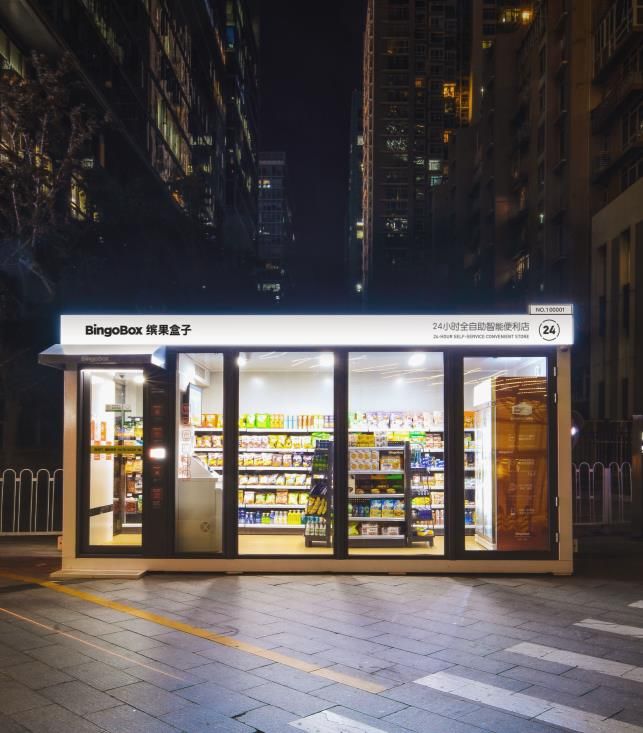
• New Retailers, such as Hema and, Bingo Box, compel
users to download and pay through the New Retailer’s
own app
• Larger retailers, such as Walmart, have introduced
their own app or Mini-Programs to facilitate scan and
payment
• Large and small restaurants have implemented scan-
to-order and scan-to-pay through QR codes placed on
dining tablesSKU-LEVEL DATA BUILDS CONSUMER PROFILE
The SKU-level data collected is used for marketing and re-targeting.
Leveraging SKU-Level Data
How it happens in practice
• SKU-level data collected changes how each New
Retailer’s app or Mini-Program appears to each
consumer
• Interface, functionality, layout, available items, prices
and content are all customizable
• SKU-level data also dictates what promotions
consumers receive
• In the future, SKU-level data could be also be used to
inform dynamic pricingNEW PRODUCT DEVELOPMENT PARTNERSHIPS
e-Commerce platforms are partnering with brands to tap unmet demand or occupy product niches.
Tmall Innovation Center Case Study
Unilever
• The Tmall Innovation Center’s found local consumers
were searching for highly-specialized skincare which
could remove unobservable pollutant particles from the
skin
• Unilever designed a range of products to meet this need
• They first released a mid-priced skin cleanser with anti-
pollutant properties to test demand and establish proof-
of-concept
• Time from conception to market was six months, down
from 18 months to two years
Source: Alizila
Image Credit: Images belong to their respective owners and are used here for education and commentaryNEW PRODUCT DEVELOPMENT PARTNERSHIPS
e-Commerce platforms are partnering with brands to tap unmet demand or occupy product niches.
Tmall Innovation Center Case Study
Mars
• Tmall’s Innovation Center observed a strong
relationship between chocolate and spicy snack
purchases
• Mars developed a spicy peanut chocolate Snickers
bar to capture the underserved taste combination
• The product was initially sold exclusively online to
test demand
• Sales of “Spicy Snickers” surpassed RMB 9 million
between August 2017 and March 218
Source: Alizila
Image Credit: Images belong to their respective owners and are used here for education and commentaryNEW PRODUCT DEVELOPMENT PARTNERSHIPS
Increased responsiveness to changes in consumer demand requires Zara-like speed and supply-
chain flexibility.
Simplified Diagram of Zara’s Supply Chain
Key Takeaways
1 2 3 4 5
• Directly incorporate front-
line feedback into New
Product Development
• Short production runs with
New design sketch fast turnaround time
based on Pattern maker Fabric is cut and Apparel is flown New items
managers and creates prototype 8,000 new items from Barcelona to displayed in store
trend watchers’ sewn at nearby Zara stores • Test with specific
feedback factory worldwide segments, scale winners
and shut down
unsuccessful launches
25 Days
Source: CB Insights; Wall Street JournalNEW PRODUCT DEVELOPMENT PARTNERSHIPS
However, on some occasions, e-commerce giants forgo brand collaboration and go it alone, using
platform data to identify market gaps and under-served needs.
e-Commerce Giants’ Private Label Plays
• NetEase launched 网易严选 in 2016, with Alibaba
(under 淘宝心选) and JD (under 京东京造) in 2017 and
2018 respectively
• All use manufacturer-to-consumer (M2C) approaches to
go from insight to market in a few months
• Focus is on functional homeware and everyday
necessities
• Rich transaction data, solid relationships with factories
and manufacturers, existing logistics networks and
physical retail locations, e-commerce giants’ private
label products have strong foundations
Source: Coresight Research
Image Credit: Images belong to their respective owners and are used here for education and commentaryIn its current form, the ‘new’ in New Retail is hard to articulate, because we’re amidst a somewhat familiar mix of business and digital transformation.
WE HELP YOU SUCCEED IN CHINA
AgencyChina brings vision, visibility and results across
market entry, in-market strategy and operations.

       ANALYZE                        ACTIVATE                        OPERATE
Hit the ground running with    We help you set up the right    Once everything is setup we
    a strong and tailored     Social and Sales platforms and   will operate your Sales and
analysis. We will make sure   complete your ecosystem with        Marketing and deliver
     you are prepared.                the right tools.          transparent data driven
                                                                         results.

                                 www.agencychina.com
WHAT’S DIFFERENT ABOUT CHINA’S NEW RETAIL?
NEW RETAIL DOESN’T EXIST IN A VACUUM
The US and China can learn and borrow from each other’s retail revolutions.

  1      China’s retail revolution is arguably faster

  2      China’s adoption of mobile payments gives additional momentum and new direction

  3      Both China and the US will likely form New Retail duopolies or oligopolies

  4      There’s ample scope to learn from different markets’ application of ‘retail tech’
CHINA’S RETAIL REVOLUTION IS FASTER
China’s consumer class are much closer than US counterparts to omnichannel retailing.

Share of Worldwide e-Commerce Sales (2015 - 2018)                                                                                      Number of Delivery Orders, Billion Units, (2016)

                                                                                   51%                                                                 31
                                              47%
         43%

                     22%                                  21%                                                                                                                   13
                                                                                                19%

               2015                                 2016                                 2017
                                   China                                     US                                                                                China      US

 Note: Percentages rounded to the nearest whole number.
 Source: China Internet Network Information Center; iResearch; State Post Bureau; Pitney Bowes; eMarketer; Forrester; Bain Analysis.
CHINA’S RETAIL REVOLUTION IS FASTER
China’s consumer class presently has greater exposure to emerging offline retail technology than
worldwide peers.
Emerging Technologies Exposed to In-Store, % of Respondents (June 2018)
67%
Mobile Coupons
Mobile coupoins
49%
Personalized Serviceprograms
Based 40%
onalized service from loyalty
on Loyalty Program 26%
37%
Augmented
Augmented Reality Reality
16%
22%
InteractiveInteractive
Display Displays 18%
13% China Worldwide
Robots Robots
6%
Note: Number of survey respondents between different regions differs (Worldwide n=11,891; China n=1,988)
Source: JDA, 2018, "2018 Global Consumer Survey" conducted by Opinium ResearchMOMENTUM FROM MOBILE PAYMENT ADOPTION
China’s volume of mobile payments dwarfs the US.
Comparison of Mobile Commerce Volume, % of e-Commerce Comparison of Transaction Volume in Third-Party
Transactions Completed on Mobile Mobile Payment Applications, Total USD Transaction
Volume, (2011-2020)
90 47T
77
71
58
3 2 8B 15B 112B 9T 283B
2011 2016 2020 2011 2016 2020*
US China US China
Note: Asterisk (*) refers to projected figures; Forecast for China is 2020, the US is 2021
Source: iResearch Analysis; Bain Analysis; eMarketer Analysis Forester Research AnalysisMOMENTUM FROM MOBILE PAYMENT ADOPTION
It’s arguable that take up of mobile payments has made China’s consumer class more comfortable
with retail spaces collecting and using their data.
Chinese and US Consumer Attitudes Toward Sharing Data with Retailers, % of Respondents (Sep 2017)
retailer to have up-to-date information
Expect retailer to have up-to- 67%
l channels (e.g., in-store, online, social
date data across all channels 34%
media, home delivery)
ble with a Comfortable 61%
with retailer
retailer monitoring shopping
patternsmonitoring purchase patterns
and purchases 34%
r a retailerHappy 59% China US
for retailer
to identify whentonearby
send and
personalized offers
send personalised offers 29%
Note: Percentages represent respondents who agreed with the survey question
Source: PwC, 2018, “China’s Next Retail Disruption: End-to-End Value Chain Digitization”NEW RETAIL DUOPOLIES
Alibaba and Tencent have invested heavily in retail.
Tencent and Alibaba M&A Activity, Number of Deals (2017-2018)
Tencent Tencent 21 24 19 53
Bain estimates these
deals have a combined
value of over $12B
Alibaba Alibaba 21 20 11
Retail New Tech Media Other
Source: Bain & Company Analysis; AB Bernstein AnalysisNEW RETAIL DUOPOLIES
This investment has given Alibaba and Tencent stakes in China’s leading retailers.
Market Share and Affiliation of China’s Leading Retailers (Q1 2018)
8.2%
6.4%
5.1%
3.3% 3.2%
2.8%
2.0% 1.7% 1.4% 1.2%
高鑫零售 华润万家 沃尔玛 家乐福 永辉集团 百联集团 物美 武商联集团 SPAR集团 步步高
Alibaba Tencent Unaligned
Source: 品途商业评论 AnalysisNEW RETAIL DUOPOLIES
Alibaba and Tencent are competing head-to-head across multiple retail propositions.
Alibaba and Tencent New Retail Chains by Category, Number of Chains Per Category (Q1 2018)
5
4
3 3 3 3
2
1 1 1
New Retail Supermarket Residential Complex Experience Center Chains Automated Retail Chains B2B New Retail Business
Chains Supermarket Chains Solutions
Alibaba Tencent
Source: 品途商业评论 AnalysisNEW RETAIL DUOPOLIES
Almost half of the US’ e-commerce sales are through Amazon.
Amazon’s Share of the US’ Retail e-Commerce Market (2016-2019)
53.7%
49.1%
44.1%
38.3%
2016 2017 2018 2019
Source: eMarketer.NEW RETAIL DUOPOLIES
Amazon and Walmart can be considered ‘the last two standing’ in a 10-year reversal of large US
retailers’ fortunes.
Comparison between Market Value of Select US Retailers (2006 & 2016), $US Billions
356
214 212
51 40
18 28 24
13 11
Amazon Walmart Target Best Buy Macy's
Peak Market Value (2006) Peak Market Value (2016)
Note: All figures rounded to nearest billion.
Source: Yahoo Finance; Google FinanceNEW RETAIL DUOPOLIES
Walmart holds more than a quarter of the US’ $800 billion grocery market.
Comparison of US Grocery Market Share (2018)
26%
10%
5%
4% 3%
Walmart Kroger Albertsons Ahold Publix
Note: Grocery market includes online and offline purchases.
Source: Internet Retailer; EuromonitorNEW RETAIL DUOPOLIES
Amazon and Walmart will compete more closely as lines between online and offline retail blur.
US Online Grocery Retail Market Share (2018)
18%
8%
7%
6%
5%
Amazon Walmart Peapod Fresh Direct Instacart
Source: Packaged Facts.AUTOMATED RETAIL IS A LEARNING OPPORTUNITY
Common challenges hinder fully automated retail’s implementation.
A Sample of Fully Automated Retail Challenges
Promise-Reality Task and Job Balancing Saved
Fulfilment Competition
Gap Replacement and Added Costs
Can automation deliver Can robots absorb or Robots can pick, pack Can fully automated At what point does the
lower labor costs, remove all the tasks and stack in a retailers compete with cost saved from
improved productivity that make up a retail controlled warehouse, e-commerce and the automation absorb or
and happier customers assistant’s job? but does this extend to next generation of recover additional
as it promises? a store environment? larger, more ubiquitous costs created by
vending machines? reskilling, fulfilment,
theft and lost revenue?AUTOMATED RETAIL IS A LEARNING OPPORTUNITY
Each market specific faces challenges, and there’s plenty of room for mutual learning.
A Sample of Specific Market Challenges
US China
• Achieving Efficient Capital Allocation
• Achieving Scale
• Weaker Technical Foundation, Resulting in Reliance on RFID
• Levels of Customer Acceptance
Tags
• Fears of Destabilized Employment and Reduced Job Security
• Reduced Profits Due to Loss and Theft
• Retraining and Upskilling for Low-Skill Retail Assistants
• Channel Competition from e-Commerce and Vending MachinesAUTOMATED RETAIL IS A LEARNING OPPORTUNITY
Amazon Go would be envious of Bingo Box’s scale; and Bingo Box would be envious of Amazon Go’s
artificial intelligence and computer vision capabilities.
High-Level Comparison Between US and China’s Leading Automated Retail Propositions
• 8 stores in 3 US States • 400 locations in 40 cities
• 1000 to 2000 items per store • 400 to 800 items per store
• Uses artificial intelligence and computer • RFID tags on each item, with goal to move
vision to calculate payment to artificial intelligence and computer vision
Note: Figures accurate as at December 2018
Source: Kiosk Marketplace; QuartzAUTOMATED RETAIL IS A LEARNING OPPORTUNITY
However, leading retail propositions in both countries have had their challenges.
Amazon Go has had Bingo Box has fallen
issues managing traffic. short of its store
opening target.
Limited boxing and
bagging options take Some media reports
away from promises of have suggested that it’s
urban convenience. struggled to manage its
burn rate, and is at risk
of not receiving further
funding.WHAT’S NEXT FOR CHINA’S NEW RETAIL?
THREE WAVES OF NEW RETAIL
We’re going to witness change across the entire retail supply chain and value chain.

  1      There will be Three Waves of New Retail, and each waves’ impact will be more disruptive than the last

  2      New Retail’s First Wave is focused on improving the retail industry’s efficiency

  3      New Retail’s Second Wave will focus on re-organizing supply chains

  4      New Retail’s Third Wave has the potential to turn how we buy and sell things upside-down
The key to traditional retail success was buy low, sell high and optimize
everything in between.

This model is under threat.
NEW RETAIL’S CONTINUING EVOLUTION
There will likely be three waves of New Retail.

 WAVE 1                        WAVE 2               WAVE 3
 RPSM                          Radical              Upending
 Revolution                    Reshaping            Everything

 Improving retailers’          Reshaping how        Rethinking how things
 operating efficiency          supply chains work   are bought and sold
NEW RETAIL’S CONTINUING EVOLUTION
Each waves’ impact will be more disruptive than the last.

The Three Waves of New Retail’s Anticipated Disruption to Retail Industry

          70
                                                    First Wave                                           Second Wave                               Third Wave
                          (Economic Impact on

          60                                        RPSM Revolution                                      Radical Reshaping                         Upending Everything
Level of Disruption

                             Retail Industry)

          50
          40
          30
          20
          10
                      0
                                                1              2                     3                     4                                  5                           6                            7
                                                                                                         Time
                                                                                               (Overall Market Life Span)

         Note: Disruption is theoretically difficult to measure. Here, an overall measure of economic impact on the retail industry is proposed, which is taken as positive and negative impact on commerce and employment.
THE FIRST WAVE IS CENTERED ON EFFICIENCY
New Retail’s first wave is focused on improving retail business’ efficiency.
New Retail’s First Wave – RPSM Revolution
Designer Supplier Manufacturer Warehouse Retailer Consumer
Main Disruptive ImpactTHE FIRST WAVE
The first wave will mostly involve changes to shopfronts and retail experiences to maximize traffic,
conversion, basket size and repurchase rate.
How Belle International Used Analytics to Improve Revenue Per Square Meter
3D Foot Scan
Traffic Heat Map RFID in Shoes and Floor Mats
Increase Conversion &
Optimize Traffic and Conversion Increase Conversion Rate
Basket Size
Image Credit: Images belong to their respective owners and are used here for education and commentary.THE FIRST WAVE
The first wave will mostly involve changes to shopfronts and retail experiences to maximize traffic,
conversion, basket size and repurchase rate.
How Innisfree Used Smart Tech to Improve Revenue Per Square Meter
Skin Analyzer Smart Shelves Cloud Shelf
Optimize Traffic and Conversion Increase Conversion Rate Increase Conversion Rate
Image Credit: Images belong to their respective owners and are used here for education and commentaryTHE FIRST WAVE
In the first wave, New Retail thinking and practice will mostly be deployed across five categories.
1 2 3 4 5
Fresh Food Clothing Beauty Furniture ElectronicsTHE SECOND WAVE IS CENTERED ON SUPPLY CHAINS
New Retail’s second wave will reorganise supply chains and eliminate ‘middlemen’.
New Retail’s Second Wave – Radical Reshaping
Designer Supplier Manufacturer Warehouse Retailer Consumer
Main Disruptive ImpactTHE SECOND WAVE
The second wave’s biggest change will likely be the creation of ‘Consumer-to-Business’ data feedback
loops which facilitate agility in new product development.
Consumer to Business Data Feedback Loop
Product Flow Potential Implications
• More Manufacturer-to-
Consumer Models
Designer Supplier Manufacturer Warehouse Retailer Consumer • Local On-Demand
Manufacturing and Supply
Chain Solutions
• Initial e-Commerce Forays
Information Flow to Confirm DemandTHE SECOND WAVE
New technology allows big and small players to adopt new levels of made-to-order and
just-in-time production.
Lesara My Daily Dose Zozotown Heuritech
Fast Fashion From Custom-Blend Online Decoding Trends
Big Data Skincare Custom-Fit From Images
Agile fashion An online ‘Skin Identity’ Zozotown’s app takes The world's first AI
manufacturer that uses quiz understands skin users’ measurements, service that can predict
data from search and concerns and lifestyle and custom-fit fashion trends based on
social to predict trends factors, before garments are sent two millions of images
and optimize recommending a weeks from purchase shared each day on
turnaround on custom serum social media
emerging styles
Note: Lesara filed for bankruptcy in November 2018THE SECOND WAVE
Circular economy elements will be fixed into retail supply chains.
Five Circular Economy Business Models
Products-as-a- Product Life Circular Recovery &
Sharing
Service Extension Supply Chains Recycling
Digital platforms and Replace ownership Remanufacturing and Suppliers and partners Create economic value
marketplaces models with pay-per- repairing used use recycled materials through the recovery
employed to maximize use to maintain products to give them a repeatedly to save and re-use of raw
the use of underused products for longer and longer life with existing costs and increase materials
assets offer new services or new customers supply chain
predictability
Source: Accenture Analysis; McKinsey AnalysisTHE SECOND WAVE
Pre-owned, refurbished, repair and rental models are presently supported by forward-thinking brands
and start-ups.
Patagonia Ba&sh Y-Closet Rewind
Complimentary Complimentary Subscription-Based Pre-Owned Fashion
Repairs Clothing Rentals Rental Platform Marketplace
Patagonia offer to Ba&ash provides free Chinese rental platform Collaborating with e-
repair (or teach owners weekend clothing rental that facilitates rental of commerce platforms
how to repair) old to shoppers at its New women’s apparel and like Farfetch, Rewind
garments to make them York experiential store accessories for a has created an online
last longer monthly membership network for pre-owned
fee luxury productsNew Retail’s biggest breakthrough will come when we don’t repurpose existing or emerging technology to fit how we’ve always bought and sold things.
THE THIRD WAVE WILL CHANGE HOW WE BUY AND SELL
New Retail’s third wave could potentially change how we think about buying and selling.

New Retail’s Third Wave – Upending Everything

   Designer       Supplier     Manufacturer      Warehouse   Retailer   Consumer

                                  Main Disruptive Impact
THE THIRD WAVE WILL CHANGE HOW WE BUY AND SELL
Buying and shopping have decoupled, and different buying behaviours will continue to take on highly
differentiated purchase journeys.
Distinction Between Different Buying Behavior Potential Ways for New Retail to Change Buying Behavior
High Low High Low
Involvement Involvement Involvement Involvement
Significant Complex Significant
Variety-Seeking Custom Design & Subscription
Differences Shopping Differences
Buying Behavior Manufacture Models
Between Brands Behavior Between Brands
Few Differences Dissonance Habitual Few Differences On-Demand Automated
Between Brands Buying Behavior Buying Behavior Between Brands Product Trial PurchasesTHE THIRD WAVE
How we transfer physical goods will fundamentally shift – from delivery to printed on-site.
Peek into the Future: Gillette’s Razor Maker
What it is
• Gillette has piloted Razor Maker to create customized,
direct-to-consumer 3D printed parts
• Consumer creates their handle through the Razor
Maker website and the design is printed, prepared
and mailed
Where it could go
• Adoption of 3D printers in homes, apartment blocks or
neighbourhoods
• Transformation or reconceptualization of to-door delivery
Source: Formlabs; TechCrunch
Image Credit: Images belong to their respective owners and are used here for education and commentaryTHE THIRD WAVE
Consumers’ expectations of abundance will be reinforced through mass-customisation.
Peek into the Future: Adidas Futurecraft 4D
What it is
• Adidas can produce custom-soles that meet the needs
of different professional and semi-professional athletes
• The underlying technology can be applied to
individual consumers’ dimensions and needs
Where it could go
• Movement away from mass production to on-demand
models of production
• Elimination of apparel and shoe sizes
Source: Adidas
Image Credit: Images belong to their respective owners and are used here for education and commentaryTHE THIRD WAVE We’ll abandon traditional measures of retail success, like RPSM and CPSM. How some traditional retail metrics could change to meet omnichannel retail realities From To • RPSM and CPSM • Value of new services or engagement derived • Foot traffic • In-store engagement • Individual store sales performance • Online and offline performance over a geographic area • Sales revenue by product segment • Acquisition, growth and retention by customer segment
WHERE IS
THE OPPORTUNITY?
GET ON TOP OF IT
We’re two years into New Retail and the RPSM Revolution is well underway.

  1     New Retail activity is presently concentrated in five categories

  2     There are ‘Copy to China’ and ‘Copy From China’ opportunity flows

  3     Businesses need to make their organization ‘ambidextrous’ to take advantage
THE SHORT-TERM OPPORTUNITY
New Retail’s presently focused on five categories.

 1                     2                      3               4               5

     Fresh Food             Clothing                 Beauty       Furniture       Electronics
FIRST-MOVER OPPORTUNITY
There’s still some scope to be a New Retail pioneer in four categories.
1 2 3 4
Luxury Accessories Homewares StorageTWO OPPORTUNITY FLOWS There is opportunity across ‘Copy From’ and ‘Copy To’ China models. Bring businesses, processes, practices and experiences compatible Copy to China with New Retail to China Export New Retail business models, process, practices and experiences Copy from China to home market
TWO OPPORTUNITY FLOWS
Some gadgets, gizmos and experiences that shaped perceptions of New Retail are the result of ‘Copy
to China’ innovation.

Examples of ‘Copy To China’ New Retail’ Innovation

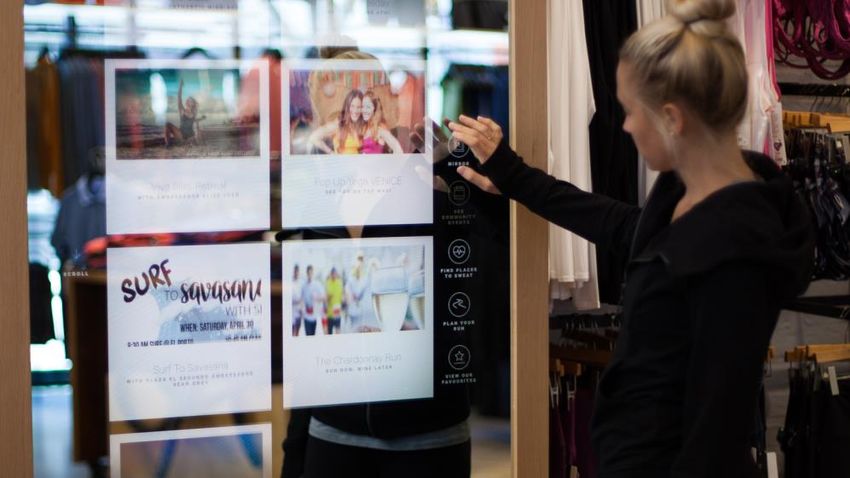
Smart Mirrors                                                                                           Skin Diagnostic

Image Credit: Images belong to their respective owners and are used here for education and commentary
TWO OPPORTUNITY FLOWS
Some gadgets, gizmos and experiences that shaped perceptions of New Retail are the result of ‘Copy
to China’ innovation.

Examples of ‘Copy To China’ New Retail’ Innovation

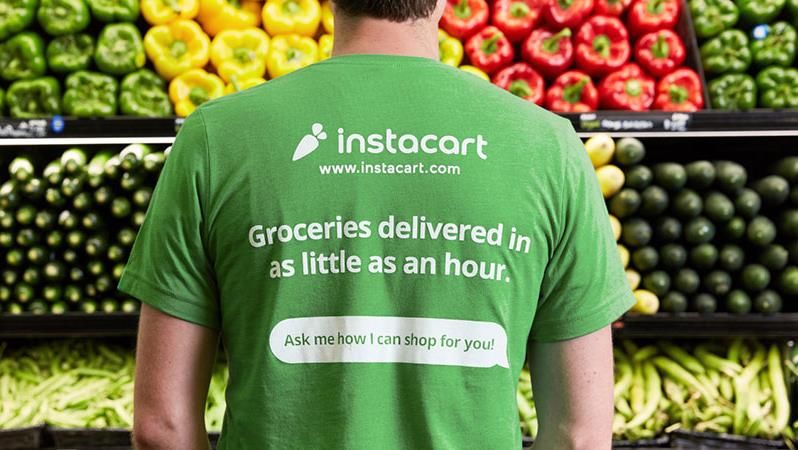
Car Vending Machines                                                                                    On-Demand Grocery Delivery

Image Credit: Images belong to their respective owners and are used here for education and commentary
TWO OPPORTUNITY FLOWS
Chinese innovations are also making their way abroad.

Examples of ‘Copy From China’ New Retail’ Innovation

Augmented Reality Applications                                                                          Social Media O2O Discounts

Image Credit: Images belong to their respective owners and are used here for education and commentary
INCREMENTAL AND RADICAL INNOVATION
New Retail thinking and practices can be applied to a combination of incremental innovation, radical
innovation, or both.

Ambidextrous Organisations

What it is
•       O’Reilly and Tushman argue that to flourish over the long
        run, most companies need to maintain a variety of
        innovation efforts.

•       Companies must constantly pursue incremental
        innovations, small improvements in existing products
        and operations.

•       Companies also have to make radical
        innovations, applying technological or process
        advances to fundamentally change element of their
        business.

•       Ambidextrous Organizations undertake both incremental
        and radical innovation, at the same time.

    Source: Tushman and Oreilly III (2004), ‘The Ambidextrous Organization’, Harvard Business Review; Arthur D. Little;
    Image Credit: Images belong to their respective owners and are used here for education and commentary
INCREMENTAL AND RADICAL INNOVATION
There are opportunities for incremental innovation across revenue, costs, acquisition and retention.
Helpful jumping off points for incremental innovation in foreign firms’ China retail presences
RPSM CPSM Acquisition Retention
How can we use
What revenue What do we do after
What cost drivers online and offline to
drivers can customers have
can we ‘hack’? acquire new
we ‘hack’? made a purchase?
target customers?INCREMENTAL AND RADICAL INNOVATION
New Retail gives scope to about your business’ future.
Helpful jumping off points for radical innovation in foreign firms’ China retail presences
New Needs Competencies Partner Supply Chain
How do we place
Where will our new What partnerships What’s the shortest
ourselves to serve
competencies could take us to the path to our
emerging customer
come from? next level? customer?
needs?Confronted with new opportunities, people tend to lose out in four ways: they don’t see it coming, they turn their nose up at it, they don’t understand it, or they’re too late to adapt. Jack Ma
WE HELP YOU SUCCEED IN CHINA
AgencyChina brings vision, visibility and results across
market entry, in-market strategy and operations.

       ANALYZE                        ACTIVATE                        OPERATE
Hit the ground running with    We help you set up the right    Once everything is setup we
    a strong and tailored     Social and Sales platforms and   will operate your Sales and
analysis. We will make sure   complete your ecosystem with        Marketing and deliver
     you are prepared.                the right tools.          transparent data driven
                                                                         results.

                                 www.agencychina.com
You can also read


