Course Catalogue March 2024 - PELP - Peace Operations Training Institute
←
→
Page content transcription
If your browser does not render page correctly, please read the page content below
Course
Catalogue
March 2024

  Peace Operations Training Institute®
                                                                  PELP
                                                                  PARTNERSHIP FOR
                                                                  E-LEARNING ON
        Study peace and humanitarian relief any place, any time   PEACE OPERATIONS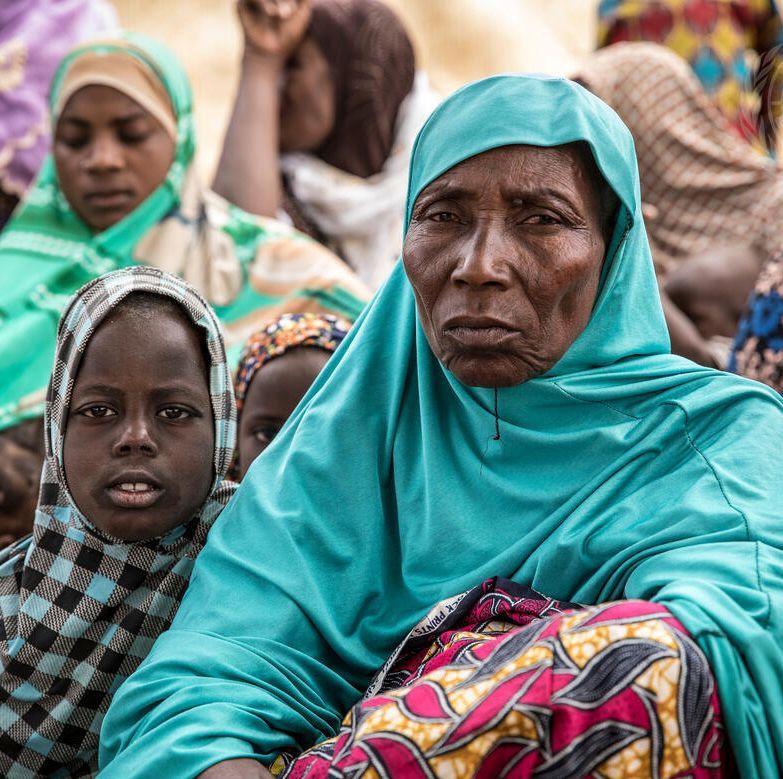
Expand your knowledge                                                     A message
of United Nations peace                                                   from Executive
operations and related                                                    Director
subjects                                                                  Ramona Taheri
                                                                          It is my honour to welcome
The Peace Operations Training Institute® (POTI) offers                    you to the Peace Operations
self-paced e-learning courses on current topics in peace                  Training Institute 2024
support, humanitarian relief, and security operations.                    catalogue of programmes
The curriculum builds solid, practical knowledge of peace                 and courses.
operations and related topics. It includes courses written
by a former Military Adviser to the United Nations                        POTI is an independent
                                                                          nonprofit nongovernmental
Department of Peace Operations (DPO), a former Force
                                                                          organization that provides globally accessible self-paced,
Commander, published authors, experienced peace
                                                                          online, on-demand courses on peace support, gender
operations personnel, and scholars who are recognized
                                                                          awareness, humanitarian relief, and security operations
experts in their fields, as well as courses developed in                  at little to no cost to the student. We are committed to
partnership with the Geneva Centre for Security Sector                    bringing impartial, essential, and practical knowledge to
Governance (DCAF), the Centre for Military Ethics at King’s               civilian, police, and military personnel working towards
College London, the International Peace Institute (IPI),                  peace worldwide.
the United Nations Educational, Scientific and Cultural
Organization (UNESCO), the United Nations Mine Action                     We are here to serve you in your quest for knowledge of
Service (UNMAS), the United Nations Entity for Gender                     human rights, gender awareness, child protection, cultural
                                                                          property protection, the protection of civilians, and other
Equality and the Empowerment of Women (UN-Women),
                                                                          related topics. Please let us know if you need assistance or
and the World Health Organization (WHO).
                                                                          have additional feedback. I wish you the best of luck in
                                                                          your studies.
Relevant courses
With 31 self-paced e-learning courses to choose from, you
can learn wherever you are, whenever your schedule permits.
                                                                        course videos, and experience other online features. However,
Easy enrolment                                                          students with no Internet access may still receive support
                                                                        via post, fax, or telephone. Students may also use the POTI
Visit the POTI website at  to
                                                                        mobile application to access their study materials.
enrol. Course materials are delivered immediately online,
or printed materials can be mailed to the student directly.
Bulk enrolment programmes can be made available to                      Global students
institutions upon request.                                              Students from 176 nations have enrolled in our e-learning
                                                                        courses, both as individuals and as members of
Self-paced study                                                        organizations that blend POTI e-learning with their own
Each course contains all needed reading materials, learning             training programmes. These organizations include national
objectives, and self-scoring End-of-Lesson Quizzes.                     peace operations training centres, ministries of defence,
Upon the completion of their studies, students have two                 non-governmental organizations, intergovernmental
opportunities to earn a passing grade of 75 per cent on a               organizations, peace operations, and educational
unique multiple-choice End-of-Course Examination through                institutions. A list of current enrolment programmes is
their online classroom. Upon passing the exam, they are                 included in this catalogue.
awarded their own customized Certificate of Completion.
                                                                        Tuition-free courses
Accessibility
                                                                        The Peace Operations Training Institute offers 31 courses
Through the POTI website, students may enrol, download                  and their available translations, many at no cost to enrol.
their courses, submit their exams, email their course authors,          Free courses are marked as such throughout this course
participate in discussions and webinars, watch introductory             catalogue.

                               Learn more about our training at
                        .
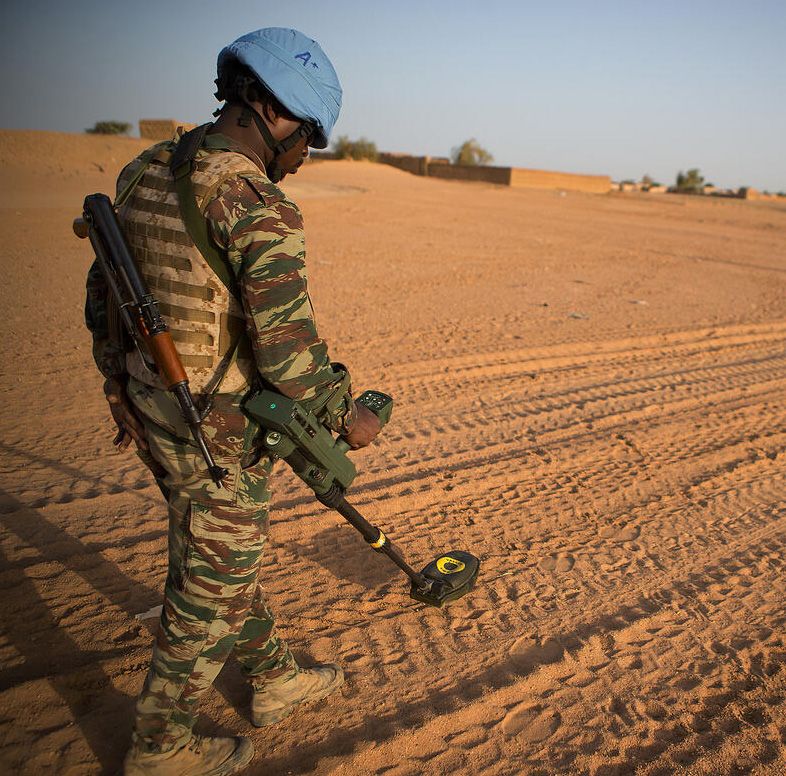
Cover, clockwise from left: UN Photo by Harandane Dicko; UN Photo by Gregório Cunha; UN Photo by Luboš Podhorský; UN Photo by Gregório Cunha;
and UN Photo by Gregório Cunha.

2   |                                  P E A C E O P E R AT I O N S T R A I N I N G I N S T I T U T E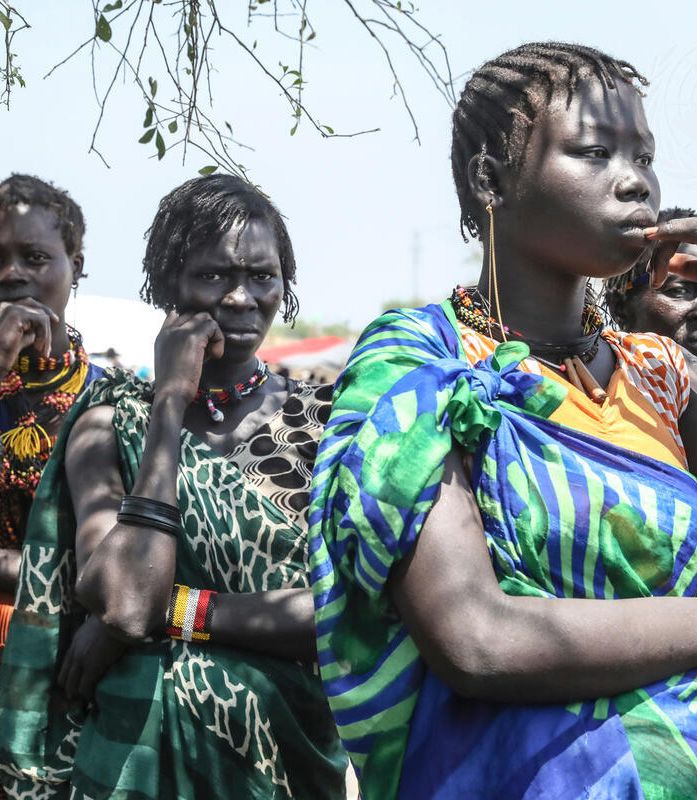
Table of Contents
E-Learning on Peace Operations from POTI

Expand your knowledge of United Nations peace operations and related subjects ...................................................................... 2

Customize your POTI training.............................................................................................................................................. 4

Our programmes............................................................................................................................................................... 5

Providing e-learning through national peacekeeping training centres........................................................................................ 6

The Curriculum

                        Common Core Courses                                               Ebola Virus Disease: Awareness and Precautions for Peace
                                                                                          Operations Personnel....................................................... 13
An Introduction to the UN System and Its Role in
International Peace and Security......................................... 7               Mine Action and Explosive Hazard Management: Humanitarian
                                                                                          Impact, Technical Aspects, and Global Initiatives................. 13
Principles and Guidelines for UN Peacekeeping Operations....... 7
                                                                                          Peacebuilding...................................................................14
Ethics in Peace Operations..................................................7
                                                                                          UN Specialised Training Materials on United Nations
       Humanitarian Concepts and Human Rights                                             Military Observers............................................................ 14

Humanitarian Relief Operations........................................... 8
                                                                                          Logistical Support to United Nations Peacekeeping
                                                                                          Operations: An Introduction...............................................14
UN Military Specialised Training Materials on Child Protection... 8
                                                                                                                     Gender Awareness
Human Rights....................................................................8
                                                                                          Sexual and Gender-Based Violence and International Peace
Peacekeeping and International Conflict Resolution................ 9                      and Security.................................................................... 15

International Humanitarian Law and the Law of                                             Preventing Violence Against Women and Promoting Gender
Armed Conflict.................................................................. 9        Equality in Peace Operations............................................... 15

Comprehensive Protection of Civilians Training Materials for                              Implementation of the UN Security Council Resolutions on
United Nations Peace Operations: Military Version.................. 9                     the Women, Peace, and Security Agenda in Africa................. 16

Comprehensive Protection of Civilians Training Materials for                              Implementation of the UN Security Council Resolutions
United Nations Peace Operations: Police Version.................. 10                      on the Women, Peace, and Security Agenda in Asia and
                                                                                          the Pacific....................................................................... 16
Mission Components, Operations, and Procedures
                                                                                          Implementation of the UN Security Council Resolutions on
Protection of Cultural Property: Online Course for the                                    the Women, Peace, and Security Agenda in Latin America
Military, Police, and Law Enforcement................................. 10                 and the Caribbean............................................................ 17

Civil-Military Coordination in Peace Operations..................... 10                                     History of Peace Operations

Leading Within United Nations Peace Operations.................. 11                       The History of United Nations Peacekeeping Operations
                                                                                          During the Cold War: 1945 to 1987..................................... 17

United Nations Specialised Training Materials on United
Nations Police.................................................................11         The History of United Nations Peacekeeping Operations
                                                                                          Following the Cold War: 1988 to 1996.................................17

Disarmament, Demobilization, and Reintegration (DDR):
A Practical Overview....................................................... 12            The History of United Nations Peacekeeping Operations from
                                                                                          Retrenchment to Resurgence: 1997 to 2006.........................17

Technology and Innovation in United Nations
Peace Operations............................................................ 12           The History of United Nations Peacekeeping Operations from
                                                                                          2000–2020...................................................................... 17

Health of Peace Operations Personnel................................ 13

Cours en Français                                                                         Cursos en Español

La majorité de nos cours sont disponibles en français. Pour                               Muchos de nuestros cursos están disponibles en español. Ver
consulter la liste de nos cours traduits, veuillez consulter notre                        las traducciones actualizadas y disponibles en nuestro sitio web
site Web internet à l’adresse .                              .

                                                 P E A C E O P E R AT I O N S T R A I N I N G I N S T I T U T E                                                              |3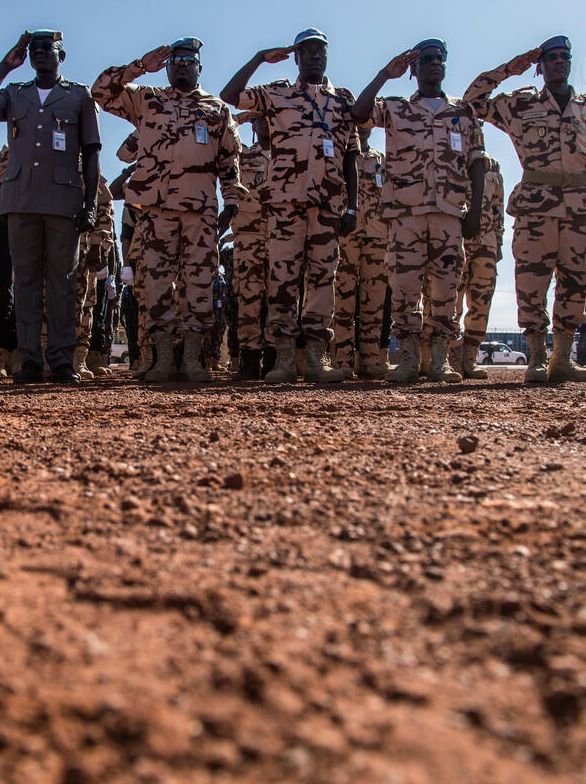
Customize your POTI training
Study individual courses »                                          Earn a POST Certificate »
After successfully completing a course, students earn               Students may demonstrate their expertise in Military
a Certificate of Completion. Certificates are available in          Studies, Police Studies, Civilian Service, Gender Awareness,
Arabic, English, French, Portuguese, and Spanish.                   and/or Human Rights by earning a Peace Operations
                                                                    Specialized Training (POST) Certificate.
Students may also request a transcript officially
documenting the courses they have completed.                        By following the curricula described in the table below and
                                                                    taking a comprehensive exam, students can earn a POST
                                                                    Certificate in up to five areas of specialization.

4   |                               P E A C E O P E R AT I O N S T R A I N I N G I N S T I T U T E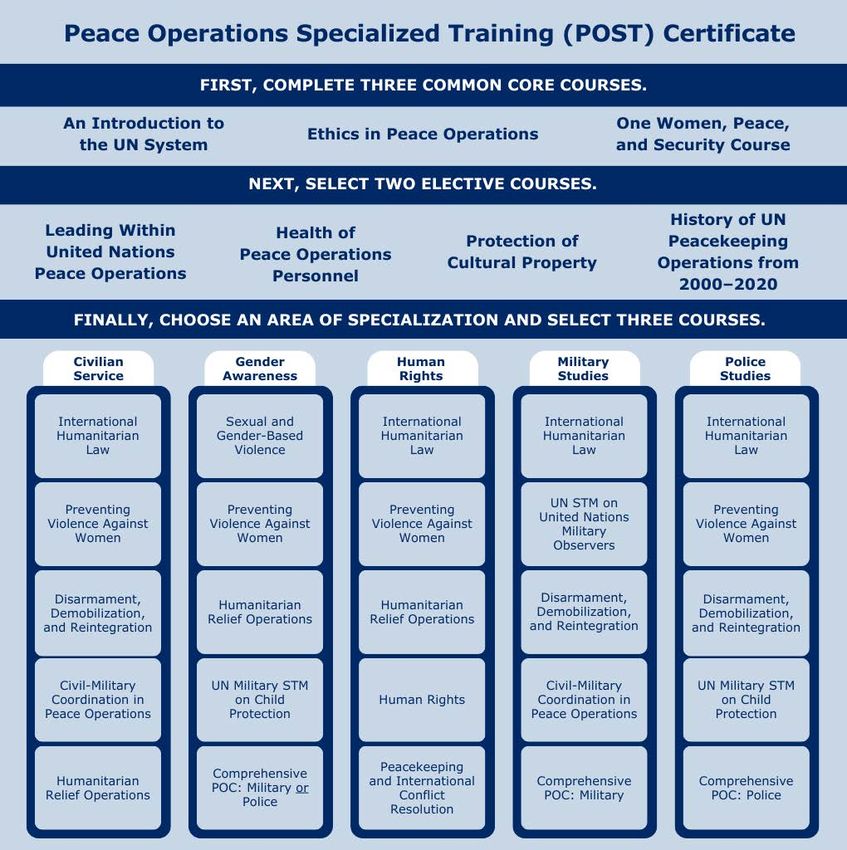
Our programmes
National Training Centre E-Learning Platform (NTCELP)

Under NTCELP, select regional and national training centres in
Africa, South Asia, Europe, North America, and Latin America
and the Caribbean use the Institute’s courses to supplement
face-to-face classroom training. This creates a blended
learning experience for students and a ready-made e-learning
curriculum for training centres. Students from eligible training
centres earn Certificates of Completion jointly issued by both
institutions and take courses at no cost.

Individual E-Learning for Peacekeepers from Select
Regions (IELP)

The IELP programme provides military personnel, police, and
gendarmerie from partnering nations in Africa, Latin America
and the Caribbean, and South Asia access to POTI courses
at no cost through direct communication with ministries of
defence, police training centres, and capitals. This includes
individuals who may not be assigned to a class at a national
peacekeeping training centre and nations that do not have a
national peacekeeping training centre. IELP is also available
to civilian employees of ministries of defence and other                                                    UN Photo by Gema Cortes.
government agencies involved in peace operations.

                                                                     E-Learning for Mission Staff (ELMS)

                                                                     This programme provides all POTI courses at no cost for
                                                                     civilian, police, and military personnel assigned to all United
                                                                     Nations and African Union missions. This programme also
                                                                     covers European Union peace missions, United Nations peace
                                                                     support and peacebuilding offices, and political missions.

                                                                     E-Learning on Women, Peace, and Security (WPS)

                                                                     This programme provides no-cost enrolments for all in three
                                                                     regionally focused courses developed in cooperation with
                                                                     UN-Women.

                                                                     Other Bulk Enrolment Programmes

                                                                     The Institute offers additional opportunities for
                                                                     bulk-enrolment programmes whereby institutions may
                                                                     integrate POTI courses into their own training programmes.

 UN Photo by Marco Dormino.

                          Learn more about our eligibility programmes at
              .

                                     P E A C E O P E R AT I O N S T R A I N I N G I N S T I T U T E                                    |5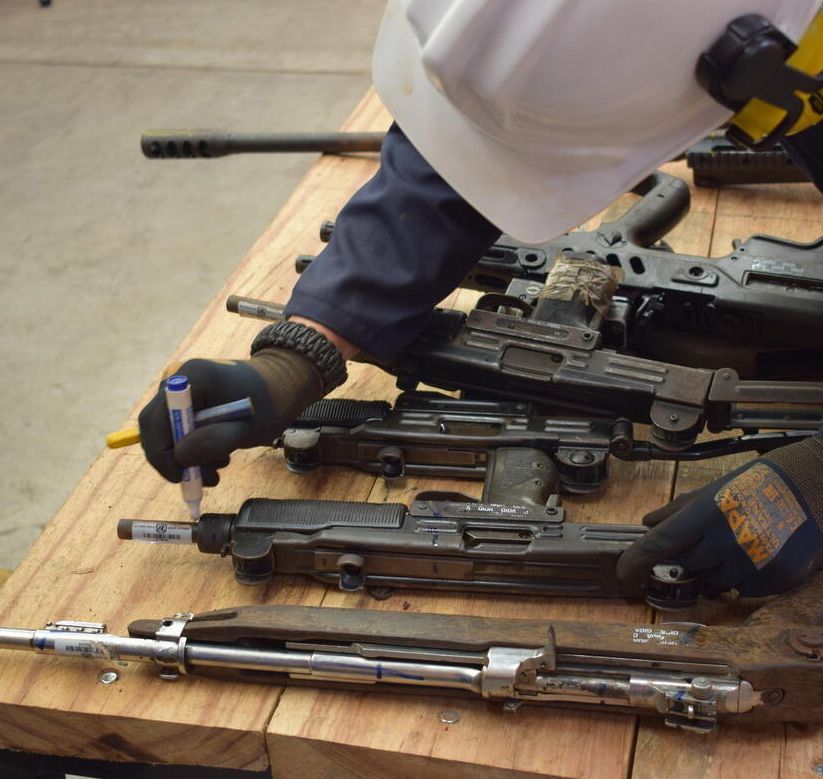
Providing e-learning through national peacekeeping
training centres
Many regional and national peacekeeping training centres worldwide
subscribe to the National Training Centre E-Learning Platform (NTCELP)
and E-Learning for Peacekeepers in the Asia Pacific (ELPAP). Countries
participating in the NTCELP and ELPAP programmes appear in grey on
the map.
Under NTCELP and ELPAP, training centres provide their classroom students with a blended learning curriculum that combines
their classroom courses with POTI e-learning. Students earn Certificates of Completion jointly issued by both institutions.

Currently, POTI e-learning is available at more than 50 regional and national peacekeeping training centres worldwide.
Individual E-Learning for Peacekeepers from Select Regions (IELP) extends the availability of NTCELP to peace operations
personnel from select nations who may not be assigned to a class at a national peacekeeping training centre or those
without their own national peacekeeping training centre.

Visit  and  to
learn more.

6   |                             P E A C E O P E R AT I O N S T R A I N I N G I N S T I T U T E
The Curriculum
                    Common Core Courses                             Principles and Guidelines for UN
                                                                    Peacekeeping Operations
An Introduction to the UN System and
Its Role in International Peace and                                 [In English and French] Free Tuition for All
Security                                                            This course was developed in consultation with the United
                                                                    Nations Department of Peacekeeping Operations (now
[In English, French, Portuguese, and Spanish]
                                                                    Department of Peace Operations) Policy, Evaluation and
Online interactive module now available. This course is             Training Division. It is based on the internal publication
a primer for those who want to know more about the United           United Nations Peacekeeping Operations: Principles
Nations and its role in international peace and security. The       and Guidelines, which is more widely known under its
United Nations system is large and complex, comprising              informal name — “Capstone Doctrine”. This publication is
many independent parts. Success in any field operation will         a comprehensive document that defines and promulgates
only be achieved when the many components work together             available peace operations doctrine, definitions, procedures,
towards a shared vision and common purpose; therefore,              and policy. In 10 lessons, it introduces the concept and
United Nations personnel must recognize that a high level           evolution of United Nations peace operations, explains the
of integration is essential. This course is designed to lead        decision process that precedes the deployment of a peace
the aspirant United Nations practitioner in this direction,         operation, and then discusses the planning process to
outlining how the United Nations responds to the global             implement that decision. It also explains the art of successful
challenges of the present day. Furthermore, the course              mandate implementation and addresses the management
describes the United Nations framework and principal                of peace operations, how operations are supported and
organs, different types of field missions, ethics in the field,     sustained, and how they are concluded at their termination.
and much more. Nine lessons, 179 pages.                             The Institute’s course Principles and Guidelines is designed to
                                                                    teach this United Nations doctrine to all personnel serving in
Course Author: Major General (Retired) Robert Gordon                the field and at Headquarters as well as to those who are new
served a full career in the British Army until his retirement       to United Nations peace operations. Ten lessons, 208 pages.
in 2005. He served as Commander of United Nations
South Sector West Bosnia (UNPROFOR) in 1994, and Force              Developed in consultation with Major General (Retired)
Commander of the United Nations Mission in Ethiopia and             Robert Gordon, who was a co-drafter of the original
Eritrea (UNMEE) from 2002 to 2004. General Gordon also              publication, Commander of United Nations South Sector West
serves as a Lead Mentor of the United Nations Senior Mission        Bosnia (UNPROFOR) in 1994, and Force Commander of the
Leadership Training Courses and as the Chair of the POTI            United Nations Mission in Ethiopia and Eritrea (UNMEE) from
Board of Directors.                                                 2002 to 2004. General Gordon also serves as a Lead Mentor
                                                                    of the United Nations Senior Mission Leadership Training
                                                                    Courses and as the Chair of the POTI Board of Directors.

                                                                    Ethics in Peace Operations
                                                                    [In English, French, and Spanish]
                                                                    Developed by King’s College London’s Centre for Military
                                                                    Ethics, this course presents a general introduction to the
                                                                    basic ethical aspects of peace operations. The United Nations
                                                                    Core Values (integrity, professionalism, and respect for
                                                                    diversity) form the basis for this course. Through the use of
                                                                    case studies and practical examples, this compilation aims to
                                                                    be a guideline for peace support personnel in the field. Topics
                                                                    include the Code of Conduct, cultural awareness, gender
                                                                    and peace operations, sexual exploitation and abuse, human
                                                                    trafficking, child protection, human rights in peace operations,
                                                                    HIV/AIDS awareness, and United Nations guidelines and
                                                                    procedures on discipline for uniformed peace operations
                                                                    forces. The course also includes recent reforms within the
                                                                    United Nations system and an increased focus on the gender
                                                                    perspective in peace operations. Eight lessons, 160 pages.

                                                                    This course was developed by the Centre for Military Ethics,
 UN Photo by Gema Cortes.                                           King’s College London in collaboration with POTI.

                                    P E A C E O P E R AT I O N S T R A I N I N G I N S T I T U T E                               |7
Humanitarian Concepts and Human Rights

Humanitarian Relief Operations
[In English, French, Portuguese, and Spanish]
This course teaches students how humanitarian relief
is provided to refugees and victims of war and natural
disasters. The course begins with a history of humanitarian
relief and highlights the development of humanitarian
action in the twentieth and twenty-first centuries and
various international humanitarian organizations. The
principles of humanitarian intervention, including respect
for at-risk populations such as women and children, and
the importance of international humanitarian law are then
explored. Critical management techniques for humanitarian
emergencies, refugee camps, and community health
care are also covered. The course concludes with a look
at the importance of logistics in humanitarian action and                                                  UN Photo by Eskinder Debebe.
the effects of disasters on nutrition. The 2021 update to
this course reflects current humanitarian relief doctrine,
                                                                    Human Rights
including the latest edition of the Sphere Handbook:
Humanitarian Charter and Minimum Standards in                       [In English and French]
Humanitarian Response. Nine lessons, 230 pages.                     This course is a comprehensive historical overview of
                                                                    the theory and practice of human rights. It explores the
Course Author: Lieutenant Colonel René Wagemans (retired)           different kinds of human rights, the various international
began his career in the Belgian Army in 1977, where he              and regional documents necessary to protect and enforce
served as head of the Humanitarian Crisis Response Branch           them, and the historical difficulties and conflicts that
(OF-4) at the General Staff. He retired in 2014 and served as       have occurred in spite of, and often because of, human
a reservist until 2019 within the same staff position. In his       rights. The course includes extensive discussions on the
career, Wagemans participated in several peace operations/          development of the various human rights treaties and
peace enforcement missions in staff and command                     enforcement mechanisms, the special protection given to
functions. As a representative of the Belgian Army and              vulnerable groups, human rights during armed conflict, and
member of the Belgian First Aid and Support Team, he                current debates involving human rights, such as the use of
participated in several humanitarian relief operations, most        technology either to promote or restrict human rights, and
recently after Typhoon Haiyan in 2013. He has been a United         the increasing international significance of stateless actors
Nations Disaster Assessment and Coordination (UNDAC)                like transnational corporations and terrorist groups.
member since 2005 and deployed as a team member and                 Fifteen lessons, 356 pages.
team leader to several disasters. Between 2011 and 2019,
Wagemans was a lecturer, facilitator, and coach for different       Course Author: Jessica C. Lawrence, Ph.D., J.D., is an expert
UNOCHA courses as well as courses related to the European           on transnational law, including economic law, human rights,
Civil Protection Mechanism.                                         environmental protection, and migration law. She previously
                                                                    held positions with the European Environmental Bureau, the
UN Military Specialised Training
                                                                    Pew Initiative on Food and Biotechnology, the South Asia
Materials on Child Protection                                       Human Rights Documentation Centre, and the New Zealand
[In English] Free Tuition for All                                   Human Rights Commission. She also served as a consultant
                                                                    and visiting professor for the University of Peace from 2009
These training modules aim at introducing child protection
                                                                    to 2010 and as an Assistant Professor at Central European
concepts and providing child protection mission-specific
                                                                    University. Dr. Lawrence is currently a Senior Lecturer at
tactical situations to military and police contingent leaders
                                                                    the University of Essex School of Law.
and staff. The materials intend to promote a better
understanding of mission child protection mandates, actors
in the mission and outside of the mission who contribute
to the protection of children, and actors integral to the
coordination of child protection. Six modules, 218 pages.

These course materials have been sourced directly from
the United Nations Peacekeeping Resource Hub under a
revocable licence issued by the Integrated Training Service.

8   |                               P E A C E O P E R AT I O N S T R A I N I N G I N S T I T U T E
International Humanitarian Law and the
                                                                      Law of Armed Conflict
                                                                      [In English, French, Portuguese, and Spanish]
                                                                      This course covers international humanitarian law (IHL)
                                                                      as applied to soldiers, humanitarian workers, refugees,
                                                                      displaced persons, and others involved with armed conflict.
                                                                      Topics include background and definitions, protection of
                                                                      victims, rights of prisoners of war, rules of conduct in
                                                                      hostilities, means of implementation, human rights and
                                                                      IHL, the applicability of IHL to peace operations and peace
                                                                      enforcement, different applications to international and
                                                                      intra-national conflicts, terrorism, sovereignty, and the role
                                                                      of the International Red Cross in international humanitarian
                                                                      law. This course deals with complex legal and military
                                                                      issues. Eight lessons, 160 pages.

                                                                      Course Author: Antoine Bouvier served as a Legal Adviser
                                           UN Photo by Gema Cortes.   in the International Committee of the Red Cross (ICRC)
                                                                      Advisory Service on IHL in Geneva. From 1996 to 1998,
                                                                      he was Deputy Head of the ICRC Division for Policy and
Peacekeeping and International                                        Co-operation within the Movement. From 1998 to 2008,
Conflict Resolution                                                   Mr. Bouvier held the position of Legal Adviser and Delegate
[In English, French, and Spanish]                                     to Academic Circles in the Communication Division.
                                                                      He retired from the ICRC in 2016 and now works as a
The aim of this course is to provide the student with a basic         consultant.
understanding of the field of conflict resolution and its
application, theoretically and practically, to peace operations       Comprehensive Protection of Civilians
intervention in contemporary international conflicts. The             Training Materials for United Nations
nature of conflict and the dynamics of contemporary conflict          Peace Operations: Military Version
are defined, along with the key concepts and techniques
for resolving conflict. The course explores the significant           [In English] Free Tuition for All
areas that will improve responses to today’s complex                  The aim of these training materials is to provide
emergencies, including conflict analysis and mapping, early           troop-contributing countries with a comprehensive training
warning and conflict prevention, cultural understanding, and          package that combines aspects of Protection of Civilians,
gender awareness. The 2020 edition of this course covers              Child Protection, and Conflict-Related Sexual Violence for
the continued development of peace operations doctrine,               military peace operations personnel at the tactical level in
theory, and practice in conflict analysis and resolution. It          United Nations peace operations. This programme combines
also offers new insights into the impact of information and           elements of each of the three subject matter areas into
communication technology on peace operations and conflict             an overall approach to tactical level protection issues. It
resolution. Ten lessons, 260 pages.                                   includes a protection threat assessment process to inform
                                                                      planning and several small exercises as well as a larger
Course Author: Professor Tom Woodhouse held the Adam                  scenario-based exercise, which can be run at the end of
Curle Chair in Conflict Resolution at the University of               a course to strengthen participants’ understanding how
Bradford from 1999–2012. He founded the Centre for Conflict           POC, Child Protection, and Conflict-Related Sexual Violence
Resolution at the University of Bradford in 1990. He has              considerations affect military planning processes at the
been attached to the Department of Peace Studies since its            tactical level. Three modules, 224 pages.
formation in 1974, when he was appointed as a Research
Assistant to the founding Professor, Adam Curle. He retired           These course materials have been sourced directly from
from his post in October 2012 and is currently an Emeritus            the United Nations Peacekeeping Resource Hub under a
Professor at the University of Bradford.                              revocable licence issued by the Integrated Training Service.

                                    P E A C E O P E R AT I O N S T R A I N I N G I N S T I T U T E                                |9
Comprehensive Protection of Civilians                               Civil-Military Coordination in Peace
Training Materials for United Nations                               Operations
Peace Operations: Police Version                                    [In English and French]
[In English] Free Tuition for All                                   Civil-military coordination (CIMIC) provides the interface
Since the Security Council first established the protection         between the military component of a United Nations peace
of civilians (POC) as an explicit mandate in 1999, peace            operation and the political, humanitarian, developmental,
operations have evolved significantly, growing both in size         human rights, and the rule of law components of the mission,
and complexity. During this period, POC has continuously            as well as others in the larger peacebuilding system. CIMIC
gained in prominence and today ranks as the priority                is a crucial function in any complex peace operation because
mandate in a number of peace operations. While POC                  it is a “force-multiplier” that contributes to the mission
has sometimes become the yardstick against which                    achieving a system-wide impact on the conflict system it
mission success is measured, it is arguably also the most           is attempting to transform. While aimed at United Nations
challenging mandate to implement. This comprehensive                CIMIC officers, all military and civilian students will find this
training package combines aspects of POC, Child Protection,         course useful, as it will improve their understanding of the
and Conflict-Related Sexual Violence for police peace               institutional cooperation that needs to occur between mission
operations personnel, describing the complex linkages               components, and between the mission and the rest of the
between these tasks and how to prevent, deter, and                  system, to ensure a sustainable peace process. The focus of
respond to interrelated threats. Three modules, 243 pages.          the course is on principles, policies, and broad approaches
                                                                    and provides examples of CIMIC structures and operations
These course materials have been sourced directly from              from a number of United Nations and African missions.
the United Nations Peacekeeping Resource Hub under a                Nine lessons, 297 pages.
revocable licence issued by the Integrated Training Service.
                                                                    Course Authors: Colonel (retired) Christopher Holshek, US
Mission Components, Operations, and Procedures                      Army Civil Affairs, is an international peace and security
                                                                    consultant focused on civil-military relations and operations
Protection of Cultural Property: Online                             and peace and stability operations education and training.
Course for the Military, Police, and Law                            He previously served on the United Nations Mission in Liberia
Enforcement                                                         (UNMIL). Cedric de Coning, Ph.D., is a senior researcher with
                                                                    the Peace and Conflict Research Group at the Norwegian
[In Arabic and English] Free Tuition for All
                                                                    Institute of International Affairs (NUPI) and a senior adviser
Co-published with the United Nations Educational, Scientific        on peace operations and peacebuilding for the African Centre
and Cultural Organization (UNESCO), this course covers              for the Constructive Resolution of Disputes.
the laws and best practices concerning the protection of
cultural property during armed conflicts. International
humanitarian law, or the law of armed conflict, prohibits the
wilful destruction of cultural property in armed conflict. Not
complying with international protective rules may constitute
a war crime that may result in the prosecution of individual
soldiers and their commanders. Therefore, it is paramount
that everyone in the field knows the dos and don’ts when
encountering cultural property in the course of operations.

The course has been developed to support the
implementation of rules governing the protection of cultural
property, which aim to protect cultural property before,
during, and after armed conflict and prevent it from being
destructed, pillaged, looted, or illicitly trafficked. Although
broadly applicable to military operations and activities, the
course has been made with United Nations peace operations
in mind. It describes some real-life situations from
earlier missions in conflict areas and touches on relevant
topics, such as preparedness, gender, and civil-military
cooperation.

This course is based on the UNESCO Military Manual on
                                                                       UN Photo by Marco Dormino.
Cultural Property Protection. Five lessons, 69 pages.

10   |                              P E A C E O P E R AT I O N S T R A I N I N G I N S T I T U T E
Leading Within United Nations Peace
Operations
[In English, French, and Spanish] Free Tuition for All
Recently updated! The dynamic leadership of United
Nations peace operations is critical to success in an
increasingly complex and transformative operating
environment. This course provides knowledge and guidance
on the strategic, operational, and tactical activities of
mission leaders. It is designed for those in leadership
positions in United Nations peace operations or those
wishing to understand the issues associated with leading
peace operations. Applicable to civilian, military, and police
appointments, this course is practitioner-oriented and
supplemented with case studies rooted in on-the-ground
experience.
The course first provides an overview of the United Nations
peace and security architecture and the linkages within
the United Nations system that impact peace operations.
Subsequent lessons address strategic planning by the UN Photo by Herve Serefio.
Secretariat and on mission, emphasizing the interactive
processes that yield mission concepts and directives. The United Nations Specialised Training
course also examines the multidimensional convergence of Materials on United Nations Police
stakeholders and cross-cutting issues, such as protection
of civilians; human rights; women, peace, and security; and [In English] Free Tuition for All
conduct and disciple. Finally, the course summarizes flexible New! The aim of these training materials is to provide
mission support, green peacekeeping, and technology police-contributing countries with a standardized training
integration as a force multiplier. Seven lessons, 138 pages. package that prepares their officers for duties in United
Nations Peace Operations, including strategic guidance,
Course Author: Lieutenant General (Retired) Jasbir Lidder United Nations policing concepts, protection of civilians, and
is a retired soldier, peacekeeper, and diplomat, now based human rights prior to their deployment. The training aims at
in Chandigarh, India. During his military career, spanning turning capable police officers into competent peacekeepers
over 40 years, he has held impressive operational, who fulfil police aspects of United Nations Peace Operations
command, and staff assignments at home and abroad. mandates in accordance with Department of Peace
Jasbir served as United Nations Mission in the Sudan Operations (DPO)/Department of Operational Support (DOS)
(UNMIS) Force Commander from 2006 to 2008, where principles and guidelines and their underlying international
he successfully implemented the security protocol of the legal standards. Upon completing this course, police should
Comprehensive Peace Agreement (CPA) between Sudan be able to perform their police functions in an effective,
and South Sudan. He later served as Deputy Special professional, and integrated manner while demonstrating
Representative of the Secretary-General (DSRSG) on the the core values and competencies of the United Nations.
same mission, where he progressed the political processes This training applies to all individual police officers (IPOs)
and wide-ranging peacebuilding initiatives in South Sudan. selected by Member States who meet the selection criteria
Notably, he coordinated the United Nations referendum set by the DPO Police Division (PD). Eleven lessons,
on independence for South Sudan, resulting in the birth 243 pages.
of South Sudan on 9 July 2011. Jasbir is involved with
multiple United Nations offices, global think tanks, and These course materials have been sourced directly from
training establishments as an expert and mentor. He holds a the United Nations Peacekeeping Resource Hub under a
Master’s degree in Defence and Management Studies and a revocable licence issued by the Integrated Training Service.
second Master’s in Defence and Strategic studies.
P E A C E O P E R AT I O N S T R A I N I N G I N S T I T U T E | 11Technology and Innovation in United
Nations Peace Operations
[In English] Free Tuition for All
New! Technology has transformed peace operations. This
course explores the current and emerging landscape of
technology in the field, including its use by the United
Nations and non-State actors. It also seeks to strike a
balance between the wonders of technology and its negative
consequences. Overall, this course aims to help peace
operations personnel navigate new and familiar technologies
in the field. Eight lessons, 150 pages.
Course Author: Dr. A. Walter Dorn is a Professor of Defence
Studies at the Royal Military College of Canada (RMC) and
the Canadian Forces College (CFC). Dr. Dorn is a scientist
by training (with a PhD in Chemistry from the University of
Toronto) whose doctoral research was on chemical sensing,
especially for arms control. He participated in negotiating,
ratifying, and implementing the Chemical Weapons
UN Photo by Renata Ruiz. Convention (CWC) while working at Parliamentarians
for Global Action (1992 to 1993). His interests cover
Disarmament, Demobilization, and international and human security, especially United Nations
Reintegration (DDR): A Practical field operations for peacekeeping and peace enforcement.
Overview
[In English, French, and Spanish]
The aim of the disarmament, demobilization, and
reintegration (DDR) process is to contribute to security
and stability in post-conflict situations so that recovery
and development can begin. The DDR of ex-combatants
is a complex process, with political, military, security,
humanitarian, and socioeconomic dimensions. It aims to
address the post-conflict security problem that results
from ex-combatants left without livelihoods or support
networks during the critical transition period from conflict
to peace. This course will help United Nations and national
decision-makers to understand the aims, objectives, and
practical issues related to a DDR process. It will present
different policies and strategies for the development,
management, and evaluation of a DDR programme based on
the International DDR Standards (IDDRS), which consolidate
over 15 years of United Nations lessons and good practices
on DDR issues. Seven lessons, 237 pages.
Course Author: Cornelis Steenken is a DDR/Small Arms
and Light Weapons (SALW)/Security Sector Reform (SSR)/
Post-conflict consultant. He co-created the Pearson
Peacekeeping Centre’s DDR course, which included all
components of SALW, demobilization planning, reinsertion,
and social and economic reintegration. Mr. Steenken served
as the Senior Adviser on DDR at the Swedish Defence
University from 2004 to 2008. As the first Coordinator of
the United Nations Inter-Agency Working Group on DDR, UN Photo by Marco Dormino.
Mr. Steenken helped coordinate 21 United Nations agencies
working on DDR policy.
12 | P E A C E O P E R AT I O N S T R A I N I N G I N S T I T U T EMine Action and Explosive Hazard
Management: Humanitarian Impact,
Technical Aspects, and Global Initiatives
[In English and French] Free Tuition for All
The United Nations Mine Action Service (UNMAS) and the
Geneva International Centre for Humanitarian Demining
(GICHD) collaborated with POTI to develop this course,
which offers a comprehensive introduction to the policies,
procedures, and standards that shape mine action activity
around the world as countries and nongovernmental
organizations (NGOs) pursue the eradication of these
hazards. Landmines and other explosive remnants of war
plague more than 50 countries on every inhabited continent
and continue to cause casualties to civilians even decades
after conflicts end. This course seeks to empower students
with the knowledge to champion the United Nations’ vision
UN Photo by Harandane Dicko. of “a world free of the threat of mines and explosive
remnants of war (ERW), including cluster munitions, where
individuals and communities live in a safe environment
Health of Peace Operations Personnel conducive to development and where the human rights and
[In English, French, and Spanish] Free Tuition for All the needs of mine and ERW victims are met, and survivors
New! Online interactive module now available. This are fully integrated as equal members of their societies”.
course, developed in partnership with the World Health Topics include the Anti-Personnel Mine Ban Treaty (Ottawa
Organization (WHO), is intended to provide essential MBT); mine action guidelines for ceasefires and peace
information on the unique health challenges facing peace agreements; landmine and ERW safety training; identifying
operations personnel who are not working as health-care landmines and ERW; International Mine Action Standards
workers or in a public health capacity. Understanding (IMAS) and guidelines for application; victim assistance;
the major health risks, preventative measures, and mine risk education; UNICEF mine action strategy; mine
best practices for managing outbreaks, epidemics, and information; mine action assessment; and the electronic
pandemics while deployed is necessary to protect mission mine action network E-MINE. A new lesson addresses
staff and prevent the spread of disease among civilians. the concern of identifying and responding to improvised
This course presents a compilation of materials from the explosive devices. Eight lessons, 324 pages.
WHO e-learning platform, OpenWHO.org, on preventing
infectious and communicable disease; managing outbreaks, This course was developed by UNMAS and GICHD in
pandemics, and epidemics; HIV/AIDS and sexually collaboration with POTI.
transmitted infections (STIs); mental health; and health
during emergencies and disasters. Seven lessons, 174
pages.
This course was developed in partnership with the World
Health Organization (WHO).
Ebola Virus Disease: Awareness and
Precautions for Peace Operations
Personnel
[In English and French] Free Tuition for All
Recently updated! This course is intended to be a general
introductory primer to Ebola awareness and prevention
for peace operations personnel who are not working in a
medical or public health capacity. This course presents a
compilation of WHO materials on general information about
Ebola virus disease, how the virus is spread, the symptoms
and diagnosis, infection prevention techniques, possible
treatments and vaccination, mission protocol, and outbreak
response coordination. Four lessons, 68 pages.
UN Photo by Harandane Dicko.
This course was developed in partnership with WHO.
P E A C E O P E R AT I O N S T R A I N I N G I N S T I T U T E | 13Peacebuilding Logistical Support to United Nations
[In English and French] Peacekeeping Operations:
Peacebuilding has emerged over the last two decades as one of
An Introduction
the most enduring concepts of the United Nations system. This [In English, French, and Spanish]
course introduces students to the concept of peacebuilding by This course introduces students to logistics operations in
examining the major actors working in the field of peacebuilding, United Nations peace operations. This basic course gives
key documents, and the United Nations Peacebuilding the background and rationale behind United Nations peace
Architecture. United Nations involvement in peacebuilding operations logistics, the strategy employed in the field and
has expanded since the groundbreaking 1992 publication of at Headquarters, introduces the mission life cycle, explains
An Agenda for Peace and the creation of the Peacebuilding how financial support is gained, and introduces the different
Commission in 2005. The course provides an overview of the components that make up integrated logistics support in a
development of the field of peacebuilding, examines United field mission. Eight lessons, 248 pages.
Nations ideas on peacebuilding, explores global developments in
peacebuilding in recent years and planning for peacebuilding, and Course Author: Major (retired) Rod Little, Canadian Armed
includes a focused case study of United Nations peacebuilding in Forces, served as a logistics officer. Major Little spent more
Sierra Leone. Eight lessons, 233 pages. than 20 years working in human resources and training,
including work on United Nations peace operations. He
Course Author: George F. Oliver, Ph.D., served 31 years in the completed the Advanced Logistics Officers Course and
United States Army before turning to a career in academia. He the Army Operations Course and finished all six Officer
has taught, written, and lectured around the world on the role Professional Military Education courses — four with honours.
of the military in peace operations and peacebuilding. Dr. Oliver He earned the Canadian Forces Decoration 1, Special Service
received his Ph.D. from the George Mason University School of Medal, United Nations, and Canadian Peacekeeping Service
Conflict Analysis and Resolution and joined the faculty of the US Medals.
Naval War College in Newport, Rhode Island, in November 2005
as a Professor of Joint Military Operations.
UN Specialised Training Materials on
United Nations Military Observers
[In English] Free Tuition for All
In the current peace operations environment, United
Nations Military Observers (UNMO) are frequently unarmed
and operating in remote areas with fragile security
conditions. UNMO roles of monitoring and supervising
ceasefires, truces, and armistice are evolving and adapting
in this new complex operational environment. This
comprehensive training package provides students with the
United Nations pre-deployment requirements and materials
specifically designed for UNMO, combining the Conceptual,
Legal, and Operational Frameworks and mainstreaming
the relevant aspects of the protection of civilians, gender,
Security Risk Management, and improvised explosive device
safety. Three modules, 275 pages.
These course materials have been sourced diectly from
the United Nations Peacekeeping Resource Hub under a
UN Photo by Sylvain Liechti.
revocable licence issued by the Integrated Training Service.
14 | P E A C E O P E R AT I O N S T R A I N I N G I N S T I T U T EGender Awareness
Sexual and Gender-Based Violence and
International Peace and Security
[In English] Free Tuition for All
New! This course, developed in partnership with the
International Peace Institute (IPI), is designed to educate
peace operations personnel on sexual and gender-based
violence (SGBV). The course explores several topics and
issues related to SGBV to clarify the terminology, patterns,
and impacts of this complex and pervasive form of violence.
The lessons also discuss and disprove, through case studies
of historical and contemporary events, common assumptions
about the victims, causes, and perpetrators of SGBV. In later
lessons, the course examines the predominant policies and
approaches used by the United Nations and other actors in
the multilateral system to shape efforts towards preventing UN Photo by Martine Perret.
and responding to SGBV, as well as approaches that are
used in United Nations missions to inform the work of peace
Preventing Violence Against Women and
operations personnel. Eight lessons, 137 pages
Promoting Gender Equality in
Peace Operations
Course Authors: Dr. Phoebe Donnelly is a Senior Fellow and
Head of the Women, Peace and Security Program at IPI.
She is a visiting fellow at Feinstein International Center and [In English, French, and Spanish] Free Tuition for All
a former fellow at the Women and Public Policy Program This course, developed in partnership with DCAF — Geneva
at Harvard Kennedy School. Dr. Donnelly is an Adjunct Centre for Security Sector Governance, aims to assist peace
Assistant Professor at the School of International and operations personnel in promoting the human rights and
Public Affairs at Columbia University. Evyn Papworth is a security of women and girls. It does so through lessons
Policy Analyst for the Women, Peace, and Security Program emphasizing the nature and scope of violence against women
at IPI. Before joining IPI, Evyn worked in international and girls around the globe, the connections between gender
development, focusing on Central America. Her previous inequality and violence in both public and domestic spaces as
experience includes assisting with research at IPI as a well as on interpersonal, community, national, regional, and
former WPS intern and consultant. international levels. Other lessons cover women’s rights as
human rights and the international United Nations mandate
to involve women in key roles within peacemaking and
peacebuilding processes at every stage and every level of
authority. Finally, readings and case studies provide examples
to assist peace operations personnel with considering how
they, as individuals and as teams, can work to promote
gender equality and change the attitudes and behaviours that
perpetuate violence. Ten lessons, 286 pages.
Course Authors: Jennifer Wittwer, CSM, is an international
consultant on gender and women, peace, and security (WPS).
She served with the Australian Defence Force (ADF) for 37 years
and remains an active reservist. She has extensive experience in
cultural reform, strategic human resource management, gender
equality, and implementation of the WPS agenda. Wittwer
was the first ADF officer to deploy to Afghanistan in 2013 as a
gender adviser. She was later responsible for implementing
the Australian national action plan on WPS into the ADF, and
in her last ADF posting, she was seconded to the peace and
security section of UN-Women in New York as a policy specialist
and military liaison officer on peace operations and sexual
exploitation and abuse. Dr. Megan Bastick is a Gender and
Security Fellow with DCAF. She co-edited DCAF’s Gender and
Security Sector Reform Training Resource Package and is a
co-author of Sexual Violence in Armed Conflict: Global Overview
UN Photo by Isaac Billy. and Implications for the Security Sector.
P E A C E O P E R AT I O N S T R A I N I N G I N S T I T U T E | 15In collaboration with UN-Women:
Courses on the Implementation of the Security
Council Resolutions on the Women, Peace, and
Security Agenda
In collaboration with the United Nations Entity for Gender
Equality and the Empowerment of Women (UN-Women),
POTI offers a three-course suite on the Implementation of
the Security Council resolutions on the Women, Peace, and
Security Agenda in Africa, Asia and the Pacific, and Latin
America and the Caribbean.
UN-Women Deputy Executive Director Åsa Regnér calls
each course “a practical tool to enable policymakers,
practitioners, and civil society to understand the unique
impact of conflict on women and women’s roles as agents of
change in peace and security efforts”. View her introduction
to the 2022 updates to the course suite at .
Implementation of the UN Security Implementation of the UN Security
Council Resolutions on the Women, Council Resolutions on the Women,
Peace, and Security Agenda in Africa Peace, and Security Agenda in Asia and
[In English and French] Free Tuition for All the Pacific
Audiobook now available! While informative for any [In English] Free Tuition for All
student interested in the topic, this course was specially While informative for any student interested in the topic,
designed for those who work in the area of peace and this course was specially designed for those who work in
security at the national or regional levels in Africa and the area of peace and security at the national or regional
require a practical tool to support the implementation of levels in Asia and the Pacific and require a practical tool
the women, peace, and security agenda. The first three to support the implementation of the women, peace, and
lessons broadly focus on the role the United Nations plays in security agenda. The first three lessons broadly focus
promoting peace and security, highlighting the importance on the role the United Nations plays in promoting peace
of employing a gender perspective in the field and the role and security, highlighting the importance of employing
of United Nations Security Council resolution 1325 (2000) a gender perspective in the field and the role of United
and subsequent resolutions. Within this context, Lessons Nations Security Council resolution 1325 (2000) and
4 and 5 highlight the challenges and priorities specific subsequent resolutions. Within this context, Lessons 4
to Africa. Finally, Lesson 6 examines the role of regional and 5 highlight the challenges and priorities specific to
and subregional organizations in facilitating the national Asia and the Pacific. Finally, Lesson 6 examines the role of
implementation of the resolutions. The updated edition of regional and subregional organizations in facilitating the
this course covers best practices for gender mainstreaming national implementation of the resolutions. The updated
within a mission, recent National Action Plans across Africa, edition of this course covers best practices for gender
and evolving strategies for enhancing women’s meaningful mainstreaming, recent National Action Plans across Asia
political participation in the region. Six lessons, 195 pages. and the Pacific, and evolving strategies for enhancing
women’s meaningful political participation in the region.
This course was developed by the United Nations Entity Six lessons, 211 pages.
for Gender Equality and the Empowerment of Women
(UN-Women) in collaboration with POTI. This course was developed by the United Nations Entity
for Gender Equality and the Empowerment of Women
(UN-Women) in collaboration with POTI.
16 | P E A C E O P E R AT I O N S T R A I N I N G I N S T I T U T EImplementation of the UN Security
Council Resolutions on the Women,
Peace, and Security Agenda in Latin
America and the Caribbean
[In English and Spanish] Free Tuition for All
While informative for any student interested in the topic,
this course was specially designed for those who work in
the area of peace and security at the national or regional
levels in Latin America and the Caribbean (LAC) and
require a practical tool to support the implementation of UN Photo by MFardin Waezi.
the women, peace, and security agenda. The first three
lessons broadly focus on the role the United Nations plays in The History of United Nations Peacekeeping
promoting peace and security, highlighting the importance Operations from Retrenchment to
of employing a gender perspective in the field and the role Resurgence: 1997 to 2006
of United Nations Security Council resolution 1325 (2000)
and subsequent resolutions. Within this context, Lessons [In English, French, and Spanish]
4 and 5 highlight the challenges and priorities specific This course traces the retrenchment of United Nations peace
to LAC. Finally, Lesson 6 examines the role of regional operations in the late 1990s and early twenty-first century,
and subregional organizations in facilitating the national which led to an increase in the size, scope, and complexity of
implementation of the resolutions. This updated edition of new and existing United Nations peace operations and peace
the course covers best practices for gender mainstreaming, enforcement operations. The course covers operations in Haiti,
recent National Action Plans across LAC, and evolving Guatemala, the Balkans, and Africa. Eight lessons, 330 pages.
strategies for enhancing women’s meaningful political
participation in the region. Six lessons, 198 pages. The History of United Nations
Peacekeeping Operations from
This course was developed by the United Nations Entity 2000–2020
for Gender Equality and the Empowerment of Women
[In English, French, and Spanish]
(UN-Women) in collaboration with POTI.
Online interactive module now available. This course
provides a general summary of major trends and patterns
History of Peace Operations in United Nations peace operations during the twenty-first
century and provides short histories of more than 30
The History of United Nations United Nations peace operations active between 2000 and
Peacekeeping Operations During the mid-2020. It summarizes the key issues involved in the
Cold War: 1945 to 1987 United Nations' efforts to develop partnerships with an array
of other peace operations organizations and actors. The
[In English, French, and Spanish]
author presents a synopsis of the main attempts to develop
This course provides students with an understanding of guidelines for United Nations peace operations personnel
the genesis, origin, evolution, function, and effectiveness fit for the twenty-first century. Importantly, this course
of United Nations peace operations during the Cold War. summarizes some of the main impacts that United Nations
It covers the Arab-Israeli conflict and missions in Korea, peace operations have had on armed conflict, according to
Lebanon, Congo, India and Pakistan, the Middle East, recent academic research. Ten lessons, 193 pages.
Cyprus, and Africa. Military peace operations are discussed
as a means to promote the peaceful settlement of disputes.
Course Author: Paul D. Williams, Ph.D., is currently a
Eleven lessons, 179 pages.
Professor at the Elliott School of International Affairs at the
George Washington University, where he is also Associate
The History of United Nations
Director of the Security Policy Studies MA programme.
Peacekeeping Operations Following the
From 2014 to 2015, he was a fellow with the Woodrow Wilson
Cold War: 1988 to 1996 Center for International Scholars, and between 2012 and
[In English, French, and Spanish] 2019, he served as a non-resident senior adviser at the
International Peace Institute in New York. Dr. Williams is
This course traces the resurgence and subsequent
the author of several books related to peace operations,
retrenchment of United Nations peace operations and
including Understanding Peacekeeping (Polity Press, 3rd
peace enforcement during the years following the Cold War,
edition, 2021); Fighting for Peace in Somalia: A history
discussing both the successes and the failures. It covers the
and analysis of the African Union Mission, 2007-2017
operations in the Persian Gulf, Yugoslavia, Somalia, Rwanda,
(Oxford University Press, 2018); War and Conflict in Africa
Mozambique, Angola, Cambodia, and Central America.
(Polity Press, 2nd edition, 2016); and is the co-editor and
Eleven lessons, 325 pages.
contributor to The Oxford Handbook of United Nations
Peacekeeping Operations (Oxford University Press, 2015).
P E A C E O P E R AT I O N S T R A I N I N G I N S T I T U T E | 17New and Forthcoming Courses
New Releases and Updates
The Institute has released United Nations Specialised Training Materials on United Nations Police, sourced directly from the
United Nations Peacekeeping Resource Hub under a revocable licence issued by the Integrated Training Service. This course
provides a comprehensive overview of police functions in a peace operations environment per United Nations principles and
guidelines and their underlying international legal standards.
POTI has released the Portuguese translation of its popular course An Introduction to the UN System and Its Role in
International Peace and Security (Uma introdução ao sistema da ONU e seu papel na paz e segurança internacionais) as it
continues to expand its course offerings for Lusophone students.
Finally, the Institute plans to release the French translation of Sexual and Gender-Based Violence and International Peace
and Security and an audiobook version of Technology and Innovation in United Nations Peace Operations in early 2024.
POTI thanks the following sponsors
for making e-learning on peace operations possible:
Australia Canada Denmark Kingdom of the Switzerland United Kingdom
Netherlands
The Peace Operations Training Institute is an international NGO recognized Peace Operations Training Institute
by the US Internal Revenue Service as a 501 (c)(3) nonprofit organization 1309 Jamestown Road, Suite 202
based in Williamsburg, Virginia, USA. POTI is governed by an international Williamsburg, VA 23185-3380
Board of Directors. The Peace Operations Training Institute has held USA
special consultative status with the United Nations Economic and Social
Council since 2012.
Telephone: +1 757 253 6933
For questions or to communicate with POTI directly, please contact us as Fax: +1 757 253 6954
shown to the right or visit our website at . Email: help@peaceopstraining.org
Download the Peace Operations Training Institute Mobile Application
All the major features of the POTI online classroom are available. Internet connection typically required.
Google Play and the Google Play logo are trademarks of Google LLC. App Store is a service mark of Apple Inc.
18 | P E A C E O P E R AT I O N S T R A I N I N G I N S T I T U T EYou can also read


