Covid-19 Coronavirus Guidance to unions (Updated January 2021) - TUC
←
→
Page content transcription
If your browser does not render page correctly, please read the page content below
Covid-19 Coronavirus Guidance to unions (Updated January 2021)
Latest update: 4th January 2021. Information subject to change.

                                              2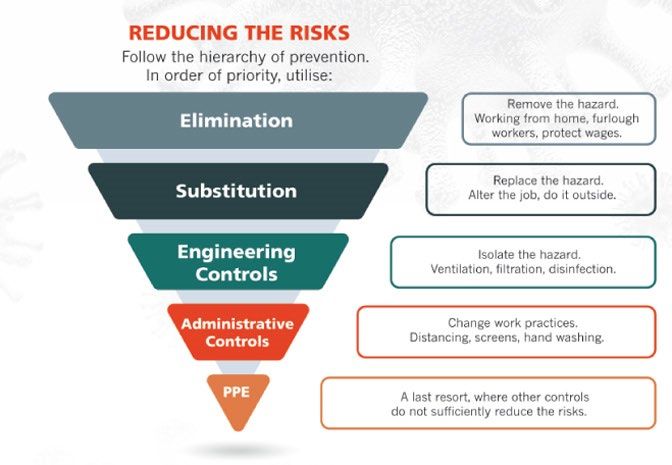
Symptoms can include a fever, fatigue, dry
1. Understanding the                              cough and difficulty breathing, as well as
   issue                                          loss of taste and smell. Several other
                                                  symptoms have also been reported, but
The coronavirus pandemic has created              many carriers, particularly if they are
an unprecedented situation for public             healthy, may experience no symptoms
health and the economy. Thousands of              whatsoever. Following transmission,
lives have been lost in the UK and                symptoms take an average of 5 days to
worldwide, as many workers continue               begin – this differs to flu viruses which
to put their lives at risk.                       tend to incubate very quickly.

This guide is for trade union reps,               The disease is air-borne and is contracted
designed to give you an                           by breathing in aerosols, or viral droplets
understanding of the workplace issues             ejected during coughing, sneezing or
                                                  breathing. The virus can survive in the air, or
in the context of Covid- 19 and to
                                                  on non-living objects for hours.
provide support in being effective at
negotiating with employers steps that
                                                  New Strains
can be taken to best protect the
health and safety of the workforce.
                                                  The Covid-19 virus as first identified in
                                                  2019 has mutated several times. However,
It is vitally important that workers              a new strain first detected in South East
understand their right to safety in the           England in late 2020 has been shown to
workplace. It is an employer’s legal duty         be much more contagious than before.
to introduce health and safety                    While it does not seem to be the case that
measures to protect workers from                  the new strain has worse health outcomes,
illness and injury – and Covid-19 safety          this does mean that safety control
measures are no exception.                        measures are even more important to limit
                                                  the spread.
Nobody should be made to work in
unsafe conditions. If you have a
concern about your safety at work,
speak to your union.

What is coronavirus?
A coronavirus is a group of viruses
which normally cause mild illness, with
symptoms similar to a common cold.
The novel coronavirus is the term used
for strains not previously identified in
humans. The latest strain, first identified
in November 2019 in China, has now
formally been named SARS- CoV-2,
which causes the disease known as
Covid-19.

                                              3
coughs or sneezes. Both aerosol and viral
                                            droplets can travel up to six metres, making
                                            person-to- person transmission particularly
In severe cases, the virus can cause
                                            likely.
life threatening complications.
While everyone is at risk of                Who should be in isolation?
contracting Covid-19, the risk of
                                            Current advice recommends that
complications and death is higher
                                            anyone who is able, should maintain
for certain groups, particularly
those over the age of 65 or with            social distancing and work from home
certain existing health conditions.         where possible.

                                            Anyone with suspected symptoms of
What is a 'pandemic'?
                                            Covid-19, or who has made contact with
A pandemic is an outbreak that              someone who has tested positive, should
affects hundreds of millions of             self- isolate. This will include anyone
people worldwide, leading to a              contacted via the Test and Trace app.
large proportion of them becoming           You should stay at home, avoid
ill. Pandemics occur when a virus           unnecessary travel and not attend your
with very different features                place of work.
emerges.
Because it is new, people have little       The NHS has also issued advice to
or no immunity to it.                       clinically extremely vulnerable people,
Normally there are around two or            who should limit social interactions, due
three such pandemics every                  to being at greater risk of complications
century. The most recent was in             from Covid-19. These people are advised
2009 with the H1N1 virus,                   to stay home, and not attend the
commonly referred to as ‘swine flu’.        workplace. See the section on ‘shielding’
Around half a million people died           for more information.
globally. An earlier outbreak of the
same H1N1 virus in 1918 caused an           How is it treated?
estimated 20-40 million deaths
worldwide, mostly among people              For those testing positive for Covid-19,
aged between 20 and 45.                     medications used to treat the flu can
As of 11th March 2020, the World            reduce symptoms, such as coughing and
Health Organisation has defined             aches and pains.
the Covid-19 outbreak a pandemic.
                                            For those with more serious symptoms,
                                            hospitalisation may be necessary where
How does it spread?                         use of a ventilator and other treatment
The main way the virus spreads is           may be required.
airborne transmission – i.e.                Preventative treatment is now also
breathing in the air of an infected         available. Several vaccines have been
person. Another way is                      developed for Covid-19, and are now being
contamination from viral droplets,          administered to certain sections of the
when someone carrying the virus             population, including older people and

                                        4
workers in health and social care. • Waiting for a Covid-19 test result
• Have tested positive for Covid-19
• Identified as being a close contact of
2. Why COVID-19 is an someone with coronavirus via the Test and
Trace app or otherwise.
issue for trade unions
• Returning from travel in certain
Covid-19 is having an unprecedented locations. You can find an up-to-date
effect on working life. Trade unions list on the government’s website:
can play a vital role in keeping https://publichealthmatters.blog.gov.
workplaces safer, and keeping uk/2 020/02/20/what-is-self-isolation-
workers’ informed of their rights. and- why-is-it-important/
The TUC believes that trade unions and The government has also set out
employers, working together, can guidance on measures to take while in
make a significant difference to ensure isolation, including interacting with
that the effects of the outbreak are other people in your home:
minimised, that the workforce is https://www.gov.uk/government/public
educated and informed on how to limit atio ns/wuhan-novel-coronavirus-self-
transmission, protected and equipped isolation- for-patients-undergoing-
appropriately, and to ultimately limit testing/advice- sheet-home-isolation
further loss of life. Some employers will also have their
Trade unions are challenging employers own recommendations and
every day and the government over requirements for self-isolation.
inadequate sick pay offers, failure to
provide personal protective equipment
(PPE) and testing, and the urgent need Shielding
to safeguard jobs in disrupted Certain people are more at risk of Covid-
industries. 19 complications and death and have
Unions will play a major part in been advised to take more precautions
keeping infected workers at home to avoid risk of transmission.
and not in the workplace. Some people are identified as vulnerable
due to age, weight, or existing health
Self-isolation condition. Others are included in what
the NHS has classified as ‘clinically
Self-isolation, or quarantine, is extremely vulnerable’ (CEV) and are
encouraged to prevent the spread of advised to ‘shield’.
Covid-19. Anyone who has, or who may
have, been exposed to the virus is During the shielding period, CEV people
recommended to limit the number of are advised to stay at home. If they
people they come into contact with for cannot work from home, employers are
at least 10 days. advised to look for alternative roles they
can fulfil from home. Failing that,
The government and local health shielding workers should be considered
protection teams are advising people to for furlough. Nobody should be losing
self-isolate if they are: pay as a result of an existing health
5condition and NHS advice to This list is not exhaustive. In the week of
shield. Unions should 23rd March 2020, the NHS wrote to
negotiate on this basis. 1.5million of the most high risk people
to ask them to self-isolate for 12 weeks.
The letter from the Department and
Health and Social Care, sent to those in CEV people have also been identified
the CEV category, can be used as for the first phase of the Covid-19
evidence to employers. Workers may vaccination roll-out.
also wish to consult their GP for
Workers who are vulnerable, but are not
additional advice.
considered CEV, may also be concerned
No worker who is CEV should be made about travelling to and attending work.
to go to work while advised to shield. They may wish to consult a GP for
This may constitute disability advise on attending the workplace.
discrimination and unions will need to
Some unions have had success in
ensure this is not happening.
getting employers to carry out
Any instance of a CEV worker being individual risk assessments for
coerced into the workplace can be vulnerable workers. This should take
reported to the Health and Safety into account pre-existing conditions as
Executive. well as job role and functions, commute
and the risk of transmission. Employers
Specific health conditions include:
can also be encouraged to consult
• chronic (long-term) respiratory occupational health and make support
diseases, such as asthma, chronic available to all workers.
obstructive pulmonary disease,
emphysema or bronchitis Long Covid
• chronic heart disease, such as heart Many people who have had coronavirus
failure are reporting symptoms which last long
after the disease is present in the body.
• chronic kidney disease
Even people who are not identified as
• chronic liver disease, such as CEV are experiencing severe health
hepatitis problems after contracting Covid-19.
• chronic neurological conditions, such Very little is currently known about the
as Parkinson's disease, motor neurone extent of the long-term effects, but the
disease, multiple sclerosis, a learning group of symptoms have become
disability or cerebral palsy known as ‘Long Covid’.
• diabetes
It is important that workers experiencing this
• problems with your spleen – for are able to report this as an ongoing illness.
example, sickle cell disease or if you In some cases, symptoms will constitute a
have had your spleen removed disability, and workers will require
• a weakened immune system as the adjustments or even time off work. It may
result of certain medication also not be appropriate to carry out usual
tasks. For example, fatigue and ‘brain fog’
• those who are pregnant (see TUC
can cause risk of accidents and injury at work.
specific advice for pregnant workers
here.) Unions should encourage workers
experiencing these symptoms to report
6them, and remind employers of • Steps are taken to address concerns of
their responsibility in upholding isolation and loneliness.
the rights of disabled workers, • Unions should be consulted in any WFH
protecting health and safety, and policies
ensuring anyone affected is
• Disable workers requiring reasonable
offered appropriate support,
adjustments are accommodated for
including occupational sick pay
and access to occupational health For many, home working has now
advice. become a long-term reality. This means
employers have a duty to ensure
The NHS has established the Your workstations meet certain DSE (display
Covid Recovery scheme for those screen equipment) standards. This is very
experiencing these symptoms. important in mitigating risk of future
repetitive strain injury or musculoskeletal
Home working problems. See this checklist to support
your risk assessment.
Employers have been instructed to
allow working from home where Unions should request employers
possible. conduct a risk assessment for home
working. See our guide on what to
There are measures that can be taken to expect in a WFH Risk Assessment.
ensure working from home is adequate,
and it is important to remember that Risk Assessments
employers still have a duty to ensure
workers are safe regardless of where
they are working from Specific Covid-19 risk assessments under
Control of Substances Hazardous to
That means looking at issues around Health Regulations 2002 (COSHH) should
appropriateness of space, equipment, be performed in all workplaces. This is a
temperature and the management and legal requirement, and employers must
coordination of work. Issues reps consult workers on this process, via the
should raise with bosses include: trade union where one is recognised. It is
also advised that all employers make
• Ensuring their home is a safe, secure
their risk assessment publicly available.
place of work, taking into account
ergonomics. See the HSE’s advice on Unions can report employers risk
workstation set-up. assessments as published or not via the
TUC website covidsecurecheck.uk
• No worker is expected to pay for their
own equipment i.e. computers or wifi.
• Workers are offered flexibility with
regards to hours, to accommodate
those with caring responsibilities.
• Any benefits related to usual place
of work are maintained (for
example if lunch or childcare is
paid for).
7Certain things should be included in all
Covid-19 risk assessments, for example
social distancing, ventilation and access
to hygiene facilities. The government
has produced specific sectoral guidance
to employers on what should be
considered in the risk assessment
process. Reps should refer to any
specific advice from their sector unions
on measures being recommended:
https://www.tuc.org.uk/unions
The TUC also encourages unions to
request individual risk assessments for Risk reduction should follow a hierarchy of
workers who are deemed vulnerable to controls model. Begin by eliminating the
Covid-19, for example due to age, possibility of transmission, and if this
health reasons or pregnancy. These cannot be done, substitute the activity,
should be carried out by employers, and so on. PPE should be considered as a
taking into account their role, likelihood last resort control measure, as it is the
of exposure and what steps can be put least effective.
in place to limit exposure, including Do not allow employers to ‘flip’ the
working from home or changes to pyramid by starting at PPE simply because
duties. No worker should be denied pay it is cheap and easy. Your health and
on the basis of their vulnerabilities, even safety should come before business
if this means they cannot be in the profits.
workplace – this may be considered a
case of discrimination. (Image courtesy of Hazards Magazine)
You can also access the TUC’s general
guide to risk assessments, and the Dealing with sickness absence
visual guide on the Return to Work Risk Covid-19 is causing high rates of
Assessment. absenteeism in certain sectors as people
self-isolate, or are looking after family
Remember: conducting a workplace members who are ill or self-isolating.
risk assessment and consulting with
workers is non-negotiable, employers Trade unionists must ensure employers do
must so this by law. They must also not encourage staff to come in when ill or
write it down if there are more than 5 required to self-isolate, and that staff do
employees. not attempt to come to work through
misguided loyalty to their employer, client
or colleagues. It is important that staff
who are ill remain at
home until fully recovered. It is likely that
increased sickness absence may put pressure
8on other employees to work longer week
hours to cover for those who are However, you will not qualify if you:
off. Unions can remind employers
that they will still be covered by the • have already received the
Working Time Regulations* and it maximum amount of SSP, which
will not help if those employees is 28 weeks
who remain at work find their • are already in receipt of
physical or mental health being Statutory Maternity Pay
undermined by excessive pressure –
You will also no longer eligible for
unions should raise this in any
SSP if you have a continuous series
event of excessive overtime. of linked periods of illness that lasts
more than 3 years.
*The rules on working hours have
however been relaxed for drivers If you fall into these categories, you may
undertaking the carrying of goods. The instead be able to apply for Universal
Credit or Employment and Support
daily working limit has temporarily been
Allowance, and the government has
extended from 9 hours to 11 hours.
made temporary changes meaning you
More information can be found here.
will not have to attend a Job Centre to
Where any further relaxations are
do so. The rate of Universal Credit
proposed, unions must be consulted. available to the self- employed has been
temporarily increased to the equivalent
of Statutory Sick Pay.
Statutory Sick pay The government has also made
The law on sick pay is complicated and emergency changes allowing small
businesses with fewer than 250
affects sections of the workforce
employees to reclaim the cost of SSP
differently.
payments from the government, in
addition to a loan and grant which can
To qualify for Statutory Sick Pay (SSP)
be accessed for disruption of service.
you must:
• be classed as an employee have been For many people, the rate of Statutory
ill for at least 4 days in a row (this can Sick Pay is not enough to survive on, and
include non-working days), however it represents just 19% of the average
the government has temporarily weekly wage. Unions have been
changed the rules on this meaning successful in many workplaces in
payment will come in from day 1 for organising for a higher rate of sick pay,
COVID-19 symptoms or self-isolation. or even full-pay while members self-
isolate.
• earn an average of at least £118 per
The TUC is running a campaign to
week
increase the rate of SSP which you can
Tell your employer you’re sick before add your support to here.
their deadline - or within 7 days if they
do not have one.
The SSP payment is currently £95.85 per
9Self-isolation payments less likely to admit they have been in contact
with the virus, employers cannot effectively
suspend staff without pay and members
The government has introduced a new
should contact union legal teams where this
payment of £500 to support people as
happens.
they self-isolate, which can be claimed
from your local council. However, the
It is recommended that unions request a
eligibility for this payment is extremely
policy from the employer, which outlines
limited. You can find out more
what will happen in cases of illness or
information about eligibility and how to isolation. Referring to other employers’
claim via gov.uk here. best practise may help make your case.
Workers with scheduled annual leave
Occupational sick pay may find their requests cancelled. All
Most workers will receive sick pay as set leave is granted on the condition that
out in their contracts, but there will be the employer is able to support the
absence. If the situation changes, then
variations on this. Many employers will
leave can be cancelled with appropriate
have an occupational sick pay offer,
notice – at least one week’s notice for
which will be more generous than
one weeks leave – but employers can
Statutory Sick Pay; and in these cases
ask workers to postpone their leave if
unions should seek reassurances that
service delivery is compromised. Unions
this will be used for any time off needed
should ask employers to give more than
from self-isolation, and that time off
the minimum notice if leave cancellation
due to Covid-19 is not included in any
is being considered and could even
absence reviews.
negotiate extra paid leave to be taken at
a later date.
It is in the employers’ interest to pay a
worker adequate sick pay if they fall ill
or are required to self-isolate, Certification of sickness
otherwise they may be tempted to
absence / isolation
notes
attend work despite symptoms or the
risk of contaminating colleagues. This Normally an employer will require a
risks a higher number of absences in doctor’s certificate, or ‘fit note’, after 7
the long-run. days of absence. In cases of Covid-19,
symptoms are likely to last more than 7
Some employers have been days, and if you are in isolation,
reported as asking workers to symptoms can take days still to appear.
cover periods of self- isolation Since anyone unwell or in isolation is
with annual leave or unpaid leave. unable to leave home, and most
This is completely unacceptable, patients are being asked not to attend
and unions should resist any their GP surgeries, it can be difficult to
moves along those lines. Not only obtain a doctors' certificate if your
will it mean that staff with be far surgery is not online.
10CASE STUDIES: FULL PAY KNOW THE LAW
Union recognition in the workplace is making Section 64 of the Employment Rights Act
a difference. For example, Greggs, an states:
employer which recognises the Bakers’, Food (1) An employee who is suspended from
and Allied Workers’ Union (BFAWU), agreed work by his employer on medical grounds is
early on to pay all its workers full pay during entitled to be paid by his employer
isolation. By contrast Wetherspoons, which remuneration while he is so suspended for a
period not exceeding twenty-six weeks. …
has thus far failed to formally recognise the
BFAWU, has refused to do the same, and is (5) For the purposes of this Part an
refusing 100% pay to its furloughed staff. employee shall be regarded as suspended
from work on medical grounds only if and
Certain contract workers employed by G4S, for so long as he—
Interserve, Hermes as well as contractors ISS (a) continues to be employed by his
and Sodexo have all been guaranteed full employer, but
pay in case of self-isolation thanks to the
(b) is not provided with work or does not
GMB union’s efforts - with Hermes setting perform the work he normally performed
aside a £1m support fund for its 15,000 before the suspension.
couriers.
CASE STUDIES: BONUS PAY
Government lawyers have ruled that an
e- mail confirmation of diagnoses will Shopworkers' union USDAW has
be enough for Covid-19, and workers successfully negotiated pay bonuses for
can now access these via the NHS 111 thousands of workers in shops, distribution
line. This will cover anyone unwell with centres and delivery services; including at
suspected or confirmed Covid-19, Tesco, Sainsburys, Argos, Ocado, One Stop,
isolating due to health concerns, or in B&M and Poundland. Some employers
isolation for other reasons yet not have also agreed to extra paid holiday, to
displaying symptoms. This certification be taken after the crisis.
is being called an 'isolation note'.
The union also reached an agreement with
Unions may also negotiate with major stores to introduce tough distancing
employers that for the duration of the measures limiting the number of
outbreak, certificates will not be customers and perspex screens to protect
required for periods of absence up to 14 workers from contamination. In some
days, or that self- certification will stores, a PA system reminds customers to
suffice. This has been agreed by several treat staff with respect.
employers. In addition, many employers
with occupational sick pay schemes have
said that sickness absence or isolation
will be disregarded in respect of pay
reduction triggers.
11Reporting a COVID-19 h
a
z
rd employer is not meeting steps outlined in a risk
assessment. We encourage unions to document
Where work is taking place, employers issues and incidents (for example relating to social
should be carrying out a risk distancing or PPE) by taking photographs where
assessment. This should be done in possible to aid submissions.
consultation with trade union health
and safety reps, and any hazards Legislation relating to RIDDOR
relating to potential coronavirus regulation 7, Schedule 2 – Section 10 is
contamination should be identified, available on legislation.gov.uk
along with agreed mitigation measures.
Unions should remind employers of
There is a duty on employers to report their duty to report these hazards, as
occupational diseases and specified well as to limit their occurrence.
dangerous hazards at work. While
Covid-19 is not classified as an You can submit a report of disease or
occupational disease, there is clearly a death here:
case for considering it one which certain https://notifications.hse.gov.uk/riddorfor
workplaces and professions are at ms/ Disease
greater risk of. Any incident which And on a dangerous occurrence here:
results in, or could result in, the release https://notifications.hse.gov.uk/riddorfor
of coronavirus must be reported. And if ms/ DangerousOccurrence
there is reasonable evidence that
The TUC has also created a web form to
someone diagnosed with Covid-19 was
make reporting a Covid safety issue to
likely exposed because of their work, the HSE easier.
this must be reported using the case of
disease report via the Health and Safety Trade union reps can also email
Executive. concerns to turepconcerns@hse.gov.uk
Reports can be made under RIDDOR
(The Reporting of Injuries, Diseases and
Dangerous Occurrences Regulations
2013).
Reps should also ensure these are
recorded via their employer’s own
workplace incident reporting systems.
In instances were two or more people in
a workplace have tested positive, this
should be considered an outbreak and
unions are recommended to make sure
employers are reporting these infections
to the HSE and the relevant health
authorities.
Dangerous instances must also be
reported. This may include where an
12programmes and access to counselling and
Lives lost other mental health support services.
Unions should request are advertised and
The heart-breaking number of workers who
made widely available. In the event that a
have died from coronavirus is a tragedy felt
co-worker dies from coronavirus, access to
deeply by the trade union movement. Too
such support where it does not already exist
many of our friends, colleagues and union
should be requested by unions.
brothers and sisters have fallen ill, lost their
lives or continue to be put at risk each day. The employer should also contact the family
More will be grieving the loss of friends and of a worker to offer condolences, and agree
relatives and may need time off work. a point of contact to offer advice and
guidance - there may be questions about
As trade unions fight every day to prevent pay, pension arrangements or death in
death and illness at work, there are also service insurance.
steps we can take to support colleagues
The Government provides some financial
who may be affected by fatalities as a result
support for bereaved workers on low
of the virus.
incomes. The funeral expenses payment – is
a grant towards the cost of a simple funeral
Supporting for people on certain benefits, with an
average sum of £1,400. There is also a
It is crucial that any worker requiring time
Bereavement Support Payment for people
off for bereavement is given compassionate
who have lost a spouse or civil partner.
leave by an employer, and unions will be
crucial in negotiating this where Some unions have benevolent funds, which
can support the cost of funerals or other
Workers have a right to time off work if they
needs, which members may wish to apply
experience the death of a dependant (for
to, and advertise to branches.
example their partner, parent, child, or
someone else who relied on them). There are other organisations who can
support during a bereavement. Union reps
While there is no legal right to time off for may want to signpost to charities, or
the loss of other loved ones, many contracts chaplaincies where appropriate.
and company policies/staff handbook will
include a clause about compassionate leave.
Reporting
Failing that, unions may wish to negotiate
allowances for bereavement leave, or for Employers must report such deaths, and
time off to be considered as sick leave or unions should confirm this is happening. If a
annual leave. No worker should be registered medical practitioner confirms
financially penalised for needing time off to someone’s death is as a result of work-
grieve the death of a loved one. related exposure to coronavirus, this must
be reported to the Health and Safety
The death of a colleague can have a long- Executive within 10 days.
lasting impact on workers' mental health
You can submit a report on disease or death
and working environment. Employers
here:
should be mindful and offer as much
https://notifications.hse.gov.uk/riddorforms/
support as possible.
Disease
Some employers offer employee assistance
13friends and families. And we continue to
fight for a future where no worker has to
risk their health or their life when going
about their job.
Remembering
Remembrance can be an important part of
the grieving process. It can give us an
opportunity to reflect, mourn, share
memories and give dignity to those who
have lost their lives. Experiencing a
bereavement in isolation will be particularly
tough for many.
There may be practical steps unions can
take to remember colleagues, like a book of
condolences or an online memorial page.
Some branches have sent up fundraisers for
a charity close to the heart of their
colleague, or to raise money for the family
to cover the cost of a funeral.
Attendance at funerals is currently restricted
due to social distancing measures, but a
minutes silence or vigil could allow
colleagues the opportunity to remember
collectively. Union branches may also wish
to send a card, flowers or other token to the
family .On Tuesday 28th April, the trade
union movement marks International
Workers' Memorial Day (#IWMD20). This
year, the number of people who have died
in work will be far higher because of
coronavirus.
We will be lighting a candle on the day to
remember those who have lost their lives.
Details of other actions and resources for
#IWMD20 can be found on the TUC's
dedicated page here.
The TUC will fight to maintain the memory
of every workers' life we've lost. We will
fight for the justice of their colleagues,
14What if I'm on zero group has links to the people who can’t
make it along. Then ask people one by one
hours? if they would like to come and join.
Some workers, employed on zero hours
contracts, may find they are not covered by 3. Draw up your request
an occupational sick pay scheme, nor
This will be quite simple: to be paid if and
Statutory Sick Pay if they find themselves
when you fall ill or have self-imposed
unwell or must self-isolate. Employers should
treat workers on these contracts like any quarantine. You can make it more detailed
other, and pay sick pay on the basis of a by doing some simple calculations about
workers’ average hours – or, full pay in cases how much money you want to be paid in
of isolation. different circumstances. If you know how
much profit your company makes, compare
The campaign group Better Than Zero, the rough costs of the sick pay with the
based in Scotland, produced the following profits that your bosses are making. You will
guide to organising collectively in response
probably find it won’t be much of a dent.
to COVID-19, which can be applied to
precarious workers anywhere:
4. Work out what you’ll do if
the boss says no
1. Speak to as many of
the people you work with This is the vital bit, because without it your
as possible cure won’t get past the lab stage. If your
boss refuses to accept your request, then
It is in everyone’s interest to have sick pay
you will have to show that you have the
agreed. It is a natural subject to talk about –
power to win your demands. What matters
start with the most sympathetic people,
most of all is signalling to your boss
speak to everyone you can, and ask them to
through your actions that you are united
speak to others too. Any guidance your
and determined to win. You have the same
employer has given you will be calculated in
interest, so act together.
their interest. It is in your interest to get a
coronavirus policy sorted out. Just because
your employer has already given you 5. Go to your boss together and
guidance, doesn’t mean it can’t be changed. present your demand
It’s time for a group of you to go and
2. Arrange to meet up present your demand to the boss. Before
with your colleagues you do, you should join a trade union,
because it will give you security whatever
You might not feel able to bring colleagues
you decide to do. The whole history of
together to discuss the plan during work,
workplace organising suggests that chances
but there is nothing to stop you meeting
are, the impact of your action will be
away from work to talk about what you
enough to make your boss agree to the
would like in place. Get the contacts of
demand.
colleagues (before they go off sick!) and set
up a forum of communication, for example
For more info, visit
a WhatsApp group. Find a time that works
https://www.betterthanzero.scot/ or contact
for a group of you, and make sure the
Cailean Gallagher at cgallagher@stuc.org.uk
153. Preparing for COVID- What employers should do
19: Protecting workers’ In addition to providing adequate sick pay,
there are number of other measures which
safety can be taken to help limit the spread of the
virus, including:
Trade unions should ensure their employer • The provision of hand sanitisers and for
has in place either a separate policy for employers to maintain high levels of
dealing with Covid-19, or a general policy cleanliness in the workplace.
covering public health emergencies, major
• The cancellation of any requests for
disasters or incidents. It should not be left
workers to travel to locations the
to employers alone to decide on what is an
government has warned against visiting.
appropriate response - unions must also be
involved, as any effective policy must have • Provision of ongoing information and
the confidence of the whole workforce. advice from Public Health England and
When considering your employer’s other relevant bodies to all employees.
response, the following are some of the
additional areas that you may wish to KNOW THE LAW
address. The employer must actually go
through the process of considering what
Section 44 of the Employment Rights Act
effect all the different possible scenarios
1996 provides workers with the right to
would have on their staff and how they
withdraw from and refuse to return to a
operate, right up to the worst likely
workplace that is unsafe.
situation of workplace closure, disruption to
transport, and the disruptions to other
There have been several examples of union
services such as banking, the internet,
branches walking off the job citing this law.
supply chains etc.
Where reps feel their workplace is unsafe
due to COVID-19 contamination, they
Among the things unions should look at
should contact their union's legal team for
are:
• Do the employer’s plans underestimate urgent advice on taking action.
the possible absence rate as a
consequence of employee infection or
school closure?
• Have they looked at issues around supply
of services?
• Have all departments (and the union)
been involved in drawing up the plan?
• Does it treat all staff equally?
• Have they considered the operation of
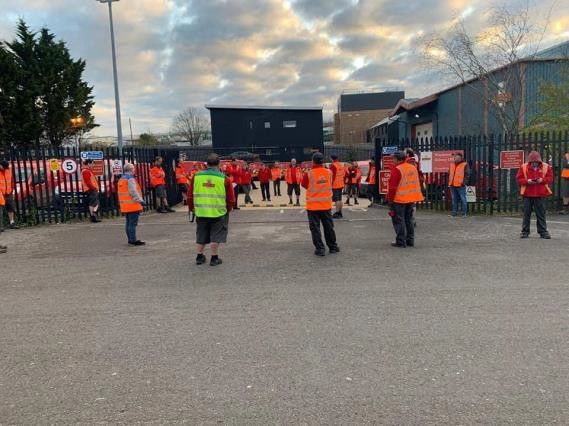
functions such as cleaning and catering, if Image shows workers walking off the job
these are not done ‘in-house’? over safety fears - with 2metre distancing.
Via Hampshire Chronicle
16is why social distancing and other protective
Workplace hygiene
measures remain very important.
In the event of an outbreak, workplaces
should be deep cleaned. Bear in mind,
however, that the virus is only estimated to
CASE STUDY
be able to survive outside of a human or
animal for a few hours maximum. PCS has reached an agreement with
Employers should also be implementing Aramark and ISS on the BEIS contract
general improvements to hygiene and that staff will receive full pay if they:
cleanliness. This should include access to
* are sick with virus symptoms,
hand washing facilities and/or provision of
hand sanitiser, provision of closed bins and * need to self isolate
more rigorous cleaning regimes. Damp
rather than dry dusting should be carried * have an underlying medical
out during a pandemic to avoid the condition which puts them in the
generation of dust and it is recommended higher risk category,
that the cleaning of surfaces be carried out
* need to take time of to care for
using a freshly prepared solution of
detergent and hot water followed, where their children due to the school
necessary, by a chlorine based disinfectant closures.
solution.
NOTE: This is not something the
Employers should work to protect their
contractors volunteered (in fact, ISS has
staff by safeguarding workplaces to the
refused to engage with the union).
best of their ability. This can include the
Rather, it is something BEIS agreed to
provision of hand sanitisers and other
cleaning equipment, and for employers to provide extra funding to cover, following
maintain high levels of cleanliness in the pressure from union reps.
workplace. Generally, providing facilities for
workers to wash their hands is the most
basic and most effective provision an Personal Protective Equipment
employer can take.
In some workplaces, workers will be required
Personal Protective Equipment (PPE) as
One of the ways any virus is likely to spread precautionary measures. PPE is required when
quickly is through hand to face contact, other preventative safety measures are not
coughing and sneezing. Ensure the possible, for example with close contact
information provided is correct - bad working. This may include masks and
practise has been reported of employers respirators, gloves, aprons and goggles.
giving workers harmful advice about using
detergents to clean their hands. Soap and
water is enough – and providing hand We strongly suggest union reps consult their
sanitizer gel can supplement this. own union's guidance on PPE by sector (see the
appendix of the document for the relevant link
Many people will simply think that the best for union advice). The government's guidance
way of preventing the spread of the virus is can be found here.
to stay at home while showing symptoms.
While this is true, many people can be
infectious without showing symptoms. This
17The most effective mask is the asbestos • Eye protection to be worn for all patient
respirator level 3 (FFP3), and tests have contacts
shown it reduces the level of exposure of
• Refrain from touching mouth, eyes or nose
the virus by six-fold. There is specific
with potentially contaminated gloves.
guidance from the HSE which unions can
consult on face fitting for masks:
https://www.hse.gov.uk/respiratory-
protective-equipment/fit-testing-
basics.htm
CASE STUDY
Employers may become susceptible to
approaches from unscrupulous companies When the first case of a member of the
who will attempt to sell them protective Communication Workers’ Union (CWU)
equipment, much of which may have no was reported at a Royal Mail sorting office,
practical effect or may even prove the union agreed with the employer that a
counterproductive.
professional, medically qualified clinician
would brief the workforce to provide
There have also been reports of workers
being issued with out of date masks, so assurances and answer any questions.
union reps should check these upon issue,
and look out for a certification mark, as this Ventilation
indicates it has met relevant EU health and
safety standards. It is also vital that masks As we have come to learn more
about the way Covid-19 is spread
are issued to workers for personal use, and
through airborne transmission, it
not shared. has become clear that ventilation is
an important factor in mitigating
The use of hand sanitising liquid should be Covid-19 risk.
encouraged, and employers should be Good ventilation can help reduce
providing this. It may be that some public the concentration of the virus in the
organisations will make it available at key air. Equally, poor ventilation can
make transmission more likely as
entry areas or where there is likely to be aerosols can remain suspended in
contact between people. Public transport the air for hours.
systems may use some form of sanitising
Current technical guidance
spray.. However, care should be taken to recommends 10 litres per second
ensure that any products used are fully safe per person of outside air in indoor
to use and are not likely to exceed their sell- workspaces. Recirculated air should
by date within the next few years if they are be avoided.
bulk-buying future supplies. Every workplace risk assessment
should include ventilation and
If workers are engaging with people who whether it may be improved to
have tested positive for Covid-19 – for reduce the risk of Covid-19
example health care providers – then very transmission. Union safety reps
should be consulted on this.
specific personal protective equipment is
required. The government’s guidance states: Factors to consider are:
• Use of long-sleeved disposable fluid- • How air enters and is
circulated in the workplace.
repellent gown
• Whether the air flow meets
• Disposable gloves with long tight-fitting the recommendation.
cuffs for contact with the patient or their
environment • Where there are areas of
poor ventilation (CO2
18monitors can help with Face Coverings
this).
• If rooms are being
ventilated prior to Why wear face coverings?
occupation.
• How is ventilation being A face covering is an item which
balanced with the covers the nose and mouth. These
requirement to ensure
workplaces are warm can be reusable or single-use and
enough are produced in a range of styles
• Ventilation may differ throughout and materials.
a workplace, for example in
different buildings and rooms, and The nose and mouth are two of the
risk assessments should
acknowledge this. primary sources of Covid-19
transmission between individuals,
• The virus is known to remain
suspended in the air for longer in and face coverings allow the wearer
cooler environments. Workplaces to breathe while creating a buffer to
with cooling systems must pay reduce the distance ejected viral
particular attention to ventilation.
droplets can travel. Face coverings
Centralised ventilation systems that are designed primarily to protect
circulate air to different rooms should be
switched off, as these will increase the risk
those around us, and studies show
of virus aerosols being passed around. they can also protect the wearer.
However, systems which introduce fresh air
can continue to be used. Face coverings are a legal
When managing ventilation, employers requirement to wear while travelling
must also consider the legal minimum
on public transport and in most
working temperature of 16 degrees Celsius.
For example: if natural air supply via open indoor public spaces. You can find
windows is suggested, this may need to be details of where they are required
offset with additional heating facilities to in England, Wales and Scotland via
ensure thermal comfort.
the Gov.uk website.
More advice on ventilation can be found
via the HSE and further practical advice and
tools are available from CIBSE REHVA. Wearing face coverings is also
There is also further scientific advice mandatory for some workers – for
available from the ECDC. example in shops, bars and
restaurants - although there are
Hazards Magazine has also published a exemptions, for example where staff
check-list for safety reps.
are behind a perspex screen. The
https://www.hazards.org/infections/venting.
htm regulations differ in Scotland, where
face coverings are also mandatory
in specific other work settings, for
example, communal areas in office
buildings.
Enforcement of the use of face
covering is the responsibility of the
19police, and people can receive advice for PPE use in health and social care.
fines for non-compliance.
Supply of these types of masks should be
It is important to remember that, while prioritised for those in occupations where
face coverings are one measure used to it is required.
help reduce the spread of coronavirus, it
is not a replacement for other measures. There have been reports of workers being
For example, at least 2-metre distancing, issued with out of date masks, so union
regular hand-washing, effective reps should check these upon issue, and
ventilation systems and self-isolation look out for a certification mark, as this
when necessary are still considered as indicates it has met relevant EU health and
more effective control measures. safety standards. It is also vital that masks
are issued to workers for personal use, and
Face coverings or masks? not shared.
Face coverings and surgical masks are For more information about the
not classified as Personal Protective differences between surgical face
Equipment (PPE). Surgical face masks are masks, PPE face masks, and face coverings
primarily intended to protect patients, you can visit the MHRA’s (Medicines and
and as such are classed as medical Healthcare products Regulatory
devices. These tend to be one-size-fits- Agency) regulatory status of equipment
all and are designed to limit contact of being used to help prevent coronavirus
large droplets and bodily fluid. Surgical (COVID-19).
face masks should meet a specific In most workplaces, PPE-grade masks are
standard, and be aware that there are not necessary. However, where face
very many distributed of varying quality. coverings are advised, they should be to a
certain standard (see ‘expected standard’
There are certain workplaces where below).
respirator masks are used, for example,
industrial settings and those in specific Can I wear a face covering
healthcare settings. at work?
Many people are choosing to wear a face
covering at work, whether or not one is
required. However, there have also been
From left to right: face covering, surgical reports of people being told not wear one
mask, FFP3. Source: 3M, Gov.uk
to by bosses. Unless a risk assessment
produces reasons why staff should not
PPE with an FFP3 mask is defined by the
wear a face covering, or there are
NHS as ‘Level 2 PPE’ and is required for
reasonable practicalities which could
all aerosol-generating procedures
prevent them from carrying out their role,
irrespective of whether the patient is
people should be given a choice to do so.
suspected of having Covid-19 or not.
The government has produced specific
In some sectors (e.g. hospitality) wearing a
face covering is a requirement, and in
20others it is certainly recommended that communal spaces, and in Wales, you
face coverings be worn. Government must wear a face covering in the
guidance states that face coverings are reception areas of a building. Consult
also required for customers and staff in specific guidance for up-to-date
some businesses that are customer advice on what is required.
facing, such as banks, post offices and
estate agents. Covering the cost
The official guidance states: If your employer requires you to wear face
coverings at work, these should be provided
"Staff in these settings must wear face to you for free. Workers should be given
coverings when in areas that are open adequate supply, and these should also be
to the public and where they are likely made available for any commute to and
to come within close contact of a from the workplace. This is not a legal
member of the public, unless they have requirement, but it is best practise and what
an exemption. A close contact is unions should be negotiating.
someone:
Unions estimate that the cost of disposable
• you have had face to face contact face coverings to each worker is around £25
(within 1 metre for any length of per month – a significant spend, especially
time) or skin to skin contact with considering many of those expected to
or someone you coughed on wear one are on lower wages.
• or, has been within 1 metre of you
for 1 minute or longer Expected standard
• or, has been within 2 metres
of you on one or more The government’s very advice says face
occasions during a single coverings should “ideally include at least two
day for at least 15 minutes in layers of fabric”.
total (when all times added However, it does not explain why, or what
up together) type of fabric should be used. The most up
to date World Health
• has travelled with you in a
small vehicle”
Organisation Standards recommends a face
covering has three layers:
People are also encouraged to
wear face coverings in enclosed. If • inner layer to the mouth to be
you choose to wear one, it is hydrophilic material (such as
important to use face coverings cotton);
properly and wash your hands • middle layer to act as a filter and
before putting them on and be made of polypropylene fabric;
before and after taking them off. and
• outer layer to be made of a
Devolved government guidance
hydrophobic material such as
varies. In Scotland, workers’ must
polyester or polycotton, which
wear a face covering in all
will repel moisture and droplets
21Where face coverings are required at Government advice states that nobody
work, union reps should refer to the should be made to obtain a medical note
above as the minimum specification that as evidence for their exemption.
employers should provide.
Employers should approach this based
Breaks on trust, and not force anyone with an
exemption to wear a face covering.
Where workers are required to use face
coverings for long periods, their working Union reps will wish to seek assurances
hours should reflect the discomfort and from management that no member is
fatigue issues associated with this. penalised or otherwise discriminated
Employers should factor in breaks to against based on exemption.
allow workers the option of time away
from the workplace without a face
Providing information,
covering. advice and guidance
Disposing of face coverings There is an duty on employers to keep
workers informed with up-to-date,
reliable information from sources like the
If a face covering becomes damaged,
Department for Health and Public Health
dirty, damp or otherwise
England. There are various sources of
uncomfortable, it should be disposed of
misinformation circling, which can cause
and replaced. Employers should provide
undue stress, or even lead to workers
adequate facilities for face coverings
taking measures which may end up
and/or masks to be disposed of safely.
causing more harm, not less.
Masks not designed for re-use, for
Management should also ensure that
example disposable surgical face masks,
relevant contact numbers are up to date
should be replaced after use.
and readily available, and that they have
received any necessary training on
Reusable cloth face coverings should be
understanding COVID-19 and the
washed after each use. measures needed should an outbreak be
suspected.
Exemptions
Some people are exempt from the Union safety reps should be consulted
wearing of face coverings, including: with and made aware of any policies or
measures taken, and clear lines of
• People who cannot put on, wear or reporting to managers should be
remove a face covering because of a established.
physical or mental illness or Safety representatives are urged to
impairment, or disability. ensure that their employer notifies all
• People speaking to or assisting their staff of what arrangements they
someone who relies on lip-reading, have made to prepare for an outbreak of
clear sound or facial expressions to pandemic Covid-19, including what role
communicate they expect individual staff to take.
22• Ensure all workers are properly
Staff should be given information and equipped, with appropriate face
the need for personal hygiene. This coverings, PPE or whatever is required
should be done in a non- patronising according to the risk assessment. It is
way and with the full involvement of the employers’ responsibility to provide
stewards or safety representatives. supplies.
• Cease the use of bio-metric clocking in
Summary demands on systems and remove any requirement for
employers in light of social workers to touch surfaces where it is not
distancing: necessary to the job.
• Ensure there is no detriment to any
• Support working from home worker who is absent as a result of
wherever possible. coronavirus, or has genuine concerns
• Furloughing all non-essential staff,
about risks: no worker should be
penalised for refusing to work in unsafe
making use of the government’s Job
conditions.
Retention Scheme, topping up pay
and issuing advance payments. • Provide workers with access to washing
facilities (as already required by law),
Furloughed workers and their reps introduce strict cleaning regimes and
may wish to consult the TUC's provide appropriate personal protective
specific advice on this, which can be equipment.
found here.
• Ensure workers have access to free
parking on-site or nearby, so as many as
The TUC also ran a webinar
possible can avoid public transport.
answering questions from union
reps, which can be viewed here. • Provide changing facilities to allow
workers the option to change clothes
• Consult the union. Union health and
before going home.
safety reps and committees have a
right to be consulted by law on any • Ensure the workforce is provided with up-
changes to working practices. to-date information on new guidance and
legislation.
• Conduct risk assessments on
coronavirus, accounting for risk of
contamination and likelihood of
staffing absences.
Testing
• Take immediate measures to Testing is now being made more widely
implement social distancing: stagger available in certain sectors. Workers in
shift starting times and break times, health and social care are able to be tested
reducing staffing numbers and for Covid-19 weekly or twice-weekly.
consider split shifts. Regular testing is also being trialled in the
• Pay particular attention to guidance food manufacturing sector with a plan to
on ventilation as a safety measure: roll this out, and in secondary schools,
fresh air supply and movement of air regular testing is to be introduced in
is key to lowering the risk of January 2021.
transmission.
23In addition to government provision, Vaccinations
some employers have also introduced
their own testing schemes. Vaccines teach the body’s immune system
to create antibodies that protect you from
Asymptomatic testing for Covid-19 is an diseases. It is safer and more effective for
effective way of containing the virus by your immune system to learn to fend off a
identifying cases and isolating infected disease through vaccination than by
individuals and those they have come catching the diseases. Once your immune
into contact with. system has learned to protect you from a
particular disease, it can often protect you
If members are being encouraged to be for many years. Before a vaccine can be
tested by their employer, there are distributed it must be proven to be safe and
certain things unions will wish to effective through clinical trials with
consider: thousands of people.
• Has the union been consulted on how As of December 2020, Covid-19 vaccinations
the testing scheme will operate? are being administered after being
developed and cleared as safe by Britain’s
• Are workers being asked to take a test medicines regulator. These jabs are known
outside of working hours? to offer protection to 94% of people. In the
• How will workers who have been in first phase, the vaccine is being offered to
contact/ a ‘bubble’ with those who those who fall into the below categories:
have tested positive be informed, and 1. Residents in a care home for older adults,
supported to self isolate? and their carers
• How will workers access testing sites if 2. Those aged 80+, and front-line health and
they are off-presmises? social care workers
• Who is conducting the tests? Are they 3. Those ages 75+
contracted to carry out testing,
and/or trained? 4. Those aged 70+ and anyone considered
Clinically Extremely Vulnerable
Where employers expect workers to be
tested, they should be reminded that It is expected that, after the most vulnerable
compliance will likely be higher if have been offered the vaccine, certain
support for workers is in place, for sections of the workforce will be prioritised
example paid time off while they are on the basis of occupational risk of
tested, and full pay should they need to exposure. As with testing, union members
self-isolate. will want to consider how vaccination
systems are introduced in the workplace.
There may be reasons why workers do Unions should be consulted on the process.
not wish to be tested, and they must not
be forced to take a test or threatened It should be expected of employers to allow
with detriment. A comprehensive report workers to have the vaccine administered
from the TUC on testing shemes can be within working hours, or to pay them for the
found here. time taken to have the vaccine done.
There are some professions where there is a
greater expectation to have the vaccine.
There will also be employers who are
24particularly keen on workers getting a government or medical advice, contact your
vaccine. union’s legal teams now.
Unions will want to promote the take up
of the vaccine as a way for workers to 3. Demand to be consulted.
safeguard their health and the health of
If your bosses are drawing up policies
others. However, unions should ensure
around the response to coronavirus, make
that nobody feels forced to have a
sure they’re speaking to the union.
vaccine, nor should it be used as part of
Employers have a legal duty to consult
staff contracts or linked to pay.
established health and safety reps and
Information on the vaccine and the roll- committee, and reps have the right to play
out can be found via the NHS here. an active role in risk assessments.
Getting organised: 10 things trade union
members can do NOW to organise on 4. Fight for 100%.
coronavirus at work.
Across the country, ‘furloughed’
workers on the government’s Jobs
1. Unionise.
Retention Scheme are going to be
If you haven’t already, join. If you’re faced with the possibility of a 20%
already in, organise. If that means in cut in pay unless their employer
isolation, so be it – invite colleagues to agrees to top up the government’s
a video call or WhatsApp group. wage subsidy. Other workers
Regardless of how big your union is, or affected by school closures are
whether it’s recognised or not, you faced with unpaid parental leave
should be having union meetings about as they take time to care for their
coronavirus. Whether it’s redundancy, kids. This is a huge battle and
pay or PPE, every single worker has unions are playing a major role in
something to negotiate right now. negotiating in workplaces.
If you’ve got questions or concerns
about the scheme, register for our
2. Audit your contract.
Webinar on Wednesday 1st April
Check your contracts and staff at 2pm (or watch it back) here.
handbooks for relevant clauses to clarify
your rights and responsibilities. You 5. Shame bad bosses.
may have questions around working
from home, the sickness management Employers cutting pay, laying
policy, maternity rights and other people off, or opening their
entitlements, so carry out an audit of workplace without the necessary
yours and your colleagues contracts to distancing or hygiene measures
see where you stand. Make sure you’re need to be called out. For
including any agency workers in that especially hostile bosses, public
who may have very different terms and pressure from the outside can
conditions. If you think your employer is support union organising on the
breaching your contract, or if they are inside.
asking you to go in when it is against
25You can also read


