COVID-19 Management at IHU Méditerranée Infection: A One-Year Experience - MDPI
←
→
Page content transcription
If your browser does not render page correctly, please read the page content below
Journal of
              Clinical Medicine

Article
COVID-19 Management at IHU Méditerranée Infection:
A One-Year Experience
Philippe Brouqui              , Michel Drancourt, Didier Raoult * and on behalf of the IHU Task Force †

                                          Aix-Marseille University, IRD, MEPHI, IHU Méditerranée Infection, 13005 Marseille, France;
                                          philippe.brouqui@univ-amu.fr (P.B.); michel.drancourt@univ-amu.fr (M.D.)
                                          * Correspondence: didier.raoult@gmail.com
                                          † Membership of the IHU Task Force is provided in the Acknowledgments.

                                          Abstract: Background: The Hospital-University Institute (IHU) Méditerranée Infection features
                                          a 27,000 square meter building hosting 700 employees and 75 hospitalized patients in the center
                                          of Marseille, France. Method: Previous preparedness in contagious disease management allowed
                                          the IHU to manage the COVID-19 outbreak by continuing adaptation for optimal diagnosis, care
                                          and outcome. We report here the output of this management. Results: From 5 March 2020, and
                                          26 April 2021, 608,313 PCR tests were provided for 424,919 patients and 44,089 returned positive. A
                                          total of 23,390 patients with COVID-19 were followed at IHU with an overall case fatality ratio of 1.7%.
                                          Of them 20,270 were followed as outpatients with an overall CFR of 0.17%. We performed 24,807 EKG,
                                          5759 low dose CT Scanner, and 18,344 serology. Of the 7643 nasopharyngeal samples inoculated
                                          in cell cultures 3317 (43.3%) yielded SARS-Cov-2 isolates. Finally, 7370 SARS-Cov-2 genomes were
                                          analyzed, allowing description of the first genetic variants and their implication in the epidemiologic
                                curves. Continuous clinical care quality evaluation provided the opportunity for 155 publications

                                          allowing a better understanding of the disease and improvement of care and 132 videos posted
Citation: Brouqui, P.; Drancourt, M.;     on the IHU Facebook network, totaling 60 million views and 390,000 followers, and dealing with
Raoult, D.; on behalf of the IHU Task     COVID-19, outbreaks, epistemology, and ethics in medicine. Conclusions: During this epidemic,
Force. COVID-19 Management at
                                          IHU Méditerranée Infection played the role for which it has been created; useful clinical research to
IHU Méditerranée Infection: A
                                          guarantee a high-quality diagnostic and care for patient and a recognized expertise.
One-Year Experience. J. Clin. Med.
2021, 10, 2881. https://doi.org/
                                          Keywords: pandemic; preparedness; adaptation; autonomy in decision-making; leadership; rerout-
10.3390/jcm10132881
                                          ing of tests; drug repurposing; unrestricted access to care
Academic Editor: Nicola Petrosillo

Received: 18 May 2021
Accepted: 25 June 2021                    1. Introduction
Published: 29 June 2021                        The very first case of COVID-19 in Marseille was diagnosed in the IHU Méditerranée
                                          Infection (IHU) in Marseille, France on February 27, 2020, and the IHU had to continuously
Publisher’s Note: MDPI stays neutral      adapt its strategy over 9 months of the epidemic in Marseille to cope with the overwhelming
with regard to jurisdictional claims in   waves of COVID-19, later proved to be caused by at least three different lineages of SARS-
published maps and institutional affil-   CoV-2 [1,2]. We here review the key steps in this adaptation, while point-of-care (POC)
iations.                                  laboratories will be presented in another paper [3].

                                          2. Methods
                                          2.1. The IHU Méditerranée Infection Built to Confront Epidemics
Copyright: © 2021 by the authors.               The IHU Méditerranée Infection (herein designated as IHU), held by a foundation
Licensee MDPI, Basel, Switzerland.        called Fondation Méditerranée Infection, whose overall structure and functional organ-
This article is an open access article    igram are presented in supplementary data, was created in 2011 as part of the program
distributed under the terms and           Investissements d’Avenir launched by the French government, and was the only such
conditions of the Creative Commons
                                          institute devoted to infectious and tropical diseases [4,5]. While the IHU is conveniently
Attribution (CC BY) license (https://
                                          located in the university hospital medical campus in the heart of Marseille, it primarily
creativecommons.org/licenses/by/
                                          serves the population of the Marseille area and Provence at large, acting as the National
4.0/).

J. Clin. Med. 2021, 10, 2881. https://doi.org/10.3390/jcm10132881                                               https://www.mdpi.com/journal/jcm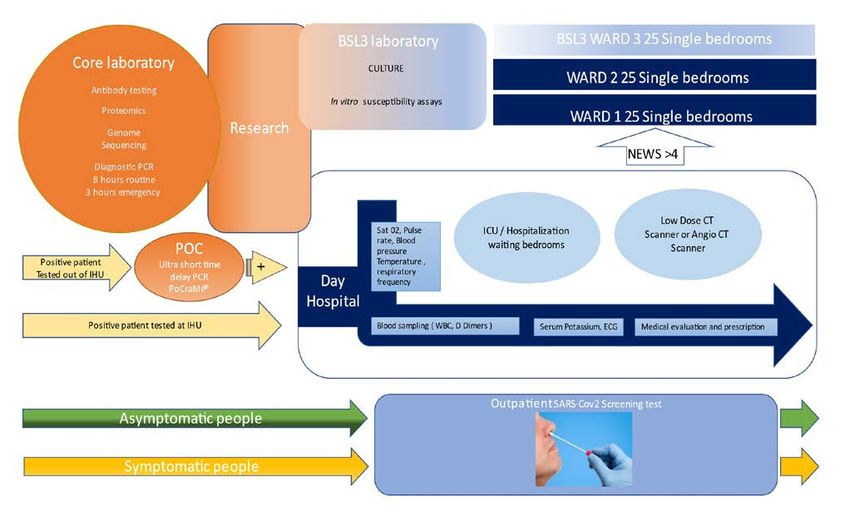
J. Clin. Med. 2021, 10, 2881                                                                                            2 of 10

                               Reference Center for infectious diseases, hosting patients from all over France and abroad.
                               As a private law regime foundation, the IHU has great agility in decision-making, which
                               has been a key point in effectively confronting the COVID-19 outbreak. All strategic
                               decisions could be validated in a weekly Director Committee meeting, decisions being
                               immediately enforced.
                                     The IHU is a 27,000 square meter building conceived to accommodate contagious
                               patients and potentially hazardous samples even in the case of epidemics, consisting
                               of four horizontal lobbies squared into three vertical sectors consisting of a university
                               hospital sector, a laboratory sector and a tertiary sector; the overall building is under
                               strict access control, including biometric access control in some of the more critical sectors
                               (https://www.mediterranee-infection.com/en/, accessed date is 28 June 2021). The project
                               consisted in building ex nihilo on the Marseille Medical Timone Campus a research hospital
                               specifically dedicated to infectious diseases and securely protected to care for contagious
                               patients, with a formidably equipped diagnostic microbiology laboratory capable of con-
                               taining extremely contagious pathogens, including potential agents of bioterrorism, in a
                               1200 square meter biosafety level 3 (BSL3) laboratory. There are four research units, as well
                               as startups and spinoffs benefiting from IHU know-how and developments in the field
                               of infectious disease. For patient care, three wards of 25 single rooms consisting of: one
                               ward for acute emergency infectious diseases, one ward for chronic infections and one
                               ward dedicated to contagious diseases equipped for biosafety level 3, with 3 modules of 7,
                               8 and 10 beds. Module A (7 beds) is pre-equipped for intensive care, and every room is
                               accordingly remotely controlled. A BSL3 point-of-care (POC) laboratory is located within
                               the ward for diagnostic and routine laboratory tests for contagious patients, under the
                               supervision of the microbiology team. Visitors are not admitted to the unit and patient
                               visits must be accessed via an external corridor, if allowed [6]. The outpatient clinic on
                               the first floor includes a 21-bed day hospital and a specific and dedicated area for rapid
                               diagnostic screening, avoiding encounters between contagious patients and other patients
                               and personnel in the institute [6]. All care facilities can be depressurized. Heath care per-
                               sonnel are regularly trained, based on monthly exercises and by regular real-life practice,
                               as was the case with patients returning from Saudi Arabia and suspected of MERS-Cov [7],
                               and they benefit from a specific medical program of vaccination-based protection against
                               infectious diseases and serological monitoring on a voluntary basis.
                                     In close connection with the research hospital sector, the Microbiology Laboratory of
                               the IHU consists of POC laboratories, presented in an additional paper [3], and a large,
                               2341 square meter diagnostic core laboratory organized in platforms: a reception platform
                               entering information in the laboratory informatics system, dispatching clinical sample
                               aliquots on the technical platforms and preparing biobanking; a culture platform; a molec-
                               ular biology platform performing nucleic acid extraction and PCR-based tests; a serology
                               platform performing enzyme-linked immunosorbent assays (ELISAs), indirect immunoflu-
                               orescence assays and automated Western-immunoblotting assays; and a large secured
                               biobank with a storage capacity of 1 million samples at −80 ◦ C and 2 million samples at
                               −20 ◦ C for preservation of clinical samples, isolates and nucleic acid extracts. All platforms
                               are informatically interconnected (on-going) and informatically connected to the informa-
                               tion system of the public university hospitals in Marseille (Assistance Publique à Mar-
                               seille). In fact, platform equipment has been regularly updated in order to be permanently
                               equipped with the most efficient, advanced diagnostic techniques. For direct examination
                               of samples, the IHU laboratory is equipped with the latest generation electron microscopes
                               (TM4000plus scanning electron microscope, Hitachi, Tokyo, Japan) which combine the
                               power of traditional electron microscopes with the ease of optical microscopes, rendering
                               electron microscopy a routine technique for the observation of samples and microbes [8].
                               The culture platform is equipped with the largest worldwide capacity for matrix-assisted
                               laser desorption/ionization-time of flight (MALDI-TOF), with 8 MALDI-TOF instruments
                               and a unique spectrum database to identify microorganisms and pathogens [9] and their
                               potential vectors [10]. The molecular biology platform comprises 28 thermocyclers, while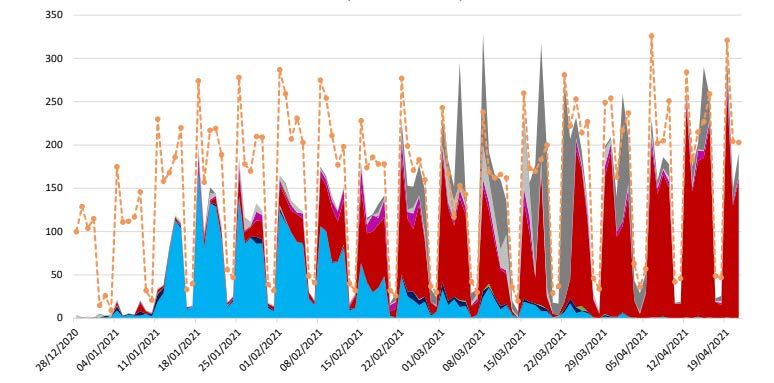
J. Clin. Med. 2021, 10, 2881                                                                                           3 of 10

                               downstream routine sequencing was launched in 1992, after the IHU ancestor bought
                               the first automatic sequencer in Europe. The sequencing platform is now equipped with
                               4 MiSeq instruments (Illumina, Paris, France), 2 Gridion and 1 PromethION instruments
                               (Oxford Nanopore, Oxford, UK), as well as 1 iSeq (Illumina) and 4 MiNion instruments (Ox-
                               ford Nanopore), more specifically dedicated to POC applications. In addition, a 1200 square
                               meter NSB3 security laboratory with biometric access control allows for isolation, culture,
                               manipulation and testing and storage of contagious pathogens [11]. These platforms, dedi-
                               cated to the routine diagnosis of infectious and tropical diseases, are routinely served by
                               215 qualified personnel, including 29 certified biologists, 24 engineers and 21 residents in
                               medical biology. All these resources have been mobilized to fight the COVID-19 epidemic
                               in France.

                               2.2. IHU Fighting the COVID-19 Epidemic
                                    As early as January 31, 2020, Europeans repatriated from Wuhan, placed in provi-
                               sional quarantine 20 km from the IHU, were evaluated by the IHU, following its capability
                               in developing RT-PCR testing from scratch before any diagnostic test was commercially
                               available. Internal expertise was mobilized in primer design, based on SARS-CoV-2 viral
                               sequence analysis and experimental protocol design, so that testing capability reached
                               500 tests/day for the diagnosis and follow-up during the quarantine of those repatri-
                               ated [12]. A daily COVID-19 steering committee met as early as January 31 and continued
                               as such for precise day-by-day management of the outbreak. Accordingly, we developed
                               a rapid virological screening circuit, so that RT-PCR results were available within 3 h of
                               laboratory management [13]. This organization plan was set up very early, just as we diag-
                               nosed the first positive patient, and was adapted throughout the outbreak to respond to
                               changing situations, creating five different COVID-19 laboratory circuits: (1) a POC circuit,
                               including an innovative check-point as detailed in [3,14]; (2) a hospitalized-patient circuit,
                               with the goal of obtaining RT-PCR results before 10 a.m. in order to manage hospitalization
                               turnover; (3) an emergency circuit, with the goal of delivering RT-PCR results within 4 h;
                               (4) a routine circuit, with the goal of delivering RT-PCR results within 8 h; (5) and an
                               external sample circuit, with the goal of delivering RT-PCR results within 24 h. In order to
                               achieve these goals, we progressively increased the capacity for obtaining nasopharyngeal
                               samples by ultimately creating five posts, using the national SI-DEP system, served by
                               a pool of 14 recruited personnel. Additionally, core laboratory facilities were extended
                               to three additional laboratory rooms previously devoted to research activities, adding
                               184 square meters of laboratory where additional instruments were installed: the Molecular
                               Biology platform had an increase of four nucleic acid extractors for a total of 20 extractors,
                               one RT-PCR thermocycler for a total of 19 thermocyclers, and was equipped with two
                               plaque preparators that were not available before the COVID-19 epidemic. In addition,
                               we added 6 informatics posts. More than 600,000 RT-PCR custom-made tests have been
                               fabricated in the IHU. In parallel, the activity of the Biosafety Safety Level 3 laboratory
                               was redirected towards the high throughput isolation and culture of SARS-CoV-2 strains,
                               the majority from nasopharyngeal swabs used in parallel for RT-PCR diagnosis [15]. This
                               activity was rapidly crucial in determining a cut-off value for the accurate interpretation
                               of RT-PCR cycle threshold (CT) after we showed that a CT value of >34 allowed only
                               1% viable viruses [16]. Further, continuous high throughput isolation of SARS-CoV-2
                               strains proved determinant for in cellulo testing of the activity of different drugs, chiefly
                               hydroxychloroquine, azithromycin and zinc [17–19] and the observation of SARS-CoV-2
                               strains exhibiting decreased in cellulo susceptibility [20]. Finally, SARS-CoV-2 culturing
                               supported monitoring of partial and entire whole genome sequences to determine the
                               various SARS-CoV-2 genotypes underlying the dynamics of COVID-19 epidemics, includ-
                               ing the geographical sources, and provided antigens for the home-made serological tests,
                               including indirect immunofluorescence and automated Western immunoblotting. In fact,
                               the IHU developed from scratch SARS-CoV-2 serology based on indirect immunofluo-
                               rescence before any serology test was commercially available [21]. Building such a test
J. Clin. Med. 2021, 10, 2881 4 of 10
from scratch was made possible thanks to previous expertise acquired over the years in
that technique, previously applied, among other applications, to facultative intracellular
pathogens [22]. Conversely, setting-up indirect immunofluorescence SARS-CoV-2 serology
provided the opportunity to automatize basically manual indirect immunofluorescence,
by automatization of antigen spotting on slides (Echo 525, Labcyte, Beckman Coulter,
Indianapolis, USA) and automation of slide reading using an automated fluorescent slide
scanner (AxioScan Z1., Zeiss, Marly le Roi, France). All the different commercially available
serology techniques were progressively adopted, including POC lateral flow assays [23],
enzyme-linked immunosorbent assays (ELISA) and chemiluminescence assays [23]. In
order to support the routine medical care of COVID-19 patients, the laboratory increased
its capacity for hydroxychloroquine assays by liquid chromatography (LC-UV) and imple-
mented from scratch azithromycin assays by liquid chromatography-mass spectrometry
(LC-MS) (Chabrière E. et al., unpublished data). Additionally, zinc assays were moni-
tored and the total lymphocyte count, differential CD4/CD8 and NK counts were also
routinely monitored, using flow cytometry (Aquios Tetra, Beckman Coulter). Altogether,
a total of 58 different personnel were recruited specifically to deal with the additional
laboratory activity, including 44 laboratory technicians and 14 secretaries, a 27% increase in
laboratory personnel.
For patient care, the building was separated in three parts: one dedicated to patient
screening, one for ambulatory care and one for hospitalization, including 25 single rooms
in biosafety level 3 and 50 single rooms in uncontrolled air depression as cited above.
We first used the 25 contagion rooms of the dedicated BSL3 ward, which gave us time to
reorganize the other two wards. This time was also precious for our university hospital
(AP-HM), as it provided three additional weeks to organize the surge capacity for the care
of COVID patients concentrated in our institute during this time. Once the 75 beds were
full, we organized the turnover of contagious patients (see below). Because symptomatic
people were more likely to be PCR positive, the screening circuits were organized in two
lines: symptomatic and asymptomatic people were separated (Figure 1). The continuously
rising number of people that came for testing during the first wave (peak of 3596 tests
on 3 April 2020) and the prolonged waiting time in the line (up to 3 h), with people
arguing, became a true problem, and led us to set up a specific COVID 19 testing plan from
7:00 a.m./7:00 p.m., 6/7 days by individual appointment using the commercially available
French web application “Doctolib,” or without appointment in dedicated time slots. This
organization was so effective that we were able to test a thousand people per day without
further trouble. Nasopharyngeal sampling was carried out by trained nurses and the
samples were transferred immediately to the laboratory. Patient registration, presentation
(symptomatic or not), and PCR results, ratio of infected/uninfected and ratio of positive
in symptomatic and asymptomatic individuals was available in real time, 24/24 h 7/7,
on a dedicated screen and was used to monitor the epidemic. The standard turnaround
time for PCR test results was 8 h for routine diagnosis and 3 h for the ICU and emergency
department. We automatically sent all positive patients a brief text message, asking them if
they wished to volunteer to be treated and followed in our center. All positive PCR tests
performed elsewhere than the IHU where subject to control, with an ultra-short PCR testing
turnaround available in 20 min, before enrolling the patient for care, which is reported in
more detail in this issue [3].
The day hospital was organized to screen patients by nurses, with monitoring of vital
signs, including pulse oximetry and laboratory investigation (D-dimers, C-reactive protein,
fibrinogen, white blood cells and eosinophils), and an electrocardiogram was performed
in all patients; abnormal EKGs were remotely monitored by the cardiology department.
The day hospital was organized to screen ambulatory patients. The vital signs, including
pulse-oximetry and laboratory investigation (D-Dimers, C reactive Protein, fibrinogen,
WBC and eosinophils) were carried out by nurses, electrocardiogram was performed to
all patients and abnormal ones were controlled by tele consultation with the department
of cardiology. Serum potassium levels were obtained in real time at the point of careJ. Clin. Med. 2021, 10, 2881 5 of 10
(i-STAT ALINITY, Abbott Point of Care Inc, Princeton, NJ, USA.) to eliminate delays in
treatment with HCQ and AZT. A low-dose CT lung scan was systematically carried out in
patients older than 55 and/or with comorbidities and/or lung abnormalities on clinical
examination and/or a SaO2 < 95%. The low-dose CT scans were conducted in the radiology
department [24,25]. Medical doctors established the prognosis using the News 2 score and
evaluated the need for transfer to hospitalization (News > 4) or intensive care. Patients
with abnormal ECGs or QTc > 460 ms and/or K < 3.6 mmol/l and/or receiving drugs
not compatible with HCQ were contraindicated for HCQ and treated with AZT/Zinc.
The remaining patients were asked if they wished to be treated with the combination of
HCQ/AZT/Zinc. Outpatients with a comorbidity or older than 55 were advised to monitor
their oxygen saturation at home, even if they felt comfortable, and to consult their doctor
immediately if the Sa02 2 µg/mL the patient
was asked to present immediately for a CT angiogram to rule out pulmonary embolism.
J. Clin. Med. 2021, 10, x FOR PEER REVIEW All
5 of 10
patients were systematically told to come back to the hospital in case of need. All patients
were asked to come back at day 10 for PCR testing [27].
Figure 1.1. IHU
Figure IHU organization
organization pathway
pathway for for testing
testing and
and microbiology
microbiology analysis,
analysis, care,
care, and
and research
research on
on outbreaks
outbreaks using
using the
the
example of COVID-19, March 2020–January 2021. Research is at the interface of the laboratory, divided into a Point
example of COVID-19, March 2020–January 2021. Research is at the interface of the laboratory, divided into a Point of
of Care
Care (POC)
(POC) and coreandlaboratory;
core laboratory; treatment,
treatment, divided divided
betweenbetween the outpatient
the outpatient clinic
clinic and and wards,
75 bed 75 bed and
wards, and
BSL3 BSL3 activities.
activities. Patient
Patient
entry onentry onand
the left the left
exit and exit right.
right.
The same
The day hospital organized
protocol was applied to screen
to patients patients
treated in thebyIHU
nurses, with
wards. Allmonitoring
patients were of
vital signs, including pulse oximetry and laboratory investigation (D-dimers,
offered HCQ/AZT/Zinc if they volunteered and had no contraindications C-reactive
[28,29]. The
protein, fibrinogen,
treatment protocol waswhite
adaptedblood cells the
during andprogression
eosinophils), and
of the an electrocardiogram
outbreak with the addition was
of
performed in therapy,
anticoagulant all patients; abnormal
steroids EKGs were
(dexamethasone remotely
6 mg/d) for monitored
severely ill by the cardiology
patients requiring
department.
oxygen and inThe
the day hospital was
inflammatory phaseorganized to screen
of the disease whenambulatory patients.
the CT indicated thatThe vital
the viral
signs, including pulse-oximetry and laboratory investigation (D-Dimers, C reactive Pro-
load was either negative or very low, and finally with high flow oxygen therapy in patients
tein,whom
for fibrinogen, WBC and
the intensive eosinophils)
care unit were carried
was not indicated [30].out by nurses,patient
To accelerate electrocardiogram
rotation and
enhance the capacity of the IHU to isolate contagious COVID-19 patients,
was performed to all patients and abnormal ones were controlled by tele consultation we transferred
with the department of cardiology. Serum potassium levels were obtained in real time at
the point of care (i-STAT ALINITY, Abbott Point of Care Inc, Princeton, NJ, USA.) to
eliminate delays in treatment with HCQ and AZT. A low-dose CT lung scan was sys-
tematically carried out in patients older than 55 and/or with comorbidities and/or lungJ. Clin. Med. 2021, 10, 2881 6 of 10
all patients exhibiting 2 negative SARS-CoV-2 PCR, defined as a CT >34 based upon our
own laboratory data, to other units [31]. Every morning a general staff meeting was held
to adjust patient care (see above).
3. Results
From 5 March 2020 to 26 April 2021 at the IHU, we conducted 608,313 SARS-CoV-2
PCR tests for patients in our institution (AP-HM, including IHU) and for people coming
from everywhere in the French territory. Of them 204,982 attends directly IHU to be
tested as reported above. Of the 424,919 patients tested at our institution, 44,089 (10.3%)
were positive for SARSCOV 2; of them, 23,390 were cared at the IHU; 20,270 at the day
hospital and 3120 in the 75 bed of the institute. 19,543 patients were cared at the nearby
university Hospital (APHM) and 1244 elsewhere. The case fatality ratio (CFR) was 1.70,
4.04, 4.41 when patients were cared at IHU, APHM, or elsewhere respectively (OR 0.41
CI 95% 0.35–0.47 p < 0.001). For patients cared as outpatient at IHU 36/20.270 died (CFR
0.17%). We conducted 5759 low-dose CT scans of the lung and 24,807 ECGs. The radiology
department was situated 15 m a part of the IHU building. Patients were transferred with
PPE-equipped personnel to a dedicated CT scanner room equipped for contagious disease
within the radiology department, during dedicated hours of the day. LDCT structured
report and scores were used to quantify the extent of lung abnormalities [24]. Among
these LDCT, 30% were normal, 45% were minimal, 20% intermediate and 5% severe [27].
LDCT Scanner was used for follow-up. We realized 7918 genomes among them 7370
(93%) we analyzed and allow to identify 10 genetically distinct genomic variant some
responsible for unique outbreak others for pandemic spread (Figure 2). We inoculated
7643, SARS-COV2 different isolates from patients in cell culture and isolated 3317 different
isolates used to test susceptibility to the drug, to evaluate infectibility and help in hospital
discharge management; additionally, we evaluated in vitro immune response. We realized
18,344 serology tests towards SARS Cov2 and 6520 vaccines mostly for health care workers
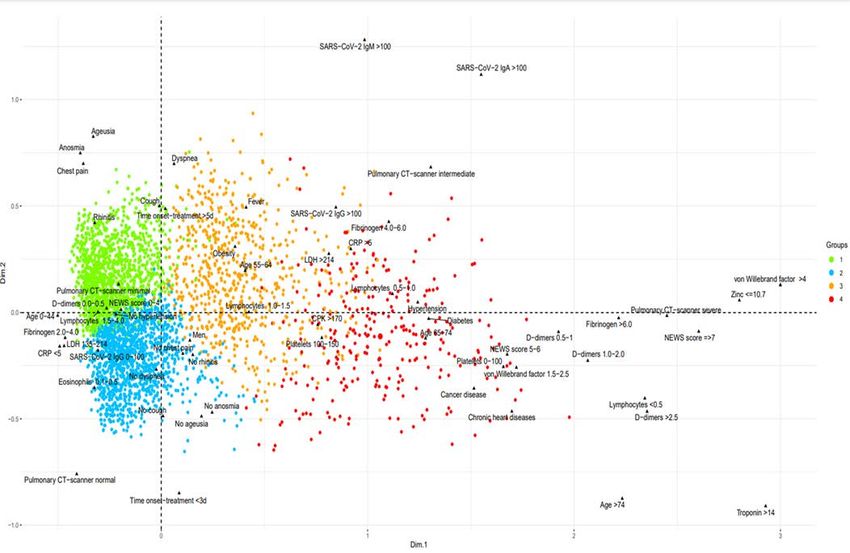
(Table 1). We followed more than 20,000 patients, allowing description of the natural
J. Clin. Med. 2021, 10, x FOR PEER REVIEW
evolution of the disease (Figure 3). In terms of surge capacity, we were able with the7 help
of 10
of the APHM to double the number of HCW and medical doctors.
Figure
Figure 2.2. Distribution
Distribution of
of SARS
SARS CoV
CoV 22variant
variant during
during the
the epidemic
epidemic in
in Marseille
Marseille France.
France. Orange
Orange ==total
totalpositive
positivetest,
test,electric
electric
blue
blue ==Marseille
Marseille44variant
variant (20
(20 A.EU2),
A.EU2), red
red ==UK
UK variant,
variant, deep
deep pink
pink ==South
SouthAfrican
African variant,
variant, pink
pink ==Brazil
Brazilvariant.
variant.To
To note
note
that
that the
the proportion
proportion ofof genome
genome sequenced
sequenced virus
virus grew
grew quicky
quicky 22
22 February
February 2021.
2021.J. Clin. Med. 2021, 10, x FOR PEER REVIEW 7 of 10
J. Clin. Med. 2021, 10, 2881 7 of 10
Table 1. Numbers of interest: IHU activity during COVID-19 pandemic in Marseille from
March 5 2020 to April 26 2021.
606,313 Total PCR Test provided by IHU
424,919 Total Patients tested at IHU
204,981 Patient tested at screening facility of IHU
44,089 Total patient positive for SARS Cov2
23,390 Patients positive cared at IHU
20,270 In the day hospital as outpatient (86.6%)
3120 In the 75 beds as inpatient (13.4%)
24,807 EKG provided before or during hydroxychloroquine treatment
5759 Low doses CT scanner for pneumonia classification
1.7% Total case fatality ratio
0.19% Case fatality ratio for patient attending outpatient
7918 Genome sequenced
7370 Genomes analyzed (93%)
7643 Patients’ sample inoculated in cell culture in the BSL3
Figure 2. Distribution of SARS CoV 2 variant during
3317the epidemic in Marseille
Isolates grew fromFrance. Orange
cell cultures = total positive test, electric
(43.3%)
blue = Marseille 4 variant (20 A.EU2),
6520red = UK variant, deepvaccine
pink = doses
South provided
African variant, pink = Brazil variant. To note
that the proportion of genome sequenced virus grew quicky 22 February 2021.
Figure 3. Multiple correspondence analysis (MCA) including all the clinical and biological radiological data and the
Figure 3. Multiple correspondence analysis (MCA) including all the clinical and biological radiological data and the
outcomes of the COVID patient cohort of the IHU. Clinical expression of COVID-19. In green upper respiratory
outcomes of the COVID patient cohort of the IHU. Clinical expression of COVID-19. In green upper respiratory COVID-19
COVID-19 with anosmia and ageusia, in blue asymptomatic hypoxemia, in orange COVID-19 pneumonia, and red severe
with anosmia and ageusia, in blue asymptomatic hypoxemia, in orange COVID-19 pneumonia, and red severe COVID-19.
COVID-19.
The COVID-19 epidemic provided the opportunity to rapidly assess the performance
of new diagnostic assays and tests, given the large amount of well-preserved, well charac-
terized, anonymized clinical samples in the biobank, as for antigen testing [32].
This intense activity in COVID-19 diagnosis and research in the IHU yielded a total
of 21 preprint articles posted on three different platforms, including the IHU web site forJ. Clin. Med. 2021, 10, 2881 8 of 10
preprints, and 155 published and accepted for publication as papers in 84 different journals.
The current total citations are 3824 (Web of Science). Additionally, a total of 132 videos,
consisting of information videos and tutorials for patients and physicians posted on the IHU
YouTube channel, totaled almost 60 million views, with 394,661 followers (21 April 2021).
4. Discussion and Conclusions
The main identified problem during the first wave of the outbreak was the lack of
Personal Protective Equipment (PPE) and PCR reactant and the extreme difficulty to get
provisioned due to the national and international constraints. Thanks to private donators
and to the fact that IHU MI is a private institute, we were capable to buy very quickly the
needed reactant (veterinarian stock) and quickly obtained the needed PPE. The successful
diagnosis of COVID-19 and treatment in the IHU relied upon: (1) leadership, (2) autonomy
in decision-making with immediate, supervised enforcing of decisions, (3) previous exper-
tise in pathogen diagnosis, (4) detournement of instruments, (5) rerouting of tests: re-using
ELISA plates three times after they were appropriately washed without significant loss of
technical performance, after laboratory validation. Technical autonomy will be increased
by an on-going facility developing PCR primers and probes production (OligoMaker 48;
OligoMaker ApS, Copenhagen, Denmark). The main pathways for success are unrestricted
access to care, collection of patient medical records and regular analysis of signs and symp-
toms, analysis of risk factors and patient outcomes, permanent adaptation of treatment
protocols, well-organized monitoring of outpatients, early care and treatment based on the
most efficient and/or the least toxic available drug, and proximity of the laboratory.
Author Contributions: P.B. wrote the clinical part of the paper, M.D. the laboratory part and D.R.
edited the paper. All authors have read and agreed to the published version of the manuscript.
Funding: This research received no external funding.
Institutional Review Board Statement: Ethical review and approval were waived for this study, due
to its retrospective nature.
Informed Consent Statement: Patient consent was waived due to the retrospective nature of this report.
Acknowledgments: This manuscript has been edited by a native English speaker. This study was
exclusively supported by the IHU Méditerranée Infection, Marseille, France. None of the suppliers
cited in this paper had any role in data collection, data interpretation and manuscript writing.
†Task force from, IHU Méditerranée Infection, AP-HM, Vitrome/Mephi, AIX Marseille université,
Marseille, France: Jean-Christophe Lagier, Matthieu Million, Philippe Gautret, Philippe Colson,
Sebastien Cortaredona, Audrey Giraud-Gatineau, Stéphane Honoré, Jean-Yves Gaubert, Pierre-
Edouard Fournier, Hervé Tissot-Dupont, Eric Chabrière, Andreas Stein, Jean-Claude Deharo, Florence
Fenollar Jean-Marc Rolain, Yolande Obadia, Alexis Jacquier, Bernard La Scola, Philippe Parola.
Conflicts of Interest: M.D. and D.R. are co-founders and shareholders of POCRAMé SAS, a start-up
having some products reported in this manuscript. P.B. reports no conflict of interest.
References
1. Colson, P.; Levasseur, A.; Delerce, J.; Chaudet, H.; Bossi, V.; Ben Kheder, M.; Fournier, P.E.; Lagier, J.C.; Raoult, D. Dramatic
Increase in the SARS-CoV-2 Mutation Rate and Low Mortality Rate during the Second Epidemic in Summer in Marseille. 2021;
Unpublished Work.
2. Fournier, P.E.; Colson, P.; Levasseur, A.; Gautret, P.; Bedotto, M.; Filosa, V. Genome sequence analysis enabled deciphering the
atypical evolution of COVID-19 epidemics in Marseille, France. IHU Pre-Prints 2021. [CrossRef]
3. Bouam, A.; Boualam, M.; Levy, P.Y.; Honoré, S.; La Scola, B.; Fournier, P.E.; Raoult, D.; Drancourt, M. Point-of-care diagnosis of
COVID-19 at IHU Méditerranée Infection, Marseille, 2 France. Clin. Infect. Dis. 2021. [CrossRef]
4. Raoult, D.; Baquero, F. Rewiring Microbiology and Infection. Clin. Infect. Dis. 2017, 65, S1–S3. [CrossRef] [PubMed]
5. Ministère De L’enseignement Supérieur Et De La Recherche. Décret Du 30 Novembre 2011 Portant Approbation Des Modifications
Apportées Aux Statuts d’une Fondation de Coopération Scientifique; Ministère De L’enseignement Supérieur Et De La Recherche: Paris,
France, 2011.
6. Bataille, J.; Brouqui, P. Building an Intelligent Hospital to Fight Contagion. Clin. Infect. Dis. 2017, 65, S4–S11. [CrossRef] [PubMed]J. Clin. Med. 2021, 10, 2881 9 of 10
7. Griffiths, K.; Charrel, R.; Lagier, J.-C.; Nougairede, A.; Simon, F.; Parola, P.; Brouqui, P.; Gautret, P. Infections in Symptomatic
Travelers Returning from the Arabian Peninsula to France: A Retrospective Cross-Sectional Study. Travel Med. Infect. Dis. 2016,
14, 414–416. [CrossRef] [PubMed]
8. Brahim Belhaouari, D.; Fontanini, A.; Baudoin, J.-P.; Haddad, G.; Le Bideau, M.; Bou Khalil, J.Y.; Raoult, D.; La Scola, B. The
Strengths of Scanning Electron Microscopy in Deciphering SARS-CoV-2 Infectious Cycle. Front. Microbiol. 2020, 11, 2014.
[CrossRef]
9. Seng, P.; Drancourt, M.; Gouriet, F.; La Scola, B.; Fournier, P.-E.; Rolain, J.M.; Raoult, D. Ongoing Revolution in Bacteriology:
Routine Identification of Bacteria by Matrix-Assisted Laser Desorption Ionization Time-of-Flight Mass Spectrometry. Clin. Infect.
Dis. 2009, 49, 543–551. [CrossRef]
10. Yssouf, A.; Almeras, L.; Raoult, D.; Parola, P. Emerging Tools for Identification of Arthropod Vectors. Future Microbiol. 2016, 11,
549–566. [CrossRef]
11. Wurtz, N.; Papa, A.; Hukic, M.; Di Caro, A.; Leparc-Goffart, I.; Leroy, E.; Landini, M.P.; Sekeyova, Z.; Dumler, J.S.; Bădescu, D.;
et al. Survey of Laboratory-Acquired Infections around the World in Biosafety Level 3 and 4 Laboratories. Eur. J. Clin. Microbiol.
Infect. Dis. 2016, 35, 1247–1258. [CrossRef]
12. Lagier, J.C.; Colson, P.; Tissot Dupont, H.; Salomon, J.; Doudier, B.; Aubry, C.; Gouriet, F.; Baron, S.; Dudouet, P.; Flores, R.; et al.
Testing the Repatriated for SARS-Cov2: Should Laboratory-Based Quarantine Replace Traditional Quarantine? Travel Med. Infect.
Dis. 2020, 34, 101624. [CrossRef]
13. Amrane, S.; Tissot-Dupont, H.; Doudier, B.; Eldin, C.; Hocquart, M.; Mailhe, M.; Dudouet, P.; Ormières, E.; Ailhaud, L.; Parola, P.;
et al. Rapid Viral Diagnosis and Ambulatory Management of Suspected COVID-19 Cases Presenting at the Infectious Diseases
Referral Hospital in Marseille, France, January 31st to March 1st, 2020: A Respiratory Virus Snapshot. Travel Med. Infect. Dis.
2020, 36, 101632. [CrossRef] [PubMed]
14. Fournier, P.-E.; Zandotti, C.; Ninove, L.; Prudent, E.; Colson, P.; Gazin, C.; Million, M.; Tissot-Dupont, H.; Fenollar, F. Contribution
of VitaPCR SARS-CoV-2 to the Emergency Diagnosis of COVID-19. J. Clin. Virol. 2020, 133, 104682. [CrossRef] [PubMed]
15. Francis, R.; Le Bideau, M.; Jardot, P.; Grimaldier, C.; Raoult, D.; Bou Khalil, J.Y.; La Scola, B. High-Speed Large-Scale Automated
Isolation of SARS-CoV-2 from Clinical Samples Using Miniaturized Co-Culture Coupled to High-Content Screening. Clin.
Microbiol. Infect. 2020. [CrossRef]
16. Jaafar, R.; Aherfi, S.; Wurtz, N.; Grimaldier, C.; Hoang, V.T.; Colson, P.; Raoult, D.; La Scola, B. Correlation between 3790 QPCR
Positives Samples and Positive Cell Cultures Including 1941 SARS-CoV-2 Isolates. Clin. Infect. Dis. 2020. [CrossRef]
17. Gendrot, M.; Andreani, J.; Duflot, I.; Boxberger, M.; Le Bideau, M.; Mosnier, J.; Jardot, P.; Fonta, I.; Rolland, C.; Bogreau, H.; et al.
Methylene Blue Inhibits Replication of SARS-CoV-2 in Vitro. Int. J. Antimicrob. Agents 2020, 56, 106202. [CrossRef]
18. Gendrot, M.; Andreani, J.; Jardot, P.; Hutter, S.; Delandre, O.; Boxberger, M.; Mosnier, J.; Le Bideau, M.; Duflot, I.; Fonta, I.; et al.
In Vitro Antiviral Activity of Doxycycline against SARS-CoV-2. Molecules 2020, 25, 64. [CrossRef]
19. Halfon, P.; Bestion, E.; Zandi, K.; Andreani, J.; Baudoin, J.-P.; La Scola, B.; Mege, J.-L.; Mezouar, S.; Schinazi, R.F. GNS561 Exhibits
Potent in Vitro Antiviral Activity against SARS-CoV-2 through Autophagy Inhibition. bioRxiv 2020. [CrossRef]
20. Boschi, C.; Bideau, M.L.; Andreani, J.; Aherfi, S.; Jardot, P.; Delrce, J.; Gendrot, M.; Pradines, B.; Colson, P.; Raoult, D.; et al.
Heterogeneity in susceptibility to hydroxychloroquine of SARS-CoV-2 isolates. Preprints 2021. [CrossRef]
21. Edouard, S.; Colson, P.; Melenotte, C.; Di Pinto, F.; Thomas, L.; La Scola, B.; Million, M.; Tissot-Dupont, H.; Gautret, P.; Stein, A.;
et al. Evaluating the Serological Status of COVID-19 Patients Using an Indirect Immunofluorescent Assay, France. Eur. J. Clin.
Microbiol. Infect. Dis. 2020, 40, 361–371. [CrossRef]
22. Bizzini, A.; Péter, O.; Baud, D.; Edouard, S.; Meylan, P.; Greub, G. Evaluation of a New Serological Test for the Detection of
Anti-Coxiella and Anti-Rickettsia Antibodies. Microbes Infect. 2015, 17, 811–816. [CrossRef] [PubMed]
23. Michel, M.; Bouam, A.; Edouard, S.; Fenollar, F.; Di Pinto, F.; Mège, J.-L.; Drancourt, M.; Vitte, J. Evaluating ELISA, Immunofluo-
rescence, and Lateral Flow Assay for SARS-CoV-2 Serologic Assays. Front. Microbiol. 2020, 11. [CrossRef]
24. Leger, T.; Jacquier, A.; Barral, P.-A.; Castelli, M.; Finance, J.; Lagier, J.-C.; Million, M.; Parola, P.; Brouqui, P.; Raoult, D.; et al.
Low-Dose Chest CT for Diagnosing and Assessing the Extent of Lung Involvement of SARS-CoV-2 Pneumonia Using a Semi
Quantitative Score. PLoS ONE 2020, 15, e0241407. [CrossRef] [PubMed]
25. Castelli, M.; Maurin, A.; Bartoli, A.; Dassa, M.; Marchi, B.; Finance, J.; Lagier, J.-C.; Million, M.; Parola, P.; Brouqui, P.; et al.
Prevalence and Risk Factors for Lung Involvement on Low-Dose Chest CT (LDCT) in a Paucisymptomatic Population of 247
Patients Affected by COVID-19. Insights Imaging 2020, 11, 117. [CrossRef]
26. Brouqui, P.; Amrane, S.; Million, M.; Cortaredona, S.; Parola, P.; Lagier, J.-C.; Raoult, D. Asymptomatic Hypoxia in COVID-19 Is
Associated with Poor Outcome. Int. J. Infect. Dis. 2020, 102, 233–238. [CrossRef] [PubMed]
27. Lagier, J.-C.; Million, M.; Gautret, P.; Colson, P.; Cortaredona, S.; Giraud-Gatineau, A.; Honoré, S.; Gaubert, J.-Y.; Fournier, P.-E.;
Tissot-Dupont, H.; et al. Outcomes of 3,737 COVID-19 Patients Treated with Hydroxychloroquine/Azithromycin and Other
Regimens in Marseille, France: A Retrospective Analysis. Travel. Med. Infect. Dis. 2020, 36, 101791. [CrossRef] [PubMed]
28. Gautret, P.; Lagier, J.-C.; Parola, P.; Hoang, V.T.; Meddeb, L.; Mailhe, M.; Doudier, B.; Courjon, J.; Giordanengo, V.; Vieira, V.E.;
et al. Hydroxychloroquine and Azithromycin as a Treatment of COVID-19: Results of an Open-Label Non-Randomized Clinical
Trial. Int. J. Antimicrob. Agents 2020, 56, 105949. [CrossRef] [PubMed]J. Clin. Med. 2021, 10, 2881 10 of 10
29. Million, M.; Lagier, J.-C.; Gautret, P.; Colson, P.; Fournier, P.-E.; Amrane, S.; Hocquart, M.; Mailhe, M.; Esteves-Vieira, V.;
Doudier, B.; et al. Early Treatment of COVID-19 Patients with Hydroxychloroquine and Azithromycin: A Retrospective Analysis
of 1061 Cases in Marseille, France. Travel Med. Infect. Dis. 2020, 35, 101738. [CrossRef] [PubMed]
30. Lagier, J.C.; Amrane, S.; Mailhe, M.; Gainnier, M.; Arlotto, S.; Gentile, S.; Raoult, D. High-flow oxygen therapy in elderly patients
infected with SARS-CoV2 with a contraindication for transfer to an intensive care unit. Int. J. Infect. Dis. 2021, 108, 1–3. [CrossRef]
31. La Scola, B.; Le Bideau, M.; Andreani, J.; Hoang, V.T.; Grimaldier, C.; Colson, P.; Gautret, P.; Raoult, D. Viral RNA Load as
Determined by Cell Culture as a Management Tool for Discharge of SARS-CoV-2 Patients from Infectious Disease Wards. Eur. J.
Clin. Microbiol. Infect. Dis. 2020, 39, 1059–1061. [CrossRef] [PubMed]
32. Fenollar, F.; Bouam, A.; Ballouche, M.; Fuster, L.; Prudent, E.; Colson, P.; Tissot-Dupont, H.; Million, M.; Drancourt, M.; Raoult, D.;
et al. Evaluation of the Panbio Covid-19 Rapid Antigen Detection Test Device for the Screening of Patients with Covid-19. J. Clin.
Microbiol. 2020, 59, e02589-20. [CrossRef]You can also read


