Recalcitrant posterior urethral stenoses: a narrative review of refractory bladder neck contractures and vesicourethral anastomotic stenoses after ...
←
→
Page content transcription
If your browser does not render page correctly, please read the page content below
Review Article
                                                                                                                                           Page 1 of 13

Recalcitrant posterior urethral stenoses: a narrative review
of refractory bladder neck contractures and vesicourethral
anastomotic stenoses after treatment for localized prostate
cancer
Ruth Blum, Steven Brandes

Department of Urology, Columbia University Medical Center
Contributions: (I) Conception and design: All authors; (II) Administrative support: All authors; (III) Provision of study materials or patients: All
authors; (IV) Collection and assembly of data: All authors; (V) Data analysis and interpretation: All authors; (VI) Manuscript writing: All authors; (VII)
Final approval of manuscript: All authors.
Correspondence to: Ruth Blum, Steven Brandes. Columbia University Medical Center, 161 Fort Washington Avenue, 11th Floor, New York, NY
10032, USA. Email: rb3502@cumc.columbia.edu; sbb2169@cumc.columbia.edu.

                 Abstract: Posterior urethral stenoses, more specifically, bladder neck contracture (BNC) and vesicourethral
                 anastomotic stenosis (VUAS), are a troublesome and dreaded complication after treatment for localized
                 prostate cancer. Patients can develop bothersome and recurrent lower urinary tract symptoms (LUTS)
                 and other urinary complications that diminish their quality of life. The diagnosis and management of these
                 patients can be cumbersome and overwhelming to physicians as many require multiple interventions. We
                 reviewed the current literature to better define the incidence of BNC/VUAS after different treatment
                 modalities for localized prostate cancer and to determine the best management strategies. In general, the
                 incidence is higher in radiated patients and takes significantly longer to present, compared to those that
                 are treated with surgery alone. The risk is highest in patients who undergo salvage prostatectomy with an
                 incidence of up to forty percent. A graded approach should be taken to management, as repeated attempts
                 of minimally invasive methods are relatively successful. More aggressive treatment, either endoscopic
                 or surgical, can result in severe de novo stress urinary incontinence (SUI) and require staged placement
                 of an artificial urinary sphincter (AUS) and requires an educated and motivated patient. Robotic assisted
                 laparoscopic (RAL) techniques are increasing in popularity and show promising results with lower rates of
                 incontinence. Urinary diversion should also be considered in the treatment algorithm for these patients as it
                 is sometimes the best option. However, larger, less heterogeneous studies are needed.

                 Keywords: Bladder neck contracture (BNC); vesicourethral anastomotic stenosis (VUAS); posterior urethral
                 stenosis; prostate cancer; refractory

                 Received: 14 December 2020. Accepted: 25 March 2021.
                 doi: 10.21037/amj-20-191
                 View this article at: http://dx.doi.org/10.21037/amj-20-191

Introduction                                                                    situ, such as after transurethral resection of the prostate
                                                                                (TURP), photo-vaporization of the prostate (PVP), or after
Stenosis of the posterior urethra can be a devastating
complication for patients and challenging problem for                           radiation for prostate cancer. In contrast, vesico-urethral
clinicians to manage. Bladder neck contracture (BNC)                            anastomotic stenosis (VUAS) describes stenosis after
specifically refers to stenosis of the proximal prostatic                       radical prostatectomy (RP) or robotic assisted laparoscopic
urethra/bladder neck, in which the prostate is still in                         prostatectomy (RALP) of the sewn anastomosis of urethra

© AME Medical Journal. All rights reserved.                                                 AME Med J 2021 | http://dx.doi.org/10.21037/amj-20-191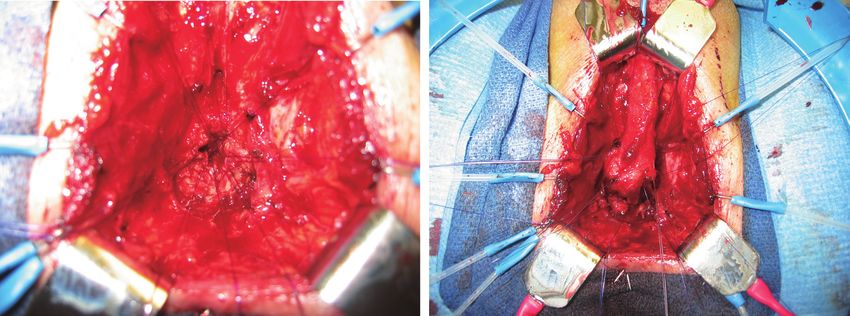
Page 2 of 13                                                                                         AME Medical Journal, 2021

to bladder (1). Posterior urethral stenosis (PUS) is typically   the development of VUAS after RP. For simplification,
a broader term used to described any pathologic stenoses         these can be divided into three categories: pre-operative,
of the bladder neck to the distal end of the membranous          intraoperative and post-operative. Pre-operative risk
urethra (2). It is important that the correct nomenclature       factors include cigarette smoking and significant coronary
is used to promote communication, evaluation and                 artery disease (4). Intraoperative risk factors include high
management of these patients.                                    estimated blood loss (EBL), excessive luminal narrowing,
   Prostate cancer is the most commonly diagnosed cancer         local tissue ischemia, failed mucosal apposition, anastomotic
in men in the United States, with approximately 1 in 9 men       tension, and limited surgeon experience (5). Post-operative
being diagnosed within their lifetime at an average age of       risk factors include prolonged urine leak, pelvic hematoma,
66 years old. However, most men will not die of prostate         surgical clip migration and adjuvant external beam radiation
cancer and the 5-year survival rate is nearly 100% for           therapy (EBRT) (6,7). VUAS related to RP typically occurs
localized prostate cancer, meaning most men will survive         within the first six months after surgery, with almost none
long enough to undergo at least one treatment modality (3).      occurring more than 24 months after surgery (8).
Patients who subsequently develop BNC or VUAS                       The reported incidence of VUAS after RP is variable,
may suffer from recurring symptoms of dysuria, urinary           with studies showing a rate of 1–8.4% (5,8-11). With
frequency, urinary incontinence, and urinary retention.          the transition from an open to a robotic approach, and
When refractory, such issues can result in a poor quality        increasing robotic surgeon experience, the incidence of
of life.                                                         VUAS in recent reports is now lower. In a prospective study
   The purpose of this review is to define the frequency         published in 2019, comparing open radical prostatectomy
of BNC and VUAS in relation to different treatment               (ORP) with RALP in 4,003 men, they found an incidence of
modalities for prostate cancer, examine the different            VUAS of 1.3% after 24 months of follow-up in the RALP
treatment options, understand their effectiveness, and           group. The risk was 2.2 times higher in the ORP group (RR
to develop a treatment algorithm for managing these              2.21, 95% CI: 1.38–3.53) (9). This is similar to other studies
complicated patients.                                            looking to the incidence of BNC after RALP (5,10,12). The
   We present the following article in accordance with the       lower incidence of VUAS in the RALP group may be due
Narrative Review Checklist (available at: http://dx.doi.         to improved visualization, lower blood loss, better mucosal
org/10.21037/amj-20-191).                                        inversion, and improved instrument maneuverability within
                                                                 the deep pelvis (10). The exception to this are those patients
Methods                                                          undergoing salvage prostatectomy, as these patients are
                                                                 at increased risk for ischemia and have a reported to have
A literature review was performed to evaluate the incidence,     a incidence of VUAS of 22–40% (13,14). Additionally,
etiology, diagnosis and management of BNC and VUAS               adjuvant EBRT increases the risk of VUAS, with reported
after treatment for localized prostate cancer. BNC may           incidences of 3–8% (15,16). These different incidences are
occur after treatment for benign prostatic obstruction;
                                                                 summarized in Table 1.
however, this is an additional heterogeneous group of
patients and procedures was not the focus of this review.
                                                                 Radiation therapy
A PubMed search was performed using the search terms
                                                                 Radiation as primary therapy for localized prostate cancer
“bladder neck
                                                                 can be delivered as EBRT, brachytherapy (BT), or a
   contracture,” “vesicourethral anastomotic stenosis,”
                                                                 combination of both. Ionizing radiation causes direct cell/
“posterior urethral stenosis,” and “urethral stricture,” from
                                                                 tissue injury through the creation of reactive oxygen species
the years 2000–2020.
                                                                 (ROS), which leads to oxidative damage and ultimately cell
                                                                 death (22). Radiation also causes indirect cell damage to
Discussion                                                       the surrounding tissues by promoting gene expression of
                                                                 pro-inflammatory cytokines, leading to inflammation and
Incidence and Etiology
                                                                 ultimately fibrosis and reduced vascularity (22). This also
RP                                                               accounts for the delayed presentation of radiation induced
There are several risk factors that can result in poor           stenosis, which presents at a mean of 20–22 months after
healing at the site of the surgical anastomosis and lead to      treatment and with increasing incidence over longer term

© AME Medical Journal. All rights reserved.                                AME Med J 2021 | http://dx.doi.org/10.21037/amj-20-191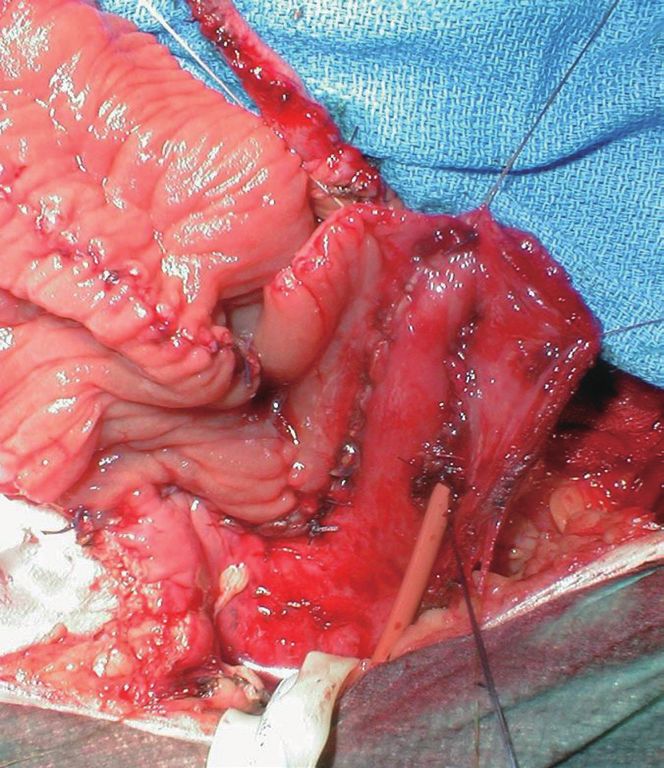
AME Medical Journal, 2021                                                                                                            Page 3 of 13

 Table 1 Incidence of stenosis after primary treatment for prostate cancer
                        Stenosis              Literature
 Treatment                                                   Comments
                        Incidence (%)         Review

 RP (ORP and RALP) 1.9–8.4                    (5,8-12)       (5) incidence of VUAS was
Page 4 of 13                                                                                           AME Medical Journal, 2021

                                                                   in the most important goals of surgery (decreased urinary
                                                                   frequency, improve urinary incontinence, ability to void
                                                                   normally, rapid recovery, etc.) before intervention.

                                                                   Treatment

                                                                   Management of PUS, BNC and VUAS after primary
                                                                   prostate cancer treatment has multiple treatment options,
                                                                   varying in complexity and invasiveness. Minimally invasive
                                                                   treatment options include intermittent self-dilation (ISD),
                                                                   endoscopic incision of the bladder neck, or placement of
                                                                   a Wall stent. Open reconstruction should be considered
                                                                   for longer or recurrent strictures but requires a highly
                                                                   motivated patient as these procedures are complex,
                                                                   potentially morbid and often require delayed placement of
Figure 1 RUG showing membranous and prostatic urethral             an artificial urinary sphincter (AUS). It is also important to
stenosis after brachytherapy treatment. RUG, retrograde            consider urinary diversion in the treatment algorithm for
urethrogram.                                                       these patients, as it is sometimes the best option.

                                                                   Endoscopic management
previously dilated, continence status afterwards and/or time       For stenoses that are short (8 Fr) but not           Urethrotomy or incision of the bladder neck can
obliterative stenoses. If the stenosis is >8 Fr, the bladder can   be performed with a cold knife, hot knife, laser, or
also be evaluated for capacity, severe detrusor overactivity       resection loop depending on surgeon preference. Radial
and radiation cystitis. In patients whom the stenosis cannot       incisions should be made at least at two sites to release
be adequately visualized on cystourethroscopy, retrograde          the cicatrix, but the 6 o’clock position should be avoided
urethrogram +/– voiding cystourethrogram (RUG/VCUG)                due to proximity of the rectum and increased risk for
should be performed. RUG by itself is a poor imaging               rectal injury in these patients (29). Eventual success can
modality for visualizing the posterior urethra (Figure 1),         often be achieved, but typically involves at least one, and
but can be combined with VCUG to determine the exact               sometimes multiple repeat procedures. For a standard
location and length of the stenosis.                               transurethral incision of the bladder neck (TUIBN)
   Before proceeding to surgery, the patient’s life                with a hot or cold knife, the average initial success rate
expectancy, cancer status, and the psychological component         is 74% (range, 17–87%) with an eventual success rate of
of post-op urinary incontinence and ability/willingness            97% (range, 88–100%) and a de novo incontinence rate of
to possibly undergo multiple procedures needs to be                4.6% (range, 0–12.5%) (11,26,30-34). For patients with
considered. Shared decision making should be employed              recurrent or intractable stenosis, a “deep” TUIBN can be
when determining a surgical plan. It is important to factor        performed. This is typically a two-stage procedure with an

© AME Medical Journal. All rights reserved.                                  AME Med J 2021 | http://dx.doi.org/10.21037/amj-20-191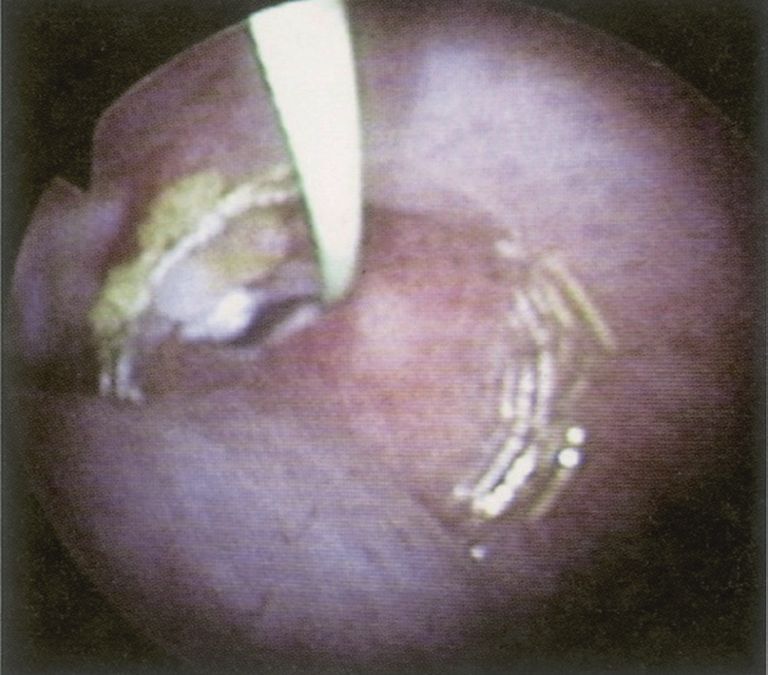
AME Medical Journal, 2021                                                                                           Page 5 of 13

                                                                 is hypothesized to work by decreasing scar formation by
                                                                 increasing collagenase production. Studies have shown
                                                                 that steroids can delay the time to recurrence (8 versus
                                                                 3.5 months), but not the overall rate of recurrence (41,42).
                                                                 Hyaluronic acid (HA) and carboxymethylcellulose (CMC)
                                                                 injection may also delay time to recurrence, but longer term
                                                                 follow-up is needed (43).
                                                                    Placement of a bladder neck stent is another option
                                                                 for endoscopic management of the refractory BNC. This
                                                                 is typically reserved for patients who have failed multiple
                                                                 prior incisions/dilations and who are not good surgical
                                                                 candidates or not interested in an open repair. Like the
                                                                 “deep” TUIBN, this is typically a two-stage procedure
Figure 2 Endoscopic placement of bladder neck Wall stent.        with the intention of making the patient incontinent with
                                                                 subsequent placement of an AUS. The UroLume stent
                                                                 (American Medical Systems, Minnetonka, MN) is no
initial aggressive incision, to the level of the periprostatic   longer commercially available and was often complicated by
fat, resulting in planned severe incontinence, followed          tissue regrowth, calcification and/or urethral stenosis (2).
by delayed placement of anAUS). After a deep TUIBN,              However, some still believe that it is a reasonable option for
Ramirez et al. noted 78% de novo incontinence, of whom           severe strictures in patients unwilling or unable to undergo
67% underwent AUS placement 3 months later (35).                 surgical repair (44-48). Off-label use of vascular wall stents
Overall, the initial success rate for “deep” TUIBN is            can be used in a similar fashion to the UroLume (Figure 2).
90.5% (range, 71–100%), with an eventual success rate of         At our institution, we use the Epic vascular self-expanding
86–100% and de novo incontinence of 78–100% with repeat          stent system (Boston Scientific, Marlborough, MA) for this
TUIBN (26,31,35,36).                                             purpose. Overall, stents for BNC have an initial success
   Recently, Warner, reports a novel endoscopic technique        of 65.2% (range, 50–89%), with an eventual success of
of TUIBN with transverse mucosal reapproximation (37).           86.1% (range, 76–100%), yet a de novo incontinence rate of
In this procedure, TUIBN is performed with a hot knife with      100% (26).
standard longitudinal incisions made at 3 and 9 o’clock. A          Endoscopic treatment of BNC/VUAS is a reasonable
short rigid ureteroscope and a laparoscopic suturing device      option for many patients. Initial success rates are moderate,
are then used to reapproximate the mucosa transversely,          but eventual success rates are high with repeat endoscopic
in a Heineke-Milkulicz fashion. Outcomes are promising,          procedures or adjuvant treatment, such as ISD. It is
with no stricture recurrence in 12 of 13 patients (92%) and      important to recognize risks of recurrent stenosis and de novo
an average follow-up of 6 months (range, 3–10 months),           incontinence and to counsel patients appropriately as to the
however, more patients and longer follow-up is needed.           likelihood of needing multiple procedures if an endoscopic
They also do not report on de novo incontinence.                 management pathway is chosen. It is also reasonable to
   Injection of the bladder neck at time of TUIBN with a         progress to more aggressive surgical treatment if initial
biologic modifier, such at mitomycin C (MMC), steroids,          endoscopic treatment fails.
or other agents has been widely performed for recalcitrant
BNCs/VUAS. MMC, an antiproliferative agent, is                   Open repair
the most widely studied and it is typically injected at a        Open VUAS repair is potentially morbid surgery that
concentration of 0.3–0.4 mg/mL. Success of MMC for               requires a highly motivated and well-informed patient.
BNC after one procedure is reported to be 58–75% after           It is challenging for the surgeon and requires the whole
one procedure and 75–89% after two procedures (30,38-40).        surgical armamentarium, like the progressive steps for a
Variable adverse events are reported. However, up to a           posterior urethroplasty. The repair may be performed via a
7% develop severe complications, such as osteitis pubis          transperineal (Figure 3), abdominal or abdomino-perineal
and rectourethral fistula formation (39). Steroid injection,     (AP) approach (Figure 4). If an AP technique is used, a
specifically triamcinolone, at time of bladder neck incision,    two-team approach is preferred. The general goals are the

© AME Medical Journal. All rights reserved.                                AME Med J 2021 | http://dx.doi.org/10.21037/amj-20-191
Page 6 of 13 AME Medical Journal, 2021
A B
Figure 3 Transperineal approach for VUAS repair. (A) Transected proximal urethra with proximal sutures placed, (B) after vesicourethral
anastomosis. VUAS, vesicourethral anastomotic stenosis.
A B
Figure 4 Abdominoperineal approach for VUAS repair. (A) after pubectomy, (B) during vesicourethral anastomosis. VUAS, vesicourethral
anastomotic stenosis.
same as that for a posterior urethroplasty: excision of all series was 100% with plans for staged AUS placement (49).
scar tissue, spatulate the urethra and perform a tension free Transvesical ventral BMG inlay cystoplasty has also been
anastomosis with mucosa to mucosa apposition. One should described for open BNC repair in a small case series with
be prepared to perform maneuvers to shorten the distance reasonable success, but follow-up is limited and continence
between the distal and proximal ends of the urethra, such rates are not reported (50). The reported success of VUAS
as corporal splitting and a partial or total pubectomy. reconstruction is variable and the data is limited to just case
VCUG/RUG should be performed postoperatively and series. Song et al. reported an initial success rate of 74% in
show an open urethra. After recovery, these patients the literature, with an eventual success rate of 96% (26).
typically require a staged AUS that is performed 6– More recent studies have reported a success rate of 92%
12 months later if the bladder neck remains open. This in 12 patients with an average follow-up of 74 months and
is due to the fact that the external sphincter is typically 80% in 20 patients with two years of follow-up (51,52).
excised or damaged in order to get to the bladder neck This success rate increased to 90% after a single endoscopic
during a transperineal approach. Shahrour et al. report intervention and an additional 24 months of follow-up (52).
a transperineal technique where a buccal mucosal graft They also compared continence rates using a perineal
(BMG) is placed dorsally after dissection of the urethra versus an abdominal approach and found a much higher
under the pubic bone. This limits risk of rectal injury and rate of incontinence in the perineal group (100% versus
need for extensive urethral dissection, pubectomy and 10%). They attributed this finding to trans-sphincteric
corporal splitting, but incontinence rates in their small mobilization of the urethra during a transperineal
© AME Medical Journal. All rights reserved. AME Med J 2021 | http://dx.doi.org/10.21037/amj-20-191AME Medical Journal, 2021 Page 7 of 13
approach (52). Patients that fail open VUAS repair are posterior approach (56).
usually salvaged by a SPT or more invasive supravesical Three studies to date have reported reasonable success
diversion. with robotic-assisted laparoscopic V-Y plasty for patients
The preoperative continence and location of stenosis with both recalcitrant BNC after benign endoscopic
should thus be taken into account when determining a procedures as well as VUAS after RP. Of 31 total patients,
surgical approach. Those with pre-operative continence the overall success rate was 81% at 11 months follow-up
and a stenosis proximal to the perineal membrane likely (56-58). Five of these patients had a V-Y plasty performed
benefit from a robotic or non-perineal approach as this after a RP, and 3 of 5 were a success at a mean follow-
can avoid dissection of the external sphincter and limit the up of 13 months. None of these patients had SUI post-
need for staged AUS. Additionally, those that do develop operatively. One patient had a severe post-op complication
incontinence may have better AUS durability and ease of with rhabdomyolysis, as well as an intersymphyseal fistula
placement due to lack of prior perineal dissection (53). ultimately requiring a pubectomy and rectus flap (56). RAL
AUS complications are not infrequent in this population V-Y plasty may be a viable treatment option especially when
due to compromised urethras. Urethral risk factors include considering its improved continence rates over the perineal
history of pelvic radiation, recalcitrant BNC, urethral approach.
reconstruction, prior AUS explantation for infection or Additional RAL techniques have been described utilizing
erosion, and/or prior (or current) urethral stent (44,55). BMGs. Avallone et al. report a RAL reconstruction of a
Brant et al. have shown that explantation rates increase BNC with subtrigonal inlay of a BMG. They utilize a space
with the number of urethral risk factors present, and there of Retzius sparing, transvesical approach via transabdominal
is a 25% explantation rate when 3 risk factors are present robotic access. A V-shaped incision is made through
compared with 2.6% when there are 0 (54). Mock et al. ventral aspect of the BNC with a Y-limb extending into the
looked at a population with transcorporal AUS cuffs and prostatic urethra. The fibrotic scar tissue is excised and a
found the probability of cuff erosion in patients with 2 or triangular-shaped BMG is sewn into the defect (59). Zhao
more urethral risk factors was 1.65 times the probability of reports repair of a recalcitrant VUAS using the da Vinci SP
erosion in those with 0 or 1 urethral risk factor (55). Thus, (Intuitive Surgical, Sunnyvale, CA) with transvesical access
the need for staged AUS placement should not be taken through a suprapubic incision, avoiding all abdominal
lightly. dissection. Incisions were made into the stenotic area at
12, 3 and 9 o’clock and a BMG was placed dorsally for
Robotic-assisted laparoscopic (RAL) repair augmentation (53). Larger studies and longer follow-up are
RAL repairs are becoming increasingly more common for needed to evaluate the outcomes of these techniques.
treatment of nonradiated, recalcitrant BNC/VUAS. The
most widely reported is the RAL V-Y plasty. Standard port Urinary diversion
configuration and positioning for pelvic surgery is utilized. Ultimately, some patients with recalcitrant VUAS/BNC
The bladder neck is approached by recreating the space may most benefit from urinary diversion. This option
of Retzius by dropping the bladder off the abdominal wall should be considered for patients who have received
and mobilizing the urethra under the pubic bone. The adjuvant radiation, have very long or obliterative strictures,
bladder is entered anteriorly with a V-shaped incision and have failed multiple prior endoscopic or open procedures,
the long arm of the Y is a longitudinal incision through the and/or had multiple AUS erosions. The status of the
scar tissue. The apex of the V is then advanced to the distal bladder should also be considered, as patients with end stage
aspect of the longitudinal incision, a Y-V advancement bladders (minimal capacity, radiation cystitis, severe bladder
bladder flap. Pre-operative and intraoperative cystoscopy spasms/pain) would also likely benefit from a urinary
can be helpful in defining the anatomic location of the diversion rather than urethral/bladder neck reconstruction.
stenosis, the external sphincter, and where to make Additionally, depending on the selected urinary diversion,
the incision (56). Additional RAL techniques involve it may be less morbid with a shorter operative time than
circumferential freeing of the bladder neck and excision of bladder neck/urethral reconstructive surgery, so it should
scar tissue in patients after prior prostatectomy, or excision be considered for patients with poor performance status or
of scar tissue and partial prostatectomy in those where the aversion to multiple major surgeries.
prostate is in situ. This can be done with an anterior or There are multiple options for urinary diversion,
© AME Medical Journal. All rights reserved. AME Med J 2021 | http://dx.doi.org/10.21037/amj-20-191Page 8 of 13 AME Medical Journal, 2021
bladder and up to 43% requiring surgery or a secondary
cystectomy (62-64). Additionally, it has been shown that
simple cystectomy can typically be performed quickly,
with minimal complications and blood loss, which is even
more reason that strong consideration should be given to
concomitant cystectomy at time of supravesical diversion in
these patients (65,66).
There are several different options for catheterizable
stomas. Small bowel (Monti) or appendix (Mitroffanoff)
with tunneling through the detrusor muscle and creation
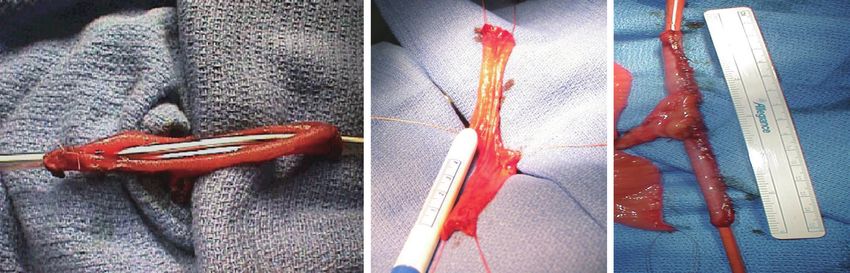
of a flap-valve mechanism (Mitroffanoff principle) can be
used (Figure 5) (67). A Monti is a good option when the
appendix is not present or suitable and the native bladder
is to be used for the tunnel. If possible, it is best to tunnel
the channel into the inferior aspect of the native bladder, as
Figure 5 Tunneling through the detrusor muscle and creation of a this helps prevent stasis and the resulting pooling of mucus,
flap-valve mechanism (Mitroffanoff principle). stones and recurrent urinary tract infections. Additional
length can be gained by performing a spiral Monti (Figure 6).
However, this technique is often complicated by difficulty
and these can be divided into incontinent and continent catheterizing and need for subfascial surgical revisions on
diversions. Incontinent diversions include SPT, ileal long-term follow-up (68,69). Alternatively, the ileocecal
conduit, transverse colon conduit, or cutaneous valve can be used as a continent mechanism for the
ureterostomy. Continent diversions include creation of catheterizable stoma, as is done for an Indiana pouch or for
a catheterizable stoma with or without an augmentation a cecal augment and ileal catheterizable stoma (70).
cystoplasty, or a continent catheterizable neobladder, such Stoma location and associated complications are not an
as an Indiana pouch. Several patient factors need to be uncommon occurrence. It is very useful to work closely with
considered when choosing a supravesical diversion. These a stoma nurse to preoperatively determine placement of the
include, anatomical factors (bladder capacity, presence stoma. It is important to consider the patient’s body habitus,
of radiation cystitis, urinary fistulae, body habitus, prior belt line, folds of skin, and hand dexterity. The stoma may
abdominal surgeries, prior bowel resections, and body be placed in the umbilicus or the abdominal wall. However,
habitus), as well as medical comorbidities, cancer status, there is a higher incidence of stenosis with stomas in the
functional status and renal function. Prior to creation of umbilicus, so this has fallen out of favor (71). The primary
a catheterizable stoma, hand dexterity, independence and stomal complications are stomal stenosis and incontinence.
motivation of the patient need to also be evaluated. The incidence of stomal stenosis is 13–55% overall, but
Patients undergoing supravesical urinary diversions this rate is closer to the lower range, of this incidence when
(i.e., urinary conduits or catheterizable pouches), the stomal construction with VQZ and V flaps is performed
defunctionalized bladder needs to be considered. Reported (71-75). Furthermore, this complication is usually relatively
complications related to a retained bladder include easy to treat with dilation or a skin-level surgical repair (71).
hemorrhage, pain/spasms, pyocystis, and neoplastic Continence is achieved in in approximately 57–92%
transformation (60,61). Literature is conflicting regarding of patients (71,73,74). Redshaw et al. compared stomal
the need for concomitant cystectomy in the setting of complications between tunneled channels and cutaneous
supravesical diversion performed for benign indications, ileal cecocystoplasty and found a lower continence rate with
as most of these complications are quite rare and can often tunneled channels (57% versus 71%) and a higher rate of
be managed conservatively (62). However, these patients secondary procedures (50% versus 13%) (74).
in particular often have bladder outlet obstruction and/or Uretero-enteric (UE) anastomosis techniques can
a history of radiation, both of which are known risk factors be divided into refluxing (direct) versus nonreluxing
for retained bladder complications, with up to 71% of these (tunnelled) as well as individual (Bricker) versus conjoined
patients developing complications from a defunctionalized (Wallace) techniques. Several tunnelled techniques have
© AME Medical Journal. All rights reserved. AME Med J 2021 | http://dx.doi.org/10.21037/amj-20-191AME Medical Journal, 2021 Page 9 of 13
A B C
Figure 6 Creation of a Monti catheterizable channel, (A) tubularization of a standard Monti, (B) spiral Monti (de-tubularized), (C) spiral
Monti (tubularized).
been described (Le Duc, Goodwin, Leadbetter), but these up of 12–23 months (81,83,84). Larger studies and longer
have largely fallen out of favor due to increased rates of follow-up is needed, but this technology shows promising
anastomotic stricture and no significant difference in rates results and may be particularly helpful in high-risk patients,
of pyelonephritis, stones, or azotemia (76-79). In the Bricker such as those with history of radiation therapy.
technique, the ureters are spatulated and anastomosed Conclusions
independently in an end-to side, freely refluxing fashion to
Recalcitrant PUS, is a morbid complication that can
the bowel segment. In the Wallace technique, the ureters
occur after treatment for localized prostate cancer. BNC/
are spatulated and then conjoined in either a head to tail or
VUAS occurs at different incidences depending on the
side by side fashion and then anastomosed to the proximal
end of the ileal segment. In a relatively recent meta- primary treatment modality. In general, there are higher
analysis by Davis et al., there was no statistically difference rates associated with radiation and long-term follow-up.
in anastomotic stenosis rates between the two techniques, However, the highest risk is after salvage prostatectomy. It
independent of confounding variables such as gender and is important that clinicians and physicians are aware of this
radiotherapy, suggesting that technique should be based on complication and factor it into their decision making and
surgeon preference (80). counseling for prostate cancer treatment.
UE strictures are a significant complication following BNC/VUAS is a challenging condition to manage both
urinary diversion, resulting in significant morbidity and for patients and clinicians. Patients can have bothersome
often requiring further invasive intervention. In the radical symptoms of dysuria, urinary frequency, recurrent urinary
cystectomy (RC) literature, the incidence of benign UE tract infections, incontinence and urinary retention.
strictures is 1.3–12.7% with the Bricker anastomosis Clinicians can become overwhelmed managing these
technique and is thought to be due to tissue ischemia patients as the decision making is complex and patients
with resulting scarring (81,82). With advancements in frequently require multiple interventions and long-term
technology, intravenously administered indocyanine green follow-up. It is critical to thoroughly evaluate these patients
(ICG) (Akorn Inc., Lake Forest, IL) with near-infrared pre-operatively and to include them in decision making and
fluorescence can be used for intraoperative imaging to assess to individualize a treatment plan.
ureter vascularity and determine where to best excise the In general, it is best to take a graded approach to
distal ureter. For patients undergoing RC with ileal conduit treatment such that each successive intervention is more
and a Bricker anastomosis, studies have consistently found a invasive. With more invasive treatments, there is often more
decreased rate of UE stricture utilizing the ICG technology de novo SUI and need for staged AUS. Certain procedures,
with a stricture rate of 0–3.2% in the ICG groups versus such as deep TUIBN and transperineal VUAS repair
6.6–16.7% in the non-ICG groups with a median follow- assume severe post-operative incontinence and need for a
© AME Medical Journal. All rights reserved. AME Med J 2021 | http://dx.doi.org/10.21037/amj-20-191Page 10 of 13 AME Medical Journal, 2021
staged AUS 6–12 months later. These open reconstructions the strict proviso that no changes or edits are made and the
are often technically challenging and require an able, original work is properly cited (including links to both the
educated and motivated patient. RAL techniques show formal publication through the relevant DOI and the license).
promise with reasonable outcomes and lower rates of See: https://creativecommons.org/licenses/by-nc-nd/4.0/.
urinary incontinence in select patients. It is important to References
consider urinary diversion in patients with obliterative
1. Latini JM, McAninch JW, Brandes SB, et al. SIU/ICUD
and refractory BNC/VUAS or in those who are unable or
Consultation On Urethral Strictures: Epidemiology,
unwilling to undergo major surgery. Unfortunately, the
etiology, anatomy, and nomenclature of urethral stenoses,
literature for treatment of BNC/VUAS is poorly detailed,
strictures, and pelvic fracture urethral disruption injuries.
retrospective and overly heterogenous and there is a major
Urology 2014;83:S1-7.
need for a randomized controlled trial.
2. Herschorn S, Elliott S, Coburn M, et al. SIU/ICUD
Consultation on Urethral Strictures: Posterior urethral
Acknowledgments stenosis after treatment of prostate cancer. Urology
2014;83:S59-70.
Funding: None.
3. Siegel RL, Miller KD, Jemal A. Cancer statistics, 2017.
CA: A Cancer Journal for Clinicians 2017;67:7-30.
Footnote 4. Borboroglu PG, Sands JP, Roberts JL, et al. Risk factors
Provenance and Peer Review: This article was commissioned for vesicourethral anastomotic stricture after radical
by the Guest Editor (Lucas Wiegand) for the series prostatectomy. Urology 2000;56:96-100.
“Radiation Urologic Reconstruction” published in AME 5. Erickson BA, Meeks JJ, Roehl KA, et al. Bladder neck
Medical Journal. The article has undergone external peer contracture after retropubic radical prostatectomy:
review. incidence and risk factors from a large single-surgeon
experience. BJU Int 2009;104:1615-9.
Reporting Checklist: The authors have completed the 6. Hu JC, Gold KF, Pashos CL, et al. Role of surgeon
Narrative Review Checklist. Available at: http://dx.doi. volume in radical prostatectomy outcomes. J Clin Oncol
org/10.21037/amj-20-191 2003;21:401-5.
7. Cormio L, Massenio P, Lucarelli G, et al. Hem-o-lok
Peer Review File: Available at http://dx.doi.org/10.21037/ clip: a neglected cause of severe bladder neck contracture
amj-20-191 and consequent urinary incontinence after robot-assisted
laparoscopic radical prostatectomy. BMC Urol 2014;14:21.
Conflicts of Interest: Both authors have completed the 8. Elliott SP, Meng MV, Elkin EP, et al. Incidence of urethral
ICMJE uniform disclosure form (available at http://dx.doi. stricture after primary treatment for prostate cancer: data
org/10.21037/amj-20-191). The series “Radiation Urologic From CaPSURE. J Urol 2007;178:529-34; discussion 34.
Reconstruction” was commissioned by the editorial office 9. Modig KK, Godtman RA, Bjartell A, et al. Vesicourethral
without any funding or sponsorship. The authors have no Anastomotic Stenosis After Open or Robot-assisted
other conflicts of interest to declare. Laparoscopic Retropubic Prostatectomy-Results from the
Laparoscopic Prostatectomy Robot Open Trial. Eur Urol
Ethical Statement: The authors are accountable for all Focus. 2021;7:317-24.
aspects of the work in ensuring that questions related 10. Breyer BN, Davis CB, Cowan JE, et al. Incidence of
to the accuracy or integrity of any part of the work are bladder neck contracture after robot-assisted laparoscopic
appropriately investigated and resolved. and open radical prostatectomy. BJU Int 2010;106:1734-8.
11. Giannarini G, Manassero F, Mogorovich A, et al. Cold-
Open Access Statement: This is an Open Access article knife incision of anastomotic strictures after radical
distributed in accordance with the Creative Commons retropubic prostatectomy with bladder neck preservation:
Attribution-NonCommercial-NoDerivs 4.0 International efficacy and impact on urinary continence status. Eur Urol
License (CC BY-NC-ND 4.0), which permits the non- 2008;54:647-56.
commercial replication and distribution of the article with 12. Webb DR, Sethi K, Gee K. An analysis of the causes of
© AME Medical Journal. All rights reserved. AME Med J 2021 | http://dx.doi.org/10.21037/amj-20-191AME Medical Journal, 2021 Page 11 of 13
bladder neck contracture after open and robot-assisted systematic review and meta-analysis. Neurourol Urodyn
laparoscopic radical prostatectomy. BJU Int 2009;103:957-63. 2016;35:759-63.
13. Corcoran NM, Godoy G, Studd RC, et al. Salvage 28. Kjaergaard B, Walter S, Bartholin J, et al. Prevention of
prostatectomy post-definitive radiation therapy: The urethral stricture recurrence using clean intermittent self-
Vancouver experience. Can Urol Assoc J 2013;7:87-92. catheterization. Br J Urol. 1994;73:692-5.
14. Ward JF, Sebo TJ, Blute ML, et al. Salvage surgery for 29. Browne BM, Vanni AJ. Management of Urethral Stricture
radiorecurrent prostate cancer: contemporary outcomes. J and Bladder Neck Contracture Following Primary and
Urol 2005;173:1156-60. Salvage Treatment of Prostate Cancer. Curr Urol Rep
15. Daly T, Hickey BE, Lehman M, et al. Adjuvant 2017;18:76.
radiotherapy following radical prostatectomy for prostate 30. Vanni AJ, Zinman LN, Buckley JC. Radial urethrotomy and
cancer. Cochrane Database Syst Rev 2011;(12):CD007234. intralesional mitomycin C for the management of recurrent
16. Macdonald OK, Lee RJ, Snow G, et al. Prostate-specific bladder neck contractures. J Urol 2011;186:156-60.
antigen control with low-dose adjuvant radiotherapy for 31. Anger JT, Raj GV, Delvecchio FC, et al. Anastomotic
high-risk prostate cancer. Urology 2007;69:295-9. contracture and incontinence after radical prostatectomy: a
17. Hindson BR, Millar JL, Matheson B. Urethral strictures graded approach to management. J Urol 2005;173:1143-6.
following high-dose-rate brachytherapy for prostate cancer: 32. Kravchick S, Lobik L, Peled R, et al. Transrectal
analysis of risk factors. Brachytherapy 2013;12:50-5. ultrasonography-guided injection of long-acting steroids in
18. Sullivan L, Williams SG, Tai KH, et al. Urethral stricture the treatment of recurrent/resistant anastomotic stenosis
following high dose rate brachytherapy for prostate cancer. after radical prostatectomy. J Endourol 2013;27:875-9.
Radiother Oncol 2009;91:232-6. 33. Eltahawy E, Gur U, Virasoro R, et al. Management
19. Phan TP, Syed AMN, Puthawala A, et al. High Dose Rate of recurrent anastomotic stenosis following radical
Brachytherapy as a Boost for the Treatment of Localized prostatectomy using holmium laser and steroid injection.
Prostate Cancer. J Urol 2007;177:123-7. BJU Int 2008;102:796-8.
20. Rodríguez SA, Arias Fúnez F, Bueno Bravo C, et al. 34. Yurkanin JP, Dalkin BL, Cui H. Evaluation of cold
Cryotherapy for primary treatment of prostate cancer: knife urethrotomy for the treatment of anastomotic
intermediate term results of a prospective study from a stricture after radical retropubic prostatectomy. J Urol
single institution. Prostate Cancer 2014;2014:571576. 2001;165:1545-8.
21. Kennedy JE, Ter Haar GR, Cranston D. High intensity 35. Ramirez D, Zhao LC, Bagrodia A, et al. Deep lateral
focused ultrasound: surgery of the future? Br J Radiol transurethral incisions for recurrent bladder neck
2003;76:590-9. contracture: promising 5-year experience using a
22. Kim JH, Jenrow KA, Brown SL. Mechanisms of radiation- standardized approach. Urology 2013;82:1430-5.
induced normal tissue toxicity and implications for future 36. Gousse AE, Tunuguntla HS, Leboeuf L. Two-stage
clinical trials. Radiat Oncol J 2014;32:103-15. management of severe postprostatectomy bladder neck
23. Aström L, Pedersen D, Mercke C, et al. Long-term contracture associated with stress incontinence. Urology
outcome of high dose rate brachytherapy in radiotherapy of 2005;65:316-9.
localised prostate cancer. Radiother Oncol 2005;74:157-61. 37. Warner JN. Transurethral incision with transverse mucosal
24. Kahokehr AA, Peterson AC, Lentz AC. Posterior urethral realignment for repair of posterior urethral strictures,
stenosis after prostate cancer treatment: contemporary technique and early outcomes. Urology Video Journal
options for definitive management. Transl Androl Urol 2020;7:100044.
2018;7:580-92. 38. Lyon TD, Ayyash OM, Ferroni MC, et al. Bipolar
25. Wessells H, Angermeier KW, Elliott S, et al. Male Transurethral Incision of Bladder Neck Stenoses with
Urethral Stricture: American Urological Association Mitomycin C Injection. Adv Urol 2015;2015:758536.
Guideline. J Urol 2017;197:182-90. 39. Redshaw JD, Broghammer JA, Smith TG 3rd, et al.
26. Song J, Eswara J, Brandes SB. Postprostatectomy Intralesional injection of mitomycin C at transurethral
Anastomosis Stenosis: A Systematic Review. Urology incision of bladder neck contracture may offer limited
2015;86:211-8. benefit: TURNS Study Group. J Urol 2015;193:587-92.
27. Ivaz SL, Veeratterapillay R, Jackson MJ, et al. Intermittent 40. Farrell MR, Sherer BA, Levine LA. Visual Internal
self-dilatation for urethral stricture disease in males: A Urethrotomy With Intralesional Mitomycin C and
© AME Medical Journal. All rights reserved. AME Med J 2021 | http://dx.doi.org/10.21037/amj-20-191Page 12 of 13 AME Medical Journal, 2021
Short-term Clean Intermittent Catheterization for the effectiveness evaluation of open reanastomosis for
Management of Recurrent Urethral Strictures and Bladder obliterative or recalcitrant anastomotic stricture after
Neck Contractures. Urology 2015;85:1494-9. radical retropubic prostatectomy. Int Braz J Urol
41. Mazdak H, Izadpanahi MH, Ghalamkari A, et al. Internal 2019;45:253-61.
urethrotomy and intraurethral submucosal injection of 53. Zhao LC. Management of Urethral Stenosis After
triamcinolone in short bulbar urethral strictures. Int Urol Treatment for Prostate Cancer: NYU Case of the Month,
Nephrol 2010;42:565-8. August 2020. Rev Urol 2020;22:133-4.
42. Tavakkoli Tabassi K, Yarmohamadi A, Mohammadi S. 54. Brant WO, Erickson BA, Elliott SP, et al. Risk factors
Triamcinolone injection following internal urethrotomy for erosion of artificial urinary sphincters: a multicenter
for treatment of urethral stricture. Urol J 2011;8:132-6. prospective study. Urology 2014;84:934-8.
43. Chung JH, Kang DH, Choi HY, et al. The effects of 55. Mock S, Dmochowski RR, Brown ET, et al. The Impact of
hyaluronic acid and carboxymethylcellulose in preventing Urethral Risk Factors on Transcorporeal Artificial Urinary
recurrence of urethral stricture after endoscopic internal Sphincter Erosion Rates and Device Survival. J Urol
urethrotomy: a multicenter, randomized controlled, single- 2015;194:1692-6.
blinded study. J Endourol 2013;27:756-62. 56. Kirshenbaum EJ, Zhao LC, Myers JB, et al. Patency
44. Erickson BA, McAninch JW, et al. Management for and Incontinence Rates After Robotic Bladder Neck
prostate cancer treatment related posterior urethral and Reconstruction for Vesicourethral Anastomotic Stenosis
bladder neck stenosis with stents. J Urol 2011;185:198-203. and Recalcitrant Bladder Neck Contractures: The Trauma
45. McNamara ER, Webster GD, Peterson AC. The and Urologic Reconstructive Network of Surgeons
UroLume stent revisited: the Duke experience. Urology Experience. Urology 2018;118:227-33.
2013;82:933-6. 57. Musch M, Hohenhorst JL, Vogel A, et al. Robot-assisted
46. Elliott DS, Boone TB. Combined stent and artificial laparoscopic Y-V plasty in 12 patients with refractory
urinary sphincter for management of severe recurrent bladder neck contracture. J Robot Surg 2018;12:139-45.
bladder neck contracture and stress incontinence 58. Granieri MA, Weinberg AC, Sun JY, et al. Robotic Y-V
after prostatectomy: a long-term evaluation. J Urol Plasty for Recalcitrant Bladder Neck Contracture. Urology
2001;165:413-5. 2018;117:163-5.
47. Magera JS Jr, Inman BA, Elliott DS. Outcome analysis of 59. Avallone MA, Quach A, Warncke J, et al.Robotic-assisted
urethral wall stent insertion with artificial urinary sphincter Laparoscopic Subtrigonal Inlay of Buccal Mucosal Graft
placement for severe recurrent bladder neck contracture for Treatment of Refractory Bladder Neck Contracture.
following radical prostatectomy. J Urol 2009;181:1236-41. Urology 2019;130:209.
48. Eisenberg ML, Elliott SP, McAninch JW. Preservation of 60. Adeyoju AB, Lynch TH, Thornhill JA. The
lower urinary tract function in posterior urethral stenosis: defunctionalized bladder. Int Urogynecol J Pelvic Floor
selection of appropriate patients for urethral stents. J Urol Dysfunct. 1998;9:48-51.
2007;178:2456-60; discussion 2460-1. 61. Fazili T, Bhat TR, Masood S, et al. Fate of the leftover
49. Shahrour W, Hodhod A, Kotb A, et al. Dorsal Buccal bladder after supravesical urinary diversion for benign
Mucosal Graft Urethroplasty for Vesico-Urethral disease. J Urol 2006;176:620-1.
Anastomotic Stricture Postradical Prostatectomy. Urology 62. Lawrence A, Hu B, Lee O, et al. Pyocystis after urinary
2019;130:210. diversion for incontinence--is a concomitant cystectomy
50. Da Silva RD, Marks JM, Kim FJ, et al. MP24-19 necessary? Urology 2013;82:1161-5.
transvesical ventral buccal mucosa graft inlay cystoplasty 63. Engel RM. Complications of Bilateral Uretero-Ileo
for reconstruction of refractory bladder neck contractures Cutaneous Urinary Diversion: A Review of 208 Cases. J
after benign prostatic hyperplasia surgery: surgical Urol. 1969;101:508-12.
technique and preliminary results. J Urol 2017;197:e309. 64. Eigner EB, Freiha FS. The Fate of the Remaining Bladder
51. Nikolavsky D, Blakely SA, Hadley DA, et al. Open following Supravesical Diversion. J Urol. 1990;144:31-3.
reconstruction of recurrent vesicourethral anastomotic 65. Neulander EZ, Rivera I, Eisenbrown N, et al. Simple
stricture after radical prostatectomy. Int Urol Nephrol cystectomy in patients requiring urinary diversion. J Urol
2014;46:2147-52. 2000;164:1169-72.
52. Giúdice CR, Lodi PE, Olivares AM, et al. Safety and 66. Rowley MW, Clemens JQ, Latini JM, et al. Simple
© AME Medical Journal. All rights reserved. AME Med J 2021 | http://dx.doi.org/10.21037/amj-20-191AME Medical Journal, 2021 Page 13 of 13
Cystectomy: Outcomes of a New Operative Technique. results and complications of direct versus nonrefluxing
Urology 2011;78:942-5. techniques. J Urol 2000;163:450-5.
67. Kaefer M, Retik AB. The Mitrofanoff principle in 77. Hassan AA, Elgamal SA, Sabaa MA, et al. Evaluation
continent urinary reconstruction. Urol Clin North Am of direct versus non-refluxing technique and functional
1997;24:795-811. results in orthotopic Y-ileal neobladder after 12 years of
68. Leslie JA, Cain MP, Kaefer M, et al. A comparison of follow up. Int J Urol 2007;14:300-4.
the Monti and Casale (spiral Monti) procedures. J Urol 78. Shigemura K, Yamanaka N, Imanishi O, et al. Wallace
2007;178:1623-7; discussion 1627. direct versus anti-reflux Le Duc ureteroileal anastomosis:
69. Whittam BM, Szymanski KM, Flack C, et al. A comparative analysis in modified Studer orthotopic
comparison of the Monti and spiral Monti procedures: A neobladder reconstruction. Int J Urol 2012;19:49-53.
long-term analysis. J Pediatr Urol 2015;11:134.e1-6. 79. Hohenfellner R, Black P, Leissner J, et al. Refluxing
70. Shen JK, Chan KG, Warner JN. Continent cutaneous ureterointestinal anastomosis for continent cutaneous
ileocecal cystoplasty in the treatment of refractory bladder urinary diversion. J Urol 2002;168:1013-6; discussion
neck contracture and urinary incontinence after prostate 1016-7.
cancer treatment. Can J Urol 2020;27:10093-8. 80. Davis NF, Burke JP, McDermott T, et al. Bricker versus
71. De Ganck J, Everaert K, Van Laecke E, et al. A high easy- Wallace anastomosis: A meta-analysis of ureteroenteric
to-treat complication rate is the price for a continent stricture rates after ileal conduit urinary diversion. Can
stoma. BJU Int 2002;90:240-3. Urol Assoc J 2015;9:E284-90.
72. Itesako T, Nara K, Matsui F, Matsumoto F, et al. Clinical 81. Ahmadi N, Ashrafi AN, Hartman N, et al. Use of
experience of the VQZ plasty for catheterizable urinary indocyanine green to minimise uretero-enteric strictures
stomas. J Pediatr Urol 2011;7:433-7. after robotic radical cystectomy. BJU Int 2019;124:302-7.
73. Gowda BD, Agrawal V, Harrison SC. The continent, 82. Large MC, Cohn JA, Kiriluk KJ, et al. The impact
catheterizable abdominal conduit in adult urological of running versus interrupted anastomosis on
practice. BJU Int 2008;102:1688-92. ureterointestinal stricture rate after radical cystectomy. J
74. Redshaw JD, Elliott SP, Rosenstein DI, et al. Urol 2013;190:923-7.
Procedures needed to maintain functionality of adult 83. Doshi CP, Wozniak A, Quek ML. Near-infrared
continent catheterizable channels: a comparison of Fluorescence Imaging of Ureters With Intravenous
continent cutaneous ileal cecocystoplasty with tunneled Indocyanine Green During Radical Cystectomy to
catheterizable channels. J Urol 2014;192:821-6. Prevent Ureteroenteric Anastomotic Strictures. Urology
75. Landau EH, Gofrit ON, Cipele H, et al. Superiority of 2020;144:220-4.
the VQZ over the tubularized skin flap and the umbilicus 84. Shen JK, Jamnagerwalla J, Yuh BE, et al. Real-time
for continent abdominal stoma in children. J Urol indocyanine green angiography with the SPY fluorescence
2008;180:1761-5; discussion 1765-6. imaging platform decreases benign ureteroenteric
76. Pantuck AJ, Han KR, Perrotti M, et al. Ureteroenteric strictures in urinary diversions performed during radical
anastomosis in continent urinary diversion: long-term cystectomy. Ther Adv Urol 2019;11:1756287219839631.
doi: 10.21037/amj-20-191
Cite this article as: Blum R, Brandes S. Recalcitrant posterior
urethral stenoses: a narrative review of refractory bladder neck
contractures and vesicourethral anastomotic stenoses after
treatment for localized prostate cancer. AME Med J 2021.
© AME Medical Journal. All rights reserved. AME Med J 2021 | http://dx.doi.org/10.21037/amj-20-191You can also read


