Cross-sector responses to COVID-19 Guidance for PHE network members
←
→
Page content transcription
If your browser does not render page correctly, please read the page content below
PHE network members responding to measles in 2019

                                                    Cross-sector responses to COVID-19
                                                    Guidance for PHE network members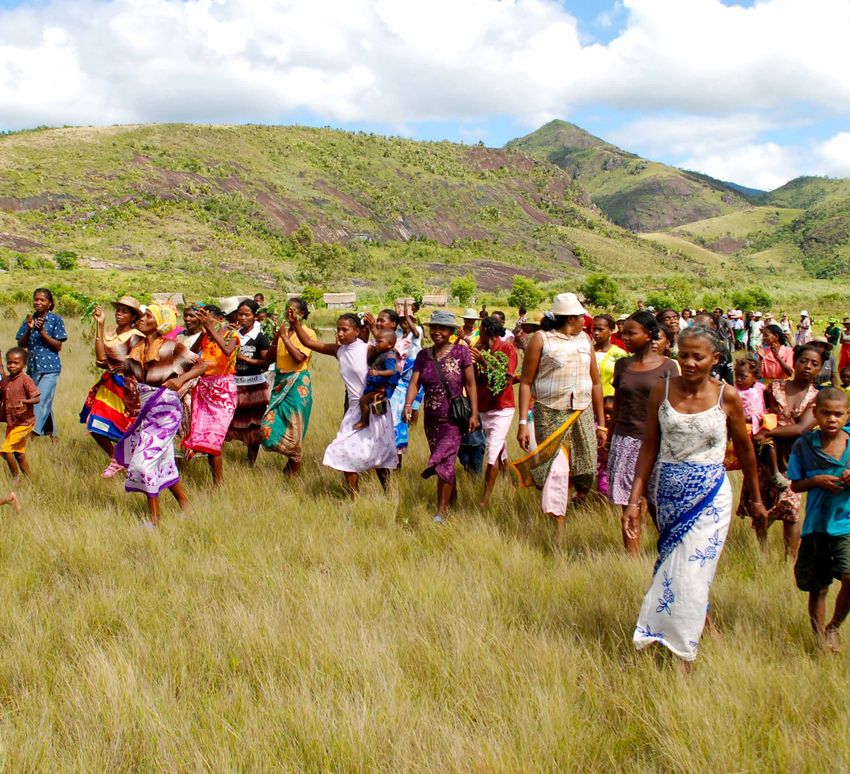
CROSS-SECTOR RESPONSES TO COVID-19

    Introduction                                              Simple actions by every individual can help to slow
                                                              the spread of the disease, reduce pressure on
                                                              healthcare systems and ultimately save lives.
    COVID-19 is an infectious disease caused by a
                                                              These actions include:
    newly discovered coronavirus. It’s currently present
    in more than 200 countries including Madagascar.          ´   Not touching your face
    Governments, businesses, healthcare systems,              ´   Not shaking hands with others
    organisations, communities and households
    throughout the world are mobilising to respond.           ´   Washing your hands regularly with soap and
    PHE network members have a critical role to play              water
    and this guidance document offers suggestions of          ´   Covering your mouth and nose when coughing
    concrete actions that you can take.                           or sneezing
                                                              ´   Staying at home as much as possible
                                                                  Avoiding all non-essential travel
    COVID-19
                                                              ´

                                                              ´   Maintaining a distance of at least 1-2 metres

    overview
                                                                  from all people outside of your household (this is
                                                                  known as “social distancing”)
                                                              ´   Supporting the most vulnerable - older people,
    Most people infected with the COVID-19 virus will             pregnant women and those with underlying
    experience mild to moderate respiratory illness and           health conditions - to shelter at home at all times
    recover without requiring medical support. Some
    people will experience no symptoms at all. People         ´   Confining yourself at home (this is known
    over the age of 60 and those with underlying health           as “self-isolation”) with all members of your
    conditions like cardiovascular disease, diabetes              household for 14 days if anybody develops
    and chronic respiratory issues are more likely to             symptoms - avoiding contact with all others
    develop severe illness - occasionally leading to              during this time to avoid spreading the virus
    death.                                                    ´   Calling a medical helpline for support if you
    COVID-19 symptoms include:                                    develop severe illness - not travelling to attend
                                                                  a healthcare facility unless advised / invited by a
    ´   New persistent dry cough                                  doctor
    ´   High fever
    ´   Difficulty breathing
    At this time, there are no specific vaccines or
    treatments for COVID-19. People experiencing
    severe illness may be offered oxygen or
    assistance with breathing but healthcare
    systems throughout the world are struggling
    to meet the needs of all patients. This is
    why strong measures are being taken to
    prevent and slow the transmission of
    the virus.
    COVID-19 spreads primarily
    through droplets of saliva or
    discharge from the nose when an
    infected person coughs or sneezes.
    The virus can survive on a variety
    of surfaces for several hours or
    days. This is why basic hygiene
    practices are so essential.

2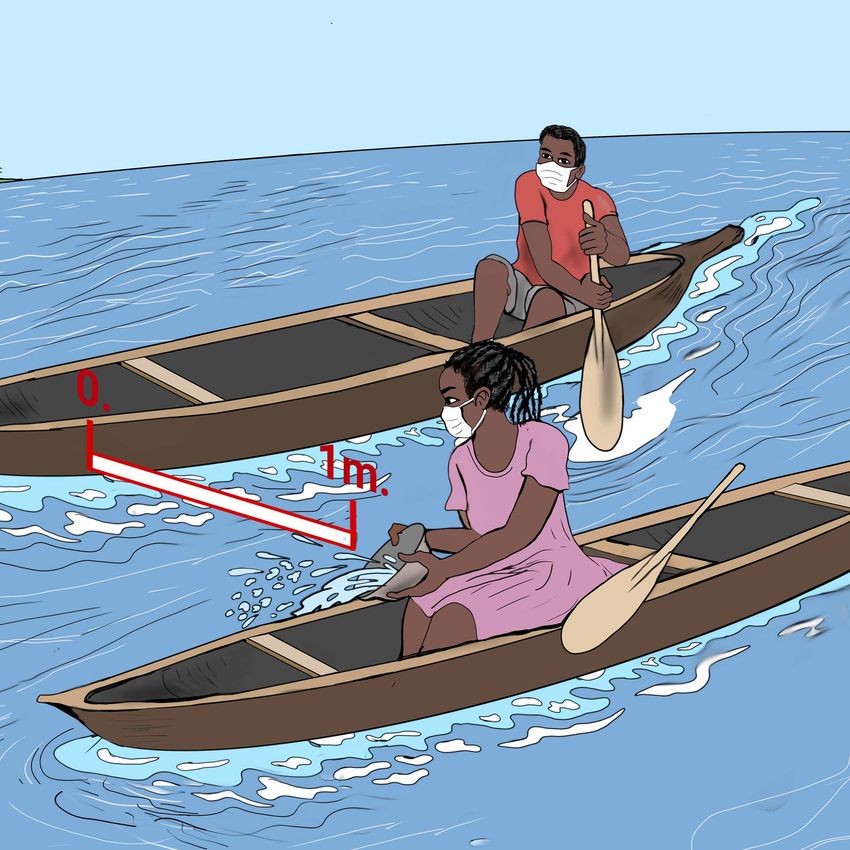
CROSS-SECTOR RESPONSES TO COVID-19
How is the
PHE network
responding to
COVID-19?
The PHE network is responding to COVID-19 in a
variety of ways:
´ Transmitting high quality information about
COVID-19 from the Government of Madagascar
to all PHE network members in a timely manner
´ Producing technical guidance and community
outreach materials to support robust cross-
sector responses to COVID-19 by PHE network
´
members
Offering regular webinars for PHE network
How can your
members to connect, exchange updates and
generate ideas for responding to COVID-19 organisation
´
together
Tracking the impact of COVID-19 on the
respond?
operations of PHE network members (health,
livelihoods and conservation programming) and PHE network members are uniquely positioned to
communities respond to COVID-19 by supporting Madagascar’s
most vulnerable rural communities to understand
´ Tracking cross-sector responses by PHE this fast-evolving pandemic, adopt preventative
network members, collating relevant data and measures early, protect themselves and emerge
stories and learning, preparing to communicate from this crisis with increased resilience.
these externally to key stakeholders as
appropriate Collectively we have experience responding to
other infectious diseases in Madagascar including
´ Liaising with the Ministry of Public Health measles and the plague. We have already worked
and key health partners to ensure continuity together to strengthen healthcare systems,
of essential health services including family communication channels and supply chains. We
planning at all PHE partnership sites have robust community mobilisation structures
´ Tracking responses by humanitarian actors and in place with highly engaged community health
informing PHE network members about these to workers, local management committee members
enable collaboration as appropriate and village leaders.
´ Adapting our ways of working in line with Now is the time to draw on these strengths and
government advice mobilise ourselves to respond to this new challenge.
Cross-sector PHE partnerships will not only allow
Working from home us to ensure that communities are fully informed
Migrating to the use of online platforms about the virus and understand the key public
for all meetings, training and learning health actions to take. These partnerships will also
exchanges enable us to provide 360° support to communities
whose livelihoods, food security and ability to
Advancing key desk-based priorities
engage in natural resource management initiatives
including data and knowledge
are likely to be heavily impacted by COVID-19.
management tasks
From protecting your own staff to mobilising
communities to respond, you may like to consider
taking any of the following actions. The PHE
network team is here to support and amplify your
efforts!
3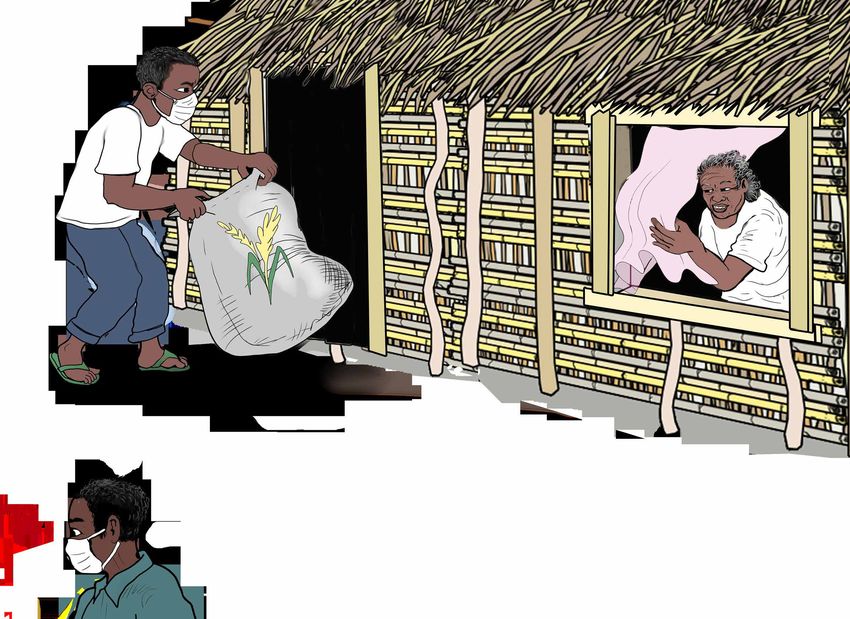
CROSS-SECTOR RESPONSES TO COVID-19

    General actions                                               Deeper actions
    relevant to all                                               relevant to PHE
    organisations                                                 implementers
    Working practices                                             Operational coordination

    ´   Allow / encourage / instruct staff to work from           ´   Liaise with your partners to plan and coordinate
        home wherever possible                                        actions you can take together
    ´   Explore / pilot / implement new ways of                   ´   Reach out to community health workers
        connecting teams and holding meetings virtually               and vigilance committee members in the
        using online platforms                                        communities where you work, confirm that they
                                                                      have received adequate training, identify any
    ´   Avoid all non-essential travel from urban centres
                                                                      capacity gaps or ways that you can support their
        to rural communities with limited access to
                                                                      efforts
        healthcare
                                                                  ´   If regular conservation / livelihoods programmes
    Information sharing                                               are continuing, identify ways that public health
                                                                      messages could be integrated into these
    ´   Share high quality information and guidance                   activities
        about COVID-19 with all staff - official situation        ´   Cross-train conservation / livelihoods staff to
        and policy updates from the Government of                     support the community response as appropriate,
        Madagascar will be transmitted to you regularly               drawing on existing skill sets wherever possible
        by the PHE network                                            (e.g. environmental outreach staff could be
    ´   Disseminate public health information and key                 cross-trained to disseminate basic public health
        messages about COVID-19 to communities                        information, ecological data collectors could be
        using methods that model and respect social                   cross-trained to assist with symptoms tracking)
        distancing - official sensitisation materials from
        the Ministry of Public Health and additional
        community outreach materials from the PHE
        network will be shared with you to facilitate
        these efforts

    Where offices / field sites remain open in
    line with government advice

    ´   Ensure that all desks and equipment
        are wiped regularly with disinfectant
    ´   Ensure that sanitising alcohol rub
        or handwashing facilities with
        soap and water are available, and
        encourage regular handwashing
        by all staff
    ´   Minimise in-person meetings
        and reinforce the importance of
        social distancing while at work
    ´   Instruct staff to stay at home if
        they or anyone in their household
        develops any symptoms

4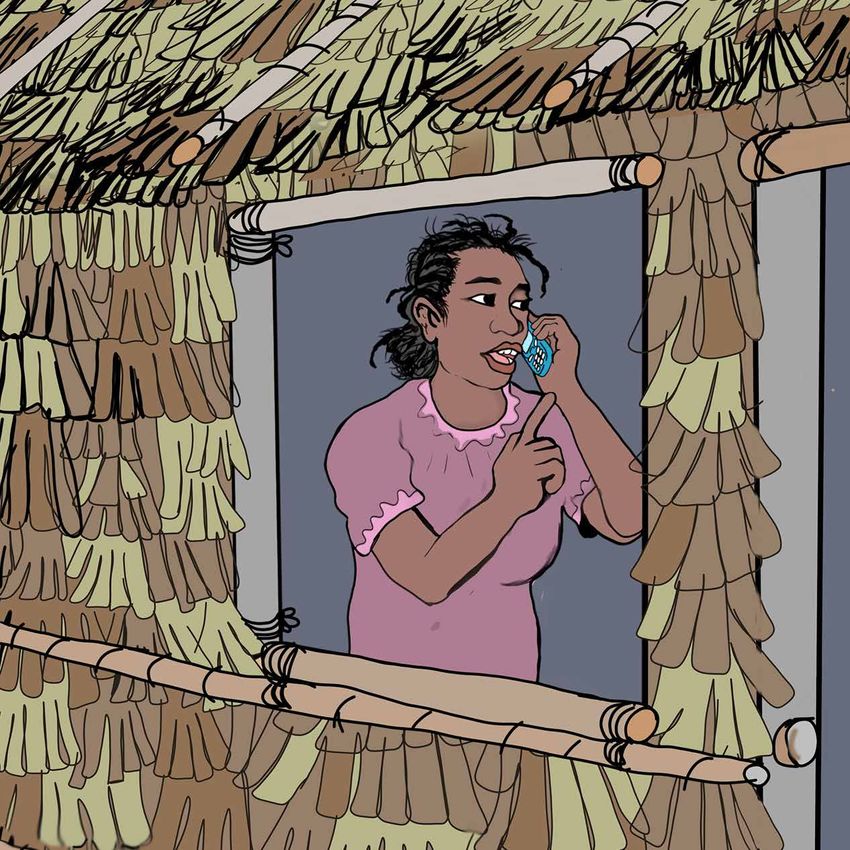
CROSS-SECTOR RESPONSES TO COVID-19
Community response
´ Print community outreach materials produced
by the Ministry of Public Health and PHE
network
´ Support vigilance committee members,
community health workers and conservation
/ livelihoods staff to:
Disseminate approved public health
information in ways that model and
respect social distancing (e.g. large
well-spaced poster displays near
essential food vendors, door-to-
door household visits at a distance,
radio or megaphone announcements,
phone calls or messages)
Reinforce positive social norms
around preventative practices, dispel
any potential stigma and misconceptions
about the disease, provide reminders
about necessary public health actions as
appropriate
Work with existing community structures ´ Support emergency transport of severe cases
(e.g. local management committees, village to advanced health facilities if appropriate and
savings & loans groups, livelihoods groups) feasible
to disseminate public health messages
Ensure that all households have access to Continuity of essential health services
soap and water for regular handwashing,
monitor availability of soap through supply ´ Liaise with the Ministry of Public Health and
chains key health partners on continuity / contingency
planning for essential health services (LARCs,
Encourage vulnerable people (those aged FP, MCH, PCIMEC, etc) at your PHE partnership
over 60 years, pregnant or with underlying site(s) - regular updates on these plans will also
health conditions) to shelter at home at be provided to you by the PHE network
all times if this is in line with government
advice, ensure that family support systems ´ Offer logistical support for medical supply chains
are in place for food and other essential and transport of health service providers if
supplies appropriate and feasible
´ Communicate any anticipated changes in
Health system response the availability of regular health services to
communities in a timely manner
´ Support vigilance committee members,
community health workers and conservation / Multisector impacts
livelihoods staff to:
Identify and track people with symptoms ´ Monitor the impacts of COVID-19 on the
from a safe distance, feed all relevant data livelihoods, food security and ability of
into government systems as requested communities to continue engaging in natural
resource management
Encourage people with symptoms to use
national medical helplines, support them ´ Identify existing community structures or new
and all members of their households to initiatives by humanitarian / private sector
self-isolate in line with government advice actors that can be strengthened to support
communities
Follow government protocols for
community-based management of ´ Monitor site security, community level cash
symptoms, using referral pathways for flows (mobile money, microlending, etc) and
advanced medical care if needed availability of essential commodities
5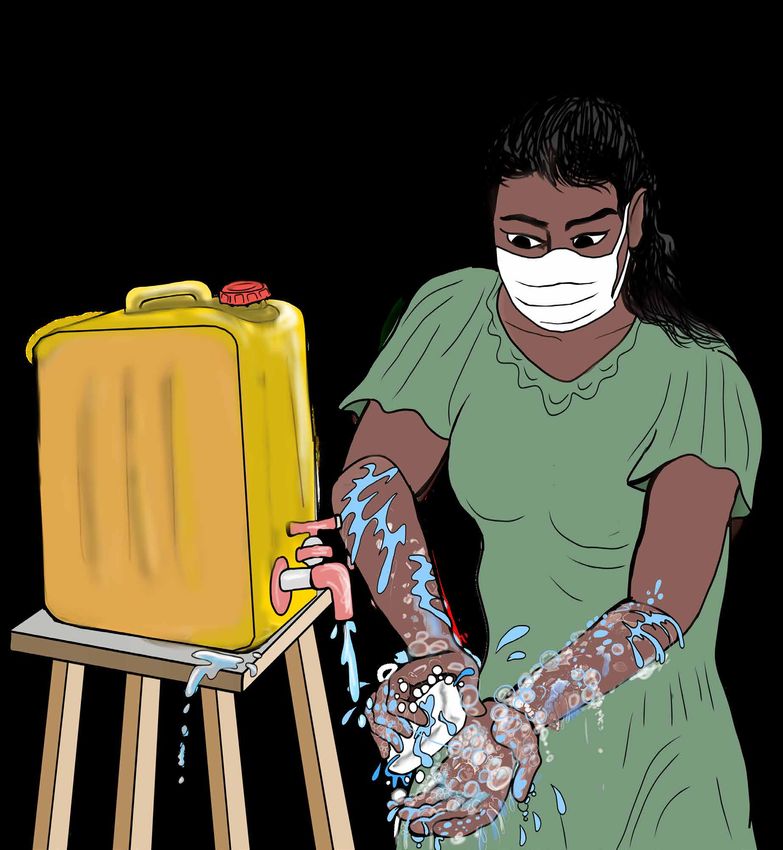
CROSS-SECTOR RESPONSES TO COVID-19

    ´   Strengthen existing village savings & loans              ´   Applying a precautionary principle, promoting
        groups / local management committees, identify               social distancing and other preventative
        ways for them to continue priority activities                measures as early as possible
        while respecting social distancing
                                                                 ´   Protecting and advancing rights in accordance
    ´   Consider providing hardship funds / other social             with the PHE quality charter, seeking to ensure
        protection through appropriate local community               continued access to essential health services
        structures with specialist partners                          and specialised support targeted at the most
                                                                     vulnerable
    ´   Liaise with private sector actors to support
        continued market linkages for essential income-          ´   Mobilising all teams within your organisation,
        generating products (e.g. seaweed, vegetables,               cross-training and redeploying staff in adapted
        cloves, etc) wherever possible                               roles if appropriate and feasible
    ´   Strengthen existing livelihood diversification           ´   Collaborating with existing partners and new
        initiatives to support household resilience to               actors for a truly holistic response, going beyond
        market-based shocks                                          health to consider livelihoods / conservation /
                                                                     gender impacts
    ´   Monitor any changes in natural resource use
        patterns, consider supporting local adaptive
        management measures as appropriate
    ´   Bearing in mind the potential for increased
        gender-based / domestic violence due to ‘stay at
        home’ orders, raise awareness about national
        helplines and remote support systems

    Guiding princi-
    ples
    The actions listed above represent
    a menu of suggestions that each
    organisation can choose from based on
    their capacity, context and community
    needs. This list may be updated as
    the pandemic progresses and further
    best practices emerge. Please share your
    experiences with the PHE network team so
    that we can document these for other network
    members to learn from.
    We also offer some broad guiding principles to
    inform this work:
    ´   Prioritising health & safety of staff at all times,
        engaging with partners and communities in ways
        that respect social distancing and minimise the
        risk of transmission
    ´   Completing rapid situation and stakeholder
        analyses using remote communications (phone
        calls, messages, emails) to inform your response
    ´   Aligning actions with government advice,
        ensuring that only official / validated community
        outreach materials are used for public health
        messaging

6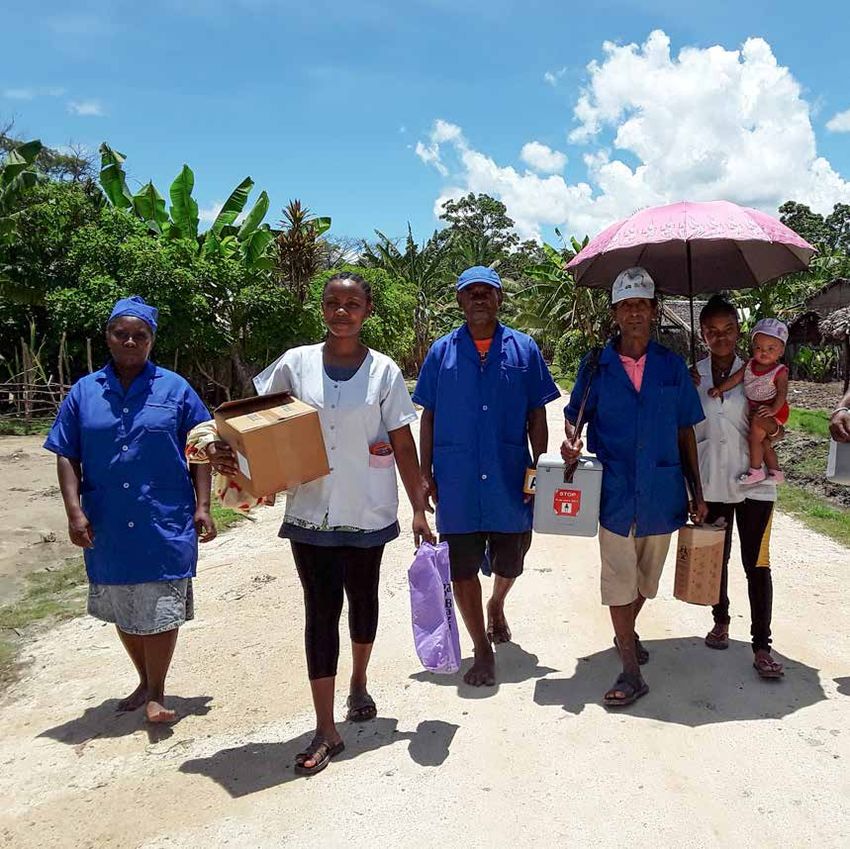
CROSS-SECTOR RESPONSES TO COVID-19

Tracking our
contributions,
sharing learning
and experiences
The PHE network team will be collating
some basic quantitative and qualitative data
from network members throughout this
crisis in order to capture the contribution of
a PHE approach in responding to the multi-
dimensional challenges faced by communities
due to COVID-19.
We encourage all network members to start
tracking the following metrics now:
´   Number of community members / staff / CHWs
    trained to respond
´   Number of outreach materials displayed /
    disseminated
´   Number of outreach activities (e.g. household
    conversations) completed
´   Number of presumed cases tracked and
    supported to self-isolate
´   Number / proportion of regular health service
    delivery points still active
We also encourage you to collect (in ways that
respect social distancing) and share accounts
of your organisation’s response to COVID-19
including short text updates, testimonies, photos
and lessons learned reports.
This will enable us to document the value of a cross-
sector approach in responding to this crisis, collate
learning and promote high impact practices that
support community resilience - not only saving lives
but also strengthening livelihoods and continuing to
conserve ecosystems throughout this public health
emergency.
Thank you for your participation and “bon courage”!

                                                                            7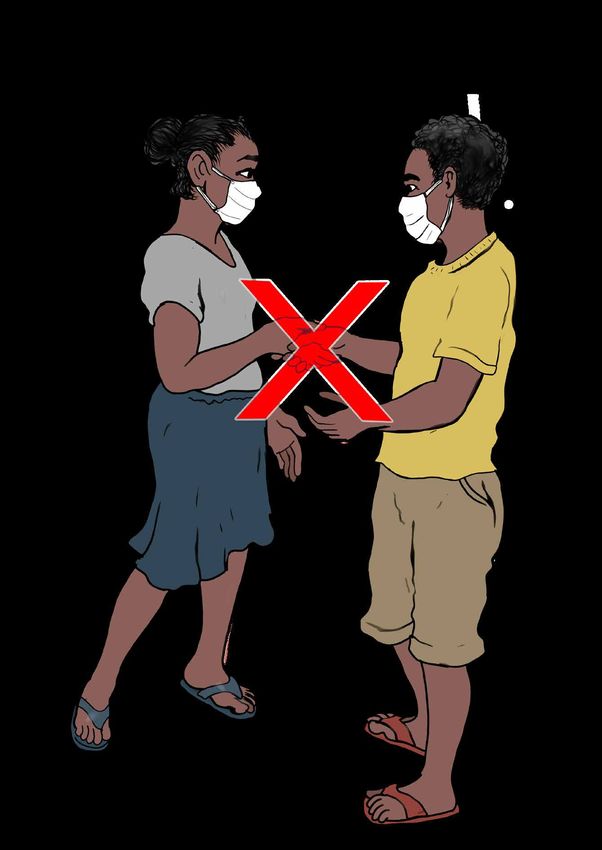
Women and children march to participate in a
                        tree-planting initiative in a time before COVID-19

www.phemadagascar.org
You can also read


