2018 2019 Dhirubhai Ambani International School
←
→
Page content transcription
If your browser does not render page correctly, please read the page content below
2018 - 2019

                       Bandra-Kurla Complex, Bandra (East). Mumbai - 400098
Tel: + 91 22 40617000 / 7001 | Fax: + 91 22 40617099 | Email: info@da-is.org | Website: www. da-is.org
Message from the Founder and Chairperson
A school's aim is to provide an enabling environment that helps nurture and develop every child's
unique talent and potential to the fullest. We believe that education must help children to excel
holistically across academics, sports, arts and co-curricular pursuits, while ensuring their safety and
well-being. At Dhirubhai Ambani International School, these tenets are central to our philosophy
and inspire us in everything that we do.

It is our school's endeavour to provide children with opportunities to learn in multidimensional ways
and explore the limitless possibilities in their quest for knowledge. Since inception, our overarching
goal has been to make DAIS a happy school, where teaching is a pleasure and learning is a joy;
where learning and excelling is a passion, and culture and values have a pre-eminent place.

Our caring and committed teachers are our pillars of strength. They teach our children not just with
their minds but with their hearts, making learning enjoyable and rewarding, and instilling in
children sound values and attributes. Our excellent educational programmes are complemented by
state-of-the art facilities and resources, and our focus on sports and co-curricular opportunities
facilitates children's holistic education.

Our accomplishments over the past fourteen years and our reputation as one of the world's top
schools exemplify the success of our educational model – an international school with an Indian
mind, an Indian heart and an Indian soul. We are also proud that in recognition of our commitment
to high standards of excellence, our school has been awarded joint accreditation by the Council of
International Schools (CIS) and the New England Association of Schools and Colleges (NEASC).
These achievements inspire us to continue to do our best, in preparing children for the future.

I warmly invite you to explore DAIS as we re-dedicate ourselves every day, to impart the very best
education to young minds.

Nita M. Ambani

                                                  1
Message from the Founder and Chairperson
A school's aim is to provide an enabling environment that helps nurture and develop every child's
unique talent and potential to the fullest. We believe that education must help children to excel
holistically across academics, sports, arts and co-curricular pursuits, while ensuring their safety and
well-being. At Dhirubhai Ambani International School, these tenets are central to our philosophy
and inspire us in everything that we do.

It is our school's endeavour to provide children with opportunities to learn in multidimensional ways
and explore the limitless possibilities in their quest for knowledge. Since inception, our overarching
goal has been to make DAIS a happy school, where teaching is a pleasure and learning is a joy;
where learning and excelling is a passion, and culture and values have a pre-eminent place.

Our caring and committed teachers are our pillars of strength. They teach our children not just with
their minds but with their hearts, making learning enjoyable and rewarding, and instilling in
children sound values and attributes. Our excellent educational programmes are complemented by
state-of-the art facilities and resources, and our focus on sports and co-curricular opportunities
facilitates children's holistic education.

Our accomplishments over the past fourteen years and our reputation as one of the world's top
schools exemplify the success of our educational model – an international school with an Indian
mind, an Indian heart and an Indian soul. We are also proud that in recognition of our commitment
to high standards of excellence, our school has been awarded joint accreditation by the Council of
International Schools (CIS) and the New England Association of Schools and Colleges (NEASC).
These achievements inspire us to continue to do our best, in preparing children for the future.

I warmly invite you to explore DAIS as we re-dedicate ourselves every day, to impart the very best
education to young minds.

Nita M. Ambani

                                                  1
DAIS Guiding Statements

Our Vision

At Dhirubhai Ambani International School, we recognize the imperative of imparting an educational
experience that is world-class in every respect and which prepares children for global citizenship. We are a
school with an Indian mind, an Indian heart and an Indian soul; a school that celebrates the culture of
excellence and is an embodiment of values. We believe that a curriculum of excellence with a global
dimension is central to the education of children to face the challenges of the 21st century with confidence
and strength of character.
                                                                                                                What makes DAIS truly distinctive?
Our Mission                                                                                                     •   Nurturing young minds with a focus on their all-round development is central to everything that we do
                                                                                                                •   Individualised attention to each child to cater to their diverse learning needs
The School's mission is to provide a learning environment that encourages children to bring out the best in     •   Talented, experienced and dedicated teachers with linguistic and cultural diversity
themselves and enables their all-round development through the joy of learning, enduring values and the
                                                                                                                •   Celebrates a culture of excellence in academics, sports and co-curricular activities
celebration of diversity.
                                                                                                                •   Enabling children to uphold Indian culture and values, whilst fostering international mindedness
                                                                                                                •   Inclusive education, with a committed team of student care professionals
Our Motto                                                                                                       •   An evolved community service programme from Class III onwards
                                                                                                                •   Student exchange and teacher exchange programmes
Dare to Dream… Learn to Excel
                                                                                                                •   A safe and secure learning environment, with focus on student well-being
                                                                                                                •   Innovative use of technology to drive the educational needs of the 21st century
Our Values and Attributes
                                                                                                                •   Student leadership opportunities including exposure to innovators, iconic personalities and leaders
                                                                                                                    from all walks of life
Our values and attributes, which align with our guiding statements, are integral to creating a school culture
                                                                                                                •   Consistent track record of outstanding academic results, sports and co-curricular achievements
and climate to realise our educational goals.
                                                                                                                •   Placement of our students at the world's top ranked universities
• Cleanliness                             • Compassion                        • Commitment
• Determination                           • Honesty                           • Integrity                       •   Awarded Joint Accreditation by the Council of International Schools (CIS) and the New England
                                                                                                                    Association of Schools and Colleges (NEASC)
• Perseverance                            • Respect                           • Responsibility
                                                                                                                •   Awarded Green Building Certification with Platinum rating by the Indian Green Building Council
• Self-Discipline                         • Teamwork                          • Trust

                                                     2                                                                                                                 3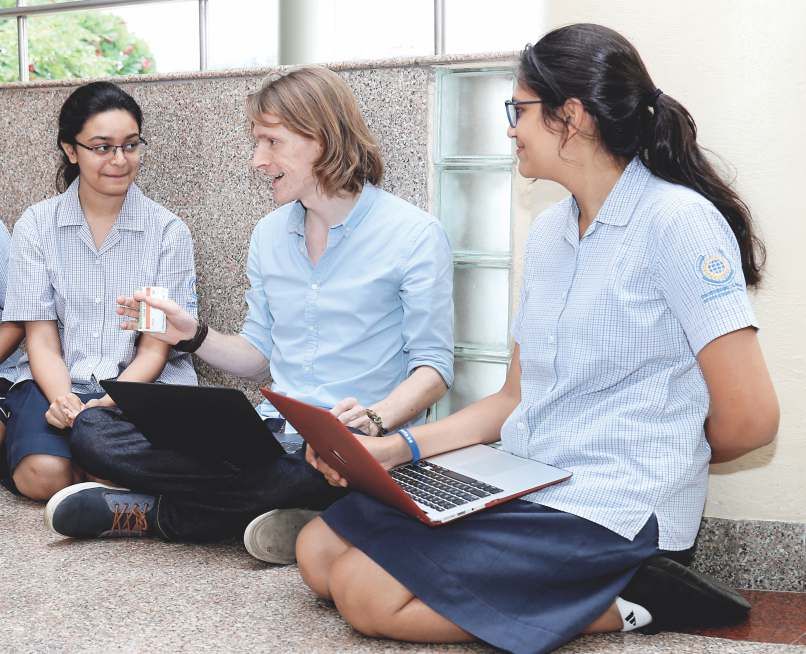
DAIS Guiding Statements

Our Vision

At Dhirubhai Ambani International School, we recognize the imperative of imparting an educational
experience that is world-class in every respect and which prepares children for global citizenship. We are a
school with an Indian mind, an Indian heart and an Indian soul; a school that celebrates the culture of
excellence and is an embodiment of values. We believe that a curriculum of excellence with a global
dimension is central to the education of children to face the challenges of the 21st century with confidence
and strength of character.
                                                                                                                What makes DAIS truly distinctive?
Our Mission                                                                                                     •   Nurturing young minds with a focus on their all-round development is central to everything that we do
                                                                                                                •   Individualised attention to each child to cater to their diverse learning needs
The School's mission is to provide a learning environment that encourages children to bring out the best in     •   Talented, experienced and dedicated teachers with linguistic and cultural diversity
themselves and enables their all-round development through the joy of learning, enduring values and the
                                                                                                                •   Celebrates a culture of excellence in academics, sports and co-curricular activities
celebration of diversity.
                                                                                                                •   Enabling children to uphold Indian culture and values, whilst fostering international mindedness
                                                                                                                •   Inclusive education, with a committed team of student care professionals
Our Motto                                                                                                       •   An evolved community service programme from Class III onwards
                                                                                                                •   Student exchange and teacher exchange programmes
Dare to Dream… Learn to Excel
                                                                                                                •   A safe and secure learning environment, with focus on student well-being
                                                                                                                •   Innovative use of technology to drive the educational needs of the 21st century
Our Values and Attributes
                                                                                                                •   Student leadership opportunities including exposure to innovators, iconic personalities and leaders
                                                                                                                    from all walks of life
Our values and attributes, which align with our guiding statements, are integral to creating a school culture
                                                                                                                •   Consistent track record of outstanding academic results, sports and co-curricular achievements
and climate to realise our educational goals.
                                                                                                                •   Placement of our students at the world's top ranked universities
• Cleanliness                             • Compassion                        • Commitment
• Determination                           • Honesty                           • Integrity                       •   Awarded Joint Accreditation by the Council of International Schools (CIS) and the New England
                                                                                                                    Association of Schools and Colleges (NEASC)
• Perseverance                            • Respect                           • Responsibility
                                                                                                                •   Awarded Green Building Certification with Platinum rating by the Indian Green Building Council
• Self-Discipline                         • Teamwork                          • Trust

                                                     2                                                                                                                 3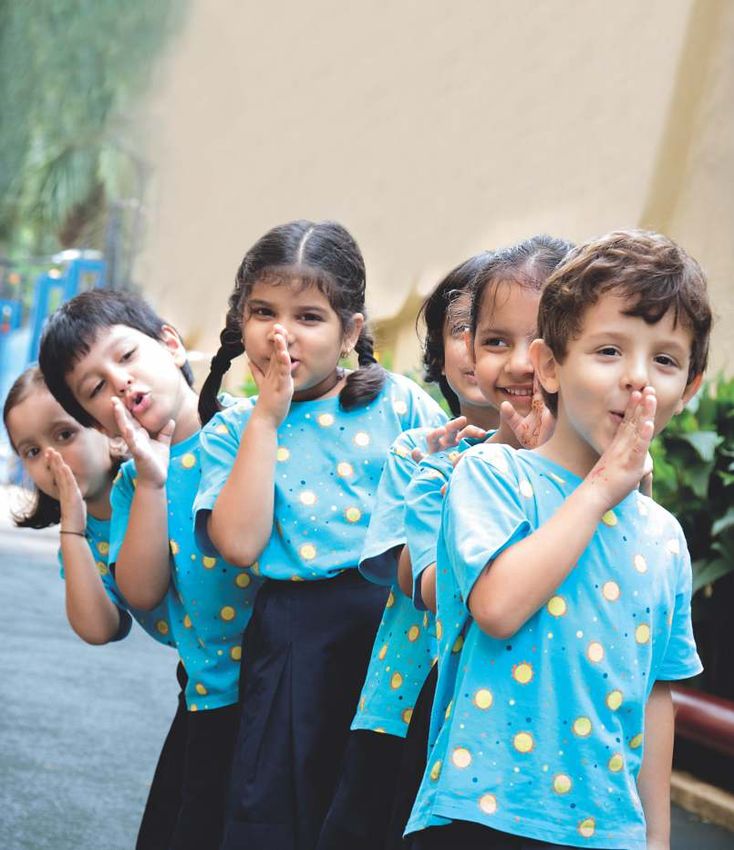
N
                                      CRE                              T IO
                                                                      A
                                             AT I V I T Y & I N    NOV

The DAIS Curriculum Model
The DAIS Curriculum Model represents the School's commitment to optimise teaching and learning,
and facilitate children's holistic development and well-being. Through a curriculum that is stimulating
and creative, and an environment that is safe and child-centred, we enable the learner to explore
multiple dimensions of excellence, encompassing intellectual, social, emotional and physical development.
There is equal emphasis on academic rigour and engagements beyond the classroom through a wide
spectrum of opportunities.

The School's guiding statements underpin the facts that cherishing one's own culture and respecting that
of others, as well as values-based learning, are pivotal to holistic development. The educational
programmes at the School focus on inculcating in the learner five key attributes: creativity and innovation,
collaboration, leadership, global citizenship and life-long learning.

All the elements in our curriculum model converge to bring out the best in every child and enable them to
be on the path of continuous development and progress.

                                                       4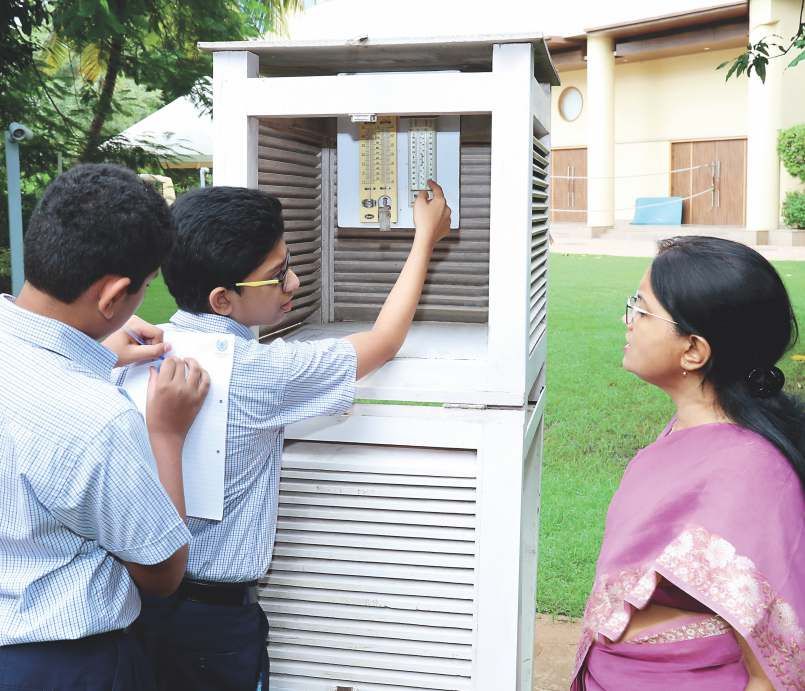
N
                                      CRE                              T IO
                                                                      A
                                             AT I V I T Y & I N    NOV

The DAIS Curriculum Model
The DAIS Curriculum Model represents the School's commitment to optimise teaching and learning,
and facilitate children's holistic development and well-being. Through a curriculum that is stimulating
and creative, and an environment that is safe and child-centred, we enable the learner to explore
multiple dimensions of excellence, encompassing intellectual, social, emotional and physical development.
There is equal emphasis on academic rigour and engagements beyond the classroom through a wide
spectrum of opportunities.

The School's guiding statements underpin the facts that cherishing one's own culture and respecting that
of others, as well as values-based learning, are pivotal to holistic development. The educational
programmes at the School focus on inculcating in the learner five key attributes: creativity and innovation,
collaboration, leadership, global citizenship and life-long learning.

All the elements in our curriculum model converge to bring out the best in every child and enable them to
be on the path of continuous development and progress.

                                                       4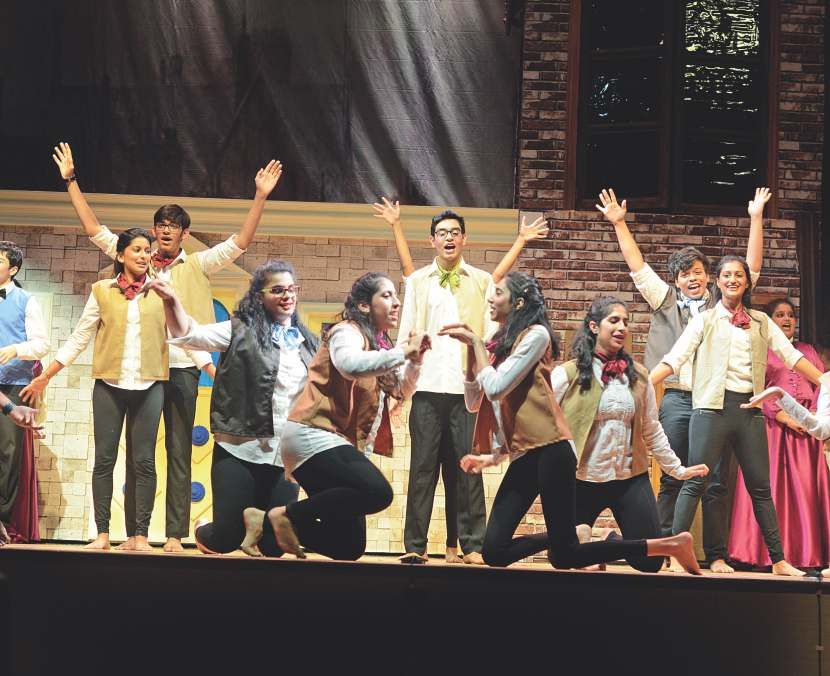
We offer a comprehensive college counselling programme for students from Class IX onwards, thereby
                                                                                                                 informing them early about multiple learning avenues and career options. Our college counsellors guide
                                                                                                                 students as they select their IB Diploma subjects and explore university admissions options. Each year, about
                                                                                                                 160 representatives from leading universities from Australia, Canada, Hong Kong, Singapore, UK, US and
                                                                                                                 many European countries, as well as India, visit our school to meet with our students and provide
                                                                                                                 information on various educational programmes and learning pathways.

                                                                                                                 'Family Connection', a comprehensive online career and college exploration tool, allows students and
                                                                                                                 parents to be involved in the planning and advising process, research careers and colleges, create plans for
                                                                                                                 the future, discover enrichment possibilities and stay well-informed.

Student Well-Being

We recognise the importance of meeting the unique learning needs of every child by providing a safe,
supportive and respectful environment. Through individualised attention that appreciates children's
learning styles and differing abilities, by helping them cope with emotional challenges and by providing
them guidance to select higher education pathways, we work for their well-being, within the school
and beyond.

Our student care team, comprising qualified professionals, work with class teachers and parents to provide
appropriate support, enabling students to cope with academic demands and challenges, and manage
them in constructive and creative ways. Wherever required, the student care team consults with outside
therapists and educational psychologists in evaluating or addressing student needs.

At DAIS we emphasise helping students develop essential life skills so that they are better prepared for the
opportunities, responsibilities and experiences in life. All students engage in an active, planned life skills
programme, PSHE (Personal, Social, Health Education), which is delivered by Class Teachers (K-10) and IB
Diploma Tutors in collaboration with school counsellors.

                                                      6                                                                                                               7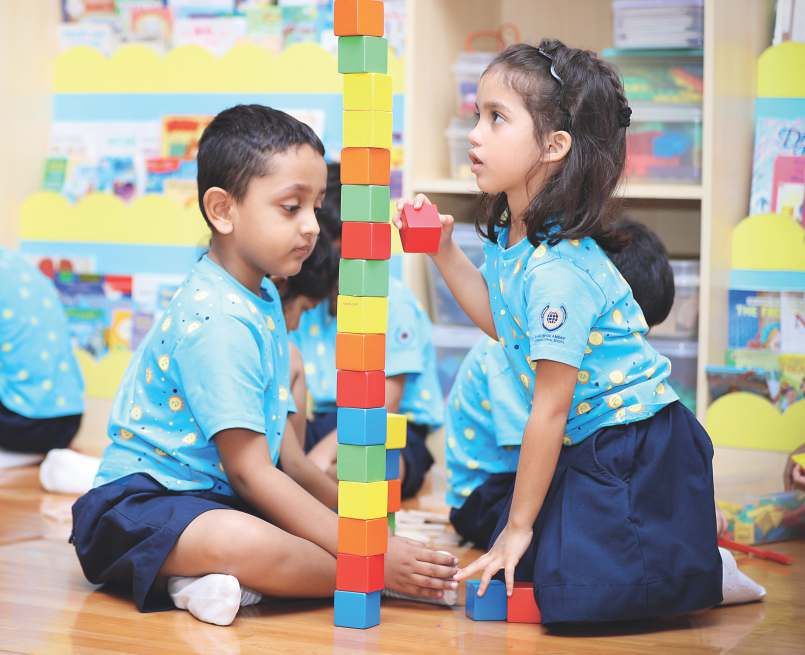
We offer a comprehensive college counselling programme for students from Class IX onwards, thereby
                                                                                                                 informing them early about multiple learning avenues and career options. Our college counsellors guide
                                                                                                                 students as they select their IB Diploma subjects and explore university admissions options. Each year, about
                                                                                                                 160 representatives from leading universities from Australia, Canada, Hong Kong, Singapore, UK, US and
                                                                                                                 many European countries, as well as India, visit our school to meet with our students and provide
                                                                                                                 information on various educational programmes and learning pathways.

                                                                                                                 'Family Connection', a comprehensive online career and college exploration tool, allows students and
                                                                                                                 parents to be involved in the planning and advising process, research careers and colleges, create plans for
                                                                                                                 the future, discover enrichment possibilities and stay well-informed.

Student Well-Being

We recognise the importance of meeting the unique learning needs of every child by providing a safe,
supportive and respectful environment. Through individualised attention that appreciates children's
learning styles and differing abilities, by helping them cope with emotional challenges and by providing
them guidance to select higher education pathways, we work for their well-being, within the school
and beyond.

Our student care team, comprising qualified professionals, work with class teachers and parents to provide
appropriate support, enabling students to cope with academic demands and challenges, and manage
them in constructive and creative ways. Wherever required, the student care team consults with outside
therapists and educational psychologists in evaluating or addressing student needs.

At DAIS we emphasise helping students develop essential life skills so that they are better prepared for the
opportunities, responsibilities and experiences in life. All students engage in an active, planned life skills
programme, PSHE (Personal, Social, Health Education), which is delivered by Class Teachers (K-10) and IB
Diploma Tutors in collaboration with school counsellors.

                                                      6                                                                                                               7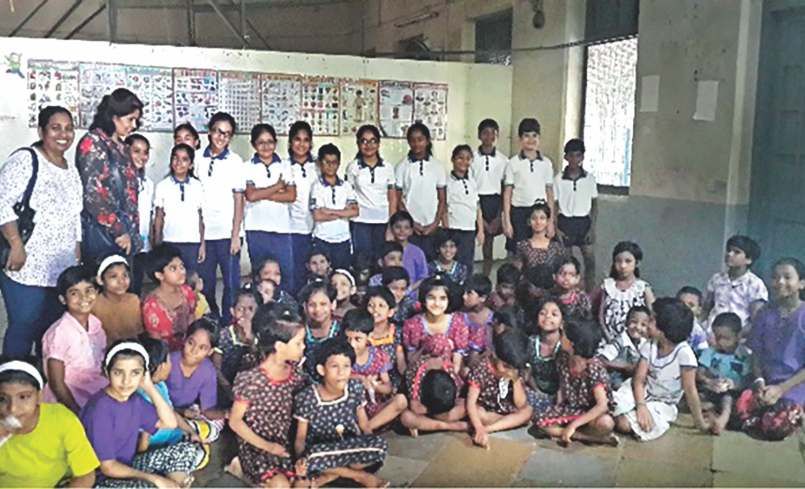
The higher education pursuits and career choices of our alumni in diverse domains and sectors, including
                                                                                                                 venturing as social entrepreneurs, creative artists and sportspersons, are a testament to our emphasis on
                                                                                                                 providing children a holistic education.

Holistic Development

A holistic approach to teaching and learning is important for the physical, emotional, intellectual creative,
spiritual and social well-being of children, and to develop them as well-rounded individuals. At DAIS, we lay
emphasis on experiential and exploratory methods of learning, well beyond the classroom, as well as
encourage the appreciation and practice of our school's values and attributes.

We strive to ensure that holistic approaches to teaching and learning are achieved in multiple ways -
ongoing review of curricula, introduction of new subjects, the breadth of sports and co-curricular activities,
and the regular upgrading of infrastructural facilities and resources.

In the classroom, students present their work by way of presentations, role plays, small skits and impromptu
debates. The students have many out-of-classroom activities and experiences such as theatre,
photography, film appreciation, music, robotics, football, cricket, tennis, basketball, taekwondo, and many
more. Community service encourages children to understand the challenges faced by the less-privileged
and sensitises them to the importance of being compassionate.

The School has in the last few years introduced new subjects such as Global Perspectives and Theatre Arts,
constructed a full-fledged Centre for Performing Arts, re-developed the playground into an all-weather
AstroTurf football field, and completely renovated the auditorium.

                                                      8                                                                                                             9
The higher education pursuits and career choices of our alumni in diverse domains and sectors, including
venturing as social entrepreneurs, creative artists and sportspersons, are a testament to our emphasis on
providing children a holistic education.
Holistic Development
A holistic approach to teaching and learning is important for the physical, emotional, intellectual creative,
spiritual and social well-being of children, and to develop them as well-rounded individuals. At DAIS, we lay
emphasis on experiential and exploratory methods of learning, well beyond the classroom, as well as
encourage the appreciation and practice of our school's values and attributes.
We strive to ensure that holistic approaches to teaching and learning are achieved in multiple ways -
ongoing review of curricula, introduction of new subjects, the breadth of sports and co-curricular activities,
and the regular upgrading of infrastructural facilities and resources.
In the classroom, students present their work by way of presentations, role plays, small skits and impromptu
debates. The students have many out-of-classroom activities and experiences such as theatre,
photography, film appreciation, music, robotics, football, cricket, tennis, basketball, taekwondo, and many
more. Community service encourages children to understand the challenges faced by the less-privileged
and sensitises them to the importance of being compassionate.
The School has in the last few years introduced new subjects such as Global Perspectives and Theatre Arts,
constructed a full-fledged Centre for Performing Arts, re-developed the playground into an all-weather
AstroTurf football field, and completely renovated the auditorium.
8 9DAIS Academic Programme
IBDP
Post-Secondary Programme
International Curriculum
Classes XI and XII
ICSE IGCSE
Secondary Programme Secondary Programme
National Curriculum International Curriculum
Classes VIII to X Classes VIII to X
Middle School
Programme
Integrated Curriculum
Classes V to VII
Primary School
Programme
Integrated Curriculum
Classes I to IV
Teaching and Learning
Kindergarten
Our K-12 curriculum uses a variety of engaging teaching and learning methodologies that challenge and Programme
motivate learners to excel. It focuses on nurturing in them knowledge and skills essential for success in the Integrated Curriculum
21st century. LKG & UKG
Inquiry-based and application-oriented approaches across all subjects and age groups enable students to
learn about and respect a range of ideas, independently and collaboratively with others. It helps them
develop a new perspective and take responsibility for their learning.
The school provides professional development opportunities for teachers by way of participation in
workshops and seminars, as well as exchange programmes with schools worldwide. Our teachers make
use of flipped classrooms, project-based learning, brainstorming, role play, interactive lab experiments and
self and peer evaluation, to make learning more engaging and effective.
Our educational programmes help students:
• develop confidence to work with information and ideas – their own and those of others
• take responsibility for themselves and their actions and be respectful of others
• become reflective learners and be able to identify their ongoing learning needs
• be creative, innovative and fully equipped for future opportunities and challenges
• be articulate, effective communicators, and express themselves appropriately
• leverage technology in enhancing the learning experience
• empathise with others and understand and appreciate diversity
• develop as responsible individuals who enjoy a healthy, active and balanced lifestyle
• be engaged citizens, contribute to the community and address global challenges
10DAIS Academic Programme
IBDP
Post-Secondary Programme
International Curriculum
Classes XI and XII
ICSE IGCSE
Secondary Programme Secondary Programme
National Curriculum International Curriculum
Classes VIII to X Classes VIII to X
Middle School
Programme
Integrated Curriculum
Classes V to VII
Primary School
Programme
Integrated Curriculum
Classes I to IV
Teaching and Learning
Kindergarten
Our K-12 curriculum uses a variety of engaging teaching and learning methodologies that challenge and Programme
motivate learners to excel. It focuses on nurturing in them knowledge and skills essential for success in the Integrated Curriculum
21st century. LKG & UKG
Inquiry-based and application-oriented approaches across all subjects and age groups enable students to
learn about and respect a range of ideas, independently and collaboratively with others. It helps them
develop a new perspective and take responsibility for their learning.
The school provides professional development opportunities for teachers by way of participation in
workshops and seminars, as well as exchange programmes with schools worldwide. Our teachers make
use of flipped classrooms, project-based learning, brainstorming, role play, interactive lab experiments and
self and peer evaluation, to make learning more engaging and effective.
Our educational programmes help students:
• develop confidence to work with information and ideas – their own and those of others
• take responsibility for themselves and their actions and be respectful of others
• become reflective learners and be able to identify their ongoing learning needs
• be creative, innovative and fully equipped for future opportunities and challenges
• be articulate, effective communicators, and express themselves appropriately
• leverage technology in enhancing the learning experience
• empathise with others and understand and appreciate diversity
• develop as responsible individuals who enjoy a healthy, active and balanced lifestyle
• be engaged citizens, contribute to the community and address global challenges
10play, explore and discover through dance, music, art and craft. Singing, rhyming and reciting are employed
in the Language Arts, and the Phonics Programme. The use of manipulatives, pictures and symbols helps
them identify relationships between sets and groups of things to be sorted, counted, shared and
represented. Sports and interactions with sports teachers help in strengthening coordination and motor
skills, and instil enthusiasm for sports. Picnics and field trips enhance students' understanding of their
surroundings. Celebration of festivals sensitises them to multiple traditions and cultures.
Kindergarten Programme - Classes LKG and UKG
The Kindergarten Programme inculcates in children the qualities of curiosity, exploration and discovery in a
fun-filled, safe and happy learning environment. An individualised approach helps nurture a love of
learning; develop social skills, and instil moral values. The emphasis is on developing in students, self-
confidence and the ability to effectively communicate in English as well as in their mother tongue; teachers
ensure this through effective use of language and by encouraging children to express themselves freely.
A well-balanced curriculum and theme-based instruction help the young minds integrate their learning
smoothly. The emphasis is on exploring, knowing, understanding and forming their own ideas. The
principles of learning applied in Kindergarten include Holistic Development and Learning (Aesthetics and
Creative Expression, Language and Literacy, Numeracy, Self and Social Awareness); Integrated Learning;
Active Learning; Supportive Learning; Interactive Learning and Learning through Play. The curriculum
prepares children for a smooth transition to a more formal Primary curriculum.
The Kindergarten Programme makes use of a range of individual and group activities which create a lively
and positive learning environment. Games, songs, creative projects, story-telling, role-playing, drawing
and painting help develop children's foundational skills in literacy and numeracy. They are encouraged to
12play, explore and discover through dance, music, art and craft. Singing, rhyming and reciting are employed
in the Language Arts, and the Phonics Programme. The use of manipulatives, pictures and symbols helps
them identify relationships between sets and groups of things to be sorted, counted, shared and
represented. Sports and interactions with sports teachers help in strengthening coordination and motor
skills, and instil enthusiasm for sports. Picnics and field trips enhance students' understanding of their
surroundings. Celebration of festivals sensitises them to multiple traditions and cultures.
Kindergarten Programme - Classes LKG and UKG
The Kindergarten Programme inculcates in children the qualities of curiosity, exploration and discovery in a
fun-filled, safe and happy learning environment. An individualised approach helps nurture a love of
learning; develop social skills, and instil moral values. The emphasis is on developing in students, self-
confidence and the ability to effectively communicate in English as well as in their mother tongue; teachers
ensure this through effective use of language and by encouraging children to express themselves freely.
A well-balanced curriculum and theme-based instruction help the young minds integrate their learning
smoothly. The emphasis is on exploring, knowing, understanding and forming their own ideas. The
principles of learning applied in Kindergarten include Holistic Development and Learning (Aesthetics and
Creative Expression, Language and Literacy, Numeracy, Self and Social Awareness); Integrated Learning;
Active Learning; Supportive Learning; Interactive Learning and Learning through Play. The curriculum
prepares children for a smooth transition to a more formal Primary curriculum.
The Kindergarten Programme makes use of a range of individual and group activities which create a lively
and positive learning environment. Games, songs, creative projects, story-telling, role-playing, drawing
and painting help develop children's foundational skills in literacy and numeracy. They are encouraged to
12Field trips, excursions, activities, projects and presentations provide experiential learning opportunities.
Dance, Fine Arts, Western and Indian Music, Yoga, Speech and Drama promote well-rounded
development. Students are encouraged to participate in inter-house cultural and sports events. Active
learning techniques like free play, dramatisation, puppetry, singing, dancing and cooking enhance their
interest in learning. Book, newspaper and magazine reading activities increase children's awareness of the
world. Assemblies, concerts and drama productions help shape their confidence.
Students' engagement in community service activities from Class III onwards sensitises them to the needs
of the community and to the world around them; they visit old-age homes and orphanages to understand
Primary School Programme - Classes I to IV their situations and also to support underprivileged children.
The Primary School Programme encourages inquiry and exploration, and develops children's competence
in various skills - reading, writing, listening, speaking, problem-solving, observation, measurement and use
of information and communications technology.
The Primary School curriculum is a blend of the Indian Council of Secondary Education (ICSE) Programme
and the Cambridge International Primary Programme (CIPP). It offers an exciting and creative learning
environment, with an inter-disciplinary appreciation of Languages, Mathematics, Science and Social
Studies, as individual and integrated subjects. Hindi is taught as a Second Language, while a choice
between Marathi and Gujarati is offered as the Third Language, which helps build a strong foundation in
Indian languages.
Equal emphasis is given to individual, small group and whole-group activities, to improve children's ability
to work across all levels. Physical Education develops sports skills and creates health awareness. Exposure to
team and individual sports encourage a sense of team spirit, and individual effort and accomplishment.
The wide range of curricular and co-curricular opportunities offered helps instil in children confidence and
discipline. The focus on developing communication skills helps them appreciate the value of education, as it
reflects in their ability to express themselves, in addition to developing pragmatic skills.
14Field trips, excursions, activities, projects and presentations provide experiential learning opportunities.
Dance, Fine Arts, Western and Indian Music, Yoga, Speech and Drama promote well-rounded
development. Students are encouraged to participate in inter-house cultural and sports events. Active
learning techniques like free play, dramatisation, puppetry, singing, dancing and cooking enhance their
interest in learning. Book, newspaper and magazine reading activities increase children's awareness of the
world. Assemblies, concerts and drama productions help shape their confidence.
Students' engagement in community service activities from Class III onwards sensitises them to the needs
of the community and to the world around them; they visit old-age homes and orphanages to understand
Primary School Programme - Classes I to IV their situations and also to support underprivileged children.
The Primary School Programme encourages inquiry and exploration, and develops children's competence
in various skills - reading, writing, listening, speaking, problem-solving, observation, measurement and use
of information and communications technology.
The Primary School curriculum is a blend of the Indian Council of Secondary Education (ICSE) Programme
and the Cambridge International Primary Programme (CIPP). It offers an exciting and creative learning
environment, with an inter-disciplinary appreciation of Languages, Mathematics, Science and Social
Studies, as individual and integrated subjects. Hindi is taught as a Second Language, while a choice
between Marathi and Gujarati is offered as the Third Language, which helps build a strong foundation in
Indian languages.
Equal emphasis is given to individual, small group and whole-group activities, to improve children's ability
to work across all levels. Physical Education develops sports skills and creates health awareness. Exposure to
team and individual sports encourage a sense of team spirit, and individual effort and accomplishment.
The wide range of curricular and co-curricular opportunities offered helps instil in children confidence and
discipline. The focus on developing communication skills helps them appreciate the value of education, as it
reflects in their ability to express themselves, in addition to developing pragmatic skills.
14The Integration Project showcases the knowledge and skills acquired by students in various subjects, and
serves as a concrete step towards developing inter-disciplinary approaches in later years. Field trips and
excursions aid in developing social skills and in raising awareness about the world. Projects, presentations
and group activities are more formal and research-based. Inter-house cultural and sports competitions
encourage healthy competition and team spirit. Students begin to contribute to class assemblies, concerts
and drama productions, and take up roles of responsibility. Community service is offered through School-
initiated programmes and partnerships with NGOs.
Middle School Programme - Classes V to VII
The Middle School Programme is structured to meet children's varied intellectual and developmental
needs. The curriculum is a blend of the Indian Council of Secondary Education (ICSE) Programme and the
Cambridge International Primary Programme (in Class V) and, and builds on concepts and skills learnt in the
Primary School. It ensures progression and continuity across various stages of learning in the School, and
incorporates continuous evaluation and review of children's performance.
The main aims of the Programme are developing skills related to writing, reading, reflecting, critical
thinking, public speaking, fostering initiative among students and a desire to acquire knowledge.
Academic subjects include English, Hindi/French, Marathi/Gujarati, Mathematics, Science, History, and
Geography. Art, Drama, Computer studies, Music, Yoga and Dance are integrated into the mainstream
curriculum and are further strengthened as optional co-curricular activities.
PSHE (Personal, Social, Health Education) helps students address their age-specific interests and concerns,
builds awareness, and promotes compassionate and ethical conduct. Physical Education is offered in a
more formal manner and sports skills are fine-tuned. This prepares students to pursue sports in a more
structured and purposeful manner, including studying sports in the Secondary School as a formal subject.
16The Integration Project showcases the knowledge and skills acquired by students in various subjects, and
serves as a concrete step towards developing inter-disciplinary approaches in later years. Field trips and
excursions aid in developing social skills and in raising awareness about the world. Projects, presentations
and group activities are more formal and research-based. Inter-house cultural and sports competitions
encourage healthy competition and team spirit. Students begin to contribute to class assemblies, concerts
and drama productions, and take up roles of responsibility. Community service is offered through School-
initiated programmes and partnerships with NGOs.
Middle School Programme - Classes V to VII
The Middle School Programme is structured to meet children's varied intellectual and developmental
needs. The curriculum is a blend of the Indian Council of Secondary Education (ICSE) Programme and the
Cambridge International Primary Programme (in Class V) and, and builds on concepts and skills learnt in the
Primary School. It ensures progression and continuity across various stages of learning in the School, and
incorporates continuous evaluation and review of children's performance.
The main aims of the Programme are developing skills related to writing, reading, reflecting, critical
thinking, public speaking, fostering initiative among students and a desire to acquire knowledge.
Academic subjects include English, Hindi/French, Marathi/Gujarati, Mathematics, Science, History, and
Geography. Art, Drama, Computer studies, Music, Yoga and Dance are integrated into the mainstream
curriculum and are further strengthened as optional co-curricular activities.
PSHE (Personal, Social, Health Education) helps students address their age-specific interests and concerns,
builds awareness, and promotes compassionate and ethical conduct. Physical Education is offered in a
more formal manner and sports skills are fine-tuned. This prepares students to pursue sports in a more
structured and purposeful manner, including studying sports in the Secondary School as a formal subject.
16School trips and excursions enable children to expand their understanding of the world from academic and
cultural perspectives. They participate in Dance, Drama, Fine Arts, Western and Indian Music, Yoga, Model
United Nations and other activities. They organise and participate in Inter-house cultural and sports events,
thus developing leadership skills and team spirit. Community service is an integral part of the learning, with
students actively involved in various service projects. For more details about the ICSE Programme, visit:
www.cisce.org
ICSE Programme - Classes VIII to X
The ICSE (Indian Council for Secondary Education) Programme is offered by the Council for the Indian
School Certificate Examinations. At DAIS, the curriculum starts with an emphasis on learning basic facts
and gradually moves to detailed understanding of concepts, through interpretation and evaluation as
students progress to higher classes. It is built around the principles of knowledge, understanding,
Subjects offered for ICSE Classes IX and X
application and skill-sets. Projects and the application of knowledge form an integral part and aid the
development of analytical skills. The Programme aims to empower children to contribute towards a
humane, just and pluralistic society, and promote introspective living.
Group I Group II Group III
(Compulsory) (Compulsory) (Any one)
Class VIII serves as a preparatory year for the ICSE Programme in Classes IX and X. Students study English as
the First Language, French or Hindi as the Second Language, and Mathematics, History, Civics and • English • Mathematics • Computer Applications
Geography, Science (Physics, Chemistry and Biology), Environmental Science and Computer Studies as core
• Second Language – Hindi / • Science (Physics, Chemistry • Art
subjects. French and Biology)
• Physical Education
• History, Civics and • Environmental Science
• Technical Drawing
Geography
Applications
18 19School trips and excursions enable children to expand their understanding of the world from academic and
cultural perspectives. They participate in Dance, Drama, Fine Arts, Western and Indian Music, Yoga, Model
United Nations and other activities. They organise and participate in Inter-house cultural and sports events,
thus developing leadership skills and team spirit. Community service is an integral part of the learning, with
students actively involved in various service projects. For more details about the ICSE Programme, visit:
www.cisce.org
ICSE Programme - Classes VIII to X
The ICSE (Indian Council for Secondary Education) Programme is offered by the Council for the Indian
School Certificate Examinations. At DAIS, the curriculum starts with an emphasis on learning basic facts
and gradually moves to detailed understanding of concepts, through interpretation and evaluation as
students progress to higher classes. It is built around the principles of knowledge, understanding,
Subjects offered for ICSE Classes IX and X
application and skill-sets. Projects and the application of knowledge form an integral part and aid the
development of analytical skills. The Programme aims to empower children to contribute towards a
humane, just and pluralistic society, and promote introspective living.
Group I Group II Group III
(Compulsory) (Compulsory) (Any one)
Class VIII serves as a preparatory year for the ICSE Programme in Classes IX and X. Students study English as
the First Language, French or Hindi as the Second Language, and Mathematics, History, Civics and • English • Mathematics • Computer Applications
Geography, Science (Physics, Chemistry and Biology), Environmental Science and Computer Studies as core
• Second Language – Hindi / • Science (Physics, Chemistry • Art
subjects. French and Biology)
• Physical Education
• History, Civics and • Environmental Science
• Technical Drawing
Geography
Applications
18 19Students have opportunities to pursue their varied interests and engage in overseas exchange
programmes, the International Award for Young People (IAYP) trips, Model United Nations (MUN), Round
Square (RS) and educational trips. Through several exchange programmes, we encourage students to
experience and appreciate other cultural contexts and broaden their world view. This holistic approach to
teaching and learning is important for the physical, emotional, intellectual, creative, spiritual and social
well-being of children, and to develop them as well-rounded individuals.
For more details about the IGCSE programme, visit: http://www.cie.org.uk
IGCSE Programme - Classes VIII to X
The IGCSE (International General Certificate of Secondary Education) Programme is administered by CIE
(Cambridge International Examinations). In the two-year IGCSE programme at DAIS, Classes IX and X
students study a range of subjects that are exciting and challenging. It helps improve performance by
developing skills in creative thinking, enquiry and problem solving. While the Programme is international in
outlook, it very much retains local relevance. The holistic and experiential nature of learning balances
knowledge, understanding and skills, and ensures that students are well-prepared for the IB Diploma and Subjects offered for IGCSE Classes IX and X
other pre-university programmes.
Group I Group II Group III Group IV Group V
In Class VIII, which is a preparatory year, students study academic subjects that prepare them for the IGCSE
(Compulsory) (Compulsory) (Any one) (Mathematics) (Creative, Technical &
programme ranging from First Language English, Second Languages, Sciences, Social Sciences and
Vocational)
Mathematics along with optional subjects like Drama, Art and Computer Studies. It is complemented by
First Language English World Literature Physics, Chemistry International Art & Design
the Macquarie University-designed, inter-disciplinary 'Big History' project offered in Class VIII, to develop and Biology (all 3) Mathematics Business Studies
A Foreign Language Global Perspectives
critical thinking and research skills. Computer Science
(French or Spanish) or or Additional
Geography and/or
a Second Language Mathematics (optional) Drama
Through a stimulating classroom environment and high levels of student engagement, the programme History Co-ordinated Sciences
(Hindi)
Physical Education
empowers students to build on their own learning styles. In doing so, the curriculum actively supports
(optional)
discussion-based learning and hands-on activities, and embeds innovative approaches to learning across all
subjects. In addition, the co-curricular activities and service initiatives are integral to student life, nurturing
self-aware individuals who are responsible towards themselves and the community.
20 21Students have opportunities to pursue their varied interests and engage in overseas exchange
programmes, the International Award for Young People (IAYP) trips, Model United Nations (MUN), Round
Square (RS) and educational trips. Through several exchange programmes, we encourage students to
experience and appreciate other cultural contexts and broaden their world view. This holistic approach to
teaching and learning is important for the physical, emotional, intellectual, creative, spiritual and social
well-being of children, and to develop them as well-rounded individuals.
For more details about the IGCSE programme, visit: http://www.cie.org.uk
IGCSE Programme - Classes VIII to X
The IGCSE (International General Certificate of Secondary Education) Programme is administered by CIE
(Cambridge International Examinations). In the two-year IGCSE programme at DAIS, Classes IX and X
students study a range of subjects that are exciting and challenging. It helps improve performance by
developing skills in creative thinking, enquiry and problem solving. While the Programme is international in
outlook, it very much retains local relevance. The holistic and experiential nature of learning balances
knowledge, understanding and skills, and ensures that students are well-prepared for the IB Diploma and Subjects offered for IGCSE Classes IX and X
other pre-university programmes.
Group I Group II Group III Group IV Group V
In Class VIII, which is a preparatory year, students study academic subjects that prepare them for the IGCSE
(Compulsory) (Compulsory) (Any one) (Mathematics) (Creative, Technical &
programme ranging from First Language English, Second Languages, Sciences, Social Sciences and
Vocational)
Mathematics along with optional subjects like Drama, Art and Computer Studies. It is complemented by
First Language English World Literature Physics, Chemistry International Art & Design
the Macquarie University-designed, inter-disciplinary 'Big History' project offered in Class VIII, to develop and Biology (all 3) Mathematics Business Studies
A Foreign Language Global Perspectives
critical thinking and research skills. Computer Science
(French or Spanish) or or Additional
Geography and/or
a Second Language Mathematics (optional) Drama
Through a stimulating classroom environment and high levels of student engagement, the programme History Co-ordinated Sciences
(Hindi)
Physical Education
empowers students to build on their own learning styles. In doing so, the curriculum actively supports
(optional)
discussion-based learning and hands-on activities, and embeds innovative approaches to learning across all
subjects. In addition, the co-curricular activities and service initiatives are integral to student life, nurturing
self-aware individuals who are responsible towards themselves and the community.
20 21A holistic approach to teaching and learning is important for developing well-rounded individuals. DAIS
students participate in the Annual DAIMUN (Dhirubhai Ambani International School Model United
Nations) Conference, which provides opportunities for students to deliberate on contemporary and critical
issues the world faces. Through several exchange programmes, we encourage students to experience and
appreciate other cultural contexts and broaden their world view. Our students launched TEDxYouth@DAIS
in 2013 where we have a student speaker each year to promote innovation and creativity.
The students have many out-of-classroom activities and experiences such as theatre, photography, film
appreciation, music, robotics, football, cricket, tennis, basketball, taekwondo, and many more.
Community service encourages children to understand the challenges faced by the less-privileged and
sensitises them to the importance of being compassionate.
Being internationally minded, globally mobile, multilingual and interculturally aware, are key traits that
IB Diploma Programme - Classes XI and XII benefit IB Diploma graduates in their university studies and career aspirations. The College Counselling
Team guides and supports students in their university choices, based on their aptitude and aspirations.
The International Baccalaureate Diploma Programme (IBDP) is a Inquiry
(Asking) For more details about the IB Diploma programme visit: http://www.ibo.org/
rigorous academic course within a broad and balanced curriculum
in the local and global contexts. DAIS integrates the IB mission
statement and the learner profile attributes into its day-to-day
practices, thereby developing inquiring, knowledgeable and Subjects offered for IBDP Classes XI and XII
caring young people, who help create a better and more peaceful
Studies in Language and Literature
world, through intercultural understanding and respect. Group 1
Reflection Action Language and Literature HL/SL; Literature HL/SL; Literature and Performance SL
(Thinking) (Doing)
Widely regarded as one of the best pre-university courses in the Language Acquisition
Group 2
world, the IB Diploma Programme aims to develop students who French ab initio; French B SL/HL; Hindi B SL/HL; Spanish ab initio; Spanish B SL
have excellent breadth and depth of knowledge – students who Individuals and Societies
Group 3 Business Management HL/SL; Economics HL/SL; Geography HL/SL; Global Politics HL/SL; History HL/SL
flourish physically, intellectually, emotionally and ethically.
and Psychology HL/SL
Unique to the IB Diploma Programme are its Inquiry Cycle and a core comprising three components: Sciences
• Theory of Knowledge, which explores the nature of knowledge Group 4 Biology HL/SL; Chemistry HL/SL; Computer Science HL/SL; Physics HL/SL; Sports, Exercise and
Health Science (SL only)
• CAS – Creativity, Activity and Service
• Extended Essay, which requires an Independent research work Mathematics
Group 5
Mathematics HL, Mathematics SL, Mathematical Studies SL
The core ensures that the approach to learning is interdisciplinary, which builds the capacity to engage with The Arts
Group 6
complex ideas. Students receive guidance on independent research, academic honesty and web literacy. Visual Arts HL/SL, Theatre Arts HL/SL
Three subjects at 'Higher Level' (HL) and three subjects at 'Standard Level' (SL)
18
20
22 23A holistic approach to teaching and learning is important for developing well-rounded individuals. DAIS
students participate in the Annual DAIMUN (Dhirubhai Ambani International School Model United
Nations) Conference, which provides opportunities for students to deliberate on contemporary and critical
issues the world faces. Through several exchange programmes, we encourage students to experience and
appreciate other cultural contexts and broaden their world view. Our students launched TEDxYouth@DAIS
in 2013 where we have a student speaker each year to promote innovation and creativity.
The students have many out-of-classroom activities and experiences such as theatre, photography, film
appreciation, music, robotics, football, cricket, tennis, basketball, taekwondo, and many more.
Community service encourages children to understand the challenges faced by the less-privileged and
sensitises them to the importance of being compassionate.
Being internationally minded, globally mobile, multilingual and interculturally aware, are key traits that
IB Diploma Programme - Classes XI and XII benefit IB Diploma graduates in their university studies and career aspirations. The College Counselling
Team guides and supports students in their university choices, based on their aptitude and aspirations.
The International Baccalaureate Diploma Programme (IBDP) is a Inquiry
(Asking) For more details about the IB Diploma programme visit: http://www.ibo.org/
rigorous academic course within a broad and balanced curriculum
in the local and global contexts. DAIS integrates the IB mission
statement and the learner profile attributes into its day-to-day
practices, thereby developing inquiring, knowledgeable and Subjects offered for IBDP Classes XI and XII
caring young people, who help create a better and more peaceful
Studies in Language and Literature
world, through intercultural understanding and respect. Group 1
Reflection Action Language and Literature HL/SL; Literature HL/SL; Literature and Performance SL
(Thinking) (Doing)
Widely regarded as one of the best pre-university courses in the Language Acquisition
Group 2
world, the IB Diploma Programme aims to develop students who French ab initio; French B SL/HL; Hindi B SL/HL; Spanish ab initio; Spanish B SL
have excellent breadth and depth of knowledge – students who Individuals and Societies
Group 3 Business Management HL/SL; Economics HL/SL; Geography HL/SL; Global Politics HL/SL; History HL/SL
flourish physically, intellectually, emotionally and ethically.
and Psychology HL/SL
Unique to the IB Diploma Programme are its Inquiry Cycle and a core comprising three components: Sciences
• Theory of Knowledge, which explores the nature of knowledge Group 4 Biology HL/SL; Chemistry HL/SL; Computer Science HL/SL; Physics HL/SL; Sports, Exercise and
Health Science (SL only)
• CAS – Creativity, Activity and Service
• Extended Essay, which requires an Independent research work Mathematics
Group 5
Mathematics HL, Mathematics SL, Mathematical Studies SL
The core ensures that the approach to learning is interdisciplinary, which builds the capacity to engage with The Arts
Group 6
complex ideas. Students receive guidance on independent research, academic honesty and web literacy. Visual Arts HL/SL, Theatre Arts HL/SL
Three subjects at 'Higher Level' (HL) and three subjects at 'Standard Level' (SL)
18
20
22 23Awarded Joint Accreditation by the Council of International Schools (CIS)
and the New England Association of Schools and Colleges (NEASC)
Ranked No. 1 School in Academics in India
NDTV Excellence in Education Awards 2016
Ranked the No. 1 'National + International Curriculum' School in Mumbai
Ranked the No. 1 International School in India
for 2 consecutive years
for 5 consecutive years
EducationWorld (2013, 2014, 2015, 2016, 2017) Times of India (2015, 2016)
IGCSE Class X Results 2017
Ranked the No. 1 School in Mumbai
for 5 years 64.3% 90.3%
Hindustan Times (2012, 2013, 2014, 2016, 2017) of DAIS students
of DAIS students
earned A* grades earned A* & A grades
IBDP Class XII Results 2017
58% 34.9% 62.1%
39.2 8 UK Independent Schools UK Independent Schools
points Students obtained of DAIS students
Average DAIS earned 40 points
Diploma score
the perfect score of
45 points or above 17.44% 28.34%
(53 students) Worldwide (2016) Worldwide (2016)
ICSE Class X Results 2017
29.95 218 5% Top Score shared All 29 students scored
Worldwide Worldwide Worldwide 96% by two students above
Average DAIS Score 98.40% 91%
University Placements Co-curricular Awards 2014-15
2016-17 Sports
SportsAwards
Awards
59% 70 33% International 21 15 International
of the of the
Class of 2017 is admissions Class of 2017
placed at their offered by received full or National 25 35 National
22 of the top 30 partial scholarship
first choice of from universities
university universities they applied to State 29 396 State
24 25Awarded Joint Accreditation by the Council of International Schools (CIS)
and the New England Association of Schools and Colleges (NEASC)
Ranked No. 1 School in Academics in India
NDTV Excellence in Education Awards 2016
Ranked the No. 1 'National + International Curriculum' School in Mumbai
Ranked the No. 1 International School in India
for 2 consecutive years
for 5 consecutive years
EducationWorld (2013, 2014, 2015, 2016, 2017) Times of India (2015, 2016)
IGCSE Class X Results 2017
Ranked the No. 1 School in Mumbai
for 5 years 64.3% 90.3%
Hindustan Times (2012, 2013, 2014, 2016, 2017) of DAIS students
of DAIS students
earned A* grades earned A* & A grades
IBDP Class XII Results 2017
58% 34.9% 62.1%
39.2 8 UK Independent Schools UK Independent Schools
points Students obtained of DAIS students
Average DAIS earned 40 points
Diploma score
the perfect score of
45 points or above 17.44% 28.34%
(53 students) Worldwide (2016) Worldwide (2016)
ICSE Class X Results 2017
29.95 218 5% Top Score shared All 29 students scored
Worldwide Worldwide Worldwide 96% by two students above
Average DAIS Score 98.40% 91%
University Placements Co-curricular Awards 2014-15
2016-17 Sports
SportsAwards
Awards
59% 70 33% International 21 15 International
of the of the
Class of 2017 is admissions Class of 2017
placed at their offered by received full or National 25 35 National
22 of the top 30 partial scholarship
first choice of from universities
university universities they applied to State 29 396 State
24 25College Placements Some of the colleges/universities in India that have accepted our students include:
The first thirteen batches of IBDP students of DAIS have gained admissions to universities in the USA, UK, Canada,
• H.R. College Mumbai • R. A. Podar College of Commerce and Economics,
Germany, Australia, Hong Kong, Ireland, Italy, France, Singapore, Switzerland, Netherlands, Spain, UAE and India. Mumbai
• Government Law College, Mumbai
• Ramnarain Ruia College, Mumbai
• St. Joseph's College, Bangalore
• D. Y. Patil Dental College and Hospital, Navi Mumbai
Some of the colleges/universities in the UK that have accepted our students include: • St. Xavier's College, Mumbai
• National University of Juridical Sciences, Kolkata
• Symbiosis College of Arts and Commerce, Pune
• NMIMS Mukesh Patel School of Technology,
• University of Cambridge • University of Bristol • Narsee Monjee College of Commerce and
Management and Engineering, Mumbai
• University of Oxford • University of Manchester Economics, Mumbai
• Sophia College, Mumbai
• University College London • University of Warwick • Jai Hind College, Mumbai
• Imperial College • London School of Economics • Jindal Global Law School, Sonepat
• Welingkar Institute of Management, Mumbai
• King's College • University of St. Andrews • Ashoka University, Sonepat
• K. J. Somaiya College of Science and Commerce,
• University of Edinburgh • University of Bath Mumbai • Lady Shri Ram College for Women, New Delhi
• University of Birmingham • Durham University
• K.C. College of Arts, Science and Commerce, Mumbai • Foundation for Liberal And Management Education,
• University of Nottingham • Exeter University Pune
• University of Southampton • SOAS, University of London
• Queen Mary University of London
Many colleges/universities have offered scholarships to our students including:
Some of the colleges/universities in the USA that have accepted our students include: • Massachusetts Institute of Technology (MIT) • London School of Economics
• Boston University • Sciences Po
• Massachusetts Institute of Technology (MIT) • New York University • Stanford University • Bocconi University
• Harvard University • Johns Hopkins University • Princeton University • New York University, UAE
• Yale University • Boston University • Brown University • University of Toronto
• University of Chicago • Georgia Institute of Technology • University of Pennsylvania • University of British Columbia
• Princeton University • Tufts University • Yale University • McGill University
• Columbia University • Swarthmore College • University of Connecticut • University of Hong Kong
• University of Pennsylvania • Vassar College • New York University • University of Cambridge
• Stanford University • Wellesley College • Cornell University
• University of Michigan • Parsons College
For DAIS Student placements 2005-17, visit http://www.da-is.org/
• Cornell University • Duke University
• Northwestern University • Rhode Island School of Design Canada - 33
UK - 40
Netherlands - 3
• University of California (all campuses) • Babson College
Germany - 1
• Emory University • Purdue University
• Carnegie Mellon University • University of Texas, Austin USA - 252
Hong Kong - 5
• Brown University • University of Connecticut India - 7
UAE – 5
Some of the colleges/universities in other parts of the world that have accepted
Singapore - 2
our students include:
• McGill University, Canada • Hong Kong University of Science & Technology, Hong Kong
• University of Toronto, Canada • Royal College of Surgeons, Ireland Australia - 10
• University of British Columbia, Canada • Trinity College, Ireland
• Carleton University, Canada • Sciences Po, France
• Simon Fraser University, Canada • New York University, UAE
• Jacobs University, Germany • National University of Singapore, Singapore
• University of Melbourne, Australia • Erasmus University, Netherlands
• Monash University, Australia • Savannah College of Art and Design, Hong Kong Number of admission offers received by the IBDP Class of 2017 from universities worldwide
• Yale-NUS College, Singapore • Suffolk University, Spain
• University of Hong Kong, Hong Kong • Franklin University, Switzerland
26 27You can also read


