2020 Tasmanian Government Schools - www.study.tas.gov.au - Study in Tasmania
←
→
Page content transcription
If your browser does not render page correctly, please read the page content below

2020
Tasmanian
Government Schools

www.study.tas.gov.au
Contents
    Welcome                           3   Academic Program        14
    Why Choose Tasmania?             4    Campus Guide            16
    The Island State                  5    Junior High Schools    17
     Getting here                     5    Senior High Schools    20
    Top Things to do in Tasmania     6    Enrichment Activities   24
    Student Living                   8    Facilities              25
    Services and Support             10   Term Dates and Fees     26
    The Tasmanian Education System   11   Application Process     26
    Subjects Offered                 12   Contact Us              26

2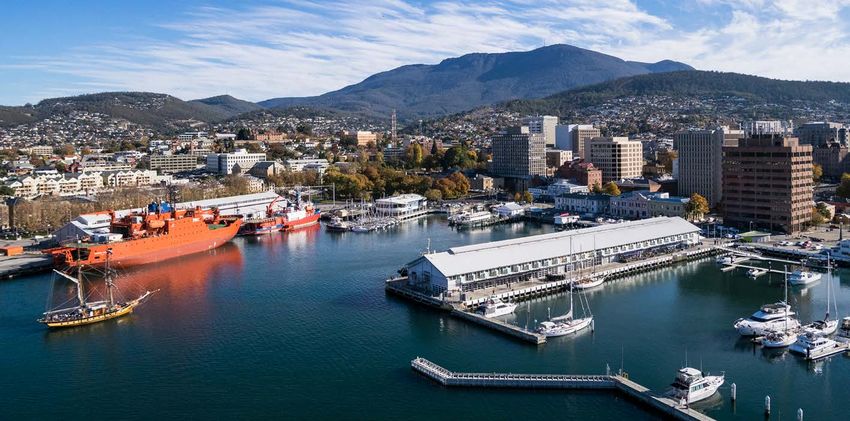
AUSTRALIA

                                                  DEVONPORT
                                                                LAUNCESTON

                                                                HOBART

                                                                               TASMANIA

Welcome
In this course guide you will find information about the range of education
options on offer to you in Tasmanian Government Schools. Our facilities and
teachers are world-class and you will be able to fulfil your study ambitions in a
safe, incredible and unique environment.
The Tasmanian Government has a very proud history of welcoming students
from diverse cultural and national backgrounds. Our State offers excellent
opportunities for students to achieve their goals. A qualification from Tasmania
will open doors throughout Australia and across the world.
On behalf of everyone in the Tasmanian community I welcome you to our
wonderful State and wish you all the best with your studies.

The Hon. Jeremy Rockliff MP, Minister for Education and Training, Tasmanian Government.

                                                                                          3
6 Reasons to Choose Tasmania
1   World class education
    Tasmania is proud of its excellence in education     4   A fantastic place to live
                                                             Tasmania’s cities are safe, welcoming and offer a
    and teaching, with a curriculum focussed                 secure environment for study and living. Tasmania
    on preparing students for success in higher              offers the chance to be part of a growing, thriving
    education. Our program is focussed on building           community; offering a lively cultural and arts
    academic strengths as well as personal                   scene, cafes and restaurants, markets and music
    development, critical thinking, creative thinking        festivals. Tasmania is also a place of natural
    and developing communication capabilities.               beauty and with nearly half the state protected by
                                                             World Heritage Area, national park or marine and

2   An authentic Australian experience
    International students make up less than 2% of the
                                                             forest reserve, it is no surprise that Tasmania has
                                                             the cleanest air in the world.
    total student population in Tasmanian Government
    Schools. The lower proportion of international
    students in Tasmanian classes provides an
    excellent opportunity to build your English
                                                         5   Government homestay program
                                                             Operated by the Tasmanian Government,
                                                             our homestay program offers safe, secure and
    language skills and make Australian friends.             welcoming student accommodation, with
                                                             support given directly by the Government. We

3   Affordable living
    Living expenses in Tasmanian cities are very
                                                             also offer a 24 hour emergency contact line for all
                                                             our students; should help ever be required, it is
                                                             never far away.
    affordable and our tuition fees are among the
    most competitive in Australia. As a student in
    Tasmania you will pay less for accommodation,
    transport and everyday items.                        6   No mandatory English preparation courses
                                                             English tuition is delivered alongside mainstream
                                                             courses meaning flexible intake dates and direct
                                                             entry to Government Schools.

    For more information contact the Tasmanian Government’s international
    education office – call +61 3 6165 5727 to speak with an admissions officer,
    or email info@geti.tas.gov.au

     Image courtesy of Stu Gibson

4
The Island State
                           Tasmania is Australia’s
                           spectacular island state.                                            SYDNEY
                           Tasmania is famous for
                           its breathtaking coasts,
                           heritage listed forests
                           and proximity to the
                           Southern Ocean, though
                           its greatest asset is its
people. Tasmanian people are known for being relaxed,
                                                                                 MELBOURNE
friendly and welcoming.
With a population of over 520,000, Tasmania is able
to offer international students a personalised support
service and the opportunity to enjoy an authentic                   DEVONPORT
                                                                                        LAUNCESTON
Australian experience.
Tasmania offers students a unique opportunity– the
chance to be part of a growing, thriving city lifestyle;
which is safe, friendly and affordable.                                                 HOBART

With stunning scenery, a lively music and arts scene,
gourmet fresh produce and the cleanest air in the
world, students from across the globe are being                                 Fly
attracted to our beautiful island.                                              Sydney to Hobart or Launceston: 2 hours
                                                                                Melbourne to Hobart or Launceston: 1 hour

                                                                                Drive
                                                                                Hobart to Launceston: 2.5 hours

Tasmania’s Temperate Climate

Summer                          Autumn                     Winter                            Spring
December, January,              March, April, May          June, July, August                September, October,
February                                                                                     November
                                Temperate days and         Clear days, occasional
Warm days, long daylight        cool wind in afternoons,   snow on mountain.                 Cool wind in mornings,
hours, strong sun.              cooler nights.                                               warm afternoons.
                                                           Wear a warm coat, enclosed
11⁰C to 24⁰C                    10⁰C to 22⁰C               shoes and gloves.          5⁰C to 16⁰C
                                                           3⁰C to 14⁰C

                                                                                                                            5
Top Things to do in Tasmania
Tasmania is internationally recognised as both a tourist and study destination. Tasmania
was recently named one of the ‘World’s Top Ten Regions to Visit’ by Lonely Planet. Students
can choose to study in one of Tasmania’s vibrant cities; Hobart or Launceston. Both cities
have received awards for being among the world’s friendliest cities.

Hobart
Located on the Derwent River with the stunning
backdrop of Mount Wellington, Hobart is a place
where the urban landscape and the natural
environment merge together.
Founded in 1803, Hobart is Australia’s second oldest
city after Sydney. As the capital city of Tasmania, Hobart
is the finance and government centre of the State.
Home to approximately 220,000 people, Hobart offers
you the opportunity to lead a relaxed and exciting
lifestyle. Festivals, art and cultural activities, sports
and outdoor pursuits are a regular part of everyday
Tasmanian life.

Top things to do
• Get a fantastic view of greater Hobart from the
  top of Mount Wellington, accessible via road or
  one of the many scenic walking tracks.
• V
   isit Salamanca Market (held weekly on Saturday
  mornings) to explore Tasmania’s finest arts and
  crafts, woodwork, food, jewellery and collectibles.
• B
   e amazed at the art collections on show in the
  world-renowned architectural masterpiece known
  as MONA (The Museum of Old and New Art),
  Australia’s largest privately owned museum.
  Listen to free music during summer.
• Take the ferry to nearby Bruny Island to see the
  Little Penguins and Fur Seals.
• Immerse yourself in pristine nature and explore
  the many nearby waterfalls and walks.
• Explore the spectacular Hastings cave.

    Image courtesy of Tourism Tasmania and Hobart City Council   Image courtesy of Tourism Tasmania and Andrew Wilson

6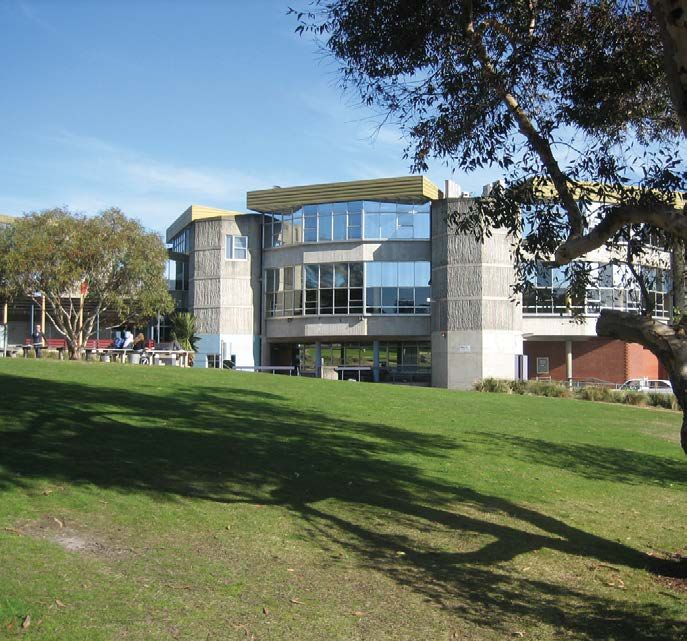
Devonport
                                                           Situated alongside the Mersey River, meeting with the
                                                           mouth of Bass Strait, Devonport is one of Tasmania’s
                                                           newer cities. With a relatively small population of
                                                           approximately 30,500, Devonport is the major regional
                                                           centre of North West Tasmania.
                                                           This coastal city offers the best of small city living,
                                                           combined with the opportunity to discover the amazing
                                                           natural attractions of the North West’s national parks
  Image courtesy of Tourism Tasmania and Rob Burnett       and various outdoor adventure activities.

                                                           Top things to do
                                                           • Explore the agricultural surrounds of Devonport
                                                             enjoying the various produce including chocolate,
                                                             cheese, honey, specialty meats and vegetables
                                                             grown in the area.
                                                           • Explore Devonport’s aboriginal history at
                                                             Tiagarra’s cultural museum and at one of its many
                                                             cultural open days.
                                                           • Spend the day at The Bluff with friends enjoying
                                                             local music and a swim at the beach.
                                                           • Take a day trip to nearby hiking spots including
                                                             Tasmanian Wilderness World Heritage area, Cradle
Launceston                                                   Mountain, as well as the beautiful Mount Roland and Mt
Founded in 1806, Launceston is situated inland in            Gnomon, all boasting spectacular panoramic views.
the north of Tasmania, at a point where three rivers
                                                           • Join a club or take a trip with friends to one of the
meet. Home to a population of 110,000, Launceston
                                                             many mountain biking clubs
is recognised for its historical architecture, with many
Victorian and Georgian buildings beautifully preserved.    • Venture to Narawntapu National Park where you can
In this charming city you have the chance to live a          camp and enjoy the sights of Tasmanian flora and
relaxing and rewarding lifestyle.                            fauna including wallabies, echidnas, wombats and
                                                             many varieties of coastal birds.
Top things to do
• D
   uring the winter months, take a day-trip to
  nearby alpine park Ben Lomond for some skiing
  or snowboarding.
• D
   o some star gazing at the Queen Victoria Museum
  and Art Gallery’s Planetarium, located at Inveresk.
• S
   pend the day at the Cataract Gorge with friends.
  Set within an ancient extinct volcano, the Gorge is
  the perfect spot for a picnic, swimming, and rock-
  climbing. It is also home to the world’s longest
  single-span chair lift.
• B
   arrack for a team at an Australian Football League
  (AFL) game. Launceston’s University of Tasmania
  Stadium is host to four AFL games per year and
  attracts crowds from all over Australia.
• Visit the famous Bridestowe Lavender Farm.
• Taste gourmet and locally made chocolate and cheese.       Image courtesy of Tourism Tasmania and Rob Burnett

                                                                                                                     7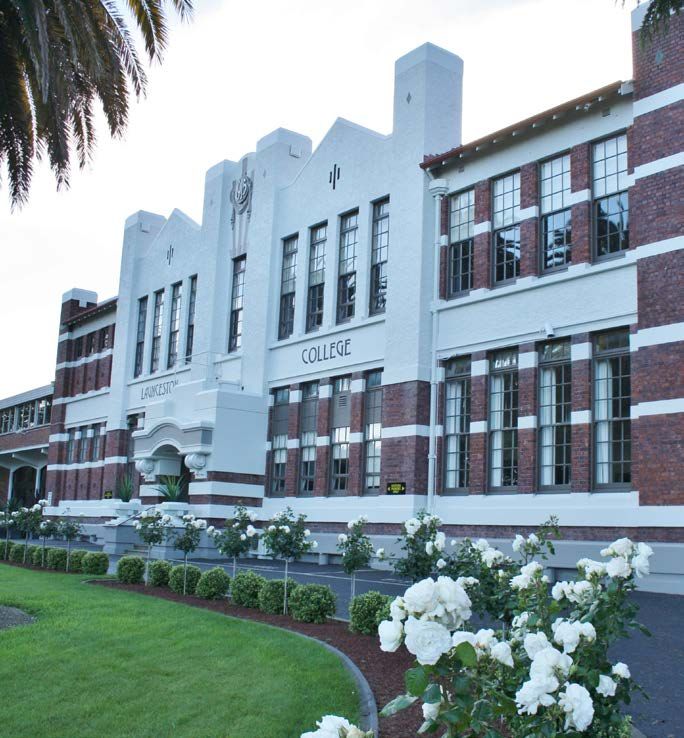
Student Accommodation
Live with local families, and enjoy a real cultural experience
GETI Tasmania manages the homestay program
for international students studying in Tasmanian
Government schools. The homestay program is
directly coorindated by our in-house homestay
team, and supported by a 24/7 phone service in
case of emergency.
GETI Tasmania homestay hosts will provide
students with:
• a safe, supportive and welcoming home environment
• a private, furnished bedroom
• a dedicated study area with a desk, chair and lamp
• three nutritious meals per day, plus snacks
• use of facilities (e.g. TV, iron, vacuum cleaner,
  laundry)
• reasonable use of WIFI for study, research and
  communication
Homestay hosts support students on arrival, with
familiarisation in their new environment, and also offer
the opportunity for students to participate in family,
community and Australian cultural activities.
Homestay hosts accept duty-of-care for students
outside of school hours, and support in monitoring         Our dedicated homestay team ensures that:
each students health and wellbeing.                        • every family has a good character clearance,
                                                             registered with the Tasmanian Government
                                                           • we inspect every home to determine suitability for
                                                             use as student accommodation
                                                           • a 24-hour emergency contact number is known to
                                                             all students and host families.

                                                           Guanli Chen, an international student
                                                           currently studying at Hobart College says
                                                           of her homestay family:
                                                           They are very nice. When I arrived in Hobart for the
                                                           first time, they picked me up at the airport. My family
                                                           likes to share their life with their students. When I have
                                                           questions, I always ask my homestay to help me. They
                                                           enjoy helping me and they take me when they travel and
                                                           share Australian culture with me. I feel so lucky.
                                                           My homestay father is a good cook. He can cook
                                                           Chinese, Korean, Japanese, Malaysian, Greek, Italian
                                                           and Mexican food. When I come home from school, they
                                                           always ask me about my school life and progress and
                                                           they are happy to help when I have tests for English.
                                                           Guanli Chen, Hobart College

8
Food
Meals are included as part of GETI Tasmania’s
Homestay service however, if you like eating out at
restaurants, there are a range of wonderful places
offering local and international cuisine. For an Asian
dish at a casual restaurant or cafe, expect to pay
AU$10–$20. For a fresh seafood meal, expect to pay
approximately AU$30.

Public transport
Tasmania’s cities are simple to get around. Buses are
the mode of transport.
In Tasmania, international students can get a discount
on their bus fares. The weekly cost is AU$15–20.
A prepaid card is available from the bus company, so
bus fares can be paid at a discounted price.

Working
Finding work in Tasmania is just like finding work
anywhere else. The availability of jobs is not
guaranteed, however there are plenty of people to
help you in your search for a job and give you advice.
Students often find work in hospitality and service
industries, and earn approximately AU$20–$25 per
hour. For information on student visa work conditions
visit www.border.gov.au.

                                                         Image courtesy of Tourism Tasmania and Rob Burnett

                                                                                                              9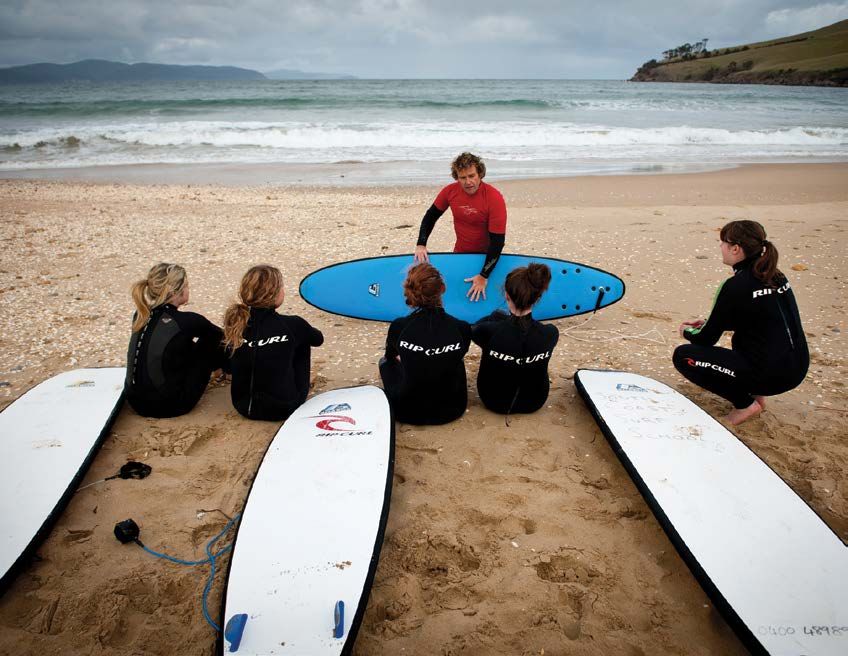
Student Support and other Services
International student advisors
Our schools have a dedicated and caring international
student advisor who will be students’ first point of
contact. The student advisor will provide ongoing
support throughout students’ enrolment at the school.

24/7 emergency phone line
A 24 hour per day, 7 day per week emergency phone
line is provided for all international students studying
at Tasmania’s Government Schools. Our friendly GETI
staff are here to help.

Language and learning support
Our schools have specialised teachers who teach
English as an additional language and provide ongoing
assistance to students. They teach students the English    Orientation
language and literacy skills needed in all subjects.       International student advisors conduct an orientation
                                                           for students when they start school. This will cover
Pre-departure information                                  enrolment, timetable and expectations.
Our team will send students a helpful guide before they
leave their home country. We are also here to help if      Study facilities
you have any questions about life in Tasmania.             Modern library and computer facilities are available at
                                                           each campus to all students throughout the study week.
Airport pick-up*
Students will be picked up from the airport and taken      Buddy System
to their accommodation when they first arrive.             The school will organise a buddy for international
                                                           students. Buddies are local Tasmanian students who
*Airport pick-up is only available to students staying
                                                           help students settle in.
in homestay.

Banking and phone set-up
Upon students’ arrival in Tasmania, we assist with
setting up a mobile phone and a bank account.

10
The Tasmanian Education System
Which level of schooling?
Tasmanian Government provides schooling for
international students starting from Year 1. Beginning
in Primary School, students continue their education
through Junior High and Senior High school. Upon
completion of Senior High School, students can
choose to continue their academic studies at a
No IEL
university or vocational education provider. As an TS
re q u i r
international student, you can enter into any school e d!
year level. However, if you are under 12 years of
age, then a parent or guardian will have to come to
English Entry Requirements
Tasmania with you.
There is no minimum English language level
School Age Year required for entry into any Tasmanian Government
School. The only requirement is that you have a
6 1
basic level of English understanding; however no
7 2 formal English test results will be required. All that
8 3 we ask is to see your most recent school transcript.
Primary School
9 4 Tasmania’s Government Schools support students
10 5 with many different levels of English language skill.
11 6 Each school provides English as an Additional
Language (EAL) tuition, so as soon as you arrive in
12 7
Tasmania you can start attending your school, and
13 8
Junior High School receive as much English tuition as you require.
14 9
When you arrive in Tasmania, you won’t be required
15 10
to complete an English Preparation course before
16 11
you are able to attend classes with local Tasmanian
students. This means that you get to study many
Senior High School
subjects and spend lots of time with local students
17 12
straight away.
Assessment Tasmanian Education System
The Tasmanian education system features a flexible Primary School
and innovative assessment framework that aims to (Year 1 to Year 6)
give students the best possible chance to succeed.
Assessment consists of continuous assignments and
tests throughout the academic year. Junior High School
In addition, for Senior High School students, there are (Years 7 to 10)
two examination periods. Final results are based on a
combination of coursework and exams.
Senior High School
For specific information on assessment related to the (Years 11 and 12)
Tasmanian Certificate of Education (TCE) please visit:
www.tasc.tas.gov.au
TasTAFE
(Government University
VET provider)
11Subjects Offered
Junior High School (Years 7–10)
In Years 7–8 the curriculum supports the development In Year 9–10, students study the core subjects:
of knowledge, understanding and skills in all eight English, Mathematics, Science, Health and Physical
learning areas: English, Mathematics, Science, History, Education, Humanities and Social Sciences. Students
Geography, Health and Physical Education, Art, Design in Year 9–10 also choose two elective subjects to study
and Technology. in more depth. These include choices from Social
Sciences, the Arts, Technologies and Languages.
Learning area Sample Subjects
English • English 1 • English Writing
• English 2 • English Literature
• English 3
Mathematics* • Mathematics for Life •Maths 3
• Maths 1 • Maths 4
• Maths 2 • Maths Methods
Science* • Science • Forensic Science**
• Extended Science • Marine Science **
• Human Science • Psychology**
• Environmental Science
Society and History • Geography • Civics and Citizenship
• History
Health and Wellbeing • Multi Sports • Racquet Sports
• Self Defence • Sports Science
• Sports Leadership • Team Sports
• Wellness Recreation
The Arts • Art, Craft and Design • Stage Band
• Audio Design (after school class)
• Choir (after school class) • Music Industry Studies
• Contemporary Music • School Production
• Dance • Music Extended
• Drama • String Ensemble
• Music (after school class)
Vocational and Applied Learning • Catering and Hospitality •Drawing and Design
and other Learning Opportunities • Design in Metal • Food Technology
• Design in Wood • Duke of Edinburgh Award
Languages • Chinese • Japanese
• French • Indonesian
Digital Technology • Computing • Creative Media
• Graphic Design • Programming
Business Studies • Business Studies
• Economics
*Please note: In Junior High School, mathematics and science subjects include foundation coverage of all major disciplines. For example,
science will cover physics, chemistry and biology.
** Available only at some schools. Please ask GETI for more information.
Compulsory subjects Elective subjects
12Senior High School (Years 11–12)
Tasmania’s Government School system has a unique Learning area Sample Subjects
structure. Students attend Junior High School from year
English Language • English as an Additional
7–10, and then progress to Senior High School for years Language
11 and 12. This separation of the two levels of High • English Communication
School allows students to complete their year 11 and • English Studies
• English Writing
12 education in an environment designed specifically
to prepare them for university, vocational education, Science, Technology, • Mathematics Specialised
Engineering and • Mathematics Methods
or the workplace. Students are treated as adults, and
Mathematics (STEM) • Mathematics General
taught a range of important skills to assist them in • Physics
their future – such as independence, and the ability to • Physical Sciences (combination
manage their studies. of Physics and Chemistry)
• Chemistry
At the Senior High School level there is a wide variety of • Biology
academic and recreational subjects available. Course • Environmental Science and
Society
counselling is available to ensure that students choose • Electronics
to study the most relevant subjects for their further • Computer Graphics and Design
education or career plans. • Housing and Design
• Technical Graphics
• Computer Science
21st Century Learning • Information Systems and Digital
To prepare young people to live, work and be Technologies
successful in the 21st century, they need to think Economics, • Accounting
creatively and critically to problem solve and work Business and Law • Business Studies
• Economics
collaboratively. • Legal Studies
Each Tasmanian Government school prepares Languages • Chinese
students to become global citizens, and to shape • French
the society of tomorrow. • German
• Japanese
• Italian
Problem Solving Skills Humanities and • Australia in Asia and the Pacific
Social Sciences • Asian Studies
• Ancient History
• Modern Hisory
Creativity and Innovation • Geography
• Legal Studies
• Philosophy
• Psychology
Independent Learning • Civics and Citizenship
and Research Skills • Studies of Religion
Health and Physical • Sport Science
Education • Sport Management
Project-based Learning
• Health Studies
• Outdoor Education and
Leadership
• Athlete Development
Leadership Skills • Introduction to Nursing
Creative Arts • Media Production
• Music
Extra-curricular Activities • Drama
• Dance
• Art Theory
• Art Practical Studio (includes
Graphic Design)
Compulsory subjects Elective subjects
13Academic Program
Tasmanian Certificate of Education (TCE)
The Tasmanian Government Schools Academic these pre-university subjects are known as Level 3
Program is suitable for students who are planning subjects. As these subjects are at a pre-university level,
to complete the TCE and continue their studies at they are quite advanced. In most subject areas there
university level. are also related Level 2 subjects which can be studied
as an introduction or foundation to a Level 3 subject.
The TCE is the qualification awarded to students
This means that if students would like more preparation
who complete Senior High School in Tasmania. It is
before studying pre-university subjects, they can
recognised throughout Australia by universities and
choose to study the Level 2 subjects first.
employers.
Students studying the Academic Program will normally
study at a Senior High School for two years: Year 11 School Pathway
and 12. Each year, a student would normally study
four or five subjects. There are very few restrictions Years 7– 10
or limitations on which subjects can be studied, and
there are Career Counsellors and International Student
Advisors available to help choose the subjects most
relevant to students’ interests and career plan. Year 11 and Year 12
In Australia, all universities allocate places to students
ATAR
based on their Year 11 and 12 school results. These
(University
results form the Australian Tertiary Admissions Ranking entrance score)
(ATAR).
University TasTAFE
To gain entry to a university, it is a requirement that University
students study (and successfully complete) at least four Pathway
“pre-tertiary” or “pre-university” subjects. In Tasmania,
Time Mon Tues Wed Thu Fri
8:30am – 8:45am Home Group Home Group Home Group Home Group Home Group
8:45am – 10:10am EAL 3 Outdoor Education 2 Biology 3 Maths Methods 3 Physics 3
10:10am – 10:30am Morning Tea Morning Tea Morning Tea Morning Tea Morning Tea
10:30am – 12:00noon EAL 3 Outdoor Education 2 EAL 3 Maths Methods 3 Physics 3
12:00noon – 1:00pm Lunch/Tutorials Lunch/Tutorials Lunch/Tutorials Lunch/Tutorials Lunch/Tutorials
1:00pm – 2:25pm Biology 3 Maths Methods 3 Physics 3 Outdoor Education 2 Biology 3
2:30pm – 4:00pm English Foundation 2 English Foundation 2
14International students 98% of students
in Tasmania qualify in the in Tasmania who
top 20 per cent of all applied for a place
students nationally at a university
6 out of the top 10 per cent
received an offer
performing schools – more than in any
in Tasmania are other state
Government schools or territory
Sources: Review of Years 9 to 12 Tasmania, Australian council for Educational Research (2016)
Education Performance and Review, Department of Education Tasmania (2017)
The Australian Tertiary Admissions Rank (ATAR)
What is the ATAR? subjects. However, most students choose at least five
The Australian Tertiary Admission Rank (ATAR) is used Level 3 subjects.
by students applying for university in Australia. The Students can study up to ten Level 3 courses – where
system allows students to access university courses students have more than five Level 3 courses in total,
from across Australia. the Office of Tasmanian Assessment, Standards and
Certification (TASC) will automatically choose the five
How is the ATAR calculated?
highest scoring subjects and calculate the best TE
The way that an ATAR is calculated is a complex score for the student. Three of these courses must be
process, however it allows students from anywhere studied in year 12, and the remaining two courses can
within Australia to be graded by the same system. be studied in year 11 or 12.
Student’s five best subject scores from years 11 & 12
will be added up to calculate their Tasmanian Tertiary How do I use my ATAR?
Entrance (TE) score which is converted into an All Australian universities send offers of course places
Australian Tertiary Admission Rank or ATAR score. The to students based on their ATAR. Individual universities
ATAR score is expressed as a percentage. An ATAR of can provide information on the minimum ATAR needed
90.00, for example, means that a student is performing to be offered a place for each course, however the
in the top 10% of students in Australia that year. The higher a student’s ATAR is, the better chance they will
maximum possible ATAR is 99.95. have of receiving an offer in the course they are aiming
for. For more information on the TCE and ATAR, visit
How do I qualify for University?
To be eligible for University entrance, a student must www.tasc.tas.gov.au
successfully complete a minimum of four Level 3
Sample study results:
Year 11 Year 12 ATAR Points*
Maths Methods 19
Chinese 19
Physics 15
English as an Additional Language# 11
Maths Specialised 18
Chemistry 20
Accounting 20
Computer Graphics and Design 14
TOTAL (top five scores) 96.00 (out of a possible 99.95)
*ATAR is calculated based on national weighting criteria. # English as an Additional Language is a compulsory Level 3 subject, however in
Tasmania it is not compulsory to use the score received in this subject towards your ATAR.
15Campus Guide
Devonport
Launceston
Hobart
Northern Tasmania
12. Newstead
LAUNCESTON College
CITY CENTRE
10. Don College
14. Launceston College
2. Devonport
High School
DEVONPORT
7. Queechy CITY CENTRE
10 minutes
High School
by car
6. Prospect High School
16Southern Tasmania
MONA
HOBART
AIRPORT
5. Ogilvie High School
4. New Town High School
8. Rose Bay High School
15. Rosny College
11. Elizabeth College
1. Clarence High School
HOBART
CITY CENTRE 15 minutes
MOUNT by car
WELLINGTON
13. Hobart College
9. Taroona
20 minutes High School
by car
3. Kingston
High School
Junior High Schools (Years 7–10)
1. Clarence High School
Year Established: 1959
Number of Students: 500
Number of International Student Places: 20
• Award winning Science, Technology, Engineering
and Maths (STEM) and digital technologies program
• Food and catering course delivered by award
winning teacher
• Caring and respectful school community with an
emphasis on inspiring learning
• Fun and free lunchtime activities such as soccer,
table tennis and basketball
• Awarded ‘technology education champion school’
in the Australia’s Computer Science School (NCSS)
challenge, by Grok Learning.
172. Devonport High School
Year Established: 1917
Number of Students: 580
Number of International Student Places: 15
• Strong Science, Technology, Engineering and Maths
(STEM) program
• Nationally recognised kayaking extra-curricular program
• Stationery, books and uniforms are provided free of
charge to international students
• Outstanding history of academic achievement.
3. Kingston High School
Year Established: 1972
Number of Students: 725
Number of International Student Places: 10
• Awarded prize in environmental education and youth
Leadership program; ‘the Antarctic Experience’
• Offers a range of hands-on subjects including
Robotics and Computer Aided Design and
Artists-in-Residence program
• Excellent outdoor and athletic programs.
4. New Town High School
Year Established: 1919
Number of Students: 750
Number of International Student Places: 15
• Awarded medal in 2016 Australia’s Young ICT
Explorers competition
• Educated a number of Rhodes scholars’ award winners
• Many Athlete Development programs (Basketball,
AFL, Soccer, Golf, Cricket)
• Small international program
• All boys’ junior high school
5. Ogilvie High School
Year Established: 1937
Number of Students: 810
Number of International Student Places: 15
• Winner of the 2017 Australia-Pacific Tournament
of Minds Competition, in all four categories:
Engineering and Maths, Language Literature
Social Science and Technology
• Participates in the Model United Nations Assembly
• All girls’ junior high school.
186. Prospect High School
Year Established: 1966
Number of Students: 450
Number of International Student Places: 20
• Offers extended mathematics for gifted students
Advanced Maths Methods (Year 11–12 college level
Maths Program)
• Award Winner of the Australian Intermediate
Mathematics Olympiad (AIMO)
• Cultural diversity and acceptance through
personalised EAL and International Student Program
• Renowned for respectful and welcoming school culture
• Agricultural Program
• Offers advanced digital technologies program.
7. Queechy High School
Year Established: 1958
Number of Students: 700
Number of International Student Places: 25
• Gold medal winner in the 2017 F1 in Schools
competition. F1 in Schools is an international STEM
(science, technology, engineering, mathematics)
competition for school children (aged 11–16). Students
design and manufacture a miniature car. Queechy
High’s all female team won each category: Best Verbal
Presentation, Best Team Portfolio, Best Manufactured
Car and Best Engineered Car
• Tasmanian Department of Education Award –
Outstanding teaching for Science Technology,
Engineering and Maths (STEM) education
• Offers extended mathematics and a range of science
options courses (including psychology, forensic
science and marine science)
• Athlete Development Programs for both boys and girls.
8. Rose Bay High School
Year Established: 1961
Number of Students: 690
Number of International Student Places: 10
• O ffers an outstanding music program
• Runs an environmental program
• Awarded medal in 2016 National Young ICT
explorers competition.
199. Taroona High School
Year Established: 1957
Number of Students: 875
Number of International Student Places: 30
• 2017 Tasmanian winner – National History Competition
(Indigenous History)
• 2017 Australian Geography Competition: High
Distinction
• 2017 Winner: University of Tasmania – Dean’s Medal
for Debating
• 2017 Winner: Young Tasmanian Writers’ Prize Senior
Section Years 10–12
• Award winning Music Program
• Athlete development program.
Senior High Schools (Years 11–12)
10. Don College
Year Established: 1973
Number of Students: 930
Number of International Student Places: 10
• L ocated close to Devonport’s Olympic-sized
swimming pool and other recreational facilities
• Runs a Landcare Program in conjunction with the
Devonport City Council and offers an International
Climate Club.
2011. Elizabeth College
Year Established: 1967
Number of Students: 1000
Number of International Student Places: 50
• Elizabeth College awarded two students joint dux of
the school for the year 2016
• Both students achieved the highest possible ATARs of
99.95. One of these high achievers is an international
student, Peter Yau. Peter is now studying Medicine at
Hong Kong University
• Preparatory program – The program assists students
to discover their talents and study aspirations in
preparation for Year 11 the following year
• Diverse and multicultural student population
• State-of-the-art science and technology laboratories
• The largest school Athlete Development Program in
Tasmania, including soccer, Australian football league,
and hockey
• Extensive creative art facilities including theatre, music
recording studios, and dance studio
• Inner city location.
12. Newstead College
Year Established: 1997
Number of Students: 750
Number of International Student Places: 50
• Extensive tutorial program provides students
opportunities to review work, receive homework
support and undertake exam revision
• Diversity is highly valued and every student is
expected to strive for excellence
• Set in quiet surrounds with a modern design and
state-of-the-art facilities
• Provides an adult learning environment where
students are independent learners
• Friendly size of the College ensure students work
in smaller classes with highly skilled teachers.
2113. Hobart College Year Established: 1913 Number of Students: 1040 Number of International Student Places: 52 • Excellence in academic achievement • Long standing international and English language program • Outstanding facilities including a 6 star sustainability Learning Centre and State of the Art Maths and Science Facilities • Preparatory program – The program assists students to discover their talents and study aspirations in preparation for Year 11 the following year • Comprehensive Home Group pastoral care program. Rosny College – hospitality program Rosny College – Learn to Surf program 22
14. Launceston College
                                                           Year Established: 1916
                                                           Number of Students: 1400
                                                           Number of International Student Places: 60
                                                           • Gyu Chul Myeong, a Korean International Student who
                                                             attended Launceston College in 2007 and 2008, was
                                                             awarded the Isaac Newton and Boustany Scholarships
                                                             to study at Cambridge University in England where he
                                                             will complete his PhD
                                                           • International students have won entrance to the most
                                                             prestigious universities in Australia. A South Korean,
                                                             Chinese and a Vietnamese student were awarded
                                                             full scholarships to study at the Australian National
                                                             University in Canberra
                                                           • Preparatory program – The program assists students
                                                             to discover their talents and study aspirations in
                                                             preparation for Year 11 the following year
                                                           • Located in the city centre of Launceston, walking
                                                             distance to Launceston’s funky cafés
                                                           • Outstanding sports facilities, including a 20-metre
                                                             indoor swimming pool, two sports halls and two
                                                             squash courts
                                                           • Runs a highly-regarded vocational hospitality program
                                                             with a training café open to the public
                                                           • Offers an advanced academic program for gifted
                                                             students in Math and Science.

15. Rosny College
Year Established: 1973
Number of Students: 950
Number of International Student Places: 30
• Award winning Specialised Media Production
  Teaching and Facilities
• Strong focus on Science, Technology, Engineering,
  Art, Mathematics (STEAM)
• Cultural diversity and acceptance through
  personalised EAL and International Student Program
• Known for respectful, supportive and inclusive culture
• Small international program allowing for personal
  mentoring of students
• Medical doctor on campus
• Tutorials in mathematics and science available each
  day at no extra cost.

                                                                                                                  23
Enrichment Activities
High School
High School
High School
High School
High School
High School
High School
High School
Launceston
Devonport
Newstead
Newtown
Kingston
Rose Bay
Prospect
Elizabeth
Queechy
Clarence
Taroona
College
College
College
College
College
College
Ogilvie
Hobart
Rosny
High
Don
Extra-Curricular Activities
Please note: some of the listed activities operate seasonally. Some activities require a minimum number of students to operate, and therefore
may not be available at all times.
Senior High School Junior High School
24Facilities
Specialty Facilities
Facilities
Don Don
College College
Elizabeth Elizabeth
College College
Newstead Newstead
College College
Hobart Hobart
College College
Specialty Facilities
Launceston Launceston
College College
Rosny Rosny
College College
Clarence Clarence
High School High School
Devonport Devonport
High School High School
Kingston Kingston
High School High School
Newtown Newtown
High School High School
Ogilvie Ogilvie
High School High School
Prospect Prospect
High School High School
Queechy Queechy
High School High School
Rose Bay Rose Bay
High High
Taroona Taroona
High School High School
25Term Dates and Fees
2020 Term Dates
Term 1 Term 2 Term 3 Term 4
START START START START
Wednesday 5 February Monday 27 April Monday 20 July Monday 12 October
END END END END
Thursday 9 April Friday 3 July Friday 25 September Thursday 17 December
Senior High School finishes in
November before end of year exams
Note: Students can enrol throughout the year. However, it is recommended that students complete the full academic year of years 11 and 12.
Tuition Fees*
Annual Fee Weekly Fee Preparation Program
Primary School
AU$14,000 AU$380 per week N/A
(Years 1–6)
Junior High School
AU$13,000 AU$330 per week N/A
(Years 7–10)
AU$380 per week
Senior High School Includes ESL + mainstream subjects,
AU$14,000 AU$380 per week
(Years 11–12) and prepares students for Senior High
School study.
English Language tuition Included in above tuition fees
Enrichment Activities Included in above tuition fees
*Fees listed above cover tuition fees, including English Language tuition and enrolment in enrichment activities.
Fees for school books, uniforms and specific excursions are extra. Contact GETI Tasmania for more information.
Minimum study period is four weeks.
Homestay Fee Application Process
Years 7–12 Applying to study at a Tasmanian Government School
is an easy process – you are welcome to apply directly
AU$300 per week
to us, or by using the services of one of our registered
A one-off homestay placement fee of $200 applies. education agents. (See the GETI website for more
information)
Administration Fee
Phone: +61 3 6165 5727
The administration fee covers guardianship,
application, school placement and some homestay Fax: +61 3 6173 0314
or school changes. Email: info@geti.tas.gov.au
Online: www.study.tas.gov.au
AU$75 per term
Maximum AU$300 per year
Overseas Student Health Cover
Monthly AU$50.00 (approximately)
Annually AU$600.00 (approximately)
26Australian Government protection
for international students
At GETI Tasmania, we want our students to have a safe,
rewarding and enjoyable time in Tasmania. Students
studying in Australia on student visas are protected by
the Education Services for Overseas Students (ESOS)
Act and the National Code of Practice for Registration
Authorities and Providers of Education and Training to
Overseas Students.
ESOS protects international students by setting
consistent standards for education providers and
consumer protection for students.
No matter where you are studying in Australia,
international students are protected by ESOS. You
can find out more from the Australian Government’s
Department of Education and Training
www.internationaleducation.gov.au
Useful contact information
Government Education and Training International
Phone: +61 3 6165 5727
Web: www.study.tas.gov.au
24 hour student emergency phone line: +61 3 6231 1003
Australian Government Department of Home Affairs
Phone: 131 881
Web: www.homeaffairs.gov.au
National Emergency Line: 000
27Contact: Government Education and Training International, Tasmania GPO Box 169 Hobart 7001 Tasmania, Australia Tel: +61 3 6165 5727 Fax: +61 3 6173 0314 Email: info@geti.tas.gov.au www.study.tas.gov.au CRICOS 03352G 2020 v1. Printed July 2019. Information and prices are correct at time of printing.
You can also read


