DC - DNS Issues MAG Meeting, Geneva 29 January 2019 - Internet Governance Forum
←
→
Page content transcription
If your browser does not render page correctly, please read the page content below

DC - DNS Issues
MAG Meeting, Geneva
29 January 2019
About Us

● We are the Dynamic Coalition (“DC-DNSI”) focusing on
  issues in and around the Domain Name System

● Our mission is to

   ○ raise awareness of the technical issues, and

   ○ Support policy development process

                                                         2
DNS 101

          3
4
The Domain Name System (DNS)
Root Server
rg?
vforum.o
2 w ww.intgo
Internet Service
Provider 3
.org
4
? ww
rg w.i
.o ntg
um ovf
ww
f or 6 oru
m.o
v
w.i
go rg?
1 nt
ntg
rg
ww
i
w. .o
End User
ovf
um intg
ww
w.i
or ovf
oru
f 8
ntg
oru
ov m.o
tg Top-Level
m.
ovf
in rg
w.
or
oru
ww Domain
g?
5
m.
7
org Operator
www.intgov
9 forum.org
www.intgov
forum.org
10 IGF Web
Internet browser requests Server
https://www.intgovforum.org 5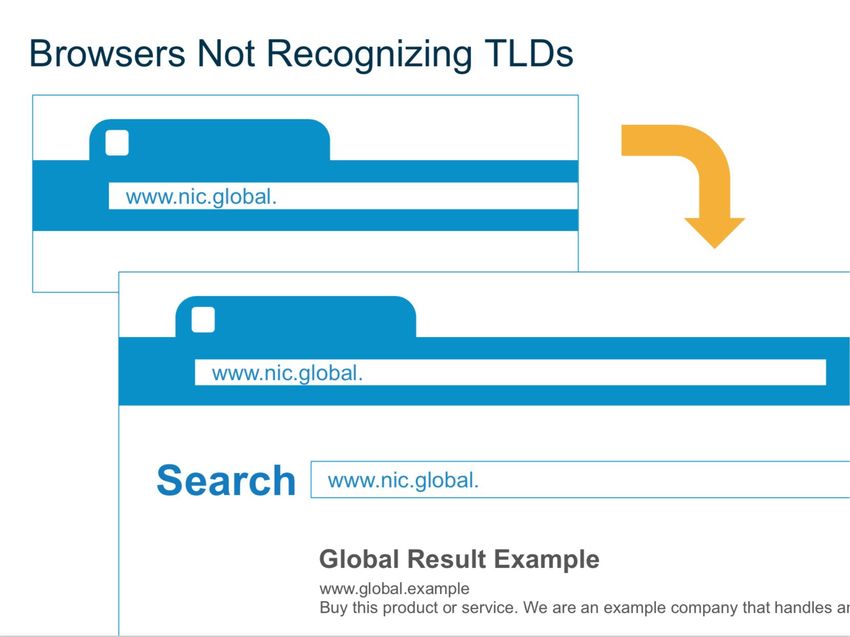
Domain Names and IP Addresses
A domain name is a recognizable name (i.e. an identifier) used to locate a
resource (e.g. website) on the Internet.

A domain name is more memorable than an IP address.

www.intgovforum.org

                               IPV4 104.24.105.151

                               IPV6 2606:4700:30::6818:6897

                                                                             6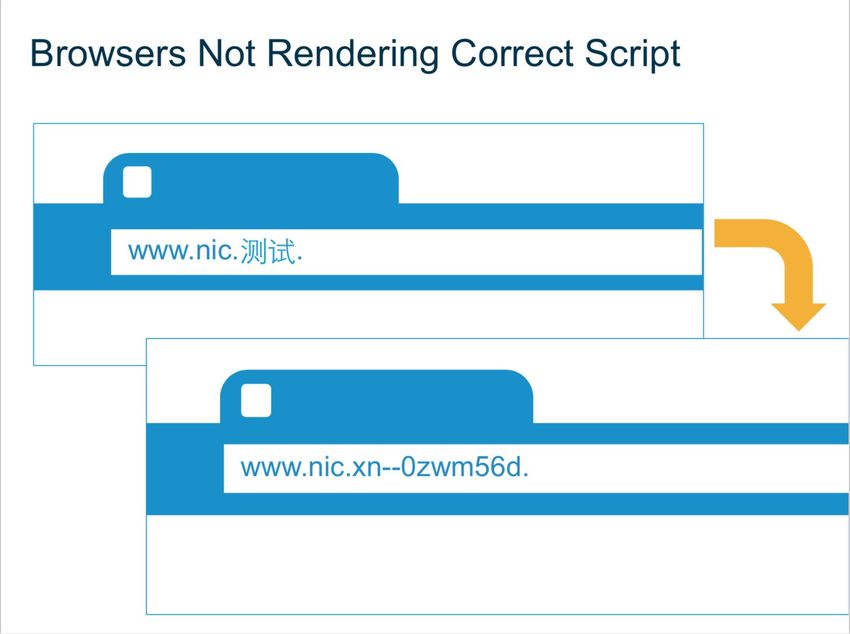
Internet population
growth gives way to
DNS evolution                                           4.2 Billion
                  3 Billion

 36 Million

 1996             2014                                    2018
                                                             https://www.internetworldstats.com/stats.htm
                                                                                                     7
                              https://www.globalpolicy.org/tables-and-charts-ql/27519-internet-users.html
DNS Evolution
Number of Top-Level Domains over the Years

                                                                 ICANN New
                                                                 gTLD Program
                                                                 resulted in
                                                                 more than
                                First           First            1000 new
                                expansion of    Internationali   TLDs added
                                Root Zone;      zed TLDs (e.g.   to the Root
            Original            new TLDs
            Top-Level                           рф, ไทย,         Zone
                                added (e.g.     한국) in the
            Domain              info, biz,
            Names (e.g.                         Root Zone
                                travel, coop)
            com, net, org
            and Country
            Code TLDs)

                                                                                8
The names of the Internet evolved,
the Internet population grew, but
others things did not quite keep up

                                      9
10
https://archive.icann.org/meetings/london2014/en/schedule/wed-tld-acceptance/presentation-tld-acceptance-25jun14-en.pdf
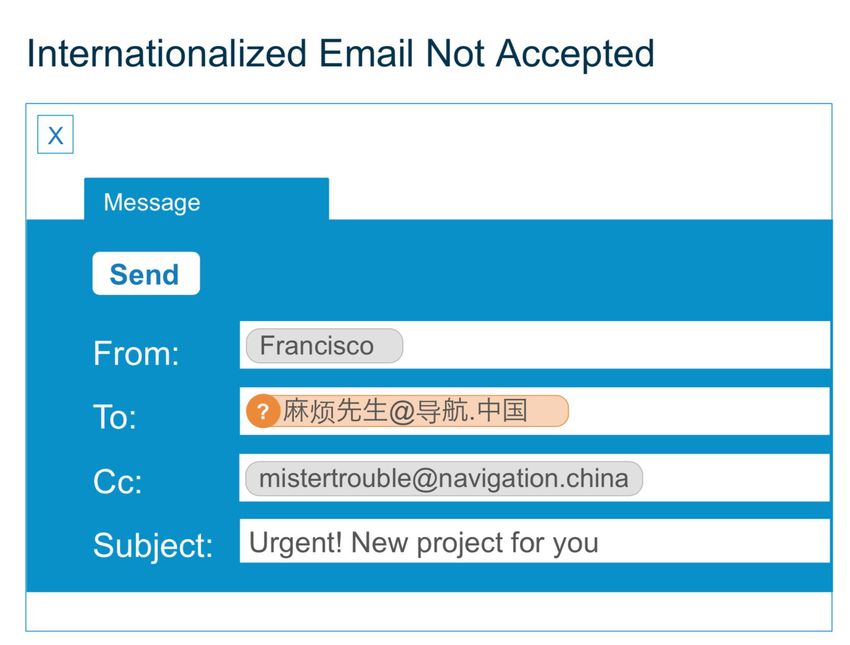
Browsers Not Rendering Correct “Language”

                                                                                                                                11
              https://archive.icann.org/meetings/london2014/en/schedule/wed-tld-acceptance/presentation-tld-acceptance-25jun14-en.pdf
12 https://archive.icann.org/meetings/london2014/en/schedule/wed-tld-acceptance/presentation-tld-acceptance-25jun14-en.pdf
Universal Acceptance

                       13
Universal Acceptance (UA)
The concept that all domain names
should be treated equally
- Universal Acceptance Steering Group (uasg.tech)
14Why is UA Important?
● World Internet penetration is at 55% (1)
Next generation of Internet
01 users
● New Internet users coming online mostly
from Asia and Africa (2)
● Further realizes the multilingual internet
Lower barrier to access the ● Could facilitate citizen services with
02 Internet comprehensive interoperability of all type of
online identities
● $9.8 Billion in potential revenue by enabling
Economic growth
03 opportunity
Universal Acceptance according to a study
from Analysys Mason (3)
(1), (2) https://internetworldstats.com/stats.htm
(3) https://uasg.tech/whitepaper/ 15What are the issues?
16Universal Acceptance issues
● Old assumptions “hard wired” into software (e.g. libraries, tools, etc.)
○ Top-level domain is a static list,
○ Domain names use ASCII characters only (i.e. a-z, 0-9 and “-”),
○ Top-level domain is formed by two or three characters long.
● Some mature code libraries lack support to full range of Unicode characters
(e.g. ä, ա, 五, ক).
● Lack of awareness
● Suppliers of software applications need to hear users demanding multilingual
support to help prioritization.
17DC-DNSI
18Mission and Scope
● The DC-DNSI’s mission is two-fold:
○ to raise awareness about, and
○ add value to, policy development relating to issues in
and around the DNS, within the IGF's unique,
multistakeholder environment.
● The DC-DNSI is not a venue for policy development and it
will not redouble existing processes in ICANN or the IETF.
19Also working on Universal Acceptance ...
… and many more
20Objective for 2019
● Raise awareness of the Universal Acceptance among IGF
community
● Conduct global survey to governments, academia and
businesses around the world
○ Establish baseline data
○ Inform future action items
21Approach to Achieving Goals
Informing people about the problem,
A Awareness the importance of resolution, and
how they can help.
This phase moves us from a general
B Buy-In awareness to the specific relevance
to an organization.
The act of implementing standards
C Completion and protocols.
22DC-DNSI and SDG
Goal 9 Goal 8 Goal 4
9.C Significantly increase 8.2 Achieve higher levels of 4.A Build and upgrade
access to information and economic productivity education facilities that
communications technology through diversification, are child, disability and
and strive to provide technological upgrading gender sensitive and
universal and affordable and innovation, including provide safe, nonviolent,
access to the Internet in through a focus on inclusive and effective
least developed countries high-value added and learning environments for
by 2020 labour-intensive sectors all
Dynamic Coalition on DNS Issues
23Timeline
IGF Paris EuroDIG
Inaugural session in Paris
January 2019 November 2019
November 2018 June 2019
MAG Meeting, IGF Berlin
Geneva Present results of Global
Survey. Layout work for
2020
24Call to Action
25We need your help ...
1. Subscribe to our mailing list and join the conversation
https://goo.gl/D2wwqw
2. Spread the word: MAG Members can contribute and evangelize the work of
the DC-DNSI by… support disseminating Global survey to networks, recruit
others to learn more about Universal Acceptance, participate in DC-DNSI
in-person or virtual meetings.
26Thank You!
27Questions?
28Sustainable Development Goals (SDG)
29Goal 1 Targets
1.1 By 2030, eradicate extreme poverty for all people everywhere, currently measured as people living on less than $1.25 a day
1.2 By 2030, reduce at least by half the proportion of men, women and children of all ages living in poverty in all its dimensions according to national definitions implement nationally
appropriate social protection systems and measure for all, including floors, and by 2030 achieve substantial coverage of the poor and the vulnerable
1.3 Implement nationally appropriate social protection systems and measures for all, including floors, and by 2030 achieve substantial coverage of the poor and the vulnerable
1.4 By 2030, ensure that all men and women, in particular the poor and the vulnerable, have equal rights to economic resources, as well as access to basic services, ownership and
control over land and other forms of property, inheritance, natural resources, appropriate new technology and financial services, including microfinance
1.5 By 2030, build the resilience of the poor and those in vulnerable situations and reduce their exposure and vulnerability to climate-related extreme events and other economic, social
and environmental shocks and disasters
1.A Ensure significant mobilization of resources from a variety of sources, including through enhanced development cooperation, in order to provide adequate and predictable means for
developing countries, in particular least developed countries, to implement programmes and policies to end poverty in all its dimensions
1.B Create sound policy frameworks at the national, regional and international levels, based on pro-poor and gender-sensitive development strategies, to support accelerated investment
in poverty eradication actions
30
Source: https://www.un.org/sustainabledevelopment/poverty/ , accessed 23 January 2019Goal 3 Targets
3.1 By 2030, reduce the global maternal mortality ratio to less than 70 per 100,000 live births.
3.2 By 2030, end preventable deaths of newborns and children under 5 years of age, with all countries aiming to reduce neonatal mortality to at least as low as 12 per 1,000 live births and under-5 mortality to at least as low as 25 per 1,000 live births.
3.3 By 2030, end the epidemics of AIDS, tuberculosis, malaria and neglected tropical diseases and combat hepatitis, water-borne diseases and other communicable diseases.
3.4 By 2030, reduce by one third premature mortality from non-communicable diseases through prevention and treatment and promote mental health and well-being.
3.5 Strengthen the prevention and treatment of substance abuse, including narcotic drug abuse and harmful use of alcohol.
3.6 By 2020, halve the number of global deaths and injuries from road traffic accidents.
3.7 By 2030, ensure universal access to sexual and reproductive health-care services, including for family planning, information and education, and the integration of reproductive health into national strategies and programmes.
3.8 Achieve universal health coverage, including financial risk protection, access to quality essential health-care services and access to safe, effective, quality and affordable essential medicines and vaccines for all.
3.9 By 2030, substantially reduce the number of deaths and illnesses from hazardous chemicals and air, water and soil pollution and contamination.
3.A Strengthen the implementation of the World Health Organization Framework Convention on Tobacco Control in all countries, as appropriate.
3.B Support the research and development of vaccines and medicines for the communicable and noncommunicable diseases that primarily affect developing countries, provide access to affordable essential medicines and vaccines, in accordance
with the Doha Declaration on the TRIPS Agreement and Public Health, which affirms the right of developing countries to use to the full the provisions in the Agreement on Trade Related Aspects of Intellectual Property Rights regarding flexibilities to
protect public health, and, in particular, provide access to medicines for all.
3.C Substantially increase health financing and the recruitment, development, training and retention of the health workforce in developing countries, especially in least developed countries and small island developing States.
3.D Strengthen the capacity of all countries, in particular developing countries, for early warning, risk reduction and management of national and global health risks.
31
Source: https://www.un.org/sustainabledevelopment/health/ , accessed 23 January 2019Goal 4 Targets
4.1 By 2030, ensure that all girls and boys complete free, equitable and quality primary and secondary education leading to relevant and Goal-4 effective learning outcomes
4.2 By 2030, ensure that all girls and boys have access to quality early childhood development, care and preprimary education so that they are ready for primary education
4.3 By 2030, ensure equal access for all women and men to affordable and quality technical, vocational and tertiary education, including university
4.4 By 2030, substantially increase the number of youth and adults who have relevant skills, including technical and vocational skills, for employment, decent jobs and entrepreneurship
4.5 By 2030, eliminate gender disparities in education and ensure equal access to all levels of education and vocational training for the vulnerable, including persons with disabilities,
indigenous peoples and children in vulnerable situations
4.6 By 2030, ensure that all youth and a substantial proportion of adults, both men and women, achieve literacy and numeracy
4.7 By 2030, ensure that all learners acquire the knowledge and skills needed to promote sustainable development, including, among others, through education for sustainable
development and sustainable lifestyles, human rights, gender equality, promotion of a culture of peace and non-violence, global citizenship and appreciation of cultural diversity and of
culture’s contribution to sustainable development
4.A Build and upgrade education facilities that are child, disability and gender sensitive and provide safe, nonviolent, inclusive and effective learning environments for all
4.B By 2020, substantially expand globally the number of scholarships available to developing countries, in particular least developed countries, small island developing States and
African countries, for enrolment in higher education, including vocational training and information and communications technology, technical, engineering and scientific programmes, in
developed countries and other developing countries
4.C By 2030, substantially increase the supply of qualified teachers, including through international cooperation for teacher training in developing countries, especially least developed
countries and small island developing states
32
Source: https://www.un.org/sustainabledevelopment/education/ , accessed 23 January 2019Goal 8 Targets
8.1 Sustain per capita economic growth in accordance with national circumstances and, in particular, at least 7 per cent gross domestic product growth per annum in the least developed countries
8.2 Achieve higher levels of economic productivity through diversification, technological upgrading and innovation, including through a focus on high-value added and labour-intensive sectors
8.3 Promote development-oriented policies that support productive activities, decent job creation, entrepreneurship, creativity and innovation, and encourage the formalization and growth of micro-, small- and
medium-sized enterprises, including through access to financial services
8.4 Improve progressively, through 2030, global resource efficiency in consumption and production and endeavour to decouple economic growth from environmental degradation, in accordance with the 10-year
framework of programmes on sustainable consumption and production, with developed countries taking the lead
8.5 By 2030, achieve full and productive employment and decent work for all women and men, including for young people and persons with disabilities, and equal pay for work of equal value
8.6 By 2020, substantially reduce the proportion of youth not in employment, education or training
8.7 Take immediate and effective measures to eradicate forced labour, end modern slavery and human trafficking and secure the prohibition and elimination of the worst forms of child labour, including
recruitment and use of child soldiers, and by 2025 end child labour in all its forms
8.8 Protect labour rights and promote safe and secure working environments for all workers, including migrant workers, in particular women migrants, and those in precarious employment
8.9 By 2030, devise and implement policies to promote sustainable tourism that creates jobs and promotes local culture and products
8.10 Strengthen the capacity of domestic financial institutions to encourage and expand access to banking, insurance and financial services for all
8.A Increase Aid for Trade support for developing countries, in particular least developed countries, including through the Enhanced Integrated Framework for Trade-Related Technical Assistance to Least
Developed Countries
8.B By 2020, develop and operationalize a global strategy for youth employment and implement the Global Jobs Pact of the International Labour Organization
33
Source: https://www.un.org/sustainabledevelopment/economic-growth/ , accessed 23 January 2019Goal 9 Targets
9.1 Develop quality, reliable, sustainable and resilient infrastructure, including regional and transborder infrastructure, to support economic development and human well-being, with a
focus on affordable and equitable access for all
9.2 Promote inclusive and sustainable industrialization and, by 2030, significantly raise industry’s share of employment and gross domestic product, in line with national circumstances,
and double its share in least developed countries
9.3 Increase the access of small-scale industrial and other enterprises, in particular in developing countries, to financial services, including affordable credit, and their integration into
value chains and markets
9.4 By 2030, upgrade infrastructure and retrofit industries to make them sustainable, with increased resource-use efficiency and greater adoption of clean and environmentally sound
technologies and industrial processes, with all countries taking action in accordance with their respective capabilities
9.5 Enhance scientific research, upgrade the technological capabilities of industrial sectors in all countries, in particular developing countries, including, by 2030, encouraging innovation
and substantially increasing the number of research and development workers per 1 million people and public and private research and development spending
9.A Facilitate sustainable and resilient infrastructure development in developing countries through enhanced financial, technological and technical support to African countries, least
developed countries, landlocked developing countries and small island developing States 18
9.B Support domestic technology development, research and innovation in developing countries, including by ensuring a conducive policy environment for, inter alia, industrial
diversification and value addition to commodities
9.C Significantly increase access to information and communications technology and strive to provide universal and affordable access to the Internet in least developed countries by
2020
34
Source: https://www.un.org/sustainabledevelopment/infrastructure-industrialization/ , accessed 23 January 2019You can also read


