Dementia and COVID-19 in New Zealand, Chile, and Germany: Learning for resilience - Das Deutsche Zentrum für Neurodegenerative Erkrankungen
←
→
Page content transcription
If your browser does not render page correctly, please read the page content below
Das Deutsche Zentrum für
Neurodegenerative Erkrankungen

Dementia and COVID-19 in New
Zealand, Chile, and Germany:
Learning for resilience
July 5th 2021
Franziska Laporte Uribe, Ph.D.
Deutsches Zentrum für Neurodegenerative Erkrankungen e.V. (DZNE)

5 Research Areas
                                                                                                                    Rostock | Greifswald

                                                                                                                                     Berlin
                                                                                                                         Magdeburg

                                                                                                Witten
                                                                                                                                        Dresden
  Fundamental Research          Clinical Research                                                            Göttingen

                                                                                                Bonn

                                                                Health Care Research

                                                                                                         Tübingen
                                                                                                                          München
Population Health Sciences
                                                                                                                  Ulm
                                Systems Medicine

05.07.2021      Dementia and COVID-19 in New Zealand, Chile, and Germany: Cross-country learning for resilience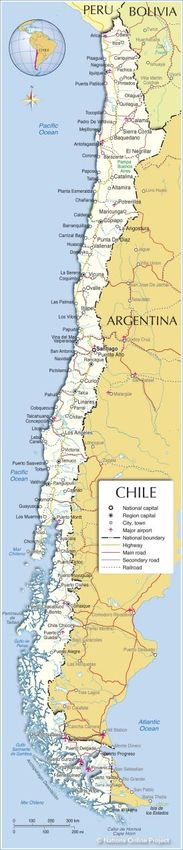
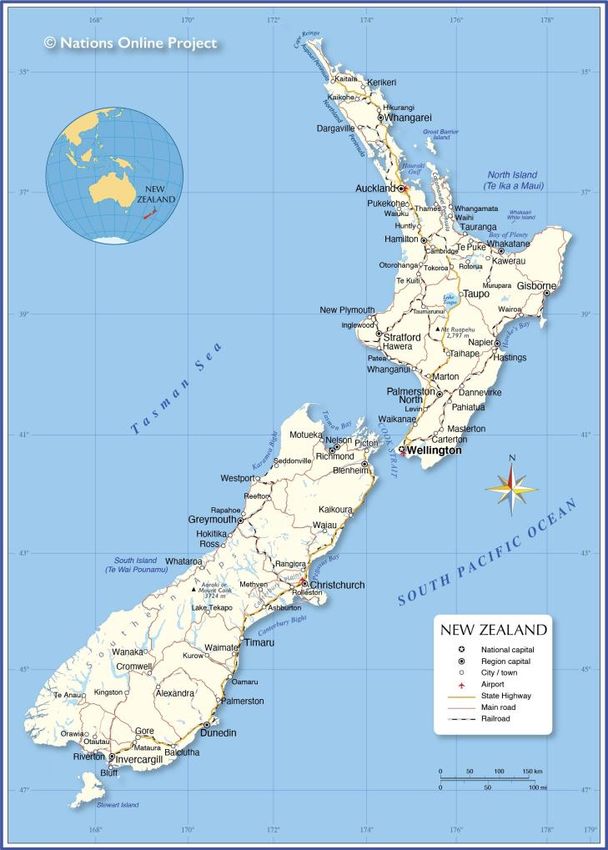
The consortium                                                                        Universidad de Chile, Santiago

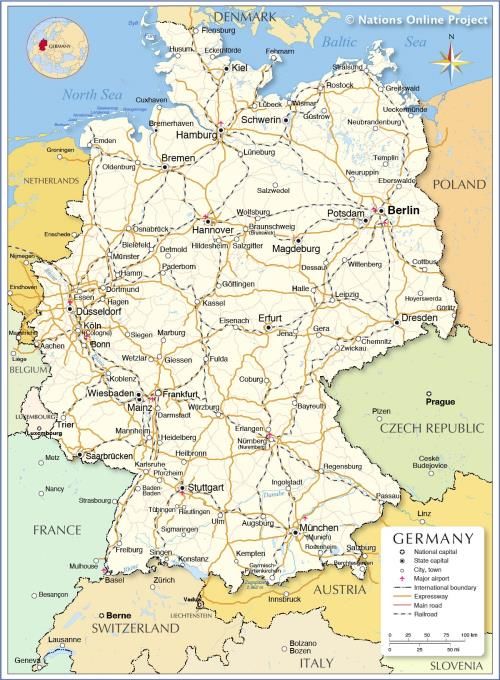
                                                                                                                           https://www.nationsonline.org/oneworld/map/germany_map.htm

https://www.nationsonline.org/oneworld/map/new-zealand-map.htm                              https://wwwnc.cdc.gov/travel/destinations/traveler/none/chile

05.07.2021        Dementia and COVID-19 in New Zealand, Chile, and Germany: Cross-country learning for resilience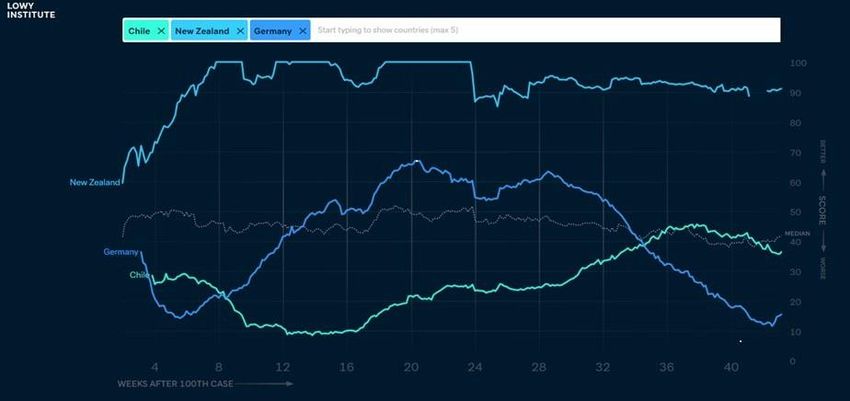
Our starting point

    •        How can we ensure that innovations are not merely considered as a reaction to a
             crisis but outlive a crisis and become part of routine care and structures?

    •        How can experiences made during a pandemic ultimately strengthen health
             system preparedness and resilience and in turn contribute towards increased
             resilience?

    •        What lessons from the current pandemic can be applied to addressing the global
             crisis of dementia?

05.07.2021         Dementia and COVID-19 in New Zealand, Chile, and Germany: Cross-country learning for resilience
Translational potential lies in global cross-country learning

   • 3 high-income countries - Chile, New Zealand, Germany - with distinct geo-political-
     cultural systems:
       • e.g., CHL, NZ: geographically high-risk, D: geographically low risk
   • facilitators and barriers of innovation during the COVID-19 pandemic
              → What works for whom and why?
              → What can we learn from this for now and beyond COVID-19?

→ Contribute towards adequate, equitable, and sustainable care and support for
families living with dementia during a pandemic and beyond

 05.07.2021       Dementia and COVID-19 in New Zealand, Chile, and Germany: Cross-country learning for resilience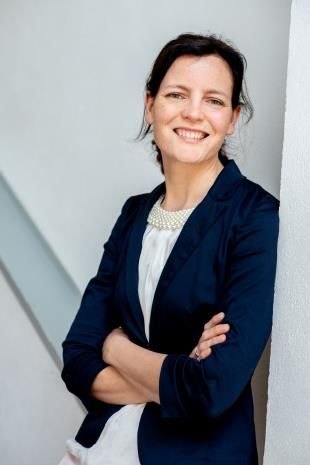
Potential for cross-country learning

         Chile, New Zealand, and Germany countries' performance regarding managing the COVID-19 pandemic during the 43
         weeks following the 100th confirmed COVID-19 case (Leng, et al. 2021)

 05.07.2021        Dementia and COVID-19 in New Zealand, Chile, and Germany: Cross-country learning for resilience
Our research questions
1. How have 3 selected nations (Chile, New Zealand, Germany) responded to the needs of
people living with dementia and of their families prior to the pandemic and during the
COVID-19 pandemic?
2. How does living in countries with continuous natural risks and hazards might impact on
building resilience and enabling responses to rapid (respiratory) pandemics such as the
COVID-19 pandemic on the one hand and to long-term challenges such as dementia on the
other hand? How might this differ to countries with (currently) fewer natural risks and
hazards?
3. What can we learn from those global experiences to empower health care systems to
provide adequate, equitable, and sustainable care and support for families living with
dementia during times of pandemics and beyond?
05.07.2021 Dementia and COVID-19 in New Zealand, Chile, and Germany: Cross-country learning for resilienceResilience and sustainability
• Resilience: resilient and adaptive health systems are able to protect themselves
and human lives from the impact of disasters and are critical to achieving good
health before, during, and after disasters (European Commission, 2020).
• In the context of the COVID-19 pandemic it has been stressed that efforts should not only focus
on absorbing unforeseen shocks but that resilience of health care systems also relates to: the
continuity in health improvement, sustaining gains in systems functioning and fostering
people-centeredness, while delivering high-quality care (Haldane et al., 2021).
• Sustainability: dynamic understanding of sustainability, whereby the evolution of
interventions is a pre-requisite for constant quality improvement and a learning
health care system (Chambers et al. 2013).
05.07.2021 Dementia and COVID-19 in New Zealand, Chile, and Germany: Cross-country learning for resilienceThe global context
‘The Convention on the Rights of Persons with Disabilities’ (United Nations, 2006) states
• that all necessary measures have to be taken to ensure the protection and safety
of persons with disabilities in risk situations, including the occurrence of
disasters, (Article 11)
• by promoting international collaborations in partnership with regional
organizations and civil society (in particular organizations of persons with disabilities)
• to support national efforts in ensuring the objectives of the convention (Article 32).
05.07.2021 Dementia and COVID-19 in New Zealand, Chile, and Germany: Cross-country learning for resilienceWhy is this research important for New Zealand?
• Total cost of dementia: 1 billion EUR (expected to almost triple by 2050) (Dementia
Cooperative et al., 2020)
• “…inadequate services of variable quality, and the current services are not capable
of meeting the growing demand” (Dementia Cooperative et al., 2020).
→ e.g., health disparities Māori / non-Māori NZ population: Māori more likely to have dementia, at a
younger age, threefold increased risk to die using antipsychotics (Kerse et al., 2015; Cullum et al., 2018, 2020)
• The National Dementia Plan 2020-2025 has not been officially adopted by
government yet (Dementia Cooperative et al., 2020).
05.07.2021 Dementia and COVID-19 in New Zealand, Chile, and Germany: Cross-country learning for resilienceWhy is this research important for Chile?
• Latin American and Caribbean countries (LACs) show some of the fastest growing
dementia rates worldwide but are largely underrepresented in research. (Livingston et
al., 2020)
• In 2017, the Ministry of Health launched the National Plan of Dementia (Ministerio de
Salud Gobierno de Chile), which proposed establishing a range of health-care services
from primary care to Memory Units (Leon et al., 2020).
• Covid-19 pandemic as an opportunity to rethink traditional public policy response
towards the needs of older persons in Chile (Villalobos et al., 2020)
05.07.2021 Dementia and COVID-19 in New Zealand, Chile, and Germany: Cross-country learning for resilienceWhat could Germany learn from this cross-country approach?
• Innovations overcoming inequity, e.g., inequity of access to support amongst
families living with dementia who have a migration background (Schmachtenberg et al.,
2021; EU Atlas: Dementia & Migration)
• Care models embracing family members as care partners → “costs” of
institutionalization/economization of care → care rooted in relationships
• System preparedness beyond disaster response
• …
05.07.2021 Dementia and COVID-19 in New Zealand, Chile, and Germany: Cross-country learning for resilienceWhat challenges can be expected?
1. How comparable are these countries really? (→ complexity to be considered)
2. How do we want to approach such a complex analysis? (→ methodology)
3. What can we learn? (→ expected outcomes)
4. Can we actually learn from each other? (→ Did we ever learn anything from
previous epidemics/pandemics? (Upshur 2021))
5. ….
05.07.2021 Dementia and COVID-19 in New Zealand, Chile, and Germany: Cross-country learning for resilienceTowards a methodology
Multi-disciplinary Implementation and system learning
Strengths-based Translational
Resilient health-systems Acute, post-acute, and long-term crisis
Participatory Individual, organizational and national level
Need for a complex approach (Laporte Uribe et al., under review)
05.07.2021 Dementia and COVID-19 in New Zealand, Chile, and Germany: Cross-country learning for resilienceWhat do we already have?
A motivated multi-disciplinary cross-sectoral consortium:
health care (services) research, disaster management research, neurology,
public health, ageing research, clinical and non-clinical dementia research,
sociology, anthropology, geography, geology, health economics
A vision
Commitment
COVID-19 pandemic exposed vulnerability of systems and people;
but
there is a unique opportunity to learn from both failures and innovations.
05.07.2021 Dementia and COVID-19 in New Zealand, Chile, and Germany: Cross-country learning for resilienceContact
Thank you to my co-authors!
Alejandra Fuentes-García (CHL)
Andrea Slachevsky (CHL)
Gary Cheung (NZ)
Franziska Laporte Uribe, Ph.D. Lothar Schrott (DE)
Research Associate Marama Muru-Lanning (NZ)
Research Group Implementation Science Martina Roes (DE)
Deutsches Zentrum für Neurodegenerative Erkrankungen e. V. (DZNE) Ngaire Kerse (NZ)
DZNE site Witten Oscar Arteaga (CHL)
Ray Kirk (NZ)
mail: franziska.laporte-uribe@dzne.de Rodrigo Alejandro Salinas Ríos (CHL)
web: http://www.dzne.de Sarah Cullum (NZ)
05.07.2021 Dementia and COVID-19 in New Zealand, Chile, and Germany: Cross-country learning for resilienceReferences
Chambers, D. A., Glasgow, R. E., & Stange, K. C. (2013). The dynamic sustainability framework: addressing the paradox of sustainment amid ongoing change. Implementation
Science, 8(1), 117. doi:10.1186/1748-5908-8-117
Cullum, S., Mullin, K., Zeng, I., Yates, S., Payman, V., Fisher, M., & Cheung, G. (2018). Do community‐dwelling Māori and Pacific peoples present with dementia at a younger age
and at a later stage compared with NZ Europeans? International journal of geriatric psychiatry, 33(8), 1098-1104. Retrieved from
https://onlinelibrary.wiley.com/doi/pdfdirect/10.1002/gps.4898?download=true
Cullum, S., Varghese, C., Coomarasamy, C., Whittington, R., Hadfield, L., Rajay, A., . . . Appleton, K. (2020). Predictors of mortality in Māori, Pacific Island, and European patients
diagnosed with dementia at a New Zealand Memory Service. International journal of geriatric psychiatry, 35(5), 516-524. Retrieved from
https://onlinelibrary.wiley.com/doi/pdfdirect/10.1002/gps.5266?download=true
European Commission. (2020). Draft proposal for a European Partnership under Horizon Europe: Transforming health and care systems. Version 9 June 2020. Retrieved from
https://ec.europa.eu/info/sites/info/files/research_and_innovation/funding/documents/ec_rtd_he-partnerships-health-system-transform.pdf
Haldane, V., De Foo, C., Abdalla, S. M., Jung, A.-S., Tan, M., Wu, S., . . . Legido-Quigley, H. (2021). Health systems resilience in managing the COVID-19 pandemic: lessons from 28
countries. Nature Medicine. doi:10.1038/s41591-021-01381-y
Kerse, N., Teh, R., Moyes, S. A., Broad, J., Rolleston, A., Gott, M., . . . Jatrana, S. (2015). Cohort profile: Te puawaitanga o Nga tapuwae Kia Ora tonu, life and living in advanced
Age: a cohort study in New Zealand (LiLACS NZ). International journal of epidemiology, 44(6), 1823-1832. doi:10.1093/ije/dyv103
Laporte Uribe, F., Arteaga, O., Bruchhausen, W., Cheung, G., Cullum, S., Fuentes-García, A., . . . Roes, M. (under review). Dementia and COVID-19 in New Zealand, Chile, and
Germany: A vision for cross-country learning for resilience in health care systems. Sustainability.
Leng, A., & Lemahieu, H. (2021). Lowy Institute Covid Performance Index. Deconstructing Pandemic Responses. What impact have geography, political systems, population size,
and economic development had on COVID-19 outcomes around the world? Based on data available to 13 March 2021. Retrieved from
https://interactives.lowyinstitute.org/features/covid-performance/
Leon, T., Castro, L., Mascayano, F., Lawlor, B., & Slachevsky, A. (2020). 463-Evaluating the Implementation of a Memory Clinic using the RE-AIM model. The experience of the
“Memory and Neuropsychiatry Clinic” in Hospital del Salvador, Chile: Implementation of a Memory Clinic in Chile. International Psychogeriatrics, 32(S1), 184-185.
Livingston, G., Huntley, J., Sommerlad, A., Ames, D., Ballard, C., Banerjee, S., . . . Mukadam, N. (2020). Dementia prevention, intervention, and care: 2020 report of the Lancet
Commission. The Lancet, 396(10248), 413-446. doi:10.1016/s0140-6736(20)30367-6
Ministerio de Salud Gobierno de Chile. (2017). Plan Nacional de Demencia 2017. Retrieved from https://www.minsal.cl/wp-content/uploads/2017/11/PLAN-DE-DEMENCIA.pdf
[Accessed:19.03.2021]
New Zealand Dementia Cooperative, Alzheimers New Zealand, & Dementia New Zealand. (2020). Improving Dementia Services in New Zealand-Dementia Action Plan 2020 to
2025. Retrieved from https://www.alzheimers.org.nz/getattachment/Our-voice/Policy-documents-and-submissions/New-Zealand-Dementia-Action-Plan.pdf/ [Accessed:
19.03.2021]
Schmachtenberg, T., Monsees, J., & Thyrian, J. R. (2021). What elements are important in current treatment and care guidelines to provide culturally sensitive care for people
with a migration background and dementia? A systematic analysis. Journal of Public Health, 1-13.
United Nations. (2006). Convention on the Rights of Persons with Disabilities and Optional Protocol. In. Geneva.
Upshur, R. (2021). Ethical Issues in the Covid-19 Pandemic: Are Lessons ever Learned? Paper presented at the Öffentliche Anhörung: Internationale Perspektiven der
Pandemieprävention und -bewältigung, online.
Villalobos Dintrans, P., Browne, J., & Madero-Cabib, I. (2020). It is not just mortality: A call from Chile for comprehensive COVID-19 policy responses among older people. J
Gerontol B Psychol Sci Soc Sci. doi:10.1093/geronb/gbaa092
05.07.2021 Dementia and COVID-19 in New Zealand, Chile, and Germany: Cross-country learning for resilienceYou can also read


