DIASPORA ENGAGEMENT IN AFGHANISTAN - Cordaid
←
→
Page content transcription
If your browser does not render page correctly, please read the page content below
» POLICY PAPER APRIL 2021

DIASPORA
ENGAGEMENT
IN AFGHANISTAN

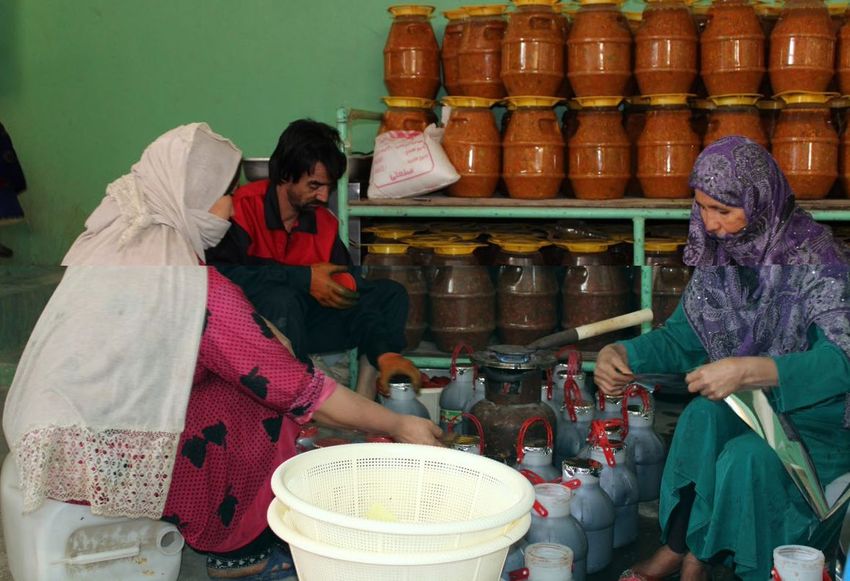
                                                                                                         Photo Hikmatullah Azizi (Kandahar Province)
A POLICY AGENDA FOR SUSTAINABLE DEVELOPMENT

Acknowledgments
This policy brief was drafted by Nasrat Sayed (Maastricht University)
and edited by Caitlin Masoliver and Bob van Dillen (Cordaid). We would
like to thank Jorrit Kamminga (Clingendael Institute) and all participants
of the 4 March 2021 webinar on this subject for their invaluable
comments and suggestions on earlier drafts. Comments and additions
are welcome at bvd@cordaid.org.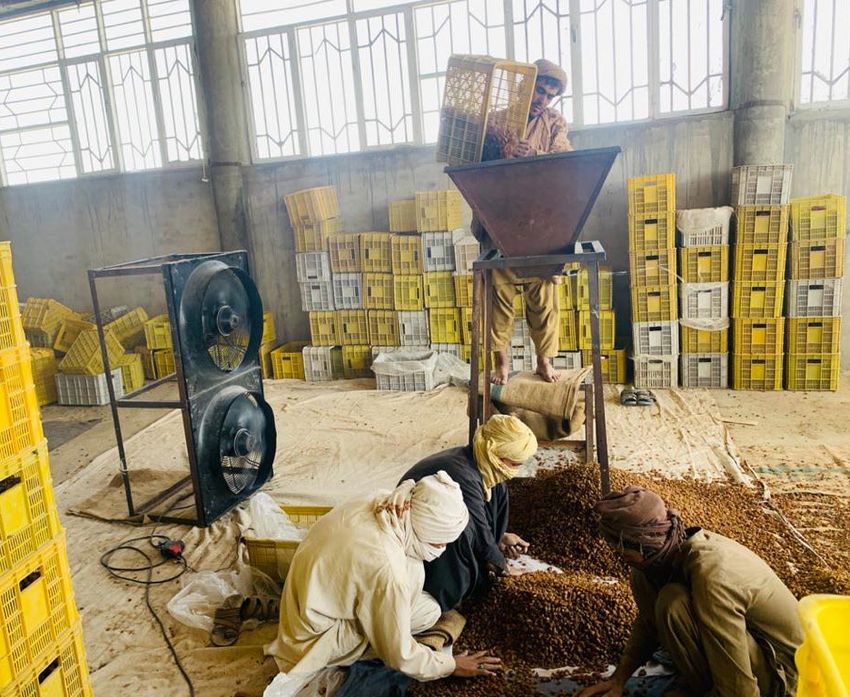
DIASPORA ENGAGEMENT IN AFGHANISTAN                                                                                1. introduction

                              1. INTRODUCTION

                              Since the increased engagement of the international community in 2001, Afghanistan has
                              received billions of dollars in different forms of financial inflows, such as foreign aid, foreign
                              direct investment, and an increase in remittances from its diaspora. In addition, the country’s
                              domestic revenue has increased substantially, from almost 180 million dollars in 2005 to more
                              than 2 billion dollars in 2020.1 Overall, the country has made some considerable improvements
                              in some sectors (e.g., health, education, banking, and telecommunication) since 2001. But in
                              particular, two decades of billions of international aid also leave much to be desired, as figures
                              by the National Statistics and Information Authority2 show that 54.5% of the population in
                              Afghanistan were living below the national poverty line, and almost 24% were unemployed in
                              2016/2017. Unemployment was the highest among youth (30.7%) and especially among young
                              females (47.4%). In light of the Covid-19 pandemic, the World Bank and the Asian Development
                              Bank anticipated that the poverty rate increased up to 72% and the unemployment rate to 37.9% in
                              2020. Furthermore, Afghanistan is still in the low Human Development Index ranking failing to
                              make progress, currently ranked 169 out of 189 countries. Generally, the poor living conditions of
                              Afghans are linked to a range of factors, including insecurity, poor governance, and a lack of
                              skilled human capital. In addition, various studies show that foreign aid has not always been in
                              line with the real needs of Afghans, because of the overarching military and political agendas of
                              many donors.

                              Insecurity and little or sluggish progress towards social and economic development are among
                              the major drivers of both internal and international migration (forced and labour) of millions of
                              Afghans. According to the United Nations Department of Economic and Social Affairs, in 2019,
                              the total emigrant stock of Afghans (from different waves) was 5.12 million. Of them, 4.43 million
                              are in Asia (mostly in Pakistan and Iran), 488,944 in Europe, and 135,162 in North America.
                              Within Europe, based on the data from the Federal Statistical Office (Destatis), Germany hosts the
                              largest number of Afghan nationals (263,000). Other major Afghan migrants or diaspora hosting
                              countries in Europe include the UK, Sweden, the Netherlands, and Austria.

                              Diaspora members remit millions of US dollars to Afghanistan annually through formal and
                              informal channels. According to the World Bank, a total of 5.82 billion US dollars was formally
                              remitted to Afghanistan between 2008 and 2020. Despite the impact of the Covid-19 pandemic,
                              Afghan diaspora remitted 785 million dollars in 2020 alone3 , which contributed 4.1% to the GDP.
                              Due to the size of the Afghan labour diaspora in these countries, Afghanistan receives the largest
                              amount of remittances from Iran and Pakistan. Meanwhile, other major remittance sending
                              countries include the UK, the United States, Germany, and the Netherlands.

                              Overall, beyond sending remittances, diaspora can also contribute by transferring skills,
                              knowledge, technology, entrepreneurship, and providing humanitarian aid to their countries of
                              origin. Thus, they are salient agents of development in their countries of origin. Their contribu-
                              tion can even be considered as an alternative for development aid.

                              The objective of this policy brief is threefold: (i) to provide an overview of the Dutch government
                              policies on diaspora and development, (ii) to provide an overview of the fields of engagement of
                              the Afghan Dutch Diaspora Organizations (ADDOs), and (iii) to provide policy recommendations
                              to different stakeholders for further support to the ADDO’s engagement in the socio-economic
                              development of Afghanistan. 4

2                                                                                                              APRIL 2021 © CORDAID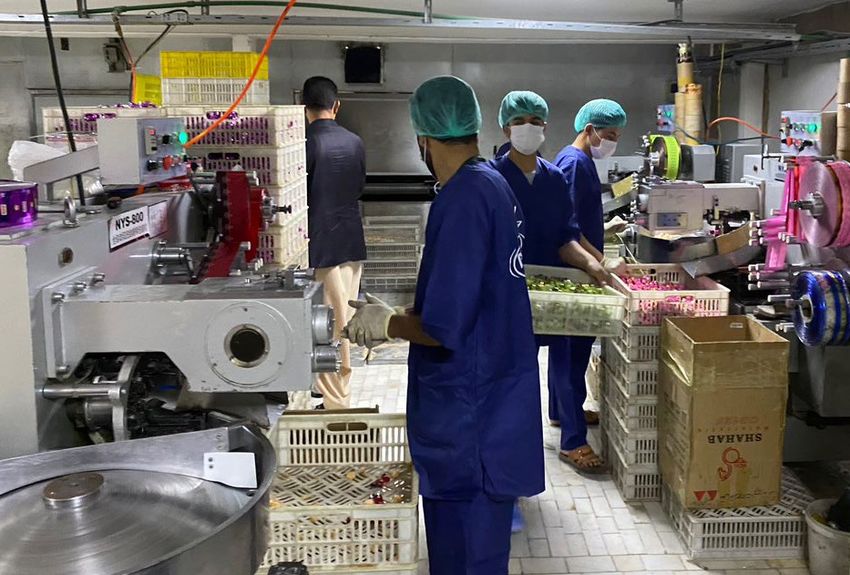
2. Diaspora: Potential for Sustainable Development                                          DIASPORA ENGAGEMENT IN AFGHANISTAN

                               2. D
                                   IASPORA: POTENTIAL FOR
                                  SUSTAINABLE DEVELOPMENT

                                                                                                                                Photo Belal Faizi (Kandahar Province)
                               In 2004, the Netherlands for the first time explicitly formulated a policy on the role of diasporas
                               in development cooperation. At that time, the Netherlands was regarded as a leader on the
                               subject of diaspora and development in Europe, as other European countries only formulated
                               such a policy from 2008 onwards.

                               In 2008, the policy brief on “International Migration and Development” intended to seek
                               information or advice from diaspora members, and to provide support to diaspora organisations
                               in the Netherlands for the purpose of executing development projects in their country of origin.

                               In 2014, in an updated version of the migration and development policy, “the involvement of the
                               diaspora in the development of their countries of origin” was one of the priority areas stipulated
                               in the Dutch policy and presented to the Parliament. Throughout 2014, the Dutch government’s
                               policies attempted to prevent large migration flows (refugees and economic migrants) to Europe.
                               Therefore, the involvement of diaspora organizations in development cooperation attracted scant
                               attention from the Dutch policy makers.

                               In 2019, the Dutch government disregarded recognizing diaspora as a different target group for
                               collaboration on migration and the development of the private sector. This decision was made
                               because of an “external evaluation of migrant entrepreneurship projects”.5 Overall, the govern-
                               ment decided to amalgamate and connect diaspora entrepreneurs and diaspora organisations to
                               the already available policies in the Netherlands, such as the Dutch Good Growth Fund – DGGF).
                               This indicated a U-turn in the Dutch policy in enhancing the inclusion of diaspora in develop-
                               ment cooperation, away from its leadership role on this subject in the past. The support of
                               entrepreneurs and businesses people (including diaspora organizations and diaspora entrepre-
                               neurs) by the DGGF6 is a good idea for a sustainable development of developing countries.
                               However, the Dutch government needs to include diasporas in its development efforts and
                               enhance their inclusion, especially in countries with ongoing conflict and major producers of
                               migrants, like Afghanistan. First, through their local contacts, language, and cultural affinity,
                               many ADDOs can help the Dutch government to obtain optimal results from its development
                               efforts (e.g., supporting social-economic development)7 in Afghanistan. Secondly, the ADDOs
                               fields of engagement in Afghanistan (see Section 3.2) are to a large extent in line with the Dutch
                               government’s development efforts in Afghanistan.

APRIL 2021 © CORDAID                                                                                                                                          3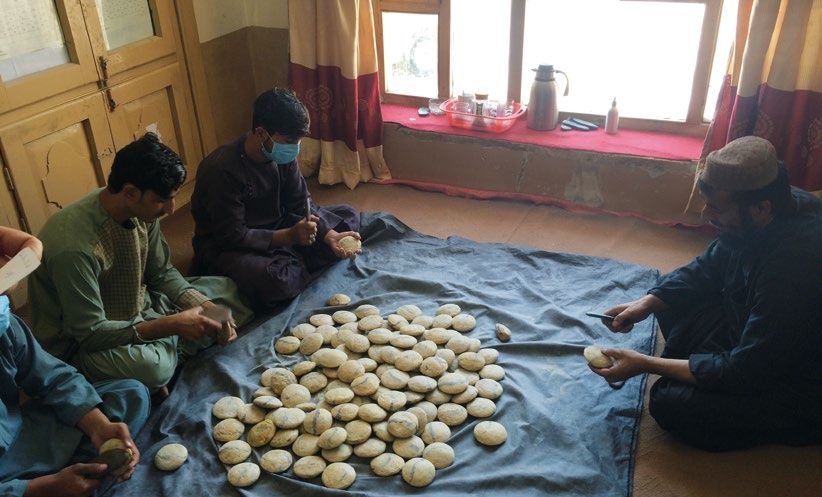
DIASPORA ENGAGEMENT IN AFGHANISTAN                                                                3. Afghan Dutch Diaspora Organizations

                              3. AFGHAN DUTCH DIASPORA
                                 ORGANIZATIONS

                              3.1 Afghan Diaspora and Engagement in the Netherlands
                              The Netherlands hosts approximately 50,000 Afghan migrants. In terms of demographic
                              characteristics, most of the Afghan population (35,490) are first-generation. Gender wise, there
                              are a few more men (25.965) than women (23.157), and most of the population (31.378) are between
                              the age of 20-65 in the Netherlands. In terms of the arrival time, Afghan refugees first arrived in
                              the 1980s in the Netherlands due to the Soviet–Afghan War in Afghanistan. It is a sad reminder
                              of the fact that the conflict has never stopped for the Afghans and is now in its forty-second year.

                              Regarding the number of ADDOs, there are conflicting estimates. Through online research,
                              the author identified 87 ADDOs (listed and not listed on the website of the Dutch Chamber of
                              Commerce/KVK).8 The mapping in Annex 2 provides information about the identified ADDOs’
                              geographic location, their founding year, and their main activities.

                              According to the mapping, the ADDOs were founded in different years between 1997 and 2020.
                              During this period, more than half of the diaspora organizations were established between 2001
                              and 2010. In terms of the geographical location, the ADDOs are located in eleven out of twelve
                              provinces in the Netherlands (see Figure 1). They are mainly concentrated in South Holland,
                              North Holland, and Gelderland. This is understandable as these three provinces host most of the
                              Afghan population in the Netherlands. Unlike some other European countries, such as Germany
                              and Denmark, the ADDOs have an inclusive umbrella organization called the Union of Afghan
                              Associations in the Netherlands (UvAViN). There are more than 30 ADDOs under the UvAViN.
                              Additionally, there is also an umbrella organization at the European level: The Federation of
                              Afghan Refugee Organizations in Europe (FAROE). FAROE has 53 Afghan diaspora organizations
                              as its members across Europe, the majority from the Netherlands. Having umbrella organiza-
                              tions indicates that Afghan diaspora have good collaboration amongst themselves and are
                              generally more united in the Netherlands compared to Germany, Sweden, and Denmark.

                              Figure 1: ADDOs geographical location9

                                                                                              1                27
                                                                             1

                                                                                          1

                                                           11
                                                                                                               0

                                                                         2
                                                                                      1

                                                                7                11
                                                      27

                                                                    10
                                        0

                                                                                 9

                              Source: ADDOs mapping

4                                                                                                                      APRIL 2021 © CORDAID
3. Afghan Dutch Diaspora Organizations                                                     DIASPORA ENGAGEMENT IN AFGHANISTAN

                               The available information from the mapping shows that the ADDOs are engaged in multiple
                               fields of activities in the Netherlands and Afghanistan (see Figure 2). In the Netherlands, the
                               ADDOs main focus is cultural/social (29.58%) and integration (14.79%) activities. The aim for
                               integration is largely strengthening the social integration of Afghans into Dutch society.
                               The cultural/social activities by the ADDOs are mainly aimed at preserving their own culture
                               and to promote cross-cultural understanding. For instance, they celebrate Nowruz (new Persian
                               year), Eid (Muslims’ religious festivals twice a year) and International Women’s Day. They also
                               organize poetry, music, and cooking events. In addition, some of the ADDOs are engaged in
                               advocacy (e.g. organizing demonstrations to prevent the deportation of Afghan asylum seekers
                               who have exhausted all procedures), and student/academic or educational, religious, and sports
                               related activities in the Netherlands (see Figure 2). In Afghanistan, the ADDOs are also engaged
                               in various fields (e.g. health, education, and humanitarian assistance), which are explained in
                               the next section.

                               Figure 2: Fields of Engagement of ADDOs10

                                            Umbrella/network

                                                 Human rights

                                Entrepreneurship/employment…

                                   Professional/labour market

                                                       Advocacy

                                                          Health

                                                        Religion

                                                           Sport

                                                       Education

                                                        Student/…

                                     Humanitarian Assistance

                                                   Integration

                                                 Culture/social

                                                                    0   5    10       15       20     25       30      35

                                                                                           %

                               Source: ADDOs mapping

                               3.2 Engagement in Afghanistan
                               Almost 20% of the ADDOs are, in addition to some of their activities within the Netherlands
                               (e.g. culture and integration), also engaged in humanitarian and development activities in
                               Afghanistan. Engagement in the development of Afghanistan is the desire of many of the
                               diaspora organizations from the Netherlands, and also other European countries. Despite this
                               appetite, the increase in size of the Afghan diaspora and their significant role in the public,
                               private, and civil society sectors’ development during the last two decades, Afghanistan does not
                               have a diaspora engagement policy yet. However, since 2018, the Afghan government has been
                               drafting the Afghan National Diaspora Engagement Policy (ANDEP). This effort of the Afghan
                               government is also in line with objective 19 of the Global Compact for Migration (GCM), which
                               states: “Create conditions for migrants and diasporas to fully contribute to sustainable develop-
                               ment in all countries” (p.6).

                               Besides the lack of a policy, a number of Afghan diaspora organizations ‒ especially from Europe ‒
                               have been engaged in Afghanistan with the help of local and/or international partners. The
                               diaspora organizations supporting development in Afghanistan are mostly engaged in the
                               health, education, and humanitarian assistance or relief. This is needed as the decades-long
                               conflict has seriously deteriorated these key sectors for development. This also explains why the
                               ADDOs fields of activities are largely in these sectors (see Annex 2,1). A study on the Afghan
                               diaspora organizations in Germany, Sweden, Denmark, and the UK shows similar findings.11

APRIL 2021 © CORDAID                                                                                                              5
DIASPORA ENGAGEMENT IN AFGHANISTAN 3. Afghan Dutch Diaspora Organizations
Photo Wahid Habib (Herat Province)
3.2.1 Health
According to the mapping data, only about 5% of the ADDOs are engaged in contributing to the
development of the health sector in Afghanistan. However, their support focuses mostly on
short-term and temporary projects, ranging from knowledge transfer and capacity building to
supplying health related equipment, especially since the outbreak of the COVID-19 pandemic.
One of the active ADDOs engaged in health sector development in Afghanistan is the Keihan
Foundation. It has been engaged in Afghanistan for over a decade, mostly through training and
academic exchange programs. For example, in 2013, one anatomist from Kabul University of
Medical Sciences (KUMS) trained at the anatomy department of Leiden University Medical
Centre (LUMC) for 10 months. This, in turn, contributed to the improvement of the anatomy
curriculum at the KUMS. For its activities in Afghanistan, Keihan Foundation has the support of
national and international partners (e.g. KUMS, IOM, and the Dutch Ministry of Foreign Affairs).
Another ADDO combining Afghan and Dutch expertise is the Medical Committee Afghanistan-
Netherlands (MCAN). It is also dedicated to help Afghanistan in the rebuilding process, particu-
larly of the health care system, for instance, through knowledge sharing and networking. One of
the interesting initiatives by MCAN is that it has given Afghan health professionals in several
hospitals access to Incision Academy - a web-based surgical database.12 It is also noteworthy that
MCAN is supporting and enabling health professionals, especially Afghan diaspora members
from the Netherlands, for short or long-term temporary return to help the development of the
health sector in Afghanistan.
3.2.2 Education
The mapping shows that nearly 10% of the ADDOs are engaged in educational development in
Afghanistan. Interestingly, they are engaged in different provinces, of which most are considered
relatively secure. The initiatives of ADDOs in this sector concentrate on various activities such as
building schools and libraries, providing study materials, and providing financial support, mostly
to women or girls for access to education. For example, the Solidarity Committee Afghanistan-
Netherlands (SCAN) foundation has constructed schools and provided school equipment, books,
and computers for students in some provinces in the country. Another active ADDO in the sector
of education in Afghanistan is the Ariana Foundation for Afghan women. Unlike SCAN, this
foundation provides study grants every year for 40-50 poor girls between the ages of 18 and 24.
Interestingly, the study grants are targeted for students of the secondary and higher education
in Kabul. This will help the girls to gain an equal social position and take part in the rebuilding
of their homeland. Surprisingly, according to the mapping data, a few of the ADDOs have, so far,
been engaged and/or aim to engage in employment generating activities to help vulnerable
people in Afghanistan.
6 APRIL 2021 © CORDAID3. Afghan Dutch Diaspora Organizations DIASPORA ENGAGEMENT IN AFGHANISTAN
3.2.3 Humanitarian Assistance or Relief
In addition to health and education, almost 12% of the ADDOs are engaged in providing humani-
tarian aid or relief to the Afghans inside Afghanistan. Humanitarian assistance is provided
usually in the form of cash and/or in-kind support. This type of engagement occurs generally
during acute crises (e.g. harsh winter, flood, and earthquake) and sometimes in the month of
Ramadan13 to help the needy. Direct donations, organizing charity concerts, and cooking events
are among the main sources of funding for several ADDOs for implementing humanitarian
assistance or relief projects in Afghanistan. For example, the Nang Foundation has successfully
implemented several projects in Afghanistan, including the Qurbani project, Kabul camp, and food
distribution. In 2015, the Nang Foundation collected 4,000 Euros and then distributed food parcels
during the month of Ramadan in Khost province. Prior to this, they had a Kabul Camp project for
which they collected clothes from the Netherlands and organized a charity concert to raise money.
As a result, they supplied clothes to more than 1,500 displaced families inside the camp.
It is noteworthy that in some cases, humanitarian aid also includes funding small development
projects such as building a small protection wall, small bridge, or well for potable water, etc.
Since the outbreak of the Covid-19 pandemic, several ADDOs have supplied the necessary goods
(e.g., face masks and hand sanitizers) to support Afghans in need.
In addition to the ADDOs, the IOM has also engaged in the development of Afghanistan through
the transfer of social remittances of Afghan diaspora. As of 2014, the IOM had recruited and
helped approximately 1,500 Afghan diaspora experts from more than 30 countries, including
the Netherlands. This number has increased due to the initiation of new projects by the IOM
Netherlands, such as the Connecting Diaspora for Development (CD4D1).14 Between 2016 and
2019, the IOM as a continuation of its Temporary Return of Qualified Nationals (TRQN) project,
has implemented the CD4D1 project in Afghanistan. During this period, the IOM Netherlands
mentioned that they supported 22 assignments (13 Afghan diaspora members) in the framework
of CD4D1 in Afghanistan.
According to the CD4D1 final assessment report, the assignments to Afghanistan were more
than those in Iraq (10) but less than other CD4D1 targeted countries: Somalia (FGS & Somaliland)
(86), Sierra Leone (42), and Ethiopia (24).15 The CD4D1 project in Afghanistan focused on the health,
education, and infrastructure sectors, on providing training to the local staff, on skills and
knowledge exchanges, and on creating institutional links to the institutions in the cited sectors.
Undoubtedly, the CD4D1 project had a positive impact on the capacity building of the targeted
countries, including Afghanistan. Highlighting successful or unsuccessful countries or institu-
tions under this project, however, is still difficult. This is due to the fact that the transfer of
knowledge is not only considered a complex task, but is also difficult to measure in terms of
long-term impact, and depends on many factors for its success.16
Overall, the above information shows that the IOM Netherlands and the ADDOs are engaged in
virtually the same areas of development in Afghanistan. Yet, there is no formal partnership or
Memorandum of Understanding between them. The IOM has cooperation with a few of the
ADDOs (e.g., Keihan Foundation and MCAN). For instance, it has supported some of their
activities and members for the development of Afghanistan through the transfer of knowledge
and skills. Moreover, for the CD4D1 project, the IOM selected the Keihan Foundation as an
appropriate ADDO for the purpose of outreach of the project. On the other hand, the UvAViN, an
umbrella organisation, supported the IOM in the return of experts to Afghanistan before the
CD4D1 project.
Engagement in the development of Afghanistan is not without challenges, especially for the
ADDOs. The most common challenges that limit engagement and optimal results, especially in
implementing development projects in Afghanistan, are insecurity, corruption, and lack of
necessary and timely cooperation by the Afghan government and sometimes the community
leaders. Some of the ADDOs pointed out that they have mostly overcome these challenges
through their local contacts/networks or by establishing local partners. Others mentioned that
these challenges have deterred them from working inside Afghanistan. In addition, the lack of
capacity (e.g. proposal writing, leadership, and project management) and access to funding are
also seen as important challenges for ADDOs engagement in the development of Afghanistan.
These are not only challenges for the ADDOs in the Netherlands, but were also pointed out as
challenges by many Afghan diaspora organizations in Germany, the UK, Sweden, and Denmark.17
APRIL 2021 © CORDAID 7DIASPORA ENGAGEMENT IN AFGHANISTAN 4. Policy Recommendations
4. POLICY RECOMMENDATIONS
For the Government of Afghanistan:
▪ The Afghan government should prioritize the finalization and implementation of the Afghan
National Diaspora Engagement Policy (ANDEP). This will help the ADDOs to have access to
information regarding the facilities, support, and cooperation of the Afghan government
for engagement in development in Afghanistan. At the same time, the Afghan government
should establish a specific directorate for the diaspora to promote, coordinate, and facilitate
their engagement in Afghanistan.
▪ The government (and other stakeholders such as civil society) should promote a positive image
of diaspora engagement through media, including social media.
For Dutch and international NGOs:
▪ Development and relief actors operating in Afghanistan should provide partnership
opportunities for the ADDOs engagement in Afghanistan. They can prioritize these
partnership opportunities based on their proximity of areas of interest or expertise, which
can lead to joint NGO-diaspora projects and programs.
▪ International and/or Dutch NGOs should support, facilitate, and/or provide short and long-
term capacity building workshops and courses for the ADDOs and diaspora volunteers.
These courses and workshops should be mainly on proposal writing for grants, project
management, and financial management (for example, see the Danish Refugee Council’s
(DRC) diaspora program).
▪ Development and relief actors based in the Netherlands should support the ADDOs also in
their communication, lobby and advocacy activities, which can lead to joint advocacy
activities.
For ADDOs and Afghan diaspora members:
▪ In addition to healthcare, education and humanitarian assistance, the ADDOs should focus
on employment and income generating activities (for example, see Afghan Action in Annex 1).
They can either support the existing enterprises in Afghanistan or train vulnerable women
and young graduates to establish new ones. This could be possible with the help of different
actors, such as the Afghan-Dutch business diaspora organizations, relevant NGOs, as well as
the Afghan government (e.g., Ministry of Industry and Commerce, Ministry of Economy). In
particular, the Afghan-Dutch diaspora businesses try to support Afghan businesses in linking
to overseas markets in the Netherlands or Europe.
Photo Omid Noori (Herat Province)
8 APRIL 2021 © CORDAID4. Policy Recommendations DIASPORA ENGAGEMENT IN AFGHANISTAN
▪ The ADDOs should have (updated) websites and should promote and apply accountability and
transparency in funding, to build trust in both host and home countries.
▪ Cooperation and collaboration among the ADDOs and with other CSOs and NGOs in the
Netherlands or in Germany, the UK, Denmark, and Sweden already engaged in promoting
sustainable development in Afghanistan can be a good source of learning lesson. This can also
be a good source of information exchange or entry points for the rest of the ADDOs who are
interested to engage in Afghanistan.
▪ For the transfer of social remittances (e.g. knowledge and skills) to Afghanistan, the ADDOs
and Afghan diaspora members could cooperate with the IOM Netherlands to further develop
the IOM’s diaspora skills database. This will help actors involved in the development of
Afghanistan to have improved and more secure access to Afghan diaspora members’ expertise.
For the next Dutch Government:
▪ Besides the DGGF option, the Dutch government should further encourage, with specific
funding and inclusion efforts, the ADDOs in their development efforts in Afghanistan.
Priority should be given to the ADDOs who have the capacity and experience in the
development activities in Afghanistan (see Annex 2.1).
▪ The Dutch government, together with the local private (e.g. Afghanistan Chamber of
Commerce, Afghan Women Chamber of Commerce and Industries) and/or public (e.g. Ministry
of Labour and Social Affairs) organizations in Afghanistan, should further support
entrepreneurs and employment generating projects. A special focus should be given to
providing decent work opportunities for young men and women, as unemployment is the
highest among youth. Employment can help Afghan youth in different ways, such as
preventing them from joining insurgent groups to earn livelihoods.
Photo Azmatullah Fazli (Kandahar Province)
APRIL 2021 © CORDAID 9DIASPORA ENGAGEMENT IN AFGHANISTAN References
REFERENCES
▪ Asian Development Bank. (2020a). Afghanistan and ADB. Retrieved from https://www.adb.org/
countries/afghanistan/poverty#accordion-0-6
▪ Asian Development Bank. (2020b). ADB Approves $100 Million Grant to Support Afghanistan’s
COVID-19 Response. Retrieved from https://www.adb.org/news/
adb-approves-100-million-grant-support-afghanistan-covid-19-response
▪ Ali, A. (2020). A Guide to Afghan Diaspora Engagement in Europe. VIDC. Retrieved from
https://www.vidc.org/en/detail/a-guide-to-afghan-diaspora-engagement-in-europe
▪ ATR Consulting. (2018). Aid Effectiveness in Afghanistan. Retrieved from https://swedishcommittee.
org/sites/default/files/media/aid_effectiveness_in_afhganistan_march_2018_0.pdf
▪ Central Statistics Organization [National Statistics and Information Authority] (2018),
Afghanistan Living Conditions Survey 2016-17. Kabul, CSO
▪ Fayez, H. (2012). The Role of Foreign Aid in Afghanistan’s Reconstruction: A Critical
Assessment. Economic and Political Weekly, 65-70.
▪ Garrote-Sanchez, D. (2017). International Labor Mobility of Nationals: Experience and Evidence
for Afghanistan at Macro Level, BGP 2 A Background Paper to the World Bank Project on
“Afghanistan: Managed International Labor Mobility as Contribution to Economic
Development and Growth”. Washington, DC.
▪ GCM. (2018). Global Compact for Safe, Orderly and Regular Migration. Retrieved from
https://www.regierung.li/media/attachments/Global-compact-for-save--orderly-and-regular-
migration.pdf?t=637433298705896367
▪ House of Representatives. (2019). Brief van de minister voor Buitenlandse Handel en
Ontwikkelingssamenwerking [Letter from the Minister for Foreign Trade and Development
Cooperation]. House of Representatives. Retrieved from https://www.tweedekamer.nl/
kamerstukken/brieven_regering/detail?id=2019Z20630&did=2019D43150
▪ IOM. (2014). Afghanistan Celebrates Return of Skilled Workers. Retrieved from
https://www.iom.int/news/afghanistan-celebrates-return-skilled-workers
▪ IOM. (n.d). Afghanistan. Retrieved from https://www.connectingdiaspora.org/countries-
cd4d2/afghanistan/
▪ Magendane, K. & Goris, Y. (2020). Diaspora inclusion in the Dutch development agenda.
The Broker. Retrieved from https://www.thebrokeronline.eu/diaspora-inclusion-i n-the-
dutch-development-agenda/
▪ Mueller, C & Kuschminder, K. (2019). Connecting Diaspora for Development (CD4D) Final Report.
UNU-MERIT. Maastricht, Netherlands.
▪ Ministry of Foreign Affairs. (2019. Enabling entrepreneurship in frontier markets. Retrieved from
https://english.dggf.nl/finance-opportunities/financing-local-smes
▪ Ministry of Foreign Affairs. (2020). Afghanistan. Retrieved from https://www.
dutchdevelopmentresults.nl/countries/afghanistan
▪ Meshkovska, B., Sayed, N., Koch, K., Rajabzadeh, I., Wenger, C., & Siegel, M. (2019). Afghan
Diaspora in Europe: Mapping engagement in Denmark, Germany, Sweden, and the United Kingdom.
UNU-MERIT, Maastricht, the Netherlands.
▪ Parliamentary paper. (2014). Letter from the minister for foreign trade and development
cooperation [Migration Policy 30 573]. House of Representatives of the States General.
Retrieved from https://zoek.officielebekendmakingen.nl/kst-30573-129.html
▪ Statistisches Bundesamt [the Federal Statistical Office]. (2019). Migration and integration.
Retrieved from https://www.destatis.de/DE/Themen/Gesellschaft-Umwelt/Bevoelkerung/
Migration-Integration/auslaenderstatistik-stichtag.
html;jsessionid=49795269FBF9D1AAF46EAE2A8840528D.internet8732?__blob=publicationFile
▪ Sinatti, G., & Horst, C. (2015). Migrants as agents of development: Diaspora engagement
discourse and practice in Europe. Ethnicities, 15(1), 134-152.
▪ Statistics Netherlands. (2019). Population; sex, age, migration background and generation,
January 1. CBS. Retrieved from https://opendata.cbs.nl/statline/#/CBS/en/dataset/37325eng/
table?ts=1613301164673
10 APRIL 2021 © CORDAIDReferences DIASPORA ENGAGEMENT IN AFGHANISTAN
▪ UNDESA [United Nations Department of Economic and Social Affairs]. (2019). International
Migrant Stock 2019 (United Nations database). Retrieved from https://www.un.org/en/
development/desa/population/migration/data/estimates2/estimates19.asp
▪ UNDP. (2020). Human Development Report 2020. Retrieved from http://hdr.undp.org/
en/2020-report.
▪ World Bank. (2020). Afghanistan Development Update : Surviving the Storm. Washington, D.C. : World
Bank Group. Retrieved from http://documents.worldbank.org/curated/en/132851594655294015/
Afghanistan-Development-Update-Surviving-the-Storm
▪ World Bank. (2020). Migration and Remittances [Annual Remittances Data (updated as of
October 2020]. Retrieved from https://www.worldbank.org/en/topic/labormarkets/brief/
migration-and-remittances
▪ Willemsen, A., Balt, M., Cornelissen, W., Jong, N., & Naudé, W. (2019). External evaluation of
migrant entrepreneurship projects [Volume 1 - Final Report]. ECORYS. Rotterdam, Netherlands.
APRIL 2021 © CORDAID 11DIASPORA ENGAGEMENT IN AFGHANISTAN endnotes
ENDNOTES
1 In communication with the Ministry of Finance, Afghanistan.
2 Previously known as a Central Statistics Organization (CSO)
3 This amount is only the formal inflow of financial remittances to Afghanistan. There are many Afghan diaspora members who
remit money informally through the use of the Hawala system.
4 This policy brief is based on desk research, mapping of the ADDOs, eight interviews with (members of) ADDOs.
Communication with the Ministry of Finance, and the Ministry of Refugees and Repatriation, Afghanistan, and the IOM
Netherlands - all between February and March, 2021.
5 “[The Dutch] Ministry of Foreign Affairs commissioned an external evaluation of the six migrant entrepreneurship projects
funded by the subsidy framework aimed at providing incentives to the involvement of the diaspora in the development of
the countries of origin” (Willemsen et al., 2019, p. 9).
6 The DGGF is “stimulating entrepreneurship and creating jobs in frontier markets […]. Business opportunities created by local
entrepreneurs provide untapped potential for inclusive economic development and are key to transforming these countries
into more prosperous societies” (Ministry of Foreign Affairs, 2019, p. 7).
7 The Netherlands, as part of its development cooperation in Afghanistan, focuses on promoting security, peace and stability,
women’s rights, cementing the rule of law, and supporting socio-economic development in Afghanistan (Ministry of Foreign
Affairs, 2020).
8 To identify the ADDOs, different key words were used in an online search in different languages: English, Dutch, Dari, and
Pashto. The ADDOs established together by Afghan diaspora members and Dutch but focusing on Afghans are also included
in the list of ADDOs. The ADDOs indicated permanently closed on Google or Facebook are not included in the mapping.
9 The geographical locations for six ADDOs were not available.
10 Note: There are not always very clear distinctions between the various fields of engagement by the ADDOs because
sometimes they overlap. ADDOs engaged in more than one field are counted multiple times.
11 See https://drc.ngo/media/catnmjte/drc-study-afghan-diaspora-in-europe.pdf
12 For more information on Incision Academy, visit https://academy.incision.care/
13 Ramadan is a holy month of worship for Muslims once a year.
14 The CD4D1 project supported diaspora professionals or experts from five target countries (including Afghanistan) to
contribute to the development of their countries of origin through the transfer of knowledge and skills. This project was
funded by the Dutch Ministry of Foreign Affairs. CD4D2 has also started by the IOM Netherlands.
15 See https://migration.merit.unu.edu/research/projects/connecting-diaspora-for-development-cd4d/
16 See https://migration.merit.unu.edu/research/projects/connecting-diaspora-for-development-cd4d/
17 See https://drc.ngo/media/catnmjte/drc-study-afghan-diaspora-in-europe.pdf
18 The cases are written based on: the available information on the websites of the diaspora organizations; Ali, A. (2020);
and Meshkovska et al., 2019.
12 APRIL 2021 © CORDAIDannexes DIASPORA ENGAGEMENT IN AFGHANISTAN
ANNEX 1
SOME SUCCESSFUL CASES OF
AFGHAN DIASPORA ORGANIZATIONS
ENGAGEMENT FOR DEVELOPMENT
IN AFGHANISTAN 18
THE NETHERLANDS
Keihan Foundation
Keihan Foundation, located in Leiden, was founded in 2005 by a group of young Afghan students
born and/or grew up in the Netherlands. The foundation has three pillars of activities: education,
integration, and development cooperation. The first two pillars focus on the Netherlands, and
the third one is mainly focused on development in Afghanistan. Today, Keihan Foundation is
one of the most active Afghan diaspora organizations, in general in Europe and in particular in
the Netherlands.
Projects for development in Afghanistan
Keihan Foundation is largely engaged in the development of the health sector in Afghanistan
through various programs: Anatomy Teaching Innovation Program, Academic Exchange
Medicine (AEM), and the Clinical Skills Training Program. In addition, the foundation has some
other projects as well in Afghanistan such as a Gynaecology project, provision of basic medical
materials, access to potable water, and building libraries (e.g., the anatomy media library at the
Kabul University of Medical Sciences - KUMS), etc.
Anatomy Teaching Innovation Program: This program was launched in 2013. In the same year, the
foundation trained one anatomist from the KUMS at the anatomy department of Leiden
University Medical Centre (LUMC) for 10 months. This, in turn, contributed to the improvement
of the anatomy curriculum at the KUMS. This indicates a good example of cooperation in the
sector of higher education between the Netherlands and Afghanistan.
Academic Exchange Medicine (AEM): The Keihan Foundation, with the support of LUMC, arranges a
three-month study program for medical students from Afghanistan to study at the LUMC. The
aim is transfer of knowledge and experience from the Netherlands to Afghanistan. In 2017, three
Afghan medical students took part in the opening of the AEM program. Presently, up to seven
students from the KUMS benefit from the program annually.
Gynaecology project: Under this exchange project, doctors and professors from the Netherlands visit
Kabul and teach doctors and medical staff. Also, Afghan doctors visit the Netherlands to learn
and improve their medical knowledge.
Funding
The Keihan Foundation’s partners include IOM, the LUMC, Dutch Ministry of Foreign Affairs,
Cordaid, and the Kabul University of Medical Science.
The Ariana Foundation
The Ariana Foundation, located in South Holland, was established in 2003 by a small group
of Afghan and Dutch women. The foundation provides educational support to females in
Afghanistan to join the labour force and could contribute to the reconstruction of Afghanistan.
The foundation’s main activity is fundraising in the Netherlands to achieve its objective in
Afghanistan.
APRIL 2021 © CORDAID 13DIASPORA ENGAGEMENT IN AFGHANISTAN annexes
Study grants project in Afghanistan
The foundation has a study grants project in Afghanistan. With the support of its local partner
(Empowerment Centre for Women - ECW) based in Kabul, the Ariana Foundation every year
recruits and supports 40-50 poor young girls. The recruited girls then receive study grants. The
amount of the grants is 25 Euros for high school students and 35 Euros for university students
every month to cover the costs of their education. The ECW as a local partner confirms the ages
and eligibility of students for the grant. Every year, a board member from the foundation visits
Afghanistan for the purpose of interviewing the recently recruited students and also monitor
their progress. Passing all exams every year is a condition for the students to keep their scholar-
ship. If a student fails, she is replaced by another girl from the waiting list. The foundation will
focus more on supporting school students rather than university students. This is because
several university students, after getting married, are forced to discontinue their education.
Funding
The foundation does not receive any governmental funding. Thus, the foundation receives the
vast majority of its funding from private donors and philanthropists annually. Additionally, the
chairperson of Ariana Foundation also raises money through public speaking, for example, at
schools and media houses to recruit private or individual sponsors.
UNITED KINGDOM
Afghan Action
Afghan Action, located in the UK, is a charity Afghan diaspora organization established in 2005.
Afghan Action’s mission is “to help develop good jobs, sustainable businesses and fair markets”
for young men and women in order to reduce poverty and promote peace and stability. Since
2005, it has “trained, educated and employed” more than 800 poor Afghans at its training and
business incubation centre in Kabul.
Projects in Afghanistan
Carpet weaving project
The carpet weaving project trains participants (poor men and women) to learn carpet weaving
techniques to produce carpets in different designs (e.g., traditional, modern, and mixed designs).
The carpets are produced in different sizes from 1 up to 12 square metres. Training takes place at
the Training and Business Incubation Centre of Afghan Action in Kabul. Wool of sheep used for
the carpets is brought from Ghazni province. They are dyed naturally.
Sewing and cloth making
Afghan Action started this project in 2011 to help poor people, especially women, to not only
support themselves but also their families. The project initially aimed to train 46 people (mainly
women) over a two-year period. Finally, by the end of the project in 2014, 52 people received
training in sewing and cloth-making.
Funding
The funding by Afghan Action includes donations and it also finds markets, especially for Afghan
made carpets in the UK. For its cloth-making project, Afghan Action received funding from the
Linda Norgrove Foundation, the Clothworkers Foundation, and ASHRAM International.
14 APRIL 2021 © CORDAIDannexes DIASPORA ENGAGEMENT IN AFGHANISTAN
GERMANY
The Doctors’ Association for Afghan Refugees (Ärzteverein für afghanische Flüchtlinge e.V)
(AFAF).
The AFAF was established in Germany in the early 1980s by a group of Afghan refugees. Initially,
the AFAF’s objective was health care delivery to Afghan refugees living in Pakistan and to
Afghans inside Afghanistan. After the withdrawal of the Soviet Union forces from Afghanistan
in 1989, the AFAF engaged in the reconstruction of the health care system in Afghanistan. After
the engagement of the international community in Afghanistan in 2001, the AFAF continued its
training, humanitarian assistance, and supporting hospitals in Kabul with providing necessary
medicine and medical equipment, providing ambulances, knowledge transfer, and building
schools and clinics/hospitals. In Afghanistan, the AFAF has cooperation with Kawoon Institute
of Higher Education (KIHE), the Hashemi Foundation, some local associations for women, and
the Afghan doctors in Afghanistan.
Projects in Afghanistan
First Aid for Gunshot and Blast Injuries & Basic Life Support (BLS)
Due to decades of war and conflict, thousands of Afghans are killed or wounded each year.
Therefore, the AFAF’s “First Aid for Gunshot and Blast Injuries and Basic Life Support (BLS)
Training for Schoolteachers and Administrators” – has been implemented in Balkh province in
cooperation with the KIHE. The pilot phase of the project held during November and December.
As a result, almost 200 staff members in eight different schools benefitted from the BLS. During
the next phase of this project, the AFAF aims to provide similar training to 2,000 staff in more
than one hundred schools in Balkh province.
Construction work
The AFAF has also engaged in the construction of some projects including a polyclinic in Panjshir
province and a clinic and primary school in Khewa district of Nangarhar province. Every year, up
to 400 children attend the school. In addition, the Khewa clinic treats approximately 1,100
patients, including women and children. In Kabul, the AFAF supports the department of
Neonatology at Maiwand Children hospital.
Funding
The AFAF receives donations from both public and private organizations to implement its
projects in Afghanistan. For its “First Aid for Gunshot and Blast Injuries and Basic Life Support
(BLS) Training for Schoolteachers and Administrators” project, the AFAF received funding from
the General Consulate of Germany based in Balkh province.
APRIL 2021 © CORDAID 15DIASPORA ENGAGEMENT IN AFGHANISTAN annexes
ANNEX 2
MAPPIN OF THE ADDOS IN THE NETHERLANDS
NAME YEAR OF MAIN FIELDS OF ENGAGEMENT PROVINCE
ESTABLISHMENT
Shahmama (Shahmoama), Afghan Social 2010 Cultural, social and educational activities North Holland
Development Foundation
Afghan Foundation Zeist 2010 Celebrating women days, cultural events etc Utrecht
Afghan Refugees Foundation in the Netherlands 1997 N/A South Holland
KEIHAN Foundation 2005 Education, Integration, and development South Holland
cooperation
WIJ Foundation (people of Afghan descent from 2010 Organizing conferences and trade fairs / promot- South Holland
Krimpen) ing social integration
Voice of Afghan Women Foundation N/A Language information for women; organizing South Holland
events on discussing depression and domestic
violence; cultural activities
Afghan Dutch Foundation in Apeldoorn (SANA) 2006 Culture, recreation, humanitarian assistance Gelderland
Solidarity Afghan Society Foundation 2017 Cultural, social and community activities Flevoland
Goshamadeed Foundation 2008 Integration; social and culture; recreation Gelderland
Foundation Coordination Council Afghan women in 2002 Local welfare work South Holland
the Netherlands
Foundation (Morwarid) Afghan women in Rijnmond N/A N/A South Holland
Ariana Foundation 2003 Support girls and young women education in South Holland
Afghanistan
Afghan Media and Education Foundation 2009 Art, Culture, sports and recreation North Holland
Netherlands
The Afghanistan-Netherlands Cooperation 2004 Cultural, social and Integration in the Netherlands, South Holland
Foundation development activities in Afghanistan,
Foundation Support for Afghan Children “Bakhter” 1998 Support children South Holland
Asamai Foundation 2001 cultural centre of and for Hindus, music, art, faith North Holland
Afghan Foundation 2006 Culture, sports and recreation, art Limburg
The Jafari Foundation 2017 Integration, education in the NL, religious, culture Limburg
and sport
Afghan Cultural Centre Sanai Beverwijk and 2013 Culture North Holland
surroundings Foundation
MCAN 2014 Support health care in Afghanistan via knowledge North Holland
sharing and return of health professionals for short
or long term assistance in the health sector in
Afghanistan. Online health related lectures/
webinarss
Omed Foundation 2010 Integration Overijssel
Women’s Group Butterfly Foundation 2008 Integration to bring the Dutch and Afghans Limburg
together (via preparing Afghan food events). Then
support underprivileged women and children in
Afghanistan / Culture, sports and recreation
NAHID Foundation 2004 Assist and help war affected women and children Groningen
by providing them living, economical, and
educational, facilities and possibilities
Afghan Islamic & Cultural Centre Foundation 2012 Religious and cultural North Brabant
KAMRAN Foundation 2006 Welfare North Brabant
Gole Narges Foundation 2007 Integration and cultural activities (social contacts South Holland
between Afghans and the local residents/Dutch),
sports, religious (funerals), supporting Afghans in
the areas of health and education in Afghanistan
16 APRIL 2021 © CORDAIDannexes DIASPORA ENGAGEMENT IN AFGHANISTAN
NAME YEAR OF MAIN FIELDS OF ENGAGEMENT PROVINCE
ESTABLISHMENT
Lowe Nangarhar Foundation (East) 2012 Cultural , organising and celebrating social events South Holland
JAWANAHA Foundation 2007 Gelderland
ABRAR CHARITY Foundation 2020 Support orphan children for education, financial South Holland
support entrepreneurship (tailoring, sewing, other
small enterprises), support to disable, sick and old
families
Young Social Entrepreneurs for Afghanistan 2011 Social entrepreneurship North Brabant
Foundation
Nang Foundation 2011 Livelihood, shelter, medical assistance, education South Holland
and employment. Integration and culture of
Afghans in the Netherlands
Women Aid Afghanistan Foundation 2012 Culture/social, advocacy, women rights Flevoland
Help Foundation Emran 2009 Supporting and providing aid to the poor; N/A
collection, sorting and packaging of used clothing
and shoes; Import and export of used clothing and
shoes.
Voice of Afghan Women - Educational and Cultural 2010 Support Afghan women rights South Holland
Peace Foundation
Ahmad Shah Baba Foundation 2009 To assist the Afghan community in the Netherlands Utrecht
in social and civic matters and give them the
opportunity.
Pamiryan Foundation 2020 Support Afghan community in the Netherlands Gelderland
Ameel Foundation 2006 Organizes sociocultural, political and educational Gelderland
activities and meetings. The foundation focuses on
integration and awareness
Resallath Foundation 2020 N/A Friesland
The Federation of Afghan Refugee Organizations in 1999 integration and participation of Afghans by South Holland
Europe initiating awareness programs, seminars and joint
projects with other institutions in the member
States of the EU.
Afghan Women’s Association Hambastagi 2010 Promoting and improving the integration and North Brabant
participation of Afghan women in Dutch society.
Afghan Cultural Association Roosendaal 2018 Culture and social North Brabant
Afghan Cultural-Islamic Association 2011 Culture and islamic/religious Utrecht
Islamic Cultural Afghan Association 2000 Organizing recreational, informative and religious South Holland
gatherings for members jointly and / or for women
and young people individually; integration
Association of Afghan Interpreters and Translators 2010 N/A North Holland
Afghan Cultural Association Haarlem 2001 Cultural and social Limburg
Roshan Women’s Association Social/cultural, Integration, Education, labour North Brabant
Afghan Association Gouda 2002 N/A South Holland
Cultural Afghan Association Leidschendam 2011 Cultural, social, integration South Holland
Afghan Cultural Association in the Netherlands 2000 Cultural, social, integration Utrecht
Afghan Association Delft (and Environs) 1999 N/A South Holland
Afghan Cultural Association “Unity & Development 2012 philosophy, education, social participation/ South Holland
2012” integration and culture
Afghan Cultural Association N/A Advocacy (demonstration to stop deportation of Limburg
Afghans)
Afghan Doctors Association in the Netherlands 1999 N/A Gelderland
National Afghan Association Khorasan Netherlands 2015 N/A South Holland
Afghan Association Veenendaal and surroundings 2002 Culture, art etc Utrecht
Cultural Afghan Association Zaanstad 2001 Culture and social North Holland
APRIL 2021 © CORDAID 17DIASPORA ENGAGEMENT IN AFGHANISTAN annexes
NAME YEAR OF MAIN FIELDS OF ENGAGEMENT PROVINCE
ESTABLISHMENT
Pamir Noord-Holland Foundation 1999 Celebrating Nawruz, advocacy for the rights of North Holland
Afghan asylum seekers to prevent deportation
Salaam Afghan Cultural Community 2000 Responding to cultural events in Afg; Financing Drenthe
scientific and cultural publications written by
Afghan writers; publishing
National Association of Afghan Youth N/A N/A South Holland
FAYAZ Foundation for the Promotion of Human 2007 Human rights South Holland
Rights in Afghanistan
Afghanistan centre for civil society N/A N/A North Brabant
Support Afghanistan Foundation N/A N/A N/A
Ass. Of Afghan Women Bibi Mahro N/A N/A South Holland
Board of Directors Afghan Women in the Netherlands 2010 N/A Gelderland
Association of Afghan Friendship In The Netherlands 2009 N/A Utrecht
Afghan Cultural Association in Rotterdam N/A Cultural and social activities South Holland
Association of Afghan Women ‘Rabe-i-Balkhi 2003 Social and culture North Holland
Aria Student Association (Rotterdam) N/A Art and culture, sport, entertainment, integration, South Holland
aid without border, etc
Union of Afghan Associations in the Netherlands 2003 Social and economic Integration, culture, Gelderland
(UvAViN) advocacy, education (supporting Albiruni
university in Afghanistan)
Cultural Association of Afghans in Zwijndrecht N/A Cultural and social activities South Holland
Ayendae Mardom Association N/A Cultur N/A
Chess Association for Afghans in the Netherlands N/A Sport N/A
(nationwide)
Cultural Association of the Afghan Refugees in N/A Cultural and social activities North Brabant
Helmond
Association of Afghan Women in Eindhoven N/A Social and culture; North Brabant
Afghan Women`s Association in EU 2012 Social and culture North Brabant
Afghan women’s association in Nijmegen 2007 Social and culture Gelderland
Afghan Social and Cultural Centre South Limburg 2000 Cultural and social activities; integration Limburg
Association of Afghan Refugees in Apeldoorn and 1998 Integration; culture Gelderland
surroundings
Afghan Women Association in Europe 2007 N/A Gelderland
Imam Abu Hanifa (r) Mosque 2011 Social and cultural activities; Educational activities North Holland
Afghan House Cultural Foundation (Hakim-Sanay) 2001 Cultural and social activities Limburg
Foundation Coordination Council for Afghans in the 2001 N/A North Holland
Netherlands
IEAF Foundation (innovation in education for N/A Education: focuses on education of underprivileged N/A
Afghanistan) [it has branches in some other children in Afghanistan
countries too)
Cultural Federation of the Turks of Afghanistan N/A Social and culture N/A
(FFTA)
Association of Hazaras in the Netherlands 2016 Integration, social and culture, sport Utrecht
Aainda Foundation 2014 Improving the position of young Afghan women by Limburg
investing in modern teaching materials; integra-
tion; social/cultural.
Solidarity Committee Afghanistan-Netherlands 2000 Education; health; humanitarian assistance; Limburg
(SCAN) cultural and social activities
Note: The main fields of engagement or activities of the ADDOs in this mapping are mainly based on the information as much as available online.
18 APRIL 2021 © CORDAIDannexes DIASPORA ENGAGEMENT IN AFGHANISTAN
ANNEX 2.1
MAIN FIELDS OF ENGAGEMENT OF ADDOS IN
AFGHANISTAN: HUMANITARIAN ASSISTANCE
AND DEVELOPMENT
NO NAME OF THE ADDOS HUMANITARIAN DEVELOPMENT
ASSISTANCE/
RELIEF (FOOD, HEALTH EDUCATION ENTREPRENEURSHIP/ HUMAN
CLOTHS, EMPLOYMENT RIGHTS
BLANKETS, ETC)
1 Shahmama (Shahmoama), Afghan X X
Social Development Foundation
2 KEIHAN Foundation X X X
3 Afghan Dutch Foundation in X
Apeldoorn (SANA)
4 Ariana Foundation X
5 The Afghanistan-Netherlands X X
Cooperation Foundation
6 MCAN X X
7 Women’s Group Butterfly X
Foundation
8 NAHID Foundation X X
9 Gole Narges Foundation X
10 ABRAR CHARITY Foundation X X
11 Young Social Entrepreneurs for X
Afghanistan
12 Nang Foundation X X X
13 Help Foundation Emran X
14 Afghan Cultural-Islamic X
Association
15 Islamic Cultural Afghan X
Association
16 FAYAZ Foundation for the X
Promotion of Human Rights in
Afghanistan
17 Aria Student Association X
(Rotterdam)
18 Union of Afghan Associations in X X
the Netherlands (UvAViN)
19 IEAF Foundation (innovation in X
education for Afghanistan) [it has
a branch in Finland too]
20 Aainda Foundation X
21 Solidarity Committee X X X
Afghanistan-Netherlands (SCAN)
22 IEAF Foundation X
23 Women Aid Afghanistan X
Foundation
Note: The ADDOs that are engaged online in the development of Afghanistan also include in this table.
APRIL 2021 © CORDAID 19about cordaid contact
Cordaid works to end poverty Cordaid
and exclusion. We do this in Postal address
the world’s most fragile and PO Box 16640
conflict-affected areas as 2500 BK The Hague
well as in the Netherlands. The Netherlands
This publication was produced We engage communities to
in the framework of the MIND rebuild trust and resilience Address
project, which has received and increase people’s Grote Marktstraat 45
financial support from the self-reliance. 2511 BH The Hague
DEAR Programme of the Our professionals provide The Netherlands
European Union. The infor humanitarian assistance
mation contained in this and create opportunities to +31(0)70-31 36 300
publication does not neces improve security, health care info@cordaid.org
sarily reflect the position or and education and stimulate www.cordaid.org
opinion of the European inclusive economic growth.
Union. We are supported by nearly
300,000 private donors in
the Netherlands and by a
CARE.
worldwide partner network. ACT.
Cordaid is a founding member
of Caritas Internationalis and
SHARE.
CIDSE. LIKE CORDAID.You can also read


