DISCOVERING INSTITUTIONAL DEMAND FOR DIGITAL ASSETS IN DACH REGION - OCTOBER 2020
←
→
Page content transcription
If your browser does not render page correctly, please read the page content below

DISCOVERING
INSTITUTIONAL
DEMAND
FOR DIGITAL ASSETS
IN DACH REGION
OCTOBER 2020

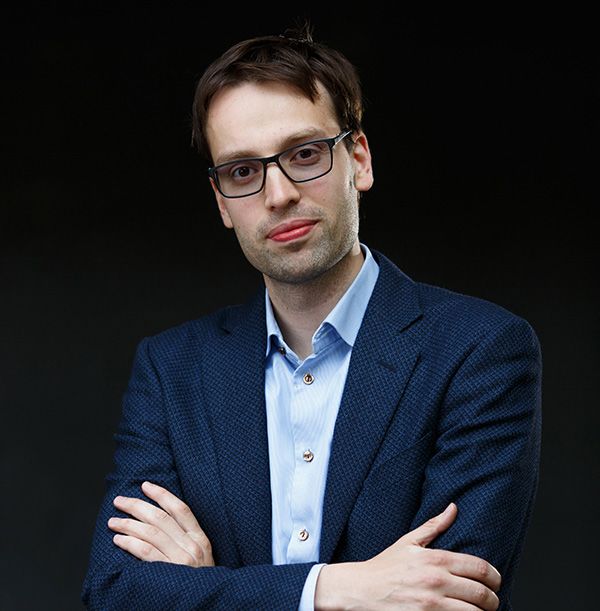
Demelza Hays       Dr. Philipp Sandner   Dr. Alfred Taudes
Head of Research   Professor             Professor

Cointelegraph      Frankfurt School      Austrian Blockchain
                   Blockchain Center     Center
RESEARCH PARTNERS

                    2
Dear Clients, Investors,
                                              and Friends

                                              Cointelegraph Research proudly presents the first Discov-
                                              ering Institutional Demand for Digital Assets Report. To
                                              gain a deeper understanding of how professional investors
                                              feel about blockchain assets, this 70+ page research report
                                              written by eight authors in four countries highlights which
                                              crypto assets wealthy investors in the German-speaking
DEMELZA HAYS                                  regions already own and which ones they plan to buy in the
Head of Research at Cointelegraph             coming months. The 1990s Internet boom attracted talented
                                              labor and capital from all over the world to California. In a
Demelza Hays is the director                  similar fashion, the German-speaking region is one of the
of research at Cointelegraph,                 main hubs of blockchain innovation due to regulations built
Forbes 30 Under 30, U.S. De-                  with the entrepreneur in mind, capital from investors, and
partment of State Fulbright                   banking access for blockchain companies.
Scholar, and former fund man-
ager of two regulated crypto                  Some investors hold cryptographic assets for speculation
funds.                                        rather than for use as a medium of exchange. They hope
                                              to “front-run” Wall Street and other big pockets by buying
                                              in before they enter the market. Putting the fear of missing
                                              out aside, there are genuine reasons to be excited about in-
                                              stitutional investors joining the space. Institutional investors
                           Explore            hold the majority of the world’s wealth. The sheer size of
                                              the wealth managed by professional investors like pension
                                              funds, university endowments, and insurance companies
                                              is enough to have a dramatic impact on the entire digital
                                              asset industry if they enter the market. For years, there have
                                              been rumors that institutional investors were starting to buy
                                              cryptocurrencies, and now, the academic survey contained
                                              in this report provides evidence that this rumor is true.

                               Explore        Please enjoy reading the first research report ever written
                                              on the level of interest in blockchain assets by professional
                                              investors in the German-speaking regions of Europe. This is
                                              Cointelegraph Research’s 5th report published in 2020. Coin-
                                              telegraph Research helps blockchain companies communicate
                                              their cutting-edge research to the world by writing, designing,
                                              and publishing professional reports. We help companies
                                              gain wider audiences by developing educational materials
                                              in the form of in-depth reports. Our team of academics and
                                    Explore   seasoned blockchain technologists can cover a diverse range
                                              of topics including tokenomics, macroeconomics, legal, tax,
                                              central bank digital currencies, decentralized finance, supply
                                              chain logistics, and venture capital. To work with Cointele-
                                              graph Research’s team on creating a one-of-a-kind report,
                                              contact us at research@cointelegraph.com.

                                              Sincerely, Demelza Hays
                                              Head of Research at Cointelegraph

                                                                                                            3
CONTENTS

SECTION 01
INTRODUCTION          05

SECTION 02
HIGHLIGHTS            06

SECTION 03
EXECUTIVE SUMMARY     07

SECTION 04
DEMAND                08

SECTION 05
FINANCIAL LANDSCAPE   31

SECTION 06
COMPLIANCE            57

SECTION 07
TAX                   65

SECTION 08
AUTHORS               73

                        4
SECTION 01

INTRODUCTION

Institutional investors hold the majority of the world’s wealth. Their interest in
digital assets is a fundamental driver of trading volume, prices, and innovation.
To understand the demand for institutional-grade and blockchain-inspired
investment vehicles, Cointelegraph and the Crypto Research Report present
a landmark study on over 55 registered professional investors including
pension funds, insurance companies, banks, asset managers, and family
offices. We discuss how much professional investors have already invested,
how much they expect to invest over the next year, and what sectors of the
industry are attracting the most investment. In juxtaposition to the demand,
the report covers the supply of investment vehicles in the crypto asset space
by documenting what products exist, what their assets under management
are, returns and risks. This helps investors to learn about the products that
are currently available and which ones are the most popular. This report
can also help business development teams that are considering entering the
cryptocurrency space by highlighting the gaps in product offerings. There
are several products that are being demanded by institutional investors
that are not currently on the market. The report also highlights how current
products can improve in order to better suit institutional needs.

                                                                                     5
SECTION 02

    HIGHLIGHTS

8 The total assets under management managed by the               8 There is still unmet demand for financial services and
    55 asset allocators that participated in the survey is           products. Survey results indicate that investors would
    over €719 billion, which is more than double the entire          be willing to pay for insurance for the loss of private
    market capitalization of the digital asset market. Out of        keys if such products existed. Additionally, investors
    those professional investors, 36% already have block-            mentioned the desire to invest in blockchain-based
    chain-inspired assets in their portfolio either through          venture capital funds and derivatives, although few
    direct investment in cryptocurrencies, stablecoins,              products exist on the market currently.
    and security tokens or via funds, structured products,
                                                                 8   When comparing structure and strategy, the financial
    or futures.
                                                                     product that has attracted the most capital is a passive,
8 The respondents in the survey are managing at least                single-asset structured product available for retail as
    €6 billion in blockchain investments or roughly 2% of            well as professional investors.
    the entire digital asset market capitalization.
                                                                 8   Professional investors are primarily interested in Bitcoin.
8   Out of the remaining 64% that have not yet invested,             The regulated crypto fund in the DACH region with the
    39.29% plan to invest. This results in 61.15% of pro-            highest AuM relies on Bitcoin futures (no self-custody)
    fessional investors in the survey either already owning          and also only has exposure to bitcoin. No UCITS funds
    digital assets or planning to buy in the future.                 give the majority of the fund to cryptographic assets,
                                                                     and the UCITS that do have exposure to digital assets
8   Bitcoin and Ethereum are still the most dominant
                                                                     do not have direct exposure, but through futures or
    cryptocurrencies. Around 88% and 75% of respondents
                                                                     structured products. There is only one actively managed
    exposed to cryptocurrencies have invested in these
                                                                     structured product for retail investors, the rest are for
    cryptocurrencies, respectively. However, institutional
                                                                     professional investors.
    investors appear to be increasingly interested in security
    tokens. Out of the 39% of investors that plan to invest      8 The 1990s Internet boom attracted labor talent and
    in the future, security tokens were more popular than            capital from all over the world to California. In a similar
    Ethereum and other alternative coins.                            fashion, the DACH region is one of the main hubs of
                                                                     blockchain innovation due to regulations built with
8   Smaller asset allocators, such as family offices and
                                                                     the entrepreneur in mind, capital from investors, and
    boutique wealth management companies, are more
                                                                     banking access for crypto companies.
    likely to invest in digital assets than larger financial
    service providers, such as banks and pension funds.

    We thank the SIX Digital Exchange, Blocksize Capital, BlockFi, Bitmain, Nexo, Coinfinity, Cache Gold, SEBA Bank,
    Sygnum Bank, Bitpanda, CCFE, Riddle & Code, and Iconic for their support of this research report.

    © Cointelegraph Research, Crypto Research Report.
    Discovering Institutional Demand for Digital Assets in DACH region                                                        6
SECTION 03

EXECUTIVE SUMMARY

Germany                                                         Compliance
With approximately 5.5 million potential digital asset retail   The two main policies that impact companies working
investors and an average investment amount of €2,546,           with digital assets in Europe including the Financial Action
Germany’s addressable market for retail investment is over      Task Force (FATF) originating in France and the EU’s Fifth
€14 billion, making it Europe’s largest market for retail       Anti-money Laundering Directive (5AMLD). FATF’s Travel
investment products in the digital asset space. Germany         Rule recommends that financial institutions should exe-
is mainly focused on Bitcoin, whereas Switzerland is            cute a know your customer (KYC) check of the customer
increasingly interested in Ethereum, and ERC-20 tokens.         when they engage in digital asset transactions worth at
                                                                least 1,000 euros. In addition to FATF, the EU’s 5AMLD
Switzerland                                                     requires digital asset exchanges and custodian wallet
Despite Switzerland’s smaller number of potential cryp-         providers to monitor transactions and to fill out suspi-
tocurrency investors, the investment amount per adult           cious activity reports (SARs) when clients cannot prove
capita in alternative assets is almost 10x higher in Swit-      where funds originate from or when they do transaction
zerland (€12,212 per capita) than in Germany (€1,248).          amounts over a certain threshold. The 5AMLD also states
This provides evidence that professional and qualified          that any companies that hold or exchange digital assets
Swiss investors may have more of an appetite for digital        on the behalf of clients are “financial institutions” and
assets than their counterparts in Germany. Switzerland          must register their business with local authorities.
is home to several crypto banks, a feat that the US has
still not been able to achieve.                                 Tax
                                                                Although many people believe that Liechtenstein and
Liechtenstein                                                   Switzerland have the lowest taxes on digital assets for
Liechtenstein is small but very active. Many of the funds       individuals and companies, this is a myth. As long as an
covered in this report are not only banking in Liech-           investor in Germany or Austria holds onto their digital
tenstein, they are also registered in Liechtenstein. As a       assets personally (not within a company structure) and
member of the European Economic Area, funds registered          for longer than one year, they actually have lower taxes
in Liechtenstein have the unique ability to sell to Swiss       than investors in Switzerland and Liechtenstein. This is
clients and to seek the passporting of their prospectus         because of the pesky wealth tax in Liechtenstein and
to countries within the European Union.                         Switzerland. If investors in Germany with a personal tax
                                                                rate above 26.375% and in Austria with a personal tax
Austria                                                         rate above 27.5% hold digital assets for less than a year,
Unlike Switzerland, Liechtenstein, and Germany, Austria         then there are tax benefits of investing in structured
does not have a single bank offering custody of digital         products and funds.
assets. There are also no regulated fund products dom-
iciled within the country. However, Austria is home to
one of Europe’s fastest growing digital asset exchanges,
indicating that there is a home-grown desire to gain
exposure to blockchain-related assets.

© Cointelegraph Research, Crypto Research Report.
Discovering Institutional Demand for Digital Assets in DACH region                                                        7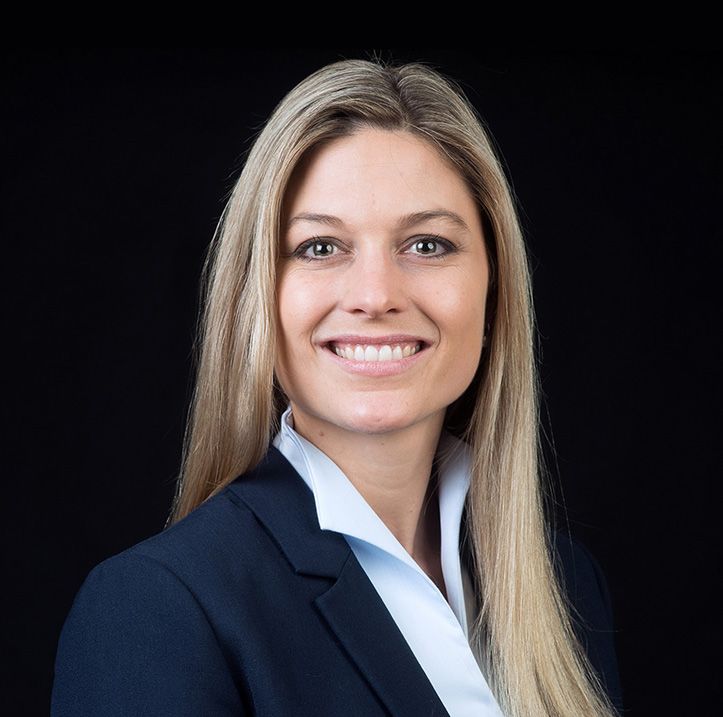
SECTION 04

THE DEMAND
PROFESSIONAL DEMAND
FOR DIGITAL ASSETS

Despite millions of euros and Swiss francs invested in         The one survey that has targeted institutional demand for
digital assets by investors across Europe, there have          cryptocurrencies in the DACH region is BaFin’s survey of
only been a few reports that survey the demand for             crypto asset derivatives2. The German financial market
cryptocurrencies by professional investors. So far, only       regulator conducted a survey in late 2019; however,
two surveys of professional demand for digital assets in       they have not published the results yet. In the survey’s
Europe have been conducted. The first study was not            preliminary research report, BaFin reported that there
focused on the German-speaking countries, and the              has been enormous growth of certificates that hold
second has not been published yet.                             digital assets and contract for difference trading. Over
                                                               1,000 different certificates are on the market that
Between November 2019 and early March 2020, Green-
                                                               have exposure to digital assets, and contracts for
wich Associates under the auspices of Fidelity Digital
                                                               difference trading volume grew from €10 billion a
Assets, Fidelity Center for Applied Technology, and Fidelity
                                                               month in August of 2018 to over €15 billion a month
Consulting interviewed almost 800 investors across the
                                                               by January of 2019.
U.S. and Europe1. Across the U.S. and Europe, 36% of
the survey’s 774 respondents said they own crypto-             This study marks the first comprehensive survey of in-
currencies or derivatives. The results show that over          stitutional investors on the topic of digital assets ever
a third of institutional investors own digital assets. Ac-     conducted across the German-speaking regions. The
cording to the survey, European investors generally have       analysis contains key highlights of the survey’s results in
a more progressive view of digital assets, made evident        addition to commentary from Crypto Research Report
when comparing the responses across all categories.            and Cointelegraph Research. Our experience combined
Interestingly, this study found the same result: 36%           with the proprietary dataset drives the unique perspective
of the survey’s 55 asset allocators said they have             on the industry’s trends presented in this report.
exposure to cryptocurrencies in the portfolio already.

36%                                                            36%
of Fidelity's survey of                                        of this survey's 55 respondents
774 respondents said they own                                  also said they own
cryptocurrencies or derivatives                                cryptocurrencies or derivatives

1
    https://www.fidelitydigitalassets.com
2
    https://www.bafin.de

© Cointelegraph Research, Crypto Research Report.
Discovering Institutional Demand for Digital Assets in DACH region                                                      9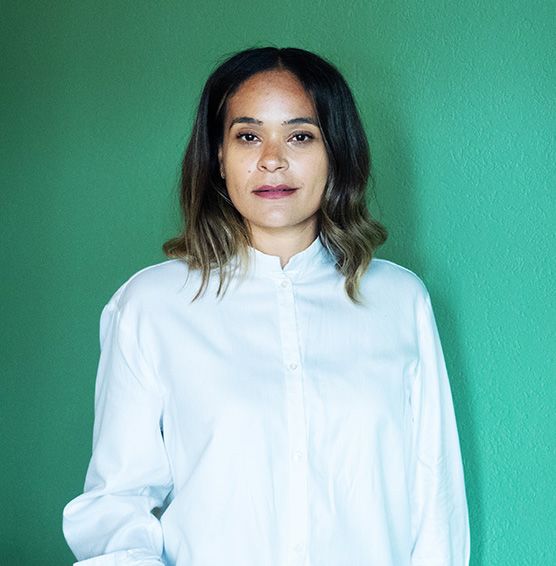
METHODOLOGY

This survey had 55 responses from professional inves-                      and BAI in Germany, the Austrian Bankenverband, the
tors across the German-speaking countries including                        Liechtensteinischer Anlagefondsverband, and members
44 online interviews and 11 case studies via telephone.                    of SFAMA in Switzerland.
Respondents included traditional banks, asset managers,
                                                                          The majority of the respondents came from Switzerland
and pension funds. This report focuses on buy-side, not
                                                                           (16) followed by Austria (10), Germany (7), and Liechten-
sell-side asset allocators. Therefore, we did not send this
                                                                           stein (6)3. When sorting the survey results by country,
survey to crypto funds that are invested 100% in digital
                                                                           the respondents from Switzerland managed the most
assets. The goal of this report is to gauge the demand
                                                                           assets with €278 billion. Austria’s respondents worked
for digital assets from traditional financial intermediaries.
                                                                           in firms with the highest headcount. The majority (83%)
The survey was delivered via email to all registered pro-                  of the respondents worked in firms with less than 50
fessional investors with BaFin (Germany), FMA (Austria),                   employees. Only three women that were in charge of
FINMA (Switzerland), and the FMA (Liechtenstein) between                   asset allocation decisions at their company responded
the months of June to September of 2020. With the help                     to the survey compared to 39 men.4 The median age of
of local banking associations, the survey was also sent                    the respondent was 47.5 years old.
out to the members of the BVI Deutscher Fondsverband

                       Germany
                       €454 MILLION
                       in Assets Under Management
                       38 Employees
                                                                                   Austria
                                                                                   €186 BILLION
                 Switzerland                                                       in Assets Under Management
                                                                                   97,820 Employees
                 €278 BILLION
                 in Assets Under Management
                                                               Liechtenstein
                 216 Employees
                                                               €254 BILLION
                                                               in Assets Under Management
                                                               3,610 Employees

Source: Cointelegraph Research

3
    Five respondents did not specify their location, and four worked for companies located outside of the German-speaking regions. Their answers
    are not included in this chart.
4
    One respondent did not specify their gender.

© Cointelegraph Research, Crypto Research Report.
Discovering Institutional Demand for Digital Assets in DACH region                                                                          10
CURRENT EXPOSURE
QUESTION Has your company invested in crypto assets in the past?
Over a third of the surveyed asset managers have invested
in digital assets, while about 64% of respondents have
36 %
not invested yet. Among the institutional investors who
have had exposure to digital assets, approximately 69%
No
of respondents have 10% or less of their assets under
Yes
management in crypto assets. Notably, over a third of
those surveyed have only 1% or less of their assets under
64 %
management in crypto assets.
Source: Cointelegraph Research
QUESTION What percentage of your company's assets under
management are invested in crypto assets?
38%
1% or less
19%
Between 2% and 5%
13%
Between 6% and 10%
19%
Between 11% and 50%
13%
More than 50% 40%
Source: Cointelegraph Research
This survey was conducted during the 2020 shutdown of has performed better than equities, fixed income, real
the economy due to the government's response to the estate, and gold year to date (as of October 8, 2020). If
Corona virus. During mid-March, many investors de-risked governments continue to stimulate the economy with
their portfolios and went into cash. From peak (February newly created money, then this trajectory is expected
19, 2020) to trough (March 17, 2020) Bitcoin lost 50% of to continue. If the fiat faucet is ever turned off, there
its value, and briefly trading in the high 4000s. Since then, will likely be an ensuing correction in all asset classes.
the price has recovered 115% to above $10,000. Bitcoin
© Cointelegraph Research, Crypto Research Report.
Discovering Institutional Demand for Digital Assets in DACH region 11TIMING THE MARKET
QUESTION What was the first year your company invested in digital assets?
$10,000 35%
Percentage of Firms Invested Per Year
Average Bitcoin Price Per Year in USD
$9,000
31% 30%
$8,000
$7,000 25%
$6,000
20%
$5,000 19%
15%
$4,000
$3,000 13% 13% 13% 10%
$2,000
6% 0% 0% 6% 5%
$1,000
$0 0%
2012 2013 2014 2015 2016 2017 2018 2019 2020
Source: Cointelegraph Research, Bitcoin average yearly price data from Coinmarketcap.com
The majority of investors gained exposure to digital assets for the first time during the past two years. Nearly 31%
of those surveyed invested in crypto assets in 2018 — after Bitcoin’s all-time high in mid-December 2017, when
the price was almost $20,000 per coin and Bitcoin had a $334 billion market capitalization.
An important observation is that institutional investors that have invested in digital assets have distinctly different
portfolios compared to ones that have no exposure to this asset class. Digital asset investors have significantly fewer
bonds, more commodities, and more cash reserves than investors with no exposure to digital assets. This is in line
with the ethos of the industry — lower trust in government bonds, higher trust in sound money, and growing cash
reserves in expectation of a recession.
Average Asset Allocation of Institutional Investors
40%
35%
36%
30%
29%
25% 28%
20% 23%
15%
16%
10% 12%
9%
5% 7%
0%
Equities Bonds Commodities Fiat currencies
Investor With Digital Assets Investor With NO Digital Assets Source: Cointelegraph Research
© Cointelegraph Research, Crypto Research Report.
Discovering Institutional Demand for Digital Assets in DACH region 12CRYPTOCURRENCIES ARE MORE INTERESTING
THAN STABLECOINS AND SECURITY TOKENS
QUESTION Which types of digital assets has your company invested in?
88%
Bitcoin
75%
Ethereum
31%
Security Tokens
31%
XRP
31%
Litecoin
25%
Other Cryptocurrencies
19%
Stablecoins 100%
Source: Cointelegraph Research
Bitcoin and Ethereum are still the most dominant investors that have exposure to digital assets answered
cryptocurrencies. Around 88% and 74% of respondents that they have invested in security tokens. This indicates
exposed to cryptocurrencies have invested in these that security tokens are on the radar of professional
cryptocurrencies, respectively. Respondents have a clear and qualified investors. Although venture capital was
preference for Bitcoin and Ethereum, as only 31% have not a multiple choice option, two banks that manage
invested in Litecoin and XRP. A quarter of the respondents over €350 billion in total mentioned that although the
answered that they had invested in “other cryptocurren- financial institution they work for has not invested directly
cies”. Tezos, EOS, Stellar, Binance Coin, Cardano, Bitcoin in digital assets, they have invested in the equity of
Cash, and Bitcoin Satoshi’s Vision were among some of blockchain-related startups.
the other cryptocurrencies mentioned.
The European Union rolled out negative interest rates
Stablecoins have become the most highly traded digital in 2014, and Switzerland has had them since January
asset when measured by daily exchange-traded volume. 2015. As Fidelity's report on institutional demand from
On-chain trading activity grew over 800% between April earlier this year pointed out, a common objection against
2019 to April 2020. However, only 19% of respondents investing in gold and Bitcoin is that they don't produce
own stablecoins, indicating that institutional inves- an annual yield. However, in the current environment,
tors may not be the dominant force responsible for these assets can help investors protect their wealth from
stablecoin daily trading volumes. Notably, 31% of inflation and negative interest rates.
© Cointelegraph Research, Crypto Research Report.
Discovering Institutional Demand for Digital Assets in DACH region 13FUTURE DEMAND
QUESTION Is your company planning to invest in the future?
Among the 64% of investors who cur-
25 %
rently do not have cryptocurrencies in
their investment portfolios, 39% plan to
No add them to their portfolio eventually.
Yes, within 6 month A quarter of the professional investors
Yes, within 12 month plan to buy cryptocurrencies at a later
Yes, at a later stage stage, and 14% of them plan to do so
11 %
61 % in the next 12 months.
3%
Source: Cointelegraph Research
QUESTION Which digital assets would your company be interested in investing into in the future?
24%
Bitcoin
24%
Security Tokens
14%
Ethereum
14%
Stablecoins
11%
Other Cryptocurrencies
8%
XRP
5%
Litecoin 30%
Source: Cointelegraph Research
Regarding the future demand for cryptocurrencies among professional investors, Bitcoin and security tokens are the
assets in which investors are most interested. Surprisingly, there is more interest in security tokens and stablecoins
amongst institutional investors than in cryptocurrencies such as Ethereum and XRP. This may be explained by the
regulated nature of security tokens, as investors’ assets are often ring-fenced on the balance sheet of the issuer
and rights in case of insolvency are explicitly mentioned in the prospectus. Furthermore, disputes can be settled
by courts and contract law that the digital asset space is still building precedence for.
“ One could imagine a world in which securities lending, repo, and
margin financing are all traceable through blockchain’s transparent
and open approach to tracking transactions.”
— Kara M. Stein, US Securities & Exchange Commissioner
© Cointelegraph Research, Crypto Research Report.
Discovering Institutional Demand for Digital Assets in DACH region 14TYPES OF DIGITAL ASSETS
But what are digital assets? Digital assets, or cryptographic as Bitcoin, others are stablecoins that are pegged to
assets, are tradable and digital representations of value the dollar, such as Tether. Generally, crypto assets fall
that rely on decentralized consensus mechanisms for into three categories including fungible digital currency,
settlement. non-fungible tokens, and security tokens. Cryptocurren-
cies, stablecoins, and Central Bank Digital Currencies
According to the Basel Committee on Banking Supervision,
(CBDCs) are all forms of digital currency. Digital currency
the three distinguishing factors of cryptocurrencies are
can also include online bank deposits issued to customers
their digital nature; their use of cryptographic primitives,
by banks, such as UBS or Deutsche Bank. The possession
such as hash functions to verify the integrity of the data
of digital currency often creates a legal claim against the
and symmetric encryption to create public and private
electronic money issuer. However, this is not often the
keys; and decentralized record keeping and decision
case with cryptocurrencies. In addition to fungible digital
making.
currency, non-fungible tokens can be used to represent
Although there are over almost 7,000 cryptocurrencies unique assets, such as the Mona Lisa painting. Finally,
listed on Coinmarketcap.com, not all of them serve the security tokens often represent investment contracts,
same purpose. Some are volatile digital currencies, such and they are regulated by securities laws.
Cryptographic Fungible Digital Payment Volatile
Asset Currency Token Cryptocurrency
Non-Fungible
Utility Token Stablecoin
Token
Central Bank
Security Token
Digital Currency
Source: Cointelegraph Research
In addition to stablecoins pegged to fiat currencies, an- on decades of experience in the precious metals and
other class of tokens is gaining traction, whereby each vaulting industry as well as legal, compliance, blockchain
token represents a commodity. For example, CACHE is and cryptocurrency expertise. Each CACHE Gold token is
a provider of regulated, transparent and redeemable backed by one gram of pure, investment-grade physical
tokens backed by gold stored in accredited vaults around gold. CACHE Gold tokens can be redeemed for physical
the world. CACHE uses GramChain, a revolutionary new gold at any time. In amounts as small as 100 grams,
Proof of Reserve system, that enables the public to view redeemed gold can be sold for US dollars, shipped to
photographs and see real-time status updates for each the token holder’s address or collected in person at
bar in each vault. CACHE provides fast, flexible redemp- select vaults. Token holders have full control over their
tion at scale with the option to sell the underlying gold assets. No centralized third party can freeze or confiscate
for fiat currency. Based in Singapore, CACHE’s partners tokens. CACHE Gold tokens are deployed on the Ethere-
include vaults and gold dealers such as Brink’s, Dillon um public blockchain using the ERC-20 token standard.
Gage, Loomis, Silver Bullion, and The Safe House as Bithumb Global and Bittrex Global both enable CACHE
well as custody provider Onchain Custodian and digital Gold token trading.
asset exchange Bithumb Global. The CACHE team draws
© Cointelegraph Research, Crypto Research Report.
Discovering Institutional Demand for Digital Assets in DACH region 15RETURN ON INVESTMENT
According to the survey results, the most important con- meaning that these factors are moderately important.
sideration for investing in digital assets is their risk-return Notably, the survey shows that clients requesting digital
ratio, as 53% of respondents rated this characteristic as assets is not very relevant to the asset managers' decision
“very important”. Most of the responses to “diversification” to invest in these assets. As one respondent pointed out,
and “my company is convinced that the technology will be clients requesting digital assets would be their number
important in the future” are clustered in the middle and one reason for investing, but so far, none of their clients
slightly skewed to the right of the importance spectrum, had requested digital asset exposure.
Risk-return ratio Diversification
60% 52.5%
50% 40% 33.3%
40% 30% 23.1%
17.9%
30% 20% 15.4%
25%
10.3%
20% 10%
10%
10% 7.5% 5% 5%
0% 0%
Not Slightly Kind-of Very Highly Not Slightly Kind-of Very Highly
My clients ask for exposure to Crypto-Assets My company is convinced that the technology
will be important in the future
50% 50%
40%
40% 40% 35%
32.5%
30% 30%
25%
20% 17.5% 20%
12.5%
10% 7.5% 10% 10%
10% 10%
0% 0%
Not Slightly Kind-of Very Highly Not Slightly Kind-of Very Highly
Source: Cointelegraph Research
“ For the past decade, low yields on these fixed-income allocations
have depressed the overall rates of return on portfolio assets. As
a result, almost 60% of the German institutions participating in the
2019 Greenwich Associates study cite rate of return and funding
issues as the biggest challenge facing their portfolios this year,
dwarfing all other concerns.”
— Mark Buckley, Markus Ohlig, Greenwich Associates
© Cointelegraph Research, Crypto Research Report.
Discovering Institutional Demand for Digital Assets in DACH region 16PROFESSIONAL INVESTORS PREFER DIRECT
INVESTMENT
The target group for blockchain-inspired financial products There are many regulated investment products that give
include pension funds, insurance companies, university investors exposure to digital assets including long-only
endowments, high-net-worth individuals (HNWI), family single asset or index products, derivative products, bank
offices, asset managers, banks, and fund of funds from accounts for prop desk trading, and much more. This
around the world. Usually, these investors are asking for report found that professional investors prefer to invest
a regulated and easy-access approach to crypto exposure. directly in digital assets by buying them on an exchange.
Some of them want to invest in a new asset class with Interestingly, professional investors prefer to buy a regu-
a great risk-return profile, others want diversification. lated alternative investment fund before using a broker.
QUESTION What is your company's ideal way to gain exposure to crypto assets?
43%
Cryptocurrency Exchange
38%
Investment company
35%
Alternative Investment Funds (AIF)
30%
Broker
23%
UCITS Funds
20%
Structured Products i. e. (Certificates and Exchange Traded Notes)
13%
Futures
5%
Market makers / Over-the-Counter 50%
Source: Cointelegraph Research
“ Exchanges are changing their focus from retail traders to institutional
traders, providing such customers better ability to customize the
front end of their trading platforms and providing APIs that better
suit what institutional traders are used to.”
— Kari S. Larsen, partner at Perkins Coie
© Cointelegraph Research, Crypto Research Report.
Discovering Institutional Demand for Digital Assets in DACH region 17DIGITAL ASSET SERVICE PROVIDERS
When asked about their use of specialized services for dig- retail investors. However, there are several exchanges
ital assets, respondents were most interested in data. 62% that serve Europe including Kraken, Binance, Bitfinex,
of respondents are interested in using data on digital as- Bitstamp, and Crypto.com. Over half of the respondents
sets at their company. Leading data providers in the digital (54%) are interested in using an over-the-counter desk
asset industry include Coinmetrics (also sold by Messari), for the digital asset transactions. The largest OTC-desk
Coinmarketcap.com, and Cryptocompare. However, closer operating in Europe is B2C2, based in London. Many
to home in Europe, Santiment and IntotheBlock also brokers in the German-speaking countries offer over-the-
provide data on a monthly subscription basis. The next counter services but use B2C2 or Cumberland for final
most sought after service is trading of digital assets on execution. Notably, 48% are interested in using smart
a digital asset exchange. In the German-speaking region, order routing software. Smart order routing software
the only digital asset exchange owned locally is Bitpanda, includes companies such as Blocksize Capital, based in
which is headquartered in Austria. In Germany, Bitcoin. Frankfurt, and CoinRoutes, based in the US.
de is a peer-to-peer exchange, which is mostly used by
Is your company interested in using Is your company interested in using
crypto asset exchanges? crypto asset сustodians?
18% 28%
26%
29%
No No
Yes Yes
Not sure Not sure
56% 43%
Is your company interested in using Is your company interested in using
crypto asset brokers? crypto asset providers?
42% 11%
27%
No No
12%
Yes Yes
Not sure Not sure
46% 62%
Is your company interested in using crypto Is your company interested in using crypto
asset smart order routing softwares? asset tax and accounting software?
36% 48%
16%
No No
Yes Yes
Not sure 15% Not sure
37%
48%
Source: Cointelegraph Research
© Cointelegraph Research, Crypto Research Report.
Discovering Institutional Demand for Digital Assets in DACH region 18SIZE MATTERS
Multiple types of professional investors responded to this Smaller asset allocators, such as family offices and bou-
survey including trusts/foundations, small asset managers tique wealth management companies, are more likely
(less than €100 million), medium asset managers (be- to invest in digital assets than larger financial service
tween €100 million and €1 billion), large asset manager providers, such as banks and pension funds, according
(above €1 billion), insurance companies, pension funds, to the survey results. All 14 of the small asset allocators
high-net-worth individuals, family offices, and banks. The and family offices responded that they already own or
majority of respondents are small asset managers and plan to own digital assets in the future. This is compared
high-net-worth individuals, both of whom account for to zero out of the two pension funds, one out of the
about 32% of the total respondents. three insurance firms, and two out of the six banks that
were surveyed.
QUESTION
Percentage of Each Investor Group that
What type of investor is your company? Owns or Plans to Own Digital Assets
7
High Net Worth Individual Person
7 33%
Small asset manager (Less than €100 million) Bank
6 33%
Bank Insurance companies
6 50%
Other Medium asset manager (Between €100 million and €1 billlion)
5 50%
Large asset manager (Above €1 billion) Foundations
4 60%
Medium asset manager (Between €100 million and €1 billlion) Large asset manager (Above €1 billion)
3 67%
Insurance companies High Net Worth Individual
2 100%
Family office Family office
2 100%
Pension Fund Small asset manager (Less than €100 million)
2
Trust 3 4 5 6 7 8 Source: Cointelegraph Research
“ The institutional space for crypto is going through a period of
incredible growth. Many still don't realize it. Coinbase Custody now
has close to 200 institutional customers, onboarding hundreds of
millions of US dollars in crypto a week.”
— Brian Armstrong, CEO Coinbase
© Cointelegraph Research, Crypto Research Report.
Discovering Institutional Demand for Digital Assets in DACH region 19USING EXISTING INFRASTRUCTURE OR WORKING
WITH A BROKER?
Many banks stated that they would like to offer their retail clients would even be able to buy and sell via their
clients the ability to buy and sell digital assets; however, e-banking and mobile-banking applications.
the decision that needs to be made by the C-Suite exec-
However, the banks said they are hesitant to purchase
utives is whether to build up their internal infrastructure
software solutions to bring digital asset investing to their
or outsource the trading and custody to a third-party
clients. The infrastructure and services are considered
broker or exchange.
to be too expensive still. Custody solutions in particular
For example, the Swiss giant in core banking systems, are comparatively expensive. The main reason for this
Avaloq, was mentioned multiple times by respondents. is believed to be a lack of competition. The banks would
Avaloq is offering trading and custody solutions for in- need to have significant demand for digital assets from
vesting in digital assets. If a bank buys the Avaloq digital their clients in order to justify the expense. As more
asset module, the ability to invest in digital assets could traditional players enter the digital asset industry, prices
be expanded to the bank’s entire customer base, and should fall in this regard.
Does your company feel that crypto asset custody Is your company interested in using
companies are charging too much for their services? crypto asset сustodians?
17% 28%
29%
No No
Yes Yes
58%
Not sure Not sure
25%
43%
Source: Cointelegraph Research
“ Investing in crypto assets is at the moment only possible on
unregulated exchanges or on exchanges that fall under the Financial
Anti-Money Laundering Act in Austria. However, there are few
regulated platforms for the exchange of crypto assets which are
comparable to stock exchanges for buying and selling financial
instruments, for example, Börse Stuttgart.”
— Oliver Völker, Stadler Völkel Rechtsanwälte GmbH
© Cointelegraph Research, Crypto Research Report.
Discovering Institutional Demand for Digital Assets in DACH region 20BANKS ARE INVESTING IN BLOCKCHAIN EDUCATION
When asking about how financial intermediaries learn and webinars on crypto also promotes interest in the
about blockchain, the highest ranked sources included subject. There is also a general openness to educational
encouraging employees to research the topic during training concerning digital assets, but the survey partici-
working hours and an individual within the firm is spear- pants generally do not rely on hiring external consultants
heading the internal dialogue. Participation in conferences or attending university courses in order to learn more.
Attending conferences on the topic of crypto assets Sending employees to universities or seminars that have
crypto asset information
40% 35.7% 40%
33.3%
31%
30% 26.2% 30%
16.7% 19%
20% 20%
14.3% 14.3%
10% 10% 7.1%
2.4%
0% 0%
Not Slightly Kind-of Very Highly Not Slightly Kind-of Very Highly
Webinars pertaining to crypto assets Encouraging research, studying, etc.
of crypto assets during work hours
37.5%
40% 40%
31.7%
30% 30% 27.5%
24.4%
19.5% 19.5%
20% 20%
12.5% 12.5%
10%
10% 10%
4.9%
0% 0%
Not Slightly Kind-of Very Highly Not Slightly Kind-of Very Highly
Engaging consultants for training An individual within the firm that has knowledge of cryp-
on the topic of crypto assets to assets and spearheaded the initiative within the com-
pany to investigate crypto assets and potentially invest
50% 46.3% 50%
40% 40%
31%
30% 30% 23.8% 23.8%
22%
20% 14.6% 14.6% 20% 14.3%
10% 10% 7.1%
2.4%
0% 0%
Not Slightly Kind-of Very Highly Not Slightly Kind-of Very Highly
Source: Cointelegraph Research
© Cointelegraph Research, Crypto Research Report.
Discovering Institutional Demand for Digital Assets in DACH region 21DIGITAL ASSETS FOR ME, BUT NONE FOR THEE
Several of the case study respondents stated that they firm. A possible explanation for this can be that asset
had privately invested in Bitcoin and other digital as- allocators are investing with more risk aversion when
sets, while their institution had not yet made any direct investing on the behalf of others than when investing
investments. However, the majority of the respondents their own wealth.
had a high level of decision-making ability within their
QUESTION
How much decision making ability do you have within
Are you personally invested into crypto assets? your company concerning what investments to make?
60%
52%
47% 50%
40%
30%
No
21%
Yes 20% 17%
10%
5% 5%
53%
0%
1 2 3 4 5
Source: Cointelegraph Research Source: Cointelegraph Research
The majority of the respondents had a master’s degree or above in formal education.
QUESTION What level of education have you completed?
2.4%
Highschool
19.5%
College
4.9%
Chartered Financial Analyst (CFA)
68.3%
Masters
4.9%
Ph.D 80%
Source: Cointelegraph Research
© Cointelegraph Research, Crypto Research Report.
Discovering Institutional Demand for Digital Assets in DACH region 22OBSTACLES TO INVESTING
Several of the asset managers in the survey mentioned traditional financial markets, such as insurance-linked
that digital assets are too risky for them. However, finan- securities, sub-prime mortgages, emerging market treas-
cial institutions already invest in risky investments in the ury bonds, junk bonds, and much more.
Cyber-Crime and Fraud Operational Risks (e.g. Technological risks)
47.5%
50% 50%
40% 40% 37.5%
30%
30% 30%
20%
20% 20% 17.5%
12.5% 12.5%
7.5% 7.5% 7.5%
10% 10%
0% 0%
Not Slightly Kind-of Very Highly Not Slightly Kind-of Very Highly
Source: Cointelegraph Research Source: Cointelegraph Research
So why are digital assets different? According to some traditional assets are too big to fail, the central bank
respondents, in the traditional world, there are indeed and government gives them an implicit safety net in the
investments that are risky. However, they are part of lower-bound of the price of the asset. However, if a large
the traditional system and, therefore, cannot fall to financial intermediary supports digital assets and digital
zero without causing fundamental problems for the assets fail spectacularly, the government might actually let
financial system as a whole. Digital assets, on the other that business fail just to show what happens when you
hand, deliberately exist outside the traditional world, invest in a technology that challenges the government’s
which is their purpose. Consequently, they are even monopoly on money production and monetary policy.
riskier. Essentially, the asset managers are saying that
“ Investors are well served when innovation flourishes. I recognize
that innovation involves risks, but it is investors who should get to
choose the winners and the losers of the market. Regulators should
not impede investor choice; rather, they should ensure that investors
have access to accurate disclosures about the range of available
products, including their risks.”
— Hester Pierce, Securities Exchange Commissioner
© Cointelegraph Research, Crypto Research Report.
Discovering Institutional Demand for Digital Assets in DACH region 23Asset managers were asked to rate the impor- Market risks (e.g. Volatility)
tance of perceived risks when investing in crypto 50%
assets; the possible risks were the following: 42.5%
market risks (e.g. volatility), liquidity risks, opera- 40%
tional risks (e.g. technological risks), cyber crime 27.5%
30%
and fraud, and regulatory risks. All of the risks
mentioned are in the “important spectrum” of 20% 17.5%
12.5%
the charts. However, the most important risk for
10%
those surveyed was regulatory risk, as almost
80% of the sample fell in the “important region” 0%
of the graph. With approximately 71% and 70% Not Slightly Kind-of Very Highly
of responses in the “important region”, market
risk and liquidity were ranked as the second Liquidity risks
and third most important risks, respectively. 40%
35% 35%
Operational and cyber crime risks have the
30%
same number of responses in the “important
region” (~ 68%). 20% 18%
A specific risk was mentioned that is not re- 10%
10%
lated to digital assets, but rather to the bank’s 2%
entire business model. Some banks fear that 0%
Not Slightly Kind-of Very Highly
if they offer bank accounts to blockchain-based
companies and offer clients the ability to invest
Regulatory Risks
in digital assets, they would lose their US dollar
correspondent banks. This is a relevant concern 50%
41.5%
as some banks have already lost their US dollar
40% 39%
correspondent bank because they moved into
the digital asset space. One respondent men- 30%
tioned that their correspondent bank softly
20%
warned them that if they were to invest in digital 12.2%
assets, their banking relationship with the cor- 7.3%
10%
respondent bank would be damaged or even 0%
terminated. It’s probably not a coincidence that 0%
Not Slightly Kind-of Very Highly
these correspondent banks have the most to
lose if digital assets eclipse the dollar. Source: Cointelegraph Research
“ If cryptocurrencies fail to provide easy liquidity, then they fail as
mediums of exchange, one of the principal roles of money.”
— Michael Parsons, Former Cardano Foundation Chairman
© Cointelegraph Research, Crypto Research Report.
Discovering Institutional Demand for Digital Assets in DACH region 24RAIFFEISEN BANK INTERNATIONAL SEES POTENTIAL
IN DIGITAL ASSETS AS A NEW REVENUE STREAM
Eleven case studies with asset allocators at pension Stefan Andjelic from RBI’s Blockchain Hub accepted to
funds, banks, insurance companies, and family offices be interviewed by Professor Dr. Alfred Taudes from the
were conducted via phone calls in addition to the survey Vienna University of Economics and Business for this
sent out to all registered professional investors across report. He discussed with us how the digital asset market
the German-speaking regions. Although many of the no longer refers only to Bitcoin, but rather has expanded
respondents opted to remain anonymous, some allowed into a broad array of assets. He also mentioned that
us to publish the results of their interviews including Mr. as investors are becoming more informed about the
Stefan Andjelic from Raiffeisen Bank International (RBI). potential of this emerging asset class, they are not being
as easily persuaded by the negative connotation that
RBI has over 16.7 million customers, more than
traditional media usually attaches to cryptocurrencies.
46,000 employees, and €152 billion in total assets.5 Mr.
“ As investors are becoming more informed about the potential of
this emerging asset class, they are not being as easily persuaded
by the negative connotation that traditional media usually attaches
to cryptocurrencies. Contrastingly, they also assess the potential
that digital assets and blockchain technology in general can bring to
society in the long term.”
— Stefan Andjelic, Raiffeisen Bank International
Although RBI is not currently invested, Andjelic feels what services financial institutions are allowed to offer in
positively about digital assets. As someone working in this field is still a major barrier. That said, there are still a
the field, Mr. Andjelic sees the potential for digital as- lot of compliance topics to be clarified in these regards.
sets to be offered by incumbent financial players as an
Once the regulatory framework related to digital assets is
alternative investment vehicle that would allow them to
established, either by local jurisdictions or on an EU-level,
create new streams of revenue. From a purely techno-
financial institutions will be able to accurately assess the
logical point of view, he also believes that digital assets
opportunities in this field and potentially invest in digital
can be a trigger for many traditional fields of finance to
assets. On that note, the European Parliament is currently
improve in the future.
working on a digital assets framework. According to their
When asked why RBI has not invested in digital assets timeline, in Q4 of this year, a framework should be in place.
yet, Andjelic said that the lack of regulatory clarity around
5
https://www.rbinternational.com/en/investors/reports/annual-reports.html
© Cointelegraph Research, Crypto Research Report.
Discovering Institutional Demand for Digital Assets in DACH region 25Regarding timeline and which types of digital assets RBI wants to build the entire infrastructure on its own or to would be interested in, Andjelic says, “I believe there is team up with an already existing crypto assets provider a much higher likelihood that we as a financial institu- in the market. One option on how such constellation tion, once there is a full regulatory clarity, would initially would work is that the third-party service provider would focus on tokenized traditional assets, such as tokenized be connected through APIs to RBI’s infrastructure, while commodities, stocks, funds, etc. Potentially, we might RBI’s banking platform would be the face to its clients. in also decide to offer some of these products ourselves such scenario, the digital assets would be stored by the based on both internal business decisions and a mar- service provider instead of RBI. This would allow RBI to ket demand. RBI currently has 1% of their assets under ensure that clients can only buy and sell their digital assets management in alternative assetswhich, in absolute through Raiffeisen banking platform without being able terms, equals to approximately €1.5 billion. If RBI were to transfer them outside of the ecosystem. This would to invest in crypto assets, several key decisions would help Raiffeisen keep control on whether these digital need to be made. For instance, RBI would need to decide assets are being used for any kind of illicit activitiesRBI on whether the entity would aim to invest directly and did make a successful venture capital investment into store the digital assets itself, or would do so by teaming Bitpanda GmbH, via the SpeedInvest venture capital fund. up with third-party service providers. In addition, if RBI Bitpanda is a licensed digital asset exchange operating decides to start offering crypto assets to its clients, then in multiple countries across Europe. the decision would have to be made whether the bank €1.5 billion €15 million or 1% of RBI's assets under would be invested in digital management are in alternative assets if RBI allocated 1% of assets their alternative asset portfolio © Cointelegraph Research, Crypto Research Report. Discovering Institutional Demand for Digital Assets in DACH region 26
PENSIONS ARE NOT STOPPED BY REGULATIONS

 Bringing a different perspective to the discussion, Pro-      invest on the behalf of pensioners, but they have no
 fessor Dr. Michael Hanke from the Liechtenstein-based         way of gauging what the pensioners want them to invest
 pension fund Stiftung Personalvorsorge Liechtenstein          in unless the pensioners actually call up on the phone
 explained that although regulations are not holding           or send an email requesting their pension to invest in
 them back from investing in digital assets, there are         crypto assets.
 other problems. Hanke points out that pension funds

“Pension fund management is different from other asset management,
 like fund management, because with funds, you manage the money
 of clients that have voluntarily selected to invest in your strategy, so
 you know that they are okay with your asset allocation and strategy.”

 — Dr. Michael Hanke, Stiftung Personalvorsorge Liechtenstein

The general public is still very skeptical about digital       against digital assets: Apart from the liquidity that an asset
 assets. If pension funds were to invest in assets that        class has to provide to a pension fund, they invest with
 are still viewed critically in the eyes of the general pop-   a very long time horizon. However, the crypto world still
 ulation, they risk damaging their reputation, especially      seems to be characterized by short-term hypes, rapid
 if something goes wrong. After all, pensioners cannot         incidences of success but also sudden loss stories. In
 choose their pension fund themselves — the choice is          this sense, according to the perception on the part of
 made by the employer — which is why this duty of care         pension funds, the world of digital assets does contradict
 is required. Hanke also discussed how pension funds in        the long-term view of pension funds.
 Liechtenstein are not held back from investing in digital
                                                               Stiftung Personalvorsorge Liechtenstein is managing
 assets by regulators. As a second tier pension fund in
                                                               CHF 1.2 billion, and Hanke says it would take between
 Liechtenstein, the laws that impact them are set at the
                                                               18 months to 24 months before they could actually in-
 federal level in Liechtenstein.
                                                               vest, if they decided to invest, due to the administrative
 Pension funds, in particular, have another argument           processes that exist when adding a new investment.

 Would you like to invest more but are bound                   Would your company like to invest more but
 by internal company restrictions?                             are bound by regulatory restrictions?

                   14%                                                            16%

                             No                                                              No

                             Yes                                                             Yes

 86%                                                           84%
                           Source: Cointelegraph Research                                   Source: Cointelegraph Research

 Not being held back by regulations was also echoed by the survey respondents. Rather, asset allocators felt more
 constrained by their own employer than by government policies.

 © Cointelegraph Research, Crypto Research Report.
 Discovering Institutional Demand for Digital Assets in DACH region                                                      27
Cryptocurrency Mining (DACH Region)
THE FUTURE OF MINING Cryptocurrency mining holds an important role in the blockchain industry and
continues to be a highly regarded investment opportunity when compared
to traditional investment options. In Europe, cryptocurrency mining has been
increasing over the years as favorable electricity prices and policies attract new
investors into the market.
Such favorable policies are particularly notable in Kazakhstan, where the
government plans to double investments into cryptocurrency mining by the end
of 2020. The country also has established tax-free crypto mining to promote
the industry.
Data Centers in Europe:
Selecting the location of the data center is important, as electricity prices,
Average Electricity Prices
Country 2019 Electricity Price kWh (USD) 2020 Electricity Price kWh (USD)
US 0.04 0.04
China 0.04 0.04
Iceland 0.043 0.041
Kazakhstan 0.0275 0.0275
Nordic Region 0.04 0.01 – 0.02
In Nordic regions such as Sweden and Norway, electricity prices can
be purchased at futures prices or purchased at spot prices, allowing mining
facilities to lock down prices and mitigate risk.
Facility Size Miner Cost Nordic Region China, Kazakhstan
(MW) (USD) (USD BTC Rewards-
Electricity Casts)
Traditional Antbox Traditional Antbox (USD)
Facility (USD) (USD) Facility (USD)
marketing@bitmain.com
5 $3,498,462 $9,798 $1,500,000 $750,000 $43,0000 $215,000
10 $6,996,923 $19,597 $3,000,000 $1,500,000 $86,0000 $430,000
50 $34,984,615 $97,983 $15,000,000 $7,500,000 $4,300,000 $2,150,000
100 $69,969,231 $19,5966 $30,000,000 $15,000,000 $8,600,000 $4,300,000
Facility + Miners
510 434 410 379
ROI (Days)
The data above are based on using electricity prices of USD 0.03 kWh. Price of BTC block rewards are
based on 07.28.20 and may vary from BTC price changes. Other resilts may vary from data location
costs. Operations costs are not included and may vary based on location. Pleace contact our sales
team for consulting.Cryptocurrency Mining (DACH Region)
THE FUTURE OF MINING
from the table, a 100 MW facility utilizing Antminer’s latest models (Antminer
Cryptocurrency mining holds an important role in the blockchain industry and
continues to be aof
payback period highly regarded
the miners, investment
including opportunity
the facility when compared
(Traditional/Antbox), can
tobetraditional
achieved investment
within a spanoptions.
of 510Inand
Europe, cryptocurrency
434 days, mining has been
respectively.
increasing over the years as favorable electricity prices and policies attract new
For easier and more convenient setup of a mining facility, Antbox is the latest
investors into the market.
practical movable mining farm. Antbox can accommodate up 180 miners of the
Such favorable
latest Antminer policies
series are
andparticularly notable
is able to meet the in Kazakhstan,
high-end where theneeds
customization
government plans Antbox
of global miners. to doublenotinvestments
only helps tointo cryptocurrency
quickly deploy highmining by the
hash rate, end
low
ofpower
2020.consumption
The country also hasfarms
mining established
but alsotax-free crypto
provides mining to promote
comprehensive, integrated
the industry.
in the construction costs of setting up a mining farm.
Data Centers
In Europe, mining farmin Europe:
operators continue to increase and improve
output by purchasing and upgrading to the latest miners and by enlarging
Selecting
facilities.the locationsales
Antminer of the data Europe,
across center isthe
important, as electricity
Middle East, and Africaprices,
and the
Commonwealth of Independent States (CIS) regions have increased by 148%
based on a comparison of H1 2019 to 2020. This demonstrates continuous
growth of investment in this segment.
Company Etix Advania Electro Farm
Average Electricity Prices Bitluck-Cloud Nordic DTM
Everywhere Datacenters Mining Blocks AS
Borealis
Country
Location
2019 Electricity
Iceland
Price kWh Kazakhstan
Iceland
(USD) 2020Kazakhstan,
Electricity Price kWh (USD)
Norway Sweden
Russia
US 0.04 0.04
Total Capacitiy 55 MW 70 MW 43 MW >1 GW 2 MW 4.4 MW
China
№ Miners 2019 18,000 0.04
35,000 6,000 90,000 0.04 700 504
№ Miner 2020 25,000 35,000 12,000 120,000
Iceland 0.043 0.041 1000 844
Kazakhstan
The data above may be comparable 0.0275 0.0275
to similar products from other suppliers, contributing
to up of 90% og the Total Hash rate network.
Nordic Region 0.04 0.01 – 0.02
In Nordic regions such as Sweden and Norway, electricity prices can
be purchased at futures prices or purchased at spot prices, allowing mining
facilities to lock down prices and mitigate risk.
Facility Size Miner Cost Nordic Region China, Kazakhstan
(MW) (USD) (USD BTC Rewards-
Electricity Casts)
Traditional Antbox Stackable
Traditional Antbox (USD)
Facility (USD) (USD) Facility (USD)
5 $3,498,462 $9,798 $1,500,000 $750,000 $43,0000 $215,000
10 $6,996,923 $19,597 $3,000,000 $1,500,000 Moveable
$86,0000 $430,000
50 $34,984,615 $97,983 $15,000,000 $7,500,000 $4,300,000 $2,150,000
100 $69,969,231 $19,5966 $30,000,000 $15,000,000
Large-Scale$4,300,000
$8,600,000
Capability
Facility + Miners
510 434 410 379
ROI (Days)
Up to 50% Construction
The data above are based on using electricity prices of USD 0.03 kWh. Price of BTC block rewards are
Costs Savings
based on 07.28.20 and may vary from BTC price changes. Other resilts may vary from data location
costs. Operations costs are not included and may vary based on location. Pleace contact our sales
team for consulting.You can also read


