DISCUSSION PAPER - Europa EU
←
→
Page content transcription
If your browser does not render page correctly, please read the page content below
DISCUSSION
PAPER
EXPOSURE TO BIOLOGICAL AGENTS AND RELATED
HEALTH EFFECTS IN THE WASTE MANAGEMENT AND
WASTEWATER TREATMENT SECTORS
Health effects related to exposure to biological agents in the
workplace
Between 2015 and 2017, the European Agency for Safety and Health at Work (EU-OSHA) carried out
a project to address the lack of knowledge and awareness of exposure to biological agents and the
related health problems, as well as the lack of a systematic approach to workplace prevention in relation
to biological agents at work. In 2016, an extensive literature review was carried out on work-related
diseases due to biological agents. The research found that people in the waste management and
wastewater treatment sectors are at a high risk of exposure to biological agents. In addition to the
literature review, expert survey and collection of data on health problems and exposure from monitoring
systems, information on policy measures intended to reduce the risks posed by biological agents was
obtained from interviews with experts and focus group sessions with workplace practitioners. Additional
information was gained during a stakeholder workshop in 2017. This article focuses on health effects
related to biological agents in the waste management and wastewater treatment sectors.
In the field of industrial, medical and domestic waste treatment, growing amounts of waste are
generated in the EU. Workers in waste treatment include waste collectors, waste handlers, waste
sorters, recycling workers, incineration workers, composting workers, biomass/bioenergy workers,
landfill workers and wastewater treatment workers. As exposure to microorganisms in these workers is
common, (OSHwiki article ‘Exposure to dangerous substances in the waste management sector’( 1)),
health effects due to biological agents are a serious risk to workers.
Waste treatment
Kuijer and Sluiter (2010)
reviewed health outcomes in ©Courtesy of AUVA
waste collectors and found that
strong evidence was available
that exposure to bioaerosols
exceeds recommendations.
There is also moderate
evidence of an increased risk of
respiratory complaints,
whereas limited evidence
exists of an increased risk of
gastrointestinal disorders. The
related diseases are
respiratory symptoms such as
bronchitis, gastrointestinal
symptoms such as diarrhoea
and nausea, and infections
such as hepatitis (A and C),
HIV, syphilis (Kuijer and
Sluiter, 2010) and hepatitis B
(Kuijer and Sluiter, 2010; Corrao et al., 2013). Furthermore, working areas in waste facilities with air-
conditioning systems, high humidity or systems containing stagnant warm water are amenable to the
growth of Legionella (EU-OSHA, 2011).
(1) See the OSHwiki article ‘Exposure to dangerous substances in the waste management sector’:
https://oshwiki.eu/wiki/Exposure_to_dangerous_substances_in_the_waste_management_sector
1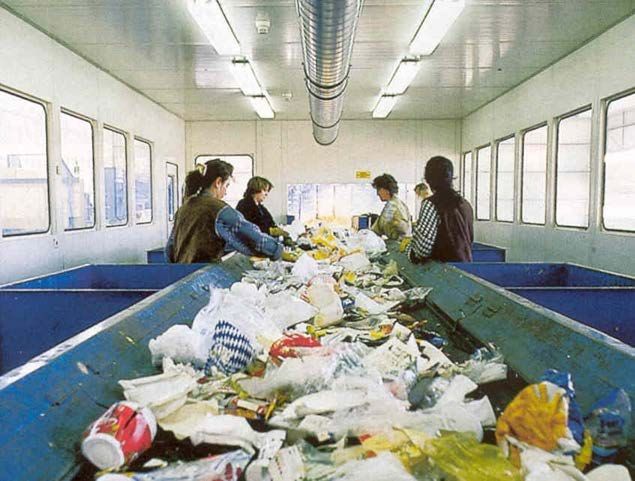
Exposure to biological agents and related health effects in waste water treatment sectors
During waste handling, accidents with sharp objects pose risks of infection from blood-borne viruses.
These accidents happen during the separation of waste or when rubbish is collected, especially when
rubbish bags (which tear easily) are used instead of containers. Not only needles but also glass and
cans must be separated by hand. Generally, where the waste originates from is unknown.
Wastewater treatment
According to Korzeniewska (2011), workers in wastewater treatment plants would quite certainly
contract a disease as a result of exposure to biological agents within one year if they were not already
immune or suitably protected. Sewage and unstable sludge contain various pathogens such as viruses,
bacteria, and human and animal parasites. These microorganisms can be transmitted to the ambient
air in wastewater droplets, which are generated during aeration or mechanical moving of the sewage.
Bioaerosols generated during wastewater treatment may therefore pose a potential health hazard to
workers of these plants. The use of wastewater and excreta in agriculture is a common practice in some
parts of the world and may lead to serious infections, including diarrhea, skin infection, parasitic infection
and bacterial infection (Lam et al., 2015).
Leptospirosis (caused by Leptospira spp.) has also been reported among wastewater and sewage
workers (Dutkiewicz et al., 2011). Wastewater treatment workers are also at particular risk of exposure
to Legionella (EU-OSHA, 2011).
Table 1 provides an overview of reported occupations, biological agents and related diseases in of
biological agents at the workplace reported in reviews published since 2010 (EU-OSHA, 2019).
Table 1: Overview of reported occupations, biological agents and reported related infectious and
unspecific diseases in waste treatment workers (e.g. waste collectors, waste composting workers, waste
handlers, waste sorters) and wastewater treatment workers
Biological agent Occupation Health effect
Bacteria
Actinomycetes Composting site worker Actinomycosis
Acinetobacter Waste worker —
Brucella spp. Waste worker Brucellosis
Campylobacter Waste worker Campylobacter infection
Escherichia coli Waste worker Colibacteriosis
Biological treatment plant
worker
Legionella spp. Legionellosis
Waste worker
Wastewater treatment worker
Mycobacterium Waste worker Tuberculosis
Salmonella Waste worker Salmonellosis
Staphylococcus Waste worker —
Treponema pallidum Waste worker Syphilis
Fungi
2
Exposure to biological agents and related health effects in waste water treatment sectors

   Biological agent                           Occupation                                  Health effect

                                                                                          Mycotic keratitis (cornea
   Aspergillus                                Waste worker
                                                                                          infection)

   Cryptococcus                               Waste worker                                Cryptococcosis

   Geotrichum                                 Waste worker                                —

   Rhodotorula                                Waste worker                                —

   Trichoderma                                Waste worker                                —

   Viruses

   Hepatitis A virus                                                                      Hepatitis A
   Hepatitis B virus                          Waste worker                                Hepatitis B
   Hepatitis C virus                                                                      Hepatitis C

   Human immunodeficiency virus                                                           Acquired immune deficiency
                                              Waste worker
   (HIV)                                                                                  syndrome (AIDS)

   Parasites

   Toxoplasma gondii                          Waste worker                                Toxoplasmosis

   Mixtures

                                                                                          Sick building syndrome,
                                                                                          asthma, upper respiratory
                                                                                          diseases, infections, coughs,
   Indoor moulds, fungi (mixture)             Waste worker                                headaches and flu-like
                                                                                          symptoms, allergic diseases,
                                                                                          and irritation of the nose,
                                                                                          throat, eyes and skin

Note: The literature review did not provide information on specific health effects for all causative biological agents. Where there
was no information in the literature, health effects have been identified based on general knowledge if possible, that is, if the
biological agent causes one specific disease; for those biological agents that cause a range of health effects, cells have been
marked with a dash.

(a) Toxins produced by certain bacteria and released upon destruction of the bacterial cell.

A causal relationship between exposure to non-infectious airborne biohazards endotoxins, (1-3)-betaD-
glucans of bacteria and fungi) and the occurrence of gastrointestinal symptoms, fever, respiratory
symptoms, skin disorders, eye irritation, headache, fatigue and nausea among workers in sewage
treatment plants has also been reported (Korzeniewska, 2011).
Increased exposures to endotoxins (EU-OSHA, 2007a; Ławniczek-Wałczyk and Górny, 2010;
Duquenne et al., 2013), mycotoxins (Fromme et al., 2016), beta-glucans via organic dust (Ławniczek-
Wałczyk and Górny, 2010) and bioaerosols (Anzivino-Viricel et al., 2012; Pearson et al., 2015; Walser
et al., 2015) were related to various adverse health outcomes including respiratory inflammatory
reactions, organic dust toxic syndrome (ODTS), high fever, eye, nose and throat irritation, coughing,
itching, a reduction in lung function (one-second forced expiratory volume (FEV1)), an increase in the
prevalence of atopy and myeloperoxidase production (an indicator of immune system activity)

                                                                                                                                 3
Exposure to biological agents and related health effects in waste water treatment sectors
Composting
Exposure to organic dust in the workplace at composting facilities is associated with adverse acute and
chronic respiratory health effects, including mucosal membrane irritation, chronic bronchitis and an
accelerated decline in forced vital capacity. The pattern of health effects differs from those found in
other workplaces with exposure to organic dust, possibly because of the high concentrations of
thermotolerant/thermophilic actinomycetes and filamentous fungi in composting plants.
The bioaerosol components identified in a review by Pearson et al. as potentially harmful are:
Fungi and fungal spores—including the thermotolerant species Aspergillus fumigatus;
Bacteria—including gram-negative bacteria and the spore-producing gram-positive bacteria
actinomycetes;
Endotoxin—structural components of some bacteria released through cell wall damage,
including lipopolysaccharides (LPS) or lipo-oligo-saccharides;
Dust or particulate matter (PM) containing microbial fragments;
Beta(1→3) glucans—polysaccharides found in the cell walls of certain fungi, particularly
Aspergillus species.
It is possible that mycotoxins, which are toxic secondary metabolites of fungi (one of the most potent of
these is aflatoxin, which is mainly produced by Aspergillus flavus) may also be emitted during the
composting process (Pearson et al., 2015). Dependent on particle size, bioaerosols may penetrate
deep into the lungs and become embedded in alveoli. For bioaerosols emitted from composting
facilities, the following health effects have been identified:
Allergic asthma, rhinitis, hypersensitivity pneumonitis extrinsic allergic alveolitis, allergic
bronchopulmonary aspergillosis (ABPA), eye and skin irritations;
Toxic non-allergic asthma, rhinitis, mucous membrane irritations, chronic bronchitis, chronic
airway obstruction such as chronic obstructive pulmonary disease (COPD), organic dust toxic
syndrome (ODTS), toxic pneumonitis;
Infectious aspergillosis, zygomycosis; immunocompromised individuals are more susceptible
at lower concentrations of the relevant pathogens. (Pearson et al., 2015)
Table 2 provides an overview of allergenic agents, toxins and related health problems identified in the
literature review.
Table 2: Overview of occupations, allergenic agents, toxins and related health problems in waste
management and wastewater treatment workers
Category Agent Occupation Health effect
Sewage plant
Arthropods Sewer fly Asthma
worker
Aspergillus Composting site
Pulmonary and respiratory diseases
fumigatus worker
Archaea in Wastewater Sensitisation (relevance to be
Archaea
bioaerosols treatment worker determined)
Plant material Kapok Sewer worker Asthma
Fungi Alternaria Waste worker Asthma, hypersensitivity pneumonitis
Fungi Cladosporium Waste worker Asthma, hypersensitivity pneumonitis
Fungi Penicillium Waste worker Asthma, hypersensitivity pneumonitis
4Exposure to biological agents and related health effects in waste water treatment sectors
Category Agent Occupation Health effect
Organic dust
Organic dust Waste worker —
(beta glucans)
High fever, coughing, irritation of the
Organic dust Organic dust
Waste worker respiratory system and chest
(mixture) (endotoxins)
congestion (inhalation exposure)
Organic dust, Biomass power
Organic dust,
bioaerosols generation Irritation (ocular, dermal)
bioaerosols
(mixture) worker
Organic dust
(bacteria, fungi, Composting site
Organic dust Cough, dyspnoea, eye irritation
endotoxins (a), worker
beta glucans)
Toxin/subcellular Hepatotoxic, carcinogenic and
Aflatoxins Waste worker
pathogen immunosuppressive effects
Toxin/subcellular Carcinogenic, nephrotoxic,
Ochratoxin A Waste worker
pathogen teratogenic and immunotoxic effects
Note: The literature review did not provide information on specific health effects for all causative biological agents. Where there
was no information in the literature, health effects have been identified based on general knowledge if possible, that is, if the
biological agent causes one specific disease; for those biological agents that cause a range of health effects, cells have been
marked with a dash.
Exposure pattern, intentional versus unintentional use and available
exposure limits
Waste materials in general contain a range of nutrients and are moist, which are good conditions for
the growth of microorganisms. The age and composition of the waste, storage temperature and humidity
affect the type and quantity of microorganisms in the waste, as well as the extent to which these
microorganisms can survive and multiply. The most relevant routes of exposure to biological agents in
this context are direct contact with waste materials and dust (mainly dermal and/or oral exposure) and
inhalation of airborne biological agents ( 2)] (EU-OSHA, 2019). A specific route of exposure to biological
agents is through needlestick injuries, for example during manual sorting of waste.
Occupational exposure to biological agents can occur through the intentional use of specific
microorganisms in the primary process, or as more or less accidental or unintentional exposure resulting
from processes that involve many different microorganisms in environments in which biological agents
occur naturally because the conditions are favourable for the growth of microorganisms. Intentional use
occurs in the waste treatment sector when waste is decomposed using microorganisms, which happens
in composting, for example, where naturally growing microorganisms decompose organic waste and
the process is controlled to promote the growth of some of these decomposers. As the involvement of
microorganisms is generally an essential part of, for instance, composting and sewage treatment
processes, use of biological agents in these cases is considered intentional, but because of the
significant variation in the microorganisms involved, it is still considered an issue of concern. In addition,
in composting, for example, microorganisms are expected and intended to grow, but pathogens, for
example in contaminated wastewater, or microorganisms that produce allergens, for example organic
dust from waste, may also be present, and this is indeed unintentional.
(2) See the OSHwiki article ‘Exposure to dangerous substances in the waste management sector’:
https://oshwiki.eu/wiki/Exposure_to_dangerous_substances_in_the_waste_management_sector
5Exposure to biological agents and related health effects in waste water treatment sectors
Occupational exposure limits
The lack of knowledge about the full range of exposures and of (quantitative) data on the association
between exposure and the related health effects (the exposure-effect relationship) hampers the
derivation of occupational exposure limits (OELs) applicable to waste treatment and wastewater
treatment. Currently, only Germany sets a technical control value for spores of mesophilic moulds in
the workplace air of waste handling facilities: 5 x 10⁴ spores per m3 of respiratory air (BAuA, 2016).
Although the recommendation is not specific to the waste treatment sector, and not implemented as an
official OEL, the Netherlands has derived a health-based recommended OEL for endotoxin exposure
(90 endotoxin units/m³ of air, 8-hour time-weighted average ( 3)) (Health Council of the Netherlands,
2010), which is also relevant to this sector. In Scandinavia, the Nordic Expert Group examined the
health effects of moulds capable of producing toxic effects and calculated that the level of moulds in the
air at which non-sensitised workers start to experience effects is about 105 spores/m³ of air (Eduard,
2006, 2009).
However, based on the available scientific literature, the following threshold limits or reference
values ( 4) are in use for bioaerosols in occupational environments, including waste management:
Total bacteria: ≤ 1.0 x 10³-7.0 x 10³ colony-forming units (cfu)/m³ for non-industrial workplaces,
and ≤ 7.5 x 10²-1.0 x 10⁷ cfu/m³ for manufacturing and industrial premises.
Gram-negative bacteria: 1.0 x 10³-2.0 x 10⁴ cfu/m³ for manufacturing and industrial premises
Fungi: 1.0 x 101-1.0 x 10⁴ cfu/m³ for non-industrial workplaces and ≤ 1.0 x 10²-1.0 x 10⁷ cfu/m³
for manufacturing and industrial premises.
Bacterial endotoxins: 0.005-0.2 µg/m³ for productive and industrial processes.
There is no safe level of pathogenic microorganisms; the threshold limit should be 0 cfu/m³.
Vulnerable groups
Some groups of workers can be considered ‘inherently’ vulnerable, the ‘particularly sensitive risk
groups’ (e.g. ageing workers, young workers, female workers). In the case of workers with high levels
of exposure, however, their vulnerability can be attributed to the job itself (and possibly to the fact that,
in the sector in question, the high level of exposure is a result of OSH regulations not being properly
implemented). However, there is an overlap between these groups, and the different conditions may
interact. Consequently, differences in metabolism, pre-existing health problems — including those
caused by work, such as respiratory disorders — the norms of the sector, its safety culture and
employment conditions, and the specific conditions of the workplace need to be considered when
identifying vulnerable groups.
In waste management and wastewater treatment, as in other sectors, trainees and workers in their first
jobs, as well as temporary workers, are considered vulnerable groups, because they have less practical
experience and are generally less aware of the risks. Pregnant women, elderly people, people with pre-
existing diseases such as lung diseases, allergies, asthma and diabetes (because of the increased risk
of infections), and people who have undergone immunosuppression as a treatment for chronic diseases
are also considered vulnerable. Furthermore, temporary workers and undocumented (illegal) workers
are considered particularly vulnerable in these jobs because they are often unaware of and uninformed
about the risks that they are exposed to, and frequently do not receive appropriate training, instructions
or vaccinations. The vulnerable groups mentioned above are a concern in many sectors, including the
waste management and wastewater treatment sectors. Within these sectors, cleaning and maintenance
are considered particularly high-risk jobs (EU-OSHA, 2020).
(3) Endotoxin units are a measure of an endotoxin’s activity.
(4) See the OSHwiki article ‘Bioaerosols and OSH’: https://oshwiki.eu/wiki/Bioaerosols_and_OSH
6Exposure to biological agents and related health effects in waste water treatment sectors
Emerging risks
An ‘emerging OSH risk’ is any occupational risk that is considered to be new or increasing. Emerging
risks include newly created or newly identified risks, increasing risks and risks that are becoming widely
known or established.
The following are examples of emerging risks in the waste management and wastewater treatment
sectors identified in the interviews with experts and focus groups.
The first emerging risk relates to the collection and separation of (organic) waste in households. This
waste is nowadays often stored in (larger) plastic containers rather than in plastic bags, which can result
in less frequent collection of waste. In the containers used for storage, the circumstances are generally
optimal for the growth of microorganisms, and longer storage times in homes allow microorganisms
more time to grow. This leads to an increased risk of unintentional exposure to bacteria and fungi
among, for example, waste collectors and waste sorters.
Second, combined exposure to multiple risk factors (chemical, biological, physical), including a mixture
of biological agents, is considered an emerging risk for waste treatment workers (EU-OSHA, 2009), as
much is still unknown about the
©sSTOCKPHOTOS possible interactions that may
increase or decrease the overall
health effect (EU-OSHA, 2019).
The expected increase in green jobs
related to biomass use, waste and
recycling may result in an increased
prevalence of sensitisation to
biomass-related allergens in the
future. Biomass-related allergens are
also a concern, as waste
management and composting are
associated with the occurrence of
specific allergens.
Furthermore, Aspergillus in green
waste recycling is considered an emerging risk, as this biological agent may be present in the
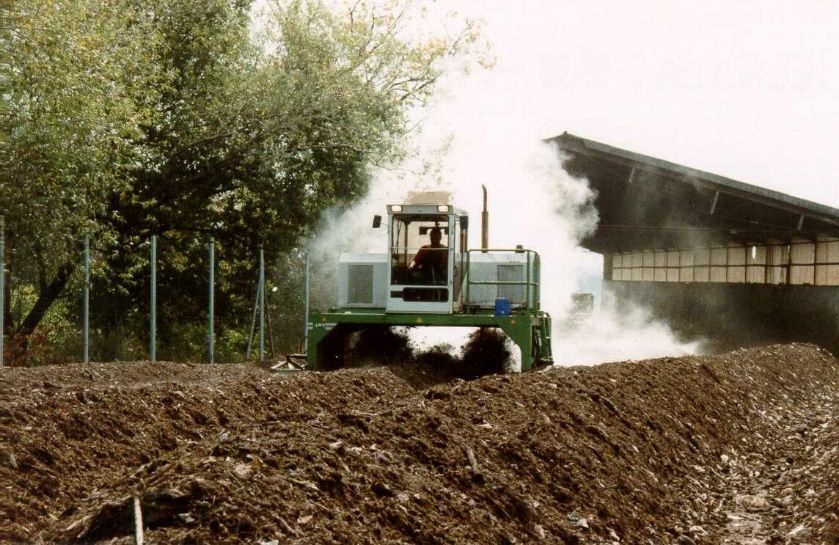
bioaerosols released at these composting plants. Activities such as the shredding of fresh green waste,
pile turning and the screening of mature compost may result in the release of significant amounts of
bioaerosols and cause health effects in green waste recycling workers upon exposure.
EU-OSHA has also identified as potential emerging risks the biohazards linked to work with new
bacteria developed in bioengineering, and increased exposure to bacteria and fungi due to increased
collection and separation of organic waste (EU-OSHA, 2013).
Another emerging risk relates to Leptospira spp., which cause Leptospirosis. Leptospira is often carried
by rats and is secreted in their urine and climate change is expected to lead to an increase in the number
of rats because rats thrive in warmer climates. Wastewater is frequently contaminated with rat urine,
and therefore potentially contains Leptospira, which may infect wastewater treatment workers.
Proposals for OSH prevention in waste management and wastewater
treatment
Many microorganisms and substances generated by them may affect workers in the sector, and their
identification through workplace risk assessment may be difficult because of the variable nature of
waste and wastewater and their composition. However, there are some tools available that provide
guidance for workplaces and information on common exposure situations, for example the German
rules for biological agents in the waste and wastewater management sectors (ABAS/BAuA 2010;
ABAS/BAuA 2018) and the German GESTIS database (DGUV, 2017), which provides information
about potential exposures and prevention measures (Förster, 2017).
7Exposure to biological agents and related health effects in waste water treatment sectors
Waste collection and treatment
In a review of established European practice in relation to biohazards associated with waste and waste-
related biofuels (Swords, 2011), it is stated that, although in general the relevant control measures to
prevent exposure are known (and can be related to relatively simple hygiene and housekeeping, such
as the avoidance of power-hosing to clean surfaces in order to prevent the formation of aerosols), the
implementation of these control measures has to be engineered step-by-step to reduce exposure
pathways (e.g. a change in equipment surfaces may be needed to facilitate alternative cleaning
methods). However, the skills necessary for this may not exist within many companies already engaged
in the waste sector, and for a gap analysis of their needs they may need to turn to specialists with the
necessary experience gained in the process industries.
As regards household waste, owing to an increase in the separation, different ways of storing waste
and the less frequent collection of waste may have an influence on the exposure of workers to biological
agents. Every step in the process should be considered when preventive measures are set to avoid
exposures to workers. Consecutive steps to consider might be, for example, (1) the separation of waste
in a household, (2) the collection of household waste by waste collectors and (3) the processing of
household waste. Risks can relate to, for example, decreased frequency of waste collection, due to
developments in the separation/recycling of waste and changes in how waste is stored. In the
Netherlands, for example, household waste is increasingly separated at home where it is divided into
smaller amounts to be collected from homes or taken to central waste storage facilities. This
development increases the risk of exposure for workers collecting and handling the waste because the
conditions of storage are generally optimal for the growth of microorganisms, and microorganisms have
more time to grow. Where waste is collected/stored in central storage containers (mostly urban areas)
instead of at people’s homes it is generally collected more frequent and waste collection can be planned
more efficiently.
New waste treatment plants are being built in Finland in which workers are separated from the waste
stream in the treatment process. This may serve as an example of best practice. Technological
innovations such as the use of robots for certain parts of the process — already common in green waste
processing (e.g. composting) — are another possible solution to separate workers from waste and thus
reduce their exposure to biological agents.
©EU-OSHA, Raymond Widawski Another option would be to process some waste locally (i.e.
at home). An example of this would be the use of a home
waste management system that makes it possible to
dispose of biodegradable plastic products using a cruncher
connected to the local sewage system, where solid waste
and wastewater are separated, and water is filtered.
An important issue in the waste treatment sector is that
waste is often treated in open spaces in which aerosols are
present. It is more difficult to contain biological agents in
open spaces than it is in waste treatment facilities, where
waste treatment processes are often much more contained
and therefore more controllable. The focus in the waste
treatment sector should therefore be on open spaces,
where the risk is considered the highest (stakeholder
workshop).
A life-cycle approach is also recommended as a general
measure. Since the waste treatment sector is generally at
the end of a value chain, certain risks that occur during
waste treatment may be better tackled earlier in the chain.
An example of these sector-transcending risks is
needlestick injuries during the collection and sorting of
waste: pharmacists and distributors could (better) inform
consumers who buy needles of how to dispose of them
without risks to both themselves and waste treatment workers. This would result in fewer accidents with
sharp objects during waste handling and thus reduce the risk of infection with blood-borne viruses
among these workers.
8Exposure to biological agents and related health effects in waste water treatment sectors
Training
Because of the general lack of awareness and knowledge in this sector, wide-ranging training on the
risks of exposure to biological pathogenic agents for OSH experts at company level (e.g. health and
safety committee members) is warranted, as would highly specialised training for waste treatment
workers, to inform them of the type of risks they face when handling a specific type of waste. It is also
important to ensure sufficient information and training for temporary or external staff who are hired
through subcontracting companies. One suggested measure is offering a course to workers when they
first start their job, one that would instruct them on the (biological) risks related to waste treatment with
specific reference to new employees (identified as a vulnerable group).
More information on preventive measures applicable to the waste treatment sector is presented in the
OSHwiki article ‘Exposure to dangerous substances in the waste management sector’ ( 5).
Wastewater treatment
The prevention measures for the wastewater management sector should follow the hierarchy of control
measures and prioritise technical over personal protective measures. Constructive measures should
have been implemented in the planning phase of the plants to avoid the formation of bioaerosols in
wastewater plants. In particular.
As in waste treatment, in addition, general hygiene measures are recommended in wastewater
treatment and maintenance and repair of wastewater and sewerage installations. These include storage
for work clothing separate from street clothing, including shoes, procedures for washing hands and
separation of rest and work areas, as well as guidelines for storage and cleaning of work clothing. PPE
should be stored separately and PPE should be provided to workers where exposure cannot be avoided
or is to be expected. One policy is the so-called black and white policy, which sets out rules for
separating black (contaminated) areas, equipment, and clothing from white (clean, non-contaminated)
ones. Appropriate washing facilities should also be provided to workers.
Maintenance and cleaning are regarded as particularly dirty tasks in this sector and bear a high risk of
exposure, although they are routinely applied in this sector. Risk assessment and prevention measures
need to include these tasks and set out specific measures for them. To prevent gastrointestinal
illnesses, for example, ,guidelines on sewage handling in some Member states, such as Denmark,
include recommendation to avoid bioaerosol formation for example not using high-pressure water for
cleaning.
Another measure to avoid infections are vaccination programmes for wastewater workers, which have
been implemented in France against leptospirosis and in Denmark to prevent hepatitis and tetanus.
Conclusion
It is clear that workers in waste treatment and wastewater treatment are exposed to a variety of risks
due to unintentional exposure to bacteria, viruses and fungi and their constituents as well as potential
exposure to bioaerosols and organic dust. These exposures can lead to infections, irritative and toxic
effects, as well as allergies and a range of other effects such as nausea or gastrointestinal disorders,
or even immunological effects. Diseases that frequently occur in waste collection workers are asthma
and hepatitis infection. Wastewater workers are at particular risk of legionellosis and leptospirosis.
Cleaners and maintenance workers in waste treatment and wastewater treatment are vulnerable
groups; another group at risk is temporary and subcontracted workers. Immunosuppressed workers
may also be at risk as they may be potentially exposed to a broad range of (unknown) biological agents.
Emerging issues that may lead to increased risk are increases in waste separation in households
promoting the growth of mocroorganisms, combined exposure (mixtures), increased risk of contracting
leptospirosis due to climate change and the potentially increasing exposure to biomass-related
allergens in a greening economy. In addition to a number of specific technical measures following the
hierarchy of prevention measures set out in OSH legislation (e.g. eliminating risk by separating workers
from waste in recycling plants to avoid exposure and specific hygienic measures such as the separation
(5) https://oshwiki.eu/wiki/Exposure_to_dangerous_substances_in_the_waste_management_sector
9Exposure to biological agents and related health effects in waste water treatment sectors
of contaminated and non-contaminated work areas, equipment and clothing (black-white policy)), policy
measures identified in this research include vaccination programmes, targeted awareness-raising,
training and instruction programmes, and a life-cycle approach that takes into account new ways of
collecting waste. To reduce the risk of infection from biological agents, it would be helpful if sector-
specific OELs could be derived, taking into account the distinct groups of waste treatment workers and
wastewater treatment workers and the particular risks they are exposed to.
References
ABAS/BAuA, 2018. Safety and health for activities involving biological agents in waste treatment plants
(Technische Regel für Biologische Arbeitsstoffe 214 (TRBA 214) —
Abfallbehandlungsanlagen). GMBl. Nr. 30 from 3. July 2018, 574-. Retrieved June 2019 from:
http://www.baua.de/de/Themenvon-A-Z/Biologische-Arbeitsstoffe/TRBA/TRBA-214.html
ABAS/BAuA, Safety and health for activities involving biological agents in wastewater treatment plants.
(Technische Regel für Biologische Arbeitsstoffe 220 (TRBA 220) — Sicherheit und Gesundheit
bei Tätigkeiten mit biologischen Arbeitsstoffen in abwassertechnischen Anlagen). GMBl. Nr.
68-80 from 6. December 2010, S. 1405-1416. Retrieved December 2019 from
https://www.baua.de/DE/Angebote/Rechtstexte-und-Technische-
Regeln/Regelwerk/TRBA/TRBA-220.html
Anzivino-Viricel, L., Falette, N., Carretier, J., Montestrucq, L., Guye, O., Philip, T., Fervers, B., 2012.
Domestic waste management: State of current knowledge and health effects assessment in
general and occupational populations [Gestion des déchets ménagers et assimilés: Bilan des
connaissances et évaluation des effets sanitaires en population générale et au travail]. Environ.
Risque Santé 11, 360-77. doi:10.1684/ers.2012.0559
BAuA (German Federal Institute for Occupational Safety and Health), 2016. Retrieved September 2016
from http://www.baua.de/de/Themen-von-A-Z/Biologische-Arbeitsstoffe/TRBA/TRBA-214.html
Corrao, C.R.N., Del Cimmuto, A., Marzuillo, C., Paparo, E., La Torre, G., 2013. Association between
waste management and HBV among solid municipal waste workers: A systematic review and
meta-analysis of observational studies. Sci. World J. 2013, 5. doi:10.1155/2013/692083
DGUV, 2017. GESTIS biological agents database. Retrieved April 2019 from:
http://www.dguv.de/ifa/gestis/gestis-biostoffdatenbank/index-2.jsp
Duquenne, P., Marchand, G., Duchaine, C., 2013. Measurement of endotoxins in bioaerosols at
workplace: A critical review, Annals of Occupational Hygiene. doi:10.1093/annhyg/mes051
Dutkiewicz, J., Cisak, E., Sroka, J., Wojcik-Fatla, A., Zajac, V., 2011. Biological agents as occupational
hazards: selected issues. Ann. Agric. Environ. Med. 18, 286-293.
Eduard, W., 2006. The Nordic Expert Group for Criteria Documentation of Health Risks from Chemicals:
139 — Fungal spores. Arbetslivsinstitutet. Arbete och Hälsa 2006:21. Available at:
http://www.inchem.org/documents/kemi/kemi/ah2006_21.pdf
Eduard, W., 2009. Fungal spores: A critical review of the toxicological and epidemiological evidence as
a basis for occupational exposure limit setting. Crit. Rev. Toxicol. 39(10), 799-864.
EU-OSHA (European Agency for Safety and Health at Work), 2007. Expert forecast on emerging
biological risks related to occupational safety and health: European Risk Observatory report.
Available at: https://osha.europa.eu/en/publications/report-expert-forecast-emerging-
biological-risks-related-occupational-safety-and-health
EU-OSHA (European Agency for Safety and Health at Work), 2009. Expert forecast on emerging
chemical risks related to occupational safety and health: European Risk Observatory report.
Available at: https://osha.europa.eu/en/publications/report-expert-forecast-emerging-chemical-
risks-related-occupational-safety-and-health/view
EU-OSHA (European Agency for Safety and Health at Work), 2011. Legionella and Legionnaires’
Disease: A Policy Overview. Available at: https://osha.europa.eu/en/publications/legionella-
and-legionnaires-disease-policy-overview/view
10Exposure to biological agents and related health effects in waste water treatment sectors
EU-OSHA (European Agency for Safety and Health at Work), 2013a. Green jobs and occupational
safety and health: Foresight on new and emerging risks associated with new technologies by
2020 — Report. Luxembourg: Publications Office of the European Union. Available at:
https://osha.europa.eu/es/publications/foresight-new-and-emerging-risks-occupational-safety-
and-health-associated-new-0
EU-OSHA (European Agency for Safety and Health at Work), 2019. Biological agents and work-
related diseases: results of a literature review, expert survey and analysis of monitoring
systems. Available at: https://osha.europa.eu/en/publications/biological-agents-and-work-
related-diseases-results-literature-review-expert-survey-and/view
EU-OSHA (European Agency for Safety and Health at Work), 2020. Biological agents and work-related
diseases. Final report.
Förster, G., 2017. Germany´s national system for prevention of risks from biological agents – the role
of the committee on biological agents and its cooperation with other bodies, EU-OSHA
workshop on the prevention of work-related diseases due to biological agents exposure at work.
Available at
https://osha.europa.eu/sites/default/files/seminars/documents/4%20F%C3%B6rster.pdf.
Fromme, H., Gareis, M., Völkel, W., Gottschalk, C., 2016. Overall internal exposure to mycotoxins and
their occurrence in occupational and residential settings: An overview. Int. J. Hyg. Environ.
Health 219, 143-165. doi:10.1016/j.ijheh.2015.11.004
Health Council of the Netherlands, 2010. Endotoxins: Health-based recommended occupational
exposure limit. Health Council of the Netherlands, The Hague. Publication No 2010/04OSH.
Korzeniewska, E., 2011. Emission of bacteria and fungi in the air from wastewater treatment plants: A
review. Front. Biosci. (Schol. Ed.) 3, 393-407.
Kuijer, P.P.F.M., Sluiter, J.K., 2010. Health and safety in waste collection: Towards evidence-based
worker health surveillance. Am. J. Ind. Med. 53, 1040-1064. doi:10.1002/ajim.20870
Lam, S., Nguyen-Viet, H., Tuyet-Hanh, T.T., Nguyen-Mai, H., Harper, S., 2015. Evidence for
publichealth risks of wastewater and excreta management practices in Southeast Asia: A
scoping review. Int. J. Environ. Res. Public Health 12, 12863-12885.
doi:10.3390/ijerph121012863
Ławniczek-Wałczyk, A., Górny, R.L., 2010. Endotoxins and β-glucans as markers of microbiological
contamination: Characteristics, detection, and environmental exposure. Ann. Agric. Env. Med.
17, 193-208.
Pearson, C., Littlewood, E., Douglas, P., Robertson, S., Gant, T.W., Hansell, A.L., 2015. Exposures
and health outcomes in relation to bioaerosol emissions from composting facilities: a systematic
review of occupational and community studies. J. Toxicol. Environ. Health. B. Crit. Rev. 18, 43-
69. doi:10.1080/10937404.2015.1009961.
Swords, P., 2011. A review of the established European practice in relation to biohazards associated
with waste and waste-related biofuels. Proceedings of the 22nd Institution of Chemical
Engineers Symposium on Hazards 2011 (HAZARDS XXII), Liverpool, 11-14 April 2011.
Redhook, NY: Curran, 213-219. Walser, S.M., Gerstner, D.G., Brenner, B., Bünger, J., Eikmann, T.,
Janssen, B., Kolb, S., Kolk, A., Nowak, D., Raulf, M., Sagunski, H., Sedlmaier, N., Suchenwirth,
R., Wiesmüller, G., Wollin, K.M., Tesseraux, I., Herr, C.E.W., 2015. Evaluation of exposure-
response relationships for health effects of microbial bioaerosols: A systematic review. Int. J.
Hyg. Environ. Health 218, 577-589. doi:10.1016/j.ijheh.2015.07.004
11You can also read


