Draft Plan Bay Area 2050 - Highlights of the Long-Range Regional Plan & Next Steps Toward Implementation
←
→
Page content transcription
If your browser does not render page correctly, please read the page content below
Draft Plan Bay Area 2050
                                        Highlights of the Long-Range Regional Plan &
                                        Next Steps Toward Implementation
                                        East Bay Virtual Public Workshop — June 14, 2021

Lafayette (Photo: Flickr/Wayne Hseih)
Welcome!
                                                      We look forward to sharing the Draft Plan Bay Area
                                                      2050, which encompasses over three years of
                                                      meticulous technical work and robust engagement
                                                      with our partners and residents from throughout the
                                                      San Francisco Bay Area.
                                                      We want to hear your thoughts on the draft plan!
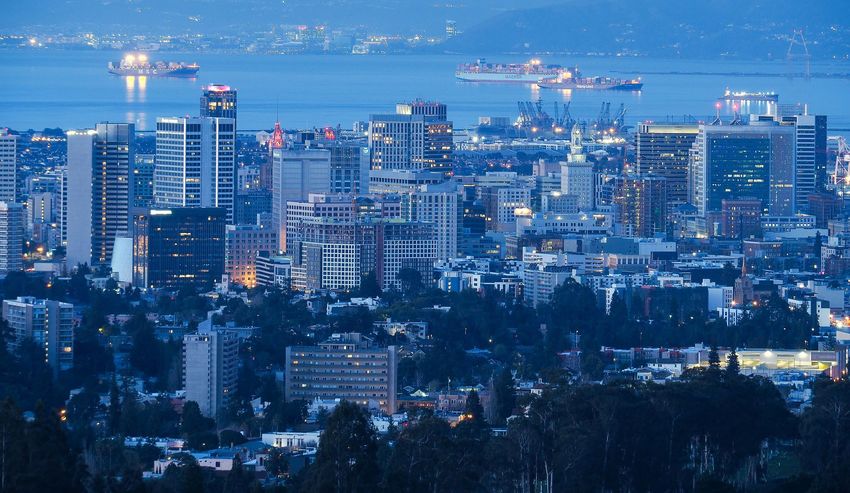
Downtown Oakland (Photo: Flickr/David Ambercrombie)
We Stand in Solidarity

MTC and ABAG continue to stand with
those calling for systemic change. It is
past time to break down barriers that
reduce opportunity for Black, Indigenous
and people of color and undermine our
shared prosperity.
www.mtc.ca.gov/equityplatform
Overview of Today’s Workshop
 Introduction & Welcome (5 minutes)

 Plan Bay Area 2050 Overview + Q & A (25 minutes)

 Draft Plan Strategies and Local Focus (20 minutes)

 Q & A (30 minutes)

 How to Comment and What’s Next (10 minutes)

                                                      4
Logistics for Today’s Event
Everyone will be muted during the
workshop.
Questions and comments can be
entered via the Q&A box.
If you are calling in, we will call on
you toward the end of the Q&A
period, and you can unmute
yourself.
Profanity and culturally insensitive
language will not be tolerated.
5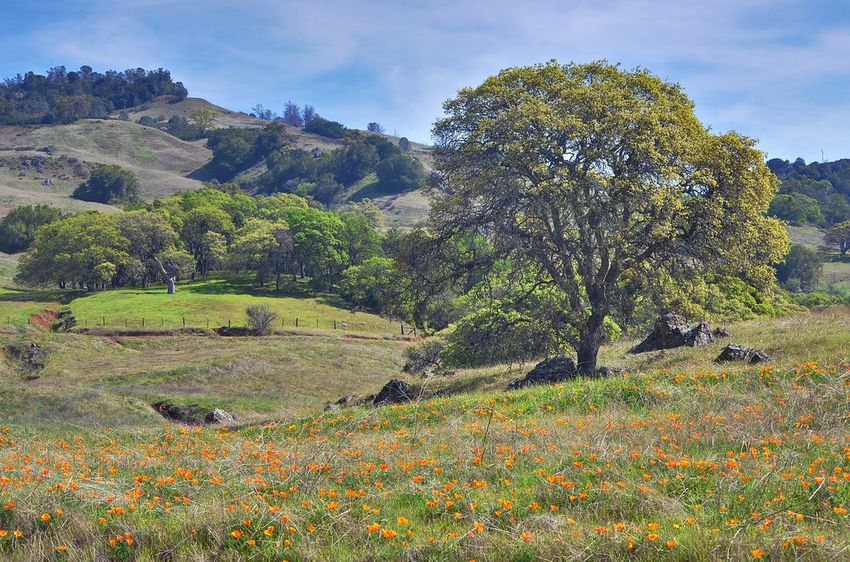
Long-Range Planning… From 2018 to Today
Kicked off in early 2018, Horizon and Plan Bay Area 2050 focused on planning for an
uncertain future, while advancing more equitable outcomes for all residents.                         SPRING 2021

Adoption of the Final Plan — slated for fall 2021 — will be the final step in a
four-year planning process that engaged tens of thousands of Bay Area residents.

          WINTER 2019            FALL 2019          SPRING 2020              FALL 2020

               HORIZON                                            PLAN BAY AREA 2050
             Futures Planning                                    Draft Blueprint & Final Blueprint
            Perspective Papers                                Plan Document & Implementation Plan
           Project Performance                                  Environmental Impact Report (EIR)
6
Long-Range Planning… Driven by Public Input
                                                 Engagement to Date by the Numbers

                    More diverse
                    engagement
                                               130+    public meetings featuring discussion of
                                                       Horizon & Plan Bay Area 2050
                     techniques

                                               100+    public events including in-person & virtual
                                                       workshops, pop-up events, and focus groups
    Greater focus

                                               60+     stakeholder events including RAWG and
     on events in
     low-income
    communities                                        REWG meetings, workshops and webinars
       of color
                            Targeted youth,
                            unhoused, non-
                           English speakers,
                              low-income
                                               200,000+           public and stakeholder
                                                                  comments received to date
                              populations

                                               19,000+            participants in planning
                                                                  process to date

                                                                                   7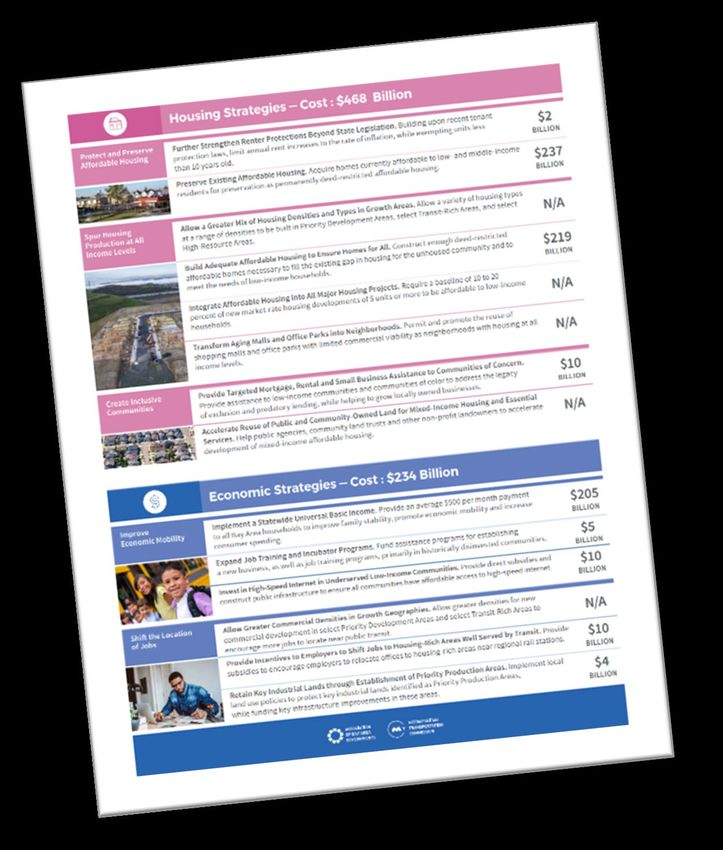
Long-Range Planning… For a Better Bay Area
  WHAT IS     Plan Bay Area 2050 is the long-range plan charting the course of the
 THE PLAN?    nine-county San Francisco Bay Area, slated for adoption in fall 2021.
  VISION &    Ensure by the year 2050 that the Bay Area is
  GUIDING     affordable, connected, diverse, healthy and vibrant for all.
 PRINCIPLES

                                       • Transportation Strategies

   FOUR                                • Housing Geographies & Strategies
ELEMENTS OF
 THE PLAN                              • Economic Geographies & Strategies

                                       • Environmental Strategies

                                                                     8
Plan Bay Area 2050: Growth Geographies
        1.4                            1.4
                                                                                 Santa
                  new households                new jobs                         Rosa
                  between 2015                  between 2015
      million     and 2050           million    and 2050                                              Fairfield

    Protect                        Prioritize
    Areas Outside                  Priority Development                                                         Walnut
                                                                                                                Creek
    Urban Growth                                                                                     Oakland

    Boundaries
                                   Areas (PDAs)                                   San
                                                                            Francisco

    (including PCAs)
                                   Priority Production
    Unmitigated                    Areas (PPAs)
    High Hazard
    Areas                          Transit-Rich Areas                                              Palo
                                                                                                   Alto                     San
                                                                                                                            Jose
                                   (TRAs)                               PDAs
                                                                        PPAs
                                   High-Resource
                                                                        TRAs
                                   Areas (HRAs)
                                                                        HRAs
9                                                              Note: some High-Resource Areas are also Transit-Rich Areas
Plan Bay Area 2050: 11 Themes, 35 Bold Strategies
    Maintain and
                             Plan Bay Area 2050
    Optimize the
    Existing System        35 Adopted Strategies

    Create Healthy and      Improve Economic
    Safe Streets            Mobility
    Build a Next-
    Generation Transit      Shift the Location
    Network                 of Jobs

    Protect and Preserve    Reduce Risks from
    Affordable Housing      Hazards

    Spur Housing
                            Expand Access to
    Production at All                                 Learn more about each of the 35
                            Parks and Open Space   adopted strategies at planbayarea.org.
    Income Levels
    Create Inclusive        Reduce Climate
    Communities             Emissions
                                                                     10
Bold Strategies for a More Affordable Bay Area
Reduce the region’s extreme Produce and preserve much- Provide robust discounts for
cost of living by enabling over a needed affordable housing low-income residents both for
million new homes near public through public, non-profit, and tolls and transit fares
transit private sector action
Strategies include: Strategies include: Strategies include:
• Allow a Greater Mix of Housing Types and • Preserve Existing Affordable Housing • Reform Regional Transit Fare Policy
Densities in Growth Areas • Build Adequate Affordable Housing to • Implement Per-Mile Tolling on Congested
• Transform Aging Malls and Office Parks into Ensure Homes for All Freeways with Transit Alternatives
Neighborhoods • Integrate Affordable Housing into All Major
• Maintain Urban Growth Boundaries Housing Projects
11Bold Strategies for a More Connected Bay Area
Create a world-class public Standardize transit fares across Permanently reduce traffic
transportation system, the region and advance congestion through a proven
emphasizing maintenance and seamless mobility through approach of pricing select
ridership as critical twin goals schedule coordination corridors
Strategies include: Strategies include: Strategies include:
• Operate and Maintain the Existing System • Reform Regional Fare Policy • Implement Per-Mile Tolling on Congested
• Enhance Local Transit Frequency, Capacity, • Enable a Seamless Mobility Experience Freeways with Transit Alternatives
and Reliability • Build an Integrated Regional Express Lane
• Expand and Modernize the Regional Rail and Express Bus Network
Network
12Bold Strategies for a More Diverse Bay Area
Protect renters from being Tackle racial inequities by Reduce income inequality
displaced to the region’s enabling more housing in through new universal basic
periphery and beyond historically-exclusionary places income and mortgage assistance
programs
Strategies include: Strategies include: Strategies include:
• Further Strengthen Renter Protections • Allow a Greater Mix of Housing Types and • Implement a Statewide Universal Basic
Beyond State Legislation Densities in Growth Areas Income
• Preserve Existing Affordable Housing • Build Adequate Affordable Housing • Provide Targeted Mortgage, Rental, and
• Support Community-Led Transportation • Accelerate Reuse of Public and Community- Small Business Assistance to Equity Priority
Enhancements Owned Land Communities
13Bold Strategies for a Healthier Bay Area
Strive to eliminate traffic Protect tens of thousands of Tackle climate change by
deaths by making streets safer Bay Area homes from rising sea electrifying vehicles & buildings
for all roadway users levels and from potential and reducing auto trips
earthquake damage Strategies include:
Strategies include: • Expand Clean Vehicle Initiatives
Strategies include:
• Advance Regional Vision Zero Policy • Fund Energy Upgrades to Enable Carbon
• Adapt to Sea Level Rise
through Street Design and Reduced Speeds Neutrality in Existing Buildings
• Provide Means-Based Financial Support to
• Build a Complete Streets Network • Expand Transportation Demand
Retrofit Existing Residential Buildings
Management Initiatives
• Expand Commute Trip Reduction Programs
at Major Employers
14Bold Strategies for a More Vibrant Bay Area
Encourage more job growth in Preserve critical industrial Ensure all communities have
housing-rich areas through lands and work to catalyze job access to high-speed internet
financial incentives and growth in these locations to fully participate in the digital
streamlining economy
Strategies include: Strategies include: Strategies include:
• Provide Incentives to Employers to Shift • Retain Key Industrial Lands through • Invest in High-Speed Internet in
Jobs to Housing-Rich Areas Well Served by Establishment of Priority Production Areas Underserved Low-Income Communities
Transit • Expand Job Training and Incubator
• Allow Greater Commercial Densities in Programs
Growth Geographies
15Plan Bay Area 2050: Revenues & Expenditures
Transportation Element Housing Element Economy Element Environment Element
$469 billion in existing funding $122 billion in existing funding N/A in existing funding $15 billion in existing funding
$110 billion in new revenues $346 billion in new revenues $234 billion in new revenues $87 billion in new revenues
Existing Revenues New Revenues Existing Revenues New Revenues Existing Revenues New Revenues Existing Revenues New Revenues
Note: $12 billion in existing transportation Note: new housing revenues could come Note: as Needs & Revenue data is Note: as Needs & Revenue data is
funding is shown in Environment Element from a mix of federal, state, regional, or unavailable for economic development, unavailable for parks & conservation,
for climate & sea level rise strategies. local sources. existing funding is underrepresented. existing funding is underrepresented.
16Forecasting the Future: Housing & Jobs Growth
Housing Growth: 2015 to 2050 Job Growth: 2015 to 2050
2% 2%Forecasting the Future: Projected Outcomes
Plan would reduce housing & transportation cost burden by 13
AFFORDABLE percentage points, with even greater improvements for low-income
households
Plan would improve access to frequent transit and to safe bicycle &
CONNECTED pedestrian facilities, enabling nearly 20 percent of workers to shift
away from commuting by auto
Plan would provide more affordable housing in historically-
DIVERSE exclusionary jurisdictions, while helping at least 10 percent of the
region’s low-income residents to buy their first home
Plan would meet the state-mandated greenhouse gas reduction
HEALTHY target, while concurrently protecting nearly all homes from sea level
rise impacts through 2050
Plan would improve jobs-housing balance in counties
VIBRANT throughout the Bay Area, yielding shorter commutes
for all workers 18Questions?
Mt. Diablo (Photo: Flickr/Calmuziclover)Local Spotlight on Key Strategies
Creating Affordable Housing: What did we hear?
Comments received… …shaped the Plan’s strategies!
Preserve Existing Affordable Housing
“Disincentivize corporate and Acquire homes currently affordable to low- and
“Actually have middle-income residents for preservation as
individual landlords and
"housing-rich permanently deed-restricted affordable housing.
incentivize first time
communities" by
homebuyers to transition Build Adequate Affordable Housing to Ensure
building a lot more
rental housing to home Homes for All
housing.”
ownership.” Construct enough deed-restricted affordable homes
to fill the existing gap in housing for the unhoused
community and to meet the needs of low-income
households.
“Increase funding “Build more, denser housing,
for preservation of affordable or not, to increase Integrate Affordable Housing into All Major
existing affordable housing supply and help lower Housing Projects
housing.” prices.” Require a baseline of 10-20% of new market-rate
housing developments of five units or more to be
affordable to low-income households.
21Creating Affordable Housing: What’s next?
Local Focus on Alameda and Near-Term Implementation Actions:
Contra Costa Counties
Seek new revenues for affordable housing
Create new permanently-affordable preservation and production and explore
housing opportunities for lower-income better coordination of existing funding
Bay Area residents in communities streams.
through the East Bay, with a particular Launch pilot projects through the Bay
emphasis on High-Resource and Transit- Area Housing Finance Authority, including
Rich Areas. the Regional Affordable Housing
Application Platform and the Affordable
Transform public lands, such as BART Housing Pipeline Database.
and Capitol Corridor station parking
Partner with local jurisdictions and other
lots, into mixed-income affordable stakeholders to develop and roll out a
housing developments. regional homelessness prevention system.
22Optimizing Transit: What did we hear?
Benicia (Image Source: Flickr, Creative Commons)
Comments received… …shaped the Plan's strategies!
“We need to implement the Enable a Seamless Mobility
“Provide high frequency,
‘Seamless Bay Area’ strategy — Experience
clean transit in all dense
getting a true Metropolitan Transit Eliminate barriers to multi-
areas — so people don't see
Authority that can control routes operator transit trips by
a need to drive.”
through the whole region.” streamlining fare payment and
trip planning while requiring
“Regional fare coordination with schedule coordination at timed
one regional tariff & branding. transfer hubs.
“Increase the reliability
Having two dozen agencies with Reform Regional Fare Policy
and convenience of public
differing policies, fares, schedules
transit.” Streamline fare payment and
is nuts. Europe urban areas have
replace existing operator-specific
all done this decades ago!”
discounted fare programs with an
integrated fare structure across
all transit operators.
23Optimizing Transit: What’s next?
Local Focus on Alameda and Near-Term Implementation Actions:
Contra Costa Counties
Implement the transit coordination,
Transform key stations — such as mapping/wayfinding, and fare coordination
Dublin/Pleasanton BART, El Cerrito del recommendations of the Blue Ribbon Transit
Norte BART, and Union City BART — Recovery Task Force.
into timed-transfer hubs with easy Implement the customer-centric fare payment
connections between local and and integration recommendations of the Fare
Integration Task Force.
regional transit lines.
Deploy the Clipper Mobile app, next-
Make first- and last-mile services more generation Clipper and regional transit
mapping/wayfinding to improve seamless
viable by pivoting away from operator-
integration of the network.
specific transit fares while boosting
ridership on new trunk rail lines like
Link21 and Valley Link.
24Managing Traffic Congestion: What did we hear?
Comments received… …shaped the Plan's strategies!
Implement Per-Mile Tolling on
“Implement tolling or road “Road use charges are highly cost Congested Freeways with Transit
tax or congestion charge and effective. Should be piloted ASAP Alternatives
use the funds to build transit and scaled up as a "contingency" if Apply a per-mile charge on auto
and pedestrian-friendly GHG goals are not being met.” travel on select congested freeway
streets, not just for corridors where transit alternatives
commuting but for everyday exist.
life.”
Build an Integrated Regional
“More express bus routes to Express Lane and Express Bus
more destinations. Enable Network
“Add express lanes but don't people to live where they Complete the buildout of the
widen highways.” work.” Express Lanes network, providing
an uncongested freeway lane for
buses, carpoolers, and toll-paying
single- or zero-occupant vehicles.
25Managing Traffic Congestion: What’s next?
Local Focus on Alameda and Near-Term Implementation Actions:
Contra Costa Counties
Identify strategies to equitably advance
Complete Express Lanes projects on roadway pricing through deep engagement
corridors such as I-580, I-80, and SR-4 with key partners, stakeholders and the
as a near-term implementation action public.
to provide users an alternative to Identify additional high-performing
congestion. Express Bus corridors in partnership with
counties and transit operators.
Implement all-lane tolling in the
medium-to-long term on freeways Advocate for changes to state law and
federal regulations to allow pilot
paralleling BART, while also investing in
conversions to priced facilities.
high-frequency express bus lines along
I-80 and I-880 to provide faster
alternatives to driving.
26Improving Climate Resilience: What did we hear?
Comments received… …shaped the Plan's strategies!
Adapt to Sea Level Rise
“How do you plan to protect “Why isn't the approach to Protect shoreline communities
highway and rail corridors?” remove development buildings and key transportation
from low lying areas…so that infrastructure affected by sea
it's less expensive in the future level rise, prioritizing low-cost,
once sea level rises 10, 20, 30,
“We should have laws and high-benefit solutions and
40, or 50 feet higher than it is
regulations in place where providing additional support to
now?”
there is no new vulnerable populations.
development in areas that
will be affected by rising
seas.” “Build resilient infrastructure.”
27Improving Climate Resilience: What’s next?
Local Focus on Alameda and Near-Term Implementation Actions:
Contra Costa Counties
Seek new revenues for full range of
Protect frontline communities needing resilience needs.
critical protections from sea level rise
by 2050, including the shorelines of Advocate for legislative reforms to clarify
roles and responsibilities for sea level rise
Pittsburg, Richmond, Alameda, adaptation planning, funding, and
Oakland, and more. implementation.
Fund marshland restoration projects Develop a sea level rise funding plan to
near Concord NWS and Eden support the implementation of projects
that reduce risks to communities,
Landing/Coyote Hills to expand natural
infrastructure, and ecology.
habitat while supporting climate
resilience goals.
28Reducing Emissions: What did we hear?
Comments received… …shaped the Plan's strategies!
Expand Commute Trip Reduction Programs
“Electrify everything. Make “Encourage and at Major Employers
sure low-income families leverage the direction Set a sustainable commute target for major
have access to electric for emerging modes employers as part of an expanded Bay Area
vehicles. All self-driving and technologies to be Commuter Benefits Program, with employers
cars must be electric.” shared and clean.” responsible for funding incentives and disincentives
to shift auto commuters to any combination of
telecommuting, transit, walking and/or bicycling.
“Increasing availability of Expand Clean Vehicle Initiatives
“Telecommuting may
electric charging stations, Expand investments in clean vehicles, including
eliminate traffic
including a workable more fuel-efficient vehicles and electric vehicle
congestion, especially
business model for chargers subsidies and chargers.
if we can get people
in apartments and condo
back on transit.” Expand Transportation Demand Management
buildings.”
Initiatives
Expand investments in programs like vanpools,
bikeshare, carshare and parking fees to discourage
solo driving.
29Reducing Emissions: What’s next?
Local Focus on Alameda and Near-Term Implementation Actions:
Contra Costa Counties
Seek legislative authority to expand
existing Bay Area Commuter Benefits
Require the East Bay’s major Program in partnership with Air District.
employers to transform auto-oriented
Seek new revenues for climate, travel
office parks by offering employees demand management, and electrification
free transit passes, free bikeshare needs.
memberships, robust telecommuting
Restructure MTC Climate Initiatives
opportunities, and more. Program and operational TDM programs to
ensure they can effectively scale over the
Expand availability of electric vehicle next five years.
infrastructure, prioritized in Equity
Priority Communities.
30Questions?
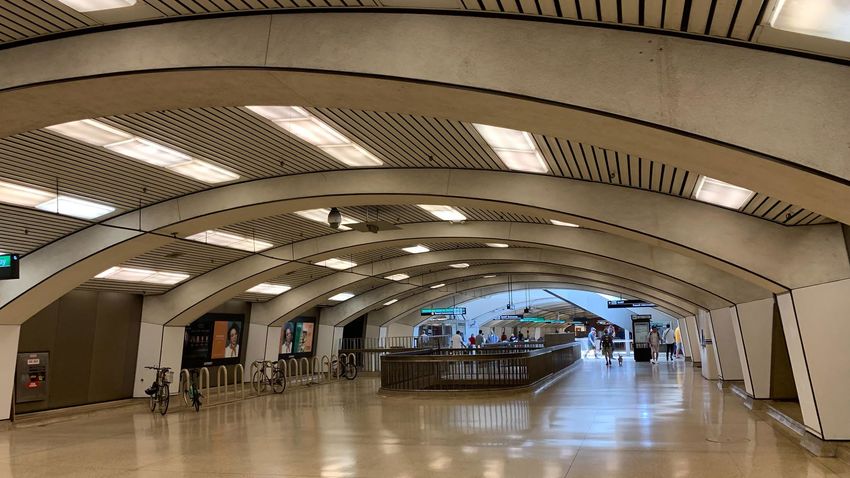
Downtown Berkeley BART Station (Photo: Flickr/Daniel Ramirez)What’s Next?
What’s Next: June & July 2021 Public Engagement

                Upcoming Virtual Public Workshops
                •   June 17 at 12 PM — South Bay Focus (Santa Clara County)
                •   June 28 at 5 PM — West Bay Focus (San Francisco & San Mateo Counties)
                •   June 30 at 12 PM — North Bay Focus (Marin, Napa, Solano & Sonoma Counties)

                Virtual Public Hearings on Draft Plan Bay Area 2050
                & Draft EIR
                •   June 11 at 9:30 AM (at Joint MTC Planning Committee with the ABAG
                    Administrative Committee Meeting)
                •   June 22 at 5:30 PM
                •   July 7 at 1:30 PM

     Overview Videos                Youth Workshop &              Virtual Tribal
     & Web Resources                Video Challenge               Summit
                                                                                   33
What’s Next: Additional Opportunities to Comment
• Online:
• planbayarea.org/learnmore
• By email:
• Draft Plan Bay Area 2050, Implementation Plan Comments must
and Supplemental Reports — info@planbayarea.org
• Draft EIR: — eircomments@bayareametro.gov
be received by
• By phone: 5:00 PM on
• (415) 778-2292
Tuesday,
• By mail:
• MTC Public Information July 20, 2021
Attn: Draft Plan/Draft EIR Comments
375 Beale Street, Suite 800
San Francisco, CA, 94105
• By fax:
• (415) 536-9800
34What’s Next: Path to Fall 2021 Adoption
June & July 2021
• Conduct Final Round of Public Engagement
• End of Public Comment Period on July 20
August & September 2021
• Report to Joint MTC Planning/ABAG Administrative Committee
• Integrate Feedback & Revisions into Final Plan Bay Area 2050
October 2021 (tentative)
• Release Final Plan Bay Area 2050, Implementation Plan and EIR
• Request Adoption at Joint MTC/ABAG Board Meeting
35Thank you!
Send additional questions and comments to
info@planbayarea.org.
Emeryville (Photo: Flickr/Thomas Hawk)You can also read


