Effects of Eugenol and MS-222 Anaesthesia on Siberian Sturgeon
←
→
Page content transcription
If your browser does not render page correctly, please read the page content below
ACTA VET. BRNO 2008, 77: 447–453; doi:10.2754/avb200877030447

               Effects of Eugenol and MS-222 Anaesthesia on Siberian Sturgeon
                                    Acipenser baerii Brandt
              P. Gomulka1, T. Wlasow1, J. Velíšek2, Z. Svobodová2,3, e. chmielinska1
       1
        Faculty of Environmental Science and Fisheries, University of Warmia and Mazury Olsztyn, Poland
           2
             Research Institute of Fish Culture and Hydrobiology Vodňany, University of South Bohemia
                   3
                     University of Veterinary and Pharmaceutical Sciences Brno, Czech Republic
                                                 Received July 9, 2007
                                                Accepted April 14, 2008

                                                        Abstract
           Gomulka P., T. Wlasow, J.Velíšek, Z. Svobodová, E. Chmielinska: Effects of Eugenol
           and MS-222 Anaesthesia on Siberian Sturgeon Acipenser baerii Brandt. Acta Vet. Brno 2008,
           77: 447-453.
              The aim of the present study was to assess changes induced in the organism of Siberian
           sturgeon (Acipenser baerii) by eugenol and MS-222 anaesthesia on the basis of haematological
           indices, biochemical blood profile values and histological examinations. The haematological and
           biochemical indices were assessed in fish immediately and 24 h after anaesthesia. The results
           showed that despite no mortality occurred after anaesthesia in both 125 mg·l-1 of MS-222 and
           0.075 ml·l-1 of eugenol, these chemical substances severely influenced the constituents of Siberian
           sturgeon blood and resulted in some histological changes in the gills and liver. Both eugenol
           and MS-222 anaesthesia caused erythrocyte swelling and haemolysis. The severe depletion
           of leukocyte number occurred 24 h after both eugenol and MS-222 anaesthesia (mainly due
           to depletion of lymphocyte, neutrophil segments and eosinophil fractions). Total protein, total
           globulin, triacylglycerol concentration and alanine aminotransferase activity in blood plasma was
           significantly elevated (p < 0.01) after both eugenol and MS-222 anaesthesia. The concentration
           of Ca2+, inorganic phosphate, NH3 and alkaline phosphatase activity were significantly
           decreased (p < 0.01) compared to control. No significant changes were noticed in the albumin
           and glucose concentrations and the activity of lactate dehydrogenase, aspartate aminotrasferase
           and creatinkinase. Results of the examinations suggest that the use of MS-222 (125 mg·l-1) and
           eugenol (0.075 ml·l-1) does not cause irreversible damage in Siberian sturgeon.
           Anaesthetics, blood, stress, acipenseridae

  Sturgeons are considered to be ‘‘living fossils’’ (Bemis et al. 1997). Primitive
characteristics, such as a heterocercal tail and cartilaginous skeleton, have been
maintained over approximately 100 - 200 million years despite major environmental
changes (Baker et al. 2005; Asadi et al. 2006). Sturgeons have undergone multiple
genome duplications during their evolution, which may account for their resistance
to deleterious mutations, since there are probably several functional copies of every
gene (Blacklidge and Bidwell 1993). Their primitive characteristics make sturgeons
intriguing animals for study, since their biochemical haematological profile may differ
substantially from the teleost profile.
  All sturgeon species worldwide are covered under the provisions of CITES. Several
species are considered threatened with extinction as a result of over-fishing, poaching, water
pollution, damming and destruction of natural watercourses and habitats (Anonymous
2002). The culture of sturgeons is one of the on-growing aquaculture branch in Europe due
to the need of active protection of natural populations and the high demand for caviar.
  Usually the big size and sharp bony shields on the body surface make handling of
sturgeon spawners difficult and dangerous for the operating personnel. The use of
general anaesthetics is a common practise in sturgeon culture, especially during artificial
Address for correspondence:
Dr Piotr Gomulka
University of Warmia and Mazury                                       Phone: + 480 895 234 225
Department of Ichthyology                                             Fax: + 480 895 233 754
Oczapowskiego 5                                                       E-mail: pgomulka@uwm.edu.pl
10- 719 Olsztyn, Poland                                               http://www.vfu.cz/acta-vet/actavet.htm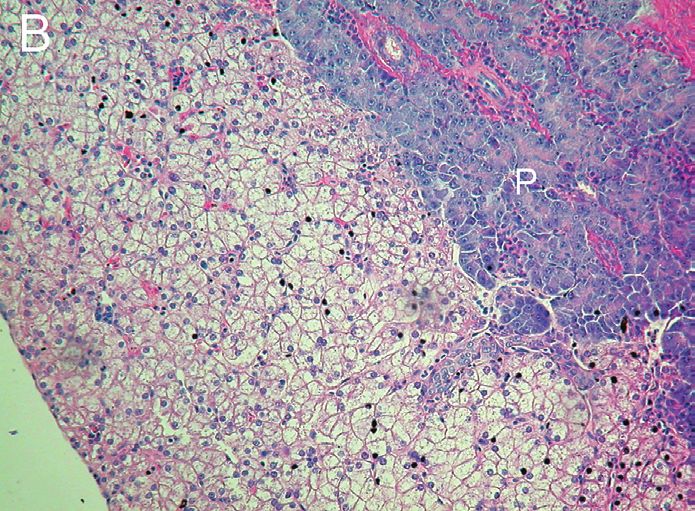
448
propagation. Anaesthetics are also used during sorting, tagging, surgery and other stress-
inducing procedures.
Propiscin (Polish Inland Fisheries Institute; active substance is etomidate), administered
on gills in the form of spray, is commonly and successfully used for immobilisation of
sturgeons in Poland. However, preparations based on etomidate are not suitable for general
anaesthesia because they probably do not bring analgesic effects and the recovery time is
quite long (Brown 1988, own experience).
MS-222 (tricaine methanesulphonate) is probably the most frequently used anaesthetic
world-wide in sturgeons (Wilga and Lauder 1999; Kirschbaum et al. 2000; Jodun et
al. 2001; Jackson et al. 2002; Mohler 2003). It induces general anaesthesia in a short
time and produces analgesia and good myorelaxation. Recovery time is usually short.
However, the use of MS-222 is not recommended in some sturgeon species (pallid sturgeon
Scaphirhynchus albus) due to adverse effects, including mortality (Wanner 2006).
In the last decade, many authors have published data addressing the anaesthetic properties
of clove oil in fish. Clove oil is distilled from Eugenia aromatica or Eugenia caryophyllata.
Its active ingredient, eugenol (4-allyl-2-methoxyphenol), makes up 70 to 90% by weight
of clove oil. Clove oil also contains eugenol acetate ( 17%) (Sato and Burhanuddin
1995; Isaacs 1983; Briozzo et al. 1989; Keene et al. 1998). Despite the common use
of anaesthetics in fish, there is little information about their influence on the sturgeon
organism.
The aim of the present study was to assess the changes induced in the organism of Siberian
sturgeon (Acipenser baerii) by eugenol and MS-222 on the basis of haematological indices,
biochemical blood profile values and histological examinations.
Materials and Methods
Fish
Young sturgeons with the mean length of 253 ± 75 mm (mean ± SD) and mean weight of 94.90 ± 55.23 g were
used for the experiments. The fish were obtained from the Acipol Ltd. fish farm and were classified as Siberian
sturgeon based on the morphological characteristics and farmer declaration. The fish were acclimated for 14
days to laboratory conditions. They were kept in 500 l fibreglass flow-through tanks equipped with automatic
temperature regulation and artificial aeration and fed with commercial sturgeon pellets (AllerAqua 4515). The
experiment was carried out at 17 °C ± 1 °C of water temperature. Water oxygen saturation was maintained above
80%. Water pH was 7.8 ± 0.2 and hardness was 245 ppm.
Anaesthetics
MS-222 (tricaine methanesulphonate) and eugenol were delivered by Sigma-Aldrich Chemicals Ltd. The
most adequate concentration for general anaesthesia in Siberian sturgeon was determined to be 125 mg·l-1 for
MS-222 and 0.075 ml·l-1 for eugenol in a pre-experiment. The above concentrations meet the criteria proposed by
Marking and Meyer (1985) most closely: induction of general anaesthesia in a time shorter than 3 min; recovery
time shorter than 10 min and no mortality after 48 h. The mean recovery time in case of eugenol was actually
longer then 10 min (13’26” ± SD 2’52”).
Test procedure
The fish were divided into 5 groups (N = 10). They were netted from the tank individually and immediately
placed in 30 l glass tanks filled with MS-222 or eugenol solution for a 10 min exposure. Blood samples for
further analysis were collected immediately after exposure (MS-0 and Eug-0 groups, respectively) and 24 h
after exposure (MS-24 and Eug-24 groups, respectively) (still bleeding fish were kept in 300 l flow-through glass
tanks). Fish not exposed to anaesthetic solution constituted the control group. Control group sampling was done at
the beginning of the test. All blood samples were taken by a syringe from caudal vessels within 2 min after netting
fish out of the water. To stabilize blood samples, aqueous solution of heparin sodium salt at 0.01 ml per 1 ml blood
was used (Svobodová et al. 1986). Fish feeding was stopped 24 h before experimental anaesthesia and fish were
not fed during the entire test course.
Haematological indices
Procedures based on the unified methods for haematological examination of fish (Svobodová et al. 1986) were
used to evaluate the haematological profile of sturgeon blood. Determined indices included the erythrocyte count
(Er), haemoglobin concentration (Hb), haematocrit (PCV), mean erythrocyte volume (MCV), mean corpuscular
haemoglobin concentration (MCHC), mean corpuscular haemoglobin content (MCH), leukocyte count (Leuko)
and the differential leukocyte count (Leukogram).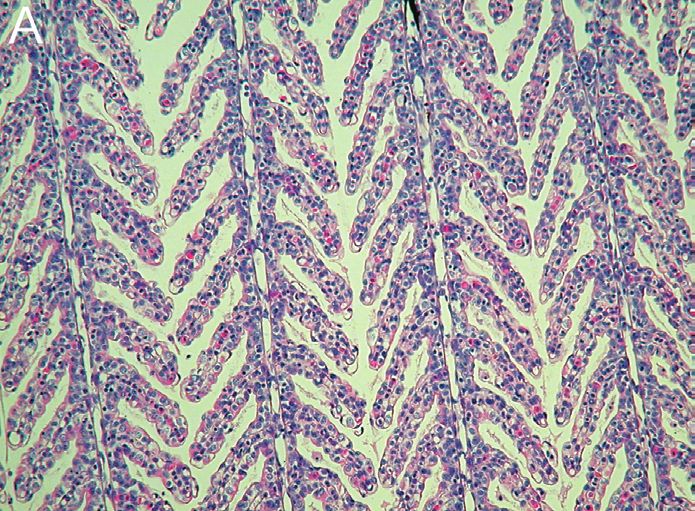
449
Histological examination
Samples of tissues for histological examination were taken from five control sturgeons at the start of the
experiment, and from six fish from both MS-222 and eugenol anaesthetized groups 24 h after anaesthesia. In
all cases, tissue samples were taken after blood sampling. Tissues were immediately fixed in Bouin’s solution,
drained and embedded in paraffin and stained with haematoxylin-eosin.
Biochemical blood plasma profile
Blood plasma was obtained by centrifuging blood samples in a cooled centrifuge (4 °C, 837 × g). Biochemical
indices determined in blood plasma included glucose (GLU), total proteins (TP), albumins (ALB), total globulins
(GLOB), triacylglycerols (TAG), ammonia (NH3), lactate dehydrogenase (LDH), aspartate aminotransferase
(AST), alanine aminotransferase (ALT), alkaline phosphatase (ALP), creatine kinase (CK), calcium (Ca2+) and
inorganic phosphate (PHOS).
For plasma biochemical analysis, VETTEST 8008 analyser (IDEXX Laboratories Inc., USA; Medisoft Co.)
was used. The apparatus is based upon dry chemical technology and colorimetric reaction. Sample analysis was
carried out on selective testing discs (Multi-layer film slides, Kodak) by means of laser reading of the bar codes.
Detection limits of the methods were as follows: GLU (0.01 mmol·l-1 ), TP (1.0 g·l-1 ), ALB (1.0 g·l-1 ), GLOB (1.0
g·l-1 ), TAG (0.01 mmol·l-1 ), NH3 (1.0 µmol), LDH (0.0167 kat·l-1 ), AST (0.0835 kat·l-1 ), ALT (0.0835 kat·l-1
), ALP (0.0167 kat·l-1 ), CK (0.0167·kat·l-1), Ca2+ (0.01 mmol·l-1 ) and PHOS (0.01 mmol·l-1 ).
Statistical analysis
Results of the experiment were tested by non-parametric variance analysis (Kruskall-Wallis) and Mann-
Whitney test using the Toxicologist 1.0 software (The Euro-Mediterranean Centre on Marine Contamination
Hazards 1989).
Results
Haematological indices
Results of haematological examinations are shown in Table 1. No statistically important
differences were noticed in mean blood haemoglobin concentration. Both eugenol and
MS-222 caused a severe decrease of leukocyte count 24 h after exposure. The erythrocyte
count was significantly lower (p < 0.01) in the eugenol group immediately after anaesthesia
compared to all the other groups. The mean PCV value was higher (p < 0.05) in the MS-0
group compared to the control; however, this value was not significantly different compared
to other groups. In the Eug-0 group, PCV was slightly higher compared to the Eug-24 group
(p < 0.05). MCV and MCH were significantly higher (p < 0.01) in both Eug-0 and MS-0
groups compared to other groups. The mean MCHC value in MS-0 group was significantly
much higher than in all other groups (p < 0.01).
Table 1. Effects of eugenol and MS-222 anaesthesia on haematological indices in Siberian sturgeon
eugenol MS-222
indices control Immediately 24 h after Immediately 24 h after
after anaesthesia anaesthesia after anaesthesia anaesthesia
Er (T/L) 0.32 ± 0.08 0.19 ± 0.03*a 0.32 ± 0.09 b 0.26 ± 0.04 c 0.39 ± 0.10b
Leuko (G/L) 6.08 ± 2.51 4.99 ± 1.46a 1.68 ± 0.59*b 5.87 ± 3.57a 2.68 ± 1.47*b
Hb (g/L) 28.16 ± 6.74 34.76 ± 10.98a 29.56 ± 7.87a 32.92 ± 13.88a 33.28 ± 6.54a
PCV 0.19 ± 0.03 0.22 ± 0.03a 0.18 ± 0.03b 0.24 ± 0.04*a 0.21 ± 0.04ab
MCV (fl) 641 ± 207 1374 ± 269*a 605 ± 156b 1194 ± 544*a 550 ± 133b
MCH (pg) 92.8 ± 37.8 184.3 ± 69.6*a 96.9 ± 32.3b 149.4 ± 48.1*a 87.1 ± 17.7b
MCHC (g/L) 146.0 ± 2.59 153.0 ± 6.00a 158.0 ± 2.86a 665.0 ± 17.68*b 162.0 ± 1.93a
values marked with * are statistically different compared to control
values marked with different letter index are statistically different
Table 2 shows the results of differential leukocyte count in experimental and control
sturgeons. The number of lymphocytes was significantly decreased (p < 0.01) in
both eugenol and MS-222 group after 24 h compared to control and respective groups
immediately after anaesthesia. The number of neutrophil segments was significantly lower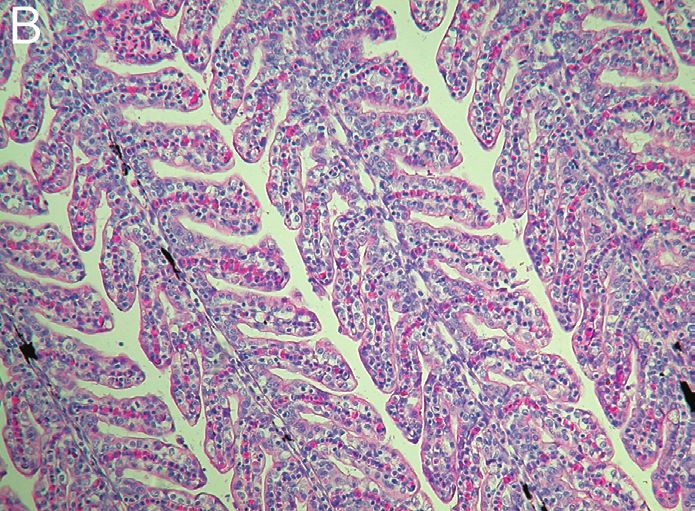
450

  Table 2. Effects of eugenol and MS-222 anaesthesia on the differential leukocyte count in Siberian sturgeon

                                                     eugenol	MS-222
            control
             group                          Immediately        24 h after	Immediately      24 h after
  Cell type
 				                                     after anaesthesia anaesthesia after anaesthesia anaesthesia
                           mean ± SD	       mean ± SD	         mean ± SD	       mean ± SD	        mean ± SD
                    G/L	    4.05 ± 1.72      3.50 ± 1.14a       1.09 ± 0.39*b    4.10 ± 2.22a      1.55 ± 0.90*b
 Lymphocytes
                     %      66.1 ± 12.4      69.8 ± 6.9a        68.9 ± 7.6a      73.8 ± 6.2*a      59.0 ± 9.9b
                    G/L	    0.01 ± 0.02          0.0            0.01 ± 0.01 a         0.0          0.01 ± 001a
 Monocytes
                     %       0.2 ± 0.3           0.0             0.4 ± 0.4 a          0.0           0.3 ± 0.3 a
 Neutrophils -      G/L	    1.04 ± 0.46      0.99 ± 0.35a       0.24 ± 0.12*b    0.91 ± 0.71a      0.61 ± 0.39a
 segments            %      19.2 ± 9.6       20.4 ± 5.8a        14.9 ± 6.1b      16.3 ± 6.7ab      22.1 ± 8.1a
                    G/L	    0.09 ± 0.08      0.11 ± 0.06a       0.09 ± 0.05a     0.15 ± 0.13a      0.16 ± 0.09a
 Neutrophils - rods
                     %       1.6 ± 1.1        2.4 ± 1.2a         5.6 ± 2.8*b       2.4 ± 1.6a       6.0 ± 1.9*b
 Neutrophiles -     G/L	    0.04 ± 0.06      0.03 ± 0.04a       0.03 ± 0.02a     0.03 ± 0.05a      0.04 ± 0.03a
 myeloid sequence %          0.7 ± 0.9        1.2 ± 2.6a         1.6 ± 1.1a        0.5 ± 0.5*b      1.6 ± 0.5*a
 Eosinophils -      G/L	    0.20 ± 0.26      0.23 ± 0.13a       0.02 ±0.02*b      0.24 ± 0.20a     0.04 ± 0.02*b
 segments            %       3.1 ± 2.6        4.4 ± 2.0a         1.3 ± 1.1b        3.9 ± 2.9a       1.4 ± 0.8b
 Eosinophils - rods G/L	    0.38 ± 0.25      0.10 ± 0.08*a      0.11 ± 0.08*a     0.12 ± 0.14*a    0.26 ± 0.24a
                     %       6.3 ± 3.9        2.1 ± 1.6*a        6.9 ± 3.4b        2.1 ± 2.1*a      8.9 ± 6.2b
 Eosinophils -      G/L	    0.25 ± 0.60      0.02 ± 0.03*a      0.01 ± 0.01*a    0.06 ± 0.14a      0.02 ± 0.01a
 myeloid sequence %          2.7 ± 5.5        0.3 ± 0.5*a        0.6 ± 0.4a        0.8 ± 1.8a       0.7 ± 0.7a
values marked with * are statistically different compared to control
values marked with different letter index are statistically different

(p < 0.01) in the Eug-24 group compared to both control and Eug-0 group. There was no
significant difference between the groups in the number of both the neutrophil rods and the
neutrophil myeloid sequence. Similarly to lymphocyte numbers, the number of eosinophil
segments was lower (p < 0.01) in both “24” groups compared to control and “0” groups.
The number of eosinophil rods was significantly lower (p < 0.01) in Eug-0 and Eug-24
groups compared to control. The number of eosinophil myeloid sequence was significantly
decreased (p < 0.05) in both Eug-0 and Eug-24 groups compared to control.
Biochemical blood plasma profile
  The results are shown in Table 3. Significant increase in TP and GLOB occurred in both
the eugenol groups and MS-0 group compared to control (p < 0.01). All the experimental
groups revealed a significant decrease in Ca, PHOS and NH3 concentrations in blood
plasma (p < 0.05) and a significant increase in TAG concentration (p < 0.05) compared
to control. The activity of ALT was significantly increased in all the experimental groups
(p < 0.05) and the activity of ALP was significantly decreased in all groups compared to
control. No significant differences were noticed between control and experimental groups
in ALB, GLU, LDH, AST and CK indices. No significant differences were noticed between
respective “0” and “24” groups for both eugenol and MS-222 anesthetized sturgeons.
Histopathological findings
  Evident congestion of sinusoid capillaries was observed in the liver of Siberian sturgeons
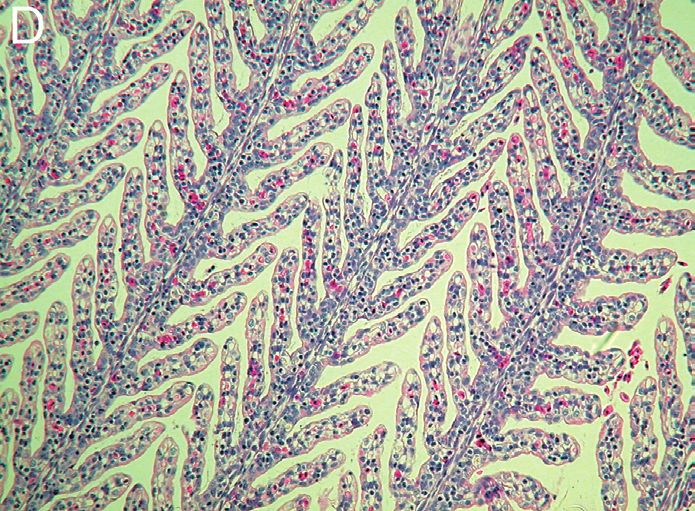
24 h after MS-222 anaesthesia (Plate XIII, Fig. 1 A). Sections taken from gills of fish treated
with MS-222 showed a swelling of primary and secondary lamellae (Plate XIII, Figs 2B,
2E). The spaces between secondary lamellae were decreased due to hypertrophy of the
epithelial cells. Lamellar hypertrophy was also observed in sturgeons treated with eugenol,
however, these lesions were less intensive (Plate XIII, Figs 2C, 2D). Slight congestion of
capillaries and cell necrosis occurred rarely in both experimental groups.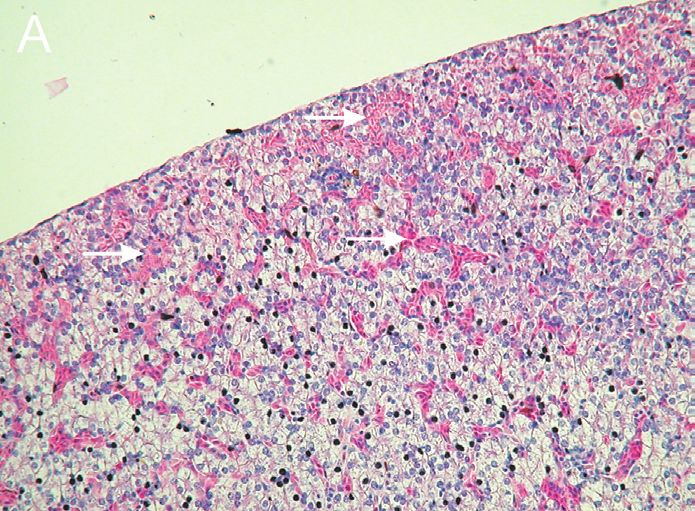
451

   Table 3. Effects of eugenol and MS-222 anaesthesia on the biochemical blood indices in Siberian sturgeon
      		                                             eugenol	MS-222
  indices control                       Immediately          24 h after	Immediately        24 h after
 		                                   after anaesthesia     anaesthesia after anaesthesia anaesthesia
 TP (g·l-1)           9.67 ± 1.97       12.12 ± 4.39*       13.33 ± 2.55*    12.64 ± 2.84 *      10.57 ± 1.72
 GLOB (g·l-1)         8.83 ± 2.14       11.37 ± 4.53*       12.56 ± 2.92*    12.00 ± 3.03*        9.86 ± 1.95
 ALB (g·l-1)          0.83 ± 0.41        0.75 ± 0.46         0.78 ± 0.441     0.82 ± 0.40         0.71 ± 0.49
 GLU (mmol·l-1)       1.73 ± 0.27        1.73 ± 0.38         1.85 ± 0.134     1.83 ± 0.38         1.58 ± 0.26
 TAG (mmol·l-1)       1.02 ± 0.10        1.76 ± 0.99*        1.43 ± 0.05*     1.67 ± 0.28*        1.36 ± 0.19*
 Ca2+ (mmol·l-1)      1.89 ± 0.22        1.47 ± 0.11*        1.44 ± 0.11*     1.47 ± 0.17*        1.35 ± 0.18*
 PHOS (mmol·l-1)      2.90 ± 0.10        2.16 ± 0.15*        1.95 ± 0.56*     2.27 ± 0.22 *       2.24 ± 0.13*
 NH3 (μmol·l-1)      584.0 ± 51.3       525.1 ± 32.7*       520.7 ± 70.1*    534.9 ± 28.0*       504.6 ± 88.5*
 LDH (μkat·l-1)      18.02 ± 0.26       17.98 ± 0.45        18.21 ± 0.73     17.91 ± 0.60        17.69 ± 0.74
 AST (μkat·l-1)       2.42 ± 0.33        2.73 ± 0.45         2.56 ± 0.18      2.77 ± 0.26         2.61 ± 1.32
 ALT(μkat·l-1)        0.10 ± 0.01        0.19 ± 0.04*        0.18 ± 0.04*     0.18 ±0.04*         0.18 ± 0.04*
 ALP (μkat·l-1)       1.01 ± 0.12        0.67 ± 0.08*        0.66 ± 0.10*     0.66 ± 0.24*        0.66 ± 0.11*
 CK (μkat·l-1)       15.21 ± 0.48       15.17 ± 0.48        15.33 ± 0.59     15.07 ± 0.18        15.23 ±0.61
Values marked with * are statistically different compared to control; no statistical difference was found between
experimental groups

                                                 Discussion
  Careful and controlled MS-222 anaesthesia is thought to be useful in haematological
examinations due to lack of a significant effect on the haematological indices in fish
(Bourne 1984). No changes in haematological indices were noticed in teleost fish
following eugenol anaesthesia (Velíšek et al. 2005, 2006). However, our results seem to
indicate a severe impact of both eugenol and MS-222 on haematological indices in Siberian
sturgeon. Anaesthesia probably resulted in erythrocyte swelling (high increase of MCV
immediately after anaesthesia), followed by an increase of the PCV value in the MS-0
group. The PCV value was not increased in eugenol-anaesthetised sturgeons. However,
the number of erythrocytes was severely depleted, probably due to haemolysis. The high
increase of MCH in both groups immediately after anaesthesia is probably an apparent
phenomenon, as the method used for measuring haemoglobin concentration measures total
blood volume haemoglobin, not specifically erythrocyte haemoglobin. The MCH value is
virtually shifted during calculations in case of haemolysis. We concluded that both eugenol
and MS-222 caused the swelling and destruction of erythrocytes. Changes were less severe
in case of MS-222 and could be compensated by an erythrocyte release from blood storage
organs, which resulted in lack of significant changes in the erythrocyte number and the
significant increase of PCV, MCH and MCHC value in this group (Table 1). The TP and
GLOB shift probably resulted from the erythrocyte destruction. All the above changes
were reversible and returned to normal after 24 h, except for TP and Glob in the eugenol
anaesthetized group. It seems that repeated eugenol or MS-222 anaesthesia could result in
anaemia in Siberian sturgeon.
  Hatting (1977) has showed that MS-222 produces an increase of haematocrit value
and haemolysis in some cyprinid fish in the in vitro experiment. Smit et al. (1979) stated
that MS-222 affects erythrocyte osmotic fragility. Ferreira et al. (1981) attributed high
erythrocyte osmotic fragility following benzocaine and MS-222 anaesthesia to low blood
plasma pH induced during anaesthesia.
  The leukocyte number was severely depleted 24 h after both MS-222 and eugenol
anaesthesia, mainly due to the depletion of lymphocytes, neutrophil segments and
eosinophil fractions (Tables 1 and 2). According to Angelidis et al. (1987) lymphopaenia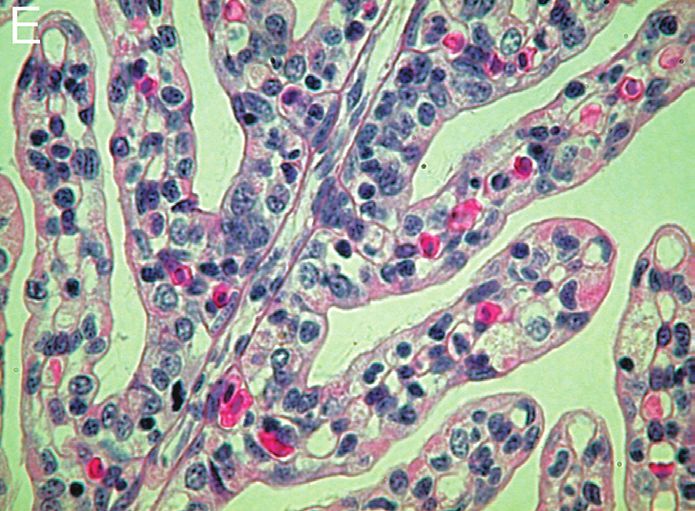
452

is one of the results of stress reaction in fish. However, another stress indicator, GLU,
was not affected in our experiment. Decreased PHOS and NH3 concentration (Table 3)
seems to be the result of a decreased metabolic rate. Baker et al. (2005) found no changes
in haemoglobin, haematocrit and MCHC following severe experimental hypoxia in both
Atlantic and shortnose sturgeons. The plasma cortisol and plasma glucose and lactate were
elevated; however, the extent of this elevation was lower than in teleost fish. Beyea et al.
(2006) concluded that shortnose sturgeon respond to external stress to a negligible extent.
They speculated that sturgeon may be able to mobilize energy stores using alternative
to corticosteroid stress response pathway. They suggested that hyperlipidaemia initiated
through the adrenaline release from chromaffin cells (Matty 1985) may be such alternative
pathway. This is in agreement with our results; both MS-222 and eugenol anaesthetized
Siberian sturgeons showed elevated level of TAG immediately and 24 h after anaesthesia.
Our experiment showed that anaesthesia with both 125 mg·l-1 of MS-222 and 0.075 ml·l-1
of eugenol severely impact the constituents of Siberian sturgeon blood and result in some
histological changes in the gills and liver.

                  Vliv anestetik eugenolu a MS-222 na jesetera sibiřského
                                  (Acipenser baerii Brandt)
  Cílem studie bylo posoudit změny v organismu jesetera sibiřského (Acipenser baerii)
po anestézii eugenolem a MS-222 na základě hematologického, biochemického a his-
tologického vyšetření. Hematologické a biochemické vyšetření bylo provedeno u ryb
ihned a 24 h po anestézii. Výsledky experimentu ukázaly, že navzdory nulové mortalitě
po anestézii oběma látkami MS-222 (125 mg·l-1) a eugenolu ( 0,075 ml·l-1), měla ane-
stézie vliv na hematologické a biochemické ukazatele jesetera sibiřského a způsobila
histopatologické změny na žábrech a játrech. Výsledky ukázaly, že anestézie eugenolem
a MS-222 vyvolala zvětšení objemu erytrocytů a hemolýzu. 24 h po anestézii oběma
anestetiky došlo ke snížení počtu leukocytů (a to hlavně v důsledku snížení počtu lym-
focytů, neutrofilních segmentů a eosinofilů). Koncentrace celkových bílkovin, celko-
vých globulinů, triacylglycerolů, a aktivita alanin aminotransferázy v krevní plazmě byla
signifikantně zvýšena (p < 0,01) po anestézii eugenolem a MS-222. Koncentrace Ca2+,
anorganického fosfátu, amoniaku, a aktivita alkalické fosfatázy byla signifikantně sní-
žena (p < 0,01) oproti kontrole. Nebyly zaznamenané významné změny u koncentrace
albuminu, glukózy a aktivity laktát dehydrogenázy, aspartát aminotrasferázy a kreatinki-
názy. Výsledky ukázaly, že MS-222 (125 mg·l-1) a eugenol (0,075 ml·l-1) jsou bezpečné
pro jesetera sibiřského.
                                            Acknowledgements
  This work was supported by the Ministry of Education, Youth and Sports of the Czech Republic (Project No.
MSM 6007665809) and by the Grant number 0804-0809 of the University of Warmia and Mazury in Olsztyn,
Poland, and by the Ministry of Agriculture Project NAZV QF3029 Harmonization with the EU in applying
pharmacovigilance principles in aquaculture in the Czech Republic. The authors appreciate very much the help
provided by Elżbieta Ziomek.

                                                References
Angelidis P, Baudin-Laurencin F, Youinou P 1987: Stress in rainbow trout, Salmo gairdneri: effects
  upon phagocyte chemiluminescence, circulating leucocytes and susceptibility to Aeromonas salmonicida. J
  Fish Biol 31: 113-122
AnonymOus 2002: WWF Factsheet: 12th meeting of the conference of the parties to CITES. Santiago, 3-15
  November 2002 (www.panda.org/species/CITES)
Asadi F, Masoudifard M, Vajhi A, Lee K, Pourkabir M, Khazraeinia P 2006: Serum biochemical
  parameters of Acipenser persicus. Fish Physiol Biochem 32: 43-47
baker dw, wood am, kieffer jd 2005: juvenile Atlantic and shortnose sturgeons (Family: Acipenseridae)
  have different haematological responses to acute environmental hypoxia. Physiol Biochem Zool 78: 916-925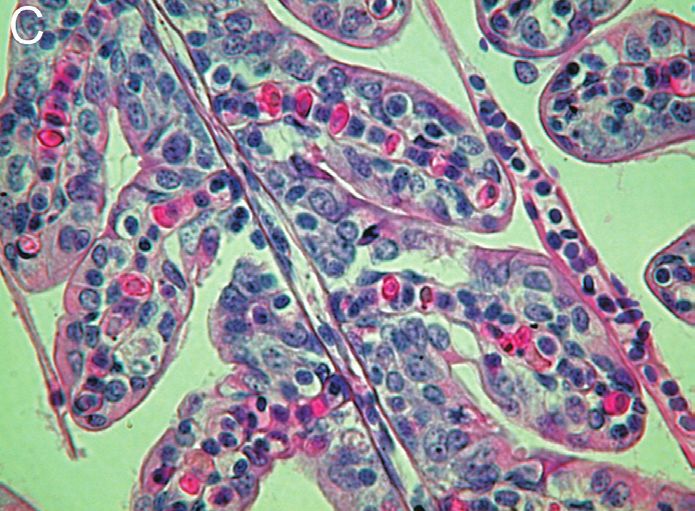
453

Baker DW, Wood AM, Litvak MK, Kieffer JD 2005: Haematology of juvenile Acipenser oxyrinchus
  and Acipenser brevirostrum at rest following forced activity. J Fish Biol 66: 208-221
Bemis WE, Findeis EK, Grande L 1997: An overview of Acipenseriformes. Environ Biol Fishes
  48: 25-71
BEYEA MM, BENFEY TJ, KIEFFER JD 2006: Haematology and stress physiology of juvenile diploid and
  triploid shortnose sturgeon (Acipenser brevirostrum). Fish Physiol Biochem 31: 303-313
Blacklidge KH, Bidwell CA 1993: Three ploidy levels indicated by genome quantification in
  Acipenseriformes of North America. J Hered 84: 427-430
Bourne PK 1984: The use of MS-222 (tricaine methanesulphonate) as an anaesthetic for routine blood sampling
  in three species of marine teleosts. Aquaculture 36: 313-321
BRIOZZO J, NÚÑEZ L, CHIRIFE J, HERSZAGE L, D’AQUINO M 1989: Antimicrobial activity of clove oil
  dispersed in a concentrated sugar solution. J Appl Bacteriol 66: 69-75
Brown LA 1988: Anaesthesia in fish. Vet Clin North Am Small Anim Pract 18: 317
FERREIRA JT, SMIT GL, SCHOONBEE HJ 1981: The effect of anaesthetic benzocaine hydrochloride on red
  cell fragility in Cyprinus carpio. J Fish Biol 18: 123-126
HATTING J 1977: The effect of tricaine methanesulphonate (MS-222) on the microhaematocrit of fish blood.
  J Fish Biol 10: 453-455
Isaacs G 1983: Permanent local anaesthesia and anhydrosis after clove oil spillage. Lancet 1: 882-883
Jackson JR, Van DeValk AJ, Brooking TE, VAN Keeken OA, Rudstam LG 2002: Growth and
  feeding dynamics of lake sturgeon, Acipenser fulvescens, in Oneida Lake, New York: results from the first five
  years of a restoration program. J Appl Ichthyol 18: 439-443
Jodun W, Millard M, Mohler J, Barton T 2001: Comparative efficacy of three potential anaesthetics
  applicable to Atlantic sturgeon Acipenser oxyrinchus and their physiological consequences. Study number:
  LM-00-06. In: Annual report of biological activities. U.S. Fish and Wildlife Service. Northeast Fishery Center,
  Lamar, USA.
Keene JL, Noakes DLG, Moccia RD, SOTO CG 1998: The efficacy of clove oil as an anaesthetic for
  rainbow trout, Oncorhynchus mykiss (Walbaum). Aquac Res 29: 89-101
Kirschbaum F, Gessner J, Williot P 2000: Restoration of Acipenser sturio L. 1758 in Germany:
  Growth characteristics of juvenile fish reared under experimental indoor conditions. Biol Inst Esp Oceanogr
  16:157-165
Marking LL, MEyer FP 1985: Are better anaesthetics needed in fisheries? Fisheries 10: 2-5
MATTY AJ 1985: The ‘adrenal’ and the kidney hormones. In MATTY AJ (Ed.): Fish endocrinology. Timber
  Press, Portland, USA, pp. 112-137
Mohler JW, 2003: Culture manual for the Atlantic sturgeon Acipenser oxyrinchus. A Region 5 U.S. Fish &
  Wildlife Service publication. 300 Westgate Center Drive, Hadley, Massachusetts, p. 66
Sato CG, Burhanuddin S 1995: Clove oil as a fish anaesthetic for measuring length and weight of rabbitfish
  (Siganus lineatus). Aquaculture 136: 149-152
SMIT GL, HATTING J, BURGER AP 1979: Haematological assessment of the effects of anaesthetic MS-222
  in natural and neutralized form in three freshwater fish species: haemoglobin electrophoresis, ATP levels and
  corpuscular fragility curves. J Fish Biol 15: 633-645
SVOBODOVÁ Z, PRAVDA D, PALÁČKOVÁ J 1986: Unified methods of haematological examination of fish.
  Research Institute of Fish Culture and Hydrobiology, Vodňany. Methods 20: 31
VelÍšek J, SVOBODOVÁ Z, PIÁČKOVÁ V 2005: Effects of clove oil anaesthesia on rainbow trout
  (Oncorhynchus mykiss). Acta Vet Brno 74: 139-146
VelÍšek J, WLASOW T, GOMULKA P, SVOBODOVÁ Z, NOVOTNÝ L, ZIOMEK E 2006: Effects of clove
  oil anaesthesia on European catfish (Silurus glanis L.). Acta Vet Brno 75: 99-106
WAnner GA 2006: Evaluation of a gastric lavage method on juvenile pallid sturgeon. North Am J Fish Manage
  26: 587-591
Wilga CD, Lauder GV 1999: Locomotion in sturgeon: function of the pectoral fins. J Exp Biol 202:
  2413-2432
Plate XIII
                                Gomulka P. et al.: Effect of ... pp. 447-453

Fig. 1. Section through the liver of Siberian sturgeon: A - 24 h after anaesthesia with MS 222; the congestion
of sinusoid capillaries (arrows), B - control fish; p – pancreas [× 100; H & E].

                                                       Fig. 2. Sagittal section through the gills of Siberian
                                                       sturgeon: A - Control fish, B and C – 24 h after
                                                       anaesthesia with MS 222, D and E – 24 h after
                                                       anaesthesia with eugenol, [A,B and D × 100; C and
                                                       E × 400; H & E].
You can also read


