EndlEss potEntial understand together - Dementia TV ads launched - HSE
←
→
Page content transcription
If your browser does not render page correctly, please read the page content below
staff magazine of the IRISH HEALTH SERVICE                 vol. 12 | issue 12 | winter 2017

Endless                                                           Understand
                                                                    Together
potential                                              Dementia TV ads launched

Transforming lives for                                    Values in Action
people with disabilities                                      is spreading

  features                general news            you section                   lifestyle
Welcome to the                           Contents

latest edition of                       You                                      Features
Health Matters                          6   Transforming Lives                   28 	Senior Line
                                        	Anew life for group of men in Youghal   	When listening is helping
Our cover story for this edition
                                        8   Life doesn’t stop with diabetes      29 	Innovation Showcase
is Transforming Lives, where we
                                        	Ellie educates her class                	Day of exhibitions
meet Finbarr and Jerry, who are
                                        8 	Abby is a star                        30 	Improvement Knowledge
part of a group of intellectually
                                            Cork girl the face of Glenisk             and Skills Guide
disabled men who have moved
                                        10 Understand Together                   	Aimed at all staff
from a congregated setting to their
                                        	Dementia TV ads launched                32 	Schwartz Rounds
own home in the tranquil setting of
                                        12 	Breastfeeding Week                        The human dimension of care
Youghal, Co Cork.
                                        	Public health nurses play key role      34 	Antimicrobial resistance
  Staff and family share their
                                        14	Inchicore group meet                  	New response team established
experiences with the move and how
                                        	Parents gather                          36 	Value of primary care
transformative it has been in the
                                        15 Coaching services awards              	GP survey
lives of the men and the people who
                                            Trio of wins for HSE                 38 	HSE Live
love them.
                                        16 	Values in Action is spreading        	Helping public navigate complex system
  We check in with the 11 amazing
                                            Champions reflect                    40 Communicating Clearly
projects that have been shortlisted
                                        19 	Dermatology nurse award              	Good health literacy
for the Health Service Excellence
                                        	Sheila celebrates                       42 	Maternity strategy
Awards, which take place later this
                                        19 Quit wins big                         	National plan with transform services
month. The awards are designed to
                                            Campaign beats out the competition   43 Library services
encourage and inspire healthcare
                                        20 	Good governance is key               	National strategy being devised
staff to develop better services
                                        	Programme for Health Service            43 	Pregnancy and alcohol
that result in easier access and
                                        	Improvement                             	New information leaflet published
high-quality care for patients and
                                        21 	Pressure Ulcers                      44 	Environmental Health Services
to promote pride among staff in
                                        	Radio producer shares his story         	Broad range of activities
relation to our services. Each of
                                        22 Health Service Excellence Awards      46 	Peer support workers
the projects are worthy of massive
                                            11 projects shortlisted              	Mental health services ‘recovery-
praise in their own right and good
                                        26 	Dream come true                           orientated’
luck to the judges trying to select a
                                            Audrey swims the English Channel     47 	Staff records and pay
winner from among them.
                                        26 	Anyone for tennis?                        programme
  And we pay a visit to Clontarf
                                        	Sibeal Carolan speaks out her love of        Meeting needs of changing health
to chat to mums at the weekly
                                            the game                                  service
breastfeeding support group at
                                        27 Quitting for good                     48 	Best practice guidance
Vernon Avenue health centre as part
                                        	Edward kicks the habit                  	Mental health division
of National Breastfeeding Week.
They were full of praise for the
service and the help and support
they get from public health nurse
Agnes Flynn and her colleagues.
  As ever, we welcome your ideas
and feedback on the magazine.
  A sincere thanks to all those who
have sent in contributions to this
edition and I hope you find plenty of
interesting reading in it.

Joanne Weston
Joanne Weston,
Editor

This magazine is produced by the

                                            78
HSE Communications Division
Publishers: Celtic Media Group
www.celticmediagroup.ie

Feedback: Send your feedback to
healthmatters@hse.ie
HEALTH MATTERS winter 2017

49 S	creening service
	Record year for service
50 	Single platform
	ICT structures to be streamlined
51 	Flu vaccine uptake
     Temple Street hospital wins league
52 Coaching services
     Supports for HSE staff

                                          28                    38

     65

                                      Healthy START         70
winter 2017 | health matters | 
9                              Fighting strokes
 Contents

                                   News                                       64 	Bereavement booklets
                                                                                   Translated into Polish
                                   53 Joe Biden in Mayo                       65 	New family room
                                   	Former vice president opens facility      	Mary McAleese opens facility
                                   54 	Sustainable energy                     66 Children First
                                   	NAS wins award                                 Training support available
                                   54 Cancer Week Ireland                     67 	Sustainable Healthcare
                                   	Information days held                          CUH launches programme booklet
                                   55 	Future Leaders                         67 	Storm Ophelia
                                   	Helping people to stay healthy and well        Commitment and expertise shown
                                   56 	Restart a heart                        68 	Peri-operative conference
                                   	Awareness day                             	Waterford hosts events

    12
                                   56 	High-Tech Drugs Hub                    69 	Infant nutrition pack
                                   	Scheme will make life easier for          	Food allergies included
                                       patients                               69 	Folic acid
                                   57 	EMIS                                   	Awareness campaign
                                   	Sexual health data sought
                                   57 	Gay Men’s Health
                                       25 years in operation
                                                                              Lifestyle
                                   58 	Safer prescribing                      69	Infant nutrition pack
                                   	Medicines Management Masterclass              Updated information on allergies
                                   58 	Blood clots
                                   	Family member tells her story

                                                                                  10
                                   59 	Blood Bike Mid-West
                                       UHL signs three-year deal
                                   59 	Pharmacy award
                                   	St Vincent’s celebrate
                                   60 	Progress report
                                       Transforming Lives
                                   61 Connecting for Life
                                   	Sligo and Leitrim
                                   62 	HBS Water Workshop

   29
                                       Conservation activities highlighted
                                   63 Two milestones reached
                                   	Sod-turning for Children’s Hospital
                                   64 	Palliative Care
                                   	Development framework launched

 | health matters | winter 2017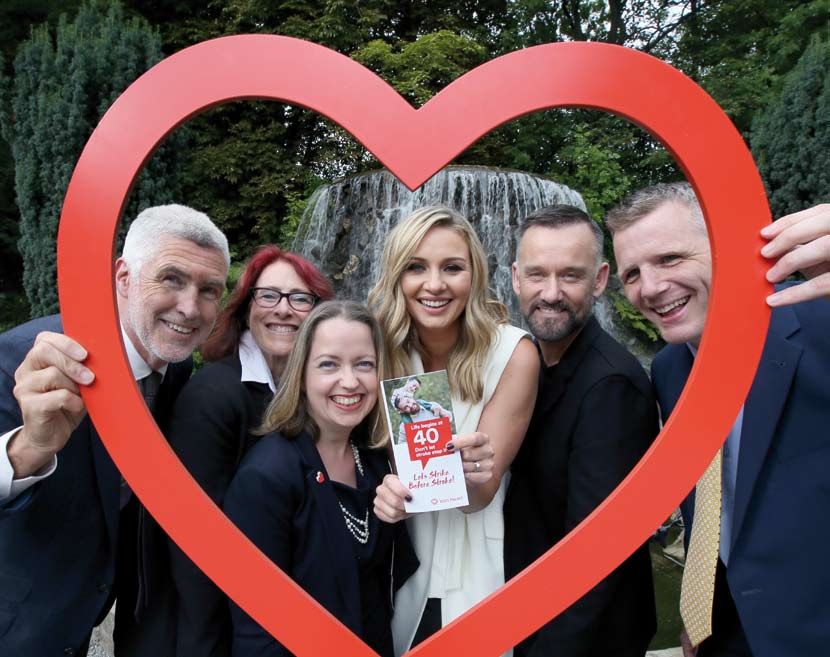
online

                                     Sites we like            cervicalcheck.ie

                  75                                         healthyireland.ie

        HEALTH MATTERS winter 2017

69	Folic acid
	Awareness campaign
70	Small changes, big differences
	START campaign to inspire and
   encourage parents
71 Lead on obesity                                            immunication.ie
	Donal O’Shea takes on role
72	Healthy food for life
	New meal plans available
73	Getting healthy
	Implementation plan launched
74	Scalding risks
	Keeping our toddler safe
75 Let’s strike before stroke
	Focus on over 45s
76	Don’t bug me
   Tackling head lice in schools
77	Bymier Project
	Brightening up Dublin city
78	Fun day out                                                    safefood.eu
	Farran woods event

winter 2017 | health matters | 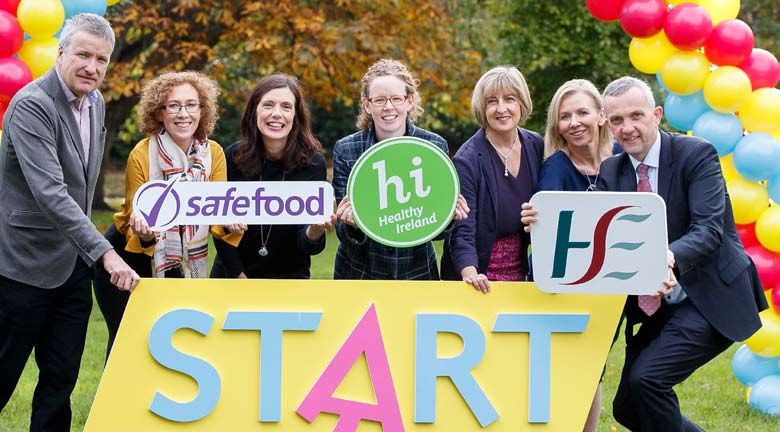
You
   Section                       we’re building a better health service every day

‘It’s not about ticking boxes,
      it’s about living life’
‘Surpassing anyone’s hopes’, ‘excelling’, ‘a
joy to watch’, ‘endless potential’, ‘big positive
change’, ‘a lot happier’.
   This is what staff and family members have
to say about some of the former residents of
St Raphael’s Residential Centre for people
with intellectual disabilities in Youghal, Co
Cork who have moved from the centre and
now live in their own homes in the tranquil
seaside town.
  Care assistant Bernie Fitzgerald has seen,
first-hand, the transformation in the lives of
the gentlemen who lived for many years in
St Raphael’s.
  She notes that it’s the simple things like
going out for a walk, helping to prepare their
own meals, meeting the neighbours or going
down the town to do some shopping that are
making a real difference.
  “Jerry [O’Callaghan, one of the residents]
goes out for a walk, out past the gate and
down the road. We might pass a particular
neighbour every day and he’ll wave and say
‘hi Jerry’ and Jerry will say hello back. It’s                                                           basic needs. The physical care was very
the small things that are making such a big            Watching Jerry                                    good but that was all that it was limited to,”
difference. It’s not about ticking boxes, it’s
about living life and he’s excelling here and
                                                       discover all these things                         he says. “The bedrooms would have had 20
                                                                                                         or more people living in them. Most of the
has surpassed anyone’s hopes.”                         is a joy to watch really,                         people who lived on the ward had a physical
  Bernie’s colleagues also see the huge
difference in Jerry and how he communicates
                                                       to see the freedom he                             disability so they had to contend with narrow
                                                                                                         corridors in their wheelchairs and there
since he moved into his new home. Although             has now he loves the                              wasn’t a lot of room.”
Jerry is non-verbal, he is very capable of
communicating his needs and wishes, through
                                                       freedom he has now in                               The house where Jerry lives in Youghal
                                                                                                         is the third new home in the community for
sounds and gestures. He smiles and laughs              the house and he’s only                           former residents of St Raphaels.
a lot more now and appears to have gained a
lot more confidence. He will gesture where he
                                                       been here four months,                              “The transformation in the quality of life for
                                                                                                         residents since the move to their own homes
would like to go and what he likes to do. He           the potential is endless                          in the community is significant. We have three
loves having his own vehicle outside that he                                                             houses open at the moment. There’s a fourth
shares with the three gentlemen living with                                                              to open in December with another three to
him and will get the keys and bring them to         Congregated Settings’ policy, (part of the           four houses planned thereafter,” reveals
staff when he chooses to go out.                    wider Transforming Lives reform programme            Deborah Harrington.
  “Watching Jerry discover all these things is      of disability services nationwide).                    “This is not just about a move out of St
a joy to watch really. He loves the freedom he        “This isn’t just part of a national strategy, it   Raphael’s, it is a move in terms of changing
has now in the house and he’s only been here        is part of an international strategy and best        the model of support for people with a
four months, the potential is endless,” says        practice and all the research will tell you that     disability. We are moving away from an
care assistant Ken Dempsey.                         people should ‘lead ordinary lives in ordinary       institutional model of support to a social
  Elaine Walsh, CNM2, adds, “Life has changed       places’. And as part of that, we have received       model of support. The basic tenet of that
so much since he has moved out. He now              funding to purchase and develop houses in the        is to be person-centred and to support the
has a job, he works every Saturday, and is in       community for people to do exactly that – live       needs of the individual and their choices
charge of the upkeep of the grotto. Rain, hail      ordinary lives in ordinary places.”                  about where they live and how they spend
or sunshine, Jerry will do it. He knows he is in      St Raphael’s, which opened in 1904, was            their time. We’ve been very lucky in that staff
charge of the grotto and he really enjoys it.”      originally a psychiatric institution. It was         have really embraced the change and we’ve
  Deborah Harrington, Project Manager,              designated as a residential centre for people        had great support from families and from the
explains that the work in St Raphael’s to           with intellectual disabilities in the early          community to assist us in that.”
support Jerry and other residents move              1990s. Michael Taunt, a nurse in the Centre,           As part of this transition to community
from congregated settings to live in their          highlights the limitations of the congregated,       living there is a lot of engagement with the
own homes in the community comes                    hospital-like settings of St Raphael’s.              residents, their families or advocates as well
under the HSE’s ‘Time to Move on From                 “It was basically just looking after people’s      as with staff. The process is about ensuring

 | health matters | winter 2017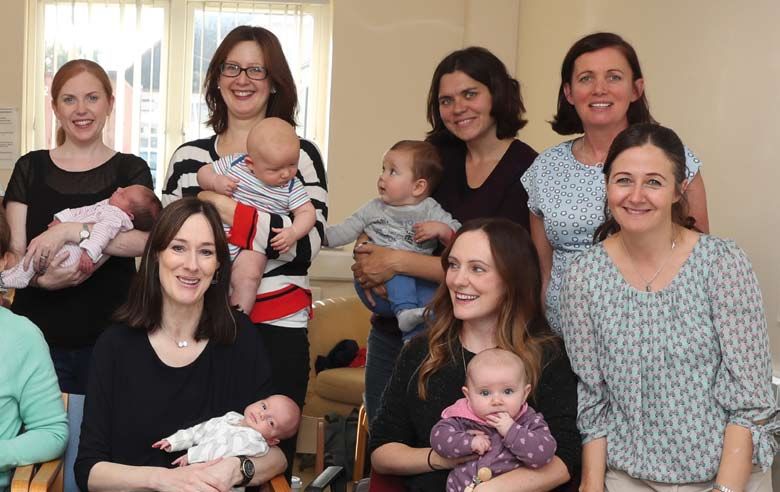
we’re building a better health service every day

that any move enhances the quality of life of      greet visitors, open his own front door and
the resident and that their views, and that of     show visitors his room and all the lovely              TRANSFORMING LIVES
their families, are heard.                         photographs he has framed. He is very much
                                                                                                         ‘Transforming Lives’ is about the fundamental
  Families of the residents were                   involved in the running of the house, helping
                                                                                                         reform of our disability services and working
understandably initially apprehensive about        with the weekly shopping and helping around           together to ensure that people with a disability
the move into the community but they have          the house. Finbarr’s family are a big part of his     are at the heart of, and involved in, our decision
been won over by the changes they have             life and visit regularly.                             making. A key part of this reform programme is
                                                                                                         supporting people with a disability to choose
seen. One such family member is Margaret              “I suppose we were all nervous about his           where they want to live, who they want to live
Lyons. Margaret reveals that her son Sean is       moving here because he was in care for most           with and how they spend their time.
so much happier since he moved to his own          of his adult life but he seems to have taken to         A video, which captures Jerry, Sean and
home. Sean communicates non-verbally and           it like a duck to water. For example, today he        Finbarr’s transition to community living with
                                                                                                         the support they need, demonstrates that this
can prompt staff about his needs. Staff are        is helping out doing stuff in the kitchen, and he     kind of move can literally ‘transform lives’. St
supporting Sean to now explore new things          loves to be out and about and meeting people          Raphael’s Centre is one of 19 centres nationally
and to become more independent. Sean’s             and he’s definitely getting to do a lot more          that has received funding to enable them
family visit regularly and he loves to relax       of that. It’s definitely a big positive change,”      to develop homes for people moving from
                                                                                                         congregated settings.
with them at home or go for a spin in the car      explains Catherine.                                     Nationally, €100 million is being allocated
with them.                                            And it’s not just the residents that are           over six years under the Disability Capital
  “Since Sean moved here I have seen great         enjoying the change. Kim Twohig, registered           Programme to enable this to happen. During
                                                                                                         2016-17, €40 million of this funding was
changes in him – he’s a lot happier in himself.    nurse, intellectual disabilities, says she loves
                                                                                                         allocated and there are currently 87 houses
When he came to St Raphael’s first, he was         coming to work.                                       being developed which, when completed, will
banging and was a danger to himself and staff         “It’s different for the staff too because when     be home to almost 300 people.
members. He could lie down and bang his            you are working in an institution, the staff          Further information and video can be found
                                                                                                         here: www.hse.ie/timetomoveon
head and he had to be slightly restrained for      are almost institutionalised too, without even
his own safety and the safety of others, but all   realising it. But now it’s so easy going here,
that has changed. He is completely changed.        you still have your duties to do but now you
It’s brilliant,” she smiles.                       are in a family home setting. I just love coming
  Donal O’Mahony and Catherine Ryan, the           to my job every day,” she says.                     ABOVE LEFT: FinbarrO’Leary and Kim Twohig,
nephew and niece of Finbarr O’Leary, who              “Now what I love about it is that while you      registered nurse, intellectual disabilities, at a
                                                                                                       new community house in Youghal, Co Cork.
has been in care nearly all of his adult life      still need to have some forward planning, we
                                                                                                       Finbarr and three other men recently moved
and was in St Raphael’s for over 50 years,         do plan on a day to day basis. For example, if      from an institutional setting to live in their new
have also been won over by the visible             it’s a sunny day, we’ll go down to the beach,       home. ABOVE RIGHT: Sean Lyons and Yvonne
changes in Finbarr.                                we could have our dinner outside the front, or      Dalton, CNM1 at the kitchen table at the
                                                                                                       Sean’s new home. ABOVE: Finbarr O’Leary in
  Finbarr refers to his house as ‘home’.           do whatever the gentlemen would like to do          his bedroom at his new home in Youghal.
When asked, Finbarr will comment that he           on any given day. We can bring all that into        FAR LEFT: Finbarr O’Leary and Kim Twohig.
is very happy in his new home. He loves to         play and go about our day.”                         PHOTOS: Brian Lougheed

winter 2017 | health matters | 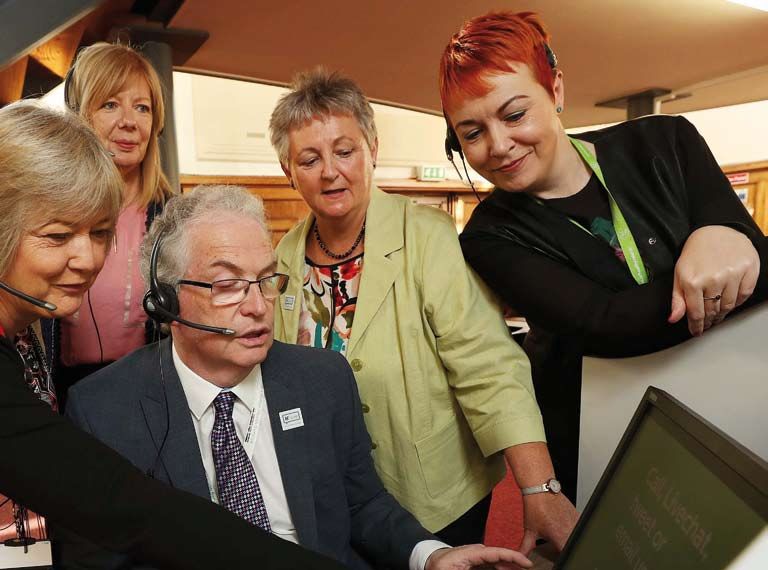
You
    Section

Ellie educates her school on condition
life doesn’t stop
with diabetes    EVEN-YEAR-OLD Ellie Noone               gone through the usual parent protocols:
                                                                                                                    I will always
    S
                 from the Ennis Road, Limerick, is       temperature monitoring, Calpol, rest; nothing
                 proof that with the right supports      seemed to add up. She was always a very well,              remember Ellie’s
                 and education, children with Type       healthy and particularly active child, rarely
                 1 diabetes can live life to the full.   had any sick days and was a livewire. This was
                                                                                                            diagnosis, not only for the
  Ellie, in turn, has been educating her                 unlike her. She started complaining of tummy       terrible fright Joe and I got
classmates at the Model School, O’Connell                ache and visiting the little girls room a lot;
Avenue, on her condition through a                       she was up at night asking for drinks and this
                                                                                                            but also the sheer irony that
collaborative poster project on living with type         excessive thirst got progressively worse.          it was Easter week and the
1 diabetes mellitus (T1DM).                                “One Sunday she took a turn and became
  Speaking at the Model School, Prof                     really unwell. We immediately rushed her to
                                                                                                            house was full of sugar
Clodagh O’Gorman, Consultant Paediatrician               Shannondoc where thankfully the doctor on
in Diabetes and Endocrinology, University                call that day was quick off the mark and after
Hospital Limerick (UHL), said: “Most diabetes            checking her ketone levels through a simple
in young children and adolescents is type 1              urine test, discovered instantly that her sugar
diabetes mellitus and so children like Ellie             levels were through the roof.                      precious life in the balance.
require insulin injections. Type 1 is quite                “At this point Ellie was immediately admitted       “Ellie is a fantastic girl and is probably more
different to type 2 diabetes, which is more              to the high dependency unit in The Children’s      active than most seven-year-olds. Joe and I
common in adults.                                        Ark at UHL with diabetic ketoacidosis. As          couldn’t be more proud of how she has taken
  “Type 1 can be difficult to manage but our             a family we have no direct family history of       her diagnosis and turned it on its head. Ellie is
young patients, supported by their families and          diabetes and Ellie’s medical team believe          a positive, outgoing, sporty and creative seven-
their schools as well as by the specialist team in       Ellie’s diagnosis was as a result of a virus       year-old and she refuses to let her condition
UHL, are really quick at picking up on what they         attacking her pancreas.                            get in her way,” said Hazel.
need to do and Ellie is a great example of this.”          “We were blessed to have Professor Clodagh          Ellie’s dad Joe plays a huge role in managing
  Ellie’s mum Hazel and dad Joe recalled their           O’Gorman and her team at UHL as Ellie’s            Ellie’s diet.
daughter was only four when diagnosed.                   medical team. It was an extremely difficult           “Managing Type 1 Diabetes can be a
  “I will always remember Ellie’s diagnosis, not         time for us as a family but with the amazing       minefield and requires daily if not hourly
only for the terrible fright Joe and I got but           support from our friends and family, and Ellie’s   adjustments to insulin requirements. We do
also the sheer irony that it was Easter week             strength, we got through it. Clodagh and her       our best to count Ellie’s carbohydrates/sugar
and the house was full of sugar. In April 2015,          team were quick to train us up in everything       intake and match it closely with her insulin
over a few days Ellie began to feel ill with             we needed to do to manage Ellie’s blood            levels but at times it can seem like a lottery.
flu-like symptoms. Joe and I couldn’t quite put          sugars and keep her healthy on a daily basis.      Many different factors contribute to Ellie’s
our finger on what was wrong with her. Having                     It’s amazing how quickly one can learn    levels including sport, hormones, weather,
                                                                                  something so intricate    illness and even mood. We have learned a lot
                                                                                  when there is such a      as a family about different food groups and the

                                                                                  abby chosen from thousands
                                                                                  Abby Dillon, a little girl from Cork   Syndrome and said, “There are
                                                                                  with Down Syndrome, is one of          so many misconceptions and
                                                                                  the new faces of Glenisk’s Organic     old-fashioned stereotypes
                                                                                  No-Added-Sugar Baby Yogurts.           about people with Down
                                                                                  Whittled down from more than           Syndrome. We’re so proud of
                                                                                  4,500 competition entries, Abby        Abby and I think visibility in
                                                                                  was one of 14 finalists chosen.        the media is an important step
                                                                                    Proud mum Anne Dillon, from          towards awareness, breaking
                                                                                   Ovens in Co Cork, and her family      down those stereotypes, and
                                                                                   are so excited and proud of           ultimately acceptance.”
                                                                                   Abby. Anne hopes the campaign           Abby’s seven-year-old brother
                                                                                   will help fight misconceptions        James and four-year-old sister
                                                                                   about people with Down                Amy (pictured right) are also

 | health matters | winter 2017
effects of sugar on our health. Certain sugars      of what diabetes meant to them. Now staff and         in paediatric diabetes for teachers, delivered
drive Ellie’s bloods nuts but with the correct      classmates alike are fully up to speed.               by the paediatric multi-disciplinary team.
balance Ellie can eat what she wants. We              “Here in the Model School, Deirdre Murphy,          This is aimed at teachers who have children
don’t deprive her and she gets to enjoy regular     Ellie’s SNA, is incredible. Without her support       with T1 diabetes in their classroom. Almost
treats with her peers,” explained Joe.              and the support of her teachers and the school        130 teachers attended this year’s event. I
  As well as helping mum and dad look after         principal Mr O Murchu, we would not have              know that here in The Model School, led by
her two younger brothers (JJ, 5, and Jamie,         the peace of mind that we have for Ellie’s            Priomhoide O Murchu, staff have been very
2), Ellie described how she keeps her diary full    safety. Generally, Ellie herself is very much in      supportive of Ellie and her family in managing
almost all week.                                    control of her own blood sugars. She knows            her diabetes,” Prof O’Gorman added.
  “On Mondays I swim; on Tuesdays I chill; on       how she feels; she knows how and when to                University Hospital Limerick has a skilled
Wednesdays I do gymnastics; on Thursdays            check her bloods; and she knows when and              children’s diabetes team, comprising three
I swim; on Fridays I swim again and on              where to inject herself with insulin. Ellie is very   clinical nurse specialists and a children’s
Saturdays I am hoping to start stage school,”       independent and always has been since ever            diabetes dietitian. And in recent weeks, the
Ellie said with a glint in her eye.                 before she was diagnosed,” said Hazel.                service has received a significant boost with
  Last year in senior infants, Ellie had the idea     Prof O’Gorman said Ellie was one of close           the appointment of a second consultant in Dr
to educate her classmates on type 1 diabetes        to 200 children and adolescents attending             Orla Neylon.
and with the help of her Muinteoir Brefni           paediatric diabetes services at UHL.
McCarthy, they decided on a poster project.                   “We also work with schools in the
                                                                                                          Ellie with, from left, Anne King, first class teacher;
This involved Ellie distributing pages to                            region and we organise an            Brefni McCarthy, senior infants teacher; and
each of her classmates to draw a picture                                annual education session          Deirdre Murphy, SNA.

really excited about their sister’s
news. Abby attends the Down
Syndrome Centre Cork and Down
Syndrome Cork and mum Anne
said, “When Abby was born it was
a scary time for us because we
didn’t know any other babies with
Down Syndrome. If we knew then
what we knew now it wouldn’t
have been as scary. People
should understand that people
with Down Syndrome are more
alike than they are different.”

winter 2017 | health matters | 
You
    Section                         we’re building a better health service every day

                           Time to start talking
                             about dementia
A NEW TV, radio and online advertising campaign
to increase understanding and support for people
living with dementia was launched recently at
the National Gallery of Ireland by the Minister for
Health, Simon Harris TD, as part of the Dementia:
Understand Together initiative.
   The launch saw the unveiling of two new TV
adverts telling the stories of Maureen O’Hara
and Paddy Butler, both from Kilkenny, who have
generously shared their experience of living with
dementia for the campaign.
   The campaign is part of the Dementia:
Understand Together initiative, which is led
by the HSE in partnership with the Alzheimer
Society of Ireland and Genio and a coalition
of over 30 partners from business, academic,
health and voluntary and community sectors.
The campaign is funded by the HSE and The
Atlantic Philanthropies.

Each of us can play our part
Launching the new campaign, Minister Harris
said, “The Dementia: Understand Together
campaign seeks to raise awareness, increase
understanding, and address the loneliness often       makes my life worthwhile.”                                  Dr Stephanie O’Keeffe, National Director of
experienced by people living with dementia and          Maureen urges people not to be apprehensive             Health and Wellbeing, HSE, said, “This campaign
their families. We want to open up conversations      about approaching and talking to her or other             is about bringing dementia out of the shadows
in homes, workplaces and communities across the       people with dementia.                                     and into the open and changing understanding
country about dementia, increasing understanding        “Just act normal, don’t be afraid to greet me           and attitudes for the better. The result will, we
and reducing the isolation that people with the       as you usually would. I might not remember                hope, be a greater willingness by people worried
condition frequently experience.”                     your name but I will remember faces and I will            about dementia to seek help and access supports
  Professor Brian Lawlor, Consultant Psychiatrist     remember a feeling of being with you.”                    and services at an earlier stage, and, secondly, a
and Chair of the Dementia: Understand Together          Paddy Butler, aged 70 and also from Kilkenny,           greater sense of solidarity by including people with
campaign, said, “There are an estimated 55,000        was diagnosed with Alzheimer’s Disease in recent          dementia more in our lives.”
people living with dementia in Ireland today and      years. For Paddy, it was important to be up-front           Michael Fitzgerald, Head of Operations and
this number is expected to more than double to        with people about his diagnosis.                          Service Improvement - Services for Older
113,000 by 2036. Despite the prevalence, only           “When I was diagnosed with Alzheimer’s, at the          People, HSE, said this campaign is important so
one in four of us are confident that we understand    start, I didn’t know what I was doing, what was
dementia, and nearly half of us are unsure people     happening. I asked myself do I hide it or do I be
could stay friends with someone with dementia.”       straight up? Kilkenny is a small place and I know a
                                                      lot of people. I decided I had to go and face it and to
‘I Don’t Like ‘Wasting’ Time. I Like                  be straight with people. Trying to hide things would
‘Spending’’ Time’                                     have been worse. It should be out there. More
Maureen O’Hara, aged 57, from Clongowen,              people talk to me now than before and everyone
Kilkenny, is one of the two people living with        says ‘hello’ when I pass by. It’s important to show
dementia to feature in the TV campaign. For           that people with Alzheimer’s can keep going. I like
Maureen, who was diagnosed with Young                 to keep up my interests as best I can. I like to go
Onset Dementia in 2014, staying connected             walking, to go for a cuppa, to go to Nolan Park to
with neighbours and friends is all-important.         support the Cats. You have to live your life.”
This connectivity allows her to live well and           Paddy’s wife, Lindsey, believes it’s important
independently with the condition.                     that people continue to see him as the same
   “For me the diagnosis wasn’t a shock as            person. “He’s not an eejit, he just communicates
I had been living it. It was nearly a relief to       a lot differently than he used to. For a while,
know. What’s most important for me is being           I was very protective of people’s reactions to
connected with people. It’s about being out there     him. But now that people know, I don’t feel
whether that’s enjoying hill-walking or keeping       as protective. People need to take their own
in touch with neighbours and friends. I don’t         responsibility to how they react to a person with
like wasting time rather, I like spending time. It    Alzheimer’s and to respect it.”

10 | health matters | winter 2017
we’re building a better health service every day
FAR LEFT: Maureen O’Hara, from Kilkenny,
who is living with dementia with Simon Harris
TD Minister for Health and Paddy Butler from
Kilkenny, who is living with Alzheimer’s disease,
pictured at the launch of the new advertising
campaign.
LEFT: Maureen O’Hara and Paddy Butler,
who have both told their stories of living with
dementia.
BELOW: Dementia: Understand Together
campaign steering group including (l-r) Nicola
Donnelly, Cairín Conway, Tina Leonard, Professor
Brian Lawlor, Margo McCambridge, Fidelma
Brown, Ronan Glynn, Ronan Smith, Mary
McGuire and Marie Killen.
dementia can be better understood and accepted, and community support needs of people with Support Packs
and ‘we can all support people to live well and dementia in Ireland,” he said. Support packs, including Dementia: Understand
independently for as long as possible’. Together posters, flyers and badges can be
“We have many thousands of people in our The HSE National Dementia Office ordered from www.healthpromotion.ie.
health service working to provide diagnostic, The HSE National Dementia Office (NDO)
community, home and residential care to people was established in 2015 in order to oversee
with dementia and their families; meeting the full the implementation, monitoring, and ongoing
needs of today’s population is a challenge, and our evaluation of the National Dementia Strategy. more information
needs as a society are growing each year. The vision of the NDO is that people with dementia
For more information on the Dementia:
Our teams are working to carefully manage and their family carers receive the supports and
Understand Together initiative,
the services and resources we have, and services they need to fulfill their potential and to visit www.understandtogether.ie
together with this campaign’s stakeholders, maintain their identity, resilience and dignity as or Freephone 1800 341 341
advocate for increased investment in the clinical valued and active citizens in society.
winter 2017 | health matters | 11You
Section
Clontarf mums gather
breastfeeding group
a vital support tool
A
large group of mums and babies is why was vital that we got back to meeting and that mum’s milk is all they need until then.
from the Clontarf area gathered in weekly,” she explained. Of course, there are a lot more nationalities in the
the Vernon Avenue Health Centre Due in no small part to the presence of the country nowadays, bringing their own culture of
for cake and a cuppa to celebrate group and the breastfeeding support given by breastfeeding to Irish mums.”
National Breastfeeding Week. Agnes and her colleagues in Vernon Avenue, Agnes highlighted the improvement in
For public health nurse Agnes Flynn, the other breastfeeding rates when leaving hospital are support and upskilling for public health
51 weeks of the year are just as important for the 75pc in the Clontarf area. They are also very high nurses themselves when it came to training
breastfeeding journeys of local mums, who gain in nearby Marino, who also run a popular support in breastfeeding.
vital support from the peer group she runs in the group, run by Anne O’Malley. “I breastfed all my children so I had the
centre weekly. Rates nationally are on the increase and Agnes advantage of that personal experience. But
Agnes has been a consistent advocate for said there are a number of factors for that, there have been great advances in the training
breastfeeding mums in the area for the last 18 including the changes to maternity leave. in recent years. Firstly, all student public health
years, helping to keep the support group going. “When we started the group, mums were only nurses receive the 20-hour breastfeeding course
Since January, it now meets every week. The getting three months of maternity leave so many while in their respective universities. Secondly,
popular Agnes acknowledged the importance of were opting not to breastfeed or felt they could public health nurses visit all mothers postnatally
holding the group weekly. It had previously met only feed for those first three months before and establish a good relationship with the
fortnightly due to staffing constraints. returning to work. I think the introduction of mother. Mothers are observed breastfeeding and
“As one mum said today, it is one step, one day paternity leave will also prove to be a great thing, appropriate support is provided.
and one week at a time until the next group. If with dads around for longer to support the mums “In CHO9, we use the breastfeeding
a mum is having a problem or is feeling like the through the early days of breastfeeding that can observation tool (BOAT). This informs
breastfeeding is getting too much for her, she be the toughest,” she said. appropriate support and guidance for the
knows that she just has to see it out the few days “The delayed introduction of solids has also mother and baby. Ongoing support is important.
until the group meets again so she can talk to helped. The message is getting out there that “There have also been huge changes in
the other mums there and get some advice. That babies should not have any food until six months the hospitals where you can see staff are
12 | health matters | winter 2017There have also protected – we have all of our other visits and advice on. It’s a great help to all of us.”
work still to be done. It certainly is challenging Ruth was there with her young baby Tommy
been huge changes but there is great dedication across the team for the first time.
in the hospitals here. Aside from the nurses, John and Jess here “I came to meet other mums, to have the
at the clinic have built up a great relationship feeling that you are not alone. I haven’t had
where you can see staff are with the mothers. We are all part of a team.” any problems with breastfeeding and plan to
promoting breastfeeding The mums of the group acknowledged continue for a long time to come. But it’s more
and helping mothers the work and support of Agnes and the vital
communication with other mothers in the
than just breastfeeding support, it’s about
getting out and about and meeting people.”
without judgement same boat. The youngest addition to the group was
Claire was there with eight-week-old two-week-old Olive who was there with her
promoting breastfeeding and helping mothers Emmet, while his twin sister was at home mum Emma.
without judgement.” with daddy. The new mum said the group “I met some great people here when I had
As well as the benefits for mum and baby, was invaluable for her as she tackled the my son two years ago and got some great
breastfeeding is a massive boost for the health challenge of breastfeeding twins. advice. It was only natural that I would come
service, explained Agnes. Rachel and her son Bart, who was almost back,” said Emma.
Babies who are not breastfed exclusively five months old, said she had been coming to Ireland has one of the lowest rates of
for the first three to four months of their the group every week since Bart was three breastfeeding in Europe. One of the goals of
lives are at greater risk from gastroenteritis, weeks old. the five-year breastfeeding strategy set out
respiratory, ear and urinary tract infections, “I have found it really helpful. I had just moved in 2005 was to advocate that communities
allergies and diabetes. They also have a higher to the area and it was invaluable to have the ‘promote breastfeeding by empowering
risk of becoming obese in later life and the expert advice on hand and talking to mums who families, friendships and community networks’.
mother has a greater risk of contracting breast going through similar things. The group is great In addition it called for evidence-based
or ovarian cancer. for the peer to peer learning, finding out what standards for facilitation of breastfeeding
“All the health benefits are there to be seen. has worked for other mums and what hasn’t,” support groups to increase the average
Some are not so obvious but they are irrefutable.” said Rachel. “Now I’m starting to think about age at which breastfeeding is reduced or
The Vernon Avenue group was first started by going back to work so it will be good to chat to discontinued.
public health nurse Mary Cronin. Agnes and Mary people who have managed to continue feeding Studies have found that mothers value
ran it together for many years, meeting many when they returned to work.” the support group facilitated by PHNs and
challenges along the way. She explained that the group has a What’s App recommended increasing their availability,
“Staffing and resources issues meant that we group that Agnes helped to get started and it timing, geographic spread and frequency. It
couldn’t hold the group as often as we wanted. means that there is always advice or support at was found that groups were popular because
Staff numbers were low and there was such the end of the phone at any time of day or night. they normalised breastfeeding in a social
a large workload that we just didn’t have the “It’s not even really about breastfeeding. We environment, which improved mothers’
time. The time spent here with the group is not chat about all sorts of things that we need sense of wellbeing.
The mums gather to
celebrate National
Breastfeeding Week.
winter 2017 | health matters | 13You
Section
‘The best gift’
For the official launch of National Breast-
feeding Week, mothers (and a dad), babies,
public health nurses and lactationconsult-
ants gathered in the Inchicore Public Health
Centre in Dublin.
Aoife Coughlan, mother to 11-week-old Fia-
cra, said it was the words of her public health
nurse that convinced her to breastfeed.
“I was thinking about breastfeeding when
I was pregnant with Fiacra but it was a vague
thought in my head, I wasn’t definite. But
then I spoke to the public health nurse and
she told me it was the best gift I could give
my baby. That was decision made for me.”
Fiacra was born by emergency c section
and Aoife thought that having surgery and
time away from Fiacra after the birth would
hamper her efforts.
“He was in ICU overnight and I really thought
I had missed out on a vital good start to breast-
feeding. The morning after Fiacra was born,
they brought him to me, we did skin to skin and
he started feeding straight away and we’ve had
very few problems, we’ve been really lucky.”
At the launch with her four-month-old baby
ABOVE: Rachel Lysaght with her son Bart and Hazel Graham with her mammy Ann. Both babies were born girl Lucia was GP Sarah Chamney. Sarah’s
on May 22nd. work meant that she knew all the benefits of
BELOW: HSE staff Breeda Brennan, Mairead Tiernan, Agnes Flynn, Siobhan Murphy, John McMahon and
breastfeeding and didn’t hesitate to make a
Angela Kennedy.
decision to breastfeed her baby while she was
pregnant. However, she found the early days of
breastfeeding difficult and said her main piece
of advice is not to expect it to be easy.
Just because it’s natural, doesn’t mean it’s
easy. When you have a new baby and your
body is recovering, you’re sleep deprived
and emotional it’s tough. I found breastfeed-
ing extremely painful and difficult in the early
days and I felt awful – I just expected for it to
happen with ease,” said Sarah.
“Because we’ve lost a generation or two of
breastfeeding in Ireland, what a new breast-
feeding mother is really missing is someone
to call in the dark moments. It would usually
be your mother but if your mother didn’t
breastfeed, then you can’t get the advice
you need there.
Mum of three Pamela Di Sotto has fed her
two older children until their second birthdays
and has no plans to stop feeding 18-month-old
Girogia any time soon. “I think because she’s
my third and last baby, I will find it harder to
stop, I won’t really have a reason to stop now!
“For me, it’s the most healthy, the most con-
venient and the most practical. It’s always there,
it’s always perfect for your baby and it’s free.”
Pamela was at the launch with her husband
Tomas. He said, “Obviously it’s a huge com-
mitment from my wife and it’s something I
can’t do for her but I can help in other ways,
I am there to support her with the other kids
and around the house so she can give this
wonderful gift to our children.”
14 | health matters | winter 2017Our HSE -
Proud to be…
trio of awards for a paramedic
coaching service
SE Coaching Service scoops three the value that the National Human Resources
H
Stephen
awards at the Annual International Division places on Coaching.
O’Flaherty
Coaching Federation (ICF) Awards The Coaching Service which is managed
paramedic
There was huge success for by the HSE National HR Division, Workplace
the HSE at the recent Annual Relations Unit, compliments and supports the
My valuable role in
International Coaching Federation (ICF) Awards key elements of the HSE People Strategy 2015-
our health service is
ceremony where they scooped three awards. The 2018, to build individual and group capacity in
as a paramedic working
awards recognise achievements in the field of the area of coaching.
in the National Ambulance
coaching by organisations throughout Ireland. Reflecting on her awards, Margo Kelly said,
Service. I work as part of a team of pre-
Rosarii Mannion, National Director of Human “I am passionate about coaching and winning
hospital care providers on an Ambulance
Resources won the ‘Business/Executive Coach this award adds further credibility to the value
or sometimes I work on my own on a Rapid
Award’, the National Human Resources Division, of coaching within the HSE. Medical coaching
Response Vehicle.
Workplace Relations Unit won the ‘Organisation is so aligned with my role as a coach and nurse
We start our day the same, but that is the
Coaching Culture Award’, and Margo Kelly, St working in occupational health.”
only thing that is constant. We could be
Conal’s in Letterkenny won the ‘Life Coach Award’. In her experience, coaching and medical
asked to provide care for our patients in
The ‘Organisation Coaching Culture Award’ coaching has afforded many clients to make
their home, school, work, at the roadside
was presented to the HSE in recognition of significant improvements and changes in their
or even on an Island. We often interact with
their exemplary commitment to building a life and career, and she uses the coaching
our colleagues in the Fire Service, gardai,
strong, professional coaching culture in their relationship to work with clients as they face life
Coastguard and Mountain Rescue Ireland
organisation in Ireland and is testament to and work challenges.
while caring for our patients.
We are in a unique position that we
get invited into people’s lives at often
their moment of crisis but sometimes in a
moment of joy. We care for our patients
from the moment of birth right up to the
moment of death.
My role as a paramedic has allowed me
to share in some life-changing moments in
people’s lives, from welcoming a baby into
the world, to saving a man’s life whom had a
cardiac arrest, resuscitating him as part of a
(L-r): Margo Kelly, St Conal’s Letterkenny; Kevin James, Evelyn Walsh, Dr Malachy Feeley, and Kim Inglis, team, and then identifying a ST elevation MI
National HR Workplace Relations Unit; Pat O’Boyle, Assistant National Director HR, Leadership, Education
and transporting him direct to a Primary PCI
& Talent Development; Rosarii Mannion, National Director of Human Resource; Katherine Cregan,
Tracy Martin, Irene Harris and Niall Gogarty, National HR Workplace Relations Unit; and Sibeal Carolan, centre in consultation with the Cardiology
Workplace Development Lead, Workplace Health & Wellbeing Unit. Registrar on call.
While the staff of the Ambulance Service
are often publicised for assisting with babies
staff complete sign language training being delivered or resuscitation of cardiac
arrest patients, our role in the health service
Twelve health service staff recently The qualification gives staff a basic is much more, We have administered
completed sign language training to enable foundation in Sign Language to enable them to medications to help people breathe so
them to communicate better when working improve their experience when working with that they went from a state of panicked
with deaf and hard of hearing patients, clients deaf/hard of hearing colleagues, clients and breathlessness to a state of calm in hospital.
and colleagues. service users as well as parents and family We have comforted parents when their child
The staff, who took time to learn how to sign, members who use ISL (Irish Sign Language). is ill. We have made a cup of tea for a wife
were presented with Irish Sign Language (ISL) The course and examination was facilitated of a man who died while we waited for their
Quality and Qualification Ireland (QQI) Level by the Irish Deaf Society ISL Academy. The family to arrive. We have listened to people
Three awards at special presentation held in initiative is part of the HSE’s commitment having a mental health crisis, because they
Galway University Hospital, Merlin Park. It is to supporting diversity for all HSE staff and felt nobody would listen. We have picked
fitting that the awards were presented during service users. the night-time revellers up when they
Irish Sign Awareness Language Week. While the Level Three certificate will help have had that one too many and we have
The 12 were among a group of 39 healthcare staff to communicate better with deaf and picked up the old lady who fell on the way
staff in Dublin, Galway, Letterkenny and Cork hard of hearing colleagues, clients and service to the toilet during the night. My role as a
who received the qualification. The learners users, it should be noted that it is not intended paramedic interacts with all in society often
include therapists, audiologists, social workers, to substitute for the highly qualified ISL in the same shift and that is what makes my
paramedics, nurses, doctors and staff working interpreter qualification gained via a TCD degree role so interesting.
in customer services and administration. programme under the Centre for Deaf Studies. Twitter @Stevefla
winter 2017 | health matters | 15You
Section we’re building a better health service every day
values in action is spreading
THE health service has made two bold decisions:
to translate our values into specific behaviours;
and to start a movement to make sure that they
are not just words, but become the core of our
health service culture.
Values in Action is mobilising staff and
empowering them to lead the changes that we
need to truly build a better health service. Values
in Action works with peer-nominated staff,
drawn from all grades and disciplines, to create
a bottom-up movement to spread the behaviours
that reflect our values.
Values in Action has been underway in the Mid-
West in the UL Hospital Group and in Mid-West
Community Healthcare since mid-2016 and
is already showing very promising results. We Des O’Toole; Kirsten Connolly and Dr Mary O’Riordan,
have learned that there is a significant appetite HSE Values in Action; and Dr Leandro Herrero, Chalfont Project.
amongst staff to support and lead this movement
throughout the health service.
Values in Action is spreading and is now Our Behaviours
entering its next phase where it is currently being
rolled out to the national divisions.
On October 10th and 11th, a two-day
‘Bootcamp’ was held for all of our national
division Champions. Approximately 250 people
came together over the two days to learn about
Values Action and their role as a Champion.
The Director General Tony O’Brien opened
the event and congratulated each Champion on
being nominated by their peers. The DG said, “I
would encourage you to embrace the challenge
and opportunity that becoming a Values in
Action Champion presents. I will be following the
progress of Values in Action closely and I look
forward to seeing the positive impact I know you
will have on the culture of our health service.”
Viral Change Storytelling describe the experience included “Excited,
The Champions were introduced to the principles The Champions learned about the role of Privileged, Honoured, Inspired and Hopeful”.
of Viral Change™ by Dr Leandro Herrero. Real storytelling in culture change. The Champions This is a new approach to building the kind
cultural change is shaped by the behaviours of shared some great stories from their of health service we all want - from the inside
small groups of influential individuals from all workplaces. When we share stories about our out, making the health services a better place
levels across the organisation.These well- 9 behaviours we show how our behaviours for staff, patients and service users. And it’s
connected individuals are creating a grassroots are being lived and also show ways that other going to take all of us – from all grades, roles,
social movement that makes our values and colleagues can apply the behaviours. disciplines and backgrounds – working together
behaviours recognisable, visible and a normal to change our health service for the better.
part of our everyday conversations in the health The role of the Champion The initiator of Values in Action, Kirsten
service. We call them our Champions. Champions learned about the role of a Connolly closed the two-day event by saying:
champion and how they can be activists for “Together we are going to lead a movement
Our Behaviours culture change in their workplaces. Champions in the health service that changes that health
The Champions were then introduced to our are now spreading the behaviours that underpin service for the better, one that reflects our values
behaviours where they learnt that real cultural Values in Action amongst their colleagues. and one that makes the health service a better
change is shaped by behaviours of small groups They are also looking for people to join the place to be for staff and for service users, SO
of influential individuals from all levels across the movement and be part of creating this change. LET’S GO.”
organisation. The HSE has translated our values Follow us on twitter
of care, compassion, trust and learning into @HSEvalues www.hse.ie/valuesinaction
behaviours. The nine behaviours are designed fURTHER INFORMATION
in response to common themes identified, and A Social Movement
Check out www.hse.ie/valuesinaction for
were tested with staff and patients, who agreed The energy in the room over the two days
more information or follow our progress on
that living the behaviours would improve the was remarkable. We captured some of the Twitter @HSEvalues
experience of staff and service users. Champions’ thoughts and words used to
16 | health matters | winter 2017we’re building a better health service every day
Our champions say it best...
Jim McGrane
ICT Support Specialist
I was delighted when I was nominated as a champion - it’s nice to think
people listen to you and value your opinion. I think I was chosen because
I am a really positive person and see every challenge as an opportunity.
I am also a strong believer that the HSE is a force for good and also a great
place to work.
I really enjoyed meeting people like me at Bootcamp who really believe
in the HSE and who want to deliver a more caring and compassionate
Some of the Champions at Bootcamp
experience to patients and staff. I drew great strength from the experience
as did everyone I have spoken to since.
We have started talking about Values in Action with our colleagues and
explaining why we believe in it. We arranged lunchtime gatherings in local Kate Cassidy
restaurants with people we wouldn’t normally get to talk to in work and are Health Promotion Officer
reaching out for others to join in all the time. We’ve put up a few posters When I first heard I was nominated as a champion, I waited to make sure
and changed our email signatures to keep Values in Action in people’s my colleagues weren’t setting me up so when I got another email to
minds and to keep the conversation going. It’s great to have something confirm I was pleased, and felt happy that colleagues had thought of me in
positive to talk about and people are genuinely interested to hear about it. that way and had gone to the bother of nominating me.
I enjoy my work and often feel blessed that no matter what area of the
Karl Gelston Tims health service I worked in I enjoyed it all. I am probably influential due to
Programme for Health Service Improvement my mad energy and advocate positive behaviours so that we can all get
I felt extremely proud and grateful to have been chosen by my colleagues. the best from life. What you concentrate on is what you get. Your brain
I would like to think I was chosen perhaps because I always try to make works on expectancy and will help you to reach it. Make it a positive and
myself available to help my colleagues in whatever way I can as we are a achievable goal, and you’re more likely to get there. So, you change your
team and I know they would do the same for me. brain by doing it; by taking a risk and making positive changes in your life;
Bootcamp was a fantastic experience meeting the other champions from by repeating these changes frequently and long enough that they turn into
nationwide and hearing their unique stories and backgrounds, there was a a new habit; that they grow from a state into a trait.
really positive atmosphere to the whole thing. Bootcamp was a positive experience with lots of learnings. It was
The Champions of our area met after Bootcamp to discuss our next refreshing to see other ‘champions’. The message was clear that when
steps. We have created social media accounts for purposes of sharing we create better workplaces for staff we deliver better care and better
and promoting the behaviours. We also have set a ‘behaviour challenge’ experiences for our patients.
where our team mobiliser picks one behaviour at random each week and Afterwards, I met my local group from the Southeast and we are now
sticks it up in the elevator, canteen etc. to try to promote and encourage all a team working towards a common goal of living the values of care,
colleagues to get involved. compassion, trust and learning.
Samantha Rayner Aoife O hAodha
National Specialist Services for Older Persons Office of the Director General
I felt honoured and privileged that my colleagues would view me in this I was shocked but flattered to be nominated as having completed the
way and they went to the effort of nominating me. I would like to think I am Values in Action survey myself I knew that it was my peers who had
pretty optimistic by nature and try to see the best in every situation. I would nominated me. I have previously worked in the acute services and now I’m
have an awareness of how behaviours can impact on your colleagues and in the corporate side of the health service so I have seen from both sides
would be conscious of how I approach my interactions. I am very lucky to the importance of communication and the impact our behaviours can have
lead a team that is highly motivated and work really well together which on our working environment as well as on the service users and staff.
makes my role a whole lot easier. I think Values in Action came at a great time. I’ve worked in the HSE for a
I really enjoyed the bootcamp experience. There was a great energy number of years and saw people go above and beyond in the health service
and a positivity to it that was palpable over the two days. It was a great through the hard times of the recession and think a lot of people were
opportunity to meet people that I would not normally have a reason to meet feeling somewhat jaded and undervalued. The Values in Action initiative is
and I really liked the fact everyone was identified by name and location a way of bringing some positivity back into our work lives by recognising
only and there was no grade structure. This was quite refreshing and made the hard work of our colleagues and appreciating each other more with
people more relaxed. simple gestures.
As advocated at Bootcamp, the next steps will need to be small but Since I worked in the acute services, I’m really conscious of the ‘keep
incremental. On my return from Bootcamp – I set up a workshop with my people informed-explain the now and the next’ behaviour. I believe service
own team where I explained about the process and how exciting it was users’ biggest frustration can be feeling ignored or not informed enough
for us all to be part of it. I also said at the outset I was lucky in that I led a about their own care plan. At the end of the day information is power and
team that already displayed these 9 behaviours in their everyday role and patients should feel empowered about their own health so I am always very
the real challenge going forward would be to spread the message. From a conscious of keeping service users informed. I’ve carried that through to
personal perspective, my next step will be to put it on the agenda for our my current role where I think communication with my colleagues is really
next Services of Older People Management Team Agenda and fill in my important and also knowing what each one is working on.
colleagues on the process to date and seek their involvement and support. I I really enjoyed bootcamp. It was a great opportunity to meet with other
have also joined Yammer and my colleagues from the groups I worked with colleagues from around the country working in the HSE. What struck me
in Bootcamp are in regular contact with ideas and exchanges of information. was how similar our stories were, both the positive and the negatives.
winter 2017 | health matters | 17You can also read


