Environmental, Social & Governance Report - Pfizer 2021
←
→
Page content transcription
If your browser does not render page correctly, please read the page content below

Pfizer 2021

Environmental, Social
& Governance Report
In This Report

03        Introduction
04            A letter from our Chairman & CEO                           What this report covers
08            A letter from our Lead Independent Director
09            Progress and highlights 2021
                                                                         This report provides information on our ESG progress in the year from January
10            Our approach to ESG                                        1, 2021, to December 31, 2021; it includes an overview of performance, as well as
12            Priority ESG issues                                        data on 32 key performance indicators.

14        Impact Stories                                                 For more information please see About this Report on page 81.
15           Moving at the Speed of Science to Address a Global Crisis
18           Financing for a Sustainable Future
23           Refreshing Our DEI Strategy

25        Environment
26           Climate Change
29           Sustainable Medicines

31        Social
32            Innovation and Global Health
37            Human Capital

40        Governance
41           Ethics, Transparency, and Quality
49           Accountability

51        Performance
52            Environment
55            Social
                                                                         Where to find more information
61            Governance

62          Appendix
                                                                               2020 Annual Review
63                GRI index
                                                                               2021 Annual Documents — 2021 Annual Review — 2021 Annual Report on Form 10-K — 2022 Proxy Statement
73                SASB index                                                   COVID-19 Hub
76                TCFD
81                About This Report
82
2
                  Independent
     Pfizer 2021 ESG Report    Accountants’ Report
Introduction
This report represents Pfizer’s continued commitment to
enhance stakeholder awareness of our priority Environmental,
Social and Governance (ESG) issues and discusses how our
performance on non-financial metrics is contributing to long-
term value creation and a sustainable, responsible and patient-
centric business model.

The disclosures contained in this report
underscore our commitment to delivering
breakthroughs that change patients’ lives
through ethical decision-making and our
core values — Courage, Excellence, Equity
and Joy.

Letter from our Chairman & CEO

                             To Our Stakeholders
                             As I reflect on the past year, I am extremely proud of the positive impacts                                  enhance our impact, both within and outside of Pfizer. We also continue
                             that our scientific breakthroughs continue to deliver for patients and                                       to refine the metrics we use to measure our performance as the voluntary
                             society. By remaining laser-focused on our purpose, we were able to                                          and emerging regulatory frameworks governing ESG reporting evolve at
                             achieve unprecedented progress in helping to address some of the world’s                                     the national, regional and global level.
                             most pressing challenges. I also realize there is still more we need to
                             do, significant inequities that must be overcome, and real threats to our                                    Breakthroughs and bold ambition
                             society and environment that lie ahead. I am confident we can rise to any
                                                                                                                                          The significance of “breakthroughs” has never been clearer than it is today
                             challenge, just as we have in the face of the COVID-19 pandemic.
                                                                                                                                          as we continue to face COVID-19 variants and as unacceptable rates of
                                                                                                                                          morbidity and mortality from the virus endure. We are unwavering in our
                             My confidence is grounded in my belief that Pfizer is fundamentally a
                                                                                                                                          commitment to applying science and the dedication of our workforce to help
                             different company today than it was just two years ago. By applying the
                                                                                                                                          end the pandemic and address inequities.
                             lessons learned from our work to develop a COVID-19 vaccine and oral
                             treatment1, and by further embedding Environmental, Social & Governance
                                                                                                                                          We also recognize that even as some people have received a booster dose
                             (ESG) principles into our core operations, we have transformed the way
                                                                                                                                          of our vaccine, others are still waiting for their initial dose. We continue to
                             we discover, develop, finance, and deliver breakthroughs that change
                                                                                                                                          believe we will more rapidly reach more people with our COVID-19 vaccine
                             patients’ lives. At the same time, external forces transforming societal and
                                                                                                                                          by continuing to scale our manufacturing capacity while maintaining quality
                             environmental norms, along with our internal commitment to equity as
                                                                                                                                          and safety through the last mile. This is coupled with our unwavering
                             one of our core values, have reinforced the importance of integrating ESG
                                                                                                                                          support for multilateral organizations and governments with readiness
                             into our day-to-day activities.
                                                                                                                                          programs – including lending our infrastructure expertise – so vaccine doses
                                                                                                                                          can more quickly translate into vaccinations anywhere in the world. These
                             In 2021, we continued to focus on ways to make a meaningful and
                                                                                                                                          efforts have helped us remain on track to fulfill our pledge to deliver two
                             measurable impact. Never before has our impact been so wide-reaching
                                                                                                                                          billion doses of the Pfizer-BioNTech COVID-19 vaccine to low- and middle-
                             when it comes to the number of patients treated or vaccinated with a Pfizer
                                                                                                                                          income countries by the end of 2022, having delivered the first billion by the
                             product. We reached an estimated 1.4 billion1 patients with our medicines
                                                                                                                                          end of 2021.
                             and vaccines – roughly one out of every six people on Earth. Even when
                             we separate out our breakthrough COVID-19 products, we treated an
                                                                                                                                          We also licensed our intellectual property for the COVID-19 oral treatment
                             estimated 424 million patients globally.
                                                                                                                                          to the Medicines Patent Pool, which we hope will lead to expanded generic
                                                                                                                                          access pending country regulatory authorization or approval in low-income
                             Our ESG strategy includes six priority areas: product innovation; equitable
                                                                                                                                          and lower-middle-income countries as well as some upper-middle income
                             access and pricing; product quality and safety; diversity, equity and
                                                                                                                                          countries, accounting for approximately 53% of the world’s population. I am
                             inclusion; climate change; and business ethics. Our progress on these
                                                                                                                                          proud of how quickly we identified pathways to facilitate more rapid and
                             areas is detailed in this report, and we look forward to engaging with
                                                                                                                                          equitable access for our vaccine and treatment, respectively, and we will
                             colleagues and other stakeholders to hear how we can continue to
                                                                                                                                          continue to push ourselves to meet patients’ needs, wherever they may live.

                             1
                                 Please refer to “About This Report” for explanation about Emergency Use Authorizations (EUA). Patient counts are estimates based on multiple data sources.

4   Pfizer 2021 ESG Report                                                                                Introduction
Letter from our Chairman & CEO
— Continued

Colleagues at our core
As we scaled up physical capital to meet the needs of society with
manufacturing and distribution, we recognized we would only achieve our
bold goals if we simultaneously protected and nurtured our human capital.
Our approximately 79,000 employees help us reach patients in more than
165 countries.

At Pfizer, our policies continue to focus on the safety of our colleagues and
ways to support our people. We encourage everyone to be their authentic
selves at work and are proud of our new and expanded colleague benefits
and wellness offerings. In 2021, we partnered with Thrive Global, a wellness
and organizational change initiative focused on colleague mental health
and wellness. We also hosted two global listening sessions with more than
500 colleagues to discuss topics including allyship, racial bias, and how to
have difficult conversations with empathy.

We believe that ESG is part of everyone’s job at Pfizer: it’s important to
our colleagues, and we have linked performance on our goals to executive
compensation to drive the behavior and culture changes required to
achieve such ambitious and sustainable endeavors.

We have set key performance indicators (KPIs) and continue to evaluate
additional goals to track our progress on priority issues and programs like
greenhouse gas (GHG) emissions reduction and diverse talent attraction,
retention, and development. As a company with science embedded in our
roots, branches, and leaves, we understand the importance of data and KPIs.

5     Pfizer 2021 ESG Report                                                    Introduction

Letter from our Chairman & CEO
— Continued

Bold Moves and ESG Strategies — Working toward a common objective
Back in 2019, we launched our Purpose Blueprint (including our new Purpose, Bold Moves, and Values), and it has served as our North Star in becoming the new Pfizer. Our ESG strategy
was aligned to our Purpose Blueprint in 2020, and the close connection between efforts to advance our corporate and ESG strategies and report on our efforts helps accelerate our
progress towards a long-term sustainable growth trajectory.

                  Bold Move 1: Unleash The Power Of Our People                                                Implemented in 2021, our new Global DEI Strategy and non-linear colleague growth model are helping us champion personal
                                                                                                              career journeys in line with our purpose. According to our survey results, 90% of colleagues reported feeling engaged, as
                  We are further building on our inclusive, engaging work environment to
                                                                                                              measured by pride, a willingness to recommend Pfizer as a great place to work, and intent to stay, and 92% feel their work
                  recognize and reward performance and leadership, and empower all colleagues
                                                                                                              contributes to our purpose. In 2021, we also made progress toward our 2025 opportunity parity goal with a 3.4% increase of
                  to bring their authentic, best selves to work for the benefit of patients.
                                                                                                              females globally and 3.5% increase of minorities in the U.S. at the Vice President level and above.

                  Bold Move 2: Deliver First-In-Class Science                                                 Our 2021 end-to-end clinical success rate for new molecular entities represents a four-fold increase from 2015. We began
                                                                                                              tracking FDA breakthrough designations as an independent measure of innovation that addresses unmet needs and delivery to
                  We aim to deliver first-in-class science by sourcing the best science in the world
                                                                                                              patients as quickly as possible. From 2017 to 2021, 45% of Pfizer new molecular entity and novel biologics license applications
                  and significantly improving our innovation success rate through a focus on the
                                                                                                              approved by the FDA were designated as Breakthrough Therapies.
                  most promising medical solutions.

                  Bold Move 3: Transform Our Go-To-Market Model                                               No single model is able to address access and affordability challenges for all products, which is why we work with a range
                                                                                                              of bilateral and multilateral partners to create solutions and help advance health equity. Based on our efforts to proactively
                  We are creating new solutions to address patient access and affordability
                                                                                                              address antimicrobial resistance (AMR), another growing public health challenge that has significant impact across the globe,
                  challenges by exploring flexible business models that allow us to reach patients
                                                                                                              Pfizer was recognized as a joint leader in the Access to Medicine Foundation Antimicrobial Resistance (AMR) Benchmark. We
                  and improve their health care experience.
                                                                                                              were recognized as the industry leader in the category of antibiotic stewardship, which includes strategies to expand access and
                                                                                                              ensure continuous supply and appropriate use of relevant products.

                  Bold Move 4: Win The Digital Race in Pharma                                                 The pandemic has accelerated digital transformation drastically, and in 2021 we automated 90% of transactions on a baseline
                                                                                                              of 100 million transactions annually, exceeding the original goal of 75%. We have embedded the practice of working faster and
                  We are continually exploring ways that digital, data and technology can
                                                                                                              leaner in 267 dedicated, cross-functional teams across the company to accelerate innovation and better respond to customer
                  accelerate our business, expedite the drug discovery and development process
                                                                                                              needs. Digital programs are also enabling us to better engage with patients and healthcare systems and this year we increased
                  and enhance patient experiences and outcomes.
                                                                                                              the number of programs to 38 in total. For example, our LivingWith™ digital app provides valuable resources to approximately
                                                                                                              90,000 cancer patients and their caregivers.

                  Bold Move 5: Lead The Conversation                                                          One of the ways we measure our success is PatientView’s annual ‘Corporate Reputation of Pharma’ survey, which asks more than
                                                                                                              1,900 patient advocacy groups in 84 countries to assess pharmaceutical organizations across a range of important activities. In
                  We are engaging with policymakers and other stakeholders to advocate for
                                                                                                              the 2020 Global PatientView survey, Pfizer ranked #2 amongst the largest 14 pharmaceutical companies thanks to our range
                  policies that allow innovation to flourish while helping ensure patient access
                                                                                                              of services and support “beyond the pill” as well as our patient information score, which measures how usable and timely
                  to the latest vaccines and therapies – all while communicating the value our
                                                                                                              information is for patients.
                  science brings to society.

6     Pfizer 2021 ESG Report                                                                           Introduction
Letter from our Chairman & CEO
— Continued

                                 Looking ahead
                                 Advancing science has never been more urgent or more important to
                                 meet society’s needs in an ever-changing world. I am proud of how our
                                 employees have helped us further our purpose and the breakthroughs
                                 we achieved in 2021. As we tackle future threats to the health of people
                                 and our planet, I am confident that incredible things can happen when
                                 people come together to address a problem.

                                 The future of medicine is happening at Pfizer, and we’re committed
                                 to work together and with our partners to improve health around the
                                 world.

                                   Dr. Albert Bourla
                                   Chairman & Chief Executive Officer, Pfizer

7     Pfizer 2021 ESG Report           Introduction
Letter from our Lead Independent Director
Dear Stakeholders,
On behalf of the Board of Directors, I would like to thank you for your The Board is fully engaged and supportive of Pfizer’s ESG initiatives and
interest in Pfizer. I am pleased to share with you our 2021 ESG Report. continues to believe that our commitment to sustainability and corporate
responsibility are essential to the Company’s long-term success. We are
Over the past two decades, we have observed an evolution in how Pfizer proud to share Pfizer’s progress on these efforts in this report and eager to
and our stakeholders think and talk about the importance of ESG topics. hear responses and reactions from you.
Today, ESG has evolved into the mainstream, and is factored into Pfizer’s
values, and our short- and long-term strategy. These topics have become Thank you for your interest on these important topics and we look forward
a growing part of conversations we have with stakeholders —
from to sharing updates as we further Pfizer’s efforts.
shareholders, patients and colleagues and the communities in which we
operate in and serve around the world. Accordingly, these topics have
become key focus areas for Pfizer and the Board.
In recognition of the growing importance of ESG topics among our
stakeholders, the Board more directly and explicitly formalized in 2020
its oversight of Pfizer’s ESG efforts, with the Governance & Sustainability
Committee assuming oversight responsibility of Pfizer’s overall ESG
strategy, reporting, policies and practices. The Committee receives regular
updates from management on Pfizer’s ESG priorities and the Company’s
progress against related metrics and targets. The Committee and
management also discuss potential initiatives to further enhance Pfizer’s
ESG performance. Mr. Shantanu Narayen
Lead Independent Director
As a Board, we recognize that diversity, equity, and inclusion are growing
interest areas among our stakeholders. In particular, at the Board level,
we strive to maintain a Board that includes a diverse set of experiences,
qualifications, attributes, and skills. Accordingly, the Board considers a
diverse pool of qualified candidates across several dimensions, including
skills, gender, age, race, ethnicity, background, professional experience,
and perspectives, as evidenced by the addition of six new independent
Directors since 2017.
8 Pfizer 2021 ESG Report Introduction
2021 Progress and Highlights

                7%
                Reduction in scope 1 and
                                                                        4th
                                                                        Consecutive year on CDP’s
                                                                                                                                                   15%
                                                                                                                                                   Reduction in water withdrawal
                2 greenhouse gas (GHG)                                  Supplier Engagement                                                        and 13% reduction in hazardous
                emissions from 2019 baseline                            Leaderboard                                                                and non-hazardous waste
                                                                                                                                                   disposed compared to 2020

                                       1.4b                              41.5%
                                                                                                                                                   21%
                                       Estimated patients treated or
                                                             1
                                                                         Representation for
                                       vaccinated by a Pfizer product    women at VP+ levels globally

                                       424m                              25%
                                                                                                                                                   Clinical success rate (first-in-
                                                                                                                                                   human to approval) for Pfizer
                                                                                                                                                   new molecular entities by end
                                                                                                                                                   of 2021

                                       Estimated patients treated
                                                             1
                                                                         Representation for U.S.
                                       excluding COVID-19                minorities at VP+ level
                                       vaccines or treatments

                                       3/12                             4 /12
                                                                                                                                                   Named one of the World’s
                                                                                                                                                   Most Ethical Companies by
                                                                                                                                                   Ethisphere

                                       3 out of 12 board directors      4 out of 12 board
                                       identify as ethnically diverse   directors are female

                                                                                                        “World’s Most Ethical Companies” and
                                                                                                        “Ethisphere” names and marks are
                                                                                                        registered trademarks of Ethisphere LLC.

1
    Patient counts are estimates based on multiple data sources.

9         Pfizer 2021 ESG Report                                        Introduction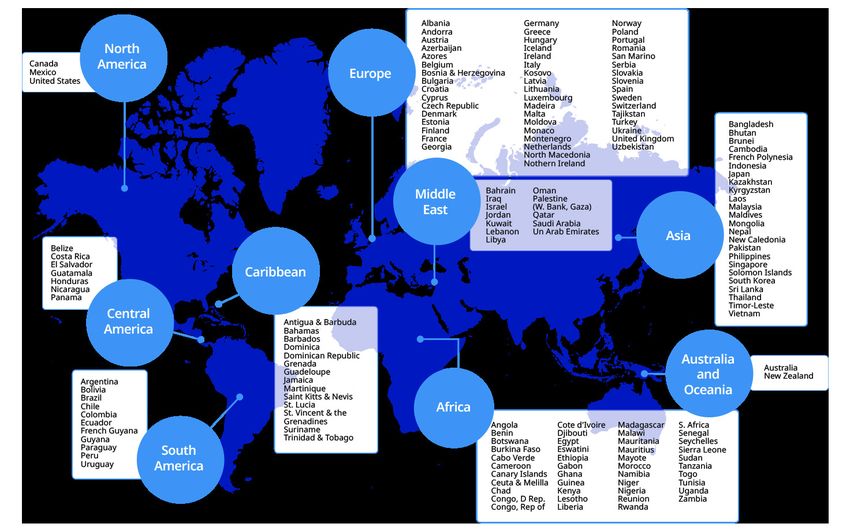
Our Approach To ESG

At the heart of Pfizer’s ESG approach is the simple idea that our values and
commitment to long-term sustainability is the way we strive to responsibly fulfill
our purpose – breakthroughs that change patients’ lives – build trust, and take
accountability for the impact we make on society.

ESG issues are increasingly a priority to stakeholders, including shareholders. We recognize the impact of environmental issues
on society and public health, and we seek to harness our cutting-edge science to create a healthier, more equitable world. We
are committed to acting ethically, thoughtfully, and responsibly in all that we do. Guided by our purpose, we are focused on:

                              • Climate action                      • Product innovation                    • Continually prioritizing
Environmental                                           Social                                 Governance     integrity and transparency
                              • Sustainable medicines               • Equitable access
                                                                                                              in our business
                              • Resource conservation               • Diversity, equity, and
                                                                      inclusion (DEI)

10   Pfizer 2021 ESG Report                                      Introduction
Our Approach To ESG
— Continued
Our purpose is more important now than ever, as societal, environmental and economic Our efforts included:
shifts impact global health and health equity. In 2020, we laid the foundation to more
Evolving Pfizer’s approach to financing capital
intentionally connect our purpose with our ESG strategy in order to better understand investments using ESG-related instruments. After
launching the biopharmaceutical industry’s first
and address the needs of patients, colleagues, partners, shareholders and communities. Sustainability Bond in 2020, we followed in 2021
In 2021, we advanced this work by further embedding ESG throughout our corporate by launching a second Sustainability Bond and
establishing a $7 billion, 5-year revolving credit facility,
strategy, business operations, and governance structure. which included ESG KPI-linked metrics focused on our
long-term corporate goals and annual targets related
to carbon emissions and diversity, equity & inclusion.
Enhancing the rigor in the processes and controls used
to govern the integrity of data used in our ESG metrics.
We strengthened procedures, automated controls,
and instituted practices used in Pfizer’s financial
reporting processes with the aim of increasing
stakeholder confidence in our disclosures.
Embedding an ESG lens in our assessments of
potential acquisitions, investments, and divestitures.
Assessing ESG factors in the business development
process is critical to mitigate potential risks to
Pfizer’s business, reputation, and commitment to our
Purpose and Values, and to better understand the
risk-adjusted value of a business or an asset. Potential
partners need to be ready to stand out not only in
terms of production and innovation but also in the
realms of good corporate governance, environmental
stewardship and commitment to social issues and
community investment.
Aligning divisional strategies related to Pfizer’s priority
Environmental, Social, and Governance issues to tell
a coherent narrative about our impact on society
and enhance the rigor around public disclosures. As
Pfizer expanded its DEI strategy in 2021, important
ESG principles were taken into account and embedded
formally in the governance structure.
11 Pfizer 2021 ESG Report IntroductionPriority ESG Issues
Patient Advocacy Organizations
Identifying priority issues and engaging In 2021, Pfizer’s Global Patient Advocacy Team engaged more than 1,800 global
with stakeholders patient advocacy groups across North America, Europe, Latin America, and Asia
through trainings, workshops and webinars focused on health policy issues,
capacity building, patient centricity and patient education and information.
Over the past year, we’ve had important conversations with key internal and external stakeholders, including
employees, investors, policymakers, patient advocacy groups, academia, and customers. Feedback received from
stakeholders is critical to validate the results of our priority assessment, which was conducted in the second half of
2020. We intend to further enhance and systematize the processes by which we capture stakeholder feedback and Non-governmental organizations (NGOs)
consider the optimal frequency of conducting formal updates to our priority assessment in the future. In 2021, for Pfizer has a long history of engaging with organizations advocating for access
example, we experienced an increase in the level of engagement we had on ESG-related priority issues with: patient to medicines and vaccines, environmental concerns, transparency, and business
advocates, employees, investors, and non-governmental organizations (NGOs). ethics. As the COVID-19 pandemic and climate issues remained at the forefront
in 2021, we increased the breadth and depth of communication with NGOs and
coalitions. Among the organizations with which we experienced an increase in
engagement included: Oxfam, Amnesty International, Doctors Without Borders,
and Science Based Targets initiative (SBTi).
Investors
Through written surveys and questionnaires, one-on-one conversations, and in
public forums, we significantly increased our dialogue at multiple levels of the
organization. Our Chairman and CEO addressed over 200 investors convened
at the CECP Biopharma CEO Investor Forum and participated in the Morgan
Stanley Sustainable Investing Summit. We held our first ESG investor event,
which featured a fireside chat between Pfizer Board Director and Chair of the
Governance & Sustainability Committee, Joseph Echevarria, and Rady Johnson,
Pfizer Chief Compliance, Quality and Risk Officer. The event was broadcast
publicly and described how the Board addresses ESG issues across multiple
committees, and how our approach to ESG is integrated with the Enterprise Risk
Management (ERM) program, which provides a framework for risk identification
and management.
Colleagues
2021 marked an inflection point in the breadth and depth of awareness and
engagement by Pfizer colleagues in our ESG strategy, programs, and reporting.
Colleagues were both inspired by the actions taken by the company to address
issues related to our breakthroughs for COVID-19 and other diseases, and
curious to find out what they could do to support our efforts. We raised internal
awareness about our strategic approach to ESG through an enterprise-wide
Our ESG report is one of the primary ways we report progress and communicate with stakeholders. Other channels for communicating progress against webinar, as well as conversations led by our Chief Sustainability Officer and our
our targets include updates during quarterly earnings, press releases, and direct engagement through meetings and industry association participation.
ESG Head with division leadership teams and departmental town halls.
12 Pfizer 2021 ESG Report IntroductionPriority ESG Issues — Continued Reporting on our highest priority issues The priority assessment we conducted in 2020 helped map current ESG issues and the relative impact on our business and expectations of our external stakeholders. Through our analysis, we identified 30 topics, the most significant of which are discussed in this ESG Report. These have been mapped to our six ESG priority areas, which closely align to our Bold Moves outlined in our Purpose Blueprint, as well as the risks and opportunities identified with our Enterprise Risk Management (ERM) approach. Based on the results of our 2020 assessment and subsequent stakeholder engagement in 2021, we sharpened the focus of our ESG strategy on these high priority topics, while also monitoring and managing the other issues from our assessment. We recognize that our priority issues may evolve over time. We will continue to regularly engage with a wide variety of stakeholders to understand their changing needs, interests and expectations of Pfizer, and are committed to adjusting our approach as appropriate. Integration with our Enterprise Risk Management (ERM) process The ESG priorities were also informed by our ERM process, which provides a framework for risk identification and management, the outputs of which are reported to the Audit Committee of the Board of Directors. Pfizer Corporate Audit facilitates the ERM process in coordination with Legal and Corporate Compliance and helps ensure that ERM is integrated into our strategic and operating planning process. For the first time, ESG risks were integrated into the ERM process in 2020. We will continue to further align our ESG, corporate strategy and ERM processes to enable a holistic view of risks and opportunities to help protect and enhance value. 13 Pfizer 2021 ESG Report Introduction
Impact Stories
In 2021, three focus areas stood out as key indicators of the
progress we made against our ESG goals and commitments, as
well as critical external drivers.

The sections that follow highlight our extensive
work across these priorities, leading with our
ongoing ambition to help ensure equitable access
to COVID-19 vaccines and treatments. We also cover
the global impact made through our Sustainability
Bond as we further connect our ESG and financial
strategies, as well as Pfizer’s refreshed Global
Diversity, Equity and Inclusion strategy, which
applies within our direct operations and beyond.
COVID-19

Moving at the Speed of Science to Address a Global Crisis
Our Ongoing Mission to Help Ensure Equitable Global Access to the COVID-19 Vaccines & Treatments

From the beginning of the COVID-19 pandemic, we have               Rwanda, Jordan, Ukraine, Dominican Republic, Honduras,                    government partners to enable supply of more than 250
worked relentlessly to leverage our decades of experience          Indonesia, Vietnam and Malaysia – among many others.                      million doses of the Pfizer-BioNTech COVID-19 vaccine,
and expertise in development, testing, manufacturing and                                                                                     more than 25% of the total COVAX supply in 2021. The U.S.
distribution, along with our partnerships, to work towards         As part of this strategy, Pfizer is a proud partner and top               Government was a critical partner in this effort, committing to
safe and effective vaccines and treatments for all. As a           contributor to the COVAX facility, a worldwide initiative aimed           purchase 1 billion doses at the not-for-profit price to donate
healthcare company, we understand human rights to be               at equitable access to COVID-19 vaccines directed by the GAVI             to the 92 COVAX Advanced Market Commitment (AMC)
of the utmost relevance to our business, given the right to        vaccine alliance, the Coalition for Epidemic Preparedness                 countries as well as the member states of the African Union
health’s wide-ranging interconnections to other fundamental        Innovations, and the World Health Organization, alongside                 that are not already part of the AMC 92. More than 200 million
rights. Our responsibility to respect human rights extends         key delivery partners UNICEF and the Pan American Health                  of these doses were delivered in 2021, and the remaining 800
across our entire product portfolio, but the pandemic has          Organization. In 2021, Pfizer worked with COVAX and                       million will be delivered through 2022.
helped create an amplified urgency to ensure equitable
access to vaccines and treatments against COVID-19.

Equity is a core value of our company and has been
the north star of our COVID-19 response. Clinical trial
diversity played an important role in our COVID-19 vaccine
development program, where we ensured that historically
underrepresented participants had access to our COVID-19
vaccine trials, and where we enrolled racially and ethnically
diverse participants reflecting the patient population where
the burden of disease has been higher. It has also driven
our ongoing collaboration with governments and key
stakeholders around the world to work towards fair and
equitable access to COVID-19 vaccines while also providing
our expertise and resources for novel approaches to help
strengthen healthcare systems where greater support may
be needed. We recognize that there is a lot of interest in
every aspect of our work in relation to access to the COVID-19
vaccine and treatment and are grateful for all feedback.
We remain open to and welcome partnership for new and
creative ways to reach more people.

In order to accelerate our efforts to reach vulnerable
populations, we pledged to provide 2 billion doses of the
Pfizer-BioNTech COVID-19 vaccine to low- and middle-income
countries in 2021 and 2022 – at least 1 billion doses each year.
Lower-middle-income and upper-middle-income countries
are currently home to 75% of the world’s population and
62% of the world’s poor. We fulfilled this pledge in December
2021, with more than 1 billion doses delivered to 100 low-
and middle- income countries, including South Africa, Kenya,       Vaccine distribution showing the 166 countries and territories where Pfizer doses were received in 2021

15     Pfizer 2021 ESG Report                                                                 Impact Stories
COVID-19

Moving at the Speed of Science to Address a Global Crisis
— Continued

Vaccine Distribution and Partnerships                               Distributing these types of products rapidly and at national
                                                                    scale has no precedent in modern public health, and close
We know that it won’t just be vaccines that will help bring an      coordination across all stakeholders is critical for ensuring
end to this pandemic, but vaccinations. Country readiness           the success of vaccination campaigns. Continued investment
is critical in ensuring that vaccinations are successful. Based     in readiness efforts in many lower income countries are still
on our experience working with Ministries of Health and             necessary to ensure that vaccines shipped effectively reach
multilateral organizations during the unprecedented scale up        populations. We continue to partner with the global health
of vaccination campaigns, we have seen multiple issues when         community, governments and private industry to address
it comes to supply planning and delivery, including, the ability    these challenges.
to properly maintain product handling requirements, the
availability of sufficient ultra-cold-chain (UCC) and traditional   As a few key examples:
cold chain capacity, availability of essential supplies such as
syringes and diluent, and resource and training limitations           • Pfizer and the UPS Foundation are committed to
as well as lower uptake rates due to hesitancy. Without                 accelerating the equitable distribution of COVID-19
cold chain support, countries are not able to accept high               vaccinations. The UPS Foundation is donating freezers
volumes of vaccine that allow for robust and comprehensive              to countries that need assistance with building out their
vaccination campaigns. And, without service delivery and                ultra-cold chain capacity, and Pfizer provides guidance       COVID-19 vaccines arrive in Botswana
sufficient workforce capacity, vaccines in country will not             and experience in product supply. Our partnership
result in vaccinations.                                                 leverages innovation in the healthcare cold chain to
                                                                        move our world forward by safely, securely and quickly
                                                                        delivering vaccines to areas where they are needed most.
                                                                                                                                          Pfizer is supporting an innovative
                                                                      • As part of a four-year partnership with Zipline, Pfizer
                                                                        is supporting an innovative pilot initiative in Ghana,            pilot initiative in Ghana, focused on
                                                                        focused on delivering vaccines requiring cold-chain               delivering vaccines requiring cold-
                                                                        storage to hard-to-reach areas using drones. The initial
                                                                        success of the project suggests that the program could            chain storage to hard-to-reach areas
                                                                        be quickly expanded to deliver doses of COVID-19                  using drones
                                                                        vaccines to remote regions across the world where
                                                                        Zipline operates.
                                                                      • Pfizer has signed a memorandum of understanding
                                                                        with Global Environment and Technology Foundation
                                                                        to collaborate with Project Last Mile. The partnership
                                                                        is focused on aligning the supply chain expertise and
                                                                        technical capabilities of Coca-Cola, a company whose
                                                                        supply chain is characterized as one of the widest
                                                                        reaching in the world, with technical expertise from
                                                                        Pfizer on vaccine handling, storage and administration in
                                                                        order to improve the availability of vaccines in developing
                                                                        countries, and, in particular, to those residing in and
                                                                        around the last mile of the medical supply chain in Africa.

16     Pfizer 2021 ESG Report                                                                Impact Stories
COVID-19
Moving at the Speed of Science to Address a Global Crisis
— Continued
Through our ongoing efforts and initiatives, we remain fully
focused on getting high-quality, safe and effective vaccines
to patients all over the world as quickly as possible to help
end the COVID-19 pandemic.
Pfizer’s purpose is to bring breakthroughs that change
patients’ lives. With the people most in need always in
mind, we will continue to work towards a future where
disease doesn’t win, but science does. We recognize and
are concerned by the complex evolution of the pandemic
and how it continues to have severe impacts on individuals,
families and communities. We continue to regularly
evaluate the risks it poses to people, particularly in the most
vulnerable geographies, and among the most vulnerable
groups of society. No single organization or company can
solve the equity challenge alone.
We are committed to continue evolving and improving our
response to this pandemic where we can, and we strongly
welcome the opportunity to engage with others to share
challenges, lessons learned and to build collaborative
solutions to improve equitable healthcare access globally.
The right to health remains one of our most salient
priorities, with availability, accessibility and affordability
standing as key areas of focus.
COVID-19 vaccines arrive in Kigali, Rwanda
17 Pfizer 2021 ESG Report Impact StoriesTreasury
Financing for a Sustainable Future
Embedding our commitment to ESG into our corporate and financial strategies
At Pfizer, our commitment to ESG helps us advance our purpose and drive positive Proceeds from the August 2021 Sustainability Bond were used to support the research
impacts relevant to the breakthroughs we aim to deliver. In 2021, we took steps to further and development (R&D) expenses related to our COVID-19 vaccine R&D, and capital
embed our commitment to ESG into all aspects of our corporate strategy, including expenditures in connection with the manufacture and distribution of COVID-19 vaccines.
applying an ESG discipline to our financing approach to help fight the pandemic, reduce
our environmental footprint and improve diverse representation at our company. From day one, Pfizer’s strategy to address COVID-19 has been anything but business
as usual. Our goal has been and will continue to be scaling capacity to provide enough
This past August, we continued to focus our efforts by reapplying an ESG lens to our COVID-19 vaccine doses on an equitable basis to reach all who choose it. On the R&D
capital raising strategies by issuing a second Sustainability Bond, this time raising $1.0 front, we considered the social impact of the vaccine in the Phase 3 clinical trial R&D
billion. We followed the same path as we did in 2020, by assembling a cross-functional process, which included a diversity of countries, diversity in race and ethnicity, and
team to assess the benefits associated with issuing a second Sustainability Bond. We diversity in age categories. Given the impact of the pandemic on people living in
leveraged the Sustainability Bond Framework we established in 2020 when we issued the low- and middle-income countries and the need to bolster public health systems, we
biopharmaceutical industry’s first such bond, which raised $1.25 billion. Proceeds from believe directing resources towards these COVID-19 investments qualified under the
the 2020 Sustainability Bond are being used to help manage our environmental impact International Capital Market Association’s Social Bond Principles.
and to support increased patient access to Pfizer’s medicines and vaccines, especially
among underserved populations, and to strengthen health care systems. Demand for ESG bonds has surged, following the increased investor focus on
environmental issues and economic inequality. In 2020 there was $800 billion in global
sustainable debt issuance. That figure more than doubled in 2021 to $1.6 trillion,
including $530 billion in sustainability-linked loans and bonds.1 Pfizer’s two Sustainability
Bonds issuances enabled us to publicly highlight our efforts in the ESG space. The latest
issuance also allowed us to capitalize on the continued strong demand for ESG-themed
debt amongst fixed income investors, with a number of major investors upgrading their
internal ESG ratings on Pfizer based on the bond marketing materials.
Further embedding an ESG discipline in our financing strategy, in 2021, we became the
first U.S. biopharmaceutical company to include ESG Key Performance Indicator (KPI)-
linked metrics in our $7 billion, 5-year revolving credit facility. The metrics specifically
focus on our corporate goals to reduce carbon emissions at our locations around the
world, as well as promoting more diversity in leadership among women globally and
minorities in the U.S.
Allocation of proceeds for the August 2021 Sustainability Bond was up to $1 billion which was fully Pfizer’s strategic focus on creating more opportunities to advance diversity, equity, and
allocated as of year-end 2021 inclusion across our workforce and those with whom we do business extended to our
financial strategy, and in 2021, we expanded our financing initiatives through capital
market activities and money market fund investments, which aim to support women,
1
Sustainable Debt Issuance Breezed Past $1.6 Trillion in 2021; BloombergNEF, Bloomberg, L.P., January 12, 2022 minority and disabled veteran-owned firms.
18 Pfizer 2021 ESG Report Impact StoriesTreasury
Financing for a Sustainable Future
— Continued
Post Issuance Transparency
To the extent that 2020-2021 was about putting
ESG in the spotlight, 2022 is likely to be about
bringing accountability center stage. Pfizer is
committed to post-issuance transparency by
measuring and reporting on the impact we
have on society and the environment resulting
from investments we make with Sustainability
Bond proceeds.
We aligned our ‘use of proceeds’ from the
March 2020 $1.25 billion Sustainability Bond
to several relevant United Nations Sustainable
Development Goals (SDGs) and targets,
including SDGs 3, 6, 7, 9, and 12. More details of
the impacts our investments are having can be
found on pages 20, 21 and 22.
1
Refer to Sustainalytics 2nd Party Opinion of our Bond Framework for more information
19 Pfizer 2021 ESG Report Impact StoriesTreasury
Financing for a Sustainable Future
— Continued
Global Health and Social Impact
As the burden of infectious disease grows, particularly among underserved communities,
Proceeds from the March 2020 Sustainability Bond are helping manage the company’s local innovators are bringing new and creative thinking to the fight against these threats.
work to increase access to Pfizer’s medicines and vaccines, especially among underserved By partnering with civil society, governments, and other private sector organizations,
communities, and strengthen healthcare systems. Pfizer has allocated $270 million of the we can help expedite the development of solutions that help address these healthcare
Sustainability Bond proceeds to replenish The Pfizer Foundation, a charitable organization inequities.
established by Pfizer Inc. with distinct legal restrictions that works to help address the
challenges of a complex and evolving global health landscape. The Pfizer Foundation’s Global Health Innovation Grants (GHIG) program, which is part
of the Infectious Disease (I.D.) Impact Impact Initiative, provides funding and technical
Given that infectious diseases are responsible for an estimated seven million deaths support to health-focused entrepreneurs and social enterprises in Africa, Latin America, and
annually, are a leading cause of disability, and often perpetuate the cycle of poverty, The Asia. Initiatives seek to address systemic challenges through training for health providers,
Pfizer Foundation is focused on accelerating innovative solutions and improving health implementation of clinics in remote areas, establishing digital health access and more.
systems to help address the urgent threat of infectious diseases through its Infectious
Disease (I.D.) Impact Initiative.
• The Pfizer Foundation is working with Save the Children in Kenya to address
pneumonia, the leading cause of preventable death in children worldwide. The
partnership works to help ensure children receive high quality routine immunizations
and equip healthcare workers with tools to help improve child health services.
• Also in Kenya, The Pfizer Foundation is partnering with AMPATH to help address
antimicrobial resistance (AMR) by improving healthcare worker capacity to generate
reliable data to inform clinical practice and improve infectious disease care.
• In Ghana, The Pfizer Foundation is working with PharmAccess to help improve
the quality and availability of essential medicines by using digital tools to improve
the supply chain and identify substandard or counterfeit products that can drive
antimicrobial resistance (AMR).
• In Indonesia, The Pfizer Foundation is partnering with Jhpiego to help strengthen A Save the Children staff
long-term capacity, improve primary care and upskill healthcare workers to reduce member reviews information on
childhood mortality and support government efforts to advance universal health a vaccine vial with a sub-country
coverage. medical officer. CREDITS: Save The
Children
• In Uganda, The Pfizer Foundation is working with World Vision to contribute to
reductions in childhood mortality by strengthening community-level prevention,
diagnosis, and treatment to improve access to quality care.
• In 2020, The Pfizer Foundation launched ‘Innovation Awards in Community Health,’ a
new program in partnership with Direct Relief to support innovative approaches to
help improve infectious disease education, screening, testing, treatment, and care
through federally qualified health centers and safety clinics in the U.S.
20 Pfizer 2021 ESG Report Impact StoriesTreasury
Financing for a Sustainable Future
— Continued
Antimicrobial Resistance (AMR) Action Fund Sayana® Press
Approximately 700,000 people die around the world each An estimated 190 million women of reproductive age
year from AMR, and the burden is expected to surge in worldwide would like to delay or prevent pregnancy but are
the coming years: as many as 10 million people could die not using any method of contraception.
annually from AMR by 2050.
Pfizer Inc. and a consortium of partners are part of a public-
There is broad consensus among governments, academia, private collaboration to broaden access to Sayana® Press,
industry, and public health agencies that the world urgently Pfizer’s long-acting, injectable and reversible contraceptive.
needs new antibiotics. The creation of the AMR Action Fund The all-in-one prefilled, single-use, auto-disable system
represents one of the most significant and collaborative eliminates the need to prepare a needle and syringe. It also
steps taken to date to address the problem. allows the contraceptive to be administered by a health
worker outside of a clinical setting, or it can be self-injected
if approved locally and after health care worker instruction.
In 2020, Pfizer pledged $100 million to support the
AMR Action Fund, a collaboration of more than 20 Because of its unique contraceptive delivery technology –
biopharmaceutical companies that aims to bring two to enabling the product to be compact, discreet, and easily
four new antibiotics to patients by 2030. Pfizer plans to transportable – Sayana® Press can be provided in low-
use proceeds from the Sustainability Bond to invest $20 resource, non-clinic settings, potentially transforming the
million over 5 years. The AMR Action Fund, which includes way in which women can access and receive their preferred
a representative from Pfizer on its Board of Directors, is method of contraception.
the world’s largest public-private partnership supporting
antibiotic R&D. The Fund expects to invest approximately
Pfizer completed its investment in 2021 to establish a new
$1 billion in the coming years in clinical-stage biotechs
automated filling line for the Uniject™ injection system,
developing antibiotics and other anti-infectives that
which delivers the contraceptive. In total, Pfizer allocated
target World Health Organization and Centers for Disease
$39 million from the bond proceeds to fund the capital
Control and Prevention (CDC) priority drug-resistant
expense. Once operational, this new filling line will allow
pathogens. These investments are expected to help bring
for capacity to scale from 23 million units per year to up
novel antibiotics to market and, importantly, re-establish
to 30 million units per year. The new automated filling line
an innovation ecosystem to support long-term antibiotic
will undergo process validation and EU regulatory review in
development.
2022, and is expected to enter into commercial production
in 2023.
In recent months, the Fund has taken critical steps toward
operationalizing, including appointing a CEO, a board
chair, and an independent scientific advisory board that
will evaluate the global health impact and scientific merit
of potential investments. The Fund expects to make its first
round of investments in early 2022, and it will continue
participating in high-profile global health and policy events
to sound the alarm on the AMR crisis and build support for
appropriate solutions.
21 Pfizer 2021 ESG Report Impact StoriesTreasury
Financing for a Sustainable Future
— Continued
Environmental Investments
Aligned with Pfizer’s ongoing commitment to limit the
environmental impact of our operations, the Sustainability
Bond launched in March 2020 included planned investments
in environmental projects.
The Bond was confirmed as aligned with the four core
components of the Green Bond Principles 2018 (GBP 2018)
and Social Bond Principles 2018 (SBP 2018) by Sustainalytics.
As of December 31, 2021, $401 million in net proceeds
from the Sustainability Bond issuance have been allocated
to environmental projects supporting green design and
construction of new office and manufacturing facilities.
Through the application of proceeds from the 2020
Sustainability Bond, Pfizer is designing a new multi-product 1
Some figures may not add due to rounding
API manufacturing facility in Tuas, Singapore. Design
priorities include integration of systems and technologies
Standard. The design includes maximizing the use of In addition to the Use of Proceeds from the Sustainability
to increase energy efficiency and enable effective energy
natural lighting, reducing lighting power demand 30% Bond, please refer to the ‘E’ section for further information
demand management. The design is being informed through
below the LEEDv4 baseline, water use management about other environmental initiatives Pfizer is progressing to
identification of the largest energy consuming systems and
through incorporation of low flow plumbing fixtures, and help limit environmental impact.
processes enabling evaluation of opportunities for reduction
enabling effective energy management through installation
of electrical and thermal loads. This analysis includes use of
of advanced energy metering and energy performance
benchmarking studies to identify good practices, including
modeling. Construction of the new facility is expected to be
Future Impact Reporting
incorporation of a comprehensive metering infrastructure
completed by end of 2022. Pfizer is committed to measuring progress in the impact our
facilitating early investigation and action of energy demand
investments are making on society and the environment.
changes. Currently the Tuas project is in the detailed design
Due to the long-term nature of certain investments, we plan
phase and is on track for completion in 2023.
As of December 31, 2021, $401 to continue to report on progress in deploying the capital,
completion of the projects, and the impact on society.
The proceeds are also being used to advance sustainable million in net proceeds from the 2020
design principles in Pfizer’s new corporate headquarters Sustainability Bond issuance have
in Hudson Yards, New York City. This new Pfizer facility is
being designed to meet or exceed the Gold level of two been allocated to environmental
independent certification standards including the US projects supporting green design
Green Building Counsel (USGBC) Leadership in Energy
and Environmental Design (LEEDv4) standard and the
and construction of new office and
International WELL Building Institute (IWBI) WELLv2 Pilot manufacturing facilities.
22 Pfizer 2021 ESG Report Impact StoriesDiversity, Equity and Inclusion
Refreshing Our DEI Strategy
Continuing to prioritize our commitment to diversity, equity, and inclusion throughout our business
Pfizer’s vision is to be a best-in-class organization that embeds diversity, equity, The pillars of our strategy include:
and inclusion (DEI) into our workplace and our purpose. To bring our vision to life,
we undertook a review of our DEI strategy and updated the strategy, priorities and
governance model in 2021. Build A More Inclusive Colleague Experience
Build A More Inclusive Colleague Experience focuses on improving diversity and fostering
We used the opportunity to “embed DEI into our DNA” with this updated approach, belonging for all colleagues across the talent lifecycle, from potential recruits and part-
working together with our Enterprise Colleague Resource Groups and leadership time employees to full-time colleagues and contractors. We also aim to foster belonging
across the business to develop the new approach. The updated overarching DEI by connecting colleagues in a more meaningful and authentic way, reducing barriers
vision is supported by clear roles and accountabilities, alignment of our business, and to equity and creating a culture that celebrates all. In a first for Pfizer, we hosted two
transparent planning to track our progress against measurable outcomes. listening sessions in 2021 following the Afghanistan refugee crisis in August and during
two high profile U.S. court trials in November (Kyle Rittenhouse and Ahmaud Arbery).
Our refreshed approach is outcomes-focused and revolves around three key Over 500 colleagues attended and the discussions included allyship, Muslim bias, how to
stakeholder groups and pillars, which create a strong foundation to develop an have difficult conversations with empathy, and other topics where people were able to
inclusive workplace for all. Our goals with this structure are to improve diversity, express their views respectfully. These global safe spaces are one example of how we are
foster belonging, aim to conduct inclusive research, improve health outcomes, remove institutionalizing activities that support our people.
barriers to access, improve partner diversity and contribute to a more equitable society.
Advance Equitable Health Outcomes
Advance Equitable Health Outcomes focuses on current and future patients, as well as
those who impact and influence their lives and healthcare decisions. We will conduct
inclusive research by ensuring our R&D activities, including disease priorities and clinical
trials, reflect the diversity of the communities we serve. We believe that we can help
improve health outcomes by preventing, identifying, treating, and/or mitigating disease
drivers that disproportionately impact underserved populations. Our goal is to remove
barriers to access by increasing access and affordability for patients in historically
underserved communities. Advancing equitable health outcomes starts with increasing
diversity in our trials and considering access from early research and development through
pre-launch and commercialization.
Transform Society with External DEI Partnerships
Transform Society with External DEI Partnerships focuses on partners and suppliers we
work with, as well as the broad set of stakeholders we engage with to impact society. We
believe that working with diverse suppliers will empower underrepresented communities
through opportunity and education. We aim to contribute towards a more equitable society
by partnering to deploy capital, colleague volunteer hours, and know-how to amplify
equity initiatives and help make the world a more equitable place. Over 8,000 colleagues
volunteered more than 43,700 hours in 2021 and donated $16.7 million together with the
Pfizer Foundation.
23 Pfizer 2021 ESG Report Impact StoriesDiversity, Equity and Inclusion
Refreshing Our DEI Strategy
— Continued
Our progress on our equity commitments and programs will be measured against 16 outcome metrics and 35 key initiatives. We are focused on
operationalizing this new strategy and tracking progress against our metrics while also establishing other key performance indicators to hold us
accountable and to ensure our work is having a meaningful impact on society. Our aim is to embed our value of equity with our people/colleagues,
patients, and our society by ensuring they are seen, heard, and cared for.
Learn more about our diversity and belonging efforts, inclusive research, and partnerships work in the Social section of the report.
HEALTH EQUITY CANNOT BE ACHIEVED WITHOUT RESEARCH EQUITY
At Pfizer we recognize that in order to better understand individuals’ health needs and the impact of our medicines across all people, our
research activities must represent diverse communities and the diseases we aim to address. That’s why we’re working diligently to close the
gap in health disparities in minority and underserved populations by applying medical, scientific, and translational expertise to do more
precise and targeted disease management and achieve greater equity in research.
In November 2021, Pfizer launched the Institute of Translational Equitable Medicine, or ITEM, under the Office of the Chief Medical Officer.
Our vision for ITEM is to achieve health equity by preventing, treating, and identifying disease drivers that disproportionately impact
underserved and minority populations nationally and globally. We believe there are gaps in applying scientific knowledge to diseases, and
inefficiencies in recognizing unmet clinical needs that ought to inform fundamental research. Our goal is to use data to help us understand
the drivers of health inequities, and how our scientific discoveries can meet the needs of underrepresented and minority patients.
To that end, the institute’s initiatives will span three key dimensions: research, development, and medical activities leveraging science,
data, and translational expertise to close gaps in health disparities. ITEM will strive to integrate equity across our end-to-end development
pipeline, by delivering on the following key objectives:
• Directing our research to understand the root cause of healthcare disparities in diseases across our development portfolio
• Identifying new targets of diseases that are inclusive of underrepresented minorities, and for the benefit of all populations
• Amplifying precision medicine by including minorities and identifying root causes of disparities
• Collaborating with colleagues across Pfizer to enhance key initiatives focused on patient centricity, health equity, and social
determinants of health.
• Engaging and partnering with the communities that are most impacted by the inequity
In the drive to achieve health equity, there is always more work to be done. We are passionate about embedding equity at the very
beginning of our R&D process, and every step along the way.
24 Pfizer 2021 ESG Report Impact StoriesYou can also read


