ESC Meeting December 14, 2020 - Portland
←
→
Page content transcription
If your browser does not render page correctly, please read the page content below
December 14,
2020

ESC Meeting
01   Introduction
              ZGF

         02   Facilitation Needs

Agenda
              Assessment
              ZGF

         03   Record Review
              ZGF

         04   Preview Development
              Assessment Framework
              ZGF

         05   Next Steps
              ZGF

                                     2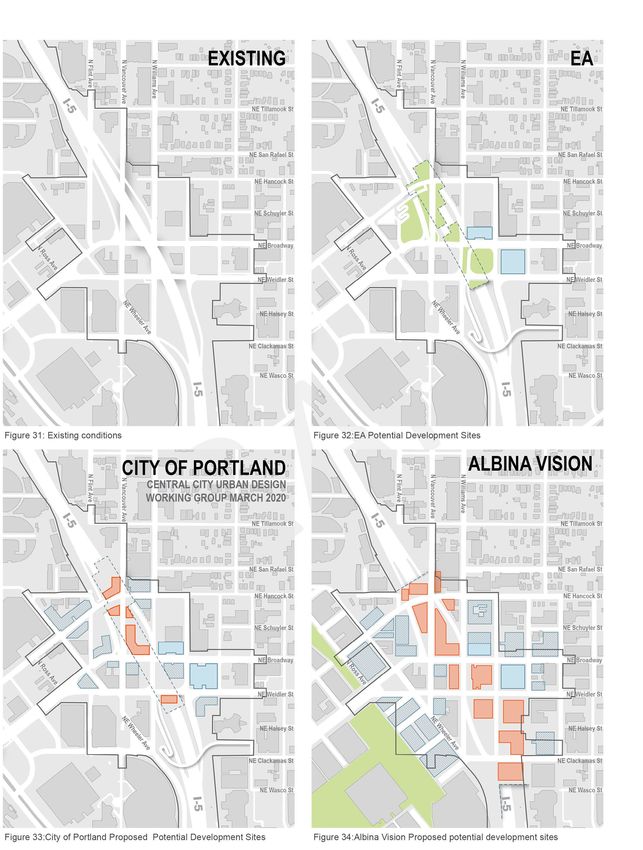
ESC Role
Directing the Independent Highway Cover Assessment consultant team in
assessing the highway cover design and recommending scenarios to be
presented to the OTC for direction and approval.

HC3 Role
The HC3 will serve as the staff working group to support the Independent Cover
Assessment Team’s development and refinement of the three development
scenarios and to review and provide input on the deliverables (to be considered
by) the ESC and OTC.

ICA Role
The consultant team is solely responsible for the analyses developed and
presented to the ESC, and will frame decisions, but not make
recommendations.

                                                                                  3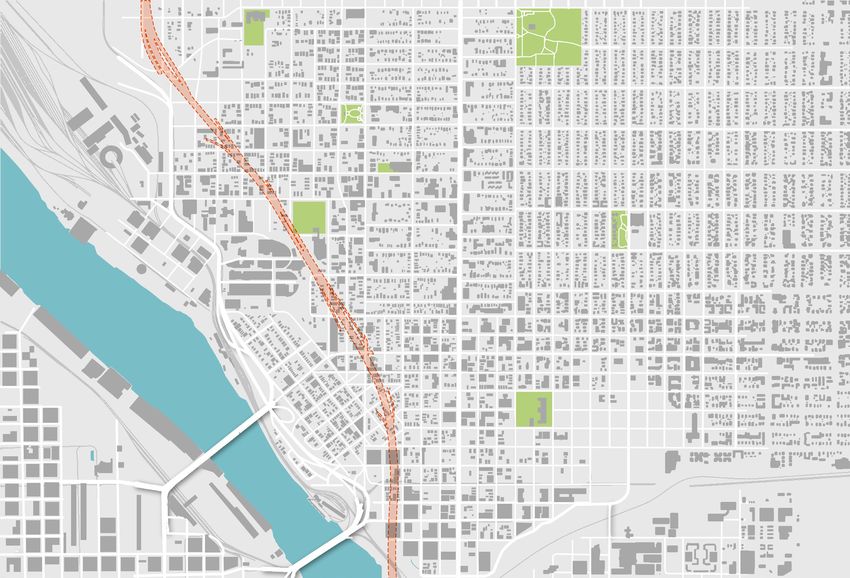
Process +
                     • Background Research
                     • Interviews

                                                                                                                        Milestones
                                                 • Prepare Case Studies
                                                 • Develop Development
                                                   Assessment Framework
                                                 • Test Against NEPA EA
                                FALL
 CO N SU LTANT                  2020
T E A M K ICK O FF

                                                                            • Refine Development
                 E S C IN T RODU CT ION                                       Assessment Framework
                                                           WINTER           • Create Scenario One &
                 • Pro c ess I nt ro ducti o n                                Scenario Two
                 • Interviews                              2020/21
                                                                                                        • Refine Scenario One & Scenario Two
                                                                                                        • Create Scenario Three
                                                                                                        • Prepare Cost & Constructability Memo
                                          W O RK S E S S ION 1                                          • Prepare Governance & Finance
                                          L IS T E N / A S S E SS                                         Strategies
                                          • Draft Development
                                            Assessment Framework
                                          • Share Preliminary                                                   R E COMM ENDAT IONS                     O T C DIR E CTION
                                            Assessment of NEPA EA                        SPRING                        TO OTC                           T O R Q IP T E A M
                                          • Share Case Studies                            2021
                                          • Gather Ideas for Scenarios

                                                                                                                                         O R E GON
                                                                                                                                   T R ANS PORTATION
                                                                         W O RK SE SSION 2                                             CO M M ISS ION
                                                                         IDE A T E / G E N E RATE                                        M E E T ING
                                                                         • Share & Evaluate
                                                                                                      W O RK SE SSION 3
                                                                           Scenarios One and Two
  CONSULTANT TEAM ACTIVITIES                                                                          E V A L UAT E / R E F INE
                                                                         • Gather Feedback for
                                                                                                      • Share New & Revised Scenarios
                                                                           Scenario Refinement
                                                                                                      • Review Cost & Constructability
                                                                         • ESC Recommendation on
                                                                           Scenario Three
                                                                                                        Memo                                 SUMMER
                                    ESC                                                               • Review Governance & Finance            2021
Community                           Meeting                                                             Strategies
Workshops                                                                                             • Consider ESC
                                    HAAB                                                                Recommendations to OTC                                               4
                                    Meeting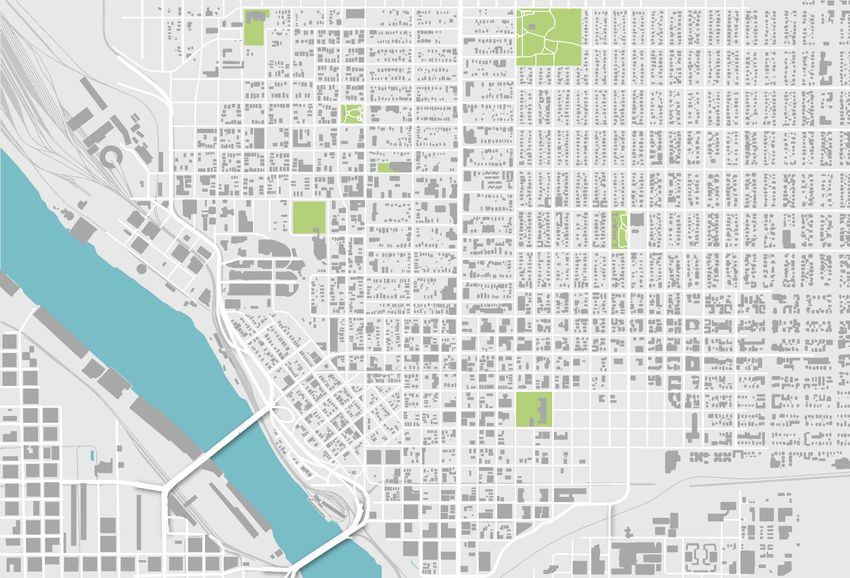
Facilitation Needs
   Assessment
  Draft Report
Facilitation Needs Assessment
Framing
•   Task 3.1 Facilitation Needs Assessment that informs the Task 3.2
    Implementation of Facilitation Needs Assessment.
•   Clarification on remaining questions.
•   Update on community engagement activities.

                                                                       6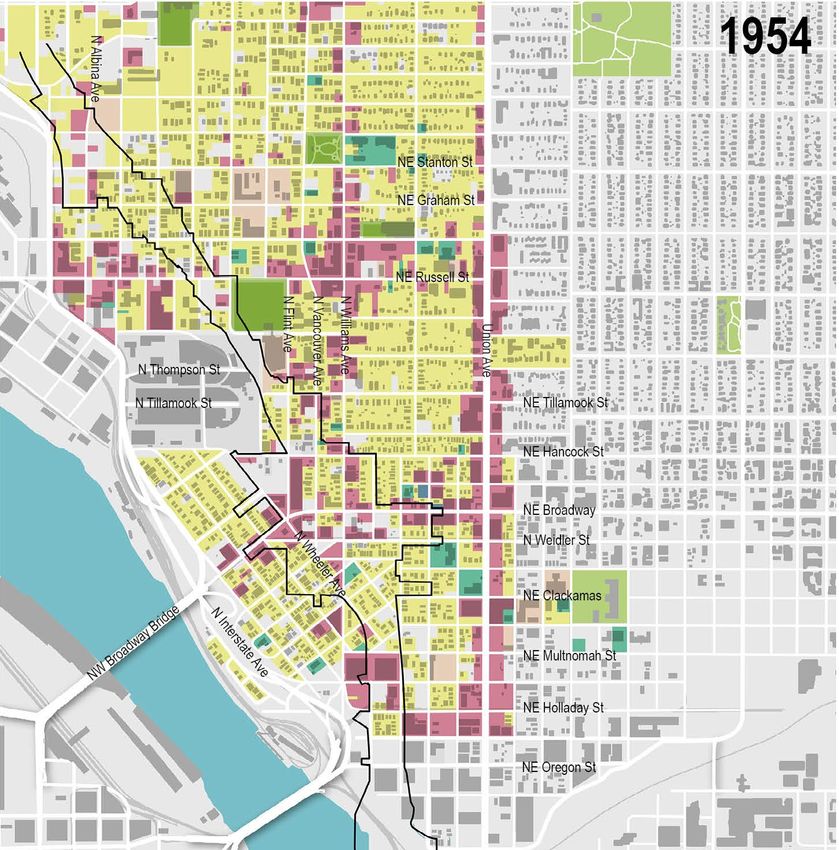
Facilitation Needs Assessment
Purpose
•   Define Independent Cover Assessment (ICA) Process
•   Integrate Cover Public Engagement with I-5 RQ Public Engagement
•   Define ICA Independence
•   Draft a Highway Cover Coordinating Committee (HC3) Charter
•   ESC alignment with approach in the Facilitation Needs Assessment
•   Many items have already been addressed in prior ESC meetings

                                                                       7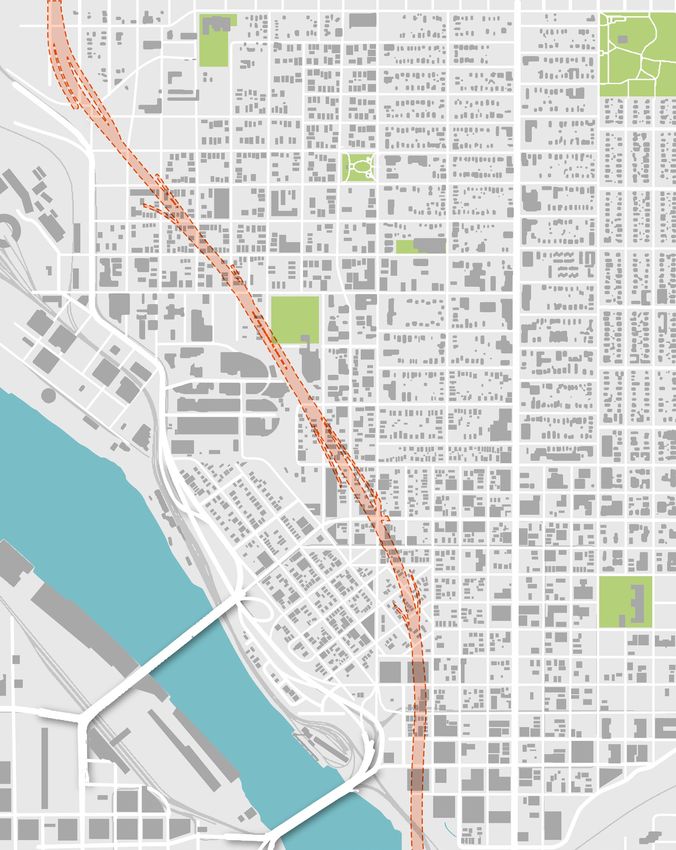
Facilitation Needs Assessment
Remaining Topics for ESC
•   Definition of “Community” for PI Work
•   Restorative Justice: Contextual Expectations for Covers
•   ICA Role and Independence in ESC Charter
•   Highway Cover Coordinating Committee (HC3) Role in the ESC Charter
•   Additional HC3 Members

                                                                         8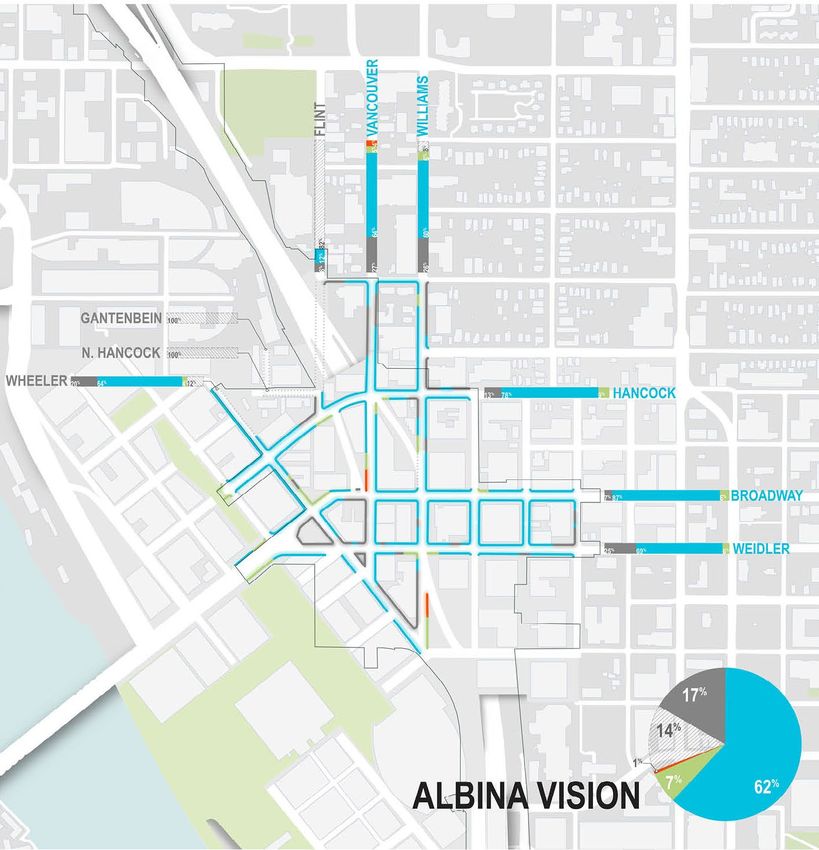
Facilitation Needs Assessment
ICA Independence in ESC Charter
The ICA team proposes the ESC add the following to the ESC Charter:
The ESC directs the Independent Highway Cover Assessment consultant team (ICA)
in assessing the highway cover design and creating the highway cover design
scenario(s) to be recommended to the OTC for direction and approval.

The term “independent” means the ICA team is not controlled by ODOT and is
guided by the ESC. The ICA team is objective and impartial. It advocates for a
transparent and inclusive process, but it does not advocate for any stakeholder, their
interests, or for a particular outcome. Being objective means the ICA team calls “balls
and strikes” as it sees them.

                                                                                          9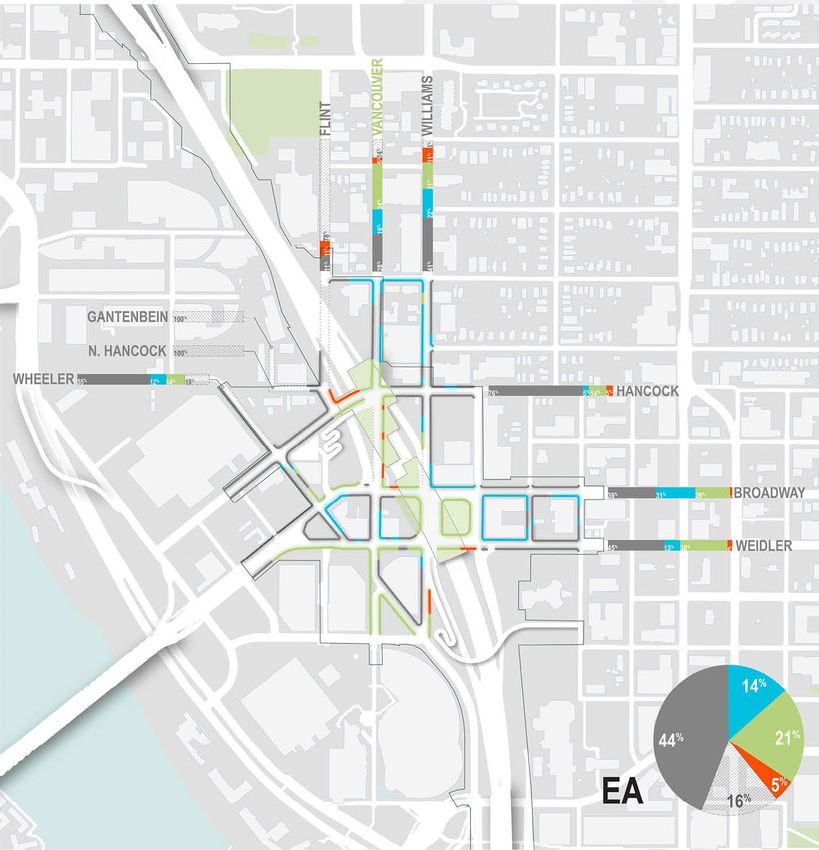
Facilitation Needs Assessment
HC3 Role in ESC Charter
ESC should consider adding this language to the ESC Charter:
The Highway Cover Coordinating Committee (HC3) will serve as the staff working group to
support the ICA team’s independent development and refinement of the three
development scenarios. It will review and provide input on the deliverables to be
considered by the ESC for its recommendation to the OTC. The HC3 will provide a forum for
the discussion of ICA work progress, schedule, change management, and other relevant
topics. It will also provide meaningful feedback to the ICA team on the cover process and
how information is communicated and fits into the overall I-5 RQ process. The HC3, with
representatives from ODOT, Metro and PPS (and information made available to the City,
County, and Albina Vision Trust). The ESC and HAAB facilitators, along with members of the
Owner’s Rep team, will participate for coordination purposes only.

ESC Discussion Questions:
• Is this language appropriate for the ESC Charter?
• Any suggestions for improvement?
                                                                                             10
Facilitation Needs Assessment
Additional HC3 Membership
Confirming ESC’s decision to add additional HC3 members/voices.
Conceptual Proposal: Increase existing HC3 membership to include the following
perspectives.
1. Representative(s) from the ESC selected by the ESC for purposes of providing ICA
oversight
• Consider adding non-governmental, community, and/or business voices
2. Representative(s) from the HAAB, to be selected by the HAAB
3. Representative(s) from the community at large, who have technical experience
and/or insights that are representative of the Historic Albina Community, to be
selected by the ESC from leaders in the community
11Facilitation Needs Assessment
Additional HC3 Member Criteria
• Connections to community and community organizations
• Experience with transportation policy and projects
• Experience with governance and finance
• Experience with community cohesion and community uplift
• Experience with urban revitalization
12Facilitation Needs Assessment
Additional HC3 Member Process
• ESC appoints ESC member(s) and community member(s) during the
January 2021 ESC meeting
• HAAB meets and appoints its own member(s) in January 2021
• If requested by the ESC:
ICA team can present list of candidates to the HC3 in a criteria matrix
HC3 can vet community candidates for ESC approval
HC3 or ICA team can contact potential candidates to confirm interest
ESC Discussion Questions:
• Suggestions on Criteria?
• Suggestions on Process/Timing?
13Community Engagement
Outreach Categories
Group A Nearby Businesses
Group B Nearby Non-Profit Organizations
/ Schools / Churches
Group C Residents of Albina
Neighborhoods
Group D Members of Historic Albina
Community, with emphasis on Black
community members & organizations
Group E Members of the General Public
14Facilitation Needs Assessment
Discussion 10min
• ESC Charter
• Additional HC3 members
• General alignment with outreach categories
• Items to carry to next meeting:
15Record Review
Record Review
Framing
•   Record Review is a shared document for project understanding serving
    ESC work.
•   Urban Design and Technical Record Review.
•   Observations found in the Record Review will be included in the
    Development Assessment Framework.

                                                                           17
Record Review
In Context
WE ARE HERE
Summer/Fall Winter 20/2021 Spring 2021 Summer 2021
2020
Listen / Assess FEBRUARY
Confirm Values & Outcomes
01 01
Review RQIP Documents
Evaluate NEPA Environmental Assessment
Draft Development Assessment Framework IDEAS
K I C K OFF
Ideate / Generate APRIL
Generate Scenarios
02 02
Evaluate Scenarios Against Values
Consider Developing Additional Scenario
FI NA L
R E POR T
Evaluate / Refine JUNE
Confirm Potential Partnerships That Add
03 03
Value While Evaluating Their Costs, Risks and
Revenue-Generating Potential. JULY
Work Sessions
ESC
Community Meeting
Workshops
HAAB
MeetingRecord Review
In Context Values +
Outcomes Matrix
Record Review
ESC Values Record Desired
+ Outcomes Review Lens Outcomes +
• Restorative Findings for: Opportunities
Justice • Community
Cohesion Desired community-
• Community Input
and Transparent
• Urban Design
r oriented benefits
that l everage
Decision-Making
opportunities to
• Mobil ity Focused • Governance + catal yz e and
r
Finance reinforce ESC Val ues
• Cl imate Action
and Outcomes on
and Improved
• Technical the highway covers.
Publ ic Heal th
Engineering
Decision Table Development Assessment
Framework
rRecord Review
Lenses
Community Governance Urban Design Technical
Cohesion + Finance Engineering
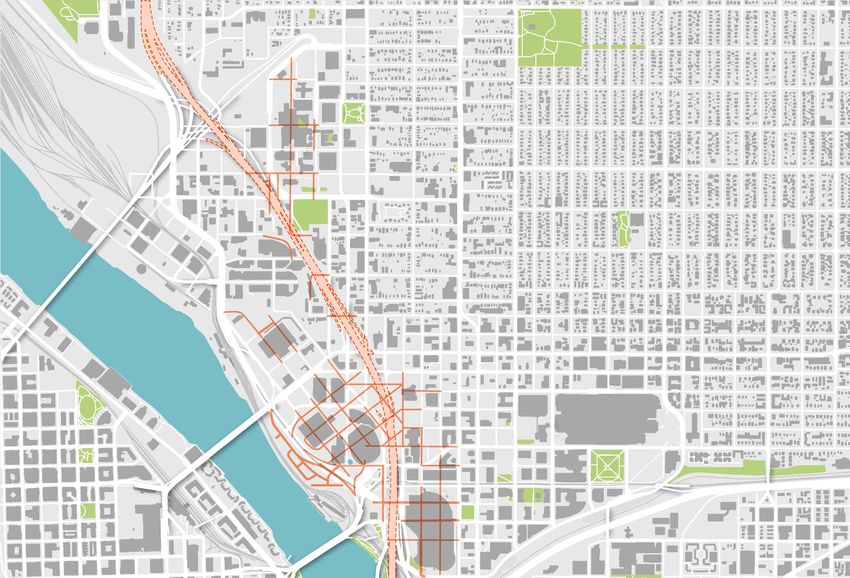
20Record Review Urban Design What we reviewed. The relevant documents and data. Our assessment. A summary of policies, plans, data and studies, with our analysis and findings. Urban Design lens. The urban design principles to which we applied our review and observations.
Urban Design
Documents + Data
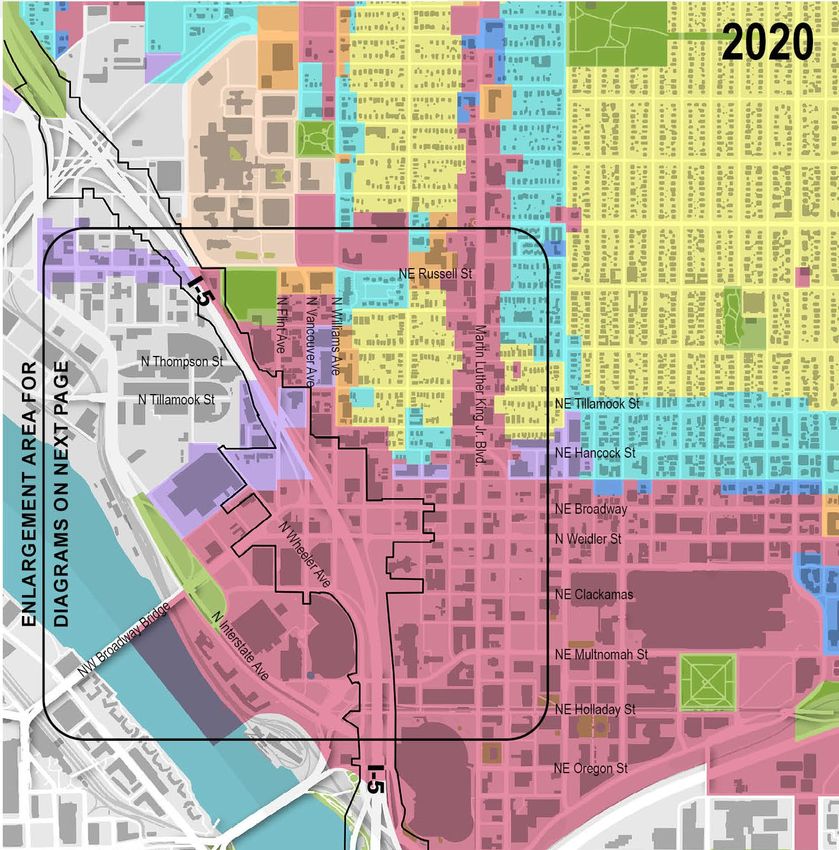
Historical Context
 ●   Historic maps, aerials and data

Current Physical Context
 ●   Existing maps, aerials and data

Applicable Policies + Plans
 ●   Adopted I-5 Broadway/Weidler Facility Plan
 ●   Adopted N/NE Quadrant Plan (Central City 2035)
 ●   NEPA Environmental Assessment
 ●   Albina Vision
N. Vancouver Ave.
                                                                      Historic

                    N. Williams Ave.
                                                                      Context
                                                                      The City of Portland - 1954

                                       Union Street
                                                      N Broadway
                                                      N Weidler St.
N. Vancouver Ave.
Historic
N. Williams Ave.
Context
The City of Portland - 1954
Union Street
N Broadway
N Weidler St.N. Vancouver Ave.
Existing
N. Williams Ave.
Conditions
The City of Portland - 2020
Martin Luther King Jr. Blvd.
N Broadway
N Weidler St.Urban Design Zoning
Plan Comparisons
Development
Plan Comparisons
Active Frontage

                   *The N/NE Quadrant Plan 2035 Performance Target
                   for active street edges is: At least 40% of street
                   frontages within the Lloyd District are occupied by
                   buildings oriented to the street.
Urban Design 1 Continuity
Lens
2 Connectivity
Urban design principles we have
applied in our assessment and 3 Character + Identity
observations.
4 Vitality
5 Resilience1 2 3
Continuity Connectivity Character + Identity
4 5
Vitality Urban ResilienceUrban Design Lens
Historic
Continuity
1 Buildings are similar in scale, mature
neighborhood tree canopy, consistent
street grid provides similar streetscape.
2 Connectivity
Small blocks and a well-connected street
network.
3 Character + Identity
Small-scale, diverse land uses, consists of a
large amount of housing. People are rooted
through their residence, profession and
social networks within the Albina
Community.
4 Vitality
Broadway and Union Ave. are a major
connectors proving access to retail and
commercial businesses.
5 Resilience
The green space at Harriet Tubman Middle
School supports the physical and mental
health of the community.Urban Design Lens
EA
Continuity
1 The proposed changes at the interchange alone
do not address continuity within the broader
neighborhood.
2 Connectivity
Two additional connections have been made at
Hancock/Dixon and the Clackamas Pedestrian
Overcrossing. The covers also provide additional
physical and visual connectivity.
3 Character + Identity
The covers’ program could add to the character
and identity of the neighborhood. Development
associated with the RQIP could serve the nearby
community and have an impact on the character
and identity.
4 Vitality
The additional connections with new
development could provide more opportunities
for businesses and street activity. The covers can
provide space for community activities.
Resilience
5 The covers’ open space can provide access to
green and natural environments and reduce
pervious surfaces and runoff. Increased
connections and enhanced bicycle/pedestrian
facilities can promote active transportation.Record Review
Discussion
Urban Design Review Discussion
Do these observations resonate with you?
Are there important outcomes related to Urban Design that you want the
ICA team to focus on?
33Record Review
Technical Engineering
Traffic Surface Streets I-5 Lanes + Cover
Community Cohesion
• Review community functions and characteristics
that contribute to community cohesion, restoration,
and justice in the Project Area.
• Consider plans, goals and objectives of the affected
communities.
34Record Review
Technical Engineering
• Linear growth rate assumed
Traffic
• Design speed 70 mph mainline, 25-30 mph
ramps
• “Passive approach” to avoid adverse impacts
Surface Streets on streets
• Safety benefits not clearly demonstrated
• New auxiliary lanes and shoulders
• Covers can accommodate greenspace to 2-
I-5 Lanes + Covers story structures
• Vertical clearance over I-5 is governing cover
shape
35Record Review
Discussion
Technical Review Discussion
Do these observations resonate with you?
Are there important outcomes related to Technical Engineering that you
want the ICA team to focus on?
36Development Assessment
FrameworkPreview, Development Assessment
Framework
Framing
What is the Development Assessment Framework?
Preview how the ICA team can propose a strategy to organize the Record
Review Outcomes that don’t fall logically under the four ESC Values and
present/review with the ESC in January in preparation for Work Session 1.
38Project
Timeline
W e a r e H er eDevelopment Assessment Framework
In Context Values +
Outcomes Matrix
Record Review
ESC Values Record Desired
+ Outcomes Review Lens Outcomes +
• Restorative Findings for: Opportunities
Justice • Community
Cohesion Desired community-
• Community Input
and Transparent
• Urban Design
r oriented benefits
that l everage
Decision-Making
opportunities to
• Mobil ity Focused • Governance + catal yz e and
r
Finance reinforce ESC Val ues
• Cl imate Action
and Outcomes on
and Improved
• Technical the highway covers.
Publ ic Heal th
Engineering
Work Session 1
Decision Table Development Assessment
Framework
rScenario
Base
Development
DR A FT
Case
DE V E L OP MENT
A SS E SS MENT
F R A MEWORK
W O RK SE SSION 1
DE CIS ION L IST E N / A SSE SS
TABLE
S c enari o S c enari o
R E F INE 1 2
D E V E L O PME N T
A S S E S S ME N T
F R A ME WO RK
W O RK SE SSION 2
D E C I S IO N T A B L E IDE A T E / G E N E RATE
S c enari o
3
D E V E L O PME N T
A S S E S S ME N T
F R A ME WO RK
W O RK SE SSION 3
D E C I S IO N T A B L E E V A L UAT E / R E F INE
ESC
Community Meeting
Workshops HAAB
ESC Recommendation to OTC MeetingESC Values +
Outcomes
ICA team is using ESC values to organize ESC identified outcomes along with
outcomes identified during our Record Review.
1. Urban Design Record Review Outcome: Under ESC Restorative Justice - Secure
project benefits to the African American community and physical assets for community
building should be clearly defined or targeted in the EA. Adverse cumulative effects to
these community assets should be assessed, evaluated, and valued.
42ESC Values +
Outcomes
Not all outcomes identified in the Record Review fit neatly into the ESC
values. The Development Assessment Framework may benefit from
additional categories of outcomes.
6. Urban Design Lens Record Review Outcome: Urban form should communicate
the ethnic, racial, or cultural identity of the Historic Albina Community through the
organization and appearance of the rebuilt neighborhood.
43Development Assessment Framework
Discussion
Next Steps
• ICA will propose a strategy to organize the outcomes that don’t fall
logically under the four ESC Values and present/review with the ESC in
January.
• ICA will propose key outcomes that support a vision for the Historic
Albina Neighborhood to discuss during Work Session 1.
44Next Steps
Thank
 You
Facilitation Needs Assessment
Defining Community
The Rose Quarter/Lower Albina is a major regional node within the central city, so the
concept of community can be construed quite broadly to include those who live,
work, and learn in the areas near the Rose Quarter Interchange, as well as those who
visit the area for commerce, recreation, and entertainment. Given the history of
urban renewal in Lower Albina, and guided by the ESC Values and Outcomes, our
definition of community emphasizes a racial equity lens because the historic Albina
African American communities were displaced and deprived of generational wealth
creation. The Independent Cover Assessment can help to right these past wrongs by
elevating the voices of Black Portlanders and communities of color to ensure that the
benefits of highway cover scenarios deliver benefits prioritized by this historically
impacted community.

                                                                                         48
Facilitation Needs Assessment
Community: What this means
• Focus is on the Black/African American Historic Albina Community
• Black/African American voices will be elevated, particularly with
respect to Restorative Justice issues
• Historic Albina includes the neighborhoods along I-5 from the project
area through historic Vanport
• Work closely with the HAAB
• Include members of other historically marginalized groups
• Include others who live, work & play in the area
ESC Discussion Questions:
• Is this definition and its meaning appropriate for the ICA work?
• Any suggestions for improvement?
49Facilitation Needs Assessment
Restorative Justice Expectations for Cover Scenarios
• Scenario process will provide opportunity to place special weight on Restorative
Justice/Wealth Generation for Black Portlanders
• To establish realistic expectations, the ICA team proposes the following statement
for ESC consideration:
o Establishing and maintaining trust involves the setting of clear expectations
about what the covers can and cannot deliver
o Explore cover scenarios, their design, and how their development could be
financed and governed in collaboration with the community
o ESC’s cover recommendation is a key step in providing restorative justice
o Sets stage for the project partners to implement the governance and finance
work needed in the future to deliver and sustain real progress and effective
community building
ESC Discussion Questions:
• Is this statement appropriate for the ICA work?
• Any suggestions for improvement?
50Facilitation Needs Assessment
ICA Independence in ESC Charter
The ICA team proposes the ESC add the following to the ESC Charter:
The ESC directs the Independent Highway Cover Assessment consultant team (ICA)
in assessing the highway cover design and creating the highway cover design
scenario(s) to be recommended to the OTC for direction and approval.
The term “independent” means the ICA team is not controlled by ODOT and is
guided by the ESC. The ICA team is objective and impartial. It advocates for a
transparent and inclusive process, but it does not advocate for any stakeholder, their
interests, or for a particular outcome. Being objective means the ICA team calls “balls
and strikes” as it sees them.
51Facilitation Needs Assessment
ICA Independence: What this means
• ICA will complete its scope based on its independent professional judgment and
expertise
• While ODOT administers the scope, any substantive changes, or clarifications to it
shall be reviewed by HC3 and, if necessary, the ESC for its recommendation
• The ICA team will interact with the ODOT technical team as needed to collect
data or other resources, but ODOT will not direct the ICA team’s outcomes
• The ICA team will not act on conversations that do not occur in public without
direction of the HC3 or ESC
• The ICA team may use ODOT meeting support to avoid duplication of effort and
increase efficiencies
• The ICA facilitator will regularly monitor and report both to the APD and the ESC
on compliance with the above
ESC Discussion Questions:
• Is this language and what it means appropriate for the ESC Charter?
• Any suggestions for improvement?
52You can also read


