EUROCONTROL Training 2018
←
→
Page content transcription
If your browser does not render page correctly, please read the page content below
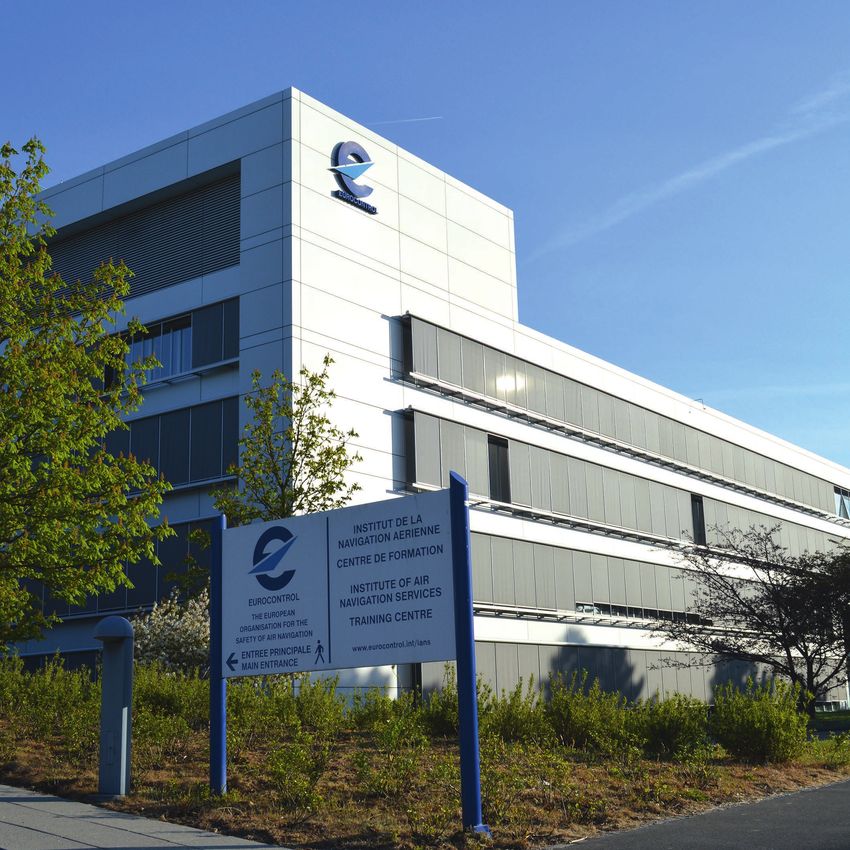
EUROCONTROL

          EUROCONTROL Training 2018

Design by: Dorotea Giunta
Address:     EUROCONTROL Institute of Air Navigation Services   Reaching the Institute by Bus:
             12, rue Antoine de Saint Exupéry                   From Luxembourg city centre
             L-1432 Kirchberg                                           take line 18 -
             Luxembourg                                                 Bus stop ‘Antoine de St Exupéry’
             LUXEMBOURG                                         From Luxembourg Airport
                                                                        take line 16 EUROBUS -
Telephone:   + 352 43 60 611
                                                                        Bus stop ‘D’Coque’
Fax:         + 352 43 60 61 651

Web:         www.eurocontrol.int/ians

Position:    N 49° 37.514’ E 006° 09.062’
Foreword

The forecasts all agree that 2018 will be a year of continued traffic growth.
Matching capacity to demand will remain a top priority for ANSPs and
airports. If we are to meet this challenge, adequate training for the staff
of ANSPs, airports and CAAs is essential.

Here at IANS we are committed to providing the training solutions you
need, where you need them. This may be at your premises or here at the
Training Institute in Luxembourg. Keep in mind that the courses deliv-
ered here have the distinct advantage of allowing your staff to discuss
what they learn with their peers from other parts of the world. Having a
course delivered on site also means that you can probably make it avail-
able to more of your staff members at the same cost.

For 2018 you will see that our courses already reflect the requirements
of European Union Regulation 2017/373, allowing you to prepare
adequately for its application in 2020. This may seem a little soon, but we
are convinced that from a training point of view 2020 is just around the
corner. This is part of our commitment to do everything we can to help
ANSPs, airports and CAAs to implement the EU regulations.

Our language proficiency test (ELPAC) and our controller selection tool
(FEAST) remain the best in class in their respective domains. Supported
by improved platforms, they give you access to the information you want
from the tests. The administrator/examiner courses are covered in this
brochure.

We hope to welcome you again onto one of our courses in 2018!

Alex Wandels
Head of the Institute of Air Navigation Services
Network Manager Directorate

                                                               3
For more information and registration: https://trainingzone.eurocontrol.int

Introduction

 EUROCONTROL TRAINING 2018

The EUROCONTROL Institute of Air Navigation Services (IANS) is EUROCONTROL’s training centre, located in Luxembourg. It is recognised
as a centre of excellence for providing advanced air traffic management (ATM) training, comprising both classroom and e-learning courses,
as well as training standards, tools and programmes.

This brochure provides information about the range of training products and services available from EUROCONTROL in 2018. The brochure
has five parts. The first part describes how to register for a course. The second and third part provide information about the different
training programmes provided by EUROCONTROL as well as the range of EUROCONTROL training courses (delivered in a traditional class-
room setting or as e-learning via the EUROCONTROL Training Zone). More detailed and up-to-date information for each course is available
on the Training Zone within the online catalogue of training products at https://trainingzone.eurocontrol.int/catalogue.htm. The fourth
part contains details of EUROCONTROL training tools. The final part describes EUROCONTROL training support services.

This brochure is also available in PDF at https://trainingzone.eurocontrol.int/brochure.htm

 EUROCONTROL TRAINING ZONE

The EUROCONTROL Training Zone is a digital learning environment that supports classroom and e-learning training. The Training Zone is
used by thousands of individual users to consult available courses, receive pre-course information and training material, to study online
and to interact with each other.

Direct your browser to: http://trainingzone.eurocontrol.int.

 KEEPING IN TOUCH

            Follow us on Facebook via www.facebook.com/EUROCONTROL.IANS

            OR

            Join the LinkedIN group “Alumni and Friends of the EUROCONTROL Institute of
            Air Navigation Services” (http://linkedin.com).

                                                               5
For more information and registration: https://trainingzone.eurocontrol.int

Contents

  Foreword  .  .  .  .  .  .  .  .  .  .  .  .  .  .  .  .  .  .  .  .  .  .  .  .  .  .  .  .  .  .  .  .  .  .  .  .  .  .  .  .  .  .  .  .  .  .  .  .  .  .  .  .  .  .  .  .  .  .  .  .  .  .  .  .  .  .  .  .  .  .  .  .  .3
  Introduction  .  .  .  .  .  .  .  .  .  .  .  .  .  .  .  .  .  .  .  .  .  .  .  .  .  .  .  .  .  .  .  .  .  .  .  .  .  .  .  .  .  .  .  .  .  .  .  .  .  .  .  .  .  .  .  .  .  .  .  .  .  .  .  .  .  .  .  .  .  .  .5
  Contents  .  .  .  .  .  .  .  .  .  .  .  .  .  .  .  .  .  .  .  .  .  .  .  .  .  .  .  .  .  .  .  .  .  .  .  .  .  .  .  .  .  .  .  .  .  .  .  .  .  .  .  .  .  .  .  .  .  .  .  .  .  .  .  .  .  .  .  .  .  .  .  .  . 7

PART 1 - REGISTRATION                                                                                                                                                                                                              9
  Introduction  .  .  .  .  .  .  .  .  .  .  .  .  .  .  .  .  .  .  .  .  .  .  .  .  .  .  .  .  .  .  .  .  .  .  .  .  .  .  .  .  .  .  .  .  .  .  .  .  .  .  .  .  .  .  .  .  .  .  .  .  .  .  .  .  .  .  .  .  .  . 11
  IANS Classroom Courses - How to Register?  .  .  .  .  .  .  .  .  .  .  .  .  .  .  .  .  .  .  .  .  .  .  .  .  .  .  .  .  .  .  .  .  .  .  .  .  .  .  .  .  .  .  .  .  .  .  .  .  .  . 12
  E-Learning and Virtual Classroom Training - How to Register?  .  .  .  .  .  .  .  .  .  .  .  .  .  .  .  .  .  .  .  .  .  .  .  .  .  .  .  .  .  .  .  .  .  .  .  .  .  .  . 13
PART 2 - TRAINING PROGRAMMES                                                                                                                                                                                                    15
  Reporting and Investigation of ATM Safety Occurences  .  .  .  .  .  .  .  .  .  .  .  .  .  .  .  .  .  .  .  .  .  .  .  .  .  .  .  .  .  .  .  .  .  .  .  .  .  .  .  .  .  .  . 17
  Oversight of Changes as per Reg. 1034/2011  .  .  .  .  .  .  .  .  .  .  .  .  .  .  .  .  .  .  .  .  .  .  .  .  .  .  .  .  .  .  .  .  .  .  .  .  .  .  .  .  .  .  .  .  .  .  .  .  .  . 18
  Oversight of changes as per Reg. 2017/373  .  .  .  .  .  .  .  .  .  .  .  .  .  .  .  .  .  .  .  .  .  .  .  .  .  .  .  .  .  .  .  .  .  .  .  .  .  .  .  .  .  .  .  .  .  .  .  .  .  .  . 19
  Audit Techniques and Management of an Audit Programme  .  .  .  .  .  .  .  .  .  .  .  .  .  .  .  .  .  .  .  .  .  .  .  .  .  .  .  .  .  .  .  .  .  .  .  .  .  .  .  . 20
  Oversight of Safety Management Systems  .  .  .  .  .  .  .  .  .  .  .  .  .  .  .  .  .  .  .  .  .  .  .  .  .  .  .  .  .  .  .  .  .  .  .  .  .  .  .  .  .  .  .  .  .  .  .  .  .  .  . 21
  Planning and Conduct of Safety Survey  .  .  .  .  .  .  .  .  .  .  .  .  .  .  .  .  .  .  .  .  .  .  .  .  .  .  .  .  .  .  .  .  .  .  .  .  .  .  .  .  .  .  .  .  .  .  .  .  .  .  .  .  . 22
  Safety Assessment of Changes as per Reg. 1035/2011  .  .  .  .  .  .  .  .  .  .  .  .  .  .  .  .  .  .  .  .  .  .  .  .  .  .  .  .  .  .  .  .  .  .  .  .  .  .  .  .  .  .  .  . 23
  Management and Assessment of Changes as per Reg. 2017/373 .  .  .  .  .  .  .  .  .  .  .  .  .  .  .  .  .  .  .  .  .  .  .  .  .  .  .  .  .  .  .  .  .  .  .  .  .  . 24
  NSA Training Programme  .  .  .  .  .  .  .  .  .  .  .  .  .  .  .  .  .  .  .  .  .  .  .  .  .  .  .  .  .  .  .  .  .  .  .  .  .  .  .  .  .  .  .  .  .  .  .  .  .  .  .  .  .  .  .  .  .  .  .  .  .  . 25
  ATC Trainer Programme  .  .  .  .  .  .  .  .  .  .  .  .  .  .  .  .  .  .  .  .  .  .  .  .  .  .  .  .  .  .  .  .  .  .  .  .  .  .  .  .  .  .  .  .  .  .  .  .  .  .  .  .  .  .  .  .  .  .  .  .  .  .  . 27
PART 3 - TRAINING COURSES                                                                                                                                                                                                       29
  General Air Traffic Management  .  .  .  .  .  .  .  .  .  .  .  .  .  .  .  .  .  .  .  .  .  .  .  .  .  .  .  .  .  .  .  .  .  .  .  .  .  .  .  .  .  .  .  .  .  .  .  .  .  .  .  .  .  .  .  .  .  . 31
  Airspace Management  .  .  .  .  .  .  .  .  .  .  .  .  .  .  .  .  .  .  .  .  .  .  .  .  .  .  .  .  .  .  .  .  .  .  .  .  .  .  .  .  .  .  .  .  .  .  .  .  .  .  .  .  .  .  .  .  .  .  .  .  .  .  .  . 35
  Network Operations  .  .  .  .  .  .  .  .  .  .  .  .  .  .  .  .  .  .  .  .  .  .  .  .  .  .  .  .  .  .  .  .  .  .  .  .  .  .  .  .  .  .  .  .  .  .  .  .  .  .  .  .  .  .  .  .  .  .  .  .  .  .  .  .  . 37
  Airport Integration and Throughput  .  .  .  .  .  .  .  .  .  .  .  .  .  .  .  .  .  .  .  .  .  .  .  .  .  .  .  .  .  .  .  .  .  .  .  .  .  .  .  .  .  .  .  .  .  .  .  .  .  .  .  .  .  .  . 43
  Environment  .  .  .  .  .  .  .  .  .  .  .  .  .  .  .  .  .  .  .  .  .  .  .  .  .  .  .  .  .  .  .  .  .  .  .  .  .  .  .  .  .  .  .  .  .  .  .  .  .  .  .  .  .  .  .  .  .  .  .  .  .  .  .  .  .  .  .  .  . 47
  Information Management  .  .  .  .  .  .  .  .  .  .  .  .  .  .  .  .  .  .  .  .  .  .  .  .  .  .  .  .  .  .  .  .  .  .  .  .  .  .  .  .  .  .  .  .  .  .  .  .  .  .  .  .  .  .  .  .  .  .  .  .  . 49
  Communications  .  .  .  .  .  .  .  .  .  .  .  .  .  .  .  .  .  .  .  .  .  .  .  .  .  .  .  .  .  .  .  .  .  .  .  .  .  .  .  .  .  .  .  .  .  .  .  .  .  .  .  .  .  .  .  .  .  .  .  .  .  .  .  .  .  .  . 51
  Navigation  .  .  .  .  .  .  .  .  .  .  .  .  .  .  .  .  .  .  .  .  .  .  .  .  .  .  .  .  .  .  .  .  .  .  .  .  .  .  .  .  .  .  .  .  .  .  .  .  .  .  .  .  .  .  .  .  .  .  .  .  .  .  .  .  .  .  .  .  .  .  . 53
  Surveillance  .  .  .  .  .  .  .  .  .  .  .  .  .  .  .  .  .  .  .  .  .  .  .  .  .  .  .  .  .  .  .  .  .  .  .  .  .  .  .  .  .  .  .  .  .  .  .  .  .  .  .  .  .  .  .  .  .  .  .  .  .  .  .  .  .  .  .  .  .  . 55
  Data Processing  .  .  .  .  .  .  .  .  .  .  .  .  .  .  .  .  .  .  .  .  .  .  .  .  .  .  .  .  .  .  .  .  .  .  .  .  .  .  .  .  .  .  .  .  .  .  .  .  .  .  .  .  .  .  .  .  .  .  .  .  .  .  .  .  .  .  .  . 59
  Safety Management  .  .  .  .  .  .  .  .  .  .  .  .  .  .  .  .  .  .  .  .  .  .  .  .  .  .  .  .  .  .  .  .  .  .  .  .  .  .  .  .  .  .  .  .  .  .  .  .  .  .  .  .  .  .  .  .  .  .  .  .  .  .  .  .  . 61
  Security Management  .  .  .  .  .  .  .  .  .  .  .  .  .  .  .  .  .  .  .  .  .  .  .  .  .  .  .  .  .  .  .  .  .  .  .  .  .  .  .  .  .  .  .  .  .  .  .  .  .  .  .  .  .  .  .  .  .  .  .  .  .  .  .  . 69
  Human Performance in ATM  .  .  .  .  .  .  .  .  .  .  .  .  .  .  .  .  .  .  .  .  .  .  .  .  .  .  .  .  .  .  .  .  .  .  .  .  .  .  .  .  .  .  .  .  .  .  .  .  .  .  .  .  .  .  .  .  .  .  .  . 71
  EU Legislation for the Signle European Sky (ATM/ANS)  .  .  .  .  .  .  .  .  .  .  .  .  .  .  .  .  .  .  .  .  .  .  .  .  .  .  .  .  .  .  .  .  .  .  .  .  .  .  .  .  .  .  .  . 75
  ATC Training  .  .  .  .  .  .  .  .  .  .  .  .  .  .  .  .  .  .  .  .  .  .  .  .  .  .  .  .  .  .  .  .  .  .  .  .  .  .  .  .  .  .  .  .  .  .  .  .  .  .  .  .  .  .  .  .  .  .  .  .  .  .  .  .  .  .  .  .  .  . 81

                                                                                                        7
Contents

PART 4 - TRAINING TOOLS                                                                                                                                                                                                  89
  First European ATCO Selection Test (FEAST)  .  .  .  .  .  .  .  .  .  .  .  .  .  .  .  .  .  .  .  .  .  .  .  .  .  .  .  .  .  .  .  .  .  .  .  .  .  .  .  .  .  .  .  .  .  .  .  .  .  .  . 90
  English Language Proficiency for Aeronautical Communication (ELPAC)  .  .  .  .  .  .  .  .  .  .  .  .  .  .  .  .  .  .  .  .  .  .  .  .  .  .  .  .  .  .  .  .  . 92
  Radar Skills Trainer (RST) .  .  .  .  .  .  .  .  .  .  .  .  .  .  .  .  .  .  .  .  .  .  .  .  .  .  .  .  .  .  .  .  .  .  .  .  .  .  .  .  .  .  .  .  .  .  .  .  .  .  .  .  .  .  .  .  .  .  .  .  .  .  . 93

PART 5: TRAINING SUPPORT SERVICES                                                                                                                                                                                        95
  Training Zone for Organisations  .  .  .  .  .  .  .  .  .  .  .  .  .  .  .  .  .  .  .  .  .  .  .  .  .  .  .  .  .  .  .  .  .  .  .  .  .  .  .  .  .  .  .  .  .  .  .  .  .  .  .  .  .  .  .  .  .  . 97
  License to Use Eurocontrol Training Material  .  .  .  .  .  .  .  .  .  .  .  .  .  .  .  .  .  .  .  .  .  .  .  .  .  .  .  .  .  .  .  .  .  .  .  .  .  .  .  .  .  .  .  .  .  .  .  .  .  . 97
  ATC Simulation Facilities  .  .  .  .  .  .  .  .  .  .  .  .  .  .  .  .  .  .  .  .  .  .  .  .  .  .  .  .  .  .  .  .  .  .  .  .  .  .  .  .  .  .  .  .  .  .  .  .  .  .  .  .  .  .  .  .  .  .  .  .  .  .  . 97
  On-site or Tailor Made Training Courses  .  .  .  .  .  .  .  .  .  .  .  .  .  .  .  .  .  .  .  .  .  .  .  .  .  .  .  .  .  .  .  .  .  .  .  .  .  .  .  .  .  .  .  .  .  .  .  .  .  .  .  .  . 98
  Training Expertise  .  .  .  .  .  .  .  .  .  .  .  .  .  .  .  .  .  .  .  .  .  .  .  .  .  .  .  .  .  .  .  .  .  .  .  .  .  .  .  .  .  .  .  .  .  .  .  .  .  .  .  .  .  .  .  .  .  .  .  .  .  .  .  .  .  .  . 98
  Conference Facilities and Aviation Library  .  .  .  .  .  .  .  .  .  .  .  .  .  .  .  .  .  .  .  .  .  .  .  .  .  .  .  .  .  .  .  .  .  .  .  .  .  .  .  .  .  .  .  .  .  .  .  .  .  .  . 98
  Index of courses . . . . . . . . . . . . . . . . . . . . . . . . . . . . . . . . . . . . . . . . . . . . . . . . . . . . . . . . . . . . . . . . . . . 99

                                                                                                                        8
Registration

          1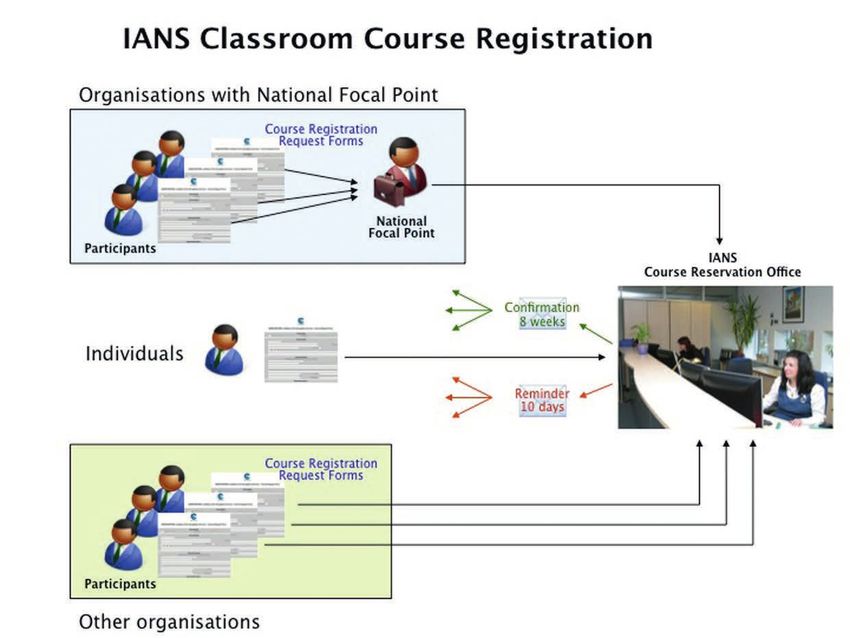
Registration

For more information and registration: https://trainingzone.eurocontrol.int   10
Registration

 INTRODUCTION

This part of the brochure describes the arrangements for following EUROCONTROL training.

Training portfolio
The current training portfolio and individual course delivery dates are always available online through the EUROCONTROL Training Zone
(https://trainingzone.eurocontrol.int).

You can access to the training portfolio by selecting “Training Catalogue” without having to create an account or login. The training port-
folio is continuously updated to try to best suit stakeholders’ needs and customer demand. The planned course availability and course
delivery dates might therefore be altered prior to confirmation of a participant’s course.

Training Zone login
Registration on courses or access to some of the content requires a Training Zone login.

An individual Training Zone user account is free of charge and can be made by filling in the self-registration form on the home page of
the EUROCONTROL Training Zone.

Course Reservation Office
The EUROCONTROL Training Institute Course Reservation Office (CRO) plays a central role in the management of requests. It is the central
point of contact for any information related to registration and enrolment.

Contacting the Course Reservation Office:
By e-mail: ians.reservation@eurocontrol.int

By telephone: +352 43 60 61 205 or +352 43 60 61 307

By mail: Course Reservation Office
         EUROCONTROL Institute of Air Navigation Services
         12, rue Antoine de Saint-Exupéry
         L-1432 Luxembourg
         LUXEMBOURG

                                                               11                     For more information and registration: https://trainingzone.eurocontrol.int
Registration IANS CLASSROOM COURSES - HOW TO REGISTER? Requests for course participation are made by submitting an online course registration request form (form: http://trainingzone.eurocontrol.int/CourseRequest.htm). Course registration requests should include as much of the requested information as possible. This will enable places to be allocated in accordance with the policies for priorities agreed by EUROCONTROL Member States. National Focal Points National Focal Points act as local representatives of the Institute, providing a source of information about our training, and will often be able to answer a wide variety of questions about the training that is available and related issues. Some States have nominated more than one Focal Point, each representing a particular group or organisation. Details of all National Focal Points are available at (http://trainingzone.eurocontrol.int/ListFP.htm). For organisations with a Focal Point The course registration request form should be submitted to the National Focal Point-see above for more details. For organisations without a Focal Point The course registration request form and/or requests for further information about our classroom training courses may be submitted directly to the Institute’s Course Reservation Office. For individuals The course registration request form and/or requests for further information about our classroom training courses may be submitted directly to the Institute’s Course Reservation Office. Registration requests submitted by individuals are usually subject to a tuition fee; contact the Institute’s Course Reservation Office for more details. Notification of course confirmation Latest by eight weeks before the start of the course, the Institute’s Course Reservation Office sends a confirmation email to the course participant and the National Focal Point. The email contains useful information about getting to the Institute and details of any preparatory work that should be completed a few weeks before the course starts. In addition a reminder email is sent 10 days before the start of the course. For more information and registration: https://trainingzone.eurocontrol.int 12
Registration

If you are unable to take up an allocated place on a training course
Demand for places on our classroom training courses exceeds availability. Because of this, course participants who have been allocated a
place but are unable to attend are asked to notify the Institute’s Course Reservation Office as soon as possible through the National Focal
Point. Early notification that an allocated place will not be taken up will enable the Course Reservation Office to re-allocate the place if at all
possible. As with a course registration request, notification that an allocated place will not be taken up should be forwarded to the Course
Reservation Office by the National Focal Point to ensure that both your own organisation and the Institute are fully informed.

Accommodation in Luxembourg
There is a wide range of hotels available in Luxembourg which are conveniently located for those visiting the Institute. Further details
about the location of local hotels can be found through the Institute’s web site at http://www.eurocontrol.int/how-reach-training-institute.

EUROCONTROL has negotiated preferential rates with many of the local hotels. To benefit from this special arrangement you should
specify the appropriate booking code when you reserve your hotel accommodation. The relevant National Focal Point can provide the
necessary booking code.

If you do not have a Focal Point and wish to take advantage of the preferential rates, where they are available, please contact the Course
Reservation Office by e-mail at ians.reservation@eurocontrol.int.

 E-LEARNING AND VIRTUAL CLASSROOM TRAINING - HOW TO REGISTER?

Direct access
Some e-learning modules are available through the EUROCONTROL Training Zone without any need for registration. These modules are
made available through the “Direct-Access Modules” catalogue in the EUROCONTROL Training Zone:
http://trainingzone.eurocontrol.int/directaccess.htm.

Registered access
Registration is required for most e-learning modules and for all virtual classroom courses. The completion of e-learning modules is often
a pre-requisite to the attendance of virtual classroom or classroom courses. Registration is free of charge and is performed via the self-
registration form available on the home page of the EUROCONTROL Training Zone.

Note on tracking
No group monitoring or tracking of progress is possible for direct access e-learning modules or for individual registration. Organisations
wishing to monitor the progress of their students should refer to the Training Zone for Organisations (see Part 5 of this brochure).

                                                                  13                       For more information and registration: https://trainingzone.eurocontrol.int
For more information and registration: https://trainingzone.eurocontrol.int 14
TRAINING
PROGRAMMES

         2
EUROCONTROL Training Programmes EUROCONTROL Training Programmes In the recent years we are witnessing ever growing recognition of the importance of the proper training and competence of staff performing different tasks in an NSA or in an ATM/ANS service provider. Whether driven by regulation or by the speed of change in ATM, there is an increasing need for qualifications/competencies for staff performing a wide range of tasks. The following part contains information about EUROCONTROL training programmes designed with a purpose to empower the staff members with the required knowledge/competencies for performing specific tasks. n Reporting and Investigation of Safety Occurrences (LEX-PRG-OCC) n Oversight of Changes as per Reg. 1034/2011 (LEX-PRG-CHG-1034) n Oversight of Changes as per Regulation 2017/373 (LEX-PRG-CHG-373) - NEW n Audit Techniques and Management of an Audit Programme (LEX-PRG-AUDIT) n Oversight of Safety Management Systems (LEX-PRG-SMS) n Planning and Conduct of Safety Survey (LEX-PRG-SURVEY) n Safety Assessment of Changes as per Reg. 1035/2011(SAF-PRG-CHG-1035) n Management and Assessment of Changes as per Reg. 2017/373 (SAF-PRG-CHG-373) - NEW n NSA Training Programme (LEX-PRG-NSA) n ATC Trainer Programme (HUM-PRG-ATC-T) - NEW For more information and registration: https://trainingzone.eurocontrol.int 16
Reporting and Investigation of ATM Safety Occurences - [LEX-PRG-OCC]

Objectives                                                                            Mandatory pre-requisite
After completing this training programme, participants will be able to assist in:     See description of each of the courses included in this training programme.
n the investigation of ATM-related safety occurrences;
n the oversight of the national implementation of the safety occurrence               Certificate
    reporting and assessment regulations.                                             Certificates will be awarded for each course. In addition, participants who
                                                                                      complete the programme will be awarded a certificate of achievement.
Description
This training programme will address the following subjects in detail:                Content
n applicable international standards, recommended practices and regional
    regulatory requirements in relation to ATM safety occurrence reporting and
    assessment;                                                                                 Safety Oversight/Implementation of Occurrence
n the process for the management of such ATM safety occurrences (including                                Reporting and Assessment
    reporting and investigation;                                                                                         LEX-SORA
n application of general principles of ATM safety occurrence investigation;
n application of the specific systemic investigation and analysis tools, (e.g.
    EUROCONTROL’s Systemic Occurrence Analysis Methodology (SOAM));
n application of tools developed by EUROCONTROL for ATM safety occurrence                          ATM Occurrence Investigation and Analysis
    reporting and investigation - TOKAI (Toolkit for ATM Occurrence Investigation),                                        SAF-INV
    including RAT (Risk Analysis Tool);                                                                                                                          SAF-SMS
n different implementing arrangements in relation to the management of ATM
    safety-related occurrences;
n application of the HERA technique to analyse and encode errors for incident
    reports, and to extract safety lessons.                                                    ATM Occurrence Reporting and Investigation Tools
                                                                                                                         SAF-TOOLS
Audience
This training programme has been developed for staff working in an NSA or in
an ATM/ANS service provider involved in the handling of ATM safety-related
                                                                                      There is no prescribed sequence for the courses to be followed
occurrences (reporting, investigation, analysis, and oversight of the national
implementation of the applicable regulatory framework).

                                                                             17                         For more information and registration: https://trainingzone.eurocontrol.int
Oversight of Changes as per Reg. 1034/2011 - [LEX-PRG-CHG-1034]
Important note Certificate
This training programme is consistent with regulations No. 1035/2011, Certificates will be awarded for each course. In addition, participants who
1034/2011 and 482/2008 which are applicable until 1st January 2020. Regulation complete the programme will be awarded a certificate of achievement.
No. 2017/373 will apply from 2nd January 2020 and Regulations No. 1035/2011,
1034/2011 and 482/2008 will be repealed on 1st January 2020. Content
A separate training programme [LEX-PRG-CHG-373] addresses the oversight of
changes in ATM/ANS as per Regulation No. 2017/373. Introduction to Safety Assessment
SAF-SA1
Given the significant differences, as far as ATM/ANS changes are concerned,
between regulations No. 1035/2011, 1034/2011 and 482/2008 (applicable until
1st January 2020) and Regulation No. 2017/373 (applicable from 2nd January
2020), no credits can be transferred between the 2 training programmes.
Oversight of Changes in ATM/ANS Part 1
Objectives LEX-CHG-OC-1
After completing this training programme, participants will have a solid under- SAF-SMS
standing of the oversight of changes, and will be able to assist in:
n the approval of the change management procedures for functional systems;
n the decision to review a notified change to the functional system, and in its
review itself; SES Interoperability
as per Regulations N° 1035/2011, 1034/2011 and 482/2008. LEX-IOP
Audience
This course is designed for personnel working for a competent authority (including
There is no prescribed sequence for the courses to be followed
NSAs) and involved in the oversight of changes to the ATM/ANS functional system
as per Regulations N°. 1035/2011, 1034/2011 & 482/2008.
Pre-requisite
See description of each of the courses included in this training programme.
For more information and registration: https://trainingzone.eurocontrol.int 18Oversight of Changes -asLEX-PRG-CHG
per Regulation 2017/373 [LEX-PRG-CHG-373] - NEW
Important note Content
This training programme is consistent with regulation No. 2017/373
(applicable from 2nd January 2020) and with its Acceptable Means NEW
of Compliance (AMC) and Guidance Material (GM).
Management and Oversight of Changes: The Basics**
Foundation courses
A separate training programme [LEX-PRG-CHG-1035] addresses SAF-CHG-BASIC
oversight of changes in ATM/ANS as per Regulations No. 1035/2011,
1034/2011 and 482/2008, which apply until 1st January 2020.
NEW
Given the significant differences, as far as ATM/ANS changes are Management & Oversight of Changes **
concerned, between regulations No. 1035/2011, 1034/2011 and
482/2008 (applicable until 1st January 2020) and Regulation No.
SAF-CHG-INTRO
2017/373 (applicable from 2nd January 2020), no credits can be
transferred between the 2 training programmes.
Objectives
After completing this training programme, participants will have a NEW
solid understanding of the oversight of changes, and will be able
to assist in:
Oversight of Changes in ATM/ANS Part 1**
Specialist courses
n the approval of the change management procedures for func- LEX-CHG-OC-1
tional systems;
n the decision to review a notified change to the functional
system, and in its review itself; NEW
as per Regulation No. 2017/373. Oversight of Changes in ATM/ANS Part 3**
Audience LEX-CHG-OC-3
This course is designed for personnel working for a competent
authority (including NSAs) and involved in the oversight of changes The courses must be completed in the prescribed order
in ATM/ANS, in particular of changes to the ATM/ANS functional ** consistent with regulation No. 2017/373 laying down common requirements for providers of air
system as per Regulation No. 2017/373. traffic manager/air navigation services and other air traffic management network functions and their
oversight ((applicable from 2nd January 2020) and Acceptable Means of Compliance (AMC) and
Pre-requisite Guidance Material (GM).
See description of each of the courses included in this training
programme.
Certificate
Certificates will be awarded for each course. In addition, partici-
pants who complete the programme will be awarded a certificate
of achievement.
19 For more information and registration: https://trainingzone.eurocontrol.intAudit Techniques and Management of an Audit Programme - [LEX-PRG-AUDIT]
Objectives Content
After completing this training programme, participants will be able to:
n conduct an audit;
n assist in the management of an audit programme in compliance with appli-
cable EU legislation for SES. Audit Techniques and Practice - Stage 1
LEX-AUDIT-1
Description
This training programme will address the following subjects in detail:
n various audit techniques
n the audit process, including management of the audit programme.
Conduct of an Audit - Stage 2
Audience SAF-SMS
This training programme has been developed specifically for staff working in an
NSA who are involved in the planning and conduct of audits.
Pre-requisite Audit Techniques and Practice - Stage 3
See LEX-AUDIT-1 course description. LEX-AUDIT-3
Certificate
Certificates will be awarded for each course. In addition, participants who All three stages are mandatory, and shall be completed in the
complete the programme will be awarded a certificate of achievement. prescribed order.
For more information and registration: https://trainingzone.eurocontrol.int 20Oversight of Safety Management Systems - [LEX-PRG-SMS]
LEX-PRG-SMS
Objectives Certificate
After completing this training programme, participants will have a solid under- Certificates will be awarded for each course. In addition, participants who
standing of: complete the programme will be awarded a certificate of achievement.
n the concepts, principles and key elements of a safety management system;
n best practices in safety management; Content
n the key aspects to be considered during the safety oversight of safety
management systems implemented by ANSPs. NEW
Description Introduction to ATM Safety Management System
This training programme addresses safety management concepts, principles SAF-SMS-A
and practices from the perspectives of both service providers and competent
authorities.
Audience
This training programme has been developed specifically for staff working in an Safety Oversight of Safety Management Systems
NSA, involved in safety oversight of safety management systems.
LEX-SOSM SAF-SMS
Pre-requisite
See description of each of the courses included in this training programme.
It is recommended to start this training programme with SAF-SMS-A.
21 For more information and registration: https://trainingzone.eurocontrol.intPlanning and Conduct of Safety Survey - [SAF-PRG-SURVEY]
Objectives Content
After completing this training programme, participants will be able to assist in
the planning and conduct of safety surveys as per Regulation No. 1035/2011.
Safety Management Survey - Stage 1
This training programme focuses on the planning and conduct of safety surveys,
and is consistent with the Common Requirements defined in Regulations No.
SAF-SAS-1
1035/2011 (applicable until 1st January 2020) and No. 2017/373 (applicable from
2nd January 2020).
Audience Participation in an actual safety survey in
This training programme has been developed specifically for staff working in an the participant's own organisation - Stage 2
ATM/ANS service provider and who are involved in the planning and conduct of SAF-SMS
safety surveys.
Pre-requisite
See description of SAF-SAS-1 course. Safety Management Survey - Stage 3
SAF-SAS-3
Certificate
Certificates will be awarded for each course. In addition, participants who
complete the programme will be awarded a certificate of achievement. All three stages are mandatory, and shall be completed in the
prescribed order.
For more information and registration: https://trainingzone.eurocontrol.int 22Safety Assessment
Management of Changes
of Changes as per Reg. 1035/2011 - [SAF-PRG-CHG-1035]
- SAF-PRG-CHG
Important note Audience
This training programme is consistent with regulations No. 1035/2011, This course is designed for personnel working for a provider of ATM/ANS services
1034/2011 and 482/2008 which are applicable until 1st January 2020. Regulation who are actively involved (i.e. contributing or coordinating) in the safety assess-
No. 2017/373 will apply from 2nd January 2020 and Regulations No. 1035/2011, ment of changes to the ATM/ANS functional system as per Regulations No.
1034/2011 and 482/2008 will be repealed on 1st January 2020. 1035/2011, 1034/2011 & 482/2008.
A separate training programme [SAF-PRG-CHG-373] addresses management and Pre-requisite
assessment of changes in ATM/ANS as per Regulation No. 2017/373. See description of each of the courses included in this training programme.
Given the significant differences, as far as ATM/ANS changes are concerned, Certificate
between regulations No. 1035/2011, 1034/2011 and 482/2008 (applicable until Certificates will be awarded for each course. In addition, participants who
1st January 2020) and Regulation No. 2017/373 (applicable from 2nd January complete the programme will be awarded a certificate of achievement.
2020), no credits can be transferred between the 2 training programmes.
Content
Objectives
After completing this training programme, partici-
Introduction to Safety Assessment*
Foundation
pants will be able to assist in the:
courses
n management of changes in ATM/ANS; SAF-SA1
n safety assessment changes to the ATM/ANS
functional system;
as per Regulations No. 1034/2011, 1035/2011
and 482/2008.
Specialist courses
ATM Software Practical Safety
SES Interoperability * Safety Assessment* Assessment*
LEX-IOP SAF-SW SAF-SA2
It is recommended to start this training programme with SAF-SA1. There is no prescribed order for
the other courses.
* Consistent with currently applicable legislation in particular: Reg, 1034/2011(Safety oversight); 1035/2011 (Common
requirements for ANS); 482/2008 (Software safety assurance system)
23 For more information and registration: https://trainingzone.eurocontrol.intManagement and Assessment of Changes as per Reg. 2017/373 NEW
Important note Content
This training programme is consistent with regulation No.
2017/373 (applicable from 2nd January 2020) and with its NEW
Acceptable Means of Compliance (AMC) and Guidance Material
(GM). Management & Oversight of Changes: The Basics**
Foundation courses
SAF-CHG-BASIC
A separate training programme [SAF-PRG-CHG-1035] addresses
the management and safety assessment of changes in ATM/ANS,
as per Regulations No. 1035/2011, 1034/2011 and 482/2008, NEW
which apply until 1st January 2020.
Management & Oversight of Changes **
Given the significant differences, as far as ATM/ANS changes are SAF-CHG-INTRO
concerned, between regulations No. 1035/2011, 1034/2011 and
482/2008 (applicable until 1st January 2020) and Regulation No.
2017/373 (applicable from 2nd January 2020), no credits can be
transferred between the 2 training programmes
NEW
Objectives
After completing this training programme, participants will be Assessment of Changes to the Functional System Part 1**
Specialist courses
able to assist in: SAF-CHG-AC-1
n the management of changes in ATM/ANS
n the safety assessment and safety support assessment of
changes to the ATM/ANS functional system, NEW
as per Regulation No. 2017/373.
Assessment of Changes to the Functional System Part 3**
Audience SAF-CHG-AC-3
This course is designed for personnel working for a provider of ATM/
ANS services who are actively involved (i.e. contributing or coordi- All four stages are mandatory and must be completed in the prescribed order
nating) in the safety assessment and/or safety support assessment ** consistent with regulation No. 2017/373 laying down common requirements for providers of air
of changes to the ATM/ANS functional system, as per Regulation No. traffic manager/air navigation services and other air traffic management network functions and their
2017/373. oversight ((applicable from 2nd January 2020) and Acceptable Means of Compliance (AMC) and
Guidance Material (GM).
Pre-requisite
See description of each of the courses included in this training
programme.
Certificate
Certificates will be awarded for each course. In addition, partici-
pants who complete the programme will be awarded a certificate
of achievement.
For more information and registration: https://trainingzone.eurocontrol.int 24The NSA Training Programme [LEX-PRG-NSA]
- NSA-PRG
Objectives n Oversight of Security Management Systems [LEX-SEC]
After completing this training programme, participants will have a comprehen- n ATSEP Competence [LEX-COMP-ATSEP]
sive and detailed understanding of the role, functions and all core activities of an n ATCO Competence and Training Organisation Certification [LEX-COMP-ATCO]
NSA as required by the EU legislation in force. The training programme will also n Oversight of Changes in ATM/ANS Part 1 [LEX-CHG-OC-1]
provide participants with an awareness of on-going regulatory developments. n Oversight of Changes in ATM/ANS Part 3 [LEX-CHG-OC-3]
n Implementing Aeronautical Data Quality (ADQ) [IM-ADQ]
Description n Overview of the financing of Air Navigation Services in Europe [LEX-COST]
The NSA training programme is designed to support States’ obligation to ensure
Audience
specific training for those involved in oversight activities. It will provide partici-
The training programme has been developed specifically for staff working at an NSA.
pants with a solid foundation in all of the core NSA functions as required by the EU
It is ideally suited to those who have recently joined the organisation and wish to
legislation in force, and with an awareness of on-going regulatory developments.
gain a comprehensive understanding of the role and function of an NSA. It will also
be of value to those with some experience within an NSA who wish to develop their
It consists of the following courses:
knowledge and skills related to specific NSA functions, in preparation for taking on
Foundation courses (all mandatory): greater responsibilities, for example. Although the training programme is focused
on the oversight role of an NSA, the principles covered, and much of the content,
n Introduction to EU Legislation for the Single European Sky (LEX-SES);
are equally applicable to the work of other regulatory agencies. The courses are also
n Audit Techniques and Practice - Stage 1 (LEX-AUDIT-1);
of interest to those wishing to gain an understanding of regulatory functions and
n Audit Techniques and Practice - Stage 3 (LEX-AUDIT-3);
techniques, for example staff from providers of ATM/ANS services preparing to take on
n Functions of a National Supervisory Authority (LEX-ORG).
additional responsibilities which include working with the NSA or regulator.
Specialist courses (mandatory selection of 3 of these courses):
Pre-requisite
n Safety Oversight of Safety Management Systems (LEX-SOSM);
See description of each of the courses included in this training programme.
n Safety Oversight/Implementation of Safety Occurrence Reporting and
Assessment (LEX-SORA);
Certificate
n SES Interoperability (LEX-IOP);
Certificates will be awarded for each course. In addition, participants who
n SES : The Performance Scheme (LEX-PERF);
complete the programme will be awarded a certificate of achievement.
n Oversight of Provision of MET information (LEX-MET).
25 For more information and registration: https://trainingzone.eurocontrol.intThe NSA Training Programme [LEX-PRG-NSA]
- NSA-PRG
Specialist courses (mandatory selection of 3 courses)
ATCO Competence and Training ATSEP Competence
Organisation Certification LEX-COMP-ATSEP
Foundation courses LEX-COMP-ATCO NEW
(all mandatory)
SES: The Performance Scheme
Oversight of Provision LEX-PERF
Introduction to the ATM/ANS of MET Information
Regulatory Environment LEX-MET Oversight of Changes in ATM/ANS
LEX-SES Part 1**
Safety Oversight of Safety LEX-CHG-OC-1
Functions of a National Management Systems NEW
Supervisory Authority LEX-SOSM Oversight of Changes in ATM/ANS
LEX-ORG Part 3**
Safety Oversight/Implementation LEX-CHG-OC-3
Audit Techniques
of Occurrence reporting NEW
and Assessment
and Practice - Stage 1 SES Interoperability
LEX-SORA Certificate of Achievement
LEX-AUDIT-1 LEX-IOP
(delivered after successful
Oversight of Security completion of the
Audit Techniques Management Systems Implementing Aeronautical
and Practice - Stage 3 4 foundation +
LEX-SEC Data Quality the 3 selected
LEX-AUDIT-3 IM-ADQ specialist courses)
Overview of the Financing of Air
Navigation Services in Europe
LEX-SOSM
NEW
* Consistent with currently applicable legislation in particular: Reg, 1034/2011(Safety oversight); 1035/2011 (Common requirements for ANS); 482/2008
(Software safety assurance system)
** Consistent with regulation No. 2017/373 laying down common requirements for providers of air traffic manager/air navigation services and other air traffic management
network functions and their oversight (applicable from 2nd January 2020) and Acceptable Means of Compliance (AMC) and Guidance Material (GM).
For more information and registration: https://trainingzone.eurocontrol.int 26ATC Trainer Programme [HUM-PRG-ATC-T] NEW
Any course which is part of the following training programme may be Pre-requisite
followed in isolation as well. In those cases the pre-requisites are different Candidates are required to hold, or to have held, an ATCO licence.
and are indicated in the specific course descriptions (e.g. TTI; SFM; TRM -
ATCO licence not required). Certificate
Certificates will be awarded for each course. In addition, participants who complete
Objectives the programme will be awarded a certificate of achievement.
After completing this training programme, participants will be able to deliver
the theoretical and practical elements of ATCO training. Content
The training programme will also provide participants with an awareness of
Mandatory courses (all)
ongoing regulatory developments concerning the role and responsibilities of Theoretical Training Instructor Skills
an ATC trainer. HUM-TTI
Description
The ATC trainer programme consists of two mandatory courses - TTI and OJTI
and at least one of the four optional courses - CCA, SIM, SFM and TRM. Practical Training Instructor Skills for OJTI and STDI
HUM-OJTI
By following the two mandatory courses candidates will have completed the
training required to provide the essential theoretical and practical training for
ATCOs. When selecting one optional course to follow, candidates are encour-
aged to choose their “secondary expertise”. This means that in cases where
the trainer is involved in the provision of continuation training incorporating Controller Competency Assessor
Operational courses (mandatory selection of 1)
the design of simulator exercises, the natural choice of optional course will be HUM-CCA
the SIM course. In cases where the trainer is involved in the delivery of the HF
elements of ATCO refresher training, the optional courses are TRM or SFM. Also,
if the trainer is an assessor too, the CCA course is the one that fits this profile
the best. Design of ATC Simulation Exercises and Courses
HUM-SIM
Candidates can choose more than one optional course to follow.
In order to become eligible for the “ATC Trainer” diploma, this programme needs
to be completed within a period of maximum 3 years. For example, if the OJTI Stress and Fatigue Management
is completed in 2016, the TTI completed in 2017 and the SFM completed in HUM-SFM
2018 – the trainee is eligible
Audience
This training programme has been developed specifically for staff delivering ATC TRM in ATM
training. It is structured in such a way that by following the two mandatory courses, HUM-TRM-A
the candidate will at the very least complete the training required to provide the
essential theoretical and practical training for ATCO. There is no prescribed sequence for the courses to be followed.
27 For more information and registration: https://trainingzone.eurocontrol.intTRAINING
COURSES
3This part of the brochure describes training that is offered in classroom setting or as e learning modules on the Training Zone. Classroom
training courses are usually held at EUROCONTROL (Luxembourg or Brussels). As part of the partnership that EUROCONTROL is developing
with Member States and with other leading training organisations, courses are also delivered at other locations. Further information about
the availability of specific courses and the location at which they will be delivered are available on-line in the EUROCONTROL Training
Zone.
Information about our portfolio of courses is grouped into general topic areas. For each course, a short description of the content is
provided. The training catalogue on the EUROCONTROL Training Zone contains additional information such as a summary of the objectives
that will be achieved by following the training, the length of the course, the target audience and details of any pre-requisite knowledge.
For e learning modules, we also indicate the typical time needed to complete the course.
This symbol indicates that the training is classroom-based.
This symbol indicates that the training is computer-based (on your own, at your own time).
This symbol indicates that the training is computer-based (at a specific time, in a group).
This symbol indicates that this is training material that supports classroom-based teaching. It is not accessible to individual
learners.
O This symbol indicates that the training is delivered on-line over a defined period of time.
This symbol indicates that the training is training reference material which does not require registration and for which no
R certificate of attendance is delivered.
This symbol indicates that the training is a blended course. It is not accessible to individual learners.
PRG This denotes a programme – collection of courses.
This symbol indicates a new course.
Update This symbol indicates that the course has been recently updated.
This icon indicates that the e-learning training is designed to meet the requirements of part of the EUROCONTROL Common
Core Content Syllabus for initial training.
For more information and registration: https://trainingzone.eurocontrol.int 30GENERAL
AIR TRAFFIC
MANAGEMENT
Gaining knowledge in general air traffic management (ATM) is essential. • Introduction to ATM
• Discover Air Traffic Control
How do we include RPAS in our operations, how do we keep high levels of security and
• Building a Future ATM System
maintain essential cooperation between civil and military ATM?
• Introduction to EU Legislation for the Single European Sky
What will the future ATM system look like? What will be achieved with the SESAR Deployment • Introduction to Civil Military ATM Coordination
Programme and the Common Projects? • Civil - Military ATM Coordination
• Discover Centralised Services - An Overview
What about looking more closely into the costs, the finances, risk and resilience manage-
• ATM Summer School
ment and liability in ATM?
• Introduction to Environment
Do you want to know more about ATM Security? • Pilot Common Project and SESAR Deployment
• Legal and Financial Issues for ANSP
Finally, are you looking for a solid mix between ATM and ATC theory, and “hands-on” experi- • Management of Air Navigation Services
ence of being an air traffic controller for a couple of days?
• Remotely Piloted Aircarft Systems - A Regulatory
Interested in any of those topics? Welcome to any of the courses in the General Air Traffic
Overview
Management Domain! • Remotely Piloted Aircraft Systems - ATM Integration
• Remotely Piloted Aircraft Systems - A regulatory
overview
• Cost Reduction Strategies for ANS Providers
• Contingency Measures and Crisis Management
• Management Systems in the context of ATM/ANS
• Liability in ATM
31General
Domain Air Traffic Management
INTRODUCTION TO ATM (ATCO BASIC This course will provide participants with an overview of how the European Air Traffic Management
CCCV1) system works today.
Duration: 2 hours.
GEN-ATM-INTRO
DISCOVER AIR TRAFFIC CONTROL Many people with an interest in aviation would like to understand more about the job of the Air Traffic
Controller. The GEN - INTRO course provides a “hands-on” experience of the working environment for air
traffic controllers. The insight that they will acquire will help the participants to appreciate the role within
the ATM system.
GEN-INTRO Duration: 2 days.
BUILDING A FUTURE ATM SYSTEM This continuously evolving course provides an overview of the future ATM situation within Europe based
on the European ATM Master Plan. It further explains the roles of the Network manager and Deployment
manager and also includes topics such as ATM Security, Remote towers and RPAS.
GEN-FUT Duration: 5 days.
INTRODUCTION TO EU LEGISLATION FOR This course provides an overview of EU legislation for the Single European Sky, in the field of ATM/ANS.
THE SINGLE EUROPEAN SKY It also describes how the regulatory developments will further affect the stakeholders involved in ATM/
ANS (ATM/ANS service providers, competent authorities including NSAs, network manager, EASA, ATM/
ANS manufacturers, etc.).
LEX-SES Duration: 4 days.
INTRODUCTION TO CIVIL MILITARY ATM This package of 3 modules provides an overview of the institutional framework governing in civil-
COORDINATION military coordination, the implications of the Single European Sky on civil/military coordination, and CNS
considerations in relation to civil-military coordination.
GEN-CIVMIL-INTRO Duration: Package of 3 modules - 1 hour 20 minutes.
CIVIL - MILITARY ATM COORDINATION A look at the work being done to enhance civil-military coordination in the Single European Sky:
• the improvement of European ATM efficiency for the benefit of civil/military aerial needs;
• the development of viable solutions to support military ATM/CNS performance and interoperability.
Military participation in SES and SESAR activities is also discussed.
GEN-CIV/MIL Duration: 4 days.
DISCOVER CENTRALISED SERVICES - The “Discover Centralised Services” course describes the overall concept of Centralised Services, the
AN OVERVIEW envisaged business model, its financing, governance and management. Each Centralised Service is
described in some detail starting from its Concept of Operations.
GEN-CS Duration: 3 days.
This course is the perfect combination for university students and new comers in ATM/ATC domain of
ATM SUMMER SCHOOL theoritical knowledge about the current and future air traffic management (ATM) environment and
hands-on unique opportunity to control traffic through high fidelity simulators in the en-route phase of
flight and Tower simulation.
GEN-ATM-UNI Duration: 5 days.
For more information and registration: https://trainingzone.eurocontrol.int 32General Air Traffic Management
INTRODUCTION TO ENVIRONMENT This package covers the general issues associated with the environment and aviation. Indications of what
actions you can take in your daily work/life to help mitigate the impact of aviation on the environment
are addressed. It gives a basic grounding for both ATM personnel and the general public alike.
ENV-INTRO Duration: Package of 3 modules - 50 minutes.
PILOT COMMON PROJECT (PCP) AND After describing the different phases of SESAR and the link with the European ATM Master Plan, the
SESAR DEPLOYMENT course focuses on the Common projects, the PCP and six ATM Functionalities.
GEN-PCP Duration: 3 days.
LEGAL AND FINANCIAL ISSUES FOR AIR This course explains the state rights and obligations, charging policy, facilities
NAVIGATION SERVICE PROVIDERS financing, management and control.
GEN-FIN Duration: 5 days.
MANAGEMENT OF AIR NAVIGATION The course focuses on Legal issues in Air Navigation Services management.
SERVICES Duration: 5 days.
GEN-ANS-MGMT
REMOTELY PILOTED AIRCRAFT SYSTEMS – The course provides an overview of the standards and regulation on RPAS (Remotely Piloted Aircraft
A REGULATORY OVERVIEW Systems).
GEN-RPAS-REG Duration: 3 days.
REMOTELY PILOTED AIRCRAFT SYSTEMS - The course provides an overview of the integration of RPAS (Remotely Piloted Aircraft Systems) in ATM.
ATM INTEGRATION Duration: 3 days.
GEN-RPAS-ATM
COST REDUCTION STRATEGIES FOR AIR This course is designed to teach you about the cost reduction strategies for air
NAVIGATION SERVICE PROVIDERS navigation service providers.
GEN-ANS-COST Duration: 5 days.
CONTINGENCY MEASURES AND CRISIS The “Contingency Measures and Crisis Management“ course addresses the assessment of the need for
MANAGEMENT contingency measures to mitigate the effect of large-scale events and the related cost-benefit trade-off.
It further addresses the basics of crisis management during large-scale events.
GEN-CTG Duration: 3 days.
MANAGEMENT SYSTEMS IN THE CONTEXT The course will provide a systemic view of management systems, addressing key components such as
OF ATM/ANS process management, risk management, compliance management, performance management, etc.
GEN-MANS Duration: 3 days.
LIABILITY IN ATM The course Liabilities in ATM provides an overview of the different liabilities and their distribution among
the ATM stakeholders.
GEN-LIABILITY Duration: 3 days.
33 For more information and registration: https://trainingzone.eurocontrol.intGeneral Air Traffic Management For more information and registration: https://trainingzone.eurocontrol.int 34
AIRSPACE
                                                                                                                 MANAGEMENT

Airspace is a scarce and finite resource. Airspace management is a generic term encom-               • Airspace Strategy
passing the organisation of different airspace structures such as air traffic routes, ATC sectors,   • Introduction to Air Traffic Flow and Capacity
terminal areas, restricted and danger areas, TSA, TRA, etc.as well as their strategic, pre-
                                                                                                       Management
tactical and tactical management.
                                                                                                     • Operational Airspace Management
The way in which airspace is designed, organised and managed can impact significantly on             • Network Capacity Planning
the effectiveness with which air traffic, both civil and military, can be handled, in terms of       • Network Strategic Tool - Basic Course
safety, environment, capacity and costs. As a result, airspace design principles have been
formalised in the European Route Network Improvement Plan Part 1 to satisfy the require-
ments of the ATM Network Functions Implementing Rule.

The policy for access to airspace, and the way in which airspace is managed, is a State
responsibility. Nevertheless, a coordinated approach at European level is critical to the
effective and efficient management of commercial, general, and military air traffic. The
establishment of a European Network Manager and continuous development of the Flexible
Use of Airspace Concept reflects how crucial these activities are to the achievement of the
ATM network performance targets.

The future concepts, currently under development within SESAR, foresee airspace manage-
ment as a key tool in the pre-tactical balancing of demand and capacity. These airspace
management activities will form the foundation for effective, transparent and efficient flow
and capacity management at European, regional and sub-regional levels.

                                                                             35
Airspace
Domain Management
AIRSPACE STRATEGY This course looks at the regulatory environment, strategies and fora for the design and development and
management of European airspace.
ASM-STRAT Duration: 4 days
INTRODUCTION TO AIR TRAFFIC FLOW This course offers an introduction to ATFCM. It explains the rules and procedures that exist and introduces
AND CAPACITY MANAGEMENT the main actors - the Network Manager, aircraft operators and flow management positions in area
control centres. The course also describes the daily work necessary to achieve effective flow and capacity
management.
ASM-ATFCM Duration: 4 days.
OPERATIONAL AIRSPACE The operational airspace management course looks at day-to-day management of European airspace in
MANAGEMENT support of network performance.
ASM-OPS Duration: 3 days.
NETWORK CAPACITY PLANNING This course will explain the European network capacity planning and assessment methodology and
how this relates to the preparation and monitoring of the Network Operations Plan. It also includes an
introduction to the operations planning tools and data sets.
ASM-CAP Duration: 4 days.
NETWORK STRATEGIC TOOL - BASIC NEST is a scenario-based modelling tool developed by EUROCONTROL to develop airspace structure,
COURSE plan capacity and perform post-operations analyses
For more information see: http://www.eurocontrol.int/services/nest-delling-tool.
ASM-NEST-B Duration: 3 days.
For more information and registration: https://trainingzone.eurocontrol.int 36NETWORK
OPERATIONS
The Network Manager (NM) aims to provide the best possible Network Operations service. • Flow Management Position - FMP
This provision is based on the continuous optimisation of local and regional planning, • Aircraft Operators - AO
operational procedures, associated tools and network infrastructures in full partnership with
airports, ANSPs/FABs and users. This demands a high level of knowledge from the NM staff • Flight Planners -FP
and from all partners, both in the ATC and aircraft operator communities. • Tower Staff - TWR
• Airspace Management Cell - AMC
The Collaborative Decision-Making process also requires a high degree of shared knowledge
amongst participants in order to be successful. • Tools & Updates
• Crisis & Contingency
The use of Web-Based Training (WBT) is one of the pillars of the NM training strategy, put
in place to meet the demand for training and collaboration within Network Operations. NM
WBT modules are equally suitable for self-study and classroom teaching.
The following descriptive overview, grouped by subject, should raise the awareness of all
Network Operations partners of how their work can be assisted by our on-line training
provision.
37Domain Operations
Network
FLOW MANAGEMENT POSITION - FMP
Web based training material and classroom courses for Flow Management Position staff.
The participation to classroom courses is subject to the completion of pre-requisites:
For FMP Module 2: completion of the E-learning courses “FMP-1” is required.
For FMP Module 3: FMP Module 2 classroom course is required.
FUNDAMENTALS OF ATFCM A web-based interactive ATFCM presentation giving an insight into Air Traffic Flow and Capacity
Management in Europe as managed by NM dedicated to FMP and Tower staff.
NMO-FMP-1 Duration: 2 hours.
FMP MODULE 2 Completion of this course will provide participants with an understanding of the fundamental concepts
of the procedures applied by the NM and of FMPs.
NMO-FMP-2 Duration: 5 days.
FMP MODULE 3 An interactive ATFCM Course designed to show in practical terms the operational procedures explained
in FMP Module 2 (NMO-FMP-2-C). The course is divided between classroom time and NMOC (Ops Room)
time.
NMO-FMP-3 Duration: 5 days.
FMP MODULE 4 REGION The course concentrates on regional issues and their impact on the Network. The area to which each refer
is reflected in their title; For example Module 4-NORDIC, Module 4-CENTRAL, Module 4-SOUTH EAST etc.
NMO-FMP-4 Duration: 4 days.
CIFLO - VIRTUAL CLASSROOM Online course covering Basic knowledge of the CHMI for FMPs.
Duration: 1 day
NMO-CIFLO-BASIC
AIRPORT COLLABORATIVE DECISION Airport CDM is about partners working together more efficiently and transparently in how they work and
MAKING: FROM CONCEPT TO share data. This course highlights in detail the Airport CDM concept elements in support of local Airport
IMPLEMENTATION AND PARTNERS’ ROLES CDM implementation. The dedicated modules focus on the role, tasks and responsibilities of each CDM
partner. Finally, in the last module, a flight is followed from one A-CDM airport to another. The course
covers each milestone, highlighting the working practices at airports which have implemented A-CDM.
APT-ACDM-E Duration: 3 hours.
For more information and registration: https://trainingzone.eurocontrol.int 38Network Operations
AIRCRAFT OPERATORS - AO
Web based training material and classroom courses for Aircraft Operators and ARO.
BASIC TO ATFCM A web-based interactive ATFCM presentation giving an insight into Air Traffic Flow and Capacity
Management in Europe as managed by NM.
NMO-ATFCM-BASIC Duration: 2 hours.
CIAO AND NOP ADVANCED The objective of this course is to provide the theoretical background and practical training necessary for
the usage of the NOP (Network Operations Portal) and CIAO (Collaboration Human Machine Interface for
Aircraft Operators).
NMO-CIAO-NOP Duration: 3 days
CHMI CLASSROOM COURSE FOR AO Advanced classroom course on the usage of CIAO (Collaboration Human Machine Interface for Aircraft
ADVANCED Operators).
Duration: 3 days.
NMO-CIAO-ADV
NOP CLASSROOM COURSE The objective of this course is to provide the theoretical background and practical training necessary for
the usage of the NOP (Network Operations Portal).
NMO-NOP-ADV Duration: 3 days.
CIAO BASIC VIRTUAL CLASSROOM Online course covering Basic knowledge of the CHMI for AOs.
Duration: 1 day.
NMO-CIAO-BASIC
NOP BASIC VIRTUAL CLASSROOM Online course covering Basic knowledge of the NOP for AOs.
Duration: 1 day.
NMO-NOP-BASIC
FLIGHT EFFICIENCY: RE-ROUTING & FUEL Aircraft operators face many challenges, including very competitive and deregulated aviation markets,
COSTS unstable fuel prices and environmental constraints. Both ANSPs and Aircraft Operators (AO) have
to improve the way they operate to ensure the sustainable growth of aviation whilst respecting the
environment. Flight efficiency has a significant economic and environmental impact and is therefore a
key component of the sustainable growth goal.
NMO-ATFCM-FE Duration: A self-paced course which can be paused at any time.
INTRODUCTION TO AIR TRAFFIC FLOW This course offers an introduction to ATFCM. It explains the rules and procedures that exist and introduces
AND CAPACITY MANAGEMENT the main actors - the Network Manager, aircraft operators and flow management positions in area
control centres. The course also describes the daily work necessary to achieve effective flow and capacity
management.
ASM-ATFCM Duration: 4 days.
39 For more information and registration: https://trainingzone.eurocontrol.intYou can also read


