EXCHANGE Issue No. 2 Perspectives on
←
→
Page content transcription
If your browser does not render page correctly, please read the page content below
EXCHANGE
       Issue No. 2

   Perspectives on
the future of
     design across
different sectors
EXCHANGE
Contributors              laura fernie, Senior       two retail spaces
                          Commercial Asset           in the capital.
cara bamford, a           Manager at TfL,
Partner at Make, is       is looking after the       emma hindes, General
working with clients      delivery of TfL’s White    Manager of Westfield,

                                                                                   Issue No. 2
on a range of mixed use   City arches project.       has been involved in
and retail destinations                              Westfield London’s
from Make’s Sydney        katy ghahremani is a       Phase 2 expansion.
and London studios.       Director at Make, and
                          oversees internation-      ibrahim ibrahim,
erin booth, Head          al architecture and        Managing Director of
of Beauty and Retail      interior design projects   Portland Design, has
Investments at            spanning many sectors,     some interesting and
Founders Factory,         including retail.          provocative views on
is tasked with finding                               the future of retail.
the next generation       rachele godridge,
of retail brands.         General Manager            jeff kindleysides,
                          Consumer & Retail          founder of Checkland
tor burrows, Director     Operations at Vicinity     Kindleysides, works
of Placemaking at         Centres in Sydney, has     with leading retail
Grosvenor, is working     been involved in the       brands, including
on the evolution of       retail sector for her      adidas and AE Studio.
Grosvenor’s place-        entire career.
making strategy in the                               alex mcculloch,
West End, which dates     peter greaves, a           Director of CACI,
back to the 1720s.        Partner at Make’s          works with retailers
                          London studio, works       and landlords to use
james chase is a Make     closely with the Future    data to inform future
Partner working with      Spaces Foundation,         retail strategies.
Vicinity Centres in       an in-house think tank
Sydney to see how         that explores how          katerina mercury,
a flagship centre can     the built environment      Central London Senior
diversify its offering.   can positively impact      Asset Manager at
                          on communities.            The Crown Estate,
isabela chick,                                       is responsible for
Managing Director         grigor grigorov,           helping modernise
of Founders Factory       a Partner in Make’s        the West End.
Retail, runs an accel-    London studio, is
erator business finding   project architect on       alfred ng is Studio
the next generation       Make’s portfolio of        Manager for Make’s
of retail brands.         projects for Harrods.      Hong Kong studio and
                          In 2018 he presented       conducted the vox pop
albert chu, National      with Ralph Ardill at       interviews at The Mills,
Director at TH Studio     REVO on the future         finding out first-hand
Shanghai, is a retail     of shopping centres.       why people choose
expert working with                                  to shop there.
developers to deliver     jake hardy, founder
mixed use schemes         of Number Six, is a
across China and          London-based entre-
Hong Kong.                preneur who runs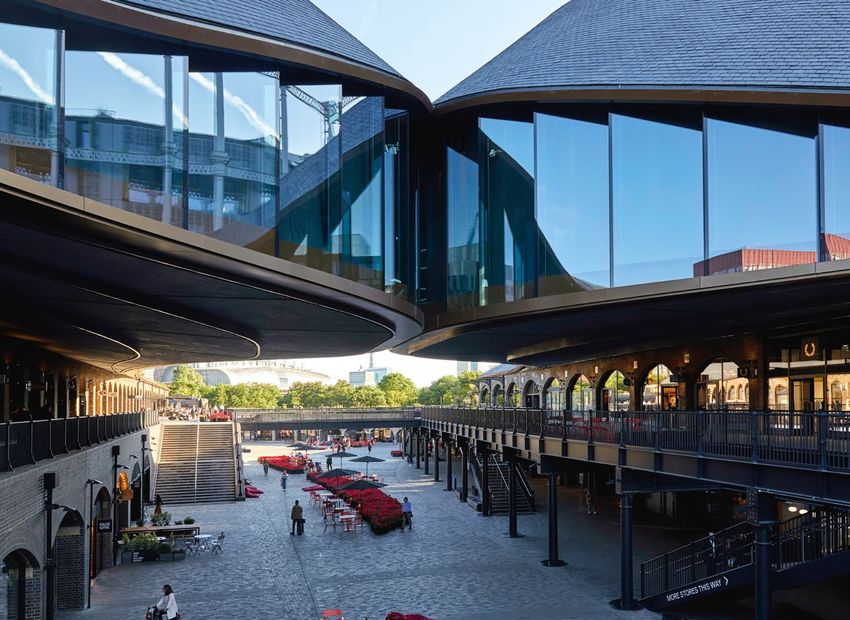
“This edition combines      Welcome

 interviews and essays      When we launched Exchange in 2018, the aim
                            was to explore the trends and challenges the
 from leading developers    built environment industry is facing. We wanted
                            to lean into each sector and look at the overlaps,

 and consultants, as well   the opportunities, the geographic differences and
                            similarities, sparking a dialogue.
                              This is our second edition, and the focus is retail.
 as ideas and analyses      We’ve brought together some brilliant thinkers,
                            retailers, clients and consultants, and in these
 from our own team.”        pages you’ll find real food for thought.
                              As with Issue No. 1, which focused on workplace,
                            this edition combines interviews and essays from
                            leading developers and consultants, including
                            Vicinity and Westfield, as well as ideas and analyses
                            from our own team.
                              The retail sector is in tremendous flux, with
                            major threats brought to bear from e-commerce,
                            as well as the changing nature of how and why
                            we shop. But of course with every threat comes
                            opportunity. We hope this document will inspire
                            lessons and ideas around the world.

                            Ken Shuttleworth
                            Founding Director, Make Architects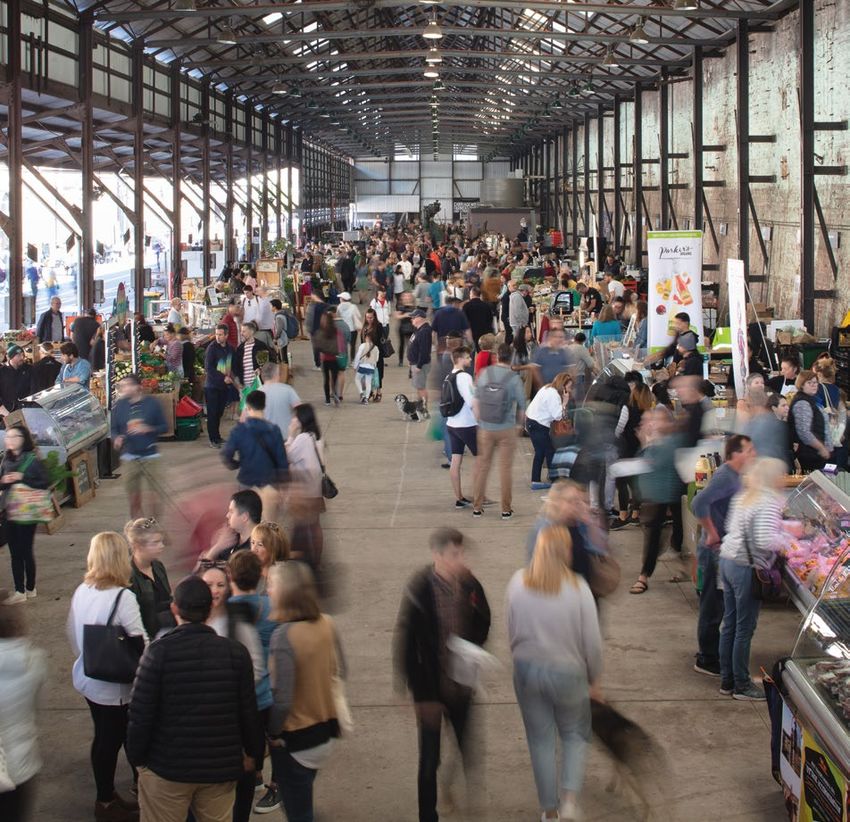
EXCHANGE             4   Contents               5

   6       14   20           78     84    88

   22      28   36           96     104   106

   42      48   50           112    120   126

   56      62   68           132    162   170
MAKE
ROUNDTABLE

                                                  What does the future hold for offline retail, and how does the
Cara Bamford, James Chase, Katy Ghahremani,
                                                  evolution of the retail experience influence how we design those
Peter Greaves, Grigor Grigorov, Jack Sallabank,   spaces? Jack Sallabank chaired a roundtable with architects from
           Bill Webb, Sarah Worth                 Make’s London and Sydney studios to explore the future of retail.
EXCHANGE                                                                          8   Make roundtable                                                                  9
Jack Sallabank: Are we seeing the death   one of the first luxury shops to
of offline retail?                        go online and in doing so became
                                          a massive online fashion retailer.
katy ghahremani: No. I think it’s         Now it’s gone back to physical
a misnomer to think about offline         retail and has taken a townhouse
versus online shopping, because even      in 5 Carlos Place. It has practically
people who shop online still have a       no stock, and it’s not about selling
relationship with the physical store.     to you; it’s about creating a very
We are going through an evolution,        curated service. If you want to buy
and offline retail is no longer just      anything, they still order it online.
a place where transactions happen.        The retailers that understand
Instead it’s a place to build brands      the evolution of retail in the way
and consumer communities. I believe       Matches has are the ones that
that offline retail has never been        will remain relevant.
more important.
                                          cara bamford: It’s about turning
peter greaves: It’s an evolution,         the shopping experience into an
but it’s a forced evolution. The          exhibition experience. I still want
story of retail used to be about          to feel the fabric on certain things.
how convenience is king. Now there        I want Debenhams to feel curated
are better, more convenient ways to       as opposed to a miserable, dour             james chase: Tip to top, Australia         want a really personal experience.
get stuff, so you need to be offered      shop floor with things hung up              is three times the length of the           At one extreme you have craft-
more to actually go somewhere.            unattractively.                             UK, and the separation between             makers selling via DM on Instagram.
                                                                                      communities is much greater than           They don’t even have a website; you
katy: Matches is an interesting           Jack: What’s the story in Australia?        in the UK. Also, there isn’t the           have to message them and have a
story. It started off as a shop in                                                    infrastructure in place, such as a         conversation with the designer.
Notting Hill Gate, and it became                                                      strong postal service, to distribute       We want all of it; it’s not an either/or.
                                                                                      goods and allow the likes of Amazon
                                                                                      to build a business upon. As much          Jack: As designers, how do you respond
                                                                                      as people want to be able to access        to this change?
                                                                                      things quickly, retailers in Australia
                                                                                      can’t fulfil that via online, so instead   bill webb: It liberates you. In
                                                                                      they challenge themselves and              my opinion, the reason why many
                                                                                      improve their shopping experience.         retailers fail is they have so much
                                                                                                                                 stuff. What happens if they get rid
                                                                                      peter: It’s interesting that Amazon        of all of that? You let light in, you
                                                                                      hasn’t worked in Australia based on        can have gardens, you can get people
                                                                                      that one thing, which is not being         to stay for longer. If you can actually
                                                                                      able to deliver everywhere fast.           get rid of the product, you can create
                                                                                      That’s all that online really offers –     much nicer spaces.
                                                                                      speed and convenience, which is only
                                                                                      a small part of the retail experience.     katy: For us architects, it’s
                                                                                                                                 about making sure that spaces are
                                                                                      katy: I think we want to benefit           designed to be as flexible as possible,
                                                                                      from a range of retail experiences.        because things are changing at such
                                                                                      We want fast, frictionless shopping        a pace that the best thing we can
                                                                                      for some things, but with others we        do from a sustainable development
EXCHANGE                                                                    10     Make roundtable                                                               11
                                                                                   katy: I think a lot of the retail       a coffee shop and a workspace, what
                                                                                   closures represent stuff no one         type of space is it? We shouldn’t
                                                                                   really wants anymore, so why are        be defining them. This is especially
                                                                                   we mourning it? The fact that           true for high streets. To allow high
                                                                                   they’re going isn’t a bad thing.        streets to evolve, we need to loosen
                                                                                   In commuter towns we’re seeing co-      up planning uses. Maybe we should
                                                                                   working spaces moving into empty        have a use class which is actually
                                                                                   retail spaces. This is a response       about community and is not a
                                                                                   to people being sick of commuting,      specific use.
                                                                                   and therefore we’re seeing the rise
                                                                                   of the ‘metro-burb’. We need to         bill: It’s worrying that we’ve let so
                                                                                   think creatively about the uses of      much of our civic identity on the high
                                                                                   these spaces and make sure they’re      street as a nation fall into retail.
                                                                                   place-specific.                         It used to be the place of the church
                                                                                                                           or the army or these big institutions,
                                                                                   james: When we talk to our clients,     and now we have a void which needs
                                                                                   they want to bring experience back      to be addressed.
                                                                                   to a place because they want to bring
                                                                                   people to the area and create a civic   Jack: One of the challenges for retailers
                                                                                   identity. The key is bringing people    and landlords is understanding
point of view is make sure we have         Jack: How do we go about reimagining    back to spend time together, and        consumer trends. What do you see as
enough head height and the column          the UK high street?                     ultimately selling goods will come      the trends they need to be aware of?
grid is right.                                                                     secondary to that.
                                           peter: Before the 1940s, high                                                   bill: The way our approach to
james: At bigger centres, individual       streets were mixes of civic uses,       katy: We need to loosen up our          hobbies has changed. What people
tenants want the flexibility for           community uses and retail uses.         planning uses on the ground floor.      do outside work is now almost
further uses in their space, rather        People were going to these places       If a retail space has a gallery,        semi-professional. People have
than a space just to sell a product.       to dwell and experience different
So, for example, they’re going to          things, and the retail was just one
need additional plumbing, as in the        part of everything that was around.
next ten years they may want their         It’s not going to work anymore to
own coffee bar added in the space.         have high streets that are solely
We’re building in that flexibility in      retail destinations. Instead we
the base build to future-proof their       should consider bringing in other
business and their future plans.           civic uses and other community uses.

grigor grigorov: We’re often               bill: The high street should be about
seeing cases where you have to             self-care and the things you can’t
adapt existing spaces, such as car         do online, such as hairdressers, skin
parks or disused industrial sites that     care, nail bars, mental wellbeing,
no longer fulfil their original purpose,   gyms. It seems to me that’s where
into retail spaces. What’s important       the future of the high street lies.
to us as designers is understanding        It ties in nicely with the idea of
how you can turn a car park that’s         civic space and looking after the
hardly occupied into a space that can      community, and it provides places
take thousands of people at one time.      where we can meet each other.
EXCHANGE                                                                    12     Make roundtable                                                            13
£10,000 bikes, and they go cycling       katy: A behavioural change we are
every weekend. We have people at         seeing is competitive socialising, like
Make who make art, and they sell it,     Bounce or Flight Club. This is aimed
or they have their own website to        at the younger generation, who have
sell jewellery. People don’t just want   possibly lost the art of conversation,
a Saturday spent in the pub; instead     and therefore meeting and gathering
they’re doing a hobby which brings       around an activity helps get that
satisfaction.                            communication up and running.

james: In Australia people are           Jack: Who will be the future winners
wanting to find different activities     in offline retail?
other than the norm, and lots of
those involve meeting people or          grigor: It will be the people who
doing things that you wouldn’t have      invest the time in understanding
done before. More often than not,        basic human needs and desires.
things that historically wouldn’t        That won’t always result in having
have been cool are now cool.             to sell a particular type of product.
                                         It will be the brands that hit a
grigor: Everyone is building their       particular spot in that time and
own idea of themselves on social         space that the general public can
media. Everyone has an idea of who       relate to. So I would say it’s not        katy: The winners will be those who       peter: The village pub is almost
they are and what their story is, and    about a particular type of store          treat retail as a service or amenity.     a microcosm of a lot of the things
retailers have to plug into that and     or space; it’s more about                                                           that we’ve been talking about. It was
help people build their story. What      understanding what people want,           bill: Selling has always been about       somewhere you went to socialise and
people do in their spare time is about   who you are serving and how you           aspiration. What do you want to be?       meet people. They had competitive
fulfilling these personal goals and      meet their objectives.                    How do you want to be perceived?          socialising with drafts and pool and
the image they see of themselves.                                                  We’re going to help you be even           skittles. They animated the space
                                                                                   closer to the people that you             with events such as band nights and
                                                                                   want to be. You used to aspire to         quiz nights. The business model was
                                                                                   have a big house and a big car; now       about getting people in and ensuring
                                                                                   it’s not that cool, and it’s about        they stayed for a while, because
                                                                                   brands staying in line with what          when they’re in they will spend
                                                                                   those aspirations are.                    money. That’s a small-scale example
                                                                                                                             of what these new retail spaces
                                                                                   cara: The winners will be those who       need to be.
                                                                                   can create places that get families
                                                                                   in. It’s not just about creating spaces
                                                                                   for the extremes or the tribes, but
                                                                                   also places which are the middle
                                                                                   ground and bring the family in.

                                                                                   james: Those mixed use developers
                                                                                   who can take a holistic approach
                                                                                   and programme to different parts
                                                                                   of their spaces will be the winners.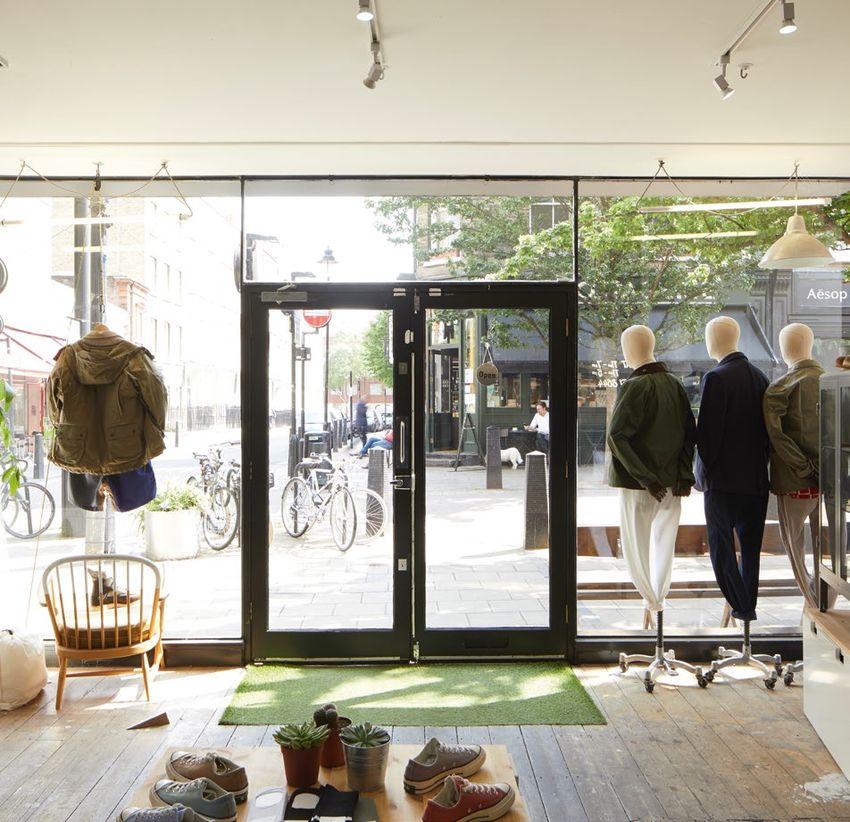
EXCHANGE            14   Make manifesto                                        15

     MAKE
   MANIFESTO
 At Make we believe
  retail plays a key
  role in improving
  cities and helping
                                          ADAPTABILITY
communities flourish.
 Here’s a five-point
                          Progressive retailers go beyond generic consumer profiles
                          to target people’s complex needs – whether that’s to be

manifesto explaining
                          entertained, to learn something or just be able to say
                         “I’ve been there too.” As those needs change, the spaces
                          where they’re fulfilled need to be able to change too.
    our approach         To make sure a space is flexible and adaptable for

   to retail design.     the future, we consider a number of factors. How
                         can a space’s occupancy be increased safely? Could
                         it accommodate additional uses, like food production,
                         manufacturing, events or large exhibits? Can we
                         add floors above or below the building in the future?
EXCHANGE                                              16     Make manifesto                                          17

                 MIXING USES                                                        PLACE
People undertake journeys to get to work, to socialise,      Retail destinations should enhance the civic identity
to access goods and services. The more of those journeys     of the places they’re part of. Crucially, they should
a retail place can capture, the more time visitors will      weave in local historical and cultural narratives,
spend there and the more there will be to experience.        offering experiences, events and products relevant
This is part of the ‘and then’ concept, which relies on      to the community.
the successful combination of multiple uses in one place.
                                                             We ensure our retail schemes relate to their social
We always consider overlaying traditional retail with        and economic context by connecting them with
leisure, workplace, residential, hospitality and transport   surrounding environments via considered routes,
uses. We aim to design places that bring lots of people on   scales and materiality. The aim is to bring together
their different journeys together, creating opportunities    existing communities while also creating new ones
for exciting and multifaceted experiences.                   in diverse and exciting ways.
EXCHANGE 18 Make manifesto 19
VALUE EVOLUTION, NOT REVOLUTION
In sparsely populated contexts, the role of retail is to Committing large amounts of investment to
provide access to particular goods and services that revolutionise retail property in a single push is an
aren’t widely available. In denser areas, retail is often unlikely scenario. Existing assets don’t need to be torn
used for its halo effect of creating highly desirable down and completely rebuilt overnight; it’s far more
places and bringing people together. In both cases, effective to stimulate the development of a given place
it increases the value and profile of surrounding in a desired direction with gradual interventions and
homes and workplaces. innovations, following the aforementioned principles.
When designing a retail project, we set out a clear We believe that considered evolution is the best way
idea of the value we expect it to bring to a place. for retail to grow and develop sustainably in the 21st
Even when it’s not financially viable by itself, retail century. We think carefully about each retail scheme
can play a crucial role in putting new places on the we undertake to ensure its continuous development
map or regenerating existing ones. over a long period of time.EXCHANGE 20 State of the market: London 21
State of
the market +1.7% 20%
London
% by which the Retail Spending Index of all spending is now
grew between March and May 2019 represented by online sales
“If you’re innovative, agile and creative
as a developer or brand, there’s a huge
opportunity to thrive. It’s not that we no
by longer want to spend money on retail; it’s
Katy Ghahremani, that we want to spend it differently.”
Make Architects
Retail is dying in the UK – or at least Conversely, we’re seeing both I would argue that the retail sector Contrary to what those newspaper
that’s what you’d think if you just read the budget and luxury ends of the isn’t dying; it’s just transforming and headlines say, it’s a very exciting time
the newspaper headlines. Some parts market grow. Harrods, for example – reinventing itself. Brands and retailers to be in retail in the UK. If you’re
of the sector are indeed decreasing, but a longstanding Make client – has that understand consumers want to feel innovative, agile and creative as a
generally the Retail Spending Index experienced substantial year-on-year good about themselves when they shop developer or brand, there’s a huge
(RSI) shows steady growth over time. growth in profit and sales. This are thriving. Whether it’s Patagonia, opportunity to thrive. It’s not that we
The RSI measures sales spending hollowing out of the middle can be which promotes a narrative around no longer want to spend money on retail;
on goods such as food, clothing and seen across the board, from restaurant sustainability, or Rapha, which lets it’s that we want to spend it differently.
footwear, and household goods, both chains (Carluccio’s and Jamie’s consumers connect with each other
online and in store. Figures from May Italian) to retail stores (New Look and to create a community, more brands are
2019 show a growth of 1.7% over the Mothercare) to the aforementioned offering retail as transformation rather
past three months compared with the department stores. Whether it’s online than just transaction. We want to feel
previous three months. or in store, consumers either want cheap, that we’re creating a better world or a
Consumer behaviour is changing. convenient and fast retail or better version of ourselves when buying
Online sales now represent almost aspirational and experiential retail. a product.
20% of all spending; in-store RSI measures sales of goods, not Smart brands also understand that
convenience shopping has suffered. of services, experiences or subscriptions. we’re moving away from ownership
Department stores like Debenhams As we move towards a world where towards a subscription-based economy.
and House of Fraser fall under this people are spending more on For example, BMW, recognising a shift
‘convenience shopping’ umbrella – experiences and services rather than away from car ownership to car clubs,
they have many items under one roof, ‘stuff’, do we need to change the way has set up Drive Now in London in
but aren’t especially aspirational we measure and review the health conjunction with Sixt. The new brand
or experiential. of the retail market? offers a car club business model.IBRAHIM
IBRAHIM
London
Managing Director,
Portland Design25
“The physical retail Ibrahim Ibrahim
space ceases to be jack sallabank: What is your
view on the current retail situation?
location and its connectivity with
other experiences and the public
realm around it. Most importantly
a piece of property ibrahim irahim: My starting
point is to ask what retail is
supposed to be about. That is four
it changes the revenue model, and
it changes the valuation model of
the asset. That is what’s exercising
and becomes a piece things: recruitment, transaction,
fulfilment and retention. Find a
customer, sell them something, get
everybody and creating the real
disruption.
of media.”
it to them, and encourage them to js: How does this affect the
come back. Those four things are traditional business model of a
still very relevant, but what is driving retail space?
change is that the transaction
and fulfilment part is increasingly ii: The physical space ceases, to
moving away from the physical a certain extent, to be a transaction
space and appearing online. That space. Therefore, it ceases to be
leaves the idea that the physical a piece of property and becomes a
space is more about recruitment piece of media. If we accept that it is
and retention. If we accept that, a piece of media and has a different
it changes everything. It means
that the physical space needs to İntema Yaşam is a hybrid F&B and
retail concept by Portland Design
change in its experience and in its in Istanbul, Turkey.
ability to programme; it affects its
We discuss... The retail experience, revenue models
and retail as a piece of media.EXCHANGE 26 Ibrahim Ibrahim 27
type of revenue potential, we then It’s this liberation that’s interesting.
accept that the asset is not just the It opens the door to a whole host
physical space – ie, the real estate; of new players who haven’t seen
the asset is what brings the revenue. a physical space as a channel and
What determines the revenue is the normally use their media spend on
data. So valuations of the space media. Now we’re saying that part
won’t be based on if its 1m2 or 20m2; of that media spend can be used on
it will be based on who’s passing, the physical space. The asset owners
what they’re doing and why they’re that can understand that and have
doing it. the balls to invest and change the
The KPIs of a retail space have way they view space are the ones
been disrupted, and therefore the that will win.
value of the physical asset cannot be
determined by just what products js: What are the behavioural
are sold; its ability to influence a trends of consumers that are driving
series of behaviours also matters. this change?
Those behaviours could be traffic
to a website or photographing and ii: We believe it is a series of
sharing on social media. things. It’s a busier and busier life.
“Far from the internet killing shops,
it will actually liberate them. It’s this Pink Fish is a new F&B concept by of assets, and way more hybrid
liberation that’s interesting.” Portland Design in Oslo, Norway.
interweaving of different
experiences, resulting in a greater
convergence of work, shopping,
js: The value of the space could There’s a demand for consumers js: What will the retail landscape leisure, culture and hospitality.
therefore change on an hourly basis… to have asset-light lives, with less look like in the next five years? It will be a very interesting time.
and less stuff. It’s a change of habit
ii: Absolutely. If it’s a media where people are less committed; ii: There will be a clear-out of
platform and ceases just to be a they’re commitment-phobes. We’ve retailers that are not relevant. We
piece of real estate, its success seen a reaction against big brands, are seeing the likes of Debenhams
will be determined by its ability to a massive trend in localisation and and House of Fraser going; I could
programme itself and change and craft. Death of the logo, death of have told you ten years ago that
be fluid like a piece of media. The cookie-cutter retail – all of that is they are rubbish retailers, and they
way all this affects designers is a reaction against establishment. haven’t changed. Why are those
that it’s no longer about shelves These are the massive societal two going bust when in the same
and glass fronts; it’s about changes driving all of this. industry, with the same set-up,
creating a stage, a platform which Status has always been at the Selfridges grows by 20%? It’s
is completely programmable with core of consumerism, but what’s because they aren’t relevant.
technology, sound and multi-sensory interesting is how it’s now flipped I think we’ll see an emergence
experiences. It allows a brand to not from being about what you own to of some really exciting new players –
just sell its stuff but tell its story. what you choose what not to own. an emergence of brands that have
Far from the internet killing not been in the physical space
shops, it will actually liberate them. sphere. We’ll see a repurposingEXCHANGE 28 Coal Drops Yard 29
COAL DROPS
YARD
Creating a new
retail destination
by Jack Sallabank
Future Places StudioEXCHANGE 30 Coal Drops Yard 31
Over the last few years visitors to
Granary Square, situated in London’s
redeveloped King’s Cross, will have
noticed a new architectural gem
emerging from behind the hoardings.
Victorian brick viaducts and
industrial sheds have been
reimagined and extended in
a social-media savvy design.
Beautiful ‘kissing’ arch-shaped has managed to contort the beautiful
buildings form the centrepiece of heritage brick buildings into an
London’s new retail destination: Coal amphitheatre-like setting around a wide,
Drops Yard, opened in 2018. Designed open courtyard with retail outlets and
by Heatherwick Studio, the scheme food and beverage offerings.
has repurposed two existing Victorian
warehouses once used to receive and The Heatherwick design is integral
store coal delivered into King’s Cross to the strategy adopted by Argent,
from the North of England. By adding the developer behind the project, Argent has integrated
significant public realm into
an impressive roof structure to the creating a new retail destination for the retail and F&B offer.
warehouses, the Heatherwick design tourists and locals alike. On paperEXCHANGE 32 Coal Drops Yard 33
“We decided that we
the location doesn’t have the obvious latter of which is an alumnus from the
attributes associated with a thriving neighbouring Central Saint Martins.
retail destination, such as the ‘to the An interesting addition to Coal Drops
needed a standout
door’ transport infrastructure you get Yard is a 3-storey concept store for
at Westfield Stratford and Westfield Wolf & Badger which offers a curated
London. It’s not located on a busy selection of independent fashion,
architectural statement
main road like the West End stores. accessory, homeware and beauty brands.
To overcome these challenges, Argent While many retailers at Coal Drops Yard
has put its faith in great design, public have made a good start to life in King’s
in order to create realm and achieving the right tenant
mix. As Anna Strongman, who leads
Argent’s asset management team,
Cross, it is taking time for the centre to
become established. Part of the answer
will be in Argent driving awareness
a retail destination.” explains: “We started to look in detail
at the Coal Drops Yard development five
years ago, and we realised the challenges
of the location through an increasingly
prominent branding strategy.
and opportunities of the space. It’s not “We did a lot of consumer research into
an obvious location for retail, albeit what people were looking for, and off
it is in the centre of a thriving estate. the back of that we worked on creating a
We decided, therefore, that we needed strong visual identity for the Coal Drops
a standout architectural statement Yard brand,” says Strongman. “We
in order to create a retail destination. wanted to make a bold statement with
We needed to create a tenant mix the brand, and it proved very successful
which is interesting and different from at launch. Now that we have shops that
Westfield and Oxford Street, and we are open, we’re trying to evolve the
needed to think really hard about the brand so we can showcase more of what
public realm.” we have today, which will help people
understand the breadth of what is here.”
Curating the right tenant mix to
complement the design of the location The development of Coal Drops Yard
isn’t a simple equation. The ethos behind is just another layer in the unfolding
the overall King’s Cross development story of the King’s Cross regeneration,
has been to create an open and inclusive with 30% of the estate still to be
place. Finding a tenant mix that fits completed. Over the coming years
this and plays to the narrative created Argent has 600,000ft 2 of Facebook
by the Heatherwick design leaves offices to complete in addition to the
limited options, given the lack of new HQ for Google and DeepMind.
retailers which are different from The developer also has a couple more
the high street multiples. significant residential blocks to be built
and a 600-seat theatre. At the moment
Anna and her team have filled the 61 Coal Drops Yard is close to ongoing
retail units with mid to high-end price construction work, but over time it will
point retailers which include well- sit very much in the heart of the King’s
known, design-conscious brands such Cross regeneration.
as Aesop, COS and Paul Smith alongside
Anna Strongman lesser-known retailers such as Universal Argent’s involvement in the project
Argent Works and Lost Property London, the from its inception has given StrongmanEXCHANGE 34 Coal Drops Yard 35 unique insight into the current state of the retail market and the changing role of the landlord. “Retail is going through lots of changes. There are fundamental shifts in the market, with a movement towards smaller units. There is a consolidation of property portfolios. Retailers are looking for prime locations and sites. At the heart of it is a partnership approach to develop a relationship between landlords and tenants, and to get away from this traditional adversarial relationship which is set up by the Landlord and Tenant Act. I believe there is a lot of potential in retail, and it’s an incredibly important community and social interface.” One of the successes of the scheme is its variety of architectural styles, where retained heritage buildings Coal Drops Yard is stitched into the meet new architecture. broader King’s Cross scheme.
EXCHANGE                               36      THE NEXT
                                            GENERATION OF
                                            RETAIL BRANDS
                                             by Jack Sallabank
                                            Future Places Studio
                                                          London

                                            Debenhams may have become the poster
                                            child for the big-box retailer failing to
                                            move with the times, but another high
                                            street name which has acquired an
                                            unwelcome reputation as being too big
                                            and old to evolve is Marks & Spencer.
                                            However, an innovative joint venture
                                            between M&S and Founders Factory –
                                            called Founders Factory Retail –
                                            suggests that change for the high street
                                            retailer is afoot.
                                                Founders Factory Retail is an
                                            incubator and accelerator model which
                                            seeks to support the growth of six
                                            start-up retail brands a year. At the end
                                            of its three-year programme, the JV will
                                            have seen 18 new retail brands come
                                            to market, with 3 built from scratch and
                                            15 invested in and accelerated to market.
                                                For Isabela Chick, Managing
                                            Director of Founders Factory Retail, the
Founders Factory Retail hosts
pop-ups like this one in Seven Dials
                                            venture is a clear sign of the ambition
to promote new brands.                      of M&S, led by CEO Steve Rose, to
EXCHANGE 38 The next generation of retail brands 39
transform itself. “They understand that
to evolve they need to have skin in the
game and actually work with start-ups.
That means co-create with start-ups,
invest in them, test with them and
ultimately help them scale.”
Founders Factory, started in 2015
by co-founder of Lastminute.com
Brent Hoberman and Henry Lane
Fox, has recruited an impressive team
to help identify and provide bespoke
support for its portfolio of start-ups.
The fund invests in start-ups early,
typically pre-seed to Series A, and seeks
start-ups that have identified a market
opportunity, come up with a good idea Isabela Chick, Founders Factory Retail
to address it and established a strong
founding team.
Working alongside M&S and the
new breed of retail start-ups, Chick
is in a unique position to identify the
Consumers are interacting
drivers of change in the retail market. with retail spaces differently.
“There are three axes retail is changing
on. Consumers are interacting with
the retail space differently, they are explains Alice Sandelson, Head of Coal Drops Yard with the launch of
interacting with different brands and Partnerships at Founders Factory. Wolf & Badger, which describes itself
in a different way, and their expectations For Erin Booth, Head of Beauty as a “curated marketplace for
of convenience and fulfilment are now and Retail Investments, this move independent brands.”
very different.” from retailers is a return to a shopping For Chick, the Wolf & Badger model
This consumer-led change is shifting of old. “Historically, you would go to is a welcome move and one we can
the retail space from a place where your butcher for the best meat, your expect to see more of with the growth
customers access stock to one where baker for the best bread and your shirt- of a WeWork-style offering for retail
a brand tells its story and interacts maker for your favourite shirts. In recent spaces. “We will see a turnkey solution
with customers on a deeper level. For history, we have shifted to a big retailer for retailers, with high-spec spaces with
the start-ups coming through Founders model, with one brand catering for full-on services that you can turn on
Factory, having their own retail space everything in one place. Now, though, and off. Ultimately, these new brands
may not be the strategy; instead they we are seeing the consumer push back coming onto the market won’t have a
might opt for a shared physical space against the massive retailer-type model, ‘Head of Retail Space’ and instead will
with like-minded brands, a requirement and we’re going back to an older way benefit from a supplier who offers a
some retailers are responding to. Alice Sandelson (left) and Erin Booth (right), of shopping.” ‘space as a service’ model.”
Founders Factory To see the impact a WeWork-style
“Big retailers are diversifying their A return to the ‘mom and pop’-style
offering to incorporate much smaller retailer of yesteryear has in turn led to model can have on a traditional leasing
brands, which means the whole nature the emergence of a marketplace leasing market, the retail world should look no
of what retail looks like is changing model in which one brand takes the further than the disruption caused in the
from one store/one brand to multiple headline lease on a space and then office world. Not only should the office
brands and a different nature of sublets that space to smaller brands. analogy provide an important lesson for
how one shops around the store,” Such a model has been seen at retail landlords, but it should also pointEXCHANGE 40 The next generation of retail brands 41
At a Founders Factory pop-up event, we met representatives
from three new brands bringing bright ideas to life.
jonathan kruger sergey klimentyev arunus matacius
Pop-ups introduce different ceo, the drop founder and ceo, texel founder, rocketo
brands to the market.
The Drop is changing the Texel develops and ROCKETO is reinventing
way menswear is made, manufactures solutions dog food by combining
them in the direction of one of their key with and investing in the bright minds discovered and bought that enable high-precision the benefits of raw feeding
priorities: data. coming out of Founders Factory Retail by building a sustainable 3D capture, measurement with the convenience of
“Data in the retail space will become might prove to be a very wise decision fashion supply chain for and analysis of the dry food.
vitally important,” says Booth. “How do for M&S. the future. human body.
You’re about to launch in M&S.
brands understand what their customers You’re currently an online Your product helps make the How important is having a
want? In the retail space, brands can brand. Will you always be retail experience easier for the physical retail presence for
engage with their customers; they can online only? consumer. Do you see a future your brand?
collect information through IoT devices for offline retail?
and in-store surveys or questionnaires.” I always used to think we For brand building, for
would be an online only Yes, we don’t feel like offline awareness, for sales, no one
While headlines predict the death brand, but having some sort is dying. It is definitely going can beat having a physical
of physical retail, a morning spent with of physical presence, albeit through a change, but it is presence. People want to
the team at Founders Factory Retail and small but impactful, is very more like a spiral, and it is touch a product, read the
some of its cohorts illustrates that the important for building trust going through a period of labels and learn about the
opposite is the case. and customer relationships. change where offline will brand. We often see that big
We are very light on transition from being a place online brands are now going
But as the next chapter of retail overheads, so it wouldn’t just to shop to a place where into physical retail, but we
continues to unfold, more brands will make sense to have a we can see a demo of products chose the path of physical
fall away as the battle for consumer permanent location; we and it’s easier to engage with retail and online retail from
engagement intensifies. For those might do a series of pop-ups different types of products. day one.
brands big and small that seek to or a concession model
where we work with a big
prosper, success will be defined by their established retailer.
ability to pivot their offer and brand
to be relevant, unique and meaningful
to the modern consumer. Teaming upThe CHANGING
EXCHANGE 42 The changing nature of retail leasing 43
NATURE There are several economic factors
playing their part in reduced retail
of RETAIL demand – a perfect storm, if you like.
The B-word (Brexit) is undoubtedly
LEASING deterring investment into London from
some quarters, but others are able to see
past this. More importantly, the other
B (business rates) has had a dramatic
effect on total occupancy cost, with the
result that many retailers simply cannot
afford to trade from a large part of the
store portfolio.
Richard Scott There’s no doubt that the retailer requirement for
a 100-plus store portfolio is limited now. Only key
shopping centres and major London thoroughfares
Director, and districts will meet the new retail criteria.
Probably more important than these factors is the
Nash Bond
change in shopping habits that is here to stay and willEXCHANGE 44 The changing nature of retail leasing 45
shape the future of physical store requirements. ‘Phygital’ property industry should really have a new metric
is the new term, and I like this. for understanding the value of a physical store to the
Phygital is a marriage of online and physical store retailer’s overall turnover. The future of retail is not
environments. Customers want to try and feel the physical or digital; it is phygital.
product while enjoying the benefits of the digital It is clear that neither landlords nor tenants have
experience in store and then potentially completing the the detailed information to understand where the sale is
purchase at home, online. Retailers such as the furniture actually made, and while this continues, and with wider
brand MADE have embraced a forward-looking retail economic factors at play, the retailers will seek to use
experience that directs customers into the store, where this as an opportunity to drive the best possible leasing
they use a tablet to view prices and product information terms. Why wouldn’t they? Continued collaboration
and ultimately make their purchases; there are no tills. between parties can only assist with
This in-store experience is less about selling from every future placemaking.
square foot than conventional retail models. Flexible leasing
At Nash Bond we are actively engaged is becoming more
with many online retailers from overseas commonplace, by way of
seeking a physical store presence in the shorter lease terms, options to
UK. They know that a physical store break and the rise of pop-up stores.
offers a window for the customer to These have always been present,
experience the but some forward-thinking online
brand and interact with businesses have created platforms
the product, though not to make it easier for
every store needs to be an global brands to
Apple store. In any case, secure flexible leases.
good personal service Surely all leases
is undoubtedly a will be short-term
benchmark for success. in the future.
It comes as no Market forces –
surprise to me that simply supply and
store turnovers demand – will
are dropping, shape this. The
but the pop-up market hasEXCHANGE 46 The changing nature of retail leasing 47
seen some take up, but for the majority of retail sites,
most retailers need time to garner a loyal customer base.
The best sites on the best streets are still in strong
demand. Importantly, many landlords are keen to let
their estate or shopping centre with a collection of lease
lengths and flexible leasing as they seek out all types
of brands that can invigorate their destinations. Often
it can be the retailer that becomes stale and needs
refreshing, and in this case a long lease is not preferable
for the landlord.
The landlord and retailer relationship hasn’t changed,
but the nature of retailing is. Both parties are having
to work ever closer together and learn the new language.
The Make-designed retail kiosks
in Canary Wharf are designed to
double as pieces of art.EXCHANGE 48 State of the market: Sydney 49
State of
to meet future population demands. food pop-ups. Shopping centres are
Three new ‘cities’ will expand the often lifestyle-focused, with greenery
Sydney conurbation rather than increase and outdoor space. Co-working and
the market
density within the existing centre. integrated living have also seen huge
These new townships will create growth in retail centres. Landlords
places for people to come together, willing to embrace the change are
Sydney
and the model is being replicated finding opportunities that lean towards
across Australia. As new communities mixed use models rather than retail-
are built, retail is being established led ones. Flexible space within retail
early on to provide food, shelter and is also utilised by smaller start-up
community activities. In some cases, a brands to market their new products
new area is formed without any existing to a wide audience.
infrastructure; the retail comes first, We’re currently helping integrate
establishing the rules for the location. a wider range of uses and experiences
Equally, though, retail needs to at Chadstone in Melbourne. The Link,
by
James Chase,
Make Architects “At Make, we’re helping clients reimagine
the future of their existing centres by
creating new experiences for customers,
adapting to meet the needs of the local
In Australia, retail centres are very the market. Here, the population is demographic, delivering new identities, and
much still the hub of the community. spread across a huge continent with over looking for ways to maximise opportunities
People treat them as destinations – 25,000km of coastline and minimal
places to gather and share. infrastructure between townships. for the wider area to help communities
In a country that experiences E-commerce delivery times are more to thrive and grow.”
extremes in both distances and often offered in weeks than in days or
weather, retail plays an important even hours; the country has some way
role in providing shelter and spaces to go before it can offer the speed of
for families and friends to congregate. delivery demanded by today’s society. evolve to remain relevant. At Make, our new pedestrian walkway for
Large shopping centres offer better value For this reason, the online convenience we’re helping clients reimagine the Chadstone, integrates hospitality and
for money and wider selections, with factor doesn’t exist to the same degree. future of their existing centres by new restaurants into the existing centre.
everything under one roof. And people This helps explain why traditional creating new experiences, delivering It merges the indoor and outdoor,
are willing to travel, given the cheaper bricks-and-mortar retail is still thriving. new identities, and maximising extending a thriving centre with
fuel and spread-out, car-reliant society. Australia has consistently been opportunities for the wider area to highly Instagrammable spaces that
If you build it, they will come. a desirable place to live, work and help communities to thrive and grow. act as a new front door.
Internationally, the retail industry is play. Both the population and tourist When retail centres offer a Does retail offer social opportunities
diversifying to compete with pressures numbers grow year on year, and this wide array of services, choices and that are disappearing in a digital-
from the online giants – like their ability alone is helping the retail sector grow. In experiences, they become destinations. trended world? We feel that it’s
to source cheaper products and a wider response, the government is expanding Just like in Europe, it could be argued social-based trends encouraging the
range of goods – exacerbated by high existing cities and identifying locations that experience is becoming as transformation of the sector. The
rental prices on the high street. The for new ones. For example, in Sydney important as shopping. But Australia challenge – and opportunity – for retail
same online giants are in Australia, the Greater Sydney Commission is is ahead of the curve – it’s long had developers is to adapt and embrace
but they don’t have the same hold on implementing its Three Cities plan thriving food courts, restaurants and how retail is experienced.JOANNA
RUSSELL
Sydney
Retail Development
Manager, Frasers
Property Australia53
“Developers have Joanna Russell
a responsibility to jack sallabank: Frasers
Property looks to create places
that foster connection. Why is that
shopping centre. We have used
biophilic design to connect the
people and the community to nature,
create places which important to the business?
joanna russell: The need
and we hope it will result in a much
more comfortable environment
where people will want to spend
enable and create for people to have a greater sense
of connection to each other and
their environment is a global
time and enjoy the surroundings.
Burwood Brickworks will also have
an urban farm located on the top of
connections between
priority. Developers have a broad the shopping centre that will make
responsibility to create places which it stand apart from other centres
enable and create those connections within that catchment. It’s about
between people and place. There has creating a unique experience for the
people and place.” been a movement in Australia where
dwellings are getting smaller, and
communities need the amenities
community to gather, connect and
contribute to a place which is there
to serve them. The urban farm
to bring people together. will connect with the restaurants,
The ‘super neighbourhood’ term, which can use the produce grown
developed by Frasers a few years on the farm.
“The role of the shopping centre is
evolving and will continue to evolve.”
ago, is a response to our broader js: What are your key design
responsibility to create places that considerations when creating a
are more than just places to show retail destination?
and are instead central places
to bring the community together. jr: We design local. Each super
This places a great deal of emphasis neighbourhood centre must respond
on design and curation. Our centres to and enhance the area it serves.
need to be designed with the local We design in flexibility.
community in mind and to make sure A fluid retail offer that is regularly
we create the right service mix to refreshed is important to keep
fit our particular catchment. people engaged, and the physical
infrastructure of the centre
js: One of your upcoming retail should enhance the flexibility
projects is Burwood Brickworks. and the adaptability to new ideas
How have you used design to create and concepts.
a sense of connection here? We design beautifully.
We create centres which meet
We discuss... Sustainable shopping centres, jr: At Burwood we are aiming to people’s everyday needs while
communities and beautiful design. create the world’s most sustainable not compromising on aesthetics.EXCHANGE 54 Joanna Russell 55
Creating something beautiful means
delivering an asset the community
can feel pride in and ownership of.
We design sustainably.
Frasers Property recently became
one of the founding signatories to
the first global net zero carbon
buildings commitment. It means
that every new building we create
must operate at net zero carbon for
2030, and our existing buildings must
operate at net zero carbon by 2050.
It’s a real challenge to get to net zero
carbon, so the super neighbourhoods
that we’re designing and creating
now are continuing to push the
envelope in terms of what’s possible
in a sustainability sense.
js: What are the short to
medium-term opportunities in
the Australian retail sector?
jr: The role of the shopping
centre is evolving and will continue
to evolve. We have to listen to
the community and be flexible in
approach to make sure we have a
fresh and current approach to retail
in our shopping centres in order for
them to become the focal heart of
any community.
We are also going to see more
and more introduction of mixed use
elements and community services
in shopping centres, such as medical,
childcare and co-working spaces.
The importance of a compelling
entertainment and dining offer will
continue to grow, creating places
that people want to spend time as
they increasingly view their local
super neighbourhood centre as an
extension of their homes.
Burford Brickworks is aiming to
be the most sustainable shopping
centre in the world.CARRIAGEWORKS Carriageworks 57
by Nicole Partridge
Journalist
Sydney
With the charm of a French country
market juxtaposed against late
Victorian industrial architecture,
the Carriageworks Farmers’ Market,
located 4km south of Sydney’s central
business district, is a popular shopping
destination for both Sydneysiders and
tourists. Eveleigh Carriageworks, as it
was originally known, is the heritage-
listed former NSW Government rail
yards. Built between 1880 and 1889,
the yards and buildings were used for
the maintenance and repair of steam
train locomotives, and for 100 years
formed the largest workshop of its kind
in the Southern Hemisphere. The site
was decommissioned in 1920.
In 2006, Tonkin Zulaikha Greer
Architects was contracted by the NSW
Government to transform the precinct
into a multi-purpose arts centre which Carriageworks has converted a former
rail yard into a multi-purpose arts
now includes three theatre spaces, centre with a hugely popular farmers’
rehearsal rooms, administrative offices, market every weekend.EXCHANGE 58 Carriageworks 59
workshop spaces and amenities. Along
with six resident multi-disciplinary
companies, Carriageworks also plays
host to some of Australia’s largest
festivals and events, including Mercedes
Benz Fashion week, the Sydney Writers’
Festival and Vivid. Each Saturday, the
precinct is transformed into a bustling
under-cover growers’ market. Farmers
from all over NSW haul in their produce
and set up stalls in the large vaulted
steel shed. Everything from organic
fruit and vegetables to cold-drip coffee,
pasta, artisan breads and boutique
wines is on offer.
Weekends are abuzz with activity as
more than 5,000 shoppers flock to meet
the farmers directly and sample the best
of NSW’s freshest seasonal produce.
Adding variety to the market experience
are curated summer and winter night
markets that feature some of Australia’s
most renowned chefs and producers,
along with cooking demonstrations
and live music.
Not to be outdone by its European
counterparts, the precinct comes alive
in December with popular Christmas
markets that sell everything from wine
to ceramics to candles.
The market is supported by a wider
series of food events that attract up
to 5,000 visitors.EXCHANGE 60 Carriageworks 61
Journalist Nicole Partridge asked shoppers and workers
at Carriageworks why they choose to come here.
gabriel and michael victoria lisa chris paul nadia
Gabriel: We love the Farmers’ Saturday morning at the I used to be a regular customer Friendship brings us to the The market is unique because Being able to bring my dog
Market for a number of Farmers’ Market has become who was just really interested markets. Every week a group it’s one of the only markets Munchie to the markets is a
reasons. It’s very social. We’ll a bit of a date morning for my in the food and where it of us will do our vegetable in the Sydney metropolitan big thing for me. I work all
often meet up with a group husband and me. We come came from, and then I met shopping first, and then we area where people can bring week, and Munchie is on her
of friends, and then we’ll every Saturday because it’s a business owner who taught meet and have a coffee and their dogs. I see dogs at other own, so on Saturdays we go
have a chat with the local one of the few markets in me how to plant herbs and croissants, and then one of markets tied up to posts on the for a 20-minute walk and
producers, who seem all very Sydney that actually sells seedlings. Now I work here us will recite poetry. It’s very outside, looking forlorn and stroll the markets together.
interested in talking with us organic groceries. Typically, one day a week. much about connecting with waiting for an appointment I love that there is so much
about what they’re selling. I go home with the staples: I love the family dynamic each other and developing with a doggy psychologist. variety here and that I can buy
It’s great that we can buy garlic, onion, leek and carrots. between the store holders. a sense of community. Here the dogs are just as local produce. Munchie has
seasonal fresh food that’s I’ll also add some leafy Everyone looks out for each It’s like a French market welcome as the people. enjoyed being patted by lots
good for us. I’ll often fill up greens and a good selection other. I also love chatting with out in the country where The food is also fresh and of people. The Inner West has
a family-sized cart each week, of meats and fish. I can get all my customers and find that you can stroll up and down, delicious and juicy, and that’s a big dog population, and it’s
which is enough to feed my my vegetables for less than many of them are interested taste the produce, and because it’s usually been a dog-friendly area. I see a lot
large extended family. Parking $30, which I think is very in where their food comes form relationships with handpicked the night before. of dogs at the markets, big and
is good, and the markets are reasonable. from. They appreciate that the the stallholders. It’s all so There is taste in the avocados small. It’s good for Munchie
close to home, so it’s perfect Everything is super fresh. farmers have handpicked their personal. And the upshot is and the mushrooms, and the to socialise.
for us. One time I was picking up a produce on the day. that the market is covered, miso soup is authentic. I like Each month the markets
vegetable and the farmer was Aesthetically, I love the which means wind, rain, any that the 25 varieties of artisan bring in a well-known
like, “Oh sorry, that one’s high ceilings and the sense type of weather, we can come. breads are made in little celebrity chef like Kylie
a bit dirty – I picked it this of space, and there’s an The parking is easy, backyard kitchens. Kwong, and she’ll do a
morning and didn’t have time added bonus: on any given and there are cooking I’ll usually come here with cooking demonstration,
to give it a wash.” I think week, there might be a free demonstrations and free my two bags, and I’ll take which I find really interesting.
the markets are so popular art exhibition in one of the entry into the galleries. time to have a chat with some
because there is so much heritage buildings. Every I think the market suits our of the local characters, like the
variety, it’s organic, and you month, Carriageworks personalities – very eclectic. French guy who manufactures
can form relationships with showcases a top-end chef, saucissson sec, which is wet
the farmers. which is also a bonus. Today and dry sausage.
we have a cheesemaker giving
a half-hour presentation.You can also read


