EXPANDING OPERATIONS IN CENTRAL AMERICA 2019 - Global Focus
←
→
Page content transcription
If your browser does not render page correctly, please read the page content below
EXPANDING OPERATIONS IN CENTRAL AMERICA 2019
Contents

    1. Overview                                      3

    2. Planning assumptions and population data      8

    3. Financial requirements                       10

    4. Strategic Objectives                         11

    5. Partnerships and coordination                14

    6. Country chapters                             16
      Belize                                        16
      Costa Rica                                    20
      El Salvador                                   24
      Guatemala                                     28
      Honduras                                      32
      Panama                                        36

    7. Staffing and management                      40

    8. Monitoring, compliance and accountability
        to persons of concern                       41

2                                                    U N H C R > N C A S I T UAT I O N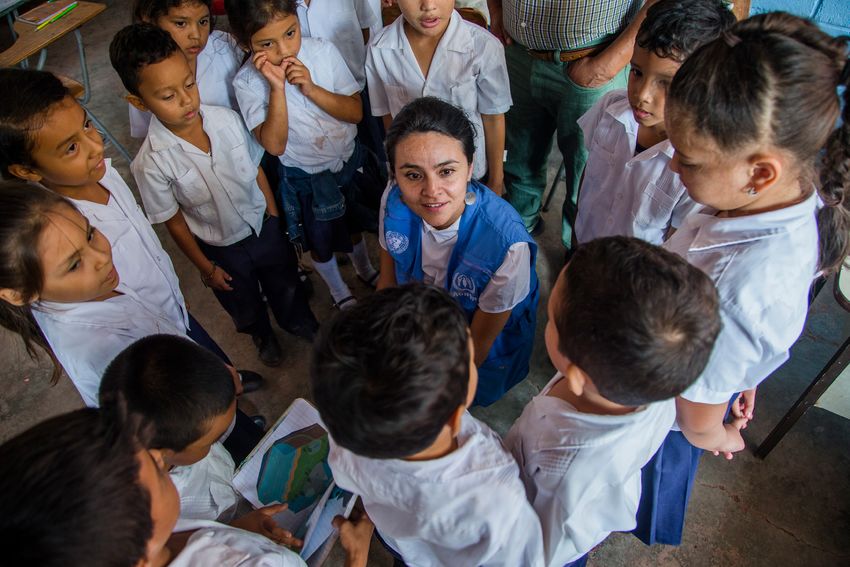
1. Overview
                       396,300                                                 539,500                          Six
        Persons of Concern                                            Projected Persons                  UNHCR operations
        in Central America                                            of Concern in                      covered by this appeal
        by end of 2018                                                Central America by
                                                                      end of 2019

        In the North of Central America (NCA) tens of                                 more than at the end of 2014. Internal displacement
        thousands of people have been forced into                                     has increased with official estimates of around
        displacement by a confluence of factors that have                             245,500 internally displaced people (IDPs) in
        led to an escalating situation of chronic violence and                        Honduras and El Salvador in the last ten years. In
        insecurity. These factors range from the influence of                         addition, an average of 200,000 people per year
        organized crime such as drug cartels and urban                                have been deported to NCA countries over the last
        gangs, to the limited national capacity—compounded                            five years, many of whom fear returning to their
        by corruption, poverty and exclusion—of States to                             communities of origin because the violence they fled
        provide protection.                                                           is still present, if not worse. All countries in the
                                                                                      region have been affected --as countries of origin,
        By mid-2018, there were 312,000 refugees and                                  transit, asylum and or return— and sometimes all of
        asylum-seekers from the NCA region, around five                               these at the same time.

                                       Refugees and asylum-seekers from NCA worldwide
              312,000                  As of June 2018

                                             1,600%                                       30%

                   Honduras

                   Guatemala

                   El Salvador

         Dec-11      Dec-12      Dec-13       Dec-14       Dec-15   Dec-16   Dec-17   Jun-17   Jun-18
         Source : Data provided by Governments to UNHCR.
        Source: Data provided by Governments to UNHCR.

U N H C R > N C A S I T UAT I O N                                                                                                            3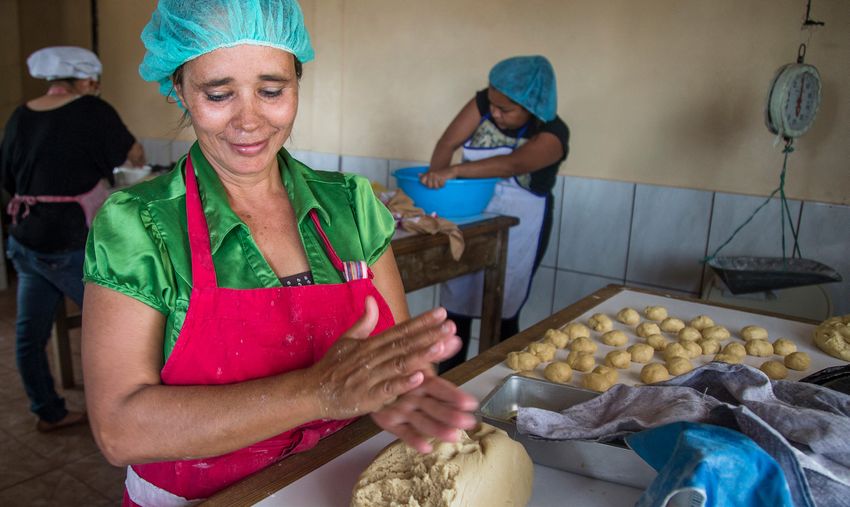
OVERVIEW

    In response to this increase in forced displacement      people assisted in 2015 to a projected figure of up to
    in the region, UNHCR has expanded its presence           140,000 people assisted in 2018. This has included
    and operational capacity in recent years to              refugees and asylum-seekers, IDPs, and people in
    strengthen protection alternatives and encourage         transit with protection needs.
    solutions for those affected, promote mechanisms to
    prevent and address situations of forced                 The significant increase in 2018 in asylum
    displacement and, together with other UN agencies,       applications was largely due to Nicaraguans seeking
    assist States to address the root causes of flight and   protection in neighbouring countries, mainly in Costa
    promote a secure environment free from                   Rica and Panama. There were over 25,900 asylum
    persecution, in line with their Sustainable              claims registered in the two countries during 2018,
    Development Goals (SDGs) undertakings. This has          and approximately 9,000 more waiting to be
    allowed UNHCR to increase the number of people of        registered, which would bring the total to over
    concern assisted in the region, moving from 13,200       24,000 in Costa Rica.

    Countries in the region work under the regional
    application of the Comprehensive Refugee Response
    Framework (the MIRPS, to use its Spanish acronym)
    which was launched following the 2017 San Pedro Sula
    Declaration.

4                                                                                                U N H C R > N C A S I T UAT I O N
OVERVIEW

        The MIRPS is a concrete contribution to the Global Compact on Refugees (GCR) and
        seeks to bridge the humanitarian-development divide by integrating country of origin work
        to address root causes and reduce violence, with a focus on addressing SDG 16 in a holistic
        and comprehensive way.

        Since October 2017, Belize, Costa Rica, Guatemala, Honduras, Mexico and Panama have
        implemented their national MIRPS action plans, and used this framework as a regional
        coordination mechanism, incorporating a whole-of-society approach, and convening a wide
        range of stakeholders, including development actors, cooperating States, regional and
        international organizations, among others.

        This comprehensive response focuses on four             strengthening of laws, public policies, operational
        priority sectors: (i) improving mechanisms for          guidelines, regulations and protocols on the asylum
        reception and admission; (ii) responding to             process and the assistance and protection to forcibly
        immediate and persistent humanitarian and               displaced populations; the establishment of safe
        protection needs; (iii)supporting host countries and    spaces, such as reception and community centers,
        communities; and (iv) enhancing opportunities for       for refugees and asylum-seekers, internally
        durable solutions.                                      displaced people, people on the move and
                                                                deportees with protection needs; the establishment
        One year into its implementation, MIRPS countries       of measures to address the access to education and
        have paved the way toward providing protection and      security in schools; better identification of the needs
        assistance to the forcibly displaced and in so doing,   of host communities; an analysis of the
        have made a significant contribution to the             socioeconomic condition of refugees and asylum-
        advancement of the Global Compact for Refugees.         seekers; the promotion of access to work permits
        Progress has been made in the creation or               and job opportunities, micro-credit and seed capital.

         Key MIRPS achievements to date include:

U N H C R > N C A S I T UAT I O N                                                                                         5
OVERVIEW

UNHCR PRESENCE AND KEY POPULATION
FIGURES IN CENTRAL AMERICA

The boundaries and names shown and the designations used in this map do not imply official endorsement or acceptance by the United Nations.

6                                                                                                                U N H C R > N C A S I T UAT I O N

OVERVIEW

                                                  Refugees & Asylum-Seekers in Central America
                                                                                                                                                    73,500

                                                                                                                        57,000

                                                                                             25,800
                                         13,810                     18,120

                                            2015                      2016                       2017                     2018                        2019
                                                                                                                      (preliminary)                (projected)

                                      Source : Data provided by Governments to UNHCR. Figures for 2018 are preliminary and can be subject to changes. Figures for
                                      2019 are projections by UNHCR.

                                                              IDPs in Honduras and El Salvador
                                                                                                                                                  350,000

                                                                                             245,500                   245,500
                                        174,000                   174,000

                                            2015                       2016                      2017                     2018                        2019
                                                                                                                      (preliminary)                (projected)
                                    Source : Government -led profiling exercises supported by UNHCR in Honduras (IDPs between 2004        -2014) and El Salvador (IDPs
                                    between 2006 -2016). Figure for 2019 is a UNHCR projection .

                                                  Other persons of concern in Central America
                                                                                                                                                   116,000

                                                                                                                        93,800
                                                                                              72,400

                                                                   40,200
                                         18,700

                                            2015                       2016                      2017                     2018                        2019
                                                                                                                      (preliminary)                (projected)
                                    1 Includes people on the move and deportees    from NCA with possible protection needs, as well as other people in need of
                                    international protection in Belize.
                                    Source : UNHCR estimations

U N H C R > N C A S I T UAT I O N                                                                                                                                        7
PLANNING ASSUMPTIONS AND POPULATION DATA

    2. Planning assumptions
    and population data
    Given the volatile situation in the region and upcoming administration changes in many
    Central American countries, which may have an impact on the political and operational
    landscape, this supplementary appeal is based on the following assumptions:

    Responses will continue to be framed around the
    MIRPS, including the implementation of the MIRPS’
    national chapters for Belize, Costa Rica, Guatemala,
    Honduras, Mexico and Panama.
                                                             The number of asylum-seekers from The Bolivarian
    Considering that chronic violence continues to affect    Republic of Venezuela arriving into Central America
    NCA countries (especially El Salvador and                is likely to increase at the same pace as 2018, mainly
    Honduras), the number of asylum claims from NCA is       to Costa Rica and Panama. The planning figure is
    likely to increase, though at a slower pace compared     estimated at 10,000 new asylum claims in 2019.
    to recent years. About 10% will continue to be
    registered in neighbouring countries, mainly Costa       Based on increasing trends in the deportations of
    Rica, Panama and Belize.                                 NCA nationals during 2018 (41% increase between
                                                             January-November compared to same period in
    A new phenomenon of large groups travelling              2017) and taking into consideration the possible
    together in mixed movements of refugees and              lifting of Temporary Protection Status (TPS) in the
    migrants is likely to continue, thus exerting pressure   United States of America (USA) for El Salvador and
    on governments and partners/stakeholders to meet         Nicaragua (pending legal challenges there), NCA
    emergency needs and putting a further strain on          countries are likely to see a higher number of
    asylum systems. During the last three months alone,      deportees during 2019, some of whom will have
    around 29,000 people travelled in such large             protection needs upon their return. UNHCR
    groups.                                                  estimates that deportations could reach 250,000
                                                             people in 2019, of which at least 12,000 will be
    The situation in Nicaragua will continue to generate     needing protection upon return.
    further flows, to Costa Rica, Mexico, Guatemala and
    Panama. If it degenerates further, it could              Based on the recent IDP profiling exercise in El
    significantly destabilize the sub-region. During 2019,   Salvador (which provided an estimate of 71,500
    UNHCR estimates a figure of 20,000 - 25,000 new          IDPs) and the ongoing profiling exercise in
    asylum-seekers from Nicaragua (mainly in Costa           Honduras, UNHCR estimates that IDPs in the NCA
    Rica).                                                   could reach 350,000 by 2019.

8                                                                                                U N H C R > N C A S I T UAT I O N
PLANNING ASSUMPTIONS AND POPULATION DATA

                                                                                                                                   PROJECTED
                                                                                               CURRENT POPULATION
          COUNTRY                   POPULATION GROUP                                                                               POPULATION OF
                                                                                               OF CONCERN
                                                                                                                                   CONCERN
                                                                                               As of December 2018                 As of December 2019

                                    Refugees and asylum-seekers         1
                                                                                                                         3,400                       3,500
          Belize
                                    Other people of concern 2                                                            2,800                       2,800

          Costa Rica                Refugees and asylum-seekers 1                                                      37,500                       52,000

                                    Refugees and asylum-seekers         1
                                                                                                                             70                         70

          El Salvador               Internally displaced people     3
                                                                                                                       71,500                      100,000

                                    Other people of concern     4
                                                                                                                         4,000                       5,000

                                    Refugees and asylum-seekers 1                                                          650                        850
          Guatemala
                                    Other people of concern 5                                                          82,000                      102,000

                                    Refugees and asylum-seekers 1                                                            80                         80

          Honduras                  Internally displaced people     6
                                                                                                                      174,000                      250,000

                                    Other people of concern     7
                                                                                                                         5,000                       6,200

          Panama                    Refugees and asylum-seekers         1
                                                                                                                       15,300                       17,000

                                    Refugees and asylum-seekers                                                        57,000                       73,500

                                    Internally displaced people                                                       245,500                      350,000
          TOTAL
                                    Other people of concern                                                            93,800                      116,000

                                    ALL PEOPLE OF CONCERN                                                             396,300                      539,500

        Notes:

        1 Figures for 2018 are preliminary as per available data provided by Governments as of Jan-2018, and can be subject to changes. Numbers have been
        rounded up. Projections for 2019 are based on estimation of new asylum-seekers as indicated by recent trends from NCA, The Bolivarian Republic of
        Venezuela and Nicaraguans, as well as assumptions about RSD decisions by Governments (increased processing capacity).

        2 UNHCR estimation of other people in need of international protection. An ongoing profiling exercise will allow to update the estimate.

        3 Figure for 2018 is based on a joint Government-UNHCR profiling exercise that estimated number of IDPs in the country between 2006-2016.
        Projection for 2019 is based on estimated number of annual displacements 2017-2019, as per 2018 profiling results.

        4 Figure for 2018 is a UNHCR estimation of deported people with possible protection needs, based on official data regarding number of deportations
        and proportion of people that had left the country because of violence. Figure for 2019 assumes a 25% increase in the flows.

        5 Figure for 2018 is a UNHCR estimation of people on the move and deported people with possible protection needs, based on estimations of annual
        flows through the country and proportion of people with protection needs estimated by protection monitoring exercises. Figure for 2019 assumes a
        25% increase in the flows.

        6 Figure for 2018 is based on a 2015 joint Government-UNHCR profiling exercise that estimated number of IDPs in the 20 municipalities between
        2004-2014. Projection for 2019 is based on estimated number of annual displacements 2015-2019, as per 2015 profiling results. An ongoing profiling
        exercise will allow to update the estimate at the national level.

        7 Figure for 2018 is a UNHCR estimation of deported people with possible protection needs, based on official data regarding number of deportations
        and proportion of people that had left the country because of violence. Figure for 2019 assumes a 25% increase in the flows.

U N H C R > N C A S I T UAT I O N                                                                                                                            9
FINANCIAL REQUIREMENTS

     3. Financial requirements
     for 2019
                                FINANCIAL REQUIREMENTS FOR THE NORTH OF CENTRAL AMERICA SITUATION

                                ExCom approved budget
                                                            Additional needs           Total
                               dedicated to NCA situation

                                              46,992,073            44,550,000            91,542,073

                                                             Sub-regional activities
                                                                   $850,000
                                                                      2%
                                                                                                Costa Rica
                                                                                               $10,000,000
                   Panama                                                                          23%
                  $8,500,000
                     19%
                                                                                                         Belize
                                                                                                       $2,400,000
                                                                                                           5%

                   Honduras
                                                 $44,550,000
                  $8,000,000
                     18%

                                                                                                El Salvador
                                                                                                $5,900,000
                                                                                                    13%
                                Guatemala
                                $8,900,000
                                   20%
                                                                    interventions, and 61,000 deportees with protection
     The initial financial requirements of this appeal cover        needs and people on the move with protection
     the most critical protection and assistance needs for          needs assisted. The requirements also include
     over 200,000 people affected by forced                         staffing, presence and other capacity needs in
     displacement    from Central
             Costa Rica     Belize America   in 2019,
                                    El Salvador    Guatemala        UNHCR’s Panama
                                                                  Honduras     Regional Office  in Panama,
                                                                                           Sub-Regional      and in country,
                                                                                                        Activities
     including: 73,500 refugees and asylum-seekers in               national and field offices in Belize, Costa Rica, El
     Central American countries, 70,000 IDPs and people             Salvador, Guatemala and Honduras. The initial
     at risk of displacement in NCA countries assisted              requirements come to $47 million, including support
     through individual and/or community level                      costs.

10                                                                                                            U N H C R > N C A S I T UAT I O N
STRATEGIC OBJECTIVES
4. Strategic objectives
This appeal is based on the MIRPS, adopted through These strategic objectives are complementary to the
the 2017 San Pedro Sula Declaration, and which is Sustainable Development Goals, which will work to
fully aligned with the recommendations and ensure that all refugees and asylum-seekers,
commitments made within the 2014 Brazil internally displaced people, and deportees with
Declaration and Plan of Action, and the 2016 San protection needs in Central America will have access
José Action Statement. UNHCR's response is to socio economic rights and are included in national
elaborated and delivered in partnership with development plans without discrimination and with
concerned governments and other players within the no one left behind. Similarly, these strategic
framework of a multi-stakeholder approach and objectives also aim to foster close complementarity
MIRPS process, including development actors and with rule of law and governance initiatives under
UN Country Teams. SDG 16, which addresses one of the main drivers of
forced displacement in NCA.
a. Enhance asylum-capacity in refugee receiving countries.
This objective aims at strengthening access to fair Further, asylum capacity will be strengthened in
and efficient refugee status determination (RSD) Guatemala, which has seen an increase in asylum
procedures in full respect for the principle of claims over the past few years. All four countries
non-refoulement. The activities will be centered in have as part of the MIRPS detailed in their national
the main refugee receiving countries in Central action plans over 40 commitments related to
America, namely Belize, Costa Rica and Panama. enhancing their asylum system. UNHCR will work
closely with relevant authorities to assist in the
implementation of these commitments.
b. Consolidate safe space networks and shelter.
Protection networks and safe spaces (PNSS) have processes; physical protection (temporary shelters)
been established in most countries in the region. and humanitarian assistance; access to child
The PNSS includes temporary shelters, mobile protection and sexual and gender-based violence
information spaces and safe houses along the main (SGBV) case management; and psycho-social
migration routes, and provides immediate assistance support and first aid. These networks will now be
to people on the move, creating a space to identify expanded or consolidated in order to reach more
those with international protection needs. affected people. This initiative is implemented by
civil society, faith-based organizations and human
Services provided include the referral of people with rights networks, with support from UNHCR, other UN
protection needs to appropriate professionals; agencies, public institutions and development
information and legal counselling on asylum partners.
U N H C R > N C A S I T UAT I O N 11STRATEGIC OBJECTIVES
c. Enhance protection capacity in countries of origin including programmes for IDPs,
children, women, deportees with protection needs, LGTBI (lesbian, gay, transgender,
bisexual and intersex) people and others who are affected by violence and mitigate the
impact of chronic violence in high-risk areas
Protection capacity will be enhanced in three ways: Second, in order to address internal displacement,
first, in El Salvador and Honduras, UNHCR will build UNHCR will work with the national authorities to
community resilience as a mitigation measure provide technical advice on the enhancement of
against everyday violence through community-based legal frameworks and public policies for the
interventions; including livelihoods, education, provision of protection and assistance for people
psycho-social support, legal counselling, land and affected by displacement. Third, local authorities’
property protection, amongst others. capacities to manage cases of deportees with
protection needs, identifying them early and
ensuring appropriate referrals, will be enhanced.
d. Provision of humanitarian aid and multi-purpose cash grants
Timely response to immediate and persistent The CBI programmes implemented in the region are
humanitarian needs is one of the main MIRPS generally meant for people of concern to meet their
thematic areas, and to this end UNHCR will focus on basic needs during status determination procedures.
multi-purpose cashbased interventions (CBI). CBI At the same time, however, they will also be
programmes will be established to reduce protection implemented in countries of origin, and delivered to
risks, facilitate solutions and improve the efficiency high-risk protection cases whenever possible (IDPs,
and effectiveness of programme delivery, while at deportees with protection needs or people targeted
the same, time fostering positive relations with host under the Protection Transfer Arrangement) in order
communities and supporting local economies. to mitigate their risks during a transitional period
Priority will be placed on scaling up the delivery of whilst solutions are developed.
multi-purpose CBI to their fullest potential within
operations together with partners and different
financial entities.
e. Local integration and livelihoods
Local integration and livelihoods are key often challenging, while at the same time this is
components for the protection of refugees and paramount to access basic services and be able to
asylum-seekers in their host countries. Local sustain their families.
integration includes the legal, economic and cultural
aspects needed to fully integrate into a new society. Such interventions must be complementary to
In particular, addressing the economic aspect of supporting host communities, which is one of the
local integration for refugees and asylum-seekers is main pillars of the MIRPS and the Global Compact on
12 U N H C R > N C A S I T UAT I O NSTRATEGIC OBJECTIVES
Baking workshop at a community centre in the La Era district of the Honduran capital, Tegucigalpa.
© U N H C R / T. H E R R E R A
Refugees. This balanced approach to the integration and vocational skills training; assistance with income
of refugees and asylum-seekers is central to generation and employability; micro-credits and
ensuring that their presence does not hinder the seed money; and the promotion of access to safety
existing balance in host communities, especially nets and other basic services (education, health,
where resources are already scarce. social security and housing). Additionally,
interventions to promote the peaceful coexistence
The initiatives, developed to ensure the self-reliance among refugees and host communities will be
and local integration of refugees and asylum- supported.
seekers, include: the provision of tailored education
The Protection Transfer Guatemala and Honduras as COO safe access to international
Arrangement program (PTA) was and to Uruguay, Australia, Canada, protection and solutions.
and Brazil as resettlement
designed and implemented as a 2. Preventing individuals at
countries.
heightened risk from taking
component of the comprehensive dangerous routes out of the NCA
protection strategy for the NCA The PTA continues to represent
and undercutting human trafficking.
an innovative life-saving
countries. mechanism that provides 3. Fostering regional responsibility-
individuals exposed to extreme sharing and South-South
First piloted by UNHCR in risks in their country of origin with cooperation in line the MIRPS and
collaboration with El Salvador as a safe and legal access to a regional commitments made in
Country of Origin (COO), IOM, the durable solution in a resettlement support of the NCA countries.
United States of America (USA) as country via a country of transit.
the country of resettlement, and The PTA is a key programme for
Costa Rica as country of transit, UNHCR in Central America that has
Its three main objectives are:
the program has now entered its been mainstreamed within relevant
third year of implementation (as of 1. Providing a small number of country plans and budgets in this
2019) and it expanded to individuals at heightened risk with a appeal.
U N H C R > N C A S I T UAT I O N 13PARTNERSHIPS AND COORDINATION
5. Partnerships and
Coordination
The MIRPS sets out national action plans of the six and technical cooperation. Four of those States are
participating States, but also puts forward action from South America, highlighting the MIRPS as an
plans for 15 regional and international organizations ideal platform for South-South cooperation.
which complement the national chapters by
proposing cross-border, coordinated programmes As detailed above, the MIRPS aims at bridging the
and initiatives. This includes capitalizing on regional humanitarian-development nexus by working to
forums such as the Central America Integration engage with development actors to address root
System (SICA) and the Organization of American causes in the countries of origin, and supporting
States (OAS), which will be crucial to offer a space local integration and host communities in countries
for exchanging best practices and forging new of destination. In this respect, UNHCR is looking to
initiatives between States, as well as partnerships strengthen engagement with UN Country Teams to
and strategic alliances in the implementation of better map and focus development funding. This will
MIRPS commitments. Further, the MIRPS includes help in reducing the main drivers of displacement in
ten other States and donors which actively support the context of the implementation by those
the process, and which have identified specific areas governments of the SDGs, especially SDG 16.
that they will support through financial assistance
Equally, UNHCR engaged early in the Mexico-NCA methodology to support the quantification of
comprehensive development plan to ensure that the commitments made under the MIRPS, and the
MIRPS was complementary to this emerging identification by Governments of the necessary
development framework, and that areas of resources in their national budgets. UNHCR has also
intervention under this framework included chronic been advocating for increased grants by the IADB to
violence and insecurity as root causes of forced be targeted to root causes, and will liaise closely
displacement. with the IADB on the applicability of the recently-
opened migration fund, which grants concessional
With respect to international financial institutions, loans to countries affected by a large refugee flow,
UNHCR involved the Inter-American Development to both countries of origin and destination.
Bank (IADB) closely in the MIRPS, developing a
14 U N H C R > N C A S I T UAT I O NPARTNERSHIPS AND COORDINATION
In all countries of operation, UNHCR maintains close protection for humanitarian actors. The network of
cooperation and coordination with different existing NGO partners (both implementing and
government counterparts and line ministries, operational) has been expanded, ensuring their
fostering a whole-of-government approach to engagement in community outreach and community-
strengthen the capacity of the State to provide based protection interventions, child protection
protection. activities, legal assistance and humanitarian support
for refugees and asylum-seekers as well as for the
Building strategic alliances with civil society also development of protection networks. Partnership
remains a priority to create a whole-of-society with the Catholic Church and its local parishes is in
approach. At national and regional levels, UNHCR particular an added value, considering their
continues to lead the Protection Group with the extended presence, as well as their work with
participation of NGOs, UN agencies and others migrants and people of concern to UNHCR and their
where applicable (such as the International historic work in supporting refugees and migrants.
Committee of the Red Cross or Médecins Sans
Frontières), to strengthen national protection Taking into consideration the mixed movements in
systems, improve technical capacity in protection, most countries in the region, special coordination is
promote information management, reinforce also maintained with IOM in all countries. This covers
advocacy at the local, regional and international national coordination on joint programmes, data
levels and guarantee humanitarian access and management, advocacy and technical support.
© U N H C R / T. H E R R E R A
UNHCR protection officer talks to young schoolchildren in the Honduran capital, Tegucigalpa.
U N H C R > N C A S I T UAT I O N 15COUNTRY CHAPTERS
6. Country chapters
Belize
Belize has a rich history of ensuring refugee protection and solutions for people fleeing
persecution dating back to the 1980s. Following the decrease in refugee movements in the
region, Belize scaled down and closed its refugee programme. However, in 2010, increasing
levels of violence in neighbouring countries led to a new wave of people seeking safety in
Belize. To deal with this new displacement situation, Belize re-established the Refugee
Eligibility Committee and the Refugee Department in 2015 and 2016 respectively.
In 2017, Belize joined the MIRPS and developed a Some of the main challenges in providing protection
national action plan, centered on strengthening the to displaced populations in Belize are the strictly-
RSD system and local integration. In order to applied 14-day deadline (upon arrival in the country)
respond to the refugee influx, MIRPS commitments for lodging asylum claims, the extensive delays in
include: improving access to and quality of asylum, approving recommendations for refugee recognition
fostering dialogue towards better regional and the fact that asylum-seekers are not authorized
coordination and responsibility-sharing, and working to work. These various restrictions hamper access to
with all relevant stakeholders to address the asylum and impede effective local integration.
protection needs of refugees.
Juan Barrera* fled El Salvador alone when
he was just 16. It was 1990 and, like
thousands of others, the civil war forced
him from his home. He bounced around
Central America for years, scraping by until
his uncle told him of a haven of peace just
across the Guatemalan border in the small
country of Belize.
He found the village, scraped together
enough money for a plot of land and began
subsistence farming. Nearly 30 years later,
he makes a comfortable living, growing
cabbages, cucumbers, tomatoes and more
© UNHCR / D. VOLPE
to sell in the Belizean capital, Belmopan.
One of his sons has gone to university and
a daughter is on her way there. Belize. Salvadoran family find safety in Valley of Peace.
16 U N H C R > N C A S I T UAT I O NCOUNTRY CHAPTERS
3,400 2,800 UNHCR presence
Refugees and Other persons 1 national office
asylum-seekers by with international 11 staff
end of 2018 protection needs 3 implementing partners
The boundaries and names shown and the designations used in this map do not imply official endorsement or acceptance by the United Nations.
U N H C R > N C A S I T UAT I O N 17BELIZE
Belize. General view of Valley of Peace, a human settlement founded by Salvadoran refugees in 80ths.
PRIORITIES
• Ensure that people in need of international protection have access to territory and to a fair
and efficient asylum process (information system, border monitoring, training of border
officials, etc.).
• Strengthen the asylum system and state capacity (in line with the ongoing Quality
Assurance Initiative (QAI) process, capacity building on RSD, interview techniques, referral
protocols, etc.).
• Promote and support local integration and community-based interventions benefitting
refugees and host communities alike.
18 U N H C R > N C A S I T UAT I O NBELIZE
© UNHCR / D. VOLPE
“In this town, we are proud Belizeans but we are also refugees.
The children of refugees are now doctors, policemen, engineers
or, like me, a teacher.”
—Amaya, refugee from El Salvador in Belize.
• Ensure up-to-date information on caseloads and people with international protection needs
through profiling exercises.
• Boost communications with communities, using campaigns such as “Confía en el Jaguar”,
to ensure access to reliable information on asylum procedures and protection mechanisms.
• Sensitize the public at large on refugee protection and demonstrate the mutual benefits of
welcoming people with international protection needs in Belize.
U N H C R > N C A S I T UAT I O N 19COUNTRY CHAPTERS
Costa Rica
In Costa Rica, the asylum system has been put under increasing strain due to the recent
large influx of Nicaraguans fleeing persecution for their actual or perceived role in anti-
government protests and activities. This is in addition to the already large-scale arrival of
Venezuelan nationals, those fleeing criminal violence and persecution in the NCA, as well as
the long-standing displacement from Colombia.
Costa Rica has a solid framework for strengthening two international airports, while rolling out a capacity
its asylum capacity contained in its national MIRPS building programme. In four of these seven border
chapter, known as MINARE. UNHCR will build on the posts, the Refugee Unit is planning to decentralize
MINARE to support the authorities in ensuring the its functions to allow for a speedier RSD process at
early identification of people with international the border.
protection needs, through increasing the presence
of migration authorities in seven border posts and
UNHCR / PHOTO CREDIT
The boundaries and names shown and the designations used in this map do not imply official endorsement or acceptance by the United Nations.
20 U N H C R > N C A S I T UAT I O NCOSTA RICA
37,500 28,000 UNHCR presence
Refugees and New asylum claims 1 national office
asylum-seekers by in 2018 1 field office
end of 2018 46 staff
5 implementing partners
Gloria used to run a massage “The prosecutor told us they didn’t In Costa Rica, Fundación Mujer
therapy business at the International have the ability to defend a witness hosts frequent competitions where
Airport in San Salvador. In 2014, her in El Salvador,” says Gloria, who enterprising refugees pitch their
daughter witnessed a brutal gang gathered up her family and a bag of businesses ideas and can win seed
kidnapping and agreed to testify in clothes, and fled on a two-day money to start them. Additionally,
court; however, the family started to overland bus journey to Costa Rica, the Ministry of Economy provides
receive death threats and they saw where they knew no one. talks and workshops to help
no other option than flee their entrepreneurs like Gloria navigate
country. Costa Rica’s business landscape.
Costa Rica. Venezuelan
entrepreneur's baked goods
selling like hotcakes.
© UNHCR / R.C. SANCHEZ
U N H C R > N C A S I T UAT I O N 21COSTA RICA
© UNHCR / E. DIAZ SANMARTIN
PRIORITIES
• Strengthen the Refugee Unit within the Migration Directorate (DGME) with additional
adjudicators and legal staff to address the growing backlog and the increase in asylum
claims, as well as with new premises to accommodate the management of a larger number
of cases.
• Expand a legal aid programme specifically targeted for asylum-seekers throughout the
territory, establishing additional legal aid clinics.
• Enhance safe spaces in both urban areas, mainly in San Jose, as well as border areas
for people with international protection needs and victims of sexual and gender-based
violence.
• Scale up community-based protection and registration initiatives in 2019, to ensure that
people of concern from Nicaragua and Venezuela currently in urban areas are identified
and referred to appropriate service providers to attend their specific needs.
• Roll out a communication campaign to provide people of concern with information about
a new complementary protection mechanism. This campaign will ensure that access to
22 U N H C R > N C A S I T UAT I O NCOSTA RICA
“Working here made an impact in my life precisely because of
the situation in Venezuela right now. I know this is my place, and
where I can contribute with all I am.”
—Pedro - Asylum seeker from Venezuela
the asylum procedure remains unaffected and the most appropriate pathway is chosen by
people of concern.
• Strengthen livelihoods and local integration programmes in alliance with international
organizations, development actors and others, to facilitate labour insertion as well as
inclusion of people of concern in government social safety programmes.
• Increase UNHCR’s operational presence, maintaining throughout 2019 the recently opened
Field Office in Upala, near the border with Nicaragua, increasing border monitoring and
developing community-based protection interventions in support of host communities.
U N H C R > N C A S I T UAT I O N 23COUNTRY CHAPTERS
El Salvador
As a result of a Constitutional Court ruling that enjoins the State to recognize internal
displacement in the country and take appropriate measures to mitigate its effect, UNHCR’s
ability to advocate for protection and solutions for IDPs has been significantly strengthened.
As such, advocacy needs to be stepped up to promote the adoption of a legal and regulatory
framework for the protection of internally displaced people in line with the Guiding Principles
on Internal Displacement.
UNHCR has worked in close coordination with the center in San Salvador to facilitate their identification
government’s plan, known as “El Salvador Seguro”, and referral.
and its chapter 4 on protection to victims of violence.
This includes the support to twenty Offices for the An increasing number of deportations is foreseen as
Attention to Victims (OLAVs) throughout the country, a result of the ongoing “caravan ” large movements
which act as initial counselling and referral services as well as a consequence of the expiry of the
for victims of violence. UNHCR has provided Temporary Protection Status (TPS) in the USA in
equipment, technical capacity and developed September 2019. Many deportees are likely to have
protocols for the assistance and protection of victims protection concerns which will require significant
of violence. With respect to deportees with efforts to consolidate early identification and referral
protection needs, UNHCR has supported the mechanisms and increase community-based
establishment of an OLAV inside the main reception interventions and humanitarian assistance.
Young refugees flee gang violence in El Salvador.
“Leaving is the only option if you don’t
want to join the gangs,” says Anderson.
Promises from the gang of good pay and
protection quickly become threats. And
the Sánchez brothers had the bad luck of
living in a neighborhood controlled by
one gang, while going to school in
another. Their journey to school meant
they would be betraying one, or both
gangs.
“I enrolled in senior high school but
© UNHCR / D. VOLPE
never went,” says Anderson. “I didn’t
want to cross from one zone to the other.
It was too dangerous.”
24 U N H C R > N C A S I T UAT I O NEL SALVADOR
The operation in El Salvador is gradually expanding also foreseen to improve the organization of
its presence and interventions in high-risk protection networks and community boards. Safe
communities and those affected by forced spaces, temporary shelter and psychosocial support
displacement. Pilot community interventions will be will be enhanced for cases at heightened risks and
implemented to improve livelihood opportunities for victims of sexual and gender-based violence.
particularly for youth and women. Interventions are
71,500 30 UNHCR presence
IDPs in the country High-risk 1 national office
between 2006-2016 communities with 20 staff
protection 8 implementing partners
interventions
U N H C R > N C A S I T UAT I O N 25EL SALVADOR
© UNHCR / D. VOLPE
One of the Menendez* family's
older sons harvests cabbages on
a farm in the Valley of Peace.
PRIORITIES
• Support the State’s capacity to identify, assist and refer cases of IDPs and deportees with
protection needs through the construction, staffing support and training for ten Offices for
the Attention to Victims (OLAVs).
• Advise the Government in developing normative and policy work required to implement the
Constitutional Court’s decision to protect and assist IDPs.
• Strengthen community protection initiatives to increase self-protection and resilience in 20
communities at high risk.
• Strengthen the referral mechanisms put in place in coordination with state institutions for
the provision of protection and local integration services for IDPs and deportees.
• Carry out trainings and develop an inter-institutional strategy to meet specific needs of
groups at particularly high-risk (LGBTI, children, journalists, drivers and other high-risk
professions.)
26 U N H C R > N C A S I T UAT I O NEL SALVADOR
• Promote livelihood initiatives with particular emphasis on youth and women networks for
IDPs and deportees with protection needs.
• Enhance capacity of local and municipality authorities with special emphasis on
ombudsman offices, local OLAVs and child welfare entities through trainings, human
resources and material support.
• Increase safe spaces and capacity to assist protection cases at heightened risks through
construction and rehabilitation of spaces.
“I enrolled in high school but never went. I didn’t want to cross
from one zone to the other. It was too dangerous.”
—Anderson , asyum seeker from El Salvador
U N H C R > N C A S I T UAT I O N 27COUNTRY CHAPTERS
Guatemala
Guatemala joined MIRPS in 2017 and prepared a detailed national action plan centered on its
position as a country of transit, destination and return. The priority population groups in the
Guatemala operation are refugees, asylum-seekers, and people on the move and deportees
with protection needs.
In order to respond to the protection needs of mixed Guatemala is increasingly becoming a country of
movements heading north, further support is needed asylum, which requires strengthening of the asylum
to build the capacity of authorities and partners to system as well as local integration programmes.
identify people with international protection needs, Increased capacity building, human and material, is
and to provide assistance and information on asylum needed for the Guatemalan Institute for Migration
procedures. To ensure more effective (GIM) under whose jurisdiction the Refugee Office
communication with people of concern, UNHCR will will fall. Also, to address the protection needs of
establish an information and assistance centers in vulnerable populations, such as unaccompanied
strategic border locations to facilitate access to children, the capacity of competent state authorities
procedures for people in need of international (such as the Attorney General’s Office), partners, and
protection. UNHCR will also increase border and civil society will be enhanced to reinforce child
protection monitoring, including implementation of protection mechanisms.
community-based projects benefitting both people
of concern as well as host populations.
Manuela has been
escaping from the
Salvadoran criminal gangs
for five years. When she
could not afford to meet
the extortion fee they
demanded – US $170 each
week – she and her
mother were harshly
beaten. In one of those
© UNHCR / M. MARTINEZ
frightful visits, Manuela’s
mother died of a heart
attack.
Mexico. Central American women find safety and strength in mural painting.
28 U N H C R > N C A S I T UAT I O NGUATEMALA
82,650 20 UNHCR presence
Persons of concern Safe spaces 1 national office
by end of 2018 supported by 1 field office
UNHCR 28 staff
8 implementing partners
U N H C R > N C A S I T UAT I O N 29GUATEMALA
© UNHCR / D. DIAZ
Thousands of Central Americans flee their home countries hoping to reach safety and protection.
PRIORITIES
• Support the Guatemalan Institute for Migration (GIM) to establish the Refugee Office.
• Establishment of a dedicated capacity-building programme for multiple national authorities,
namely, GIM, Ombudsman, and the Attorney General’s Office for Children.
• Enhance child protection mechanisms by further strengthening national authorities, UNHCR
partners and civil society actors through the provision of equipment, additional staff and
training activities.
• Develop Cash-Based Internventions (CBI) programmes for asylum-seekers and refugees to
address basic needs.
• Strengthen the provision of information on asylum (in Guatemala or Mexico) through the
establishment of an “Information and Assistance Center” in Tecún Umán in addittion to the
roll-out of a comprehensive communications plan.
30 U N H C R > N C A S I T UAT I O NGUATEMALA
• Expand the Safe Spaces Network, in particular its legal aid capacity.
• Increase border monitoring, both directly as well as through partners, and increase UNHCR
field presence.
• Further develop local integration and livelihoods programmes for refugees, asylum-seekers
and deportees with protection needs with emphasis on social and economic integration
initiatives.
• Strengthen the national authorities’ capacity to respond to large-scale influxes including
contingency planning and prepositioning of emergency kits in coordination with the
Guatemalan Red Cross and other partners in the country.
• Enhance child protection and strengthen the capacity of competent state authorities (such
as the Attorney General’s Office), partners, and civil society.
• Increase border and protection monitoring, including implementation of community-based
projects benefitting both people of concern as well as host communities.
U N H C R > N C A S I T UAT I O N 31COUNTRY CHAPTERS
Honduras
Despite the reduction in murder rates in the last three years, Honduras continues to
experience serious security restrictions especially in areas under gang control. Daily threats
to life and limitations of freedom are rampant. It is imperative to strengthen protection and
referral mechanisms in communities at high risk, increase their resilience, as well as support
robust government responses, including the development of appropriate laws and policies
on internal displacement.
Front-line protection authorities must be labor, protection of children) that address the
strengthened to be able to provide an effective prevention and response to internal displacement
response, particularly in communities that are put and in line with their MIRPS commitments. The
under further strain by the increasing number of Inter-Institutional Commission for the Protection of
deportees. In the short term, civil society and other Persons Displaced by Violence (CIPPDV), will be
partners will require support to fill the gaps where further supported to implement its prevention and
the respective authorities cannot ensure protection. response strategy to assist IDPs.
Programmes to promote inclusion, integration and
For 2019 emphasis will be placed on working with leadership of youth through culture, arts and sports
municipal authorities to provide protection and in high-risk communities will be expanded in close
assistance for IDPs and to consolidate safe spaces coordination with the local municipal governments.
at the borders, and ensure that people passing The network of women organizations will be
through traditional border routes, especially those supported in data collection, registration and
with international protection needs, have safe transit analysis of SGBV cases and its linkages to forced
and access to information and legal counselling on displacement, as well as in their response to receive
international protection and services available in the and guide women victims of violence.
neighbouring countries of asylum. For 2019, new areas of intervention at the
community level will include engagement with
UNHCR will increase its presence at the border with indigenous communities and the ¨Patronatos¨ (local
Guatemala as well as at the three reception centers grassroots structures) to strengthen their internal
in San Pedro Sula and Omoa to better identify and organization and risk analysis capacity as well as
initiate case management of deportees with support them in their ability to dialogue with the
protection needs. At the community level, a network state and other actors.
of safe spaces will be further consolidated to
support protection alternatives for cases at high risk.
UNHCR will continue to support the Government of
Honduras in the design and implementation of
sectorial public policies (social inclusion, education,
32 U N H C R > N C A S I T UAT I O NHONDURAS
174,000 30 UNHCR presence
IDPs in the country High-risk 1 national office
between 2004-2014 communities with 1 field office
protection 33 staff
interventions 18 implementing partners
U N H C R > N C A S I T UAT I O N 33HONDURAS
PRIORITIES
• Improve the State and other actors’ capacities to identify, respond and refer people with
protection needs deported to Honduras.
• Consolidate a legal and institutional framework that enables the implementation of
assistance, protection and solutions for internally displaced, promoting in particular the
approval of the Law on Internal Displacement and the involvement of the judiciary on the
protection of the rights of the displaced and persons at risk of displacement.
• Develop programmes and projects aimed at the protection of people at high risk. Special
emphasis will be placed on the education sector; protection of schools from the current
patterns of persecution and displacement of their students, the protection of teachers
under threat, the strengthening of the educational community and the identification of best
practices to mitigate risks.
• Develop and implement mechanism for the protection of housing, land and property
abandoned due to forced displacement.
• Strengthen community-protection mechanisms and self-organization mechanisms of
grassroots, youth and women groups, and develop a specific strategy to assess and
respond to the specific vulnerabilities of indigenous communities.
In the hills above the Honduran
capital, a typical school day is
underway. The voices of hundreds
of elementary school students
echo through the little courtyard
connecting classrooms.
Education centres in high-risk
neighbourhoods like Rosalinda
and Villafranca in the Honduran
capital are often affected by the
© UNHCR / S. ESCOBAR-JARAMILLO
territorial violence of local gangs.
As a result, some older children
drop out to avoid the risk of being
killed for wandering onto the
wrong block or forcibly recruited
into gangs.
Honduras. Education centres a haven of peace in gang-controlled zones.
34 U N H C R > N C A S I T UAT I O NHONDURAS
• Promote and support the improvement of living conditions
of the population at high risk, especially women and youth,
through the participatory design of livelihoods interventions, Youth pose for a portrait at the
in close coordination with relevant government, international Augusto Alvarado Castro
Community Center in the 6 de
cooperation and private sector stakeholders.
Mayo community in San Pedro
• Increase border monitoring and presence to improve data Sula, Honduras. Young women
are sometiems forced to leave
management, identification of cases and protection needs.
school because of gang
violence.
© U N H C R / T. H E R R E R A
U N H C R > N C A S I T UAT I O N 35COUNTRY CHAPTERS
Panama
Panama developed a detailed MIRPS national action plan which outlines its proposed
approach to strengthening the asylum system. Panama has seen a sudden increase in
arrivals from The Bolivarian Republic of Venezuela and Nicaragua, as well as the continued
arrival of Colombians, Salvadorians and to a lesser extent, Honduran asylum-seekers. In
addition, there is a significant mixed flow of “extra continentals” from Asia and Africa
entering the southern Panamanian border, in addition to Cubans and other nationalities
seeking to transit northward.
It is imperative to increase the presence of the With respect to the RSD procedure, a new decree
refugee office (ONPAR) at the southern and northern was adopted in line with Panama’s MIRPS
borders (Meteti and Paso Canoas), and in Tocumen commitments to ensure a more streamlined asylum
International Airport. This response will require process. Although the new asylum decree
support with identifying and modifying, as necessary, introduces positive modifications, other aspects
premises as well as the development of a tailored remain of concern, namely the inclusion of a six-
capacity-building programme for all new (and month deadline to seek asylum and an expedited
existing) personnel. Training is also required to put procedure for manifestly unfounded claims. UNHCR
into effect the new identification and referral will work with national authorities on drafting
protocol currently being finalized between ONPAR, implementing regulations which mitigate some of the
the Migration Office and the National Border Service areas of uncertainty and concern with regard to the
(SENAFRONT). new decree, including with respect to manifestly
unfounded claims.
Mother-to-be Teresa found herself becoming weaker and
weaker as her pregnancy advanced in her home among
the indigenous people in the Costa Rican highlands.
She is a member of the Ngäbe-Buglé community, a
traditional indigenous people whose lands are in
© U N H C R / M . R O D R I G U E Z- F A R R E L LY
present-day Costa Rica and Panama in Central America.
Born in Panama, where her birth was unregistered, she
had been living in neighbouring Costa Rica without
documents since her family crossed the border to pick
coffee when she was just 14. Costa Rica. Indigenous lady Elida Andrade, pictured
with her son Pablo.
36 U N H C R > N C A S I T UAT I O NPANAMA
15,300 10,300 UNHCR presence
Refugees and New asylum claims 1 regional office
asylum-seekers by in 2018 30 staff
end of 2018 7 implementing partners for
Panama
Priority will also be given to increased protection caseloads will be enhanced, particularly in urban
monitoring in the border territory of Darien (border areas.
with Colombia) and Paso Canoas (border with Costa
Rica), as well as to support local authorities, in order Solutions, with special emphasis on labour insertion,
to strengthen their response to mixed flows and vocational training, and micro-credit will be
people with specific protection needs. Protection promoted, as well as the work with local authorities
monitoring of both Nicaraguan and Venezuelan and municipalities in enabling local integration.
U N H C R > N C A S I T UAT I O N 37PANAMA
Mariana and Javier* fled violence in
© UNHCR / D. DIAZ
Colombia after the guerrilla killed a family
member and forced them from their land.
Today they rebuild their lives in Panama
where they hope to establish a business,
just like they had back home.
PRIORITIES
• Support the refugee office (ONPAR) with additional adjudicators and social workers to
reduce the current backlog and to manage new claims. ONPAR’s premises will be modified
to create confidential interview spaces.
• Support ONPAR’s existing data base to ensure reliable and updated data is available.
• Strengthen ONPAR’s presence in strategic border points and at the international airport.
• Expand the legal aid and counselling programmes to be available from the start of the
asylum process.
• Incaease protection monitoring in border and urban areas.
• Scale up community-based protection initiatives to ensure early identification and referral
of people of concern.
38 U N H C R > N C A S I T UAT I O NPANAMA
• Develop a communications campaign in partnership with the UN, civil society and local
authorities to reduce xenophobia and discrimination attitudes towards asylum-seekers ad
refugees.
• Increase livelihoods and local integration initiatives (including legal, cultural and economic)
for refugees and asylum-seekers.
“Now my two daughters have birth certificates, they have a future
here. They can go to school, get an education and progress in
life, become important people.”
—Norberto Andrade, former stateless person
U N H C R > N C A S I T UAT I O N 39STAFFING AND MANAGEMENT
7. Staffing
and management
Costa Rica. Indigenous children sleeping. While they have the same parents, their situation is not the same, some are registered and some are not.
© UNHCR / L. ITURRIZA
For this appeal and its associated response to be In the national offices, UNHCR will also strengthen
successful, UNHCR needs its national and field protection, program management, information
offices across the region, as well as the overall management and public information capacity.
staffing structure, to be reinforced. Special
importance is given to compliance and due diligence At the regional level, technical capacity will be
functions through the creation of specific positions strengthened in areas such as supply and
(Supply, Project Control, Admin-HR, etc.). procurement, CBI, interagency and field safety and
security.
UNHCR monitoring will increase in line with its
overall protection strategy. This includes establishing
permanent field presence in Guatemala (Esquipulas
– Tecún Umán) and additional field staff for border
monitoring in strategic parts in the region.
40 U N H C R > N C A S I T UAT I O NMONITORING, COMPLIANCE AND ACCOUNTABILITY TO PEOPLE OF CONCERN
8. Monitoring, compliance
and accountability to
people of concern
UNHCR is committed to ensuring the integrity of its diligence and adequate implementation of UNHCR's
operations through ongoing and continuous operations and resources. In addition, case
monitoring and mitigating measures to stem fraud. management systems will be strengthened, in
Standard operating procedures are being particular through the roll-out of UNHCR's global
established to foresee fraud or deal with possible registration database (proGres) for all countries in
risk situations related to humanitarian assistance, the region which will better define and monitor the
registration and resettlement, amongst others. assistance provided to people of concern.
At the same time, UNHCR ensures that a thorough For its cash-based programming UNHCR operations
programme monitoring system is embedded in the in the region have been implementing specific
overall program cycle and in line with its results monitoring tools on the use and application of
framework. Both programme and project control multi-purpose cash grants which will allow to
functions will be reinforced in order to ensure due continuously improve its programming and delivery.
U N H C R > N C A S I T UAT I O N 41You can also read


